Integrated Dental Practice I: Oral Medicine Module
Course Information1
- Unit Code: DENT 5310
- Module: Oral Medicine Module
Course Focus
This module focuses on the diagnosis and management of diseases affecting the oral and maxillofacial region. Clinicians must be competent enough to recognize serious conditions, such as oral cancer, which can significantly impact patient survival and quality of life.
Intellectual Property and Conduct
Introduction To Oral Medicine
These lecture slides and associated unit materials must not be reproduced or shared without permission. Sharing course materials without permission breaches UWA’s student conduct regulations and may constitute a breach of the Copyright Act 1968.
- Face-to-face attendance is compulsory for all tutorials and student case presentations.
- Students are expected to participate in tutorial discussions to prepare for the final examination.
Defining Oral Medicine
What is oral medicine?
Note
Oral medicine differs from oral surgery in that it manages diseases primarily through medical means (medications) rather than surgical intervention.
Definition And Scope Of Practice
“We only see what we look for and we only look for what we know”
Definition of Oral Medicine2
Oral Medicine is that specialist branch of dentistry concerned with the diagnosis, prevention and predominantly non-surgical management of medically related disorders and conditions affecting the oral and maxillofacial region, in particular oral mucosal disease and orofacial pain as well as the oral healthcare of medically complex patients.
 |  |  |
 |  |  |
Core Areas of Study
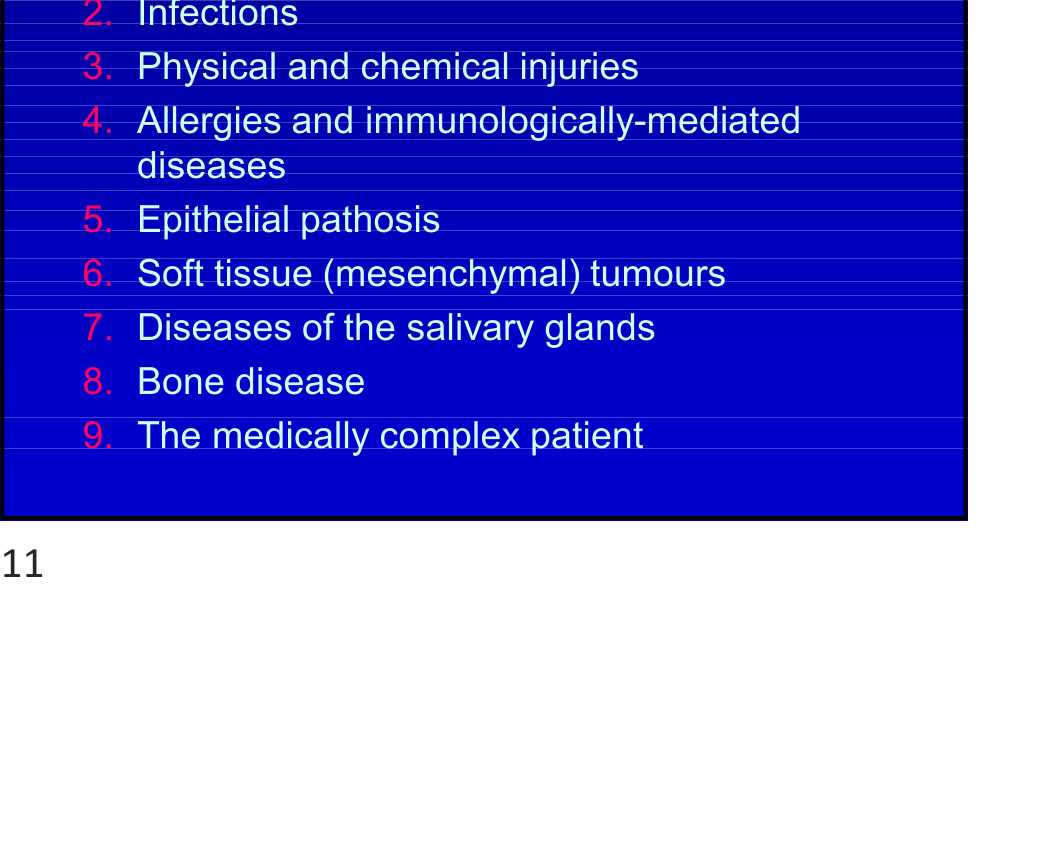
- History, examination and investigations
- Half of a consultation is often dedicated to these steps.
- Infections
- Bacterial, fungal, and viral.
- Physical and chemical injuries
- Various injuries to which the mucosa is subject.
- Allergies and immunologically-mediated diseases
- A large area of common oral conditions.
- Epithelial pathosis
- Includes oral malignancy and pre-malignant conditions.
- Soft tissue (mesenchymal) tumours
- Diseases of the salivary glands
- Includes benign tumors and bone disease (though bone disease is primarily handled by oral surgery).
- Bone disease
- The medically complex patient
- Systemic diseases that manifest in the oral cavity.
Course Administration And Resources
Student Case Presentations Roster3
| Name | Group | Presentation Topic |
|---|---|---|
| Afsarimamaghani Sepideh | 1 | Infections |
| Bray Lucinda Rose | 1 | Infections |
| Carson Michael John | 1 | Infections |
| Champion Rachelle Ann | 1 | Infections |
| Chan Jordan Wai Yin | 2 | Infections |
| Cheok Timothy Choon Hui | 2 | Infections |
| Ching Isaac Tin Fai | 2 | Infections |
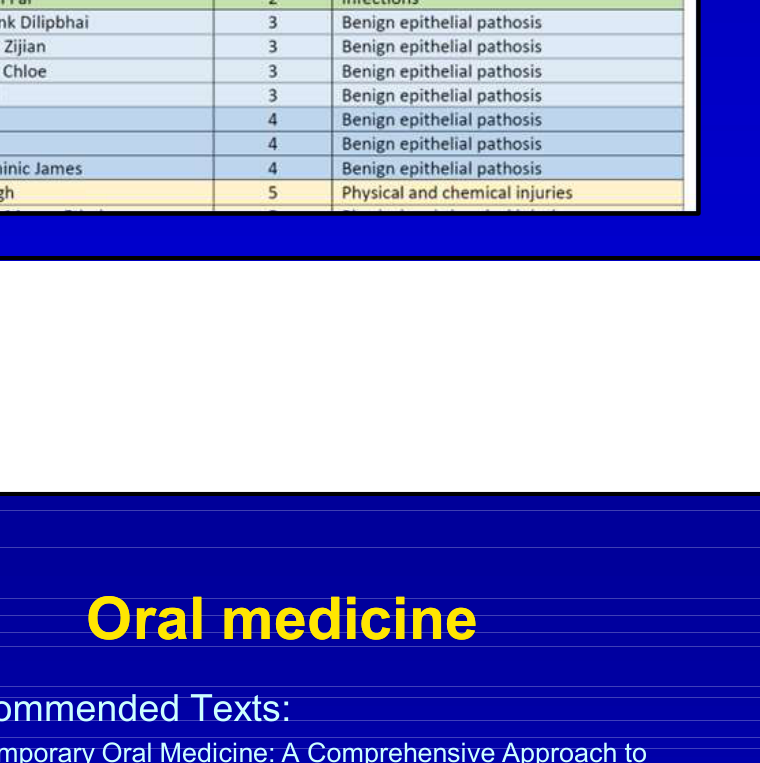
| Chotalia Priyank Dilipbhai | 3 | Benign epithelial pathosis |
| Chua Nicholas Zijian | 3 | Benign epithelial pathosis |
| Dalla-Fontana Chloe | 3 | Benign epithelial pathosis |
| Ebrahimi Hani | 3 | Benign epithelial pathosis |
| Fang Qing Yin | 4 | Benign epithelial pathosis |
| Farazi Irfan | 4 | Benign epithelial pathosis |
| Ferguson Dominic James | 4 | Benign epithelial pathosis |
| Gill Yuvraj Singh | 5 | Physical and chemical injuries |
Presentation Requirements
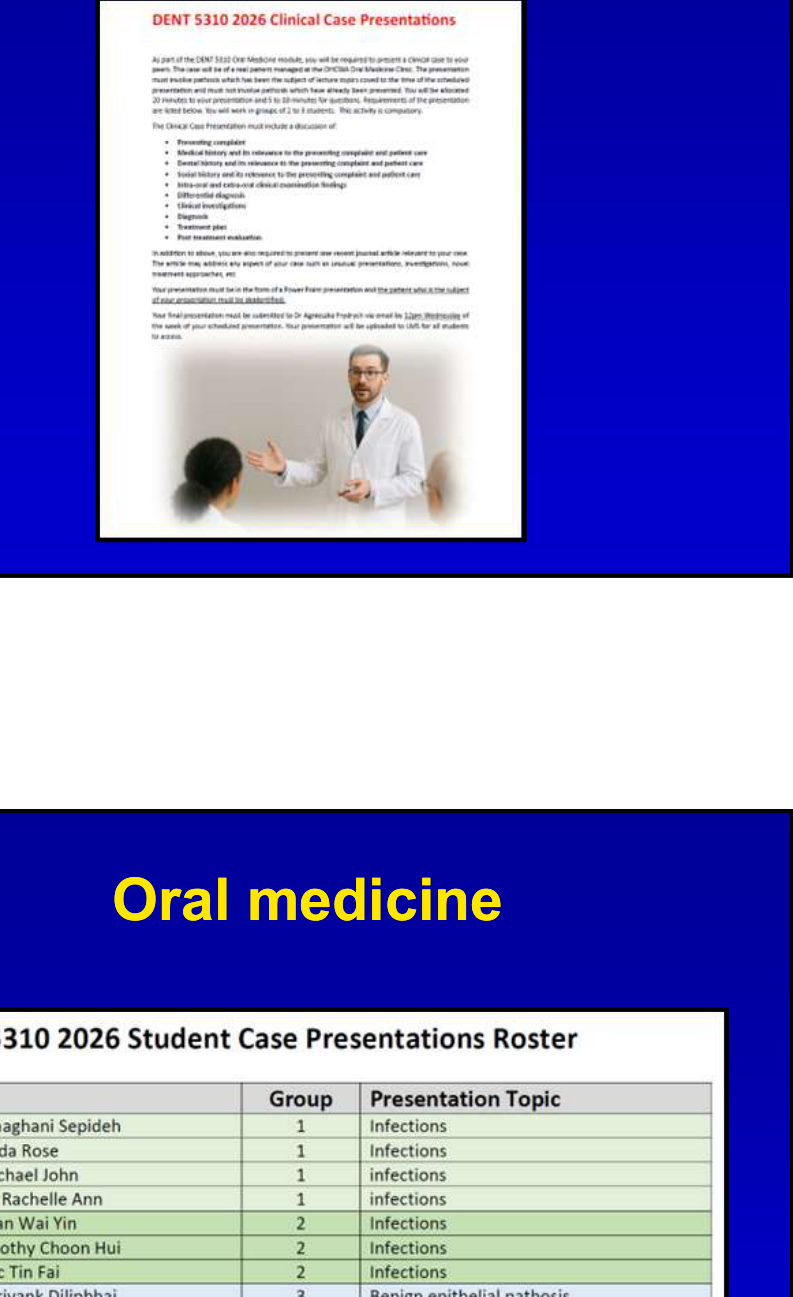
- Presentations are done in groups of three to four students using PowerPoint.
- Students must present a real case from the oral medicine clinic, including the presenting complaint, history, examination, and treatment.
- Students must critique every aspect, including whether investigations were appropriate and if alternative treatments should have been considered, rather than just copying notes from Titanium.
- Each presentation must include a review of a reputable journal article (impact factor > 2.0) from the last five years; systematic reviews are preferred over case reports.
- All patient data (names, lab numbers, dates of birth) must be de-identified from pathology reports and slides.
- Presentations must be emailed to the lecturer by 12:00 PM on the Wednesday of the presentation week for review.
 |  |
 |  |
Learning Outcomes
- Learning outcomes – see blackboard
- Detailed learning outcomes specific to the oral medicine module are available on the LMS, outlining the topics and specific areas students are required to study.
Assessment Details
- 2h OSCE
- 5 OM Cases
- 3 OFP and Sleep Medicine
- Failed Component
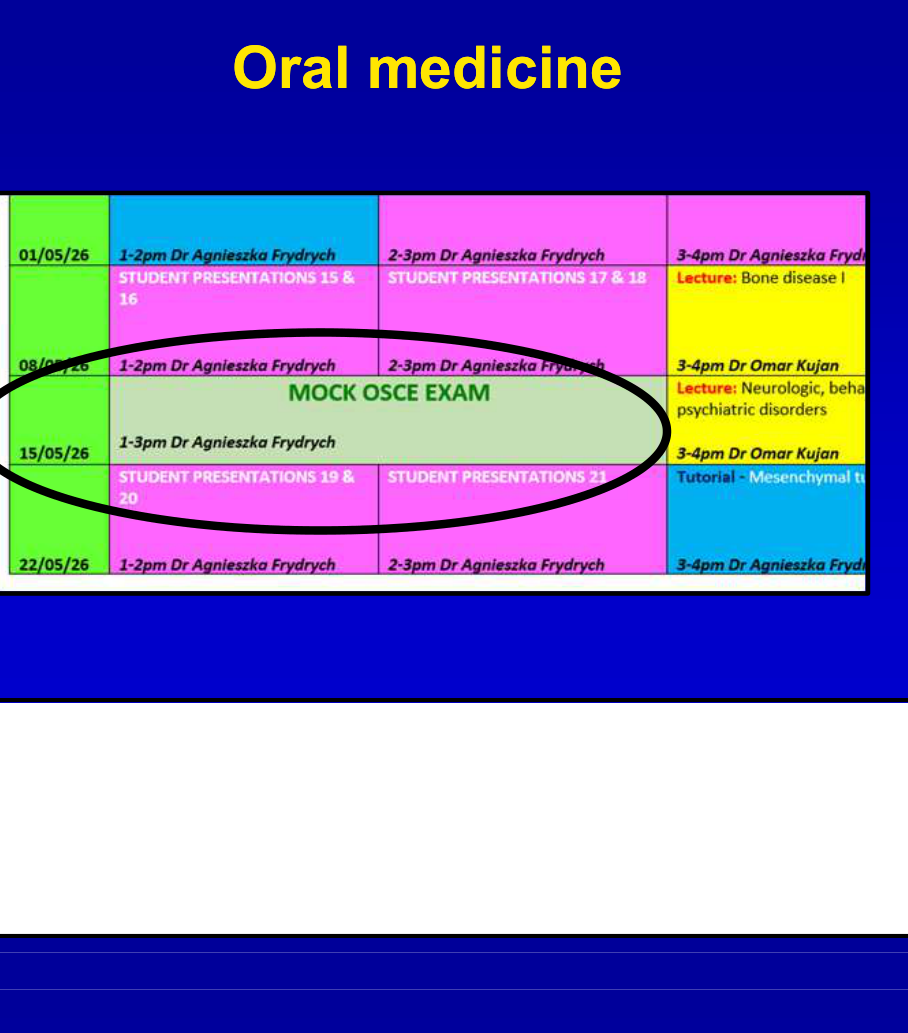
- The exam consists of eight cases (five for oral medicine, three for orofacial pain) with questions similar to those asked during tutorials.
- A past mock exam paper will be provided a few weeks before the final to be completed under exam conditions.
Criteria and Standards
- Criteria and Standards for assessment tasks – see blackboard
- The "Criteria and Standards for Assessment Tasks" document on the LMS details how questions are marked and what is required to earn specific marks.
Contact Information
- Dr Agnieszka Frydrych: agnieszka.frydrych@uwa.edu.au
- Dr Mahesh Thyagarajan (Email: 24664343@student.uwa.edu.au)
- Dr Rui Ming Yap (Email: 24586097@student.uwa.edu.au)
- Dr Duha Toghoj (Email: 24128672@student.uwa.edu.au)
- Email is the best way to reach the lecturer.
- The lecturer is available in the E Block clinic on Monday mornings.
Lecture And Laboratory Schedule
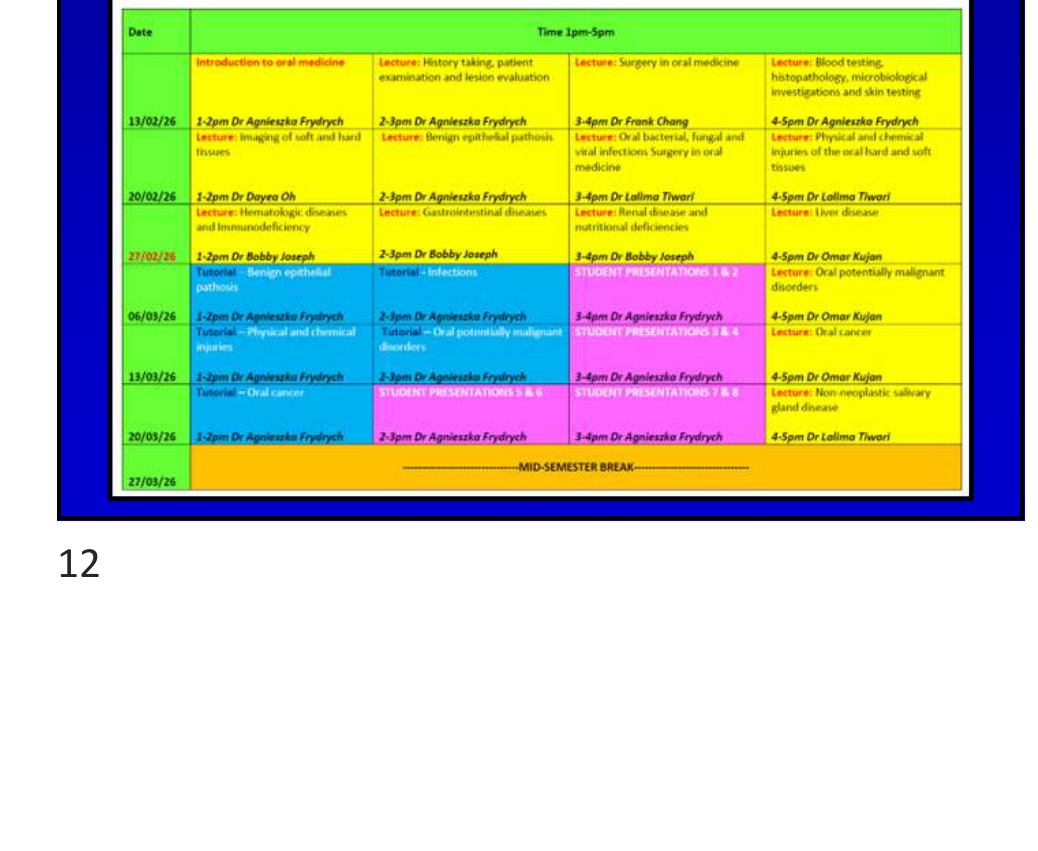
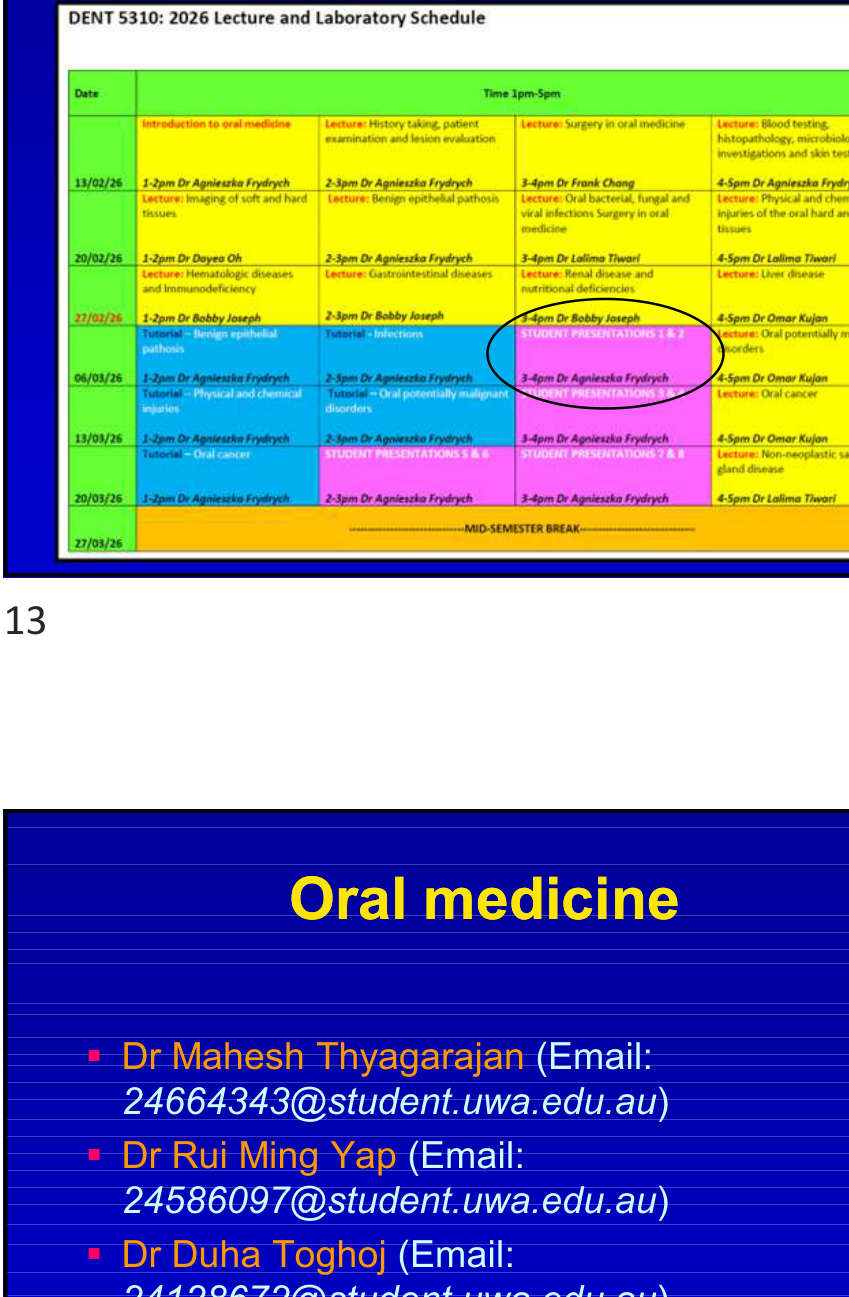
DENT 5310: 2026 Lecture and Laboratory Schedule
| Date | 1pm-2pm | 2pm-3pm | 3pm-4pm | 4pm-5pm |
|---|---|---|---|---|
| Orientation | Introduction to oral medicine | Lecture: History taking, patient examination and lesion evaluation | Lecture: Surgery in oral medicine | Lecture: Blood testing, histopathology, microbiological investigations and skin testing |
| 13/02/26 | Dr Agnieszka Frydrych: Imaging of soft and hard tissues | Dr Agnieszka Frydrych: Benign epithelial pathosis | Dr Frank Chang: Oral bacterial, fungal and viral infections; Surgery in oral medicine | Dr Agnieszka Frydrych: Physical and chemical injuries of the oral hard and soft tissues |
| 20/02/26 | Dr Dayea Oh: Hematologic diseases and immunodeficiency | Dr Agnieszka Frydrych: Gastrointestinal diseases | Dr Lalima Tiwari: Renal disease and nutritional deficiencies | Dr Lalima Tiwari: Liver disease |
| 27/02/26 | Dr Bobby Joseph: Tutorial – Benign epithelial pathosis | Dr Bobby Joseph: Tutorial – Infections | Dr Bobby Joseph: Student Presentations 1 & 2 | Dr Omar Kujan: Oral potentially malignant disorders |
| 06/03/26 | Dr Agnieszka Frydrych: Tutorial – Physical and chemical injuries | Dr Agnieszka Frydrych: Tutorial – Oral potentially malignant disorders | Dr Agnieszka Frydrych: Student Presentations 3 & 4 | Dr Omar Kujan: Oral cancer |
| 13/03/26 | Dr Agnieszka Frydrych: Tutorial – Oral cancer | Dr Agnieszka Frydrych: Student Presentations 5 & 6 | Dr Agnieszka Frydrych: Student Presentations 7 & 8 | Dr Omar Kujan: Non-neoplastic salivary gland disease |
| 20/03/26 | Dr Agnieszka Frydrych | Dr Agnieszka Frydrych | Dr Agnieszka Frydrych | Dr Lalima Tiwari |
| 27/03/26 | MID-SEMESTER BREAK |
Delivery Format
- Lectures are pre-recorded and available on the LMS as introductions; students must supplement them with reading.
- Tutorials are face-to-face sessions focused on case discussions; students should review cases on the LMS before attending.
- Each presentation group has 20 minutes to present and 5–10 minutes for discussion.
Recommended Textbooks And References4
Primary Recommended Text5
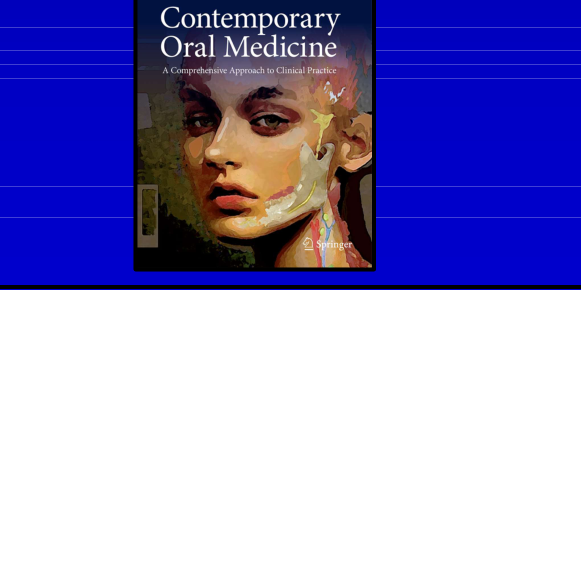
- Contemporary Oral Medicine: A Comprehensive Approach to Clinical Practice by Camile S. Farah, Ramesh Balasubramaniam and Michael John McCullough. Springer; 1st ed. 2019 edition.
- This text covers mucosal pathology, salivary glands, bone disease, and orofacial pain, and is available online through the library.
 |  |
Other Texts
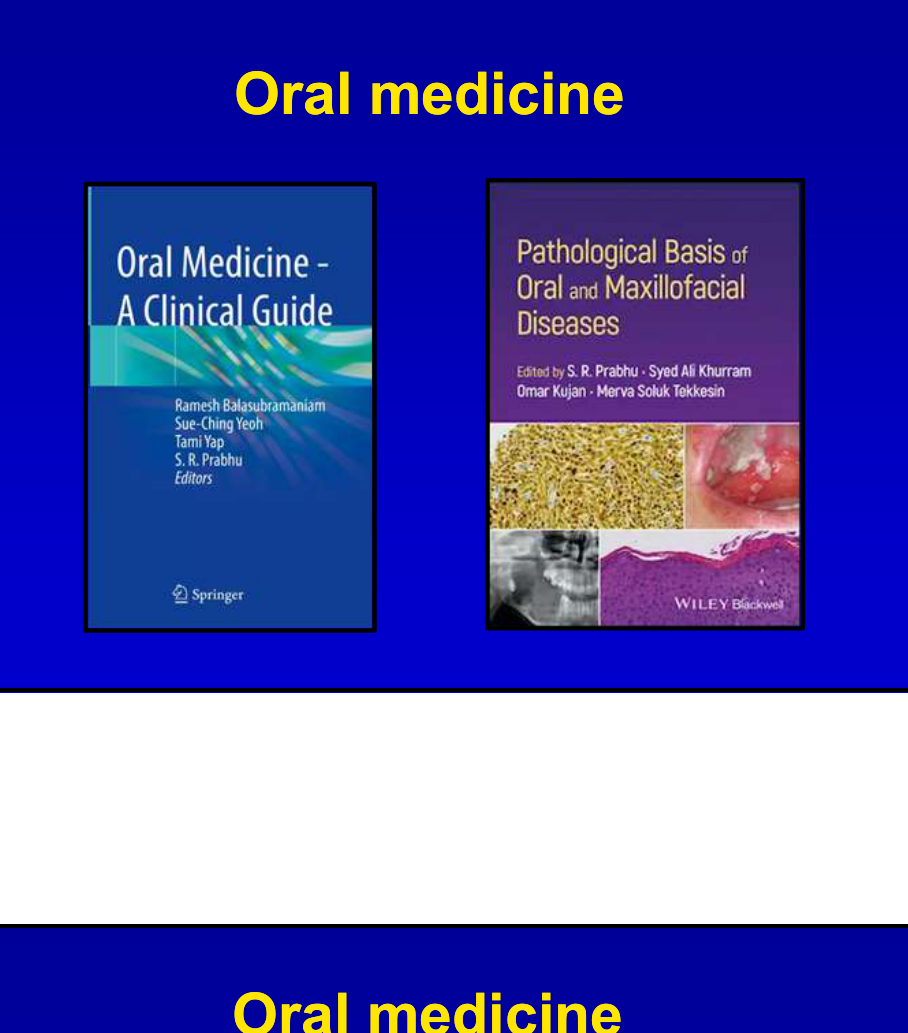
- Brad W. Neville, Douglas D. Damm, Carl M. Allen, Angela C. Chi. Oral and Maxillofacial Pathology, 5th Edition 2023, Elsevier.
- C Scully. Oral and Maxillofacial Medicine - The Basis of Diagnosis and Treatment, 4th Edition 2023, Elsevier.
- Edward W Odell. Cawson’s Essentials of Oral Pathology and Oral Medicine, 10th Edition 2024, Elsevier.
- Joseph A Regezi, James J Sciubba, Richard C K Jordan. Oral Pathology: Clinical Pathologic Correlations, 7th Edition 2017, Elsevier Saunders.
- Burket's Oral Medicine is a recommended alternative.
- Tyldesley's Oral Medicine is noted for a good balance between clinical aspects and pathology.
- Clinical Guidelines are available as a chairside guide for treatment summaries but are not sufficient for primary study.
- Pathology-focused texts are available for those wanting more depth on the nature of diseases.
2/9/2026
25
5
Audio Appendix
Additional Audio Content
The following sections from the lecture audio did not correspond to any heading in the main document.
Case Studies: Clinical Examples
- Case Study: Squamous Cell Carcinoma
- The most common form of oral malignancy.
- Example 1: A patient with advanced carcinoma who died 12 months after treatment because the lesion was not recognized early.
- Example 2: A very early tongue cancer caught during a routine six-monthly check-up. The patient required only a small operation and had a 90% survival chance.
- Case Study: Undiagnosed Diabetes
- A patient presented with a burning sensation and dry mouth. Investigations revealed severely high blood sugar levels requiring immediate medical attention. Treating the diabetes resolved the oral symptoms.
- Case Study: Acute Leukemia
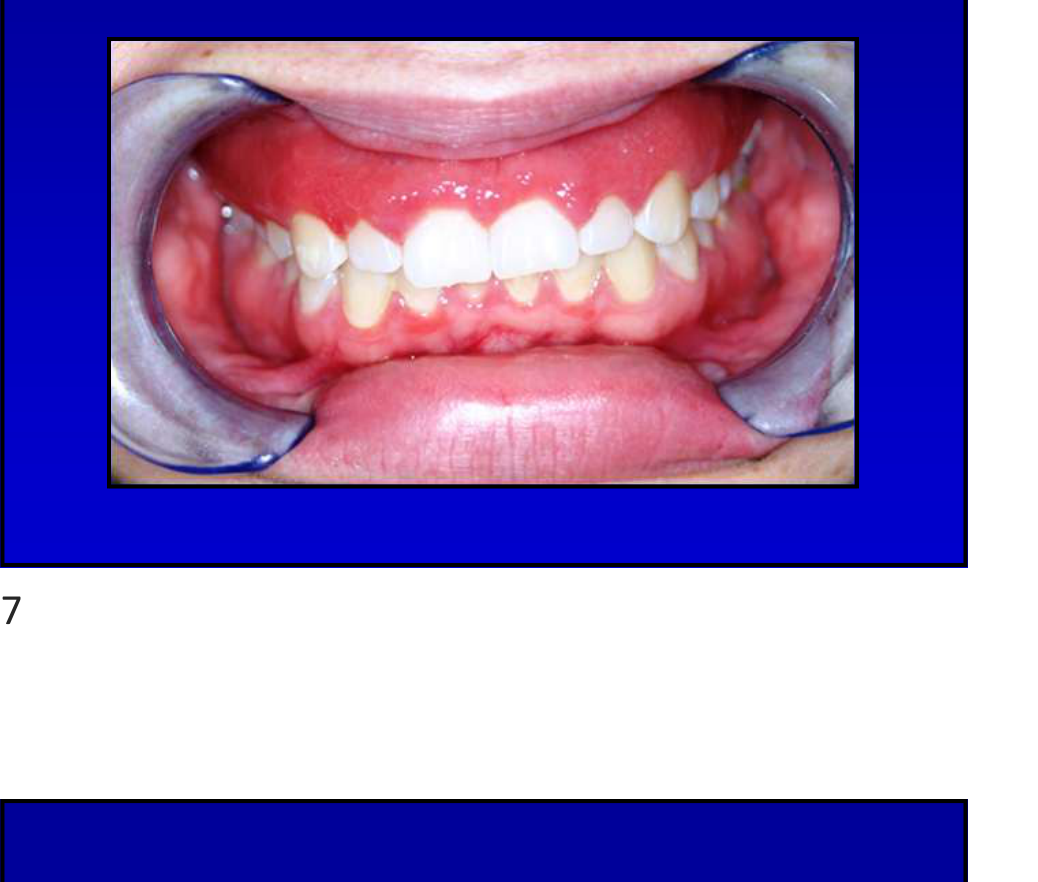
- A patient presented with swollen gingiva, mucosal ulceration, and spontaneous bleeding.
- Case Study: Crohn’s Disease
- A young lady presented with swollen, erythematous gingiva that bled on minor provocation. This was the only initial sign of Crohn’s disease.
- Case Study: Metastatic Lung Cancer
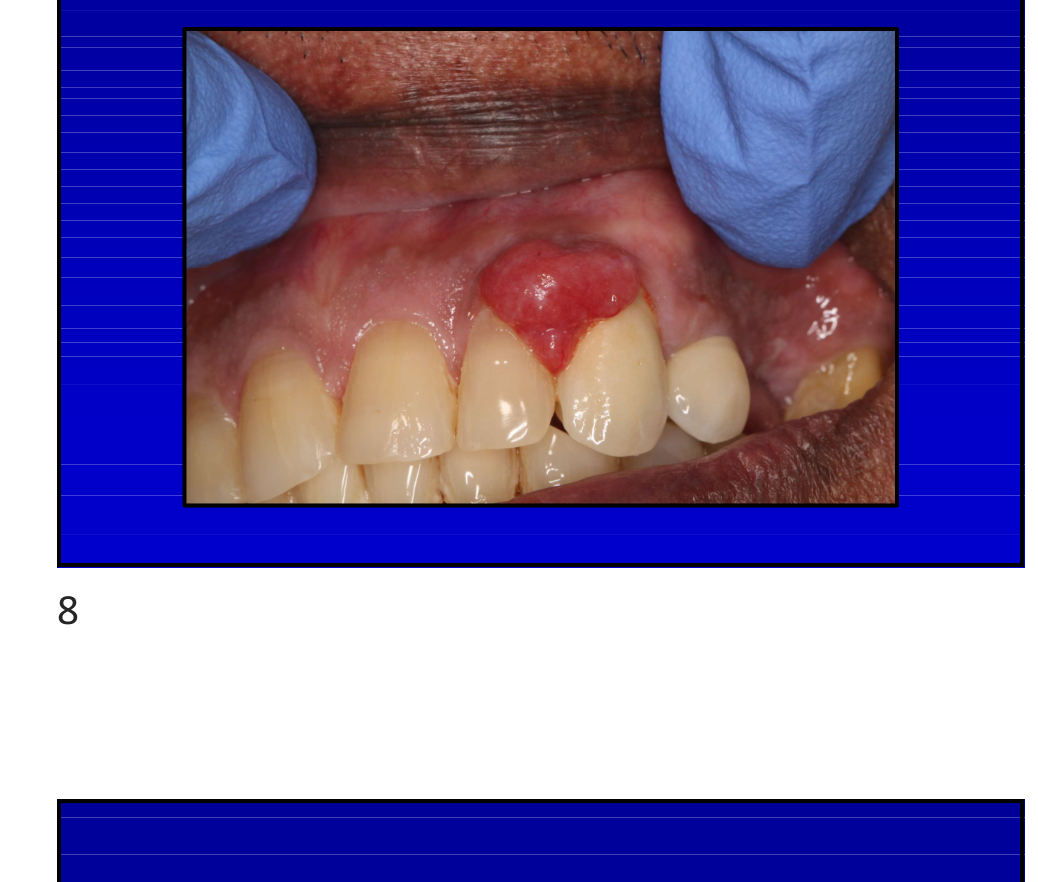
- A patient presented with what appeared to be a “fibrous epulis” (a common reactive lump caused by calculus). Histopathology revealed it was actually a metastatic deposit from lung cancer.
Footnotes
-
Original PDF page 1: L0 Introduction, p.1 ↩
-
Original PDF page 2: L0 Introduction, p.2 ↩
-
Original PDF page 3: L0 Introduction, p.3 ↩
-
Original PDF page 5: L0 Introduction, p.5 ↩
-
Original PDF page 4: L0 Introduction, p.4 ↩