Case Studies and Clinical Examples
Case Study: Diagnostic Yield in Bitewings
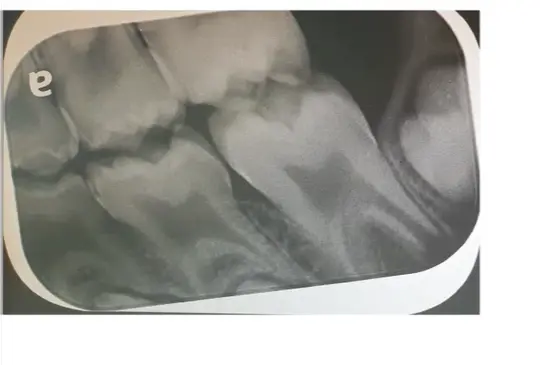
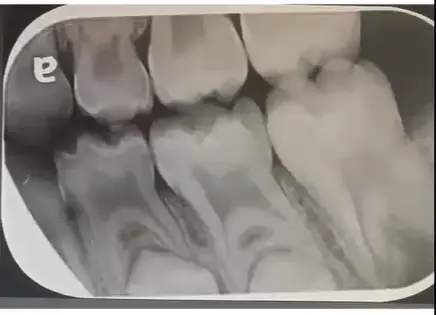
- Scenario: A student cleared a bitewing as “no caries.”
- Critique: The radiograph had proximal overlap and poor positioning.
- Outcome: A retake revealed outer 1/3 dentinal caries on tooth 74 and outer 1/2 enamel caries on 75.
- Lesson: Always ensure “ideal records” (no overlap, capture distal of canine to mesial of 6) before diagnosing.
- Child age is 6/7
Case Study: Facial Cellulitis and Mismanagement
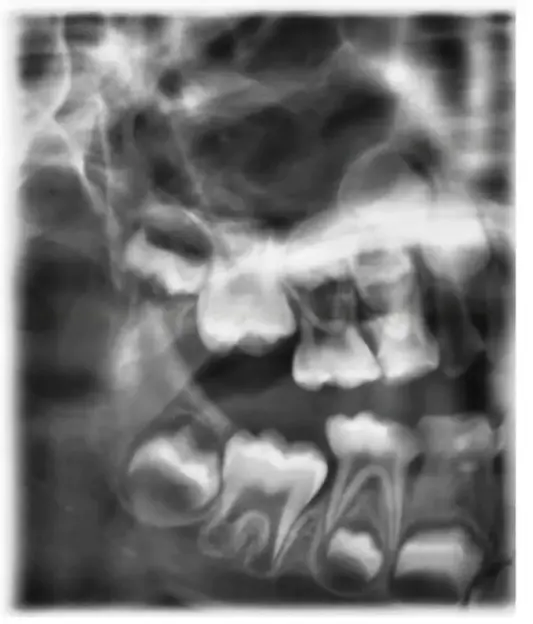
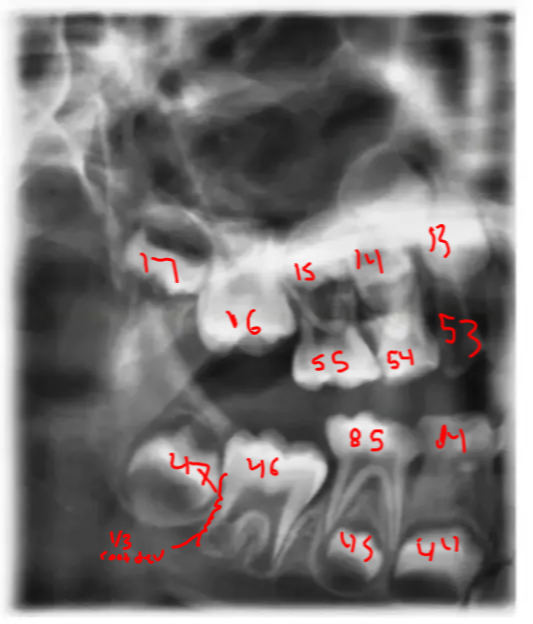
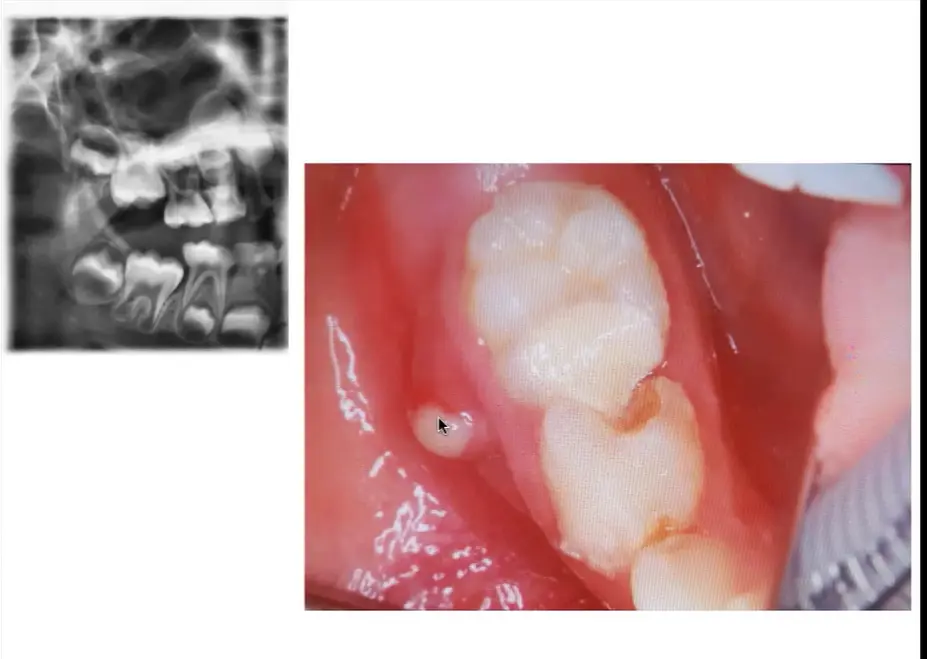
- Patient: 5-year-old with facial swelling.
- Age: 6 has 1/3 root development, erupts at 2/3 , also radiographically at the level of bone so hasn’t erupted yet
- Findings: Massive furcal radiolucency on tooth 85. A previous dentist had placed a large GIC restoration (contraindicated for this size).
- Management: The tooth was the source of infection and required extraction, not just antibiotics or incision/drainage.
- Antibiotic Choice: Penicillin V (12.5mg/kg) for 5 days due to systemic involvement (cellulitis).
Lecture Questions
What is the appropraite treatment option for tooth 85?
- Extraction If the child presented with systemic signs of infection, which of the following would be appropriate to prescribe?
- Phenoxymethylpenicillin What is the dosage for PenV ?:
- 12.5 mg/kg
Case Study: Prescription Error (Legal/Ethical)
- Scenario: A dentist prescribed 1mg Lorazepam to a 2-year-old for sedation.
- Outcome: Overdose and CNS depression (coma).
- Audit Findings: The dentist also routinely doubled the recommended doses of Metronidazole and Amoxicillin for children.
- Lesson: Know your pharmacology; do not rely on pharmacists to correct your dosing errors.
Case Study: Traumatic Ulcer Mimicking Infection
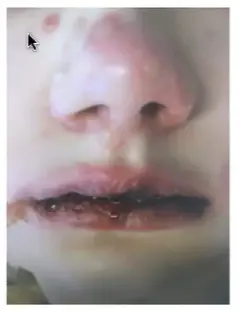
- Scenario: Child presents with a massive, sloughing lip ulcer.
- Diagnosis: Not viral. It was a traumatic ulcer caused by the child biting their lip while numb following an alveolar nerve block.
Case Study: Stevens-Johnson Syndrome (SJS)
- Scenario: 13-year-old with multiple oral ulcers.
- Context: SJS is a medical emergency, often a reaction to medication (e.g., Ibuprofen) but can be triggered by viruses (HSV, EBV).
- Warning: Toxic Epidermal Necrolysis (TEN) is the severe end of this spectrum. Never give casual advice on social media for these conditions; they require hospitalization.