Chemical Subgingival Biofilm Control: Antibiotics in Periodontics1
Amelia Hemmati DCD Periodontics – Year 3

Learning Outcomes2
- Understand why antibiotics may be considered in periodontal treatment.
- Know which antibiotics to prescribe in periodontal treatment.
- Understand where and when to prescribe antibiotics in periodontal treatment.
Introduction and Background
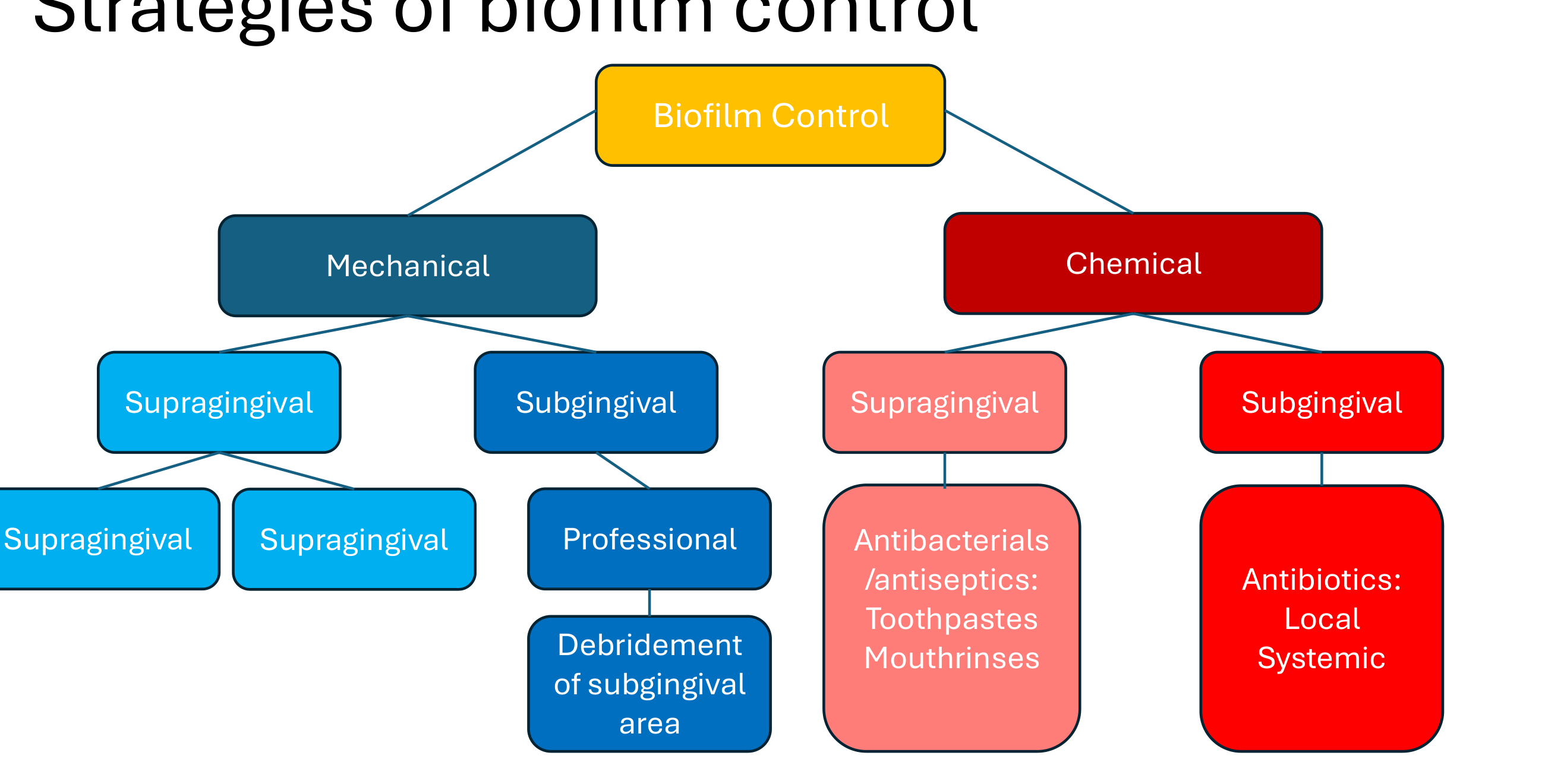
| Biofilm Control |
|---|
| Mechanical |
| Supragingival |
| Professional |
| Debridement Antibiotics: |
| Subgingival |
Strategies of Biofilm Control3
Definition and Key Components4
Introduction
- Over the past two decades, periodontal antibiotic therapy has gained acceptance among dentists and microbiologists as an effective complement to mechanical debridement.
- This approach is supported by evidence of bacterial specificity in periodontitis.
- Antibiotics are naturally occurring or synthetic substances that inhibit or kill specific microorganisms at low concentrations (Slots and Ting. 2002).
- Key Components of Antibiotic Periodontal Therapy (Slots 2004):
- Pathogenic microbiota
- The patient
- The drug
- Numerous antibiotics are available for periodontal infections, but selecting the most appropriate one is challenging.
- Primary Goals:
- Choose an antibiotic that maximises benefits for specific infections.
- Minimize adverse effects.
- Focus Areas:
- Rational antibiotic selection
- Appropriate dosage determination
- Optimal treatment duration
- Aim is to maximise the therapeutic effectiveness of antibiotic therapy in managing periodontal infections.
Periodontal Microbiology5
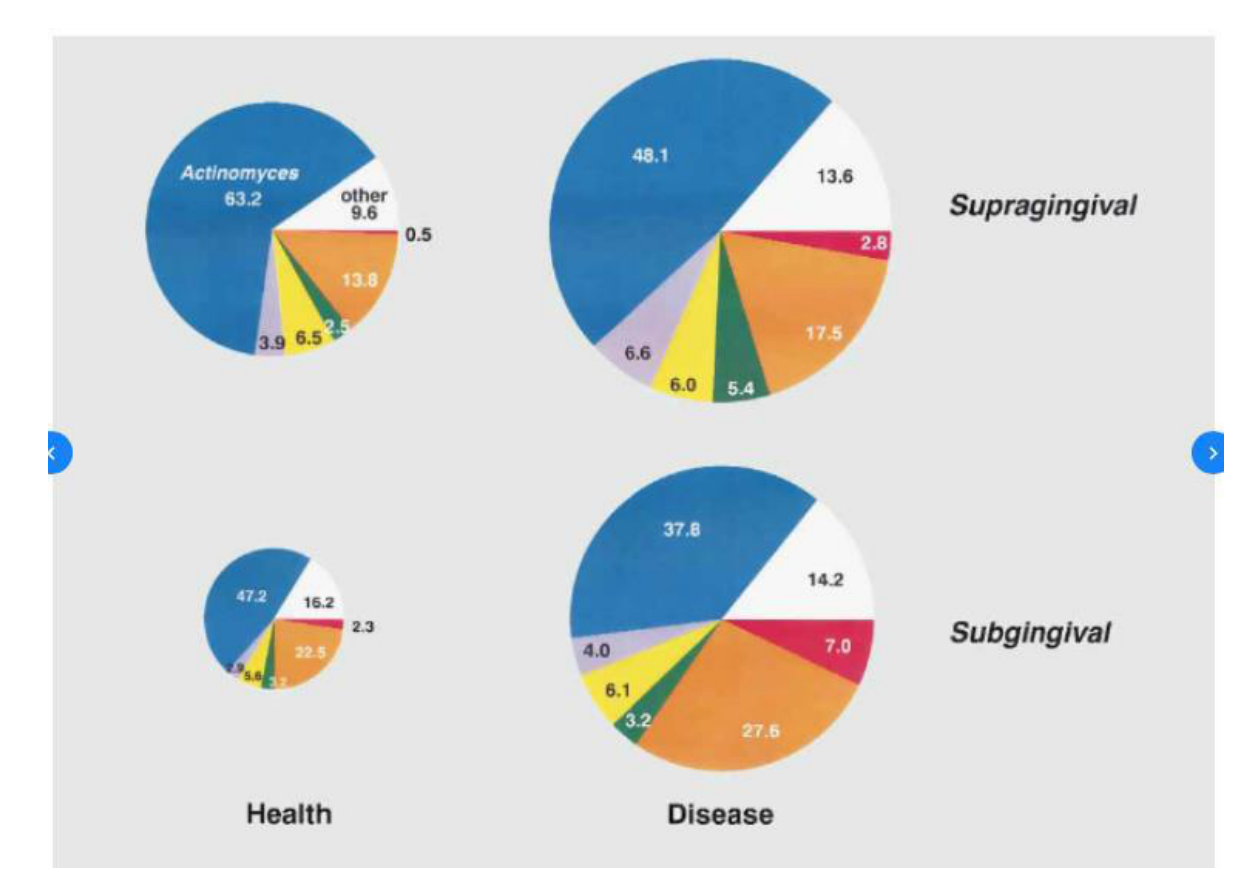
- Periodontal disease is primarily caused by bacterial plaque and its by-products in a susceptible host.
- The condition’s progression is linked to bacterial pathogens and the host immune response.
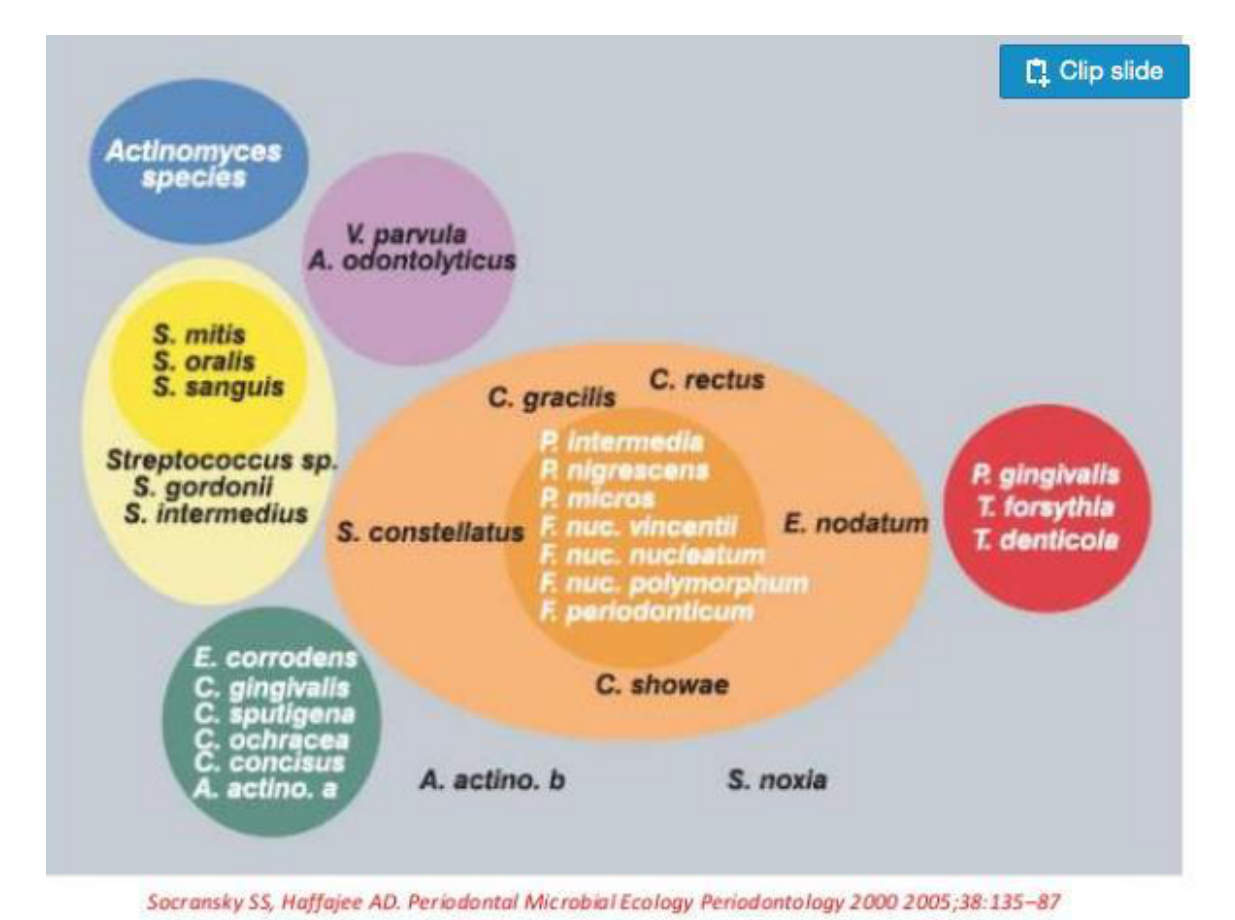
- After plaque and calculus removal, bacteria form a complex biofilm that increases in size and pathogenicity, primarily consisting of gram-negative anaerobic bacteria.
- Socransky et al. 1998 – red complex bacterial species.
- Systematic review and consensus report - Haffajee et al. 2003.
- American Academy of Periodontology position paper – Slots et al. 2004.
Rationale for Antibiotic Therapy6
Rationale of Antibiotic Therapy
Mechanical and surgical treatments, alongside proper oral hygiene, can often halt or prevent further periodontal attachment loss by reducing the total supra-subgingival bacterial mass (van Winkelhoff et al. 1996).
Some individuals still experience periodontal breakdown despite diligent therapy.
Pathogenic bacteria often reside in biofilms attached to the epithelial surface of the periodontal pocket, which patients cannot effectively clean during oral hygiene (Jolkovsky and Ciancio. 2006).
The goal of systemic periodontal antibiotic therapy is to reinforce mechanical treatment and support the host’s defence system by targeting subgingival pathogens that persist after conventional therapy.
Bacterial susceptibility to antibiotics may influence the effectiveness of systemic antibiotics in treating periodontal diseases.
Patients with gingivitis or stable adult periodontitis typically respond well to mechanical treatment and see little to no additional benefit from antibiotic therapy.
Mechanism of Tissue Reach7
How does antibiotics reach the periodontal tissues
- Systemic Administration.
- Diffusion.
- Infiltration.
- Phagocytic Transport.
- Concentration Gradients.
- Inflammatory Changes.
Image from: Sullivan et al. 2020
Guidelines and Selection Criteria
General Usage Guidelines
General Usage Guidelines8
- Clinical diagnosis.
- Continuing disease.
- Antibiotics for treating periodontal disease.
- Microbial samples.
- Plaque sampling.
- Antibiotics can reduce the necessity for periodontal surgery in patients with chronic periodontitis.
- Systemic antibiotic therapy should supplement a comprehensive periodontal treatment plan.
- Disrupting the biofilm physically is crucial for antibiotics to access periodontal pathogens.
- Slots et al. 1999 recommend initiating antibiotics 1-2 days prior to surgery and continuing for at least 8 days, although the efficacy of this regimen is not well-documented.
- Haffajee et al. 2003 found that there are similar effects for most antibiotics, and discussions about the risks and benefits of antibiotics as adjuncts to periodontal therapy must occur with patients before use.
Factors Influencing Selection
Determining the appropriate antibiotic for a patient can be challenging due to the wide variety available.
Factors influencing the selection of antibiotics include:
- Age of Patient
- Renal and Hepatic Function
- Local Factors
- Drug Allergy
- Impaired Host Defence
- Pregnancy
- Organism-related Considerations
- Drug Factors
Pharmacological Considerations
Two key factors to consider when selecting a systemic antibiotic for periodontal therapy are:
- Gingival Fluid Concentration: Indicates peak levels achieved by systemic delivery at the periodontal pocket, the primary ecological niche for periodontal pathogens.
- Minimum Inhibitory Concentration: An in vitro measure of the concentration required to inhibit the growth of 90% of tested bacterial strains of a species.
Antimicrobial activity can be expressed as a relationship between and , calculated using the formula:
Clinical Indications for Therapy
The following cases are good candidates to receive systemic antibiotics:
- Exhibit continuing breakdown of periodontal attachment despite conventional mechanical therapy (Slots et al, 1991).
- Acute or severe periodontal infection (e.g., acute necrotising periodontal diseases, periodontal abscesses) (Johnson and Engel, 1986).
- Recurrent or refractory periodontitis related to persistent subgingival pathogens and possible impaired host resistance.
- Aggressive types of periodontitis (Schenkein and Van Dyke, 1994).
- Compromised medical conditions or poor host defence mechanisms (Special patient categories. Periodontology 2000, 1994).
- Severe chronic periodontitis (Han et al, 2012; Borges et al, 2017).
- Medically compromised patients as prophylaxis.
- Receiving or nonsurgical therapy, as an adjunct.
In specific clinical scenarios, such as patients with progressive or active disease and deep pockets, the antimicrobial therapy in addition to scaling and root planing (SRP) could provide the patient with greater benefits and clinically relevant improvements (Herrera et al, 2002).
Chronic and Aggressive Periodontitis
1. Chronic Periodontitis:
Antibiotic therapy is recommended for (Slots and Ting. 2002, van Winkelhoff et al, 1996):
- Patients experiencing progressive periodontal breakdown despite conventional mechanical treatment.
- Patients not responding to periodontal therapy.
- Patients with recurrent disease.
2. Aggressive Periodontitis:
Localised aggressive periodontitis, primarily involving Aggregatibacter actinomycetemcomitans, can be controlled or eradicated with systemic metronidazole-amoxicillin combination therapy (Slots and Ting. 2002).
3. Necrotising Periodontal Diseases:
Patients with moderate or severe necrotising ulcerative gingivitis or necrotising ulcerative periodontitis, along with local lymphadenopathy and systemic involvement, require antibiotic therapy (Slots and Ting. 2002).
4. Periodontal Abscess:
Antibiotic therapy is indicated for periodontal abscesses associated with systemic manifestations. Antibiotics should be prescribed in conjunction with surgical incision and drainage for the treatment of abscesses (Slots. 2004).
Image from: Heitz-Mayfield 2009
Acute Periodontal Abscess Regimens
Antibiotic Regimens for Adult Patients with Acute Periodontal Abscesses
-
Amoxicillin:
- Starting with a loading dose of 1.0 g.
- Followed by a maintenance dose of 500 mg three times a day for 3 days.
- Patient evaluation after the 3 days to determine if further antibiotic therapy or dosage adjustment is needed.
-
In Case of Allergy to β-lactam Drugs:
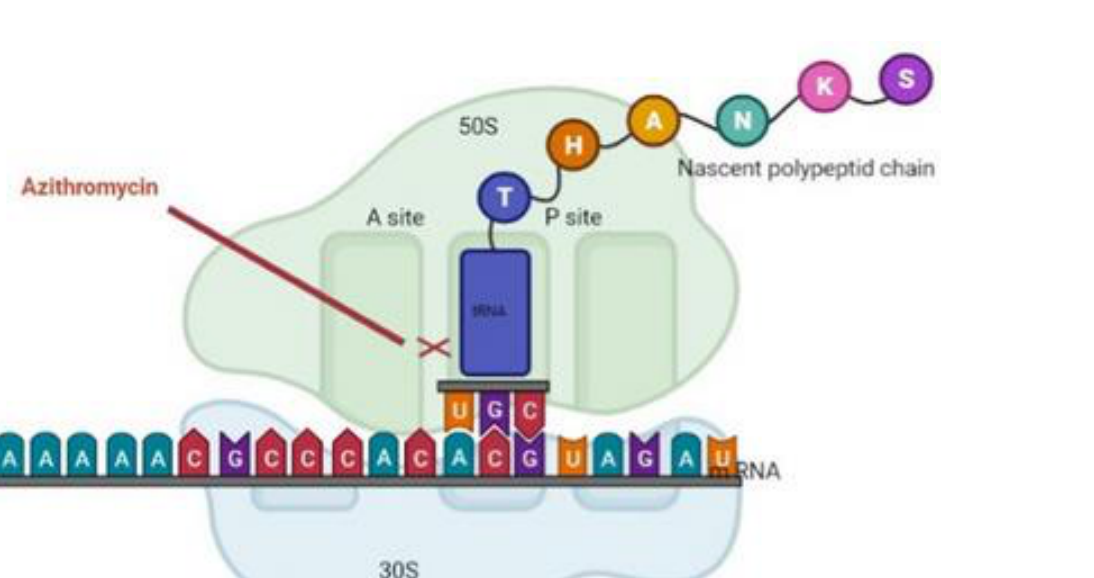
- Azithromycin:
- Loading dose of 1.0 g on day 1.
- Followed by 500 mg once a day for days 2 and 3.
- Clindamycin:
- Loading dose of 600 mg on day 1.
- Followed by 300 mg four times a day for 3 days.
- Azithromycin:
Slots, 2004
Principles of Antibiotic Dosing
- Employ High Doses for a Short Duration
- Use an Oral Antibiotic Loading Dose
- Achieve Blood Levels of Antibiotic at 2-8 Times the MIC
- Use Frequent Dosing Intervals
- Determine Duration of Therapy by Disease Remission
Commonly Used Systemic Antibiotics
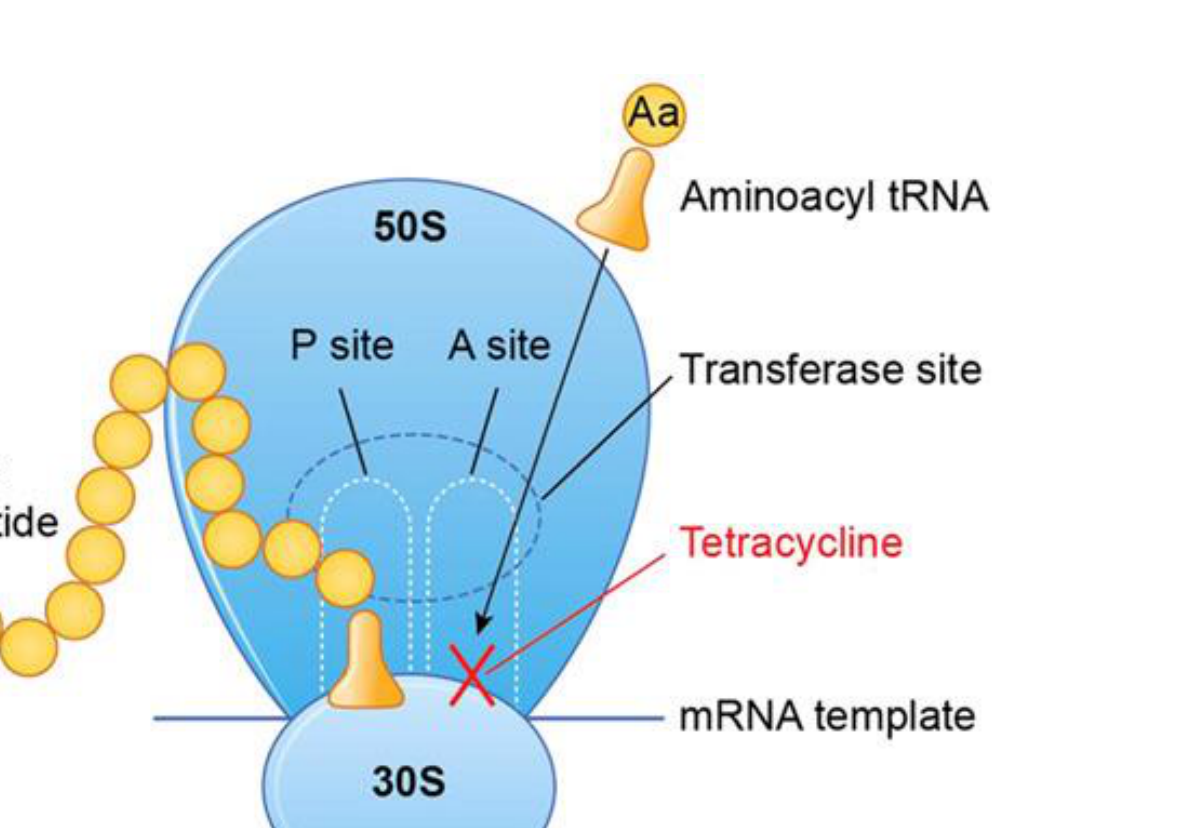
Tetracycline9
- Produced naturally from certain species of Streptomyces or derived semi-synthetically.
- Effective against rapidly multiplying bacteria and more effective against gram-positive than gram-negative bacteria.
- Concentration in the gingival crevice is 2–10 times higher than in serum.
Unique Non-Antibacterial Characteristics
Tetracyclines and Semisynthetic Variants
- Inhibition of collagenase.
- Inhibition of neutrophil chemotaxis.
- Anti-inflammatory effects.
- Inhibition of microbial attachment and root surface conditioning.
Mechanism and Dosage
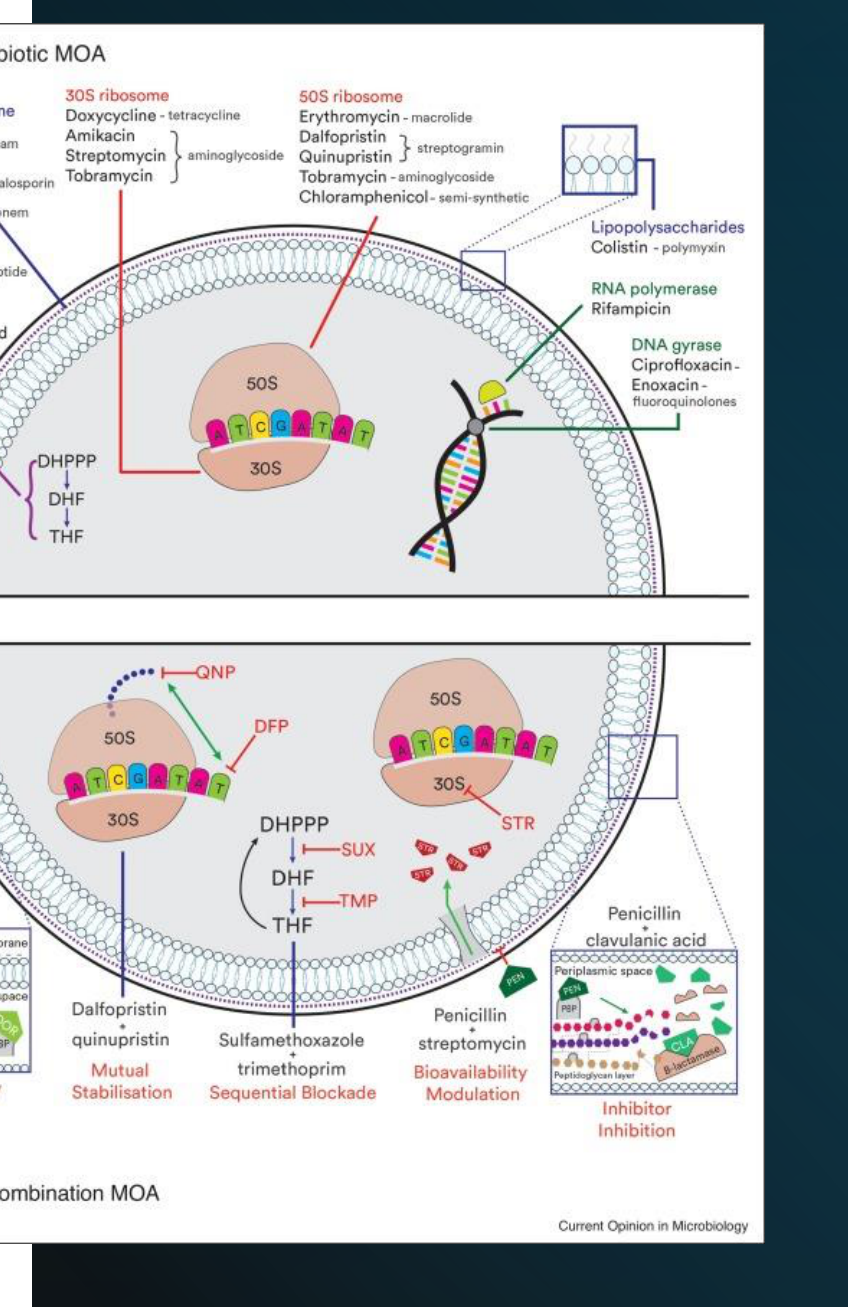
- Inhibits protein synthesis by binding to the 30S ribosomes in susceptible organisms.
- Recommended dose is 250 mg four times daily; however, it is less expensive and may result in lower patient compliance.
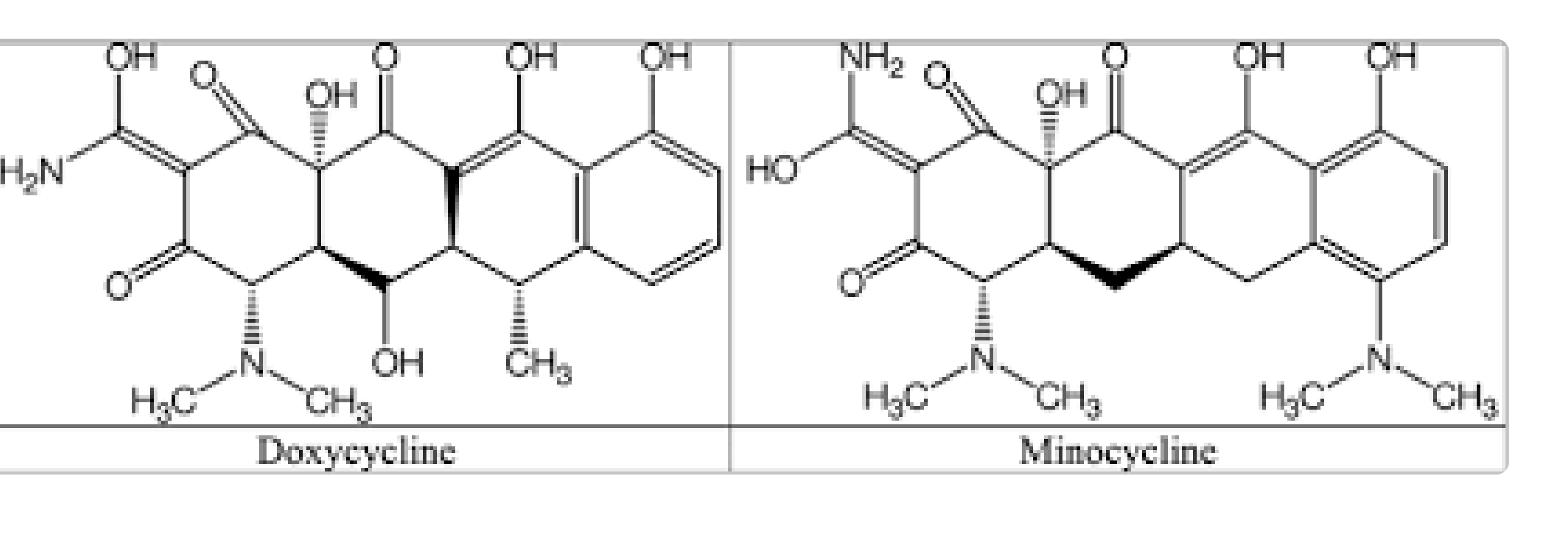
Semisynthetic Variants10
- Minocycline and doxycycline are semisynthetic members of the tetracycline group used in periodontal therapy.
Metronidazole
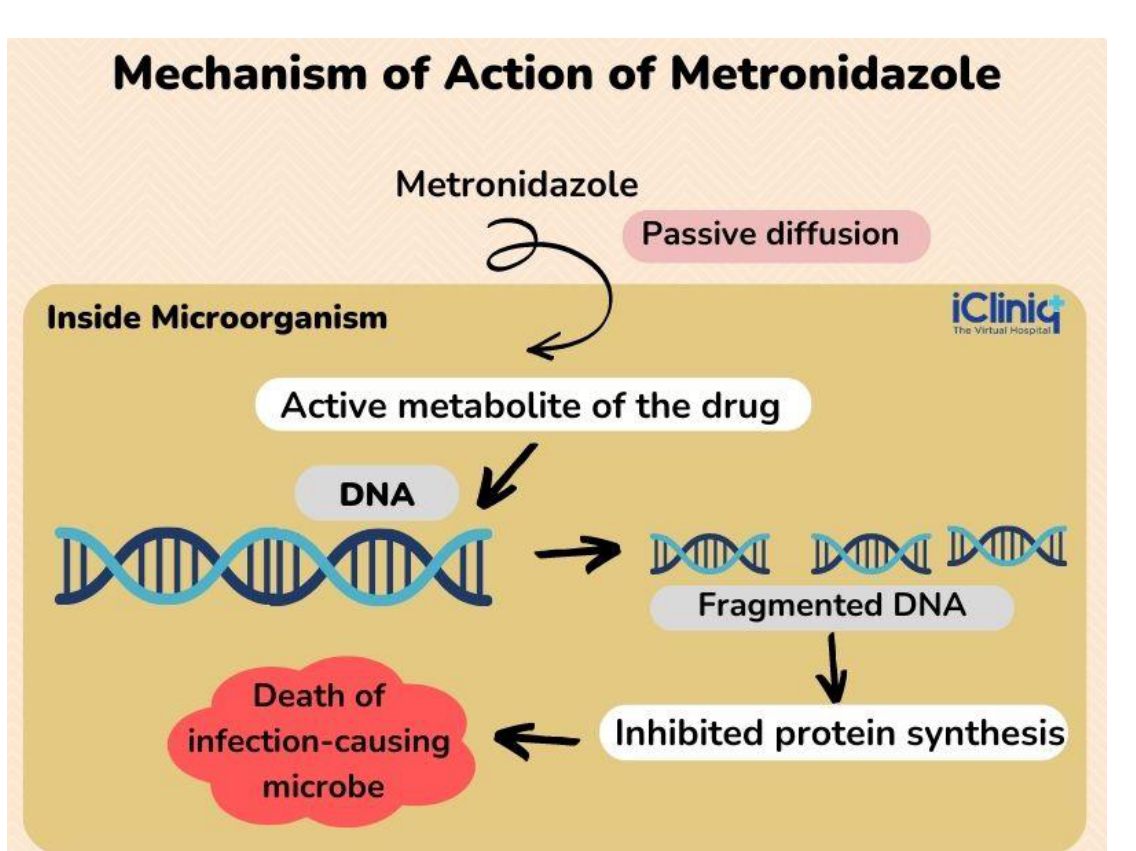
Mechanism of Action of Metronidazole11
- Passive diffusion into the microorganism.
- Inside the microorganism, the drug is converted to an active metabolite.
- The active metabolite fragments DNA and inhibits protein synthesis, leading to death of the infection-causing microbe.
Metronidazole
- A synthetic nitroimidazole with bactericidal effects primarily against obligate gram-positive and gram-negative anaerobes.
- Campylobacter rectus is the only facultative anaerobe and potential periodontal pathogen susceptible to low concentrations of metronidazole.
- Generally, concentrations in gingival fluid are slightly less than in plasma.
- Acts by inhibiting DNA synthesis.
- Used for treating gingivitis, acute necrotizing ulcerative gingivitis, chronic periodontitis, and aggressive periodontitis.
Penicillins
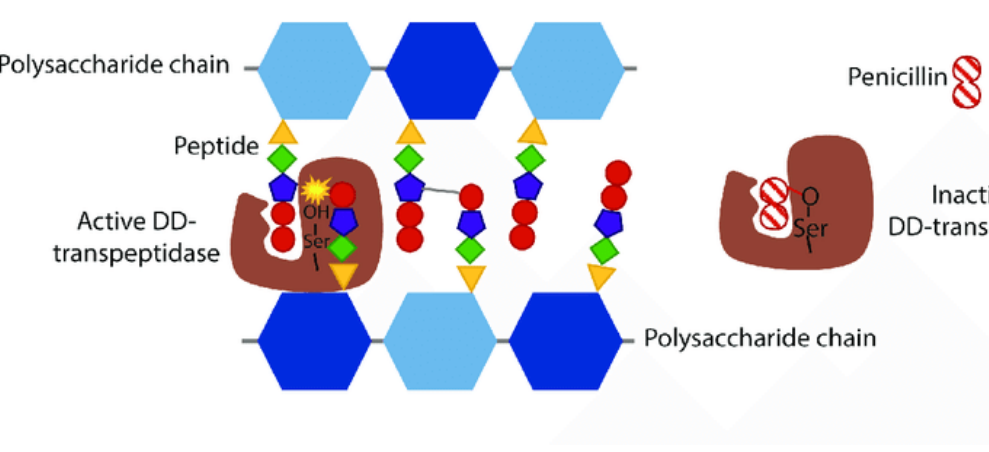
Penicillin12
- Natural and semi-synthetic derivatives from broth cultures of the Penicillium mould.
- Narrow spectrum and bactericidal, primarily effective against gram-positive bacteria.
- Extended-spectrum penicillins have significant antibacterial activity against gram-negative species.
- Interferes with bacterial cell wall synthesis by inhibiting transpeptidases, preventing cross-linking.
- Indicated for both localised and generalised aggressive periodontitis, with a recommended dosage of 500 mg three times daily for 8 days.
- Administering amoxicillin with a beta-lactamase inhibitor is a preferred strategy, as beta-lactamase-producing strains are usually sensitive to this combination.
- Augmentin is useful in managing refractory or localised aggressive periodontitis.
Cephalosporins
- Used for infections that could otherwise be treated with penicillin.
- Resistant to several beta-lactamases that typically affect penicillin.
- Inhibits bacterial cell wall synthesis similar to penicillins but binds to different proteins than those targeted by penicillins.
Cephalexin
- An oral cephalosporin that achieves high concentrations in gingival crevicular fluid.
- Effectively inhibits the growth of gram-negative obligate anaerobes but fails to inhibit gram-negative facultative anaerobes.
- Newer cephalosporins with extended gram-negative effectiveness could be beneficial in treating periodontal disease conditions.
Clindamycin
- Effective against anaerobic bacteria and suitable for patients allergic to penicillin.
- Inhibits protein synthesis by binding to the 50S ribosome.
- Achieves higher levels of antimicrobial activity compared to other antibiotics.
Clinical Outcomes
- Study by Gordon et al. indicated a mean gain of clinical attachment of 1.5 mm and a decrease in disease activity in patients 24 months after adjunctive clindamycin therapy.
Stabilization of Patients
- Research by Walker et al. demonstrated that clindamycin helped stabilize refractory patients, with a recommended dosage of 150 mg four times daily for 10 days.
Alternative Dosage Regimen
- Jorgensen and Slots recommended a regimen of 300 mg twice daily for 8 days.
Ciprofloxacin
- A fluorinated 4-quinolone antibiotic available for oral administration.
- Potent inhibitor of gram-negative bacteria, including facultative and some anaerobic putative periodontal pathogens, notably Pseudomonas aeruginosa, with MIC90 values ranging from 0.2 to 2 µg/ml.
- Inhibits bacterial DNA replication and transcription by targeting DNA gyrase, an enzyme unique to prokaryotic cells.
- Facilitates the establishment of microflora associated with periodontal health, with minimal effects on Streptococcus species linked to periodontal health.
- Currently, ciprofloxacin is the only antibiotic in periodontal therapy to which all strains of A. actinomycetemcomitans are susceptible.
- Often used in combination with nitroimidazoles.
Macrolides and Azithromycin
Macrolides13
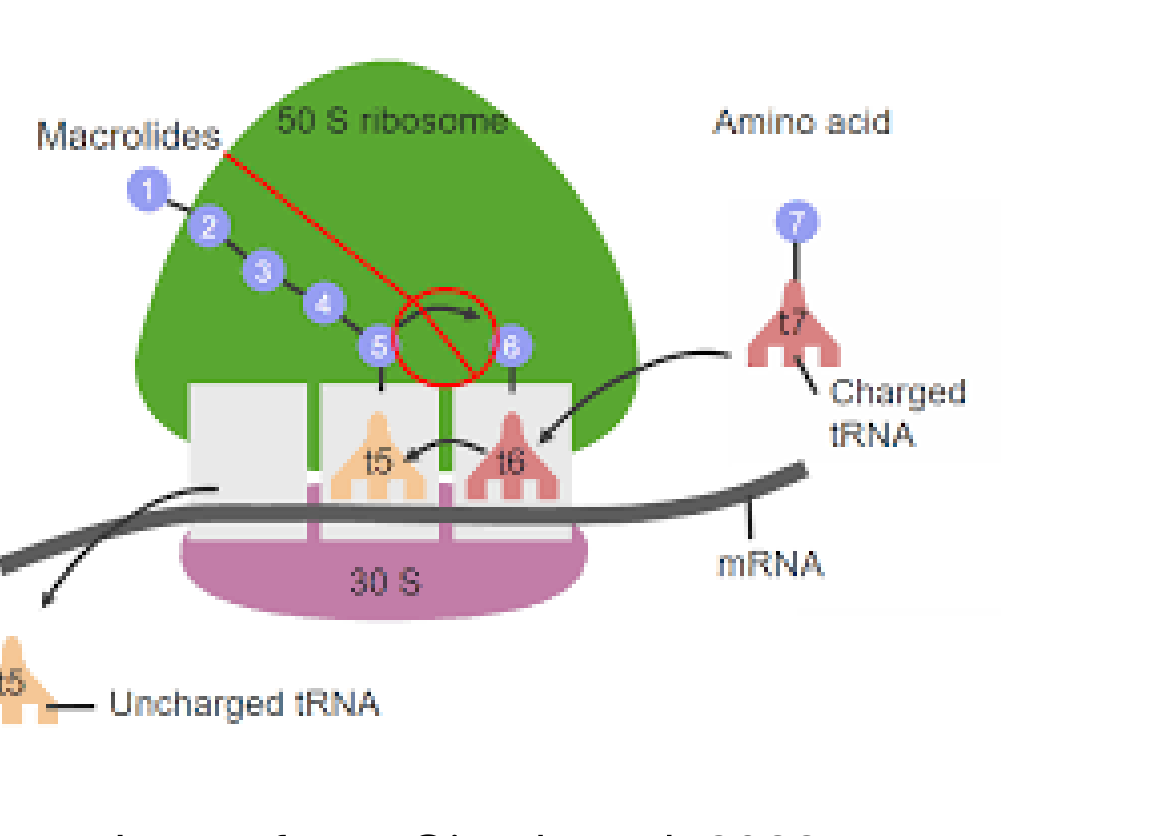
- Contain a poly-lactone ring with one or more deoxy sugars attached.
- Can be bacteriostatic or bactericidal, depending on drug concentration and the type of microorganism.
- Macrolide antibiotics for periodontal treatment include erythromycin, spiramycin, and azithromycin.
Erythromycin Limitations
- Erythromycin has poor tissue absorption; its systemic preparations are available as pro-drugs to enhance absorption.
- The pro-drug exhibits little antibacterial activity until hydrolysed by serum esterases.
- Inhibits protein synthesis by binding to the 50S ribosomal subunits of sensitive microorganisms, interfering with translation.
Azithromycin14
- Effectiveness: Effective against anaerobes and gram-negative bacilli.
- Tissue Levels: Following an oral dosage of 500 mg once daily for 3 days, significant levels can be detected in most tissues for 7–10 days.
- Cell Penetration: Azithromycin penetrates fibroblasts and phagocytes at concentrations 100–200 times greater than those in the extracellular compartment. Actively transported to sites of inflammation by phagocytes and released directly into the sites during phagocytosis when phagocytes rupture.
- Dosage Regimen: Therapeutic use consists of a single loading dose of 500 mg, followed by 250 mg per day for 5 days.
Aminoglycosides
- Mechanism of Action: Inhibit protein synthesis by binding irreversibly to specific proteins of the 30S ribosomal subunit.
- Activity Limitations: Inactive under anaerobic conditions due to severely impaired intracellular transport in the absence of oxygen. As a result, all anaerobic bacteria are markedly resistant, despite possessing ribosomes that are sensitive to these antibiotics.
Adverse Effects Summary
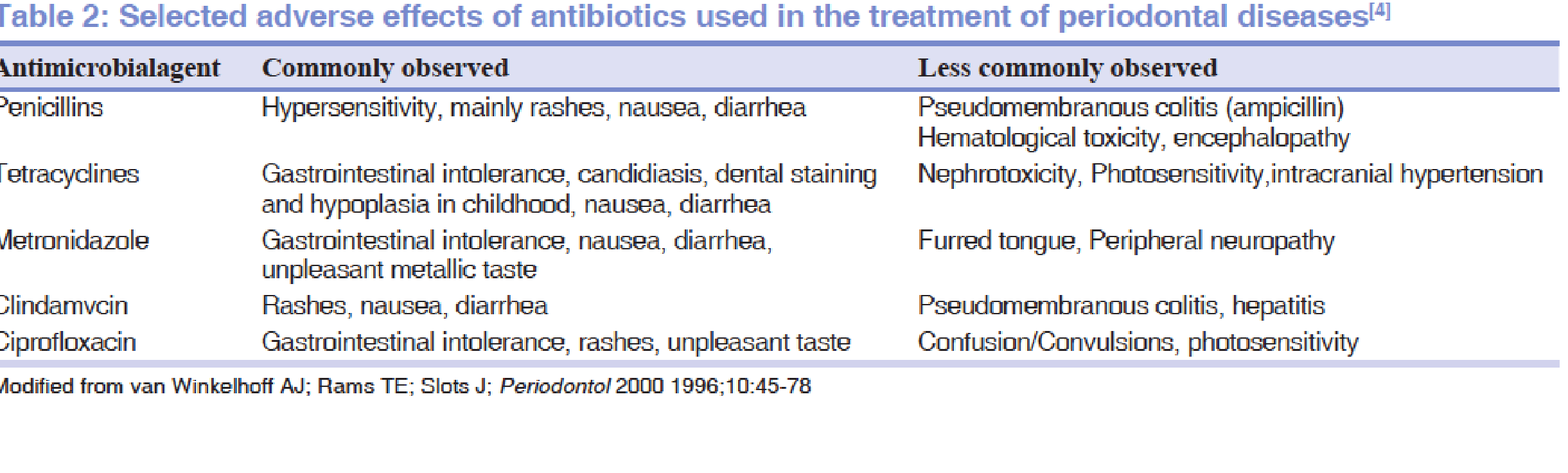
Selected Adverse Effects of Antibiotics Used in the Treatment of Periodontal Diseases15
| Antimicrobial agent | Commonly observed | Less commonly observed |
|---|---|---|
| Penicillins | Hypersensitivity, mainly rashes, nausea, diarrhea | Pseudomembranous colitis (ampicillin), hematological toxicity, encephalopathy |
| Tetracyclines | Gastrointestinal intolerance, candidiasis, dental staining and hypoplasia in childhood, nausea, diarrhea | Nephrotoxicity, photosensitivity, intracranial hypertension |
| Metronidazole | Gastrointestinal intolerance, nausea, diarrhea, unpleasant metallic taste | Furred tongue, peripheral neuropathy |
| Clindamycin | Rashes, nausea, diarrhea | Pseudomembranous colitis, hepatitis |
| Ciprofloxacin | Gastrointestinal intolerance, rashes, unpleasant taste | Confusion/convulsions, photosensitivity |
Modified from van Winkelhoff AJ; Rams TE; Slots J; Periodontol 2000 1996;10:45-78
Advanced Therapeutic Strategies
Issues Slowing Progress of Antibiotic Therapy16
Challenges in Antibiotic Therapy
- Heterogeneity: Periodontal diseases are heterogeneous in nature.
- Diagnosis Criteria: Clinical diagnoses are based on observable clinical signs, not on molecular pathology.
- Causal Factors: Actual causal factors have not been definitively identified.
- Microbiological Sampling: There is no microbiological sampling involved in the diagnosis.
- Antibiotic Protocols: Many different antibiotic protocols exist, but there are few well-designed, randomised controlled trials to test their efficacy.
Combination and Sequential Therapy
Combination Therapy17
- Periodontal infections are considered mixed infections involving a variety of aerobic, microaerophilic, and anaerobic bacteria, both gram-negative and gram-positive.
- It may be preferable to use more than one antibiotic to cover all periodontal pathogens in certain clinical situations.
 |  |
Sequential Systemic Antibiotics18
Antibiotics and Bacterial Infections
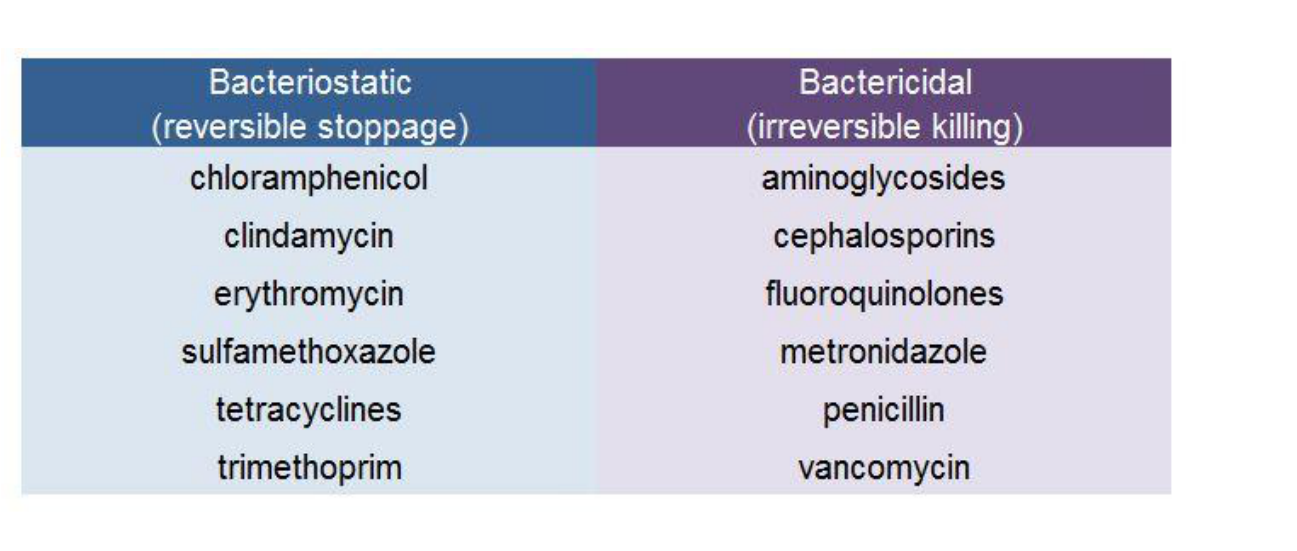
- Bacteriostatic vs. Bactericidal:
- Bacteriostatic antibiotics require rapidly dividing microorganisms to be effective.
- They do not work well when a bactericidal antibiotic is administered concurrently.
- Administration Recommendations:
- When both types of antibiotics are needed, they should be given sequentially rather than in combination to avoid unfavourable interactions while benefiting from both.
| Bacteriostatic (reversible stoppage) | Bactericidal (irreversible killing) |
|---|---|
| chloramphenicol | aminoglycosides |
| clindamycin | cephalosporins |
| erythromycin | fluoroquinolones |
| sulfamethoxazole | metronidazole |
| tetracyclines | penicillin |
| trimethoprim | vancomycin |
Efficacy of Combined Regimens
Antibiotic Combination Efficacy19
- A combination of metronidazole and amoxicillin is effective against Aggregatibacter actinomycetemcomitans and Porphyromonas gingivalis-associated periodontal infections.
- Patients with subgingival P. gingivalis at baseline, treated with metronidazole and amoxicillin, showed approximately half the number of pockets >5 mm after therapy compared with placebo-treated patients with P. gingivalis.
- Studies indicate that antibiotics lead to better resolution of periodontal inflammation, improved probing depths, and reduced attachment loss in both chronic and aggressive periodontitis.
- Metronidazole and clindamycin are more efficient than doxycycline in eradicating anaerobic periodontopathic bacteria.
- The combination of metronidazole and ciprofloxacin has shown to be effective against A. actinomycetemcomitans in killing both aerobic and facultative anaerobic bacteria.
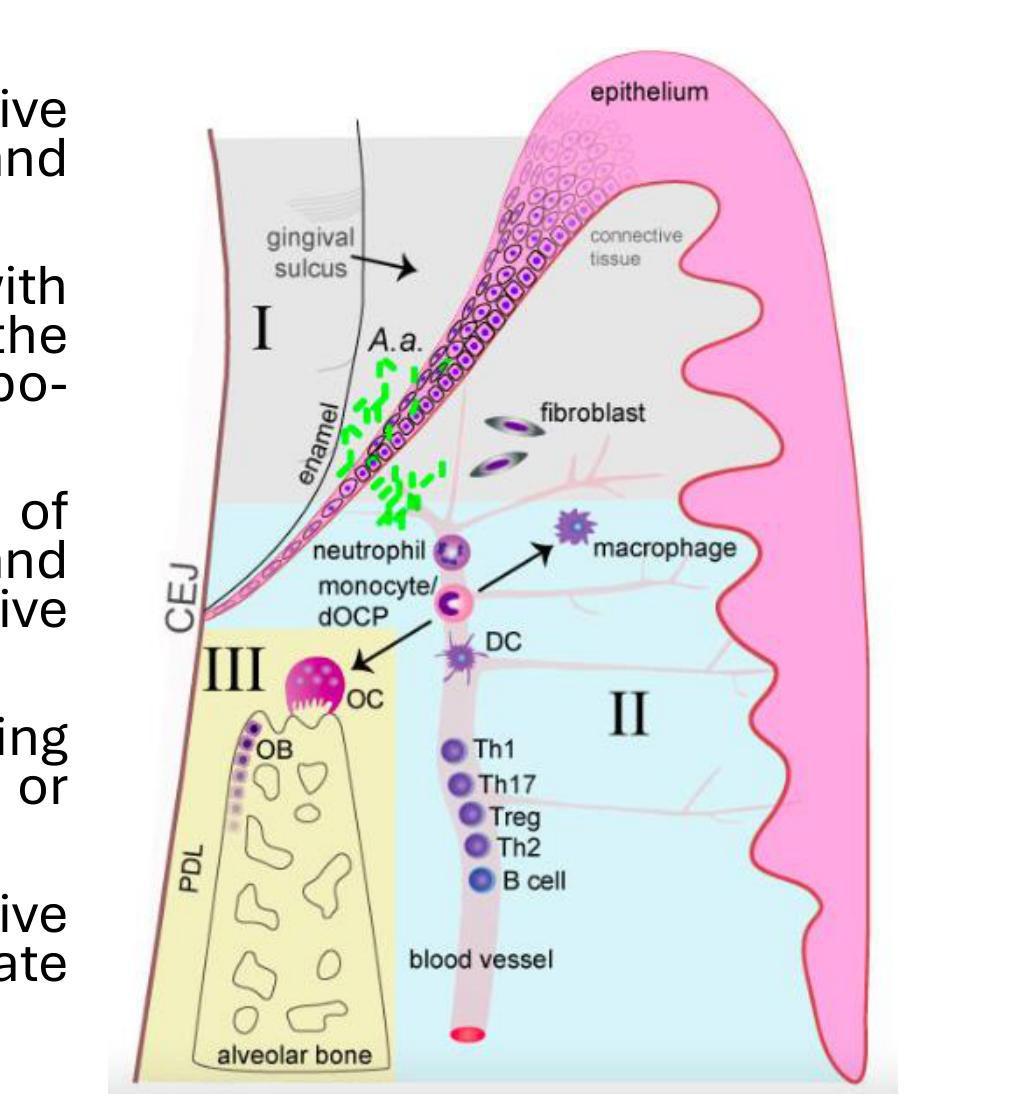
- The diagram shows the gingival sulcus, connective tissue, fibroblast, epithelium, neutrophil, macrophage, monocyte/DOCP, DC, Th1, T2, Treg, Th17, B cell, blood vessel, OB, OC, and alveolar bone.
Local Delivery Systems20
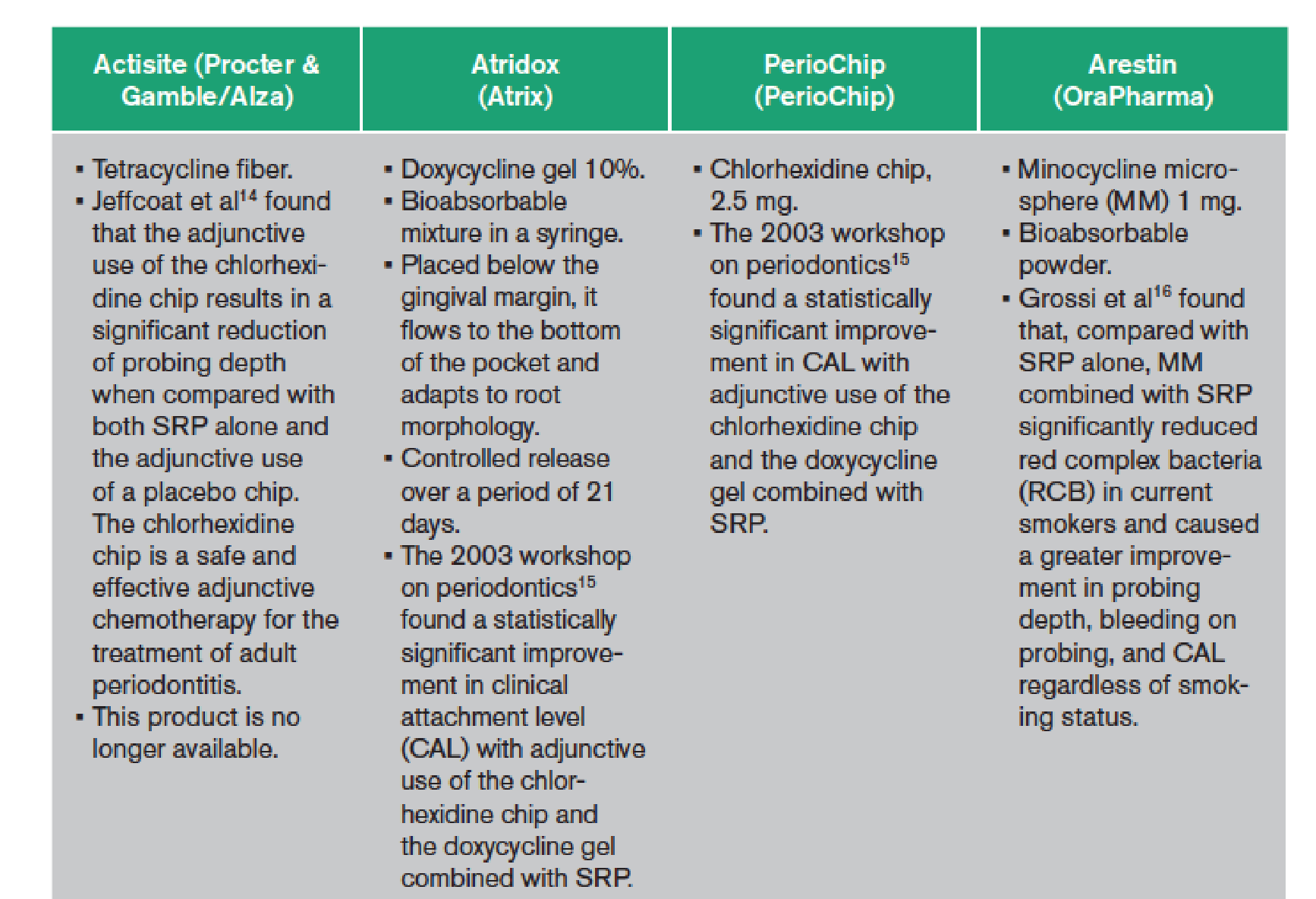
| Actisite (Procter & Gamble/Alza) | Axitrox (Atrix) | PerioChip (PerioChip) | Arestin (OraPharma) |
|---|---|---|---|
| Tetracycline fiber. Jeffcoat et al found that the adjunctive use of the chlorhexidine chip results in a significant reduction of probing depth when compared with both SRP alone and the adjunctive use of a placebo chip. The chlorhexidine chip is a safe and effective adjunctive chemotherapy for the treatment of adult periodontitis. This product is no longer available. | Doxycycline gel 10%. Bioabsorbable mixture in a syringe. Placed below the gingival margin, it flows to the bottom of the pocket and adapts to root morphology. Controlled release over a period of 21 days. The 2003 workshop on periodontics found a statistically significant improvement in clinical attachment level (CAL) with adjunctive use of the chlorhexidine chip and the doxycycline gel combined with SRP. | Chlorhexidine chip, 2.5 mg. The 2003 workshop on periodontics found a statistically significant improvement in CAL with adjunctive use of the chlorhexidine chip and the doxycycline gel combined with SRP. | Minocycline microsphere (MM) 1 mg. Bioabsorbable powder. Grossi et al found that, compared with SRP alone, MM combined with SRP significantly reduced red complex bacteria (RCB) in current smokers and caused a greater improvement in probing depth, bleeding on probing, and CAL regardless of smoking status. |
Clinical Practice Guidelines
Received: 29 March 2020 | Accepted: 3 April 2020 DOI: 10.1111/jcpe.13290
CLINICAL PRACTICE GUIDELINE
Treatment of stage I–III periodontitis—The EFP S3 level clinical practice guideline
EFP S3 Level Guidelines for Systemic Antibiotics21
Mariano Sanz¹ | David Herrera¹ | Moritz Kebschull²⁻³,⁴ | Iain Chapple²,³ | Søren Jepsen⁵ | Tord Beglundh⁶ | Anton Sculean⁷ | Maurizio S. Tonetti⁸,⁹
On behalf of the EFP Workshop Participants and Methodological Consultants
Intervention: Use of adjunctive systemically administered antibiotics to subgingival instrumentation22
R2.16 | Does adjunctive systemically administered antibiotics improve the clinical outcome of subgingival instrumentation?
Evidence-based recommendation (2.16)
- A Due to concerns about patient’s health and the impact of systemic antibiotic use to public health, its routine use as adjunct to subgingival debridement in patients with periodontitis is not recommended.
- B The adjunctive use of specific systemic antibiotics may be considered for specific patient categories (e.g. generalized periodontitis Stage III in young adults).
Supporting literature Teughels et al. (2020)
Quality of evidence RCTs (n = 28) with a double-blind, placebo-controlled, parallel design. Risk of bias was low for 20 of the studies, while seven studies had a high risk. PPD reduction at 6 months; MET + AMOX: n = 8, 867 patients. PPD reduction at 12 months; MET + AMOX: n = 7, 764 patients, MET: n = 2, 259 patients.
-
A Grade of recommendation Grade A-J-J.
-
B Grade of recommendation Grade 0-J-J
-
A Strength of consensus Consensus (0% of the group abstained due to potential Clq)
-
B Strength of consensus Consensus (0% of the group abstained due to potential Clq)
Available evidence23
While the results from the meta-analysis (Teughels et al., 2020) revealed a statistically significantly improved outcome for systemically administrated antibiotics as an adjunct to subgingival debridement, the effect was confined to a limited group of antibiotics. A significantly improved PPD reduction at the 6-month follow-up was observed for metronidazole (MET) and amoxicillin (AMOX) (n = 8; WMD = 0.43, 95% CI [0.36; 0.51]). Analysis of 12-month data revealed a significant adjunctive effect for MET + AMOX (n = 7; WMD = 0.54, 95% CI [0.33; 0.74]) and MET (n = 2; WMD = 0.26, 95% CI [0.13; 0.38]). The adjunctive use of MET + AMOX and MET resulted in a statistically significant additional percentage of pocket closure at 6 and 12 months. Statistically significantly greater CAL gain and BOP reduction for MET + AMOX at 6 and 12 months. The adjunctive effect of MET + AMOX on PPD reduction and CAL gain was more pronounced in initially deep than moderately deep pockets. There are no relevant data on the long-term (>12 months) effect of using systemic antibiotics as an adjunct to subgingival debridement. NNT was not assessed.
Clinical relevance and effect size
Effect size estimation on PPD reduction as opposed to subgingival debridement alone indicates an increased effect of about 40%–50%.
Balance of benefit and harm
While the MET + AMOX combination had the most pronounced effects on the clinical outcomes among the different types of systemic antimicrobial therapy, the regimen was also associated with the highest frequency of side effects. Global concerns regarding the overuse of antibiotics and the development of antibiotic resistance must be considered. Benefit versus harm analysis includes considerations on the overall use of antibiotics for the individual patient and public health. Systemic antibiotic regimens have shown long lasting impact on the faecal microbiome, including an increase in genes associated with antimicrobial resistance.
Applicability
Due to concerns to patient’s health and the impact of systemic antibiotic use to public health, its routine use as adjunct to subgingival debridement in patients with periodontitis is not recommended. Based on the available evidence, however, its adjunctive use may be considered for special patient categories (e.g. generalized periodontitis Stage III in young adults).
EFP Guidelines for Local Antibiotics
Intervention: Use of adjunctive locally administered antibiotics to subgingival instrumentation24
R2.15 | Do adjunctive locally administered antibiotics improve the clinical outcome of subgingival instrumentation?
Evidence-based recommendation (2.15)
Specific locally administered sustained-release antibiotics as an adjunct to subgingival instrumentation in patients with periodontitis may be considered.
Supporting literature Herrera et al. (2020)
Quality of evidence PPD reduction (6–9 months): Atridox n = 2, 19/19 patients; Ligosan: n = 3, 232/236 patients; Arestin: n = 6, 564/567 patients. High risk of bias and heterogeneity in the majority of studies.
Grade of recommendation Grade O—↔
Strength of consensus Consensus (7.8% of the group abstained due to potential Col)
European market
Available evidence25
Of the products available on the European market, the systematic review (Herrera et al., 2020) revealed statistically significantly improved PPD reduction of locally applied antibiotics as an adjunct to subgingival debridement on short-term follow-up (6–9 months) for Atridox (two studies, WMD = 0.80; 95% CI [0.08; 1.52]; p = .028), Ligosan (three studies, WMD = 0.52; 95% CI [0.28; 0.77]; p < .001) and Arestin (six studies, WMD = 0.28; 95% CI [0.20; 0.36]; p < .001). No significant adjunctive long-term effect was evident. Statistically significantly improved CAL change for products used as an adjunct to subgingival debridement on short-term follow-up (6–9 months) was identified for Ligosan (n = 3, WMD = 0.41, 95% CI [0.06; 0.75]; p = .020) and Arestin (n = 4, WMD = 0.52; 95% CI [0.15; 0.88]; p = .019). Long-term data did not show significant improvement of CAL for any product. Data on BOP and pocket closure were insufficient. No information on NNT was provided. Estimated effect size indicates an increased effect of 10%–30% in PPD reduction.
Risk of bias
High risk of bias and heterogeneity in the majority of studies.
Balance of benefit and harm
No increase in adverse effects or differences in PROMs were observed. Harm versus benefit considerations on the use of antibiotics need to be considered.
Economic considerations
High economic costs and limited availability of products in European countries need to be considered.
Conclusion
Summary of Periodontal Infections and Antimicrobial Therapy26
- Variety of Pathogens:
- Periodontal infections involve various pathogens with different antimicrobial sensitivities and resistance patterns.
- Importance of Debridement:
- Tissue barriers and biofilms should be removed through mechanical debridement either before or alongside antibiotic therapy.
- Careful Assessment:
- The periodontal disease status and the antimicrobial regimen must be assessed carefully to ensure success in antimicrobial periodontal therapy.
- Risks of Misuse:
- If antimicrobial agents are not used intelligently, there is a risk of developing a new breed of oral microorganisms with enhanced defences.
- Consequences of Resistance:
- This could lead to increased pathogenicity and the transfer of genetic material associated with virulence and antibiotic resistance to other oral and non-oral microorganisms.

References27
- Haffajee AD, Socransky SS, Gunsolley JC. Systemic anti-infective periodontal therapy. A systematic review. Ann Periodontol 2003;8:115-81.
- Haffajee AD, Torresyap G, Socransky SS. Clinical changes following four different periodontal therapies for the treatment of chronic periodontitis: 1-year results. J Clin Periodontol 2007;34:243-53.
- Heitz-Mayfield LJ. Systemic antibiotics in periodontal therapy. Aust Dent J. 2009 Sep;54 Suppl 1:S96-101.
- Herrera D, Sanz M, Jepsen S, Needleman I, Roldan S. A systematic review on the effect of systemic antimicrobials as an adjunct to scaling and root planing in periodontitis patients. J Clin Periodontol 2002;29; 136-59.
- Herrera, D., Matesanz, P., Martin, C., Oud, V., Feres, M., & Teughels, W. (2020). Adjunctive effect of locally delivered antimicrobials in periodontitis therapy: A systematic review and meta-analysis. Journal of Clinical Periodontology, 47(Suppl 22), 239–256.
- Slots J, Ting M. Systemic antibiotics in the treatment of periodontal disease. Periodontol 2000 2002;28:106-76.
- Slots J; Research, Science and Therapy Committee. Systemic Antibiotics in Periodontics. J Periodontol 2004;75:1553-65.
- Teughels, W., Feres, M., Oud, V., Martin, C., Matesanz, P., & Herrera, D. (2020). Adjunctive effect of systemic antimicrobials in periodontitis therapy. A systematic review and meta-analysis. Journal of Clinical Periodontology, 47(Suppl 22), 212–281.
Footnotes
-
Original PDF page 1: L10 Antibiotics in Periodontics, p.1 ↩
-
Original PDF page 2: L10 Antibiotics in Periodontics, p.2 ↩
-
Original PDF page 3: L10 Antibiotics in Periodontics, p.3 ↩
-
Original PDF page 4: L10 Antibiotics in Periodontics, p.4 ↩
-
Original PDF page 5: L10 Antibiotics in Periodontics, p.5 ↩
-
Original PDF page 6: L10 Antibiotics in Periodontics, p.6 ↩
-
Original PDF page 7: L10 Antibiotics in Periodontics, p.7 ↩
-
Original PDF page 8: L10 Antibiotics in Periodontics, p.8 ↩
-
Original PDF page 15: L10 Antibiotics in Periodontics, p.15 ↩
-
Original PDF page 16: L10 Antibiotics in Periodontics, p.16 ↩
-
Original PDF page 17: L10 Antibiotics in Periodontics, p.17 ↩
-
Original PDF page 18: L10 Antibiotics in Periodontics, p.18 ↩
-
Original PDF page 22: L10 Antibiotics in Periodontics, p.22 ↩
-
Original PDF page 23: L10 Antibiotics in Periodontics, p.23 ↩
-
Original PDF page 25: L10 Antibiotics in Periodontics, p.25 ↩
-
Original PDF page 26: L10 Antibiotics in Periodontics, p.26 ↩
-
Original PDF page 27: L10 Antibiotics in Periodontics, p.27 ↩
-
Original PDF page 28: L10 Antibiotics in Periodontics, p.28 ↩
-
Original PDF page 29: L10 Antibiotics in Periodontics, p.29 ↩
-
Original PDF page 30: L10 Antibiotics in Periodontics, p.30 ↩
-
Original PDF page 31: L10 Antibiotics in Periodontics, p.31 ↩
-
Original PDF page 32: L10 Antibiotics in Periodontics, p.32 ↩
-
Original PDF page 33: L10 Antibiotics in Periodontics, p.33 ↩
-
Original PDF page 34: L10 Antibiotics in Periodontics, p.34 ↩
-
Original PDF page 35: L10 Antibiotics in Periodontics, p.35 ↩
-
Original PDF page 36: L10 Antibiotics in Periodontics, p.36 ↩
-
Original PDF page 37: L10 Antibiotics in Periodontics, p.37 ↩