Diabetes and Periodontal Diseases1
Dr Leticia A Miranda & Dr. Pradeep Koppolu
Reading Resources and References
- Clinical Periodontology and Implant Dentistry, 2 Volume Set by Niklaus P. Lang, Jan Lindhe, and Niklaus P Lang
- PUBLISHER: John Wiley & Sons, Incorporated
- DATE: 2015-03-25
SECTION V: CONDITIONS AFFECTING THE PERIODONTAL PATIENT2
CHAPTER 25
 |  |
 |
Influence of Systemic Conditions on the Periodontium
Perry R. Klokkevold | Brian L. Mealey | Yvonne L. Hernandez-Kapila
For expanded discussions on female sex hormones, genetic disorders, and nutritional influences on periodontal disease as well as online-only content on hyperparathyroidism, anemia, thrombocytopenia, antibody deficiency disorders, and other systemic conditions, please visit the companion website at eBooks.Health.Elsevier.com.
JDR Centennial Series
Periodontal Medicine: 100 Years of Progress
J.D. Beck, P.N. Papapanou, K.H. Philips, and S. Offenbacher
Journal of Dental Research 2019, Vol. 98(10) 1053–1062 © International & American Associations for Dental Research 2019 Article reuse guidelines: sagepub.com/journals-permissions DOI: 10.1177/0022034519846113 journals.sagepub.com/home/jdr
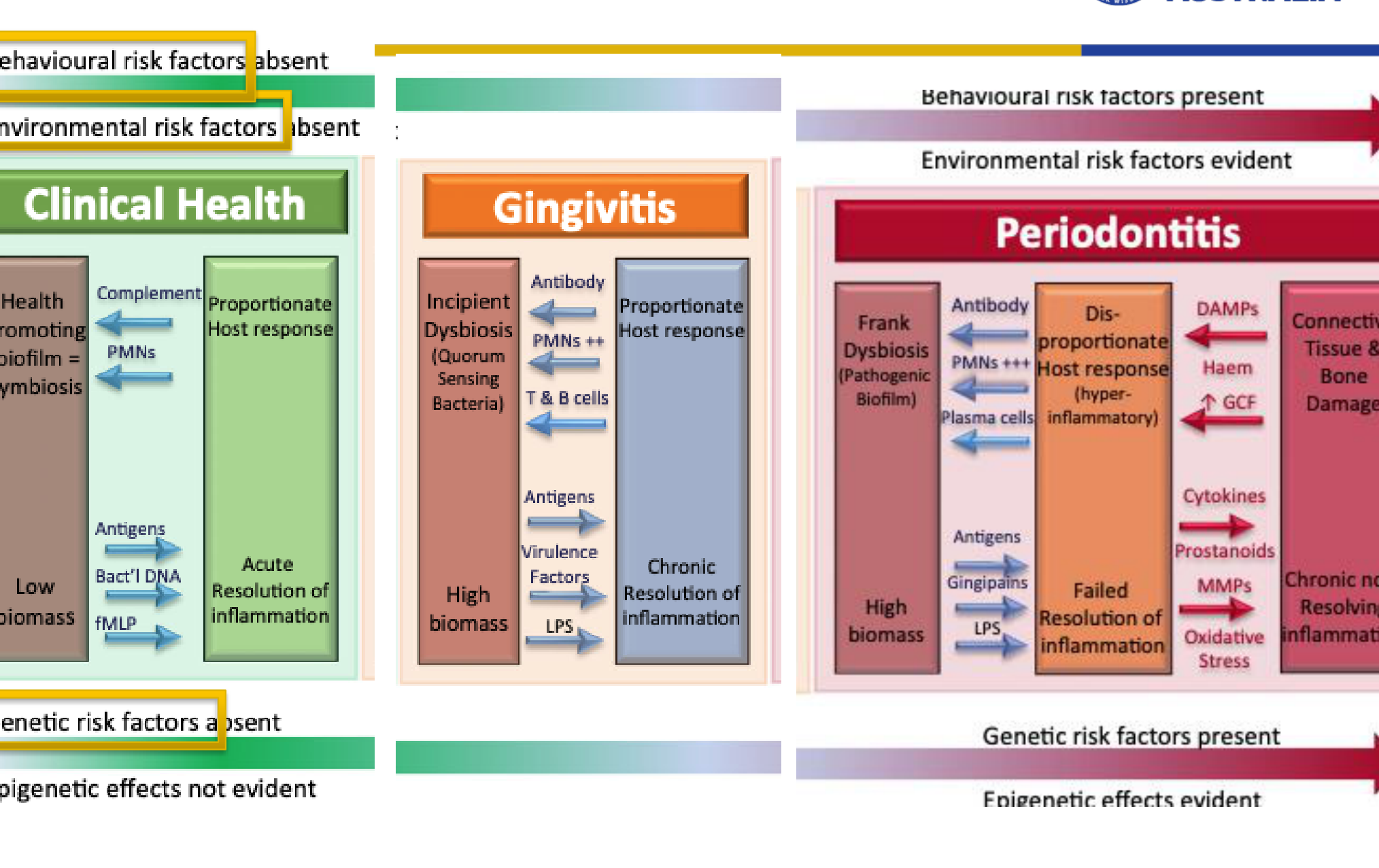
Pathogenesis of Periodontal Disease3
graph TD
    subgraph Clinical_Health [Clinical Health]
        CH1[Health Promoting biofilm = Symbiosis]
        CH2[Low biomass]
        CH3[Proportionate Host response]
        CH4[Acute Resolution of inflammation]

        CH1 -- "Complement / PMNs" --> CH3
        CH2 -- "Antigens / Bact'l DNA / fMLP" --> CH4
    end

    subgraph Gingivitis [Gingivitis]
        G1["Incipient Dysbiosis (Quorum Sensing Bacteria)"]
        G2[High biomass]
        G3[Proportionate Host response]
        G4[Chronic Resolution of inflammation]

        G1 -- "Antibody / PMNs ++ / T & B cells" --> G3
        G2 -- "Antigens / Virulence Factors / LPS" --> G4
    end

    subgraph Periodontitis [Periodontitis]
        P1["Frank Dysbiosis (Pathogenic Biofilm)"]
        P2[High biomass]
        P3["Disproportionate Host response (hyper-inflammatory)"]
        P4[Failed Resolution of inflammation]
        P5["Connective Tissue & Bone Damage"]
        P6[Chronic non-Resolving inflammation]

        P1 -- "Antibody / PMNs +++ / Plasma cells" --> P3
        P2 -- "Antigens / Gingipains / LPS" --> P4
        P3 -- "DAMPs / Haem / GCF ↑" --> P5
        P4 -- "Cytokines / Prostanoids / MMPs / Oxidative Stress" --> P6
    end

    %% Risk Factors Arrows
    RF1[Behavioural risk factors absent] -->|Behavioural risk factors present| RF2[ ]
    RF3[Environmental risk factors absent] -->|Environmental risk factors evident| RF4[ ]
    RF5[Genetic risk factors absent] -->|Genetic risk factors present| RF6[ ]
    RF7[Epigenetic effects not evident] -->|Epigenetic effects evident| RF8[ ]
Risk Factors and Susceptibility4
Although dental plaque accumulation is a cause of periodontal disease, it may not be a sufficient cause since some individuals have large accumulations of dental plaque and suffer little periodontal disease, while others have very little plaque accumulation and suffer severe periodontal disease. It appears then that risk factors are important in periodontal disease; determining who develops the disease, the severity of the disease the individual develops, which sites in the dentition are affected, the rate of progression of the disease, the response to therapy, and the recurrence rate. In assessing risk, the probability that a disease outcome will occur following a particular exposure is estimated (Last, 2001).
Risk factors (behavioural, environmental and genetic), have the potential to modify patient’s response to the presence of dental biofilm. This is important because periodontal tissue destruction in periodontitis fundamentally results from the body’s response to plaque rather than the plaque itself (Page and Schroeder, 1976).
Local and Modifying Factors
What is a risk factor?5
A risk factor can be an aspect of personal behaviour or life style, an environmental exposure, or an inborn or inherited characteristic that changes the susceptibility to periodontal disease. It can also be a local factor which increases the infection of a site.
Types of risk factors for periodontal disease
There are two major classes of risk factors for periodontal disease.
-
Local factors such as overhanging restorations and root caries that tend to allow for plaque accumulation and hence result in more periodontal disease. Other local risk factors for periodontal disease include pocket depth, intrabony pockets especially involving furcations, and root canal infections.
-
Systemic factors that affect the entire body, such as cigarette smoking, diabetes mellitus and genetic factors (Table 10.2).
Predisposing Factors6
Predisposing factors might increase the probability of disease occurrence and usually have localised effects.
These factors include anything which retains or hinders the removal of dental plaque:
- dental calculus
- overhangs restorations
- subgingival restorations
- subgingival restoration margins
- open contact points
- partial dentures
- tilted/rotated/crowded teeth
- bulbous crowns
- grooves on teeth and more.
Modifying Factors
Modifying factors tend to act in a systemic fashion, which will alter the nature of a disease.
A modifying factor can alter the nature or course of the inflammatory response to the plaque by modifying:
- The susceptibility of disease
- Plaque microbiota
- Clinical presentation of periodontal disease
- Disease progression
- Response to treatment
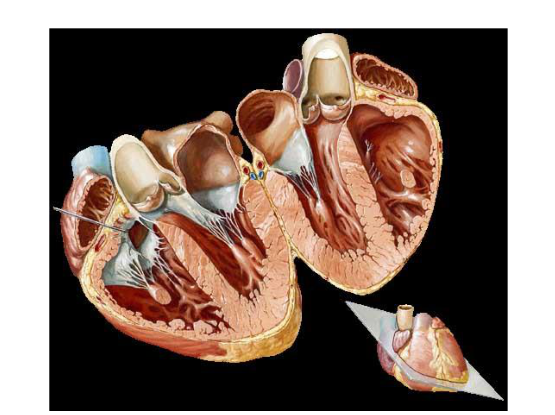
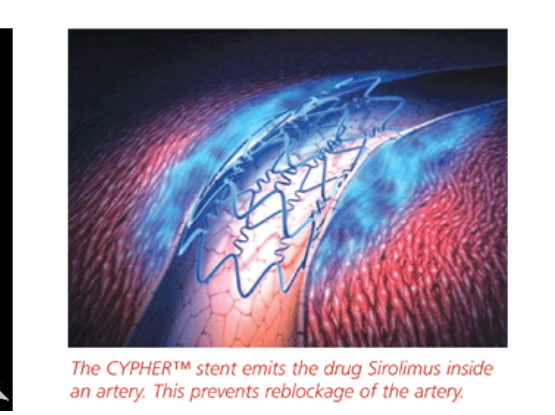
Systemic Modifying Factors for Periodontal Disease7
- Diabetes
- Smoking
- Puberty
- Menopause
- Pregnancy
 |  |
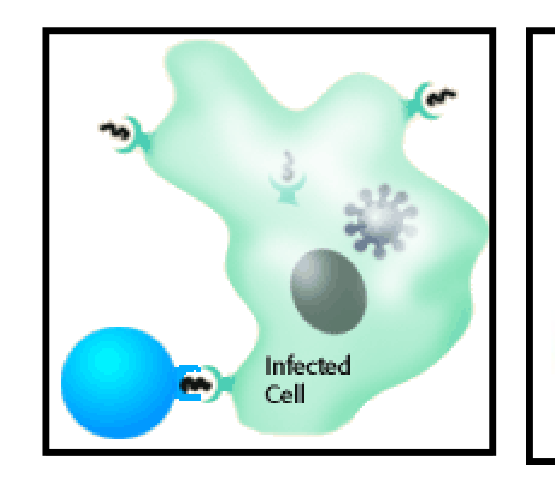 | 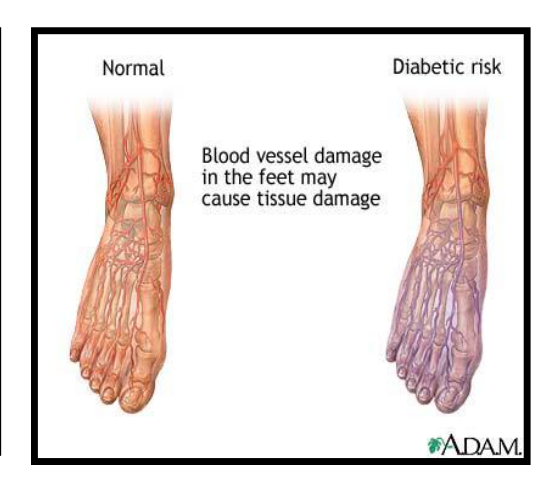 |
Effects on
- Physiological response
- Vascular system
- Inflammatory response
- Immune system
- Tissue repair
- Microbiota?
Periodontal Medicine8
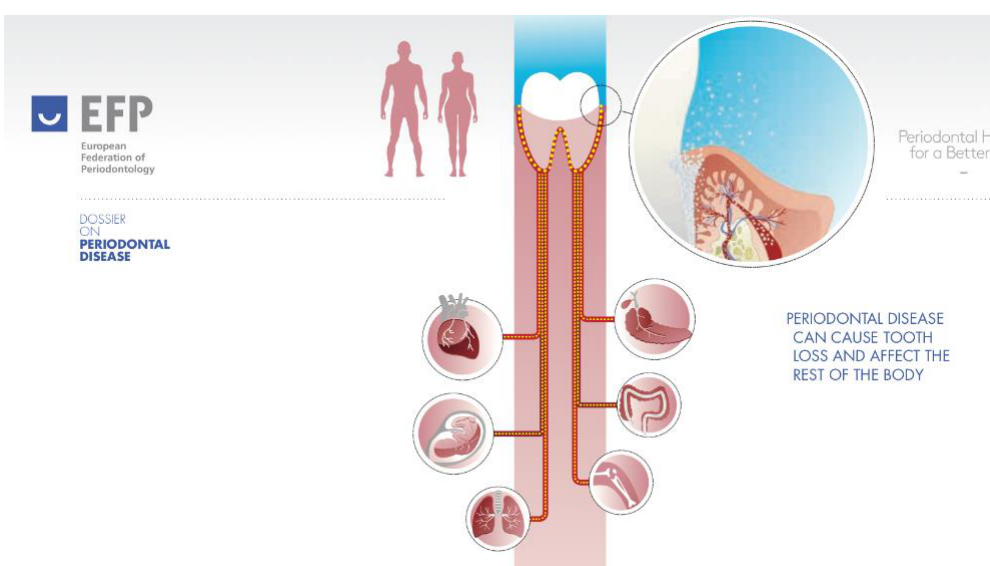
Definition of periodontal medicine9
We view the term periodontal medicine, as first suggested by Offenbacher (7), to be a broad term that defines a rapidly emerging branch of periodontology focusing on the wealth of new data establishing a strong relationship between periodontal health or disease and systemic health or disease. This means a two-way relationship in which periodontal disease in an individual may be a powerful influence on an individual’s systemic health or disease as well as the more customarily understood role that systemic disease may have in influencing an individual’s periodontal health or disease. Logically included in this definition would be new diagnostic and treatment strategies that recognize the relationship between periodontal disease and systemic disease.
Willians & Offenbacher 2000
SYSTEMIC DISEASES → PERIODONTITIS
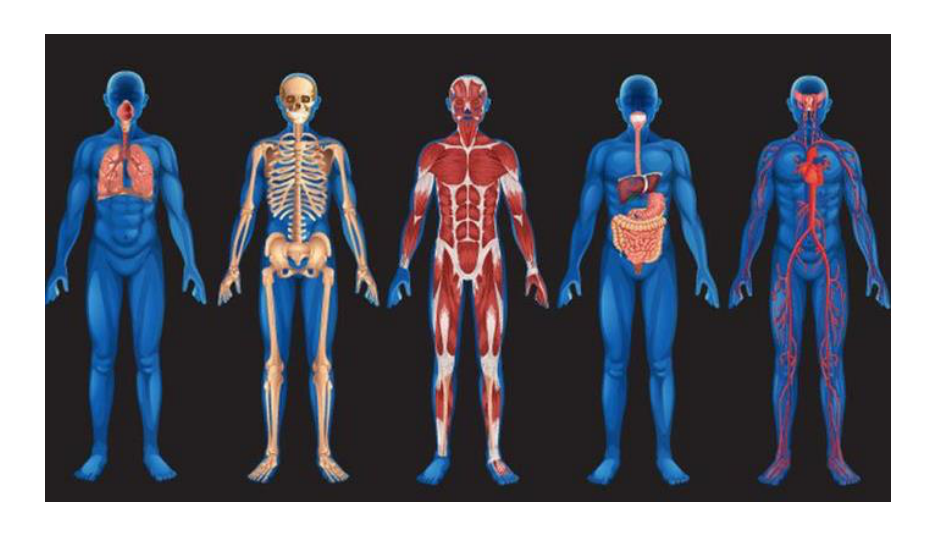
More than a 100 systemic diseases/conditions and 500 medications have oral manifestations. Kane, 2017
SYSTEMIC DISEASES ← PERIODONTITIS
EFP European Federation of Periodontology DOSSIER ON PERIODONTAL DISEASE
Periodontal Health for a Better Life
 |  |
Overview of Diabetes Mellitus
Classification and Prevalence10
High level of blood glucose due to absolute or relative lack of hormone insulin
Type 1 DM11
- Autoimmune destruction of pancreatic β-cells
- Leads to total loss of insulin production
- Usually diagnosed in children and adolescents
Type 2 DM
- Develop resistance to insulin with reduced β-cell function
- Reduced insulin production, but retains ability for some insulin production
- After 40 years old & associated with obesity
Gestational
(unspecified)
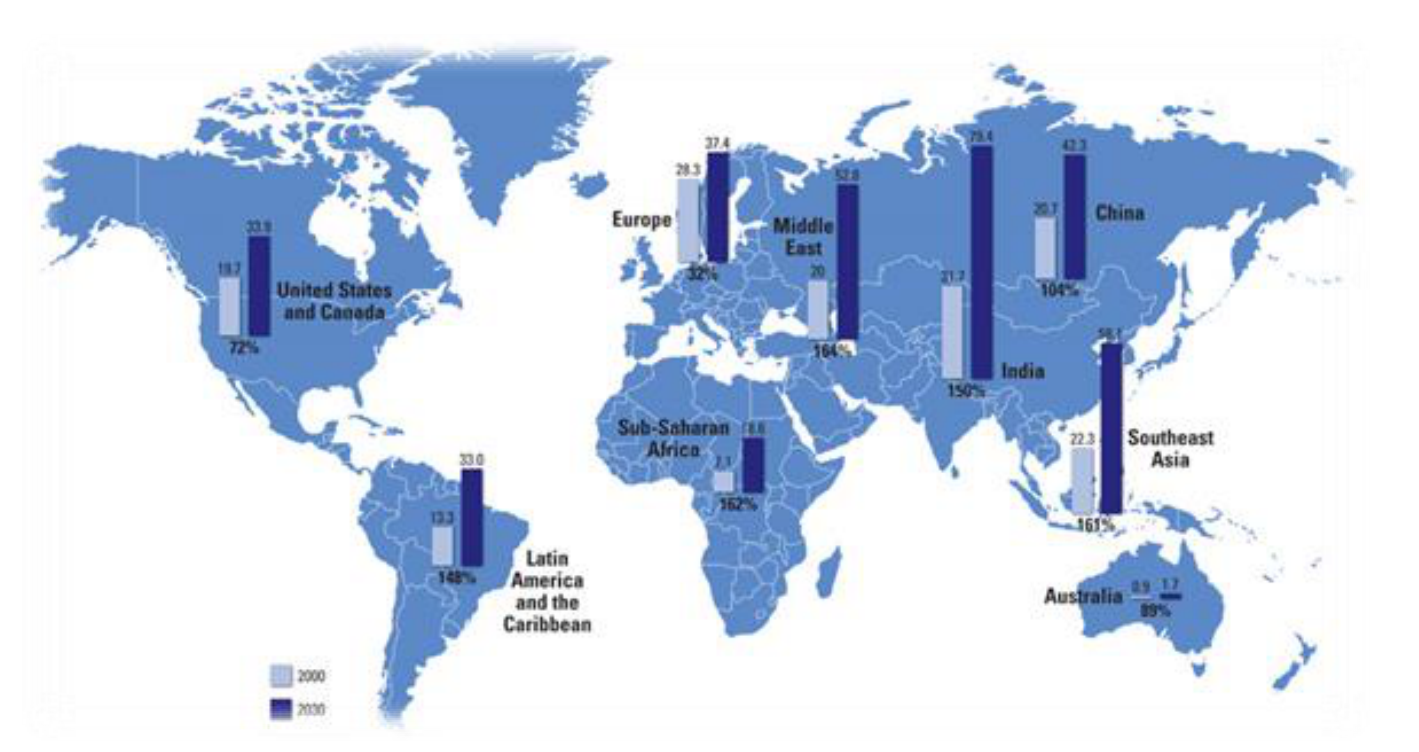
- Over 250 million worldwide (2007)
- Rates have doubled over past 20 years
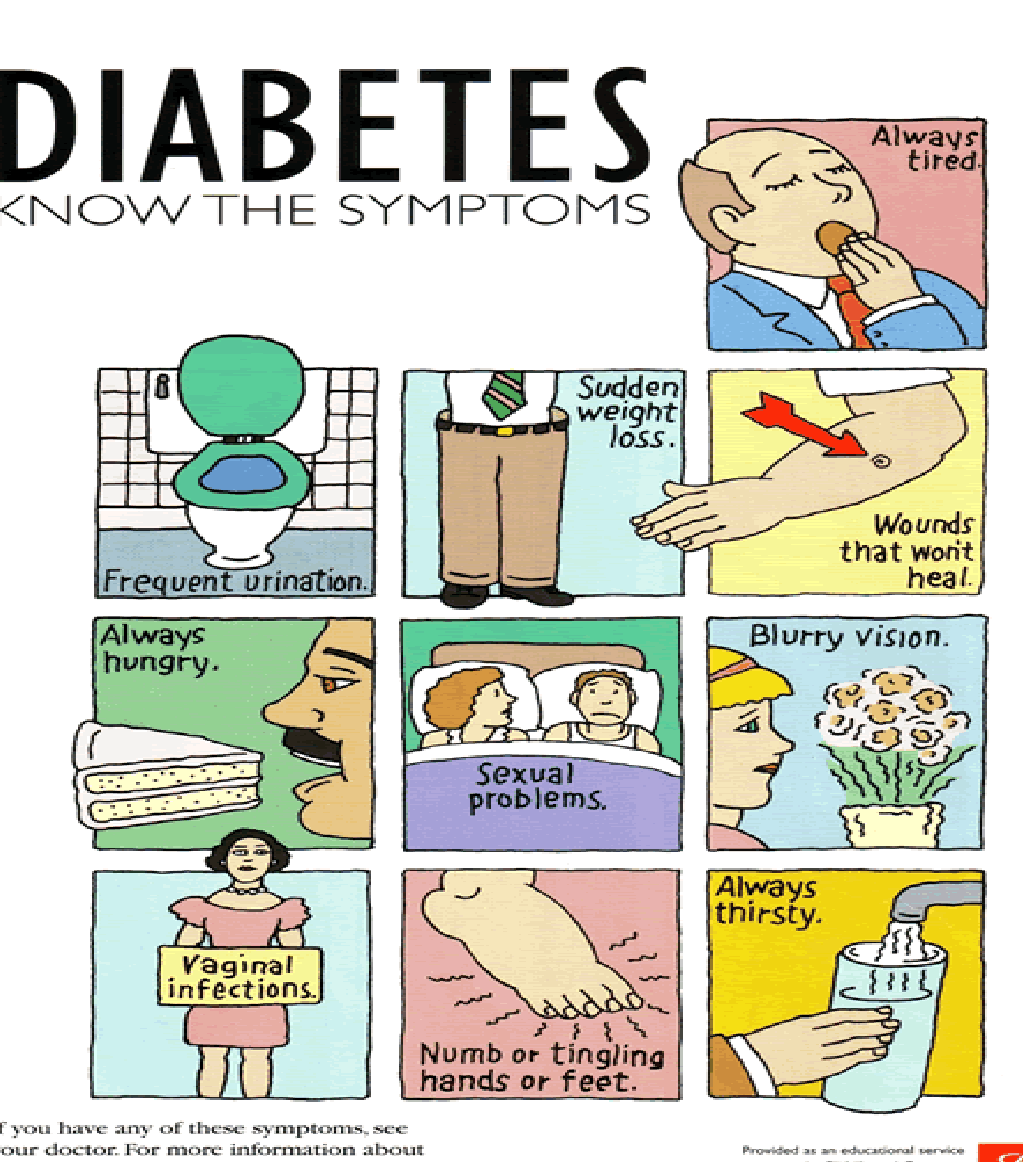
Clinical Symptoms and Diagnosis121314
- FATIGUE
- INFECTIONS
- VISION ALTERATION
- WEAKNESS
- HYPERGLYCEMIA
- PRURITUS (Itchy)
- POLYPHAGIA (xs eating)
- POLYURIA
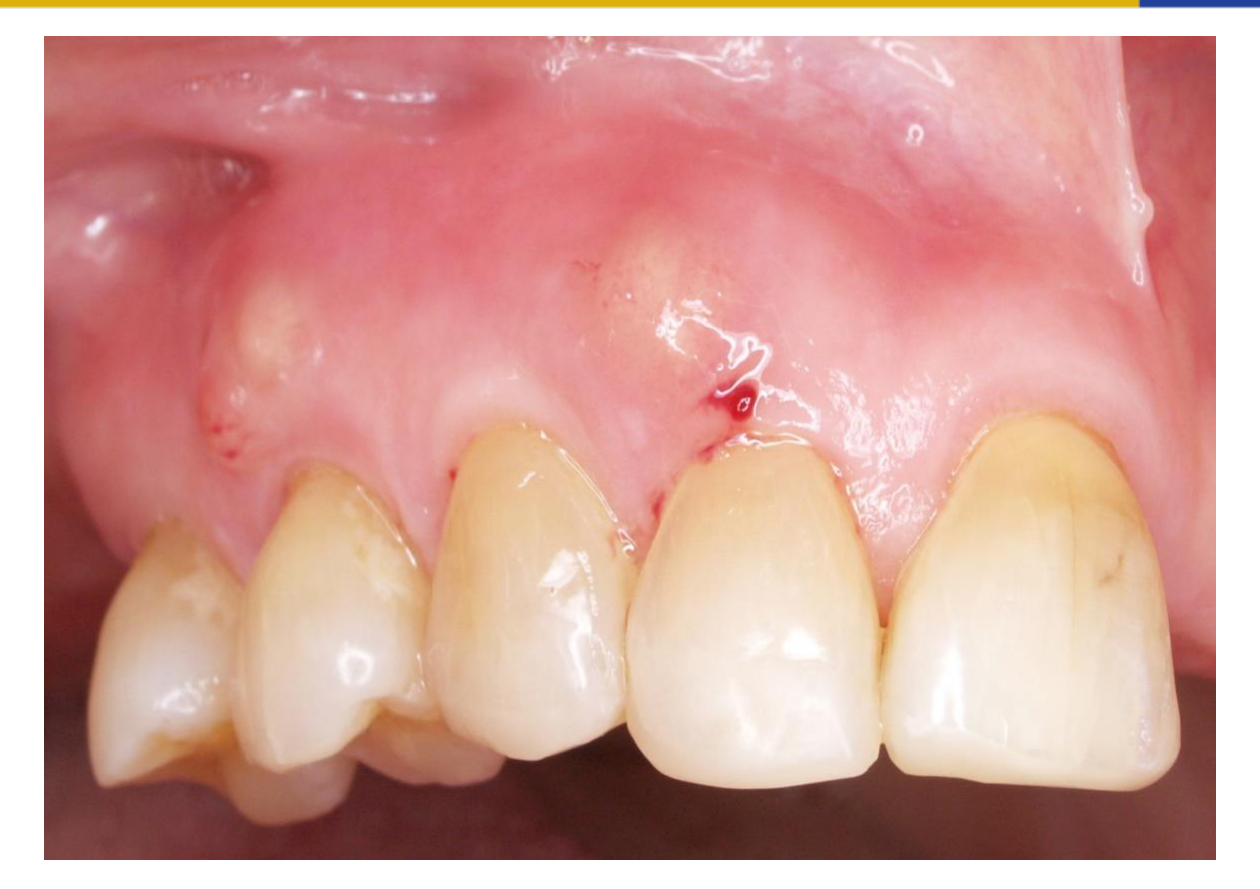
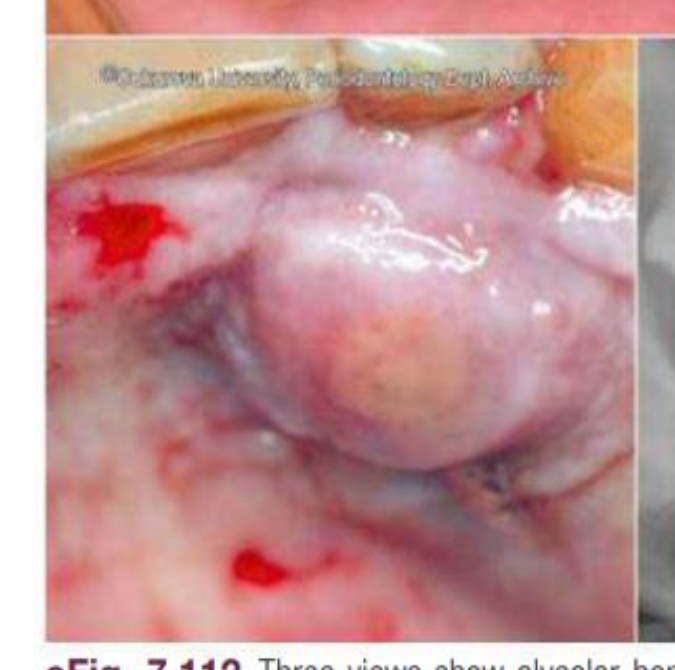
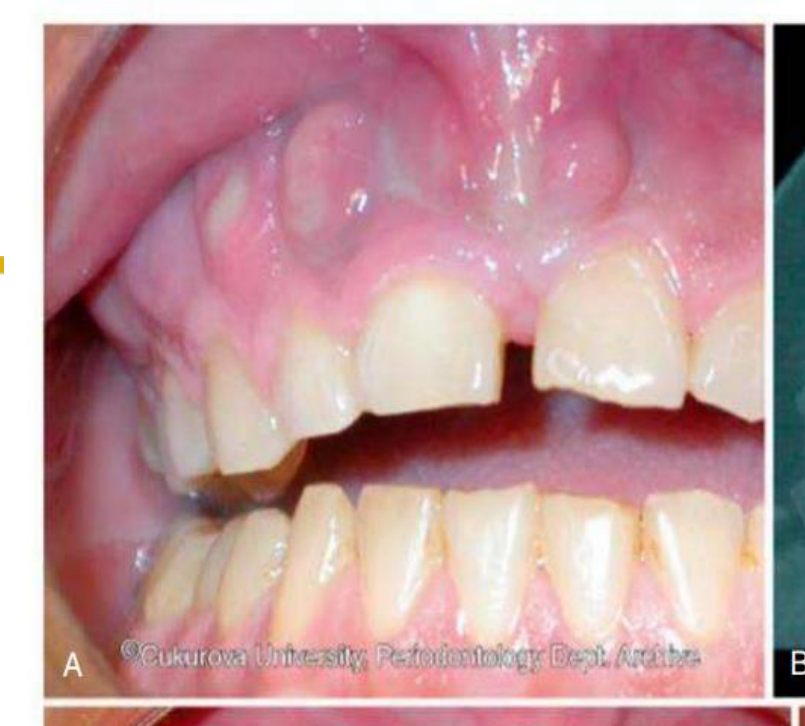
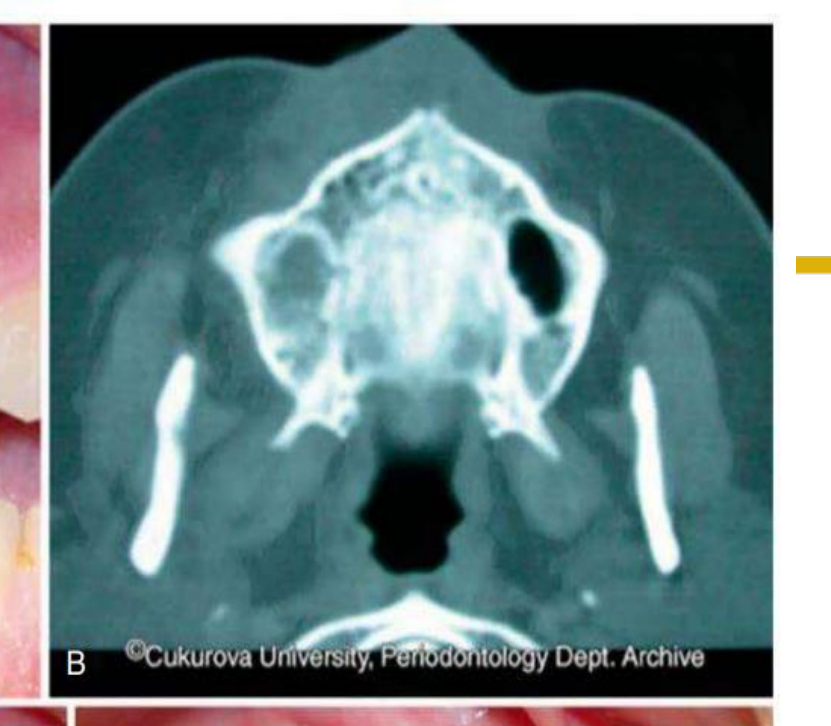
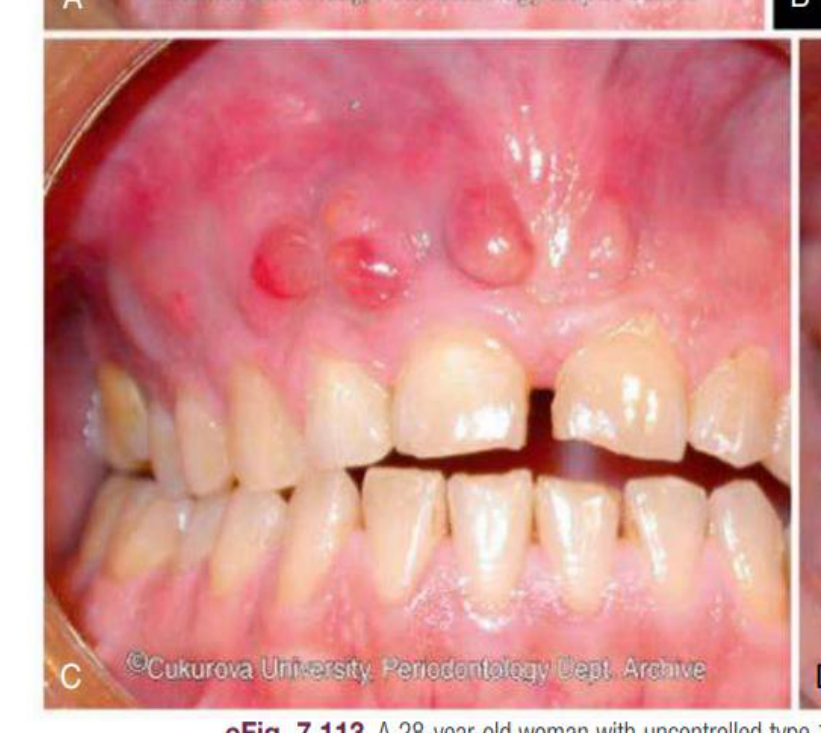
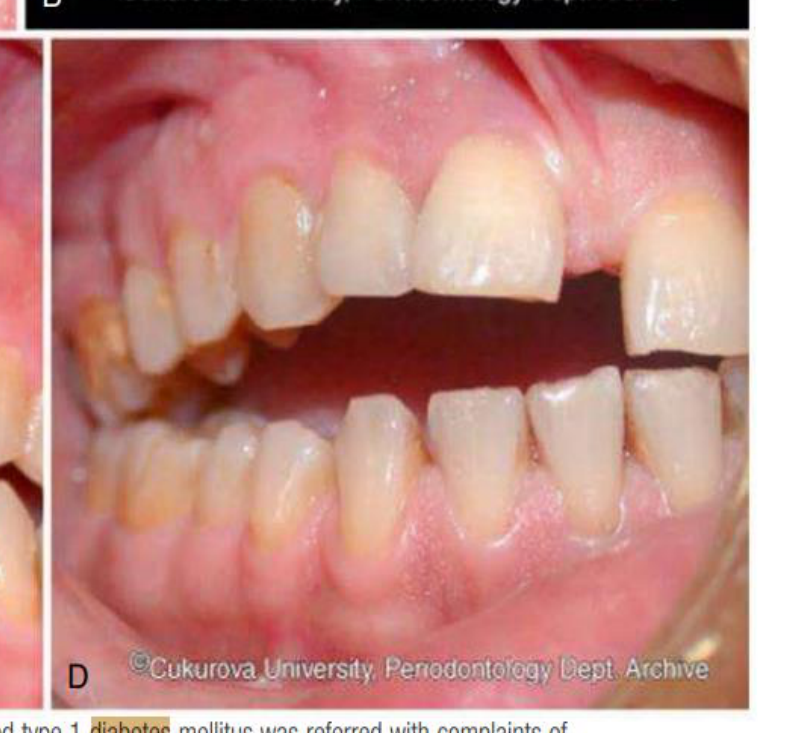
PERIODONTAL ABSCESS
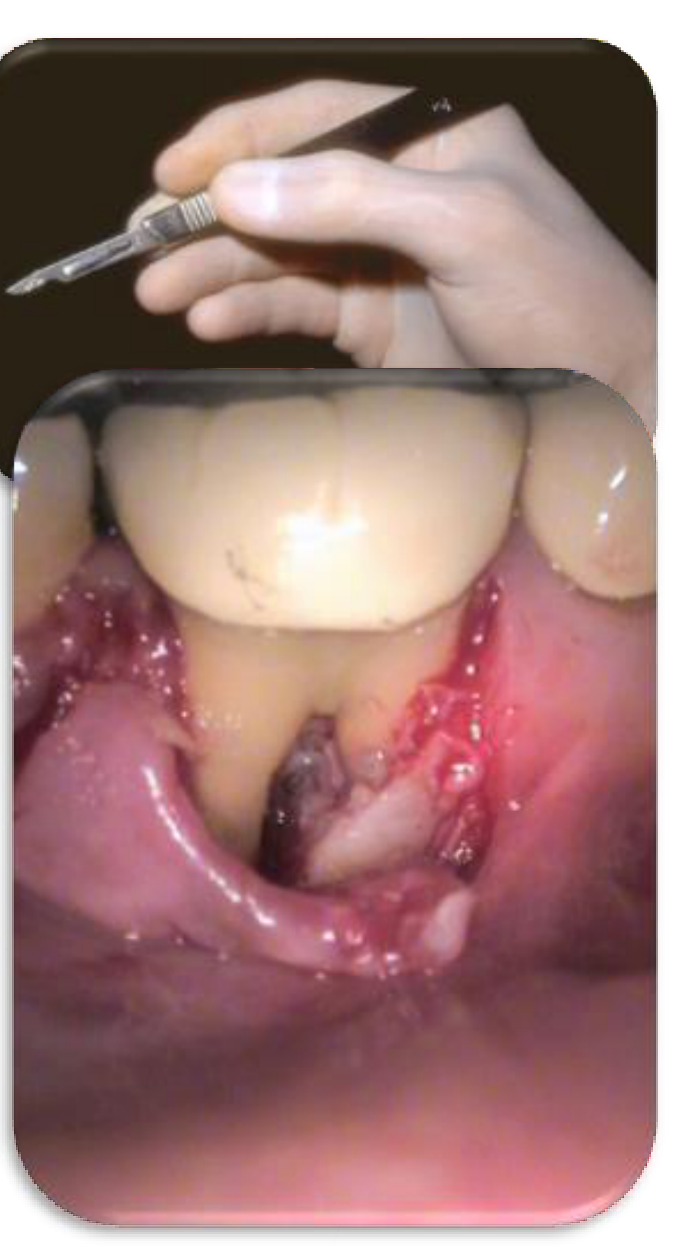
Diabetics are more susceptible to periodontal abscesses (Ueta et al 1993)
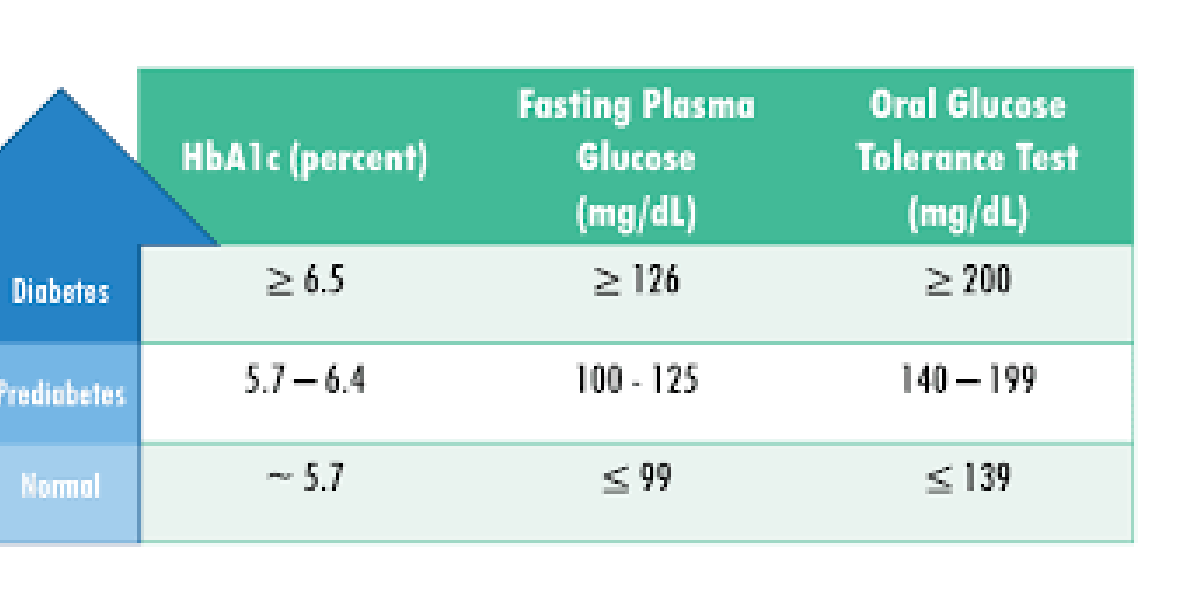
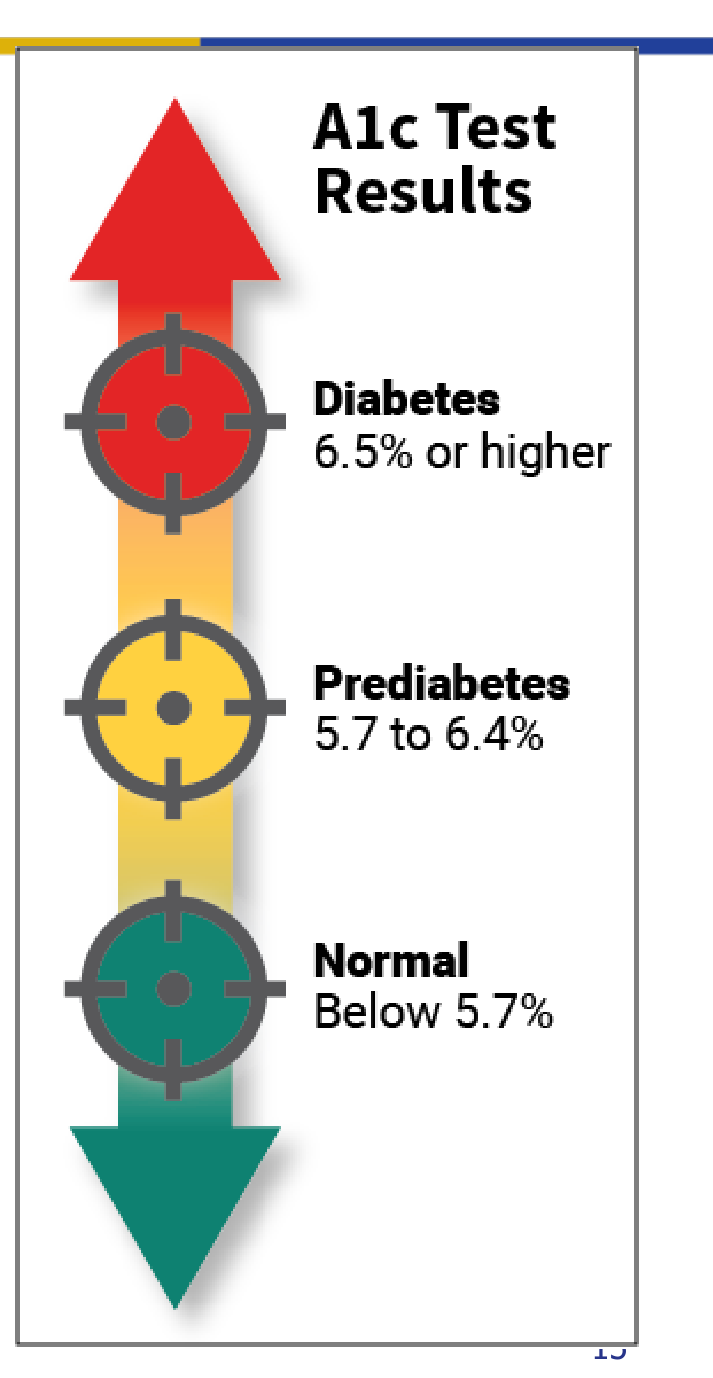
DIAGNOSIS & SCREENING
| HbA1c | Fasting Plasma Glucose (mg/dL) | Oral Glucose Tolerance Test (mg/dL) | |
|---|---|---|---|
| Diabetes | ≥ 6.5 | ≥ 126 | ≥ 200 |
| Prediabetes | 5.7 – 6.4 | 100 - 125 | 140 – 199 |
| Normal | ~ 5.7 | ≤ 99 | ≤ 139 |
 |  |
 |
Glycemic Control and Complications1516
HOW TO MEASURE GLYCEMIC CONTROL
GLYCOSYLATED HAEMOGLOBIN MOLECULE (HbA1c)
BINDING OF GLUCOSE TO HEMOGLOBIN
% HbA1c INCREASES WITH HIGHER SERUM GLUCOSE DURING LIFE OF RBC
LIFE SPAN OF RBC – 100-120 DAYS
New measurements at 3-4 months
COMPLICATIONS AND TREATMENT
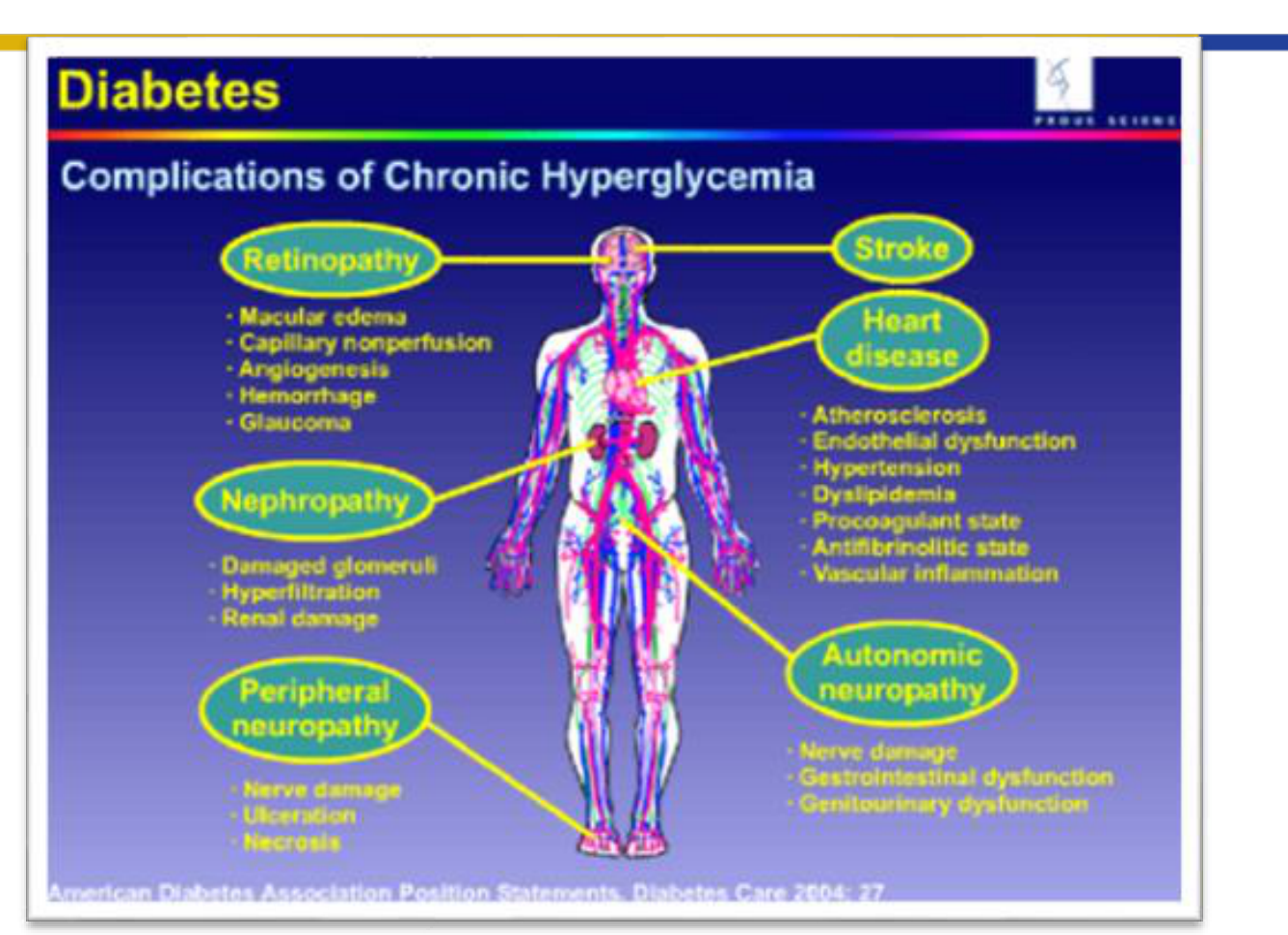
PERIODONTAL DISEASE has been called the 6th complication of diabetes (Löe 1993)
Treatment
- Redução das taxas de glicose a fim de prevenir sinais/sintomas e complicações – Controle glicêmico - manutenção de níveis controlados a fim de prevenir complicações
 |  |
Relationship Between Diabetes and Periodontal Disease17
Epidemiological Evidence and Risk Assessment181920
-
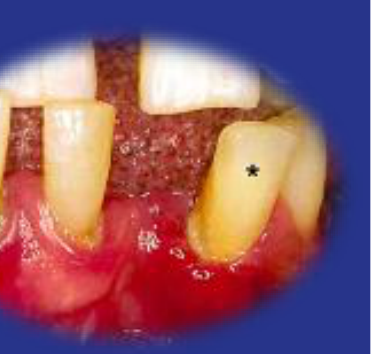
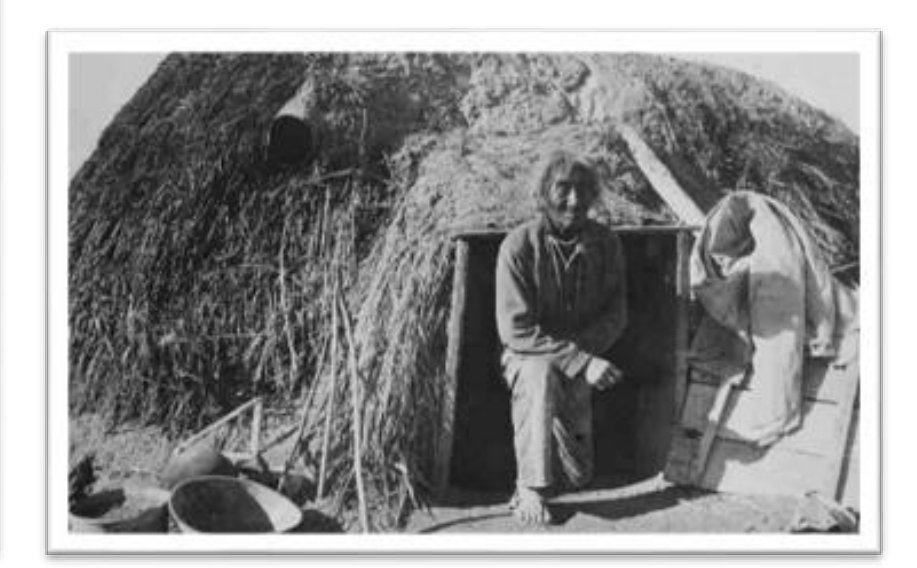
Approximately 40% of adult Pima Indians in Arizona have type 2 diabetes.
-
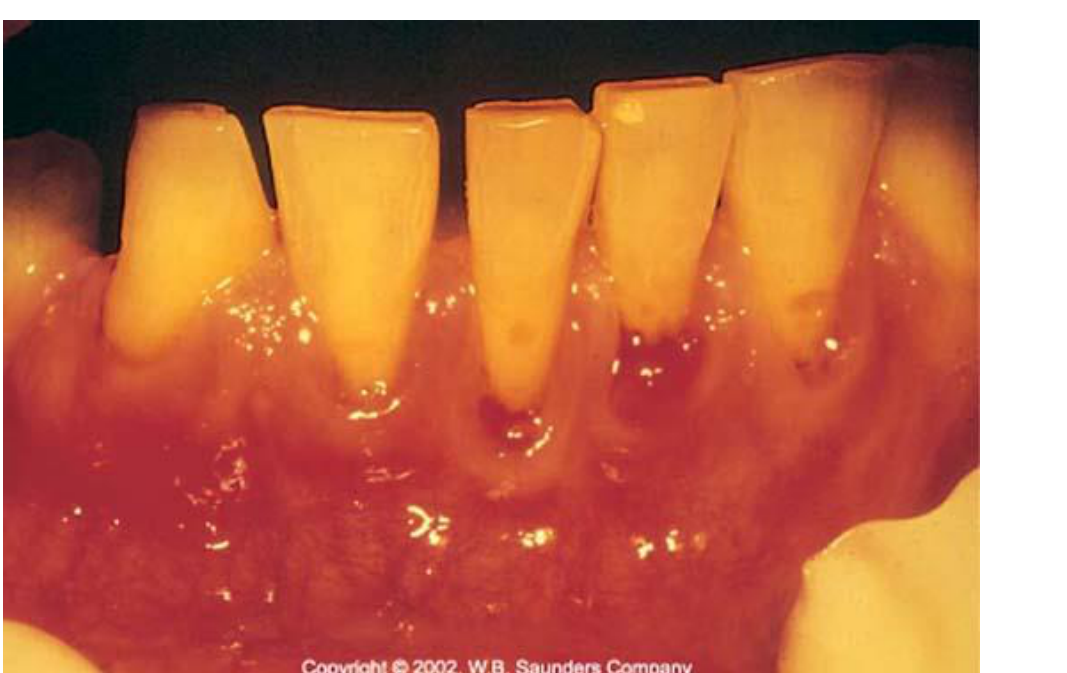
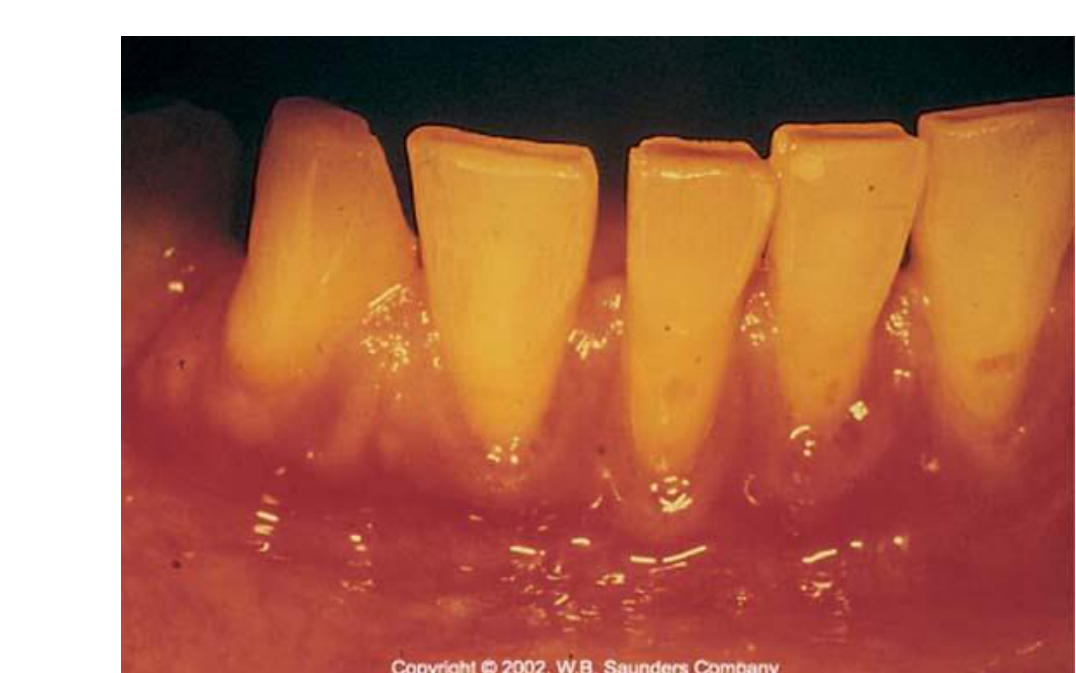
A comparison of individuals with and without diabetes in this Native American tribe showed a clear increase in the prevalence of destructive periodontitis as well as a 15% increase in edentulousness among patients with diabetes.
-
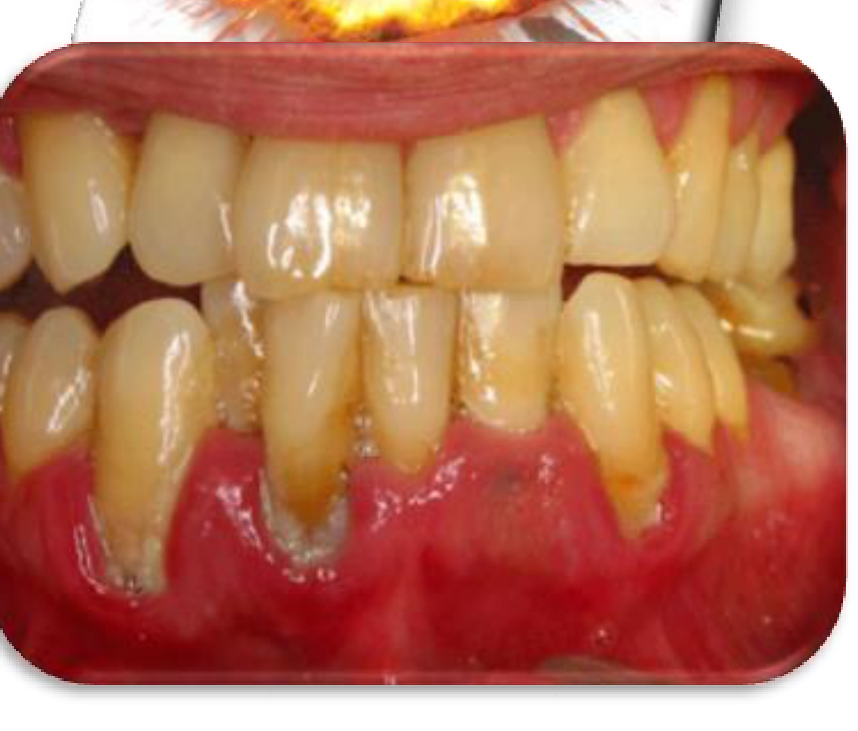
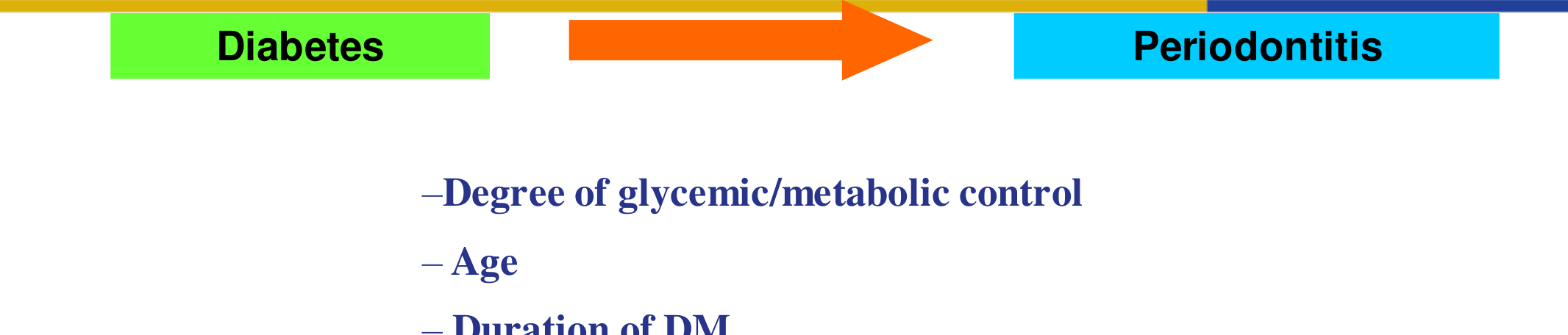
Periodontitis’ prevalence is increased in diabetics.
-
2.8-3.4X increase in risk for periodontitis.
-
Poorly controlled (type 2 DM) had X11 increased risk for periodontitis compared to non-diabetic.
-
Glycemic control is related to periodontitis in a dose-response manner (the level of hyperglycemia is related to periodontitis).
-
Diabetics with complications have poorer periodontal conditions.
-
Well controlled diabetics had similar risk for periodontitis to non-diabetics.
-
Degree of glycemic/metabolic control
-
Age
-
Duration of DM
-
Severity of DM - Complications
 |  |  |
 |  |  |
 |  |
Biological Mechanisms of Susceptibility21
Microbial Composition22
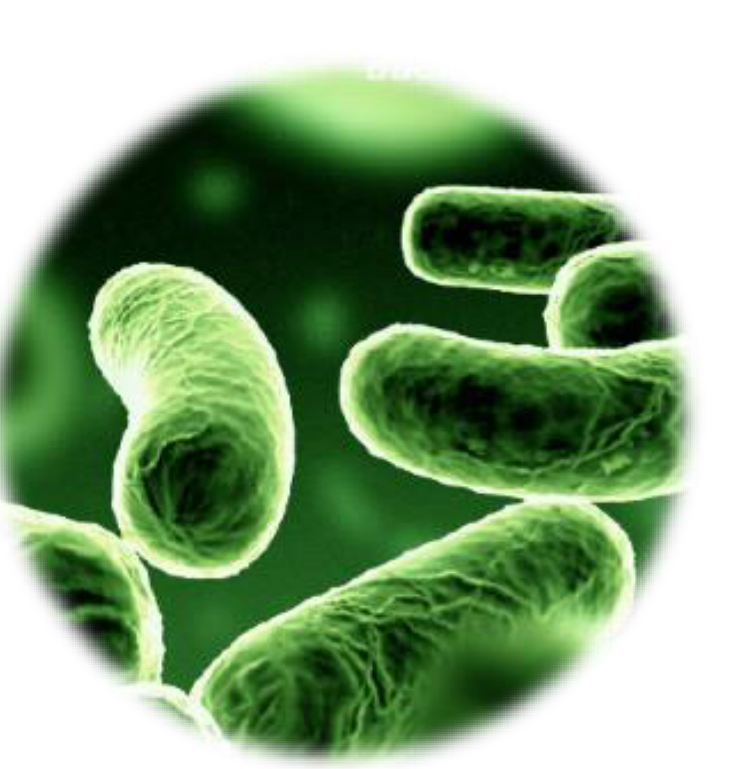
- Earlier studies in 1980s & 1990s (using culture) found higher levels of SPIROCHETES & MOTILE RODS in diabetics (vs healthy controls).
- More recent studies (using molecular techniques such as PCR) found similar levels of putative periodontal pathogens between diabetics & non-diabetics.
- CONCLUDE: increase in susceptibility to periodontal disease in diabetics is NOT due to differences in composition of the microbiota.
Host Immune Response and Neutrophil Function2324
Impaired neutrophil function:
- Impaired neutrophil adherence, chemotaxis & phagocytosis (produce less oxygen radicals).
- Bacteria persists in periodontal pocket.
Polymorphonuclear Leukocyte Function
The increased susceptibility of patients with diabetes to infection has been hypothesized as being caused by polymorphonuclear leukocyte (PMN) deficiencies that result in impaired chemotaxis, defective phagocytosis, or impaired adherence. In patients with poorly controlled diabetes, the functions of PMNs, monocytes, and macrophages are impaired. As a result, the primary defense mounted by PMNs against periodontal pathogens is diminished, and bacterial proliferation is more likely. No alteration of immunoglobulin A (IgA), G (IgG), or M (IgM) has been found in patients with diabetes.
Advanced Glycation End Products and Tissue Integrity25
- Impaired immune response in periodontium of diabetics suggested in 1960s.
- Structural changes: with sustained hyperglycemia, proteins become irreversibly glycated to form advanced glycation end products (AGEs).
- Formation of AGEs also occurs in the periodontium.
- Higher levels found in diabetic patients.
- AGEs activate a receptor known as “receptor for AGEs” (RAGE) found on the surface of smooth muscle cells, endothelial cells & monocytes/macrophages & gingival tissues of type 2 diabetics.
- Hyperglycemia results in increased RAGE expression.
(Frantzis et al. 1971; Schmidt et al. 1996; 1999)
Altered Collagen Metabolism and Healing Response262728293031323334
Altered Collagen Metabolism
Chronic hyperglycemia impairs collagen structure and function, which may directly impact the integrity of the periodontium. Decreased collagen synthesis, osteoporosis, and a reduction in alveolar bone height have been demonstrated in diabetic animals. 97, 233
Chronic hyperglycemia adversely affects the synthesis, maturation, and maintenance of collagen and extracellular matrix. In the hyper-glycemic state, numerous proteins and matrix molecules undergo a nonenzymatic glycosylation, thereby resulting in advanced gly-compression end-products (AGEs). The formation of AGEs occurs at normal glucose levels as well; however, in hyperglycemic environments, AGE formation is excessive. Many types of molecules are affected, including proteins, lipids, and carbohydrates. Collagen is cross-linked by AGE formation, which makes the collagen less soluble and less likely to be normally repaired or replaced. Cellular migration through cross-linked collagen is impeded, and, perhaps more importantly, tissue integrity is impaired as a result of damaged collagen that remains in the tissues for longer periods (i.e., collagen is not renewed at a normal rate). As a result, collagen in the tissues of patients with poorly controlled diabetes is older and more susceptible to pathogenic breakdown (i.e., less resistant to destruction by periodontal infections).
AGEs and receptors for AGEs (RAGEs) play a central role in the classic complications of diabetes, and they may play a significant role in the progression of periodontal disease as well. Poor glycemic control, with the associated increase in AGEs, renders the periodontal tissues more susceptible to destruction. The cumulative effects of altered cellular response to local factors, impaired tissue integrity, and altered collagen metabolism undoubtedly play a significant role in the susceptibility of patients with diabetes to infections and destructive periodontal disease.
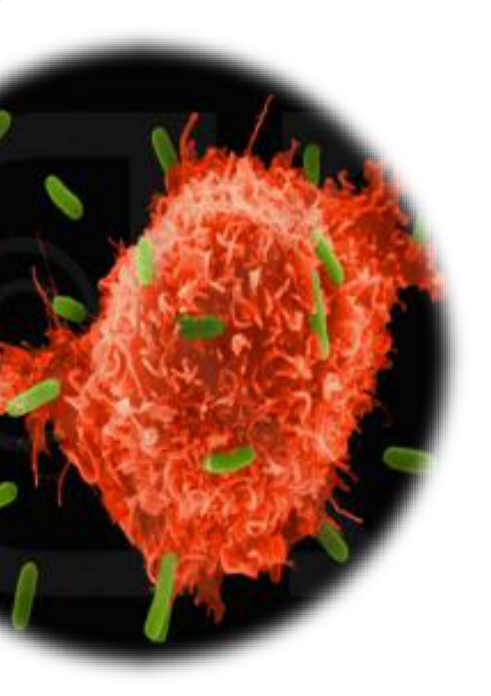
Stimulates monocytes & macrophages to proliferate, upregulate pro-inflammatory cytokines such as IL-1β, PgE2 and TNF-α & produce free O2 radicals
These free O2 radicals & pro-inflammatory cytokines contribute to the pathogenesis of periodontal disease.
Direct cell/host damage.
(Schmidt et al. 1996; 1999; Engebretson et al. 2004; Katz et al. 2005)
Higher levels of inflammatory cytokines & mediators found in GCF of diabetics.
Monocytes & macrophages with a destructive phenotype.
HEALING RESPONSE
In a hyperglycemic state, repair process in periodontium is compromised due to:
- Gingival fibroblasts produce less collagen & more MMPs.
- Recently synthesized collagen is rapidly degraded by elevated levels of active MMPs.
- Decreased osteoblast proliferation & collagen production.
- Increased rate of apoptosis of fibroblasts & osteoblasts.
(Loder 1988; Inaba et al. 1999; Lu et al. 2003; Gooch et al. 2000; He et al. 2004; Liu et al. 2004)
Together, the impaired immune response, poorer healing & increased destruction may explain the greater propensity of diabetics to have more severe periodontal disease.
(Loder 1988; Inaba et al. 1999; Lu et al. 2003; Gooch et al. 2000; He et al. 2004; Liu et al. 2004)
 |  |  |
 |  |
Bidirectional Relationship and Clinical Manifestations35
Influence of Periodontal Disease on Diabetes
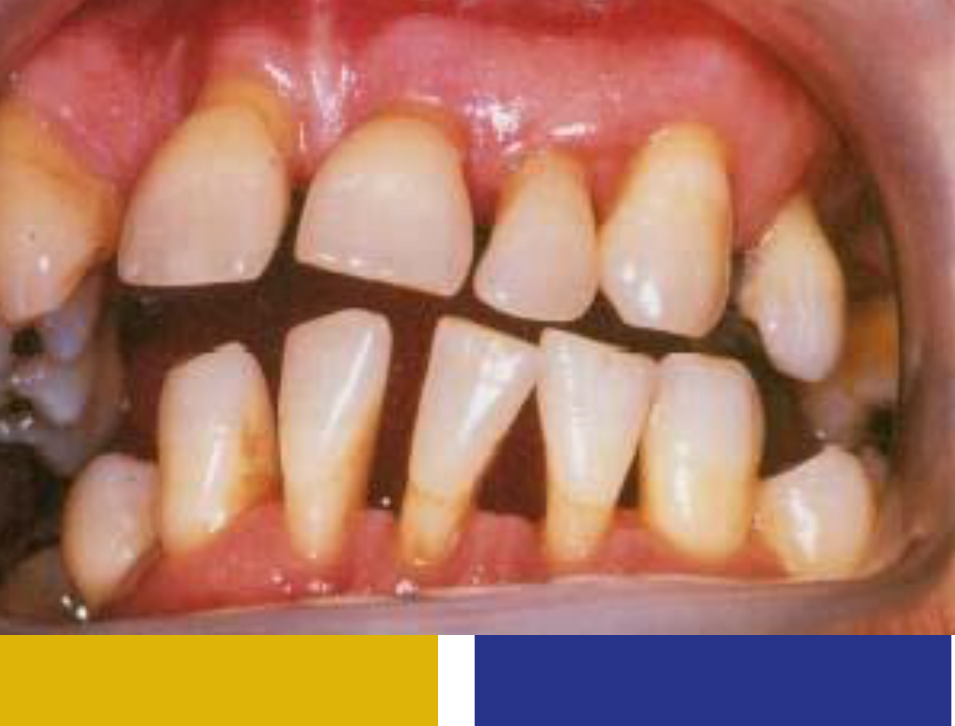
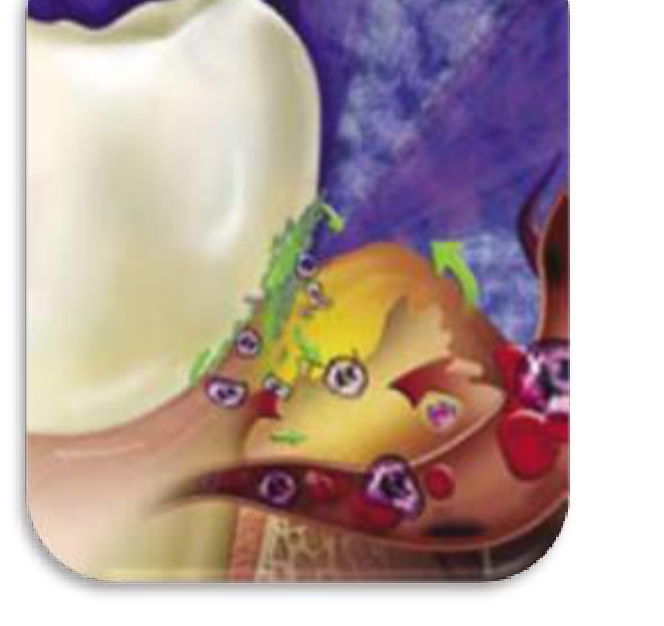
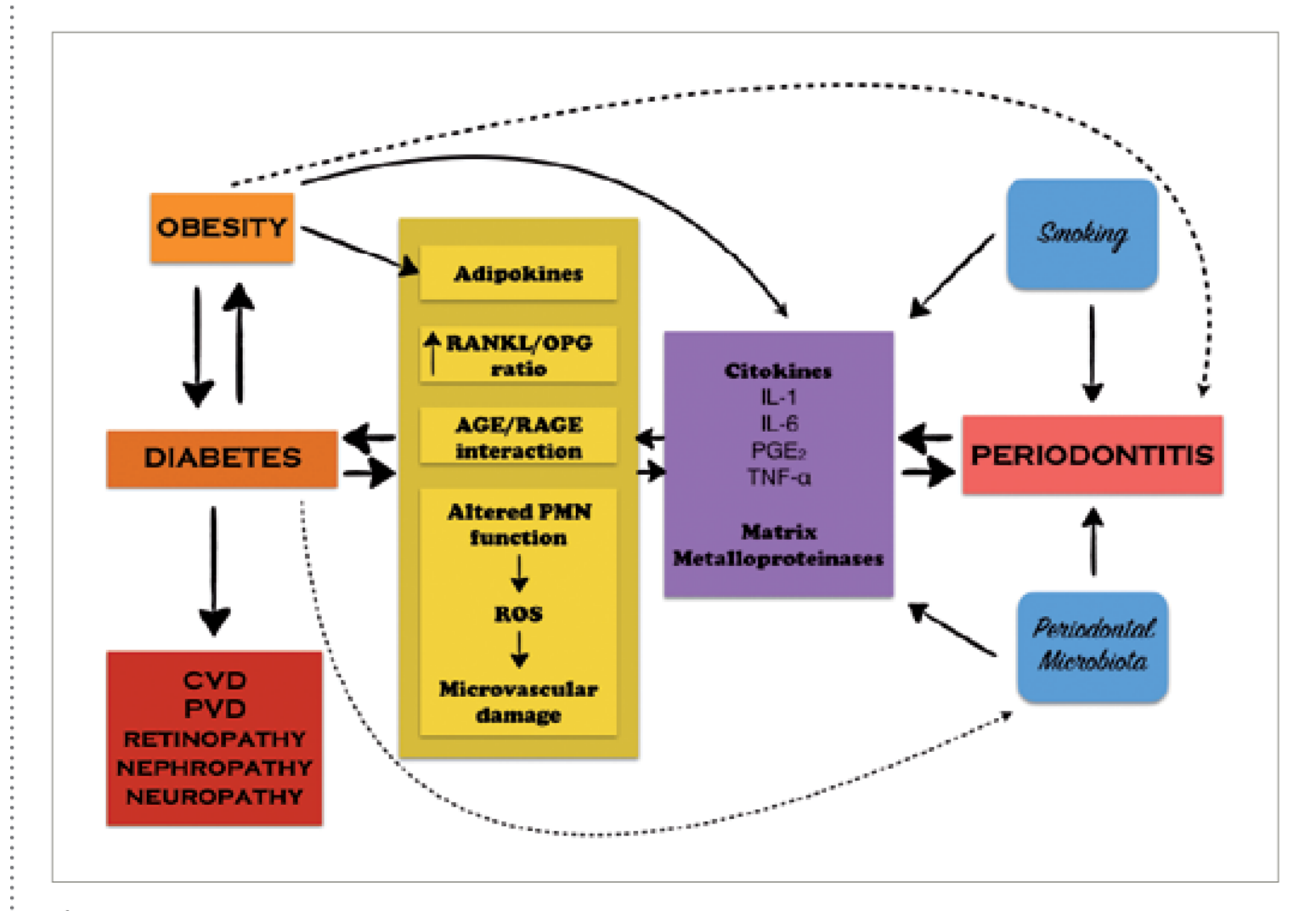
Influence of Periodontal Infection on Glycemic Control3637
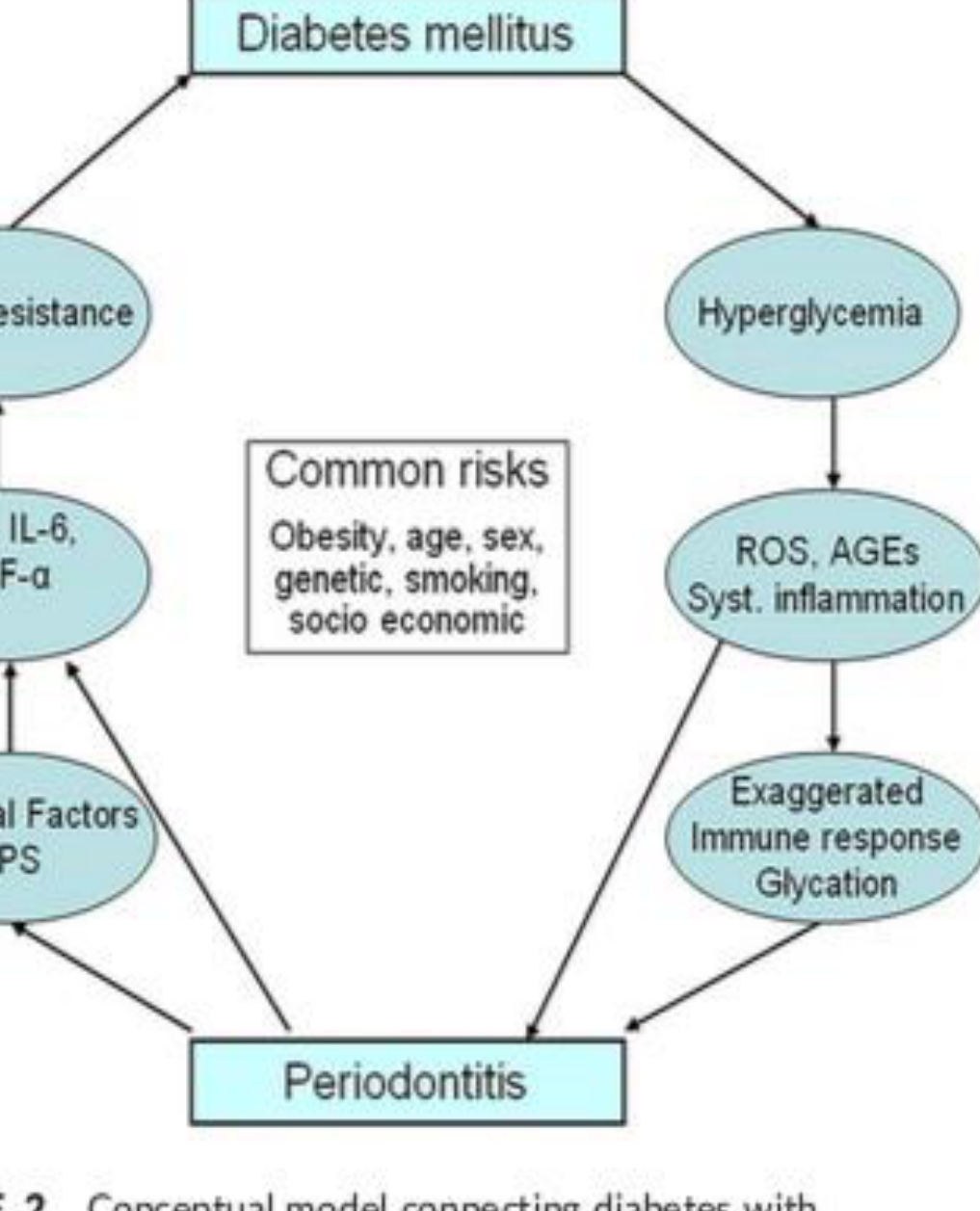
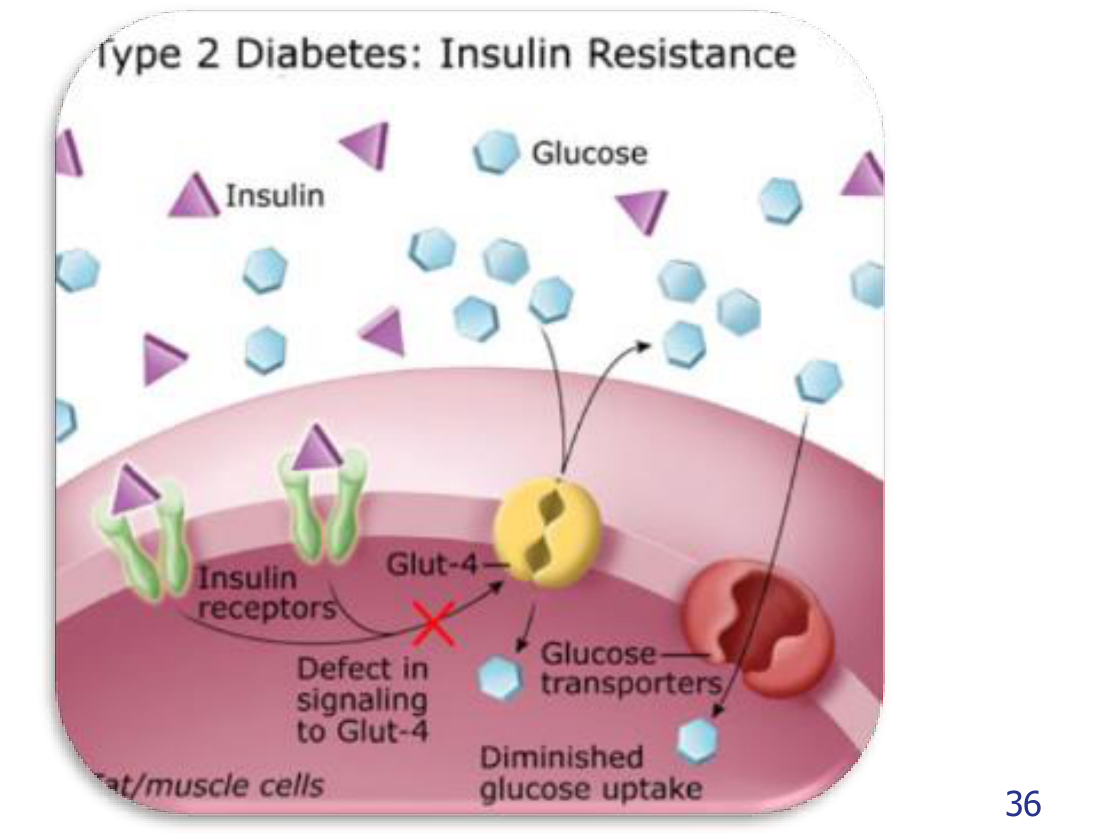
Proposed mechanism: periodontal infection may add to systemic inflammation which induces insulin resistance
High levels of cytokines can affect efficacy of insulin receptor
- Insulin
- Glucose
- Insulin receptors
- Glut-4
- Defect in signaling to Glut-4
- Diamond muscle cells
- Glucose transporters
- Diminished glucose uptake
 |  |
 |
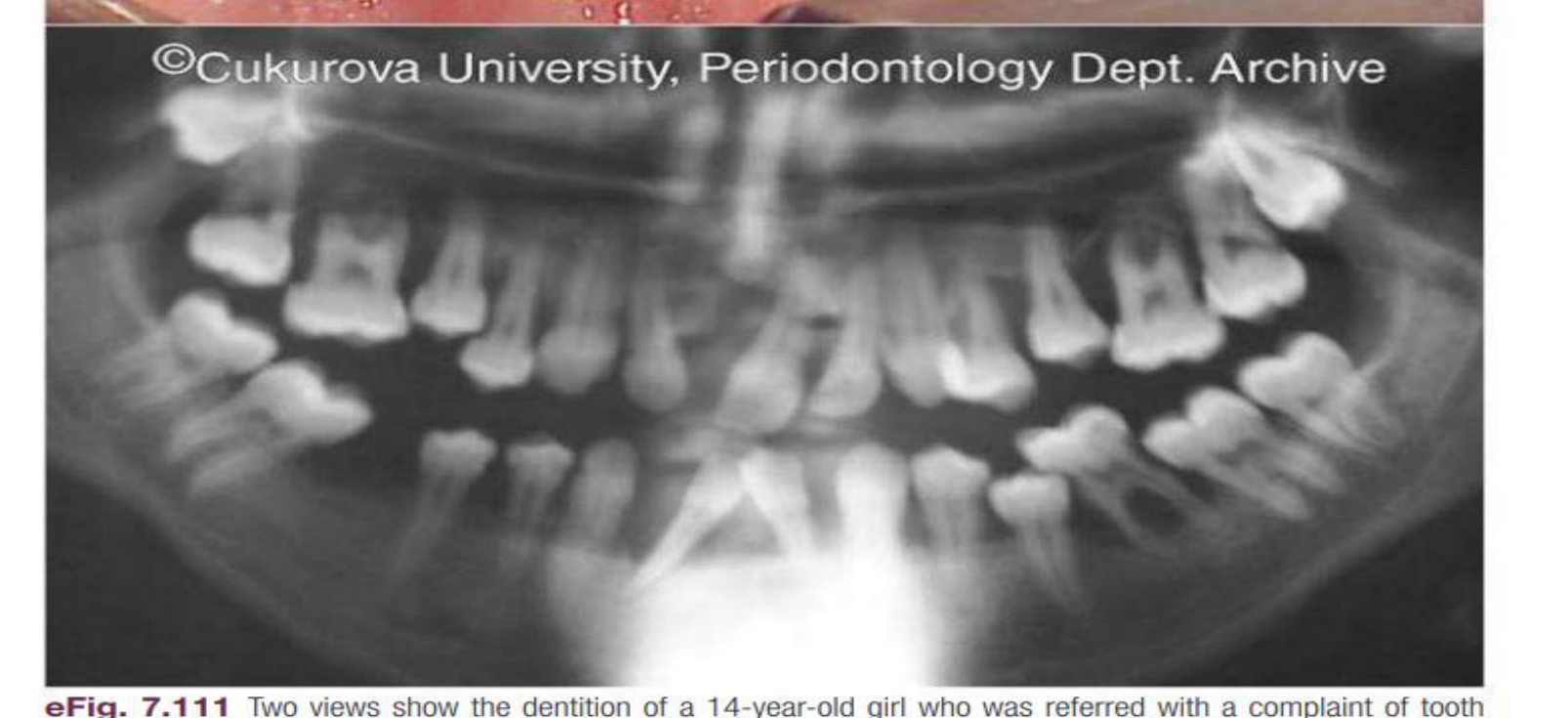
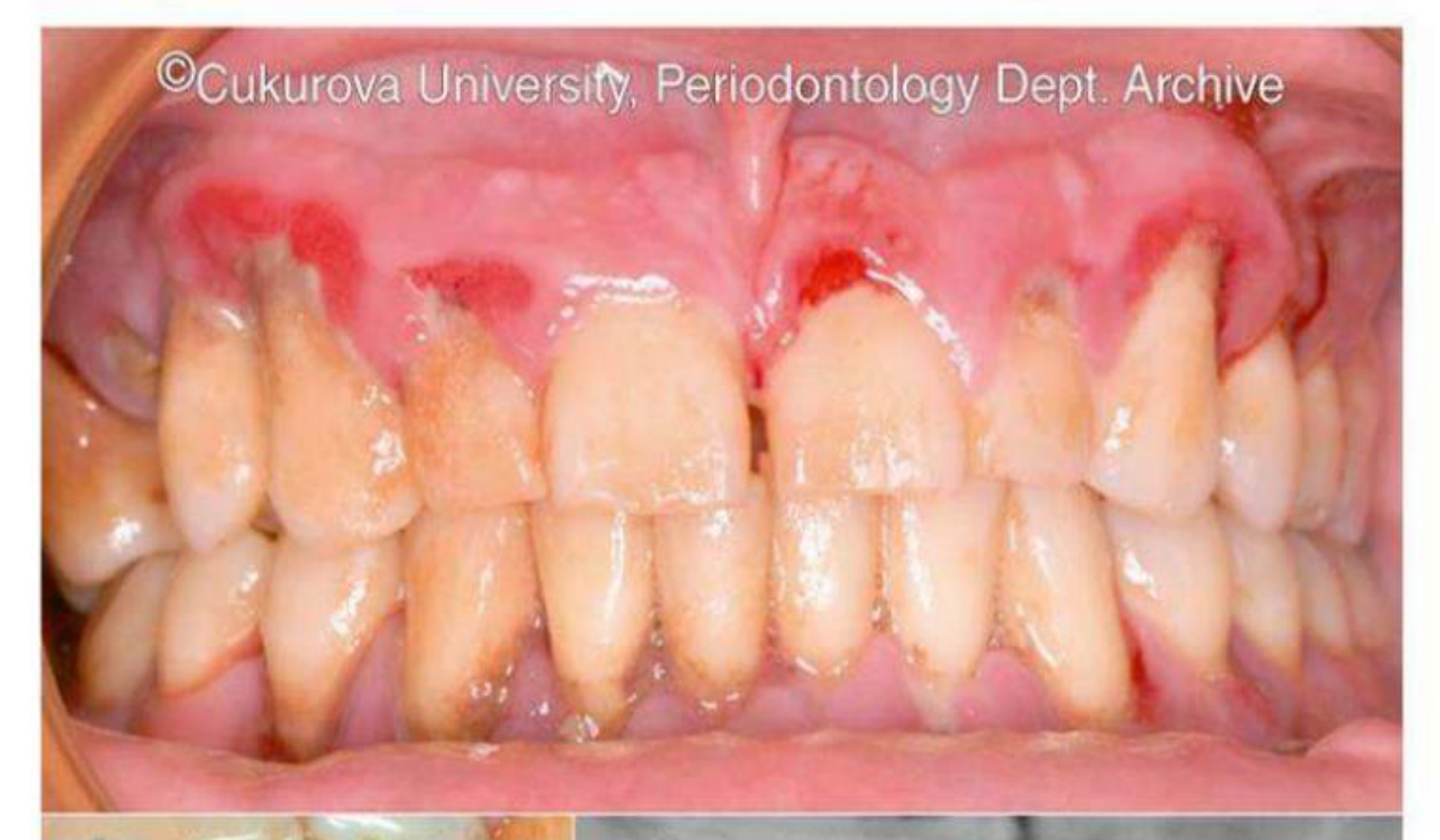
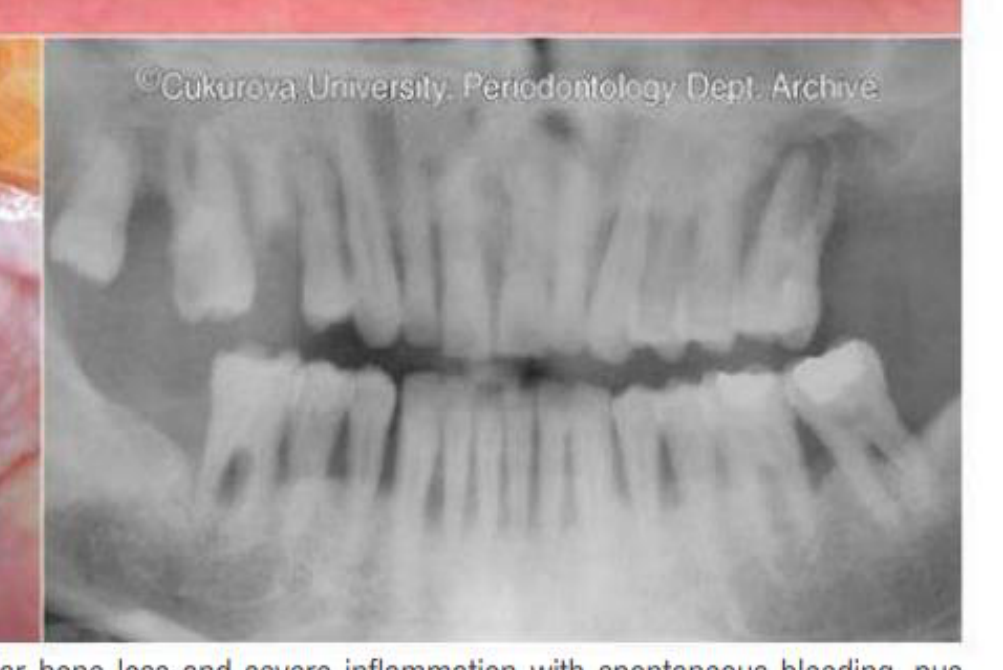
Clinical Case Presentations38394041
 |  |  |
 |  |  |
 |  |  |
 |  |
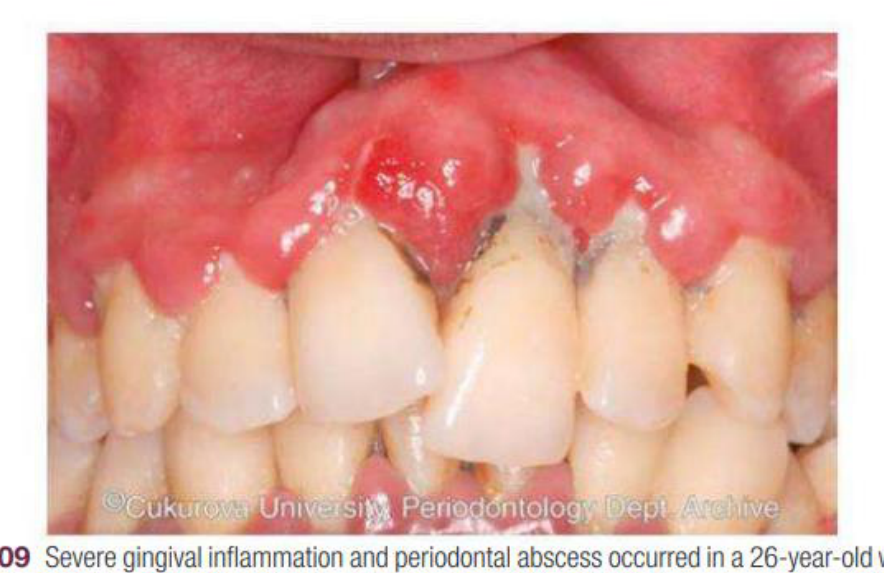
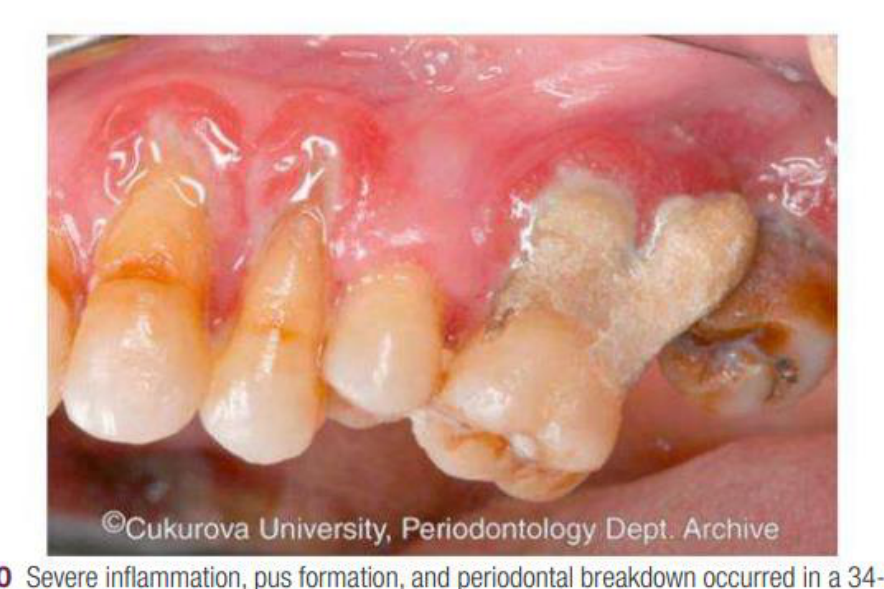
Periodontitis Modified by Systemic Factors: Diabetes Mellitus42
- Periodontal infection contributes to poorer glycaemic control & increased risk for diabetic complications in diabetics
(Thorstensson et al. 1996; Saremi et al. 2005; Schultis et al. 2007)
 |  |
Treatment and Management
Effect of Periodontal Therapy on Diabetes43
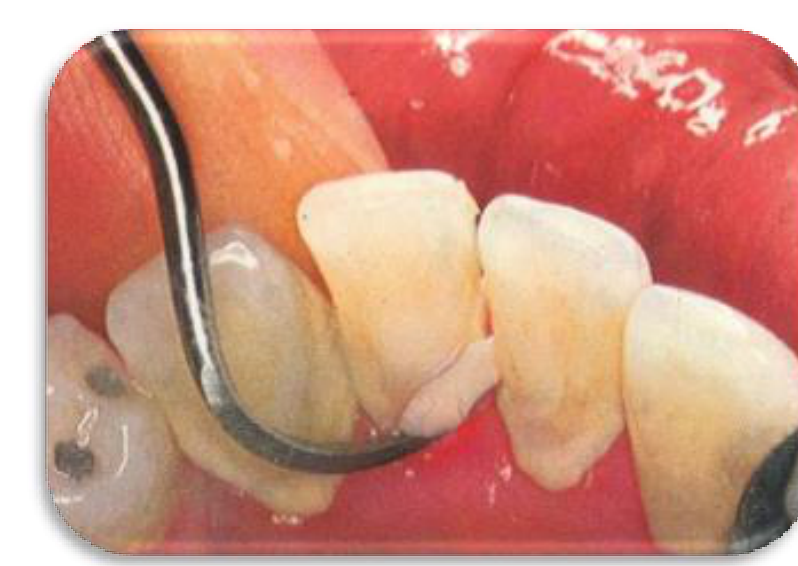
Non-Surgical Periodontal Treatment44
- Limited evidence
- Short-term studies suggest healing response to be similar in diabetics (well-controlled) compared to non-diabetics
- Greater risk for relapse in poorly-controlled diabetics
Surgical Periodontal Treatment45
- Limited evidence
- Healing response similar in diabetics (well-controlled) compared to non-diabetics
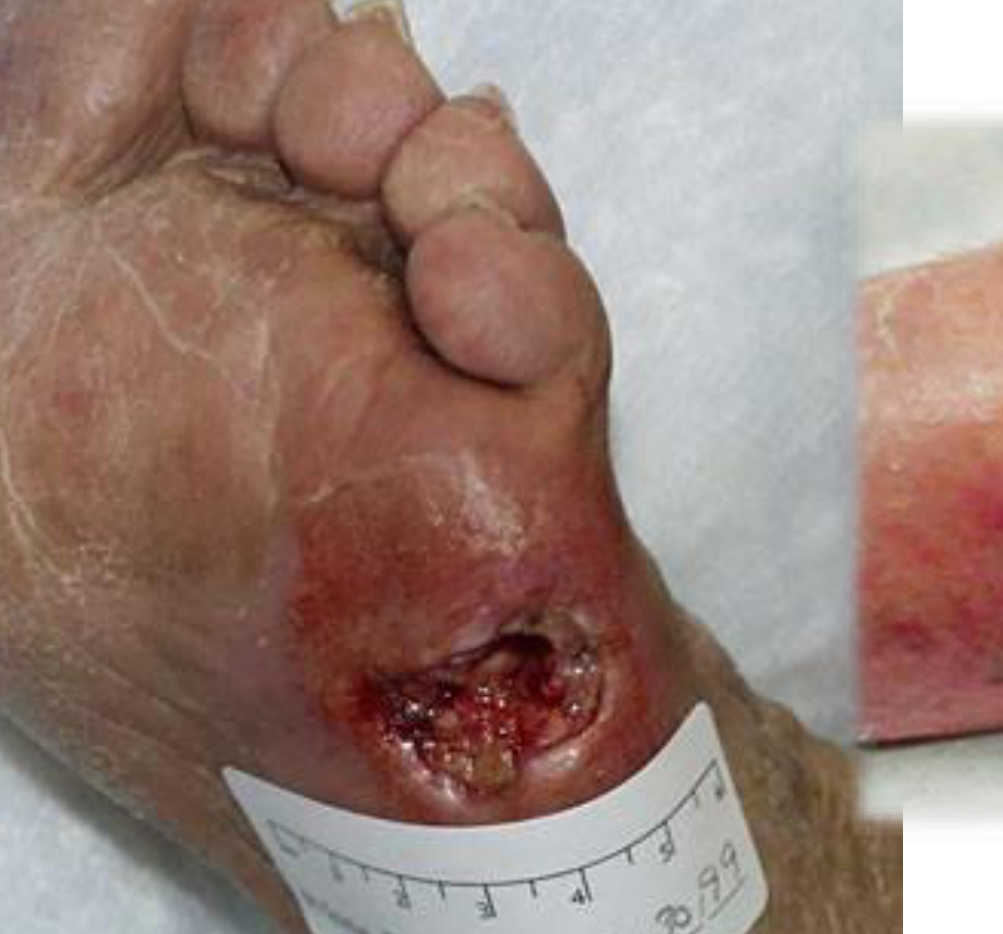
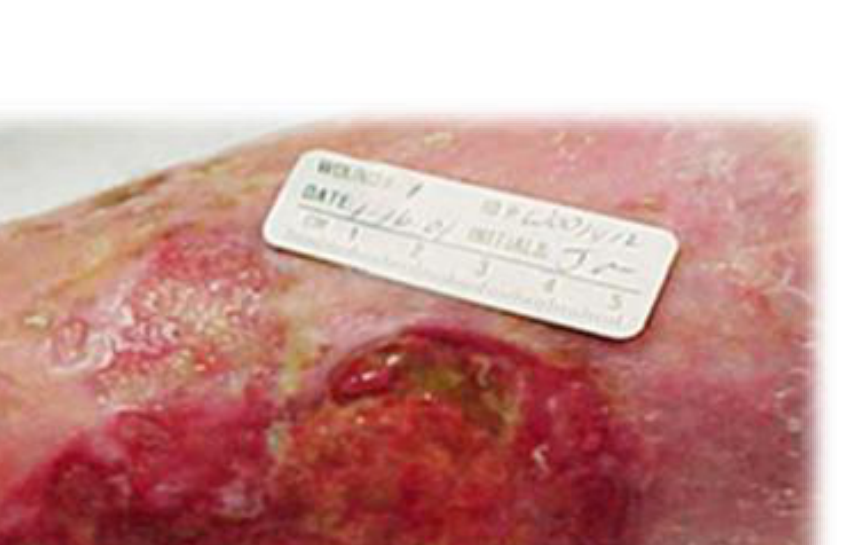
- But diabetics may have an increased risk for post-surgical infection & impaired wound healing
- No studies on efficacy of regenerative treatment in diabetics (since they are often excluded in clinical trials)
INFLUENCE OF PERIODONTAL TREATMENT ON DIABETES
Intervention Trials46
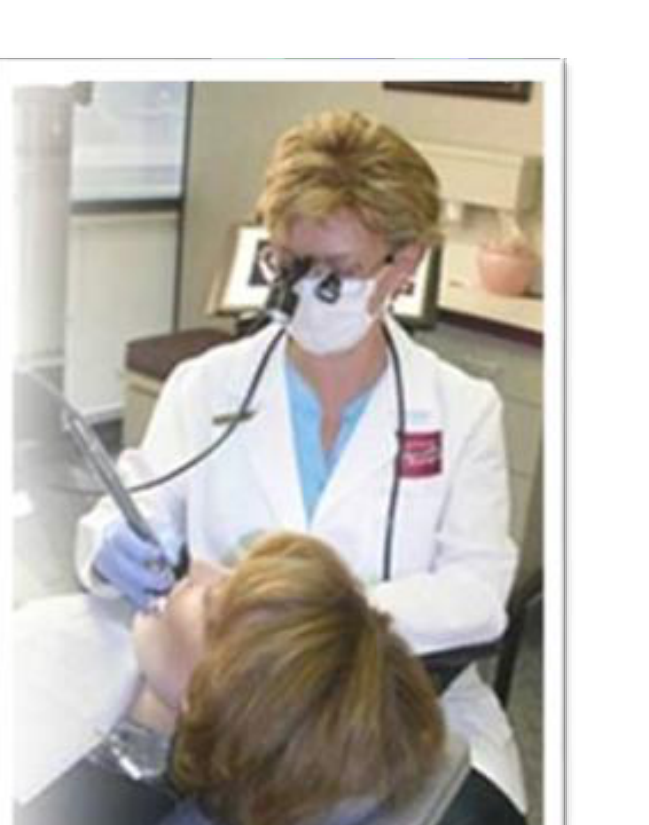
- More studies (4/7) reported significant benefit of periodontal treatment
- Improvements in glycaemic control after SRP +/- adjunctive systemic antibiotics of approx 1% in HbA1c (eg. 9 to 8%)
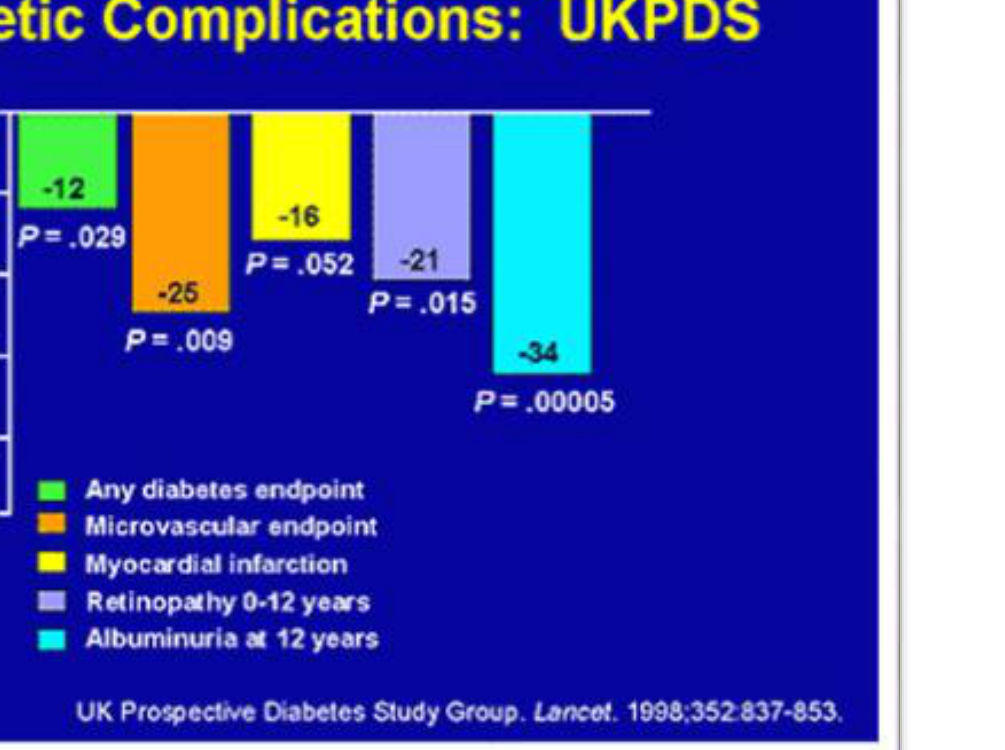
Impact of Change in HbA1c Levels47
- UK Prospective Diabetes Study (1993, 1998) showed that every percentage point decrease in HbA1c (eg. 9 to 8%) was associated with 25% reduction in diabetes-related deaths
Clinical Management Guidelines48
Educate Patients & Their Physicians49
-
Diabetes (Type I, II & GDM) can affect periodontal health
-
Depends on diabetic control
-
Uncontrolled diabetics are at higher risk of periodontal destruction & also present with more severe periodontal disease
-
Diabetics have an altered host response to bacteria & poorer healing response
-
Periodontal infections can worsen glycaemic control & increase risk for diabetic complications
-
2 way relationship
-
Evidence is limited, but with periodontal treatment diabetics heal just as well as non-diabetics
-
Disease recurrence may be higher in diabetics especially in patients with uncontrolled diabetes
-
PRA risk assessment – increase frequency of SPT (3/12)
-
Treatment of periodontal infections in diabetics MAY have a significant role in improving glycaemic control & POTENTIALLY reduce the burden of diabetic complications
Tervonen et al. 1991; Wesfelt et al. 1996; Tervonen & Karjalainen 1997; Christgau et al. 1998, da Cruz et al. 2008
Dental Implants in Diabetic Patients5051
- Emerging evidence that diabetics have more chance to develop biological complications (mucositis and peri-implantitis).
- Higher failure rates.
- No evidence of contra-indication to implant placement (unless uncontrolled diabetes)
- Glycemic control should be maintained.
Wagner et al. International Journal of Implant Dentistry (2022) 8:1 https://doi.org/10.1186/s40729-021-00399-8
REVIEW
Systematic review on diabetes mellitus and dental implants: an update
Juliane Wagner* , Johannes H. Spille, Jörg Wiltfang and Hendrik Naujokat
- Dental implant procedures represent a safe way of oral rehabilitation in patients with prediabetes or diabetes mellitus, as long as appropriate precautions can be adhered to.
- Accordingly, under controlled conditions there is still no contraindication for dental implant surgery in patients with diabetes mellitus or prediabetic conditions.
Conclusion5253
Footnotes
-
Original PDF page 1: L12 PerioDiabetes, p.1 ↩
-
Original PDF page 2: L12 PerioDiabetes, p.2 ↩
-
Original PDF page 3: L12 PerioDiabetes, p.3 ↩
-
Original PDF page 4: L12 PerioDiabetes, p.4 ↩
-
Original PDF page 5: L12 PerioDiabetes, p.5 ↩
-
Original PDF page 6: L12 PerioDiabetes, p.6 ↩
-
Original PDF page 7: L12 PerioDiabetes, p.7 ↩
-
Original PDF page 9: L12 PerioDiabetes, p.9 ↩
-
Original PDF page 8: L12 PerioDiabetes, p.8 ↩
-
Original PDF page 11: L12 PerioDiabetes, p.11 ↩
-
Original PDF page 10: L12 PerioDiabetes, p.10 ↩
-
Original PDF page 12: L12 PerioDiabetes, p.12 ↩
-
Original PDF page 13: L12 PerioDiabetes, p.13 ↩
-
Original PDF page 14: L12 PerioDiabetes, p.14 ↩
-
Original PDF page 15: L12 PerioDiabetes, p.15 ↩
-
Original PDF page 16: L12 PerioDiabetes, p.16 ↩
-
Original PDF page 17: L12 PerioDiabetes, p.17 ↩
-
Original PDF page 18: L12 PerioDiabetes, p.18 ↩
-
Original PDF page 19: L12 PerioDiabetes, p.19 ↩
-
Original PDF page 20: L12 PerioDiabetes, p.20 ↩
-
Original PDF page 21: L12 PerioDiabetes, p.21 ↩
-
Original PDF page 22: L12 PerioDiabetes, p.22 ↩
-
Original PDF page 23: L12 PerioDiabetes, p.23 ↩
-
Original PDF page 24: L12 PerioDiabetes, p.24 ↩
-
Original PDF page 25: L12 PerioDiabetes, p.25 ↩
-
Original PDF page 26: L12 PerioDiabetes, p.26 ↩
-
Original PDF page 27: L12 PerioDiabetes, p.27 ↩
-
Original PDF page 28: L12 PerioDiabetes, p.28 ↩
-
Original PDF page 29: L12 PerioDiabetes, p.29 ↩
-
Original PDF page 30: L12 PerioDiabetes, p.30 ↩
-
Original PDF page 31: L12 PerioDiabetes, p.31 ↩
-
Original PDF page 32: L12 PerioDiabetes, p.32 ↩
-
Original PDF page 33: L12 PerioDiabetes, p.33 ↩
-
Original PDF page 34: L12 PerioDiabetes, p.34 ↩
-
Original PDF page 35: L12 PerioDiabetes, p.35 ↩
-
Original PDF page 36: L12 PerioDiabetes, p.36 ↩
-
Original PDF page 39: L12 PerioDiabetes, p.39 ↩
-
Original PDF page 38: L12 PerioDiabetes, p.38 ↩
-
Original PDF page 40: L12 PerioDiabetes, p.40 ↩
-
Original PDF page 41: L12 PerioDiabetes, p.41 ↩
-
Original PDF page 42: L12 PerioDiabetes, p.42 ↩
-
Original PDF page 37: L12 PerioDiabetes, p.37 ↩
-
Original PDF page 45: L12 PerioDiabetes, p.45 ↩
-
Original PDF page 43: L12 PerioDiabetes, p.43 ↩
-
Original PDF page 44: L12 PerioDiabetes, p.44 ↩
-
Original PDF page 46: L12 PerioDiabetes, p.46 ↩
-
Original PDF page 47: L12 PerioDiabetes, p.47 ↩
-
Original PDF page 49: L12 PerioDiabetes, p.49 ↩
-
Original PDF page 48: L12 PerioDiabetes, p.48 ↩
-
Original PDF page 50: L12 PerioDiabetes, p.50 ↩
-
Original PDF page 51: L12 PerioDiabetes, p.51 ↩
-
Original PDF page 52: L12 PerioDiabetes, p.52 ↩
-
Original PDF page 53: L12 PerioDiabetes, p.53 ↩