Periodontal Medicine1
Dr Pradeep Koppolu, Associate Professor Leticia A Miranda
Reading Resources and References2
Clinical Periodontology and Implant Dentistry, 2 Volume Set by Niklaus P. Lang, Jan Lindhe, and Niklaus P Lang PUBLISHER John Wiley & Sons, Incorporated DATE 2015-03-25
CHAPTER 26 Impact of Periodontal Infection on Systemic Health Brian L. Mealey | Perry R. Klokkevold | Yvonne L. Hernandez-Kapila
For online-only content on periodontal disease and pregnancy outcome, periodontal disease and chronic obstructive pulmonary disease, and periodontal disease and acute respiratory infections, please visit the companion website at eBooks.Health.Elsevier.com.
JDR Centennial Series Periodontal Medicine: 100 Years of Progress J.D. Beck¹ , P.N. Papapanou², K.H. Philips³, and S. Offenbacher¹
 |  |
The Association Between Oral and General Health34
“You cannot have good general health without good oral health”. Seymour 2007
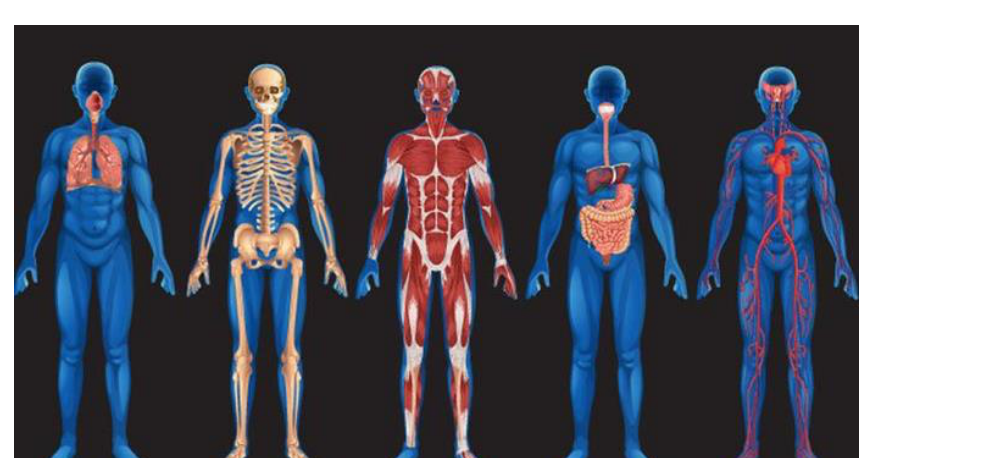
“Our mouth is connected to our whole body !!!”
“The mouth is the window to general health” Alpert 2017
“Care of the mouth should be an integral part of overall medical care”. Migliorati & Madrid 2007
SYSTEMIC DISEASES → PERIODONTITIS
More than a 100 systemic diseases and 500 medications have oral manifestations. Kane, 2017
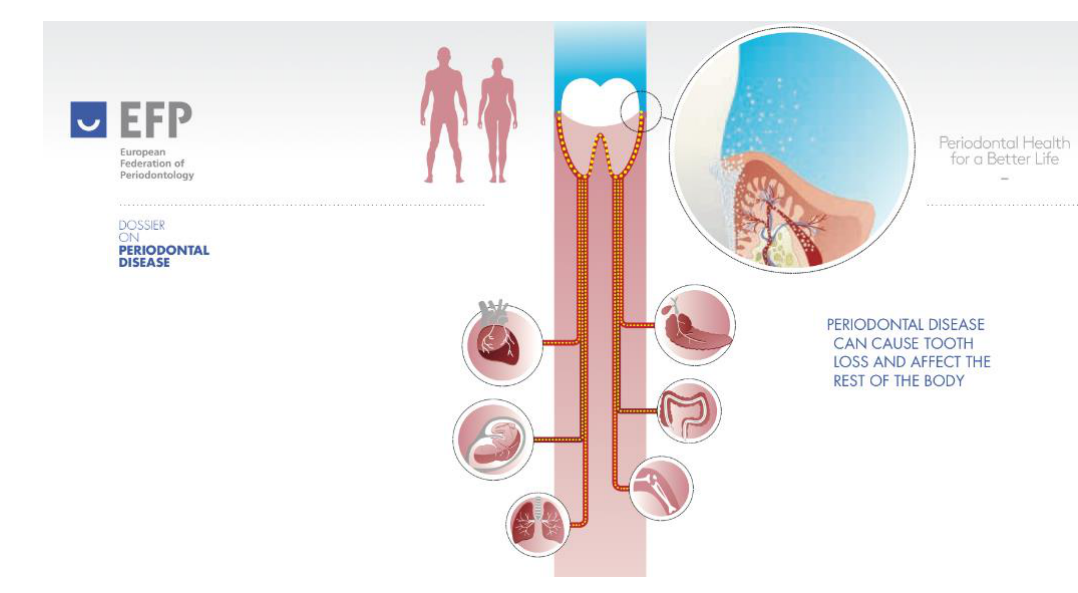
SYSTEMIC DISEASES ← PERIODONTITIS
 |  |
 |
Historical Perspective and Focal Infection Theory5
300 aC – Hippocrates reportedly cured systemic conditions by pulling out infected teeth.
1900 – Dr Hunter and Dr Miller – “focal infection” theory
- Clinical experience and case reports
- No systemic disease resolution after complete extractions
1989 – Mattila and coworkers
- Evidence from well designed epidemiological studies began to emerge of possible linkages between poor oral health and atherosclerotic CVD
1997 – Chapel Hill symposium – Emergence of Periodontal Medicine
2012 – EFP/AAP – Periodontitis and Systemic diseases – EPF Manifesto
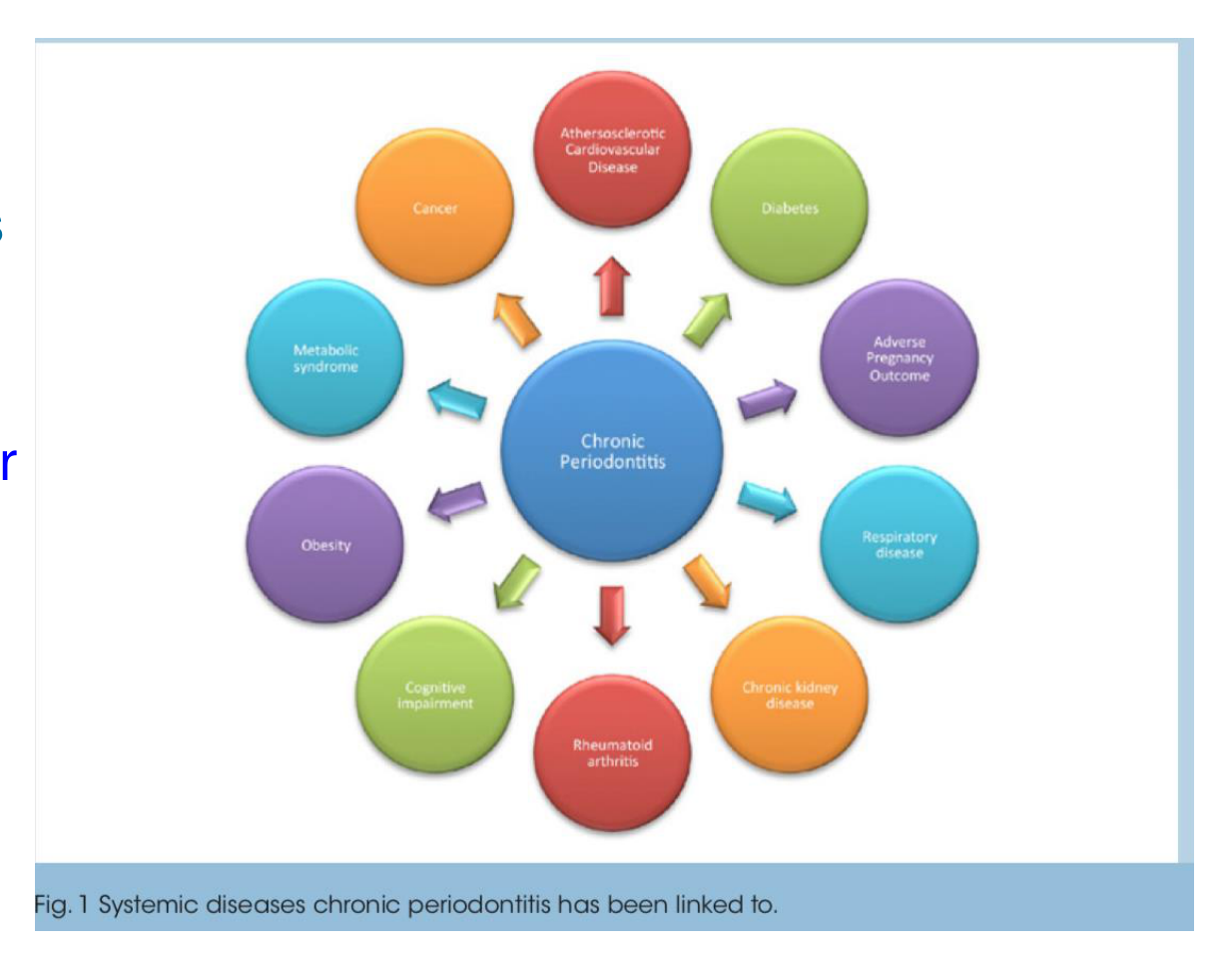
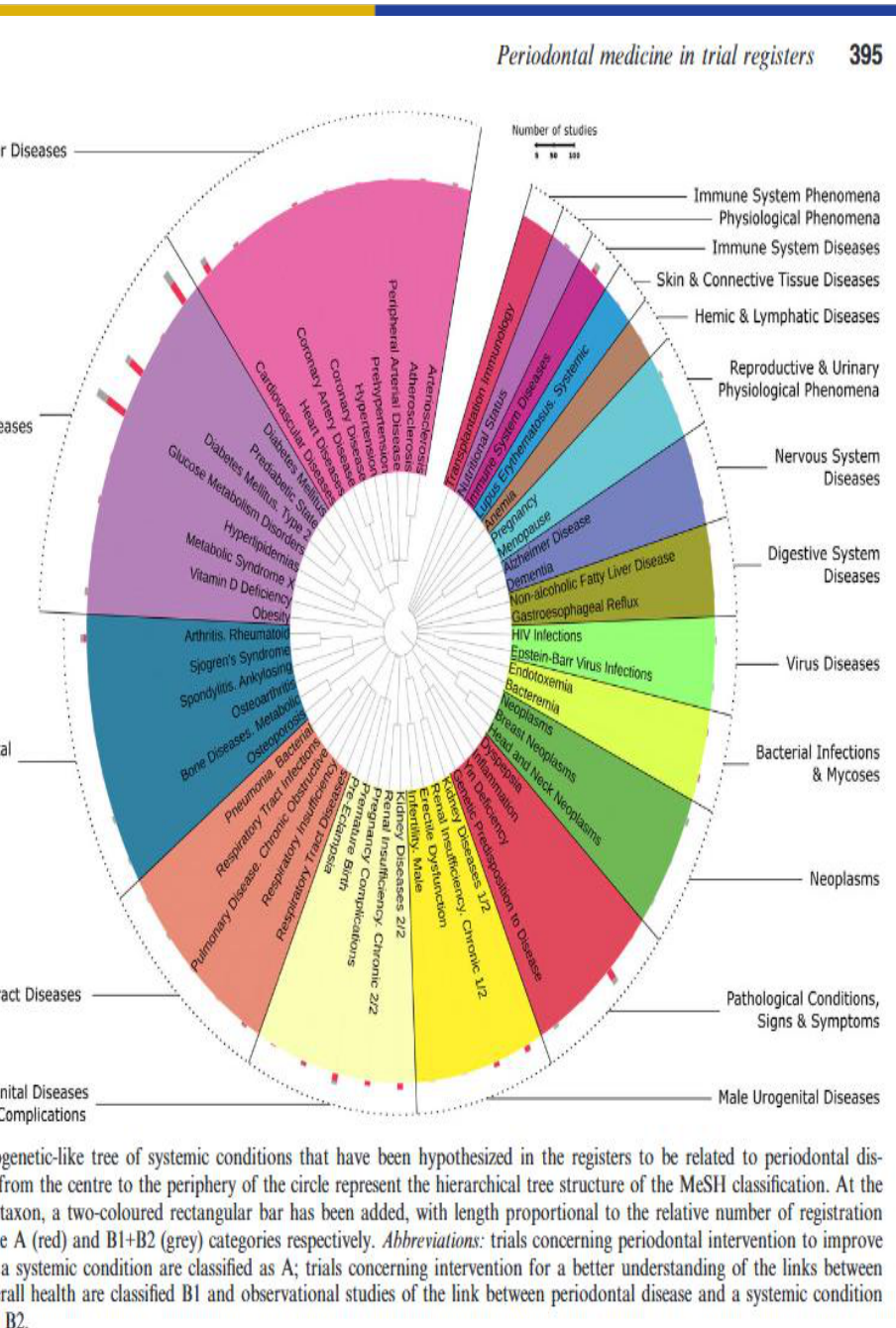
Scope of Periodontal Medicine678
Periodontal medicine is a collective term commonly used to describe how periodontal infection/inflammation may affect extraoral health.
Since then, an exponential rise in the number of studies investigating links between periodontal diseases and many diseases:
- Cardiovascular diseases
- Diabetes
- Adverse pregnancy outcomes
- Respiratory diseases
- Kidney diseases
- Rheumatoid arthritis and other autoimmune diseases
- Obesity
- Cognitive impairments
- Alzheimer
- Cancer
Winning & Linden 2015
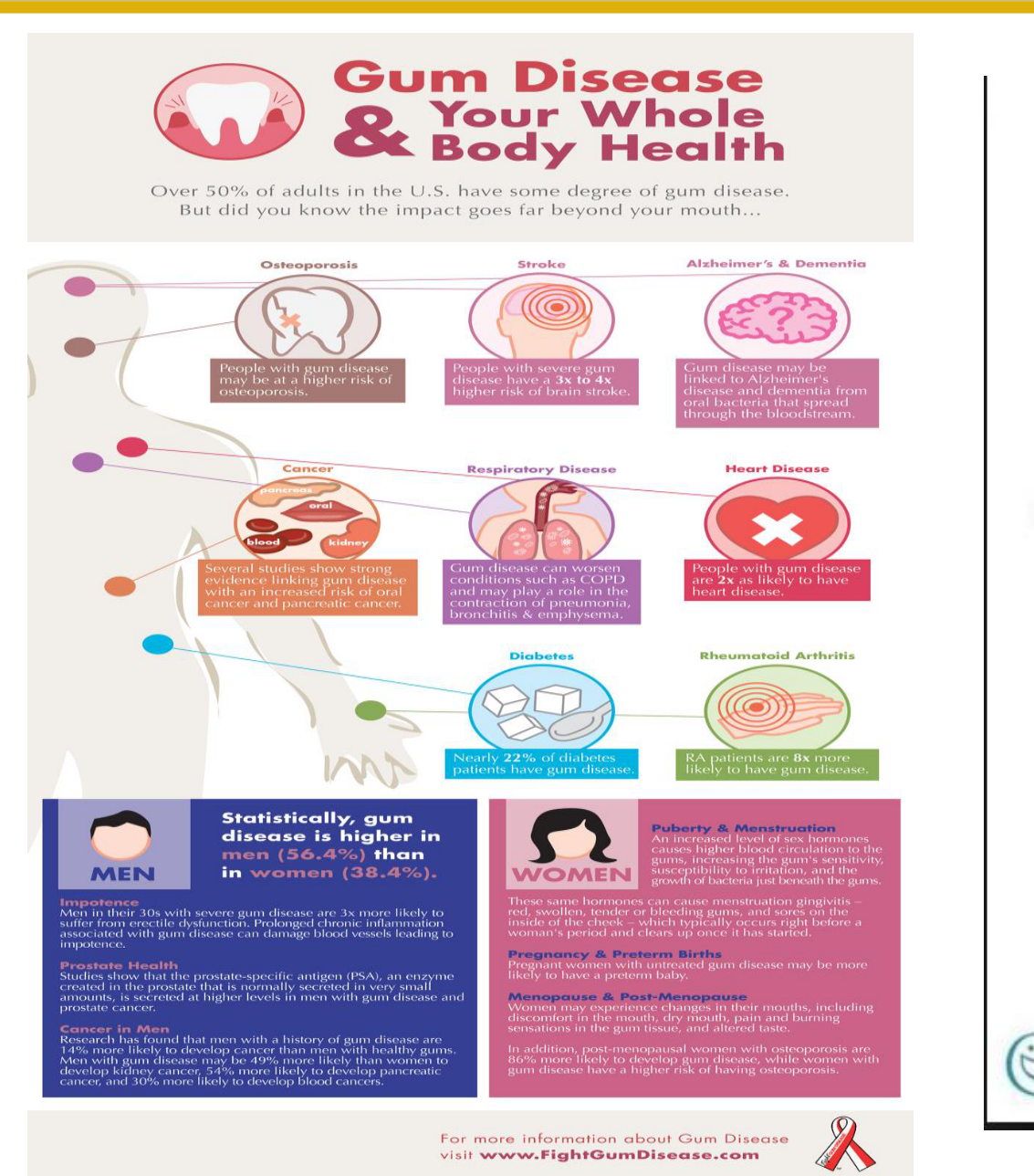
Over 50% of adults in the U.S. have some degree of gum disease. But did you know the impact goes far beyond your mouth…
| Condition | Risk Association |
|---|---|
| Osteoporosis | People with gum disease may be at a higher risk of osteoporosis. |
| Stroke | People with severe gum disease have a 3x to 4x higher risk of brain stroke. |
| Alzheimer’s & Dementia | Gum disease may be linked to Alzheimer’s disease and dementia from oral bacteria that spread through the bloodstream. |
| Cancer | Several studies show strong evidence linking gum disease with an increased risk of oral cancer and pancreatic cancer. |
| Respiratory Disease | Gum disease can worsen conditions such as COPD and may play a role in the contraction of pneumonia, bronchitis & emphysema. |
| Heart Disease | People with gum disease are 2x as likely to have heart disease. |
| Diabetes | Nearly 22% of diabetes patients have gum disease. |
| Rheumatoid Arthritis | RA patients are 8x more likely to have gum disease. |
Statistically, gum disease is higher in men (56.4%) than in women (38.4%).
MEN
- Impotence: Men in their 30s with severe gum disease are 3x more likely to suffer from erectile dysfunction. Prolonged chronic inflammation associated with gum disease can damage blood vessels leading to impotence.
- Prostate Health: Studies show that the prostate-specific antigen (PSA), an enzyme created in the prostate that is normally secreted in very small amounts, is secreted at higher levels in men with gum disease and prostate cancer.
- Cancer in Men: Research has found that men with a history of gum disease are 14% more likely to develop cancer than men with healthy gums. Men with gum disease may be 49% more likely than women to develop kidney cancer, 54% more likely to develop pancreatic cancer, and 30% more likely to develop blood cancers.
WOMEN
- Puberty & Menstruation: An increased level of sex hormones causes higher blood circulation to the gums, increasing the gum’s sensitivity, susceptibility to irritation, and the growth of bacteria just beneath the gums. These same hormones can cause menstruation gingivitis – red, swollen, tender or bleeding gums, and sores on the inside of the cheek – which typically occurs right before a woman’s period and clears up once it has started.
- Pregnancy & Preterm Births: Pregnant women with untreated gum disease may be more likely to have a preterm baby.
- Menopause & Post-Menopause: Women may experience changes in their mouths, including discomfort in the mouth, dry mouth, pain and burning sensations in the gum tissue, and altered taste. In addition, post-menopausal women with osteoporosis are 86% more likely to develop gum disease, while women with gum disease have a higher risk of having osteoporosis.
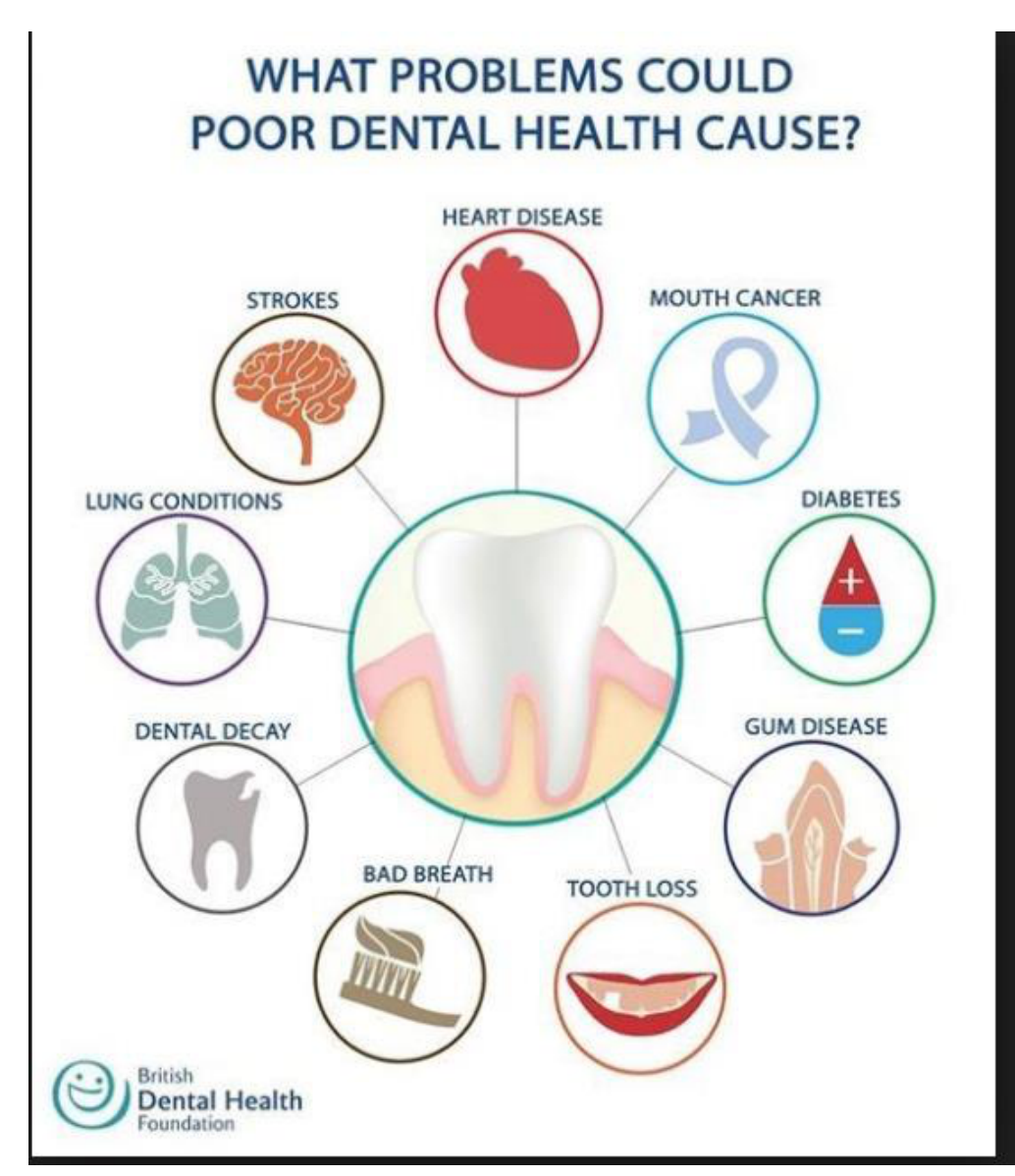
WHAT PROBLEMS COULD POOR DENTAL HEALTH CAUSE?
POOR DENTAL HEALTH → STROKES, HEART DISEASE, MOUTH CANCER, DIABETES, GUM DISEASE, TOOTH LOSS, BAD BREATH, DENTAL DECAY, LUNG CONDITIONS
 |  |
 |
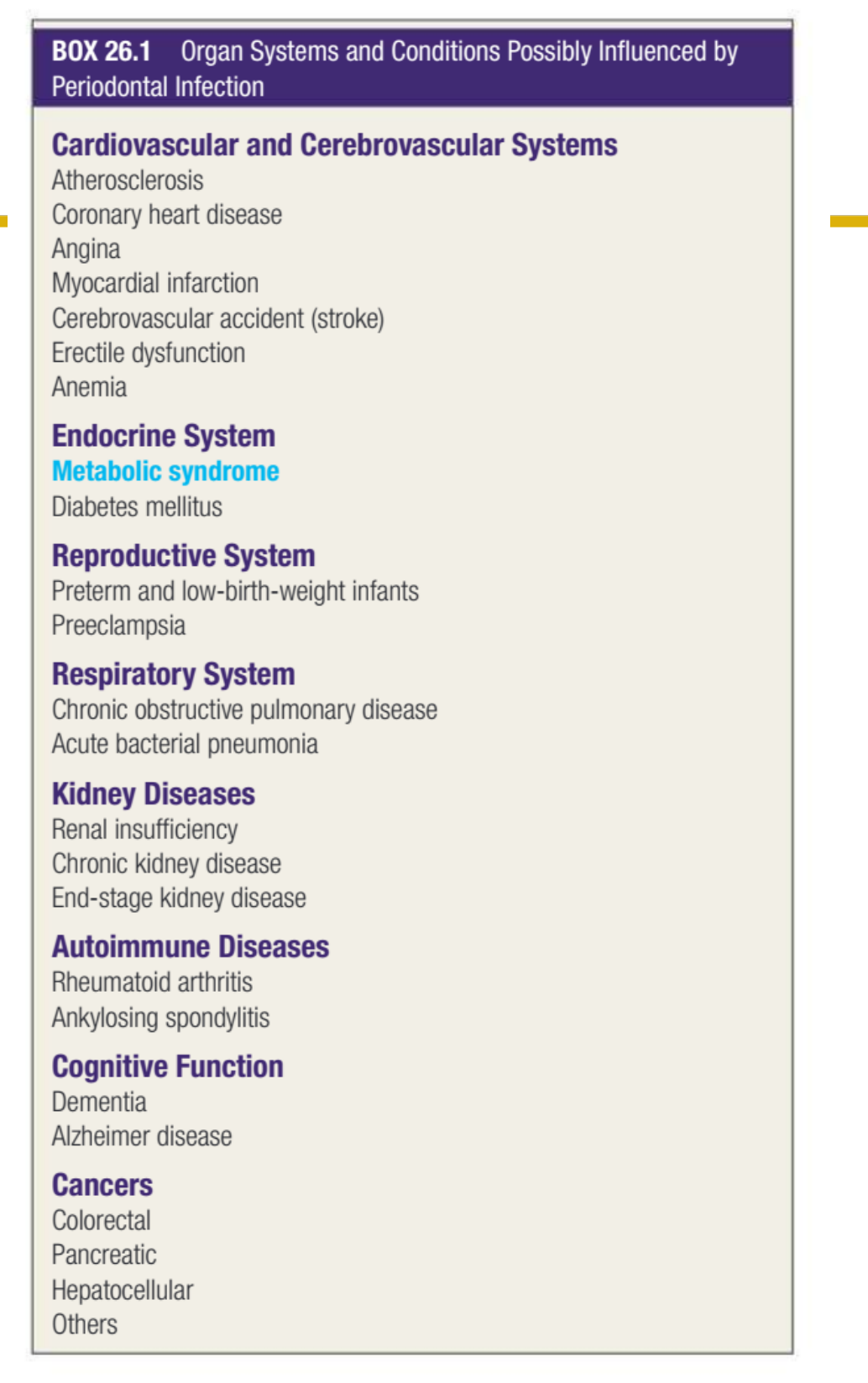
Systemic Conditions Influenced by Periodontal Infection9
Organ Systems and Conditions Possibly Influenced by Periodontal Infection
Cardiovascular and Cerebrovascular Systems
- Atherosclerosis
- Coronary heart disease
- Angina
- Myocardial infarction
- Cerebrovascular accident (stroke)
- Erectile dysfunction
- Anemia
Endocrine System
- Metabolic syndrome
- Diabetes mellitus
Reproductive System
- Preterm and low-birth-weight infants
- Preeclampsia
Respiratory System
- Chronic obstructive pulmonary disease
- Acute bacterial pneumonia
Kidney Diseases
- Renal insufficiency
- Chronic kidney disease
- End-stage kidney disease
Autoimmune Diseases
- Rheumatoid arthritis
- Ankylosing spondylitis
Cognitive Function
- Dementia
- Alzheimer disease
Cancers
- Colorectal
- Pancreatic
- Hepatocellular
- Others
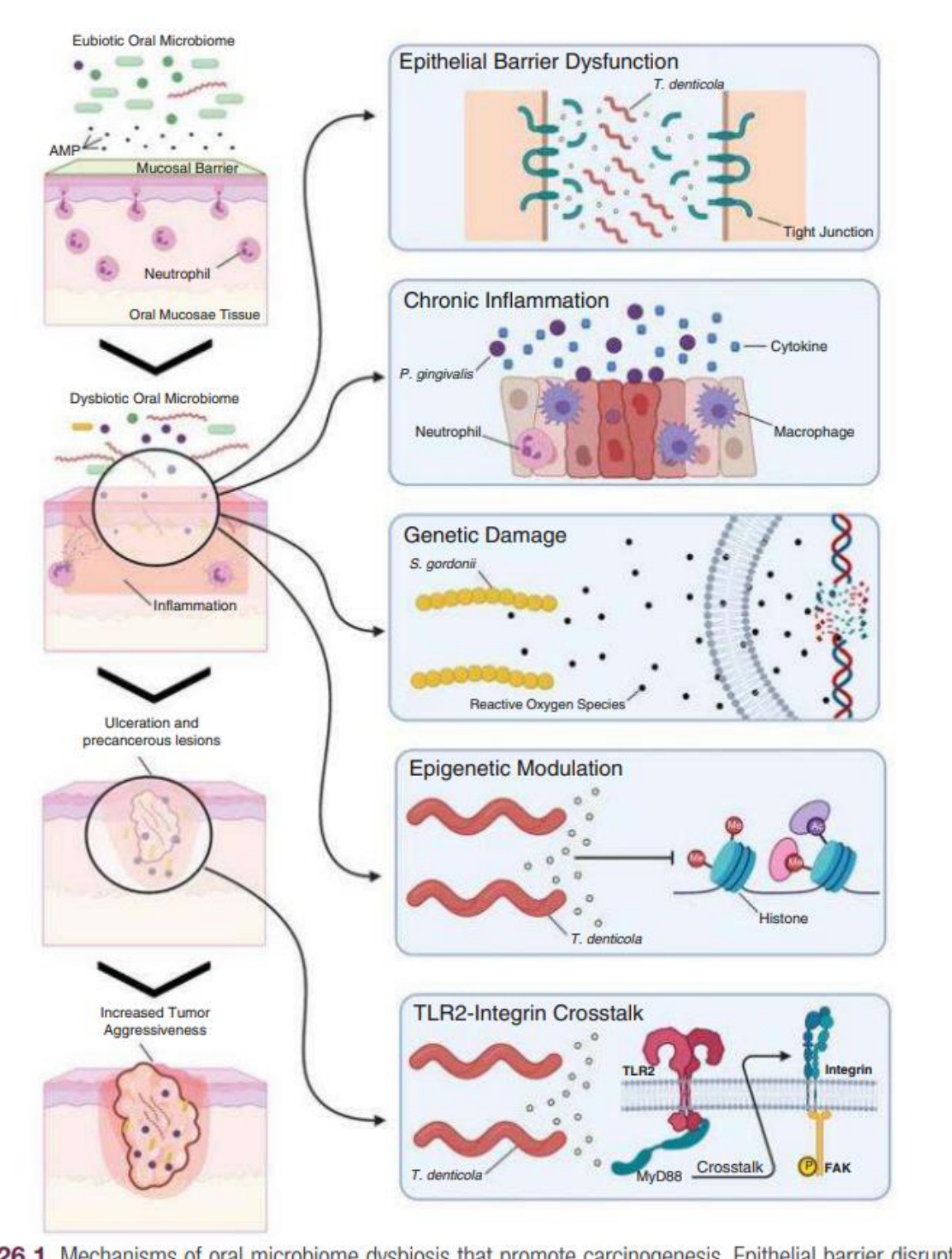
Biological Mechanisms of Oral Dysbiosis1011
Mechanisms of oral microbiome dysbiosis that promote carcinogenesis.
- Epithelial Barrier Dysfunction – T. denticola – Tight Junction
- Chronic Inflammation – P. gingivalis – Cytokine, Neutrophil, Macrophage
- Genetic Damage – S. gordonii – Reactive Oxygen Species
- Epigenetic Modulation – T. denticola – Histone
- TLR2-Integrin Crosstalk – T. denticola – TLR2, MyD88, Integrin, FAK, Crosstalk
Epithelial barrier disruption, bacterial invasion, chronic inflammation, genetic and epigenetic modulation, and altered tumor cell migration and signaling are mechanisms by which an oral microbiome dysbiosis can promote carcinogenesis.
Conclusions: Periodontal medicine now constitutes an important part of clinical periodontal research. Research activity in periodontal medicine has grown continuously since the early 2000s, and exploration of registers gives a useful up-to-date snapshot of this constantly evolving field of research.
 |  |
The EFP Manifesto on Periodontal and General Health12
The EFP MANIFESTO: Perio and General Health
The EFP MANIFESTO – Perio and General Health – is a call to action in terms of prevention, early detection and treatment of periodontitis. It is the first formal declaration in international dentistry to condense years of research into the links between periodontal disease and systemic illnesses into an acknowledgement of periodontitis as a major public health issue.
This MANIFESTO calls upon all dental and health professionals to act in the prevention, early diagnosis, and effective treatment of periodontal disease in order to combat the devastating oral and general health effects for the individual and society.
The views and intentions herein expressed are informed by the rigorous scientific analysis of the evidence base for reported links between periodontal and systemic diseases, as carried out at the 9th European Workshop in Periodontology, an event jointly organised by the European Federation of Periodontology and the American Academy of Periodontology, and held at La Granja de San Ildefonso, Segovia, Spain.
Consensus was reached by the experts at this meeting (in November 2012) that periodontal disease should be acknowledged as a major public health issue, that all dental and medical professionals should be provided with relevant treatment guidelines, and that recommendations be given for future research to help clarify these associations and their consequences in terms of primary prevention.
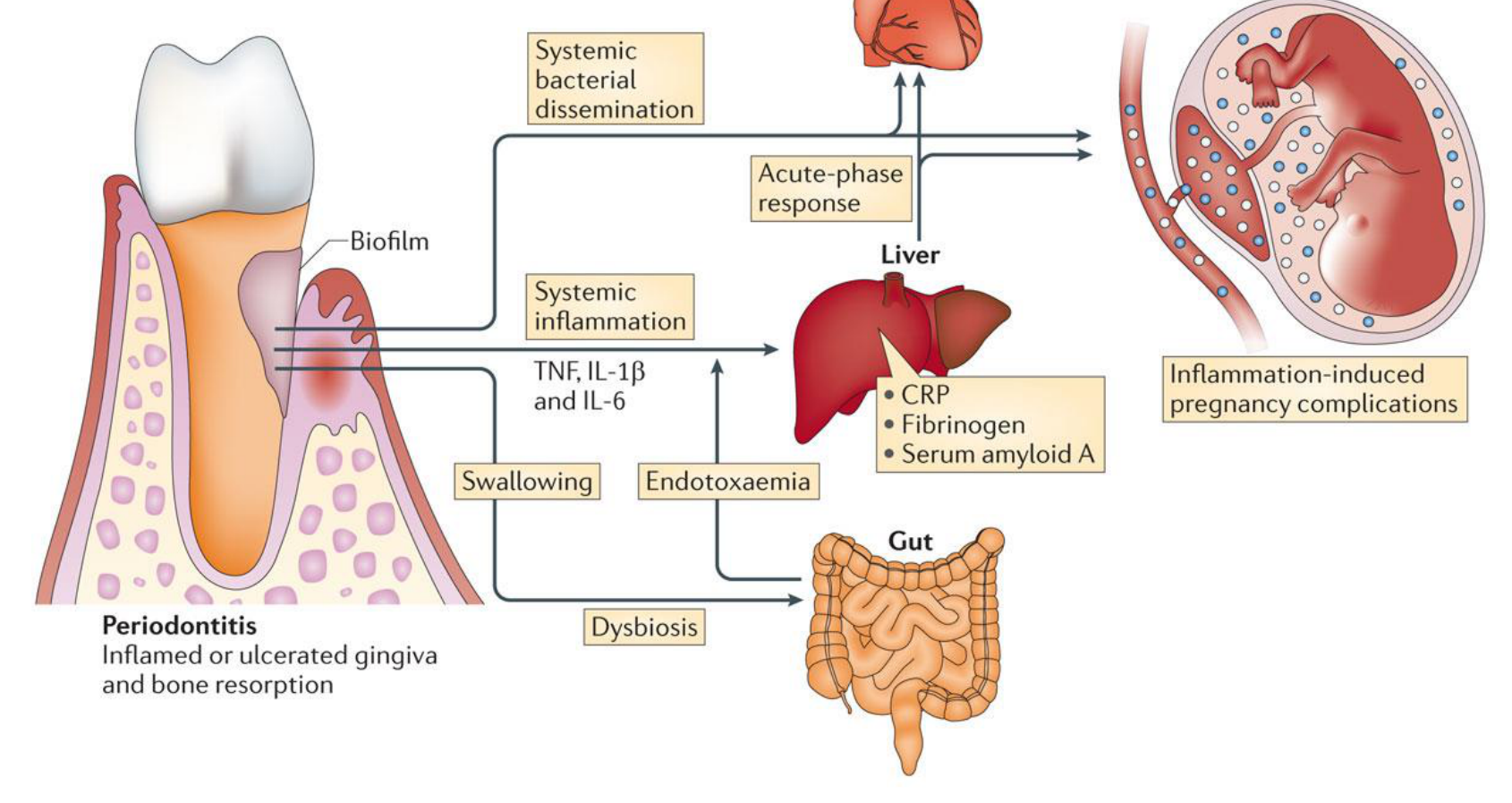
Pathways of Systemic Impact131415
Possible pathways
Direct mechanism
- Direct infection by periodontal bacteria through ulcerated pocket epithelium and bloodstream
Indirect mechanism
- Systemic inflammation model
- Inflammatory response to periodontal infection has systemic effects
- Inflammation itself is involved in the pathogenesis of many chronic illnesses
Seymour 2007; Linden 2015, Falcao & Bullon 2019
Possible pathways
-
periodontitis: infected or ulcerated gingiva and bone resorption
- worsening of periodontal disease
- limited systemic response:
- TNF, IL-1β, IL-6
- CRP
- Fibrinogen
- Serum amyloid A
- systemic inflammation:
- bacteria from the gums enter the bloodstream
- bacteria seed to multiple organs:
- heart: either via the blood or directly from the gums.
- liver: via the bloodstream or directly from the gums.
- gut: via swallowing bacteria or directly from the gums.
- brain: directly from the gums.
- kidney: via the bloodstream.
- placenta: via the bloodstream.
- bone: via the bloodstream.
- adipose tissue: via the bloodstream.
- pancreas: via the bloodstream.
- lungs: via the bloodstream.
- testis: via the bloodstream.
- limited systemic response:
- worsening of periodontal disease
-
dysbiosis
- bacteria from the gums disrupt the balance of the gut microbiome
-
endotoxemia
- bacteria enter the bloodstream, causing a systemic inflammatory response
-
acute-phase response
- systemic inflammation leads to the production of acute-phase proteins
-
inflammation-induced pregnancy complications
- systemic inflammation during pregnancy can lead to complications such as preterm birth, low birth weight, and preeclampsia.
Sources:
- Hajishengallis, Z. (2015). Theoretical impetus for the association between periodontitis and cardiovascular disease. Nature Reviews Immunology, 15(6), 377-382.
- Hajishengallis, Z., & Chavakis, T. (2011). Ancestral insights into the pathogenicity of periodontal bacteria. Nature Reviews Immunology, 11(5), 327-336.
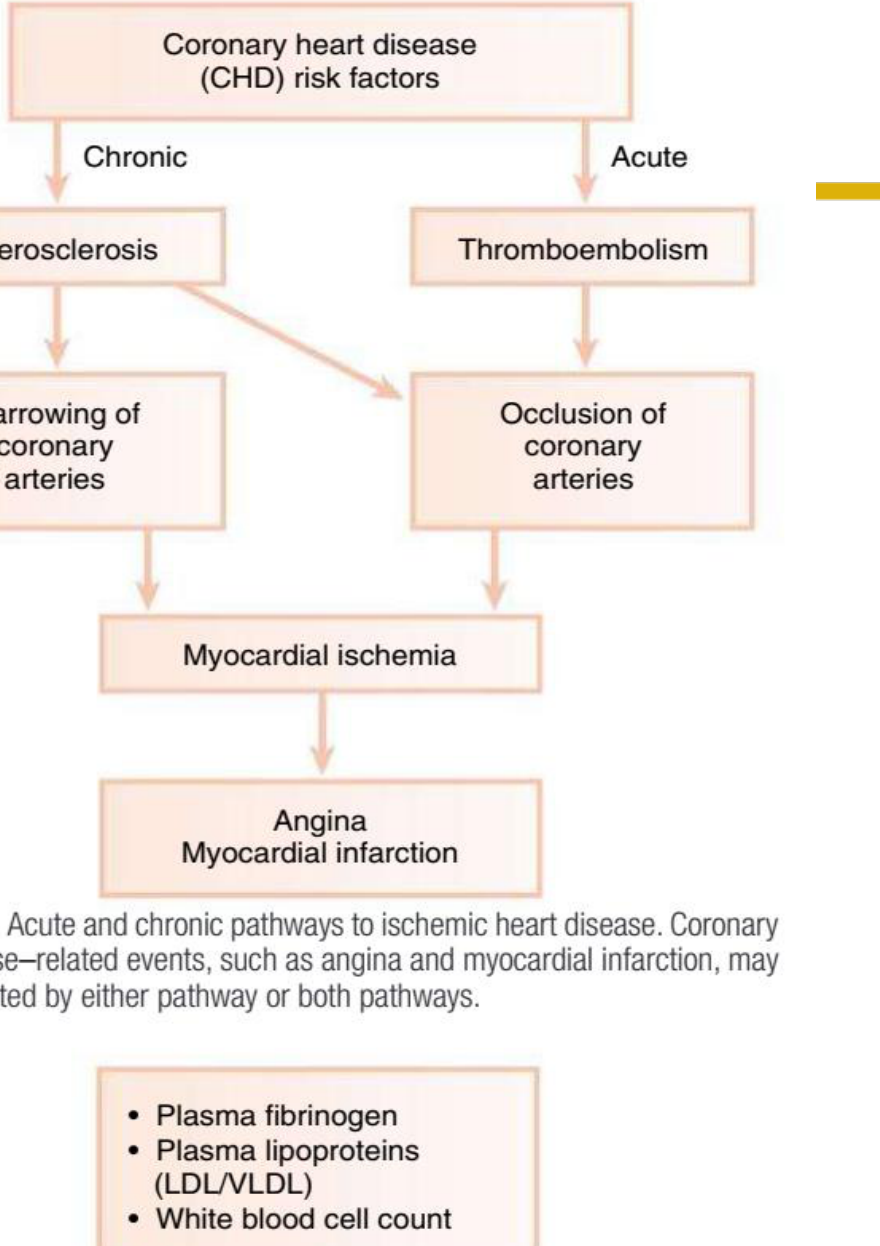
| CHRONIC | ACUTE |
|---|---|
| Chronic: Atherosclerosis | Acute: Thromboembolism |
| ↓ | ↓ |
| Narrowing of coronary arteries | Occlusion of coronary arteries |
| ↓ | ↘ |
| Myocardial ischemia | |
| ↙ | ↓ |
| Angina Myocardial infarction |
Fig. 26.2 Acute and chronic pathways to ischemic heart disease. Coronary heart disease–related events, such as angina and myocardial infarction, may be precipitated by either pathway or both pathways.
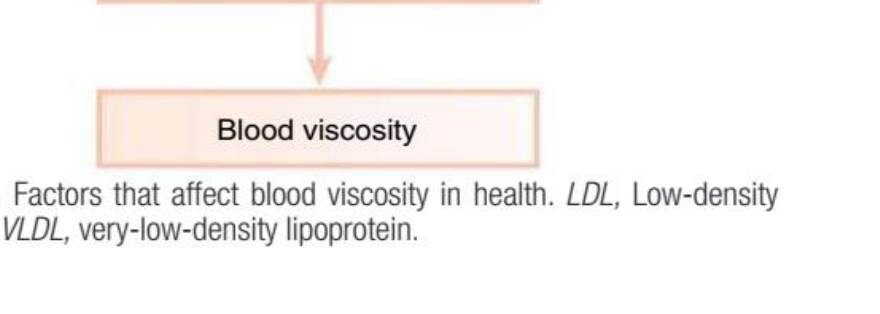
FACTOR: AFFECTS BLOOD VISCOSITY
- Plasma fibrinogen
- Plasma lipoproteins (LDL/VLDL)
- White blood cell count
Fig. 26.3 Factors that affect blood viscosity in health. LDL, Low-density lipoprotein; VLDL, very-low-density lipoprotein.
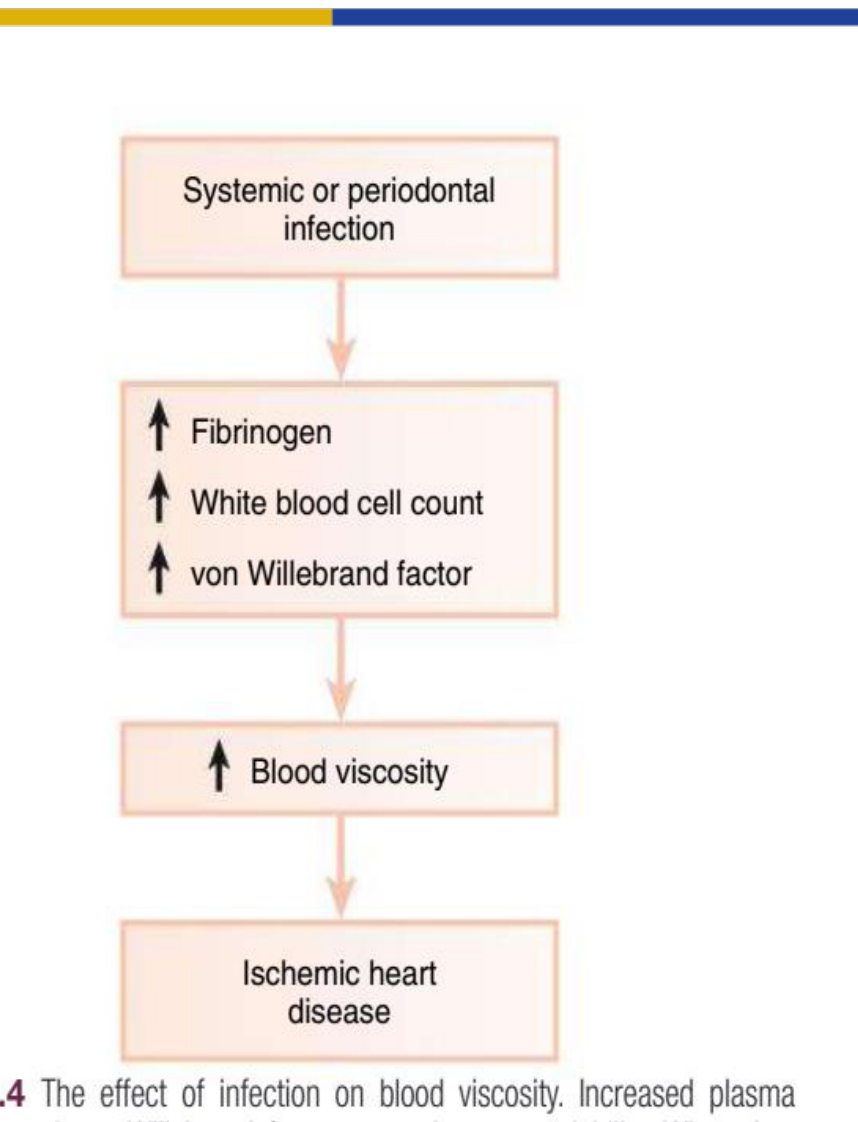
↓ BLOOD VISCOSITY ↑
↑ Ischemic heart disease
Fig. 26.4 The effect of infection on blood viscosity. Increased plasma fibrinogen and von Willebrand factor cause hypercoagulability. When they are combined with an increased white blood cell count, the blood viscosity increases, thereby increasing the risk of coronary ischemia.
 |  |
 |  |
Direct Mechanism of Infection16
- Direct infection by periodontal bacteria through ulcerated pocket epithelium and bloodstream
- Ulcerated pocket epithelium allows bacteria entrance
- Bacteremia is common after periodontal examination (Daly et al 2001)
- Bacterial byproducts, such as LPS, also disseminate in the bloodstream (Gentx 2002)
Indirect Mechanism and Systemic Inflammation Model171819
- Systemic inflammation model
- Blood and tissue cells where these antigens relocate produce inflammatory mediators
- Excessive production of inflammatory mediators in periodontal lesions/sites enter bloodstream and affect distant organs
- Liver = acute phase response
Systemic Inflammation Model – Periodontitis
-
Increase circulating levels of pro-inflammatory cytokines
- IL-1/IL-6/TNF-a
-
Diminish circulating levels of anti-inflammatory cytokines
- IL-4/IL-10
-
Alter blood counts:
-
- Leukocytes
-
- PMN
-
- Platelets
-
- Lymphocyte
-
- Erythrocytes
-
-
Increase circulating levels of acute phase response: non-specific systemic markers of inflammation
- C-reactive protein and fibrinogen (ESR)
Daiuto et al 2004, Loos 2005, Gomes-Filho et al 2011, Mattuella et al 2014, Anad et al 2016, Romandini et al 2018
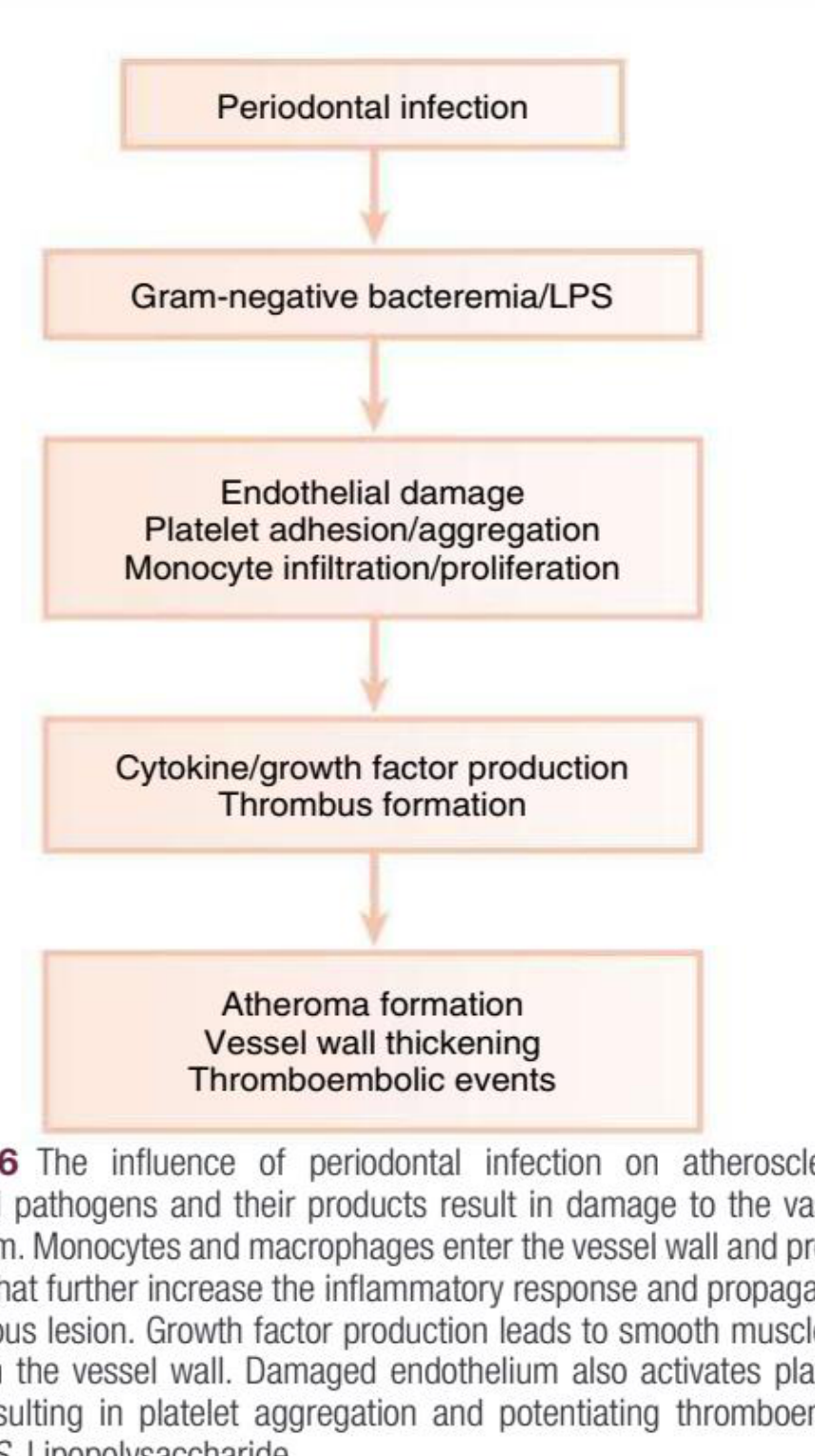
The Influence of Periodontal Infection on Atherosclerosis
| Step | Description |
|---|---|
| 1 | Periodontal infection |
| 2 | → Gram-negative bacteremia/LPS |
| 3 | → Endothelial damage Platelet adhesion/aggregation Monocyte infiltration/proliferation |
| 4 | → Cytokine/growth factor production Thrombus formation |
| 5 | → Atheroma formation Vessel wall thickening Thromboembolic events |
Fig. 26.6 The influence of periodontal infection on atherosclerosis. Periodontal pathogens and their products result in damage to the vascular endothelium. Monocytes and macrophages enter the vessel wall and produce cytokines that further increase the inflammatory response and propagate the atheromatous lesion. Growth factor production leads to smooth muscle proliferation in the vessel wall. Damaged endothelium also activates platelets, thereby resulting in platelet aggregation and potentiating thromboembolic events. LPS, Lipopolysaccharide.
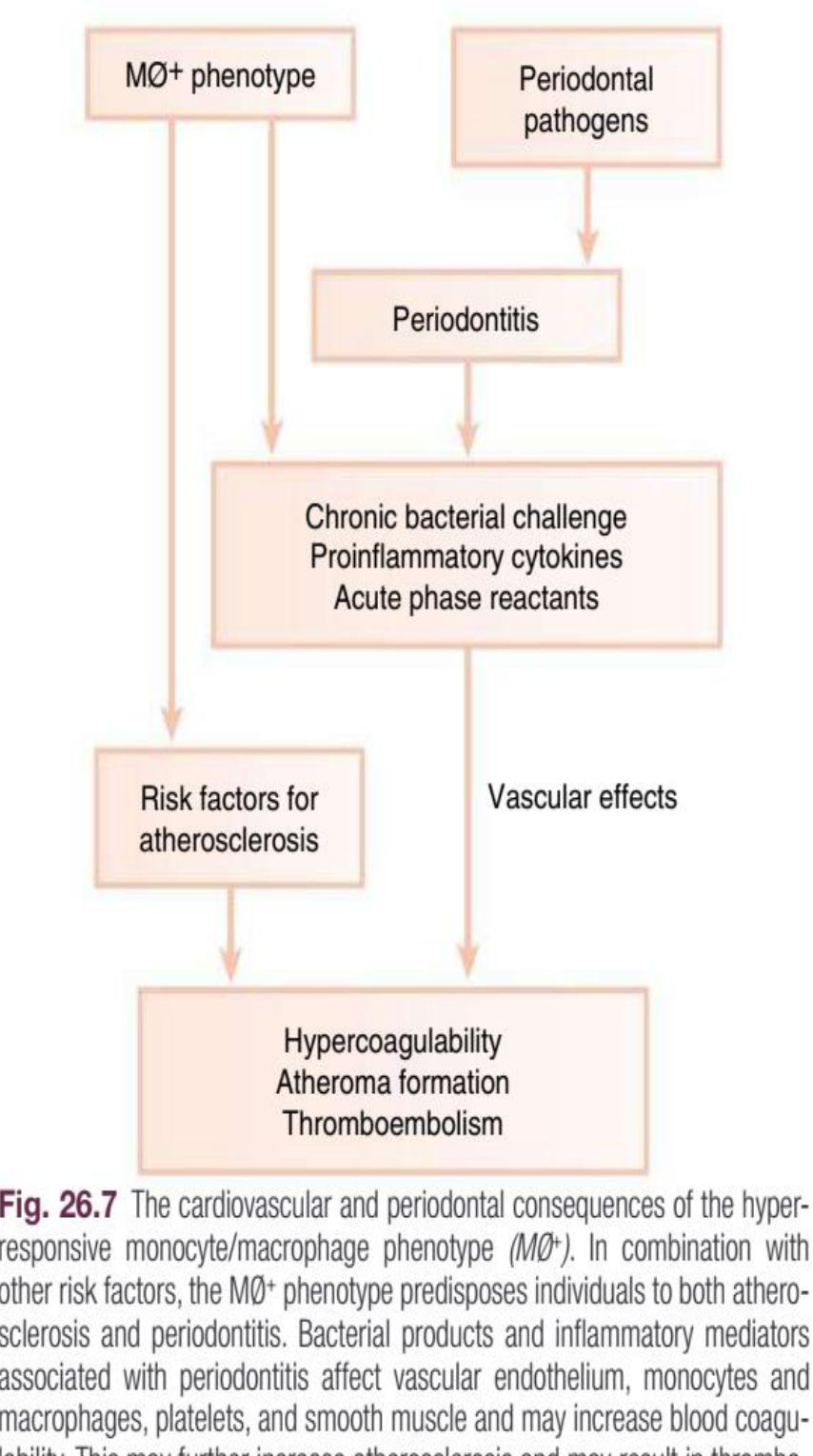
Cardiovascular and Periodontal Consequences of the Hyper-responsive Monocyte/Macrophage Phenotype (MØ⁺)
| Step | Description |
|---|---|
| 1 | MØ⁺ phenotype ——→ Risk factors for atherosclerosis ——→ Hypercoagulability Atheroma formation Thromboembolism |
| 2 | Periodontal pathogens ——→ Periodontitis ——→ Chronic bacterial challenge Proinflammatory cytokines Acute phase reactants ——→ Vascular effects ——→ Hypercoagulability Atheroma formation Thromboembolism |
Fig. 26.7 The cardiovascular and periodontal consequences of the hyper-responsive monocyte/macrophage phenotype (MØ⁺). In combination with other risk factors, the MØ⁺ phenotype predisposes individuals to both atherosclerosis and periodontitis. Bacterial products and inflammatory mediators associated with periodontitis affect vascular endothelium, monocytes and macrophages, platelets, and smooth muscle and may increase blood coagulability. This may further increase atherosclerosis and may result in thromboembolism and ischemic events.
 |  |
 |
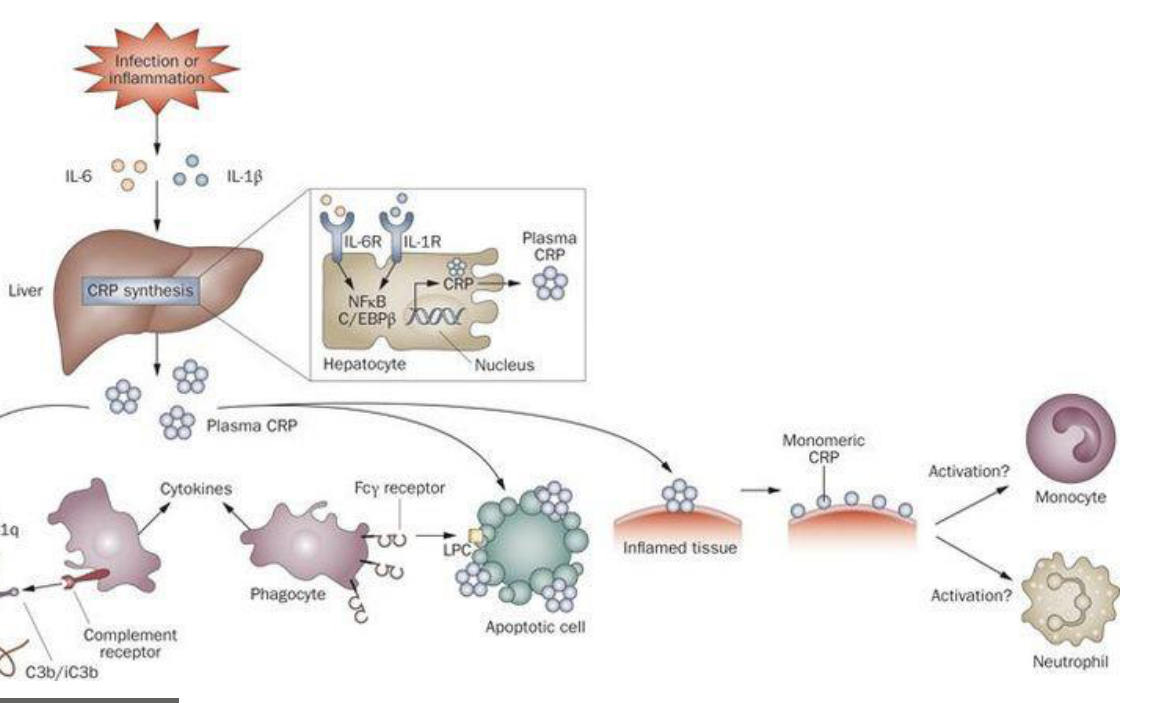
Inflammatory Markers and Acute Phase Response2021
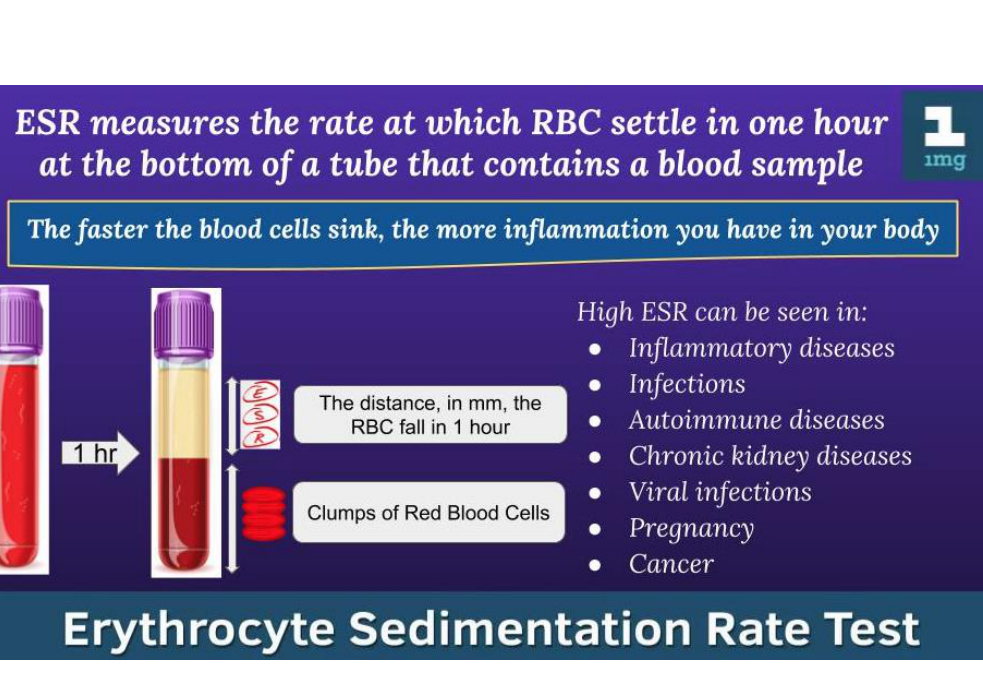
Acute phase response = CRP and ESR
Non specific systemic inflammation markers
C-Reactive Protein
- Chronic infections: > 3.0 mg/L (H. pilori, Chlamydia)
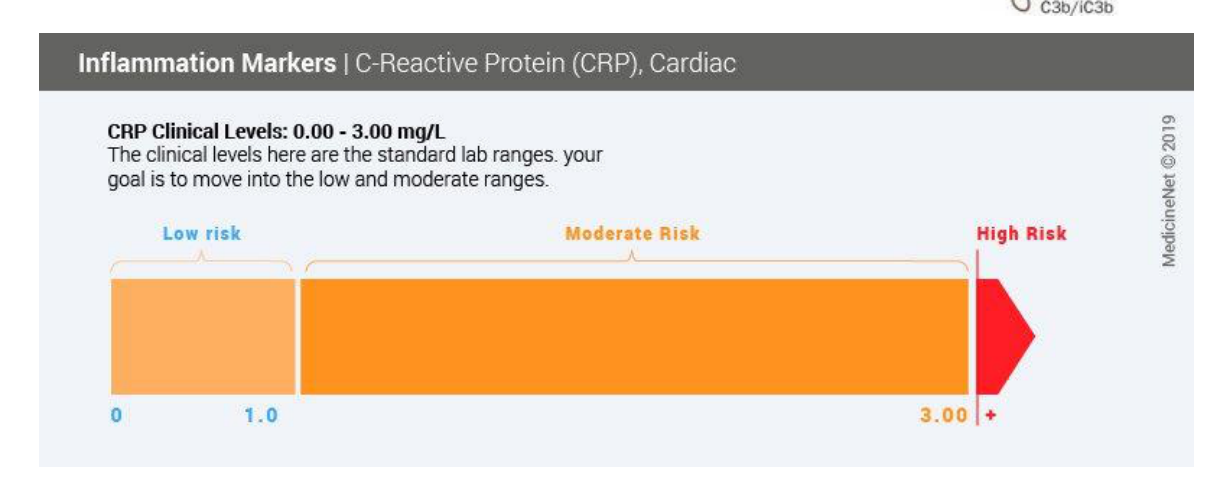
CRP Clinical Levels: 0.00 - 3.00 mg/L
- Low risk: 0 – 1.0
- Moderate Risk: 1.0 – 3.00
- High Risk: 3.00+
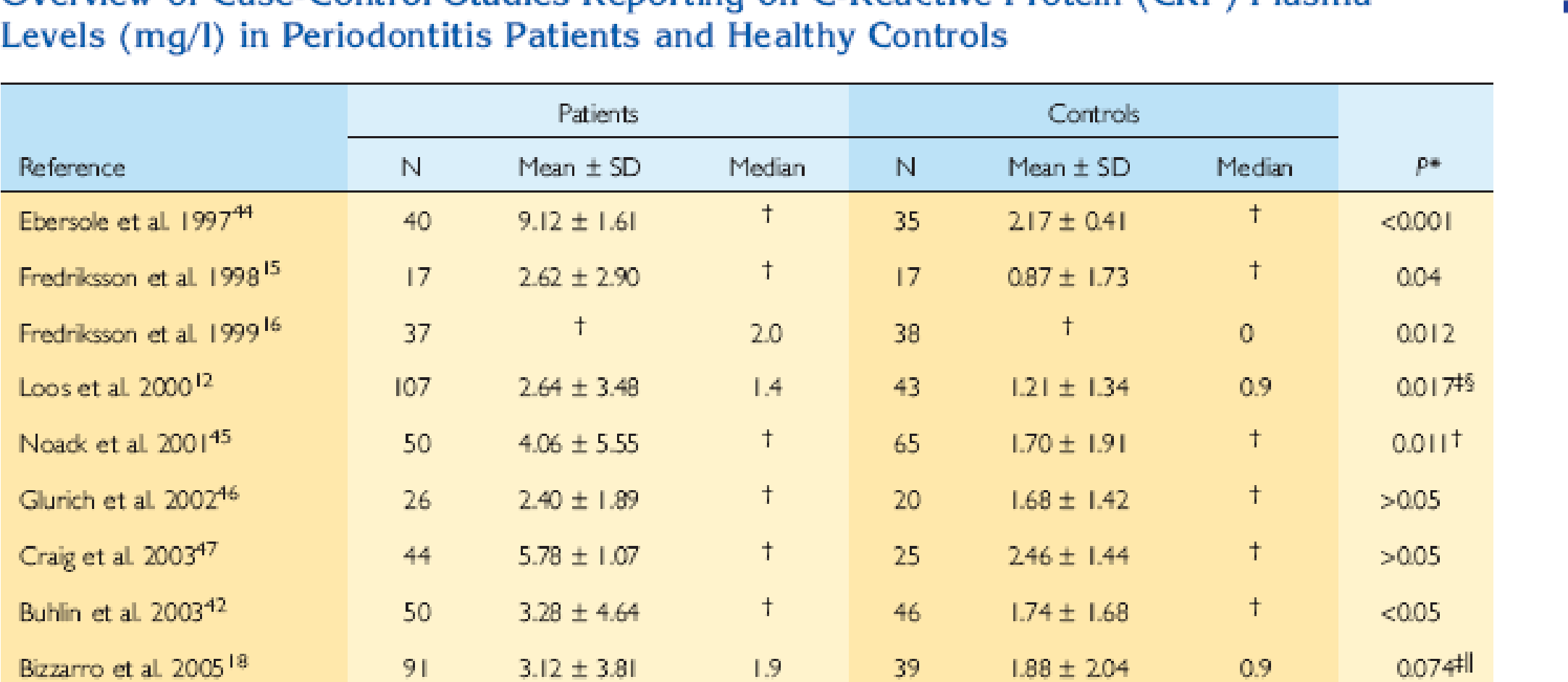
Overview of Case-Control Studies Reporting on C-Reactive Protein (CRP) Plasma Levels (mg/l) in Periodontitis Patients and Healthy Controls
| Reference | Patients N | Mean ± SD | Median | Controls N | Mean ± SD | Median | P* |
|---|---|---|---|---|---|---|---|
| Ebersole et al. 1997⁴⁴ | 40 | 9.12 ± 1.61 | † | 35 | 2.17 ± 0.41 | † | <0.001 |
| Fredriksson et al. 1998¹⁵ | 17 | 2.62 ± 2.90 | † | 17 | 0.87 ± 1.73 | † | 0.04 |
| Fredriksson et al. 1999¹⁶ | 37 | † | 2.0 | 38 | † | 0 | 0.012 |
| Loos et al. 2000¹² | 107 | 2.64 ± 3.48 | 1.4 | 43 | 1.21 ± 1.34 | 0.9 | 0.017‡§ |
| Noack et al. 2001⁴⁵ | 50 | 4.06 ± 5.55 | † | 65 | 1.70 ± 1.91 | † | 0.011† |
| Glurich et al. 2002⁴⁶ | 26 | 2.40 ± 1.89 | † | 20 | 1.68 ± 1.42 | † | >0.05 |
| Craig et al. 2003⁴⁷ | 44 | 5.78 ± 1.07 | † | 25 | 2.46 ± 1.44 | † | >0.05 |
| Buhlin et al. 2003⁴² | 50 | 3.28 ± 4.64 | † | 46 | 1.74 ± 1.68 | † | <0.05 |
| Bizzarro et al. 2005¹⁸ | 91 | 3.12 ± 3.81 | 1.9 | 39 | 1.88 ± 2.04 | 0.9 | 0.074¶∥ |
- Indicates strength of the observed differences between patients and controls. † Values not reported. ‡ P value calculated for the purpose of this review; in original article, the adjusted P value is 0.030 for a difference between three groups: healthy controls, patients with localized periodontitis, and patients with generalized periodontitis, with the generalized periodontitis group having the highest value and the control group having the lowest value (also see Figure 3). § P value calculated for the purpose of this review; in original article, the adjusted P value is 0.197 for a difference between three groups: healthy controls, patients with moderate periodontitis, and patients with severe periodontitis, with the severe periodontitis group having the highest value and the control group having the lowest value. ¶ P value adjusted for background variables and potential confounding factors reported in original paper.
 |  |
 |
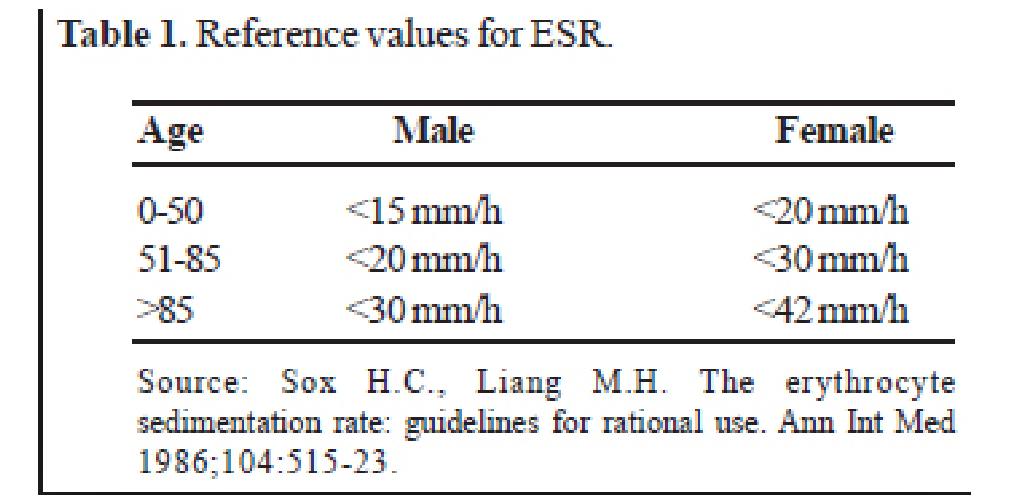
Clinical Reference Ranges for CRP and ESR22
| Age | Male | Female |
|---|---|---|
| 0-50 | <15 mm/h | <20 mm/h |
| 51-85 | <20 mm/h | <30 mm/h |
| >85 | <30 mm/h | <42 mm/h |
 |  |
Evidence and Clinical Associations232425
Int J Health Sci (Qassim). 2016 Apr;10(2):293–307.
Periodontal Systemic Connections-Novel Associations-A Review of the Evidence with Implications for Medical Practitioners
Butchibabu Kalakonda, Pradeep Koppolu, Kusai Baroudi, Ashank Mishra
PMCID: PMC4825901 PMID: 27103910
Electronic databases such as PubMed, Google Scholar and Cochrane databases were used as source of the data for relevant studies published from 2005 up to 2015 with the following keywords, “Periodontal disease”, “systemic conditions”, “periodontal disease and Alzheimer’s”, “Periodontal disease and Schizophrenia”, “Periodontal disease and Psoriasis” and “Periodontal disease and erectile dysfunction”.
The evidence presented ascertains that a reasonable and modest association does exist between Periodontal disease and Alzheimer’s, Schizophrenia, Erectile dysfunction, as well as Psoriasis and thus establishes periodontal disease as a potential risk factor.
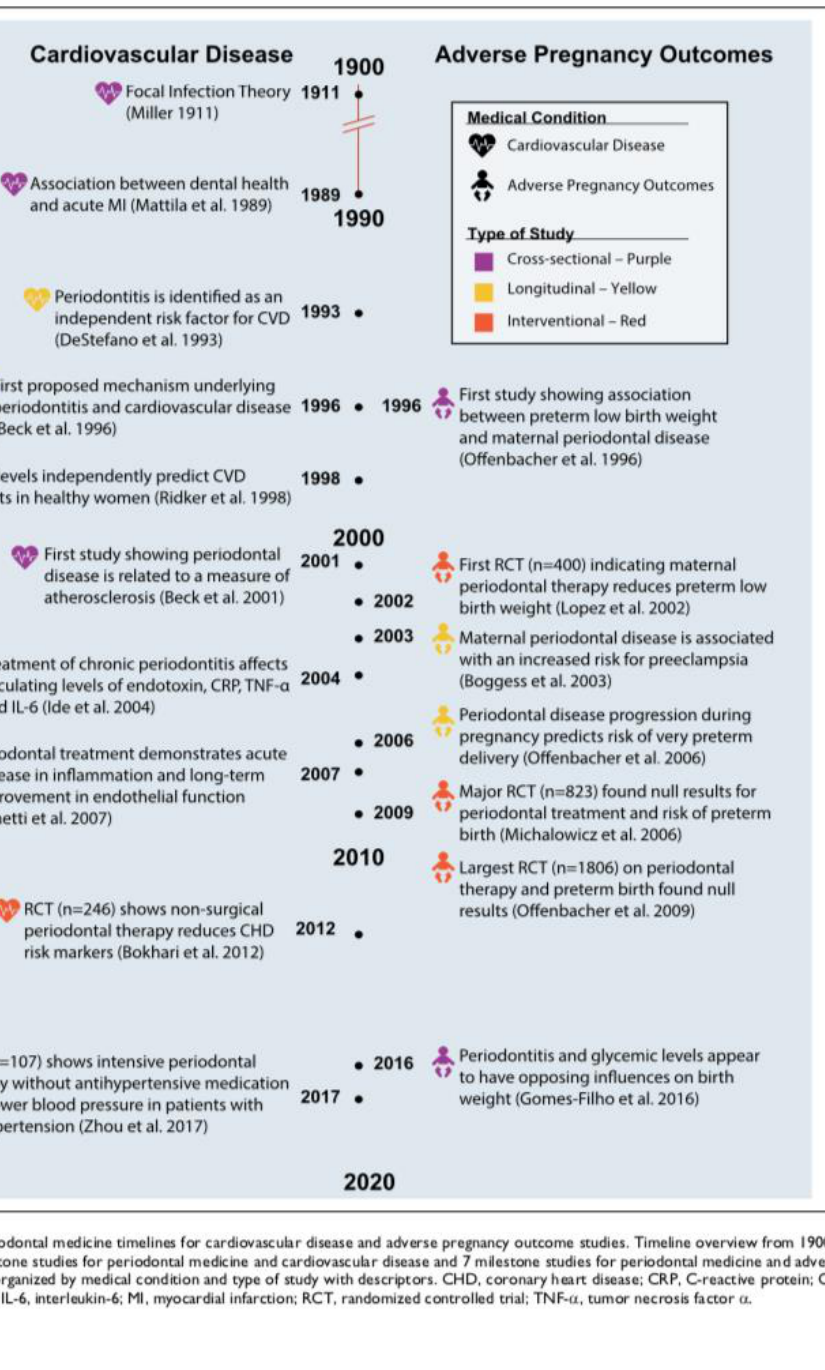
Cardiovascular Disease and Atherosclerosis26
Main association findings
Cardiovascular Disease
- 1900
- 1911: Focal Infection Theory (Miller 1911)
- 1989-1990: Association between dental health and acute MI (Mattila et al. 1989)
- 1993: Periodontitis is identified as an independent risk factor for CVD (DeStefano et al. 1993)
- 1996: First proposed mechanism underlying periodontitis and cardiovascular disease (Beck et al. 1996)
- 1998: CRP levels independently predict CVD events in healthy women (Ridker et al. 1998)
- 1999
- 2000
- 2001: First study showing periodontal disease is related to a measure of atherosclerosis (Beck et al. 2001)
- 2002
- 2003
- 2004: Treatment of chronic periodontitis affects circulating levels of endotoxin, CRP, TNF-a and IL-6 (Ide et al. 2004)
- 2006
- 2007: Periodontal treatment demonstrates acute increase in inflammation and long-term improvement in endothelial function (Tonetti et al. 2007)
- 2007
- 2010
- 2012: RCT (n=246) shows non-surgical periodontal therapy reduces CHD risk markers (Bokhari et al. 2012)
- 2017: RCT (n=107) shows intensive periodontal therapy without antihypertensive medication may lower blood pressure in patients with prehypertension (Zhou et al. 2017)
- 2020
Adverse Pregnancy Outcomes
- 1996: First study showing association between preterm low birth weight and maternal periodontal disease (Offenbacher et al. 1996)
- 1996
- 2001
- 2001: First RCT (n=400) indicating maternal periodontal therapy reduces preterm low birth weight (Lopez et al. 2002)
- 2002
- 2003: Maternal periodontal disease is associated with an increased risk for preeclampsia (Boggess et al. 2003)
- 2006: Periodontal disease progression during pregnancy predicts risk of very preterm delivery (Offenbacher et al. 2006)
- 2009: Major RCT (n=823) found null results for periodontal treatment and risk of preterm birth (Michalowicz et al. 2006)
- 2009: Largest RCT (n=1806) on periodontal therapy and preterm birth found null results (Offenbacher et al. 2009)
- 2016: Periodontitis and glycemic levels appear to have opposing influences on birth weight (Gomes-Filho et al. 2016)
Beck et al 2019
Diabetes Mellitus and Glycemic Control2728
Main association findings – Diabetes
Beck et al 2019
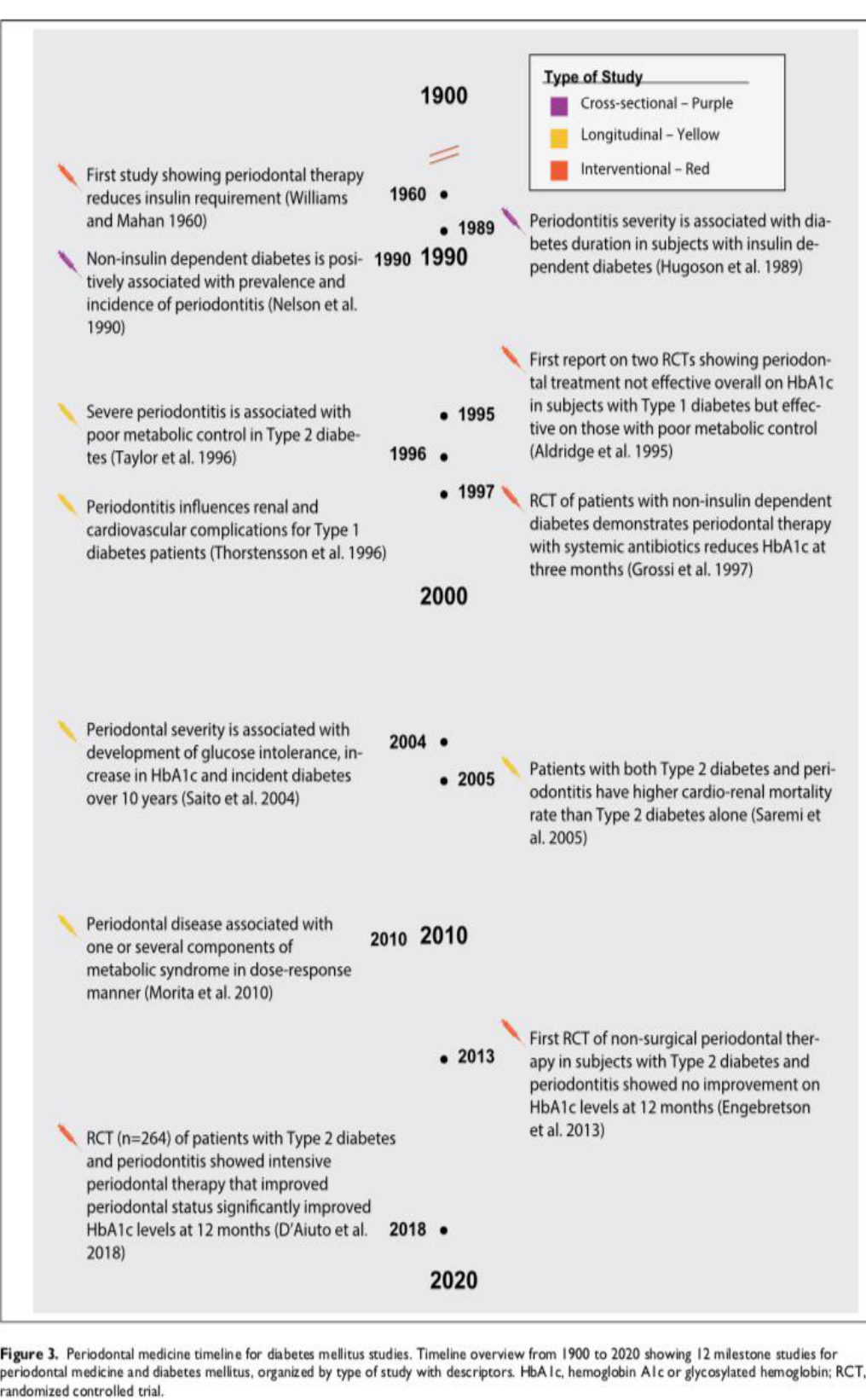
Periodontal medicine timeline for diabetes mellitus studies
- 1960: First study showing periodontal therapy reduces insulin requirement (Williams and Mahan 1960)
- 1989: Periodontitis severity is associated with diabetes duration in subjects with insulin dependent diabetes (Hugoson et al. 1989)
- 1990: Non-insulin dependent diabetes is positively associated with prevalence and incidence of periodontitis (Nelson et al. 1990)
- 1995: First report on two RCTs showing periodontal treatment not effective overall on HbA1c in subjects with Type 1 diabetes but effective on those with poor metabolic control (Aldridge et al. 1995)
- 1996: Severe periodontitis is associated with poor metabolic control in Type 2 diabetes (Taylor et al. 1996)
- 1996: Periodontitis influences renal and cardiovascular complications for Type 1 diabetes patients (Thorstensson et al. 1996)
- 1997: RCT of patients with non-insulin dependent diabetes demonstrates periodontal therapy with systemic antibiotics reduces HbA1c at three months (Grossi et al. 1997)
- 2004: Periodontal severity is associated with development of glucose intolerance, increase in HbA1c and incident diabetes over 10 years (Saito et al. 2004)
- 2005: Patients with both Type 2 diabetes and periodontitis have higher cardio-renal mortality rate than Type 2 diabetes alone (Saremi et al. 2005)
- 2010: Periodontal disease associated with one or several components of metabolic syndrome in dose-response manner (Morita et al. 2010)
- 2013: First RCT of non-surgical periodontal therapy in subjects with Type 2 diabetes and periodontitis showed no improvement on HbA1c levels at 12 months (Engebretson et al. 2013)
- 2018: RCT (n=264) of patients with Type 2 diabetes and periodontitis showed intensive periodontal therapy that improved periodontal status significantly improved HbA1c levels at 12 months (D’Aiuto et al. 2018)
Type of Study Key:
- Interventional: 1960, 1995, 1997, 2013, 2018
- Longitudinal: 1996, 2004, 2005, 2010
- Cross-sectional: 1989, 1990, 1996
Figure 3. Periodontal medicine timeline for diabetes mellitus studies. Timeline overview from 1900 to 2020 showing 12 milestone studies for periodontal medicine and diabetes mellitus, organized by type of study with descriptors. HbA1c, hemoglobin A1c or glycosylated hemoglobin; RCT, randomized controlled trial.
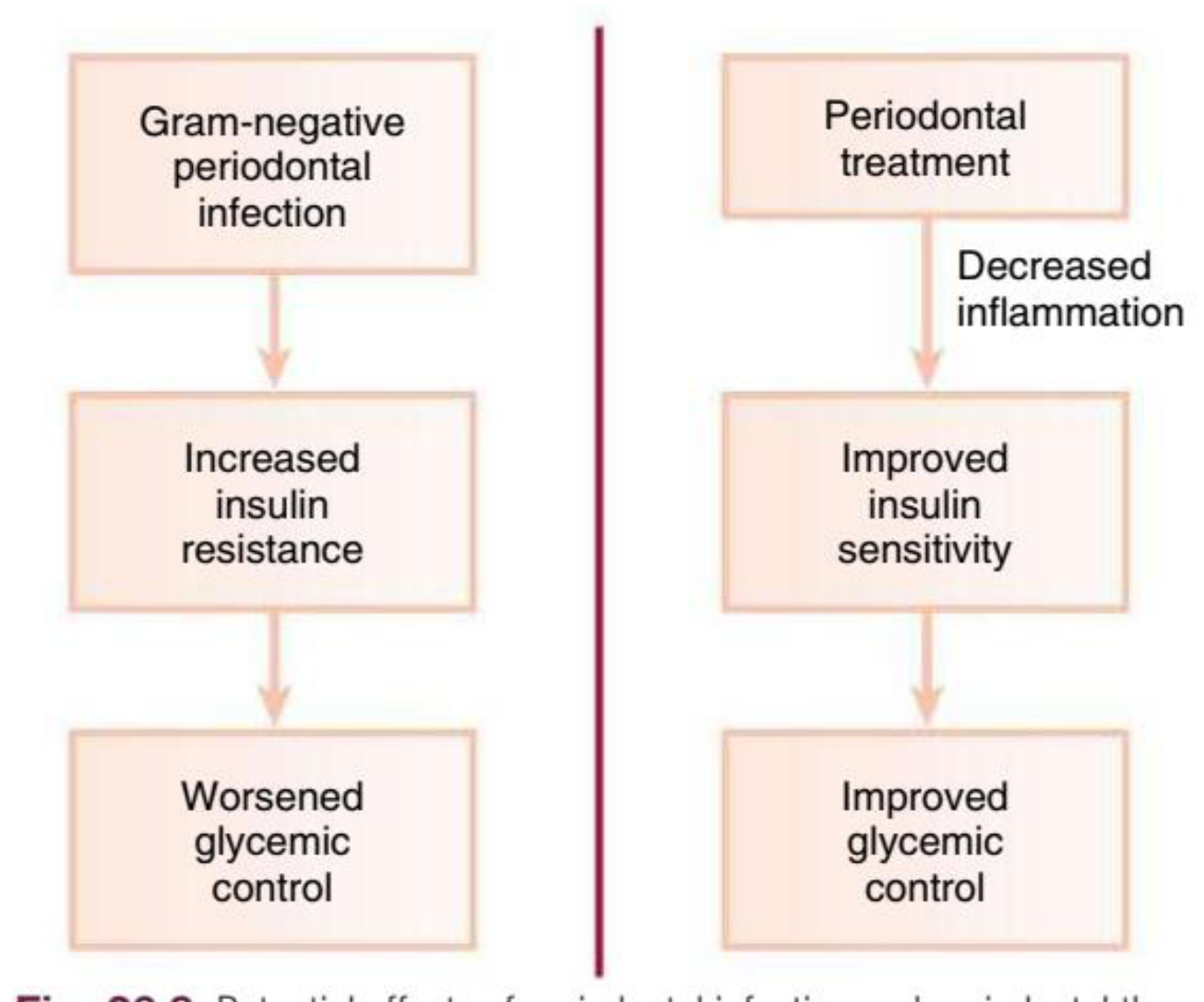
Potential effects of periodontal infection and periodontal therapy on glycemia in patients with diabetes.
Periodontal treatment → Decreased inflammation → Improved insulin sensitivity → Improved glycemic control
Gram-negative periodontal infection → Increased insulin resistance → Worsened glycemic control
Fig. 26.8 Potential effects of periodontal infection and periodontal therapy on glycemia in patients with diabetes.
 |  |
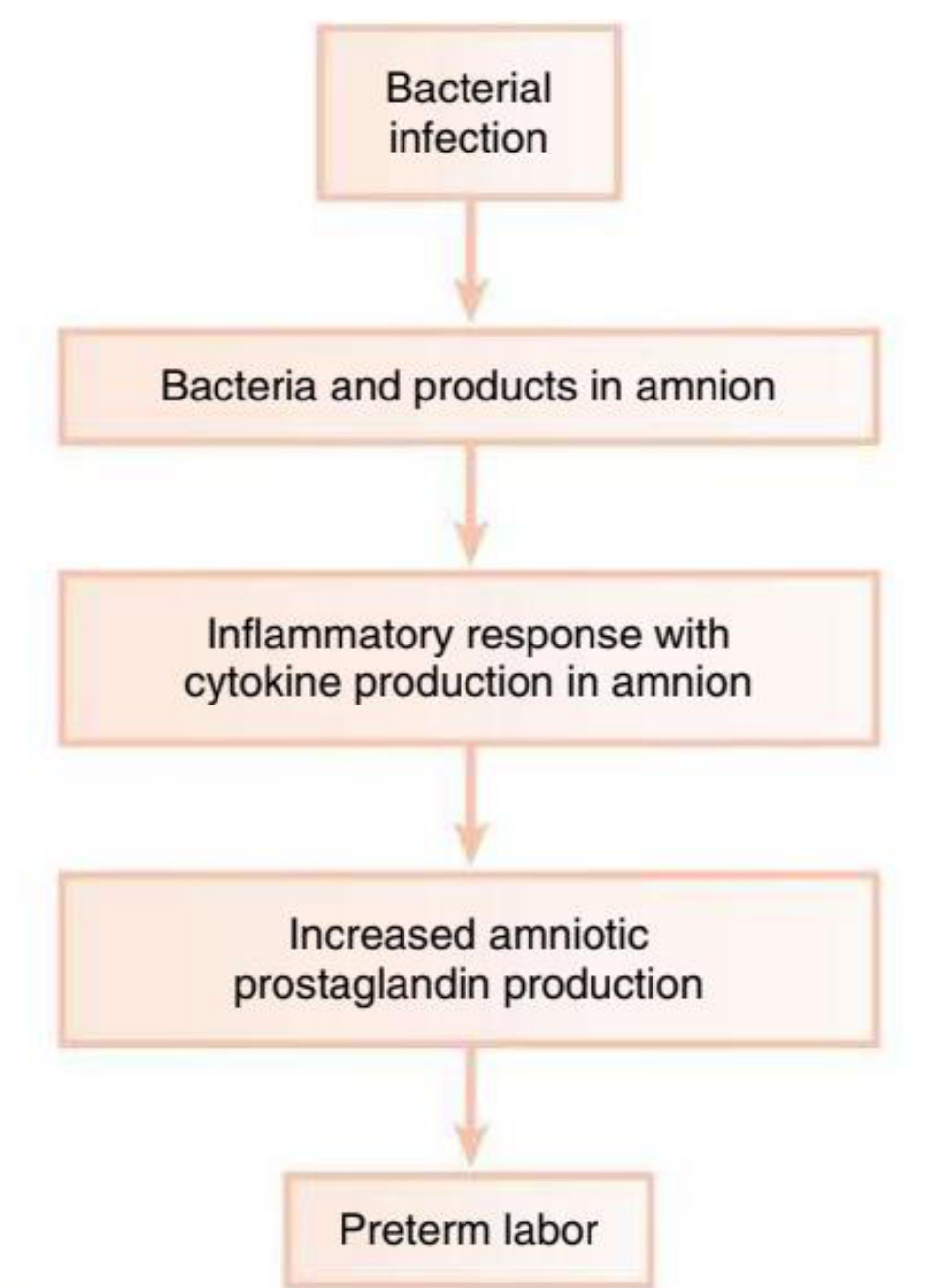
Adverse Pregnancy Outcomes29
| Bacterial infection | ||
|---|---|---|
| Bacteria and products in amnion | ||
| Inflammatory response with cytokine production in amnion | ||
| Increased amniotic prostaglandin production | ||
| Preterm labor |
eFig. 26.1 Mechanisms by which infection may induce preterm labor.
Pan Afr Med J. 2013 Jul 10;15:92. doi: 10.11604/pamj.2013.15.92.2326
Estimate of CRP and TNF-alpha level before and after periodontal therapy in cardiovascular disease patients
Pradeep Koppolu, Satyanarayana Durvasula, Rajababu Palaparthty, Mukhesh Rao, Vidya Sagar, Sunil Kumar Reddy, Swapna Lingam
PMCID: PMC3810246 PMID: 24198887
Conclusion
It can be concluded from the study that there can be a possible causal relationship between pathogenesis of periodontal disease and CVD as inferred from the statistical significant outcome in the form of decreased inflammatory biomarkers after the periodontal treatment.
Evaluation of Serum C-reactive Protein Levels in Subjects with Aggressive and Chronic Periodontitis in Comparison with Healthy Controls: A Clinico-biochemical Study
Vijayalakshmi Bolla, P Santha Kumari, Surendra Reddy Munnangi, D Sunil Kumar, Y Durgabai, Pradeep Koppolu
PMCID: PMC5441260 PMID: 28584744
Conclusion:
The mean CRP levels were found to be greater in CP compared to GAP subjects, but there was no statistically significant difference.
Clinical Case Scenarios3031
CASE SCENARIO 26.1
Patient: A 38-year-old female
Chief Complaint: “I have swelling and pain in my gums.”
Background Information Patient is a nonsmoker with poorly controlled diabetes mellitus (HbA1c = 8.4). Patient is overweight. She indicates brushing one to two times per day but does not floss. She reports infrequent dental visits. Her last professional dental cleaning was at least 3 years ago.
Current Findings: Probing depths were generally in the range of 2 to 4 mm with localized 5 to 7 mm, BOP was 43%.
CASE-BASED QUESTIONS
-
Does the patient’s diabetes pose an increased risk for periodontitis? A. Yes B. No
-
This patient requires nonsurgical periodontal therapy. Could periodontal therapy improve glycemic control? A. Yes B. No
-
Which of the following are complications of diabetes mellitus? A. Retinopathy B. Nephropathy C. Periodontal disease D. All of the above E. A and B
SOLUTION AND EXPLANATION
Answer 1: A Explanation: There is increased prevalence of periodontitis in patients with diabetes mellitus, especially if poorly controlled.
Answer 2: A Explanation: Although there are conflicting results from different studies, numerous systematic reviews and meta-analyses have consistently shown that periodontal therapy is associated with statistically significant and clinically relevant improvement in glycemic control in patients with diabetes and periodontitis.
Answer 3: D Explanation: Complications of diabetes mellitus include retinopathy, nephropathy, neuropathy, macrovascular disease, altered wound healing, and periodontal disease.
CASE SCENARIO 26.2
Patient: A 49-year-old African-American female.
Chief Complaint: “I am feeling discomfort in my gums. They bleed a lot when I brush, and they are always sore.”
Background Information Patient is a smoker with controlled hypertension and uncontrolled type 2 diabetes mellitus with an HbA1c of 9.8. She is currently taking metoprolol and metformin to treat these inflammatory diseases. She reports brushing twice daily but often skips flossing or other dental aids because it hurts her gums.
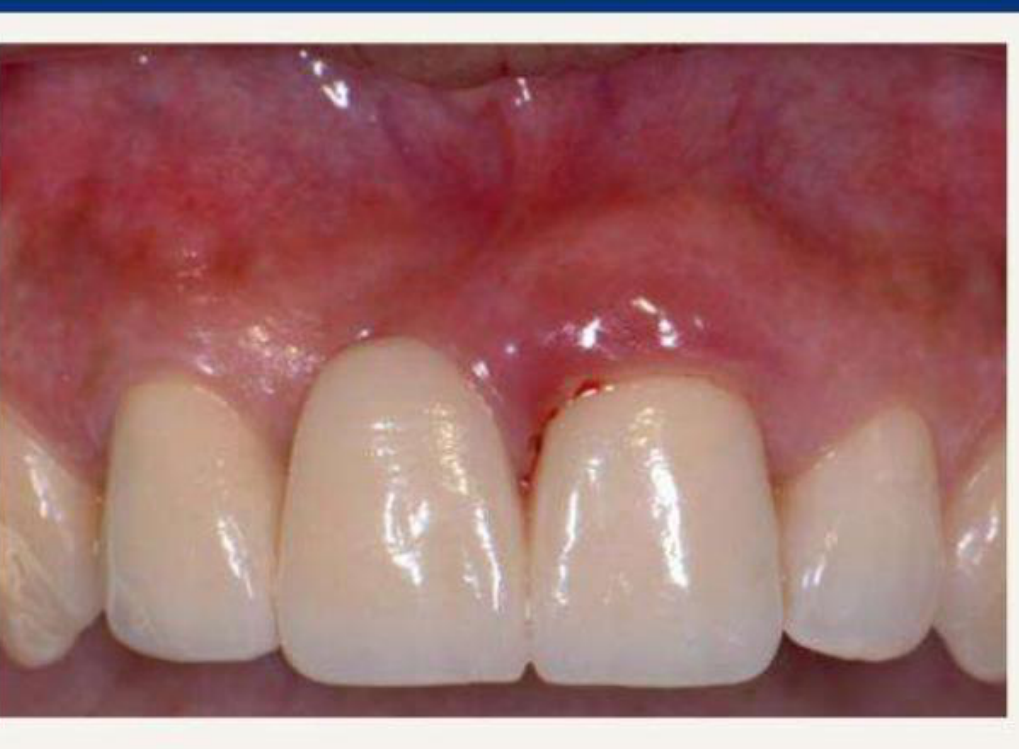
Clinical Findings: Generalized probing depths ranging from 2 to 7 mm. Bleeding on probing was 52% and patient exhibits poor oral hygiene (biofilm control). Gingival tissues are erythematous, edematous, and tender.
| CASE-BASED QUESTIONS | SOLUTION AND EXPLANATION |
|---|---|
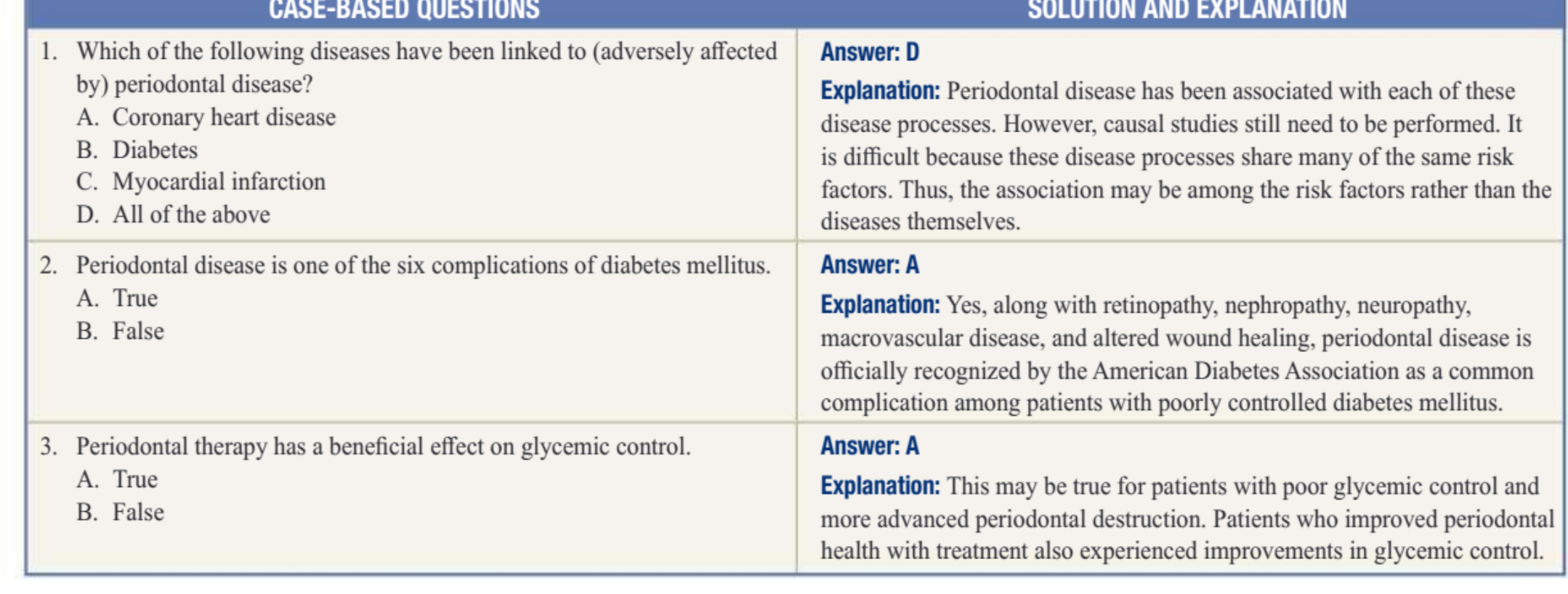
| 1. Which of the following diseases have been linked to (adversely affected by) periodontal disease? A. Coronary heart disease B. Diabetes C. Myocardial infarction D. All of the above | Answer: D Explanation: Periodontal disease has been associated with each of these disease processes. However, causal studies still need to be performed. It is difficult because these disease processes share many of the same risk factors. Thus, the association may be among the risk factors rather than the diseases themselves. |
| 2. Periodontal disease is one of the six complications of diabetes mellitus. A. True B. False | Answer: A Explanation: Yes, along with retinopathy, nephropathy, neuropathy, macrovascular disease, and altered wound healing, periodontal disease is officially recognized by the American Diabetes Association as a common complication among patients with poorly controlled diabetes mellitus. |
| 3. Periodontal therapy has a beneficial effect on glycemic control. A. True B. False | Answer: A Explanation: This may be true for patients with poor glycemic control and more advanced periodontal destruction. Patients who improved periodontal health with treatment also experienced improvements in glycemic control. |
 |  |
Conclusion32
Thank you!!!
THE UNIVERSITY OF WESTERN AUSTRALIA
SEEK WISDOM

Footnotes
-
Original PDF page 1: L13 PerioMedicine, p.1 ↩
-
Original PDF page 2: L13 PerioMedicine, p.2 ↩
-
Original PDF page 3: L13 PerioMedicine, p.3 ↩
-
Original PDF page 4: L13 PerioMedicine, p.4 ↩
-
Original PDF page 5: L13 PerioMedicine, p.5 ↩
-
Original PDF page 6: L13 PerioMedicine, p.6 ↩
-
Original PDF page 7: L13 PerioMedicine, p.7 ↩
-
Original PDF page 8: L13 PerioMedicine, p.8 ↩
-
Original PDF page 9: L13 PerioMedicine, p.9 ↩
-
Original PDF page 10: L13 PerioMedicine, p.10 ↩
-
Original PDF page 11: L13 PerioMedicine, p.11 ↩
-
Original PDF page 12: L13 PerioMedicine, p.12 ↩
-
Original PDF page 13: L13 PerioMedicine, p.13 ↩
-
Original PDF page 14: L13 PerioMedicine, p.14 ↩
-
Original PDF page 15: L13 PerioMedicine, p.15 ↩
-
Original PDF page 16: L13 PerioMedicine, p.16 ↩
-
Original PDF page 17: L13 PerioMedicine, p.17 ↩
-
Original PDF page 18: L13 PerioMedicine, p.18 ↩
-
Original PDF page 19: L13 PerioMedicine, p.19 ↩
-
Original PDF page 20: L13 PerioMedicine, p.20 ↩
-
Original PDF page 21: L13 PerioMedicine, p.21 ↩
-
Original PDF page 22: L13 PerioMedicine, p.22 ↩
-
Original PDF page 23: L13 PerioMedicine, p.23 ↩
-
Original PDF page 28: L13 PerioMedicine, p.28 ↩
-
Original PDF page 29: L13 PerioMedicine, p.29 ↩
-
Original PDF page 24: L13 PerioMedicine, p.24 ↩
-
Original PDF page 25: L13 PerioMedicine, p.25 ↩
-
Original PDF page 26: L13 PerioMedicine, p.26 ↩
-
Original PDF page 27: L13 PerioMedicine, p.27 ↩
-
Original PDF page 30: L13 PerioMedicine, p.30 ↩
-
Original PDF page 31: L13 PerioMedicine, p.31 ↩
-
Original PDF page 32: L13 PerioMedicine, p.32 ↩