Epidemiology of Periodontal Disease1
D R M O H A M M E D J U N A I D S E N I O R L E C T U R E R , D E N T A L P U B L I C H E A L T H
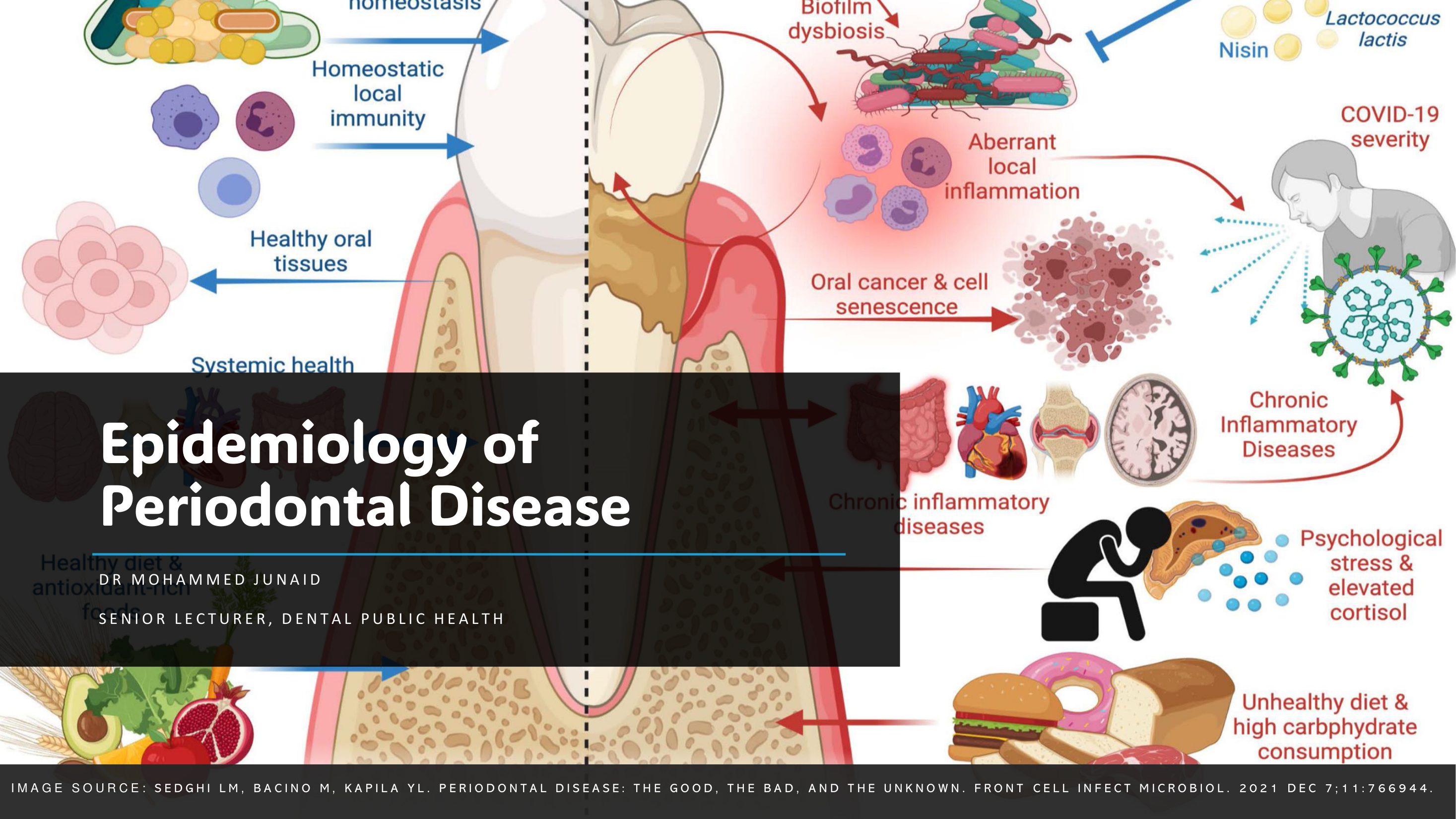
Image source: Sedghi LM, Bacino M, Kapila YL. Periodontal disease: The good, the bad, and the unknown. Front Cell Infect Microbiol. 2021 Dec 7;11:766944.
Introduction and Learning Objectives234
I would like to acknowledge the traditional custodians of the land, in whose land, we are having the lecture and pay my respects to elder’s past, present and emerging.
Art by Christine Winmar https://creativenative.com.au/products/assorted-noongar-artwork-by-christine-winmar
-
Describe how periodontal disease is measured from an epidemiological perspective.
-
Explain the distribution of Periodontal disease – global and Australian context.
-
Explain the determinants/ risk factors associated with Periodontal disease.
-
Understand the challenges in Periodontal disease epidemiology.
-
Revising basic concepts of epidemiology relevant to periodontal disease.
-
Need for Epidemiology in Periodontology
-
Measuring Periodontal disease
-
Challenges related to measuring periodontal disease.
-
Distribution of Periodontal disease – global and Australian context.
-
Determinants of Periodontal disease.
 |  |
Fundamentals of Epidemiology
Definitions and Study Designs5
What is Epidemiology?
Study of distribution and determinants of health-related states and events occurring in a specified population and the application of this study for the control of health problems.
— John M Last 1988
Epidemiological study designs
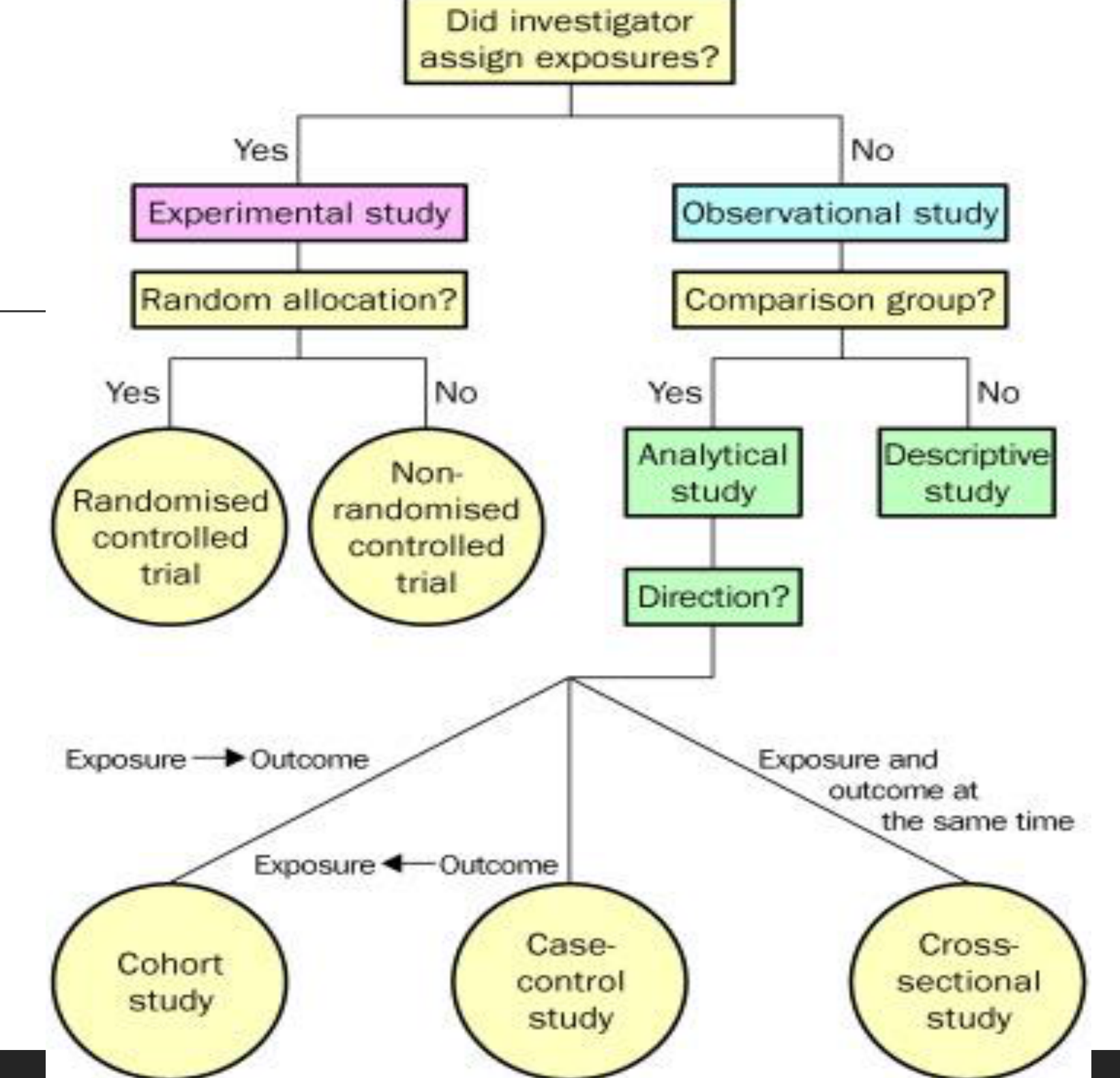
Did investigator assign exposures? Yes -> Experimental study -> Random allocation? -> Yes -> Randomised controlled trial No -> Non-randomised controlled trial
No -> Observational study -> Comparison group? -> Yes -> Analytical study -> Direction? | —> Exposure -> Outcome -> Cohort study | +—> Exposure <- Outcome -> Case-control study | +—> Exposure and outcome at the same time -> Cross-sectional study | No -> Descriptive study
Grimes DA, Schulz KF. An overview of clinical research: the lay of the land. Lancet. 2002 Jan 5;359(9300):57-61
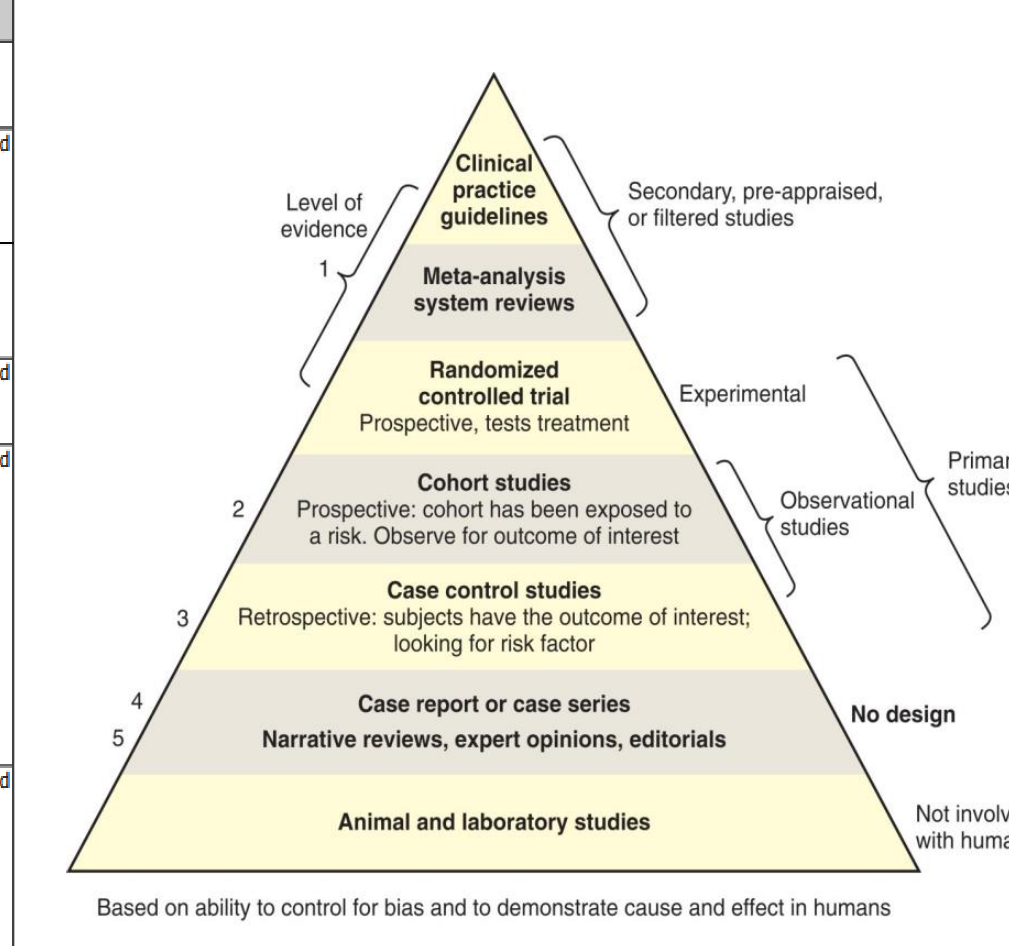
Levels of Evidence and Scope67
|
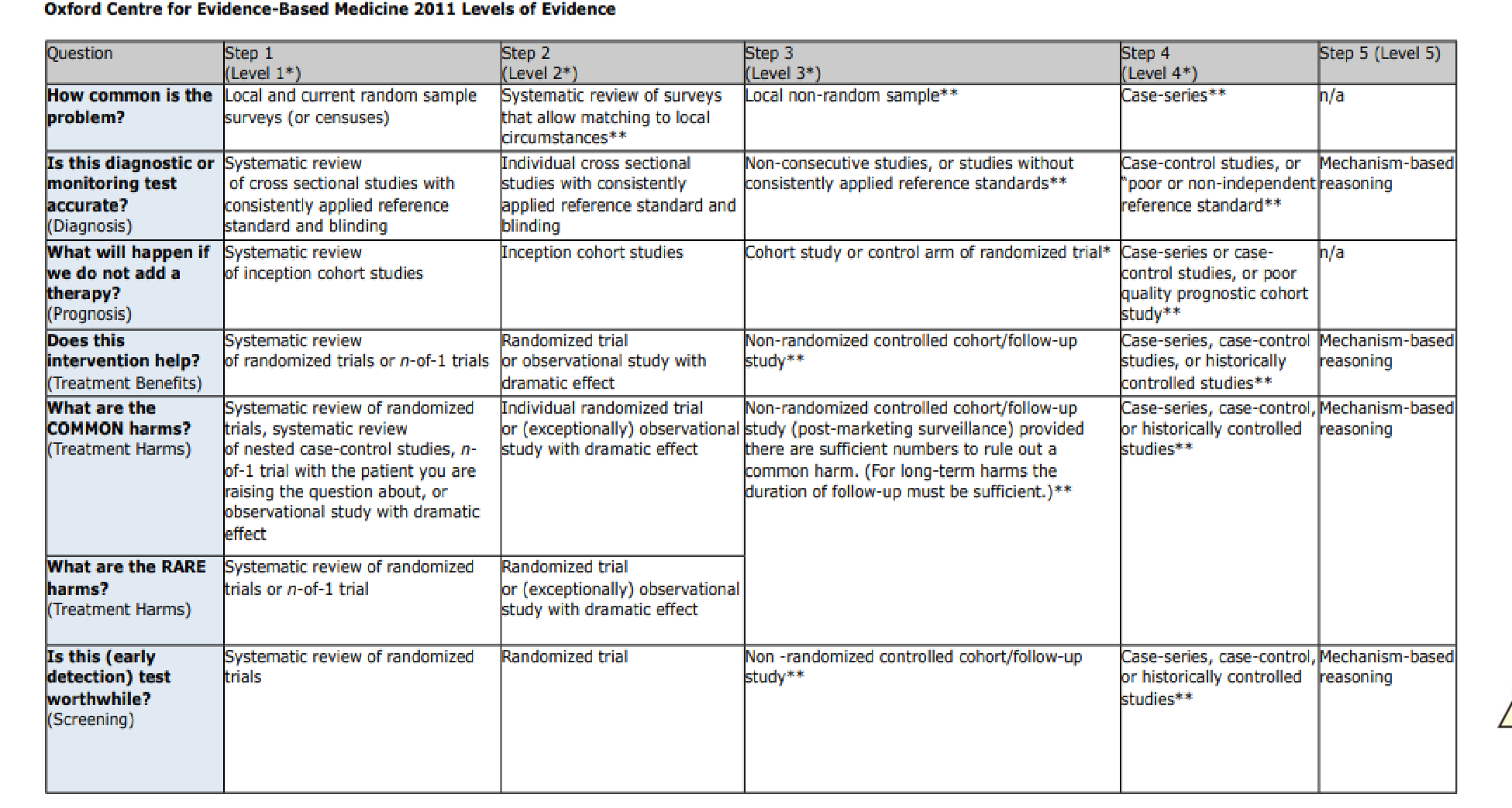
Oxford Centre for Evidence-Based Medicine 2011 Levels of Evidence | |||||
|---|---|---|---|---|---|
| Question | Step 1 Level 1+ | Step 2 Level 2+ | Step 3 Level 3+ | Step 4 Level 4+ | Step 5 Level 5 |
| How common is the problem? | Local and current random sample surveys (or censuses) | Systematic review of surveys that allow matching to local circumstances** | Local non-random sample** | Case-series** | n/a |
|
Is this diagnostic or monitoring test accurate?
(Diagnosis) | Systematic review of cross sectional studies with consistently applied reference standard and blinding | Individual cross sectional studies with consistently applied reference standard and blinding | Non-consecutive studies, or studies without consistently applied reference standards** | Case-control studies, or “poor or non-independent reference standard”** | Mechanism-based reasoning |
|
What will happen if we do not add a therapy? (Prognosis) | Systematic review of inception cohort studies | Inception cohort studies | Cohort study or control arm of randomized trial** | Case-series or case-control studies, or poor quality prognostic cohort study** | n/a |
|
Does this intervention help? (Treatment Benefits) | Systematic review of randomized trials or $n$-of-1 trials | Randomized trial or observational study with dramatic effect | Non-randomized controlled cohort/follow-up study** | Case-series, case-control studies, or historically controlled studies** | Mechanism-based reasoning |
|
What are the COMMON harms? (Treatment Harms) | Systematic review of randomized trials, systematic review of nested case-control studies, $n$-of-1 trial with the patient you are raising the question about, or observational study with dramatic effect | Individual randomized trial or (exceptionally) observational study with dramatic effect | Non-randomized controlled cohort/follow-up study (post-marketing surveillance) provided there are sufficient numbers to rule out a common harm. (For long-term harms the duration of follow-up must be sufficient).** | Case-series, case-control, or historically controlled studies** | Mechanism-based reasoning |
|
What are the RARE harms? (Treatment Harms) | Systematic review of randomized trials or $n$-of-1 trial | Randomized trial or (exceptionally) observational study with dramatic effect | **Systematic review of randomized trials or $n$-of-1 trial** | ||
|
Is this (early detection) test worthwhile? (Screening) | Systematic review of randomized trials | Randomized trial | Non-randomized controlled cohort/follow-up study** | Case-series, case-control or historically controlled studies** | Mechanism-based reasoning |
- Level may be graded down on the basis of study quality, imprecision, indirectness (study PICO does not match questions PICO), because of inconsistency between studies, or because the absolute effect size is very small; Level may be graded up if there is a large or very large effect size.
As always, a systematic review is generally better than an individual study.
How to cite the Levels of Evidence Table
OCEBM Levels of Evidence Working Group*. “The Oxford 2011 Levels of Evidence”.
Oxford Centre for Evidence-Based Medicine.
http://www.cebm.net/index.aspx?o=5653
- OCEBM Table of Evidence Working Group = Jeremy Howick, Iain Chalmers (James Lind Library), Paul Glasziou, Trish Greenhalgh, Carl Heneghan, Alessandro Liberati, Ivan Moschetti, Bob Philips, Hazel Thornton, Olive Moodard and Mary Hodgkinson
Scope of practice of Epidemiology within Periodontics
- Provide prevalence data on periodontal and peri-implant diseases and associated severity.
- Explain or generate evidence on risk factors and indicators relevant to periodontal and peri-implant disease.
- Provide evidence on the effectiveness of preventative and therapeutic measures at an individual and population level.
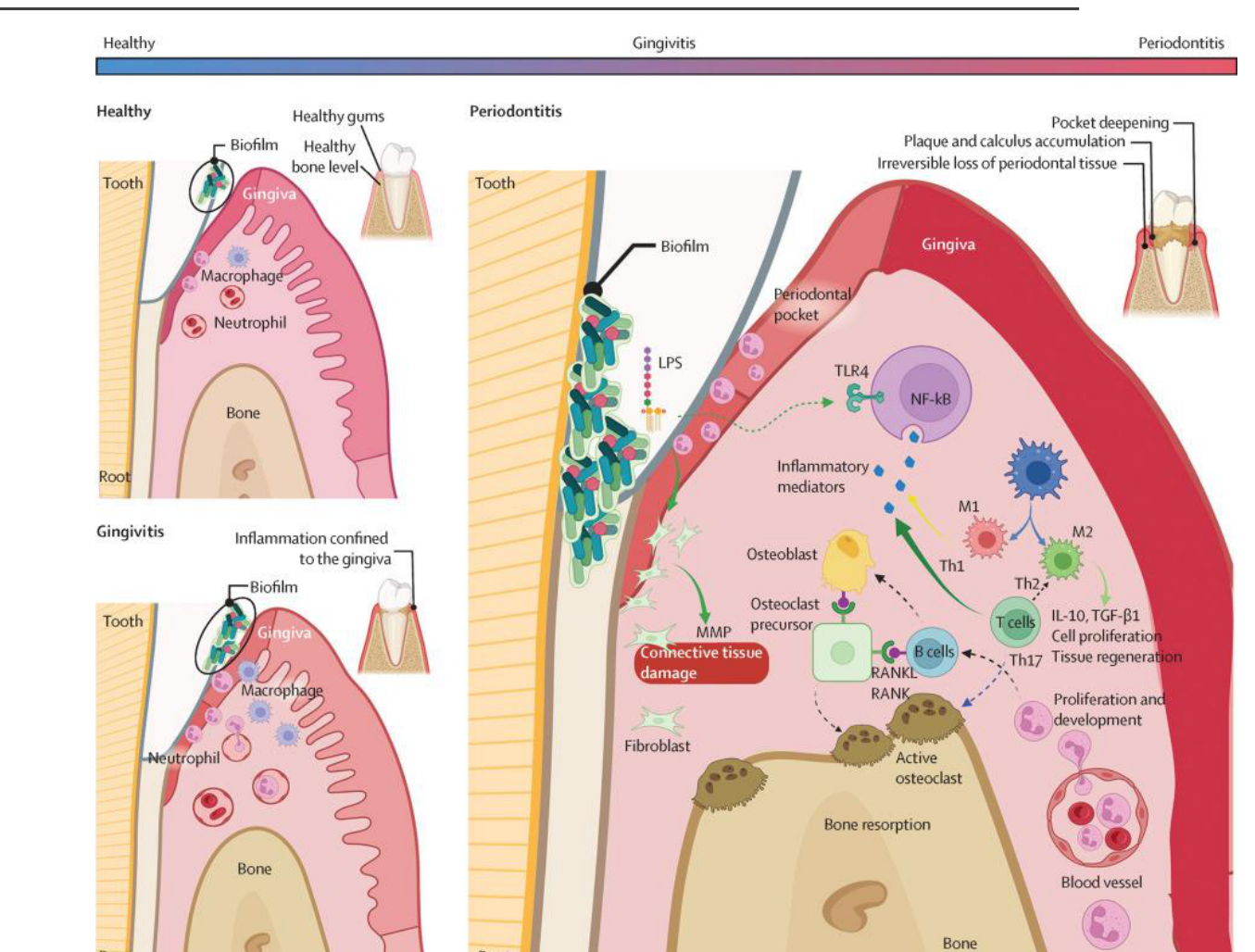
Lindhe’s Clinical Periodontology and Implant Dentistry, edited by Niklaus P. Lang, et al., Chapter 6: Epidemiology of Periodontal Disease, John Wiley & Sons, Incorporated, 2021. ProQuest Ebook Central, https://ebookcentral.proquest.com/lib/uwa/detail.action?docID=6686985. Image source: Pai SI, Matheus HR, Guastaldi FPS. Effects of periodontitis on cancer outcomes in the era of immunotherapy. Lancet Healthy Longev. 2023 Apr;4(4):e166-e175. doi: 10.1016/S2666-7568(23)00021-1.
 |  |
 |
Measuring Periodontal Disease
Clinical Endpoints and Measures8
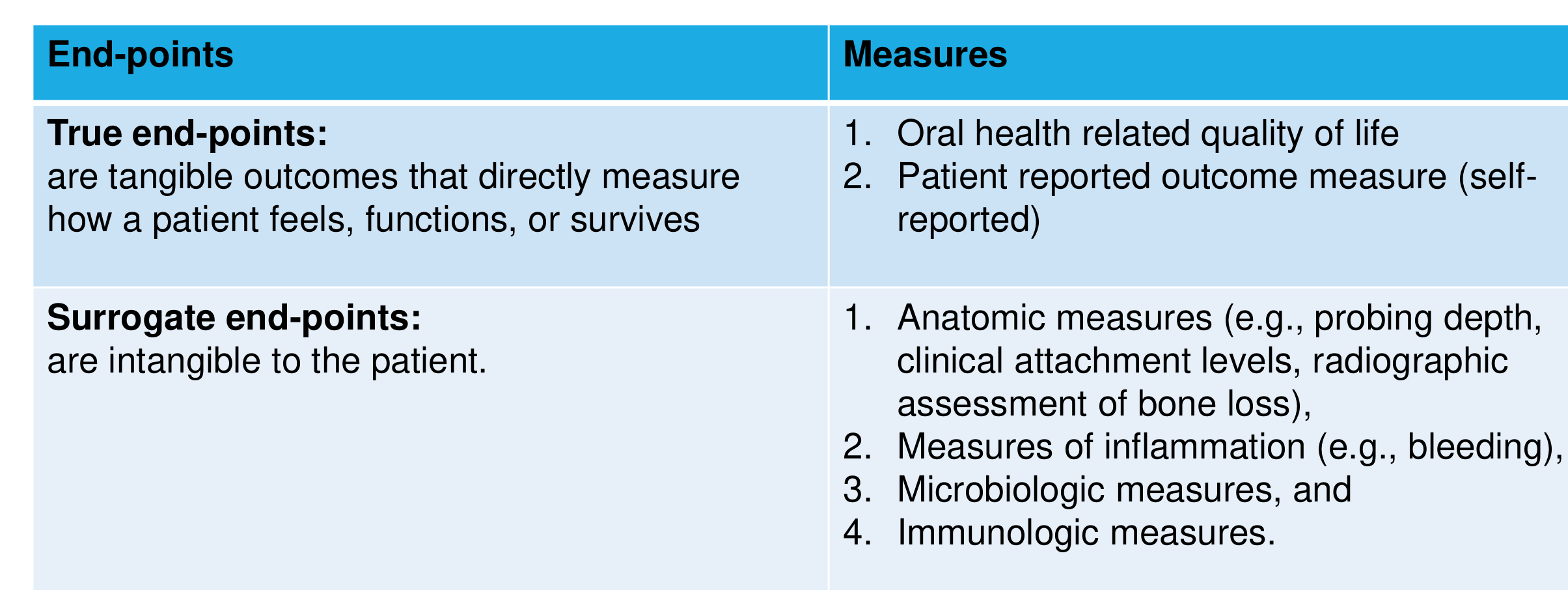
| End-points | Measures |
|---|---|
| True end-points: are tangible outcomes that directly measure how a patient feels, functions, or survives | 1. Oral health related quality of life 2. Patient reported outcome measure (self-reported) |
| Surrogate end-points: are intangible to the patient. | 1. Anatomic measures (e.g., probing depth, clinical attachment levels, radiographic assessment of bone loss), 2. Measures of inflammation (e.g., bleeding), 3. Microbiologic measures, and 4. Immunologic measures. |
Hujoel Philippe P., Kotsakis Georgios A., Chapter 6 - Fundamentals in the Methods of Periodontal Disease Epidemiology, Newman and Carranza’s Clinical Periodontology and Implantology (Fourteenth Edition), edited by Newman Michael G., Klokkevold Perry R., Elangovan Satheesh Hernandez-Kapila Yvonne L., 2023, Pages 82-90.e2, ISBN 978-0-323-87887-6. Lindhe’s Clinical Periodontology and Implant Dentistry, edited by Niklaus P. Lang, et al., Chapter 6: Epidemiology of Periodontal Disease, John Wiley & Sons, Incorporated, 2021. ProQuest Ebook Central.
Methodological Challenges and Case Definitions910
Methodological issues in epidemiological studies for periodontal disease
- Lack of a uniform criteria and inconsistencies in the case definition of periodontal disease.
Changing goal posts (end-points): 1999 International classification of Periodontal diseases and conditions (Chronic and Aggressive periodontitis) → 2003 Working group of CDC/American Academy of Periodontology (severe, moderate and mild Perio) → 2005 5th European workshop in Periodontology (sensitive definition - the presence of proximal attachment loss of ≥ 3 mm in ≥ 2 non-adjacent teeth; specific definition - The presence of proximal attachment loss of ≥ 5 mm in ≥ 30% of teeth) → 2017 World Workshop on the Classification of Periodontal and Peri-implant Diseases and Conditions (Staging and grading periodontal disease).
-
Clinical vs radiographic assessments: a. not many radiographic assessments done at field settings; b. considerations of age-related changes on periodontal attachment; c. clear cut radiographic definition for PD not available.
-
Full vs partial mouth recordings.
-
Indices used to measure periodontal diseases → Community Periodontal Index (CPI) & Clinical attachment loss used consistently to measure severity of periodontal disease in most global epidemiological data.
-
Defining the denominator – excluding edentulism thereby overestimating periodontal disease.
Leroy, R., Eaton, K.A. & Savage, A. Methodological issues in epidemiological studies of periodontitis - how can it be improved?. BMC Oral Health 10, 8 (2010). https://doi.org/10.1186/1472-6831-10-8 Lindhe’s Clinical Periodontology and Implant Dentistry, edited by Niklaus P. Lang, et al., Chapter 6: Epidemiology of Periodontal Disease, John Wiley & Sons, Incorporated, 2021. ProQuest Ebook Central, https://ebookcentral.proquest.com/lib/uwa/detail.action?docID=6686985.
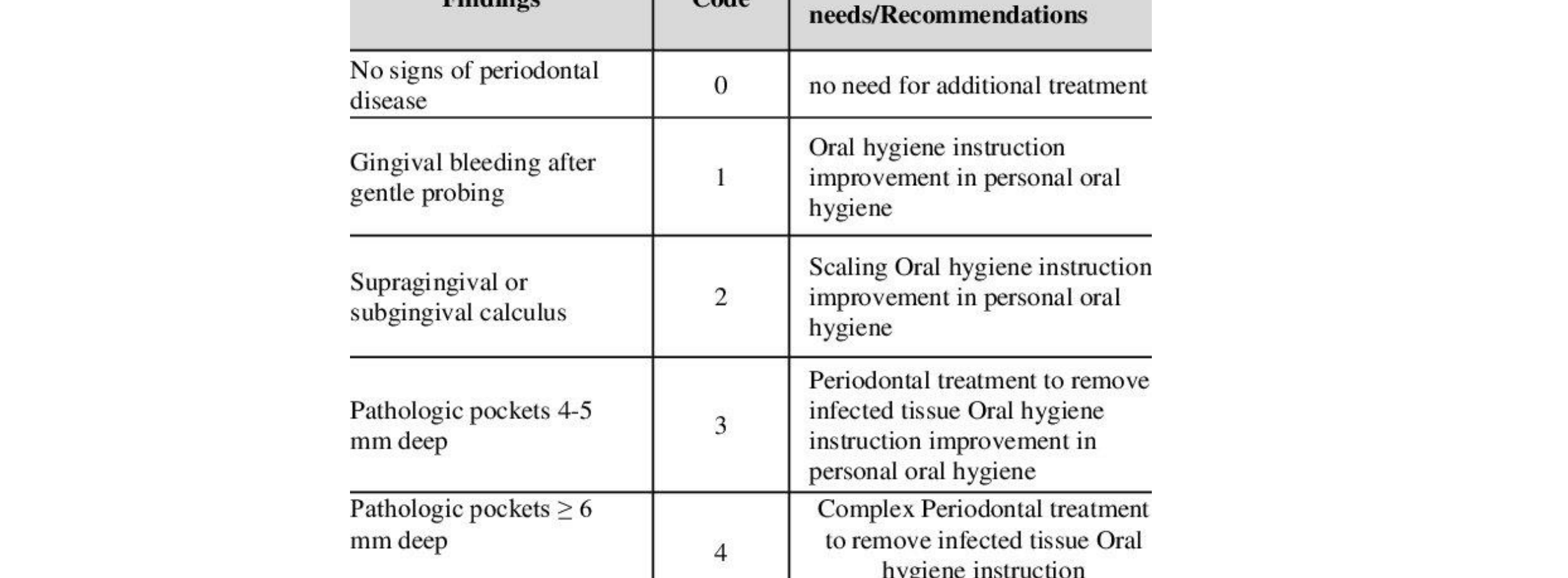
| Findings | Code | Treatment needs/Recommendations |
|---|---|---|
| No signs of periodontal disease | 0 | no need for additional treatment |
| Gingival bleeding after gentle probing | 1 | Oral hygiene instruction improvement in personal oral hygiene |
| Supragingival or subgingival calculus | 2 | Scaling Oral hygiene instruction improvement in personal oral hygiene |
| Pathologic pockets 4-5 mm deep | 3 | Periodontal treatment to remove infected tissue Oral hygiene instruction improvement in personal oral hygiene |
| Pathologic pockets ≥ 6 mm deep | 4 | Complex Periodontal treatment to remove infected tissue Oral hygiene instruction |
Burden of Disease and Disability Adjusted Life Years1112
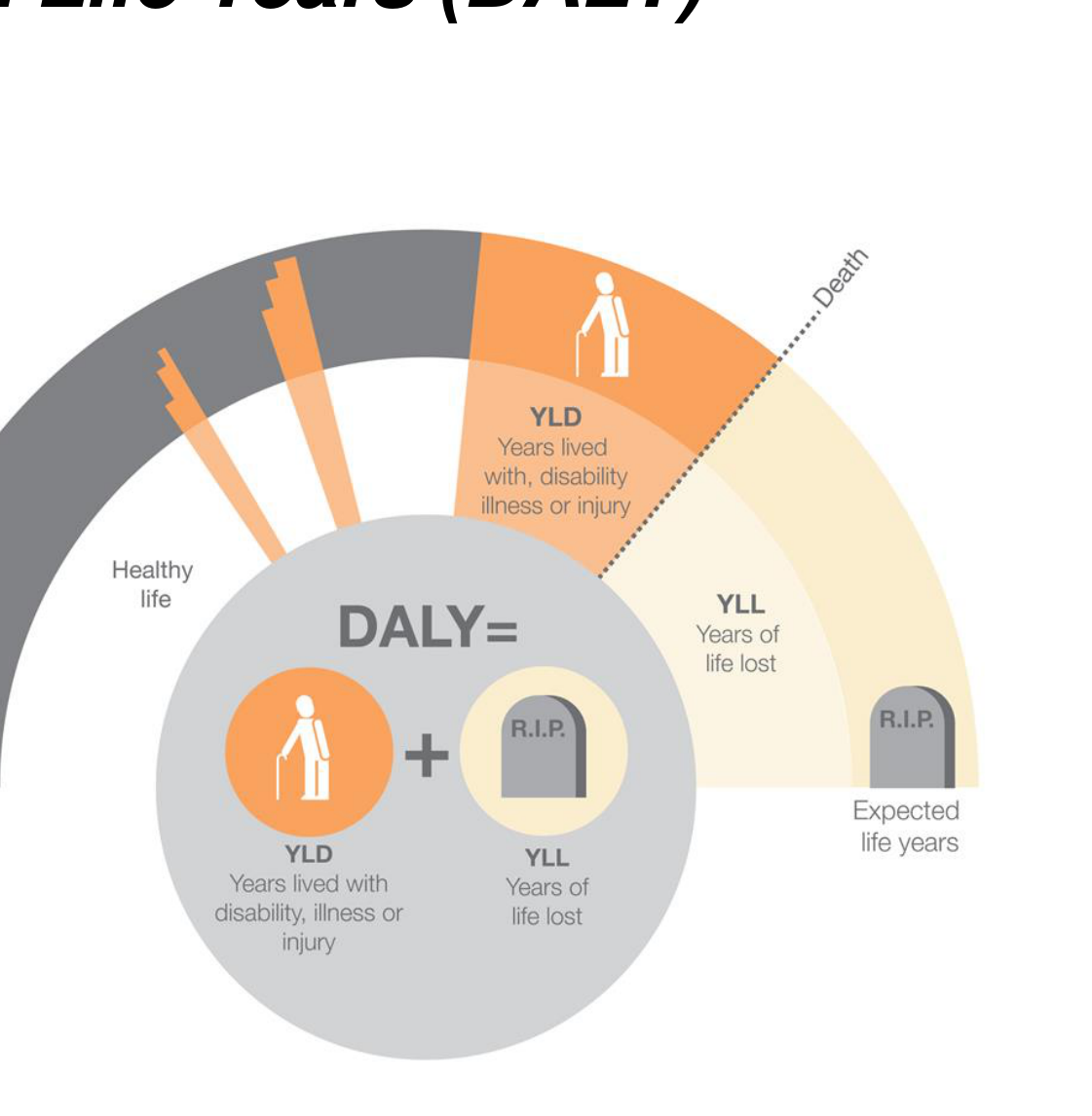
Measuring burden of disease – introducing Disability Adjusted Life Years (DALY)
One DALY represents the loss of the equivalent of one year of full health. DALYs for a disease or health condition are the sum of the years of life lost to premature mortality (YLLs) and the years lived with a disability (YLDs) due to prevalent cases of the disease or health condition in a population
World Health Organisation, : https://www.who.int/data/gho/indicator-metadata-registry/imr-details/158 Image source: UK Health Security Agency https://ukhsa.blog.gov.uk/2015/09/15/the-burden-of-disease-and-what-it-means-in-england/
Calculating DALY
If severe periodontitis has a DALY of 150 per 10,000, it means that the combined impact of tooth loss, pain, and disability from severe periodontitis results in 150 years of healthy life lived with disability per 10,000 people.
 |  |
Global Distribution of Periodontal Disease
Global Burden of Disease Study 20211314
Global burden of periodontal disease
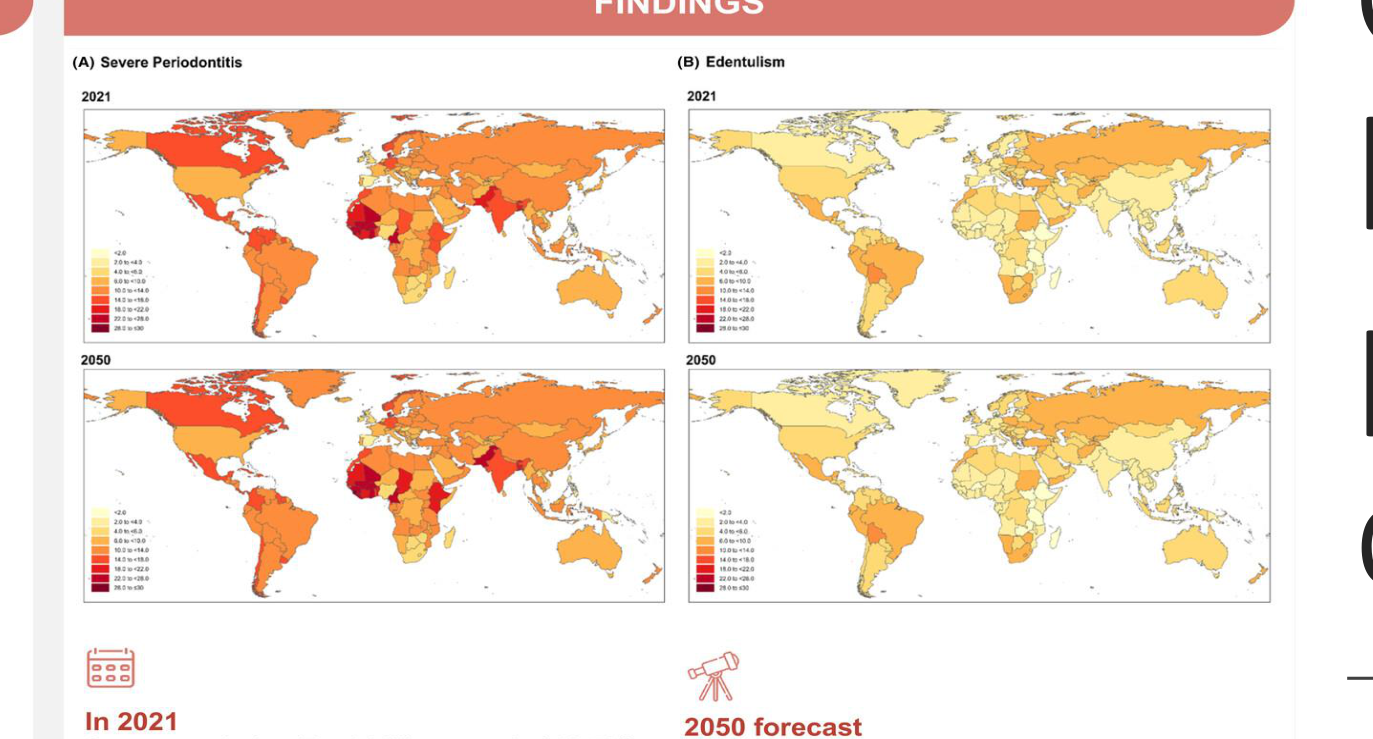
Burden of Severe Periodontitis and Edentulism in 2021, with Projections up to 2050: The Global Burden of Disease 2021 Study
Nascimento GG, Alves-Costa S, Romandini M
THE STUDY
Case definitions
Severe Periodontitis Order of preference: CPI=4, CAL >6 mm, or PPD >5 mm.
Edentulism Absence of any permanent teeth in individuals not affected by edentulism from infancy.
Analytical approach 2021 Estimates Prevalence, incidence, and YLDs estimates from GBD 2021 were presented.
2050 Forecasting Prevalence/incidence and YLDs for 2050 were projected (mixed-effect models).
FINDINGS
In 2021 Severe periodontitis: 1 billion people (12.5%). Edentulism: 353 million people (4.1%).
2050 forecast Severe periodontitis: 1.5 billion people (+44.3%). Edentulism: 661.9 million people (+83.4%).
RESEARCH IN CONTEXT
Background With a growing and aging population, periodontitis and edentulism are expected to affect an increasing number of people.
Added value This study presents GBD 2021 estimates of severe periodontitis and edentulism, along with forecasts for 2050.
Implications Severe periodontitis and edentulism persist as significant public health challenges.
Nascimento GG, Alves-Costa S, Romandini M. Burden of severe periodontitis and edentulism in 2021, with projections up to 2050: The Global Burden of Disease 2021 study. J Periodont Res. 2024; 59: 823-867.
| 2021 | 2050 | |
|---|---|---|
| 1 Low back pain | 1 Low back pain | |
| 2 Major depressive disorder | 2 Other musculoskeletal disorders | |
| 3 Age-related and other hearing loss | 3 Age-related and other hearing loss | |
| 4 Migraine | 4 Major depressive disorder | |
| 5 Other musculoskeletal disorders | 5 Migraine | |
| 15 Neonatal preterm birth | 15 Edentulism | |
| 16 Osteoarthritis knee | 16 Schizophrenia | |
| 17 Near vision loss | 17 Near vision loss | |
| 18 Alzheimer’s disease and other dementias | 18 Cataract | |
| 19 Autism spectrum disorders | 19 Other gynecological diseases | |
| 20 Ischemic stroke | 20 Neonatal preterm birth | |
| 21 Alcohol use disorders | 21 Dysthymia | |
| 22 Dysthymia | 22 Alcohol use disorders | |
| 23 Asthma | 23 Autism spectrum disorders | |
| 24 Edentulism | 24 Other mental disorders | |
| 25 Other mental disorders | 25 Osteoarthritis hand | |
| 26 Premenstrual syndrome | 26 Idiopathic epilepsy | |
| 27 Bipolar disorder | 27 Refraction disorders | |
| 28 Endocrine, metabolic, blood, and immune disorders | 28 Endocrine, metabolic, blood, and immune disorders | |
| 29 Diarrheal diseases | 29 Bipolar disorder | |
| 30 Idiopathic epilepsy | 30 Severe periodontitis | |
| 31 Severe periodontitis | 31 Neonatal encephalopathy due birth asphyxia and trauma | |
| 78 Benign prostatic hyperplasia | 78 Caries of permanent teeth | |
| 79 Caries of permanent teeth | 79 Other unspecified infectious diseases | |
| 175 Urogenital congenital anomalies | 175 Lip and oral cavity cancer | |
| 182 Caries of deciduous teeth | 182 Cellulitis | |
| 191 Lip and oral cavity cancer | 191 Trachoma | |
| 205 Trachoma | 205 Caries of deciduous teeth |
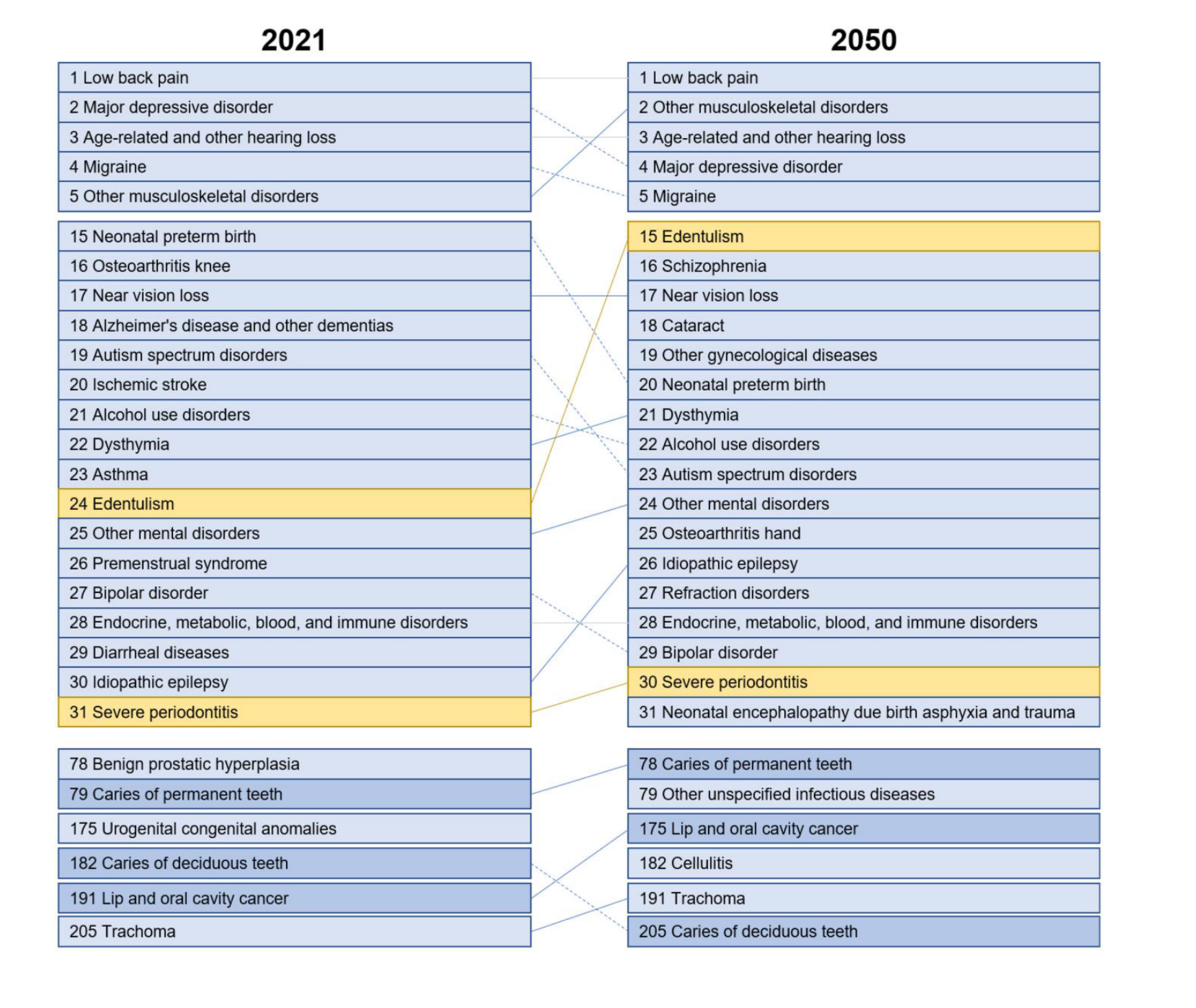
How does burden of periodontal disease compare with other conditions?
In 2021, severe periodontitis was the 31st most impactful Level-4 disease/condition globally.
Nascimento GG, Alves-Costa S, Romandini M. Burden of severe periodontitis and edentulism in 2021, with projections up to 2050: The Global Burden of Disease 2021 study. J Periodont Res. 2024; 59: 823-867.
 |  |
Prevalence Trends by Age and Region1516
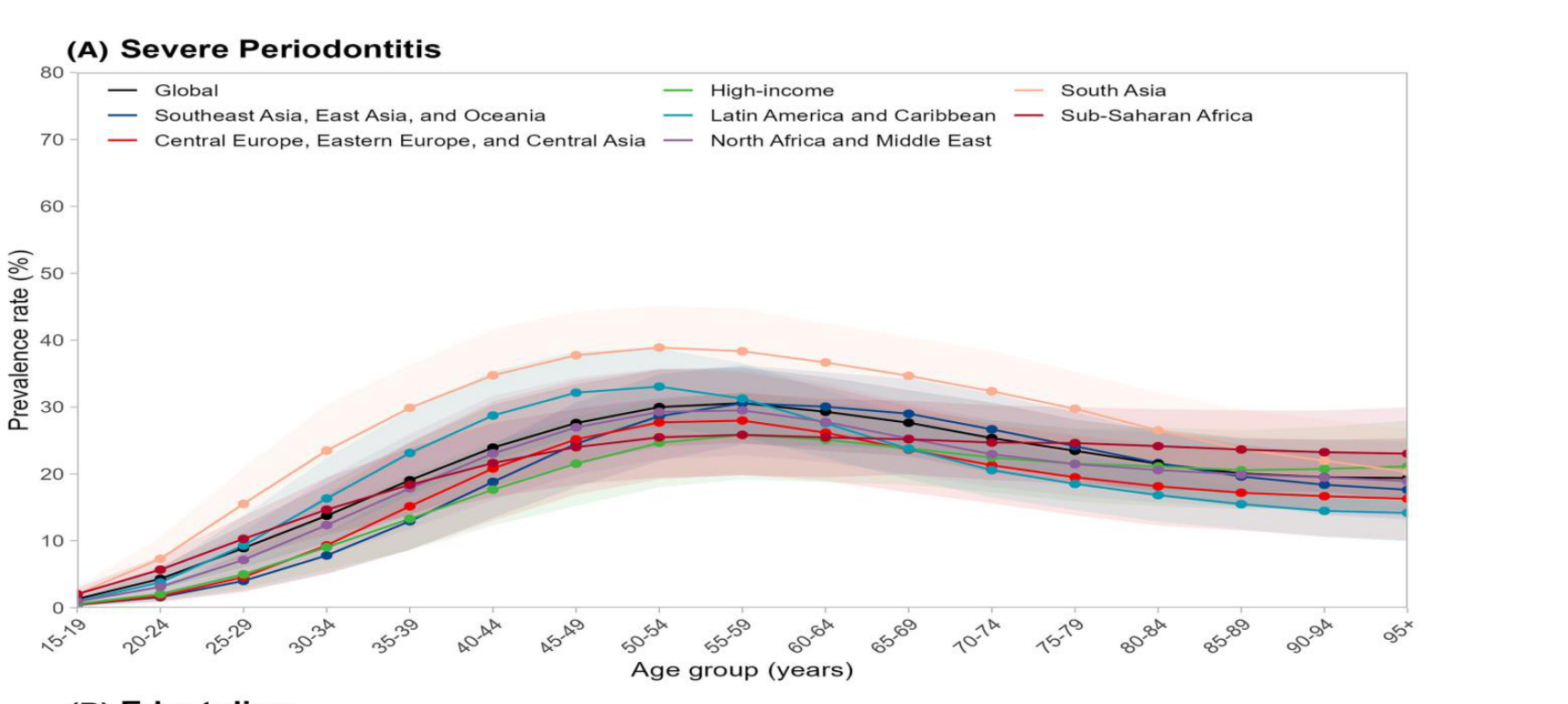
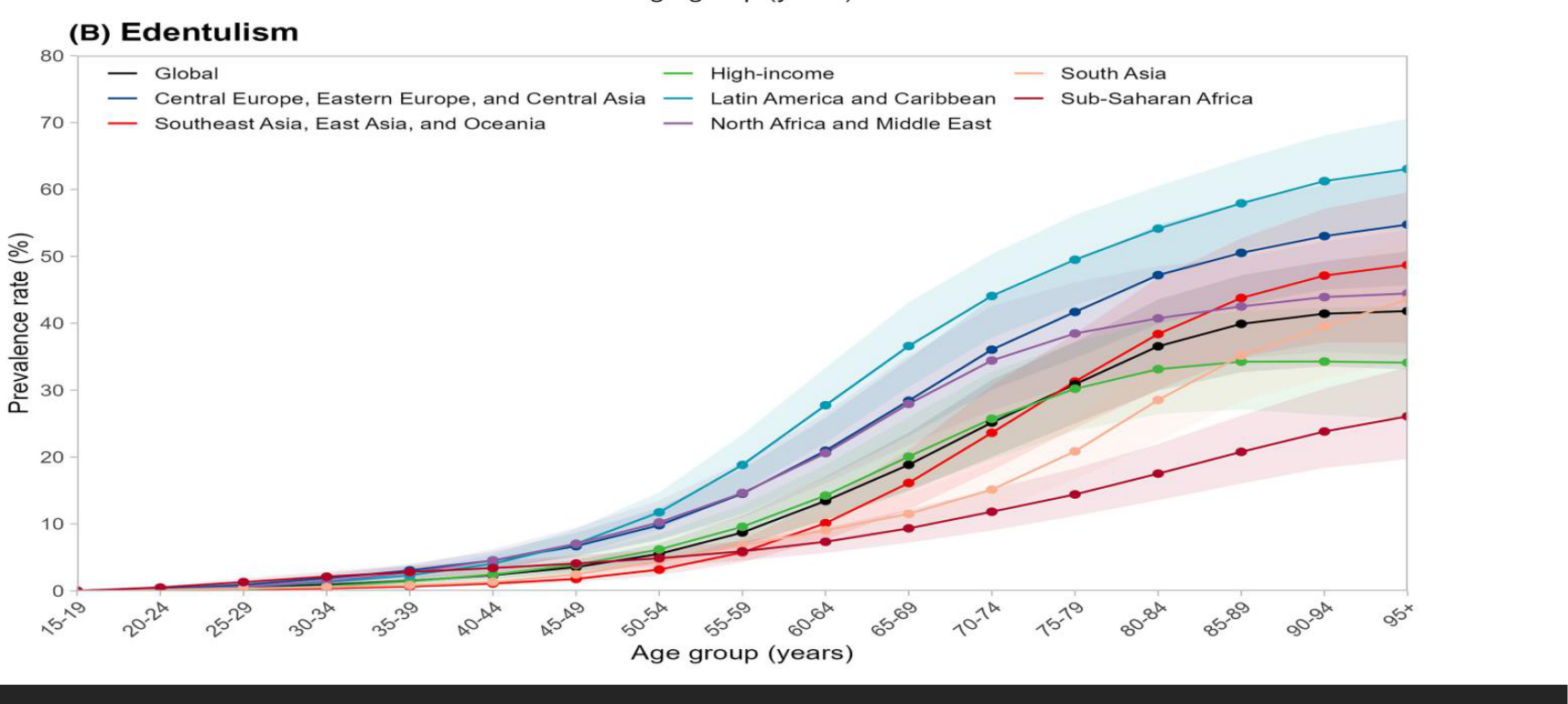
Global prevalence of periodontal disease by age
The highest prevalence was observed in individuals aged 50–64 years, regardless of the super region. After these ages, prevalence decreases until it reaches a plateau at 80 years.
Nascimento GG, Alves-Costa S, Romandini M. Burden of severe periodontitis and edentulism in 2021, with projections up to 2050: The Global Burden of Disease 2021 study. J Periodont Res. 2024; 59: 823-867.
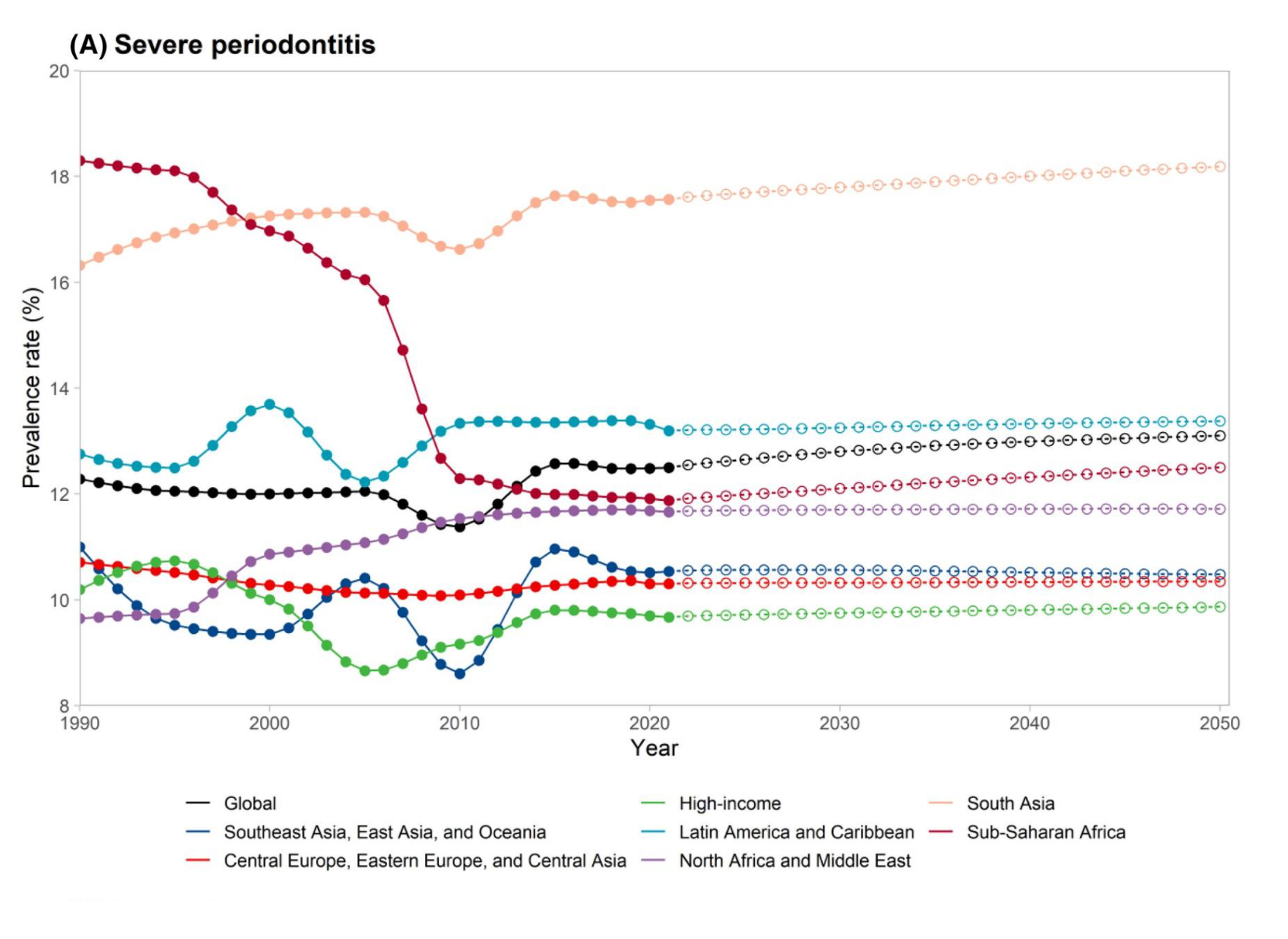
Global trends in prevalence of Severe Periodontal disease – from the Global Burden of Disease 2021
In terms of super regions, the High-Income had the lowest YLD rate per 100 000 (63.65), while South Asia had the highest, at 117.41
Nascimento GG, Alves-Costa S, Romandini M. Burden of severe periodontitis and edentulism in 2021, with projections up to 2050: The Global Burden of Disease 2021 study. J Periodont Res. 2024; 59: 823-867.
 |  |
 |
Periodontal Disease in Australia
Australian Burden of Disease Study 2023
Burden of periodontal disease in Australia
Measure: DALY Sex view: Persons Start year: 2003 End year: 2023 Disease group: Oral disorders Disease/injury: Periodontal disease
| Statistical Metric | Persons | Females | Males |
|---|---|---|---|
| Increase in age-standardised DALY rate (2003 to 2023) | 40.1% | 47.6% | 34.8% |
DALY = Disability-adjusted life years; YLD = Years lived with disability; YLL = Years of life lost
Comparison of age-standardised DALY rates, Persons
| Year | Age-standardised rate |
|---|---|
| 2003 | ~1.1 |
| 2011 | ~1.3 |
| 2015 | ~1.5 |
| 2018 | ~1.6 |
| 2023 | ~1.6 |
Australian Institute of Health and Welfare (2023) Australian Burden of Disease Study 2023, AIHW, Australian Government, accessed 24 January 2025.
Population Patterns and Clinical Findings17
Australian Dental Journal The official journal of the Australian Dental Association
Supplement Article | Free Access
Periodontal diseases in the Australian adult population Diep H Ha, A John Spencer, Xiangqun Ju, Loc G Do
First published: 25 June 2020 | https://doi.org/10.1111/adj.12765 | Citations: 13
Abstract Periodontal diseases are some of the major oral diseases and conditions in adults. Objective The study aimed to present the population patterns of periodontal diseases and trends of periodontitis in the Australian adult population. Methods Data collected in the recent National Study of Adult Oral Health (NSAOH) 2017–18 were used to present the current population patterns of periodontal diseases. Periodontal assessment was carried out at three sites per tooth for all present teeth, excluding third molars. Prevalence of gingivitis, periodontal pocket depth of ≥4 mm, gingival recession of 2+ mm, and clinical attachment loss of 4+ mm were calculated and reported. The US CDC/AAP case definition was used to define cases of moderate to severe periodontitis. NSAOH 2017–18 data were combined with data collected in NSAOH 2004–06 using similar methods to describe age- and cohort-related trends of periodontitis. Results The prevalence of periodontal diseases and conditions were relatively high in the Australian adult population. Some three in ten Australian adults had moderate to severe periodontitis. There was a tendency of higher prevalence of periodontitis in NSAOH 2017–18 than in NSAOH 2004–06 among people of the same age. Conclusion Periodontal diseases and conditions remain a significant problem in the Australian adult population.
Recent papers
JOURNAL OF Periodontology
ORIGINAL ARTICLE | Open Access
Prevalence, extent, and severity of periodontitis among Australian older adults: Comparison of two generations Xiangqun Ju, Jane Harford, Liana Luzzi, Lisa M. Jamieson
First published: 26 December 2021 | https://doi.org/10.1002/JPER.21-0458 | Citations: 4
Abstract Background Chronic periodontitis is highly prevalent among older adults. The study aimed to compare periodontal disease among Australian older adults in two generations. We hypothesized that the prevalence and severity of periodontitis would decrease from the previous generation to the recent generation. Methods Data were obtained from the South Australian Dental Longitudinal Study (SADLS) in 1991 to 1992 (SADLS I) and 2013 to 2014 (SADLS II); population-based longitudinal surveys of Australian older adults aged ≥60 years. American Academy of Periodontology, the US Centers for Disease Control and Prevention (AAP/CDC), and the 2018 European Federation of Periodontology (EFP/AAP) classification case definitions were used to define and calculate prevalence of chronic periodontitis. Multivariable log-Poisson regression models were used to identify risk indicators for severe periodontitis after adjusting for other covariates. Results There were a total of 801 and 355 participants that underwent a periodontal exam in SADLS I and II, respectively. The prevalence of severe periodontitis was higher in the recent generation (88% and 56%) than the previous generation (75% and 46.7%) under the CDC/AAP and EFP/AAP case definitions, respectively. The mean number of missing teeth was lower in the recent generation (6) than the previous generation (13). The prevalence ratio of severe periodontitis was around two times higher in the older age group, men, those not born in Australia, and current smokers across both generations. Conclusions Our findings indicated that the recent generation of older adults has higher prevalence and severity of chronic periodontitis than the previous generation. Our findings indicated that aging, being male, born overseas, low household income, no dental insurance, and being a current smoker are significant risk factors associated with severe periodontitis among older Australians.
Ha, D.H., John Spencer, A., Ju, X., Do, L.G. (2020) Periodontal diseases in the Australian adult population. Australian Dental Journal, 65: S1 S52–S58. https://doi.org/10.1111/adj.12765 Ju X, Harford J, Luzzi L, Jamieson LM. Prevalence, extent, and severity of periodontitis among Australian older adults: Comparison of two generations. J Periodontol. 2022; 93: 1387–1400. https://doi.org/10.1002/JPER.21-0458
Some important points of value
- Australian adults had a prevalence of a gingival index score of two or more of 28.8 per cent mostly influenced by social determinants like remoteness, low socioeconomic status and lack of insurance coverage.
- The prevalence of periodontal pocketing of 4+ mm in the Australian population was 28.8%.
- The prevalence of gingival recession of 2+ mm in the Australian dentate population was 56.2%.
- The percentage of the Australian population with clinical attachment loss of 4 mm or more at one or more sites was 52.7%.
Ha, D.H., John Spencer, A., Ju, X., Do, L.G. (2020) Periodontal diseases in the Australian adult population. Australian Dental Journal, 65: S1 S52–S58. https://doi.org/10.1111/adj.12765
Determinants and Risk Factors
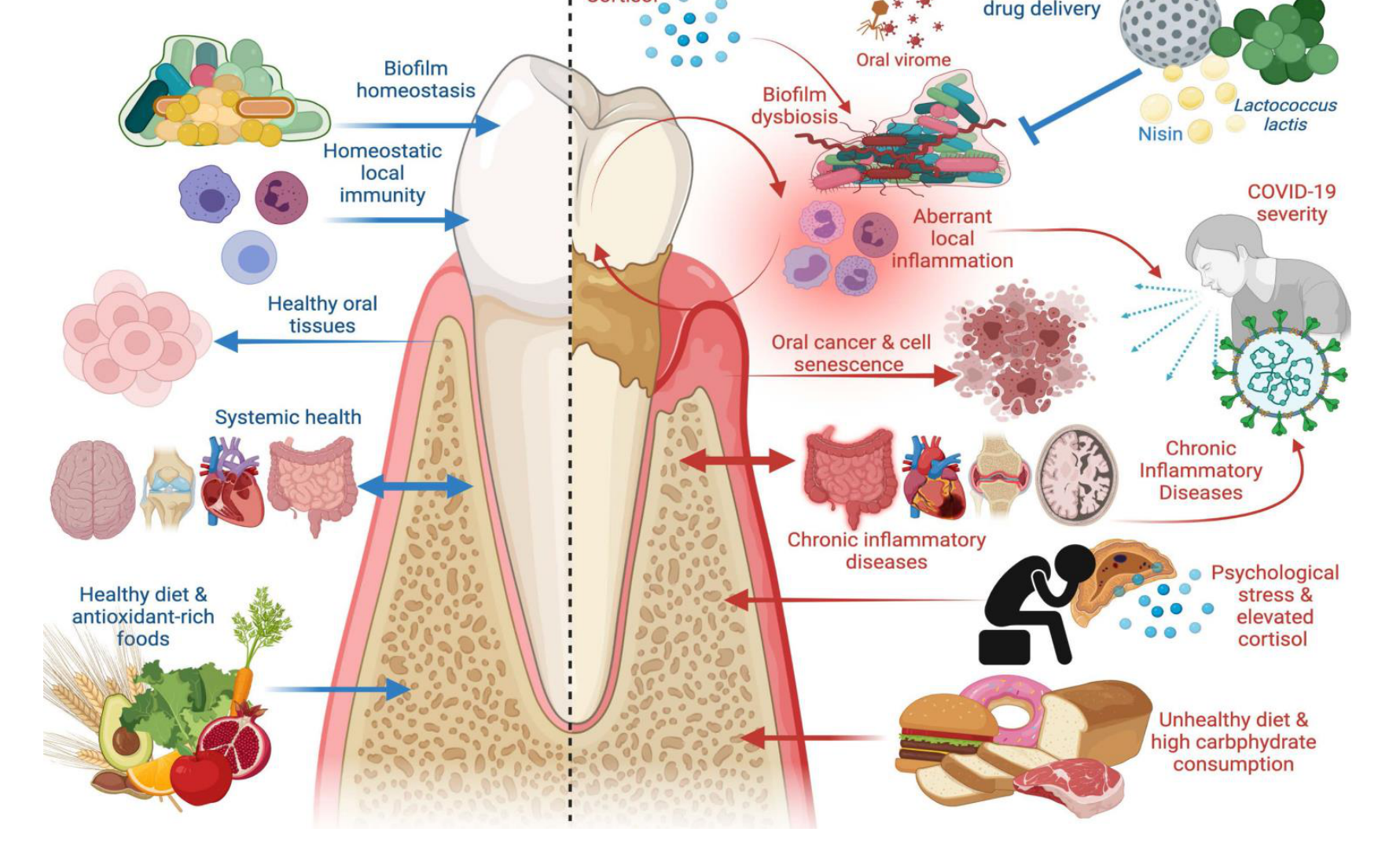
Periodontitis and Tooth Loss1819
- The reason underlying the vast majority of extractions in ages up to 40–45 years is dental caries.
- However, in older age cohorts, periodontal disease is about equally responsible for tooth loss.
- Overall, periodontitis is thought to account for 30–35% of all tooth extractions, while caries and its sequelae for up to 50%.
- In addition, caries appears to be the principal reason for extractions in cases of total tooth clearance. Finally, identified risk factors for tooth loss include smoking, poor dental health, poverty and other socio-behavioral traits, and poor periodontal status.
Non-Modifiable Risk Factors20
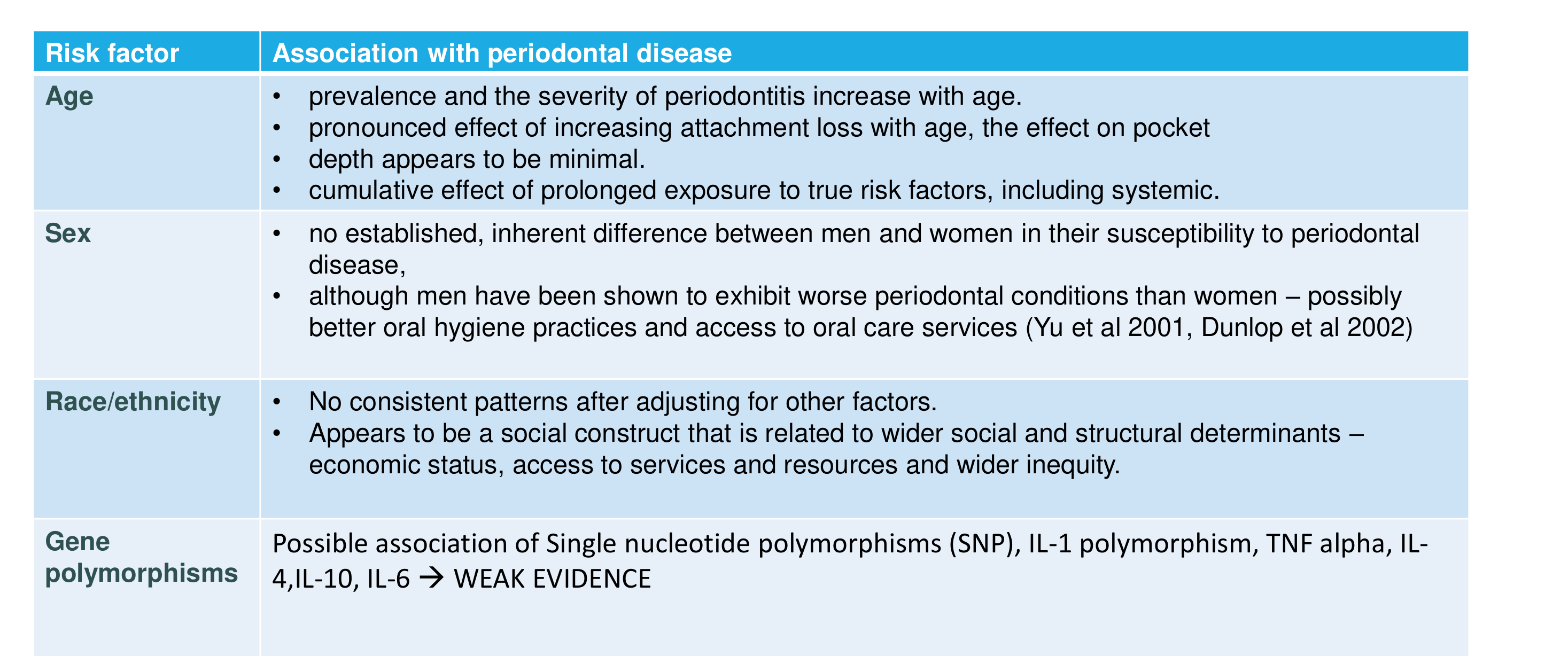
| Risk factor | Association with periodontal disease |
|---|---|
| Age | • prevalence and the severity of periodontitis increase with age. • pronounced effect of increasing attachment loss with age, the effect on pocket • depth appears to be minimal. • cumulative effect of prolonged exposure to true risk factors, including systemic. |
| Sex | • no established, inherent difference between men and women in their susceptibility to periodontal disease, • although men have been shown to exhibit worse periodontal conditions than women – possibly better oral hygiene practices and access to oral care services (Yu et al 2001, Dunlop et al 2002) |
| Race/ethnicity | • No consistent patterns after adjusting for other factors. • Appears to be a social construct that is related to wider social and structural determinants – economic status, access to services and resources and wider inequity. |
| Gene polymorphisms | Possible association of Single nucleotide polymorphisms (SNP), IL-1 polymorphism, TNF alpha, IL-4,IL-10, IL-6 → WEAK EVIDENCE |
Lindhe’s Clinical Periodontology and Implant Dentistry, edited by Niklaus P. Lang, et al., Chapter 6: Epidemiology of Periodontal Disease, John Wiley & Sons, Incorporated, 2021. ProQuest Ebook Central,
https://ebookcentral.proquest.com/lib/uwa/detail.action?docID=6686985.
Adapted from Dr Leticia Miranda’s lecture on “Epidemiology of Periodontal Disease”
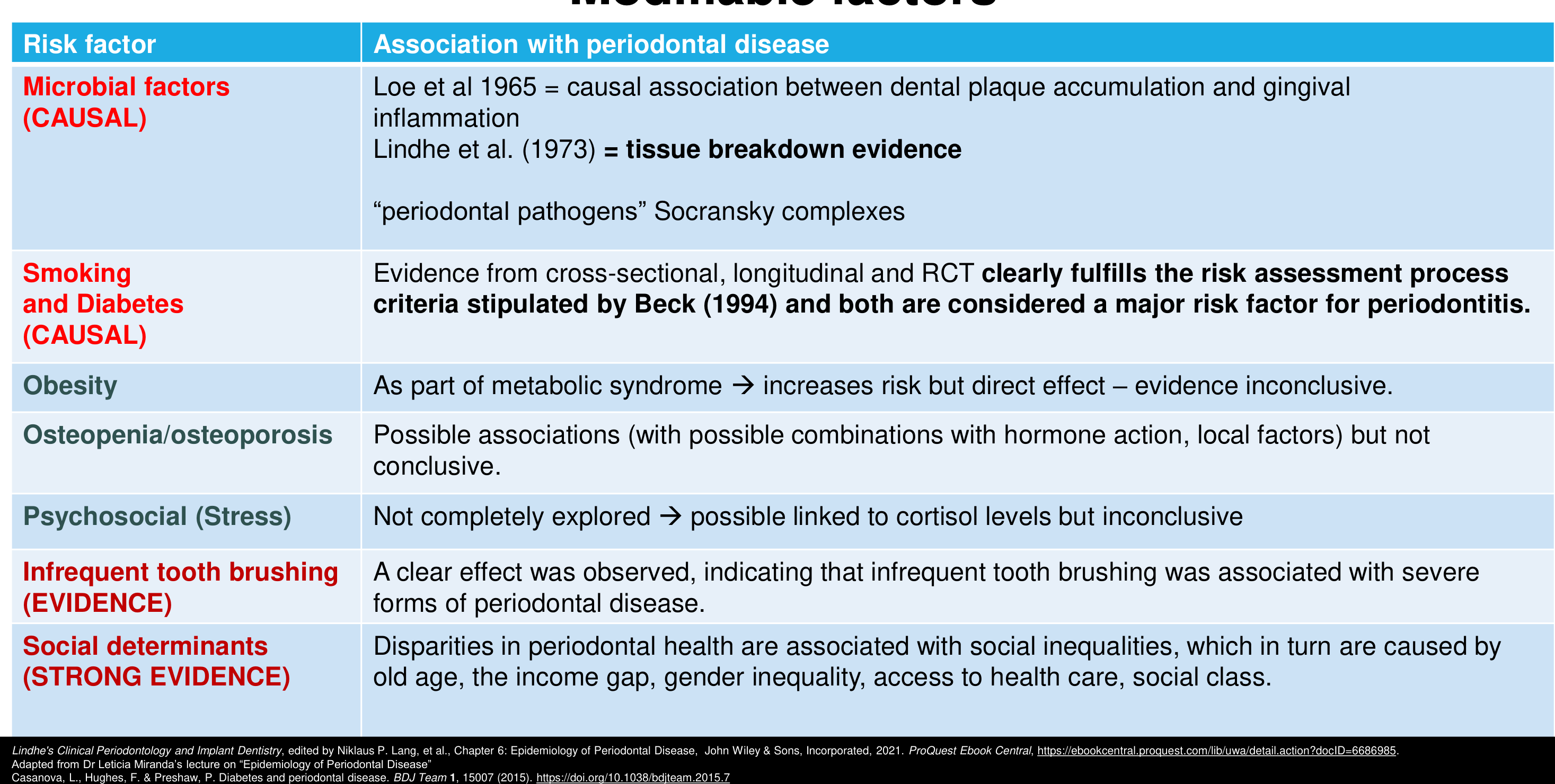
Modifiable Risk Factors21
| Modifiable factors | |
|---|---|
| Risk factor | Association with periodontal disease |
| Microbial factors (CAUSAL) | Loe et al 1965 = causal association between dental plaque accumulation and gingival inflammation Lindhe et al. (1973) = tissue breakdown evidence “periodontal pathogens” Socransky complexes |
| Smoking and Diabetes (CAUSAL) | Evidence from cross-sectional, longitudinal and RCT clearly fulfills the risk assessment process criteria stipulated by Beck (1994) and both are considered a major risk factor for periodontitis. |
| Obesity | As part of metabolic syndrome → increases risk but direct effect – evidence inconclusive. |
| Osteopenia/osteoporosis | Possible associations (with possible combinations with hormone action, local factors) but not conclusive. |
| Psychosocial (Stress) | Not completely explored → possible linked to cortisol levels but inconclusive |
| Infrequent tooth brushing (EVIDENCE) | A clear effect was observed, indicating that infrequent tooth brushing was associated with severe forms of periodontal disease. |
| Social determinants (STRONG EVIDENCE) | Disparities in periodontal health are associated with social inequalities, which in turn are caused by old age, the income gap, gender inequality, access to health care, social class. |
Summary and Revision2223
Revision
-
Revising basic concepts of epidemiology relevant to periodontal disease.
-
Need for Epidemiology in Periodontology
-
Measuring Periodontal disease
-
Challenges related to measuring periodontal disease.
-
Distribution of Periodontal disease – global and Australian context.
-
Determinants of Periodontal disease.
Thank you
Footnotes
-
Original PDF page 1: L3Epidemiology of Periodontal disease, p.1 ↩
-
Original PDF page 2: L3Epidemiology of Periodontal disease, p.2 ↩
-
Original PDF page 3: L3Epidemiology of Periodontal disease, p.3 ↩
-
Original PDF page 4: L3Epidemiology of Periodontal disease, p.4 ↩
-
Original PDF page 6: L3Epidemiology of Periodontal disease, p.6 ↩
-
Original PDF page 7: L3Epidemiology of Periodontal disease, p.7 ↩
-
Original PDF page 8: L3Epidemiology of Periodontal disease, p.8 ↩
-
Original PDF page 9: L3Epidemiology of Periodontal disease, p.9 ↩
-
Original PDF page 10: L3Epidemiology of Periodontal disease, p.10 ↩
-
Original PDF page 11: L3Epidemiology of Periodontal disease, p.11 ↩
-
Original PDF page 12: L3Epidemiology of Periodontal disease, p.12 ↩
-
Original PDF page 13: L3Epidemiology of Periodontal disease, p.13 ↩
-
Original PDF page 14: L3Epidemiology of Periodontal disease, p.14 ↩
-
Original PDF page 15: L3Epidemiology of Periodontal disease, p.15 ↩
-
Original PDF page 16: L3Epidemiology of Periodontal disease, p.16 ↩
-
Original PDF page 17: L3Epidemiology of Periodontal disease, p.17 ↩
-
Original PDF page 19: L3Epidemiology of Periodontal disease, p.19 ↩
-
Original PDF page 21: L3Epidemiology of Periodontal disease, p.21 ↩
-
Original PDF page 22: L3Epidemiology of Periodontal disease, p.22 ↩
-
Original PDF page 23: L3Epidemiology of Periodontal disease, p.23 ↩
-
Original PDF page 24: L3Epidemiology of Periodontal disease, p.24 ↩
-
Original PDF page 25: L3Epidemiology of Periodontal disease, p.25 ↩
-
Original PDF page 26: L3Epidemiology of Periodontal disease, p.26 ↩