Re-evaluation Maintenance and Risk Assessment1
The University of Western Australia
Dr Celine Soon A/P Leticia A Miranda Dr Pradeep Koppolu Dr Anna Hughes
SEEK WISDOM
Goal of Periodontal Treatment
The goal of periodontal treatment is the preservation of health, function, comfort, and aesthetics of the natural dentition and surrounding tissues. Healthy periodontium is defined by an absence of inflammation and no progressive attachment or bone loss.
Introduction and Learning Resources2
Reading Resources
-
Periodontology at a Glance Clerehugh, Valerie. ; Tugnait, Aradhna. ; Genco, Robert J. ; Somerset : Wiley; 2013 Available Online >
-
Clinical Periodontology and Implant Dentistry, 2 Volume Set by Niklaus P. Lang, Jan Lindhe, and Niklaus P Lang Publisher: John Wiley & Sons, Incorporated Date: 2015-03-25
Topics3
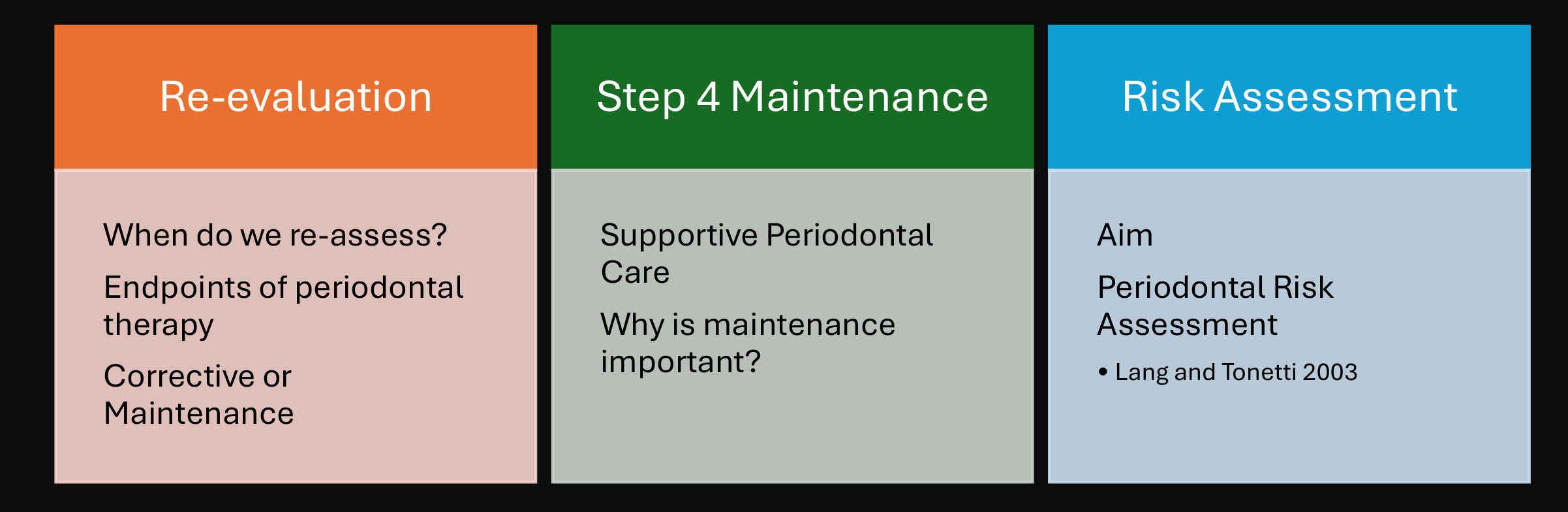
Re-evaluation
- When do we re-assess?
- Timing and endpoints of periodontal re-evaluation.
- Endpoints of periodontal therapy
- Corrective or Maintenance
Step 4 Maintenance
- Supportive Periodontal Care
- Why is maintenance important?
- The importance and evidence base for Supportive Periodontal Care (SPC).
Risk Assessment
- Aim
- Periodontal Risk Assessment
- Lang and Tonetti 2003 - The aim and application of the Periodontal Risk Assessment (PRA) tool.
Periodontal Re-evaluation4
Goals and Timing of Re-evaluation567
Maintenance of the health, function, comfort and aesthetics of all supporting and surrounding tissues of teeth and dental implants.
Timing of Re-evaluation
Re-evaluation occurs after the completion of Step 1 (supragingival biofilm control) and Step 2 (subgingival instrumentation).
GOALS:
- Preserve, improve and maintain natural dentition, implants and surrounding tissues.
- Obtain a healthy Periodontium/Peri-implant tissues:
- Absence of inflammation and progressive attachment/bone loss.
Q. When should we re-evaluate?
- 6-12 weeks post active periodontal treatment
- The lecturer typically performs re-evaluation at 8 weeks in clinical practice.
- Assessing before 4 weeks may result in evaluating an incomplete response.
Q. Why do we re-evaluate at these time points and not earlier or even later?
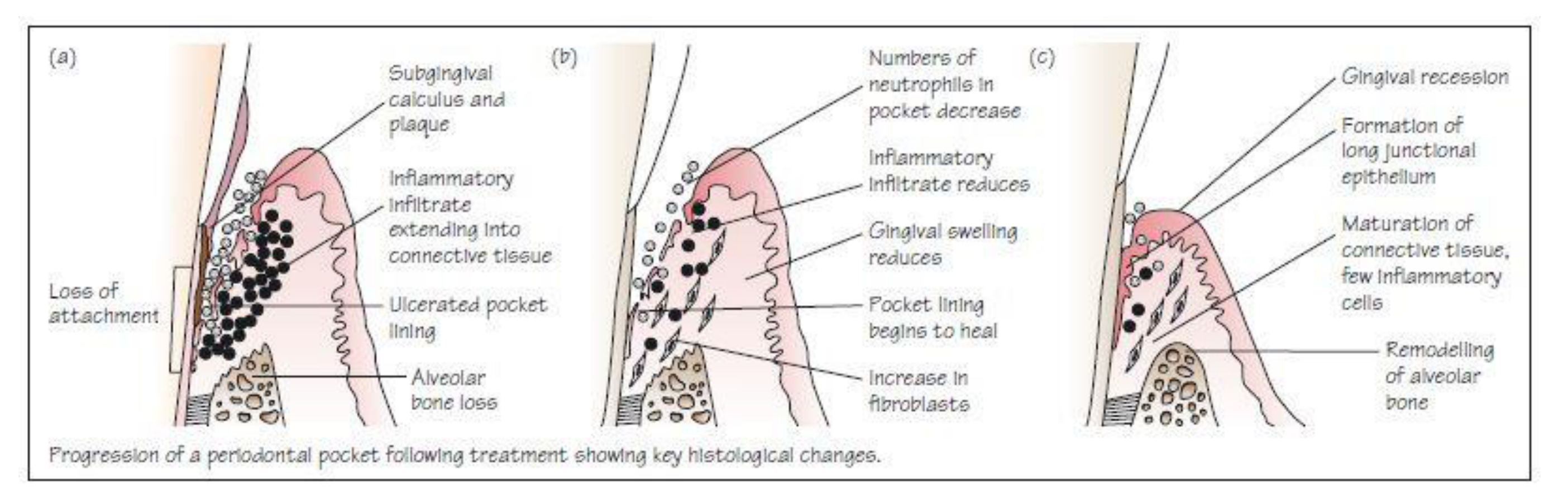
- Healing is occurring
- Histologically, the formation of the long junctional epithelium (the primary repair mechanism) occurs between 6 and 12 weeks.
Q. Would individuals with certain systemic risk factors or grades have an effect on healing time?
- Yes, individuals with uncontrolled diabetes, smokers, and individuals with grade C may require a longer healing time.
Clinical Endpoints and Definitions of Stability8910
Endpoints of periodontal therapy
- No periodontal pockets >4 mm with bleeding on probing
OR
- No deep periodontal pockets [≥6 mm]
- A 5 mm pocket without bleeding may be considered a successful endpoint in some contexts.
Sanz, M., Herrera, D., Kebschull, M., Chapple, I., Jepsen, S., Berglundh, T., … & Wennström, J. (2020). Treatment of stage I–III periodontitis—The EFP S3 level clinical practice guideline. Journal of Clinical Periodontology, 47, 4-60.
Definitions
Periodontal Disease Stability
- Successfully treated periodontitis with control of local and systemic factors.
- Minimal Bleeding on Probing (BoP).
- Optimized Periodontal Probing Depth (PPD) and Clinical Attachment Levels.
- No progressive periodontal destruction.
Lang, N. P., & Bartold, P. M. (2018). Periodontal health. Journal of periodontology, 89, S9-S16.
Periodontal Disease Remission / Control
- Inflammation reduced but not fully resolved.
- Some improvement in PPD and Clinical Attachment Levels.
- Local and systemic contributing factors remain uncontrolled.
- Acceptable outcome for patients with persistent risk factors (e.g., smoking, diabetes).
Lang, N. P., & Bartold, P. M. (2018). Periodontal health. Journal of periodontology, 89, S9-S16.
Clinical Practice Guidelines and Steps of Care111213
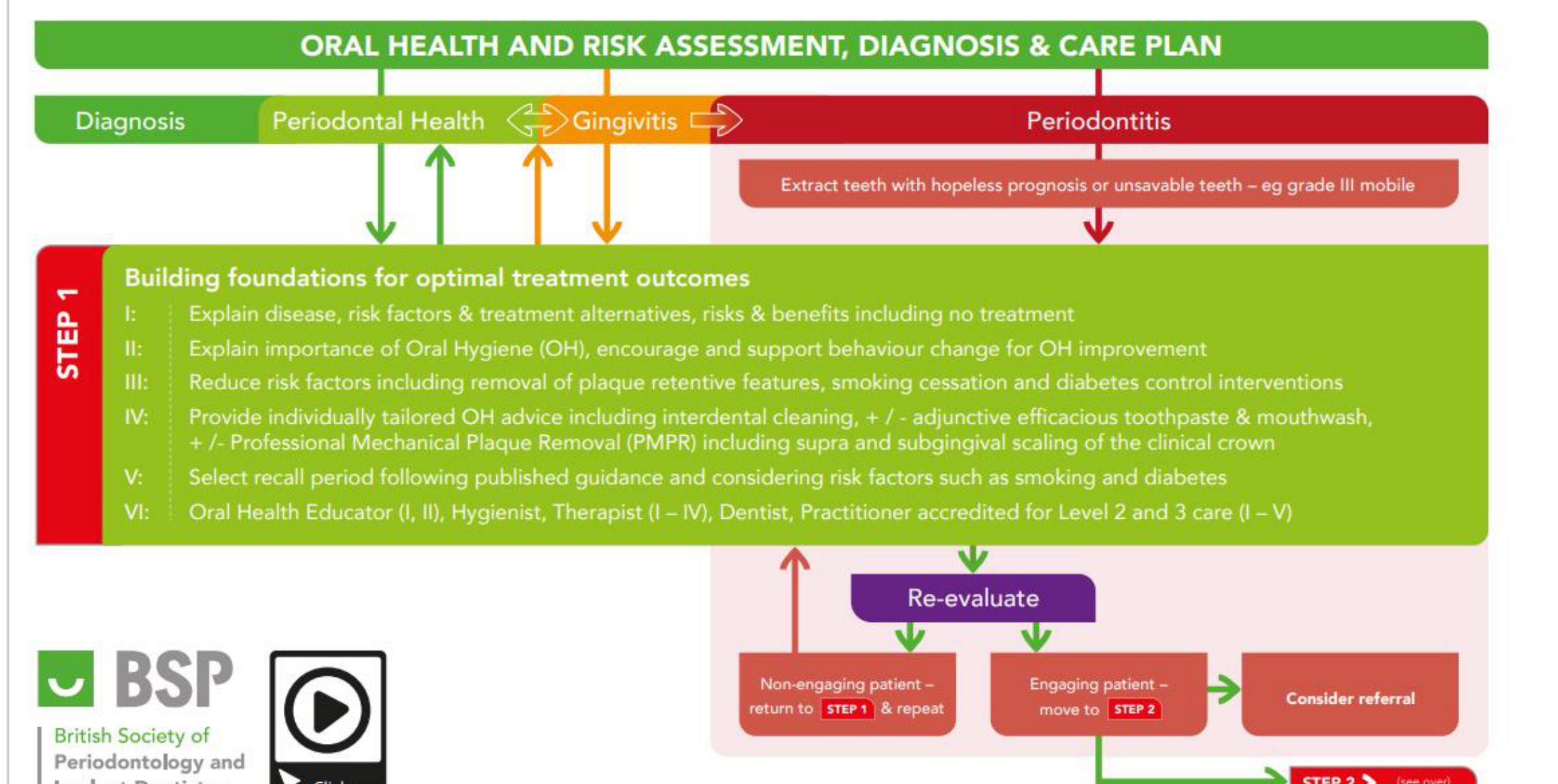
BSP UK CLINICAL PRACTICE GUIDELINES FOR THE TREATMENT OF PERIODONTAL DISEASES
ORAL HEALTH AND RISK ASSESSMENT, DIAGNOSIS & CARE PLAN
Diagnosis | Periodontal Health <—> Gingivitis ---> Periodontitis
Extract teeth with hopeless prognosis or unsavable teeth – eg grade III mobile
STEP 1 Building foundations for optimal treatment outcomes
I: Explain disease, risk factors & treatment alternatives, risks & benefits including no treatment
II: Explain importance of Oral Hygiene (OH), encourage and support behaviour change for OH improvement
III: Reduce risk factors including removal of plaque retentive features, smoking cessation and diabetes control interventions
IV: Provide individually tailored OH advice including interdental cleaning, + / - adjunctive efficacious toothpaste & mouthwash, + / - Professional Mechanical Plaque Removal (PMPR) including supra and subgingival scaling of the clinical crown
Integration of Care
Steps 1 and 2 can be performed together, especially in cases with deep pockets, to prevent the formation of periodontal abscesses.
V: Select recall period following published guidance and considering risk factors such as smoking and diabetes
VI: Oral Health Educator (I, II), Hygienist, Therapist (I – IV), Dentist, Practitioner accredited for Level 2 and 3 care (I – V)
Re-evaluate
Non-engaging patient – return to STEP 1 & repeat
Engaging patient – move to STEP 2
Consider referral
STEP 2 (see over)
BSP | Periodontitis (continued)
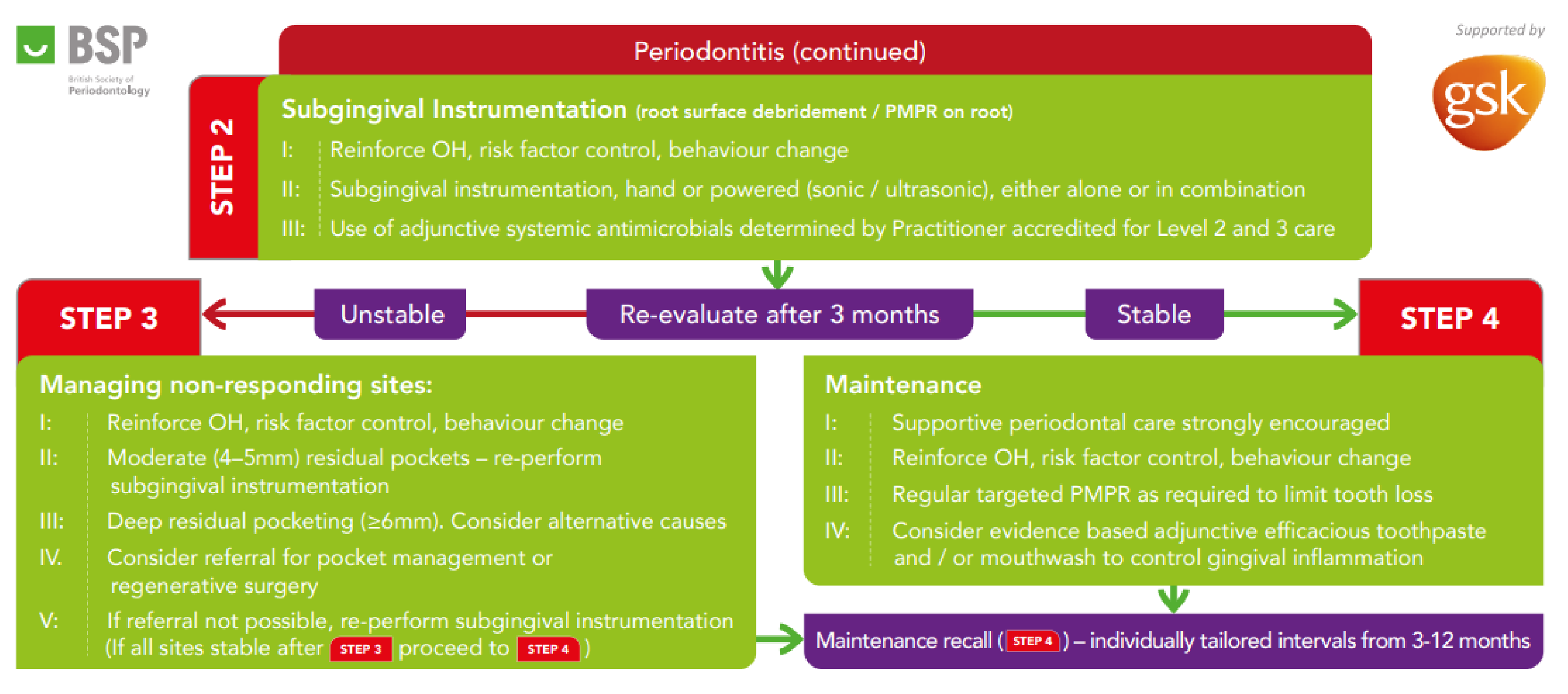
STEP 2 Subgingival Instrumentation (root surface debridement / PMPR on root)
I: Reinforce OH, risk factor control, behaviour change
II: Subgingival instrumentation, hand or powered (sonic / ultrasonic), either alone or in combination - Post-instrumentation, tissues should become pink and firm, with a reduction in swelling and recession of the gingival margin as inflammation resolves.
III: Use of adjunctive systemic antimicrobials determined by Practitioner accredited for Level 2 and 3 care
STEP 3 Managing non-responding sites: I: Reinforce OH, risk factor control, behaviour change II: Moderate (4–5mm) residual pockets – re-perform subgingival instrumentation III: Deep residual pocketing (≥6mm). Consider alternative causes. IV: Consider referral for pocket management or regenerative surgery V: If referral not possible, re-perform subgingival instrumentation (If all sites stable after STEP 3 proceed to STEP 4)
Re-evaluate after 3 months
Unstable →
Stable
STEP 4 Maintenance I: Supportive periodontal care strongly encouraged II: Reinforce OH, risk factor control, behaviour change III: Regular targeted PMPR as required to limit tooth loss IV: Consider evidence based adjunctive efficacious toothpaste and / or mouthwash to control gingival inflammation
Maintenance recall STEP 4 – individuals tailored intervals from 3-12 months
Defining engaging & non-engaging patients (this is a guide)
| Engaging Patient | Non-Engaging Patient |
|---|---|
| I: Favourable improvement in OH – indicated by ≥50% improvement in plaque and marginal bleeding scores OR II: Plaque levels ≤20% & bleeding levels ≤30% OR III: Patient has met targets outlined in their personal self-care plan as determined by their healthcare practitioner | I: Insufficient improvement in OH – indicated by <50% improvement in plaque and marginal bleeding scores OR II: Plaque levels >20% & bleeding levels >30% OR III: Patient states preference to a palliative approach to periodontal care |
 |  |
 |
Corrective Phase Therapy
If endpoints are not met…
Step 3: Corrective Phase14
Aim: Treating those sites non-responding to the second step of therapy with the purpose of getting access to deep pocket sites, or aiming at regenerating or resecting those lesions, that add complexity in the management of periodontitis (infrabony and furcation lesions).
If periodontal pockets > 4 mm with bleeding on probing and/or deep pockets [≥ 6 mm] are still present at re-evaluation, different options for step 3 can be considered:
Investigation of Non-Response
If endpoints are not met, clinicians must investigate why (e.g., residual calculus, systemic factors, or poor oral hygiene).
- Repeated subgingival instrumentation with or without adjunctive therapies.
- Caution should be exercised against iatrogenic damage or stripping of cementum during repeated instrumentation.
- Access flap periodontal surgery.
- This involves raising a flap to visualize and remove residual calculus.
- Resective periodontal surgery.
- Used for addressing furcation involvements, such as tunneling.
- Regenerative periodontal surgery.
- Involves using bone grafts and biologics to encourage bone and attachment repopulation.
REFERRAL TO PERIODONTIST
- Referral is recommended if a site does not respond despite controlled risk factors and thorough debridement.
Supportive Periodontal Care15
Aims and Frequency of Maintenance16
Step 4: Supportive Periodontal Care17
Aim: Preventing periodontitis recurrence/progression after successful completion of active treatment.
SPC must be performed in all patients.
Tooth Prognosis
Teeth may be deemed hopeless and slated for extraction at any stage if they exhibit persistent suppuration, Grade 3 mobility, or bone loss to the apex.
- Once endpoints are met, the patient enters Step 4.
- If disease recurs, a new diagnosis and treatment plan are required.
Supportive Periodontal Care (Maintenance)
- Continuous patient monitoring following active periodontal therapy in order to maintain the clinical outcomes and prevent progression of periodontal diseases following therapy.
- Every 3–4 months to maintain treatment outcomes following APT in highly susceptible patients (Lindhe & Nyman 1984)
Evidence Base for Periodontal Maintenance181920
-
Lôe et al 1965 – Experimental Gingivitis in Man
- Demonstrated that stopping oral hygiene leads to gingivitis within 2–3 weeks.
- Resuming hygiene returns tissues to health within days, proving bacterial plaque is the etiological factor.
-
Lindhe et al 1975 – Experimental periodontitis in dogs
-
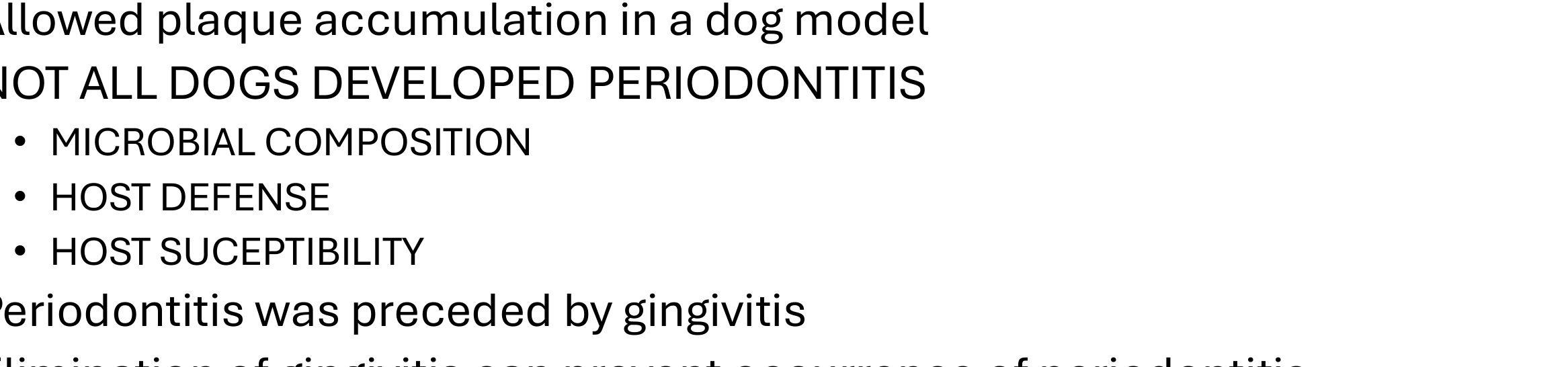
Allowed plaque accumulation in a dog model
-
NOT ALL DOGS DEVELOPED PERIODONTITIS
-
MICROBIAL COMPOSITION
-
HOST DEFENSE
-
HOST SUCCEPTIBILITY
-
Periodontitis was preceded by gingivitis
-
Elimination of gingivitis can prevent occurrence of periodontitis
-
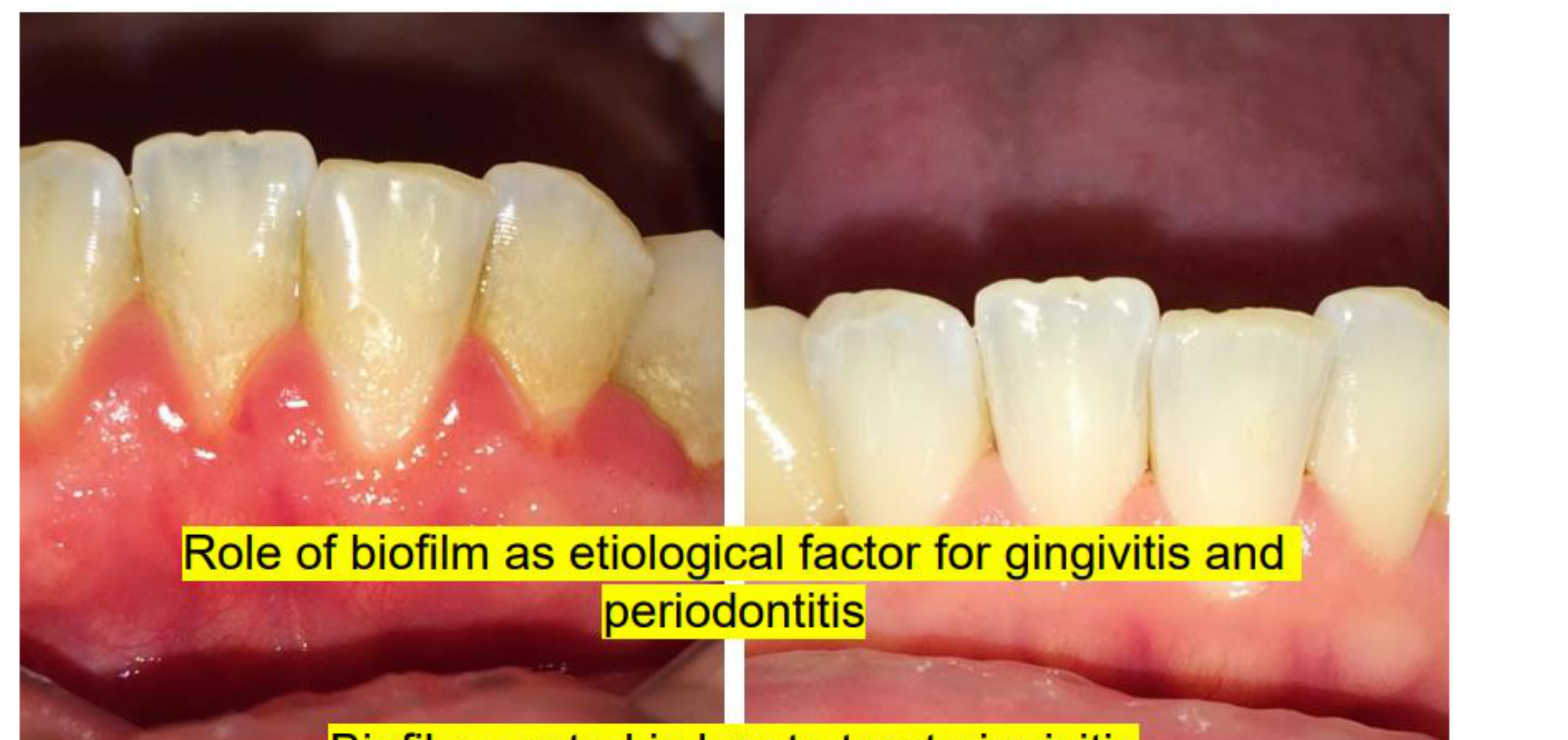
Biofilm is the key factor for both gingivitis and periodontitis.
-
Treating gingivitis is a primary preventive measure for periodontitis.
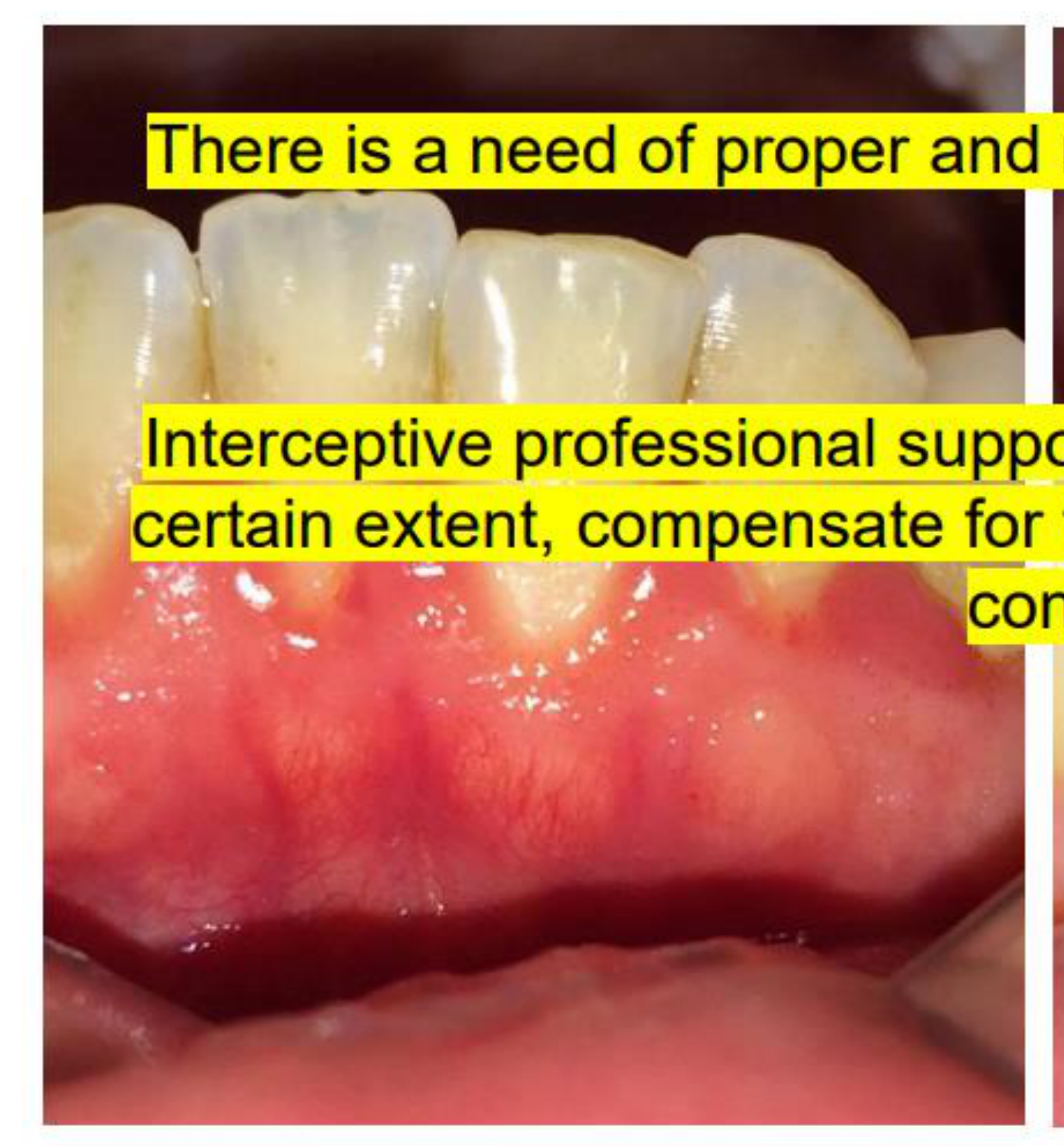
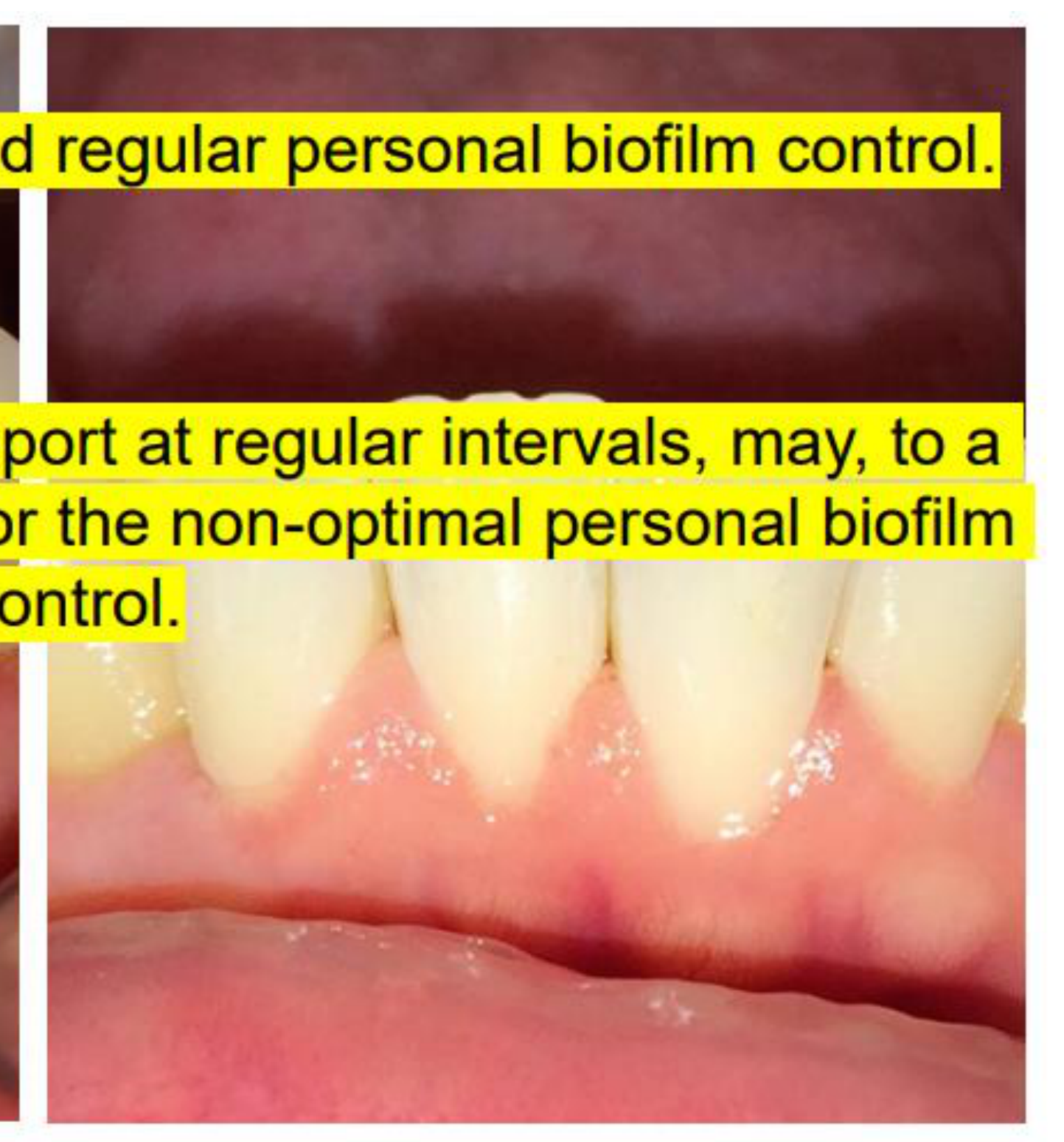
There is a need of proper and regular personal biofilm control.
Interceptive professional support at regular intervals, may, to a certain extent, compensate for the non-optimal personal biofilm control.
 |  |
 |  |
Longitudinal Clinical Studies on Maintenance Outcomes21222324
Longitudinal Clinical Studies25
Michigan and Gothenburg studies:
Series of clinical follow up studies on the outcome of different types of periodontal therapy where the crucial role of SPT in maintaining successful results has been documented.
- Well organized professional care program
- Regular = every 3 – 6 months
- Probing depth and attachment levels maintained
Rosling et al 1976
- Studied the healing outcome after different types of surgical periodontal treatment in patients maintained with regular professional care after 2 years.
- Rosling et al. (1976) reported that in test group of humans who had received modified Widman flap surgery and strict post-surgical oral hygiene, all two and three-wall osseous periodontal defects healed.
Nyman et al., 1977
- Studied the healing outcome after different types of surgical periodontal treatment in patients without regular professional care after 2 years.
- Resulted in recurrent periodontitis including loss of attachment 3-5x the rate documented for natural progression of periodontal disease.
Nyman, S., Lindhe, J., & Rosling, B. (1977). Periodontal surgery in plaque-infected dentitions. Journal of clinical periodontology, 4(4), 240-249
Axelsson & Lindhe 1981
- 90 pts w/ adv perio
- OHI, S/RP, exo of hopeless teeth → MWF → CHX for 2 weeks, and professional mechanical plaque removal every 2 weeks for a period of 2 months
- Recall group: 2/3 retained in the Periodontal clinic for maintenance → OHI, S/RP every 2/12 for 0-2nd yr and 3/12 for 2-6th yr.
- ALoss ≥1mm for 1% of sites
- 0.2 tooth loss
- Non-recall group: 1/3 returned to referring dentist → unknown treatment
- ALoss ≥1mm for 56% of sites
- ALoss 2-5mm for 55% sites
- PD ≥4mm 20%
- Proximal PD ≥4mm at 32% sites
- 0.7 tooth loss
What have we learnt from these longitudinal studies?
- Reinforces the importance of having scheduled supervised maintenance program for all periodontitis patients.
- Frequency of periodontal maintenance care for each patient will vary depending on each individual’s risk for recurrence of periodontitis.
……Leading us to discuss RISK ASSESSMENT……
Periodontal Risk Assessment2627
- Following Active Periodontal Therapy (APT), individualised Supportive Periodontal Care (SPC) is initiated.
- The goal is to prevent disease recurrence and maintain periodontal stability.
Variability in Patient Susceptibility28
- Not all treated patients have the same risk of periodontal disease progression (Rosling et al., 2001).
- Some patients require shorter intervals for SPC due to higher susceptibility.
- Risk evaluation is based on multiple clinical factors.
- No single parameter is solely responsible for determining risk.
Framework for Assessing Recurrence Risk29

Comprehensive Evaluation Approach30
- All risk factors should be considered simultaneously.
- A structured framework enhances clinical decision-making.
Periodontal Risk Assessment (PRA) Tool
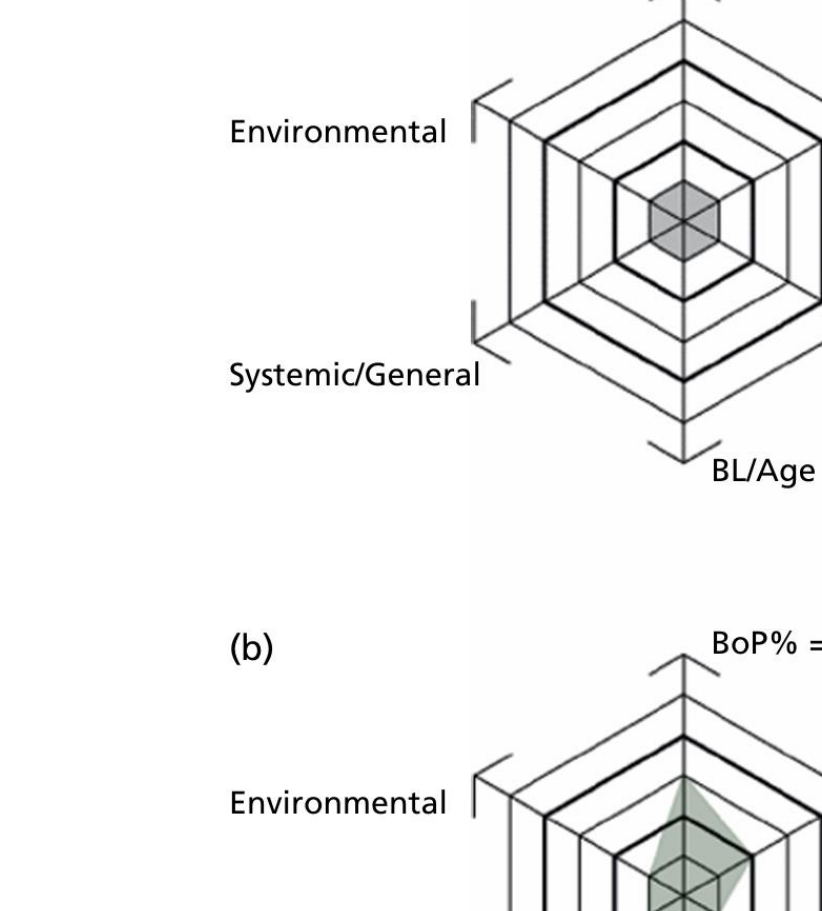
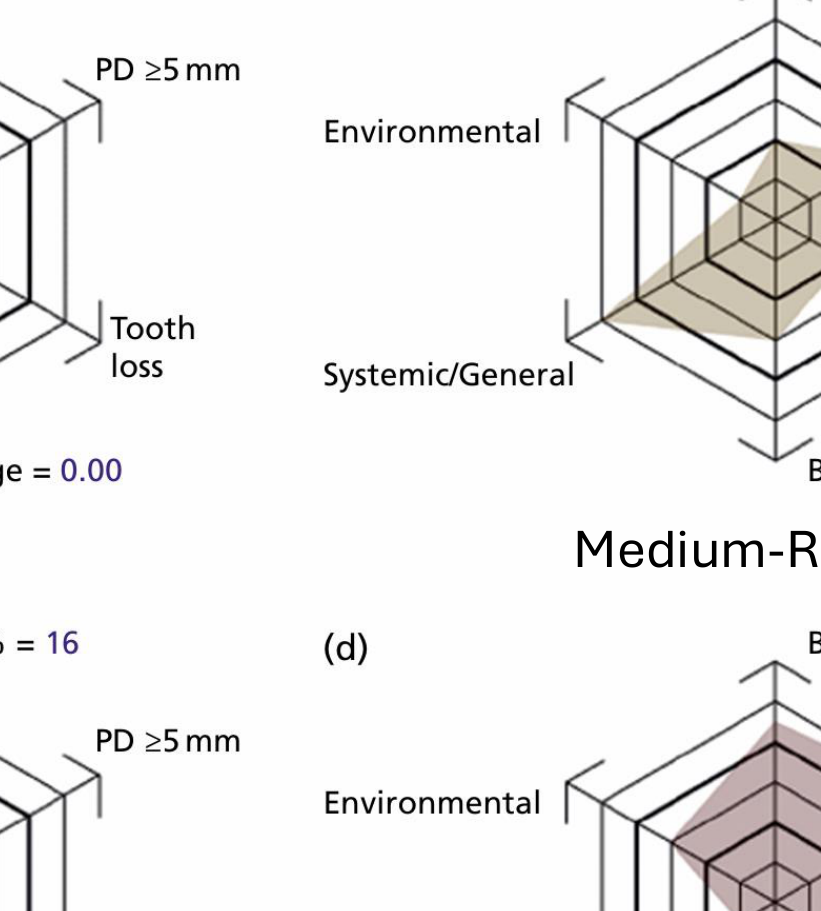
The Periodontal Risk Assessment (PRA) tool (Lang and Tonetti) is a functional diagram designed to be used during the re-evaluation or maintenance phase to determine the frequency of SPC visits.
→ Functional Diagram (Lang & Tonetti, 2003)
-
Developed to systematically assess risk.
-
Incorporates key parameters influencing periodontitis recurrence.
-
Patient-level percentage of bleeding on probing (BoP)
-
Prevalence (number) of residual pockets ≥4 mm following active periodontal therapy
-
Loss of teeth from a total of 28 teeth
-
Loss of periodontal support in relation to the patient’s age
-
Systemic and genetic conditions
-
Environmental factors such as cigarette smoking.
Lang, N. P., & Tonetti, M. S. (2003). Periodontal risk assessment (PRA) for patients in supportive periodontal therapy (SPT). Oral Health Prev Dent, 1(1), 7-16.
Clinical Parameters of Risk
Bleeding on Probing and Residual Pockets31
Percentage of Bleeding on Probing (BoP) Sites
- BoP = Objective inflammatory marker (Loe & Silness, 1963).
- Used to assess risk of disease recurrence and patient compliance with biofilm control.
- No universally established BoP threshold for high risk, but:
- Ramseier et al. (2015): Patients with BoP ≤ 20% maintained stability for 5 years.
- Claffey et al. (1990), Badersten et al. (1990):
- <10% BoP → Low risk for recurrence.
-
25% BoP → High risk for recurrence.
Prevalence of Residual Pockets (≥5mm)
- Matuliene et al. (2008): Retrospective study on periodontal disease progression and tooth loss over 11 years.
- Odds ratios for tooth loss based on probing depth (PD):
- PD 5mm: 5.8 (site-level), 7.7 (tooth-level).
- PD 6mm: 9.3 (site-level), 11.0 (tooth-level).
- PD 7mm: 37.9 (site-level), 64.2 (tooth-level).
- Key finding: Presence of ≥1 site with PD >6mm + BoP ≥30% significantly increases risk of tooth loss.
Tooth Loss and Functional Stability
Tooth Loss
1. Importance of Remaining Teeth
- The number of remaining teeth reflects dental functionality.
- Mandibular stability and function can be maintained with a shortened dental arch (premolar to premolar occlusion = 20 teeth) (Witter et al., 1990, 1994).
- No increased risk of mandibular dysfunction with a shortened dental arch.
2. Impact of Tooth Loss on Oral Function
- Loss of >8 teeth (excluding third molars) leads to impaired oral function (Käyser, 1981, 1994, 1996).
- Tooth loss is a key outcome measure, reflecting a patient’s history of:
- Oral diseases
- Trauma
3. Risk Assessment Based on Tooth Loss
- Number of lost teeth (excluding third molars) = Risk indicator in periodontal risk assessment.
- Critical thresholds for risk categorization:
- Low risk: Up to 4 teeth lost
- High risk: More than 8 teeth lost
- Rationale:
- Further tooth loss impacts overall dentition function.
- Preservation of remaining teeth is crucial for maintaining oral health and function.
Bone Loss and Age Relationship
Radiographic Bone Loss & Age
- Extent & rate of bone loss provide insight into disease progression risk.
- Helps guide SPC interval selection.
- This parameter assesses the rate of destruction over time by comparing bone loss to the patient’s age.
Systemic and Environmental Risk Factors32
 |  |
Systemic Conditions33
Diabetes Mellitus:
- Affects periodontal disease progression and recurrence.
- Poor glycemic control increases risk.
- Controlled diabetics respond similarly to healthy individuals.
Genetic Factors (IL-1 Genotype):
- IL-1 positive individuals exhibit more advanced periodontitis lesions.
- May require more frequent SPC.
Smoking (Cigarettes)34
Increases disease susceptibility and worsens treatment outcomes.
Baumert-Ah et al. (1994): Smokers have less favorable healing responses at reevaluation and after 6 years of SPT.
Baumer et al. (2011):
- Heavy smoking = Significant risk factor for periodontal recurrence after 10.5 years of SPT.
- Smokers need shorter SPT intervals to compensate for increased risk.
Clinical Significance of Risk Profiles
Matuliene et al., 201035
Matuliene et al. 2010 “Significance of periodontal risk assessment on the recurrence of periodontitis and tooth loss.”
- Retrospective study
- 160 pts treated with active therapy and in SPT
- Recurrence of periodontitis: 18.2% in low-risk, 42.4% in moderate-risk, 49.2% in high-risk
- 1.61 teeth/pt lost during SPT
- TL: 1.18/pt in low-risk, 1.02/pt in mod-risk, 2.59/pt in high-risk
- TL in compliant pts 1.07 vs. non-compliant 3.11
- High-risk profile according to PRA associated with recurrence
- SPT >10yrs also associated with recurrence
 |  |
Ramseier et al., 201936
- Retrospective study. 883 patients
Key Findings:
Impact of Time Between SPT Visits on Periodontal Stability
- Longer intervals between SPT visits were linked to:
- Higher residual PPDs
- Increased risk of periodontal disease progression
- More frequent tooth loss
- Shorter intervals between SPT visits led to:
- Improved periodontal stability
- Lower mean % of PPDs ≥4mm
- Reduced frequency of tooth loss over 20 years
- Patients returning >50% of visits earlier had:
- Lower PPDs after 5 years (p = 0.0002)
- Fewer teeth extracted after 20 years (p < 0.0001)
Ramseier, C. A., Nydegger, M., Walter, C., Fischer, G., Sculean, A., Lang, N. P., Salvi, G. E. (2019). Time between recall visits and residual probing depths predict long-term stability in patients enrolled in supportive periodontal therapy. Journal of Clinical Periodontology, 46(2), 218-230. doi:10.1111/jcpe.13041.
Digital Tools for Maintenance Intervals

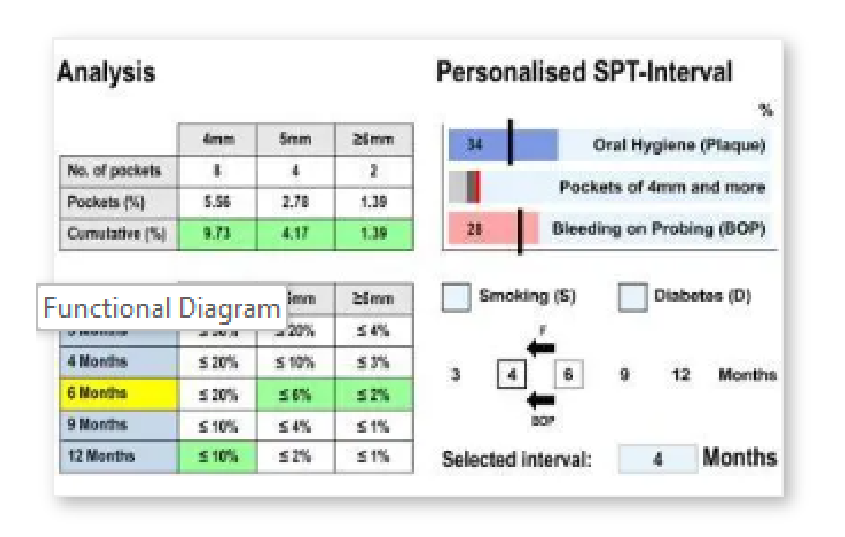
Perio-Tools37
Supportive Periodontal Therapy (SPT)
The goal of the online supportive periodontal therapy (SPT) interval tool is to offer suggestions for scheduling subsequent intervals for SPT.
We currently offer this tool in 6 languages.
Footnotes
-
Original PDF page 1: L8 Re-assessment and Maintenance, Risk Assessment, p.1 ↩
-
Original PDF page 2: L8 Re-assessment and Maintenance, Risk Assessment, p.2 ↩
-
Original PDF page 3: L8 Re-assessment and Maintenance, Risk Assessment, p.3 ↩
-
Original PDF page 4: L8 Re-assessment and Maintenance, Risk Assessment, p.4 ↩
-
Original PDF page 5: L8 Re-assessment and Maintenance, Risk Assessment, p.5 ↩
-
Original PDF page 6: L8 Re-assessment and Maintenance, Risk Assessment, p.6 ↩
-
Original PDF page 7: L8 Re-assessment and Maintenance, Risk Assessment, p.7 ↩
-
Original PDF page 8: L8 Re-assessment and Maintenance, Risk Assessment, p.8 ↩
-
Original PDF page 9: L8 Re-assessment and Maintenance, Risk Assessment, p.9 ↩
-
Original PDF page 10: L8 Re-assessment and Maintenance, Risk Assessment, p.10 ↩
-
Original PDF page 11: L8 Re-assessment and Maintenance, Risk Assessment, p.11 ↩
-
Original PDF page 12: L8 Re-assessment and Maintenance, Risk Assessment, p.12 ↩
-
Original PDF page 13: L8 Re-assessment and Maintenance, Risk Assessment, p.13 ↩
-
Original PDF page 14: L8 Re-assessment and Maintenance, Risk Assessment, p.14 ↩
-
Original PDF page 15: L8 Re-assessment and Maintenance, Risk Assessment, p.15 ↩
-
Original PDF page 17: L8 Re-assessment and Maintenance, Risk Assessment, p.17 ↩
-
Original PDF page 16: L8 Re-assessment and Maintenance, Risk Assessment, p.16 ↩
-
Original PDF page 18: L8 Re-assessment and Maintenance, Risk Assessment, p.18 ↩
-
Original PDF page 19: L8 Re-assessment and Maintenance, Risk Assessment, p.19 ↩
-
Original PDF page 20: L8 Re-assessment and Maintenance, Risk Assessment, p.20 ↩
-
Original PDF page 22: L8 Re-assessment and Maintenance, Risk Assessment, p.22 ↩
-
Original PDF page 23: L8 Re-assessment and Maintenance, Risk Assessment, p.23 ↩
-
Original PDF page 24: L8 Re-assessment and Maintenance, Risk Assessment, p.24 ↩
-
Original PDF page 25: L8 Re-assessment and Maintenance, Risk Assessment, p.25 ↩
-
Original PDF page 21: L8 Re-assessment and Maintenance, Risk Assessment, p.21 ↩
-
Original PDF page 26: L8 Re-assessment and Maintenance, Risk Assessment, p.26 ↩
-
Original PDF page 27: L8 Re-assessment and Maintenance, Risk Assessment, p.27 ↩
-
Original PDF page 28: L8 Re-assessment and Maintenance, Risk Assessment, p.28 ↩
-
Original PDF page 30: L8 Re-assessment and Maintenance, Risk Assessment, p.30 ↩
-
Original PDF page 29: L8 Re-assessment and Maintenance, Risk Assessment, p.29 ↩
-
Original PDF page 32: L8 Re-assessment and Maintenance, Risk Assessment, p.32 ↩
-
Original PDF page 37: L8 Re-assessment and Maintenance, Risk Assessment, p.37 ↩
-
Original PDF page 35: L8 Re-assessment and Maintenance, Risk Assessment, p.35 ↩
-
Original PDF page 36: L8 Re-assessment and Maintenance, Risk Assessment, p.36 ↩
-
Original PDF page 38: L8 Re-assessment and Maintenance, Risk Assessment, p.38 ↩
-
Original PDF page 39: L8 Re-assessment and Maintenance, Risk Assessment, p.39 ↩
-
Original PDF page 40: L8 Re-assessment and Maintenance, Risk Assessment, p.40 ↩