Developing the Treatment Plan12
DENT 4215- Introduction to Clinical Dental Practice
- Manorika Ratnaweera
Acknowledgement of country
The University of Western Australia acknowledges that its campus is situated on Noongar land, and that Noongar people remain the spiritual and cultural custodians of their land, and continue to practise their values, languages, beliefs and knowledge.
Artist: Dr Richard Barry Walley OAM
Learning Outcomes and Objectives34
Learning outcome
-
Compose and implement initial treatment Plans to prepare patients for further dental treatment.
-
Develop fundamental knowledge necessary to begin creating treatment plans for patients
-
Documenting treatment plans
Information Gathering and Diagnosis5
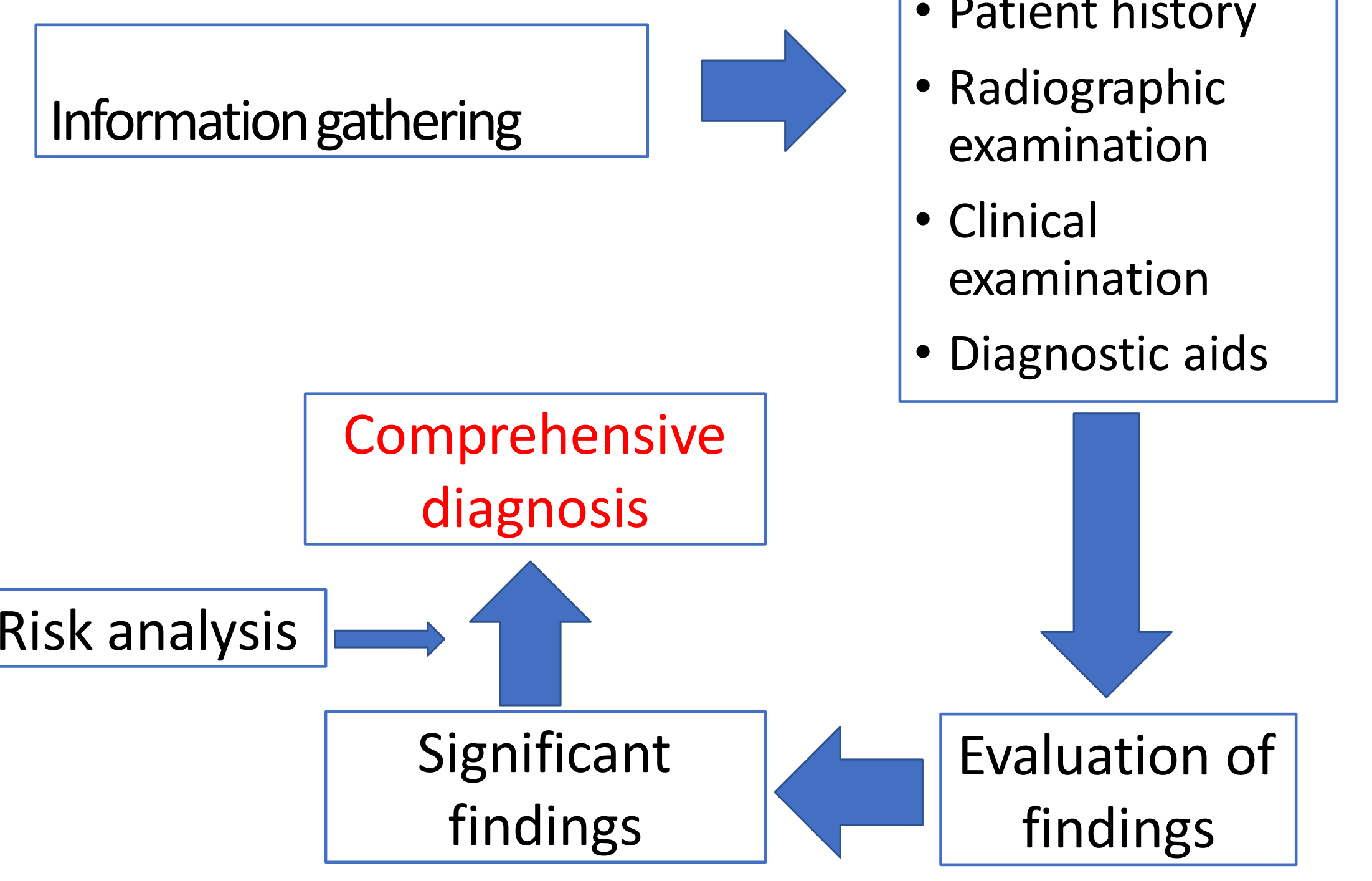
- Information gathering
- Patient history
- Radiographic examination
- Clinical examination
- Diagnostic aids
- ↓ Evaluation of findings
- ← Significant findings
- ↑ Risk analysis → Comprehensive diagnosis
Diagnostic Classifications
Diagnosis6
- Definitive diagnosis: When several findings point clearly to a specific disease entity
- Differential diagnosis: when the findings suggest several possible conditions, the process of distinguishing among the list of possibilities
- Tentative diagnosis: When the diagnosis is uncertain, but it is prudent to begin some type of treatment
Treatment Planning Modifiers7
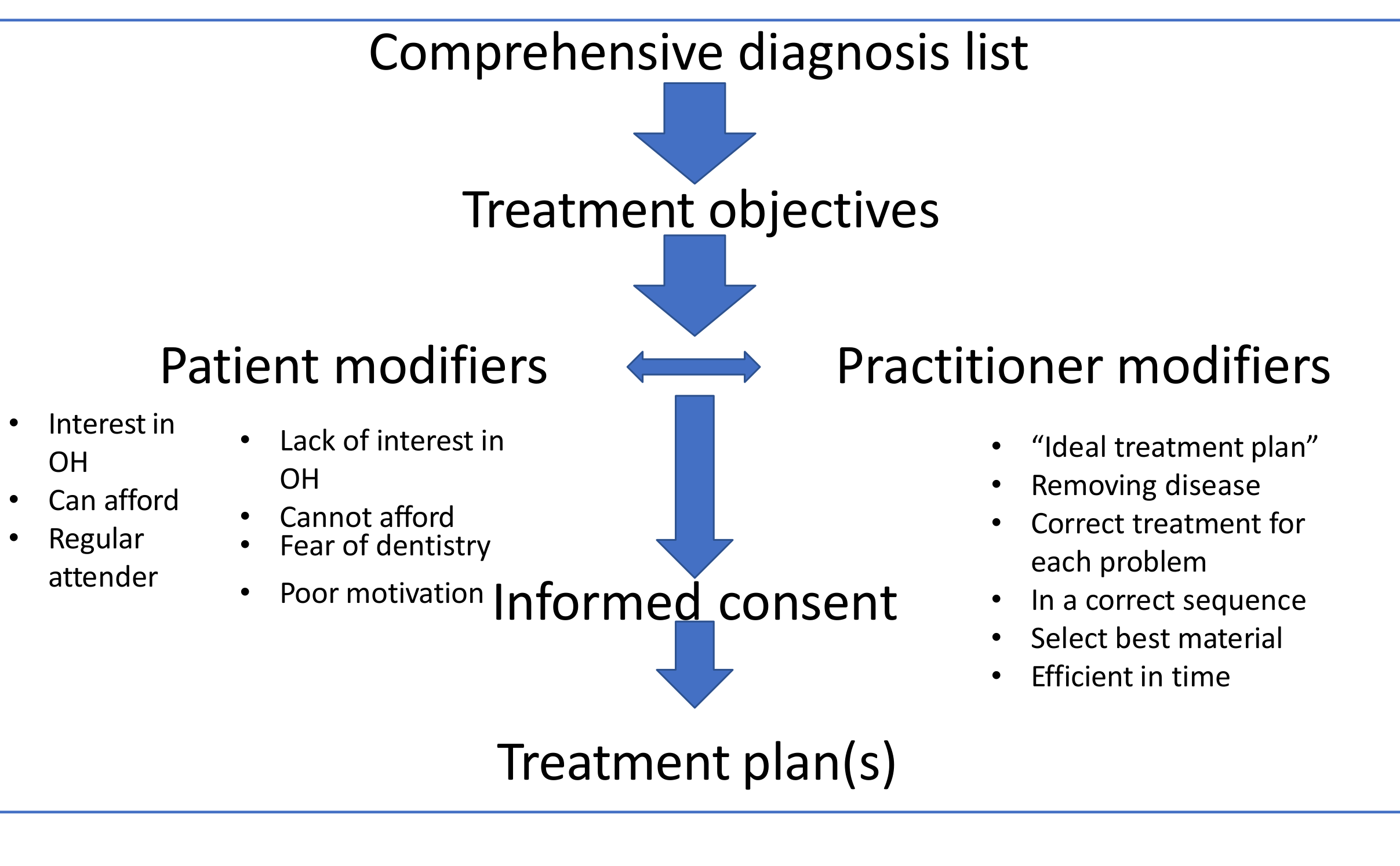
Patient modifiers:
- Interest in OH
- Can afford
- Regular attender
- Lack of interest in OH
- Cannot afford
- Fear of dentistry
- Poor motivation
Practitioner modifiers:
- “Ideal treatment plan”
- Removing disease
- Correct treatment for each problem
- In a correct sequence
- Select best material
- Efficient in time
Informed consent
Treatment plan(s)
Treatment Plan Overview8
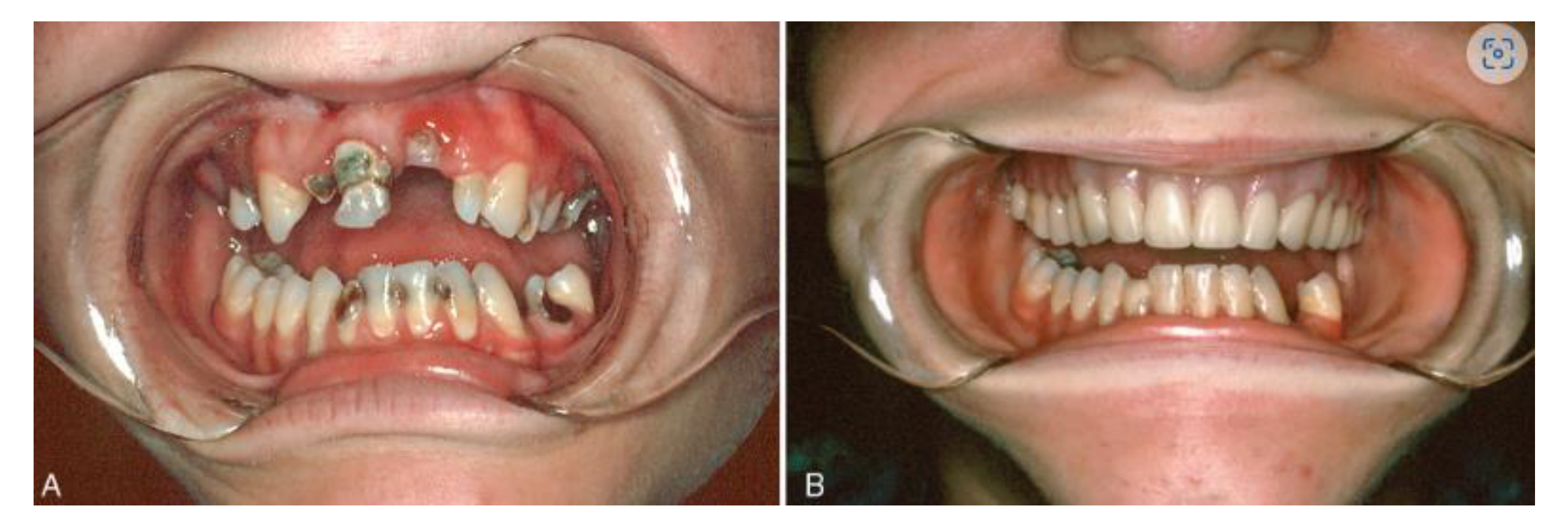
Treatment Objectives
Definition and Purpose
Treatment Plan9
“…is a carefully sequenced series of services designed to eliminate or control etiological factors, repair existing damage and create a functional maintainable environment.” Sturdevant 1995
- Created as a response to the problem list
- The schedule and sequence of the treatment
- Developing a course of action that encompasses the ramifications and sequelae of treatment to serve patients’ needs
Why do we need a treatment plan?10
- Address patient’s problem/s
- Sequence and prioritise
- Estimates of costs
- Informed consent
- Record keeping
- Medico-Legal requirement
- Communication with other clinicians
Phases of Treatment Planning
Developing the treatment plan(s)11
- Systemic phase
- Acute phase
- Disease Control phase
- Definite phase
- Maintenance phase
Phase 1: Systemic Phase
Systemic Phase of Treatment Planning12
- To evaluate the severity and complexity of health issues and to assess how this may affect dental treatment
Timing of Systemic Phase
The systemic phase must be conducted before addressing the patient’s chief complaint or acute problems. This phase determines if dental treatment needs to be postponed or limited based on the patient’s health.
- Recognize signs and symptoms of undiagnosed conditions and refer patient to physician for evaluation
- To limit or modify dental treatment based on systemic findings
- To prevent adverse outcomes
- Emergencies in the dental office
- To prevent serious postoperative complications in conjunction with dental treatment
- Ex: antibiotic prophylaxis for high-risk dental procedures for specific medical conditions
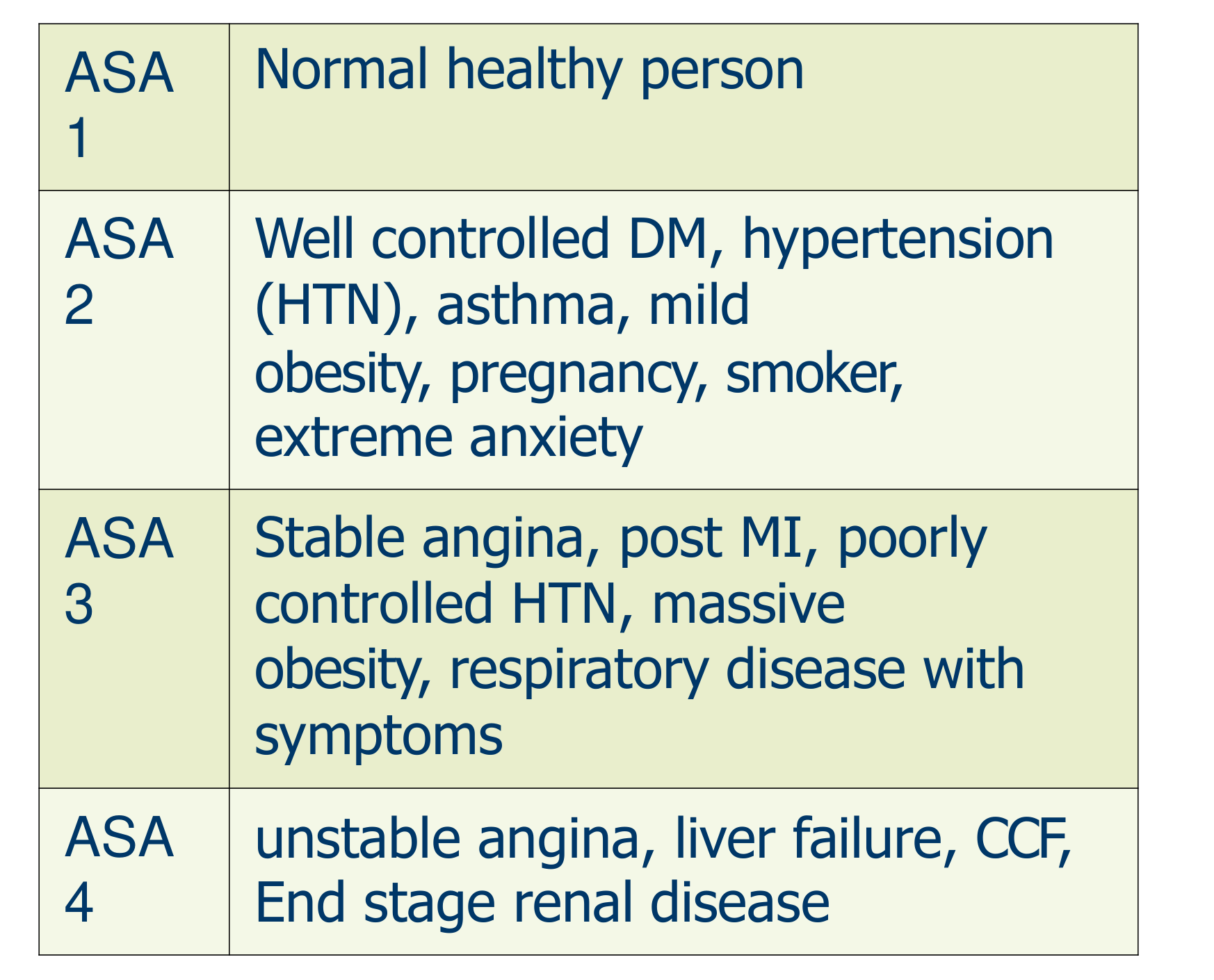
Medical Risk Assessment and ASA Classification13
| ASA Class | Description |
|---|---|
| ASA 1 | Normal healthy person |
| ASA 2 | Well controlled DM, hypertension (HTN), asthma, mild obesity, pregnancy, smoker, extreme anxiety |
| ASA 3 | Stable angina, post MI, poorly controlled HTN, massive obesity, respiratory disease with symptoms |
| ASA 4 | unstable angina, liver failure, CCF, End stage renal disease |
Clinical Management of Systemic Findings1415
- Postponing or limiting treatment (e.g., uncontrolled hypertension, INR levels, antibiotic prophylaxis, unstable angina)
- Consultation with physician
- Prescribing or altering patient medication
- Managing hypertension
- When systemic disease suspected in dental office
- Stress Management (cardiac disease, diabetes, unstable angina, adrenal disorders)
- Positioning the patient in dental chair
- Medication Implications: For example, if a patient is taking Warfarin and requires an extraction for pain relief, the systemic implications must be evaluated first.
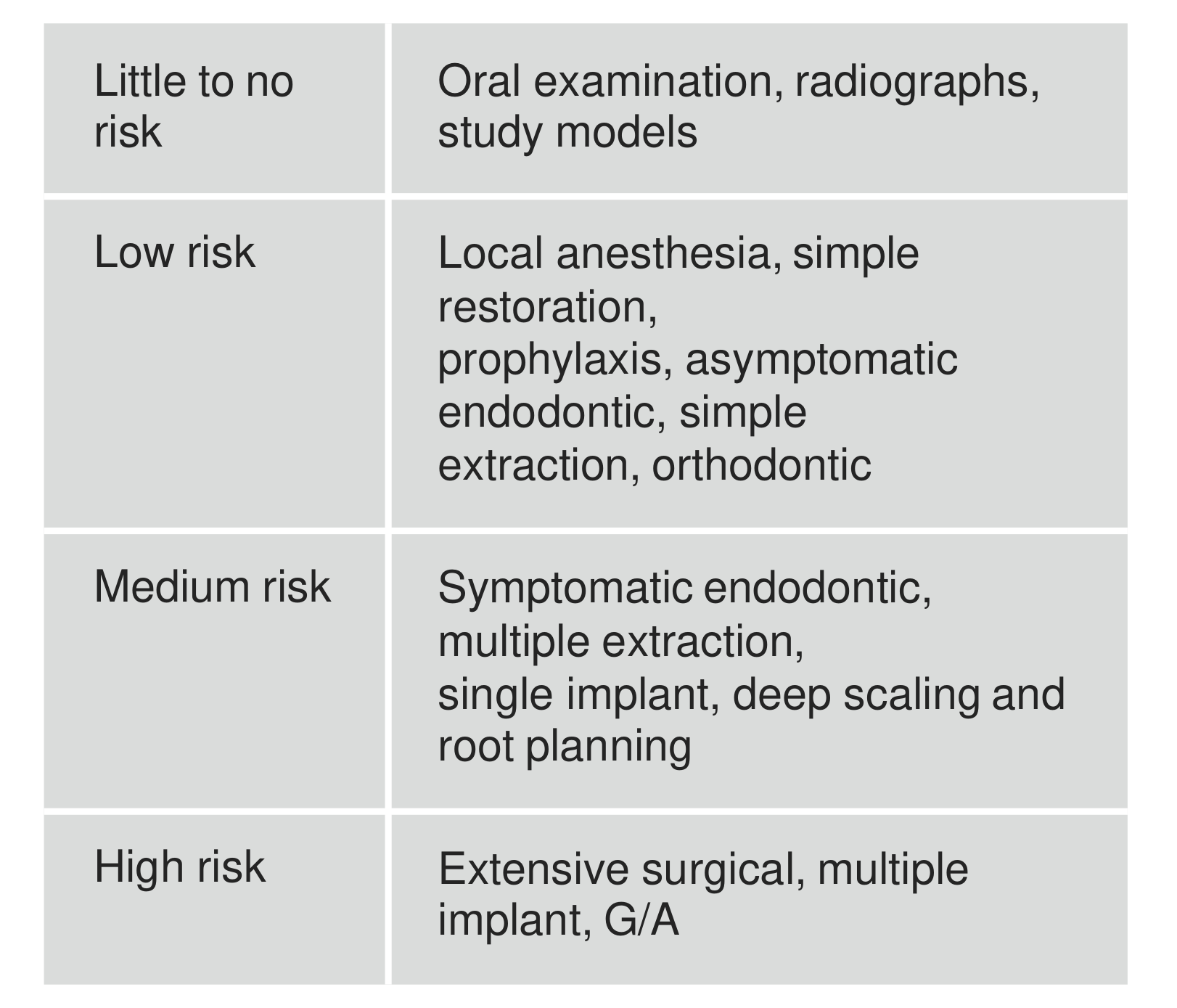
| Little to no risk | Oral examination, radiographs, study models |
|---|---|
| Low risk | Local anesthesia, simple restoration, prophylaxis, asymptomatic endodontic, simple extraction, orthodontic |
| Medium risk | Symptomatic endodontic, multiple extraction, single implant, deep scaling and root planning |
| High risk | Extensive surgical, multiple implant, G/A |
Phase 2: Acute Phase16
- Acute phase of care incorporates diagnostic and treatment procedures aimed at solving urgent oral problems.
- Patients who may need acute care
- Those under active treatment
- On maintenance recall
- New to dental practice
- Returning to practice after being away for some length of time
Emergency Versus Urgent Problems
Difference between emergency problem and urgent problem
• Emergency problem: incapacitates
the patient and has the potential to become a life-threatening condition Ex: Swelling, systemic infection, trauma to face or jaws
• Urgent problem: does not require
immediate attention but the dentist or the patient thinks should be attended to “now” or “soon” Ex: Mild to moderate pain without active infection
Common Acute Diagnoses and Treatment1718
Common acute problems and diagnoses
Priority of Care
If a patient presents with an acute problem, it must be dealt with first, provided the systemic phase has been cleared.
Complaint of pain
-
pulpal or periapical origin
-
associated with periodontal tissues
- -periodontal abscess
- -NUG
-
associated with tooth eruption or pericoronitis
-
associated with previous dental treatment
-
Other sources of pain:
- -Herpetic ulcers
- -traumatic ulcers
- -stomatitis
- -TMJ disorders
- -trigeminal neuralgia
- -acute sinusitis.
-
-Complaint of swelling
-
-Aesthetic complaints
-
-Traumatic injury
- Trauma to teeth/soft tissues
- Jawbone fractures
- Osteomyelitis
-
-Other forms of oral pathology-
- lesions that require
- biopsy, consultation or referral
Treatment planning for acute phase
- Short term therapies within your competency
- Long term implications of the short-term therapies or options
- Factors influencing treatment decisions: -Professional factors -Patient factors and modifiers -Combination factors
Informed Consent and Referrals1920
Acquiring CONSENT for acute care
- Informed consent for an acute care treatment plan requires that the patient must be fully aware of:
- The diagnosis
- All reasonable treatment options
- Risks and the benefits of each option
- Nature of the recommended treatment
- Costs of that treatment – present & future.
- Informed consent must be obtained before starting this phase. You cannot add options like crowns later if they were not part of the initial assessment and discussion.
Referral/Deferral
- The problem or the offending tooth cannot be identified.
- The patient has a compromising systemic condition that precludes treatment at this time.
- The patient has an active infection
- Patient is unwilling or unable to provide consent to treatment
- In some situations, it is not only prudent but also preferable to prescribe medications rather than initiate treatment
Phase 3: Disease Control Phase
planning21
- Eradicate active disease and infection
- Arrest occlusal, functional, and esthetic deterioration
- Address, control or eliminate causes and risk factors for future disease.
- The disease control phase is indicated in a patient with high risk factors for that particular disease.
Objectives and Indications2223
Disease control phase
- Also called Stabilisation phase
- Not necessary when
- oral disease is controlled
- oral disease will be eliminated during definitive treatment.
- Includes plans for
- Management of active disease or infection
- Stabilization of disease/teeth status prior to definitive reconstruction
- Modify/Eliminate risk factors that predispose the patient to the development of recurrent oral disease.
Disease control phase
- Address the patient’s chief complain as early in the plan as possible
- Sequence by priority—preferably treating the most severe and urgent needs first
provisional / protective restoration
- For example, a large carious cavity may require a provisional protective restoration before handling periodontal issues.
- Sequence by quadrant/sextant
- Integrate periodontal therapy into the disease control phase plan
- Keep definitive phase options open with minimalist treatment in the disease control phase. = Generally, however, only those procedures necessary to arrest the deterioration and prevent further infection should be undertaken in the disease control phase.
Structure of Disease Control24
Disease Control Phase – Structure
- Education
- Aetiology, prevention and home treatment for dental conditions
- Patients roles and responsibilities
- Oral hygiene product education/advice (Type,tech, freq)
- Smoking cessation (ask, assess, assist)
- Chemotherapeutics
- NSPT
- Plaque control
- Debridement, prophy
- Manage risk factors
- Review, referral to periodontist if required
- Caries management
- Remineralisation therapy
- Defective restorations
- Extraction/referral
Caries Management and Risk Status2526
Disease control – Caries Management System • Basic caries control protocol
- Caries activity tests, diagnosis and risk assessment
- Oral prophylaxis
- Oral self care instructions/coaching
- Saliva substitutes/stimulation
- Remineralisation (in clinic and home care)
- Chemotherapeutics
- Diet/nutrition analysis
- Food diary – look at freq & duration (acids and sucrose)
- Restore carious lesions
- Sealants on susceptible pits and fissures.
- Reassessment
Oral disease risk status
- Caries risk – CAMBRA
- Periodontal risk - http://www.perio-tools.com/PRA/en/index.asp
- Oral cancer risk - Oral Mucosal Malignancies, Contemporary Oral Medicine. 2018:1249–1436.
- Tooth wear risk -BEWE http://www.erosivetoothwear.co.uk/page/knowledge_base
Re-Evaluation and Holding Phase27
- Re-Evaluation phase (Holding phase)
- the time between the control and definitive phases that allows for resolution of inflammation and time for healing.
- Home care habits are reinforced, motivation for further treatment is assessed, and initial treatment and pulpal responses are re-evaluated before definitive care is begun.
Re-Evaluation Criteria
This phase is used to determine if the treatment has been successful before moving forward:
- Periodontal Reassessment: Checking if probing depths have decreased.
- Endodontic Observation: Allowing a period between treatment steps (e.g., before obturation) to ensure stability.
Phase 4: Definitive Phase28
- Definitive phase of treatment
- Core of treatment plan.
- Before engaging in definitive phase treatment, the practitioner should affirm that:
- Disease controlled.
- All reasonable definitive phase treatment options and costs evaluated and discussed with the patient.
- Informed consent with the patient.
Common Definitive Procedures293031
Common definitive phase treatment
- Periodontal therapy -surgical /other
- Orthodontic treatment
- Restorative Dentistry
- multi surface restorations / Indirect restorations
- Patients should be given all options, such as choosing between a repair of an existing restoration or a crown.
- occlusal assessment and treatment
- esthetical procedures
- Endodontic procedures –elective
- Extractions (3rd Molar) and pre-prosthetic procedures
- Prosthodontics assessment and treatment
- Replacement of missing teeth
- Indication for the need of a crown, bridge, implant, dentures
- Denture assessment and treatment - Decide if the denture will be tooth-supported, tissue-supported, or mixed. - Assess the stability of the dentition and whether the patient is likely to lose more teeth. - Discuss material options, such as Chrome Cobalt versus other types.
- Specialist care
Restoring individual teeth
- Involve patient/parent in decision making
- Clinicians’ role to determine reasonable and feasible treatment options
- Professional considerations
- Diagnosis
- Prognosis (Is a prediction, estimation of the likelihood of a favorable outcome for a disease; could be: Excellent, Good, Favorable, Unfavorable, Poor)
- Likelihood of remineralisation
- Caries risk status
- Disease control phases
- Cost, patient expectations
- Materials, outcomes, implications
Orthodontic treatment
- Dentist role to identify if referral for orthodontic assessment is required.
- Usually, elective treatment
- Aesthetic or function
- Malocclusions
- Impacted teeth
- Anterior open bite
- Skeletal abnormalities
- Referral for orthodontic assessment by an orthodontist.
Specialist Referrals32
• Periodontist: Dentists should be able to identify if referral to a periodontist is required • Prosthodontist: Fixed prosthodontics, removable prosthodontics, Implants • Paedodontist: Dentists should be able to identify if referral to a paedodontist is required • Special care dentist: Dentists should be able to identify if referral to a specialist is required • Other specialists
Phase 5: Maintenance Phase33
- Maintenance phase
- The long-term success or failure of the plan depends on it.
- **Prevention of future problems is the guiding principle of the maintenance phase, and it is the responsibility of the entire dental team.
This phase is critical to prevent the patient from returning to their original diseased state.
**
- Made on an individual basis
- Is made at the conclusion of the disease control phase of treatment and definitive phases
- Can be modified
Rationale and Benefits34
Rationale for including a maintenance phase in the treatment plan
Purpose of maintenance phase:
- Ensure long term oral health
- Optimum function
- Favorable esthetics for the patient.
- Maintain stable clinical attachment levels (Lang & Tonetti, 2003)
Benefits of maintenance phase
- Address issues that remain unresolved after the definitive phase of treatment
Post-Treatment Assessment Elements3536
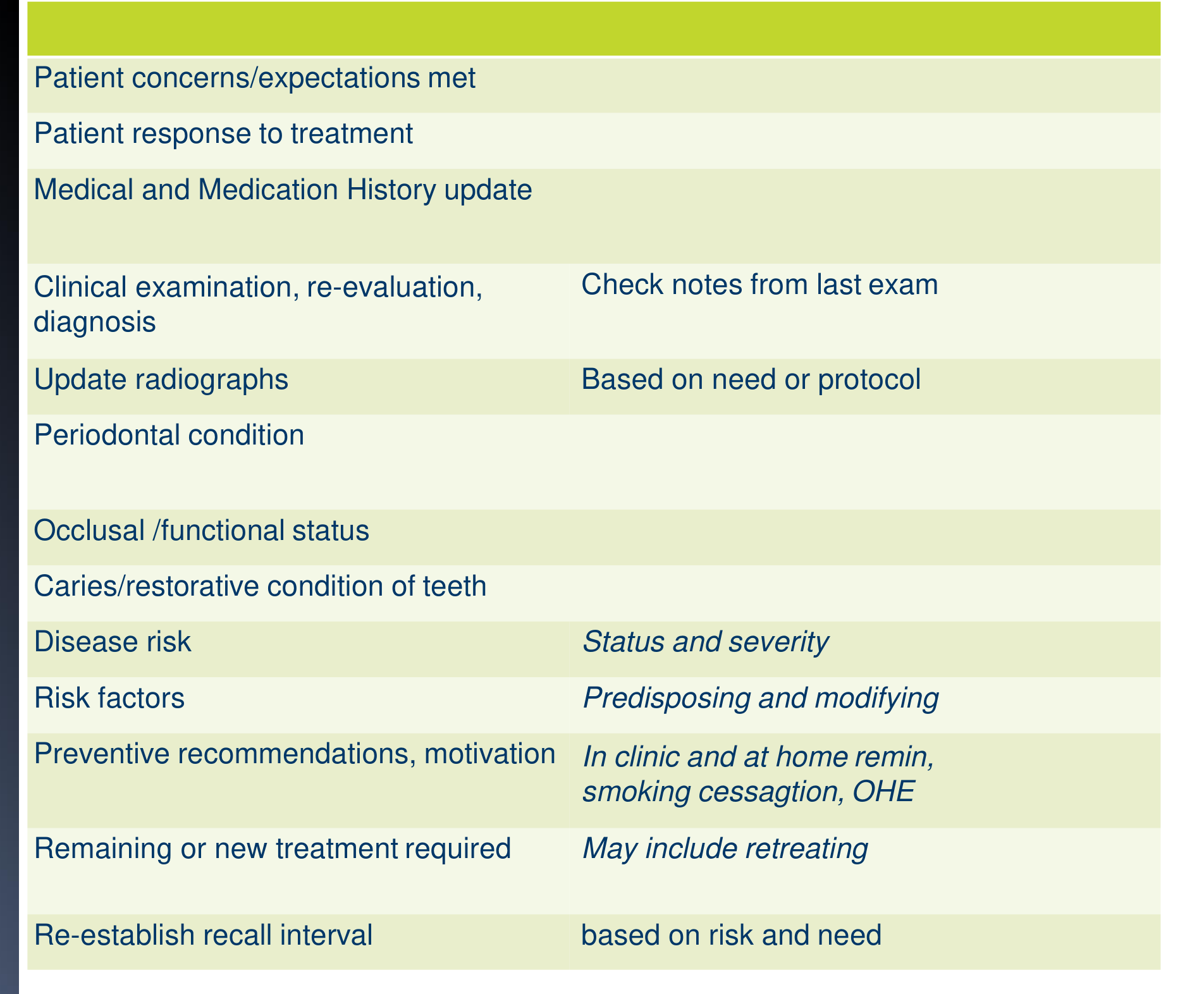
| Elements for post treatment assessment | | | Patient concerns/expectations met | | | Patient response to treatment | | | Medical and Medication History update | | | Clinical examination, re-evaluation, diagnosis | Check notes from last exam | | Update radiographs | Based on need or protocol | | Periodontal condition | | | Occlusal /functional status | | | Caries/restorative condition of teeth | | | Disease risk | Status and severity | | Risk factors | Predisposing and modifying | | Preventive recommendations, motivation | In clinic and at home remin, smoking cessagtion, OHE | | Remaining or new treatment required | May include retreating | | Re-establish recall interval | based on risk and need |
Treatment (Plan) outcomes
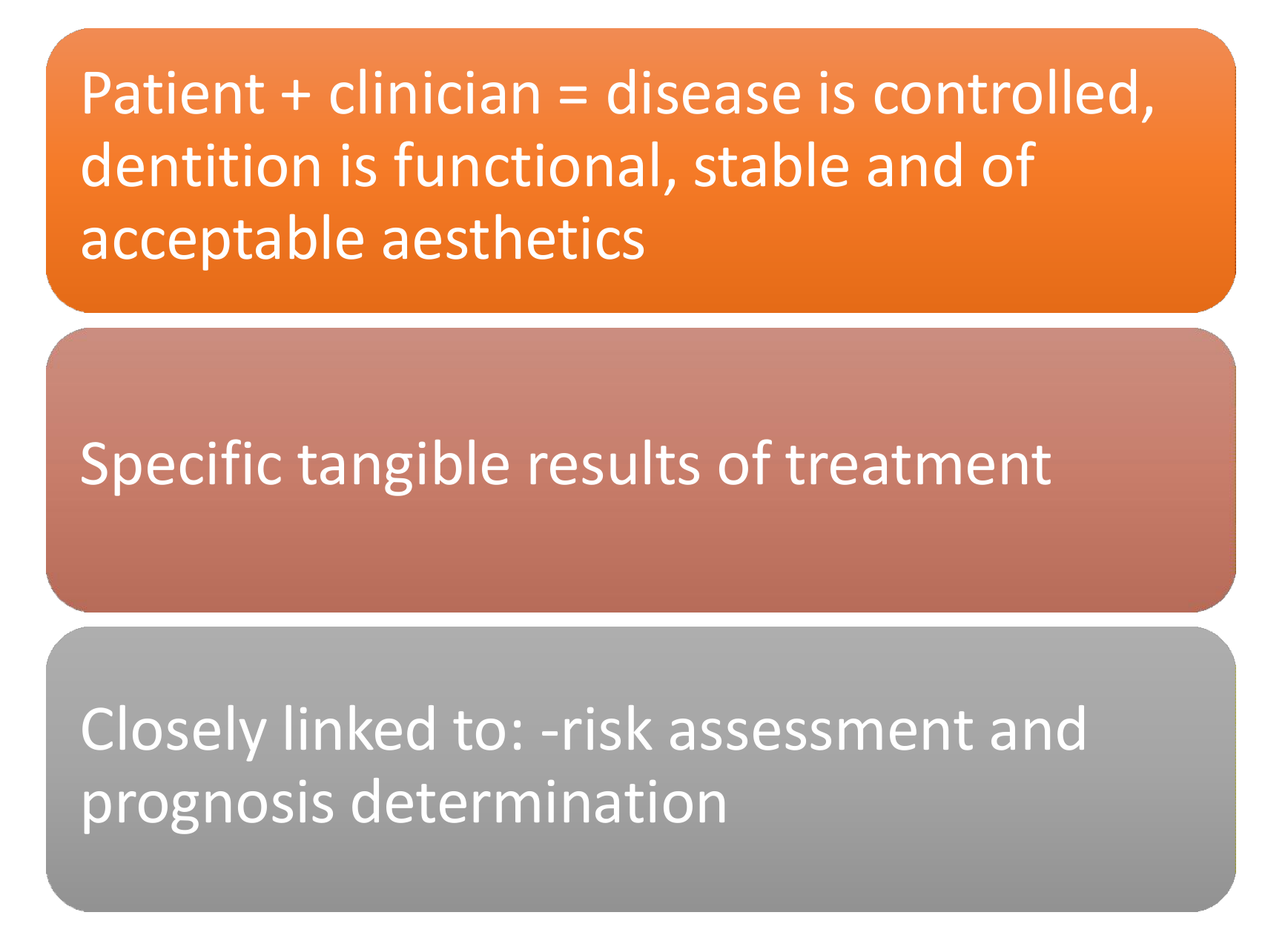
Patient + clinician = disease is controlled, dentition is functional, stable and of acceptable aesthetics
Specific tangible results of treatment
Closely linked to: -risk assessment and prognosis determination
 |  |
Treatment Plan Summary3738394041
Summary
I. Systemic treatment A. Consultation with patient’s healthcare provider B. Premedication C. Stress and fear management D. Special positioning of the patient E. Any necessary treatment considerations for systemic disease
38
Summary
II. Acute treatment A. Emergency treatment for pain or infection B. Treatment of the urgent chief complaint when possible
Dentist cartoonist holding a giant tooth pincers “That came as a shock to everyone” - evlad.com ending of page (39)
Summarizes disease control in dentistry including caries removal, extraction, periodontal care, caries control, and endodontic therapy, accompanied by a cartoon on the right showing a patient in a dental chair responding “GAH, HUH… YOUR TEETH? GAH.” to the dentist asking “Do you floss?”, with a cartoonish dental light in the top right.
Summary
III. Disease control A. Caries removal to determine restorability of questionable teeth B. Extraction of hopeless or problematic teeth
- Possible provisional replacement of teeth C. Periodontal disease control
- Oral hygiene instruction
- Initial therapy a. Scaling and root planning, prophylaxis b. Controlling other contributing factors (1) Replace defective restorations, remove caries (2) Reduce or eliminate parafunctional habits, smoking D. Caries control
- Caries risk assessment
- Provisional (temporary) restorations
- Definitive restorations (i.e., amalgam, composite, glass ionomers)
summarizes definitive treatment steps:
- A. Advanced periodontal therapy
- B. Stabilize occlusion (vertical dimension of occlusion, anterior guidance, and plane of occlusion)
- C. Orthodontic and/or orthognathic surgical treatment
- D. Occlusal adjustment
- E. Esthetic dentistry (i.e., tooth whitening, esthetic restorations)
- F. Definitive restoration of individual teeth (direct/indirect)
- For endodontically treated teeth
- For key teeth
- Other teeth
- G. Elective extraction of asymptomatic teeth
- H. Replacement of missing teeth
- Fixed partial dentures, implants
- Removable partial dentures
- Complete dentures
- I. Posttreatment assessment
 |  |  |
 | 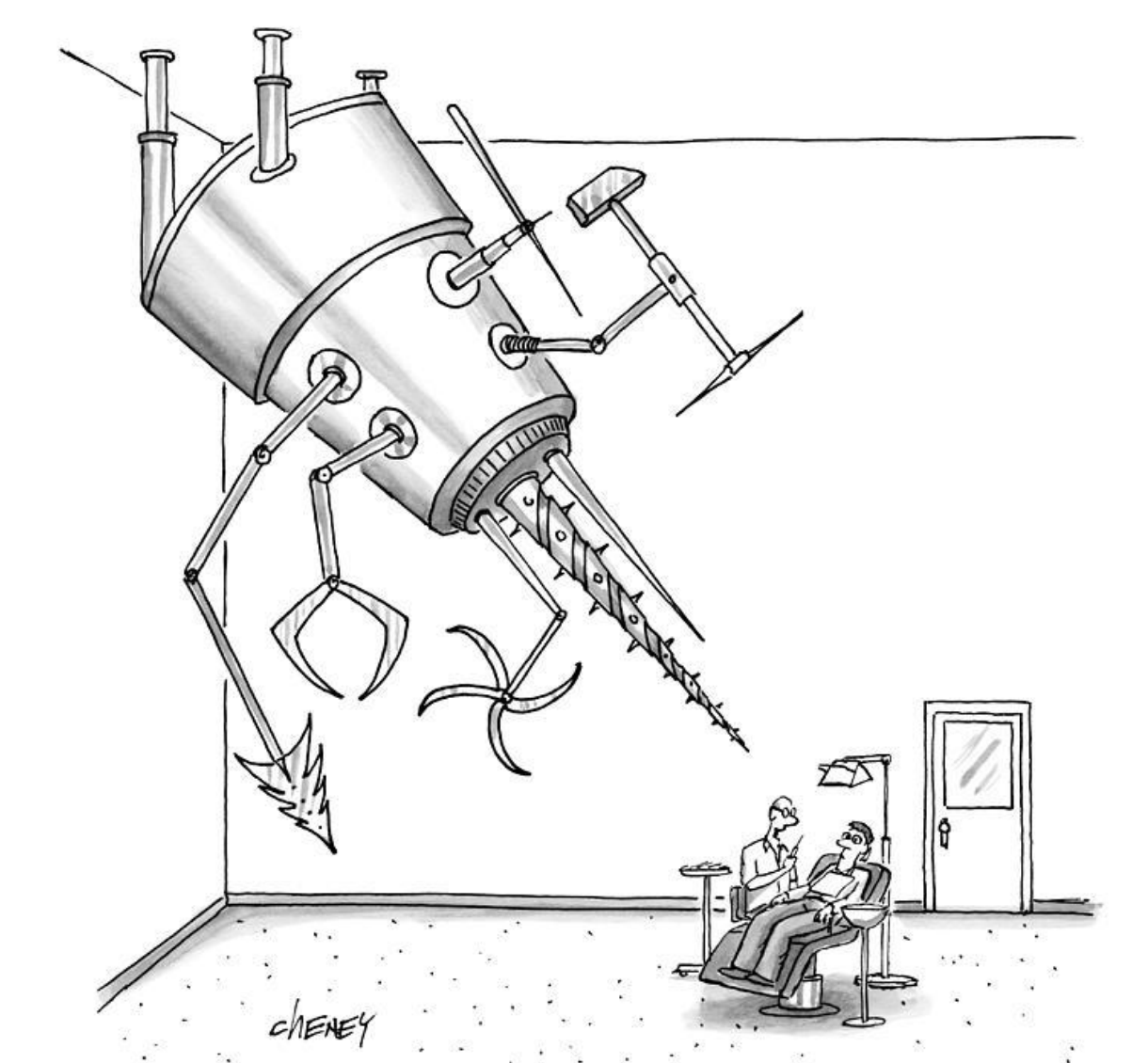 |
Conclusion and References4243
No dental care and treatment even when provided by a clinically competent dentist, however excellent in a technical sense, has any real value unless it serves the best interest of the patient..
Reference • Stefanac, S. & Nesbit, S. (2024). Diagnosis and Treatment Planning in Dentistry (4th Ed.). Mosby Elsevier
Audio Appendix
Additional Audio Content
The following sections from the lecture audio did not correspond to any heading in the main document.
Case Study: Prioritizing Care
In a scenario where a patient requests a crown for a “cap” that came off, but the dentist finds a large carious cavity elsewhere, the dentist must decide the sequence of priority. Often, the most severe or largest needs (like the cavity) are addressed first, or a provisional restoration is placed to stabilize the tooth before proceeding to definitive work.
Case Study: Integrating Periodontal and Prosthetic Care
To be efficient, a dentist can start impressions for dentures while periodontal treatment is ongoing. Waiting for the entire periodontal phase and reassessment to finish before starting a denture can significantly prolong the total treatment time.
Footnotes
-
Original PDF page 1: L1 Developing the Treatmentplan, p.1 ↩
-
Original PDF page 2: L1 Developing the Treatmentplan, p.2 ↩
-
Original PDF page 3: L1 Developing the Treatmentplan, p.3 ↩
-
Original PDF page 4: L1 Developing the Treatmentplan, p.4 ↩
-
Original PDF page 5: L1 Developing the Treatmentplan, p.5 ↩
-
Original PDF page 6: L1 Developing the Treatmentplan, p.6 ↩
-
Original PDF page 7: L1 Developing the Treatmentplan, p.7 ↩
-
Original PDF page 8: L1 Developing the Treatmentplan, p.8 ↩
-
Original PDF page 9: L1 Developing the Treatmentplan, p.9 ↩
-
Original PDF page 10: L1 Developing the Treatmentplan, p.10 ↩
-
Original PDF page 11: L1 Developing the Treatmentplan, p.11 ↩
-
Original PDF page 12: L1 Developing the Treatmentplan, p.12 ↩
-
Original PDF page 13: L1 Developing the Treatmentplan, p.13 ↩
-
Original PDF page 14: L1 Developing the Treatmentplan, p.14 ↩
-
Original PDF page 15: L1 Developing the Treatmentplan, p.15 ↩
-
Original PDF page 16: L1 Developing the Treatmentplan, p.16 ↩
-
Original PDF page 18: L1 Developing the Treatmentplan, p.18 ↩
-
Original PDF page 19: L1 Developing the Treatmentplan, p.19 ↩
-
Original PDF page 20: L1 Developing the Treatmentplan, p.20 ↩
-
Original PDF page 21: L1 Developing the Treatmentplan, p.21 ↩
-
Original PDF page 22: L1 Developing the Treatmentplan, p.22 ↩
-
Original PDF page 23: L1 Developing the Treatmentplan, p.23 ↩
-
Original PDF page 24: L1 Developing the Treatmentplan, p.24 ↩
-
Original PDF page 25: L1 Developing the Treatmentplan, p.25 ↩
-
Original PDF page 26: L1 Developing the Treatmentplan, p.26 ↩
-
Original PDF page 27: L1 Developing the Treatmentplan, p.27 ↩
-
Original PDF page 28: L1 Developing the Treatmentplan, p.28 ↩
-
Original PDF page 29: L1 Developing the Treatmentplan, p.29 ↩
-
Original PDF page 30: L1 Developing the Treatmentplan, p.30 ↩
-
Original PDF page 31: L1 Developing the Treatmentplan, p.31 ↩
-
Original PDF page 32: L1 Developing the Treatmentplan, p.32 ↩
-
Original PDF page 33: L1 Developing the Treatmentplan, p.33 ↩
-
Original PDF page 34: L1 Developing the Treatmentplan, p.34 ↩
-
Original PDF page 35: L1 Developing the Treatmentplan, p.35 ↩
-
Original PDF page 36: L1 Developing the Treatmentplan, p.36 ↩
-
Original PDF page 37: L1 Developing the Treatmentplan, p.37 ↩
-
Original PDF page 38: L1 Developing the Treatmentplan, p.38 ↩
-
Original PDF page 39: L1 Developing the Treatmentplan, p.39 ↩
-
Original PDF page 40: L1 Developing the Treatmentplan, p.40 ↩
-
Original PDF page 41: L1 Developing the Treatmentplan, p.41 ↩
-
Original PDF page 42: L1 Developing the Treatmentplan, p.42 ↩
-
Original PDF page 43: L1 Developing the Treatmentplan, p.43 ↩
-
Original PDF page 44: L1 Developing the Treatmentplan, p.44 ↩