Management Of Edentulism And The Terminal Dentition1
Associated Brånemark Osseointegration Centre Perth — The University of Western Australia
Management of Edentulism and the Terminal Dentition — Mandible Fixed
Clin A/Prof Glen Liddelow
BDSc(WA), MScD(WA), DClinDent(Syd), MRACDS(Pros), FPFA, FICD, FRACDS
Edentulism
Prevalence And Demographics2
Usually from caries or periodontal disease.
Cumulative effect — percentage increases with age:
- ~25% of 65–75 year olds and 58% over 75 years old edentulous in the UK; similar figures in the US and Germany
Lecturer — Edentulism Trends
Edentulism is declining partly because of fluoridation, improved dental practice, and changing views about dental hygiene. However, population growth means that edentulous patients remain common.
Trends in industrialised countries:
- Declining by 1%/year, but lifespan has risen
- Over 65-year demographic rising in all countries
- Will outpace the decline in edentulism
- Global economy may increase need
Mojo P. The world without teeth: Demographic trends. In Feine et al. Implant overdentures. Quintessence, 2003.
Douglass CW, Shih A, Ostry L. Will there be a need for complete dentures in the US in 2020? J Prosthet Dent 2002;87:5-8.
Carlsson G, Omar R. The future of complete dentures in oral rehabilitation. J Oral Rehab 2010;37:143-156.
Thomason JM, Kelly SA, Bendowski A, Ellis JS. Two implant retained overdentures - A review of the literature supporting the McGill and York consensus statements. J Dent 2012;40:22-34
Maladaptive Denture Patients
- Little correlation with quality of dentures; strong psychosocial component
- Progressive degeneration of supporting tissues and neuromuscular control
- Progression from adaptive to maladaptive
- Psychological health
- Changes in food selection — lower nutrient content, more processed foods, fats and cholesterol
Lecturer — Maladaptive Dentures
Later maladaptation may make the lower denture, particularly the mandibular denture, increasingly difficult to control.
- Problems may include pain, discomfort, low self-esteem, and reduced oral-health-related quality of life.
- Difficulty eating a broad range of foods may contribute to poorer nutrition and reduced general health.
- Implant-supported removable or fixed prostheses can improve quality of life compared with conventional dentures.
- Patient education can improve nutrition by enabling patients to eat less processed, fresher, and more fibrous foods.
Table 1. References3
Tallgren A. The continuing reduction of the residual alveolar ridges in complete denture wearers: A mixed longitudinal study covering 25 years. J Prosthet Dent 1972;27:120–132.
Zarb GA. The edentulous predicament. In: Zarb GA, Bolender CL. Prosthodontic Treatment for Edentulous Patients. Mosby, Philadelphia, PA. 2004.
Fiske J, Davis DM, Frances C, Gelbier S. The emotional effects of tooth loss in edentulous people. Br Dent J 1998;184:90–1.
Hinds K, Gregory JR. National diet and nutrition survey: People aged 65 years or over. Vol 2: Report of the oral health survey. London: Stationary Office, 1998.
Joshipura KJ, Willett WC, Douglas CW. The impact of edentulousness on food and nutrient intake. J Am Dent Assoc 1996;127:459–467.
Allen PF. Association between diet, social resources and oral health related quality of life in edentulous patients. J Oral Rehabil 2005;32:623–628.
Carlsson G. Facts and fallacies: An evidence base for complete dentures. Dental Update 2006;33:134–142.
Carlsson G, Omar R. The future of complete dentures in oral rehabilitation. J Oral Rehab 2010;37:143–156.
Prosthodontic Treatment
Goals And Patient-Based Outcomes4
Palliative therapy aimed at improving function and quality of life
- Decision making process goes beyond success/survival of implants/prosthesis
- Patient-based measures: psychosocial function and perceived health
Locker D. Patient-based assessment of the outcomes of implant therapy: A review of the literature. Int J Prosthodont 1988;11:453–461.
Zarb GA. The Edentulous Predicament. In: Zarb GA, Bolender CL. Prosthodontic Treatment for Edentulous Patients. Mosby, Philadelphia, PA. 2004.
Carlsson G, Omar R. The future of complete dentures in oral rehabilitation. J Oral Rehab 2010;37:143–156.
Lecturer — Treatment Selection
Treatment selection should be individualized rather than based only on technical possibilities.
- The lecturer considered patient wishes, functional requirements, stability, longevity, safety, invasiveness, complexity, maintenance burden, and cost.
- Placing many implants may be possible but can create an unnecessarily difficult maintenance situation.
- The lecturer compared treatment planning with choosing a vehicle: a durable, maintainable option may be preferable to an expensive option requiring frequent major repairs.
Adaptation Of Complete Denture Wearers5
- Most complete denture wearers adapt and cope
- Some suffer substantially from chronic dysfunction, pain, low self-esteem and reduced OHRQOL — maladaptive
Zarb GA. The edentulous predicament. In: Zarb GA, Bolender CL. Prosthodontic Treatment for Edentulous Patients. Mosby, Philadelphia, PA. 2004.
Lecturer — Denture Adaptation
Lower dentures are generally more difficult for patients to control than upper dentures. Complete dentures can look good, but teeth positioned beyond anatomical limits or made extremely white may produce an unnatural appearance. Social media has also increased patients’ demand for fixed rather than removable prostheses.
Implant Prostheses Versus Conventional Dentures6
Fixed or removable implant prostheses compared to conventional dentures:
- Improved OHRQOL
- Higher nutritional state
- Improvement in blood parameters
- Improved anthropometric measures post treatment
Hutton B, Feine J, Morais J. Is there an association between edentulism and nutritional state? J Can Dent Assoc 2002;68:182-187.
Carlsson G, Omar R. The future of complete dentures in oral rehabilitation. J Oral Rehab 2010;37:143-156.
Lecturer — Implant Satisfaction
In the lecturer’s experience, patients who can afford treatment are generally more satisfied with fixed solutions than removable solutions. A mandibular overdenture with a complete maxillary denture can still be satisfactory, although limited studies specifically examine satisfaction in patients with a terminal dentition.
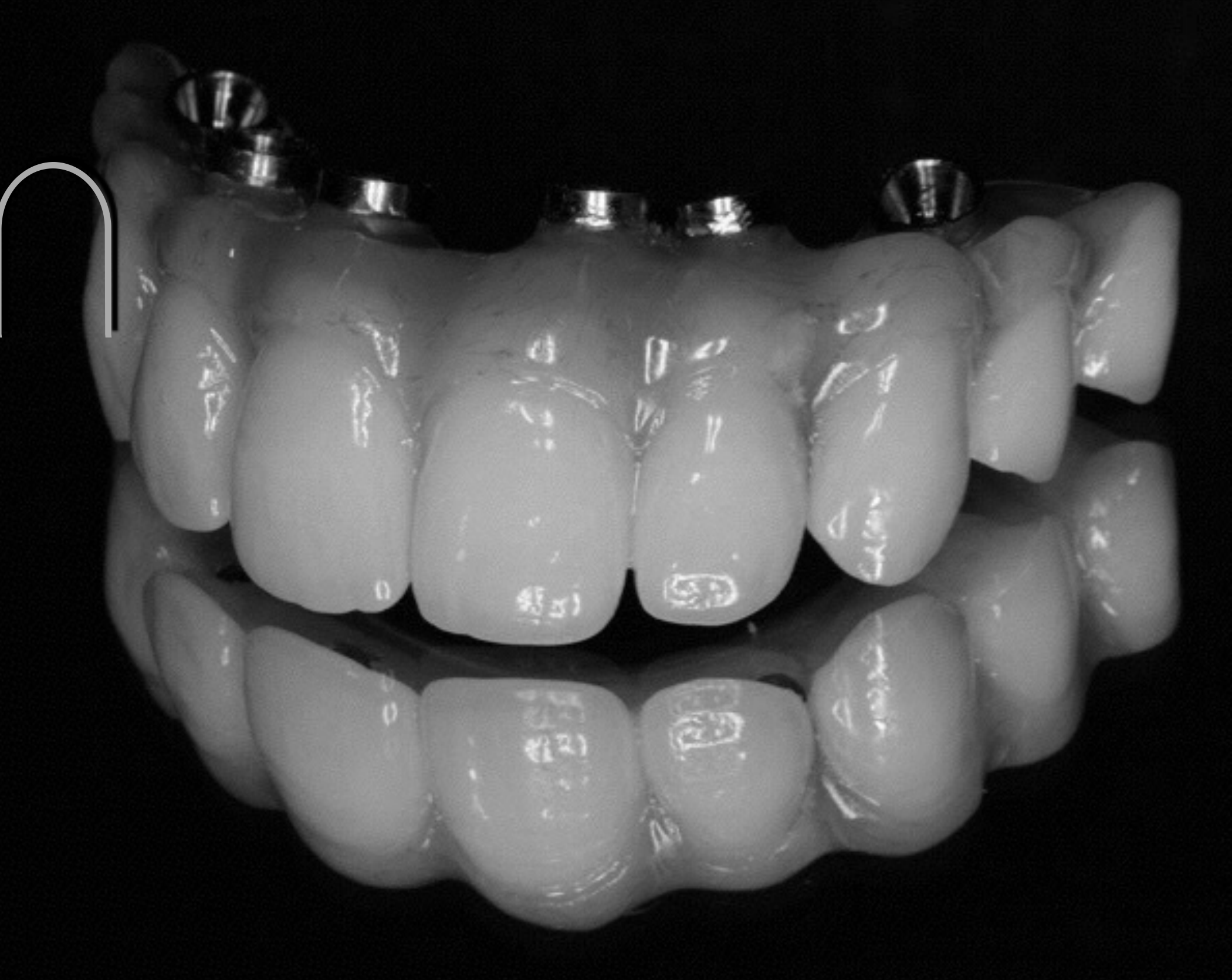
Minimum Acceptable Protocol7
Minimum Acceptable Protocol (or Principle)
- Variety of treatments available complying with the principles
- Minimizing outlay of resources and maximising treatment outcomes from a patient perspective
- Treatment options change with time
Owen CP. Appropriatech: Prosthodontics for the many, not just for the few. Int J Prosthodont 2004;17:261–262
Lecturer — Mandibular Immediate Loading
For mandibular full-arch immediate loading, the lecturer’s routine approach is generally four implants, used in approximately 99 out of 100 such patients in the practice. The implants are placed prosthetically, connected to multi-unit abutments, and used to support an immediately fabricated provisional or definitive-style bridge. A posterior cantilever may provide a six-to-six occlusion when appropriate.
Treatment Principles
Guiding Principles8
- Safest
- Least invasive
- Least costly
- Least complex
→ Reasonable needs and expectations
- Mechanical stability
- Biologic stability
- Longevity
- Low maintenance
Fitzpatrick B. Standard of care for the edentulous mandible: A systematic review. J Prosthet Dent 2006;95:71-78.
Lecturer — Digital Treatment Planning
Digital planning is now used extensively for diagnosis, implant positioning, surgical guidance, scanning, and bridge production. Treatment should be planned before surgery so the clinician understands the mental nerve position, anatomical concavities, expected jaw anatomy, available bone, and prosthetic requirements.
- Static guided surgery may achieve approximately 0.2–0.5 mm placement accuracy, compared with approximately 1.5–2 mm for freehand placement.
- A static guide may be unsuitable when the teeth supporting it are mobile; navigated surgery can then be used.
- The lecturer emphasized avoiding lingual concavities because perforation may injure the submental or mylohyoid arteries.
- Lingual arterial injury can cause delayed tongue swelling that obstructs the airway after the patient has left the clinic.
- The inferior alveolar nerve, mental nerve, and anterior loop of the mental nerve also require consideration; the loop may extend several millimetres and occasionally approximately 8 mm.
Sequelae Of Tooth Loss9
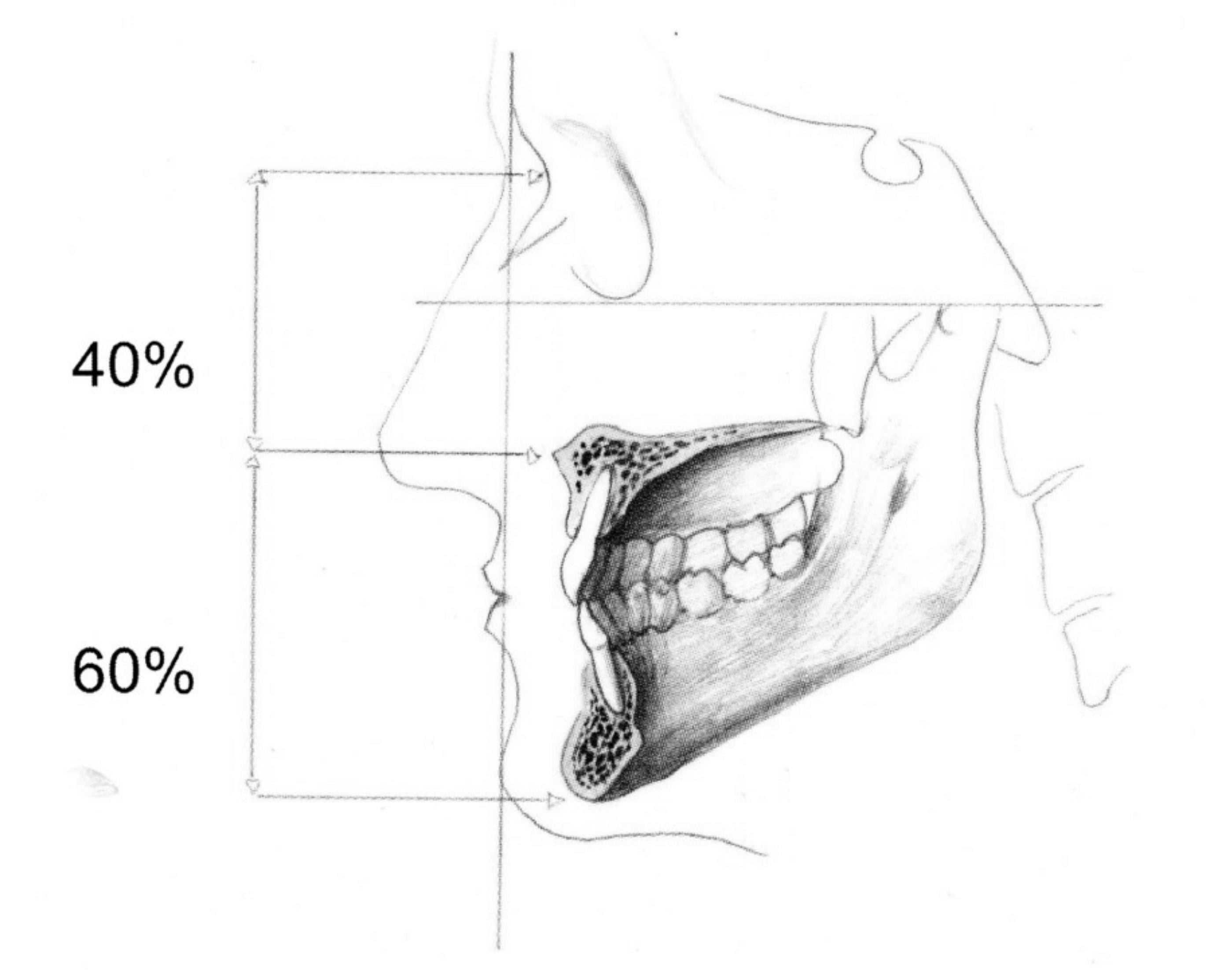
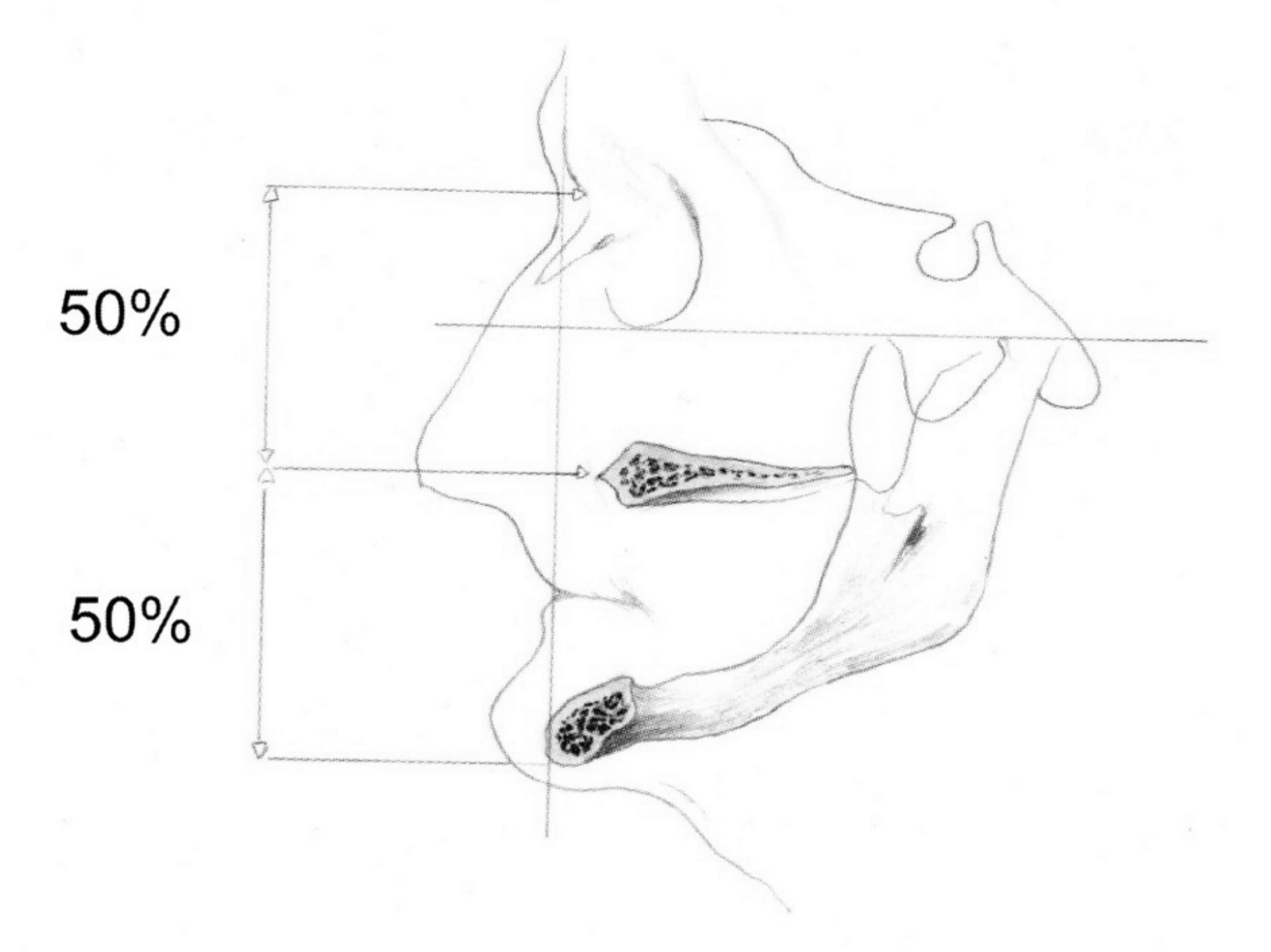
Consequences Of Jaw Atrophy10
-
40%
-
60%
-
50%
-
50%
Lecturer — Mandibular Atrophy
Tooth loss causes loss of alveolar bone followed by resorption toward basal bone. Progressive mandibular resorption reduces the denture-bearing area and facial support, reduces vertical dimension, and makes the mental foramen more prominent.
- As the mental foramen approaches the surface, nerve impingement may produce neuropathic pain.
- Severe atrophy may contribute to mandibular fracture risk.
- Implant placement may stimulate bone apposition in distal mandibular regions and potentially strengthen thin areas at risk of fracture.
 |  |
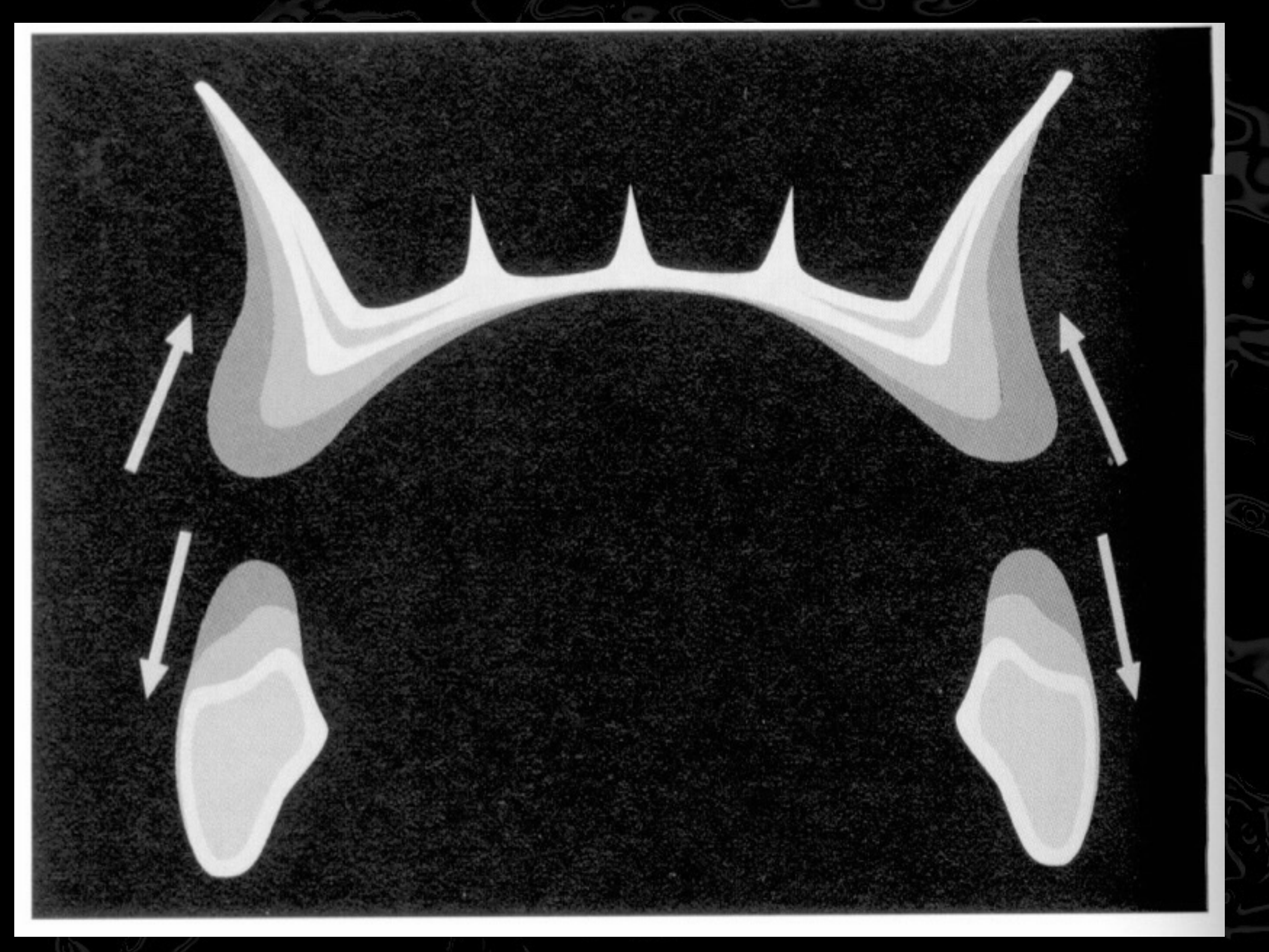
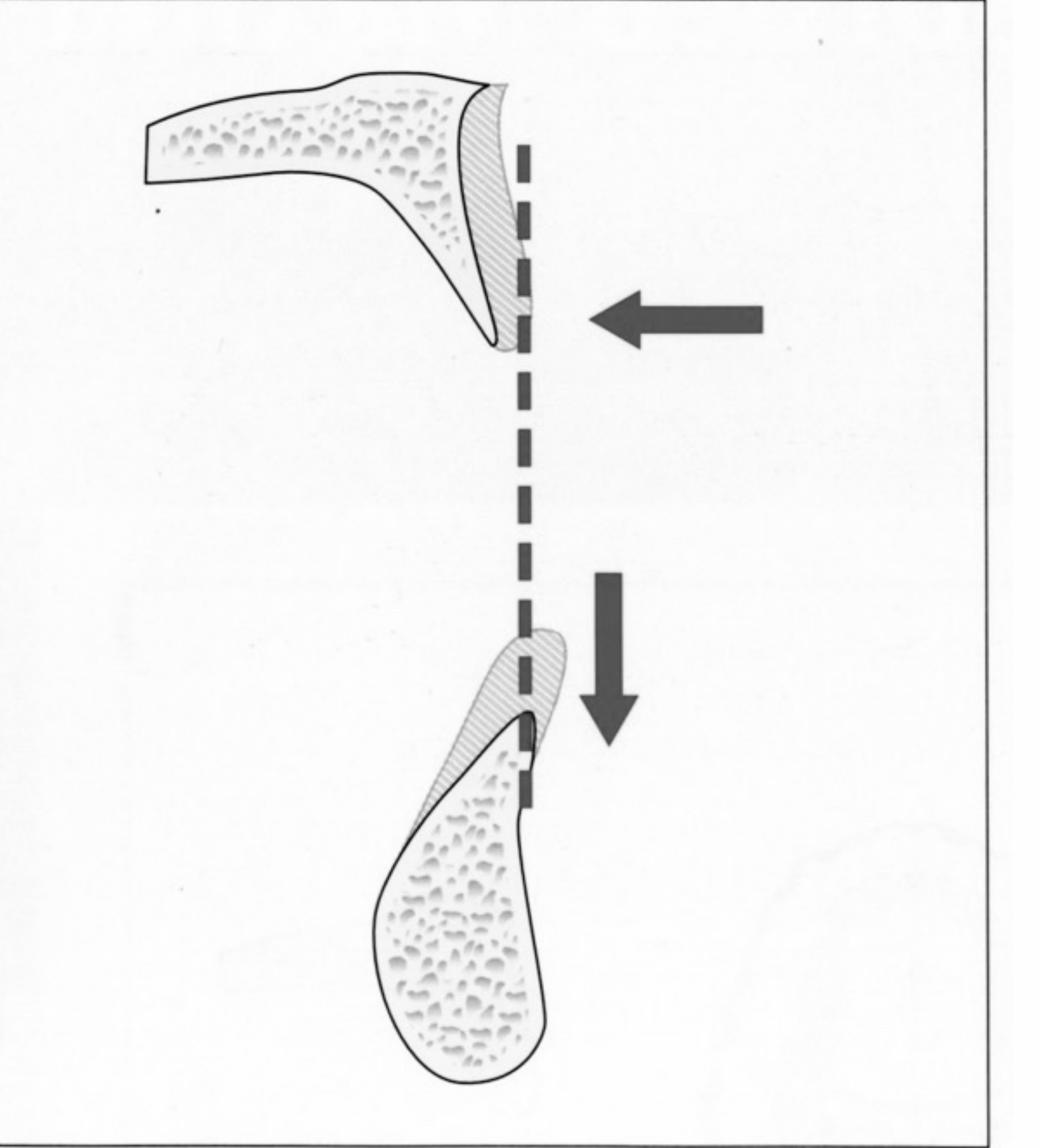
Resorption Patterns In Maxilla And Mandible1112
Centripetal resorption in the maxilla & centrifugal resorption in the mandible
Lecturer — Bone Quality
The mandible is generally thicker and contains more cortical bone, whereas the posterior maxilla often has thin or absent cortex and lower-density trabecular bone. Initial implant stability is important because integration requires the implant to remain stable; the lecturer compared this with placing a screw in dense versus soft wood.
 |  |
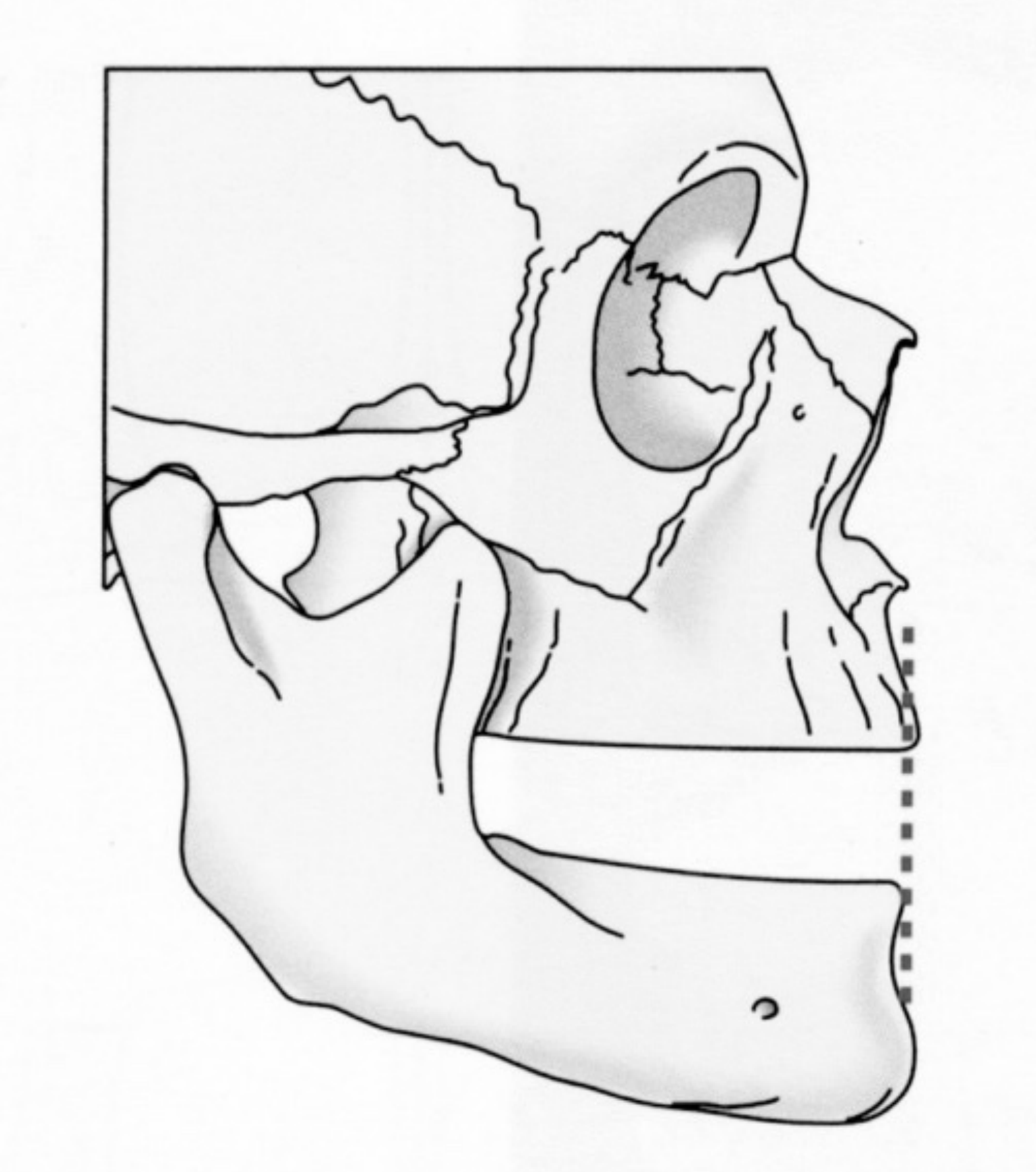
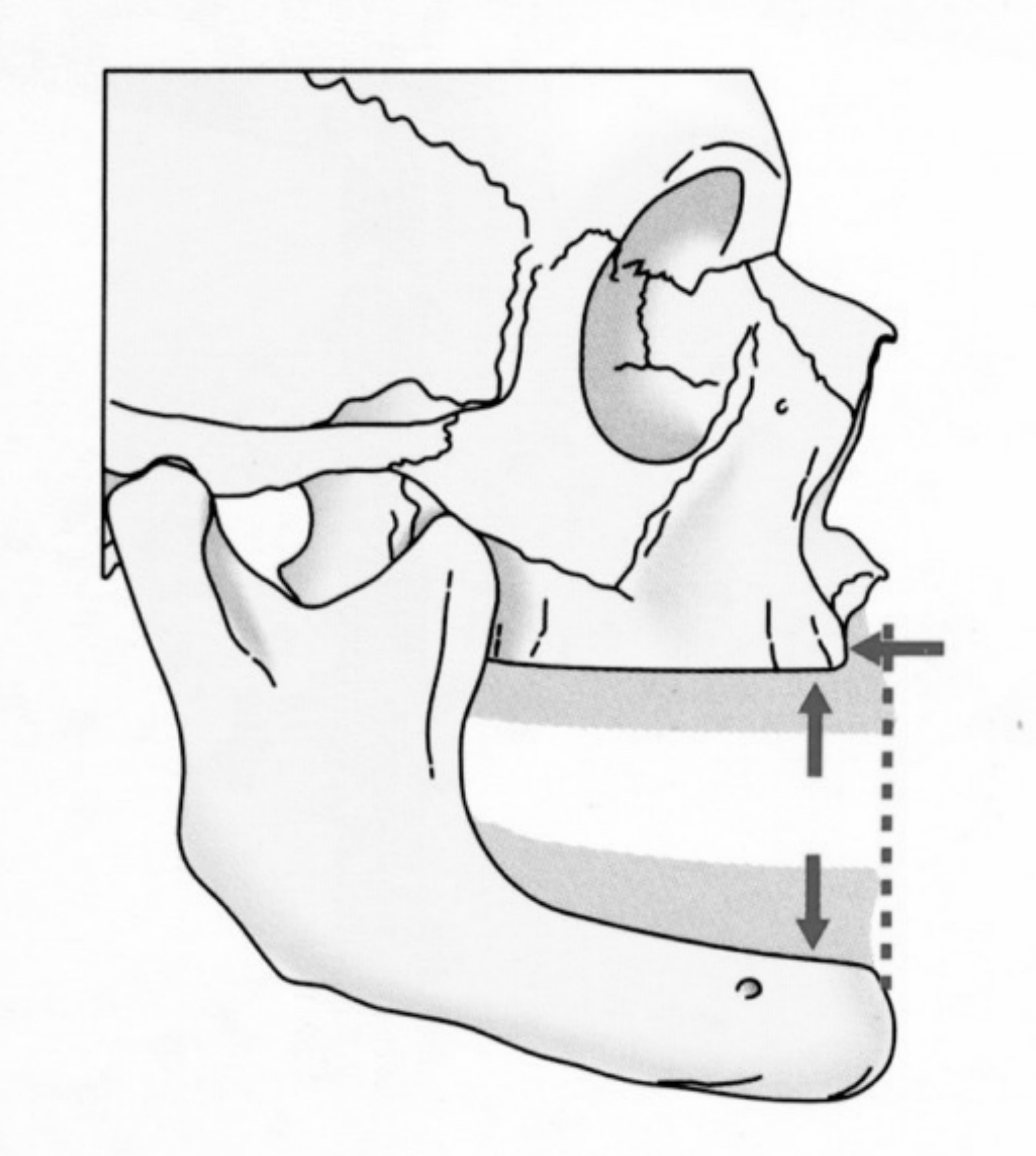
Increased Inter-Arch Distance13
Increased inter-arch distance as a result of resorption
 |  |
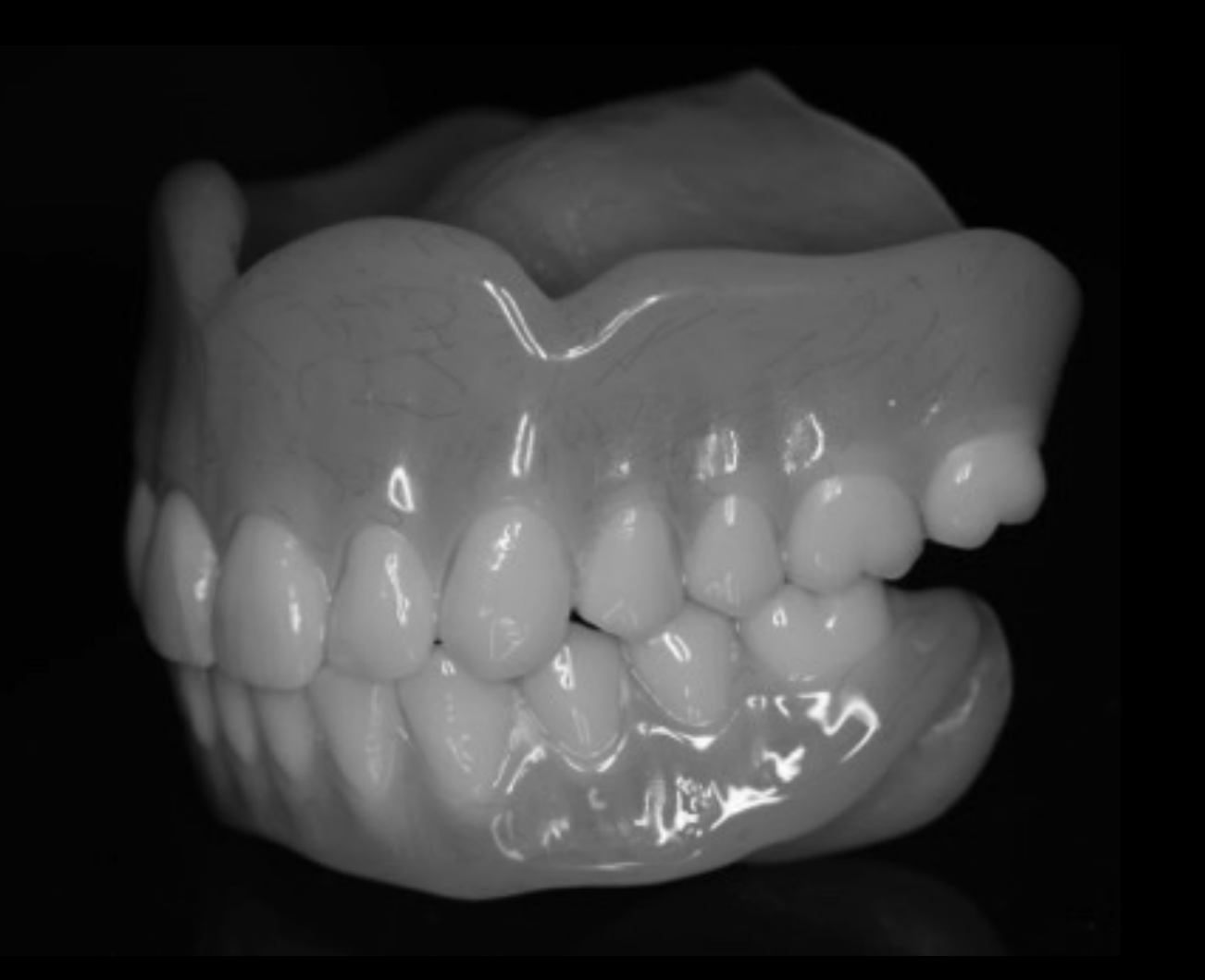
Treatment Strategies For The Edentulous Jaw14
 |  |
 |  |
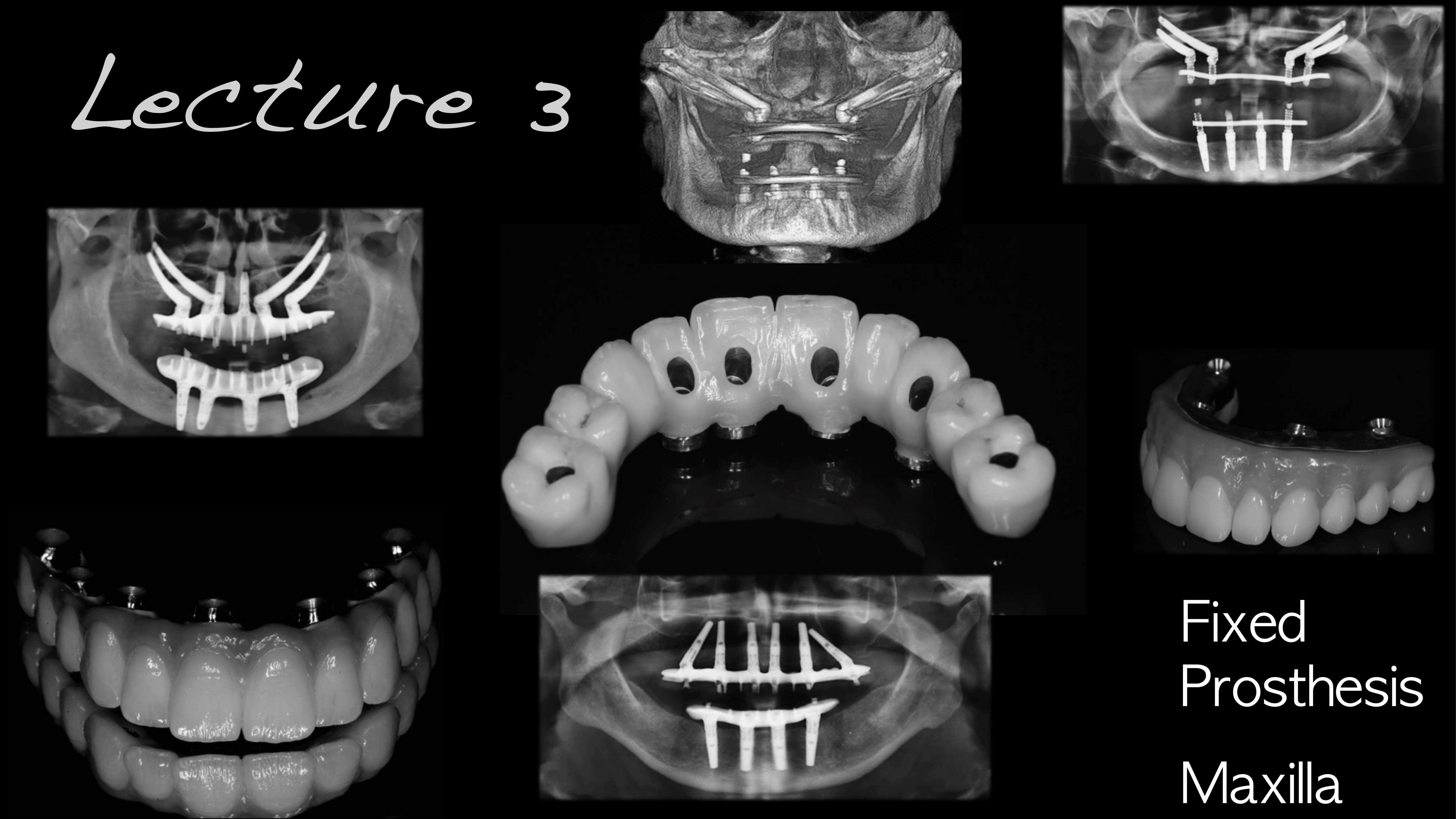
Lecture Overview151617
- Fixed Prosthesis
- Mandible
Lecture 2
- Fixed Prosthesis
- Maxilla
Lecturer — Edentulous Treatment Options
The lecture series was divided into mandibular fixed solutions, removable solutions, and maxillary treatment, which was described as more complicated. Options for an edentulous jaw include complete dentures, removable implant overdentures, more sophisticated detachable prostheses, and fixed implant prostheses.
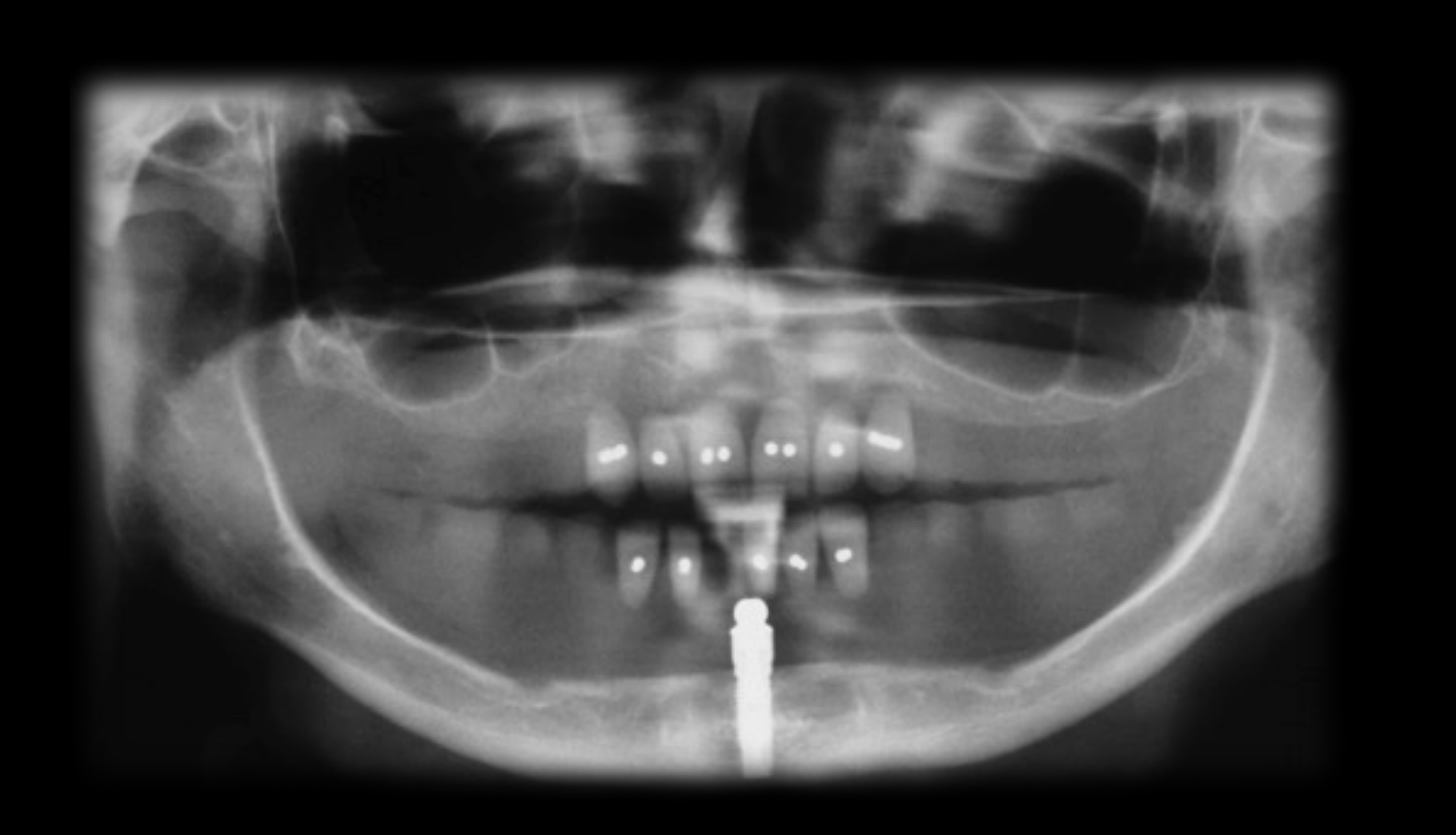
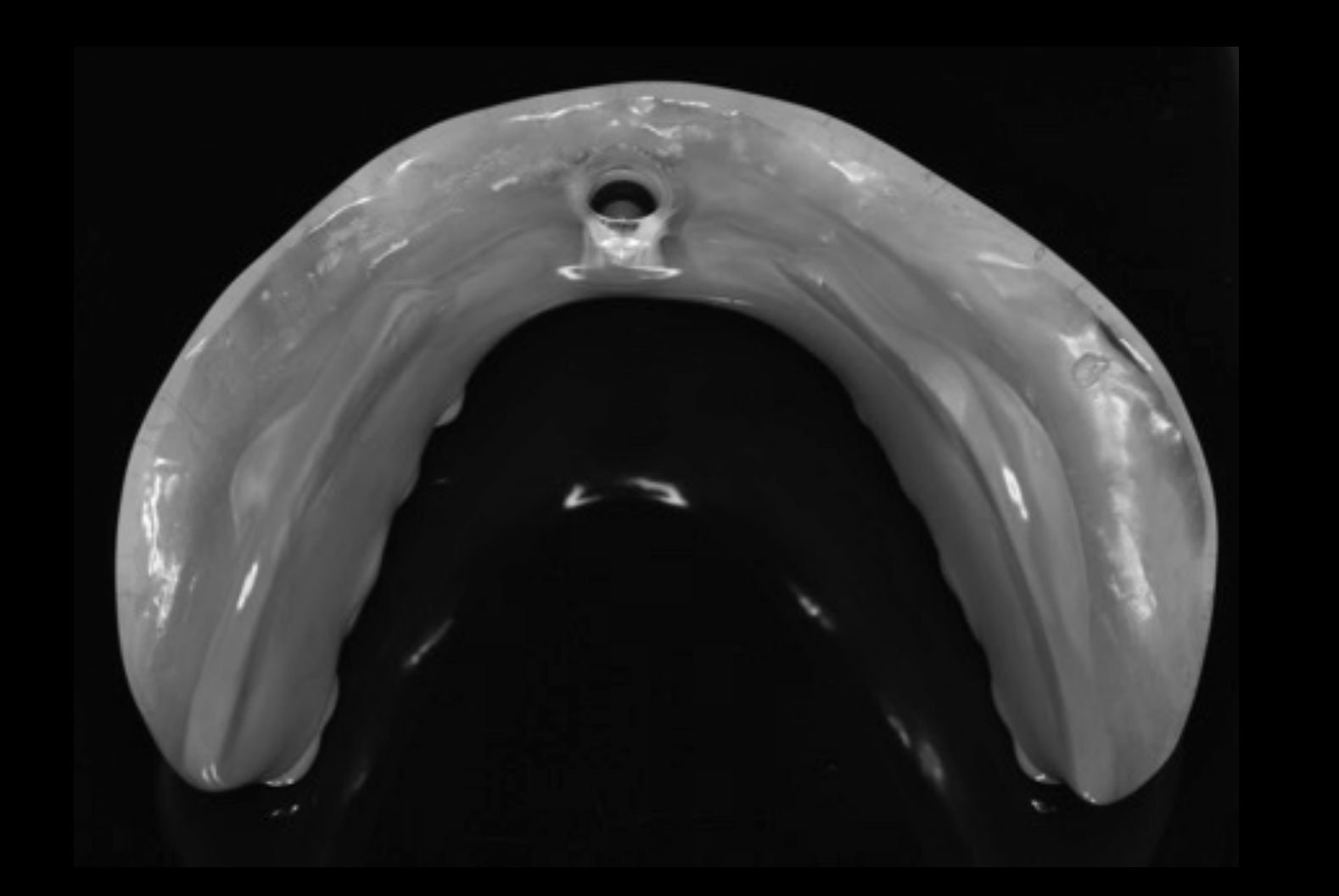
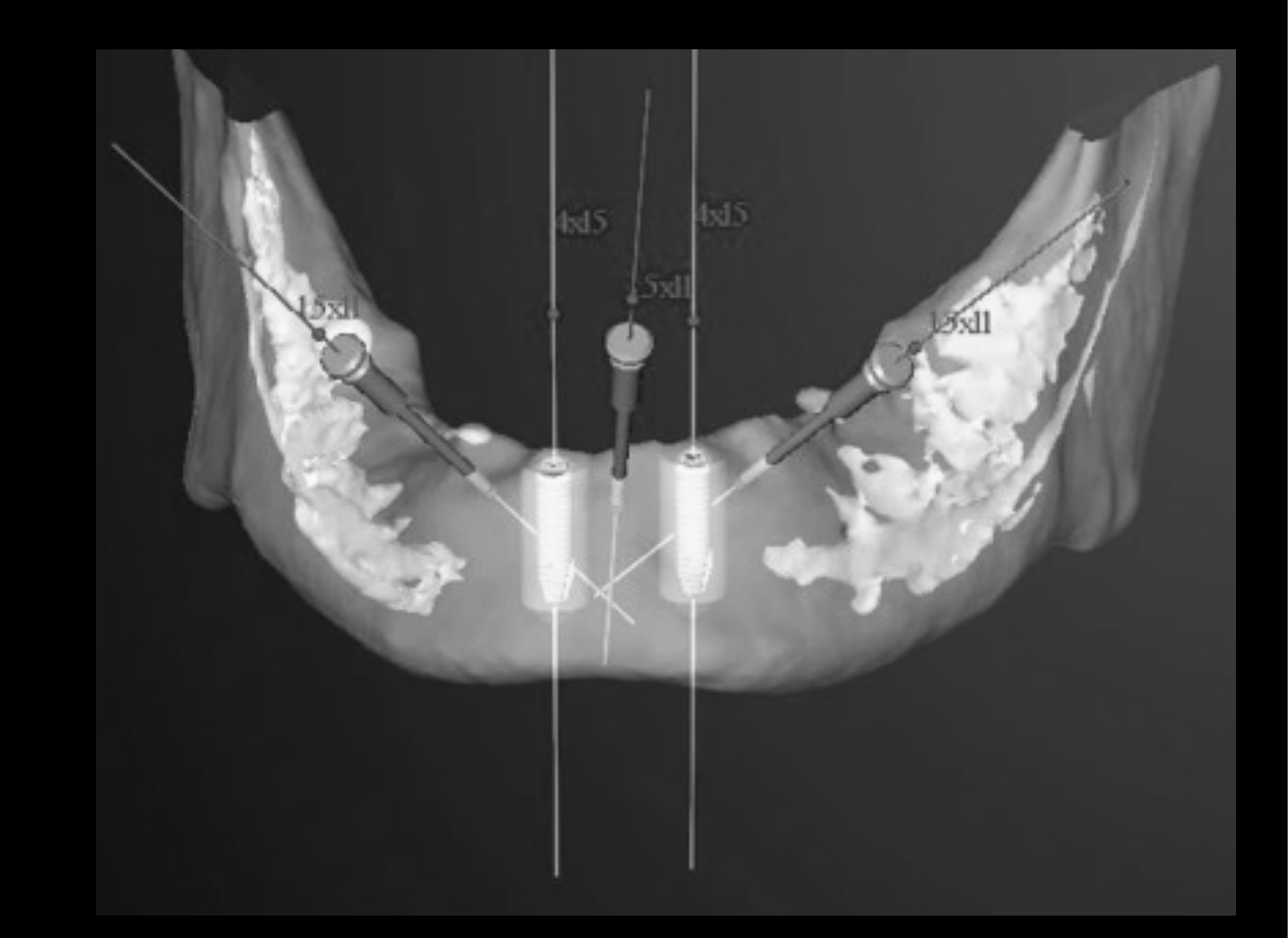
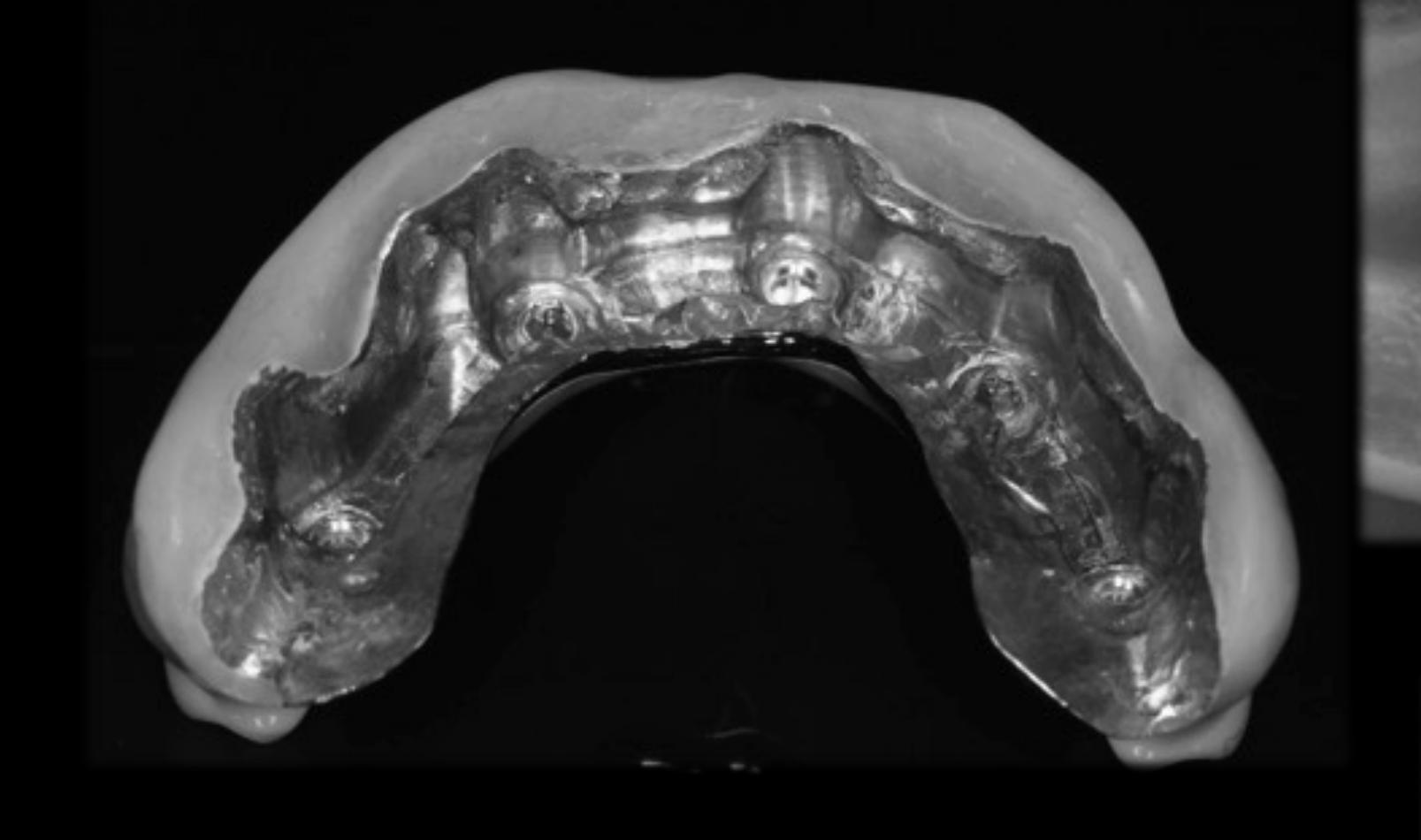
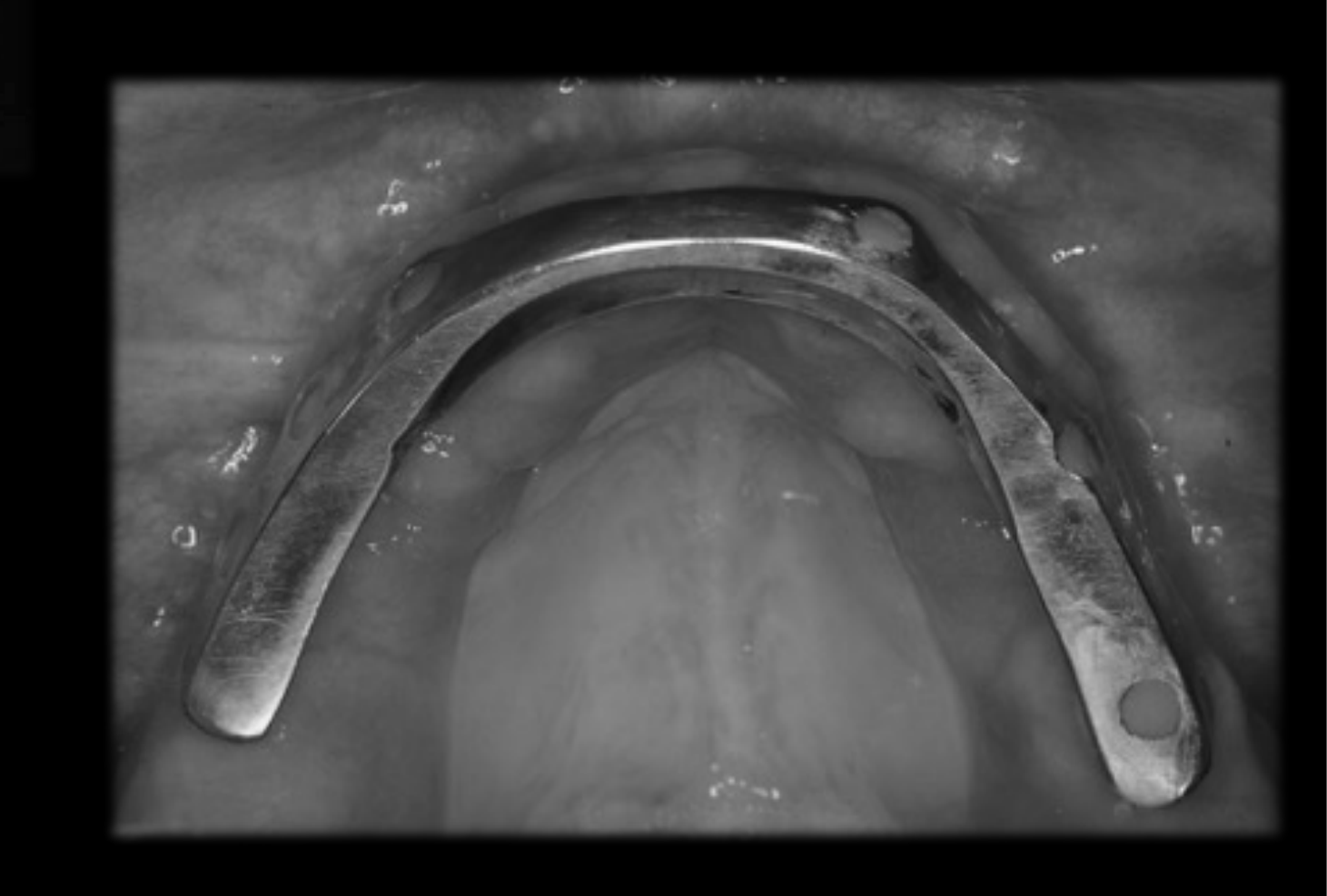
Maxillary And Mandibular Prosthodontic Options
Maxillary complete denture prosthetics18
- Mandibular prosthodontics
- Mn IOD
- Mn IFP (least maintenance)
- Review at 12 months (75% satisfied)
Lecturer — Maxillary Denture Support
Patients generally adapt better to an upper denture than to a lower denture. A mandibular fixed prosthesis may provide additional support for an opposing maxillary denture, particularly when the mandibular prosthesis extends to the six region. The lecturer estimated that approximately 75% of patients may be happy with an upper denture combined with a lower implant prosthesis, although this may be changing as patients increasingly request fixed treatment.
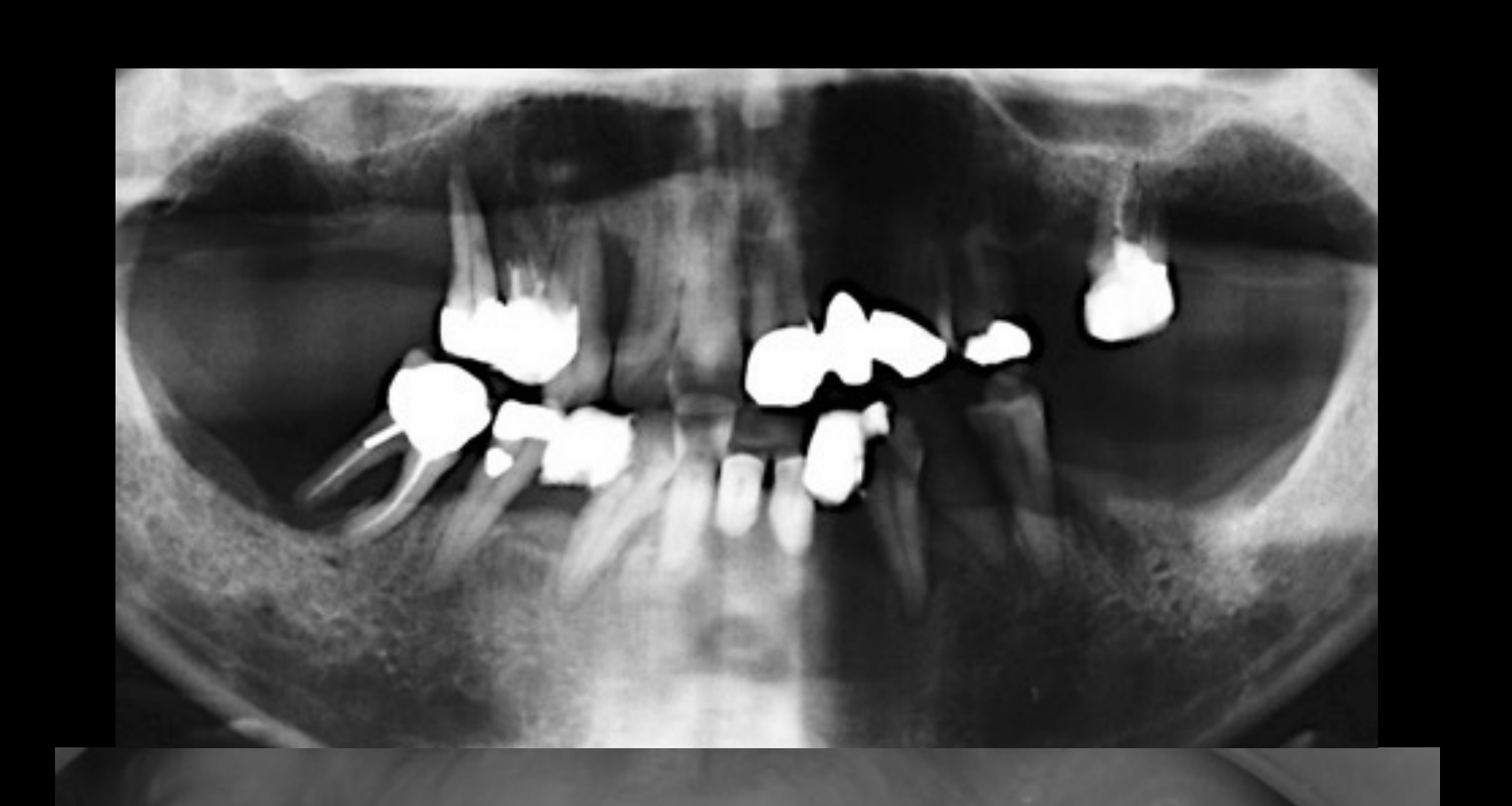
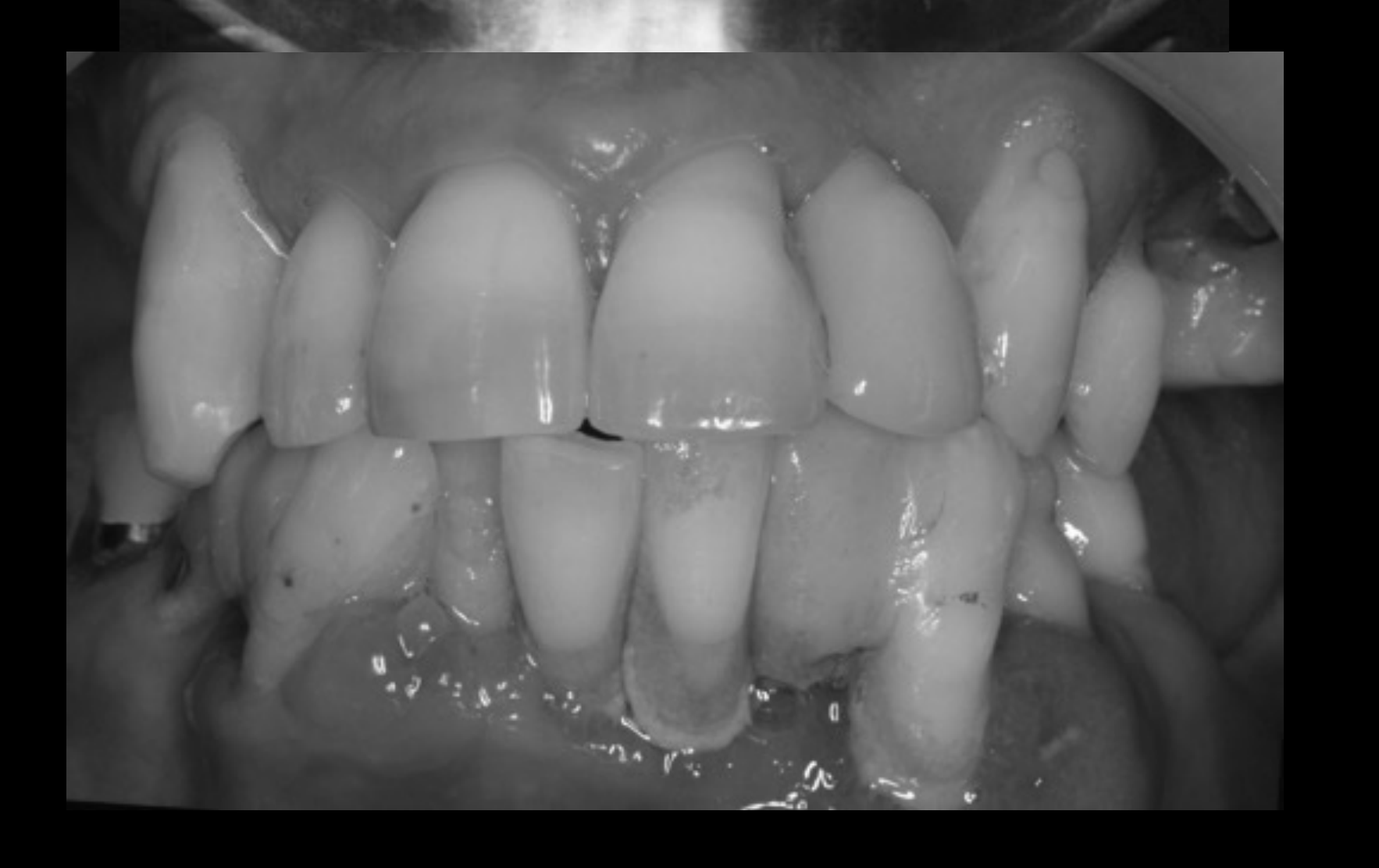
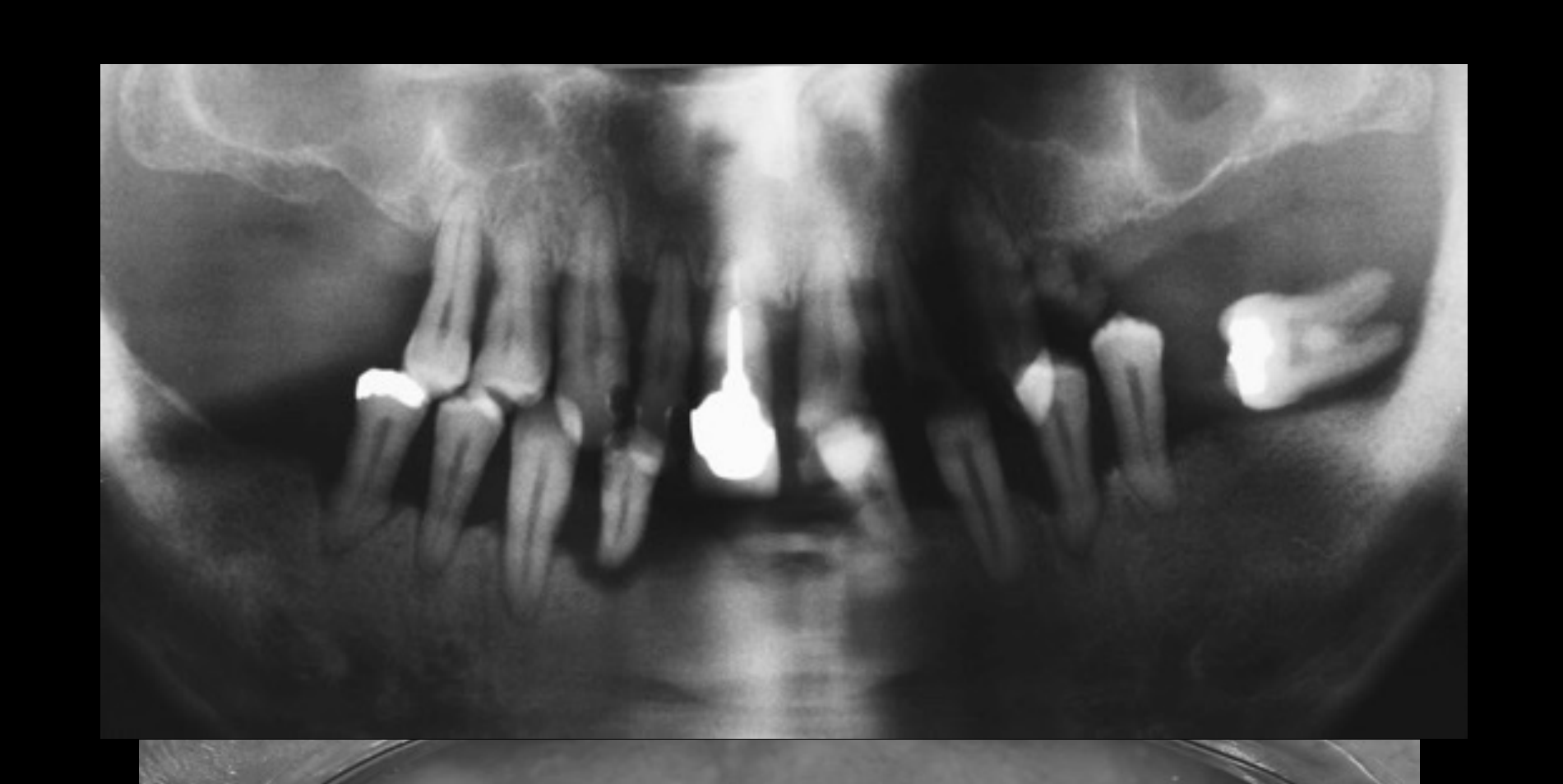
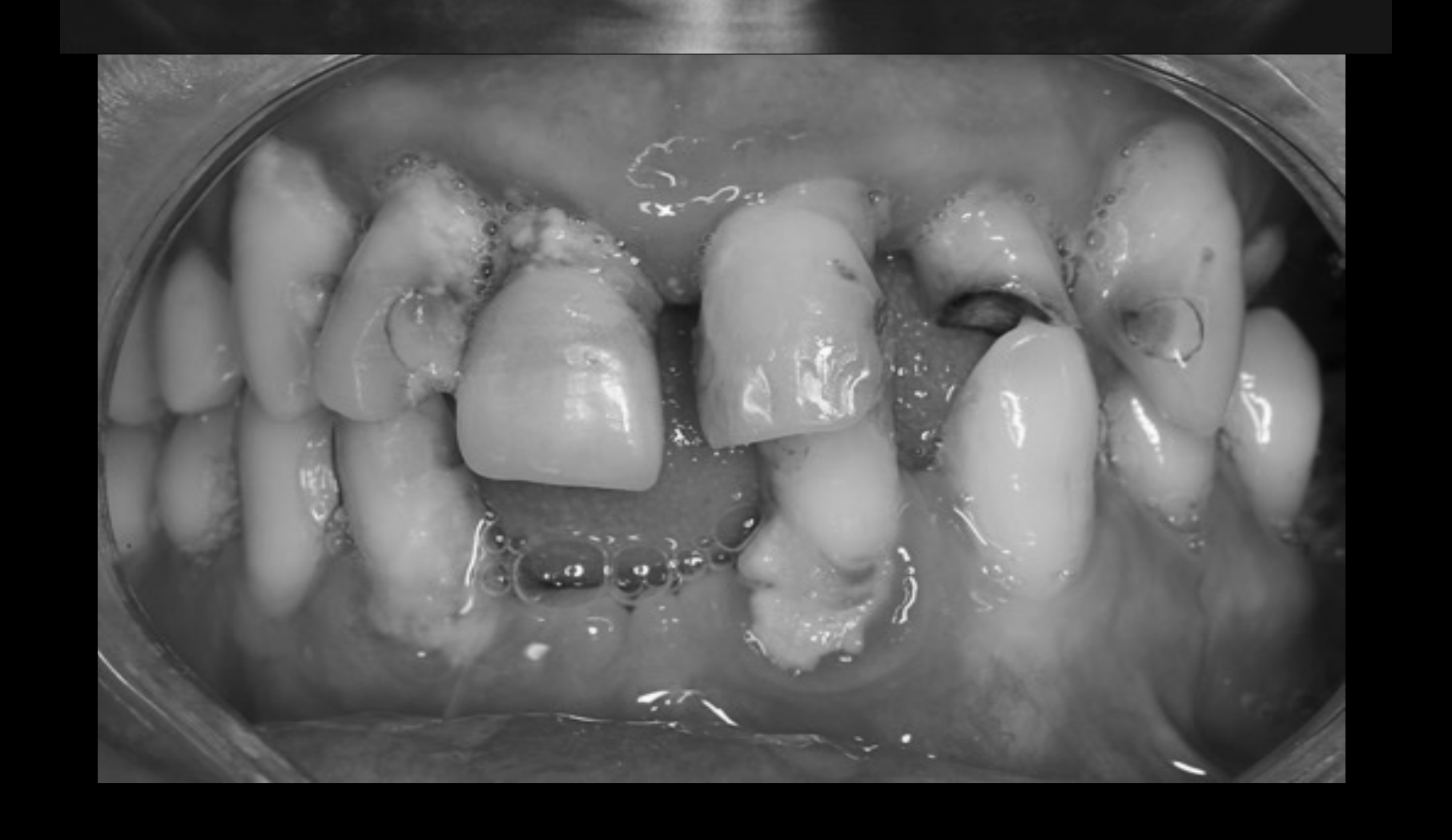
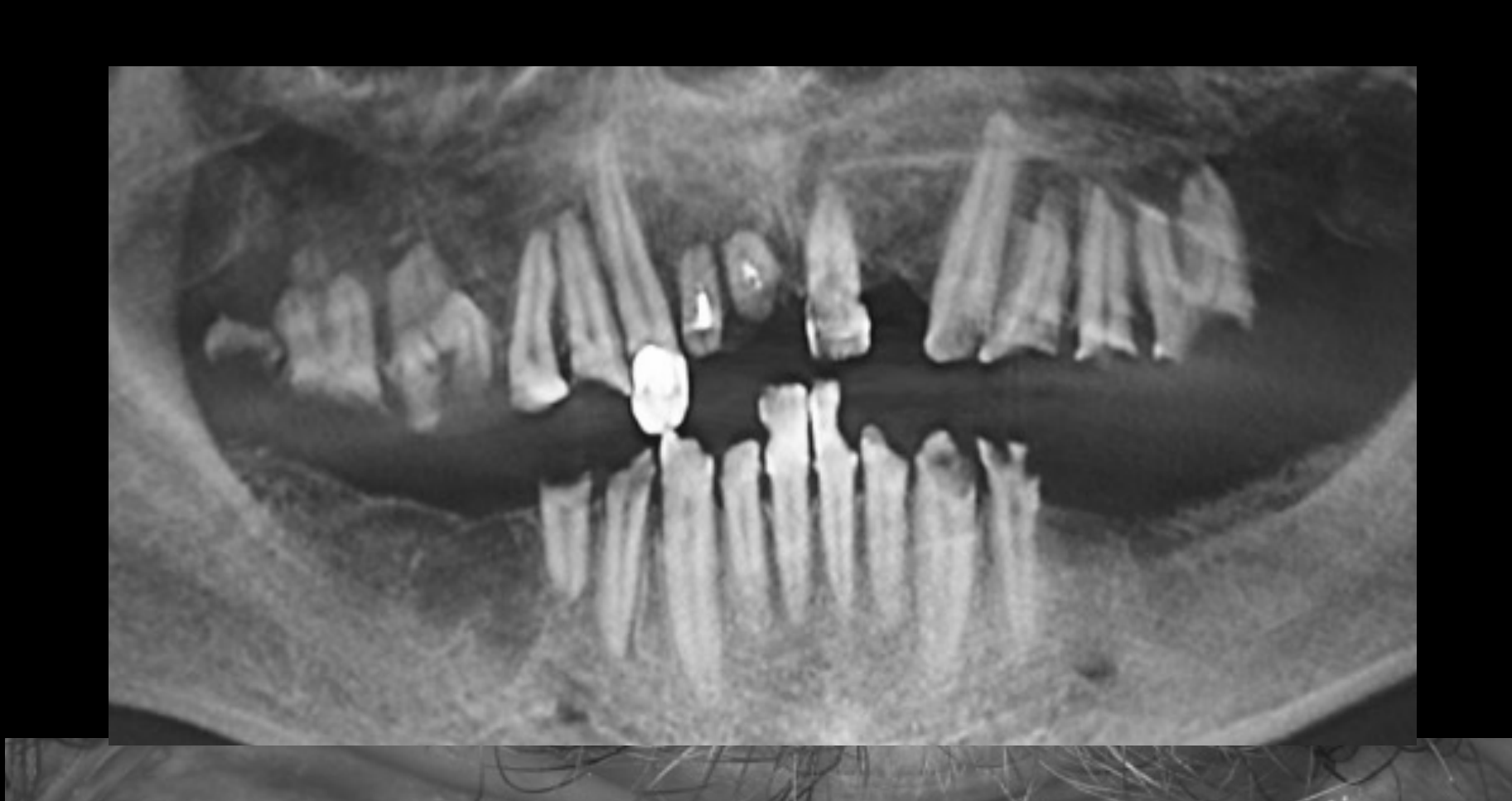
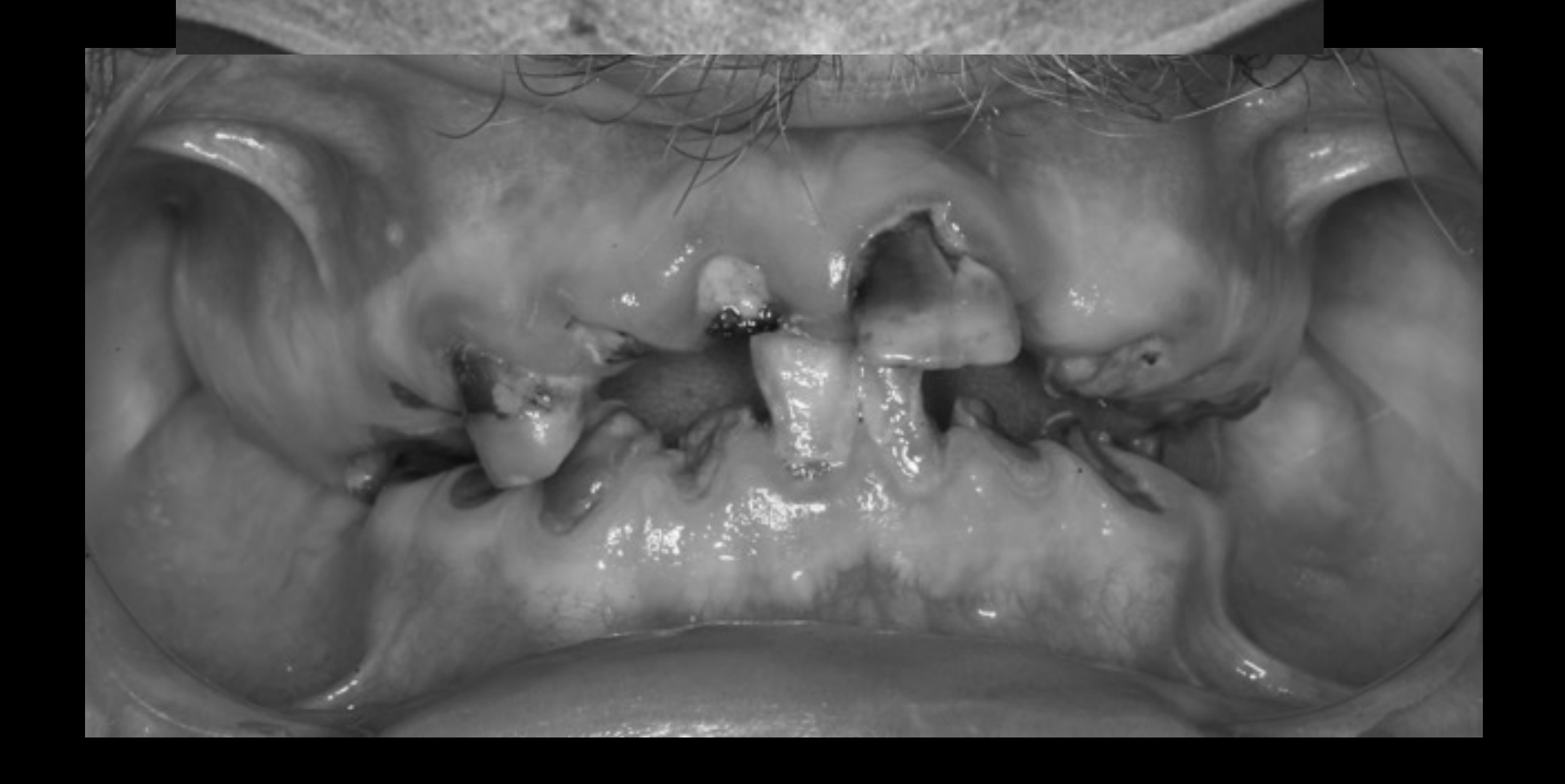
Terminal Dentition19
Large numbers of patients with downhill dentitions, but not yet edentulous.
 |  |  |
 |  |  |
Definition20
A residual dentition considered by clinical parameters or economic rationalism, unable to be restored for a reasonable prognosis.
Lecturer — Terminal Dentition Surveys
Some patients retain teeth that are technically present but are unlikely to remain functional. Surveys may underestimate the size of this group because patients may report that they still have teeth even when many of those teeth are unusable and likely to be lost.
Management Options
- Wait until self destructs
- Intervene earlier
- Retain some teeth
- Maintain facial form, speech
- Limit bone resorption
- Remove the remaining teeth and proceed to implant rehabilitation
- Excessive attempts to preserve severely compromised teeth may result in substantial further bone loss
- The clinician must eventually decide when continued periodontal treatment is no longer appropriate and another treatment strategy is required
Patient Satisfaction2122
What are patients satisfied with?
Turkyilmaz I, Company AM, McGlumphy EA. Should edentulous patients be constrained to removable complete dentures? The use of dental implants to improve the quality of life for edentulous patients. Gerodontology. 2010;27:3-10.
Carlsson GE, Omar R. The future of complete dentures in oral rehabilitation. A critical review. J Oral Rehabil. 2010;37:143-56.
Emami E, Heydecke G, Rompré PH, de Grandmont P, Feine JS. Impact of implant support for mandibular dentures on satisfaction, oral and general health-related quality of life: a meta-analysis of randomized-controlled trials. Clin Oral Implants Res. 2009;20:533-44.
What are patients satisfied with?
-
Currently edentulous patients are satisfied with a one or two implant mandibular overdenture and complete maxillary denture
-
Comparison with fixed mandibular prosthesis equivocal: younger patients prefer fixed and generally better function
-
No studies on terminal dentition and satisfaction with various prostheses
-
Patients generally seek improved appearance, function, and confidence.
-
Many patients increasingly want fixed treatment and do not want a removable appliance.
-
Satisfaction depends not only on the prosthesis itself but also on appearance, function, adaptation, comfort, cleanability, and maintenance requirements.
If patients are financial, fixed is far more predictable with less maintenance long term and greater patient satisfaction
Liddelow GJ, Henry PJ. The immediately loaded single implant retained mandibular overdenture: A 36-month prospective study. Int J Prothodont 2010;23:13-21.
Brennan M, Houston F, O’Sullivan M, O’Connell B. Patient satisfaction and oral health-related quality of life outcomes of implant overdentures and fixed complete dentures. Int J Oral Maxillofac Implants. 2010;25:791-800.
Turkyilmaz I, Company AM, McGlumphy EA. Should edentulous patients be constrained to removable complete dentures? The use of dental implants to improve the quality of life for edentulous patients. Gerodontology. 2010;27:3-10.
Carlsson GE, Omar R. The future of complete dentures in oral rehabilitation. A critical review. J Oral Rehabil. 2010;37:143-56.
Emami E, Heydecke G, Rompré PH, de Grandmont P, Feine JS. Impact of implant support for mandibular dentures on satisfaction, oral and general health-related quality of life: a meta-analysis of randomized-controlled trials. Clin Oral Implants Res. 2009;20:533-44.
Imaging And Evidence Base23
Dental X-ray labeled “The mandible”
Fixed Prosthesis Evidence
Fixed Prosthesis References24
- Brånemark PI, Hansson BO, Adell R, et al. Osseointegrated implants in the treatment of the edentulous jaw. Experience from a 10-year period. Scand J Plast Reconstr Surg Suppl 1977;16:1–132.
- Ekelund JA, Lindqvist LW, Carlsson GE, Jemt T. Implant treatment in the edentulous mandible: a prospective study on Brånemark system implants over more than 20 years. Int J Prosthodont 2003;16:602–608.
- Brånemark P-I, Svensson B, van Steenberghe D. Ten-year survival rates of fixed prosthesis on four or six implants ad modum Brånemark in full edentulism. Clin Oral Impl Res 1995;6:227–231.
Lecturer — Implant Longevity
Long-term implant treatment developed from early implant research and clinical experience. Early implants made from materials other than titanium had reported success rates of approximately 15–20%, whereas titanium implants subsequently demonstrated much higher long-term success.
- Four-implant mandibular treatments in the lecturer’s studies and other studies showed very high success rates.
- The lecturer reported approximately 99.5% success over 8–10 years in the relevant practice experience.
- Approximately 500 patients had been treated in the lecturer’s practice since the early 2000s.
Mandibular Reconstructions Over Decades
A patient treated in 1965 retained the implants until the patient died in 2006. The lecturer also described mandibular reconstructions approximately 40–43 years old and a 92-year-old patient whose lower bridge had been present for approximately 43 years, with the reconstruction changed or refurbished several times.
Lecturer — Implant History
The historical development of implant treatment was associated with Brånemark’s observations of bone attachment to titanium chambers. The first patients were treated in 1965, but the results were reported approximately 15 years later to provide long-term follow-up.
- The 1982 Toronto conference presented Swedish and European implant experience to North America.
- George Zarb was identified as a significant prosthodontic figure associated with the Toronto conference and with major texts on edentulous jaws.
- The first patient in Australia was treated in 1985 by a team associated with Patrick Henry.
- A Brånemark Centre was established in Perth around 1985 and became involved in research, teaching, continuing education, clinical care, and foundation activities.
Immediate Loading Evidence
Immediate Loading References (Fixed)25
- Henry P, Liddelow G. Immediate loading of dental implants. Aust Dent J 2008;53:S69–S81.
- Jokstad A, Carr AB. What is the effect on outcomes of time-to-loading of a fixed or removable prosthesis placed on implant(s)? Int J Oral Maxillofac Implants 2007;22(Suppl):19–48.
- Aparicio C, Rangert B, Sennerby L. Immediate / early loading of dental implants: a report from the Sociedad Espanola de Implantes World Congress consensus meeting in Barcelona, Spain, 2002. Clin Implant Dent Relat Res 2003;5:57–60.
- Attard NJ, Zarb GA. Immediate and early implant loading protocols: a literature review of clinical studies. J Prosthet Dent 2005;94:242–258.
- Nkenke E, Fenner M. Indications for immediate loading of implants and implant success. Clin Oral Implants Res 2006;17 Suppl 2:19–34.
Lecturer — Immediate Loading
Before immediate loading, implants were generally covered by mucosa and exposed after approximately three to six months. Immediate loading of four implants was initially considered close to heretical.
- In early studies, six implants were placed but only four were immediately loaded.
- The immediately loaded implants demonstrated better bone levels than the unloaded implants in the reported experience.
- Immediate loading is now routine in the lecturer’s mandibular full-arch practice.
Original Immediate-Loading Patient
The original immediately loaded patient described in the lecture had implants functioning well after approximately 33 years.
Lecturer — Immediate Loading Protocol
The early immediate-loading proposal was made around 1991 and presented to treatment centres internationally. Most centres reportedly rejected the proposal, while Australian centres agreed to attempt it.
- The original experience included a reported 100% success rate.
- Immediate mandibular full-arch treatment is a routine protocol involving four implants.
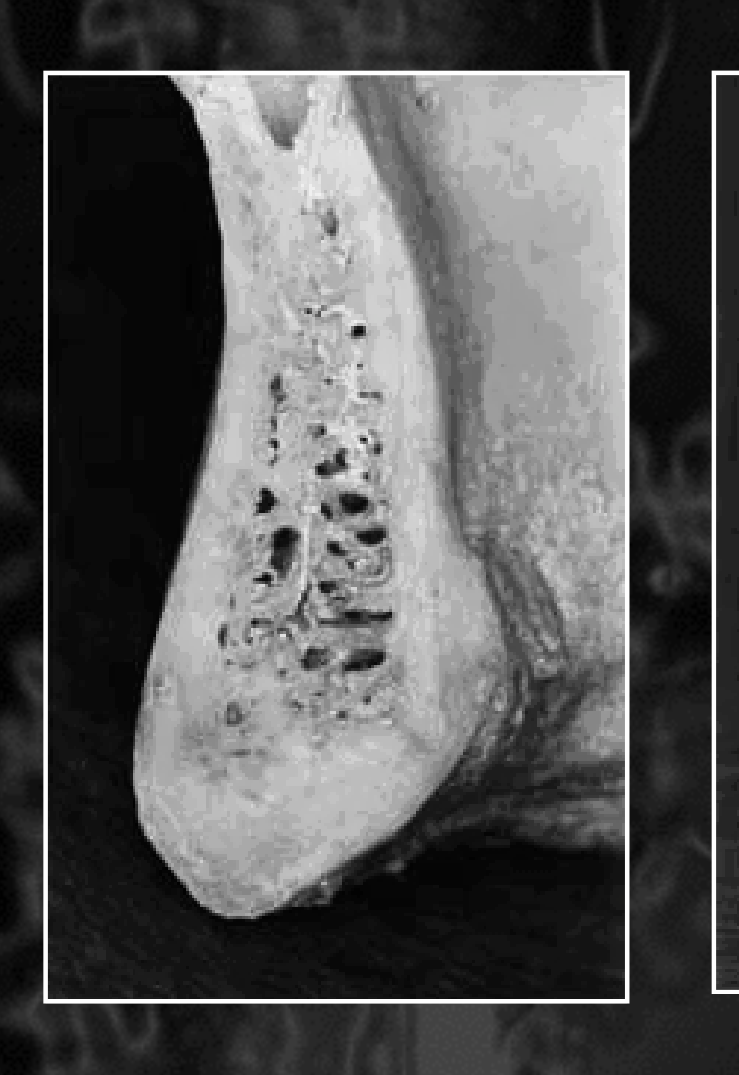
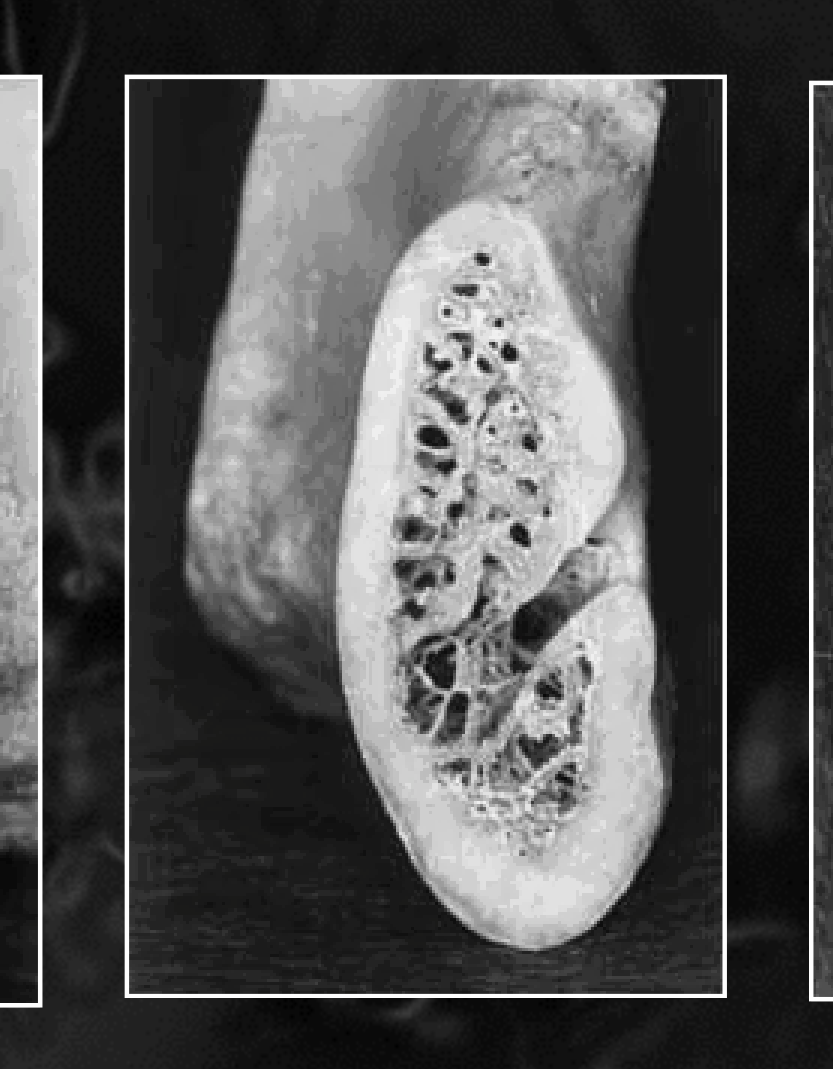
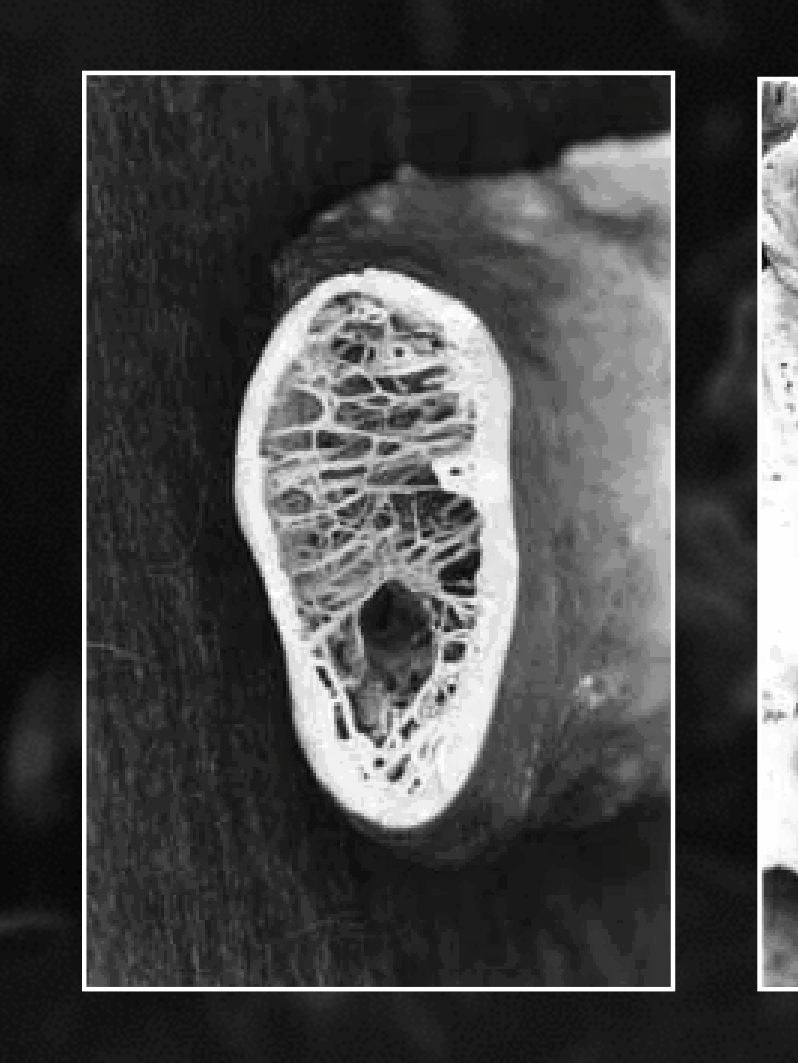
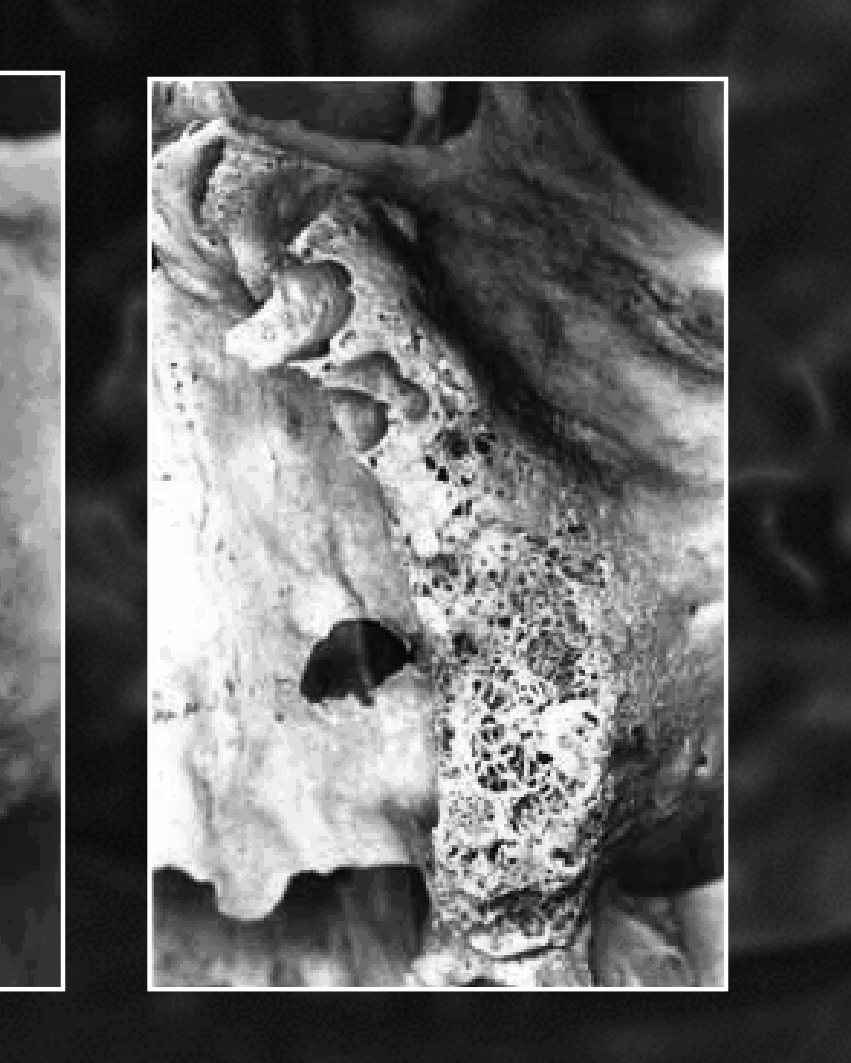
Bone Quality And Implant Number
Lekholm And Zarb Classification Of Bone Quality26
- Quality 1: Nearly entirely cortical bone.
- Quality 2: Thick cortical bone, dense trabecular bone.
- Quality 3: Thin cortical bone, dense trabecular bone.
- Quality 4: Thin cortical bone, low density trabecular bone.
Lekholm U, Zarb GA. Patient selection and preparation. In: Tissue Integrated Prosthesis: Osseointegration in Clinical Dentistry. Brånemark P-I, Zarb GA, Albrektsson T. (Eds). Chicago: Quintessence; 1985. p. 199-209.
- The mandible generally contains thicker cortical bone and is commonly associated with type I or type II bone.
- The posterior maxilla more often contains thin or absent cortex and low-density trabecular bone.
- Greater bone density provides better primary implant stability and a better environment for integration.
 |  |
 |  |
How Many Implants272829
Lecturer — Implant Number
The number of implants used for a mandibular full-arch prosthesis has changed over time.
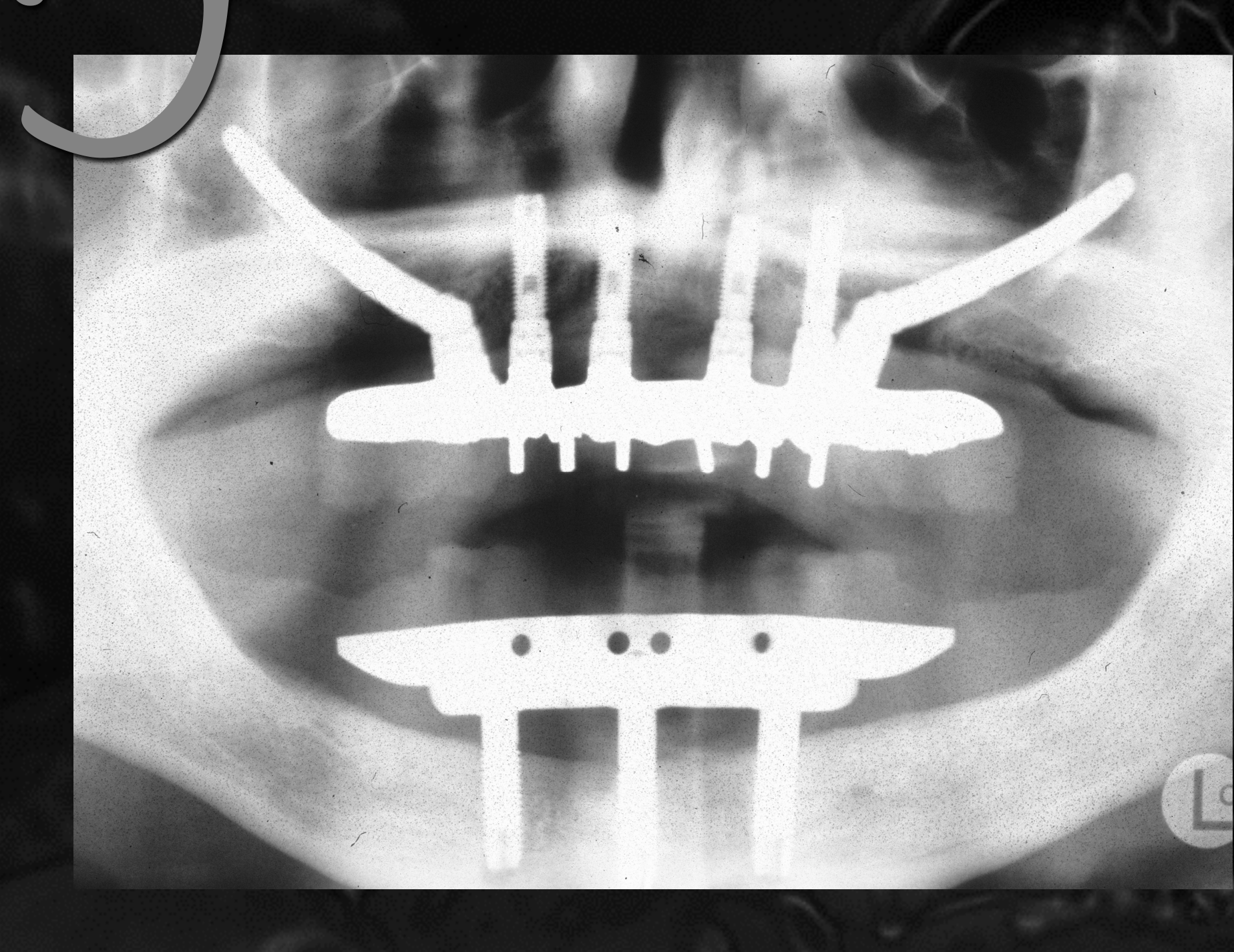
- Six implants were initially used, followed by five when placing six implants between the mental foramina became difficult.
- Five implants became more common in the late 1980s and 1990s, although some clinicians later used very large numbers, including one implant per root position.
- Excessive implant numbers can create a prosthesis that is difficult or impossible for the patient to clean.
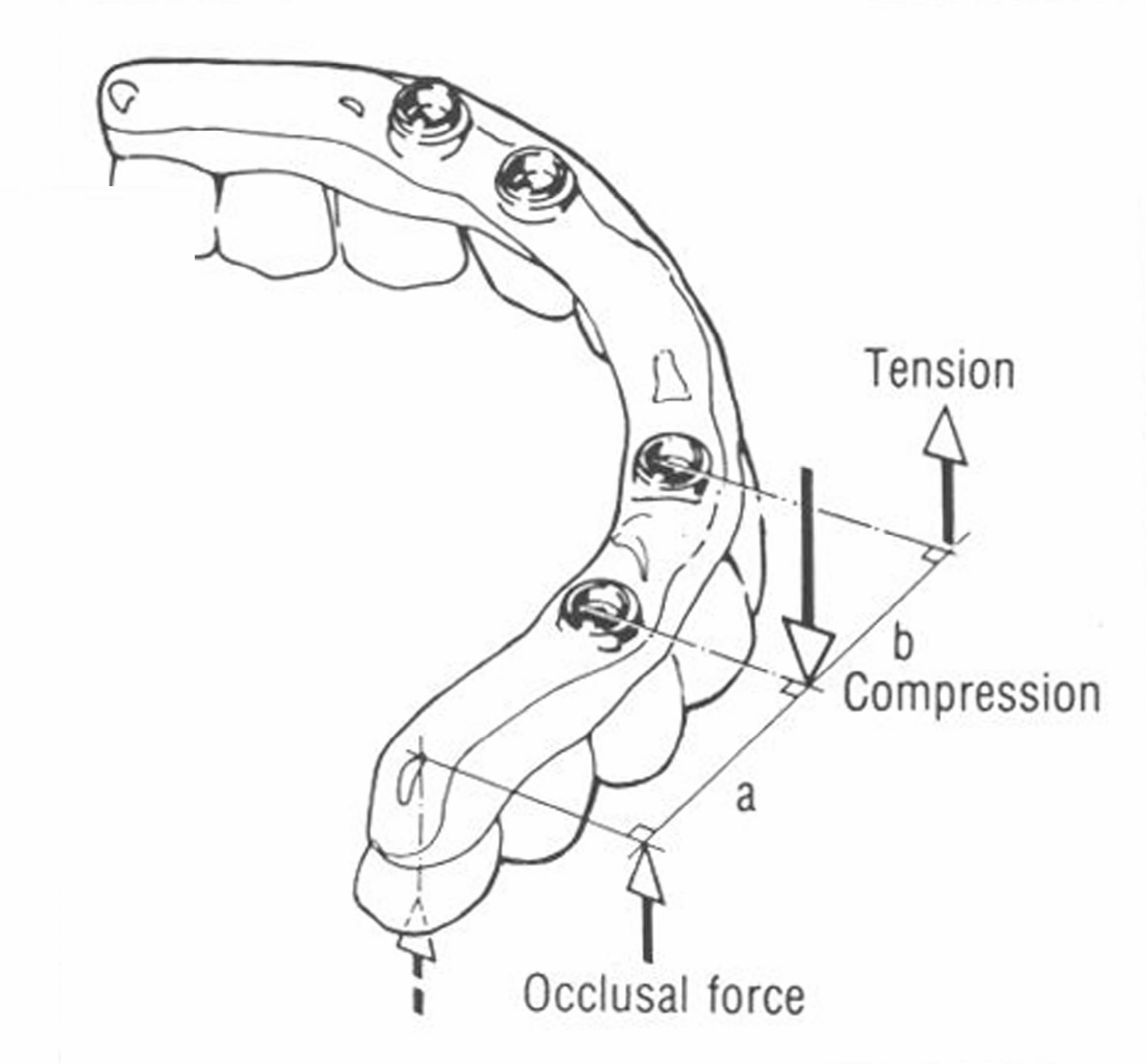
- In a five-implant arrangement, the middle implant may receive little functional load and develop disuse atrophy; reduced loading may contribute to bone resorption because bone requires stress to be maintained.
- With a posterior load, approximately 80% may be taken by the distal implant, approximately 10% by the next implant, and little or none by the implant farther forward, with the remainder taken by the implant on the opposite side.
- Four implants are generally sufficient for the lecturer’s mandibular full-arch protocol.
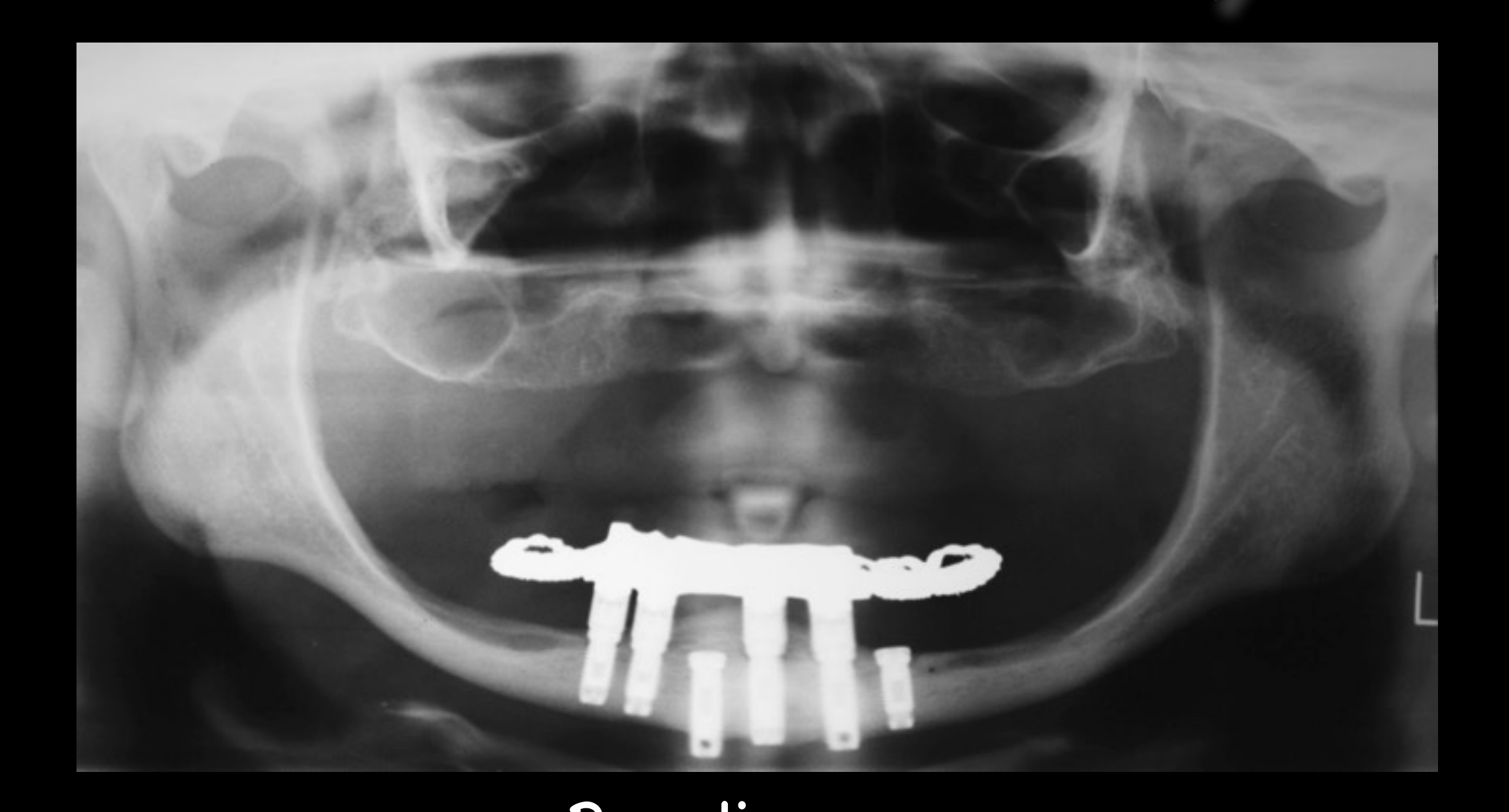
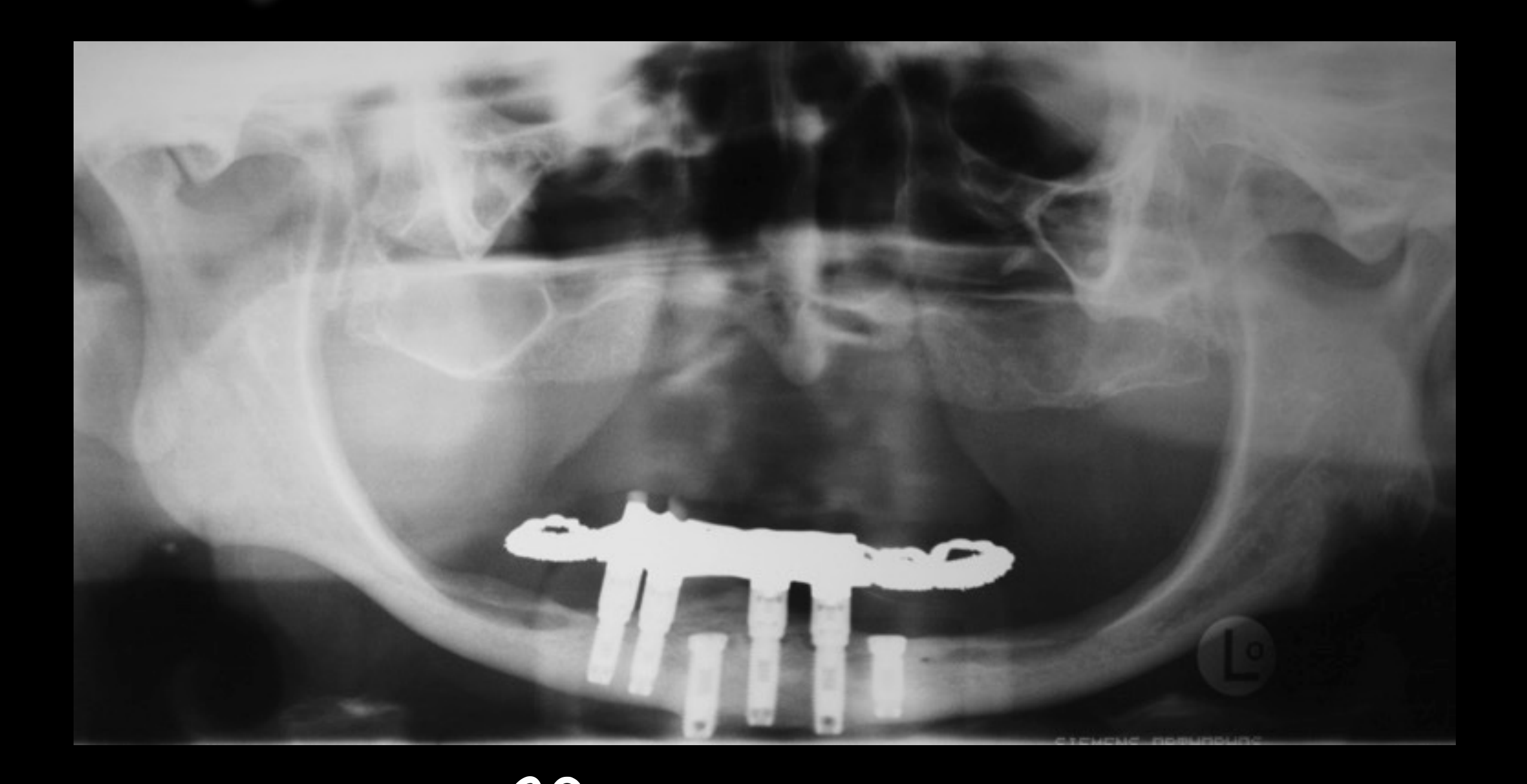
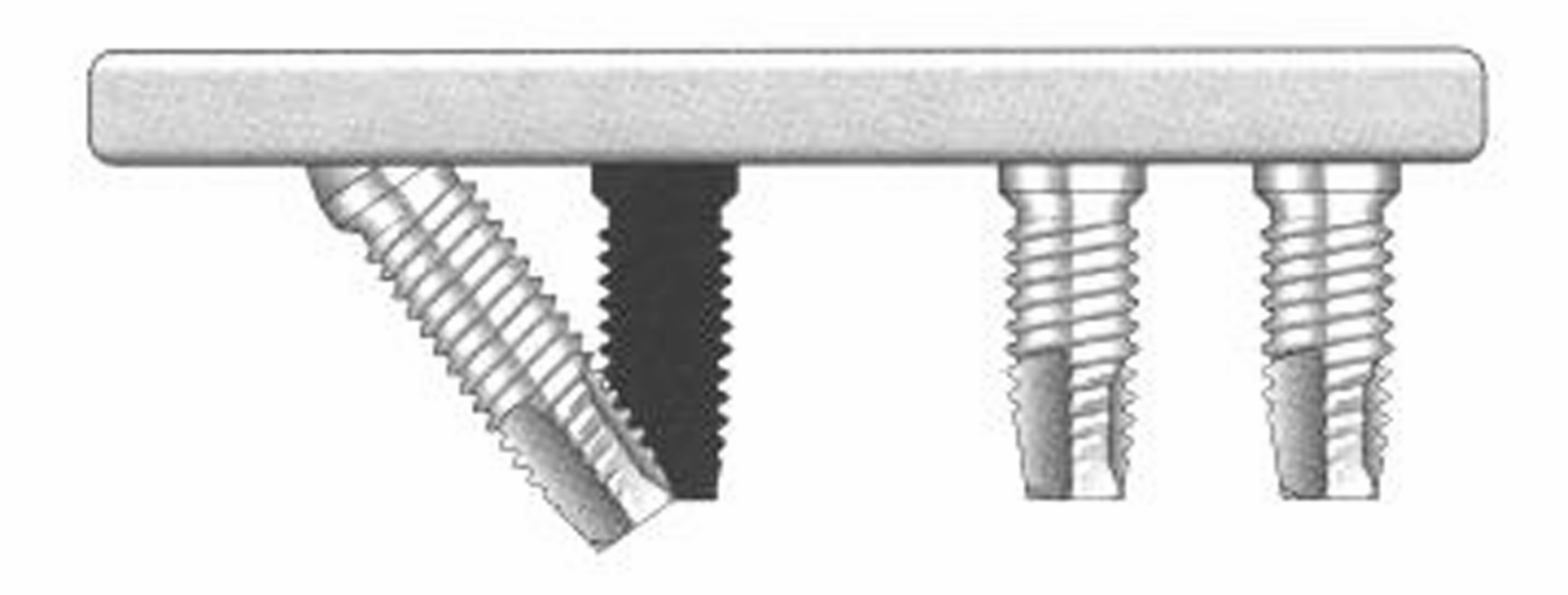
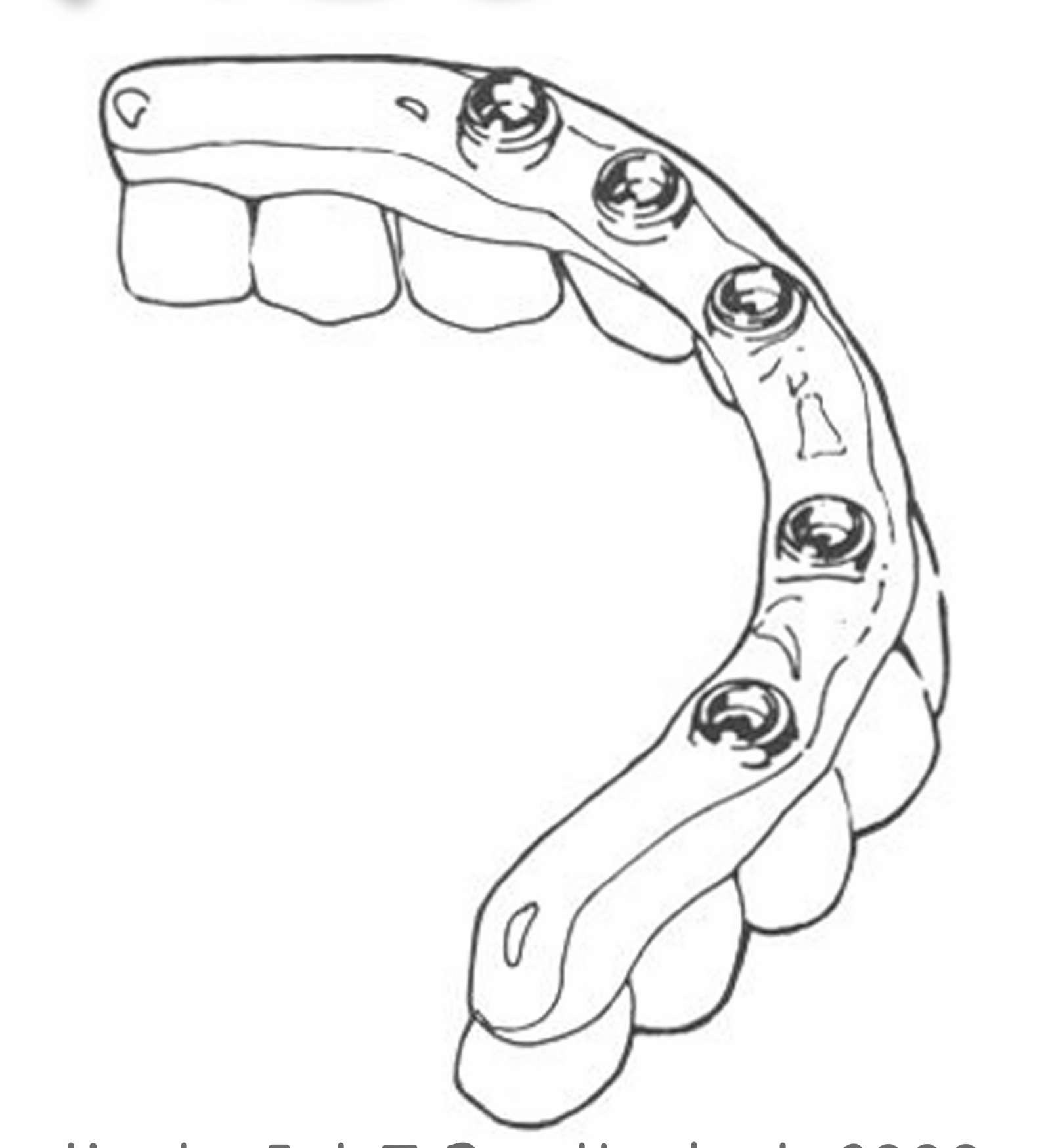
All-on-430
Lecturer — All-on-4 Protocol
Immediate loading of four implants was described as the routine mandibular full-arch protocol.
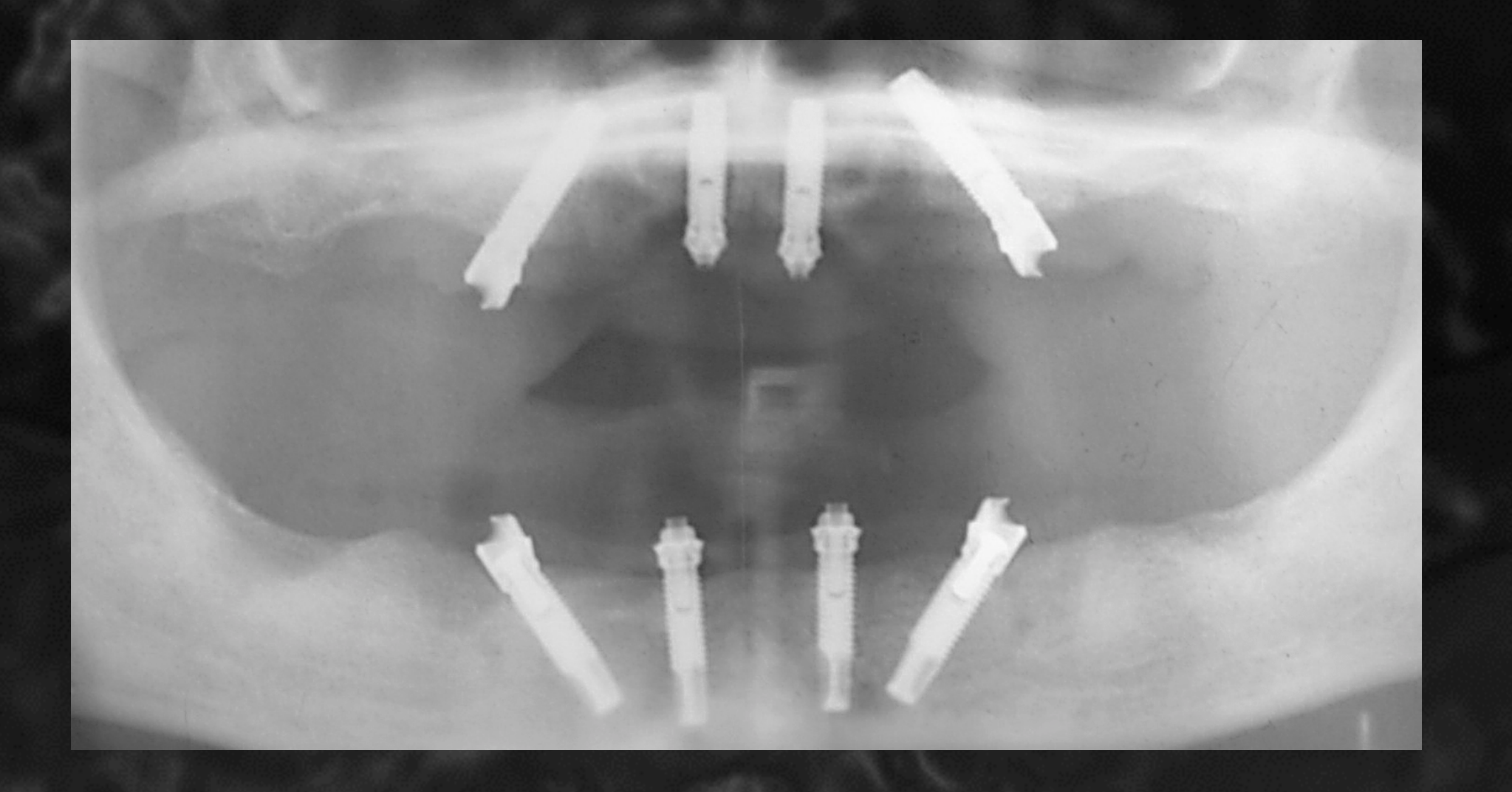
- Implants are placed in a prosthetically determined position, commonly anterior to the mental foramina, with the posterior implants angled distally.
- A posterior molar may be cantilevered from the distal implant to provide a six-to-six occlusion.
- Earlier five-to-five occlusion studies were reported to have long follow-up periods without functional problems.
- Extending the prosthesis farther posteriorly may provide additional support but must be balanced against mandibular deformation and maintenance.
Crestal bone loss.
Henry, PJ & Rosenberg I. Immediately loaded implants in the edentulous mandible. Pract Periodont & Aesthet Dent 1994; 6:15-22. (Nobel Biocare Study T-033C)
Maló P, Rangert B, Nobre M. “All-on-Four” immediate-function concept with Brånemark System implants for completely edentulous mandibles: a retrospective clinical study. Clin Implant Dent Relat Res. 2003;5 Suppl 1:2-9.
Carlsson GE, Lindquist LW, Jemt T. Long-term marginal periimplant bone loss in edentulous patients. Int J Prosthodont. 2000 Jul-Aug;13(4): 295-302.
Rangert B, Jemt T, Jörneus L. Forces and Moments on Brånemark Implants. Int J Oral Maxillofac Implants 1989;4:241-247.
Henry PJ, Rosenberg I. Single stage surgery for rehabilitation of the edentulous mandible: Preliminary results. Pract Periodont Aesthet Dent 1994;6:15–24.
Henry P, Liddelow G. Immediate loading of dental implants. Aust Dent J 2008;53:S69-S81
Brånemark P-I, Svensson B, van Steenberghe D. Ten-year survival rates of fixed prosthesis on four or six implants ad modum Brånemark in full edentulism. Clin Oral Impl Res 1995;6:227-231.
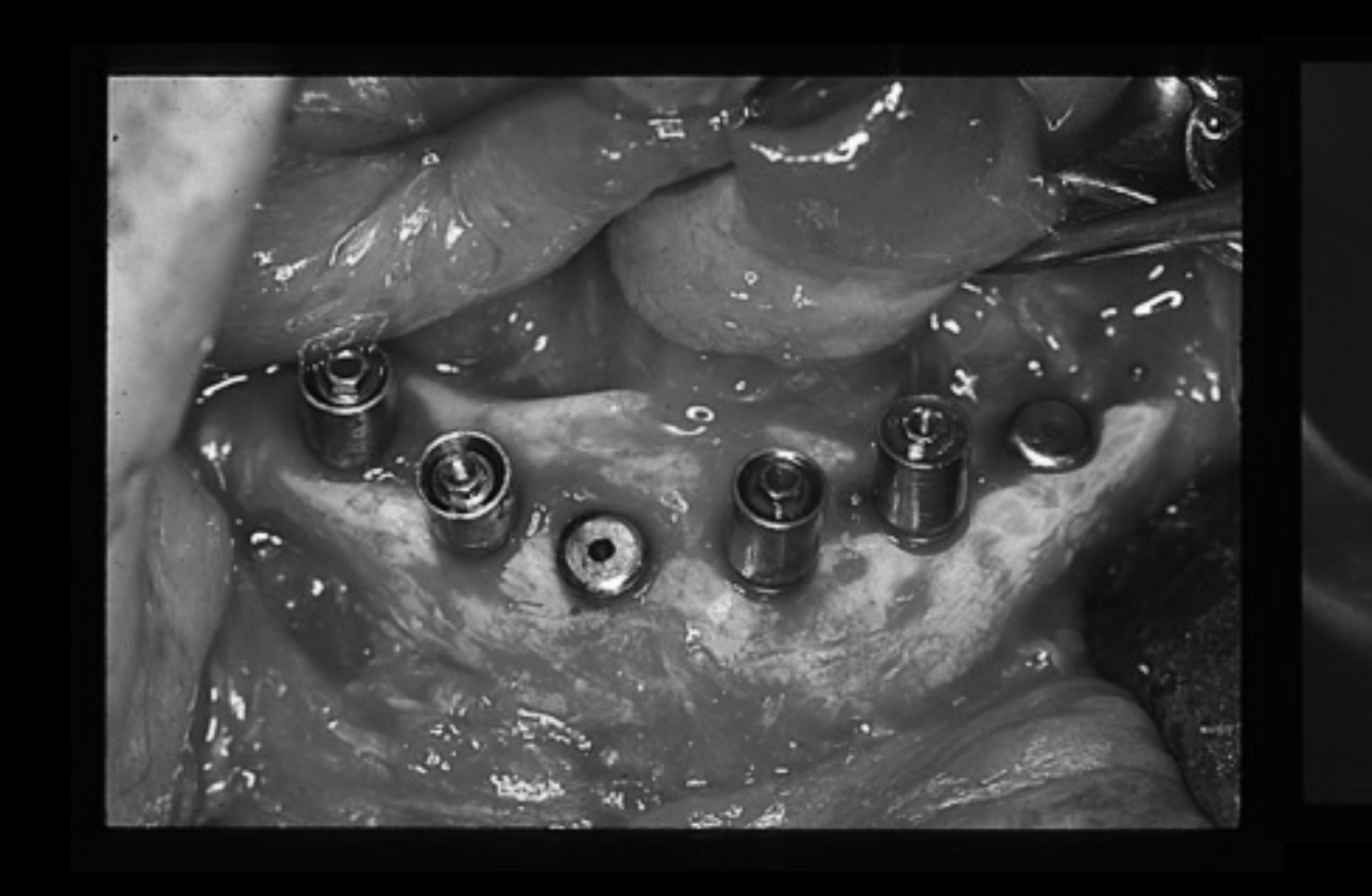
All-On-4 Clinical Outcomes31
-
First All-on-4 patient treated 2002 — over 500 pts treated since
-
Cumulative Success Rate of 320 Replace Select TiUnite implants (75 pts), 5–11 years: 99.6%
-
Mean age of treatment: 7.2 years
-
One implant failure was observed — early altered healing
-
No peri-implantitis; 40% peri-implant mucositis
-
Bone remodeling within 1mm of placement level
-
High satisfaction — 94% would recommend treatment to a friend
-
An original immediately loaded patient was still functioning well after approximately 33 years. Liddelow G, Carmichael G. Retrospective evaluation of immediate placement and loading of four implants to support a complete mandibular fixed prosthesis with at least 7 years of follow-up. Int J Pros 2017 (In Press)
Lecturer — Treatment Requirements
The high reported survival and success of four-implant mandibular treatment depends on several clinical and maintenance factors.
- Appropriate planning, sufficient primary stability, accurate implant positioning, and a well-designed prosthesis
- Good occlusion and cleanability
- Ongoing professional follow-up and patient home care
Diagram showing implant distribution and force percentages.
Diagram illustrating occlusal forces, compression, and tension on a mandibular implant prosthesis.
Rangert B, Jemt T, Jörneus L. Forces and Moments on Brånemark Implants. Int J Oral Maxillofac Implants 1989;4:241-247.
Henry PJ, Rosenberg I. Single stage surgery for rehabilitation of the edentulous mandible: Preliminary results. Pract Periodont Aesthet Dent 1994;6:15–24.
Duyck J et al. Magnitude and distribution of occlusal forces on oral implants supporting fixed prostheses: An in vivo study. Clin Implant Dent Relat Res 2000;11:465-475.
- 5th implant — Carlsson et al: greater bone loss on midline implants with poor plaque control and bruxism
- Less space between implants — desirable to have 3mm between implants
Carlsson GE, Lindquist LW, Jemt T. Long-term marginal periimplant bone loss in edentulous patients. Int J Prosthodont. 2000 Jul-Aug;13(4):295-302.
Rangert B, Jemt T, Jörneus L. Forces and Moments on Brånemark Implants. Int J Oral Maxillofac Implants 1989;4:241-247.
Henry PJ, Rosenberg I. Single stage surgery for rehabilitation of the edentulous mandible: Preliminary results. Pract Periodont Aesthet Dent 1994;6:15–24.
Henry P, Liddelow G. Immediate loading of dental implants. Aust Dent J 2008;53:S69-S81
Brånemark P-I, Svensson B, van Steenberghe D. Ten-year survival rates of fixed prosthesis on four or six implants ad modum Brånemark in full edentulism. Clin Oral Impl Res 1995;6:227-231.
Mandibular Deformation And Implant Tilting
Mandibular Deformation32
-
Corporal approximation 11–53 μm (up to 780 μm)
-
No relation with height but significant in cross section
-
Pain, screw fracture, loosening, fracture of metal substructure
-
As the mouth opens and closes, the posterior portions of the mandible contract.
-
Deformation may range from approximately 10–60 microns and may reach as much as 800 microns.
-
The fit of an implant bridge is approximately 20–30 microns.
-
When deformation exceeds bridge-fit accuracy, stress may transfer to prosthetic screws, frameworks, and other mechanical components.
-
An extremely rigid bridge may transfer stress to the bone and jaws.
-
Patients with a small mandible and significant parafunction may develop pain when implants are linked too far posteriorly.
-
For full-arch prostheses, the bridge is generally not extended too far posteriorly.
-
The posterior implant is usually placed anterior to the mental foramen, angled distally, and used with a limited posterior cantilever. Al-Sukhun J, Helenius M, Lindqvist C, Kelleway J. Biomechanics of the Mandible Part I: Measurement of Mandibular Functional Deformation Using Custom-Fabricated Displacement Transducers. J Oral Maxillofac Surg 2006;64:1015-1022.
De Marco P, Paine S. Mandibular dimensional change J Prosthet Dent 1974;31:482.
Implant Tilting33
Krekmanov L, Kahn M, Rangert B, Lindström H. Tilting of posterior mandibular and maxillary implants for improved prosthesis support. Int J Oral Maxillofac Implants 2000;15:405-414.
Maló P, Rangert B, Nobre M. “All-on-4” immediate function concept with Brånemark System® implants for completely edentulous mandibles: A retrospective clinical study. Clin Implant Dent Relat Res 2003;5(suppl 1):2-9.
Lecturer — Implant Tilting
Implant tilting has been used for many years and remains part of the mandibular full-arch approach.
- Four implants are commonly placed where the available bone and prosthetic design permit.
- Tilting the distal implants can keep them anterior to the mental foramina while providing a more favorable prosthetic extension.
- Tilting is not inherently problematic when planned appropriately and used with suitable multi-unit abutments.
Lecturer — Bone Requirements
The described approach required approximately 8 mm of mandibular bone and approximately 10 mm of maxillary bone.
- A patient with approximately 8 mm of interforaminal mandibular bone and approximately 5 mm near the mental foramen may still be treated with appropriate planning
- Implant placement may stimulate distal bone apposition and strengthen thin mandibular regions
 |  |
Immediate Loading Timeline And Definitive Phase34
 |  |
Edentulous Jaws: Milestones in Immediate Loading35
- 1991 – Single stage surgery and immediate loading (T-033C)
- 1994 – Routine lower jaw on 4 implants, immediate loading
- 1998 – Brånemark Novum (T-086)
- 2000 – Immediate loading maxilla
- 2003 – Teeth in an hour (NobelGuide)
- 2008 – Immediate loading of Zygoma implants
Lecturer — Immediate Workflow
Immediate mandibular full-arch treatment can proceed from tooth removal to a bridge in approximately 24 hours.
- Tooth removal, bone reduction, prosthetically determined implant placement, multi-unit abutment connection, suturing, and placement of a denture or provisional arrangement
- Jaw-relation recording followed by impression, scanning, or photogrammetry
- Laboratory production of a cast or digital model, articulator or digital mounting, framework design, titanium-alloy milling, and processing of denture teeth onto the framework
- The bridge is usually produced by injection molding, and the clinical impression procedure may take approximately one minute
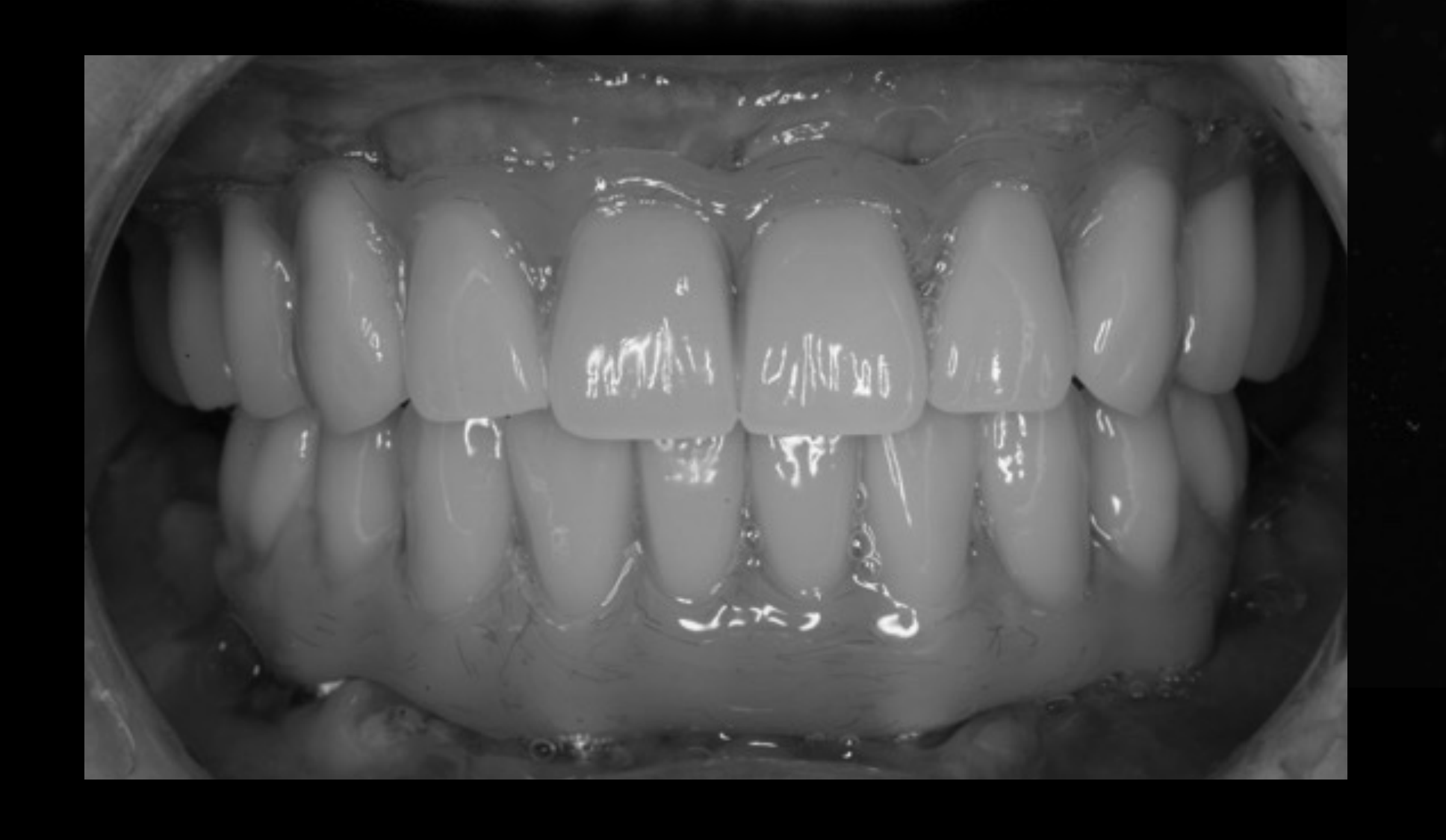
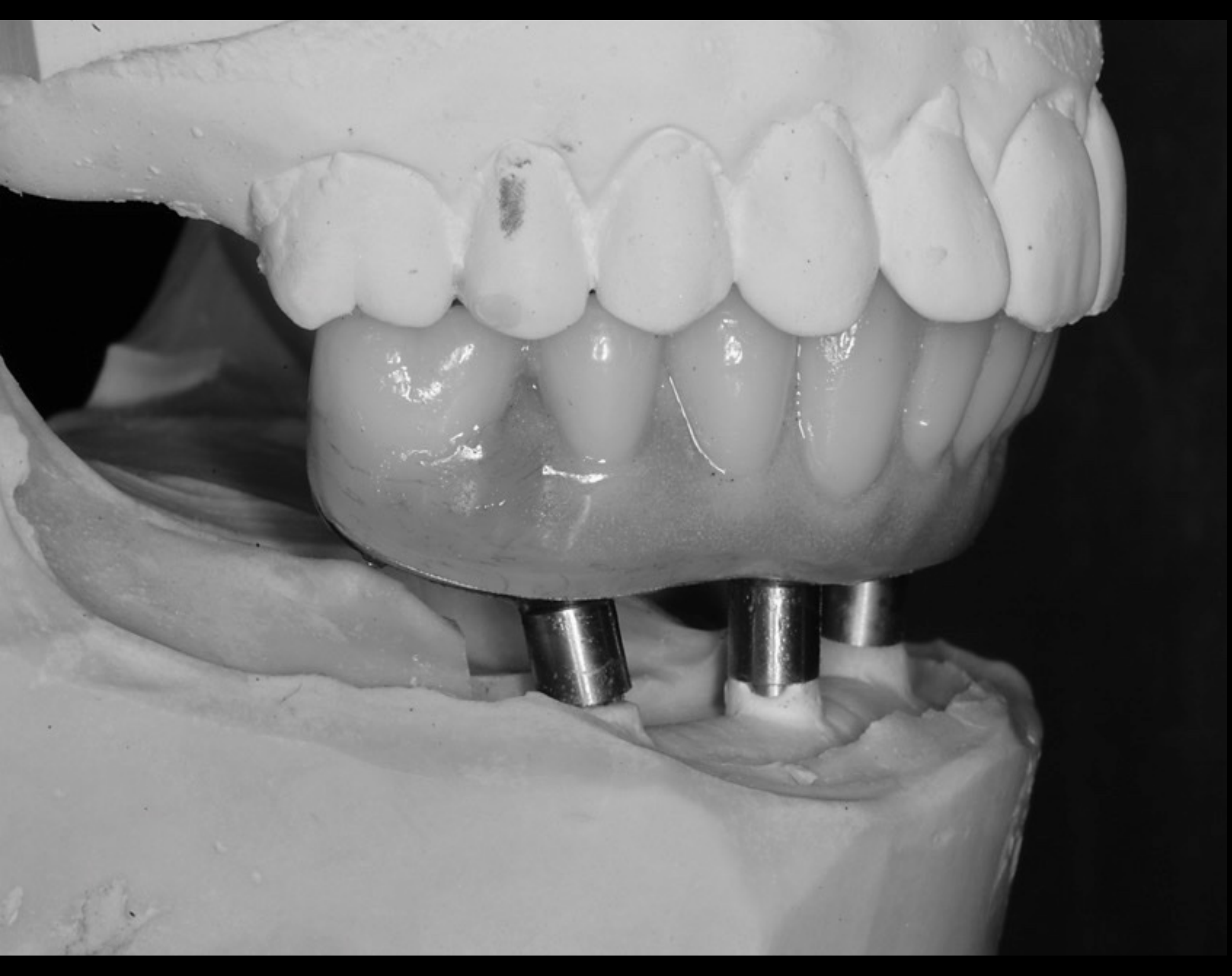
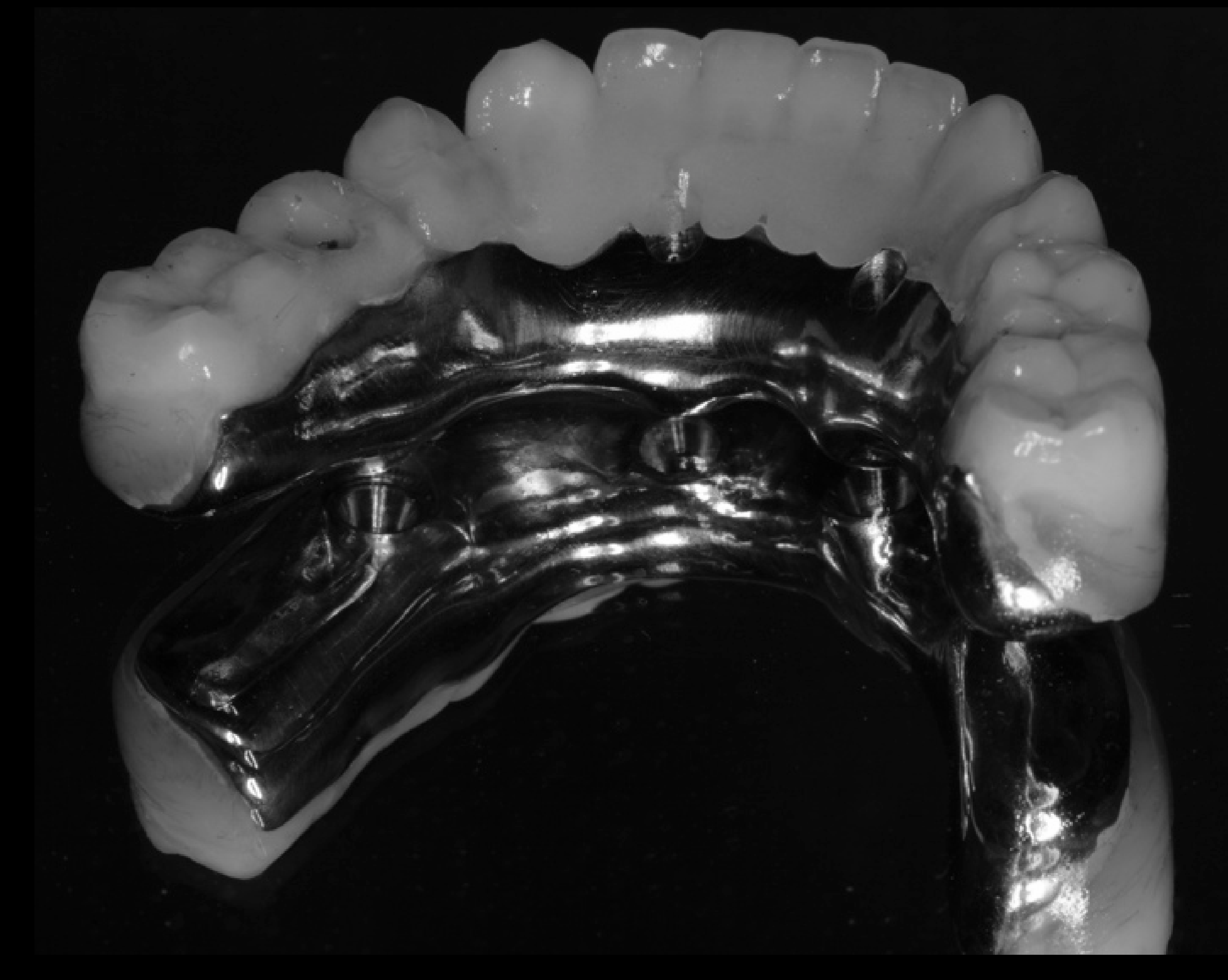
Definitive phase – 1yr after implant placement
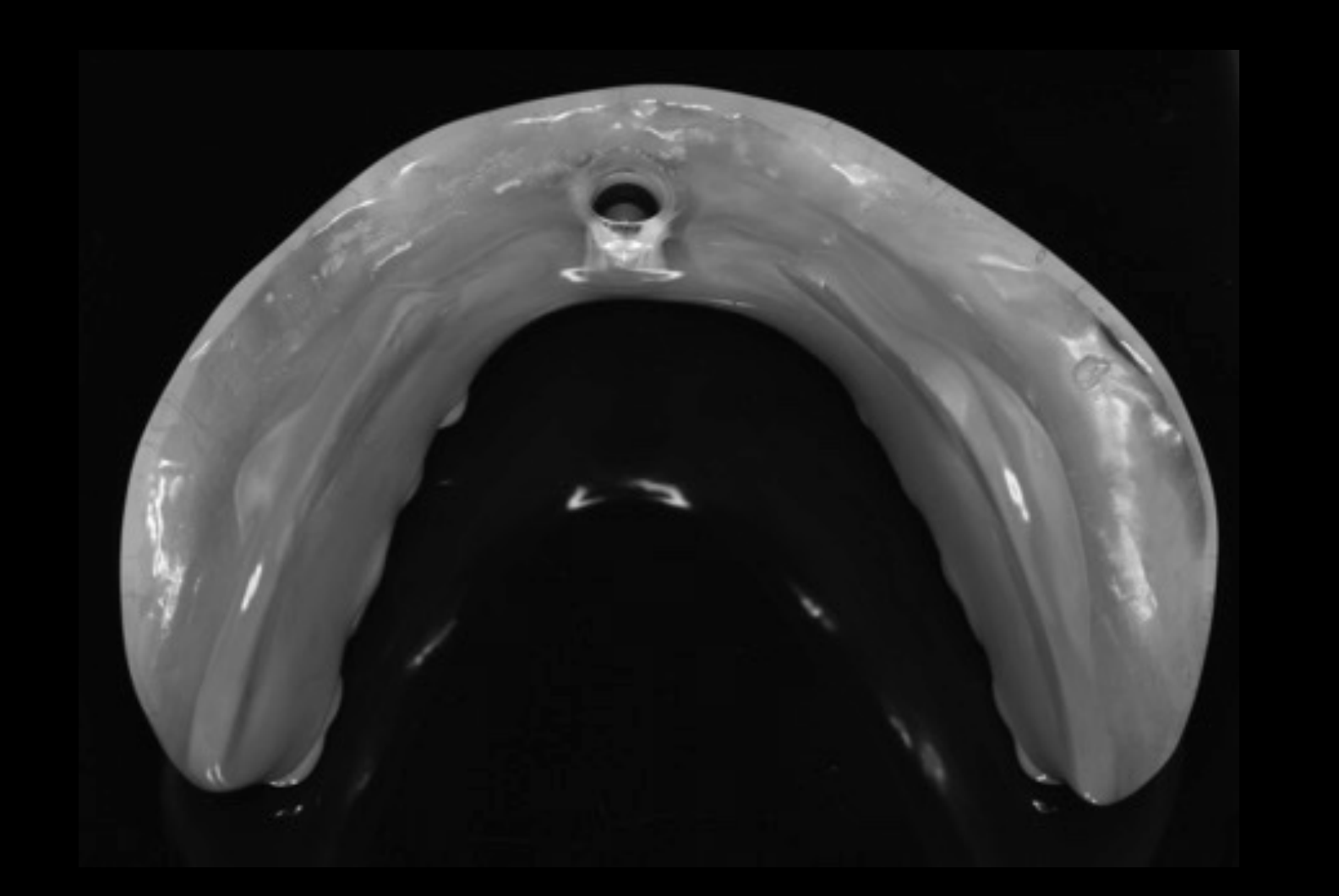
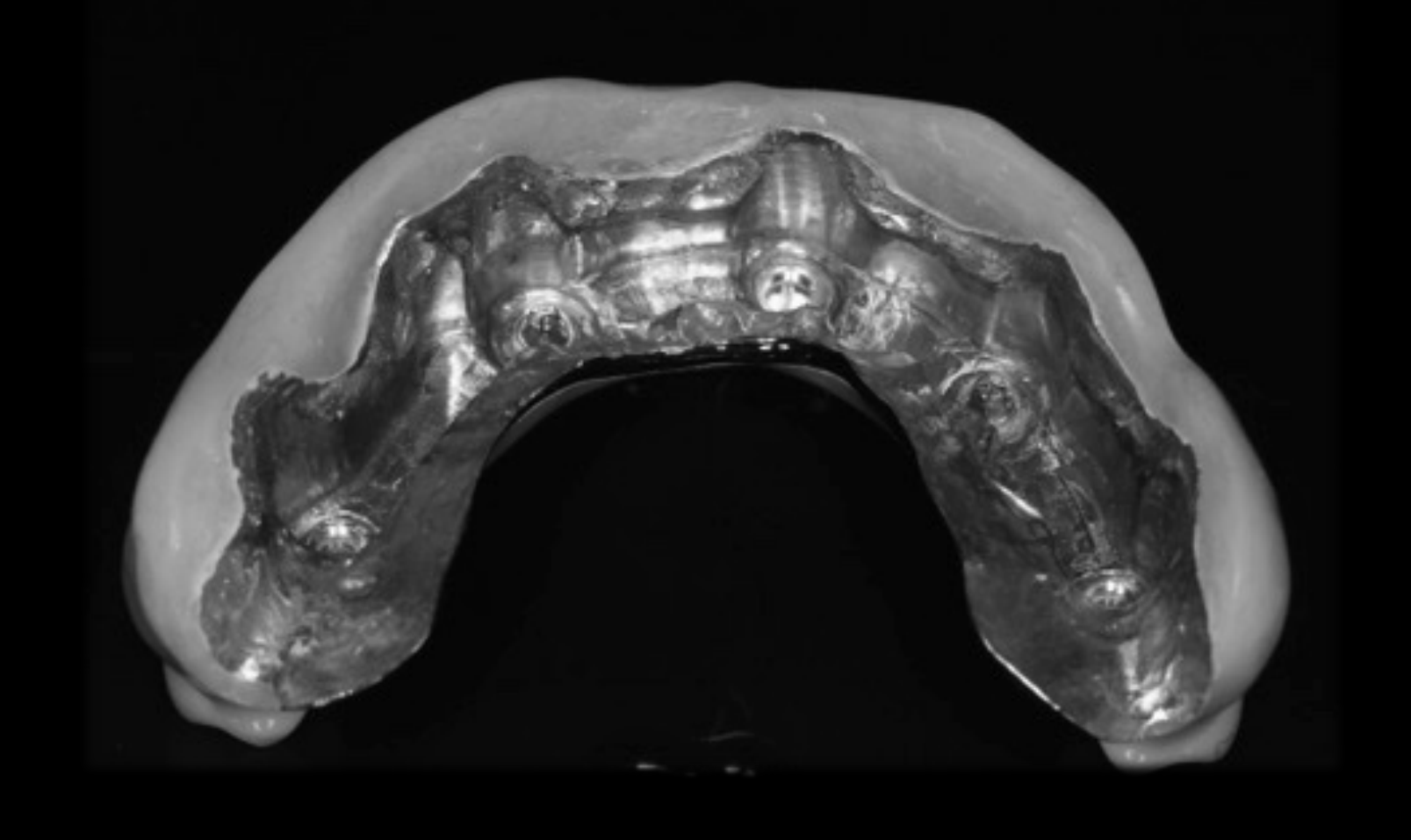
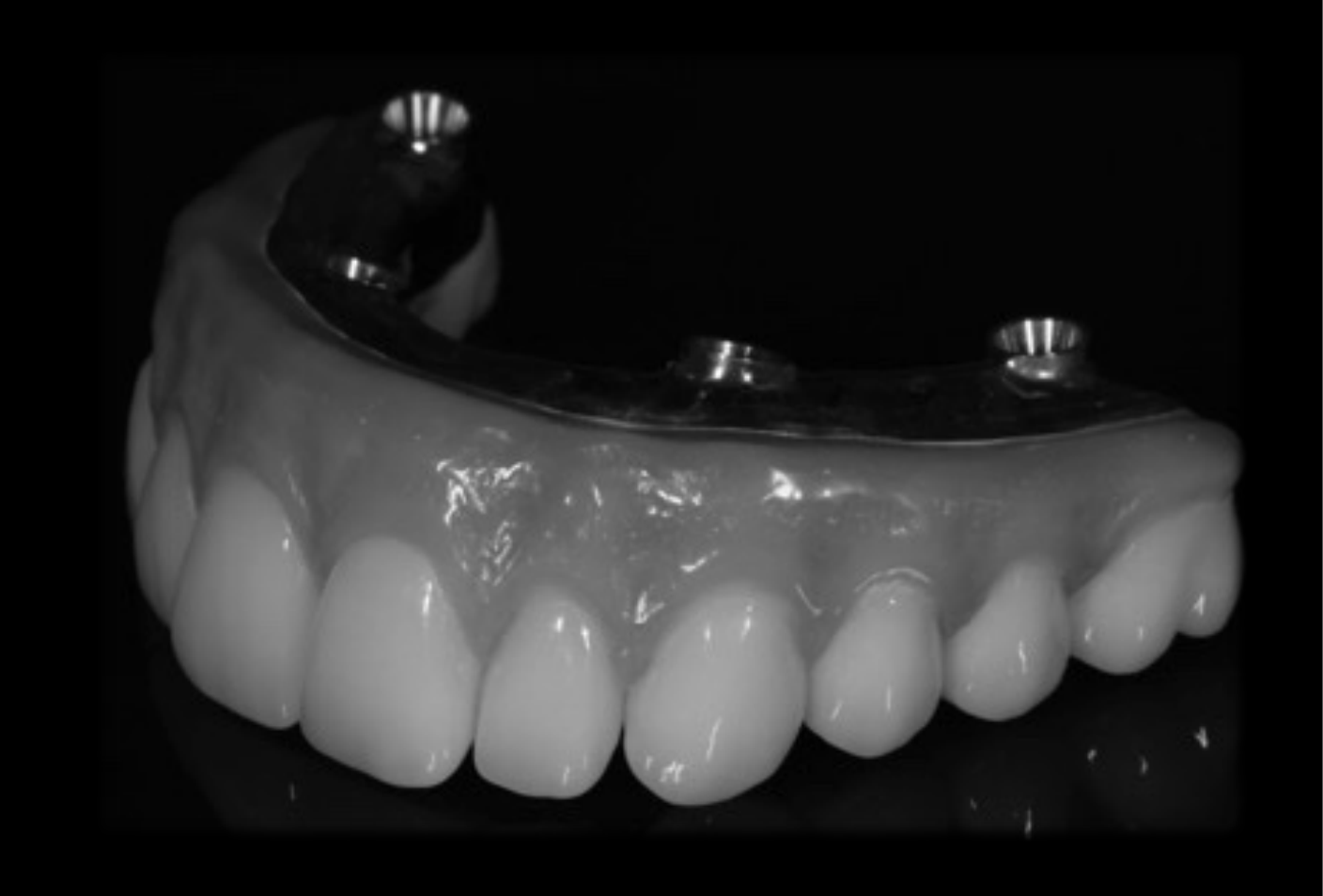
Procera Titanium/acrylic denture attached to dental implant model.
Dental prosthesis attached to titanium frame with acrylic teeth.
Riedy SJ, Lang BR, Lang BE. Fit of implant frameworks fabricated by different techniques. J Prosthet Dent 1997;78:596-604.
Ortorp A, Jemt T. Clinical experiences of computer numeric control-milled titanium frameworks supported by implants in the edentulous jaw: A 5-year prospective study. Clin Impl Dent Relat Res 2004;6:199-209.
Lecturer — Loading Evolution
Initial implant treatment involved delayed loading after approximately three to six months.
- Immediate loading of four implants was introduced experimentally in the early 1990s and subsequently became routine in mandibular full-arch treatment
- Current workflows can involve digitally planned surgery, guided implant placement, immediate provisionalization, and digitally fabricated definitive frameworks
Home Care And Maintenance
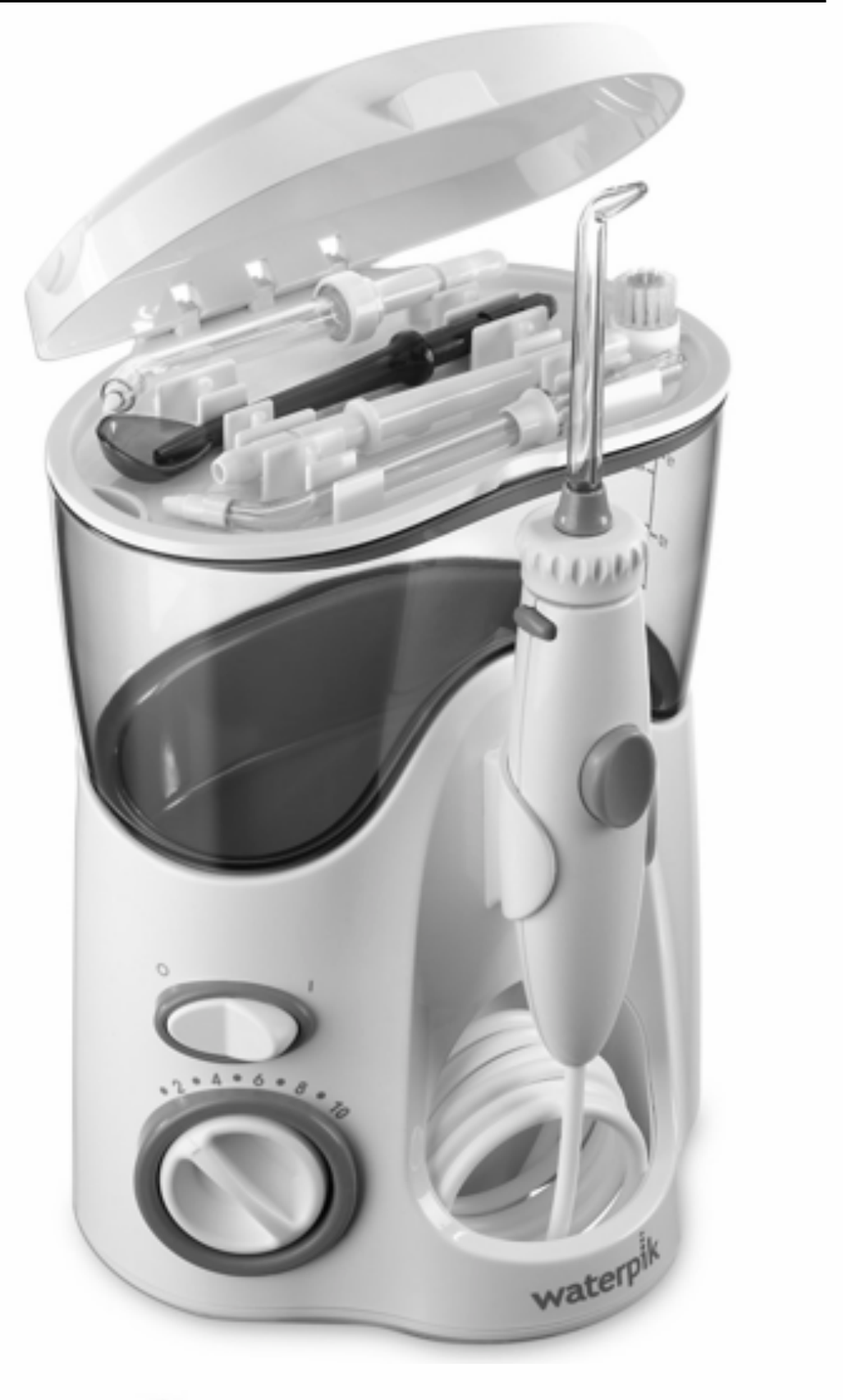
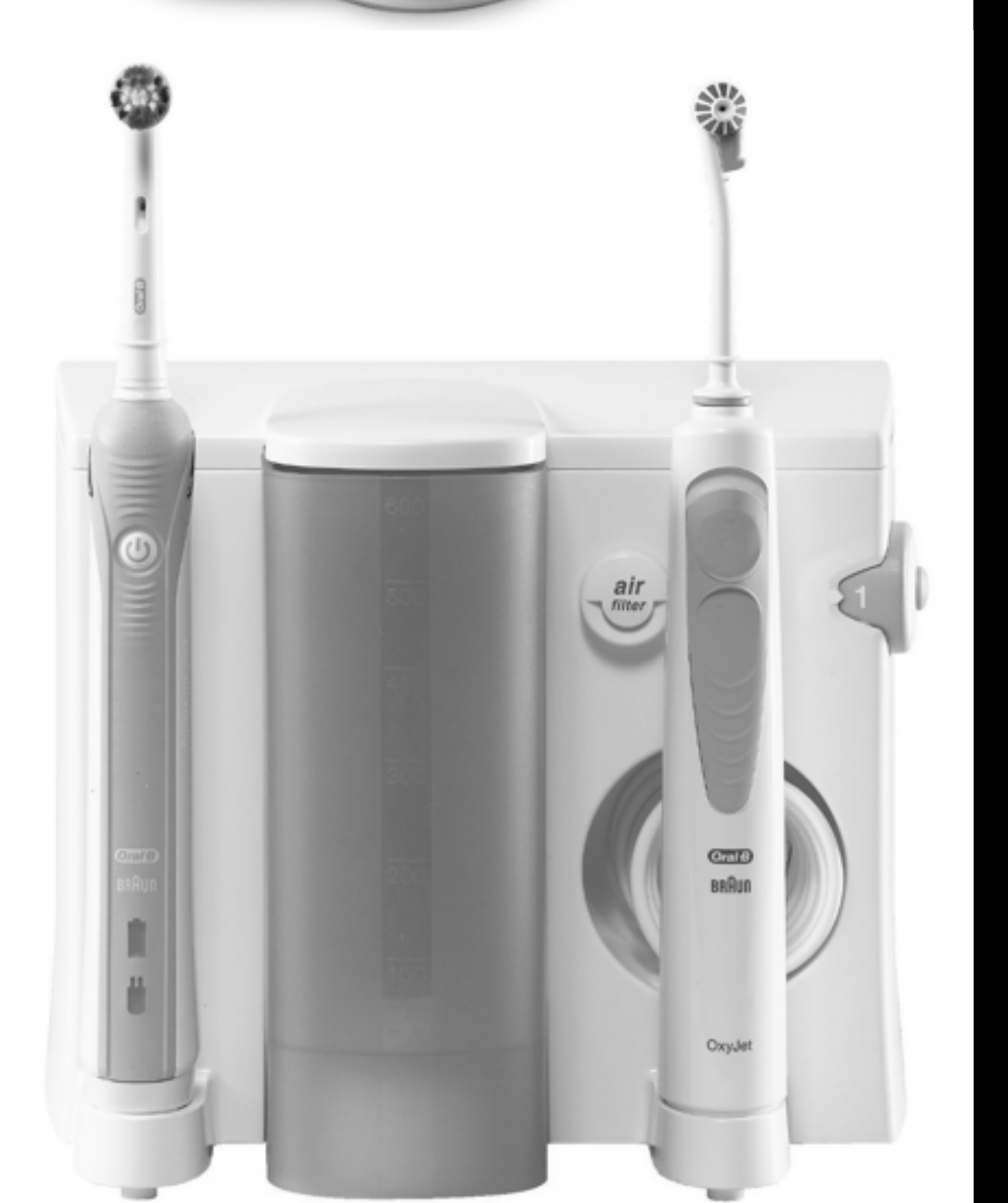
Home Care Patient Aids36
Home Care — Patient Aids
Lecturer — Cleaning Access
Prostheses must be designed so patients can clean beneath and around them.
- A thin tissue-connecting area, similar to an ovate pontic, can provide access for cleaning.
- Suggested aids included Pixters and water flossers.
- Some periodontists are less enthusiastic about conventional floss because floss fibres may become caught around implants.
 |  |
Maintenance Considerations37
- Complete denture opposing FDP — less potential for wear/breakages
- Minimised cantilevers and occlusal table
- Retrievability with screw-retained prosthesis
- Complete denture superior aesthetics and lip support
- 4 implants well spaced — easier plaque control (interproximal brushes)
- Passive fit of CAD/CAM framework → ↓ component stress
Lecturer — Maintenance and Smoking
Follow-up is essential because many implant rehabilitation patients have previously experienced severe destruction of their dentitions, and they may require more frequent review than routine dental patients.
- Reviews assess hygiene, prosthesis fit, occlusion, cleanability, tissue health, radiographic bone levels, and mechanical complications.
- Risk factors commonly include poor plaque control, smoking, diabetes or other systemic factors, periodontal disease, and poor dental attendance or hygiene.
- Some patients improve their habits after investing financially in treatment, but this cannot be assumed; persistent poor hygiene may require repeated instruction and firm reinforcement.
- Heavy smoking was described in some studies as more than ten cigarettes per day. The lecturer reported that approximately 90% of problematic implant patients in the lecturer’s experience are smokers with peri-implant or healing problems.
- A small, statistically weak study reported approximately 95% implant success in non-smokers, failure rates as high as 40% in active smokers of more than ten years, and approximately 11% failure after patients stopped smoking two weeks before implant placement.
- Smoking cessation must be genuine and supported by a plan; patients requiring extensive grafting, particularly in the maxilla, may be refused treatment until they stop smoking.
Recall visits tailored to need — at least 6 monthly
Closing38
Thank you!
Associated Brånemark Osseointegration Centre, Perth — The University of Western Australia — Brånemark Centre Perth.
Lecturer — Patient Adaptation
Patients are biological rather than mechanical systems, so occlusion cannot be treated as a static relationship reproduced perfectly by an articulator.
- Muscles, temporomandibular joints, facial muscles, nervous systems, and behavioral patterns all influence function.
- Implant patients may initially have reduced sensory feedback because implants lack the periodontal ligament.
- Over time, osseoperception develops: mechanosensibility associated with osseointegrated implants. Adaptation may involve central and peripheral neuroplastic changes and may take approximately three months to two years.
- Retaining a small number of posterior teeth when clinically reasonable may help patients adapt more quickly to a reconstruction.
- The final outcome depends on both the technical quality of treatment and the patient’s ability to maintain the prosthesis.
Clinical Cases
Case: Long-term outcome of a 43-year-old mandibular implant bridge
Question
Scenario: A 92-year-old patient who received a lower implant bridge in 1985.
What’s shown: Radiographs/images of the patient’s 43-year-old implant reconstruction.
Consider: What can be observed regarding the long-term survival and maintenance of this early implant rehabilitation?
Answer
Observations:
- The implants have been in place and functioning for 43 years.
- The prosthetic reconstruction has been changed or retreaded a couple of times over the decades.
Reasoning: The case demonstrates that while the implant fixtures themselves can survive for over four decades, the prosthetic components may require periodic replacement or maintenance due to wear and material degradation over time.
Takeaway: Well-maintained implant fixtures can achieve exceptional long-term survival (over 40 years), though the suprastructure may require periodic replacement.
Case: Prosthetic maintenance in a severe bruxer with a two-jaw implant case
Question
Scenario: A patient described as a “world champion bruxer” who received a two-jaw implant case 43 years ago.
What’s shown: Images of the patient’s two-jaw implant rehabilitation.
Consider: How does extreme parafunction affect the long-term maintenance of the implant prosthesis?
Answer
Observations:
- The patient requires the prosthetic teeth to be changed approximately once a year.
- The underlying implants have survived for 43 years despite the severe bruxing.
Reasoning: Extreme parafunctional forces cause rapid wear of the prosthetic materials. While the osseointegrated implants can withstand the forces, the prosthetic teeth cannot and must be frequently replaced to restore function and aesthetics.
Takeaway: In patients with severe bruxism, the implant fixtures can remain stable long-term, but the prosthetic teeth will require frequent annual replacement due to excessive wear.
Case: 33-year follow-up of an immediately loaded four-implant mandible
Question
Scenario: A patient from an early 1990s study who received four mandibular implants that were immediately loaded.
What’s shown: Images of the patient’s four-implant immediate-load restoration, evaluated 33 years later.
Consider: What does this long-term follow-up demonstrate about the immediate loading protocol in the mandible?
Answer
Observations:
- The four implants placed and immediately loaded in the early 1990s are still functioning very well after 33 years.
Reasoning: At the time, immediate loading was considered highly controversial. However, because the anterior mandible typically consists of dense cortical bone (Type 1 or 2), it provides excellent primary stability, allowing for successful immediate loading and long-term osseointegration.
Takeaway: Immediate loading of four implants in the dense bone of the anterior mandible is a highly predictable and successful long-term treatment modality.
Case: Long-term outcome and radiographic findings of a five-implant mandibular restoration
Question
Scenario: A patient with a mandibular implant restoration supported by five implants, which has been in function for 40 years.
What’s shown: Images/radiographs of the five-implant mandible, with a specific focus on the middle implant.
Consider: What does this long-term follow-up reveal about the biomechanical load distribution and bone levels around the middle implant?
Answer
Observations:
- The five-implant restoration has been in function for 40 years.
- The middle implant exhibits more bone loss compared to the adjacent implants.
Reasoning: When five implants are placed close together, the middle implant may not receive adequate functional load. According to Wolff’s law, a lack of mechanical stress on the bone leads to disuse atrophy and subsequent bone resorption. Additionally, placing implants too close together makes the area more difficult to clean.
Takeaway: Placing implants too close together can result in disuse atrophy and bone loss around the unloaded middle implant; therefore, four well-distributed implants are often biomechanically preferable to five closely spaced ones.
Case: Bone apposition in a severely resorbed mandible following implant placement
Question
Scenario: A patient with 8 mm of bone interforaminally, which reduces to about 5 mm in the mental foramen region.
What’s shown: Images/radiographs of the patient’s mandible showing the bone levels before and after implant placement.
Consider: What happens to the distal bone in the thinner regions following the placement of implants?
Answer
Observations:
- There is bone apposition in the distal regions (the thinner 5 mm areas) following implant placement.
Reasoning: Placing implants stimulates the surrounding and distal bone. This functional stimulation promotes bone apposition, effectively strengthening the jaw in areas that were previously at risk of fracture due to severe resorption.
Takeaway: Implant placement can stimulate bone apposition in severely resorbed distal mandibular regions, thereby strengthening the jaw and reducing the risk of fracture.
Case: Pain management in a long-span bridge with mandibular flexure
Question
Scenario: A patient who received a fixed bridge from a lower seven to a four. The patient has a thin mandible and high parafunction.
What’s shown: Clinical scenario of a patient experiencing significant pain with the prosthesis.
Consider: What was the cause of the patient’s pain, and how was it resolved?
Answer
Observations:
- The patient experienced significant pain due to the rigid bridge spanning across a thin mandible subjected to high parafunctional forces.
- The pain was resolved by cutting the connectors of the bridge.
Reasoning: Mandibular deformation during opening and closing places stress on rigid, long-span prostheses. In a thin mandible with parafunction, this stress causes pain. Sectioning the bridge (creating a stress breaker) relieves the mechanical stress on the bone and prosthesis.
Takeaway: Long-span rigid bridges in thin mandibles with parafunction can cause pain due to mandibular flexure; incorporating stress breakers or sectioning the prosthesis can resolve the issue.
Footnotes
-
Original PDF page 1: L1 Mx of terminal dentition Mn Fixed notes, p.1 ↩
-
Original PDF page 2: L1 Mx of terminal dentition Mn Fixed notes, p.2 ↩
-
Original PDF page 3: L1 Mx of terminal dentition Mn Fixed notes, p.3 ↩
-
Original PDF page 4: L1 Mx of terminal dentition Mn Fixed notes, p.4 ↩
-
Original PDF page 5: L1 Mx of terminal dentition Mn Fixed notes, p.5 ↩
-
Original PDF page 6: L1 Mx of terminal dentition Mn Fixed notes, p.6 ↩
-
Original PDF page 7: L1 Mx of terminal dentition Mn Fixed notes, p.7 ↩
-
Original PDF page 8: L1 Mx of terminal dentition Mn Fixed notes, p.8 ↩
-
Original PDF page 9: L1 Mx of terminal dentition Mn Fixed notes, p.9 ↩
-
Original PDF page 10: L1 Mx of terminal dentition Mn Fixed notes, p.10 ↩
-
Original PDF page 11: L1 Mx of terminal dentition Mn Fixed notes, p.11 ↩
-
Original PDF page 12: L1 Mx of terminal dentition Mn Fixed notes, p.12 ↩
-
Original PDF page 13: L1 Mx of terminal dentition Mn Fixed notes, p.13 ↩
-
Original PDF page 14: L1 Mx of terminal dentition Mn Fixed notes, p.14 ↩
-
Original PDF page 15: L1 Mx of terminal dentition Mn Fixed notes, p.15 ↩
-
Original PDF page 16: L1 Mx of terminal dentition Mn Fixed notes, p.16 ↩
-
Original PDF page 17: L1 Mx of terminal dentition Mn Fixed notes, p.17 ↩
-
Original PDF page 18: L1 Mx of terminal dentition Mn Fixed notes, p.18 ↩
-
Original PDF page 19: L1 Mx of terminal dentition Mn Fixed notes, p.19 ↩
-
Original PDF page 20: L1 Mx of terminal dentition Mn Fixed notes, p.20 ↩
-
Original PDF page 21: L1 Mx of terminal dentition Mn Fixed notes, p.21 ↩
-
Original PDF page 22: L1 Mx of terminal dentition Mn Fixed notes, p.22 ↩
-
Original PDF page 23: L1 Mx of terminal dentition Mn Fixed notes, p.23 ↩
-
Original PDF page 24: L1 Mx of terminal dentition Mn Fixed notes, p.24 ↩
-
Original PDF page 25: L1 Mx of terminal dentition Mn Fixed notes, p.25 ↩
-
Original PDF page 26: L1 Mx of terminal dentition Mn Fixed notes, p.26 ↩
-
Original PDF page 28: L1 Mx of terminal dentition Mn Fixed notes, p.28 ↩
-
Original PDF page 30: L1 Mx of terminal dentition Mn Fixed notes, p.30 ↩
-
Original PDF page 31: L1 Mx of terminal dentition Mn Fixed notes, p.31 ↩
-
Original PDF page 27: L1 Mx of terminal dentition Mn Fixed notes, p.27 ↩
-
Original PDF page 29: L1 Mx of terminal dentition Mn Fixed notes, p.29 ↩
-
Original PDF page 32: L1 Mx of terminal dentition Mn Fixed notes, p.32 ↩
-
Original PDF page 33: L1 Mx of terminal dentition Mn Fixed notes, p.33 ↩
-
Original PDF page 35: L1 Mx of terminal dentition Mn Fixed notes, p.35 ↩
-
Original PDF page 34: L1 Mx of terminal dentition Mn Fixed notes, p.34 ↩
-
Original PDF page 36: L1 Mx of terminal dentition Mn Fixed notes, p.36 ↩
-
Original PDF page 37: L1 Mx of terminal dentition Mn Fixed notes, p.37 ↩
-
Original PDF page 38: L1 Mx of terminal dentition Mn Fixed notes, p.38 ↩