The Medically Compromised Patient
Tutorial Overview And Learning Objectives1
DMD3 Tutorial on Monday, June 22 at 1:00-4:00 PM in the VLC (Room 211) covering the topic of
The Medically Compromised Patient.
What students need to bring and use - papers/pens (brain storm), laptops.
Learning Objective
1. Formulate a medical category - risk assessment - modification table for medically compromised patient
Lecturer — Assessment and Planning
The session focused on systematically assessing medically compromised dental patients before treatment.
- Assess medical, social, and dental risks, and determine whether medical conditions are stable or unstable.
- Review medications, dosages, and frequency of use; decide whether medical consultation is required.
- Balance the risks of delaying dental treatment against the risks of proceeding.
- The table should include medical category, risk assessment, and required modifications.
- A medically compromised patient may experience an emergency if medical management is unsuccessful, but most clinical issues are less urgent and can be managed through appropriate assessment and planning.
Lesson plan(Gagne 9):
- Gain Attention, Inform Obj, Prior Knowledge (10min, 1300pm)
- Present information, provide guidance (10min)
- Elicit performance (30min)
- Form up in 6 groups (5-6pax), 25 min to prep 1 question.
- Use paper/chat GPT/google. create a 8min ppt with 2-3min Q&A
- All 6 grps present (60min), assess performance
- Remind to use during Clinics. enhance retention (end ~1500+pm)
Lecturer — Group Case Presentations
The class used group activities and case presentations involving asthma, bariatric care, end-of-life care, chronic obstructive pulmonary disease, homelessness, and intellectual disability.
Medical History Framework
Four-Step Review Approach
The Medical History2
- Look at the systems that are compromised — stable vs unstable
- Look at the medications — dosages, frequency and conditions it’s used for
- Look at the dental treatment modifications that are required
- Prioritize the medical history in relation to its impact on dental procedure
- Any medical consult requirements?
Lecturer — Consultation Decisions
Consultation is appropriate when information is missing or unclear, including after a recent heart attack, when a patient appears medically unstable, or when blood thinners are being taken without a clear medical history.
- Treatment decisions should weigh the risks of proceeding against the risks of leaving painful or infected teeth untreated.
- A painful untreated tooth may increase blood pressure and myocardial infarction risk, while dental stress may contribute to recurrence of a recent medical problem.
From Dr Lydia See
Dental-Systemic Interactions
The Dentistry3
- What is it about the dentistry that is going to impact the overall systemic health of the patient?
- What is it about the overall systemic health that is going to impact on the dentistry?
- Are we doing invasive vs. non-invasive procedures?
Flowchart listing factors affected by special needs dentistry:
-
Bacteraemia
-
Bleeding
-
Healing
-
Anxiety
-
Positioning
-
Consent
-
Consent and decision-making under the Mental Capacity Act From Dr Lydia See
Risk Assessment Table
| Medical categories and others | Risk | Modifications / Implications |
|---|---|---|
| Respiratory - Severe asthma - Inhaler use | Asthmatic attack Poor healing | • Bring inhaler, prophylactic dose • Avoid triggers (cold/dust) • Late morning appointment • Supplementary oxygen? • Drug Px:? steroid use, theophylline may be potentiated by liver enzyme blockers |
| Cardiac - Valvular repair (patient unsure) - PFO - HTN | MI Stroke, DVT I.E. AB Prophy | Confirm cardiac history Warfarin, INR check (therapeutic INR ~2.5), morning appointments, haemostat measures, consent If require AB cover Other related medications e.g. Beta Blocker CCB, ACE Inh etc |
| Social - Financial constraints - Smoking | Poor attendance Treatment option limits | • Referral for social assistance / charitable dental service p.r.n. • Smoking cessation |
| Others - Rheumatoid arthritis - Visual impairment - Anxiety (generalised) | Fall risk | • Barrier free access, fall prevention • Dental Behavioural Support |
Lecturer — Respiratory Management
Respiratory management may also involve stress reduction, shorter appointments, upright or semi-upright positioning, and monitoring breathing.
- Patients with significantly impaired lung function may need supplementary oxygen, while emergency oxygen and an asthma management kit should be available.
Lecturer — Cardiovascular Medication
Cardiovascular review should include assessment of myocardial infarction history, infective endocarditis, and bleeding risk during extraction.
- Beta blockers and calcium channel blockers should be considered, including their association with gingival hyperplasia.
Lecturer — Social Circumstances
Social factors may also include homelessness and difficulty contacting the patient, both of which can complicate follow-up.
- Urgent care may need to be prioritised, with public or affordable services and flexible appointments considered.
Clinical Scenarios And Case Studies
Asthma Case
A 63-year-old man came into the clinic with a painful upper right wisdom tooth. It affects his eating and sleeping. He has not seen the dentist for around 10 years due to dental anxiety.
Medical History4
- Asthma. Poorly controlled with exacerbations almost every 2 weeks, and admission to hospital 1-3 times annually. Not all attacks are subdued with salbutamol inhaler. No known triggers, although cold air and dust are reported to possibly worsen it. Does not regularly follow up with physician.
- Mild dental anxiety — mainly to sound of ultrasonic and handpieces.
- Rheumatoid arthritis with left knee swollen
- Reduced BMI
- Smokes ~5 cigarettes a day now, cut down from ~20 sticks a day 20 years ago.
- History of cataract surgery on right eye, with some residual visual impairment
Lecturer — Smoking After Extraction
Smoking is associated with delayed healing, increased dry socket risk after extraction, increased periodontal disease risk, and increased caries risk.
- Provide smoking-cessation advice, including not smoking for at least 24 to 46 hours after extraction.
 |  |
Medications
- Salbutamol 200mcg inhaler
- Fluticasone 500mcg with Salmeterol 50mcg inhaler
- Lignosus rhinocerus (traditional Chinese tonic, 虎乳芝)
Lecturer — Steroid Inhaler Effects
The steroid inhaler was associated with delayed healing, increased infection risk, and oral candidiasis.
- Advise the patient to rinse the mouth after inhaler use.
Dental History
- Uses an acrylic partial upper denture fabricated over 10 years ago that overlays retained roots
- Brushes once a day only
- Does not clean/brush denture
Social History
- Low socio-economic status
- Works as a security officer with varying shifts in the morning and overnight
- Divorced, lives alone
Oral Examination
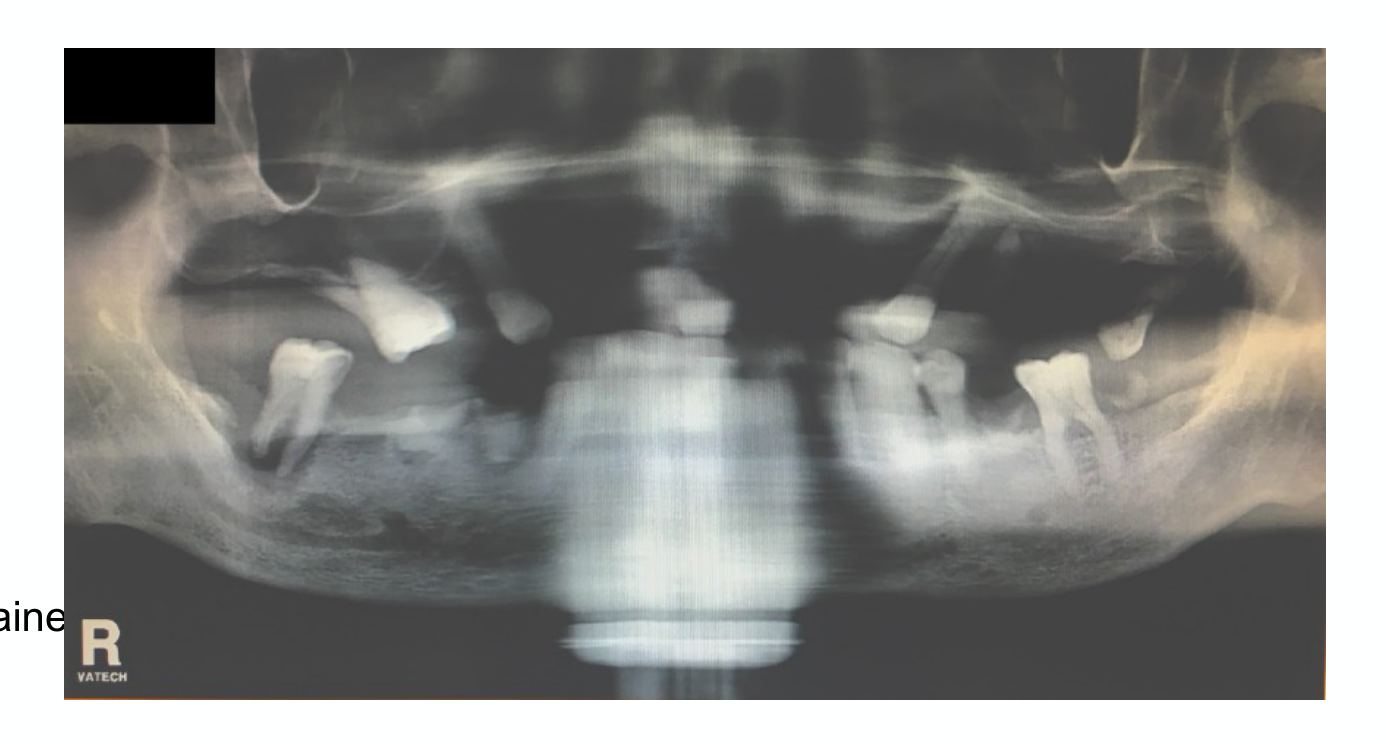
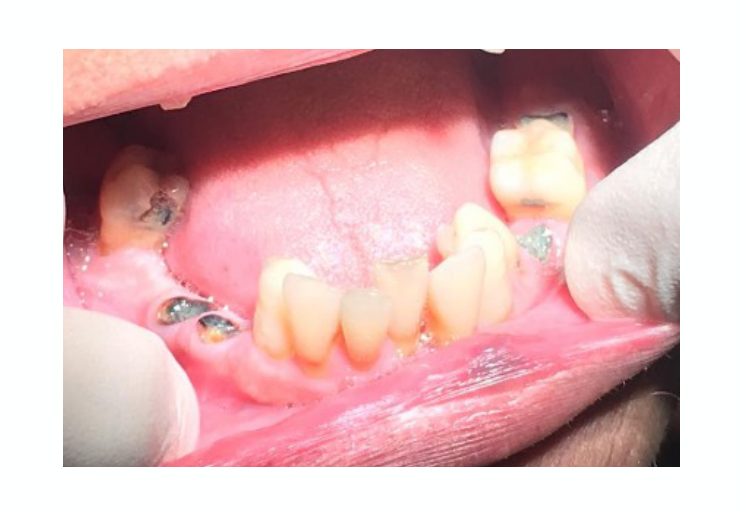
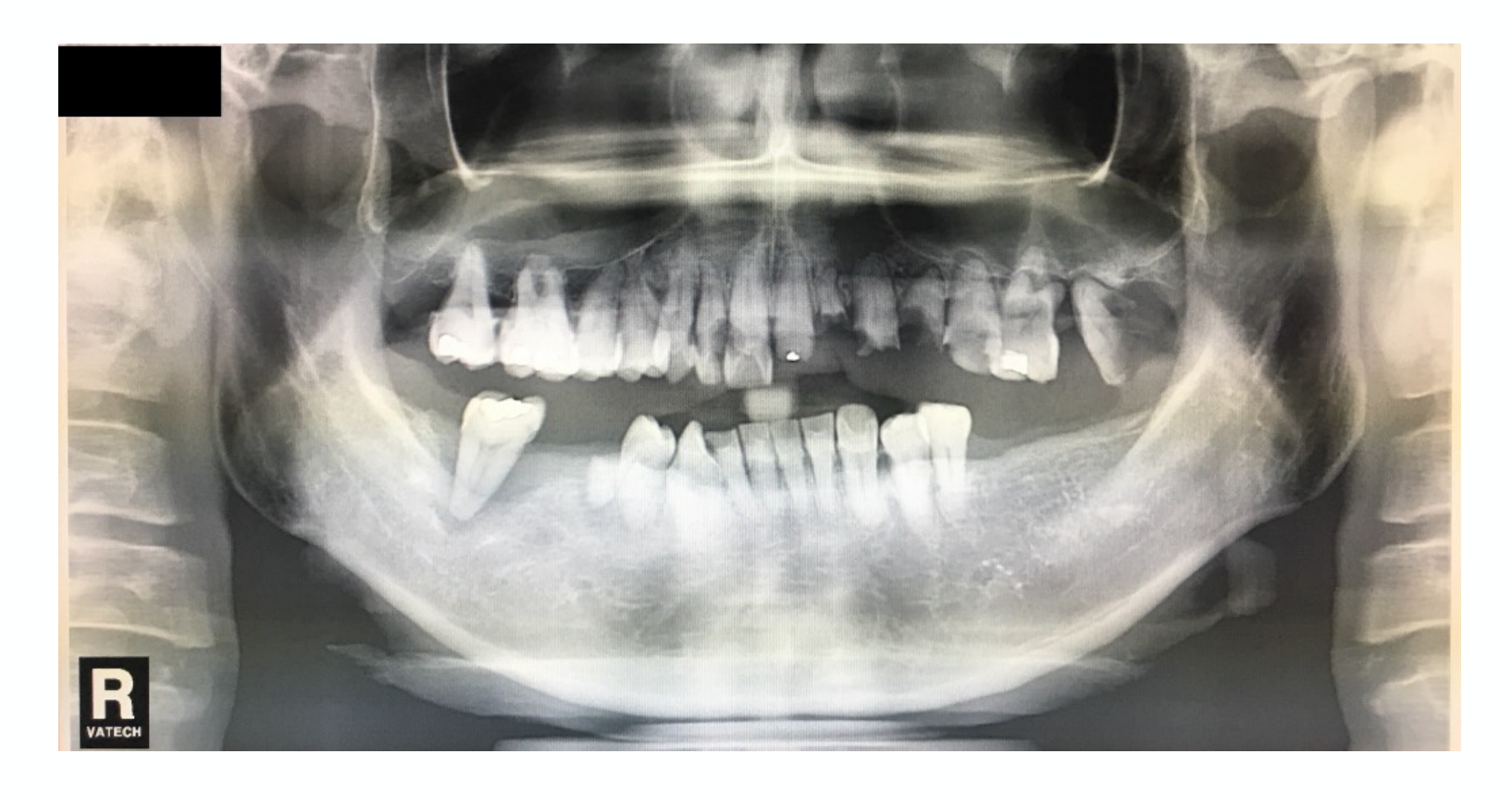
- Upper left wisdom tooth with caries into pulp
- Poor oral hygiene
- Rampant caries with other retained roots (see Figure 1.27.1 — Picture of caries / retained roots in a patient with severe asthma)
- Oral candidiasis on upper palate
- Upper denture with dried debris on fitting and smooth surfaces.
Lecturer — Preventive Care
Treatment should be staged around pain relief and infection control before restorative and preventive care.
- Include denture cleaning, fluoride varnish, oral hygiene instruction, and more frequent recall.
Treatment Considerations — Can You Treat the Pain Today?
- The tooth extraction should be completed today. Despite assessed to be moderate to high risk, attenuating the specific risks and possessing emergency preparedness are key.
- He will require further fillings, extractions and partial dentures in the future. Dental health education is also important.
Lecturer — Asthma Treatment Planning
Urgent extraction may be appropriate when pain affects eating and sleeping, but asthma must be stable on the day of invasive treatment.
- Confirm current asthma control and the most recent exacerbation.
- Ask the patient to bring the inhaler, use stress-reduction measures, consider a short morning or late-morning appointment, and monitor breathing throughout treatment.
- Have emergency oxygen and asthma equipment available; use semi-sitting positioning if breathing is difficult and seek advice if control is uncertain.
Bariatric Patient Case5
A textbook page featuring a clinical vignette for a bariatric patient (55-year-old female) including medical history, dental history, social history, oral examination findings, and a list of medications, along with four case study questions, on the left and a book cover on the bottom right.
Radiographic Considerations
Radiograph
- Patient unable to tolerate intra-oral radiographs due to limited space / access
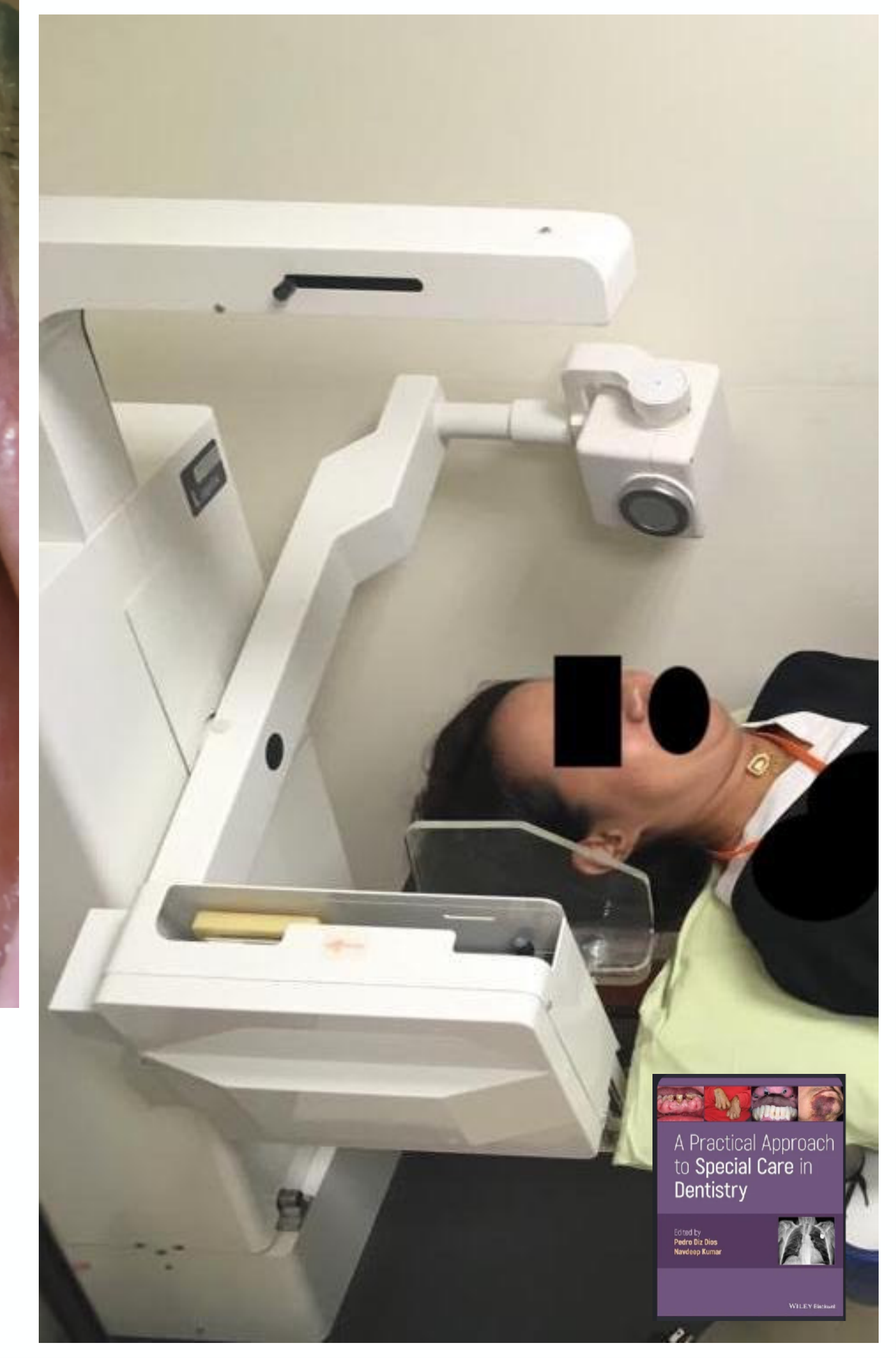
- Difficulty with panoramic radiograph due to tissue mass around shoulders obstructing movement of emission tube and cartridge frame (Figure 1.16.4.1)
- The patient was referred to another practice with a wider DPT machine (Figure 1.16.4.2)
- Confirmed clinical findings and caries UL6 distal
- Generalised bone loss (10-30%)
Case Discussion And Answers
Based on the clinical scenario provided, here are the answers to the posed questions.
Lecturer — Bariatric Treatment Modifications
Treatment planning must account for the patient’s weight, breathing, airway, positioning, and medical comorbidities.
- Standard dental chairs were described as generally holding under approximately 150 kg, whereas bariatric chairs may hold up to approximately 500 kg.
- Supine positioning may worsen breathing because of pressure from tissues around the neck and chest; slightly upright positioning can assist breathing in obstructive sleep apnoea.
- Check blood pressure, heart rate, and general suitability before treatment; use short appointments, have an inhaler available, avoid asthma triggers, and reduce stress.
- Consider sedation carefully because of obstructive sleep apnoea and opioid-related concerns. Use local haemostatic measures for aspirin-associated bleeding risk and have glucose available because of hypoglycaemia risk.
- Provide caries prevention with higher-fluoride toothpaste and dietary modification, and modify oral hygiene aids to improve access to posterior teeth.
- Arrange transport and follow-up because special transport may make attendance difficult.
1. Medical Category — Risk Assessment — Modifications Table
| Medical Category | Risk Assessment | Modifications |
|---|---|---|
| Cardiovascular | History of ischaemic heart disease and age. | Maintain continuous ECG monitoring. NPO status (nasogastric fed) complicates acute monitoring. Plan treatments with ample rest periods. |
| Respiratory | Severe aspiration pneumonia (2 admissions/2 mo), severe dysphagia, laryngeal carcinoma (1994), trismus. | Strict elimination of aspiration risk. Positioning prone after treatment. Use simple suction techniques if gag reflex is present, but check for frailty. |
| Neurological | Vascular dementia, fluctuating consciousness (stupor/hypersomnia), right MCA stroke, bruxism/clenching. | Manage agitation. Note: clenching implies inability to respond to non-pharmacological relaxation techniques. Lower jaw for extraction, compressed for stability. |
| Infection Control | MRSA positive, history of aspiration pneumonia. | Isolation protocols? Sterilisation of instruments and equipment between patients. Double gowning/gloving? |
| Pharmacological | Plavix (anti-platelet), Timolol (beta blocker), multiple other drugs. | Adjust for organ failure and potential side effects. XR dosage consideration for Plavix. |
| Surgical/Anatomical | Oral cancer history, severe manipulation requirements (extraction). | Paediatric extraction technique vs. adult. Lower jaw extraction technique. Compressed for stable tooth. |
| Gastrointestinal | Severe dysphagia (nasogastric tube fed), nil-by-mouth. | Cannulation (nasogastric tube) positioning. |
| Behavioural | Challenging behaviour, bedridden, no oral hygiene for 1 year. | Secure patient restraint techniques? Team of 2+ required. |
2. Medical Disorders/Conditions Associated with End-of-Life Care
In elderly patients with severe neurological impairment or advanced age, the following conditions are commonly present:
- Diabetes mellitus (Type 1 and 2) and its complications
- Cardiovascular diseases (e.g., heart disease)
- Chronic obstructive pulmonary disease (COPD)
- Chronic renal failure
- Neurological conditions, depression
- Severe disorders of mobility (spinal stenosis, Parkinson’s disease)
- Dementia
- Pressure sores (decubitus ulcers) and general malnutrition
- Fractures, arthritis, surgical illness
- Sepsis
- Chemotherapy complications
- Trauma
(Note: This list is not exhaustive but covers the most common chronic infections/conditions in this demographic.)
3. Modifications for Extraction of the Carious Upper Left First Molar
Given the patient’s consent protocol for the extraction of the upper left first molar, specific considerations must be addressed based on her medical history:
- Sedation management: Avoid oral sedation due to her dysphagia (nasogastric tube fed). However, a patient who exhibits challenging behaviour and trismus may require a modified approach.
- Post-op positioning: Because of the aspiration risk, she must not be left in a supine position immediately post-extraction. She will likely need to be monitored closely or repositioned semi-erect to minimise the risk of blood clots being aspirated into the lungs.
- Bleeding management: Her age, history of aspirating pneumonia, and Plavix (clopidogrel) use increase the risk of postoperative bleeding. Thorough assessment of the site’s hemostasis during the procedure is critical.
- Visualisation & technique: The patient’s severe dysphagia, bedridden state, and potential trismus make accessing the upper left molar challenging. The dentist needs to adapt their technique accordingly.
4. Criteria for Referring Bariatric Patients & ASA Grading
Criteria for referral — bariatric patients should be referred when:
- BMI is > 40 kg/m² (Class III obesity) OR > 35 kg/m² (Class II) with comorbidities.
- The primary dentist’s chair is incompatible with the patient’s size (e.g., patient cannot sit, rest their head, or lie back).
- Conventional surgical overhead lights are insufficient due to their size.
- The dental unit cannot accommodate the patient’s size (large arms/chest width prevents correct instrument positioning).
ASA grading for bariatric patients — the ASA grading classifications align with their anatomical considerations:
- ASA-I: A healthy patient.
- ASA-II: A patient with mild systemic disease.
- ASA-III: A patient with severe systemic disease, e.g., morbid obesity with concomitant hypertension or with comorbidities such as reactive aortic aneurysm, etc.
- ASA-IV: A patient with severe, life-threatening systemic disease.
- ASA-V: A moribund patient who is not expected to survive without the operation.
Lecturer — General Anaesthesia Referral
General anaesthesia may be unsuitable when BMI is greater than 40, obstructive sleep apnoea is present, and the patient is ASA 3.
- Patients requiring general anaesthesia should be assessed by an anaesthetist, who makes the final decision after reviewing the airway, blood results, organ function, and overall risk.
5. Other Issues and Concerns Associated with End-of-Life Care
Aside from the immediate physical risks (falling, aspiration, bleeding), end-of-life care is often associated with:
- Ethical considerations: Decisions regarding the continuation or withdrawal of potentially life-prolonging treatment.
- Disability (physical and mental): The profound impact of chronic pain and mental decline on the patient’s ability to understand and participate in care.
- Financial constraints: Decisions about where to fund long-term care and end-of-life services.
Supplementary Clinical Content
Dry Secretion Findings6
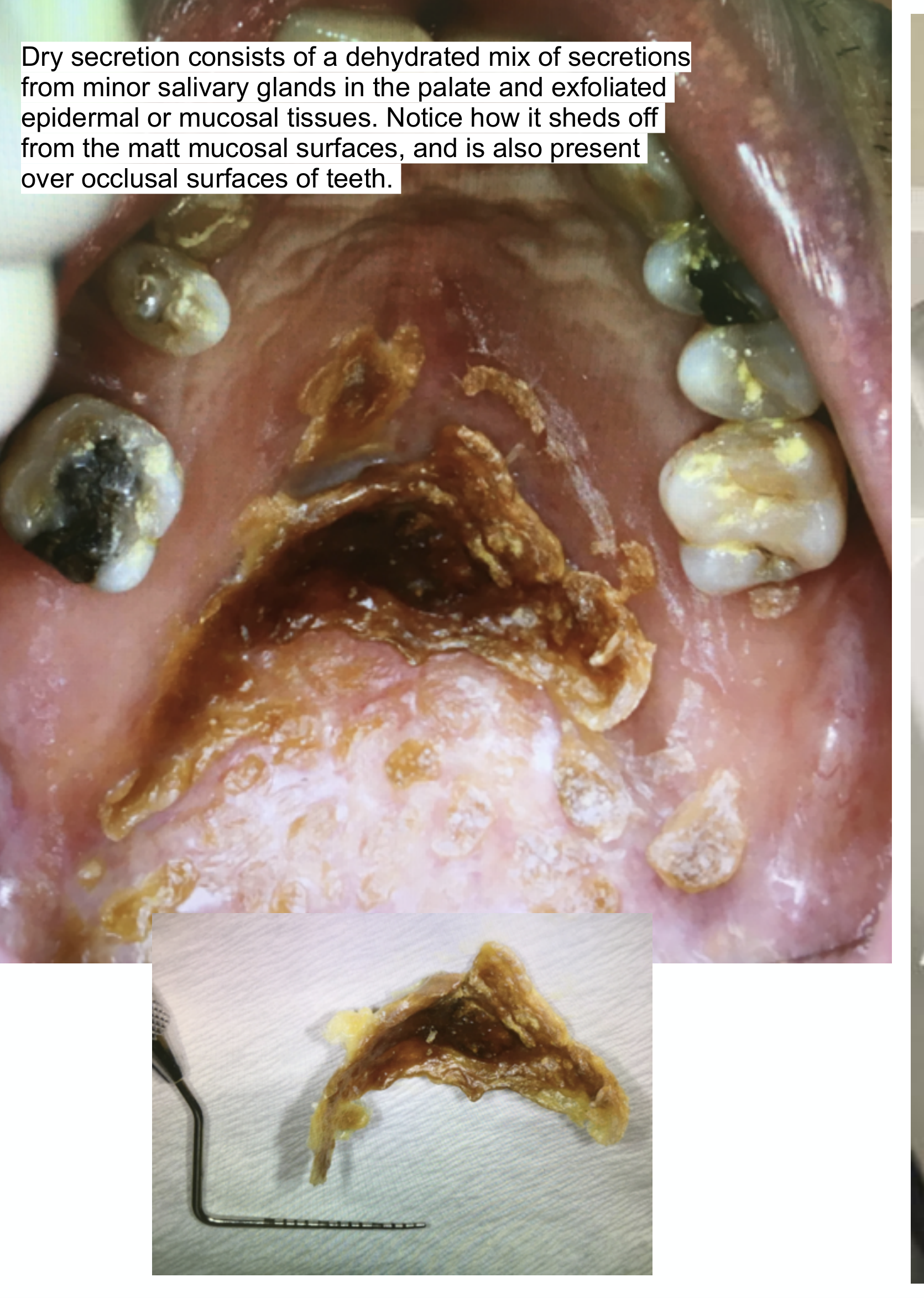
Dry secretion consists of a dehydrated mix of secretions from minor salivary glands in the palate and exfoliated epidermal or mucosal tissues. Notice how it sheds off from the matt mucosal surfaces, and is also present over occlusal surfaces of teeth.
Lecturer — Dry Mouth Effects
The lecturer linked dry mouth with medication use, reflux, and other medical conditions.
- Associated findings included oral discomfort, oral candidiasis, increased caries risk, and rapid root caries.
- Moisturising gels and preventive care were particularly relevant for palliative patients.
 |  |
Chronic Obstructive Pulmonary Disease Chapter
Clinical Scenario7
A 67 year old man turned up at the charity clinic that you volunteer at. He complains of “weakening” and “crumbling” teeth.
 |  |
 |
Medical History
- Chronic Obstructive Pulmonary Disease - irregular in medical follow-up
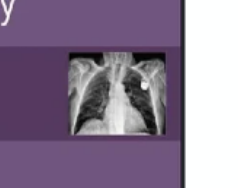
- FEV1, or forced expiratory volume in 1 sec, was 38% of normal predicted. Recent chest x-rays showed flattened diaphragm
- SpO2 is 93% on room air, heart rate 94/min
- Respiratory rate is 24 per minute and shallow
- Dry hacking non-productive cough, pitting oedema
- Hypertension ~152/85
- Hyperlipidaemia
- Asthma
- Others: Ex-smoker with 70 pack-year cigarette history, reduced BMI
Medication
- Prednisolone 10mg
- Ipratropium bromide + albuterol sulfate combination inhaler
- Salbutamol inhaler
- Simvastatin
- Enalapril
Lecturer — Steroid Risks
Long-term prednisolone raised concerns about oral candidiasis, staining, and additional steroid effects when combined with an inhaled steroid.
- The lecturer also discussed the possibility of adrenal crisis in relation to long-term steroid use and Addison’s disease.
- Therapeutic guidelines and medical advice should be consulted when steroid dosage or combined steroid effects are uncertain.
Dental History
- Brushes once a day with manual toothbrush
- Irregular dental attender
- Does not use interdental brushing aid
Social History
- Works at the local hawker centre for almost 50 years, exposure to long-term inhalation of smoke (see Figure 1.26.1)
- Hokkien-speaking (a type of Mandarin dialect)
- Smoked for 50 years, around 1.5 pack a day. Quit smoking 2 years ago, reportedly due to rising tobacco tax and physician advice
- Receiving social assistance
- Stays with wife, has two married children who visit infrequently
Oral Examination
- Prolonged oral health neglect
- Multiple interproximal caries
- Erosion lesions and root caries
Lecturer — COPD Oral Risks
The lecturer identified additional oral and treatment risks associated with this patient’s COPD and smoking history.
- These included acute asthma attacks, poor healing, oral candidiasis, periodontal disease, dry mouth, nutritional deficiency, oral cancer, and other smoking-related sequelae.
- Management could include saliva analysis, high-fluoride toothpaste, diet modification, investigating the cause of erosion, twice-daily brushing, an electric toothbrush, interdental cleaning, and intermittent chlorhexidine use.
Questions
- Create a Medical Category - Risk Assessment - Modifications table.
- How do you assess the severity of the patient’s COPD
- What are the treatment options for managing multiple caries & high caries risk?
- What other factors do you need to consider that can affect treatment success?
Lecturer — Respiratory Modifications
Dental treatment should be modified to reduce respiratory stress in this patient.
- Ask the patient to bring the inhaler, avoid stress and known triggers, consider oral anxiolysis where appropriate, and use short morning appointments.
- Use rubber dam cautiously, keep the patient more upright, and ensure emergency equipment is available.
- The blood pressure of 152/85 did not automatically prevent treatment, although the lecturer considered the hypertension uncontrolled because two medications had not adequately controlled it.
Homelessness Chapter
Clinical Scenario8
You received a referral letter from the local prison service regarding a 64 year old man emplaced on a “Mandatory Aftercare Scheme” for ex-offenders. He has multiple medical conditions, unemployed, and is currently homeless. He is referred to exclude dental causes of recurrent sinusitis.
 | |
Medical History
- Hepatitis C on half yearly follow-up
- Latent tuberculosis
- Chronic obstructive pulmonary disease
- Mild asthma
- Chronic sinusitis and allergic rhinitis
- Gastric reflux - undergoing medical follow-up
- Others: renal cyst, benign prostate hypertrophy
- H/O: four surgical repair of oral antral fistula
- Previous injecting drug user, ex-smoker, heavy alcohol use
Lecturer — Homelessness Medical Risks
Hepatitis C was considered relevant because it may involve blood-borne infection risk, reduced liver drug metabolism, and coagulation problems. The reported oral antral fistula repair had no current evidence in the mouth.
- Latent tuberculosis should be confirmed with the general practitioner because the history was reported by the patient; genuinely latent disease was not considered infectious.
- COPD and asthma raised concerns about supine breathing difficulty, rubber dam compromising breathing, and coughing or sneezing during treatment.
- The renal cyst required confirmation of estimated glomerular filtration rate, while gout was associated with dental erosion and dry mouth.
Medications
- Omeprazole
- Salbutamol inhaler (200mcg)
- Fluticasone inhaler twice daily
- Array of traditional Chinese tonics and herbs
Lecturer — Medication and Bleeding
Omeprazole was associated with xerostomia and taste disturbance, while salbutamol and fluticasone increased the risk of oral candidiasis; rinsing after inhaler use could reduce this risk.
- Chinese herbs and tonics such as ginkgo, ginger, ginseng, and garlic were described as potentially increasing bleeding time.
- NSAIDs and other hepatotoxic drugs should be avoided when liver function is reduced. Paracetamol was discussed as the preferred first analgesic, metronidazole should be avoided, and blood tests and general-practitioner liaison were recommended before significant treatment.
Dental History
- Brushes once a day with hard toothbrush
- No comprehensive dental treatment for over a decade
- Irregular dental attender, visits only when symptoms arise
- Prison dental service provided extractions only
- Mouth breather, daily regurgitation of gastric contents
Social History
- Ex offender, released from prison 1 month ago
- Staying at the void deck of an estate, and moving to a “Halfway Home” after being picked up by community services
- Unemployed due to medical conditions
- Separated from wife for 20 years, have not contacted daughter over 10 years
- Distant relationship with siblings
Oral Examination
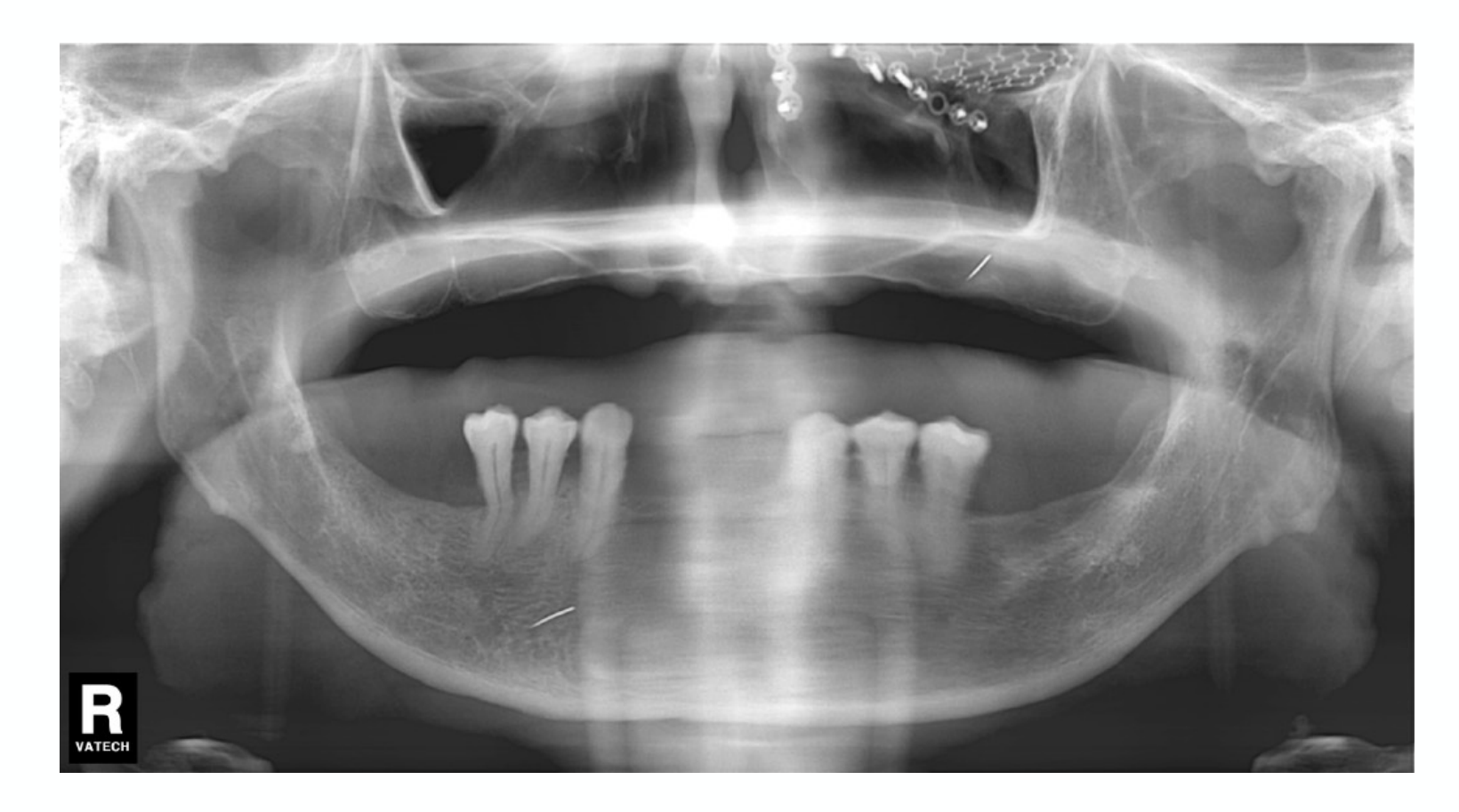
- Edentulous upper jaw with frictional keratosis and traumatised ridge from lower teeth
- Lower teeth with very poor periodontal health
- No obvious sinus tract was seen
Radiographs
Questions
- Create a Medical Category - Risk Assessment - Modifications table.
- What cross-infectivity steps would you take?
- What other (non-medical) factors do you need to consider that can affect treatment success?
Lecturer — Housing and Fees
The dental team should establish what the mandatory aftercare scheme covers, its limitations, its fee schedule, and which treatment the patient must pay for.
- Financial and housing stress, limited social support, and the lack of a fixed address may prevent complex or comprehensive prosthodontic treatment from being completed or even initiated.
Down Syndrome Case Exercise
45 y.o. male
Medical History9
- Down’s syndrome
- Moderate intellectual disability
- Autism spectrum disorder
- Epilepsy
- Allergic Rhinitis
- Eczema
- Childhood asthma
- Mild HTN (baseline 139/80)
- Diabetes mellitus Mild
- Osteoporosis (very low BMD)
MED: Epilim, Bisphosphonates, metformin
Drug Allergy: Penicillin (Rashes)
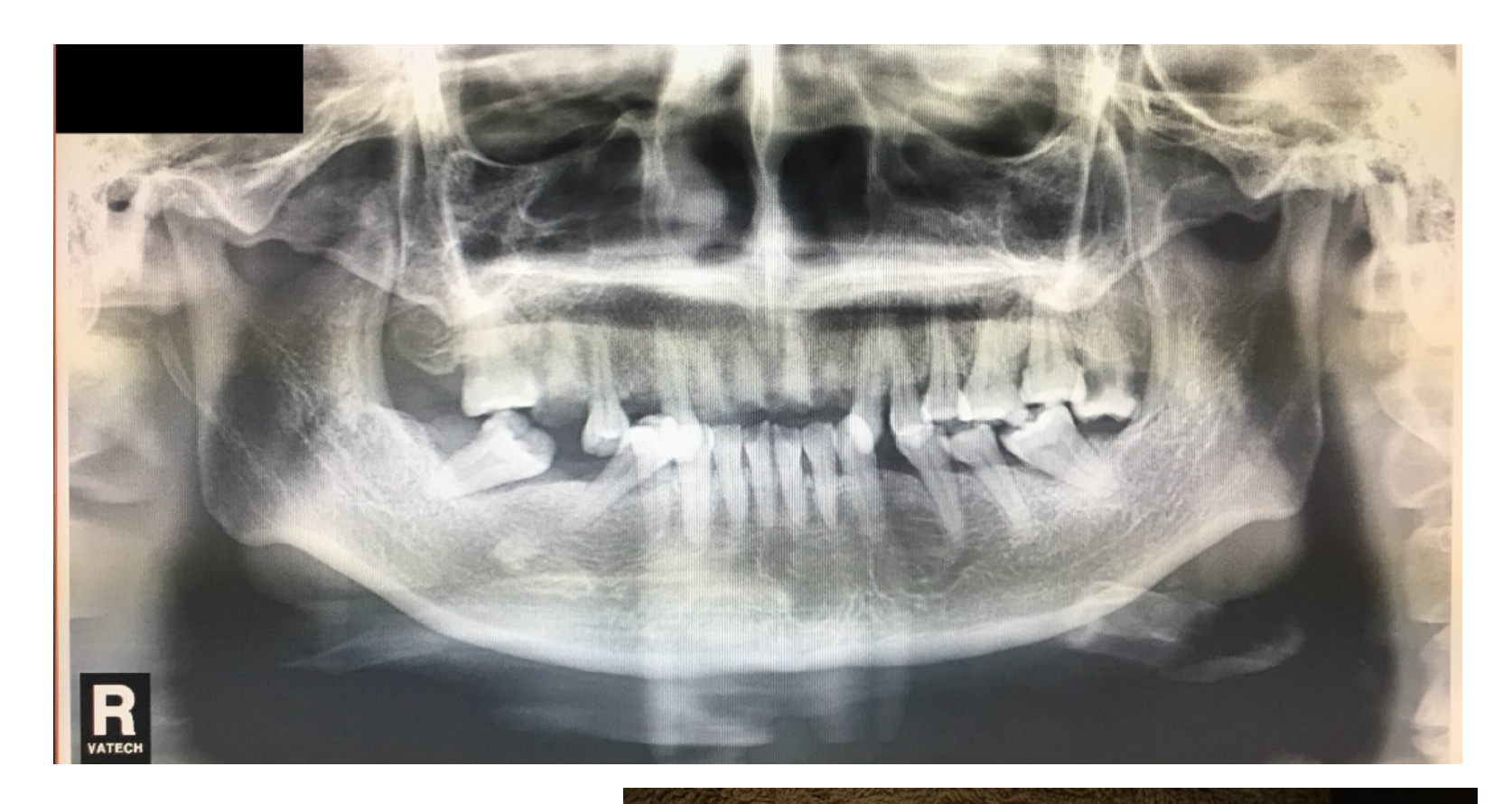 |  |
Dental History
- Occasional toothbrushing once a day
- Last visit 1 year ago
Lecturer — Less Invasive Care
Alternative treatment methods may reduce treatment intensity when cooperation or attendance is difficult.
- The lecturer specifically mentioned atraumatic restorative treatment and silver diamine fluoride as possible less invasive approaches.
Social History
- 80 year old mum is main caregiver
- 82 year old dad cab driver
Question 1: Create a Medical Category - Risk Assessment - Modifications Table
| Medical Category / Condition | Risk Assessment / Severity | Modifications / Management |
|---|---|---|
| Down’s Syndrome / ID / ASD | Risk: Moderate to High (Intellectual disability, Autism). Difficulty with understanding procedures. | Need extended appointment time. Use simple, concrete language. Visual guides. Desensitization to dental environment. Parental support/chaperone necessary. |
| Epilepsy | Risk: Moderate (Medication interaction). | Timing: Avoid scheduled medications during or immediately after treatment to prevent interaction. Keep rescue medication available. Stress from dental treatment can provoke seizures. |
| Bisphosphonates / Osteoporosis | Risk: High / Severe. | Contraindication: Use caution/informed consent. High risk of Osteonecrosis of the Jaw (MRONJ) with invasive extractions. Likely needs oral route rather than I.V. Avoid extensive elective surgery if possible. |
| Diabetes Mellitus (Mild) | Risk: Moderate. | Monitor blood sugar pre-treatment if long procedure. |
| HTN (Mild) | Risk: Low. | Monitor weekly if stable. BP needs treatment if consistently above 160/100. |
| Drug Allergy: Penicillin | Risk: Moderate (Adverse reaction). | Contraindication: Use alternative antibiotics (avoid Penicillin) for immediate post-extraction prophylaxis to prevent sepsis. |
Lecturer — Bisphosphonate Route
Bisphosphonates were considered most likely to be administered orally because the patient was being treated for osteoporosis and oral treatment was described as first-line care.
- Intravenous treatment was described as more potent and more likely in patients with cancer or bone metastasis, with a higher risk of medication-related osteonecrosis of the jaw.
- Obtaining intravenous access might also be difficult in this patient.
Question 2: What Type of Drug Route Would Bisphosphonates Likely Be?
Based on the image context of a patient with severe osteoporosis (very low BMD) requiring preservation of jawbone integrity during dental treatment, the Bisphosphonates are likely administered Orally. (Note: Systemic Bisphosphonate use, whether oral or I.V., increases the risk of osteonecrosis of the jaw, but Oral is the most common route for general osteoporosis).
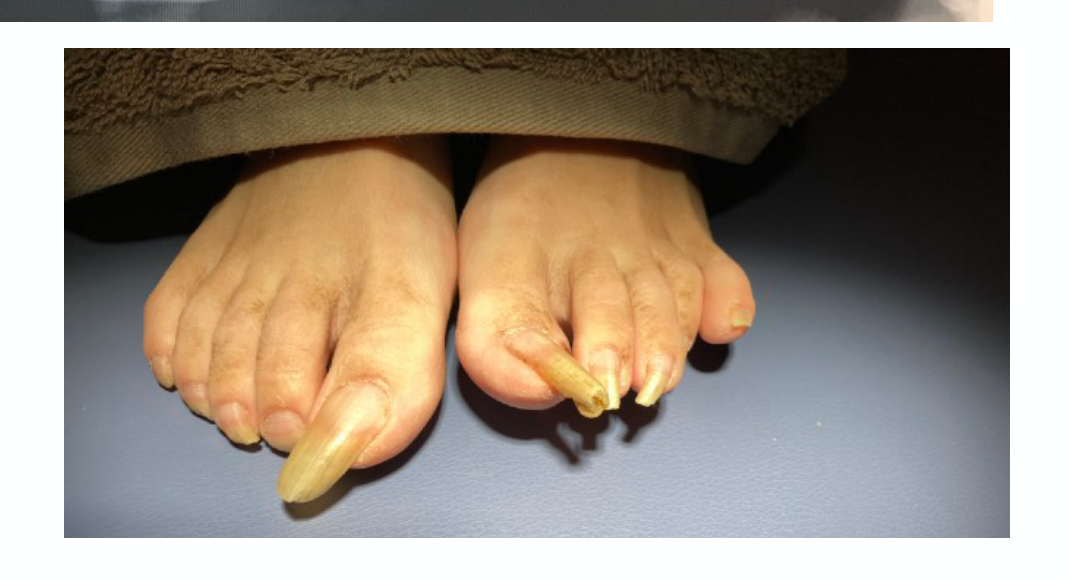
Question 3: Toenail Findings and Their Effect on Dental Treatment Delivery
There is a structural overlap indicated by the toenail morphology (onychogryphosis). If this patient is being treated during times of uncontrolled Diabetes or Osteoporosis, they may also be prone to:
- Ingrown toenails/Cellulitis: Invasive infection of the feet.
- Bone fractures: Fractures in the feet.
Since these are painful conditions, this patient may require significant analgesia to allow for dental treatment to proceed.
Lecturer — Toenail Findings
The toenail findings could indicate neglect, poor self-care, fungal infection, poor glycaemic control, peripheral circulation problems, delayed wound healing, or diabetic foot complications.
- The lecturer recommended general-practitioner liaison, review of diabetic control, checking HbA1c, assessment for oral candidiasis, and consideration of infection and healing risks before dental treatment.
Question 4: Behavioural Supports — Risks and Limitations
| Behavioural Support | Risk / Limitations |
|---|---|
| Parental Escorting / “Comfort Management” | Risk: Pat (Parent), Ageing, Duty of Care to other children, High Expectations can backfire if needs go unmet. |
| ”Trojan Horse” / Chelation Approach | Risk: False sense of security, may lead to extensive interventions being deemed safe, parents need to know the pain threshold is above the threshold. |
| Video / Auditory Desensitization | Risk: Patient may not comprehend the explanations. |
| Anaesthetic Backstrap / Local Anaesthesia | Risk: “Dive Thyms” - Unpredictable. Can result in reversal or prolonged recovery if excessively invasive. |
| Chemical Restraint (Sedation / Anaesthesia) | Risk: Does not allow for adequate dental treatment in the same way that a dental chair allows. Patient can have a reaction/side effects. |
Lecturer — Behavioural Support
Behavioural support should begin with the least restrictive options, including adapted communication, tell-show-do, desensitisation, treatment modification, and less invasive techniques.
- If required, treatment may progress to inhalation sedation, conscious intravenous sedation, clinical holding, or general anaesthesia.
- Clinical holding was described as appropriate only for short, safe procedures, particularly where the patient lacks capacity; head holding is a concern if atlanto-axial instability is present.
- High-risk patients may require hospital-based anaesthetic assessment, including airway assessment, blood tests, full blood count, liver function, renal clearance, and review of overall medical status.
Audio Appendix
Additional Audio Content
The following sections from the lecture audio did not correspond to any heading in the main document.
Medical emergencies discussed
Students described experiences involving:
- Heart attack
- Epilepsy
- Vasovagal syncope
- Asthma
- Hypoglycaemia
Initial signs of hypoglycaemia may include:
- Agitation
- Rigidity
- Hand tremors
- Incoherence in more severe cases
Management discussed included:
- Providing glucose
- Taking a break
- Laying the patient flat when appropriate
- Ensuring the patient has eaten before treatment
- Confirming that diabetic medication has not been omitted
Clinical Cases
Case: Complex patient with severe asthma and multiple comorbidities
Question
Scenario: A patient with severe poorly controlled asthma, rheumatoid arthritis, a smoking habit, reduced BMI, visual impairment, oral candidiasis, high caries risk, and social barriers is presented for dental treatment planning.
What’s shown: A student group’s risk assessment and modification table detailing the patient’s medical categories, associated risks, and proposed dental modifications.
Consider: Identify the medical and social factors affecting this patient and determine the necessary modifications to safely deliver dental care.
Answer
Observations:
- Respiratory: Severe poorly controlled asthma (1-3 hospital admissions/year), using salbutamol and steroid inhalers.
- Musculoskeletal: Rheumatoid arthritis causing reduced mobility and potential TMJ involvement.
- Habits: Smokes 5 cigarettes a day.
- Systemic: Reduced BMI (potential malnutrition), visual impairment, and oral candidiasis.
- Dental: High caries risk, rampant caries, retained roots, and an old upper denture.
- Social: Irregular attendance, financial barriers, and reduced post-operative support.
Reasoning: The lecturer and students reason that asthma requires confirming control, avoiding triggers, having the patient bring their inhaler, using a stress reduction protocol, and keeping them semi-upright with emergency oxygen available. Rheumatoid arthritis necessitates assessing oral hygiene ability and adjusting the chair position. Smoking requires cessation advice. Visual impairment means providing accessible verbal and written instructions. The candidiasis must be treated, and the patient advised to rinse after inhaler use. Social factors dictate prioritizing urgent care, flexible scheduling, and staging treatment for pain and infection control.
Takeaway: Complex patients require a comprehensive, staged treatment plan that addresses multiple medical, physical, and social barriers while prioritizing urgent care and minimizing stress.
Case: Geriatric patient in palliative care with a history of head and neck radiotherapy
Question
Scenario: An 80-year-old female in palliative care with severe dysphagia, recurrent aspiration pneumonia, NG tube feeding, severe dementia, ischemic heart disease, and a history of 70 Grays radiotherapy for laryngeal carcinoma is presented.
What’s shown: A student group’s risk assessment for this patient, specifically focusing on the decision regarding the extraction of an upper left six.
Consider: Determine if the extraction is justified and what modifications are necessary for a bedridden palliative patient with high aspiration and osteoradionecrosis risks.
Answer
Observations:
- Respiratory/Neurological: Severe dysphagia, recurrent aspiration, NG tube feeding, severe dementia, and fluctuating consciousness.
- Cardiovascular: Ischemic heart disease, hypertension, and antiplatelet therapy.
- Oncological: History of 70 Grays radiotherapy for laryngeal carcinoma.
- Dental: Question of whether to extract an upper left six.
Reasoning: The lecturer guides the reasoning that in palliative care, the treatment philosophy shifts to comfort, pain management, and eliminating acute infection rather than restoring pristine dentition. Extraction is only justified if the tooth causes pain, infection, trauma, or poses a severe aspiration risk. Modifications include assessing capacity and consent, liaising with the oncology team for radiation dose, performing atraumatic extractions with smooth bony edges and primary closure, using local hemostatic measures without altering essential medications, and never placing the patient supine to prevent aspiration.
Takeaway: In palliative and end-of-life care, dental treatment goals shift towards comfort and risk mitigation, requiring careful weighing of the benefits of extraction against the risks of the procedure and aspiration.
Case: Homeless ex-offender with Hepatitis C, latent TB, and multiple systemic conditions
Question
Scenario: A 64-year-old homeless ex-offender referred from a prison aftercare scheme. He has Hepatitis C, latent TB, COPD, GORD, a renal cyst, and is an ex-IV drug user and heavy drinker. He takes omeprazole, salbutamol, fluticasone, and TCM.
What’s shown: A student group’s analysis of his medical conditions, medications, and social factors affecting dental treatment.
Consider: Identify the infection risks, medication implications, and social barriers, and determine the appropriate cross-infection and treatment modifications.
Answer
Observations:
- Infectious: Hepatitis C (chronic), latent TB, history of IV drug use.
- Systemic: COPD, asthma, GORD, renal cyst, heavy alcohol use.
- Medications: Omeprazole, salbutamol, fluticasone, and TCM (including ginkgo, ginger, ginseng, garlic).
- Social: Homeless, unemployed, no fixed address, estranged from family, poor oral hygiene.
Reasoning: The lecturer and students reason that Hepatitis C and latent TB require strict cross-infection control and awareness of decreased liver function. Decreased liver function and alcohol/TCM use increase bleeding risk and contraindicate NSAIDs; paracetamol should be used instead. COPD and asthma require upright positioning and caution with rubber dam. GORD causes erosion and dry mouth. Socially, his homelessness and lack of income affect attendance and ability to afford complex treatment. The treatment plan should focus on pain and infection control, stabilization, and OHI, keeping financial constraints and the aftercare scheme’s fee schedule in mind.
Takeaway: Managing medically and socially complex patients requires adapting cross-infection protocols, adjusting prescriptions for hepatic impairment, and tailoring the treatment plan to the patient’s socioeconomic realities.
Case: Charity clinic patient with severe COPD and uncontrolled hypertension
Question
Scenario: A 67-year-old male at a charity clinic with weakening teeth, prolonged oral health neglect, COPD, asthma, hypertension, hyperlipidemia, and a history of smoking. He works in a hawker center, speaks Hokkien, and has financial constraints.
What’s shown: A student group’s risk assessment, including spirometry (FEV1 38%), chest X-ray findings, and low oxygen saturation.
Consider: Evaluate the respiratory and cardiovascular risks and determine the dental modifications and treatment options for this high-risk patient.
Answer
Observations:
- Respiratory: Severe COPD (FEV1 38% of predicted), asthma, ex-smoker, flattened diaphragm on X-ray, low oxygen saturation, high respiratory rate.
- Cardiovascular: Uncontrolled hypertension (152/85 on two medications), hyperlipidemia.
- Social/Dental: Financial constraints, language barrier (Hokkien), high caries risk, erosive lesions, root caries.
Reasoning: The patient is ASA 3 with severe COPD and uncontrolled hypertension. Risks include acute asthma attacks, hypertensive crisis, and poor healing. Modifications include short morning appointments, bringing inhalers, upright positioning, avoiding triggers, and using oral anxiolytics if needed. For his high caries risk and financial constraints, treatment should focus on direct restorations, high-fluoride toothpaste, diet modification, and improving OHI. A translator may be needed for the language barrier. The lecturer also prompts consideration of adrenal crisis risks if the patient is on long-term steroids.
Takeaway: Severe respiratory and cardiovascular diseases require strict stress reduction, upright positioning, and emergency preparedness, while treatment options must be pragmatically tailored to the patient’s financial and social constraints.
Case: Bariatric patient with obstructive sleep apnea and multiple comorbidities
Question
Scenario: A female patient with a high BMI (>40), obstructive sleep apnea (on CPAP), asthma, hypertension, ischemic heart disease, diabetes, depression, anxiety, and reflux. She requires special transport and has difficulty reaching her posterior teeth.
What’s shown: A student group’s assessment of her physical, medical, and social barriers to dental treatment.
Consider: Identify the challenges related to her BMI, airway, and medical conditions, and determine the necessary modifications for chair positioning, sedation, and treatment delivery.
Answer
Observations:
- Physical: High BMI (>40), difficulty reaching posterior teeth, requires special transport.
- Respiratory/Medical: Obstructive sleep apnea (on CPAP), asthma, hypertension, ischemic heart disease, diabetes, reflux.
- Psychological: Depression and anxiety.
Reasoning: The lecturer and students reason that high BMI and OSA make supine positioning difficult and increase airway compromise risk; she must be seated upright. The dental chair’s weight limit must be checked. OSA and asthma require caution with sedation and opioids. Reflux and asthma also contraindicate supine positioning. Her diabetes requires hypoglycemia management. Due to her size, accessing posterior teeth is difficult, requiring modified OHI aids. Special transport needs must be coordinated for follow-ups. The lecturer notes that general anesthesia for high ASA patients would require assessment by an intensivist in a hospital setting.
Takeaway: Bariatric patients require specialized equipment, upright positioning to protect the airway, careful medication management, and coordinated logistics for transport and follow-up care.
Case: Patient with Down syndrome, intellectual disability, and complex medical history
Question
Scenario: A 45-year-old male with Down syndrome, moderate intellectual disability, autism, epilepsy, mild hypertension, diabetes, osteoporosis, allergic rhinitis, eczema, and childhood asthma. He is allergic to penicillin and takes metformin, bisphosphonates, and sodium valproate. His caregivers are elderly parents.
What’s shown: A student group’s risk assessment, noting his toenails as a sign of neglect or poor glycemic control, and his behavioral and medical complexities.
Consider: Evaluate the risks associated with his syndromes, medications, and caregivers, and determine the appropriate behavioral supports and treatment modifications.
Answer
Observations:
- Syndromic/Neurological: Down syndrome, moderate intellectual disability, autism, epilepsy, head instability.
- Systemic: Diabetes (on metformin), osteoporosis (on bisphosphonates), asthma, allergic rhinitis, eczema.
- Physical: Toenail changes indicating potential neglect or poor glycemic control and peripheral circulation.
- Social: Elderly caregivers (80 and 82 years old) who may struggle with attendance and daily oral care.
Reasoning: The lecturer and students reason that risks include asthmatic attacks, hypoglycemia, MRONJ from bisphosphonates (likely oral route), and challenging behavior. His elderly caregivers may struggle with attendance and daily oral care. Toenail changes prompt a check of his HbA1c and peripheral circulation. Behavioral supports should follow a least-restrictive approach: tell-show-do, desensitization, inhalation sedation, conscious IV sedation, clinical holding with head support, or GA. The lecturer notes that GA for high ASA patients requires an intensivist in a hospital setting. Treatment may involve atraumatic restorations or silver diamine fluoride to reduce intensity.
Takeaway: Patients with intellectual disabilities and complex medical histories require a tailored, least-restrictive behavioral approach, careful evaluation of medication risks, and consideration of caregiver capacity when planning treatment.
Footnotes
-
Original PDF page 1: W1 Medically Compromised Pt Lecture, p.1 ↩
-
Original PDF page 2: W1 Medically Compromised Pt Lecture, p.2 ↩
-
Original PDF page 3: W1 Medically Compromised Pt Lecture, p.3 ↩
-
Original PDF page 5: W1 Medically Compromised Pt Lecture, p.5 ↩
-
Original PDF page 6: W1 Medically Compromised Pt Lecture, p.6 ↩
-
Original PDF page 9: W1 Medically Compromised Pt Lecture, p.9 ↩
-
Original PDF page 10: W1 Medically Compromised Pt Lecture, p.10 ↩
-
Original PDF page 11: W1 Medically Compromised Pt Lecture, p.11 ↩
-
Original PDF page 12: W1 Medically Compromised Pt Lecture, p.12 ↩