Trauma1
Magdalen Foo, Discipline Lead Oral Maxillofacial Surgery
The University of Western Australia
Oral Health Centre of Western Australia
Learning Outcomes2
-
Describe the initial management of a trauma patient
-
Describe the presentation and management of multiple trauma
-
Discuss the importance of injury prevention
-
Understand trauma as the transfer of energy and recognize how the mechanism and history of an incident help predict injury patterns.
-
Apply the priorities of airway, breathing, and circulation in an emergency.
-
Maintain cervical spine control and assume the neck is broken until it has been proven otherwise.
-
Understand the purpose of Advanced Trauma Life Support, triage, and trauma-centre care.
-
Use the Glasgow Coma Scale and have an awareness of the Revised Trauma Score and Injury Severity Score.
-
Recognize the importance of repeated assessment, early treatment of life-threatening conditions, and reassessment after treatment.
-
Identify important considerations in burns, electrical injuries, cold injuries, and injury prevention.
Introduction To Trauma
Definition Of Trauma3
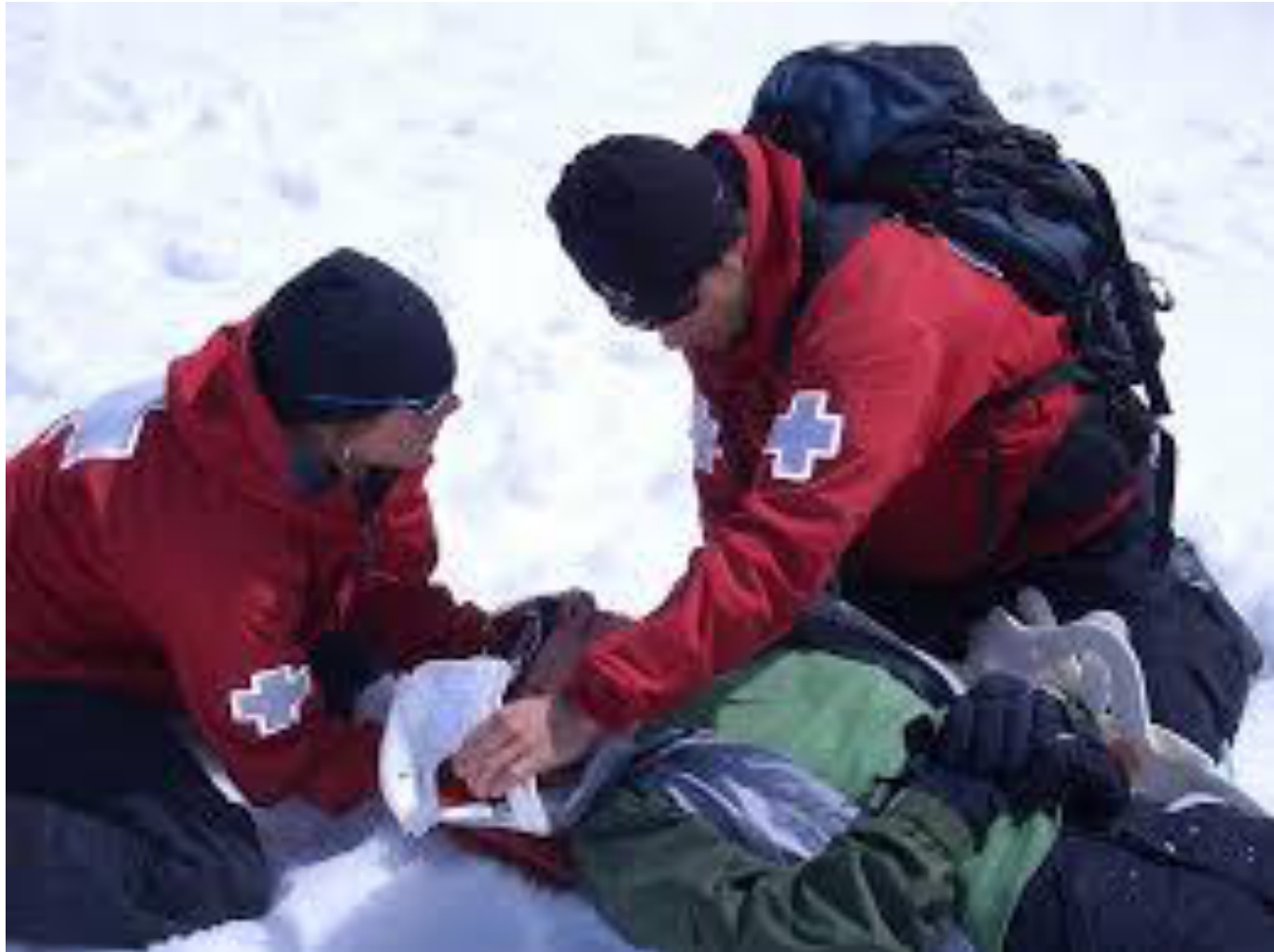
Injury resulting from the transfer of energy.
Lecturer — Trauma Response
Trauma may be a small, localized injury or may affect multiple body systems. Surgery can also be considered controlled trauma, and the body requires energy to recover through catabolic and anabolic processes.
- Severe blood loss can cause brain injury when the brain is deprived of oxygen.
- Severe blood loss can also cause acute kidney injury or later chronic kidney problems and multiple-organ complications.
Mechanism Of Injury4
- Important in history taking of the trauma patient
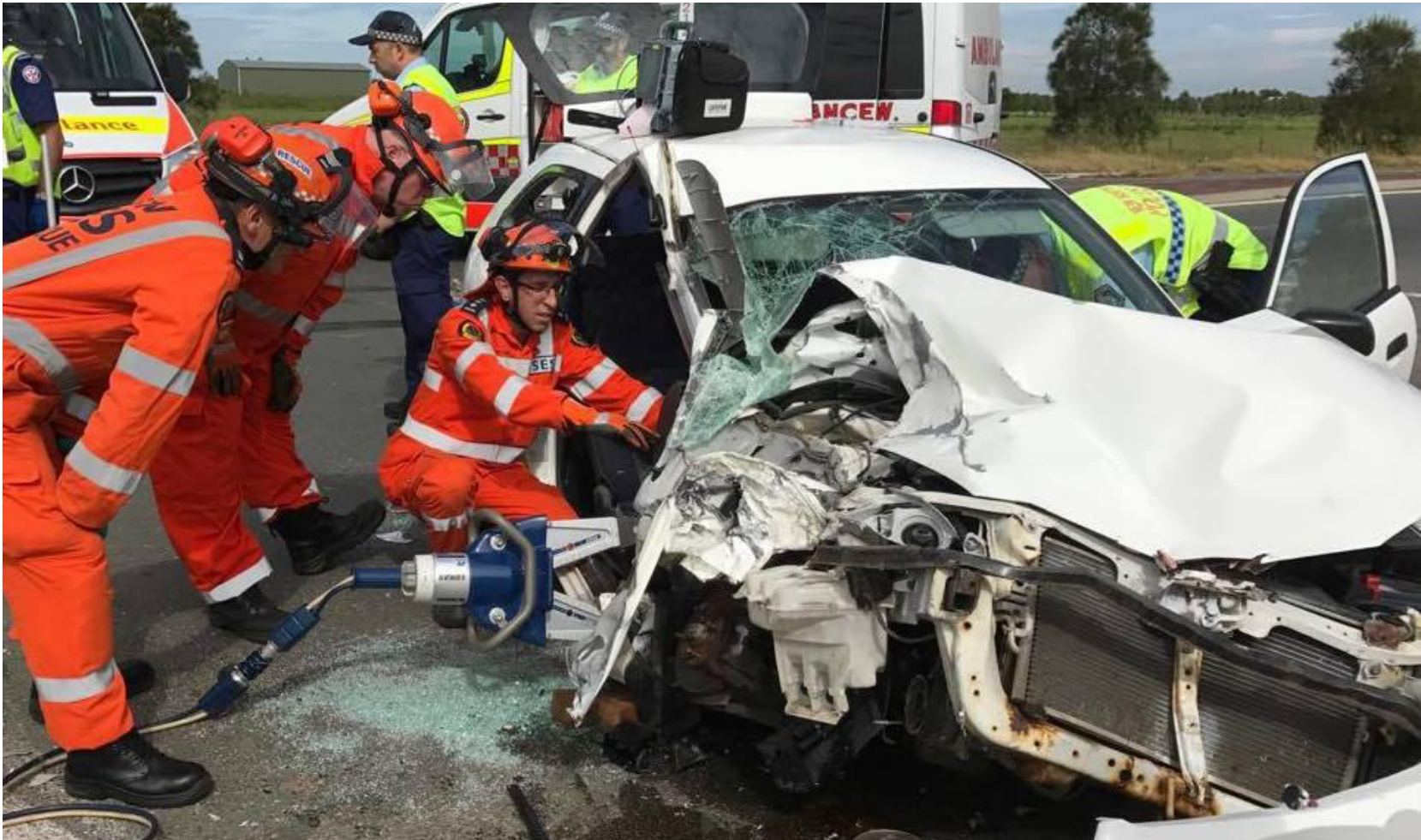
- e.g. fall from a height, burns, blast, length of time required for vehicle extrication
- Help identify patterns of injury
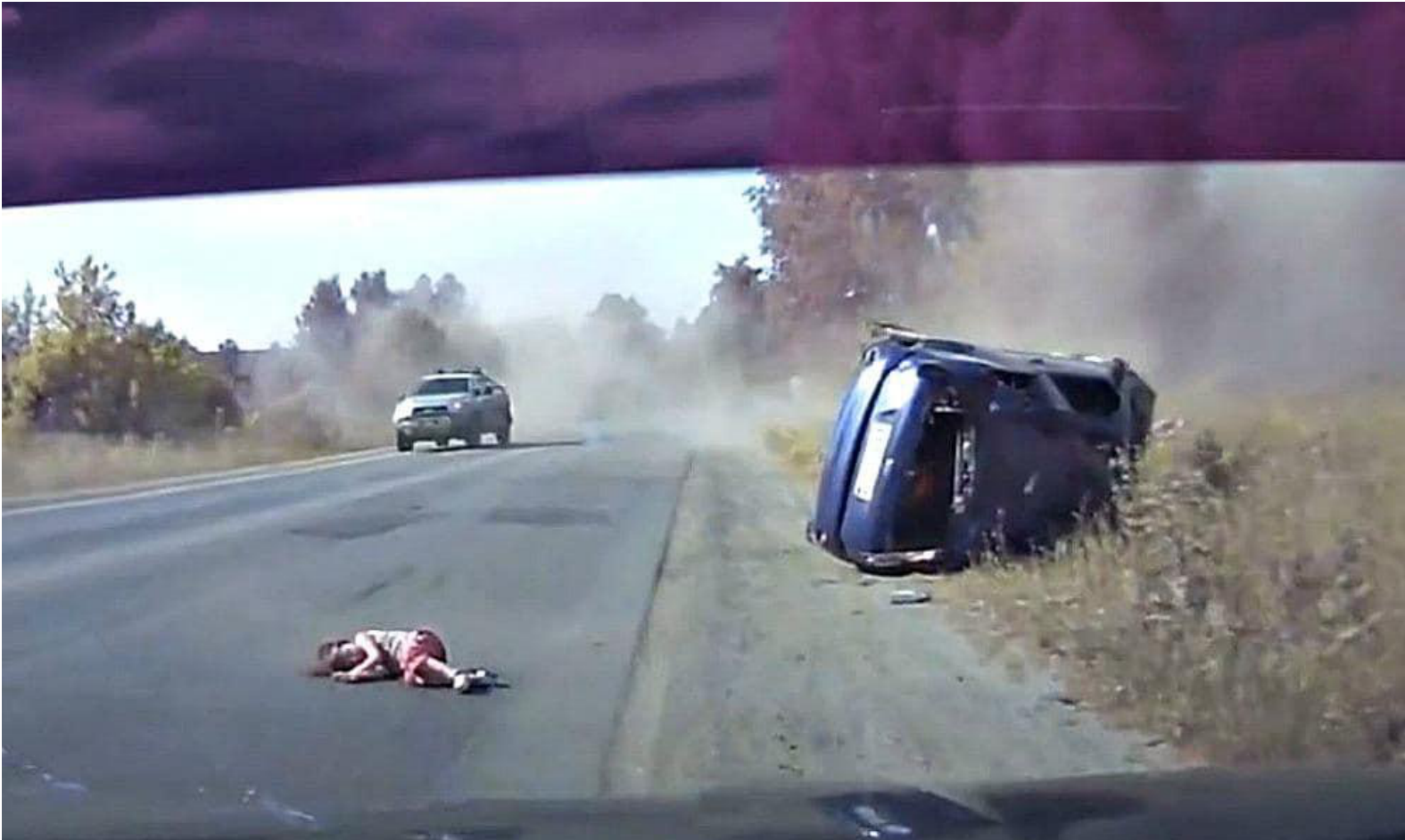
- e.g. whiplash, not wearing a seat belt, ejected from vehicle, assault with instruments
Lecturer — Mechanism Assessment
The history of what happened is essential for estimating the likely severity and pattern of injury. The patient’s position, restraint, ejection, and extrication details can substantially change the expected injury pattern.
- A longer extrication time may indicate more serious injury.
- Ejection from a vehicle suggests particularly severe injury and may be associated with death.
- Do not move the patient unnecessarily; maintain cervical spine control and move the patient only when the neck can be immobilized.
Energy Sources56
-
Mechanical energy
- Vehicular accident
- Falls or crush injury
- Weapons — gun and knives
- Machines
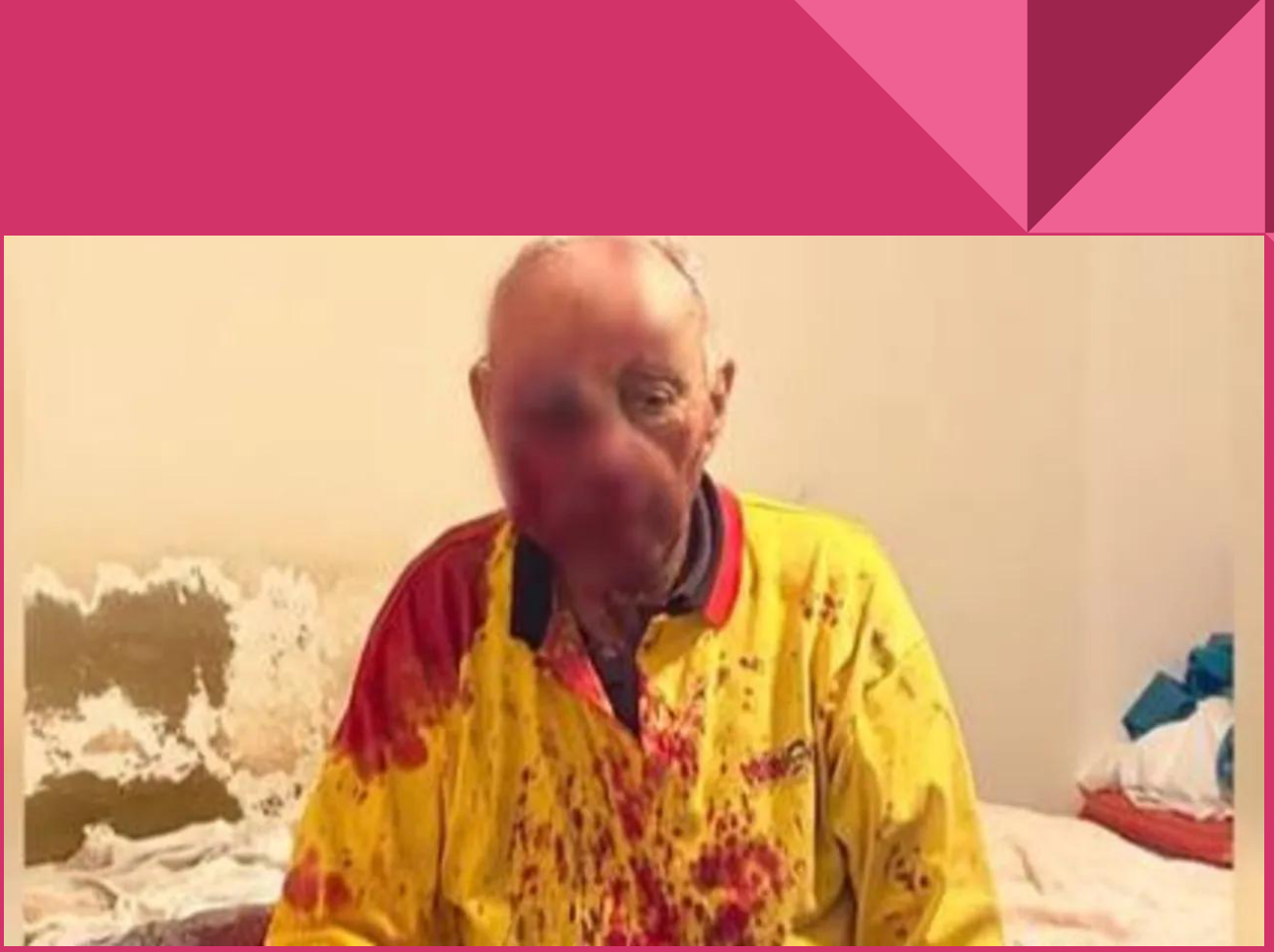
- Assault
-
Heat
- Fire — burns and smoke inhalation
-
Drowning
-
Electricity
- Lighting
- Wires
-
Chemical
- Drugs
- Poisons e.g. liquids, gases
- Insects, snake venom
-
Pedestrian-versus-car collisions
-
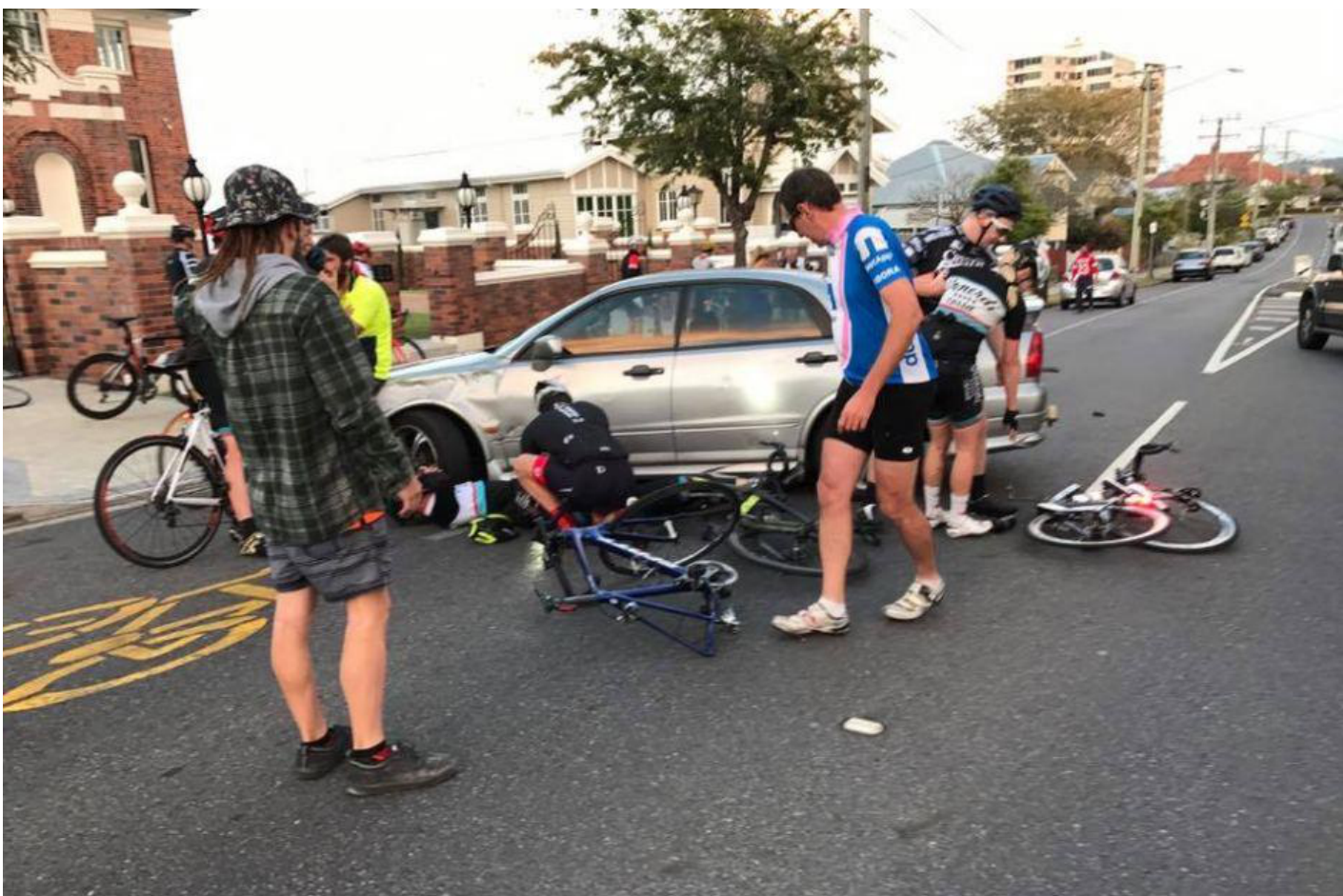
Cyclist-versus-car collisions
-
The severity of injury depends on the amount and type of energy and how it is transferred.
Patterns Of Injury By Mechanism
Motor Vehicle Accidents789101112
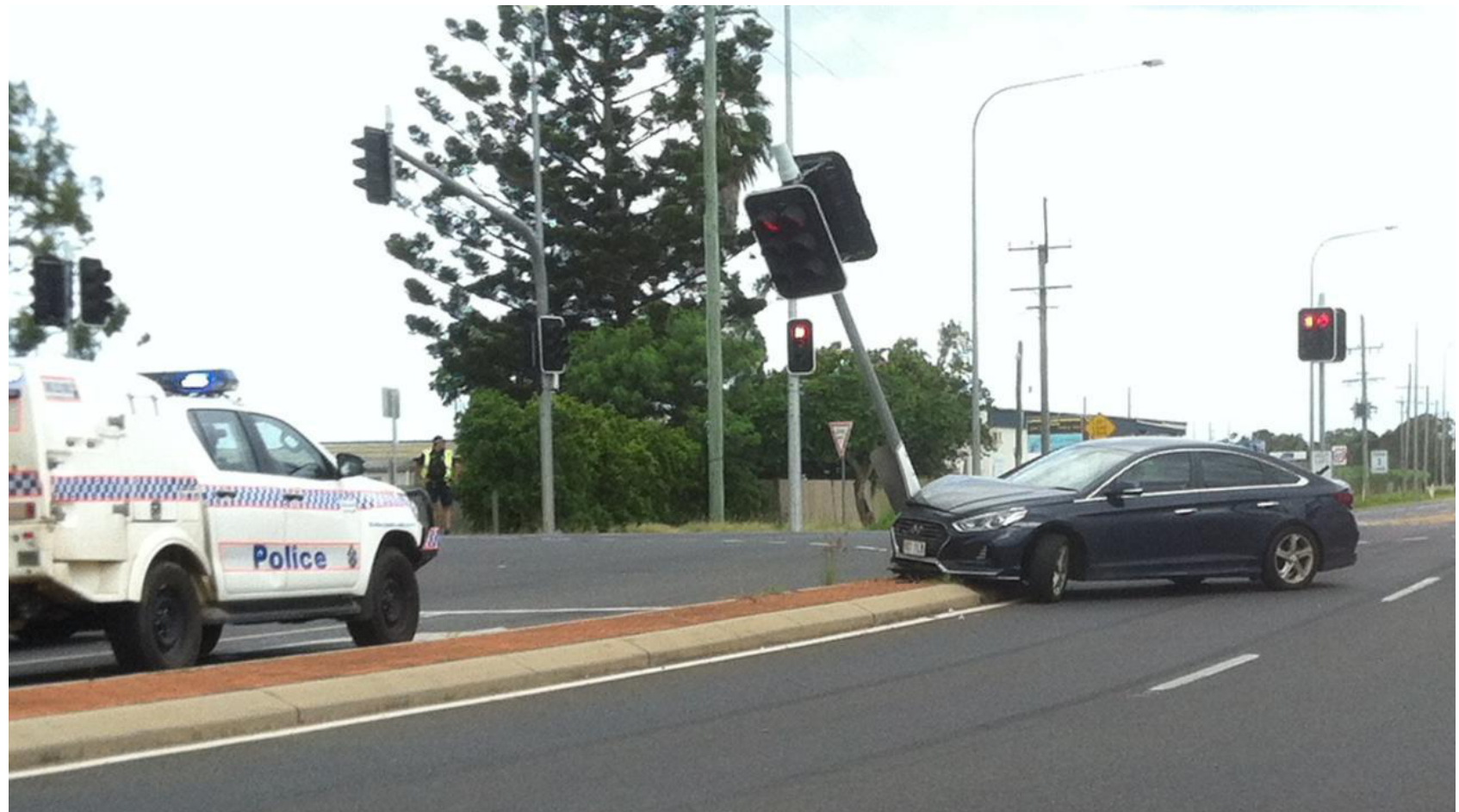
Single vehicle accident compared to multiple car pile-ups with more serious physical injuries.
Lecturer — Collision Patterns
The injury pattern depends on the person’s relationship to the vehicle, not only on whether a collision occurred.
- A car-versus-car collision may produce a different injury pattern from a cyclist or pedestrian struck by a car.
- A cyclist trapped under a car may be expected to have a serious injury.
- The mechanism should not distract from immediate treatment priorities.
A, B, C, D, R — PORTABLE RESUS
Blast Injuries13
- Primary injury (unique to blast wave) — eardrum rupture, abdominal haemorrhage, blast lung (alveolar haemorrhage)
- Secondary (from debris and fragments) — penetrating or blunt injury, fractures and soft tissue injury
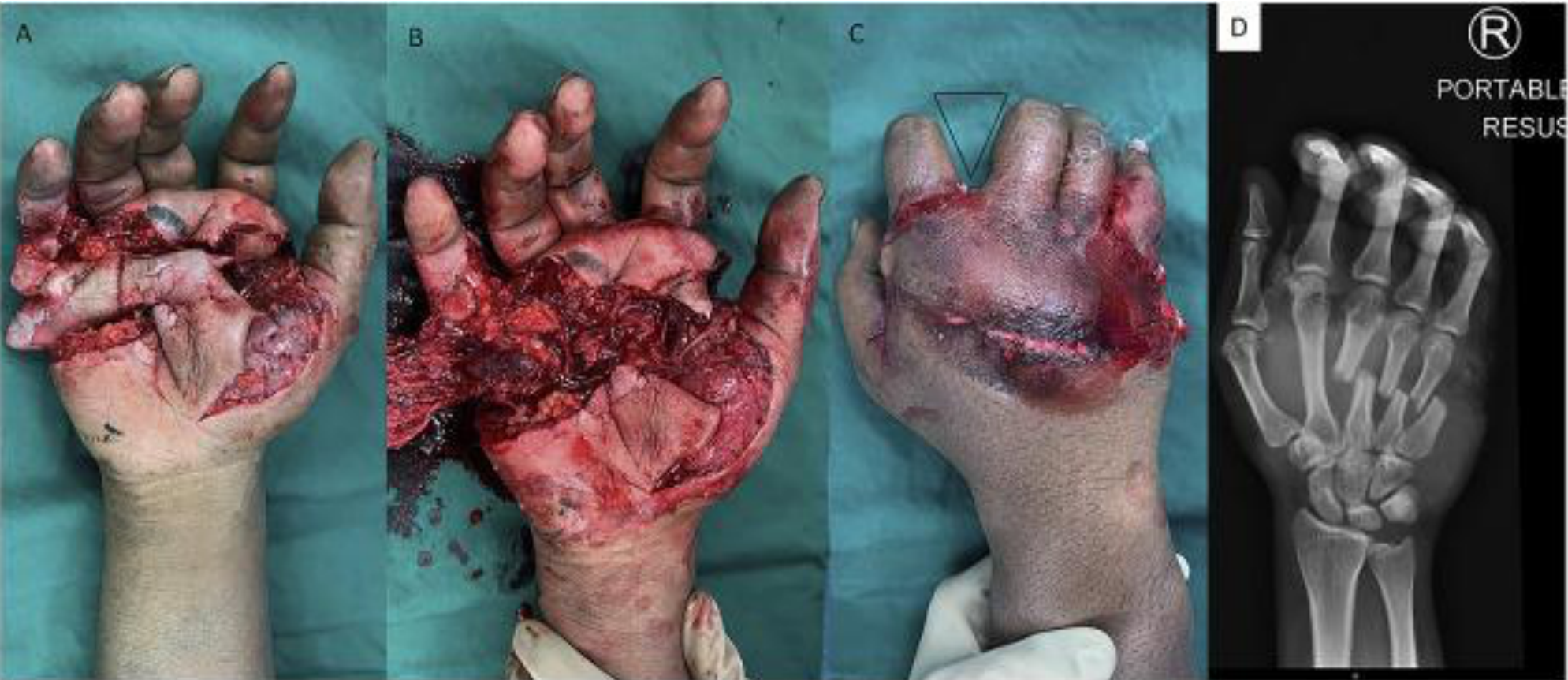
- Tertiary (result of being thrown) — fracture or traumatic amputation, head injury
- Quaternary (not due to primary, secondary or tertiary mechanisms) — e.g. burns or injury from inhalation
Lecturer — Blast Management
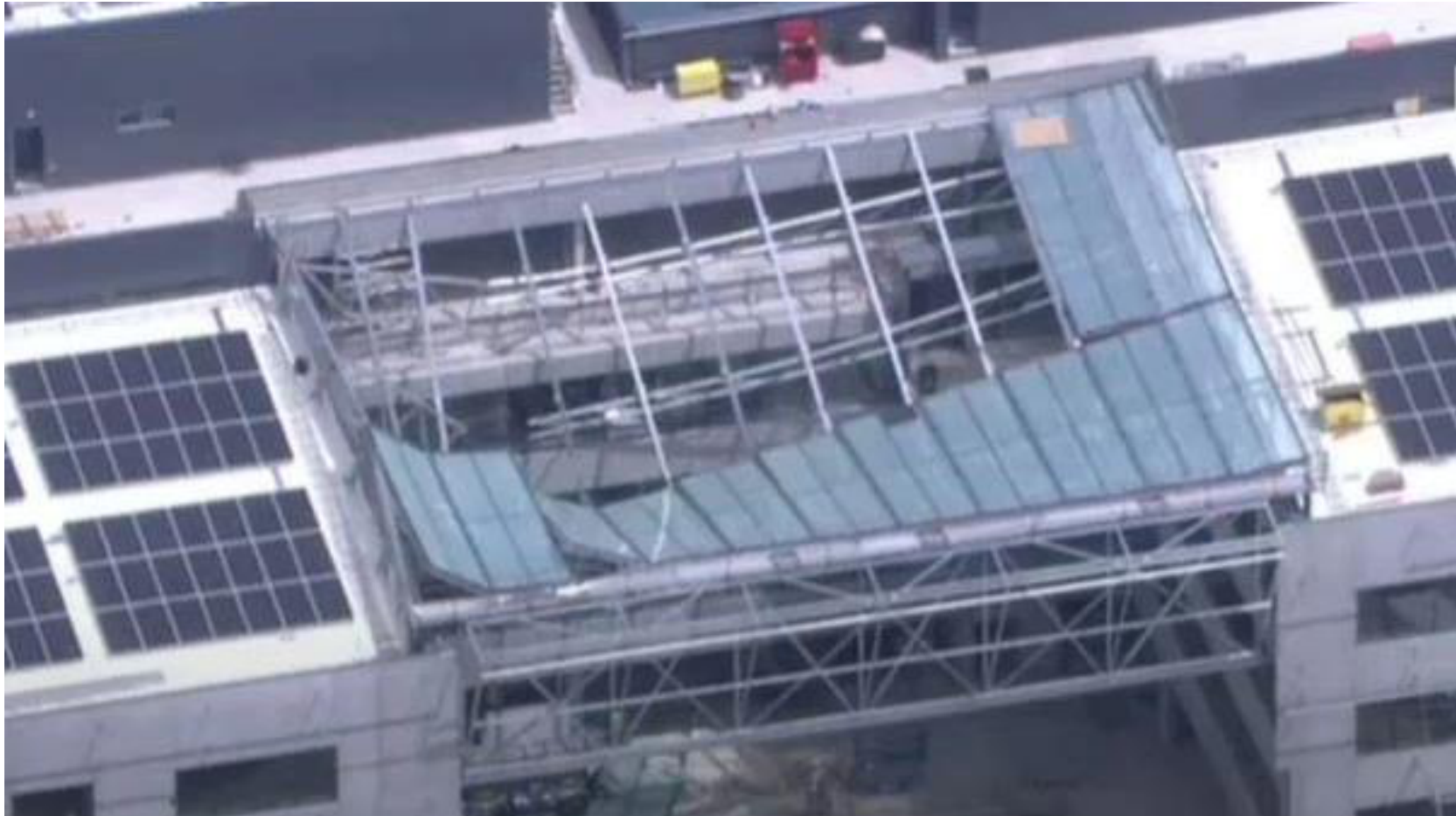
Tourniquets may be applied to reduce blood loss. A blast incident was discussed in relation to the Boston Marathon.

Penetrating Injuries
Gunshot
High velocity with greater kinetic energy and consequently potential to destroy tissue.
Stab Wound
Penetrating injury.
Machinery — Cutting Disc
Penetrating injury.
Lecturer — Penetrating Objects
A patient with a knife or other metal object embedded in the body should not be placed in an MRI scanner because the object may move; a CT scanner should be used instead.
- Do not become distracted by the visible penetrating object: airway and breathing remain the immediate priorities.
- Address the object and other injuries after life-threatening problems have been managed, and document all injuries.
Assault14
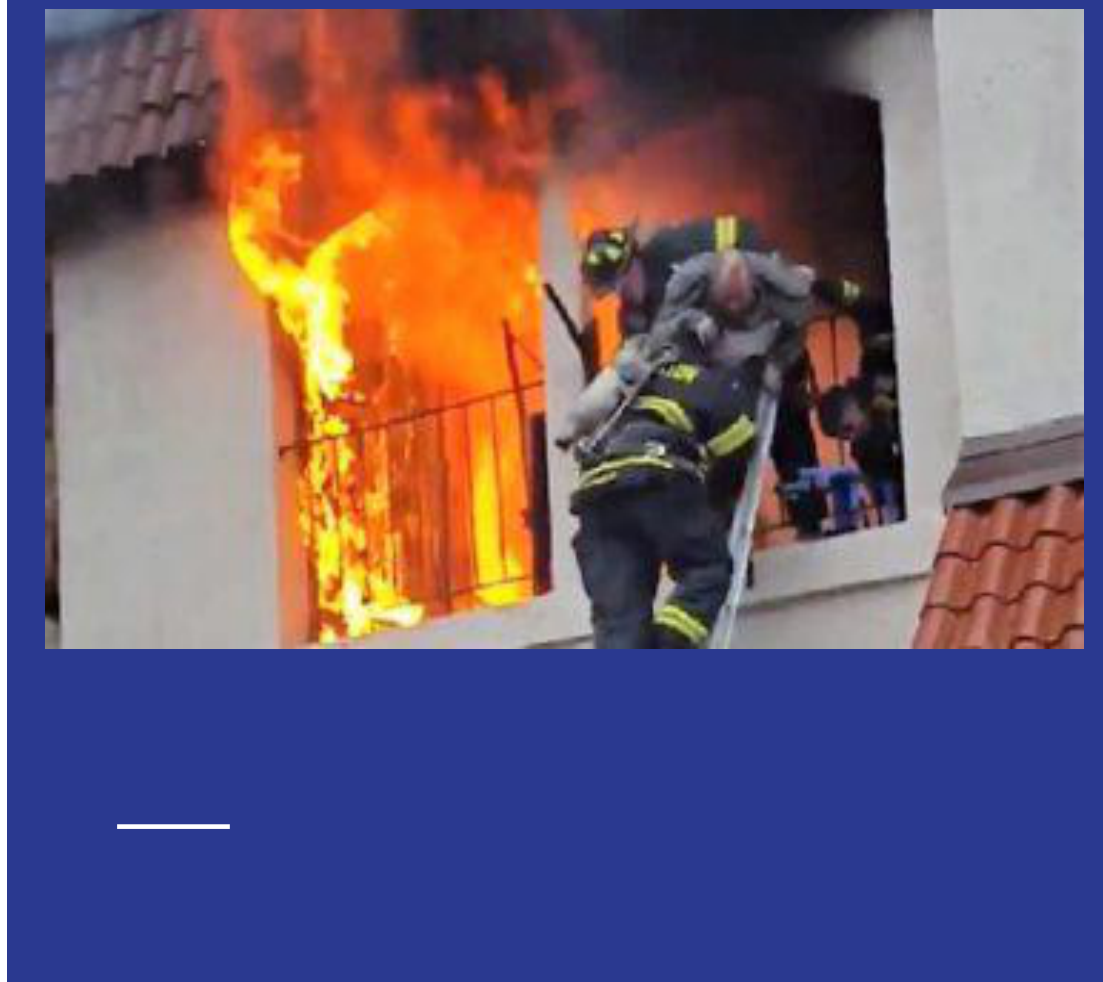
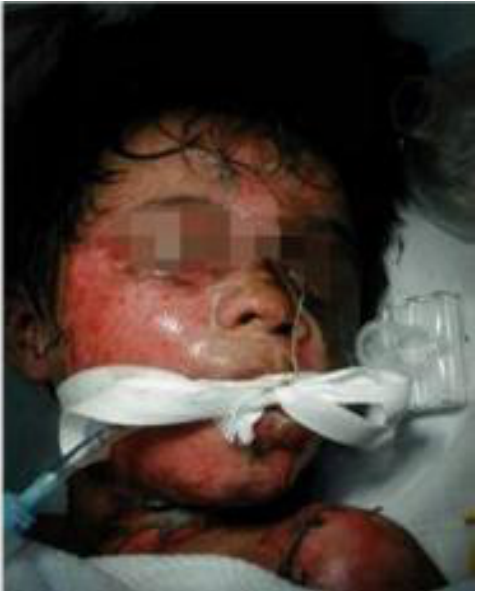
Burns And Smoke Inhalation15
Rescue from a burning building:
- Burns
- Inhalation of smoke and toxic gases
Lecturer — Burns Airway
Burns can cause rapid deterioration even when the patient initially appears to be breathing adequately. Swelling and scarring can later compromise the airway, so early airway protection may be necessary.
- Sedate the patient if required and insert a breathing tube before the airway becomes difficult to manage.
- Smoke inhalation and burns around the airway require particular concern; secure the airway while it is still possible to do so.
Drowning16
Trauma Statistics And Facts17
-
Almost half a million hospitalised, and almost 12,000 deaths
-
Males made up 59% of cases
-
Indigenous people twice as likely to be admitted to hospital as a result of injury or die of injury
-
Most injuries requiring hospitalisation happen as a result of transport accidents, falls, self-harm and assault
-
Most deaths from injuries happen as a result of falls, suicide and transport accidents
-
Significant public health problem in Australia — major cause of death and disability in young people, and many survivors have long-lasting disabilities
-
Huge human, social and economic costs — annual healthcare costs (> $3.4 billion)
-
Sports may result in injuries.
-
Road traffic accidents were described as the most common source of injury.
-
Long-term disability after trauma may include amputation, brain injury, kidney injury and multiple-organ failure. #1 Cause of Death (Age 1–46)
-
Trauma: 47%
-
Other: 30%
-
Cancer: 12%
-
Heart Disease: 11%
Percentage Contribution to Total Years of Potential Life Lost Before Age 75
- Cancer: 21.3%
- Heart Disease: 15.1%
- Injury: 15.2%
- Unintentional: 5.8%
- Suicide: 3.1%
- Homicide: (included in injury total)
- Chronic Lower Respiratory Disease: 2.9%
- Liver Disease: 2.8%
- Diabetes: 2.7%
Annual Cost of Trauma
- Trauma: $671B
- Heart Disease: $313B
- Diabetes: $245B
- Cancer: $216B
The Trauma Patient1819
-
Person who has suffered a serious or life-threatening injury as a result of an event such as a car accident, gunshot wound or fall
-
Traumatic injuries may affect many parts of the body, including the brain, the extremities and internal organs
-
Large spectrum of injury severity may result, ranging from minor injuries which require little medical intervention to severe multisystem trauma, requiring definitive management by an experienced multidisciplinary team
-
Integrated systems of care allows the best chance of survival and recovery
-
A systematic approach to management in order to maximize outcomes and reduce the risk of undiscovered injuries
Lecturer — Trauma Assessment
The trauma patient should be assessed according to several clinical and logistical factors.
- Consider the mechanism of injury, the extent and pattern of injury, pre-hospital vital signs, current vital signs and physiological stability, age and comorbid conditions, and the resources and personnel available.
- A patient may have multiple injuries requiring prioritization, so treatment in a polytrauma patient must first address the injury most likely to cause death.
- For example, a bleeding spleen requires immediate attention, while a broken arm may initially be cleaned and dressed before definitive reduction; a broken jaw or leg may be treated after immediately life-threatening injuries.
- A broken jaw becomes an immediate airway concern if both sides are broken and the jaw becomes unstable or falls backward, obstructing the airway.
- A fit patient may compensate for significant injury until late in the course, followed by sudden decompensation, whereas a less fit patient may decompensate earlier. Repeated vital-sign assessment is therefore necessary.
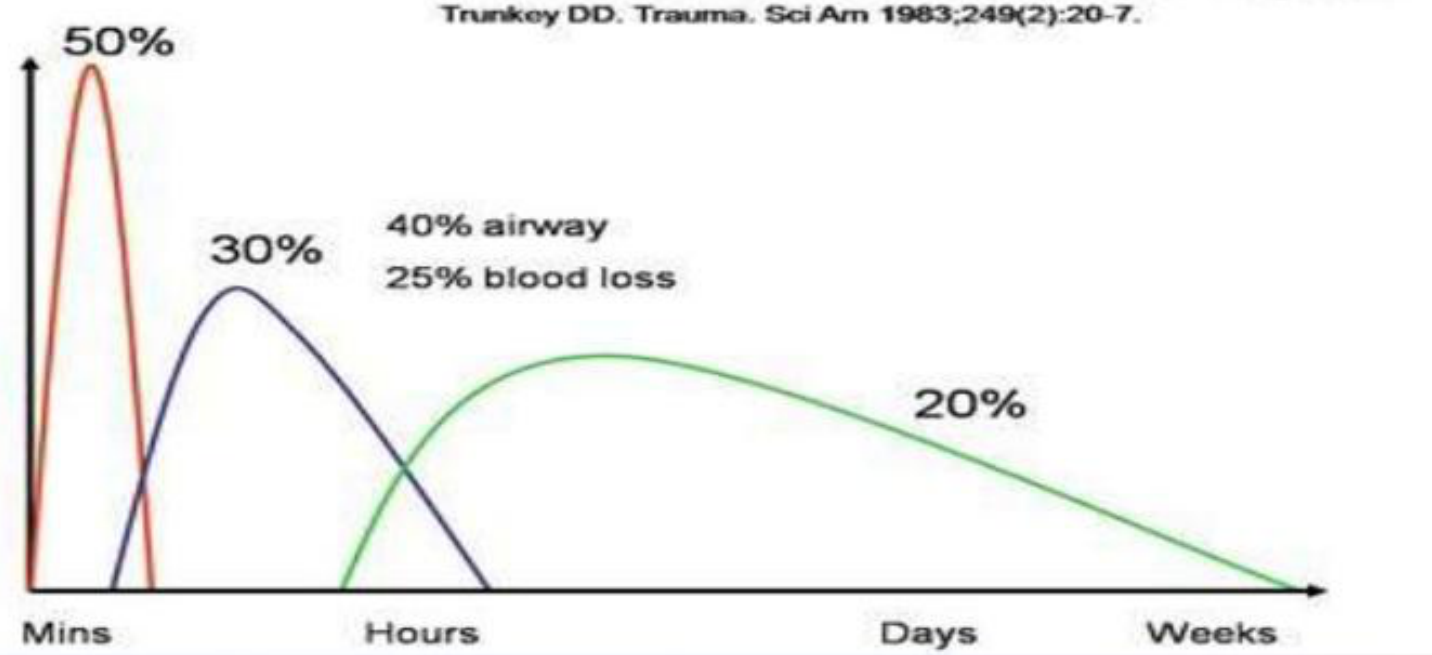
Trimodal Distribution Of Death20
Trunkey DD. Trauma. Sci Am 1983;249(2):20-7.
The trimodal distribution of death divides trauma mortality into three peaks:
- Immediate deaths — approximately 50%
- Early deaths — approximately 30%
- Late deaths — approximately 20%
Early deaths break down further:
- 40% — airway
- 25% — blood loss
Timeline of mortality peaks: minutes, hours, days, weeks.
Immediate Deaths21
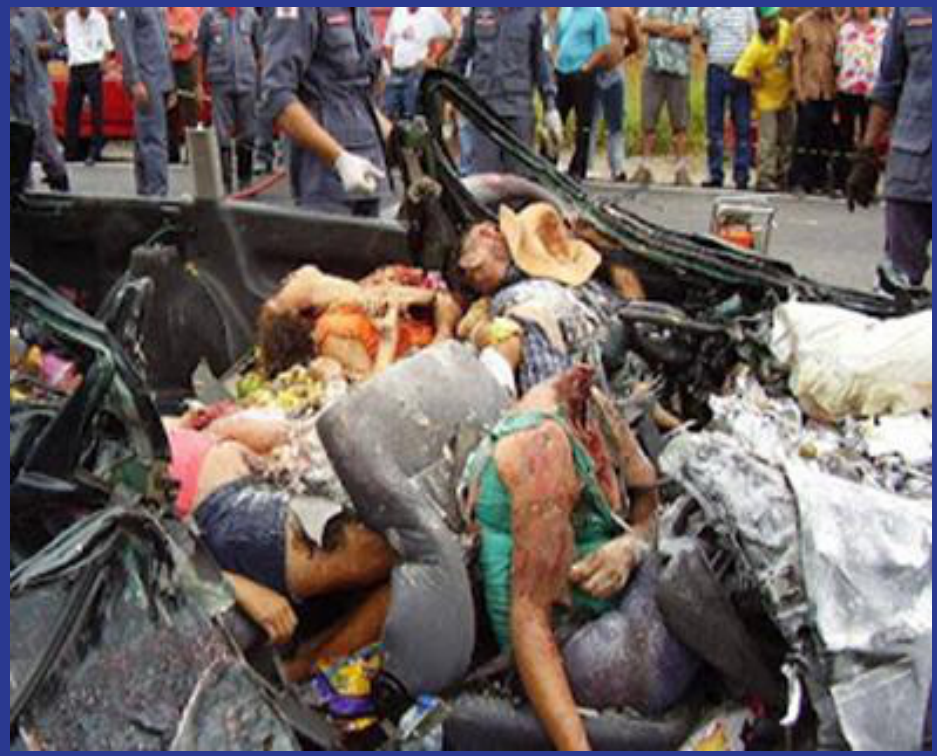
-
Caused by fatal injury of the great vessels, heart, brain, brainstem, upper spinal cord
-
Some patients die immediately from injuries that cannot be treated.
Early Deaths And The Golden Hour2223
Lecturer — Airway and Neck Protection
The neck remains immobilized until a cervical spine injury has been excluded. A patient at risk of airway deterioration may need early intubation.
-
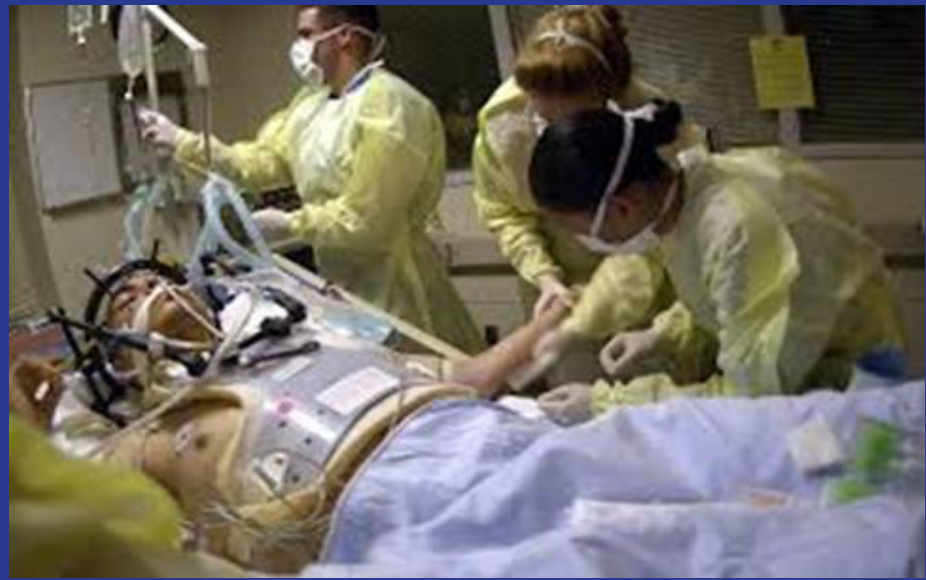
Occur minutes to hours after the injury
-
Result from failed oxygenation of vital organs or central nervous system injury
-
Injuries occur in predictable patterns based on mechanism of injury, patient, environmental conditions
-
The first hour after a traumatic injury, when emergency treatment is most likely to be successful
-
Can have significant impact on morbidity and mortality
Lecturer — Early Management
Early management during the golden hour can substantially affect the patient’s course.
- It can influence survival, subsequent care, and the development of complications.
- Appropriate treatment may improve the outcome, whereas missed opportunities or incorrect treatment may make the patient worse.
- The mechanism and history can help predict the injury pattern and guide early treatment.
Late Trauma Mortality24
-
Occurs days to weeks after injury
-
Primarily due to sepsis and multi-organ failure
-
Kidney failure may contribute to later trauma mortality.
-
Infection may contribute to later trauma mortality.
-
Wound breakdown may contribute to later trauma mortality.
-
Trauma may affect many organs rather than only the visibly injured area.
Trauma Care Systems
ATLS Advanced Trauma Life Support25
-
Training program for medical providers in the management of acute trauma cases, developed by the American College of Surgeons
-
Standard of care built around a consistent approach to patient evaluation
-
Ensures that the most life-threatening conditions are quickly identified and addressed in the order of risk potential
-
Resuscitation training, including ATLS and ALS, requires regular updating approximately every three years
-
ATLS is intended to maximize outcomes and give each patient the best possible chance of survival
“co-ordinates and prioritizes patients!”
Transfer To A Trauma Centre26
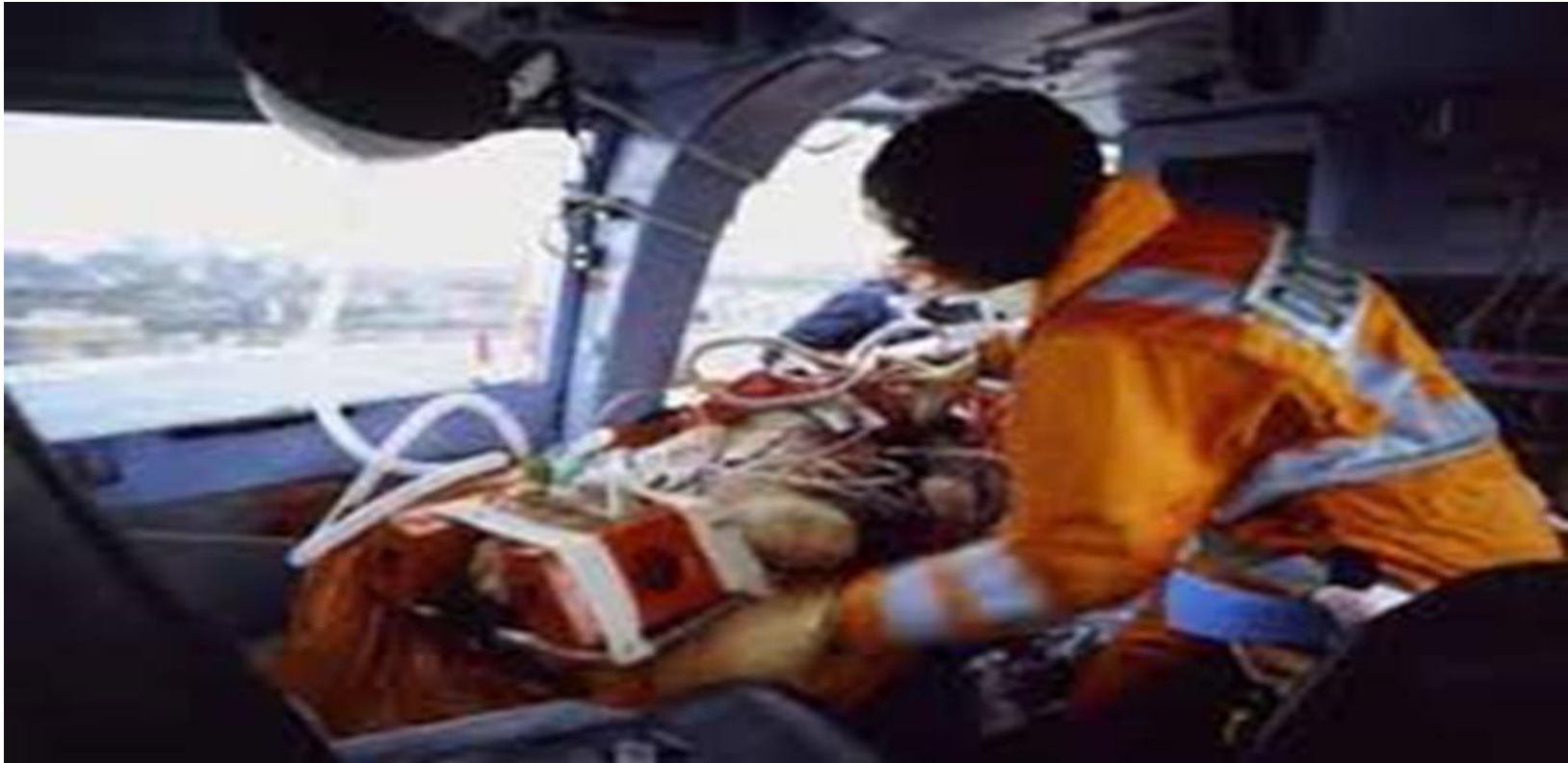
Royal Perth Trauma Unit27
-
The receiving facility should be designated to receive seriously injured patients and have the resources and expertise to adequately manage their injuries
-
To avoid any delay and to have the best initial management of polytrauma, patient triage is important
-
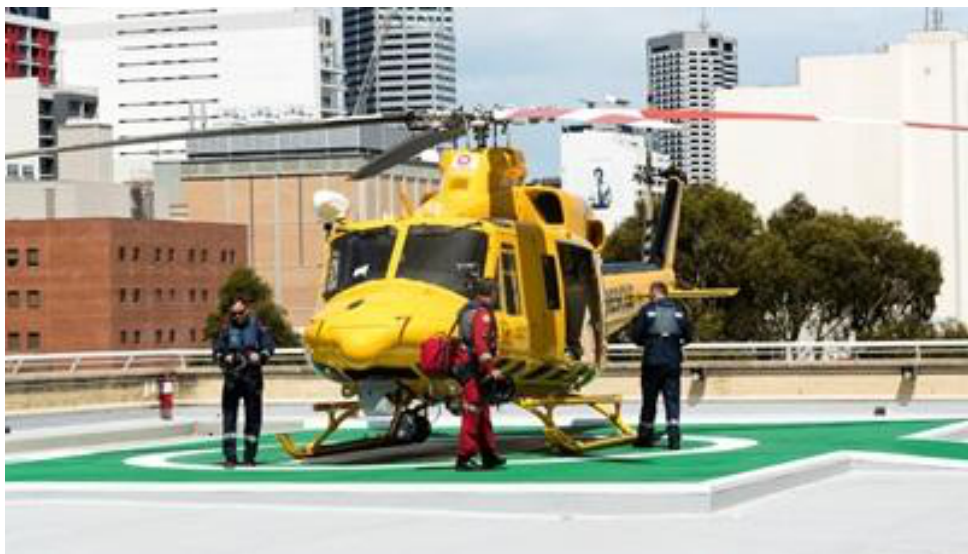
Royal Perth has a helipad, neurological services, orthopaedic services, and personnel and resources for seriously injured patients
-
Trauma centres may provide specialist teams, orthopaedic services, neurological services, operating-theatre resources, and helipads for helicopter transfer
-
Royal Perth and Fiona Stanley were identified as trauma centres with helipads
-
Trauma centres are particularly important for patients with polytrauma or injuries requiring multiple specialties
Triage28
-
Prioritize patients according to the severity and urgency of their injuries and the availability of care
-
Considers vital signs and prehospital clinical course, mechanism of injury, patient’s age, comorbid conditions
-
Triage is used when there are more patients than available personnel or resources
-
The triage nurse prioritizes patients according to the urgency and severity of their injuries
-
Triage categories include urgent, semi-urgent, and less urgent
-
A patient with a broken arm may wait when another patient has life-threatening internal bleeding
-
A patient with a bleeding spleen requires immediate treatment
-
Swelling that threatens the airway requires immediate emergency referral in dental practice
-
Severe dental pain may be semi-urgent
-
A non-vital tooth requiring extraction can wait compared with an airway emergency
-
Triage may consider the likelihood of survival
-
When resources are limited, prioritization may mean treating a fitter patient before a less fit patient
Clinical Assessment Scales
Tools to Predict Outcomes29
- Glasgow Coma Scale (GCS) — quantify the severity of head injury
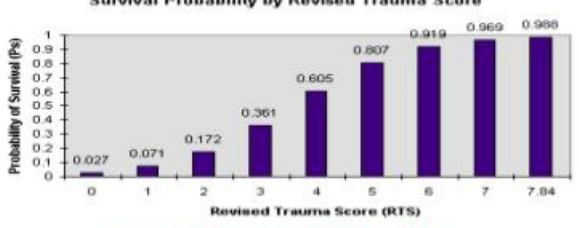
- Revised Trauma Score — characterizing the physiological status of injured patient, and predicting mortality using the Revised Trauma Score
- Injury Severity Score — deals with multiple traumatic injuries, rate the severity of injury in each of the 3 most severely injured organ systems
Lecturer — Assessment Scales
Assessment scales help clinicians communicate the patient’s condition and estimate injury severity. They also help determine which patient may be more likely to survive and should receive priority when resources are limited.
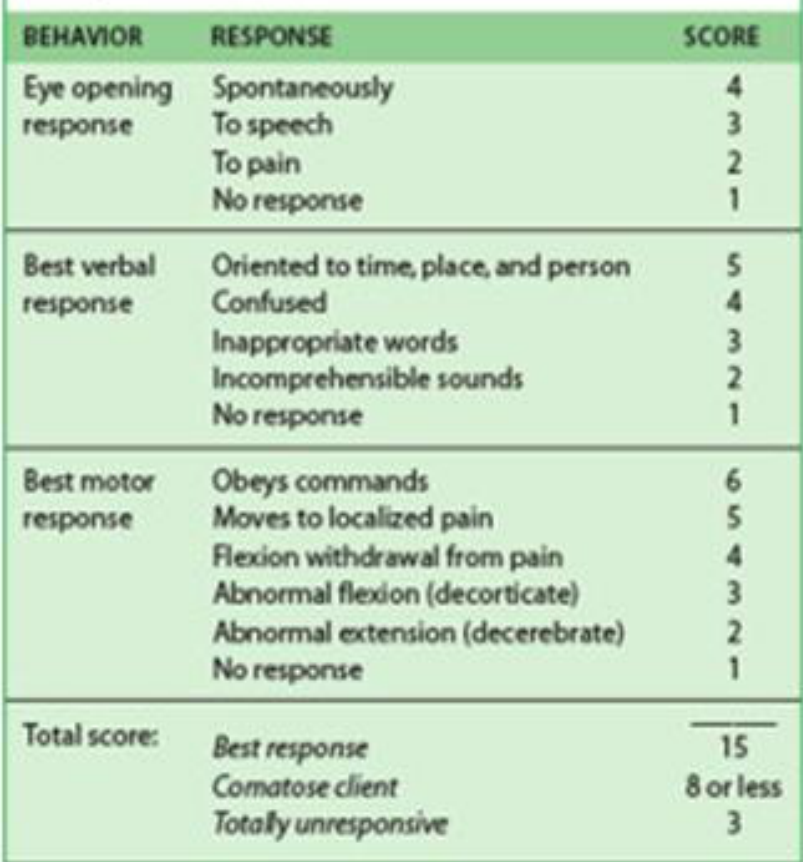
Glasgow Coma Scale30
Quantify the head injury:
- Best = 15
- Comatose if 8 or less
Table 38-2: Glasgow Coma Scale
| Behavior | Response | Score |
|---|---|---|
| Eye opening response | Spontaneously | 4 |
| To speech | 3 | |
| To pain | 2 | |
| No response | 1 | |
| Best verbal response | Oriented to time, place, and person | 5 |
| Confused | 4 | |
| Inappropriate words | 3 | |
| Incomprehensible sounds | 2 | |
| No response | 1 | |
| Best motor response | Obeys commands | 6 |
| Moves to localized pain | 5 | |
| Flexion withdrawal from pain | 4 | |
| Abnormal flexion (decorticate) | 3 | |
| Abnormal extension (decerebrate) | 2 | |
| No response | 1 |
Total score:
-
Best response — 15
-
Comatose client — 8 or less
-
Totally unresponsive — 3
-
When one limb is broken, test the better limb.
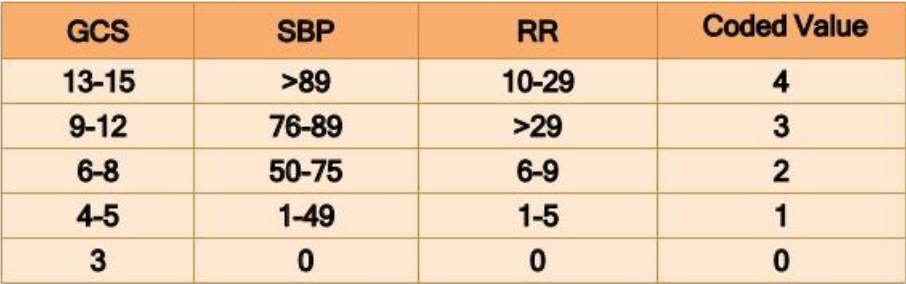
Revised Trauma Score31
-
Physiological status predicting mortality
-
Consider other factors like blood pressure or respiratory rate
-
The Revised Trauma Score also considers pulse and urine output. Revised Trauma Score
RTS = 0.9368 GCS + 0.7326 SBP + 0.2908 RR
| GCS | SBP | RR | Coded Value |
|---|---|---|---|
| 13-15 | >89 | 10-29 | 4 |
| 9-12 | 76-89 | >29 | 3 |
| 6-8 | 50-75 | 6-9 | 2 |
| 4-5 | 1-49 | 1-5 | 1 |
| 3 | 0 | 0 | 0 |
 |  |
Injury Severity Score32
ISS = sum of 3 highest squared AIS (abbreviated injury score)
- The Injury Severity Score considers injuries involving the chest, abdomen, and extremities.
Primary Survey ABCDE33
- Crucial in the initial assessment of a seriously injured patient
- Patients assessed and treatment priorities are established based on their injuries, the stability of their vitals, and the injury mechanism
- Patient’s vital functions must be assessed quickly and efficiently
Lecturer — Assessment Priorities
The assessment and treatment sequence also considers the speed and effectiveness of breathing, along with the patient’s pulse and blood pressure.
- The priorities proceed through airway with cervical spine control, breathing, circulation, disability, and exposure.
- Life-threatening conditions must be treated before moving to the next step, with repeated reassessment throughout.
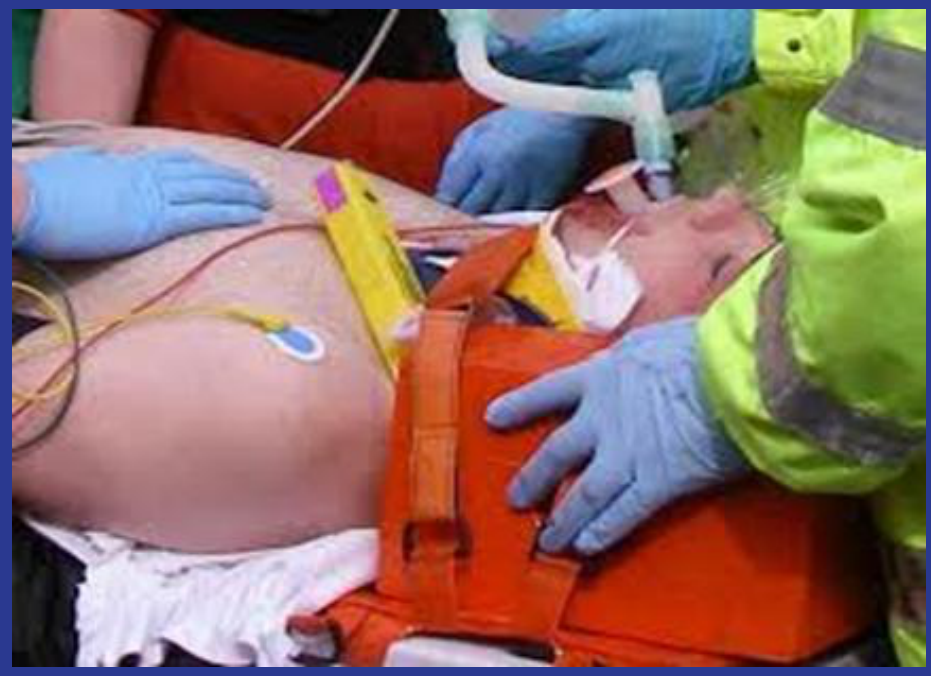
Airway With Cervical Spine Control34
Airway maintenance with C-spine control
Lecturer — Cervical Spine Control
Airway is always the first priority, but cervical spine control must be maintained at the same time. The neck should be considered broken until clinical assessment, tenderness evaluation, and appropriate scanning or formal assessment have excluded a fracture.
- If the patient is talking, the airway is probably open, but the cervical spine may still be injured.
- An initially normal airway may deteriorate later, particularly after burns, so airway protection should be performed early when deterioration is likely.
Breathing353637
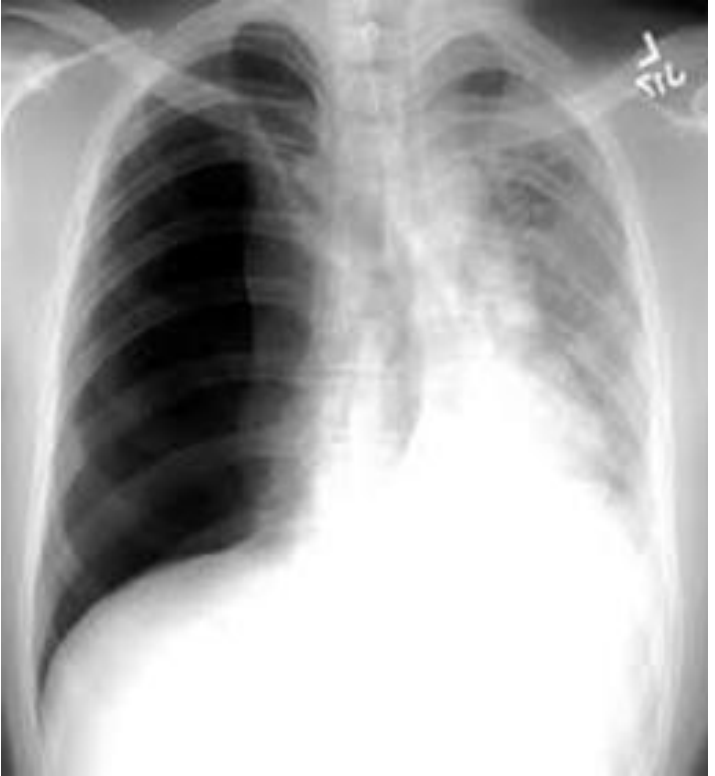
- Chest wall of patient with pneumothorax, flail chest or haemothorax may move but not ventilate effectively
- Pneumothorax — air leaks out and gets trapped in pleural space; it can cause complete or partial collapse of a lung
- Flail chest — multiple rib fractures resulting in unstable segment of chest wall, affecting respiratory ability
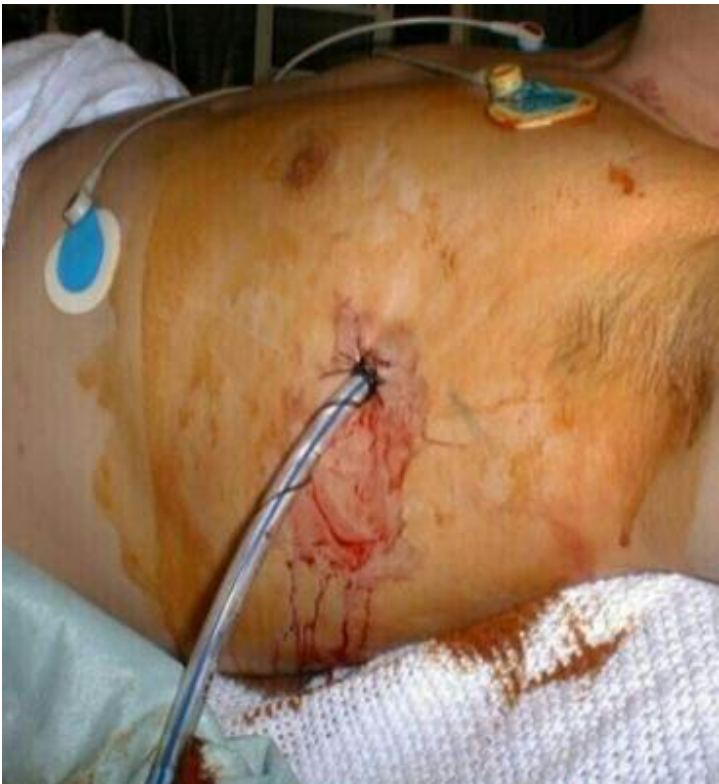
- Haemothorax — collection of blood in the pleural cavity
Lecturer — Breathing Assessment
After securing the airway, assess whether the chest is moving equally and whether the patient is breathing too quickly or too slowly. Blood collecting around the lung can compress it and may require drainage.
- A chest X-ray may identify the problem, followed by insertion of a drain.
- A patient who is talking may still deteriorate, especially after burns or smoke inhalation.
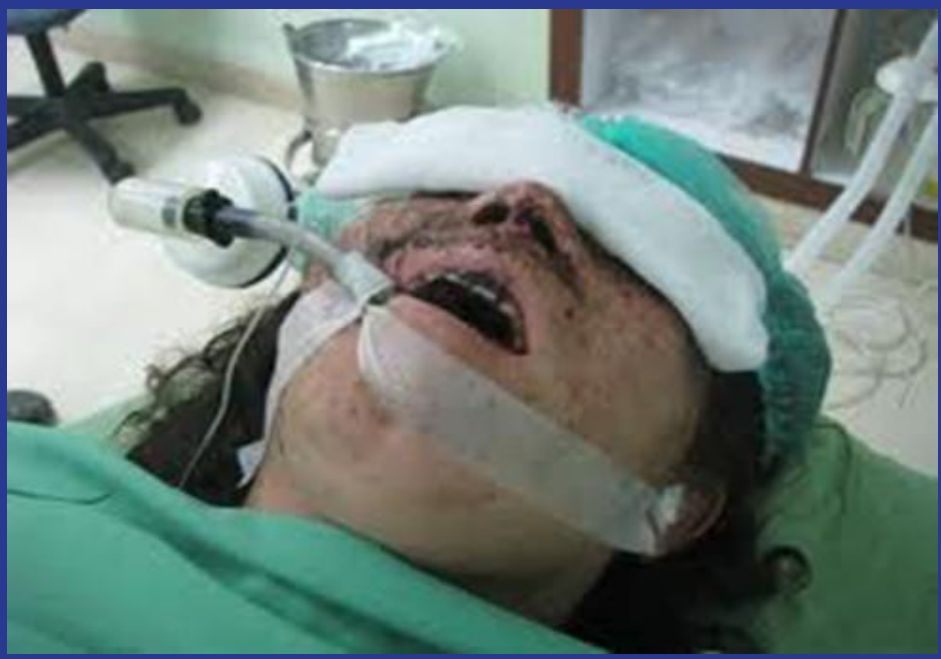
Endotracheal intubation helps to protect the airway and facilitates adequate lung inflation with high FiO₂
 |  |
 |
Circulation3839
- Control bleeding and restore circulation to the tissues
- Most common cause of shock in the traumatized patient is hypovolemia caused by haemorrhage
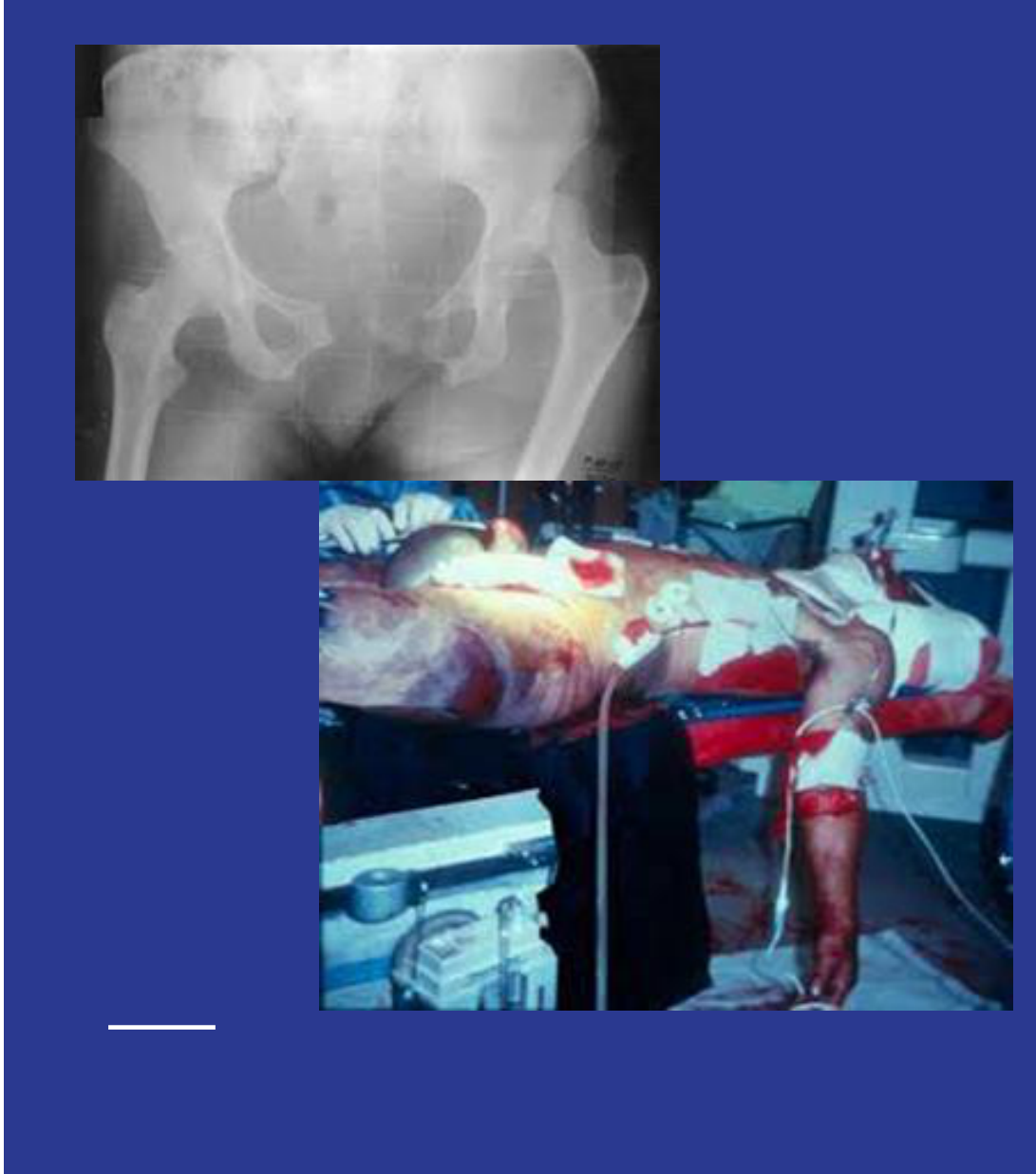
Hypovolemic shock in patients with multisystem injuries
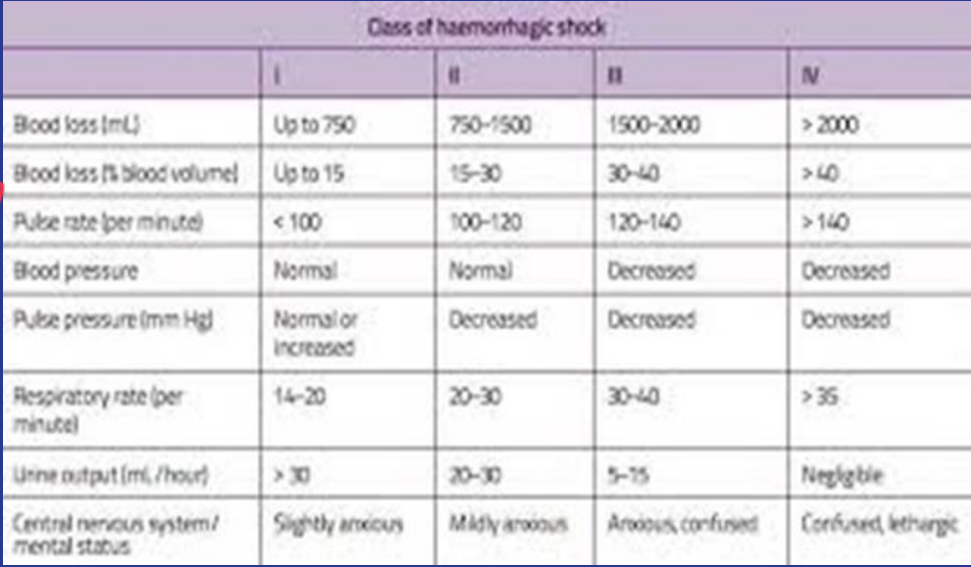
Memory tip: like a game of tennis — 15/30/40. The first clue is when respiratory rate goes up first!
- 15: ↓ most people compensate
- 30: ↑↑ respiration
- 40: ↓ pulse, ↑ respiration, ↓ BP, ↓ urine
Lecturer — Blood Loss Progression
Blood loss beyond 40% can cause a further fall in blood pressure, severely abnormal pulse and respiratory status, negligible urine output, and confusion.
- Major blood-loss sources may include a broken limb, a broken pelvis, or other internal injuries.
- Urine output is monitored because it provides information about perfusion and fluid balance; a urinary catheter may monitor what enters and leaves the patient.
- The patient may require stabilization, blood transfusion, or further urgent intervention.
 |  |
Disability4041
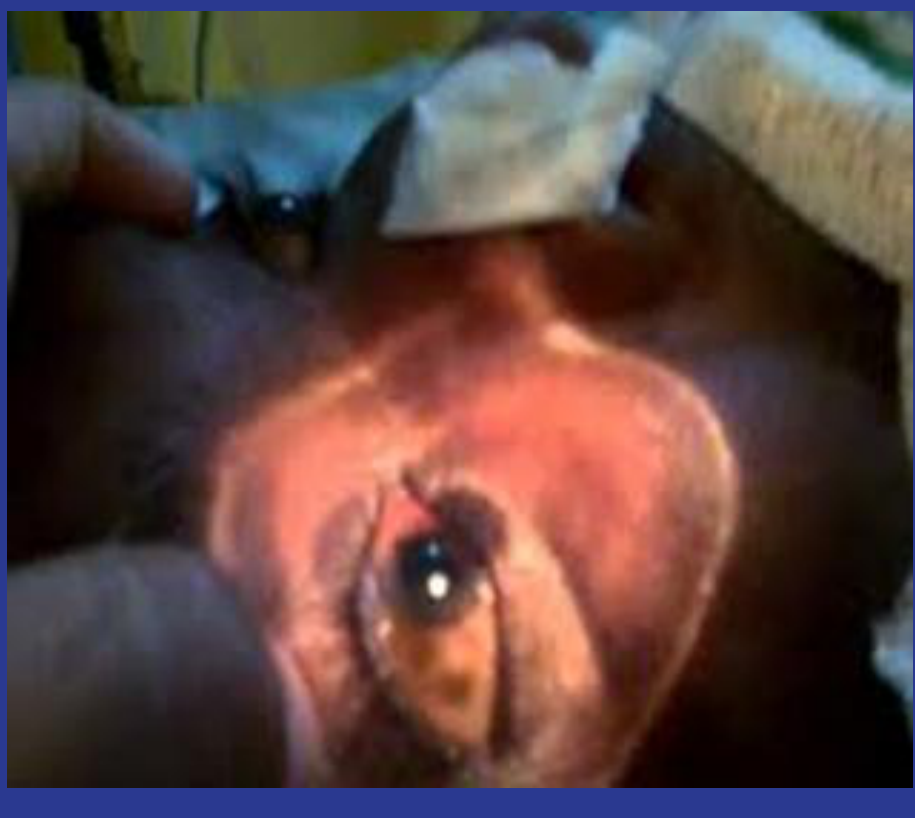
Neurological exam AVPU:
- A = awake
- V = voice stimulation
- P = pain stimulation
- U = unresponsive
Neurological exam identifies any CNS problem that requires immediate intervention or additional diagnostic evaluation
Lecturer — Neurological Assessment
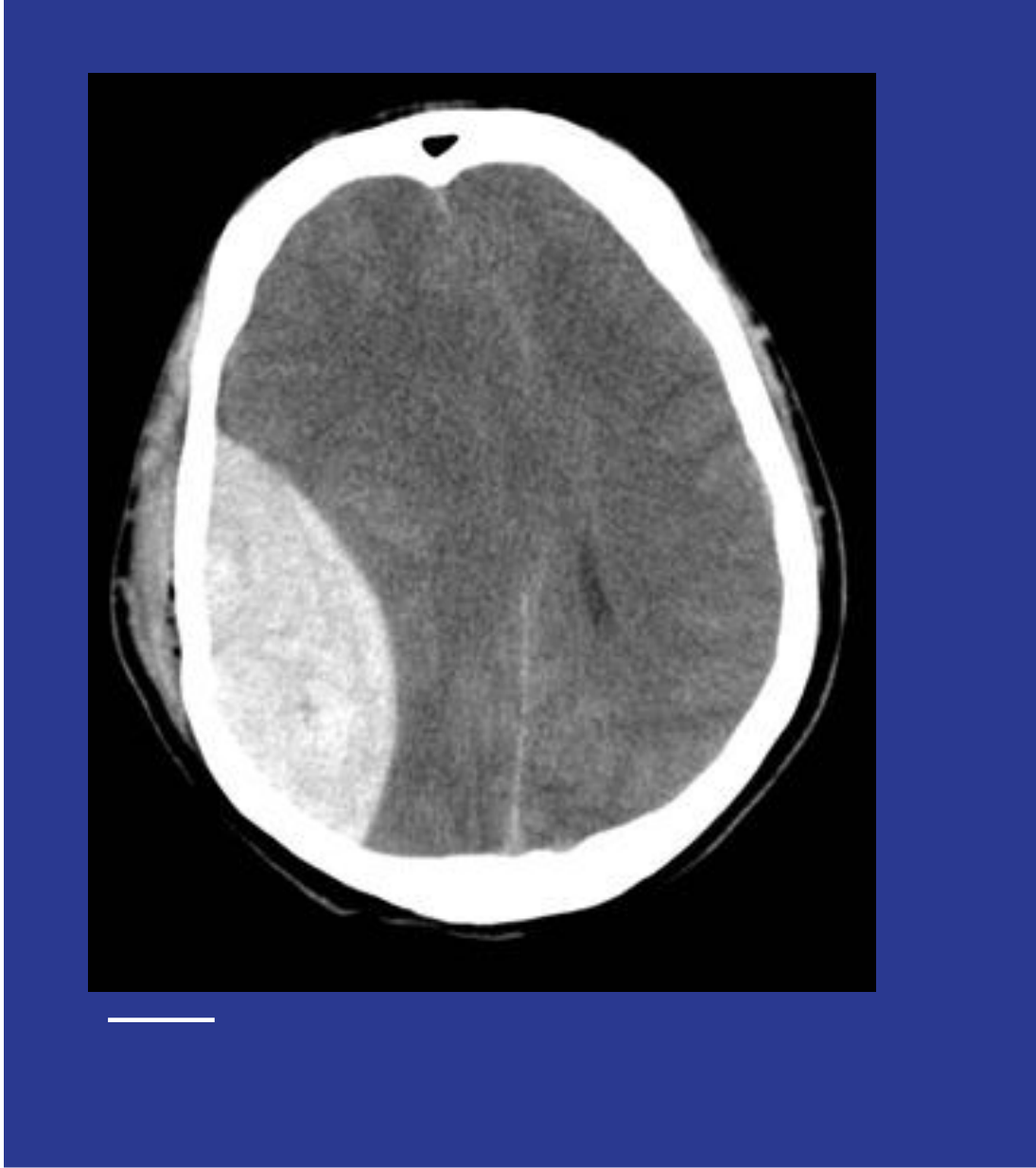
Disability is a rapid neurological assessment rather than a full neurological examination. The patient may be assessed for the ability to hear and answer, and whether they are speaking normally or only muttering; a GCS or CT scan may also be required.
- Bleeding within the skull is particularly dangerous because the skull is a fixed, tight space and cannot expand.
- Blood accumulating in the skull can compress the brain.
 |  |
Exposure42
-
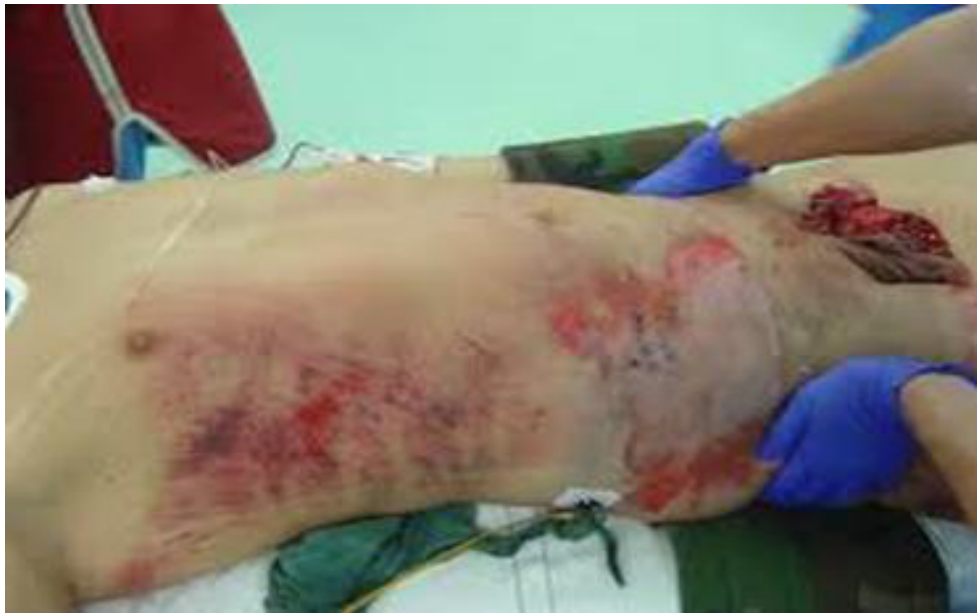
All of the body needs to be visualized, palpated and examined for injuries and bleeding sites
-
Frequent re-evaluation of the patient’s vital signs is important to monitor the patient’s ability to maintain an adequate airway, breathing and circulation
-
Exposure may reveal scalp lacerations, chest lacerations, maxillofacial injuries, spinal cord injury, abdominal or gastrointestinal injury, extremity injuries, or skin that has been lost or sloughed off.
ABCDE Approach Summary43
- Airway, Breathing, Circulation, Disability, Exposure (ABCDE) approach to assess and treat the patient
- Do a complete initial assessment and re-assess regularly
- Treat life-threatening problems before moving to the next part of assessment
- Assess the effects of treatment
Lecturer — Treatment Priorities
Do not become distracted by dramatic injuries during the ABCDE sequence. A visible knife, severe facial injury, or bleeding wound does not take priority over an unsecured airway or inadequate breathing.
- A patient may be talking initially and become unresponsive later, requiring an immediate return to airway management.
- After the initial sequence, return to airway, breathing, and circulation and assess whether the diagnosis and treatment are correct.
Secondary Survey44
The secondary survey does not begin until the primary assessment has been completed. It includes assessment of:
- Head and skull
- Chest
- Maxillofacial and neck
- Spinal cord
- Abdomen
- Genitourinary tract
- Extremities
Lecturer — Secondary Assessment
The secondary survey begins once immediate life-threatening problems have been treated and the patient is stable. The assessment must continue to consider injuries affecting several organs.
- A broken jaw is not necessarily the first priority unless it compromises the airway.
Special Injuries45
Patients with burns, cold injuries and electrical injuries have special considerations that must be addressed during the initial assessment and resuscitation.
Lecturer — Burn Deterioration
Burns should be taken seriously because the patient may deteriorate rapidly.
- Burns may compromise the airway, breathing, and fluid balance.
- Extensive skin loss can lead to rapid fluid loss because the skin normally keeps fluid within the body.
- Burns around the chest may scar and restrict chest movement; if the chest becomes stiff, an incision may be required to allow expansion.
Burns464748
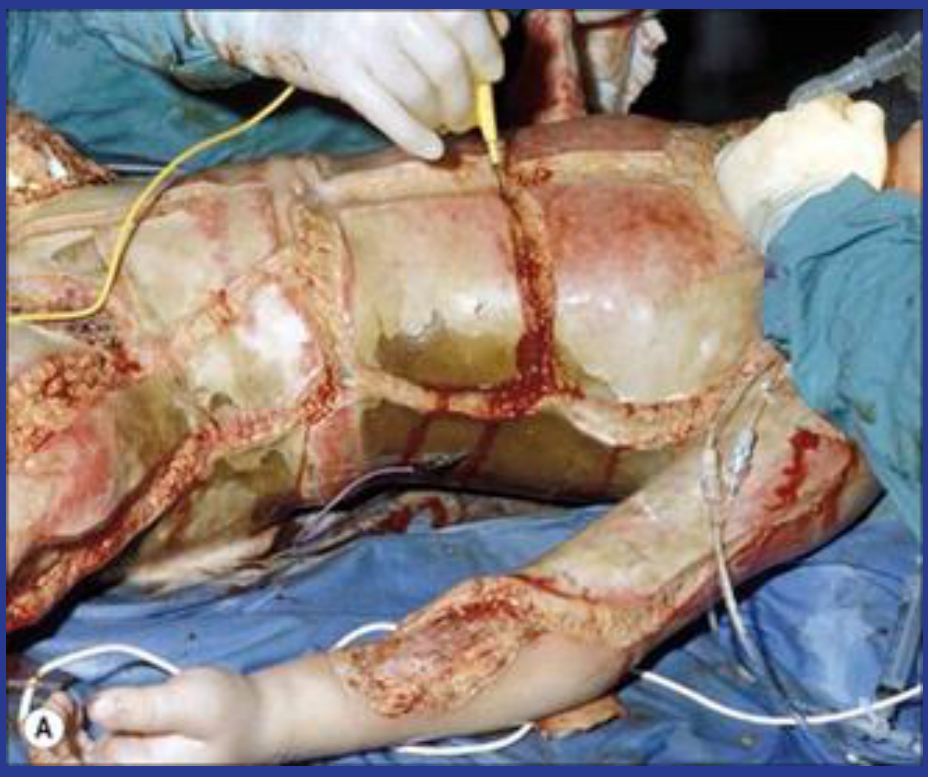
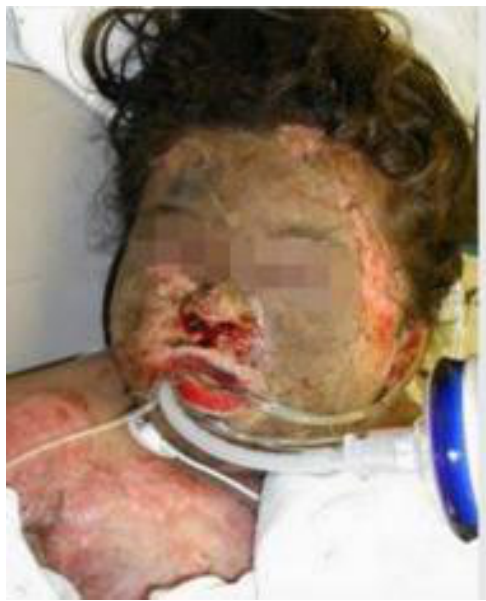
Full thickness burns of the thorax or extremity may require escharotomies to prevent impaired ventilation and compartment syndrome, respectively.
- Early intubation and mechanical ventilation are indicated if there are upper airway burns or inhalation injury
- Patients with large burns require large volumes of crystalloid resuscitation fluids
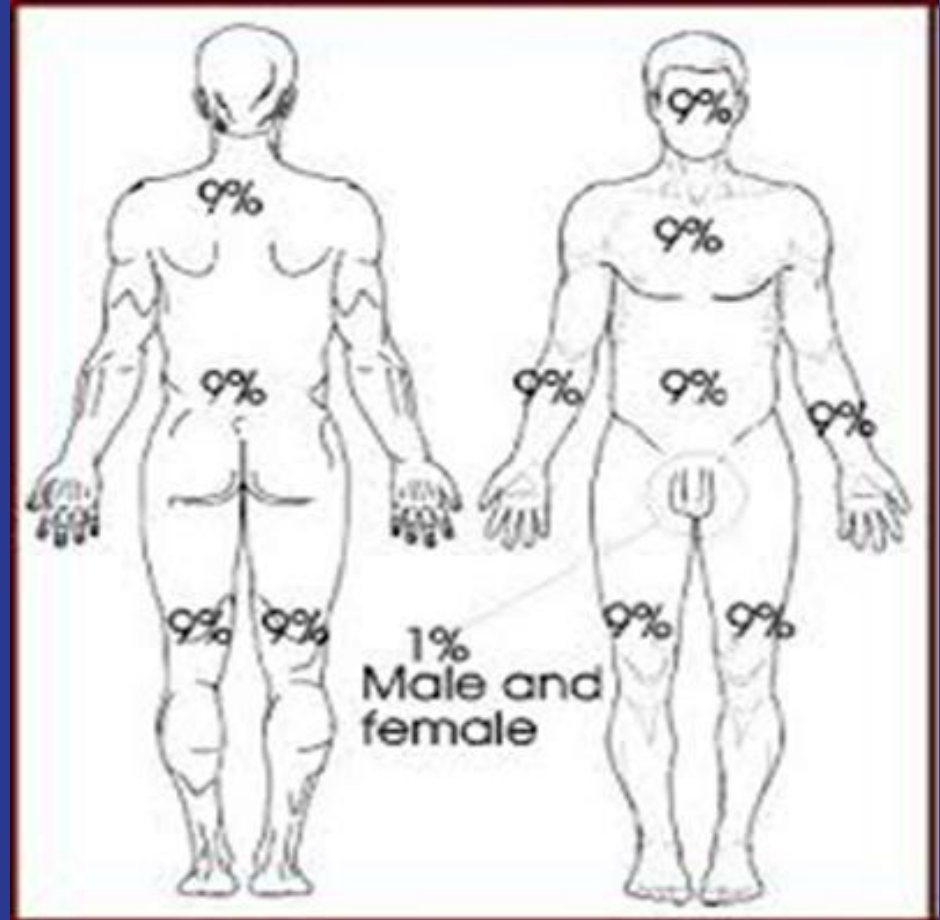
Rules of nines – a tool used to estimate the total body surface area affected by a burn.
Lecturer — Rule of Nines
The rule of nines estimates the percentage of the body involved and helps communicate burn severity to a burns unit.
- Each limb represents approximately 9%, the genital area represents 1%, and the remaining areas are also allocated in units of 9%.
- A patient with 60% burns is substantially more severely injured than someone with a small burn to the hand.
Burn Depth Classification495051
Diagram of skin burn depth, showing the layers — epidermis, dermis, fat, muscle — for each of:
-
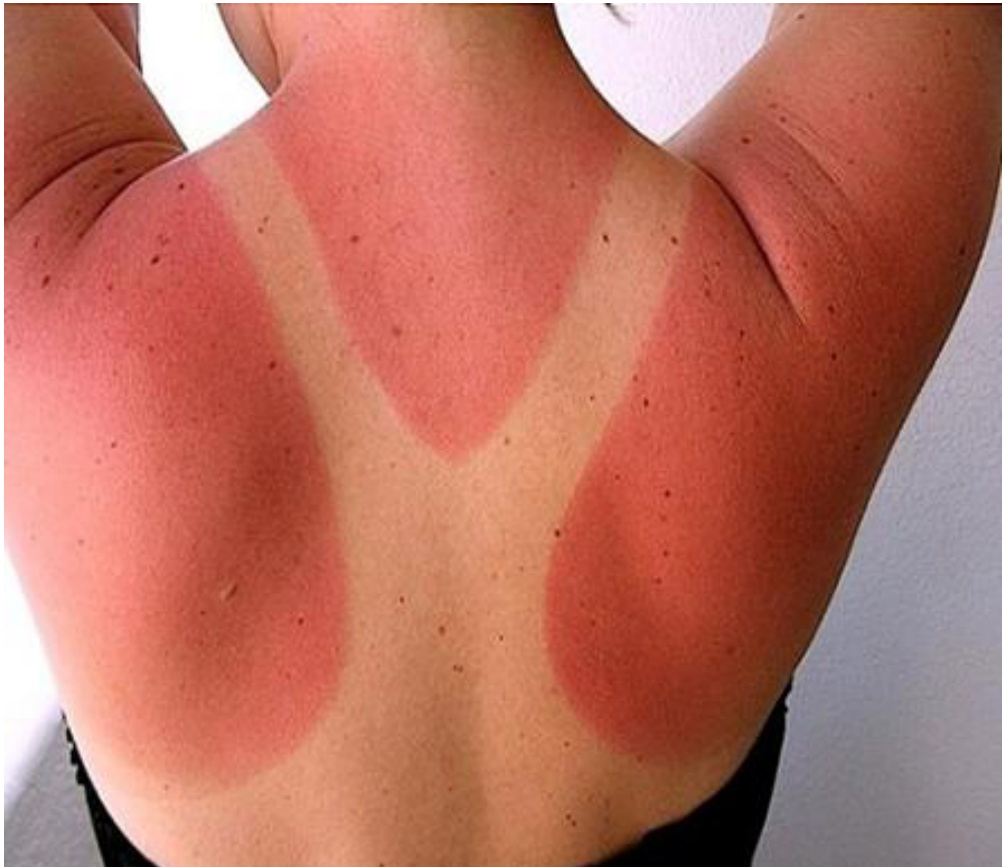
First-degree burn
-
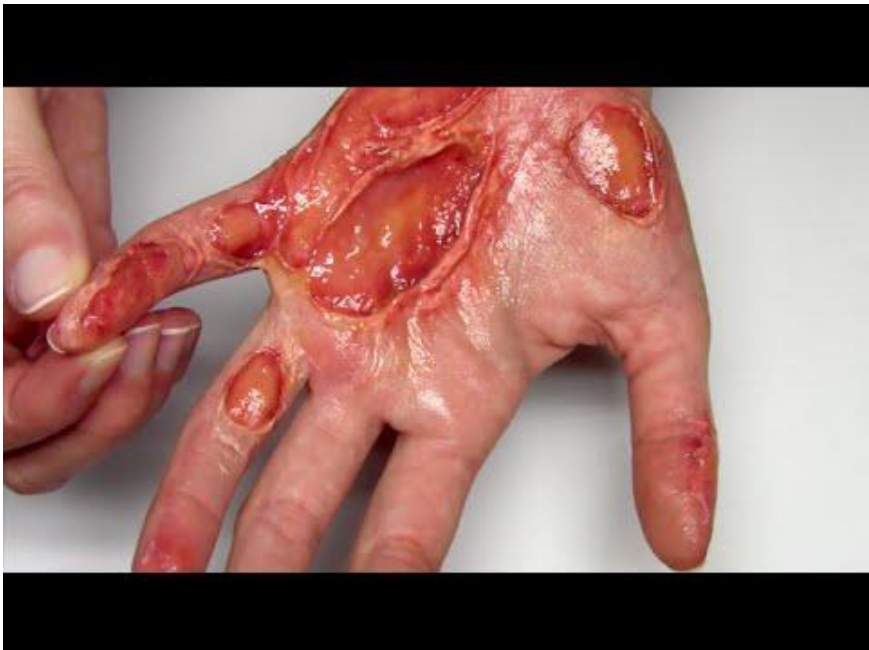
Second-degree burn
-
Third-degree burn
-
Partial thickness burns involve the epidermis and part of the dermis
-
The burn site appears red and blistered, and may be swollen and painful
-
Severe burn characterized by destruction of the skin through its deeper layers and possibly into underlying tissues, loss of fluid, and sometimes shock
-
Skin is white and without sensation, or may be blackened or burned away
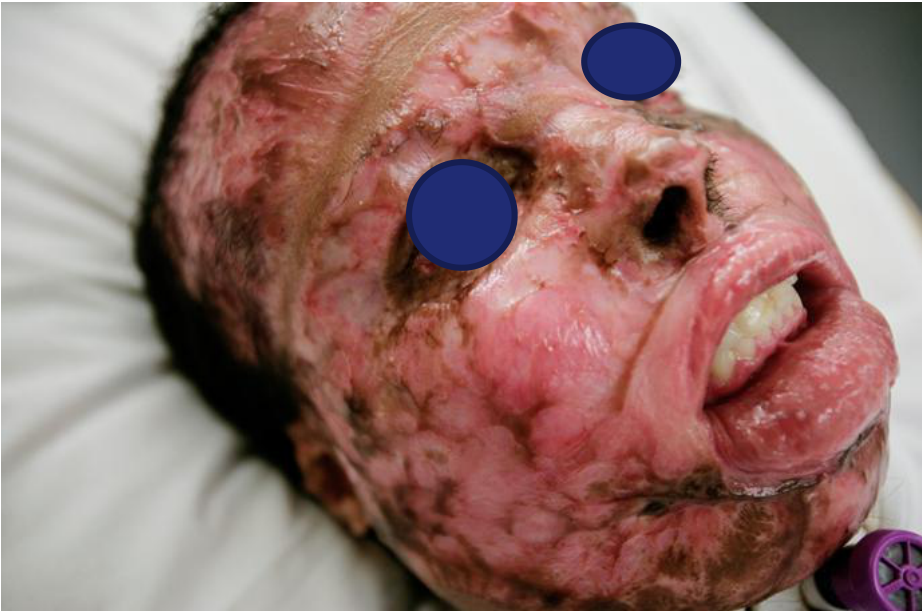
Electrical Burns5253
-
Results from electricity passing through the body, causing rapid injury
-
Burns on skin are largely superficial and cover a large area
-
Patients require debridement of eschar and skin grafts
-
Tissue injury may not be apparent; massive myonecrosis and damage to soft tissue and bone may be concealed beneath normal-appearing skin between entrance and exit wounds
-
Measurement of compartment pressures and performing decompressive fasciotomies
-
Monitor urine output for evidence of myoglobinuria
-
Continual cardiac monitoring as risk of direct myocardial injury and hyperkalemia arising from myonecrosis
-
Both the entry point and exit point of an electrical injury must be assessed.
-
Myoglobin in the urine can obstruct the kidneys and cause kidney failure.
-
Electrical injuries may cause arrhythmias.
-
The exit wound must not be overlooked.
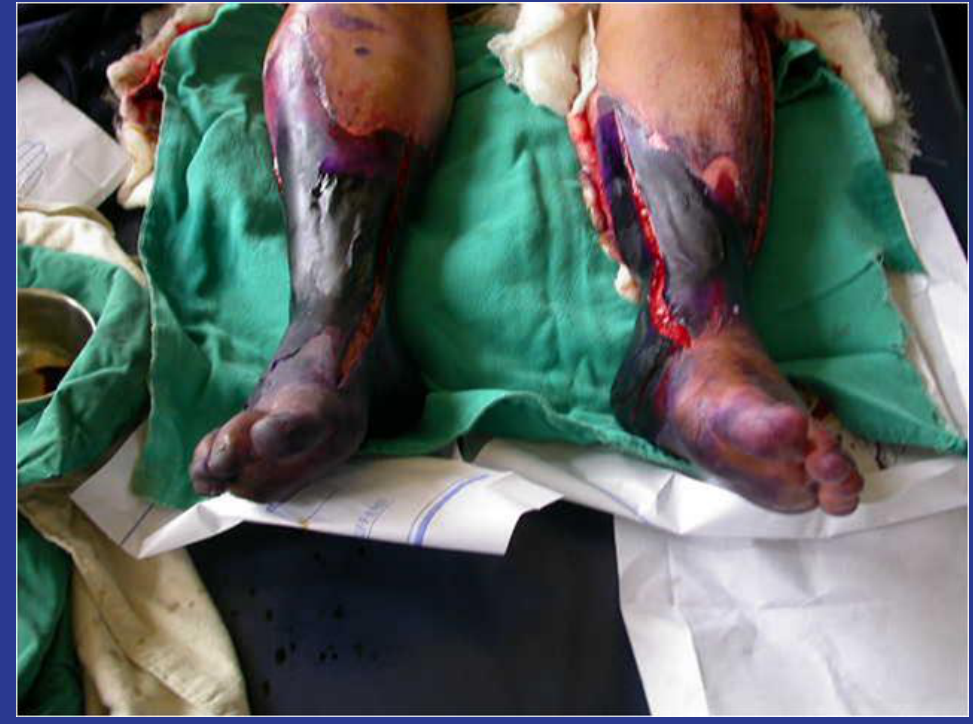
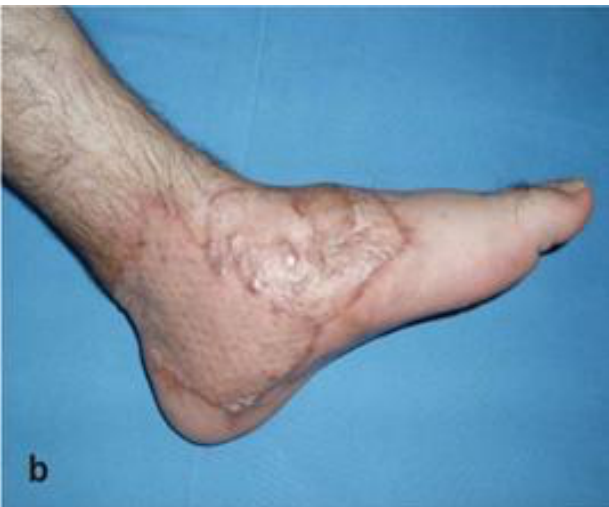
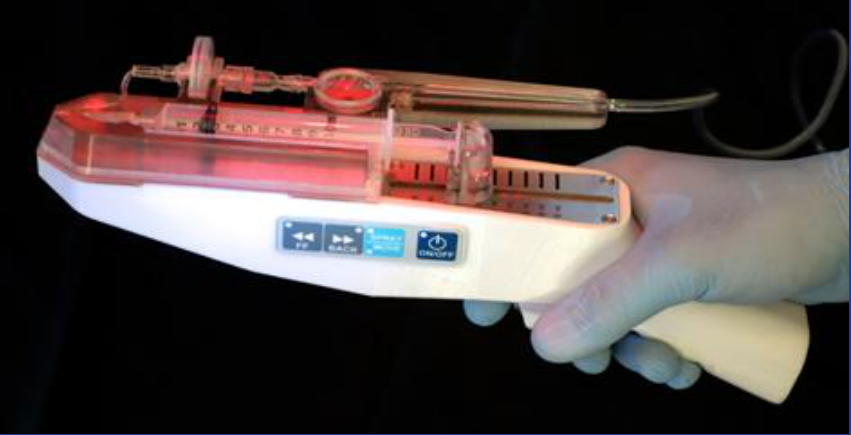
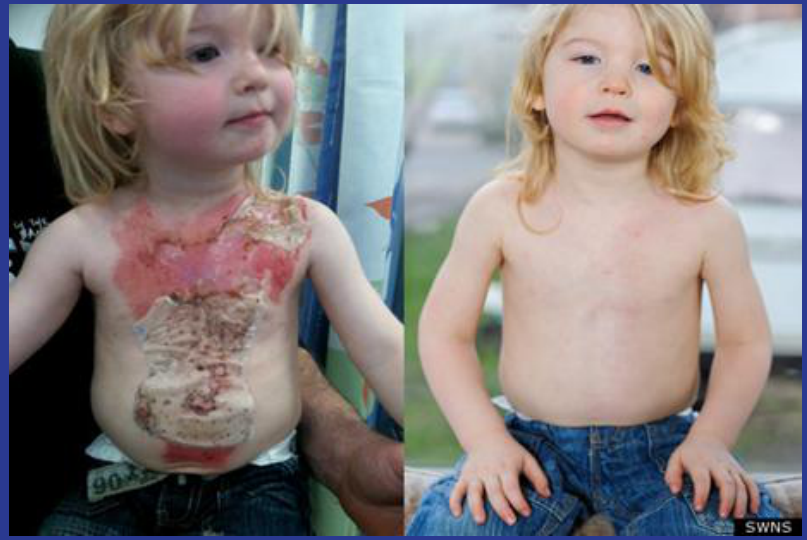
Skin Grafting And Spray-On Skin5455
Split-thickness skin grafts are usually harvested from the front or outer thigh, abdomen, buttocks or back and used to cover large areas.
- Technology for treatment of burn victims
- Involves taking small samples of the patient’s skin and spraying them on the wound
- Skin can be passed through a mesh to expand a small piece into a larger graft.
- At Fiona Stanley, a small amount of skin can be cultured and grown before being used for grafting.
- Spray-on skin uses a small number of cells that are grown and applied rather than requiring a conventional large skin graft.
- Skin can be passed through a mesh to expand a small piece into a larger graft.
- Involves taking small samples of the patient’s skin and spraying them on the wound
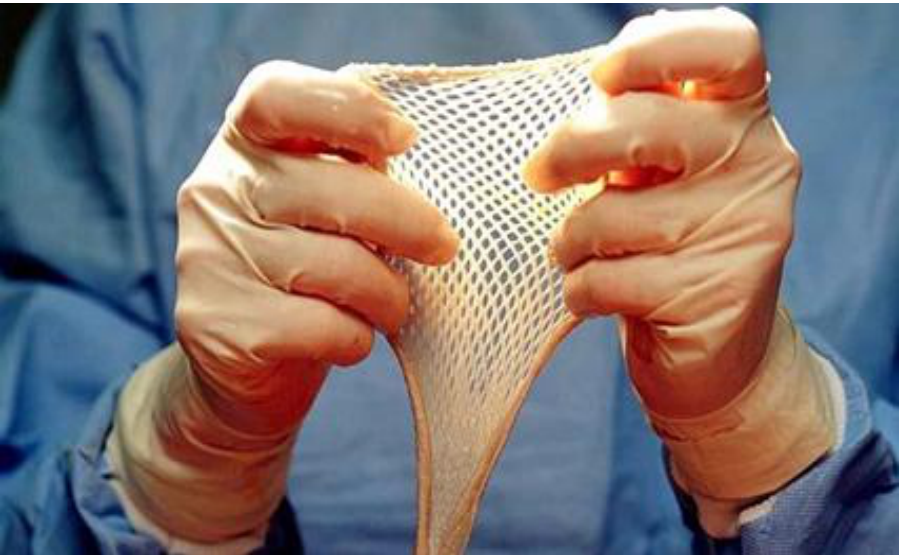 | 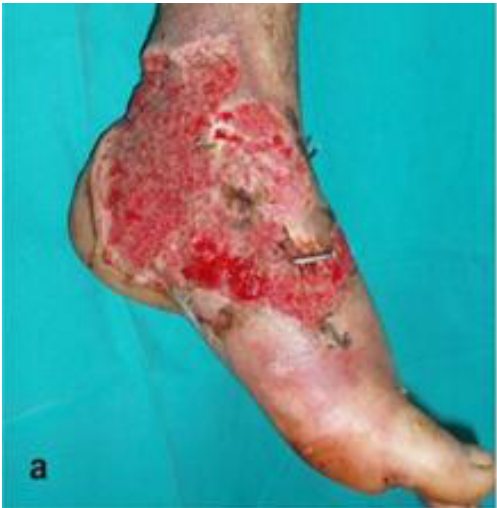 |  |
 |  |
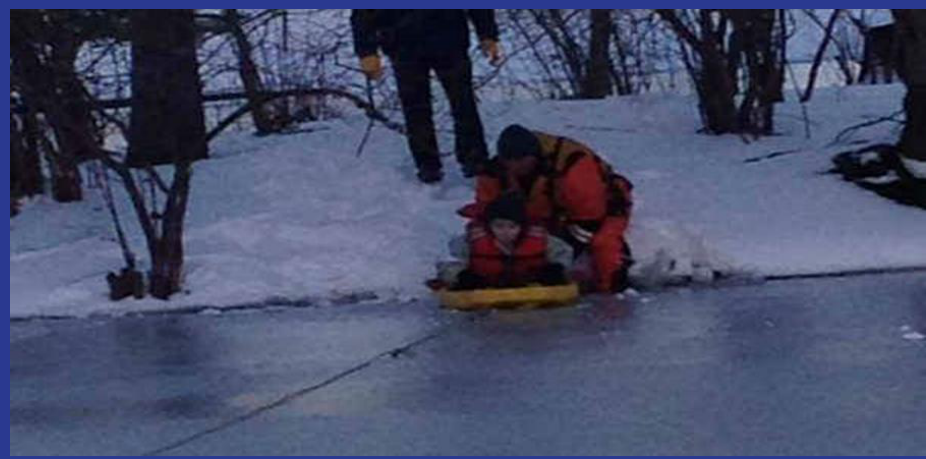
Cold Injuries And Hypothermia5657
Severe hypothermia: treat with rewarming.
- Immersion in water warmed to 40 degrees centigrade
- In case of severe hypothermia with cardiac arrest, do not stop resuscitation efforts until the patient is rewarmed thoroughly
Lecturer — Warming Before Death
A patient exposed to severe cold should be warmed before being declared dead.
- The principle was expressed as: the patient is not dead until they are warm and dead.
- The patient should be warmed and reassessed; only if they remain unresponsive after warming can death be declared.
Reassessment And Tertiary Survey58
Frequent and thorough reassessment.
Lecturer — Reassessment Findings
Reassessment is needed to detect problems that may emerge after the initial assessment.
- Missed injuries and signs of deterioration
- Delayed bleeding, new breathing difficulties, or changes in consciousness
- Whether each intervention has been effective
- Repeat the ABC assessment whenever the patient’s condition changes A patient may initially appear well and later develop breathing problems or other signs of deterioration.
Tertiary Trauma Survey59
- As a result, a tertiary trauma survey (TTS) is increasingly being implemented to avoid missed injuries
- The tertiary trauma survey is defined by the American College of Surgeons as a patient evaluation that identifies and catalogues all injuries after the initial resuscitation and operative intervention
- Decreases morbidity and mortality by earlier identification and treatment
Lecturer — Tertiary Survey Scope
The tertiary survey is performed after initial stabilization and reassessment to look again for injuries that may have been missed.
- Review the scalp, chest, face and jaw
- Review the spinal cord, abdomen and gastrointestinal tract, and extremities
- Identify injuries that become apparent later or were not recognized during the initial assessment
Injury Prevention And Control60
-
Enhance research of biomechanics
-
Enhance trauma care
-
Develop national policy
-
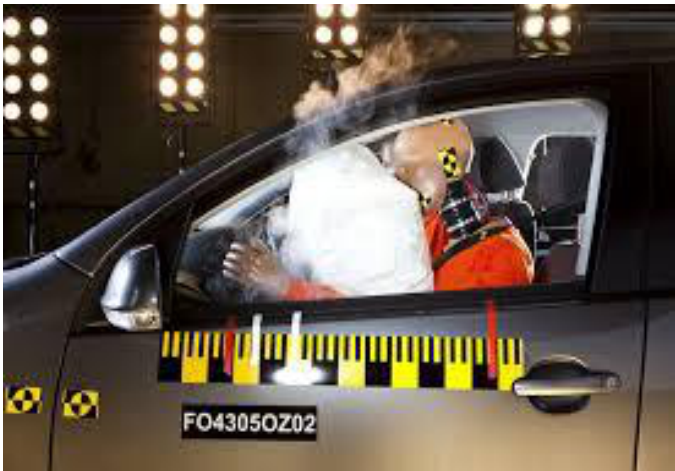
Improve vehicle design
-
Use larger crumple zones
-
Reinforce seatbelts
-
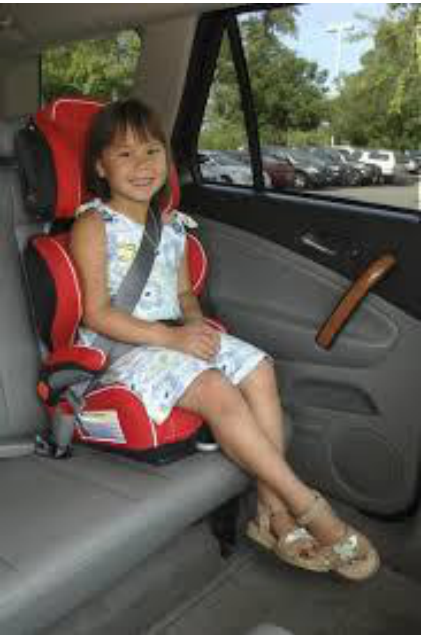
Use child seats for children under a certain size
-
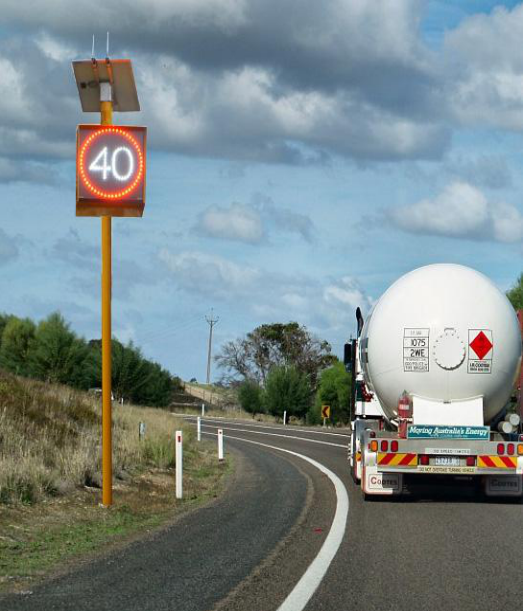
Apply speed limits
-
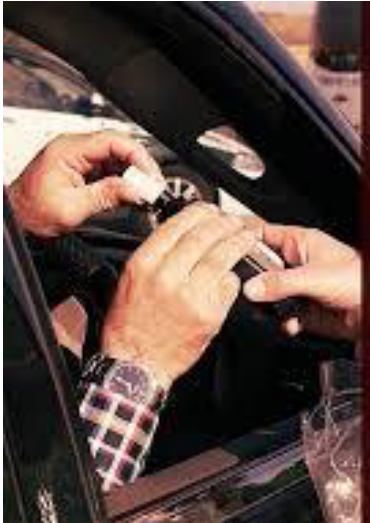
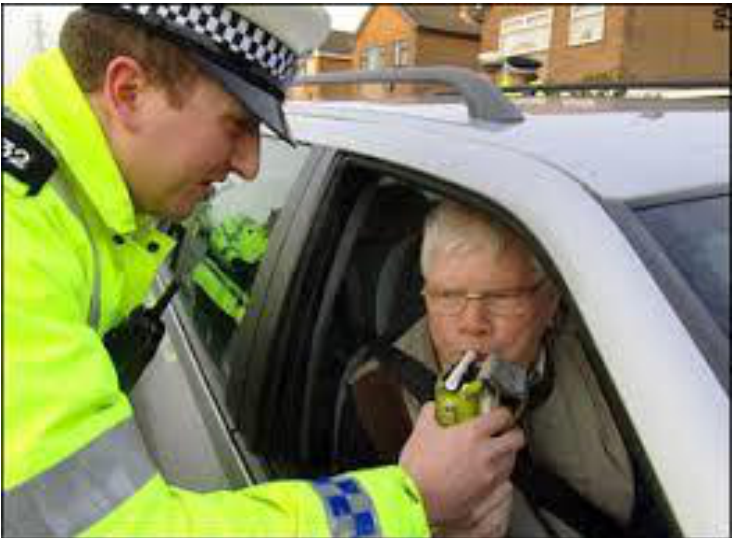
Enforce drink-driving restrictions | | | | --- | --- | |
 |
 |
|
 | |
Injury Control61
-
Engineering and technology
-
Enforcement and legislative
-
Education and behavioural
-
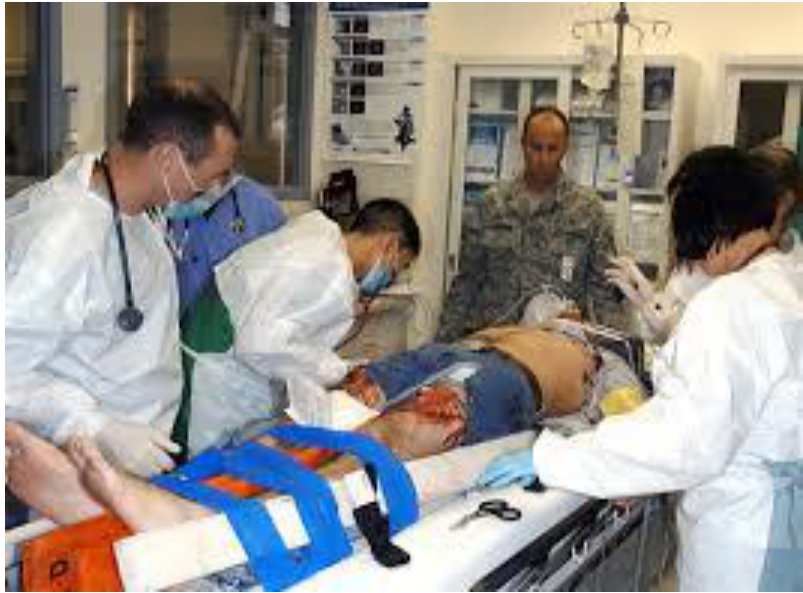
Use consistent trauma-care systems such as ATLS
-
Recognise and treat injuries rapidly during the golden hour | | | | --- | --- | |
 |
 |
|
 | |
Drink Driving
In Western Australia, if you drive with a BAC of 0.08 or higher, you will be automatically disqualified from driving.
gotocourt.com.au
Zero Alcohol Limit (L, P, P)
- All visiting drivers or riders holding an overseas or interstate learner, provisional or equivalent licence
Under 0.02
- Drivers of vehicles of “gross vehicle mass” greater than 13.9 tonnes
- Drivers of vehicles carrying dangerous goods
- Drivers of public vehicles such as taxi or bus drivers
Under 0.051234567891011121362636414151617651819202122232425262728293031323334353637383940414243444546474849505152535455565758596061
- ALL other licences (including overseas and interstate licence holders) not subject to a 0.02 or zero limit
- Under 0.05 is the legal limit for most drivers
: Original PDF page 1: W2 Trauma - Initial Management of the Trauma Patient - Foo, p.1 : Original PDF page 2: W2 Trauma - Initial Management of the Trauma Patient - Foo, p.2 : Original PDF page 3: W2 Trauma - Initial Management of the Trauma Patient - Foo, p.3 : Original PDF page 4: W2 Trauma - Initial Management of the Trauma Patient - Foo, p.4 : Original PDF page 5: W2 Trauma - Initial Management of the Trauma Patient - Foo, p.5 : Original PDF page 6: W2 Trauma - Initial Management of the Trauma Patient - Foo, p.6 : Original PDF page 7: W2 Trauma - Initial Management of the Trauma Patient - Foo, p.7 : Original PDF page 8: W2 Trauma - Initial Management of the Trauma Patient - Foo, p.8 : Original PDF page 9: W2 Trauma - Initial Management of the Trauma Patient - Foo, p.9 : Original PDF page 10: W2 Trauma - Initial Management of the Trauma Patient - Foo, p.10 : Original PDF page 11: W2 Trauma - Initial Management of the Trauma Patient - Foo, p.11 : Original PDF page 12: W2 Trauma - Initial Management of the Trauma Patient - Foo, p.12 : Original PDF page 13: W2 Trauma - Initial Management of the Trauma Patient - Foo, p.13 : Original PDF page 14: W2 Trauma - Initial Management of the Trauma Patient - Foo, p.14 : Original PDF page 15: W2 Trauma - Initial Management of the Trauma Patient - Foo, p.15 : Original PDF page 16: W2 Trauma - Initial Management of the Trauma Patient - Foo, p.16 : Original PDF page 17: W2 Trauma - Initial Management of the Trauma Patient - Foo, p.17 : Original PDF page 18: W2 Trauma - Initial Management of the Trauma Patient - Foo, p.18 : Original PDF page 19: W2 Trauma - Initial Management of the Trauma Patient - Foo, p.19 : Original PDF page 20: W2 Trauma - Initial Management of the Trauma Patient - Foo, p.20 : Original PDF page 21: W2 Trauma - Initial Management of the Trauma Patient - Foo, p.21 : Original PDF page 22: W2 Trauma - Initial Management of the Trauma Patient - Foo, p.22 : Original PDF page 23: W2 Trauma - Initial Management of the Trauma Patient - Foo, p.23 : Original PDF page 24: W2 Trauma - Initial Management of the Trauma Patient - Foo, p.24 : Original PDF page 25: W2 Trauma - Initial Management of the Trauma Patient - Foo, p.25 : Original PDF page 26: W2 Trauma - Initial Management of the Trauma Patient - Foo, p.26 : Original PDF page 27: W2 Trauma - Initial Management of the Trauma Patient - Foo, p.27 : Original PDF page 28: W2 Trauma - Initial Management of the Trauma Patient - Foo, p.28 : Original PDF page 29: W2 Trauma - Initial Management of the Trauma Patient - Foo, p.29 : Original PDF page 30: W2 Trauma - Initial Management of the Trauma Patient - Foo, p.30 : Original PDF page 31: W2 Trauma - Initial Management of the Trauma Patient - Foo, p.31 : Original PDF page 32: W2 Trauma - Initial Management of the Trauma Patient - Foo, p.32 : Original PDF page 33: W2 Trauma - Initial Management of the Trauma Patient - Foo, p.33 : Original PDF page 34: W2 Trauma - Initial Management of the Trauma Patient - Foo, p.34 : Original PDF page 35: W2 Trauma - Initial Management of the Trauma Patient - Foo, p.35 : Original PDF page 36: W2 Trauma - Initial Management of the Trauma Patient - Foo, p.36 : Original PDF page 37: W2 Trauma - Initial Management of the Trauma Patient - Foo, p.37 : Original PDF page 38: W2 Trauma - Initial Management of the Trauma Patient - Foo, p.38 : Original PDF page 39: W2 Trauma - Initial Management of the Trauma Patient - Foo, p.39 : Original PDF page 40: W2 Trauma - Initial Management of the Trauma Patient - Foo, p.40 : Original PDF page 41: W2 Trauma - Initial Management of the Trauma Patient - Foo, p.41 : Original PDF page 42: W2 Trauma - Initial Management of the Trauma Patient - Foo, p.42 : Original PDF page 43: W2 Trauma - Initial Management of the Trauma Patient - Foo, p.43 : Original PDF page 44: W2 Trauma - Initial Management of the Trauma Patient - Foo, p.44 : Original PDF page 45: W2 Trauma - Initial Management of the Trauma Patient - Foo, p.45 : Original PDF page 46: W2 Trauma - Initial Management of the Trauma Patient - Foo, p.46 : Original PDF page 47: W2 Trauma - Initial Management of the Trauma Patient - Foo, p.47 : Original PDF page 48: W2 Trauma - Initial Management of the Trauma Patient - Foo, p.48 : Original PDF page 49: W2 Trauma - Initial Management of the Trauma Patient - Foo, p.49 : Original PDF page 50: W2 Trauma - Initial Management of the Trauma Patient - Foo, p.50 : Original PDF page 51: W2 Trauma - Initial Management of the Trauma Patient - Foo, p.51 : Original PDF page 52: W2 Trauma - Initial Management of the Trauma Patient - Foo, p.52 : Original PDF page 53: W2 Trauma - Initial Management of the Trauma Patient - Foo, p.53 : Original PDF page 54: W2 Trauma - Initial Management of the Trauma Patient - Foo, p.54 : Original PDF page 55: W2 Trauma - Initial Management of the Trauma Patient - Foo, p.55 : Original PDF page 56: W2 Trauma - Initial Management of the Trauma Patient - Foo, p.56 : Original PDF page 57: W2 Trauma - Initial Management of the Trauma Patient - Foo, p.57 : Original PDF page 58: W2 Trauma - Initial Management of the Trauma Patient - Foo, p.58 : Original PDF page 59: W2 Trauma - Initial Management of the Trauma Patient - Foo, p.59 : Original PDF page 60: W2 Trauma - Initial Management of the Trauma Patient - Foo, p.60 : Original PDF page 61: W2 Trauma - Initial Management of the Trauma Patient - Foo, p.61 : Original PDF page 62: W2 Trauma - Initial Management of the Trauma Patient - Foo, p.62 : Original PDF page 63: W2 Trauma - Initial Management of the Trauma Patient - Foo, p.63 : Original PDF page 64: W2 Trauma - Initial Management of the Trauma Patient - Foo, p.64 : Original PDF page 65: W2 Trauma - Initial Management of the Trauma Patient - Foo, p.65