Retention in Orthodontics1
J. Mike Razza, BS, DDS, Cert Orthod
Associate Professor - Orthodontics
University of Western Australia
School of Dentistry
Contemporary Orthodontics – Chapter 18
Level IV Advanced Orthodontics
Unit B Complex Orthodontics Retention
Historical Perspective2
- The Occlusion School
- The Apical Base School
- The Mandibular Incisor School
- The Musculature School
- Retention is the final stage of orthodontic treatment, typically involving patient follow-up over two to three years. The speaker emphasizes that retention is a significant challenge, describing it as “a big pain” for practitioners.
- This difficulty stems from patient compliance issues, biological limitations, and long-term commitment.
- Patient compliance issues: Patients often fail to wear retainers as instructed, and they rarely admit to non-compliance
- Biological limitations: The practitioner cannot fully control all variables that affect post-treatment stability
- Long-term commitment: Orthodontic treatment extends well beyond the active phase into an indefinite retention period
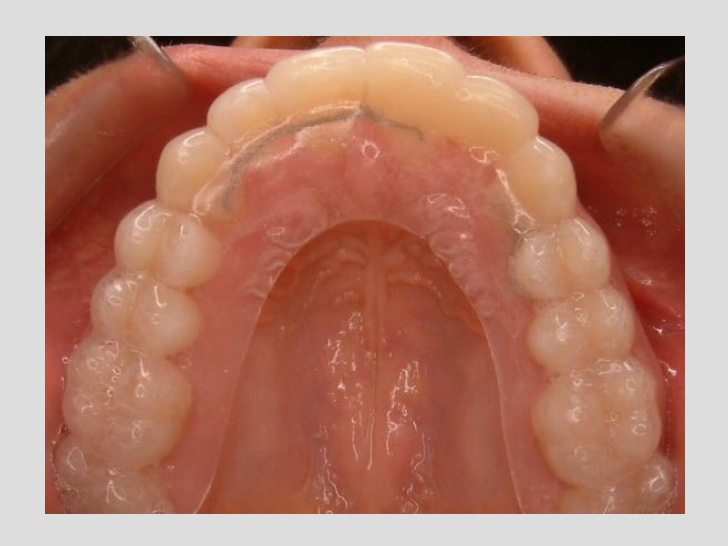
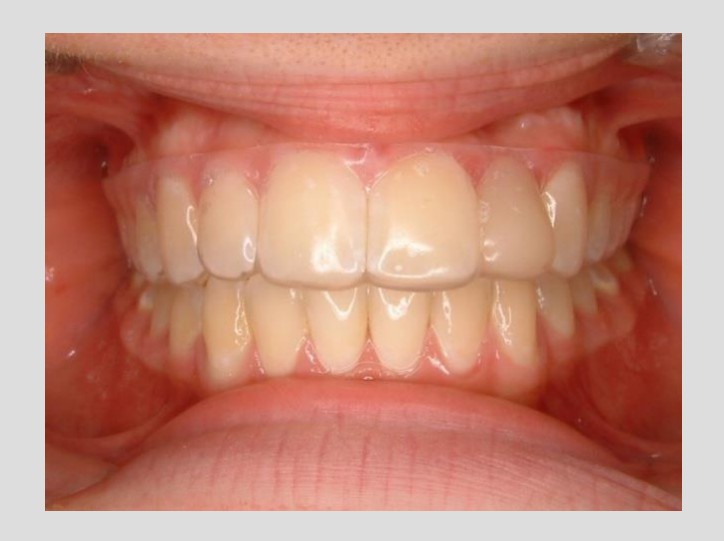
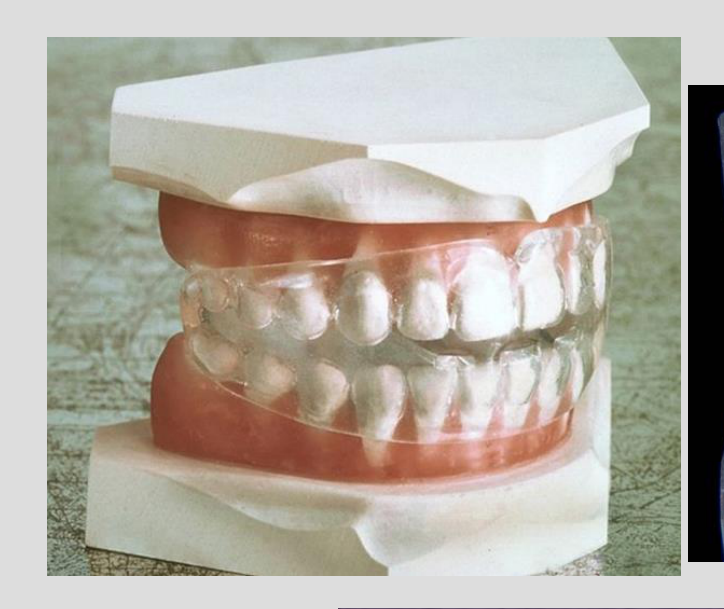
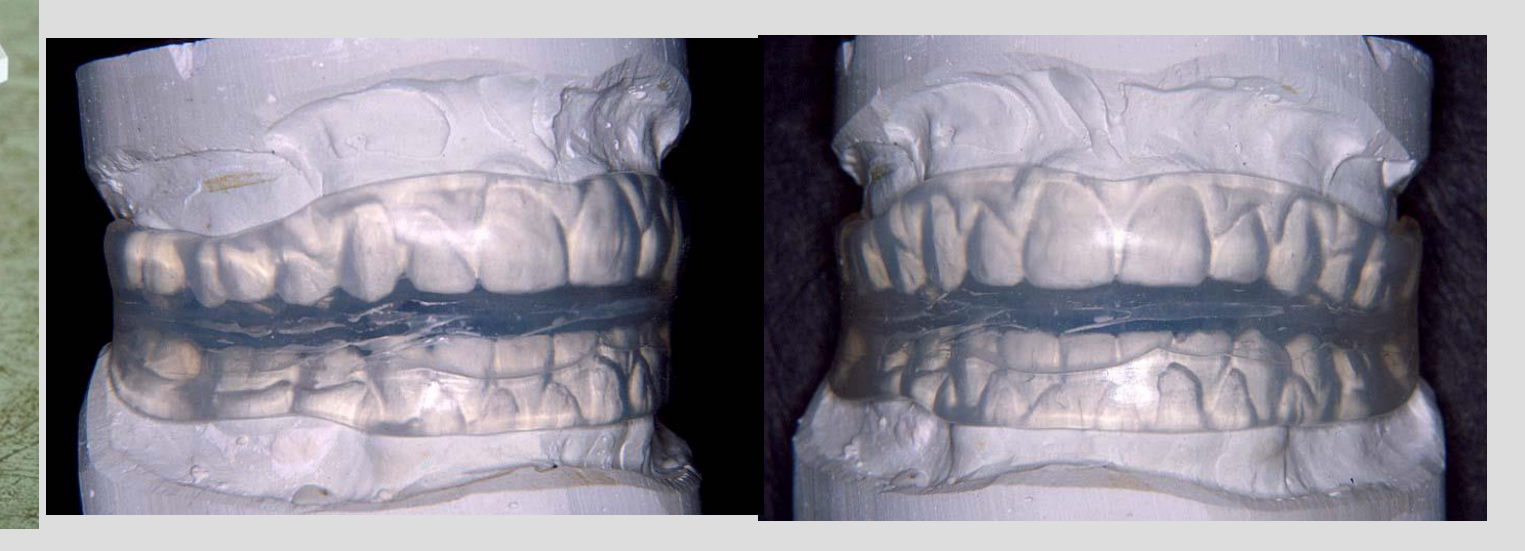
- Retention protocols commonly used include thermoplastic polymeric retainers (similar to clear aligners) worn full-time for the first three months, then nighttime-only thereafter. Bonded bars from canine to canine may also be considered depending on the degree of rotation correction needed.
- A key challenge is the correction of deep overbite. When treating vertical plane problems, a bite plate may be adjusted to keep posterior teeth in intercuspidation and prevent incisor extrusion. However, this requires patient compliance, which is often problematic.
- The underlying biological basis for relapse involves collagen fibers, which behave like elastic material. A substantial amount of collagen fibers requires sufficient time to reorganize and adapt to the new tooth positions. It can take more than one year for the structures to achieve stability.
Literature Review by Richard A. Riedel
Introduction
Richard Riedel is identified as one of the most significant researchers in the study of retention and post-treatment stability. His work produced nine key statements that can be summarized under three main topics.
- Theorem 1: Teeth which have been moved in or through bone by orthodontic appliances often have a tendency to return to their former positions
- There is always a trend for teeth to return to their original positions due to the elastic properties of collagen fibers, which function similarly to power chains used in orthodontic mechanics. Sufficient time must be provided for these fibers to “sedimentate” and accept the new tooth positions.
- Theorem 2: The elimination of the causes of a malocclusion will prevent recurrence
Fundamental Retention Theorems345
A Review of the Literature Richard A. Riedel ■ Theorem 3: Overcorrection of a malocclusion is a safety factor in retention
A Review of the Literature Richard A. Riedel
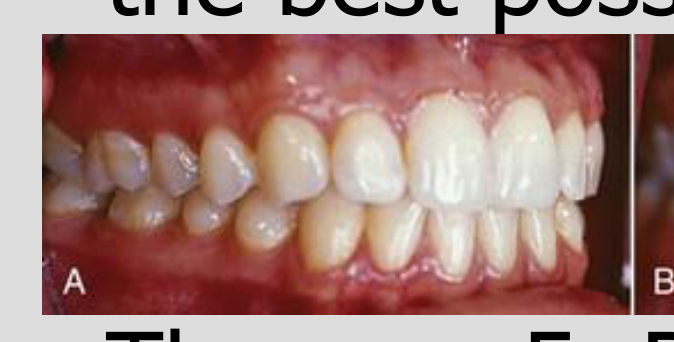
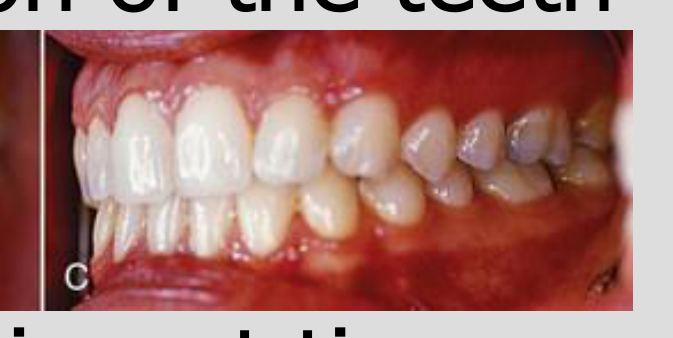
Theorem 4: Occlusion is an important factor in retention; therefore, an orthodontist should attempt to produce the best possible occlusion of the teeth
Theorem 5: Bone and adjacent tissues must be allowed to reorganize around the newly positioned teeth for some length of time
A Review of the Literature Richard A. Riedel
- Theorem 5: Bone and adjacent tissues must be allowed to reorganize around the newly positioned teeth for some length of time
- It is noted that the final tooth position takes time to become stable—at least one year; this is why retainers are worn full-time during the first three months and then at nighttime thereafter.
BOX_A (left half, lower area) Image Caption:
BOX_B (right side) Image Caption: “Pricipal Fiber Groups”
- Interradicular Group
- Apical Group
- Oblique Group
- Horizontal Group
- Alveolar Crest Group
Extracted Text Transcription
Figure labels include:
- “Free gingival fibres”
- “Transseptal fibres”
- “Dentogingival and Interdental Fibres”
- “Principal Fibres”
- “Alveolar Bone”
A Review of the Literature Richard A. Riedel
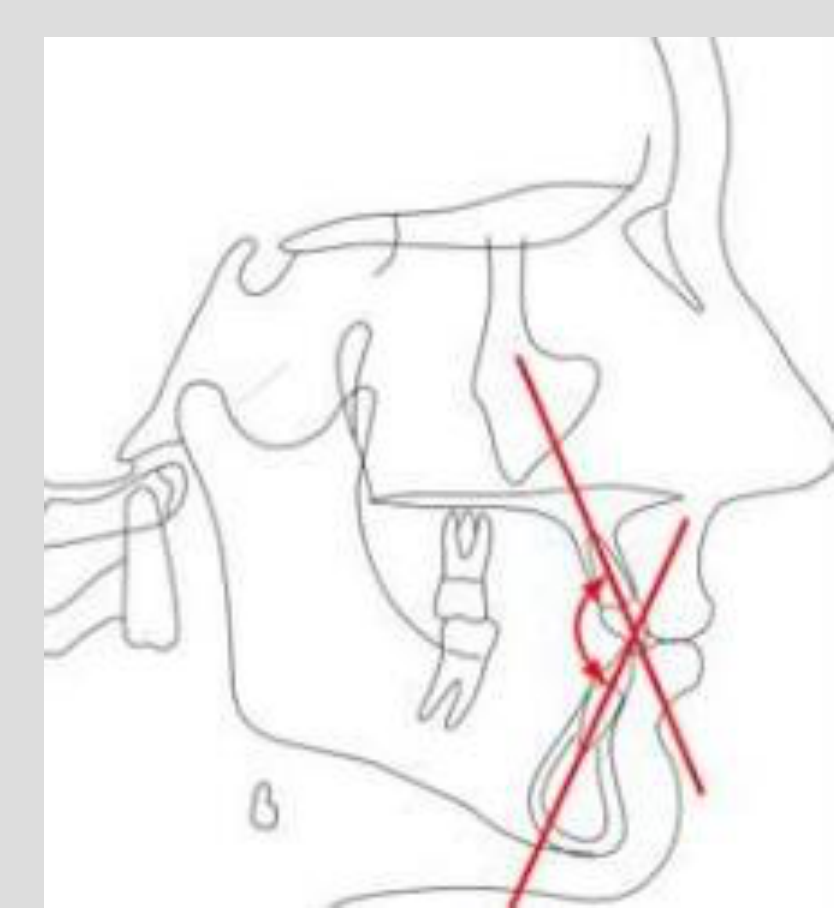
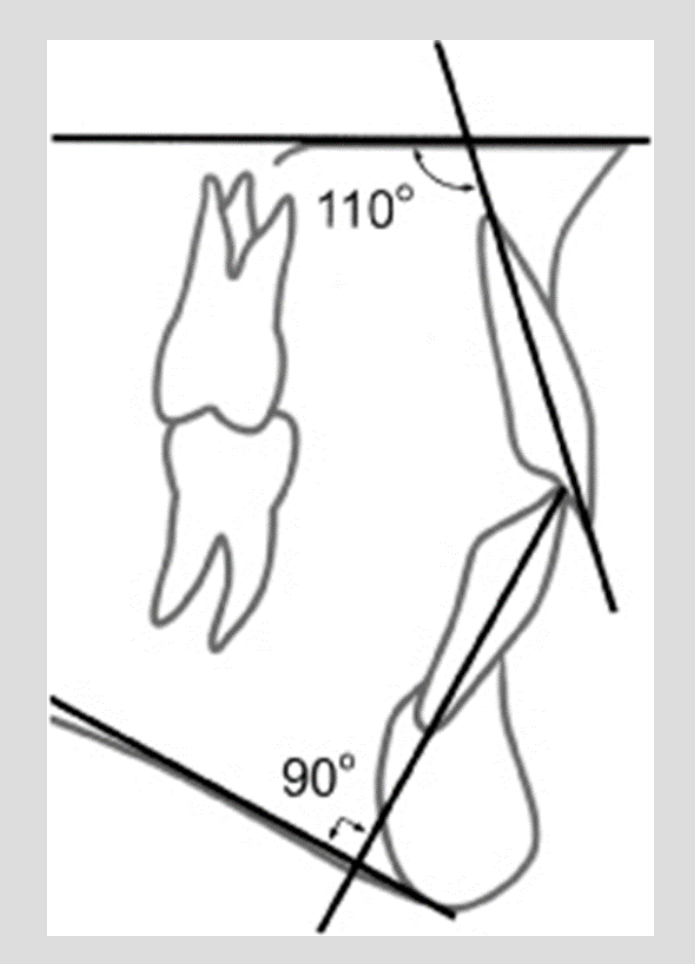
- Theorem 6: Placing the lower incisors upright (plus or minus 5 degrees from perpendicular to the Mandibluar plane) over basal bone will result in a more stable correction of a malocclusion and they are more likely to remain in good alignment
Dental illustration showing tooth alignment and angular measurements (110° and 90°)
A Review of the Literature Richard A. Riedel
Theorem 7: Corrections carried out during periods when the patients are growing are less likely to relapse
A Review of the Literature
Richard A. Riedel
Theorem 8: The farther teeth have been moved, the less the likelihood of relapse similar to over-correction
A Review of the Literature Richard A. Riedel
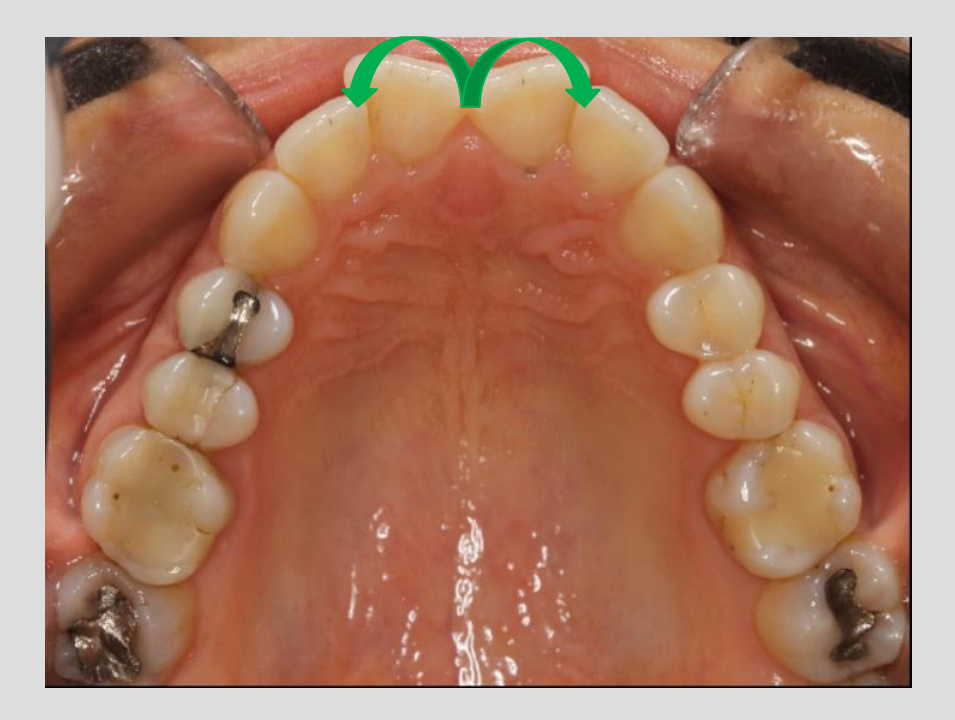
- Theorem 9: The arch form particularly in the mandibular arch, cannot be altered permanently by appliance therapy. Treatment should be directed toward maintaining the arch form presented by the original malocclusion
- It is emphasized that while the arch form can be altered during treatment, it tends to return to its original shape. The wise approach is to maintain the original arch form as closely as possible, regardless of whether extractions are performed; the arch form is individual to each patient and should be preserved.
Theorem 9: arch form
A Review of the Literature Richard A. Riedel
- Riedel considers the following three rules to be the most important:
-
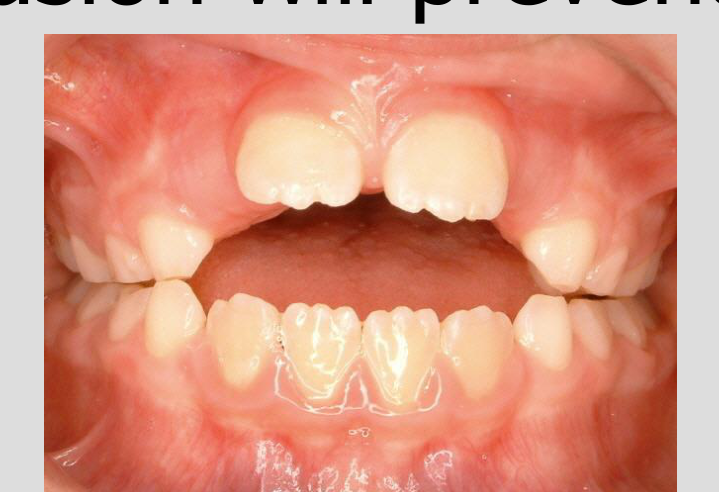
- teeth tend to move back toward their former position;
-
- the arch form of the mandibular arch cannot, in the majority of cases, be permanently altered by appliance therapy;
-
- bone and adjacent tissues should be allowed time to reorganize around newly positioned teeth
-
 |  |  |
 |  |
Additional Factors Influencing Relapse6
Other factors influencing the retention of treated malocclusions include:
- Tooth-size Discrepancies
- Axial Inclinations
- Growth
- Root Paralleling in Extraction Cases
- Equilibration
- Musculature
- Duration of Retention
Tooth-size Discrepancies7
If the maxillary anterior teeth are too large for the mandibular, the maxillary teeth must be placed in one of several positions: deep overbite, greater overjet, combination of greater overbite and overjet, or the maxillary posterior teeth fitting into a more or less distal relationship to the mandible.
Inherent Instability
Such cases are inherently less stable compared to cases without these discrepancies.
Axial Inclinations8
Axial inclination of maxillary and mandibular incisors influences the retention of correction of a deep overbite. Tipping incisors into too upright of a relationship usually results in a deep anterior overbite.
Stability of Lower Incisors
The inclination of the lower incisors is critical for stability. Across different authors, the recommendation is to keep lower incisors at approximately 90 degrees to the mandibular plane. Excessive proclination of lower incisors, even when necessitated by crowding and profile limitations, will not be stable over time; this is why bonded bars from lower canine to lower canine are commonly used.
Growth and Sex Differences9
Growth is an aid in the correction of many types of orthodontic problems and it may also be of such character as to cause relapse of treated orthodontic cases. There is a marked difference between the maturation of skeletal and dental patterns of male and female.
Growth and Stability
Orthodontic corrections carried out during periods of active growth are less likely to relapse because tooth movement during growth is accompanied by new bone formation that anchors the teeth in their new positions. This is particularly relevant when extrusion is required, as vertical growth helps stabilize the new incisor position. For example, correcting Class II malocclusions with vertical involvement using functional appliances or headgear during the growth spurt results in more stable outcomes.
Root Paralleling in Extraction Cases10
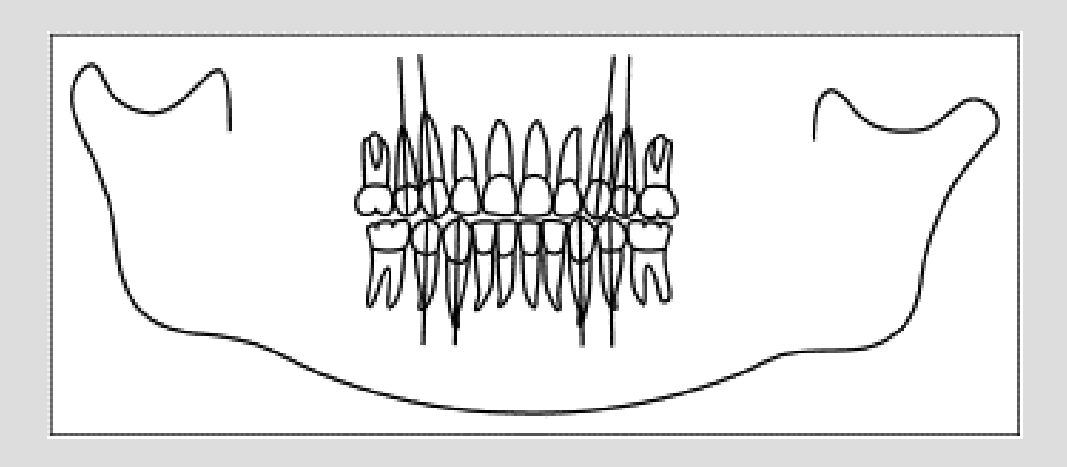
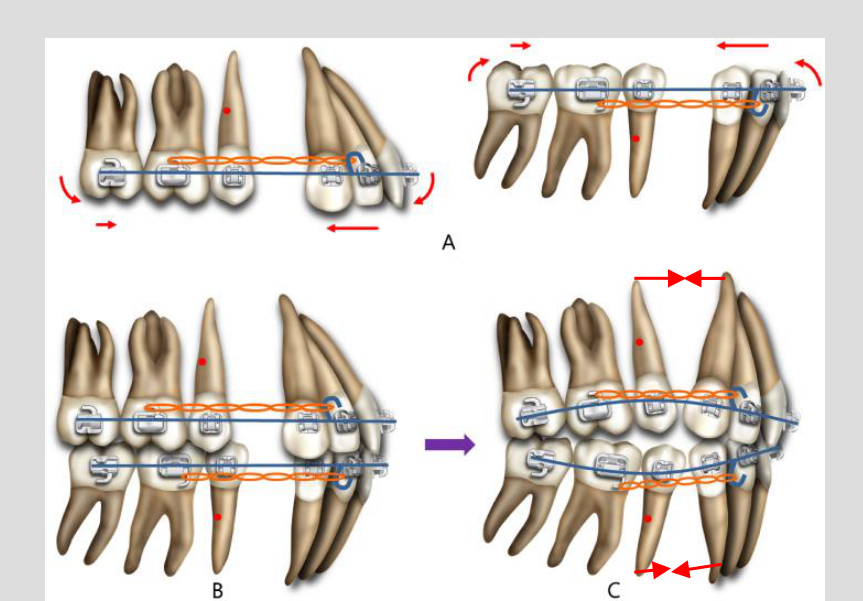
Unless the roots of teeth on either side of the extraction sites are made parallel, spaces may open or teeth rotate due to load distribution on the teeth.
Verify Root Parallelism
Before finishing treatment, an OPG (orthopantomogram) should be obtained to verify that roots are parallel. If roots are divergent, occlusal loads will create forces along the long axis of the teeth, causing them to become parallel again—resulting in space reopening.
 |  |
Equilibration11
Riedel is of the opinion that functional interferences as a cause of relapse in treated orthodontic cases has been over-emphasized.
Occlusion as a Factor in Retention
Occlusion is an important factor in retention—achieving good intercuspidation can work better than any retainer. This includes checking protrusion, canine guidance during lateral movements, and proper overbite to keep incisors in position.
Musculature12
We cannot predict accurately a stable position of the teeth with respect to equilibrium of muscle forces.
The Tongue and Muscle Forces
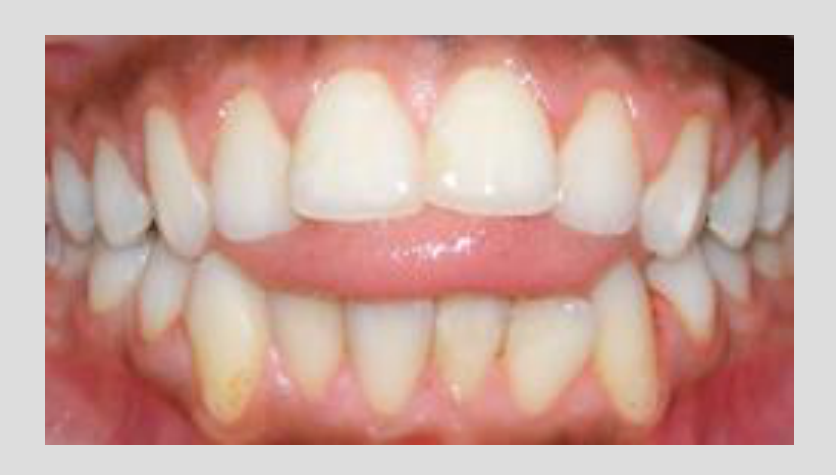
It is very difficult to fight against the tongue. When closing anterior open bites, if there is no more dysfunctional sealing demand, the tongue will typically find the best way to accommodate and change its behavior. However, if any space remains—even a slight open bite—the tongue will find a way to fit in, causing the open bite to recur even after treatment. In cases of tongue interposition, bonded bars on both upper and lower arches help stabilize the anterior segments while the tongue adapts over time.
Duration of Retention13
The debate concerning the length of use of retention devices has simply not been resolved. It is not known whether prolonged retention provides for greater stability or even if prolonged mechanical restraint is biologically desirable.
Transeptal Fibres
The transeptal fibres may take up to one year to accommodate to the new position, which underscores the importance of extended retention periods.
Retention Classification Groups14151617
Riedel divided retention requirement into 3 categories:
-
Group I: no retention
-
Group II: permanent or semi-permanent retention in one or both arches
-
Group III: cases requiring varying lengths of retention
-
Group I: no retention (limited treatment)
- No retention is necessary when excellent intercuspidation is achieved; the occlusion itself is sufficient to maintain tooth positions. For example, after correcting an anterior crossbite with adequate overbite achieved, the condition is stable.
- Anterior crossbite
- Posterior crossbite after good interdigitation
- High cuspid extraction cases (extraction only)
- Cases in which maxillary or mandibular molars have been tipped distally or premolars tipped mesially to provide space for the eruption of second premolars
- Class II cases treated with headgear, once growth period has passed
-
Group II: continue permanent or semi-permanent retention in one or both arches
- This group applies to most cases, with treatment involving: removable retainers (thermoplastic retainers similar to aligners), bonded bars from canine to canine for cases with significant rotations, or a combination of both approaches.
- Expansion cases
- Class II or Class III relationship (e.g., strong Class II elastic therapy)
- Severe rotations
- Spacing
-
Group III: cases requiring varying lengths of retention or greater lengths of retention
- Class II cases (extraction or non-extraction). If good muscle balance has been achieved and no severe rotations, long-term retention is not necessary.
- Deep overbite: retention is directly dependent on growth.
- Class II division 2 cases.
- Class III corrections with surgery require varying length of retention.
- Cases involving the ectopic eruption of teeth or supernumeraries have been present require varying lengths of retention period.
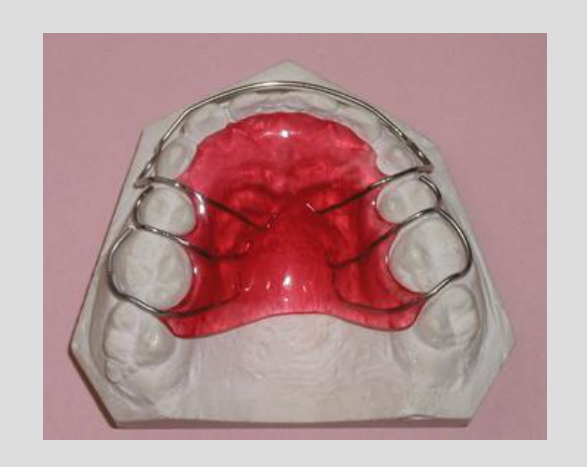
- Expansion cases requiring acrylic plates with expansion screws to maintain transverse relationships
- Cases with severe rotations where collagen fiber instability is a concern
- Cases with significant space closure
- Extraction cases where muscle balance was not fully achieved
- Patients with special needs who have significant muscle imbalance
- Class II Division 2 cases where upper incisors tend to return to retroclination after treatment
 |  |
Perspectives in Orthodontic Stability by Charles J. Burstone18
What is a stable dentition? Teeth after orthodontic treatment are not ankylosed to the bone and the
-
For male patients, mandibular growth continues until approximately 21-22 years of age. This is favorable for Class II correction but problematic for Class III patients. When mandibular growth appears uncontrolled, treatment should be delayed, with lateral cephalograms taken every two to three years to confirm that growth has ceased before initiating treatment. This prevents the scenario where a corrected Class I relationship deteriorates due to continued mandibular growth. supporting tissue allows teeth
-
Excessive vertical mandibular growth with clockwise rotation can lead to anterior open bite development. to migrate under changing conditions
-
A relationship between functional occlusion and the pattern of tooth migration
Growth, Rotation, and Arch Width192021
Charles J. Burstone
- Normal growth, orthopedic changes, and relapse
- The mandible grows and displaces forward at a faster rate than the maxilla
- The typical growth helps treatment in Class II, but not in Class III malocclusions
Charles J. Burstone
- Stability and mandibular rotation during treatment
- High incidence of relapse in patients with deep overbite
- In growing patients, the mandible grows vertically more than the maxilla to have enough room for the eruption of posterior teeth
Perspectives in Orthodontic Stability Charles J. Burstone
- Arch width and stability
- Depends on equilibrium of many factors
Incisor Position and Stability222324
Perspectives in Orthodontic Stability Charles J. Burstone
Incisor position and stability: three dogmas
The most stable position for a lower incisors is a cephalometric mean: the lower incisor to mandibular plane is about 90° with a standard deviation of 5° The best position for the lower incisors is its original position There is only one stable position of the lower incisor. In fact, the original malocclusion may be the most stable position
Charles J. Burstone
• Incisor position and stability: three dogmas • The most stable position for a lower incisors is a cephalometric mean: the lower incisor to mandibular plane is about 90° with a standard deviation of 5°
- The stable position is orthogonal to the mandibular plane, approximately 85-95 degrees. The original incisor position is considered the most stable, provided there is adequate space. If crowding was present, incisors may attempt to return to the crowded position. With sufficient space and preservation of the original arch form, a bonded bar from canine to canine typically maintains stability.
Charles J. Burstone
-
Incisor position and stability: three dogmas
-
The best position for the lower incisors is its original position
-
There is only one stable position of the lower incisor. In fact, the original malocclusion may be the most stable position
|  |
Intra-Arch Factors and Functional Occlusion
Charles J. Burstone
Intra-arch factors and stability
- Reorganization of periodontal fibers
- Transseptal fibers may require more than 280 days to accommodate to final positions.
Functional occlusion and stability
- A long centric of 0.5-1.0 mm from the CR is acceptable
- Multidirectional chewing had minimal migration of teeth
Maintenance System and Occlusal Dynamics by Ronald H. Roth25
- Functional vs. Anatomical occlusion
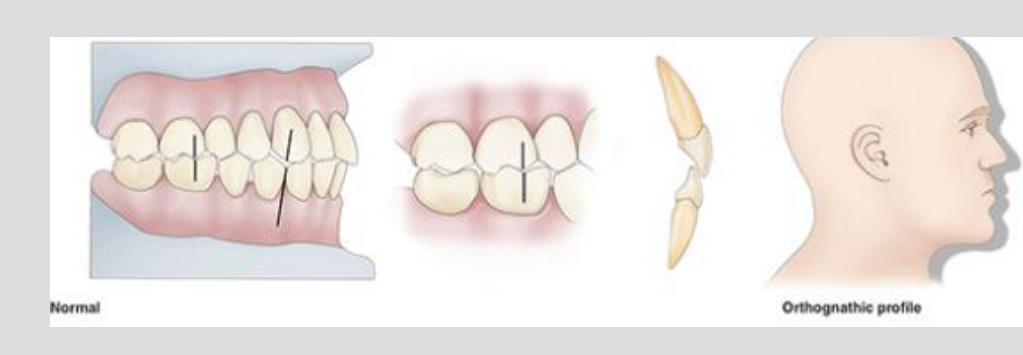
One of the aims of orthodontic therapy is to establish a good functional occlusion that is in harmony with the TMJs and mandibular musculature, along with an efficient masticatory apparatus and health periodontium
Criteria for Ideal Functional Occlusion
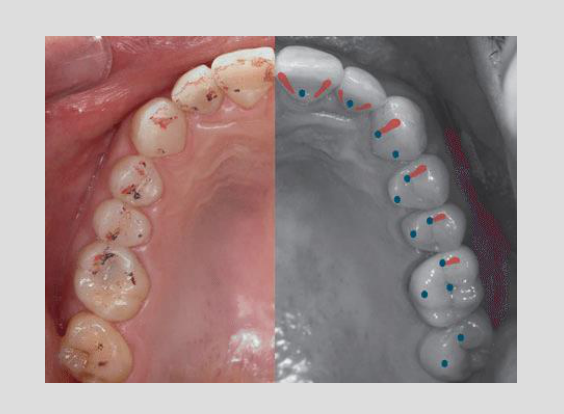
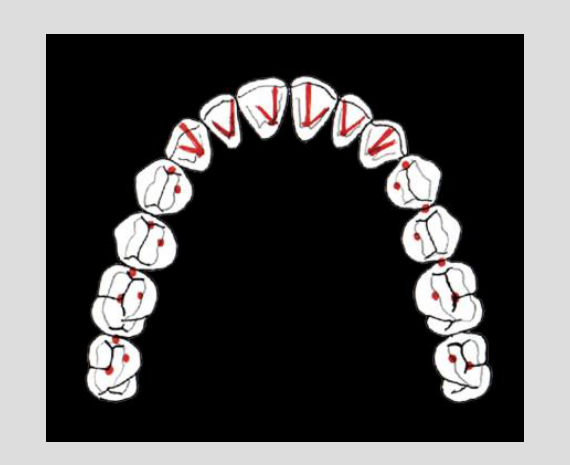
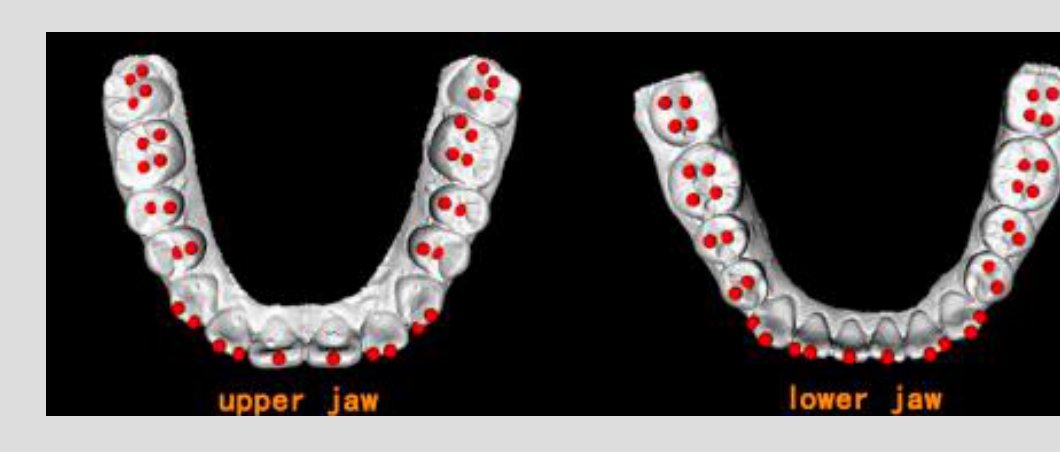
Criteria for an ideal functional occlusion26
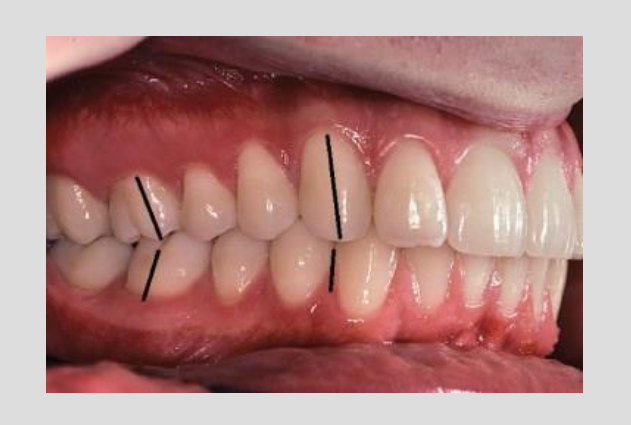
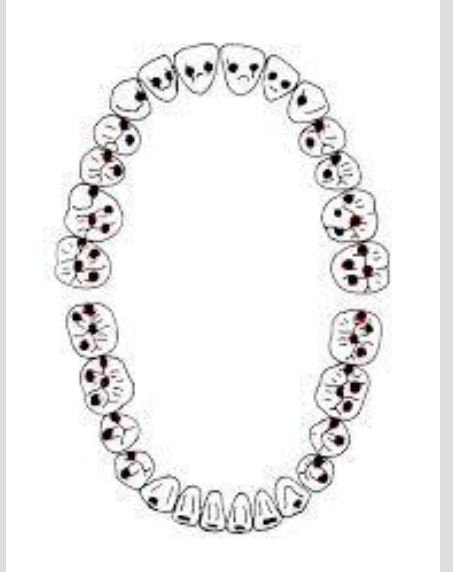
- Maximal intercuspation
- Stress should be directed down along the long axis
- The posterior teeth should contact equally and evenly
- Minimal OJ and OB, but sufficient overbite
- Minimal interference
Signs and Causes of Occlusal Disharmony27
 |  |  |
 |  |  |
 |  |
Signs and symptoms of occlusal disharmony28
Occlusal disharmonies can result in the following symptoms:
- TMD
- Occlusal wear and bruxism
- Excessive tooth mobility and/or periodontal disease (from lateral stress)
- Movement or relapse of tooth positions
Normal
Orthognathic profile
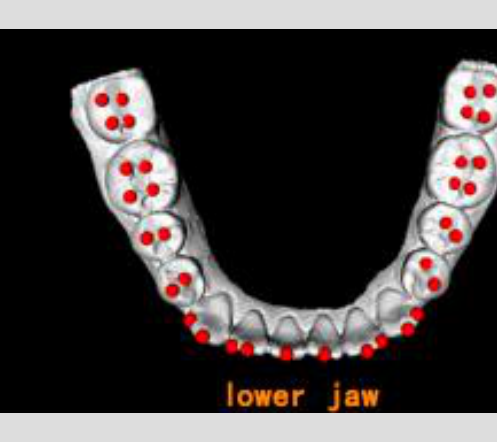
upper jaw
lower jaw
Occlusal relationships and post-treatment tooth movement29
- Should have maximum intercuspation
- 4 types of centric discrepancy
- The tooth or inclined plane interference deflects the mandible off the terminal hinge arc of closure
- Due to failure to correct the jaw relationship anteroposteriorly
- Due to insufficient ramus height or short posterior face height / skeletal openbite pattern
- Asymmetry of the mandible
Articulation of teeth and mandibular movement30
- Straight protrusive movement
- Canine guidance when lateral movement
Post-Treatment Relapse and Equilibrium31
| Periodontal & Gingival tissue | Equilibrium | Orofacial soft tissue (Muscle activity) |
|---|---|---|
| - Reorganization: PDL- 3-4 mos, collagen fiber- 4-6 mos | - lower labial segment | |
| - Elastic supracrestal fiber- 232 days | - arch width | |
| - arch length | ||
| Post-treatment | Occlusal factors and forces | |
| Growth & development | - a well-interdigitating occlusion | |
| - Response, dentoalveolar adaptation |
Toward a perspective on orthodontic retention, AJODO, May 1998
 |  |  |
 |  |
Retention Planning and Retainer Mechanics
Planning the retention phase – 6 factors32
- Obtaining informed consent: no guarantee
- Original malocclusion and patient’s growth pattern: retention device, long-term stability (Cl II, mild Cl III, openbite, rotated teeth)
- Type of treatment performed: removable (6 months), or fixed (1 year)
- Soft and hard tissue adjunctive procedures to enhance stability: fiberotomy, surgical gingivoplasty, frenectomy, interproximal stripping
- Type of retention: removable, fixed, passive or active
- Duration of retention: no clear indication
- Patients must understand that post-treatment control is limited because occlusion is dynamic and this is a long-term commitment
- Follow-up should extend for at least two years
- For diastema closure (up to 2 mm), if the frenum has a low insertion, frenectomy should be performed before placing fixed retainers
- A lower bonded bar may be kept for 10 years, yet relapse can still occur within three months of removal. The best approach is ongoing patient monitoring with annual retention visits
Retention Planning Factors
Toward a perspective on orthodontic retention, AJODO, May 1998
The speaker emphasizes that orthodontic treatment has become a much longer-term commitment than ever before, extending well beyond the active phase of treatment.
Comparison of Fixed and Removable Retainers
Fixed retainers33
- Advantages:
- retain corrections of incisor irregularity
- compliance free
- Disadvantages:
- less effective with inherently unstable
- patients are often dismissed
- plaque accumulation
- technique sensitive (bond failure, stress of wire)
- Patients must accept the idea of permanent retention
Removable retainers
- Advantages:
- cleanness – flossing
- inherently unstable procedure
- the capability of correcting minor tooth discrepancies
- less time-consuming
- patient can easily be weaned from the appliance
- Disadvantage:
- Essix retainers – anterior openbite
- Require patient collaboration
- Essix retainers – anterior openbite
A rationale for removable retainers, JCO 1998, Vol XXXII, No 2
The speaker typically uses a combination of both—bonded canine-to-canine retainers plus removable thermoplastic aligners.
Comparison of Essix and Hawley retainers, JCO 1998, Vol XXXII, No 2
A 3 year follow-up study of 3-3 retainers, EJO, 1997
A 3 year follow-up study of various types of orthodontic 3-3 retainers34
No difference in the stability of incisor alignment of 4 types of retainers:
-
Thick plain wire bonded
-
Thick spiral wire bonded
-
Flexible spiral wire bonded
-
Removable retainer
-
20% failure rate: technique sensitive
-
Tendency for plaque and calculus build-up along the wire – no significant difference between baseline and follow-up examination
The ideal removable retainer should be35
- Able to allow for functional occlusion
- Sturdy enough to withstand long-term use
- Flexible enough to allow normal physiological movement of teeth
- Convenient for orthodontist to provide and maintain
- Patient-friendly in both comfort and wear routine
A rationale for removable retainers, JCO 1998, Vol XXXII, No 2
Clinical Applications of Retention36
Clinical Applications
Retention Categories in Clinical Practice37383940
Can be divided into three categories:
- No Retention Required
- Limited Retention
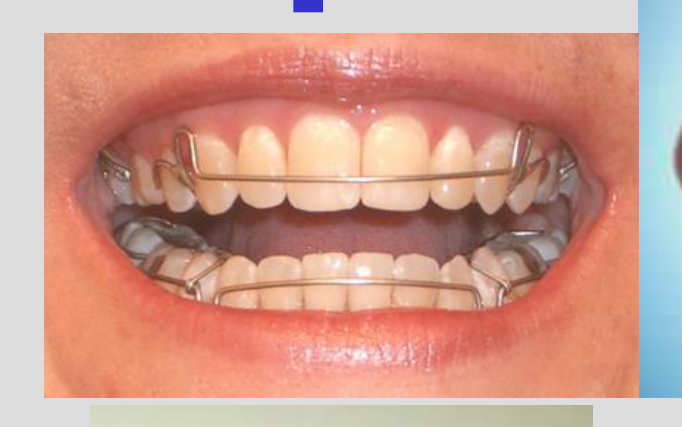
- Permanent or semi-permanent retention
No Retention Required
- Corrected anterior crossbites when adequate overbite has been established
- Posterior crossbites if axial inclination is acceptable
- Malocclusions treated by serial extraction only
- Corrections achieved by retardation of maxillary or acceleration of mandibular growth once the patient has passed the growth period
- When good enough intercuspidation is achieved
Limited Retention
- Most typical orthodontic cases fall into this category. Time required to allow muscular adaptation and tissue reorganization. However, ideally retention is life-long in treated orthodontic cases.
Case-dependent, but typically long-term in most situations
Permanent or Semi-permanent Retention
- Cases of considerable or generalized spacing
- Instances of severe rotation or severe labio-lingual malposition
- Spacing between maxillary central incisors
- Severe overbite in Class II Div. 2
- Cleft palate lateral expansion
- Labiolingual malpositions, mainly of lower incisors
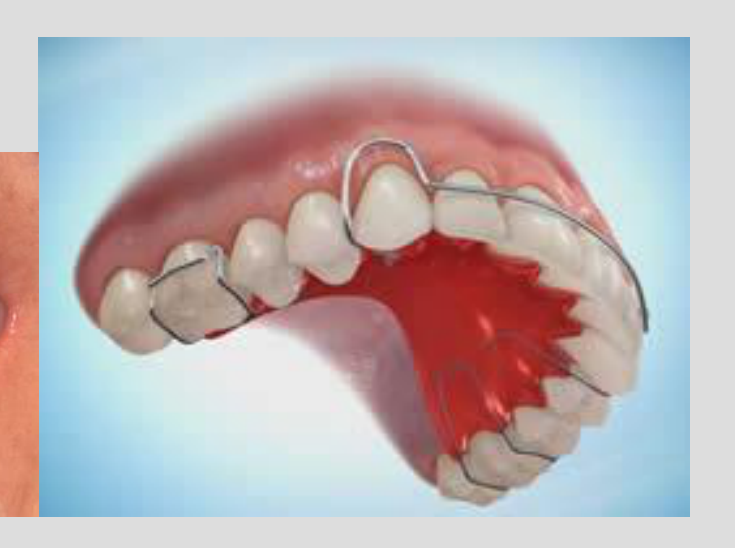
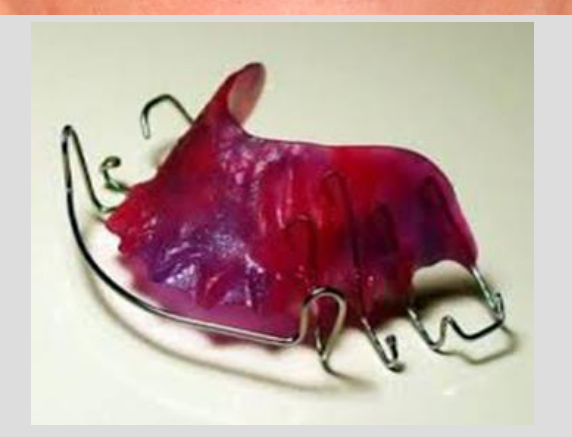
Retainer Appliance Types4142434445
Three Classes**
- Fixed Retention
- Removable Retention
- Functional Elastic Retainers
Fixed Retention
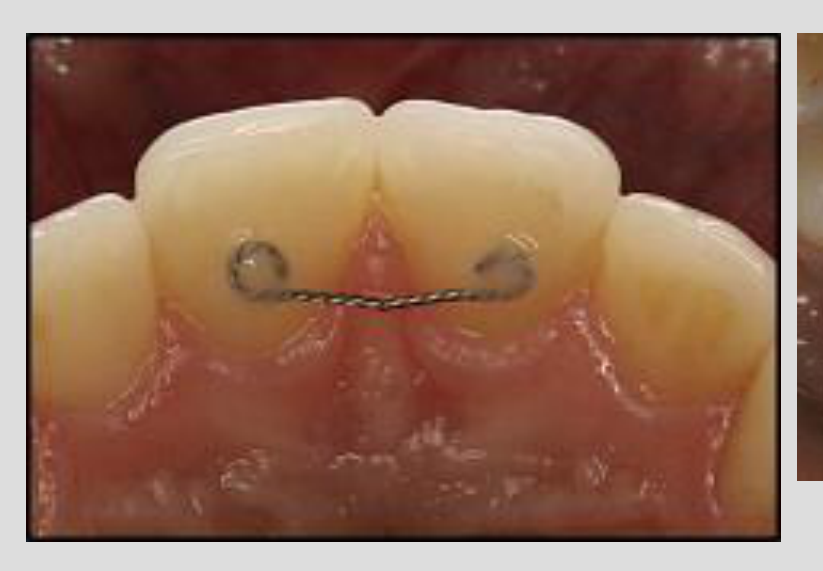
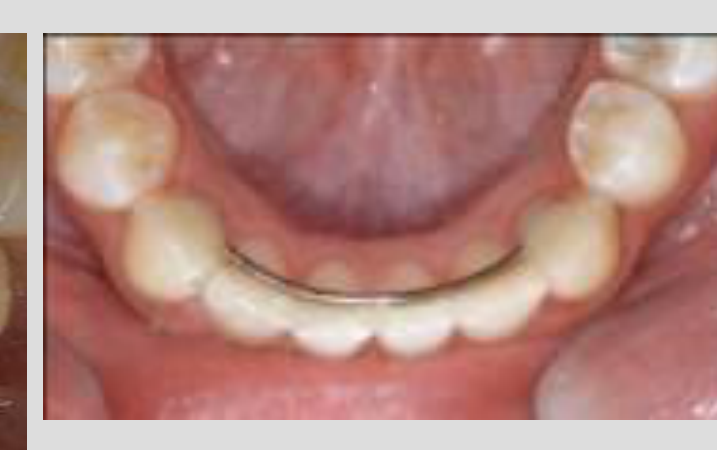
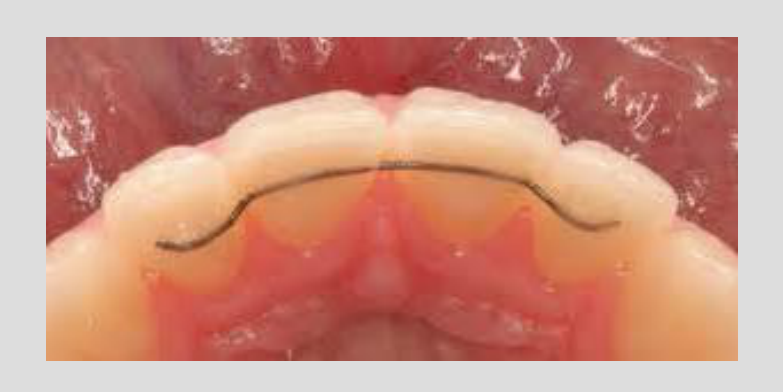
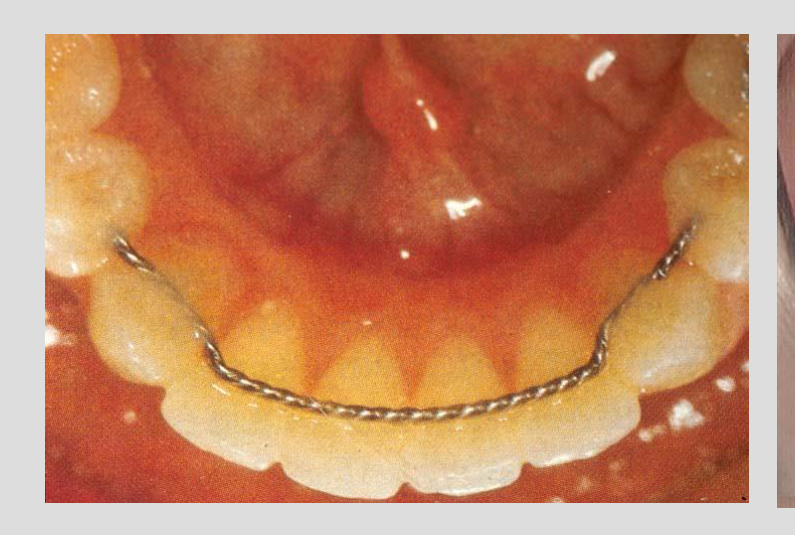
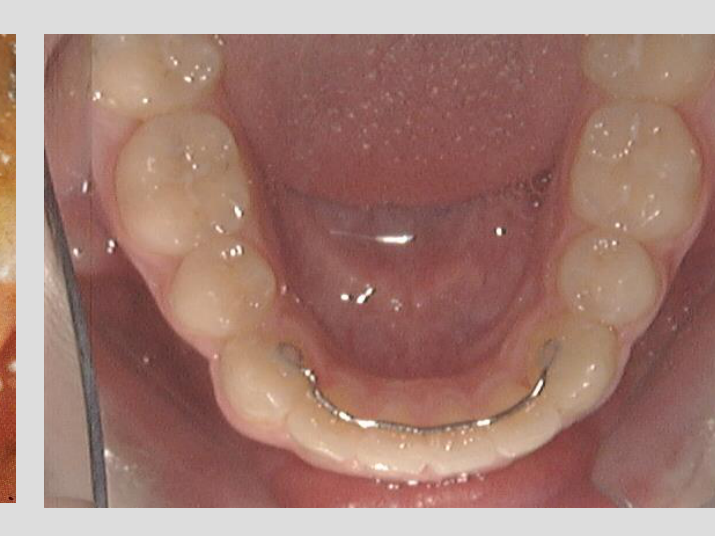
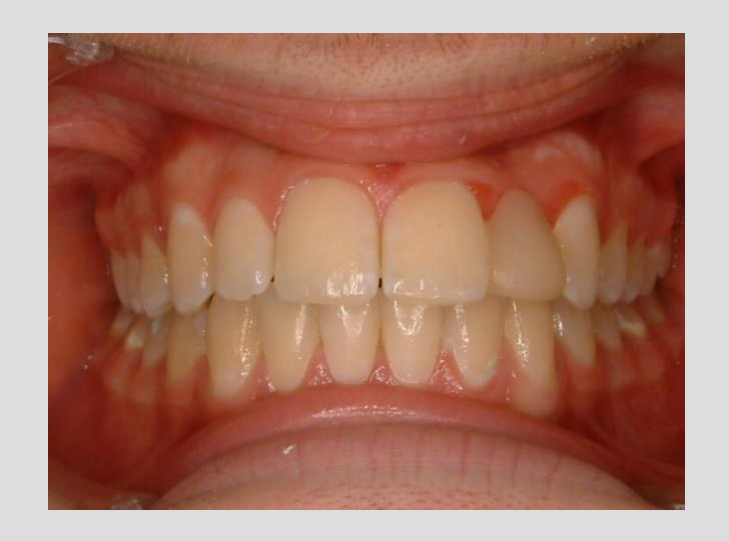
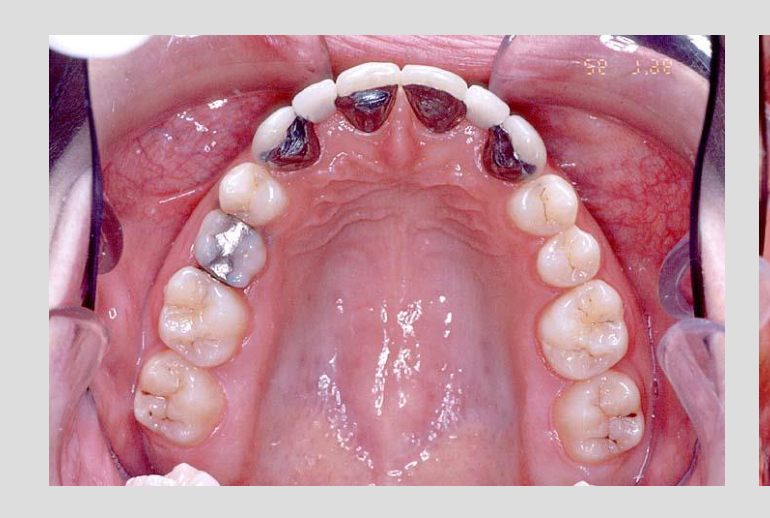
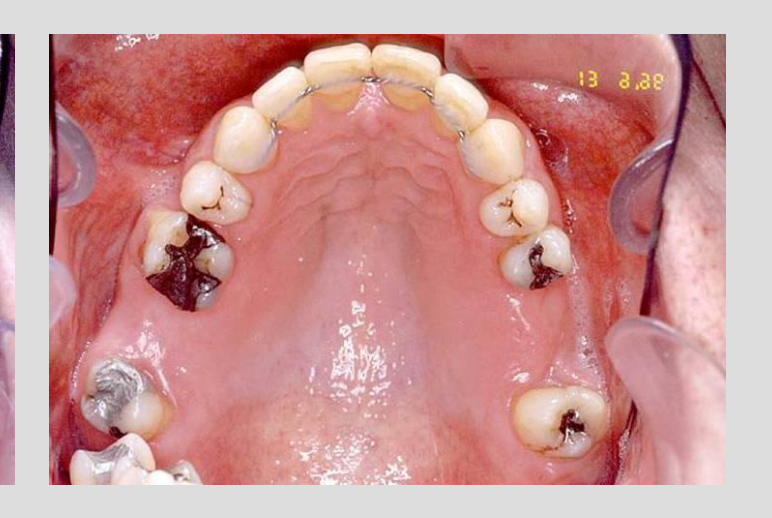
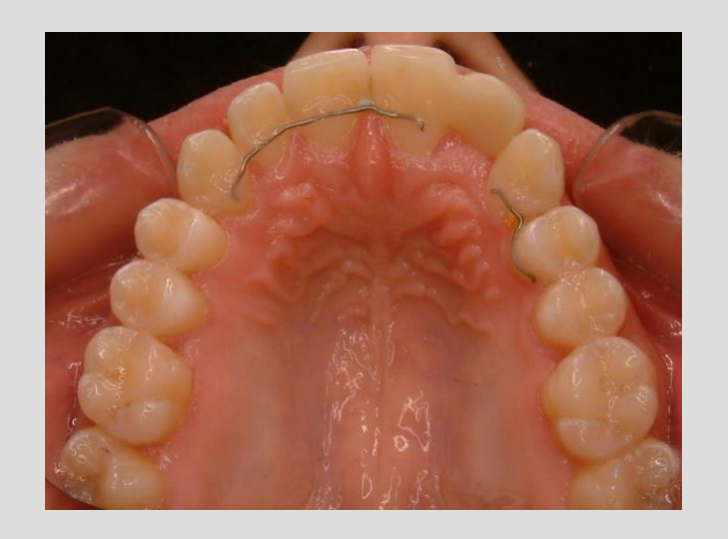
- Bonded canine-to-canine bars can be customized and extended to the first premolars if needed. For vertical plane problems (overbite or open bite), a bar from lateral to lateral is bonded to treat incisors as a single unit. For diastema cases, multi-strand wires are used, typically following surgical frenectomy.
- Upper retainers frequently break because lower incisors or canines occlude against them. With aging, slight relapse can cause the lower teeth to bite directly on the retainer area. These retainers cause significant clinical headaches.
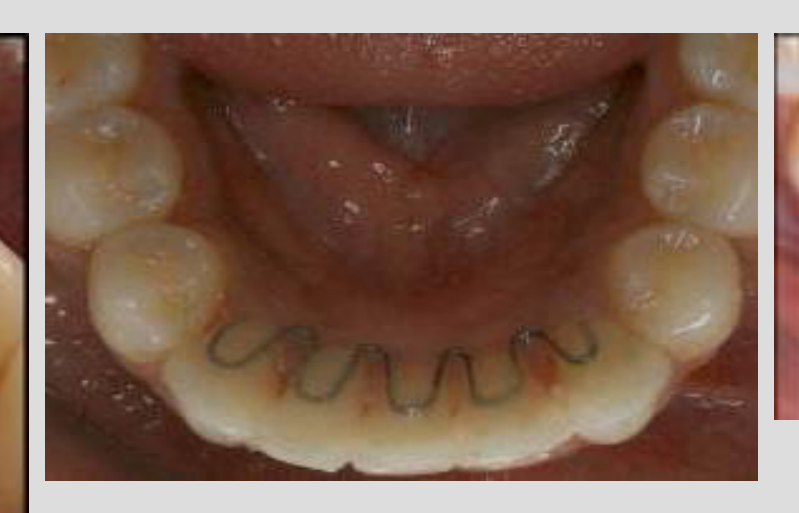
- Lower arch retainers are more straightforward. Stranded wires provide some functional loading to the PDL. Round steel wires bonded only on canines are simple with minimal plaque retention. Zigzag designs facilitate flossing in periodontally compromised patients. All designs work similarly.
Removable Retention
- Used for transverse discrepancies (e.g., posterior crossbite correction). Upper acrylic plates stabilize the transverse dimension after expansion. Anterior bite plates maintain posterior interdigitation and keep lower incisors passive against upper incisors, controlling deep overbite. Compliance is essential but often problematic.
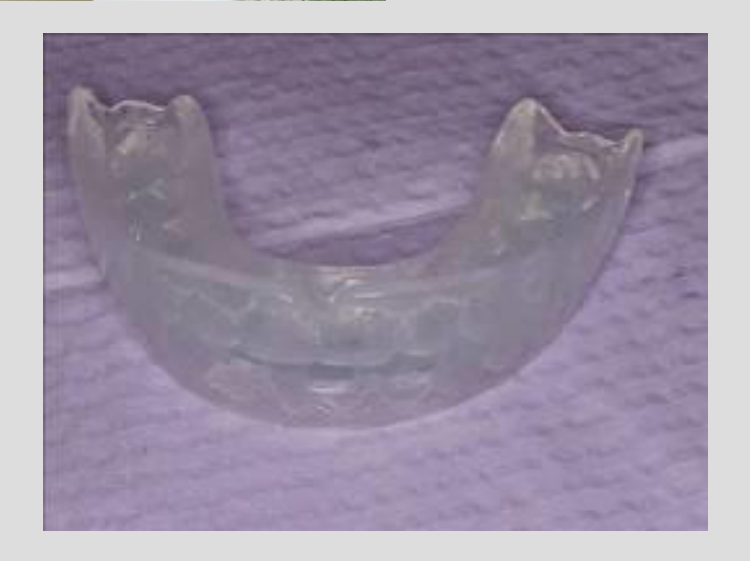
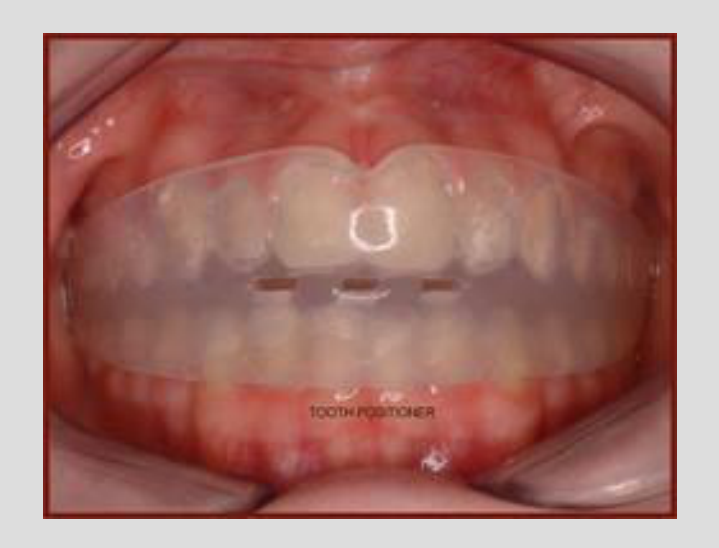
Functional Elastic Retainers
 |  |  |
 |  |  |
 |  |  |
 |  |  |
 |  |  |
 |  |  |
 |  |  |
 |  |  |
 |  |
Conclusions and Expert Perspectives46
An interesting and informative method of reviewing the retention problem is to look at some quotes by eminent orthodontists.
Historical Quotes on Retention4748
-
“We are in almost complete ignorance of the specific factors causing relapse and failures.” Hellman
-
”… . That for girls they wear it (retainer) until they get married.” Ottolengui
-
“Retention is not a separate problem in orthodontia, but a continuance of what we are doing in treatment.” Hellman
-
“If anyone would take my cases when they are finished, retain them and be responsible for them afterwards, I would gladly give them half the fee
These quotes illustrate the significant challenge retention poses for orthodontists. A well-finished case can be compromised by patient non-compliance, and patients may become frustrated with relapse despite excellent treatment. Any relapse is typically expected to be managed by the original orthodontist, making retention an ongoing responsibility. .” Hawley
Modern Understanding of Relapse49
It is now generally recognized that retention must be appreciated as one aspect of the overall orthodontic treatment. Relapse of orthodontically treated teeth should be viewed not as a pathological or abnormal phenomenon, but as an unwanted or undesirable symptom of normal oral physiology.
The speaker concludes that retention remains a significant challenge because it involves:
- Patient aging
- Changes in tooth position over time
- The dynamic nature of occlusion
These factors cannot be avoided. The goal is to make the retention phase as manageable as possible through appropriate retainer selection, patient education, and realistic expectations.
Clinical Scope and Referrals5051

Referral Criteria52
- Patients with mild to moderate malocclusion suitable for non-surgical orthodontic treatment.
- Cases requiring interceptive orthodontics in mixed dentition.
- Adult patients with limited orthodontic needs who are not candidates for complex multidisciplinary care.
- Patients experiencing any relapse should be referred back to the orthodontist who completed the case, as retention is considered part of the orthodontist’s ongoing responsibility.
Conditions Not Routinely Accepted
- Severe skeletal discrepancies requiring orthognathic surgery.
- Complex cases involving significant periodontal disease, temporomandibular joint disorders, or extensive restorative needs.
- Patients with poor oral hygiene or low motivation for treatment.
- Certain conditions present particular challenges for retention, including:
- Special needs patients with significant muscle imbalance
- Class III malocclusions with uncontrolled mandibular growth
- Cases where muscle balance cannot be achieved
Referral Process
- Referral letter from general dental practitioner or specialist.
- Include relevant radiographs (panoramic, lateral cephalogram) and study models if available.
- Initial assessment appointment to determine suitability and treatment plan.
Clinical Scope
-
Comprehensive fixed appliance therapy (e.g., pre-adjusted edgewise, self-ligating brackets).
-
Removable appliance therapy for simple tooth movements or retention.
-
Functional appliance therapy for growth modification in children.
-
Clear aligner therapy for selected mild to moderate cases.
-
Retention protocols: fixed retainers, vacuum-formed retainers, and Hawley retainers.
-
Ongoing monitoring of patients at least annually
-
Replacement of thermoplastic retainers annually
-
Management of fixed retainer failures
-
Patient education about the long-term nature of retention
-
It is recommended, appropriate and expected in most circumstances to refer a patient back to their orthodontist if there are retention issues.
At the end of the Orthodontic course, you have neither the didactic or clinical knowledge to include comprehensive orthodontic treatment in your Scope of Clinical Practice.
Audio Appendix
Additional Audio Content
The following sections from the lecture audio did not correspond to any heading in the main document.
A 3-Year Follow-Up Study of Various Types of Orthodontic 3-3 Retainers
A study evaluating four types of retainers over three years found:
- No difference in incisor stability among the four types (thick plain wire bonded, thick spiral wire bonded, flexible spiral wire, and removable retainer)
- The critical factor is not which retainer is used but how long it is worn
- 20% failure rate was observed, likely related to bonding technique (which is controllable)
The Ideal Removable Retainer Should Be
The ideal removable retainer is a philosophical consideration:
- Must be sturdy enough to withstand long-term use
- Must be replaceable—thermoplastic aligners develop crack propagation and discoloration within one year, requiring annual replacement
- Should be convenient for the practitioner to provide and maintain
- Should be cost-effective—thermoplastic retainers are inexpensive, and the speaker typically does not charge patients for replacements, considering them part of the treatment
Clinical Cases
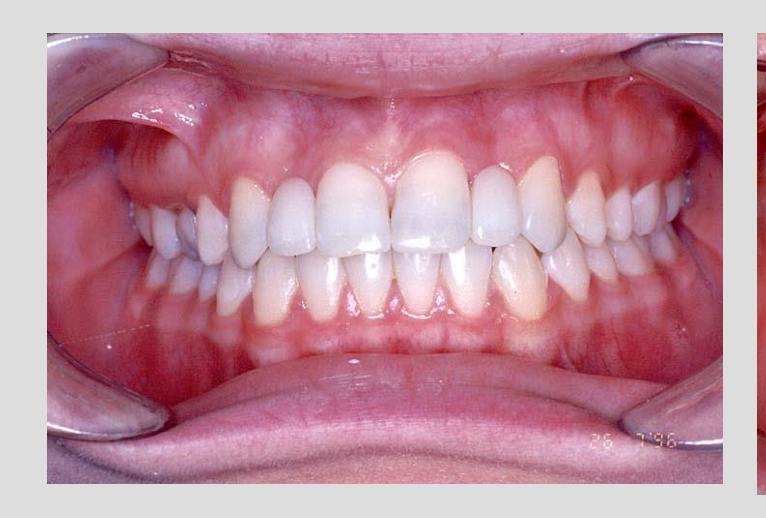
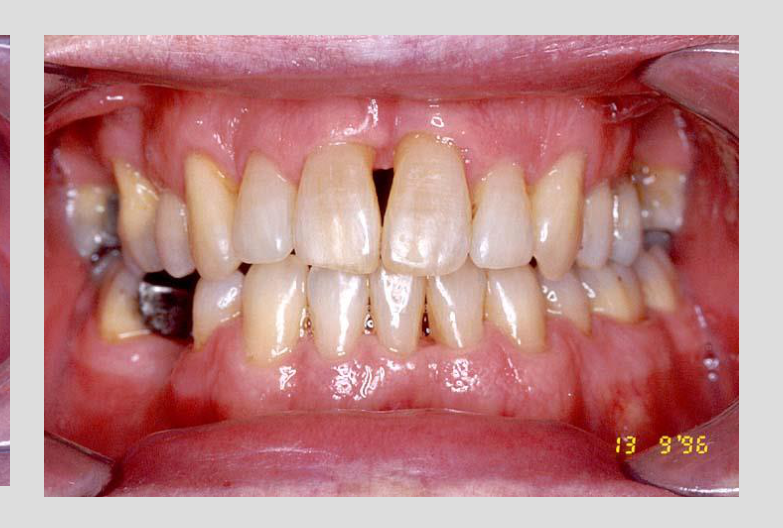
Case: Relapse trend and retention of a corrected misalignment
Question
Scenario: A patient with a dental misalignment that has been orthodontically corrected. What’s shown: An image of the corrected misalignment, demonstrating the tendency for the teeth to shift back toward their original position. Consider: What is the expected degree of relapse, and what retention strategy is used to manage this trend?
Answer
Observations:
- A corrected misalignment with a visible trend for the teeth to relapse toward their former position. Reasoning:
- Teeth naturally tend to move back toward their original position due to the elastic nature of collagen fibers.
- Rather than true overcorrection, the teeth are expected to relapse partially (e.g., 50% of the way back).
- To maintain the correction, a bonded bar from canine to canine is placed. Takeaway:
- A bonded canine-to-canine retainer is essential initially to counteract the natural tendency of teeth to relapse, and it can be evaluated for removal after two to three years.
Case: Divergent roots in an extraction case
Question
Scenario: A patient in the finishing stage of orthodontic treatment following an extraction case. What’s shown: An OPG radiograph showing that the roots of the teeth adjacent to the extraction space are not parallel, but are divergent. Consider: What is the effect of occlusal loading on these divergent roots, and what is the clinical consequence for the extraction space?
Answer
Observations:
- The roots adjacent to the extraction space are divergent rather than parallel. Reasoning:
- During occlusal loading, the forces affect the long axis of the teeth.
- There is a natural tendency for the roots to become parallel under these loads.
- This movement leads to the reopening of the extraction space. Takeaway:
- Root parallelism is critical before finishing an extraction case to prevent the extraction space from reopening under occlusal forces.
Case: Tongue interposition and anterior open bite
Question
Scenario: A patient presenting with an anterior open bite caused by tongue interposition. What’s shown: A clinical scenario demonstrating tongue interposition resulting in an anterior open bite. Consider: How should the open bite be managed, and what retention strategy is used to stabilize the anterior segment against the tongue’s interference?
Answer
Observations:
- The patient has an anterior open bite driven by tongue interposition. Reasoning:
- If the open bite is closed and dysfunctional sealing is eliminated, the tongue will eventually accommodate and change its behavior.
- However, if any space remains, the tongue will find a way to fit into it, causing the open bite to persist or relapse.
- To prevent this, the open bite must be fully closed, and a bonded bar is placed on the upper and lower anterior segments to stabilize them as a single unit. Takeaway:
- In cases of tongue interposition, completely closing the open bite and splinting the anterior segments with a bonded retainer allows the tongue to eventually adapt to the new sealed environment.
Case: Fixed retainer designs and upper retainer complications
Question
Scenario: A review of various fixed retainer designs and a complication seen in an upper retainer. What’s shown: Images of a customized canine-to-canine bonded bar, a palatal/top bar for vertical control, a multi-strand wire used post-frenectomy for a diastema, and a broken upper retainer where the lower canine occludes on the wire. Consider: What are the specific indications for the different retainer designs shown, and what is the common cause of failure for the upper retainer?
Answer
Observations:
- A canine-to-canine bar that can be extended.
- A top/palatal bar bonding lateral incisors together.
- A multi-strand wire used after a surgical frenectomy for a diastema.
- A broken upper retainer with evidence of occlusal interference from the lower canine. Reasoning:
- The top bar is used for vertical plane problems (overbite/open bite) to consider the incisors as a single unit and prevent vertical relapse.
- The multi-strand wire is indicated for diastema closure, especially post-frenectomy.
- Upper retainers frequently break because the lower canine occludes directly on the retainer wire, especially as slight relapse or aging changes the occlusion over time. Takeaway:
- While fixed retainers can be customized for specific vertical or diastema issues, upper fixed retainers are highly prone to breakage due to occlusal interference from the opposing lower canines.
Footnotes
-
Original PDF page 1: 05 - Retention, p.1 ↩
-
Original PDF page 2: 05 - Retention, p.2 ↩
-
Original PDF page 3: 05 - Retention, p.3 ↩
-
Original PDF page 4: 05 - Retention, p.4 ↩
-
Original PDF page 5: 05 - Retention, p.5 ↩
-
Original PDF page 13: 05 - Retention, p.13 ↩
-
Original PDF page 14: 05 - Retention, p.14 ↩
-
Original PDF page 15: 05 - Retention, p.15 ↩
-
Original PDF page 16: 05 - Retention, p.16 ↩
-
Original PDF page 17: 05 - Retention, p.17 ↩
-
Original PDF page 18: 05 - Retention, p.18 ↩
-
Original PDF page 19: 05 - Retention, p.19 ↩
-
Original PDF page 20: 05 - Retention, p.20 ↩
-
Original PDF page 21: 05 - Retention, p.21 ↩
-
Original PDF page 22: 05 - Retention, p.22 ↩
-
Original PDF page 23: 05 - Retention, p.23 ↩
-
Original PDF page 24: 05 - Retention, p.24 ↩
-
Original PDF page 25: 05 - Retention, p.25 ↩
-
Original PDF page 26: 05 - Retention, p.26 ↩
-
Original PDF page 27: 05 - Retention, p.27 ↩
-
Original PDF page 28: 05 - Retention, p.28 ↩
-
Original PDF page 29: 05 - Retention, p.29 ↩
-
Original PDF page 30: 05 - Retention, p.30 ↩
-
Original PDF page 31: 05 - Retention, p.31 ↩
-
Original PDF page 33: 05 - Retention, p.33 ↩
-
Original PDF page 34: 05 - Retention, p.34 ↩
-
Original PDF page 36: 05 - Retention, p.36 ↩
-
Original PDF page 35: 05 - Retention, p.35 ↩
-
Original PDF page 37: 05 - Retention, p.37 ↩
-
Original PDF page 38: 05 - Retention, p.38 ↩
-
Original PDF page 39: 05 - Retention, p.39 ↩
-
Original PDF page 40: 05 - Retention, p.40 ↩
-
Original PDF page 41: 05 - Retention, p.41 ↩
-
Original PDF page 42: 05 - Retention, p.42 ↩
-
Original PDF page 43: 05 - Retention, p.43 ↩
-
Original PDF page 44: 05 - Retention, p.44 ↩
-
Original PDF page 45: 05 - Retention, p.45 ↩
-
Original PDF page 46: 05 - Retention, p.46 ↩
-
Original PDF page 47: 05 - Retention, p.47 ↩
-
Original PDF page 48: 05 - Retention, p.48 ↩
-
Original PDF page 49: 05 - Retention, p.49 ↩
-
Original PDF page 50: 05 - Retention, p.50 ↩
-
Original PDF page 51: 05 - Retention, p.51 ↩
-
Original PDF page 52: 05 - Retention, p.52 ↩
-
Original PDF page 53: 05 - Retention, p.53 ↩
-
Original PDF page 54: 05 - Retention, p.54 ↩
-
Original PDF page 55: 05 - Retention, p.55 ↩
-
Original PDF page 56: 05 - Retention, p.56 ↩
-
Original PDF page 57: 05 - Retention, p.57 ↩
-
Original PDF page 59: 05 - Retention, p.59 ↩
-
Original PDF page 60: 05 - Retention, p.60 ↩
-
Original PDF page 58: 05 - Retention, p.58 ↩