All Tied Up! Tongue Ties and Lip Ties1
All Tied Up! Tongue Ties & Lip Ties
Dr Jilen Patel BDSc (Hons) WA, DClinDent, MRACDS, FADI, FICD, FPFA
- Specialist Paediatric Dentist
- Senior Lecturer, Clinical Dentistry
- UWA Dental School
Introduction
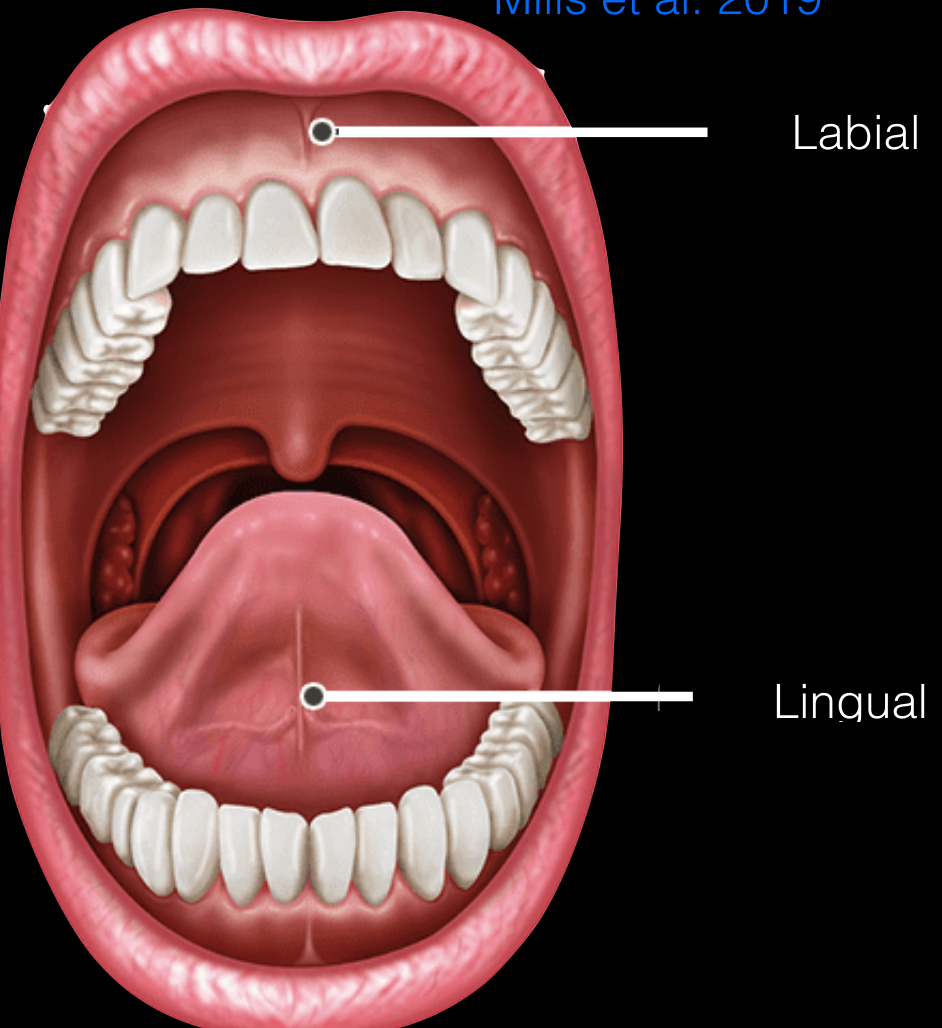
The Lingual Frenum2
The lingual frenum is a dynamic structure formed by a central fold of fascia that spans the floor of mouth and, together with the overlying oral mucosa, forms the “roof” of the sublingual space. The fascia connects around the anterior and lateral ventral surfaces of the tongue, to stabilize tongue position while allowing freedom of movement.
Mills et al. 2019
- The lingual frenum is a normal anatomical structure.
- Labial
- Lingual
Ankyloglossia Definition and Prevalence3
- Ankyloglossia: restricted movement of the tongue causing functional limitations, accompanied by a visually restricted lingual frenum
- Prevalence:
- 2 - 10%
- male predominance (2.6 : 1)
Webb 2013
Can’t just look at diagnosis!
Lecturer — Ankyloglossia Diagnosis
Ankyloglossia is primarily a functional diagnosis, not simply a visual finding.
- Diagnosis requires testing tongue movement and assessing the functional limitations resulting from restriction.
- Reported prevalence varies widely according to the diagnostic criteria used and the person making the diagnosis.
Classification4
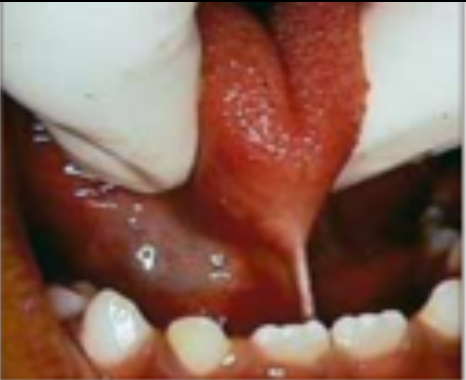
Classification (Kotlow 1999):
- Fig. 8: Class II (Moderate 8-12mm)
- Fig. 10: Class IV (Complete 0-4mm)
Lecturer — Kotlow Classification
Kotlow’s classification considers tongue movement and extension.
- Normal tongue extension is approximately 16 millimetres, with the tongue ideally protruding beyond the alveolus, teeth and lip.
- The system is not an internationally validated classification and has been associated with dental work on tongue-tie releases, frenotomy procedures and lasers.
- Similar classifications have also been proposed for lip attachments.
Lecturer — Reported Consequences
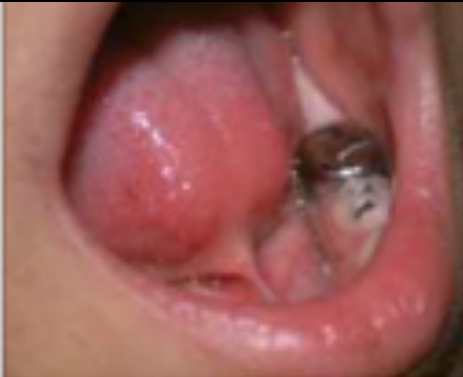
These consequences have been proposed in the literature but will not necessarily occur in every child with a tongue tie.
- Many infants with ankyloglossia do not develop breastfeeding problems and may adapt or respond to conservative management and counselling.
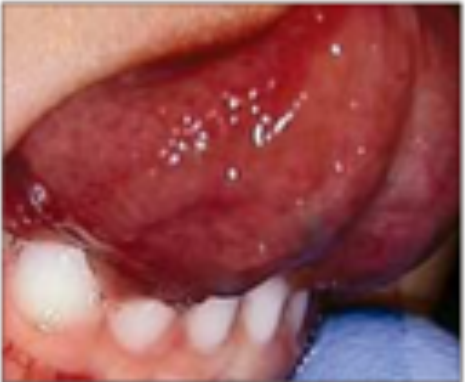 | 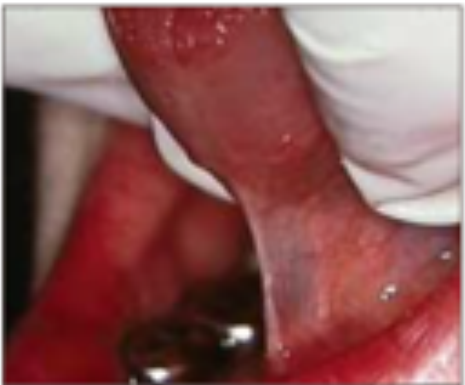 | 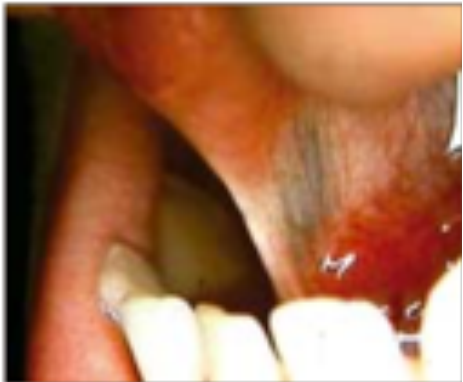 |
 |  |
Clinical Implications
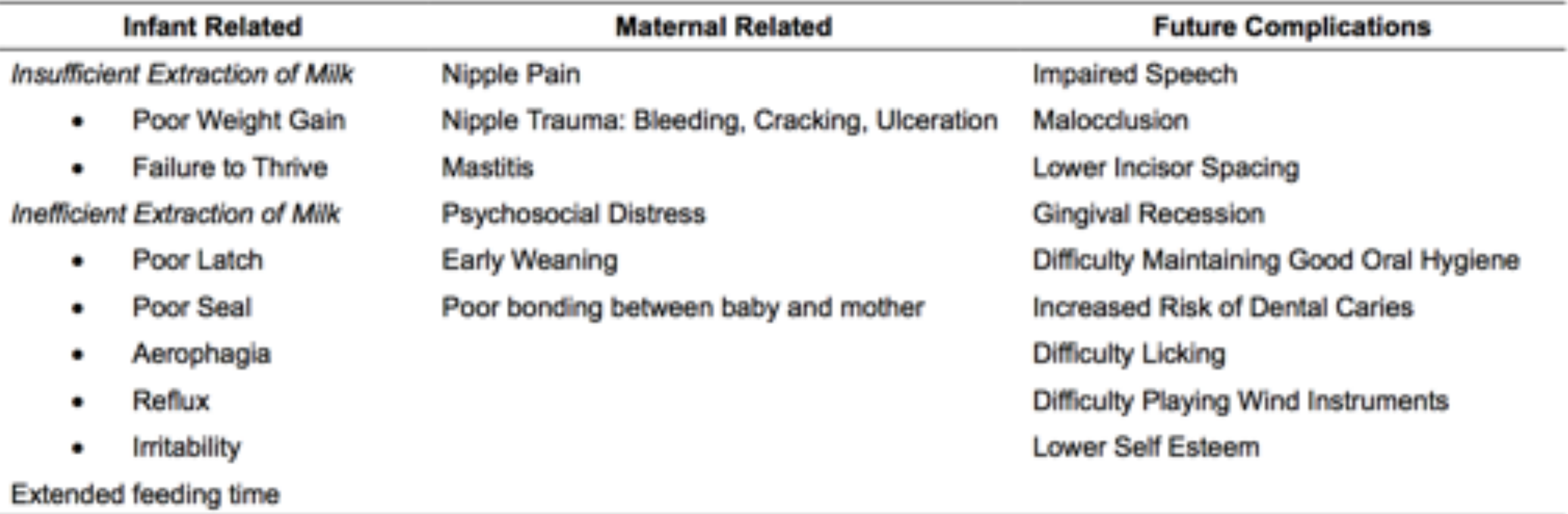
Reported Consequences of Tongue Tie5
“Your child has a tongue tie…!”
| Infant Related | Maternal Related | Future Complications |
|---|---|---|
| Insufficient Extraction of Milk | Nipple Pain | Impaired Speech |
| - Poor Weight Gain | Nipple Trauma: Bleeding, Cracking, Ulceration | Malocclusion |
| - Failure to Thrive | Mastitis | Lower Incisor Spacing |
| Inefficient Extraction of Milk | Psychosocial Distress | Gingival Recession |
| - Poor Latch | Early Weaning | Difficulty Maintaining Good Oral Hygiene |
| - Poor Seal | Poor bonding between baby and mother | Increased Risk of Dental Caries |
| - Aerophagia | Difficulty Licking | |
| - Reflux | Difficulty Playing Wind Instruments | |
| - Irritability | Lower Self Esteem | |
| Extended feeding time |
Patel et al. 2018
Feeding
Causes of Feeding Difficulties6
- Congenital abnormalities: metabolic disorders, neurological disorders, syndromes, premature birth and conditions such as cleft lip and palate
- Oral dysfunctions: weak rooting and sucking reflexes, inverted lip position, biting patterns, excessive oral tension and altered tongue position
- Miscellaneous: natal or neonatal teeth, use of orogastric or nasogastric tubes
Lecturer — Assessing Feeding Difficulties
Feeding is complex and may be affected by many conditions other than an oral frenum.
- Natal teeth may cause ulceration, including Riga-Fede disease, and interfere with feeding.
- Simply observing a frenal attachment is an oversimplified way to assess feeding difficulty; diagnosis should determine what is actually causing the feeding problem.
Breastfeeding Statistics and Maternal Impact78
-
25% of Australian mothers stopped breastfeeding by 6-months or earlier citing that their baby was not attaching properly while 18% reported that breastfeeding was too painful (AIHW 2011)
-
Prevalence of persistent nipple pain for mothers whose infant has ankyloglossia is between 36%–80% (Segal 2007)
-
In normal infants, pain is transient, peaks on the third day, and resolves spontaneously within 2 weeks, with only 3% of mothers of normal infants having intractable pain or difficulty getting their babies to latch at 6 weeks (Duffy et al 1997)
-
Level of discomfort and pain can become unbearable thus leading to early cessation of breastfeeding
-
This can lead to maternal feelings of failure and negatively impact the psychosocial well-being of the mother
The Ten Steps to Successful Breastfeeding
1. Hospital Policies9
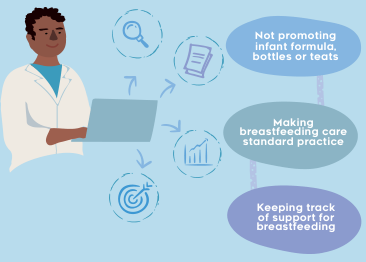
Hospitals support mothers to breastfeed by:
- Not promoting infant formula, bottles or teats
- Making breastfeeding care standard practice
- Keeping track of support for breastfeeding
 |  |  |
 |  |  |
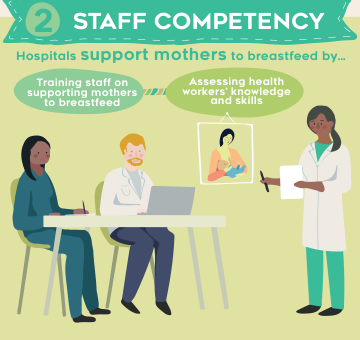
2. Staff Training
Hospitals support mothers to breastfeed by:
- Training staff on supporting mothers to breastfeed
- Assessing health workers’ knowledge and skills
3. Antenatal Care
Hospitals support mothers to breastfeed by:
- Discussing the importance of breastfeeding for babies and mothers
- Preparing women in how to feed their baby
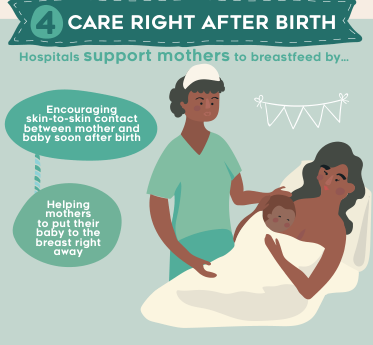
4. Birth Support
Hospitals support mothers to breastfeed by:
- Encouraging skin-to-skin contact between mother and baby soon after birth
- Helping mothers to put their baby to the breast right away
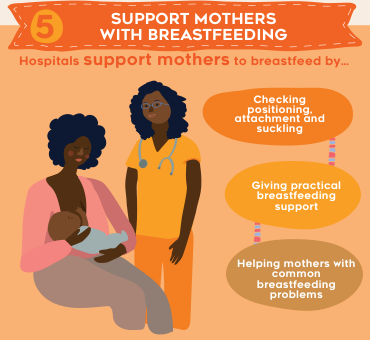
5. Breastfeeding Support
Hospitals support mothers to breastfeed by:
- Checking positioning, attachment and suckling
- Giving practical breastfeeding support
- Helping mothers with common breastfeeding problems
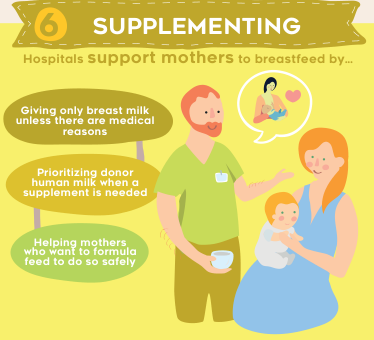
6. Feeding Alternatives
Hospitals support mothers to breastfeed by:
- Giving only breast milk unless there are medical reasons
- Prioritizing donor human milk when a supplement is needed
- Helping mothers who want to formula feed to do so safely
7. Rooming-in
Hospitals support mothers to breastfeed by:
- Letting mothers and babies stay together day and night
- Making sure that mothers of sick babies can stay near their baby
8. Responsive Feeding
Hospitals support mothers to breastfeed by:
- Helping mothers know when their baby is hungry
- Not limiting breastfeeding times
9. Bottles, Teats and Pacifiers
Hospitals support mothers to breastfeed by:
- Counseling mothers on the use and risks of feeding bottles, teats and pacifiers
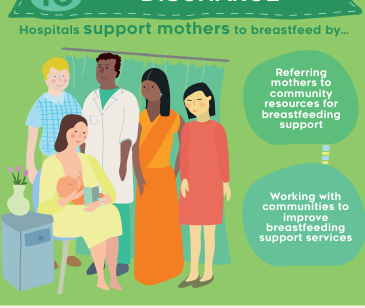
10. Community Support
Hospitals support mothers to breastfeed by:
- Referring mothers to community resources for breastfeeding support
- Working with communities to improve breastfeeding support services
World Health Organization / UNICEF
Outcomes of Surgical Management1011
- Level of discomfort and pain can become unbearable thus leading to early cessation of breastfeeding
- This can lead to maternal feelings of failure and negatively impact the psychosocial well-being of the mother
- 80% of tongue-tied infants were breast-feeding normally within one week
- Tongue-tied babies were 3 times as likely as control babies to be bottle fed only at 1 week
- By 1 month, tongue-tied babies were as likely as controls to be bottle fed only
Lecturer — Breastfeeding Recommendations
Breastfeeding was described as having psychological, immunological and biological benefits for both mother and child.
- The World Health Organization recommendations discussed were exclusive breastfeeding up to six months and continued breastfeeding with complementary foods until two years or longer.
- Mothers were encouraged to breastfeed for at least one year.
Ricke et al. 2005
- Most studies evaluating the outcomes of surgical management of ankyloglossia have used objective assessment tools to gauge the degree of ankyloglossia and to evaluate breastfeeding difficulties
- Severity of these complications is determined by the degree of ankyloglossia
Assessment Tools
Hazelbaker Assessment Tool for Lingual Frenulum Function12
- Hazelbaker Assessment Tool for Lingual Frenulum Function (HATLFF)
- Used to quantify the risk of ankyloglossia negatively impacting on breastfeeding
Appearance Items13
-
Appearance of tongue when lifted: 2: Round or square; 1: Slight cleft in tip apparent; 0: Heart- or V-shaped
-
Elasticity of frenulum: 2: Very elastic; 1: Moderately elastic; 0: Little or no elasticity
-
Length of lingual frenulum when tongue lifted: 2: > 1 cm; 1: 1 cm; 0: < 1 cm
-
Attachment of lingual frenulum to tongue: 2: Posterior to tip; 1: At tip; 0: Notched tip
-
Attachment of lingual frenulum to inferior alveolar ridge: 2: Attached to floor of mouth or well below ridge; 1: Attached just below ridge; 0: Attached at ridge
-
A heart-shaped or V-shaped tongue on lifting may indicate a tight frenal attachment.
-
The appearance assessment has a significant subjective component.
Function Items
-
Lateralization: 2: Complete; 1: Body of tongue but not tongue tip; 0: None
-
Lift of tongue: 2: Tip to mid-mouth; 1: Only edges to mid-mouth; 0: Tip stays at lower alveolar ridge or rises to mid-mouth only with jaw closure
-
Extension of tongue: 2: Tip over lower lip; 1: Tip over lower gum only; 0: Neither of the above, or anterior or mid-tongue humps
-
Spread of anterior tongue: 2: Complete; 1: Moderate or partial; 0: Little or none
-
Cupping: 2: Entire edge, firm cup; 1: Side edges only, moderate cup; 0: Poor or no cup
-
Peristalsis: 2: Complete, anterior to posterior; 1: Partial, originating posterior to tip; 0: None or reverse motion
-
Snapback: 2: None; 1: Periodic; 0: Frequent or with each suck
-
Functional items related to infant sucking may have low reliability between assessors.
Scoring
- SCORE: Appearance: __________ (<8 = ankyloglossia); Function: __________ (<11 = ankyloglossia)
- Significant ankyloglossia is diagnosed when the appearance score total is 8 or less and/or function score total was 11 or less.
- Severe maternal nipple pain during breastfeeding, without alternate explanation as assessed by a Lactation Consultant, is also grounds to consider frenotomy if a tight anterior frenulum is noted.
Lecturer — Hazelbaker Scoring
Each item is scored from 0 to 2 according to severity, and the scores are added to provide an indication of ankyloglossia based on appearance and function.
- The assessment remains partly subjective, particularly for appearance and infant-sucking observations.
- The tool has moderate reliability for assessing lingual freedom function.
Ankyloglossia Grading
- Class I: mild ankyloglossia, 12–16 mm
- Class II: moderate ankyloglossia, 8–11 mm
- Class III: severe ankyloglossia, 3–7 mm
- Class IV: complete ankyloglossia, less than 3 mm
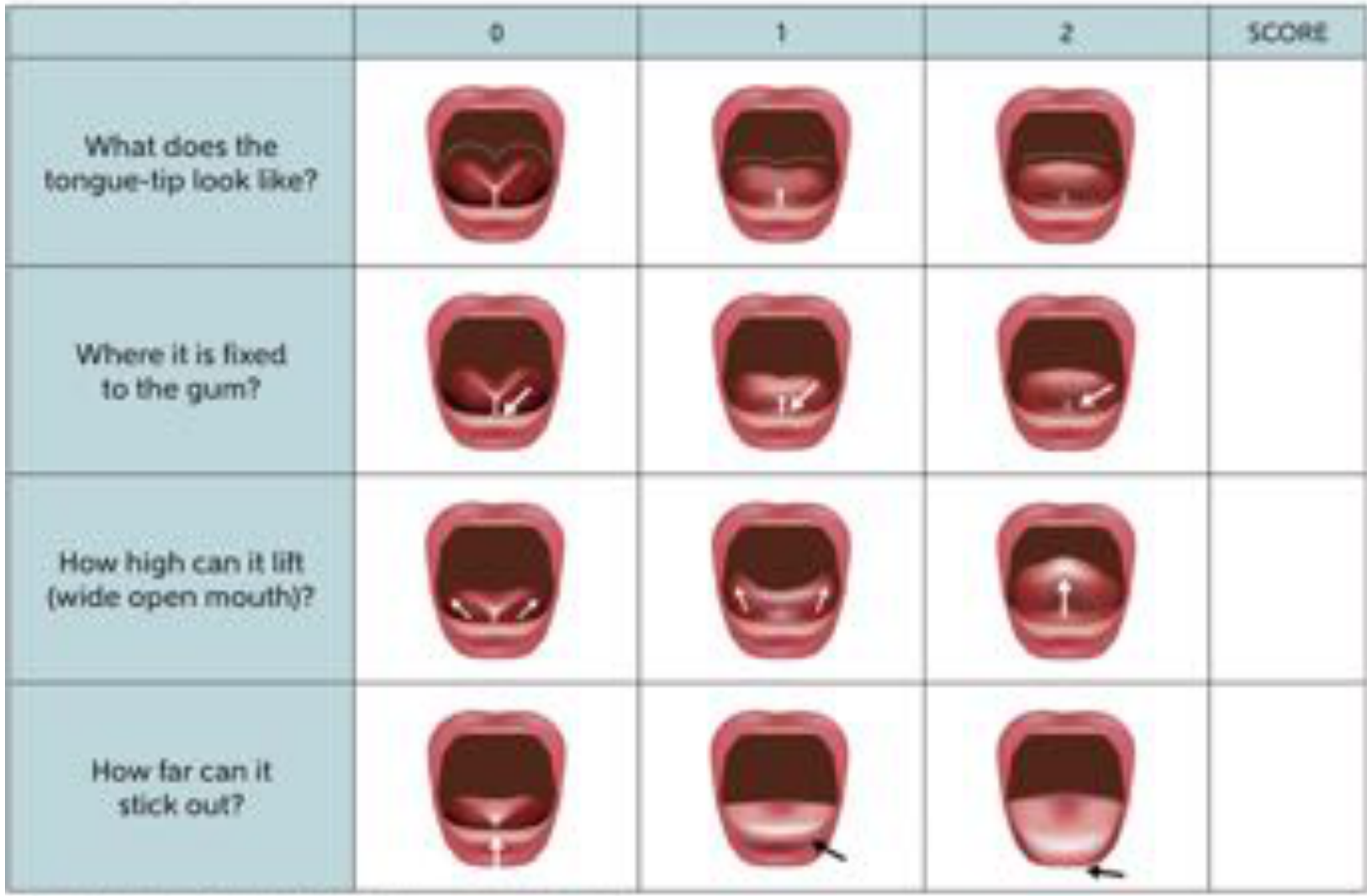
Tongue-Tie and Breastfed Babies Assessment Tool14
- Tongue-tie and Breastfed Babies (TABBY) assessment tool
| 0 | 1 | 2 | SCORE | |
|---|---|---|---|---|
| What does the tongue-tip look like? | ||||
| Where it is fixed to the gum? | ||||
| How high can it lift (wide open mouth)? | ||||
| How far can it stick out? |
© University of Bristol. Design and Illustration: Hanna Oakes | oxfordmed.co.uk
Lecturer — Tabby Development
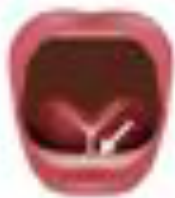
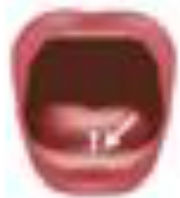
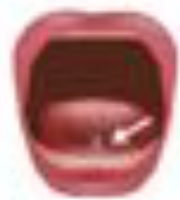
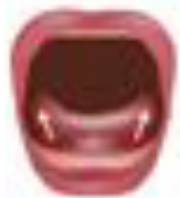
The Tongue-Tie and Breastfed Babies Assessment Tool, also called the Tabby Tongue Assessment Tool, was developed through the United Kingdom National Health Service.
- It was designed to assist midwives in screening for tongue ties.
- It assesses the position and function of the lingual frenum.
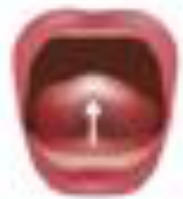
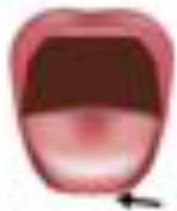
- Images assist assessors in assigning severity scores.
 |  |  |
 |  |  |
 |  |  |
 |  |
Assessment of Breastfeeding1516
-
Impact on feeding:
- Assessment of lingual frenal function
- Assessment of breast feeding
-
Assessment of breast feeding
| 0 | 1 | 2 | Score | |
|---|---|---|---|---|
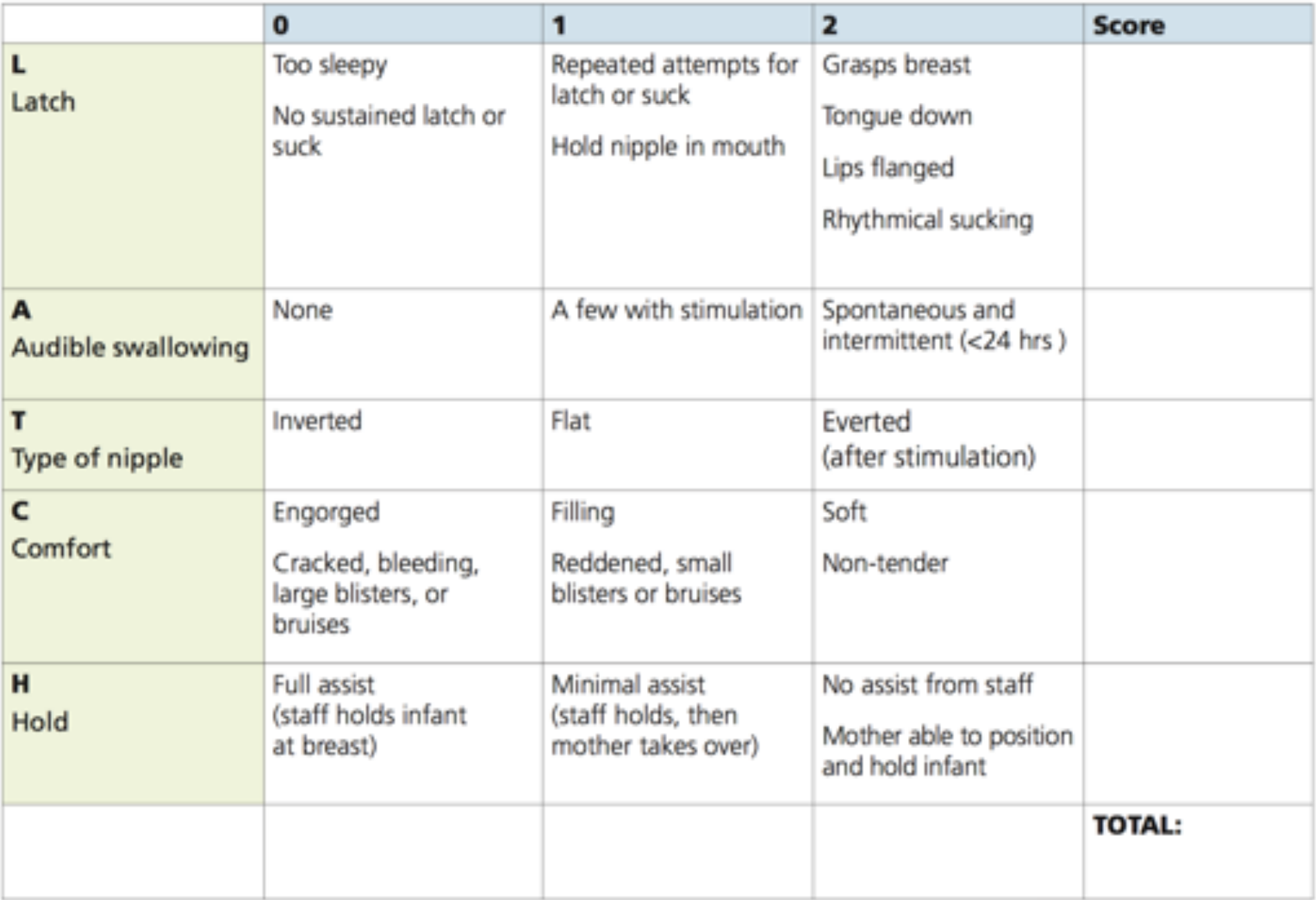
| L — Latch | Too sleepy; no sustained latch or suck | Repeated attempts for latch or suck; hold nipple in mouth | Grasps breast; tongue down; lips flanged; rhythmical sucking | |
| A — Audible swallowing | None | A few with stimulation | Spontaneous and intermittent (<24 hrs) | |
| T — Type of nipple | Inverted | Flat | Everted (after stimulation) | |
| C — Comfort | Engorged; cracked, bleeding, large blisters, or bruises | Filling; reddened, small blisters or bruises | Soft; non-tender | |
| H — Hold | Full assist (staff holds infant at breast) | Minimal assist (staff holds, then mother takes over) | No assist from staff; mother able to position and hold infant | |
| TOTAL: |
Lecturer — Breastfeeding Assessment
Breastfeeding assessment is needed to determine whether feeding problems arise from lingual frenulum restriction, breastfeeding technique, or other factors affecting breastfeeding.
- Relevant assessment systems include the LATCH system, used to document breastfeeding sessions, and the Infant Breastfeeding Assessment Tool.
- Breastfeeding assessment should be integrated with functional assessment of the tongue.
Infant Breastfeeding Assessment Tool17
- Assessment of breast feeding
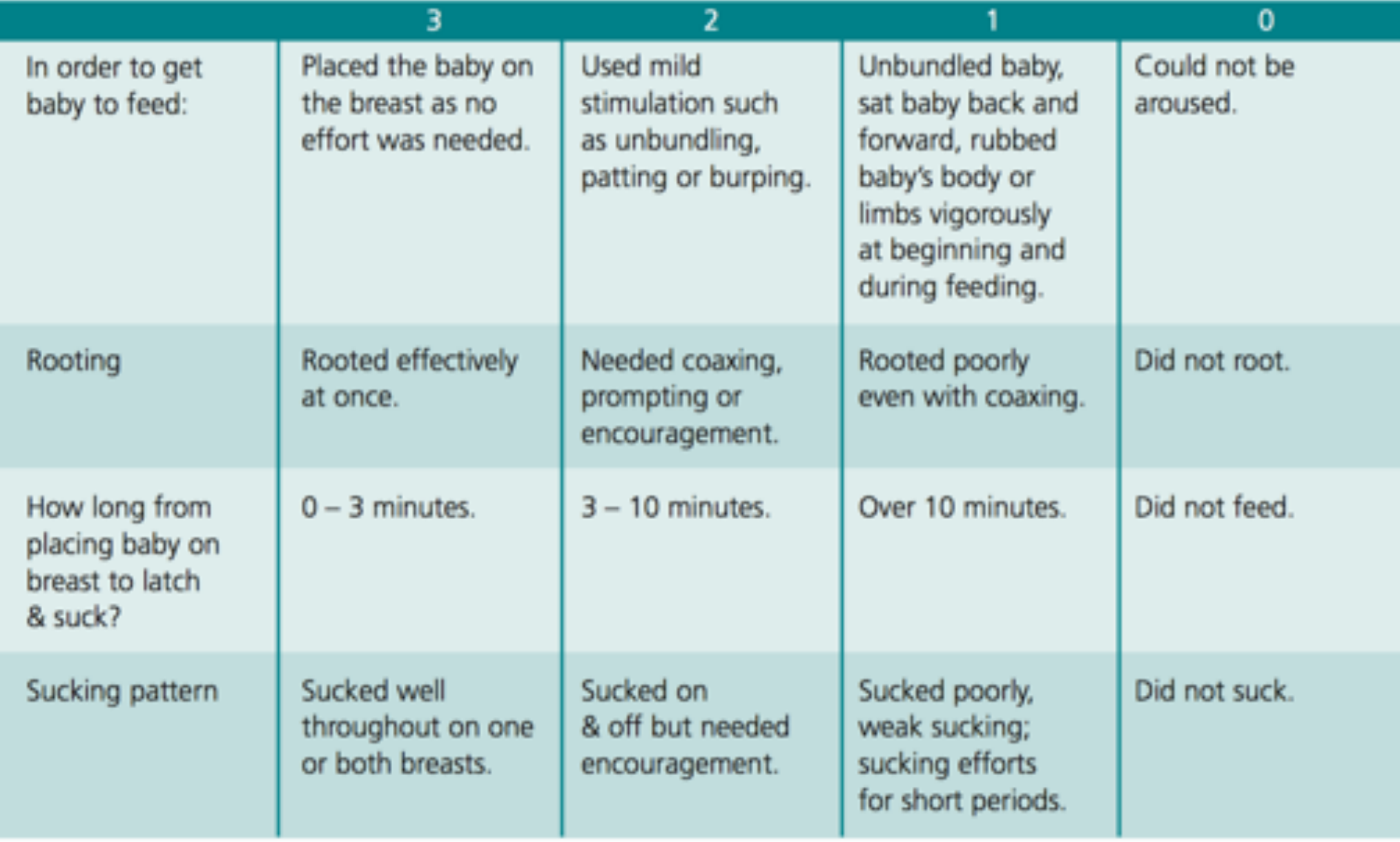
Check the score which best describes the baby’s feeding behaviours at this feed.
| 3 | 2 | 1 | 0 | |
|---|---|---|---|---|
| In order to get baby to feed: | Placed the baby on the breast as no effort was needed. | Used mild stimulation such as unbundling, patting or burping. | Unbundled baby, sat baby back and forward, rubbed baby’s body or limbs vigorously at beginning and during feeding. | Could not be aroused. |
| Rooting | Rooted effectively at once. | Needed coaxing, prompting or encouragement. | Rooted poorly even with coaxing. | Did not root. |
| How long from placing baby on breast to latch & suck? | 0 – 3 minutes. | 3 – 10 minutes. | Over 10 minutes. | Did not feed. |
| Sucking pattern | Sucked well throughout on one or both breasts. | Sucked on & off but needed encouragement. | Sucked poorly, weak sucking; sucking efforts for short periods. | Did not suck. |
- The Infant Breastfeeding Assessment Tool evaluates sucking patterns and swallowing patterns.
- It forms part of a broader assessment because feeding difficulties may have multiple causes.
Diagnosis
Who Makes the Diagnosis18
-
Paediatrician
-
Child health nurse
-
Lactation consultant
- → mandatory if child is having issues
-
Dentist
-
ENT Surgeon
-
GP
-
Parent/family member
-
Paediatricians and child health nurses may monitor the infant’s weight, assess development, and ensure developmental milestones are being met.
-
If surgery is considered, appropriately qualified dental or ear, nose and throat professionals may be required.
Professional Opinions and Diagnostic Prerequisites1920
- 90% of pediatricians and 70% of otolaryngologists opined that ankyloglossia never or rarely causes breastfeeding problems
Messner and Lalakea 2000
- Not all infants with ankyloglossia will have breastfeeding problems and many will adapt or respond to conservative therapy
Webb et al. 2013
The anatomical appearance of oral frena can demonstrate considerable variability without functional issues. Therefore, diagnosis of ankyloglossia should not be based solely on anatomic appearance. The key pre-requisites for a diagnosis are:
- Thorough case history.
- Objective functional assessment of tongue function using a diagnostic system.
- Complete assessment of functional issues impacted by the suspected ankyloglossia by a qualified professional.
ADA 2020
Lecturer — Diagnostic Context
Diagnosis may be influenced by the practitioner assessing the child and by maternal or parental reports.
- The objective functional assessment of tongue function may use a tool such as the Hazelbaker tool.
- A qualified professional should assess breastfeeding, feeding pain, or difficulty latching.
Quality of Evidence
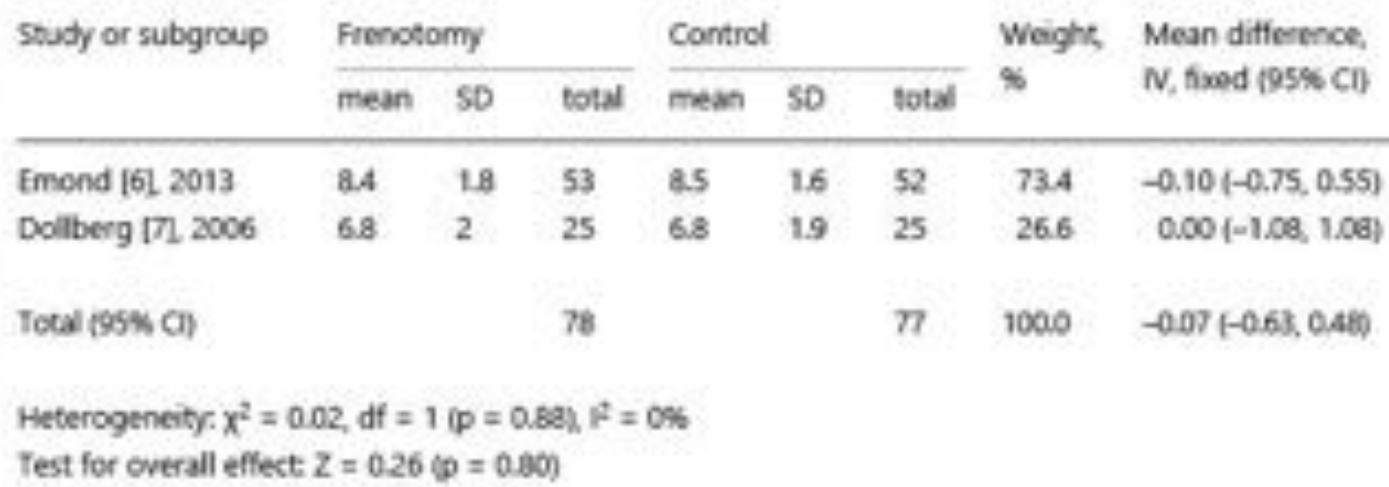
Frenotomy versus control: Maternal nipple pain assessed by the visual analogue pain scale21
| Study or subgroup | Frenotomy (mean, SD, total) | Control (mean, SD, total) | Weight (%) | Mean difference, IV, fixed (95% CI) |
|---|---|---|---|---|
| Emond [6], 2013 | 8.4, 1.8, 53 | 8.5, 1.6, 52 | 73.4 | –0.10 (–0.75, 0.55) |
| Dollberg [7], 2006 | 6.8, 2, 25 | 6.8, 1.9, 25 | 26.6 | 0.00 (–1.08, 1.08) |
| Total (95% CI) | 78 | 77 | 100.0 | –0.07 (–0.63, 0.48) |
Heterogeneity: χ² = 0.02, df = 1 (p = 0.88); I² = 0%
Test for overall effect: Z = 0.26 (p = 0.80)
Forest plot axis: –1, –0.5, 0, 0.5, 1; Favours control, Favours frenotomy
Lecturer — Evidence Context
The evidence comparing surgical and non-surgical management was heterogeneous.
- Objective tools assessed the degree of ankyloglossia and breastfeeding difficulty.
- The Cochrane review compared frenotomy with no frenotomy or control treatment.
- The evidence did not provide a clear consensus, particularly when the LATCH scale was used.
- Compared with the LATCH results, the more subjective visual analogue pain measure showed some favour towards frenotomy, although the data had a wide scope of effect and was very heterogeneous.
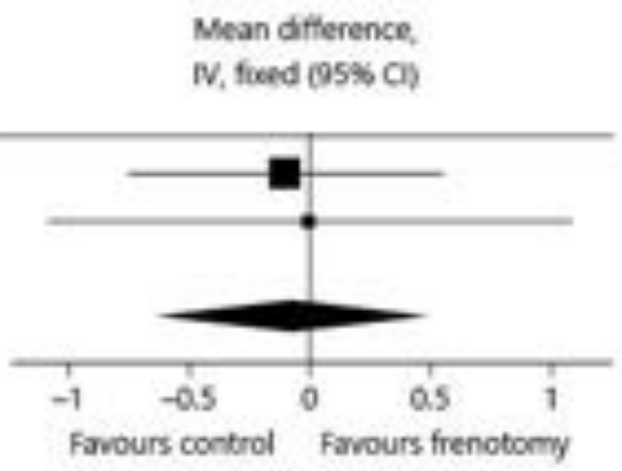
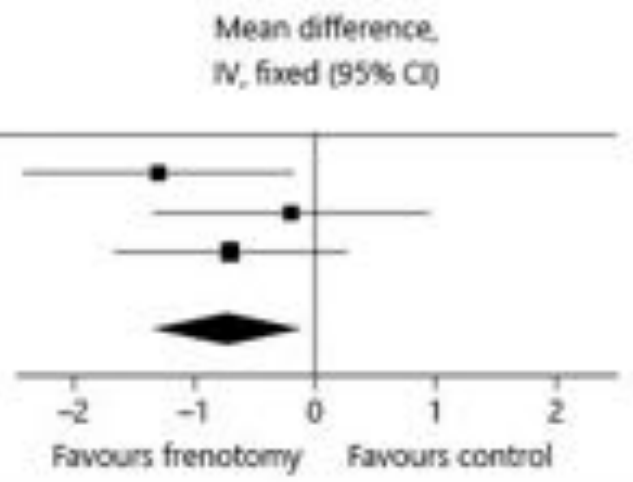
| Study or subgroup | Favours frenotomy (mean, SD, total) | Control (mean, SD, total) | Weight (%) | Mean difference, IV, fixed (95% CI) |
|---|---|---|---|---|
| Berry [8], 2012 | 1.6, 1.5, 14 | 2.9, 1.5, 14 | 30.3 | –1.30 (–2.41, –0.19) |
| Emond [7], 2013 | 5.3, 2.2, 25 | 5.5, 1.9, 25 | 28.8 | –0.20 (–1.34, 0.94) |
| Dollberg [6], 2006 | 3, 2.4, 53 | 3.7, 2.6, 52 | 40.8 | –0.70 (–1.66, 0.26) |
| Total (95% CI) | 92 | 91 | 100.0 | –0.74 (–1.35, –0.13) |
Heterogeneity: χ² = 1.85, df = 2 (p = 0.40); I² = 0%
Test for overall effect: Z = 2.36 (p = 0.02)
Forest plot axis: –2, –1, 0, 1, 2; Favours frenotomy, Favours control
O’Shea et al. 2017
 |  |
 |
Special Topics
Posterior Ankyloglossia22
Posterior ankyloglossia??
- Posterior tongue tie is a condition where the lingual frenulum is not very prominent on inspection but thought to be tight on manual palpation or found to be abnormally prominent, short, thick or fibrous cord-like with the use of a grooved director
- Poorly defined — Hong et al. 2010
- Lack of evidence to support this as an entity
- Associated with higher rates of surgical revision
- No anatomical studies have demonstrated that posterior ankyloglossia exists.
- The term may be used to justify further surgical removal when a conventional frenotomy has not worked.
- It is difficult to see and measure.
Maxillary Lip Tie23
-
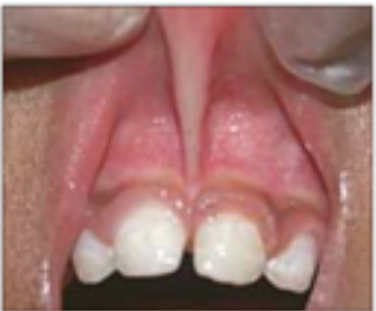
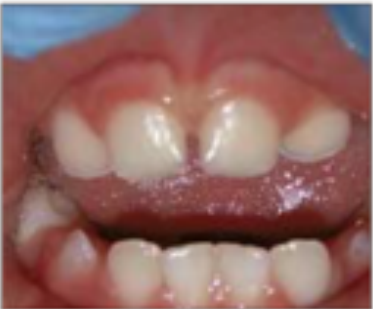
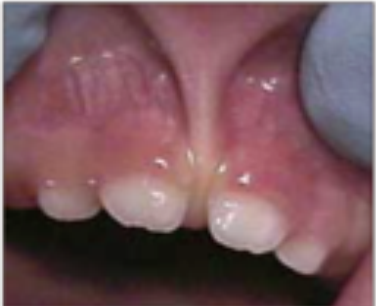
High labial frenal attachment
-
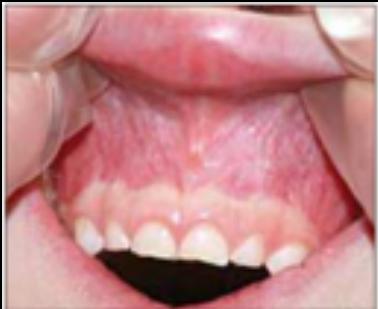
If this attachment is tight, restricts the movement of the upper lip, or attaches near the maxillary alveolar crest, sometimes connecting with the incisive papilla, this is referred to as a maxillary or upper lip-tie
- The maxillary labial frenum is commonly observed clinically.
- It may be associated with a diastema, particularly in Class 3 or Class 4 Kotlow labial frenum classifications.
- A tight or fibrous attachment has been suggested to affect an infant’s ability to latch. Kotlow 2004
 |  |
 |  |
Sequelae of Maxillary Lip Tie24
- Poorer latch
- Poorer/prolonged breastfeeding
- Little to no strong evidence…
- Breastfeeding assessment tools may record gasping for breath, excessive exertion during feeds, or inability to feed effectively.
- A thick labial attachment or Class 4 Kotlow attachment does not automatically require surgical treatment.
Conservative Management of a Labial Frenal Attachment
A child was referred for assessment of the labial frenal attachment.
- Treatment options were discussed, including their advantages and disadvantages.
- Conservative management was chosen.
- The child subsequently developed all of the primary teeth without problems.
- The case demonstrated that a prominent or thick labial attachment does not necessarily require surgery.
Historical Perspectives25
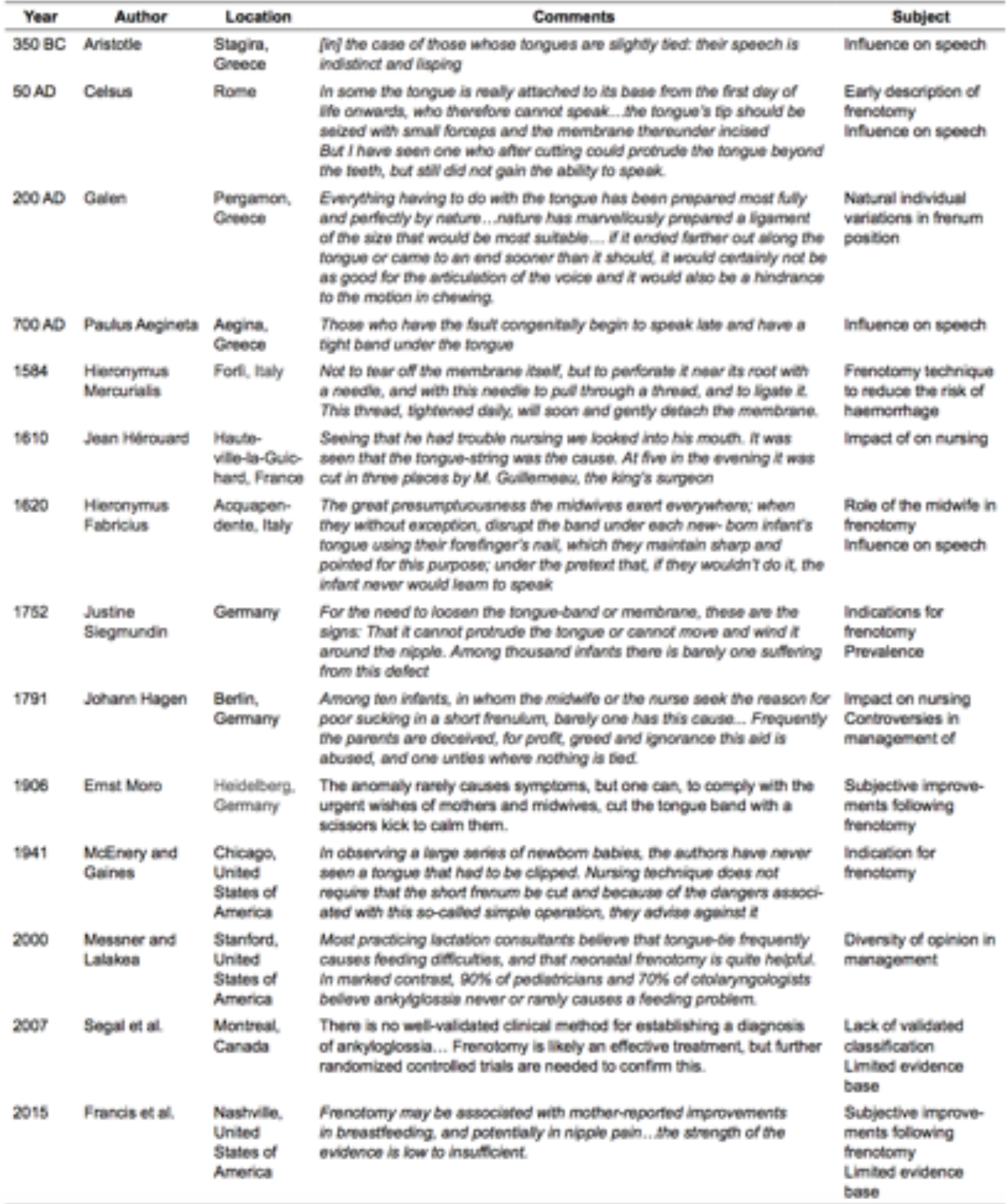
Table 1: Impact of Ankyloglossia: A Historical Perspective
| Year | Author | Location | Comments | Subject |
|---|---|---|---|---|
| 350 BC | Aristotle | Stagira, Greece | [in] the case of those whose tongues are slightly tied: their speech is indistinct and lisping | Influence on speech |
| 50 AD | Celsus | Rome | In some the tongue is really attached to its base from the first day of life onwards, who therefore cannot speak…the tongue’s tip should be seized with small forceps and the membrane thereunder incised. But I have seen one who after cutting could protrude the tongue beyond the teeth, but still did not gain the ability to speak. | Early description of frenotomy; influence on speech |
| 200 AD | Galen | Pergamon, Greece | Everything having to do with the tongue has been prepared most fully and perfectly by nature…nature has marvellously prepared a ligament of the size that would be most suitable… if it ended farther out along the tongue or came to an end sooner than it should, it would certainly not be as good for the articulation of the voice and it would also be a hindrance to the motion in chewing. | Natural individual variations in frenum position |
| 700 AD | Paulus Aegineta | Aegina, Greece | Those who have the fault congenitally begin to speak late and have a tight band under the tongue | Influence on speech |
| 1584 | Hieronymus Mercurialis | Forli, Italy | Not to tear off the membrane itself, but to perforate it near its root with a needle, and with this needle to pull through a thread, and to ligate it. This thread, tightened daily, will soon and gently detach the membrane. | Frenotomy technique to reduce the risk of haemorrhage |
| 1610 | Jean Hérouard | Haute-ville-la-Guichard, France | Seeing that he had trouble nursing we looked into his mouth. It was seen that the tongue-string was the cause. At five in the evening it was cut in three places by M. Guillemeau, the king’s surgeon | Impact on nursing |
| 1620 | Hieronymus Fabricius | Acquapendente, Italy | The great presumptuousness the midwives exert everywhere; when they without exception, disrupt the band under each new-born infant’s tongue using their forefinger’s nail, which they maintain sharp and pointed for this purpose; under the pretext that, if they wouldn’t do it, the infant never would learn to speak | Role of the midwife in frenotomy; influence on speech |
| 1752 | Justine Siegmundin | Germany | For the need to loosen the tongue-band or membrane, these are the signs: That it cannot protrude the tongue or cannot move and wind it around the nipple. Among thousand infants there is barely one suffering from this defect | Indications for frenotomy; prevalence |
| 1791 | Johann Hagen | Berlin, Germany | Among ten infants, in whom the midwife or the nurse seek the reason for poor sucking in a short frenulum, barely one has this cause… Frequently the parents are deceived, for profit, greed and ignorance this aid is abused, and one unties where nothing is tied. | Impact on nursing; controversies in management |
| 1906 | Ernst Moro | Heidelberg, Germany | The anomaly rarely causes symptoms, but one can, to comply with the urgent wishes of mothers and midwives, cut the tongue band with a scissors kick to calm them. | Subjective improvements following frenotomy |
| 1941 | McEnery and Gaines | Chicago, United States of America | In observing a large series of newborn babies, the authors have never seen a tongue that had to be clipped. Nursing technique does not require that the short frenum be cut and because of the dangers associated with this so-called simple operation, they advise against it | Indication for frenotomy |
| 2000 | Messner and Lalakea | Stanford, United States of America | Most practicing lactation consultants believe that tongue-tie frequently causes feeding difficulties, and that neonatal frenotomy is quite helpful. In marked contrast, 90% of pediatricians and 70% of otolaryngologists believe ankyloglossia never or rarely causes a feeding problem. | Diversity of opinion in management |
| 2007 | Segal et al. | Montreal, Canada | There is no well-validated clinical method for establishing a diagnosis of ankyloglossia… Frenotomy is likely an effective treatment, but further randomized controlled trials are needed to confirm this. | Lack of validated classification; limited evidence base |
| 2015 | Francis et al. | Nashville, United States of America | Frenotomy may be associated with mother-reported improvements in breastfeeding, and potentially in nipple pain…the strength of the evidence is low to insufficient. | Subjective improvements following frenotomy; limited evidence base |
Lecturer — Historical Change
Historical views on tongue restriction, speech, feeding, and frenotomy have therefore changed substantially over time.
Patel et al. 2018
Surgical Management
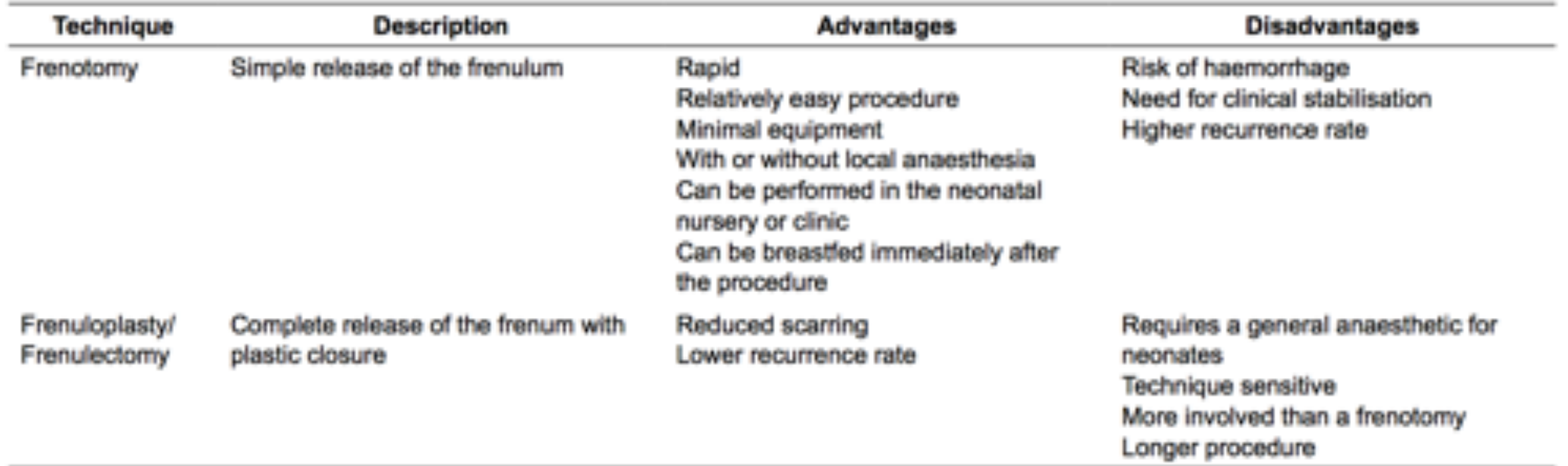
Surgical Techniques26
| Technique | Description | Advantages | Disadvantages |
|---|---|---|---|
| Frenotomy | Simple release of the frenulum | Rapid; relatively easy procedure; minimal equipment; with or without local anaesthesia; can be performed in the neonatal nursery or clinic; can be breastfed immediately after the procedure | Risk of haemorrhage; need for clinical stabilisation; higher recurrence rate |
| Frenuloplasty / Frenulectomy | Complete release of the frenum with plastic closure | Reduced scarring; lower recurrence rate | Requires a general anaesthetic for neonates; technique sensitive; more involved than a frenotomy; longer procedure |
Lecturer — Surgical Risks
The lecturer emphasised that frenotomy should not be performed without local anaesthetic.
- Additional potential risks include damage to sublingual vessels, pain, infection, and feeding problems.
Surgical Modalities27
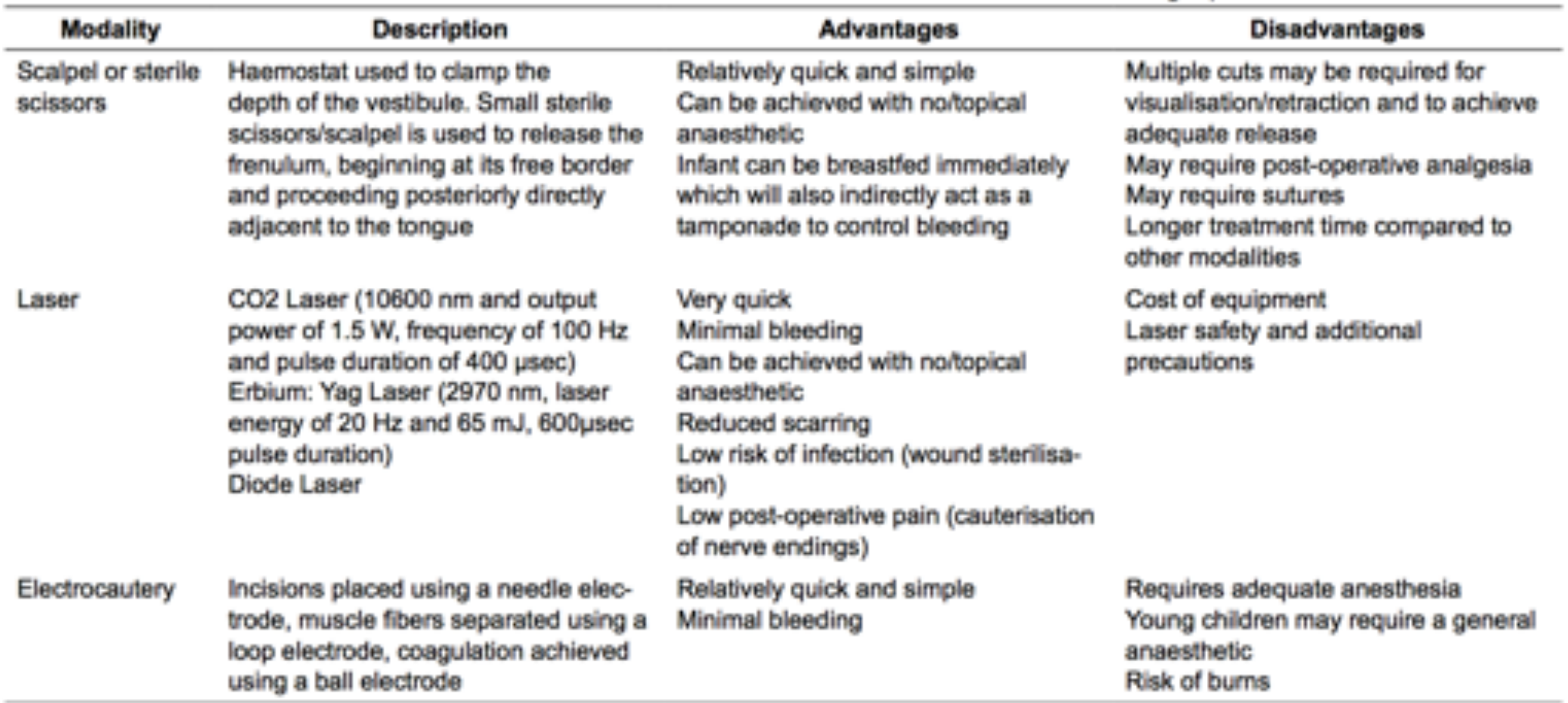
| Modality | Description | Advantages | Disadvantages |
|---|---|---|---|
| Scalpel or sterile scissors | Haemostat used to clamp the depth of the vestibule. Small sterile scissors/scalpel is used to release the frenulum, beginning at its free border and proceeding posteriorly directly adjacent to the tongue | Relatively quick and simple; can be achieved with no/topical anaesthetic; infant can be breastfed immediately which will also indirectly act as a tamponade to control bleeding | Multiple cuts may be required for visualisation/retraction and to achieve adequate release; may require post-operative analgesia; may require sutures; longer treatment time compared to other modalities |
| Laser | CO2 Laser (10600 nm and output power of 1.5 W, frequency of 100 Hz and pulse duration of 400 µsec); Erbium: YAG Laser (2970 nm, laser energy of 20 Hz and 65 mJ, 600 µsec pulse duration); Diode Laser | Very quick; minimal bleeding; can be achieved with no/topical anaesthetic; reduced scarring; low risk of infection (wound sterilisation); low post-operative pain (cauterisation of nerve endings) | Cost of equipment; laser safety and additional precautions |
| Electrocautery | Incisions placed using a needle electrode, muscle fibers separated using a loop electrode, coagulation achieved using a ball electrode | Relatively quick and simple; minimal bleeding | Requires adequate anaesthesia; young children may require a general anaesthetic; risk of burns |
Lecturer — Modalities Context
Historical accounts describe nurses keeping one fingernail long so that it could be used to perform a frenotomy at birth.
- Lasers have contributed to increased interest in frenotomy because companies selling lasers may promote frenotomy as an application.
- These procedures can still be painful and require anaesthesia, with other procedural complications also possible.
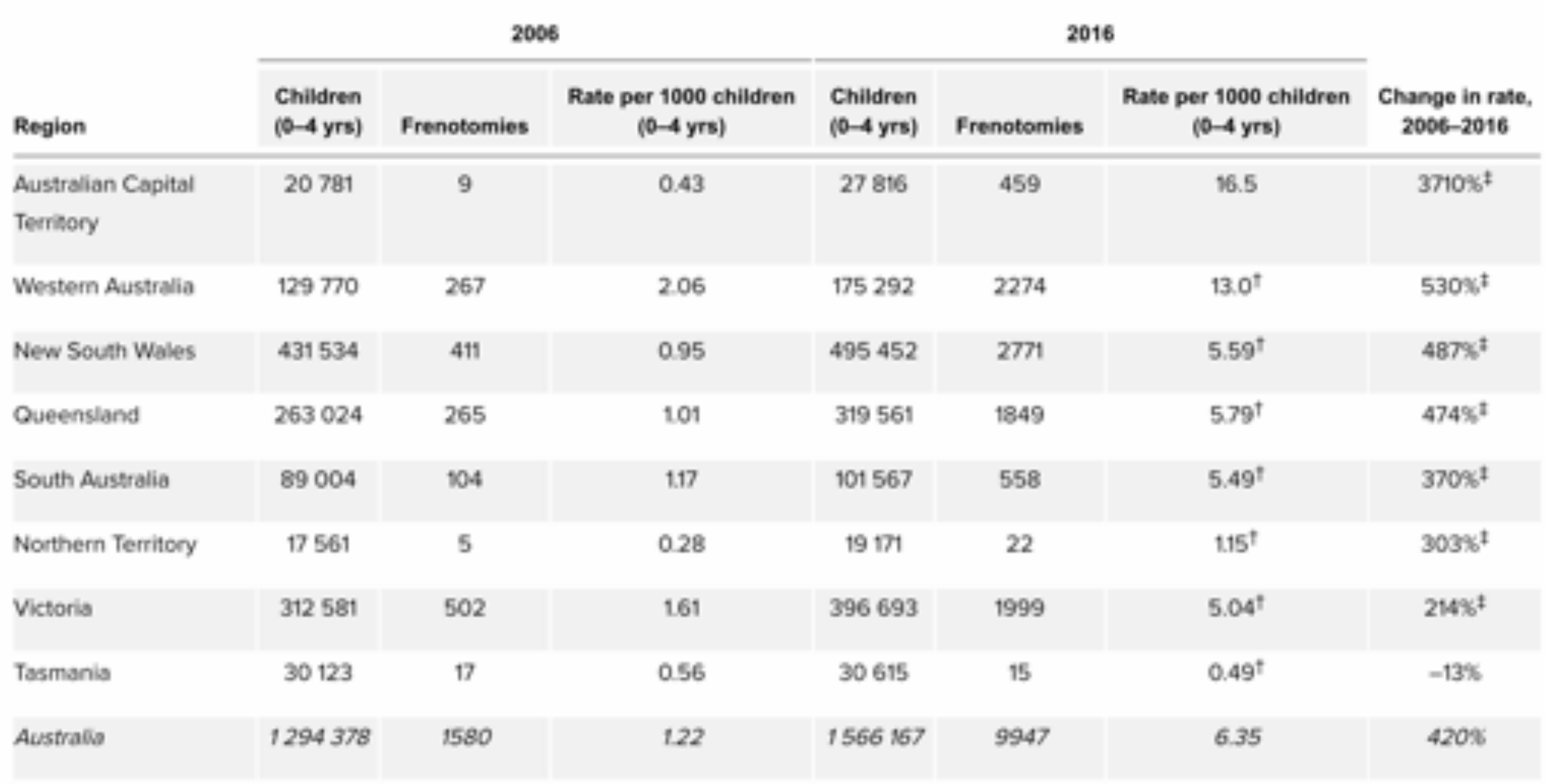
Frenotomy Trends in Australia28
Kapoor et al. 2018 — Frenotomy for tongue-tie in Australian children, 2006–2016: an increasing problem.
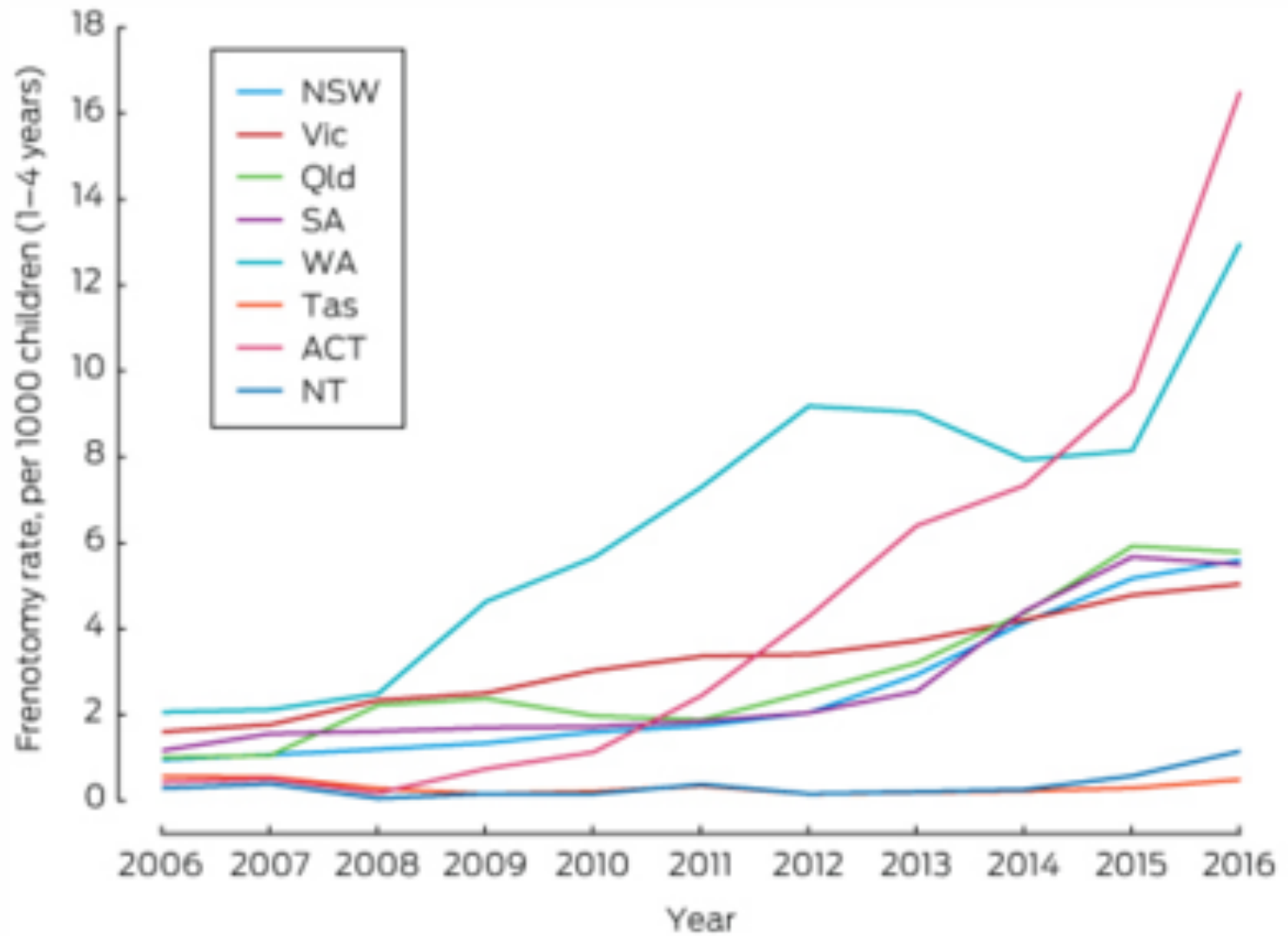
Frenotomy Rate per 1000 Children (1–4 Years)29
Chart data (y-axis: frenotomy rate per 1000 children, 1–4 years; scale 0–18; x-axis: years 2006–2016; series by state/territory):
- NSW
- Vic
- Qld
- SA
- WA
- Tas
- ACT
- NT
Kapoor et al. 2018 — Frenotomy for tongue-tie in Australian children, 2006–2016: an increasing problem.
Lecturer — Australian Trends
The increase in Australian frenotomy procedures was identified using Medicare data in a study by Kapoor.
- It does not demonstrate that more children are being born with ankyloglossia.
- It was not attributed to improved diagnosis or detection systems.
- The increase has been recognised by the Australian Dental Association and paediatric associations, prompting concern because children under four are undergoing potentially significant and invasive procedures.
| Region | 2006 Children (0–4 yrs) | 2006 Frenotomies | 2006 Rate per 1000 children (0–4 yrs) | 2016 Children (0–4 yrs) | 2016 Frenotomies | 2016 Rate per 1000 children (0–4 yrs) | Change in rate, 2006–2016 |
|---|---|---|---|---|---|---|---|
| Australian Capital Territory | 20 781 | 9 | 0.43 | 27 816 | 459 | 16.5 | 3710%‡ |
| Western Australia | 129 770 | 267 | 2.06 | 175 292 | 2274 | 13.0† | 530%‡ |
| New South Wales | 431 534 | 411 | 0.95 | 495 452 | 2771 | 5.59† | 487%‡ |
| Queensland | 263 024 | 265 | 1.01 | 319 561 | 1849 | 5.79† | 474%‡ |
| South Australia | 89 004 | 104 | 1.17 | 101 567 | 558 | 5.49† | 370%‡ |
| Northern Territory | 17 561 | 5 | 0.28 | 19 171 | 22 | 1.15† | 303%‡ |
| Victoria | 312 581 | 502 | 1.61 | 396 693 | 1999 | 5.04† | 214%‡ |
| Tasmania | 30 123 | 17 | 0.56 | 30 615 | 15 | 0.49† | –13% |
| Australia | 1 294 378 | 1580 | 1.22 | 1 566 167 | 9947 | 6.35 | 420% |
Lecturer — Management Guidelines
A more recent Australian Dental Association consensus statement addressed the lack of historical guidance.
- The working group included paediatric dentists, ear, nose and throat surgeons, speech pathologists, breastfeeding consultants, and lactation consultants.
- The group evaluated international evidence on definitions and management.
- Frenotomy is generally well tolerated, but its benefits are mainly subjective breastfeeding benefits rather than objectively demonstrated improvements in movement and function.
Management
Indications and Guidelines30
- No clear indication/guidelines on management of ankyloglossia
- Frenotomy is a well-tolerated procedure and provides both objective and subjective benefits to the breastfeeding dyad
- Non-surgical interventions?
Management Pathway
Diagnosis31
Infant feeding issues → Diagnosis: ankyloglossia (restricted lingual frenum + functional limitation)
Lecturer — Diagnostic Assessment
Diagnosis should begin with a thorough assessment rather than relying only on the appearance of the frenum.
- Include the case history, functional tongue assessment, and breastfeeding or feeding assessment.
- Consider alternative causes of the feeding problems.
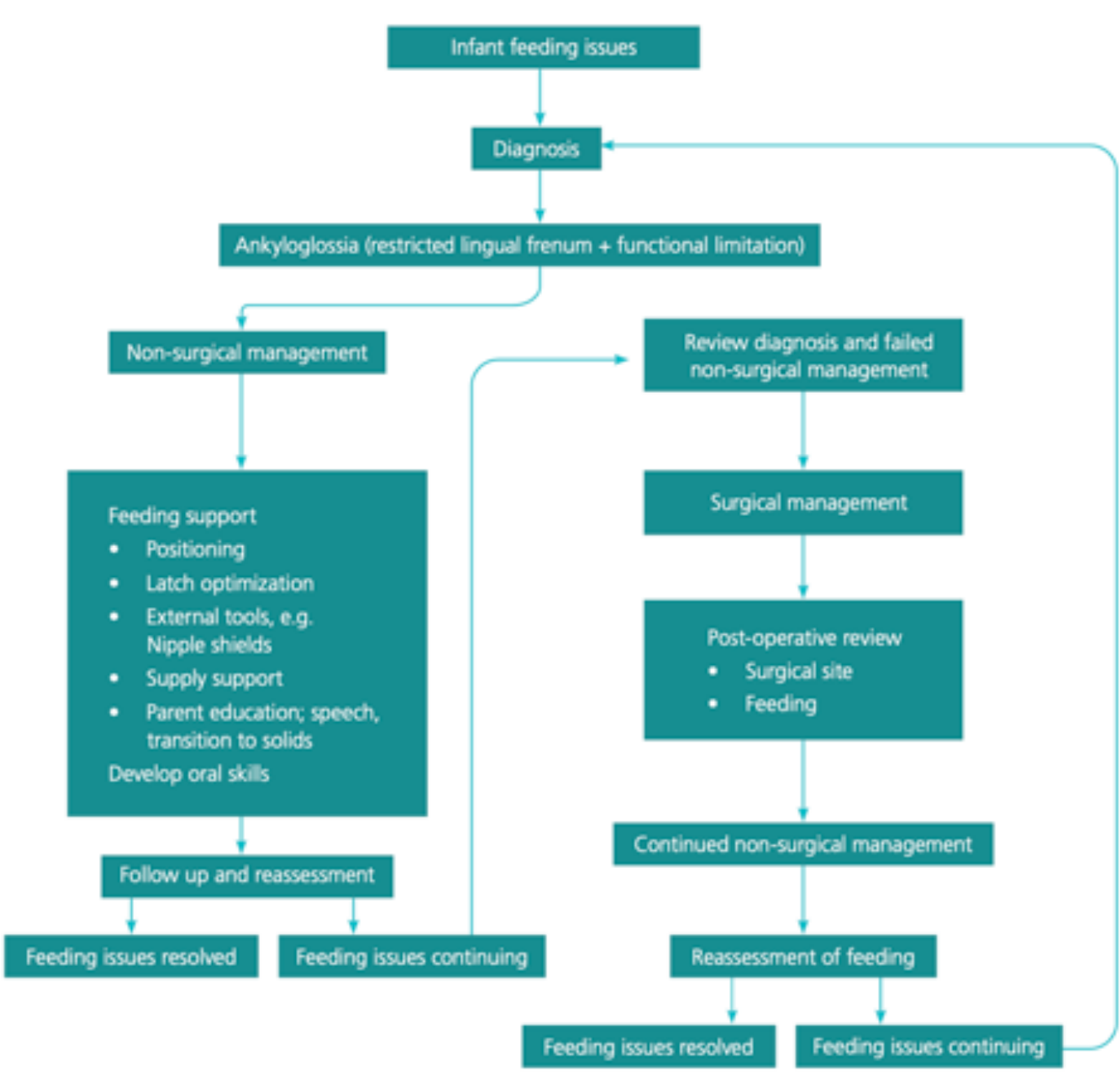
Non-Surgical Management
- Feeding support
- Positioning
- Latch optimization
- External tools, e.g. nipple shields
- Supply support
- Parent education; speech, transition to solids
- Develop oral skills
- Follow up and reassessment
Lecturer — Non-Surgical Approach
Non-surgical management should be the first approach when ankyloglossia is identified.
- Involve a lactation consultant and support the mother through feeding difficulties.
- Assess other factors affecting feeding.
- A child should not proceed directly to surgery solely because a frenal attachment is visible.
Outcome: feeding issues resolved → continued non-surgical management; feeding issues continuing → review diagnosis and failed non-surgical management.
Surgical Management
- Post-operative review
- Surgical site
- Feeding
- Reassessment of feeding
Lecturer — Surgical Options
Surgery should be considered only after the diagnosis has been carefully established, non-surgical approaches have been attempted, and feeding problems have continued.
- Surgical options include frenotomy, frenectomy, and frenuloplasty.
- Recurrence or relapse remains possible.
- The expected outcome after surgery is resolution or improvement of the feeding problem.
Outcome: feeding issues resolved → continued non-surgical management; feeding issues continuing → ongoing review.
ADA 2020
Complications
Potential Complications32
-
Bleeding
-
Infection
-
Ulceration
-
Pain
-
Damage to the tongue and submandibular ducts
-
Recurrence
-
Oral aversions
-
Damage to sublingual vessels
-
Further feeding difficulties
-
Haemorrhage is particularly significant in neonates because the procedure occurs close to a major vascular bundle.
-
The procedure may be outside the scope of routine dental practice when performed on a newborn.
Reported Severe Complications
Int J Pediatr Otorhinolaryngol. 2017 Sep;100:223-224. doi: 10.1016/j.ijporl.2017.07.013. Epub 2017 Jul 14.
Tracy LF, Gomez G, Overton LJ, McClain WG. Hypovolemic shock after labial and lingual frenulectomy: A report of two cases.
Abstract33
Lingual and labial frenulectomy are commonly performed as an outpatient procedure, either in an office setting or under general anesthesia. Frenulectomy is generally regarded by both otolaryngologists and dentists as a straightforward and low-risk procedure with limited evidence-based indications and similarly few contraindications. We describe two cases of hypovolemic shock occurring after outpatient frenulectomy requiring emergent interventions of cardiopulmonary resuscitation and blood transfusion. These rare, but life-threatening outcomes warrant recognition as potential complications for the presumed benign labial and lingual frenulectomy. We additionally briefly review indications for upper labial and lingual frenulectomy.
Peace I Opara, Nneka Gabriel-Job and Kingsley O Opara. Neonates presenting with severe complications of frenotomy: a case series
Introduction34
Tongue-tie or ankyloglossia is an anatomic variation in which the lingual frenulum is thick, short or tight. It may be asymptomatic, or present with complications like breast feeding difficulties or speech, dental and cosmetic problems. The treatment of this condition, where indicated, is frenotomy. This procedure usually has few or no complications. However, when it is done by untrained personnel, it may lead to life-threatening complications. This paper highlights complications that could arise from improper treatment of ankyloglossia.
Case Presentation
Case 1: A one-day-old male neonate, a Nigerian of Igbo ethnicity, who was admitted with bleeding from the mouth and passage of dark stools after clipping of the frenulum by a traditional birth attendant. He was severely pale and in hypovolemic shock, with a severed frenulum which was bleeding actively. His packed cell volume was 15%. He was resuscitated with intravenous fluids and a blood transfusion. The bleeding was controlled using an adrenaline pack. He also received antibiotics. He was discharged five days later.
Case 2: A three-day-old male neonate, a Nigerian of Ikwerre ethnicity, who was admitted with profuse bleeding from a soft tissue injury under the tongue, after clipping of the frenulum by a community health worker. He was severely pale and lethargic. He was resuscitated with intravenous fluids and a blood transfusion. The bleeding vessel was ligated with repair of the soft tissue. He also received antibiotics and was discharged home one week later.
Conclusion
Treatment of tongue-tie, a benign condition, when done by untrained personnel may result in life-threatening complications. Clinicians should pay more attention to parents’ worries about this condition and give adequate counseling or refer them to trained personnel for surgical intervention where clinically indicated.
Journal of Paediatrics and Child Health. doi:10.1111/jpc.14682
Matthew Hale, Nikki Mills, Liza Edmonds, Patrick Dawes, Nigel Dickson, David Barker and Benjamin J Wheeler. Complications following frenotomy for ankyloglossia: A 24-month prospective New Zealand Paediatric Surveillance Unit study.
¹Department of Women’s and Children’s Health, ⁴New Zealand Paediatric Surveillance Unit, Department of Women’s and Child Health, Dunedin School of Medicine, University of Otago, ³Department of Surgical Sciences, Dunedin Hospital, Dunedin and ²Department of Paediatric Otorhinolaryngology, Starship Children’s Hospital, Auckland, New Zealand
Aim35
To investigate the incidence and characteristics of complications arising from frenotomy for ankyloglossia (tongue-tie) in New Zealand.
Methods
Prospective surveillance among hospital-based paediatricians of complications arising from frenotomy for ankyloglossia to children <1 year old was conducted by the New Zealand Paediatric Surveillance Unit for 24 months, from August 2016 to July 2018, inclusive.
Results
A total of 16 cases of complications arising from frenotomy were reported. The overall average annual incidence rate was 13.9/100 000. Geographic variation was noted with a peak of 85.6/100 000 in one region.
Complications reported:
- Poor feeding (44%)
- Respiratory events (25%)
- Pain (19%)
- Bleeding (19%)
- Weight loss (19%)
Three children (19%) also had delayed diagnosis of an underlying medical condition initially overlooked in favour of treating their ankyloglossia; this has not previously been reported. The majority (75%) of cases required admission to hospital.
Treatments given:
- Supplementary feeds (44%)
- Surgical intervention (25%)
- Breastfeeding support (19%)
- Analgesia (13%)
- Blood products (13%)
A total of 25% of children had one or more frenotomies; 50% were treated for two or more of: ‘anterior’ ankyloglossia, ‘posterior’ ankyloglossia or ‘lip tie’; 50% had their frenotomies performed out of the hospital. Dentists were the most common performing practitioner (31%).
Conclusions
Frenotomy rates in New Zealand are unknown. Poor feeding, pain, bleeding, weight loss and delayed diagnosis of an alternative underlying medical condition are important complications that require hospital assessment and admission. Practitioners and parents/families need to be aware of these possibilities. Centralised guidelines with access to specialist second opinions should be developed.
Key words: ankyloglossia; breastfeeding; frenotomy; lingual frenulum; neonatology.
Recommended Reading
J Clin Pediatr Dent. 2018;42(6):407-413. doi: 10.17796/1053-4625-42.6.1. Epub 2018 Aug 7.
All Tied Up! Influences of Oral Frenulae on Breastfeeding and Their Recommended Management Strategies36
Jilen Patel, Robert P Anthonappa, Nigel M King
PMID: 30085873 | DOI: 10.17796/1053-4625-42.6.1
Abstract
Background: Recently, there has been an increased awareness of the role of the labial and lingual frenulae on a neonate’s ability to latch and breastfeed efficiently. This critical review explores the (i) oral physiology of a baby nursing, (ii) factors that can decrease a baby’s ability to nurse efficiently, the problems these cause and their management, and the (iii) relation between poor nursing efficacy and the risk of early childhood caries (ECC). Study design: An expansive search of the literature was performed using four electronic databases.
Lecturer — Consensus Statement
The Australian Dental Association consensus statement addresses definitions of ankyloglossia, assessment, and management. It was recommended as important further reading.
Results and conclusions: Most studies assessing the role of labial and lingual frenulae on breastfeeding were of a low quality. The relation between ECC and poor nursing efficacy was found to be largely speculative. Hence, the results of these studies should be interpreted with caution. Despite the limited quality and external validity of the current evidence, in cases where breastfeeding difficulties are identified, surgical management of labial or lingual frenulae may provide some subjective improvements in breastfeeding outcome.
Keywords: ankyloglossia; breastfeeding; frenotomy; lip tie; tongue tie.
Consensus Statement37
Australian Dental Association (ADA)
Ankyloglossia and Oral Frena Consensus Statement
Future Studies
The Frosttie Trial
FROSTTIE: A randomised controlled trial of FRenotomy and breastfeeding support Or breastfeeding Support without frenotomy to investigate continuation of breastfeeding for babies with Tongue-TIE
Parents | Clinicians | Sites | Recruitment | What’s New | Contact
Inclusion Criteria38
Any infant aged up to 10 weeks referred (by mother or other breastfeeding support service) to an infant feeding service with breastfeeding difficulties and judged to have tongue-tie.
 | 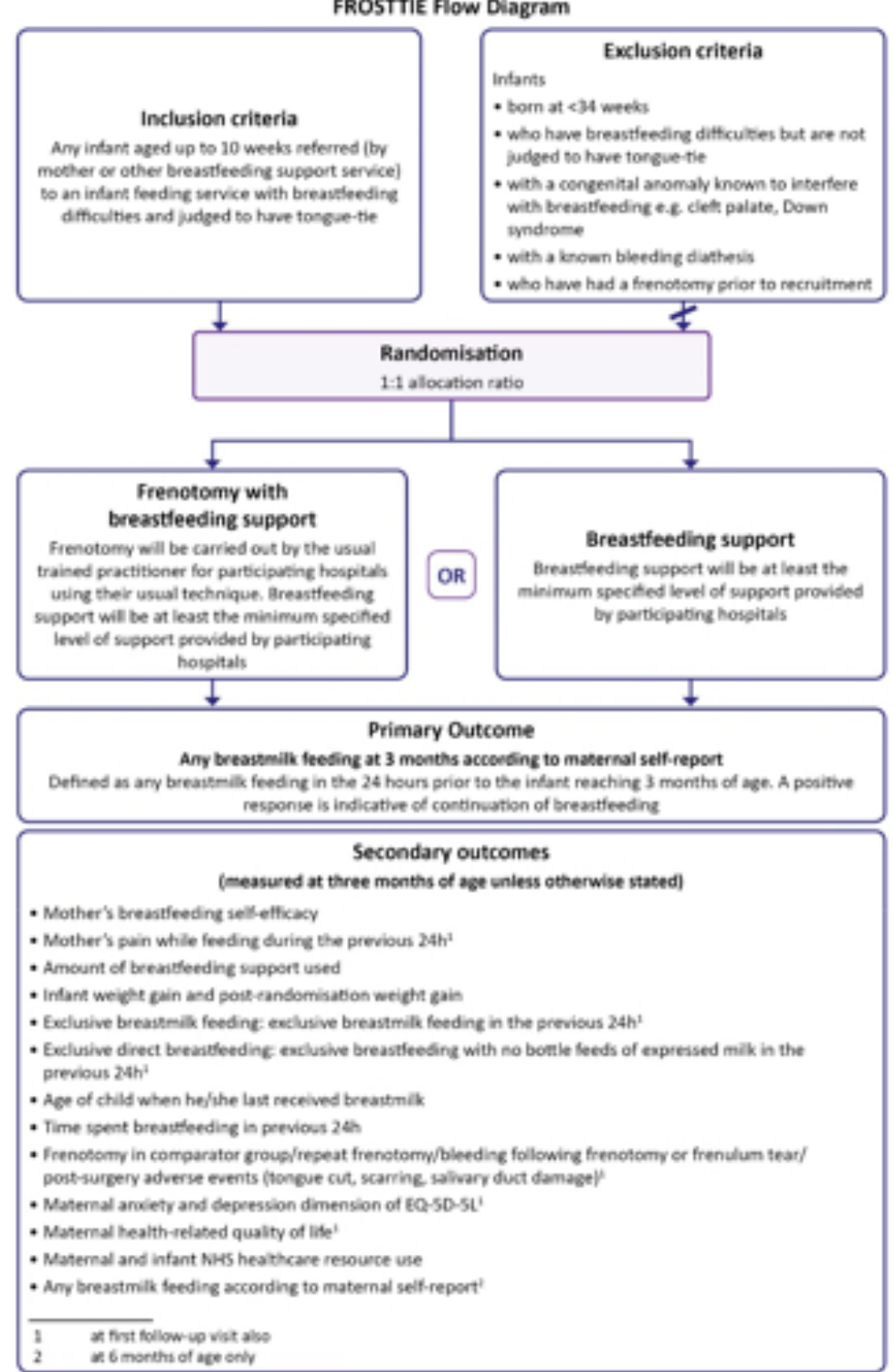 |
Exclusion Criteria
Infants:
- born at <34 weeks
- who have breastfeeding difficulties but are not judged to have tongue-tie
- with a congenital anomaly known to interfere with breastfeeding, e.g. cleft palate, Down syndrome
- with a known bleeding diathesis
- who have had a frenotomy prior to recruitment
Randomisation
1:1 allocation ratio.
Trial Arms
-
Frenotomy with breastfeeding support — Frenotomy will be carried out by the usual trained practitioner for participating hospitals using their usual technique. Breastfeeding support will be at least the minimum specified level of support provided by participating hospitals.
OR
-
Breastfeeding support — Breastfeeding support will be at least the minimum specified level of support provided by participating hospitals.
Lecturer — Trial Rationale
The lecturer noted that few existing studies have included control groups.
- A randomised controlled trial is difficult because it may require comparing an actual frenotomy with a sham procedure in children.
- The study was expected to be completed within the following couple of years.
Primary Outcome
Any breastmilk feeding at 3 months according to maternal self-report — defined as any breastmilk feeding in the 24 hours prior to the infant reaching 3 months of age. A positive response is indicative of continuation of breastfeeding.
Secondary Outcomes
(measured at three months of age unless otherwise stated)
- Mother’s breastfeeding self-efficacy
- Mother’s pain while feeding during the previous 24h¹
- Amount of breastfeeding support used
- Infant weight gain and post-randomisation weight gain
- Exclusive breastmilk feeding: exclusive breastmilk feeding in the previous 24h¹
- Exclusive direct breastfeeding: exclusive breastfeeding with no bottle feeds of expressed milk in the previous 24h¹
- Age of child when he/she last received breastmilk
- Time spent breastfeeding in previous 24h
- Frenotomy in comparator group / repeat frenotomy / bleeding following frenotomy or frenulum tear / post-surgery adverse events (tongue cut, scarring, salivary duct damage)²
- Maternal anxiety and depression dimension of EQ-5D-5L¹
- Maternal health-related quality of life¹
- Maternal and infant NHS healthcare resource use
- Any breastmilk feeding according to maternal self-report¹
¹ at first follow-up visit also
² at 6 months of age only
Thank You39
Clinical Cases
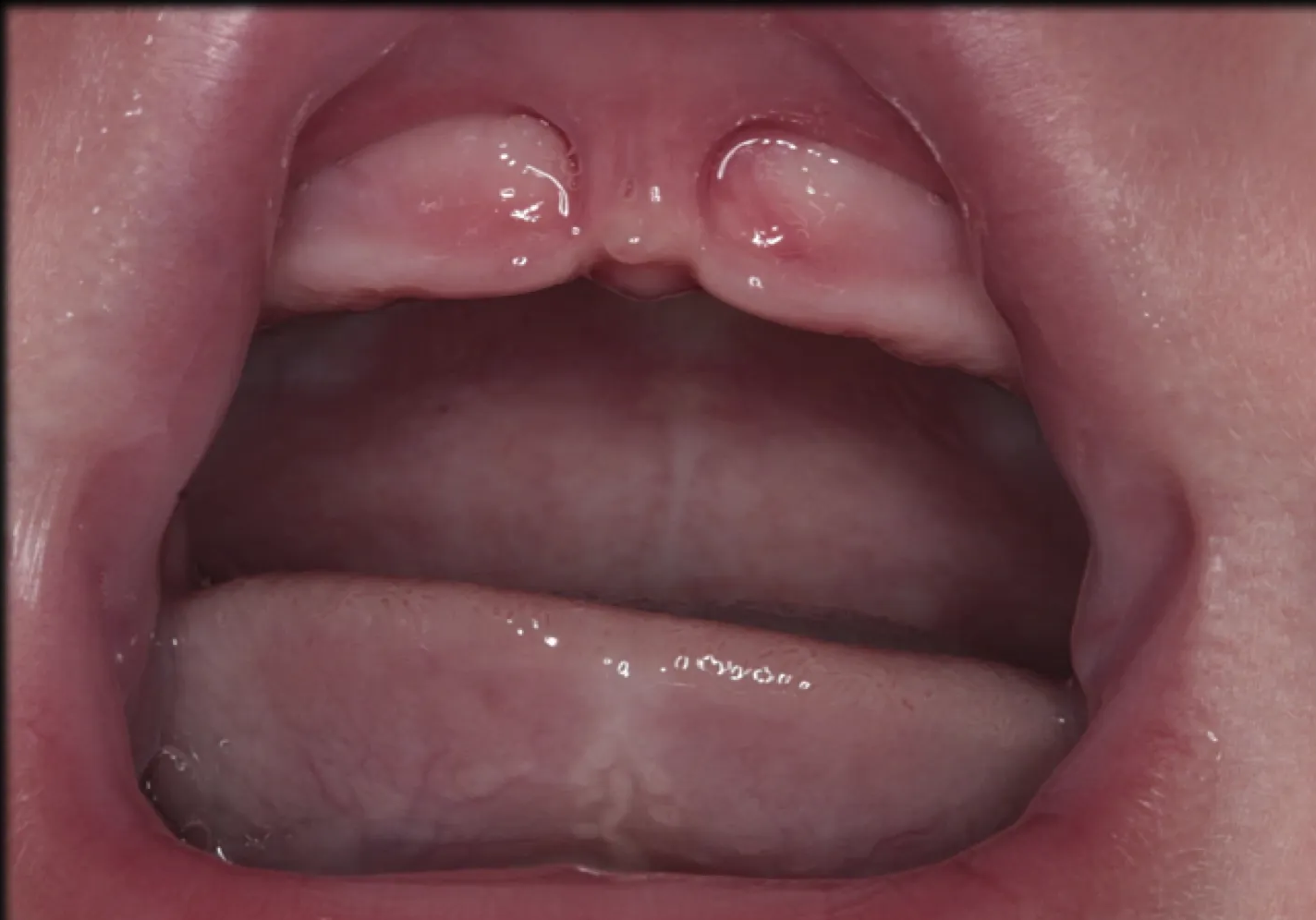
Case: Child referred for assessment of a labial frenal attachment
Question
Scenario: A child is referred for an assessment of their labial frenal attachment.
What’s shown: A thick labial attachment, consistent with a Class 4 Kotlow classification.
Consider: How should this condition be managed?
Answer
Observations:
- The child presents with a thick labial attachment (Class 4 Kotlow labial frenum).
Reasoning:
- Although a thick or Class 4 labial frenum can theoretically restrict upper lip movement or affect latching, there is little strong evidence that it inevitably causes significant functional issues, and surgical intervention is not automatically indicated.
Outcome:
- After a complete discussion of the pros and cons of treatment, a conservative management plan was chosen. The child went on to develop all primary teeth without any issues.
Takeaway:
- The presence of a thick labial attachment or a Class 4 Kotlow frenum does not necessarily require surgical intervention.
Footnotes
-
Original PDF page 1: L2 Ankyloglossia DMD, p.1 ↩
-
Original PDF page 2: L2 Ankyloglossia DMD, p.2 ↩
-
Original PDF page 3: L2 Ankyloglossia DMD, p.3 ↩
-
Original PDF page 4: L2 Ankyloglossia DMD, p.4 ↩
-
Original PDF page 5: L2 Ankyloglossia DMD, p.5 ↩
-
Original PDF page 6: L2 Ankyloglossia DMD, p.6 ↩
-
Original PDF page 7: L2 Ankyloglossia DMD, p.7 ↩
-
Original PDF page 8: L2 Ankyloglossia DMD, p.8 ↩
-
Original PDF page 9: L2 Ankyloglossia DMD, p.9 ↩
-
Original PDF page 10: L2 Ankyloglossia DMD, p.10 ↩
-
Original PDF page 11: L2 Ankyloglossia DMD, p.11 ↩
-
Original PDF page 12: L2 Ankyloglossia DMD, p.12 ↩
-
Original PDF page 13: L2 Ankyloglossia DMD, p.13 ↩
-
Original PDF page 14: L2 Ankyloglossia DMD, p.14 ↩
-
Original PDF page 15: L2 Ankyloglossia DMD, p.15 ↩
-
Original PDF page 16: L2 Ankyloglossia DMD, p.16 ↩
-
Original PDF page 17: L2 Ankyloglossia DMD, p.17 ↩
-
Original PDF page 18: L2 Ankyloglossia DMD, p.18 ↩
-
Original PDF page 19: L2 Ankyloglossia DMD, p.19 ↩
-
Original PDF page 20: L2 Ankyloglossia DMD, p.20 ↩
-
Original PDF page 21: L2 Ankyloglossia DMD, p.21 ↩
-
Original PDF page 22: L2 Ankyloglossia DMD, p.22 ↩
-
Original PDF page 23: L2 Ankyloglossia DMD, p.23 ↩
-
Original PDF page 24: L2 Ankyloglossia DMD, p.24 ↩
-
Original PDF page 25: L2 Ankyloglossia DMD, p.25 ↩
-
Original PDF page 26: L2 Ankyloglossia DMD, p.26 ↩
-
Original PDF page 27: L2 Ankyloglossia DMD, p.27 ↩
-
Original PDF page 29: L2 Ankyloglossia DMD, p.29 ↩
-
Original PDF page 28: L2 Ankyloglossia DMD, p.28 ↩
-
Original PDF page 30: L2 Ankyloglossia DMD, p.30 ↩
-
Original PDF page 31: L2 Ankyloglossia DMD, p.31 ↩
-
Original PDF page 32: L2 Ankyloglossia DMD, p.32 ↩
-
Original PDF page 33: L2 Ankyloglossia DMD, p.33 ↩
-
Original PDF page 34: L2 Ankyloglossia DMD, p.34 ↩
-
Original PDF page 35: L2 Ankyloglossia DMD, p.35 ↩
-
Original PDF page 36: L2 Ankyloglossia DMD, p.36 ↩
-
Original PDF page 37: L2 Ankyloglossia DMD, p.37 ↩
-
Original PDF page 38: L2 Ankyloglossia DMD, p.38 ↩
-
Original PDF page 39: L2 Ankyloglossia DMD, p.39 ↩