Oral Disease Burden Among Disadvantaged Populations
Lecturer — Priority Populations
The lecture framed oral disease burden around priority populations identified by the Australian Institute of Health and Welfare.
- The two populations discussed were socially and economically disadvantaged populations and Aboriginal and Torres Strait Islander populations.
- Culturally and linguistically diverse populations were also addressed as an important group within broader socioeconomic disadvantage.
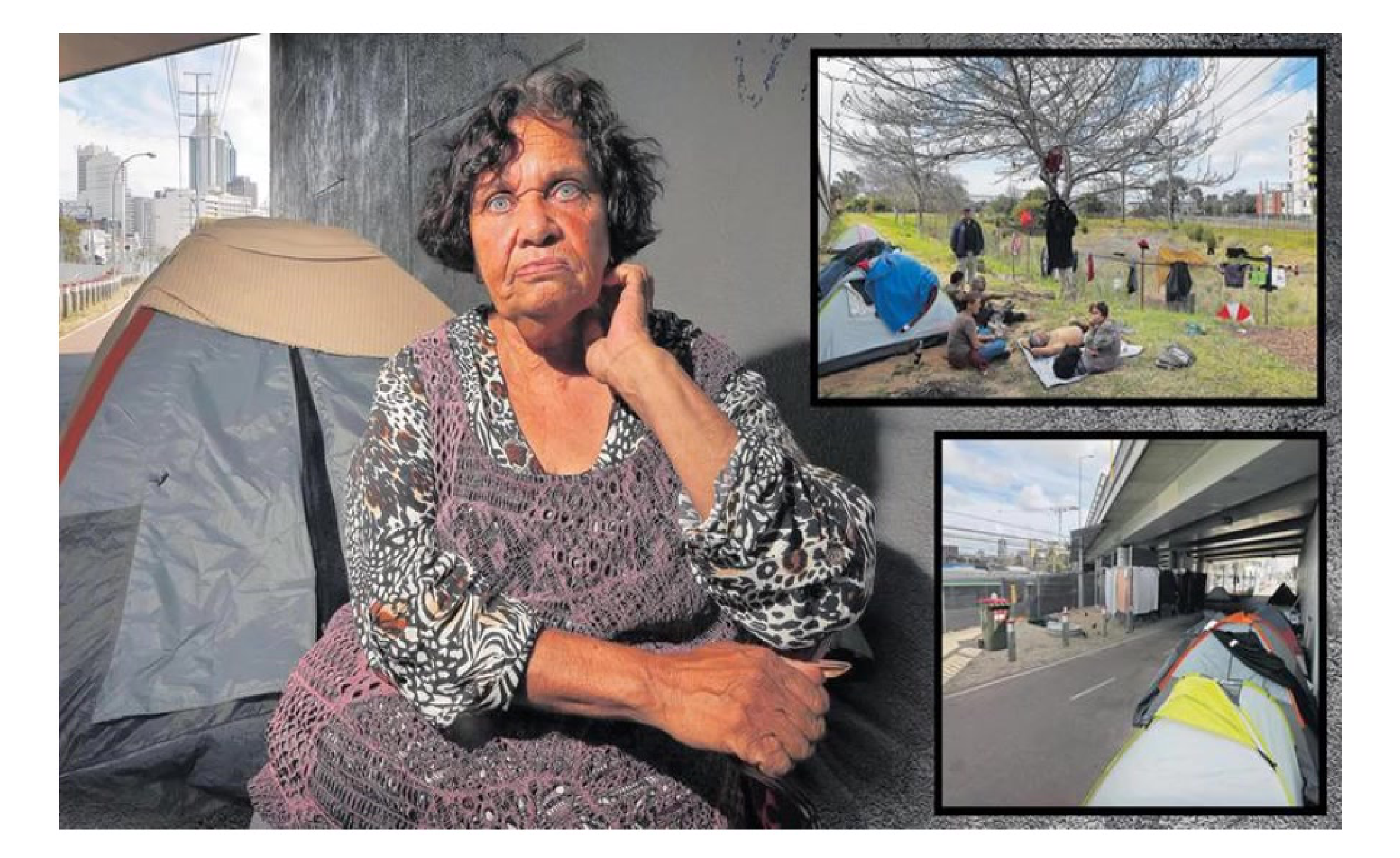
Socially and Economically Disadvantaged Populations1
- The West Australian: https://thewest.com.au/news/perth/homeless-crisis-what-life-is-like-inside-perths-own-tent-city-ng-b881661761z
- SBS: https://www.sbs.com.au/language/english/en/article/settlement-guide-helping-migrants-access-dental-care/zp9y8zusk
 |  |
Socioeconomic Disadvantage
Population Profile and Socioeconomic Indexes
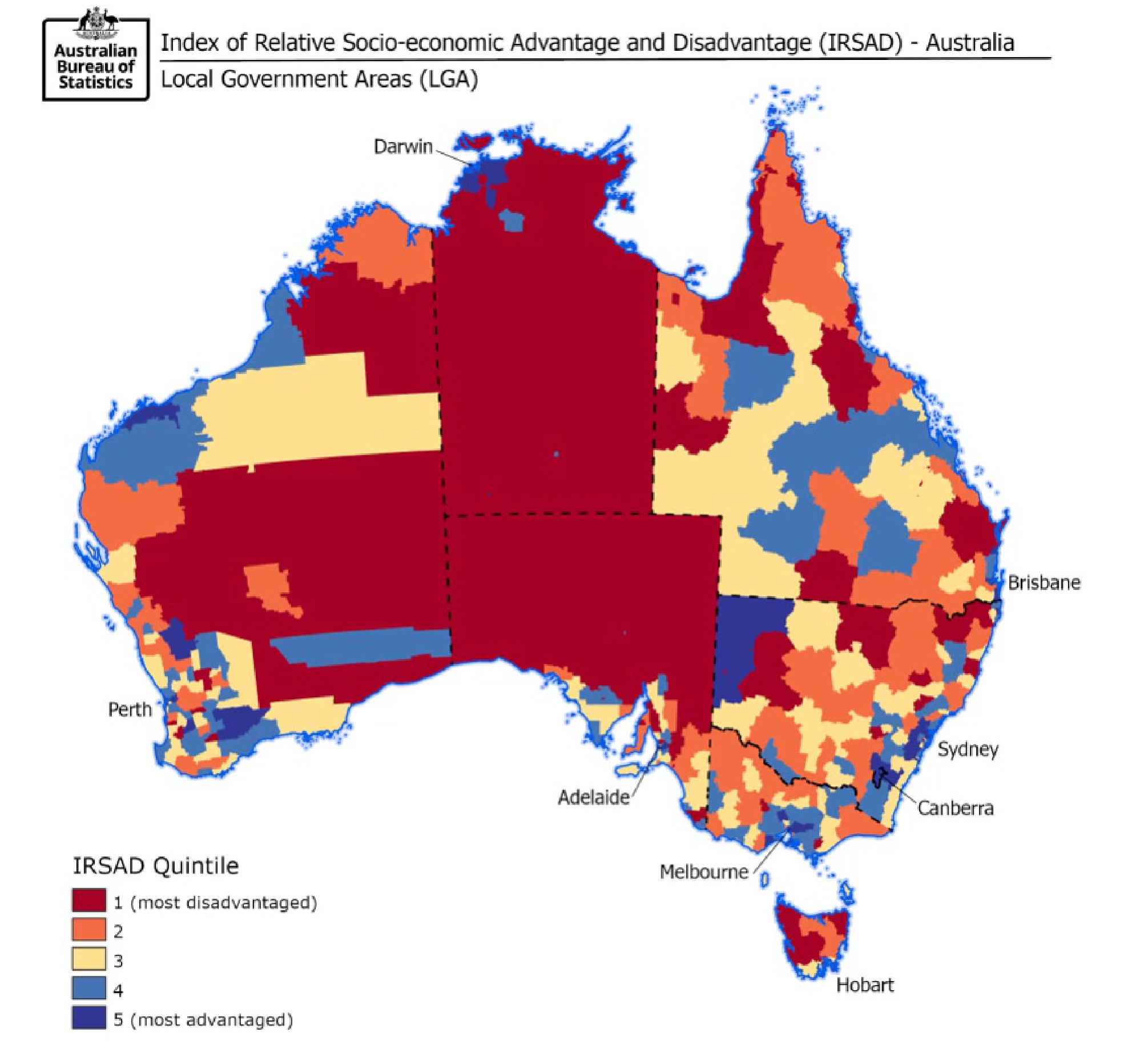
Index of Relative Socio-economic Advantage and Disadvantage (IRSAD) - Australia2
Lecturer — Socioeconomic Disadvantage
The Australian Bureau of Statistics describes socioeconomic disadvantage in terms of households rather than individuals.
- It is assessed using income, particularly low income; education, including having no qualifications; and occupation, particularly employment in low-skilled occupations.
- Socioeconomically disadvantaged households are frequently located in rural and remote areas, creating overlap with other priority populations.
- Individuals may experience several forms of disadvantage simultaneously, so this complexity needs to be considered when interpreting burden-of-disease data.
Mapping across Local Government Areas (LGA):
- IRSAD Quintiles:
- 1 (most disadvantaged)
- 2
- 3
- 4
- 5 (most advantaged)
Australian Bureau of Statistics (2021), Socio-Economic Indexes for Areas (SEIFA), Australia, ABS Website, accessed 28 July 2024.
Burden of Oral Disease by Socioeconomic Group
Age-standardised DALY Rate by Disease and Socioeconomic Group: Persons, 20183
Rate difference compared to national average (AUS):
- Blue: Lower than national average
- Light blue-grey: <10% greater
- Yellow: 10–19% greater
- Orange: 20–29% greater
- Dark orange: 30–39% greater
- Red: 40–49% greater
- White: No difference
| Disease group | Disease/Injury | Australia | 1 (lowest) | 2 | 3 | 4 | 5 (highest) |
|---|---|---|---|---|---|---|---|
| Oral disorders | Dental caries | 2.0 | 2.3 | 2.3 | 2.1 | 1.8 | 1.4 |
| Oral disorders | Periodontal disease | 1.6 | 1.6 | 2.0 | 1.6 | 1.0 | 1.6 |
| Oral disorders | Severe tooth loss | 0.9 | 1.2 | 1.2 | 0.8 | 0.9 | 0.5 |
| Oral disorders | Other oral disorders | 0.0 | 0.0 | 0.0 | 0.0 | 0.0 | 0.0 |
| Oral disorders | Lip and oral cavity cancer | 0.4 | 0.6 | 0.4 | 0.3 | 0.3 | 0.2 |
Australian Institute of Health and Welfare (2021). Australian Burden of Disease Study 2018: Interactive data on disease burden, AIHW, Australian Government.
Lecturer — Socioeconomic Oral Health
People who are socioeconomically disadvantaged generally experience poorer oral health outcomes than those who are socioeconomically advantaged.
- Socioeconomically advantaged groups generally earn more, have higher levels of education and work in higher-skilled occupations.
- The overall relationship between socioeconomic disadvantage and poorer oral health is consistent despite the multiple reasons that may explain it.

Other Relevant Findings on Income and Dental Care
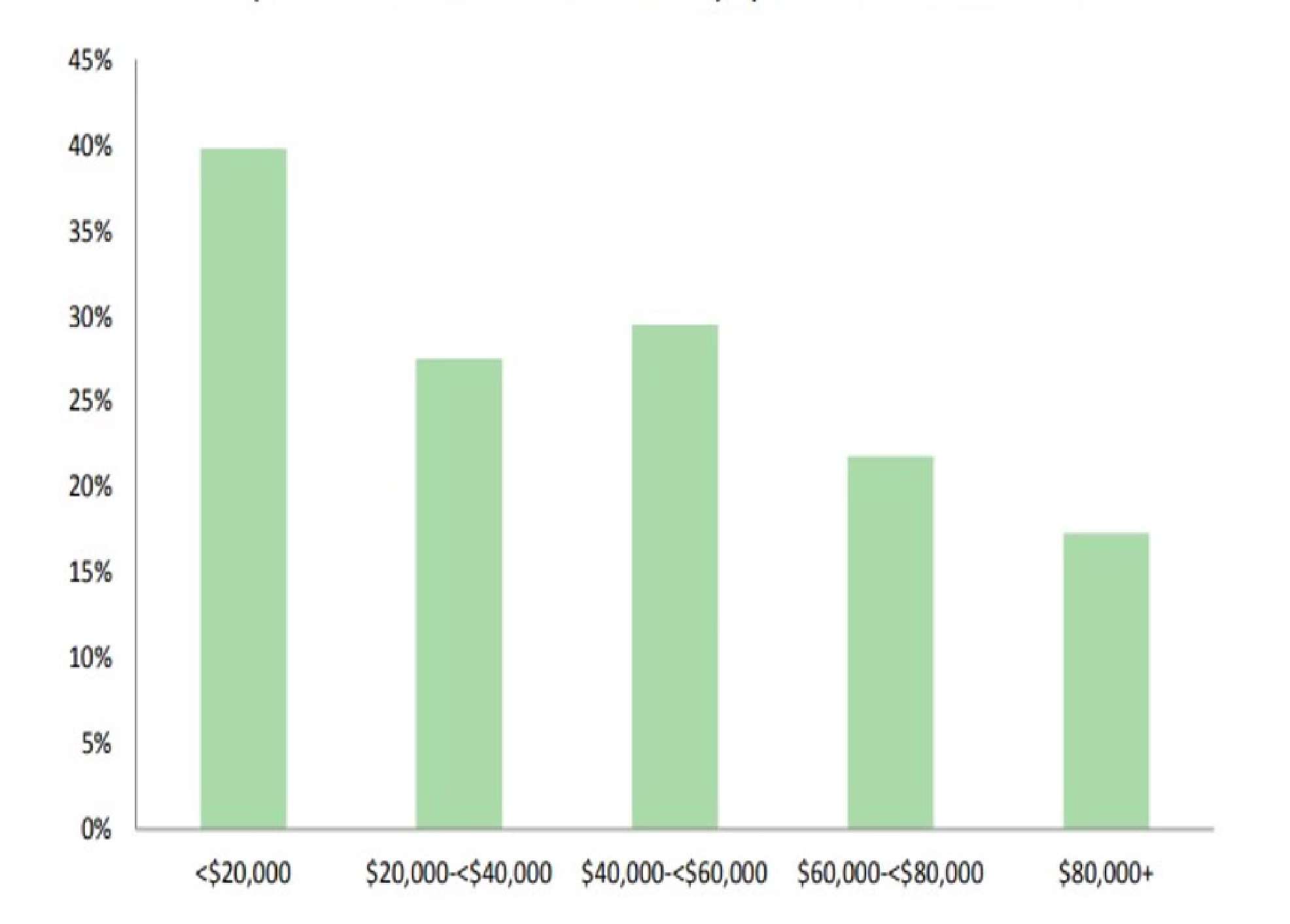
Income Disparities in Oral Health and Care4
- Proportion of adults with untreated decay by annual household income
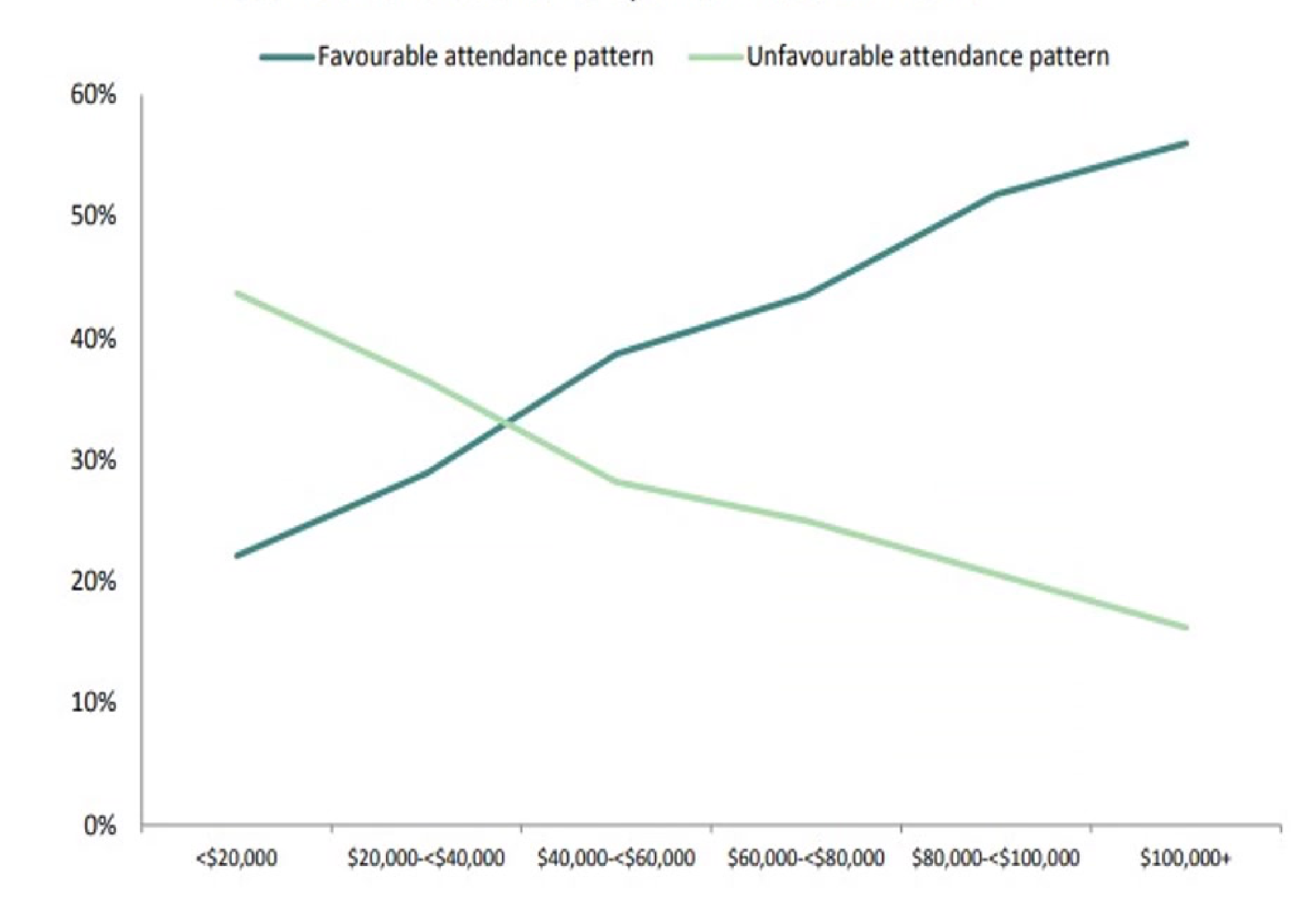
- Patterns of dental attendance by annual household income:
- Favourable attendance pattern
- Unfavourable attendance pattern
Lecturer — Income and Dental Care
The income patterns indicate an association between income and both oral health status and use of dental services.
- People with lower incomes are more likely to experience untreated decay and less favourable dental attendance patterns.
Government of Australia (2016). Healthy Mouths Healthy Lives - Australia’s National Oral Health Plan 2015 - 2024, Adelaide.
 |  |
Culturally and Linguistically Diverse Populations
Challenges at Socioecological Levels
Macro-System: System and Policy Level5
- Multiple structural disadvantages and vulnerabilities
- Poor health system response for CALD groups
- Systemic challenges of humanitarian entrants
- Inadequate inclusion of CALD health in regional health organisations
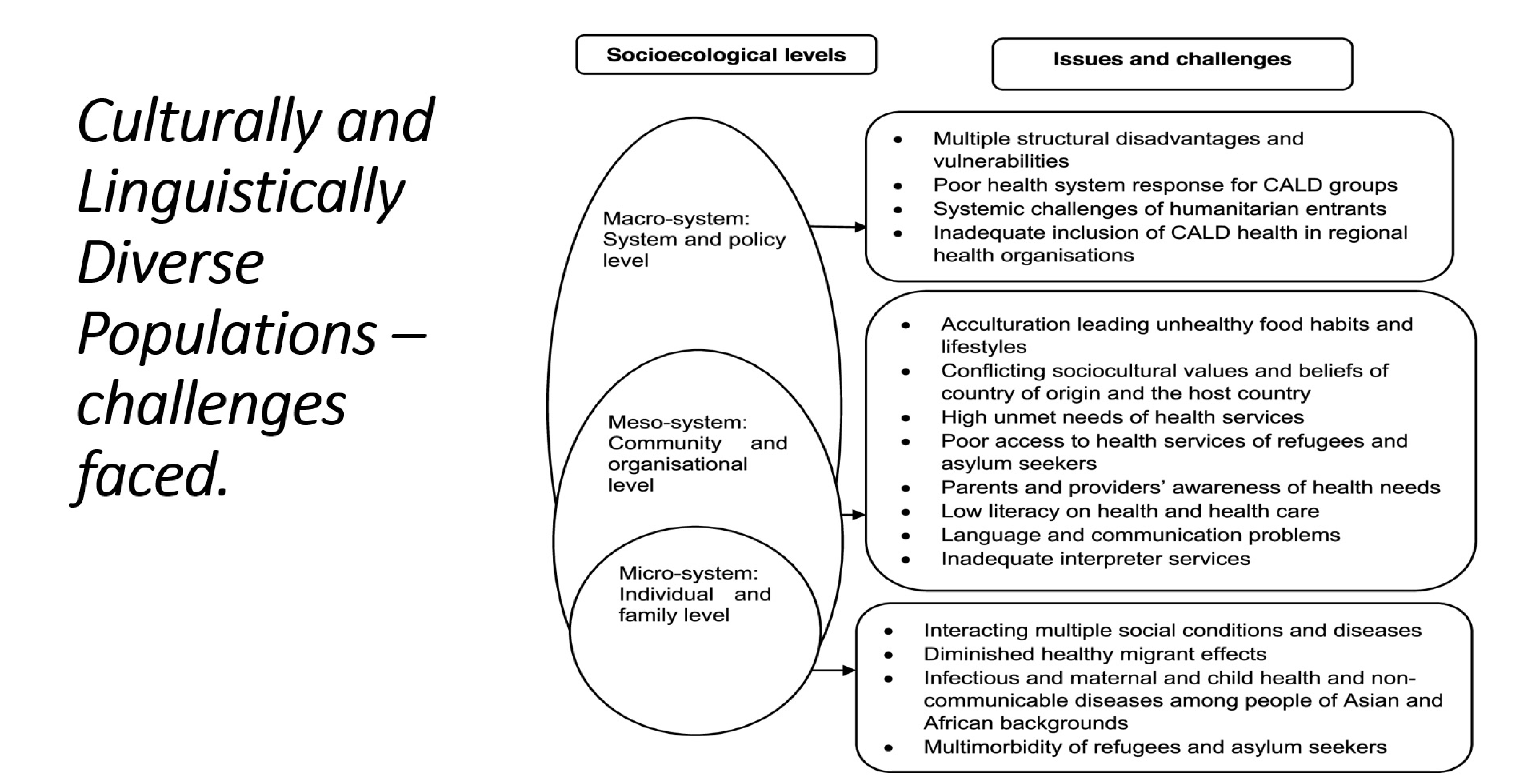 | 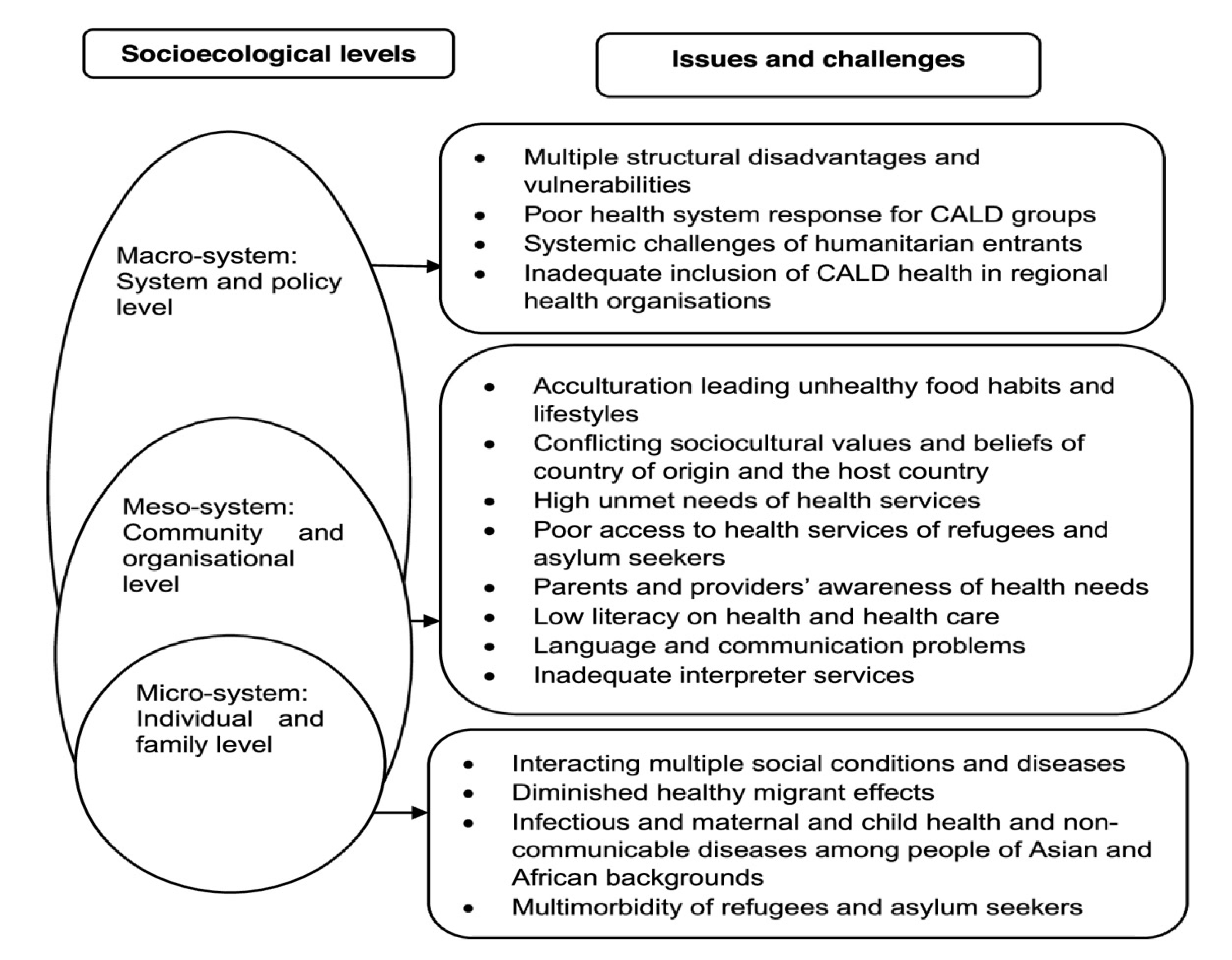 |
Meso-System: Community and Organisational Level
- Acculturation leading to unhealthy food habits and lifestyles
- Conflicting sociocultural values and beliefs between country of origin and the host country
- High unmet needs for health services
- Poor access to health services among refugees and asylum seekers
- Parents’ and providers’ awareness of health needs
- Low literacy regarding health and healthcare
- Language and communication problems
- Inadequate interpreter services
Lecturer — Access and Assimilation
Difficulties navigating the health-care system can prevent people from using health services, including dental services.
- Migrants and refugees living in rural and remote areas may experience additional barriers to accessing care.
- As migrants culturally assimilate, they may move away from traditional foods described in the lecture as healthier or culturally healthier and begin consuming more unhealthy processed foods, contributing to additional health challenges.
Micro-System: Individual and Family Level
- Interacting multiple social conditions and diseases
- Diminished healthy migrant effect
- Infectious diseases, maternal and child health issues, and non-communicable diseases among individuals of Asian and African backgrounds
- Multimorbidity among refugees and asylum seekers
Lecturer — Migrant Health Effects
The healthy migrant effect was described particularly among some skilled migrants, who may initially be healthier than people already residing in Australia. This effect gradually diminishes over time.
- Refugees and people from war-stricken countries may have experienced substantially greater challenges and a higher burden of disease.
- Individual experiences also vary according to migration history, family language, cultural identity, ethnicity, income, English-speaking family members, and refugee or unskilled migrant status.
Khatri, R.B., Assefa, Y. Access to health services among culturally and linguistically diverse populations in the Australian universal health care system: issues and challenges. BMC Public Health 22, 880 (2022). https://doi.org/10.1186/s12889-022-13256-z
Lecturer — System Alignment
The health system may not have changed as quickly as the cultural composition of the Australian population. Although Australia is becoming increasingly culturally diverse, this lack of alignment can make it more difficult for culturally and linguistically diverse people to use health-care services.
Enablers and Barriers to Oral Health Service Use
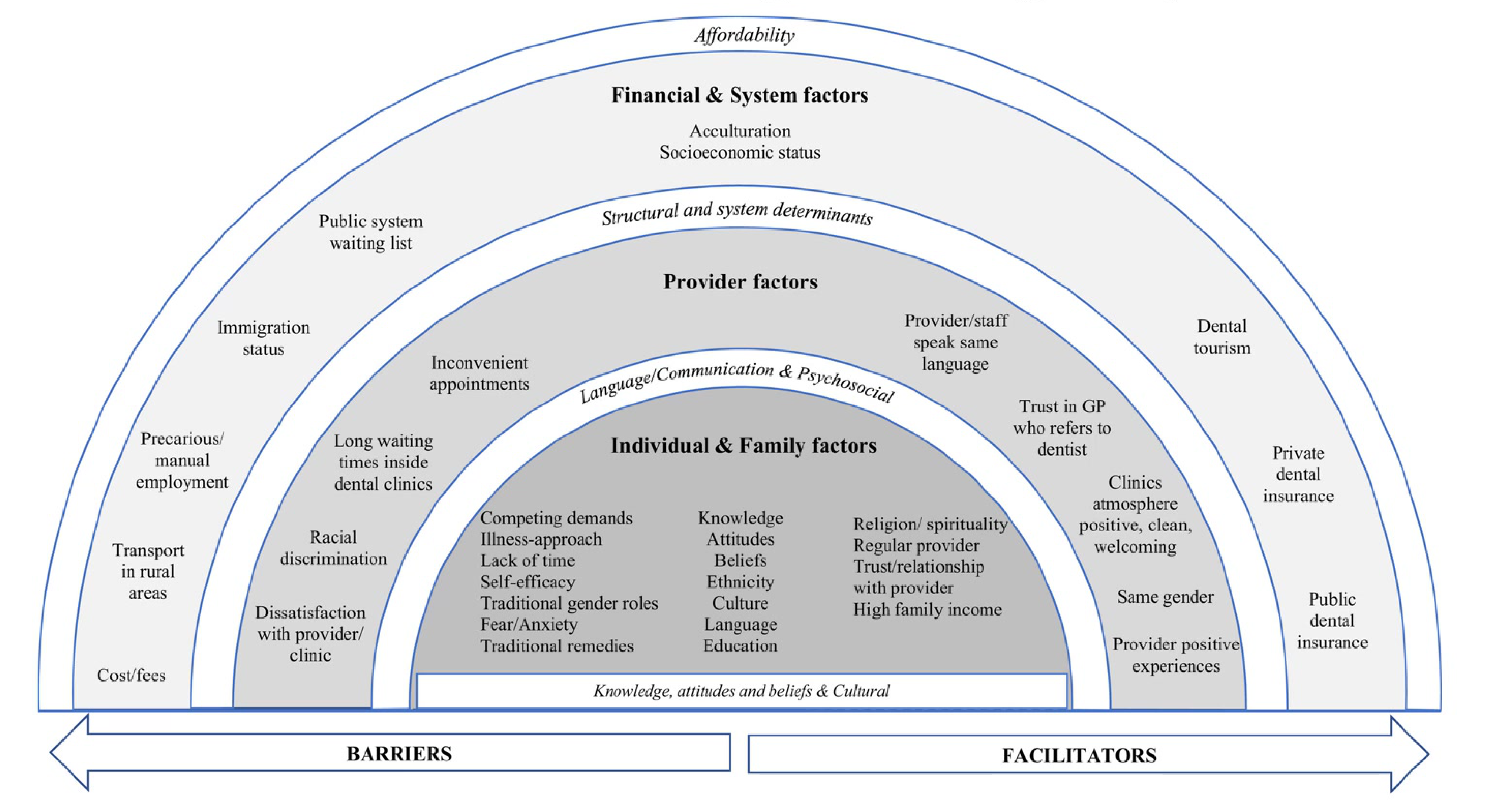
Barriers to Dental Care6
-
Structural and System Determinants:
- Public system waiting lists
- Immigration status
- Precarious or manual employment
- Limited transport in rural areas
- Cost and service fees
-
Financial and Socioeconomic Factors:
- Affordability constraints
- Acculturation challenges
- Socioeconomic status
-
Provider Factors:
- Long waiting times inside dental clinics
- Inconvenient appointment schedules
- Racial discrimination
- Dissatisfaction with provider or clinic
-
Individual and Family Factors:
- Competing demands and lack of time
- Illness-approach to seeking care
- Fear and dental anxiety
- Reliance on traditional remedies
- Traditional gender roles and low self-efficacy
-
Cultural, Knowledge, and Belief Factors:
- Knowledge gaps, differing beliefs, and attitudes toward dental care
- Ethnicity and cultural differences
- Language and education barriers
Lecturer — Avoiding Dental Care
People from culturally and linguistically diverse backgrounds were described as tending to avoid dental services as much as possible. Cost is an important reason for avoiding care, particularly among refugees and people who are economically and socially disadvantaged.
- Refugees and unskilled migrants were described as particularly likely to experience economic and social disadvantage and to avoid dental care.
- Limited support from the health-care system was also identified as a barrier.
Facilitators and Enablers of Dental Care
-
Language, Communication, and Psychosocial Factors:
- Providers or clinic staff who speak the same language
- Concordance with clinician of the same gender
- Trust in general practitioners who refer to dental care
- Positive, clean, and welcoming clinic environments
- Prior positive experiences with healthcare providers
-
Individual, Relationship, and Financial Facilitators:
- Trusting relationships with a regular provider
- Religion and spirituality
- High family income
- Private or public dental insurance coverage
- Utilization of dental tourism
Marcus K, Balasubramanian M, Short S, Sohn W. Barriers and facilitators to dental care among culturally and linguistically diverse carers: A mixed-methods systematic review. Community Dent Oral Epidemiol. 2023; 51: 327–344. doi:10.1111/cdoe.12745
Key Findings on CALD Oral Health
Utilization and Avoidance of Care7
- Public Dental Service Use (2017–18): People who spoke a language other than English were more likely to attend a public dental service (23%) compared to English-speaking individuals (17%).
- Cost-Related Avoidance (2017–18): Overseas-born individuals who predominantly spoke a language other than English at home were the most likely to have needed dental care but avoided it due to costs (42%).
Lecturer — CALD Disease Burden
Information about DALY for culturally and linguistically diverse populations was not available in the material discussed. Further studies measuring DALY in this population are needed to better understand the burden of disease.
Childhood Oral Disease Disparities
- Untreated Caries Disparities (Ages 5–9): Untreated dental caries was substantially higher among visible immigrant children (38.8%, 95% CI: 35.5–42.2) compared to:
- Non-immigrant children (24.9%, 95% CI: 23.4–26.6)
- Non-visible immigrant children (21.0%, 95% CI: 17.7–24.7)
Hermes Soares G, Jamieson L, Kumar S, Mejia G. Oral health profile of Australian children from different immigrant backgrounds. Community Dent Health. 2023 Aug 31;40(3):162-169. doi: 10.1922/CDH_00268Soares08. Australian Institute of Health and Welfare (2023) Oral health and dental care in Australia. AIHW, Australian Government, accessed 28 July 2024 https://www.aihw.gov.au/reports/dental-oral-health/oral-health-and-dental-care-in-australia/contents/priority-populations/people-who-are-socially-disadvantaged-or-on-low-in
Aboriginal and Torres Strait Islander Populations8
Burden of oral disease among Aboriginal and Torres Strait Islanders
Population Demographics9
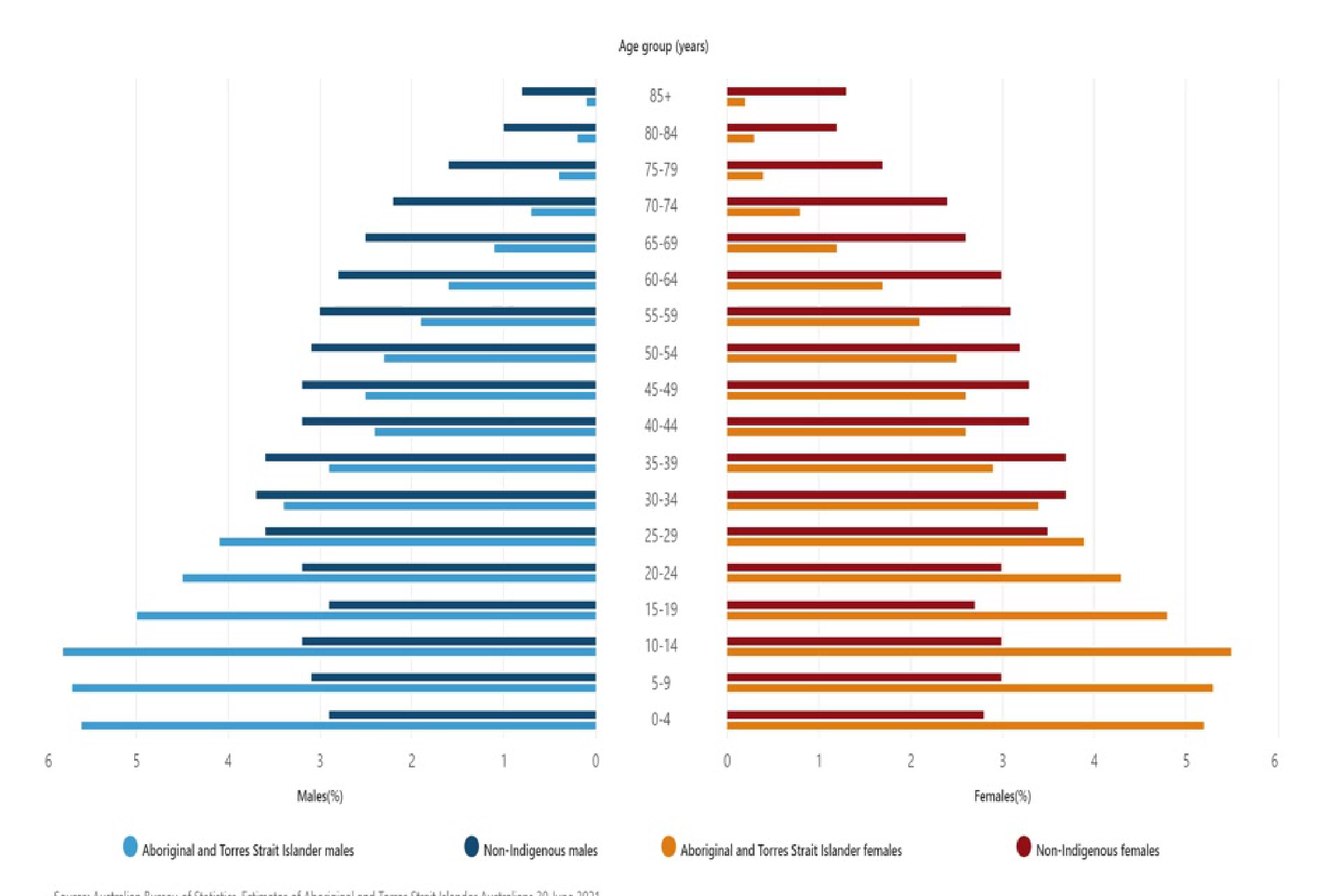
Aboriginal and Torres Strait Islander and non-Indigenous populations by age groups – 30 June 2021
| Location | Aboriginal and Torres Strait Islander (%) | Non-Indigenous (%) | Total (%) |
|---|---|---|---|
| Major Cities of Australia | 40.8 | 73.4 | 72.2 |
| Inner Regional Australia | 24.8 | 17.5 | 17.8 |
| Outer Regional Australia | 19 | 7.7 | 8.1 |
| Remote Australia | 6 | 1 | 1.2 |
| Very Remote Australia | 9.4 | 0.4 | 0.8 |
Australian Bureau of Statistics (2021), Snapshot of Australia, ABS Website, accessed 28 July 2024.
Lecturer — Population Profile
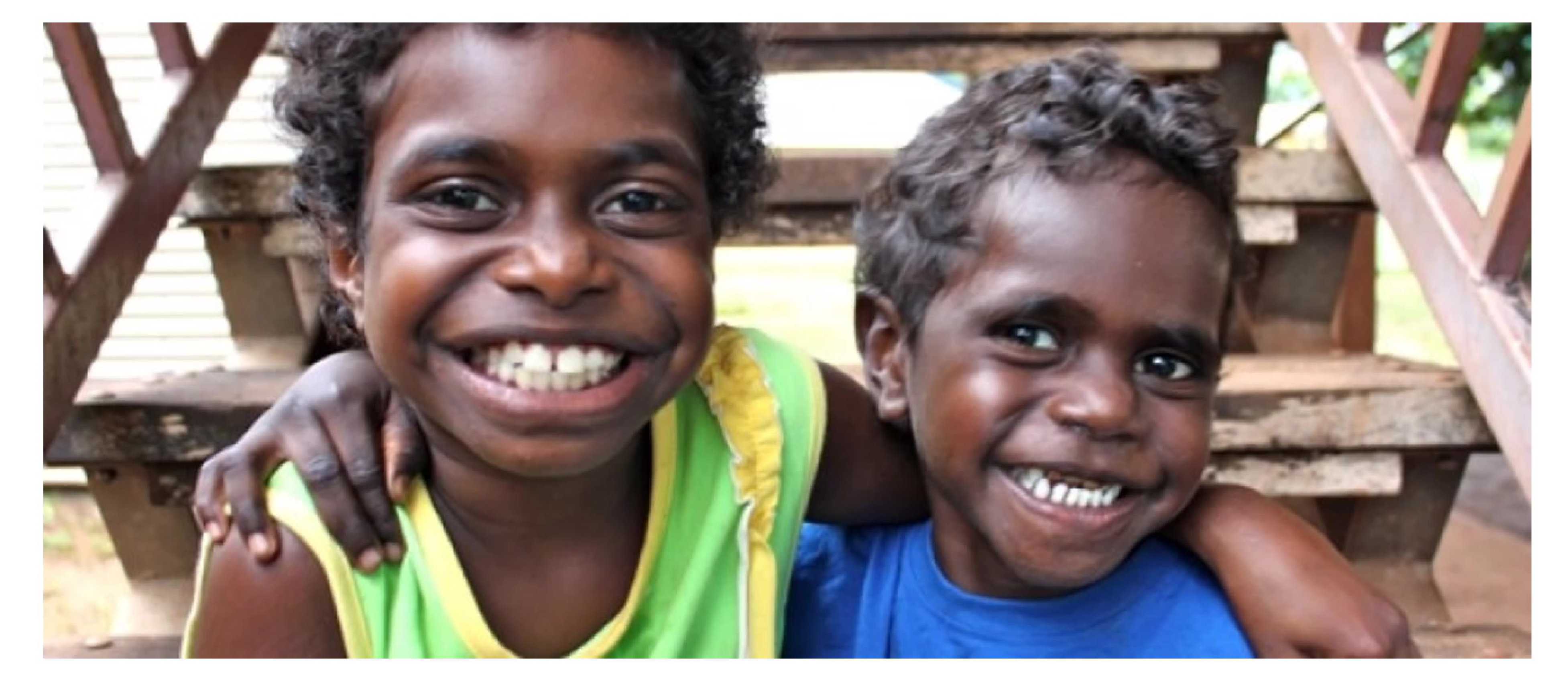
Aboriginal and Torres Strait Islander peoples have lived in Australia for more than 60,000 years. Compared with non-Indigenous populations, they have a substantially younger population profile, lower life expectancy and higher levels of comorbidity. A large proportion also live in rural and remote areas, which is important when interpreting oral disease burden and access to dental care.
Burden of Oral Disease
Overall Disease Burden10
- In 2018, oral disorders accounted for 2.1% (4,952 out of 239,893 total DALY) of the total disease burden for Indigenous Australians, and 3.9% (4,917 out of 126,447 total YLD) of the non-fatal burden (years lived with disability).
- Indigenous males experienced slightly more of the total burden due to oral disorders than Indigenous females (53% compared with 47%, respectively).
- Between 2003 and 2018, the total burden attributable to oral disorders increased by 17% for Indigenous Australians (based on age-standardised rates). This was predominantly driven by an increase in the non-fatal burden (AIHW 2022a, 2022b).
Lecturer — Comparing DALY Proportions
Oral disorders accounted for 2.1% of total disease burden among Indigenous Australians, compared with 2.4% among non-Indigenous Australians. This apparently lower proportion does not mean that Indigenous people experience less oral disease; the lecture attributed it partly to lower Indigenous life expectancy, while higher life expectancy among non-Indigenous populations may contribute to higher DALY values.
Causes of Burden Across Age Groups
- Dental caries was the leading cause of oral disease burden among Indigenous Australians, accounting for almost two-thirds (63%; 3,117 out of 4,952 total DALY due to oral disorders) of the burden, followed by periodontal disease (22%; 1,081 DALY) and severe tooth loss (15%; 741 DALY).
- Dental caries accounted for almost all (99.7%; 505 out of 507 total DALY due to oral disorders) of the oral disorders burden for Indigenous Australians aged 5–14 years, but generally had a decreasing contribution with age thereafter.
- For Indigenous Australians over 65 years of age, severe tooth loss was the leading cause of burden (48%; 315 out of 651 total DALY due to oral disorders), followed by dental caries (27%; 179 DALY) and periodontal disease (25%; 163 DALY).
Lecturer — Changes Over Time
Between 2003 and 2013, age-standardised oral disease burden increased by nearly 17% among Indigenous populations, compared with approximately 2% among non-Indigenous populations. This indicates a marked increase in Indigenous oral disease burden even though comparative DALY percentages do not fully reflect the extent of their oral health problems.
Australian Institute of Health and Welfare & National Indigenous Australians Agency (2023) Measure 1.11 Oral health, Aboriginal and Torres Strait Islander Health Performance Framework website, AIHW, Australian Government, accessed 28 July 2024.
Hospitalisation Rates for Oral Problems11
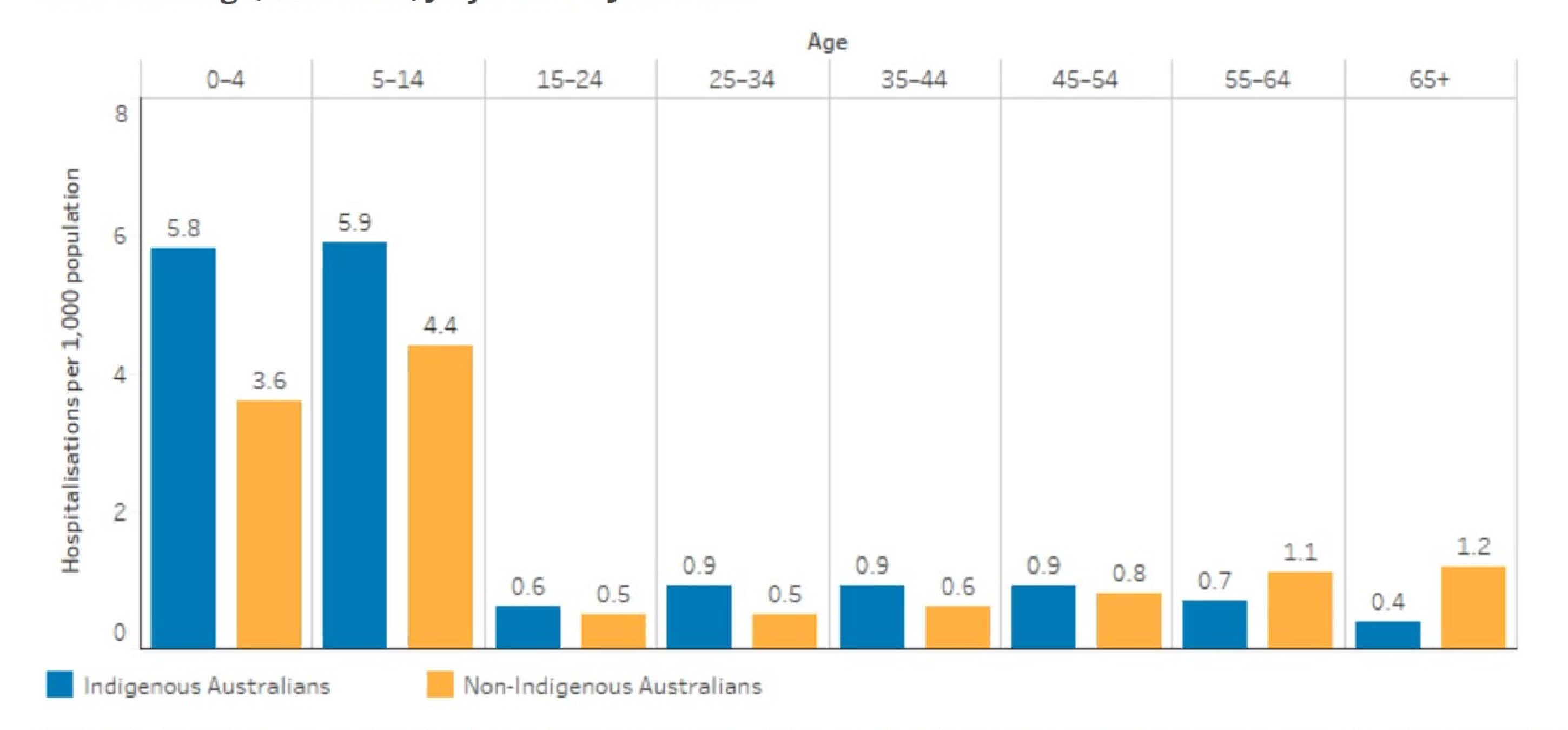
Figure 1.11.5: Age-specific hospitalisation rates for a principal diagnosis of dental problems, by Indigenous status and age, Australia, July 2017 to June 2019
| Population | 0–4 | 5–14 | 15–24 | 25–34 | 35–44 | 45–54 | 55–64 | 65+ |
|---|---|---|---|---|---|---|---|---|
| Indigenous Australians | 5.8 | 5.9 | 0.6 | 0.9 | 0.9 | 0.9 | 0.7 | 0.4 |
| Non-Indigenous Australians | 3.6 | 4.4 | 0.5 | 0.5 | 0.6 | 0.8 | 1.1 | 1.2 |
Note: Principal diagnosis of dental problems includes dental caries; loss of teeth due to accident, extraction or local periodontal disease; and dental examination.
Source: Table D1.11.21. AIHW analysis of National Hospital Morbidity Database.
Australian Institute of Health and Welfare & National Indigenous Australians Agency (2023) Measure 1.11 Oral health, Aboriginal and Torres Strait Islander Health Performance Framework website, AIHW, Australian Government, accessed 28 July 2024.
Oral Health Challenges Among Indigenous Children
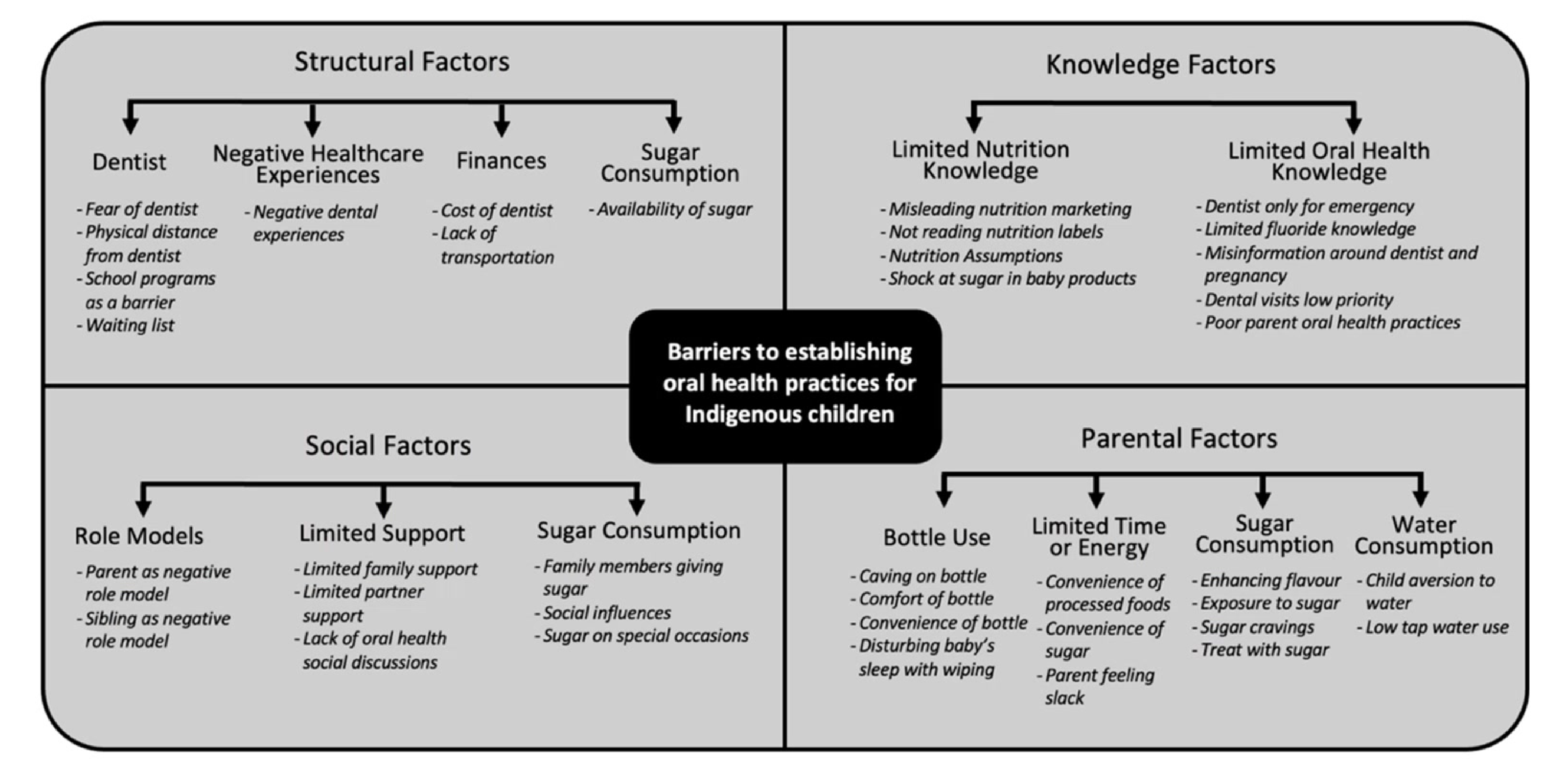
Structural Factors12
- Dentist
- Fear of dentist
- Physical distance from dentist
- School programs as a barrier
- Waiting list
- Negative Healthcare Experiences
- Negative dental experiences
- Finances
- Cost of dentist
- Lack of transportation
- Sugar Consumption
- Availability of sugar
Knowledge Factors
- Limited Nutrition Knowledge
- Misleading nutrition marketing
- Not reading nutrition labels
- Nutrition Assumptions
- Shock at sugar in baby products
- Limited Oral Health Knowledge
- Dentist only for emergency
- Limited fluoride knowledge
- Misinformation around dentist and pregnancy
- Dental visits low priority
- Poor parent oral health practices
Social Factors
-
Role Models
- Parent as negative role model
- Sibling as negative role model
-
Limited Support
- Limited family support
- Limited partner support
- Lack of oral health social discussions
-
Sugar Consumption
- Family members giving sugar
- Social influences
- Sugar on special occasions
-
Social factors interact with structural, parental and knowledge-related factors rather than operating independently.
Parental Factors
- Bottle Use
- Caving on bottle
- Comfort of bottle
- Convenience of bottle
- Disturbing baby’s sleep with wiping
- Limited Time or Energy
- Convenience of processed foods
- Convenience of sugar
- Parent feeling slack
- Sugar Consumption
- Enhancing flavour
- Exposure to sugar
- Sugar cravings
- Treat with sugar
- Water Consumption
- Child aversion to water
- Low tap water use
Poirier, B., Hedges, J., Smithers, L. et al. “What are we doing to our babies’ teeth?” Barriers to establishing oral health practices for Indigenous children in South Australia. BMC Oral Health 21, 434 (2021). https://doi.org/10.1186/s12903-021-01791-x
Lecturer — Parental Attitudes
Parental attitudes and behaviours influence whether children establish oral health practices and access dental care. The lecture suggested that ambivalent attitudes toward oral health may partly arise from parents not being sufficiently proactive.
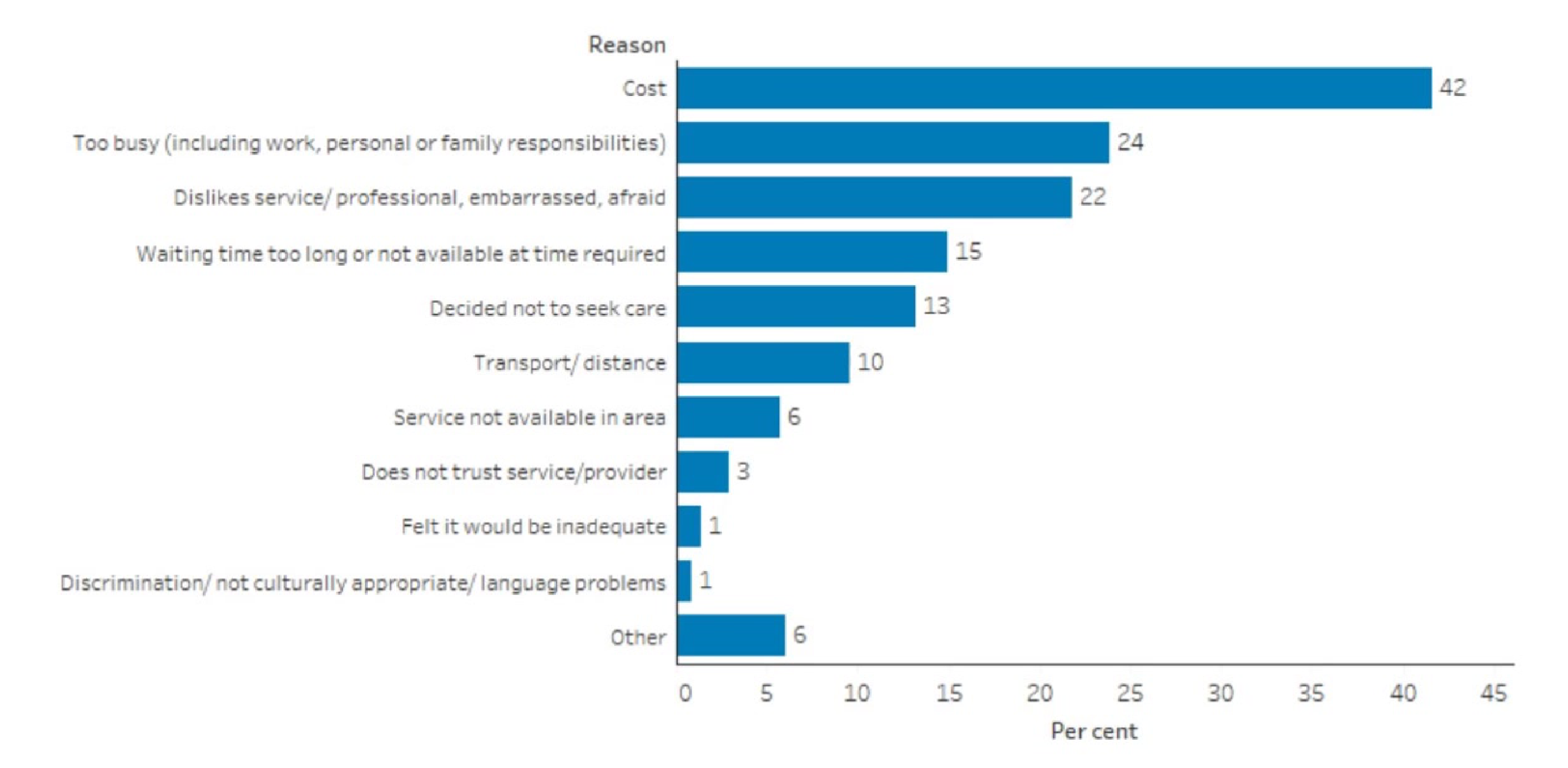
Reasons for Not Accessing Dental Care13
Figure 1.11.1: Indigenous Australians who needed to go to a dentist in the last 12 months but did not, by reason, 2018–19
| Reason | Per cent |
|---|---|
| Cost | 42 |
| Too busy (including work, personal or family responsibilities) | 24 |
| Dislikes service/professional, embarrassed, afraid | 22 |
| Waiting time too long or not available at time required | 15 |
| Decided not to seek care | 13 |
| Transport/distance | 10 |
| Service not available in area | 6 |
| Does not trust service/provider | 3 |
| Felt it would be inadequate | 1 |
| Discrimination/ not culturally appropriate/ language problems | 1 |
| Other | 6 |
Australian Institute of Health and Welfare & National Indigenous Australians Agency (2023) Measure 1.11 Oral health, Aboriginal and Torres Strait Islander Health Performance Framework website, AIHW, Australian Government, accessed 28 July 2024.
Lecturer — Hospitalisation and Access
Indigenous people, particularly Indigenous children, may not access primary oral health-care services and may instead end up in hospital for oral health problems. The high level of hospitalisation suggests difficulties establishing oral health practices, accessing primary care and receiving treatment before oral conditions become severe.
Jamieson, L., Do, L., Kapellas, K., Chrisopoulos, S., Luzzi, L., Brennan, D., Ju, X. (2021) Oral health changes among Indigenous and non‑Indigenous Australians: findings from two national oral health surveys. Aust Dent J. https://doi.org/10.1111/addj.12849
Lecturer — Dental Care Avoidance
Approximately 19% of Aboriginal and Torres Strait Islander people avoided dental care in the previous 12 months. Two national-level surveys found that avoidance among Aboriginal people was nearly 5% higher than among non-Indigenous people. Among those who do attend, attendance more commonly occurs because of an existing dental problem rather than for a routine check-up.
Summary and Revision14
Let’s revise:
- Concept of burden of disease
- Need to identify priority populations
- Burden of disease among:
- Socioeconomic disadvantaged groups
- Aboriginal and Torres Strait Islanders
Audio Appendix
Additional Audio Content
The following sections from the lecture audio did not correspond to any heading in the main document.
Population Definition and Complexity
There is no single, universally applied definition of culturally and linguistically diverse populations. Different definitions can produce conflicting data.
One commonly used understanding is that the group includes people who:
- Were not born in Australia
- Are first-generation immigrants
- Speak a language other than English
Another definition includes any person who speaks a language other than English, regardless of whether they were born overseas or in Australia.
The lecture suggested that people born overseas may experience greater disadvantage than second- or third-generation migrants. Later generations may have had more opportunity to blend into and adapt to the wider community.
The culturally and linguistically diverse population is heterogeneous. Cultural background, ethnicity, identity, income, migration pathway and location can all influence oral health outcomes.
Public Dental Services and Priority Populations
A major concluding point was that people in both of the population groups discussed make greater use of public dental services than private dental services.
This means that:
- Public dental services are particularly important for disadvantaged populations.
- Public commitment to oral health services for priority populations is substantial.
- Access to public oral health care is central to addressing the oral disease burden among these groups.
 |  |
 |
Footnotes
-
Original PDF page 1: L2.1 Bruden of Oral disease among socially, economically disadvantaged and INdigenous populations slides, p.1 ↩
-
Original PDF page 2: L2.1 Bruden of Oral disease among socially, economically disadvantaged and INdigenous populations slides, p.2 ↩
-
Original PDF page 3: L2.1 Bruden of Oral disease among socially, economically disadvantaged and INdigenous populations slides, p.3 ↩
-
Original PDF page 4: L2.1 Bruden of Oral disease among socially, economically disadvantaged and INdigenous populations slides, p.4 ↩
-
Original PDF page 5: L2.1 Bruden of Oral disease among socially, economically disadvantaged and INdigenous populations slides, p.5 ↩
-
Original PDF page 6: L2.1 Bruden of Oral disease among socially, economically disadvantaged and INdigenous populations slides, p.6 ↩
-
Original PDF page 7: L2.1 Bruden of Oral disease among socially, economically disadvantaged and INdigenous populations slides, p.7 ↩
-
Original PDF page 8: L2.1 Bruden of Oral disease among socially, economically disadvantaged and INdigenous populations slides, p.8 ↩
-
Original PDF page 9: L2.1 Bruden of Oral disease among socially, economically disadvantaged and INdigenous populations slides, p.9 ↩
-
Original PDF page 10: L2.1 Bruden of Oral disease among socially, economically disadvantaged and INdigenous populations slides, p.10 ↩
-
Original PDF page 11: L2.1 Bruden of Oral disease among socially, economically disadvantaged and INdigenous populations slides, p.11 ↩
-
Original PDF page 12: L2.1 Bruden of Oral disease among socially, economically disadvantaged and INdigenous populations slides, p.12 ↩
-
Original PDF page 13: L2.1 Bruden of Oral disease among socially, economically disadvantaged and INdigenous populations slides, p.13 ↩
-
Original PDF page 14: L2.1 Bruden of Oral disease among socially, economically disadvantaged and INdigenous populations slides, p.14 ↩