Oral Health Inequalities
Dr Mohammed Junaid BDS, MDS (Public Health Dentistry), MFDS RCPS (Glasg.), DDPH RCS (Eng.), AFHEA, PhD
Front Matter1
The University of Western Australia Oral Health Centre of Western Australia
Acknowledgement of Country2
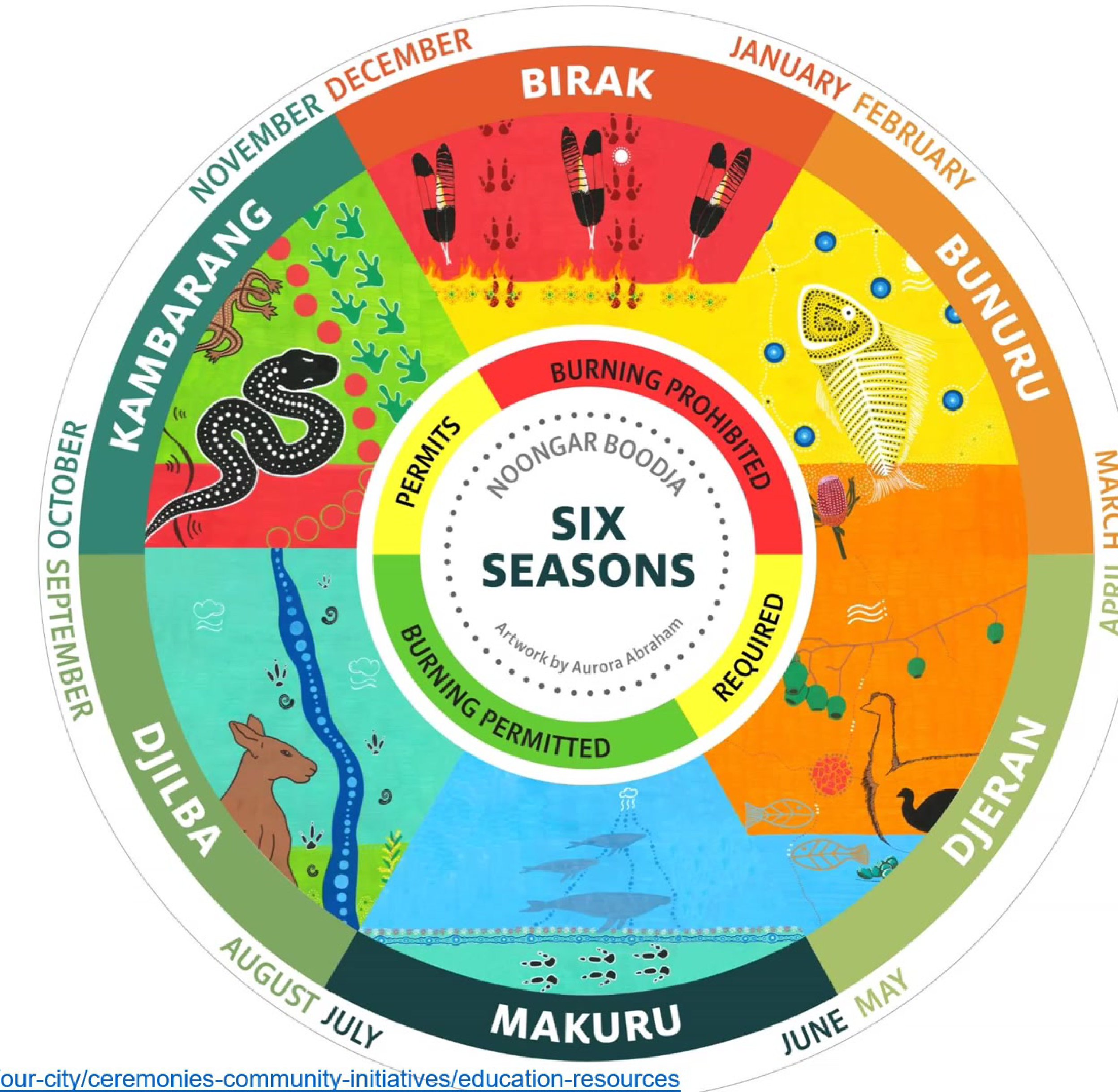
I would like to acknowledge the traditional custodians of the land, the Whadjuk Noongar people, in whose land, I have recorded this lecture and pay my respects to elder’s past, present and emerging. Including to all those with Indigenous heritage who are listening to this recording.
Learning Outcomes and Synopsis
Learning Outcomes3
-
Understand the concept of oral health inequalities/inequities and its relevance to dental practice.
-
What factors are associated with equitable oral health – the unifying framework.
-
Inequitable burden of oral diseases in Australia.
-
Knowing a population framework to tackle oral health inequalities.
-
Understanding the practice of social dentistry and the role of a dental health professional in providing equitable oral health service.
-
The distinction between inequalities and inequities.
-
The enabling factors and barriers that can promote equity or contribute to inequity.
-
The dentist’s social responsibilities and the role of social determinants in day-to-day dental practice. Image source: https://ser.msu.edu/spartan-experience-record-101/learning-outcomes/
Synopsis4
- What are oral health inequalities?
- What are the determinants of oral health?
- Relationship between social/structural determinants and oral health inequities?
- How does existing determinants that impact oral health/service use?
- Inequitable burden of oral diseases in Australia.
- Understanding equitable approaches in managing and preventing oral disease and promoting oral health – population level (Ottawa Charter)
- Adopting practice of social dentistry – dental practice level
Lecturer — Lecture Structure
This was the final lecture in a series of four lectures for the public health dentistry component of the Dent 5311 unit.
- The lecture was recorded in three parts: an introduction to inequalities, inequities and the determinants of oral health; population-level approaches to managing oral health inequality, including the Ottawa Charter; and the practice of social dentistry and the social responsibilities of dentists.
- The lecturer emphasised that oral health problems do not arise entirely within the oral cavity, because non-dental factors can strongly influence oral health outcomes.
- The second recording was identified as particularly relevant to planning a community oral health program and to the assessment task involving development of such a program.
 |  |
Health Inequalities and Inequities
Definitions of Health Inequalities and Inequities
Health Inequalities5
- Absolute uneven differences in health outcomes/burden of disease between different population groups or communities
Health Inequities
- Subset of inequalities
- Disparities in metrics of health outcomes due to avoidable differences in social, economic, geographical or healthcare resources that are unfair and unjust
Comparing Inequalities and Inequities
Health Inequalities6
- Absolute uneven differences in health outcomes/burden of disease between different population groups or communities
Oral Health Differences
Population A may have better oral health, while Population B may have poorer oral health outcomes. The absolute difference between the two populations represents a health inequality.
Lecturer — Fairness of Inequalities
The definition of inequality does not, by itself, indicate whether the difference is fair, unfair, avoidable or unavoidable.
Health Inequities
- Subset of inequalities
- Disparities in metrics of health outcomes due to avoidable differences in social, economic, geographical or healthcare resources that are unfair and unjust
Lecturer — Health Disparities
The term health disparities is commonly used in the United States instead of health inequities. In the context described in the lecture, disparities and inequities can be used synonymously because both refer to differences in health outcomes resulting from injustice.
Lee H, Kim D, Lee S, Fawcett J. The concepts of health inequality, disparities and equity in the era of population health. Appl Nurs Res. 2020 Dec;56:151367.
Determinants of Oral Disease
Structural, Intermediate and Proximal Determinants
-
Structural determinants (Socioeconomic, political, and environmental context):
- Macro-economic policies
- Social and welfare policies
- Trade policies
- Overseas development policies
- Globalisation
- Urbanisation
-
Intermediate determinants (Social position and circumstances):
- Social class
- Income
- Education
- Gender
- Ethnicity
Aboriginal Australians and Social Circumstances
Aboriginal Australians have experienced significant challenges and poorer health outcomes, but this should not be attributed simply to being Aboriginal or to biological susceptibility.
- Abject poverty and intergenerational trauma influence material conditions and other factors affecting health outcomes.
- Proximal determinants (Behaviours and biological factors):
- Material circumstances
- Social relationships
- Psychosocial factors
- Health service availability or use
- Environmental setting
- Diet
- Alcohol consumption
- Tobacco use
- Physical activity
- Hygiene
- Inflammation
- Infection
- Immune response
Lecturer — Material Circumstances
Knowledge alone does not ensure that a person can perform recommended oral health behaviours.
- During a cost-of-living crisis, purchasing food and keeping dinner on the table may take priority over buying fluoridated toothpaste.
- Living in a remote area may make dental services unavailable, limiting a person’s ability to act on oral health knowledge.
- Extrinsic sugar and sticky foods
- Toothbrushing and use of interdental aids
- Deep tooth fissures
- Outcomes:
- Oral disease and NCD burden
Lecturer — Oral Disease Origins
Oral diseases do not arise only because of conditions within the mouth. The lecturer cautioned that highly biomedical undergraduate training can create the impression that both oral health problems and their solutions are located entirely within the mouth.
- Oral health outcomes reflect an interplay of biological, behavioural, social, economic, political, environmental and healthcare factors.
Commercial Determinants — Corporate Strategies
- Political and economic power and influence
- Lobbying to influence policy
- Corporate citizenship
- Targeted and tailored marketing and promotion strategies
- Influence on research agenda
- Influences on social norms and local policies
- Media influence to distract attention and cause confusion
- Influence on consumers’ choices and behaviours
Lecturer — Commercial Food Promotion
Commercial influences can make less healthy foods appear more affordable and attractive than healthier alternatives.
- Grocery-store promotions may favour chocolates and biscuits over apples, spinach and other healthier foods.
- It may be unrealistic to advise a person experiencing poverty to purchase healthier foods when less healthy products are cheaper and more heavily promoted.
- Political donations do not necessarily determine policy, but commercial and political influence forms part of the context in which policies are developed.
Source: Marco A Peres, Lorna M D Macpherson, Robert J Weyant, Blánaid Daly, Renato Venturelli, Manu R Mathur, Stefan Listl, Roger Keller Celeste, Carol C Guarnizo-Herreño, Cristin Kearns, Habib Benziaan, Paul Allison, Richard G Watt, Oral diseases: a global public health challenge, The Lancet, Volume 394, Issue 10194, 2019, Pages 249-260.
Dental Caries and the Keyes Triad
Does the Keyes triad explain everything?
Personal Factors7
- Sociodemographic status
- Education
- Income
- Dental insurance coverage
- Oral health literacy
- Attitudes
- Behaviour:
- Oral hygiene
- Snacking
 | 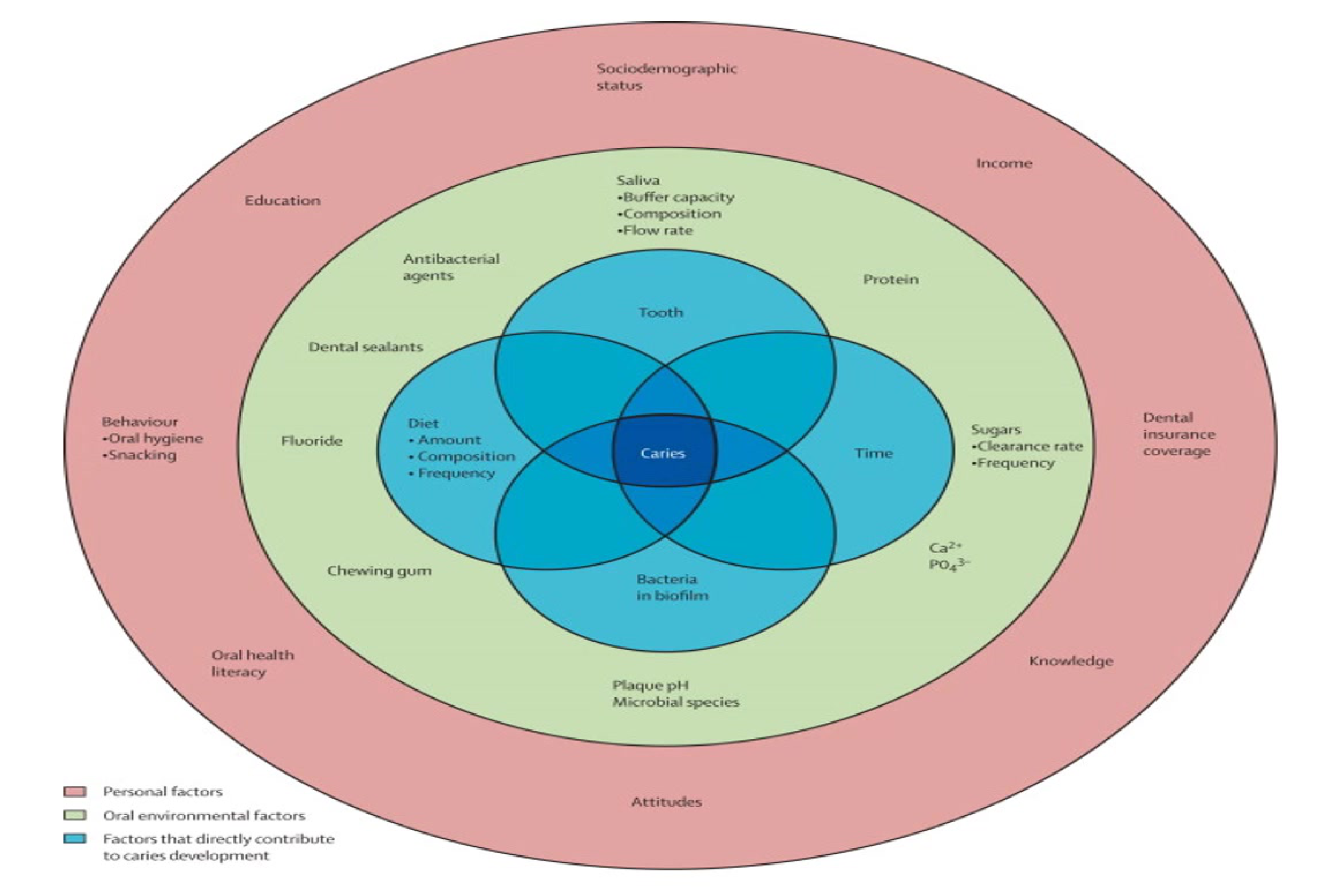 |
Oral Environmental Factors
- Saliva:
- Buffer capacity
- Composition
- Flow rate
- Protein
- Dental sealants
- Fluoride
- Chewing gum
- Plaque pH
- Microbial species
- Antibacterial agents
Factors Directly Contributing to Caries Development
- Bacteria in biofilm
- Tooth
- Time
- Ca²⁺, PO₄³⁻
- Sugars:
- Clearance rate
- Frequency
- Diet:
- Amount
- Composition
- Frequency
- Caries
Lecturer — Beyond the Keyes Triad
Dental caries cannot be explained solely by the presence of Streptococcus mutans, low salivary flow or deep fissures. These factors may be necessary or may accelerate progression, but they are not sufficient on their own to explain all dental caries.
- The development of caries also involves biological, behavioural, social and structural factors.
Source: Selwitz, R. H., et al. (2007). “Dental caries.” The Lancet 369(9555): 51-59.
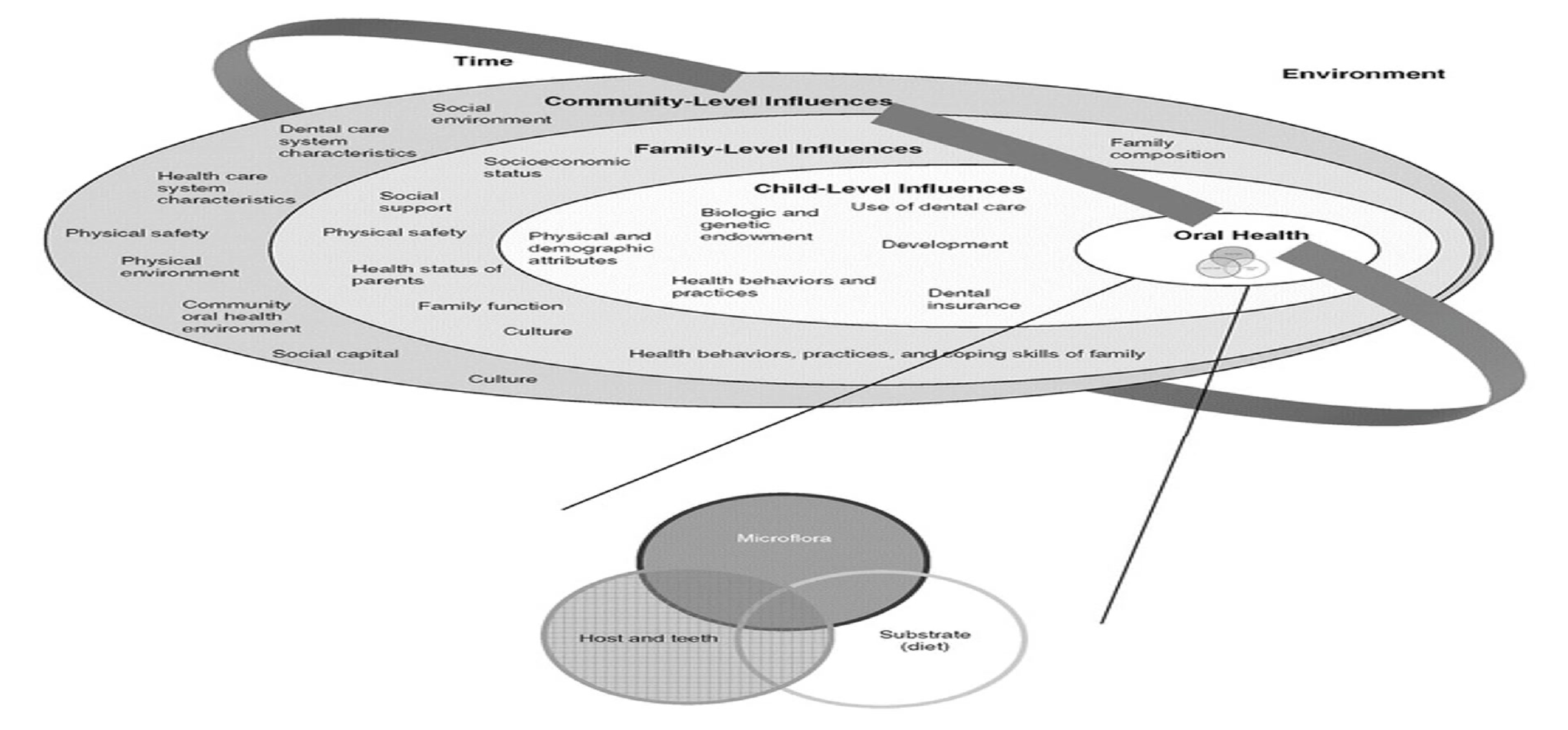
Social Determinants of Oral Health8
Lecturer — Life Course Effects
Social determinants are not static; they change as people grow and experience different life circumstances. Earlier experiences can continue to affect oral health later in life.
- Severe childhood poverty may be followed by financial wealth, while teeth still show the effects of caries during tooth development and eruption, limited dental care and inadequate access to fluoridated toothpaste.
The Unifying Framework and Oral Health Equity
Enabling Processes9
Rights, empowerment, opportunities, resources, autonomy, respect, supportive family environment, social inclusion, access to support.
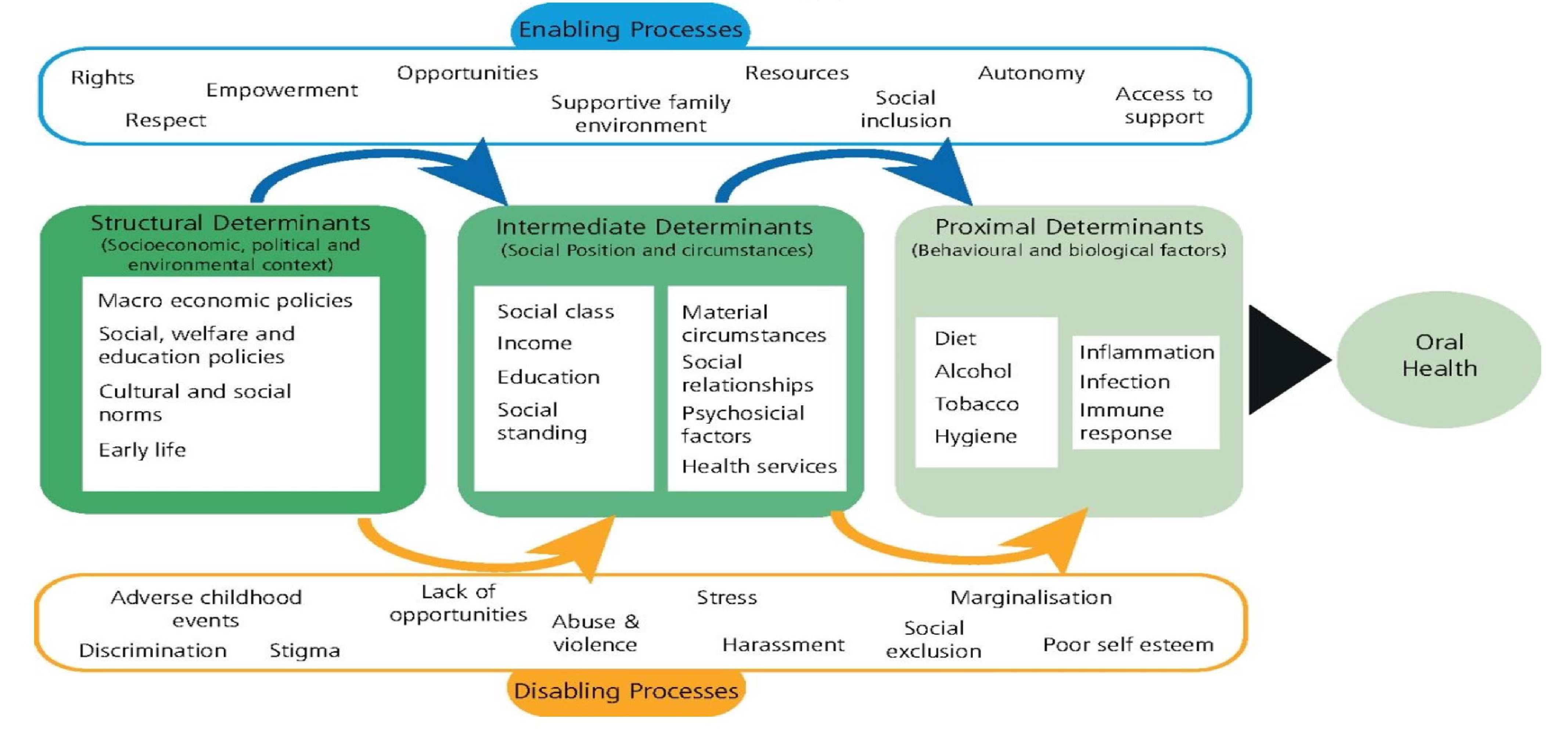
Framework Components
-
Structural Determinants (Socioeconomic, political and environmental context):
- Macro-economic policies
- Social, welfare and education policies
- Cultural and social norms
- Early life
-
Intermediate Determinants (Social position and circumstances):
- Social class
- Income
- Education
- Social standing
- Material circumstances
- Social relationships
- Psychosocial factors
- Health services
-
Proximal Determinants (Behavioural and biological factors):
- Diet
- Alcohol
- Tobacco
- Hygiene
- Inflammation
- Infection
- Immune response
Lecturer — Framework Connections
The lecturer stated that a unifying framework explaining the determinants of oral disease and oral health was published in 2019 in the Lancet.
- The structural, intermediate and proximal categories are connected rather than separate: structural determinants influence intermediate determinants, which influence proximal determinants.
- These determinants combine to influence oral health outcomes.
- Commercial determinants may also affect the structural, intermediate and proximal levels.
Disabling Processes
Adverse childhood events, lack of opportunities, abuse & violence, stress, marginalisation, discrimination, stigma, harassment, social exclusion, poor self-esteem.
Outcome
- Oral Health
Source: Watt, R., Venturelli, R. & Daly, B. Understanding and tackling oral health inequalities in vulnerable adult populations: from the margins to the mainstream. Br Dent J 227, 49–54 (2019)
Access to Dental Services
Phases of Access and Process Factors
Influencing Phases10
-
First phase:
- Lay referrals and interventions
- Health care organization
- Geographic availability
- Ability to pay
- Self-care, self-help
-
Second phase
Lecturer — Intention to Seek Care
Physical access to a dental service is not sufficient for someone to obtain care.
- A person must develop an intention and willingness to seek care.
- This behaviour is influenced by the combined effect of the determinants discussed throughout the lecture.
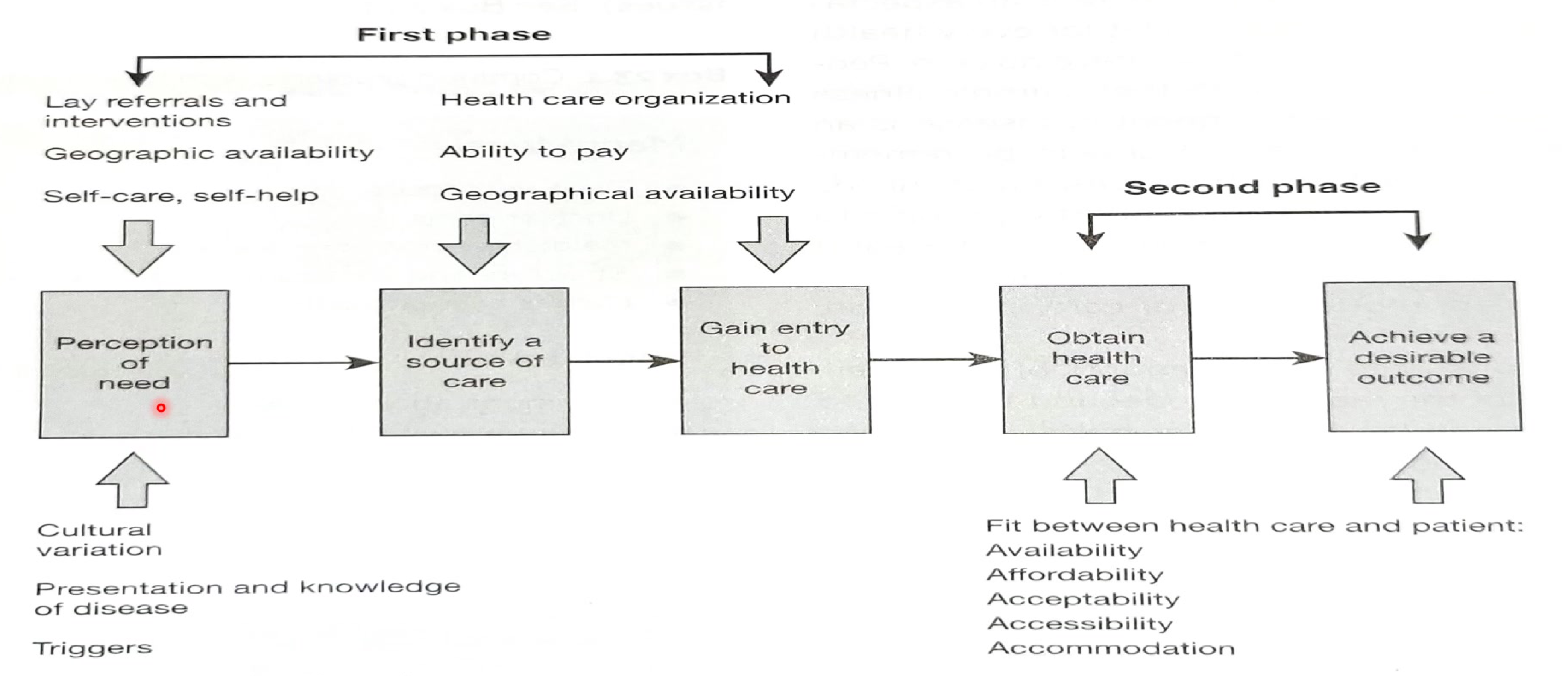
Process Continuum
- Perception of need
- Identify a source of care
- Gain entry to health care
- Obtain health care
- Achieve a desirable outcome
Lecturer — Barriers to Access
Access to dental care is a process in which multiple factors operate together.
- Decisions to seek care may be affected by knowledge, social circumstances, income, education and social relationships.
- Geographic location, service availability, affordability and perceived need can also influence the decision.
- Even when a person wants to seek care, structural or practical barriers may interrupt the process.
Modifying Factors
-
Pre-entry factors:
- Cultural variation
- Presentation and knowledge of disease
- Triggers
- Perceptions of costs and benefits
-
Care acquisition factors (Fit between health care and patient):
- Availability
- Affordability
- Acceptability
- Accessibility
- Accommodation
Lecturer — Service Availability
Geographic and financial barriers can substantially restrict access to dental care.
- Remote residence may limit access because services are unavailable or insufficient, particularly in outback areas.
- Financial hardship may prevent a person from visiting a dentist, and the cost is especially important because most dental care is paid for by individuals.
- Dentistry is outside Medicare, while public dental services for adults are sparse, limited and unevenly distributed.
Source: Daly B, Batchelor P, Treasure ET, Watt RG, Essentials in Dental Public Health, Second Edition, Oxford university press.
Inequitable Burden of Oral Disease in Australia
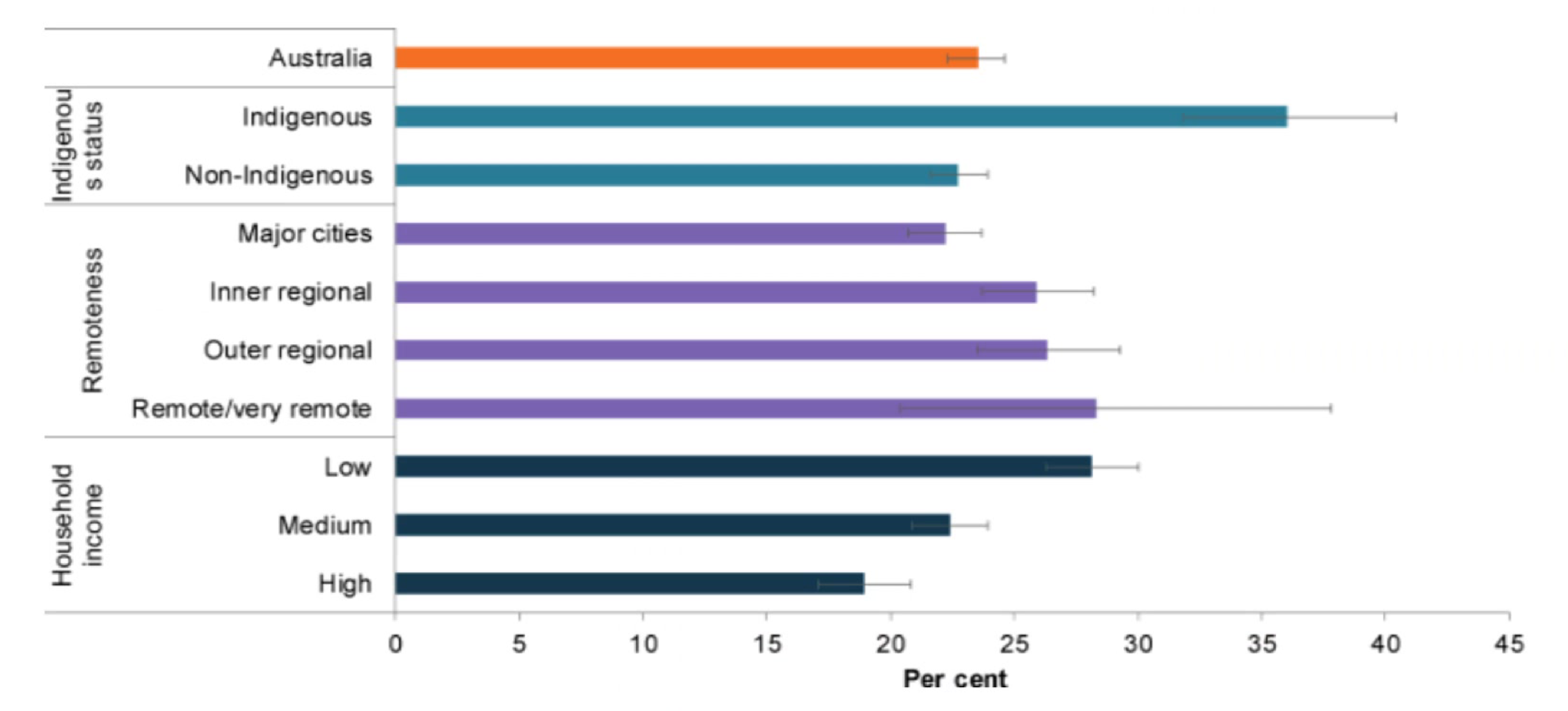
Tooth Decay in Children by Population Groups
Proportion of Children Aged 6–14 with Decay in Permanent Teeth (2012–14)11
Unit: Percent (0–45%)
-
Indigenous status:
- Australia
- Indigenous
- Non-Indigenous
-
Remoteness:
- Major cities
- Inner regional
- Outer regional
- Remote/very remote
-
Household income:
- Low
- Medium
- High
Source: National Child Oral Health Study 2012–14, published in Ha et al. 2016.
Australian Institute of Health and Welfare (2023) Oral health and dental care in Australia, AIHW, Australian Government, accessed 15 January 2024.
Lecturer — Untreated Decay
Untreated decay is particularly useful for understanding oral health inequality.
- It reflects both disease experience and whether treatment has been obtained.
- Measuring oral health burden may also include permanent tooth decay, primary tooth decay, periodontal disease, and tooth loss.
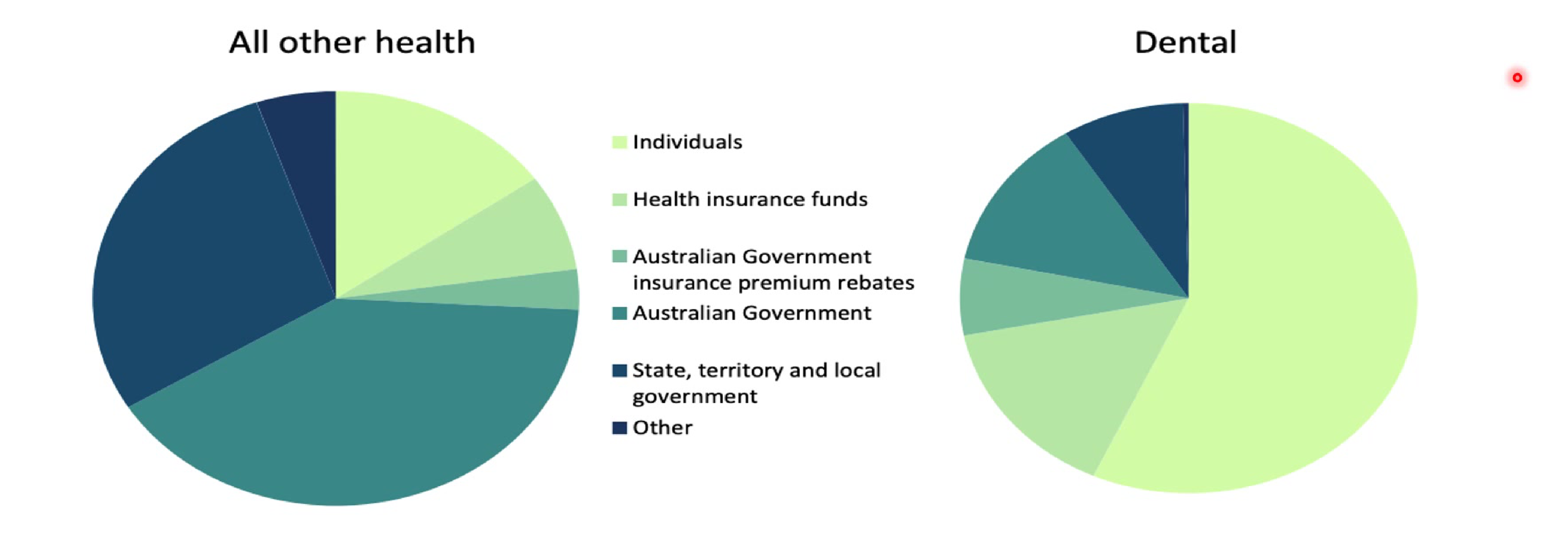
Cost of Dental Care12
In 2011–12, individuals were responsible for 57% of the total cost of dental care compared with only 12% of the cost of all other health services.
Lecturer — Dental Costs
Most dental care in Australia is paid for by the individual because dentistry is outside Medicare.
- These arrangements create challenges for people who cannot afford private dental care.
- The current cost-of-living crisis may cause dental care to be prioritised below food and household expenses.
Figure 5: Total expenditure by source.
Source: Government of Australia. Healthy Mouths Healthy Lives - AUSTRALIA’S NATIONAL ORAL HEALTH PLAN 2015 - 2024. Adelaide; 2016.
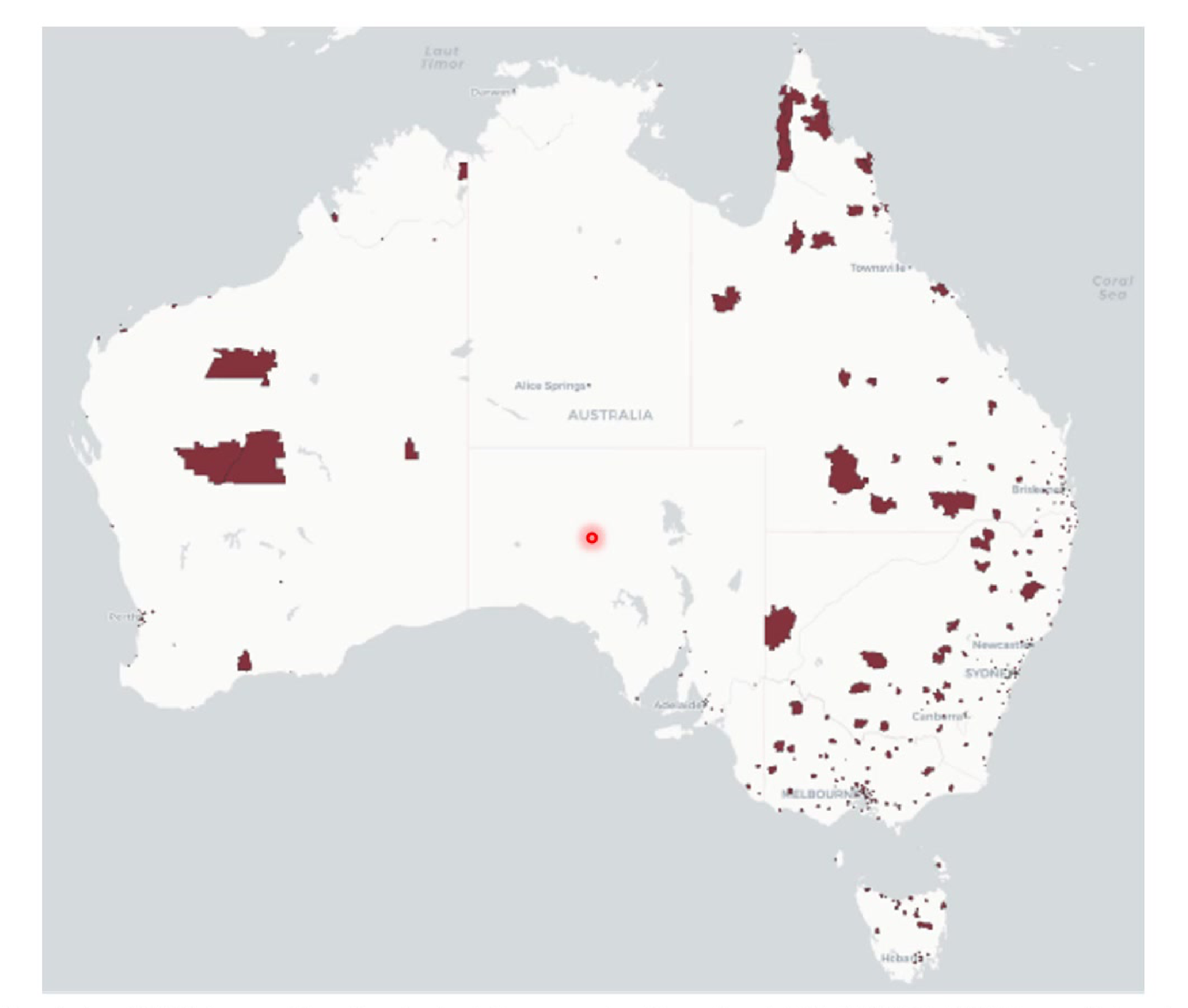
Distribution of Public Dental Services13
Distribution of adult public dental services — Australia.
Lecturer — Service Distribution
Adult public dental services in Australia are sparse, particularly in outback areas.
- Services may be limited and sporadic.
- Uneven distribution can make appropriate dental care unavailable or difficult to reach, contributing to poorer oral health.
Preventable Hospitalisations
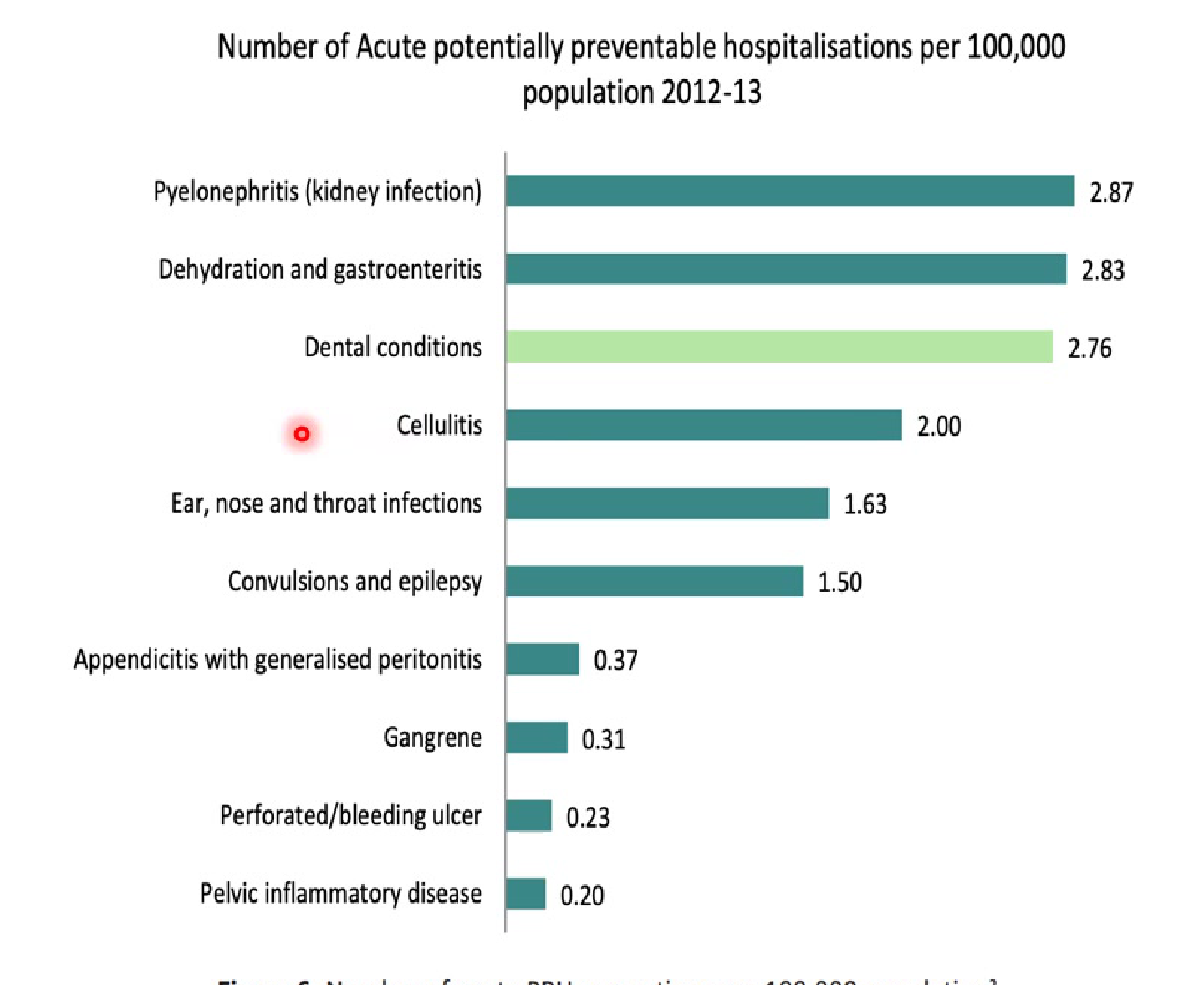
Inequalities in oral health care eventually lead to higher preventable hospitalisations.
Number of Acute Potentially Preventable Hospitalisations (PPH) per 100,000 Population (2012–13)14
- Pyelonephritis (kidney infection): 2.87
- Dehydration and gastroenteritis: 2.83
- Dental conditions: 2.76
- Cellulitis: 2.00
- Ear, nose and throat infections: 1.63
- Convulsions and epilepsy: 1.50
- Appendicitis with generalised peritonitis: 0.37
- Gangrene: 0.31
- Perforated/bleeding ulcer: 0.23
- Pelvic inflammatory disease: 0.20
Lecturer — Preventable Hospitalisations
Potentially preventable hospitalisations can indicate how effectively primary care is functioning.
- When dental conditions lead to hospitalisation, this may indicate that earlier or more accessible primary dental care was not obtained.
- The lecturer also stated that dental conditions ranked even higher among chronic conditions.
 | 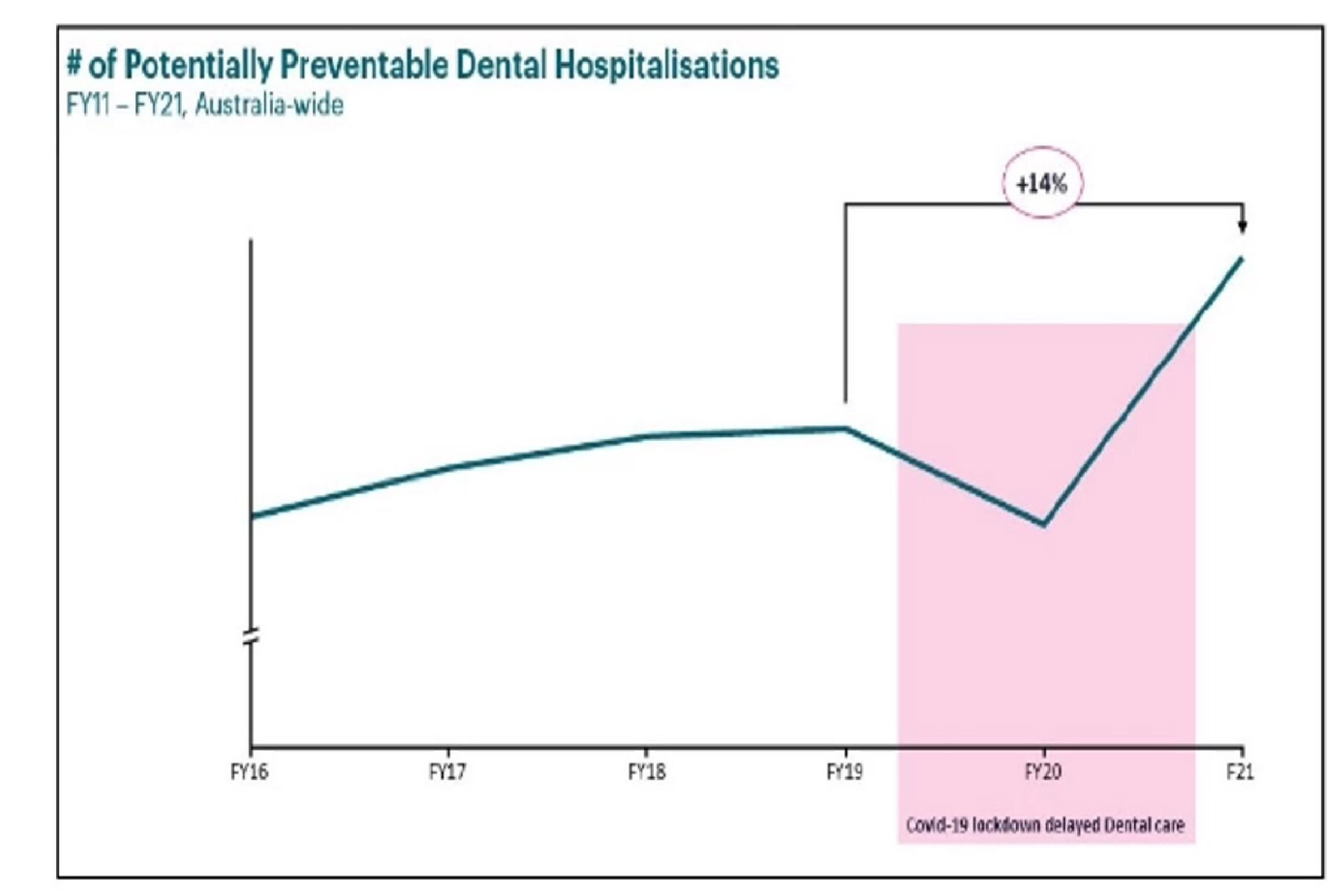 |
Potentially Preventable Dental Hospitalisations (FY11–FY21, Australia-wide)
- Overall increase: +14%
- COVID-19 lockdown delayed dental care (tracked across FY16, FY17, FY18, FY19, FY20, FY21)
Covid Cavities
The COVID-19 pandemic and associated lockdowns restricted people’s ability to attend dental appointments, but did not stop oral bacteria or existing caries from progressing.
- Existing caries could worsen while people were unable to see a dentist.
- Potentially preventable dental hospitalisations subsequently increased, a situation referred to as “Covid cavities”.
- The example illustrates how government policies and broader structural conditions can directly affect oral disease and hospitalisation.
Source: Government of Australia. Healthy Mouths Healthy Lives - AUSTRALIA’S NATIONAL ORAL HEALTH PLAN 2015 - 2024. Adelaide; 2016.
Parliament of Australia, Senate enquiry 2023-24: https://www.aph.gov.au/Parliamentary_Business/Committees/Senate/Dental_Services_in_Australia/DentalServices/Final_report/Chapter_2_-_A_system_in_decay
Revision15
Let’s revise.
Lecturer — Oral Health Determinants
Health inequalities are uneven differences in health outcomes or disease burden, whereas health inequities are inequalities produced by injustice and avoidable unfair circumstances.
- Oral health is shaped by proximal, intermediate, structural, commercial, enabling, and disabling determinants.
- Social determinants include non-dental factors that contribute to poor oral health or promote good oral health.
- Access depends on a person’s propensity and ability to seek care, as well as the availability and affordability of services.
- Despite overall improvements, the burden of oral disease in Australia remains inequitable.
 |  |
 |
Closing16
Lecturer — Next Recordings
The next recording was to address positive and population-level approaches to tackling oral health inequalities, including the Ottawa Charter and its principles.
- The Ottawa Charter was identified as important for planning a community oral health program.
- A later recording would address social dentistry and the dentist’s role in responding to existing inequalities.
- This would include social responsibilities and incorporating social determinants of health into daily dental practice.
Audio Appendix
Additional Audio Content
The following sections from the lecture audio did not correspond to any heading in the main document.
Enabling Processes
- Enabling factors can support better oral health and promote equity.
- Improving oral health requires attention to the broader conditions of people’s lives, not only to oral hygiene or treatment.
- Enabling processes may include:
- Respect.
- Empowerment.
- Rights.
- Opportunities.
- Safe and affordable housing.
- Strengthening a person’s general living conditions.
- The lecturer described health as a by-product of general life and wellbeing. Oral health is connected with the broader circumstances in which people live.
Example: Rights and Aboriginal Health
- When asked how health could be improved, an Aboriginal person might respond by asking for rights.
- This example illustrates that general wellbeing, empowerment and respect are important foundations for health.
- Improving oral health requires strengthening and empowering people more broadly, rather than addressing disease only within the mouth.
Disabling Processes
- Disabling processes are also described as barriers.
- They can prevent determinants from operating in ways that support good oral health.
- Examples include:
- Discrimination.
- Homelessness.
- Poverty.
- Lack of affordable housing.
- Lack of service availability.
- Inadequate healthcare resources.
- Child abuse and neglect.
- These barriers can contribute both to poor oral health and to inequitable access to oral healthcare.
Example: Homelessness and Housing
- A person experiencing homelessness may require safe and affordable housing as part of an effort to improve health.
- If safe and affordable housing is not provided, the person faces a barrier to general wellbeing and oral health.
Example: Child Abuse and Neglect
- Child abuse and neglect may be associated with traumatic dental injuries.
- Neglect may also contribute to extensive dental caries.
- The child may not have been adequately supervised in brushing their teeth.
- The resulting disease should not be attributed only to plaque or to the child’s individual behaviour; broader circumstances are also involved.
Outcome
- Oral health outcomes are influenced by the interaction of:
- Structural conditions.
- Intermediate social and material circumstances.
- Proximal biological and behavioural factors.
- Enabling factors.
- Disabling factors.
- The framework helps explain how the same factors can:
- Promote equity when they enable access and wellbeing.
- Produce inequity when they create barriers or reflect injustice.
Framework Components
The framework links:
- Structural determinants.
- Intermediate determinants.
- Proximal determinants.
- Enabling processes.
- Disabling processes or barriers.
- Oral health outcomes.
The framework demonstrates that:
- Oral diseases are produced through multiple interacting causes.
- Social and political conditions can influence behaviours and material circumstances.
- Access to care is shaped by the same broader determinants that influence disease risk.
- Equity requires attention to the conditions that enable people to achieve and maintain oral health.
Footnotes
-
Original PDF page 1: L4 Oral health inequalities recording 1 slides, p.1 ↩
-
Original PDF page 2: L4 Oral health inequalities recording 1 slides, p.2 ↩
-
Original PDF page 3: L4 Oral health inequalities recording 1 slides, p.3 ↩
-
Original PDF page 4: L4 Oral health inequalities recording 1 slides, p.4 ↩
-
Original PDF page 5: L4 Oral health inequalities recording 1 slides, p.5 ↩
-
Original PDF page 6: L4 Oral health inequalities recording 1 slides, p.6 ↩
-
Original PDF page 8: L4 Oral health inequalities recording 1 slides, p.8 ↩
-
Original PDF page 9: L4 Oral health inequalities recording 1 slides, p.9 ↩
-
Original PDF page 10: L4 Oral health inequalities recording 1 slides, p.10 ↩
-
Original PDF page 11: L4 Oral health inequalities recording 1 slides, p.11 ↩
-
Original PDF page 12: L4 Oral health inequalities recording 1 slides, p.12 ↩
-
Original PDF page 13: L4 Oral health inequalities recording 1 slides, p.13 ↩
-
Original PDF page 14: L4 Oral health inequalities recording 1 slides, p.14 ↩
-
Original PDF page 15: L4 Oral health inequalities recording 1 slides, p.15 ↩
-
Original PDF page 16: L4 Oral health inequalities recording 1 slides, p.16 ↩
-
Original PDF page 17: L4 Oral health inequalities recording 1 slides, p.17 ↩