HIV, Hepatitis B and Hepatitis C1
DMD3 DENT5311
Dr Jee-Yun Leung
BDSc(Hons) MSc(SpecCareDent) DSCD(RCS Eng) DClinDent(SND) MRACDS(SND) FANZASND
Consultant, Special Needs Dentistry | Fiona Stanley Fremantle Hospital Group
Senior Lecturer | The University of Western Australia
Learning Outcomes23
- Outline key clinical features and disease progression of blood-borne viruses (HIV, Hepatitis B, Hepatitis C)
- Appreciate the epidemiology of BBVs over time
- Understand the evolution of BBV treatment over time
- Describe BBV-related oral disease, and side-effects of medications
- Understand BBV-transmission, risks and infection control
- Discuss professional obligations under the Australian national guidelines for the management of healthcare workers living with BBV and healthcare workers who perform exposure prone procedures at risk of exposure to blood borne viruses
Human Immunodeficiency Virus and Acquired Immunodeficiency Syndrome
- HIV Infection: Infection with human immunodeficiency virus (HIV), a retrovirus, causes HIV disease and ultimately damages certain T lymphocytes, producing the acquired immune deficiency syndrome (AIDS).
- AIDS is a lethal infection, and the final and most advanced stage of infection caused by HIV. Defined as [1] HIV infection plus [2] one or more AIDS-defining (opportunistic) illnesses, and [3] a CD4 T-lymphocyte count <200 × 10⁶/L (or a CD4+ T-cell percentage of total lymphocytes of <14%)
Lecturer — AIDS Definition
AIDS may be defined by HIV infection with an AIDS-defining illness, a CD4 count below 200 × 10⁶/L, or a CD4 percentage below 14% of total lymphocytes.
Some AIDS-Defining Illnesses4
| Category | Illnesses |
|---|---|
| Fungi | Candidosis: oesophageal; Pneumocystis jiroveci pneumonia; Cryptococcosis; Histoplasmosis |
| Viruses | Herpes simplex: chronic ulcers for more than a month; Cytomegalovirus disease |
| Parasites | Toxoplasmosis |
| Mycobacteria | Tuberculosis: disseminated or extrapulmonary; Atypical mycobacterioses |
| Tumours | Kaposi’s sarcoma (HHV-8); Lymphoma (EBV); Cervical carcinoma (HPV) |
| Encephalopathy | HIV-related |
HIV Types and Clinical Categories5
- Two main types of HIV:
- HIV-1 = most common. Prevalent throughout the world and responsible for the global HIV pandemic
- HIV-2 = geographic distribution much more limited, found primarily in West Africa. Less transmissible, slower disease progression
- Both infect cells expressing CD4 surface receptors, mainly the T-helper lymphocytes, and replicate within them, damaging them.
Clinical Categories Based on CD4 Count6
- Patients are distributed in three categories based on clinical features:
- A: asymptomatic, acute infection or persistent generalised lymphadenopathy: >500 × 10⁶/L
- B: symptomatic, no acute or chronic conditions: 200–500 × 10⁶/L
- C: AIDS-defining illnesses: <200 × 10⁶/L
- → vulnerable to opportunistic infections

Level of Immunocompromise
Australian Centre for Disease Control — Australian Immunisation Handbook
| Level of immunocompromise | Infants aged <12 months, CD4⁺ count | Children aged 1–5 years, CD4⁺ count | Adults and children aged ≥6 years, CD4⁺ count |
|---|---|---|---|
| Not immunocompromised | ≥1500 cells/µL | ≥1000 cells/µL | ≥500 cells/µL |
| Moderately immunocompromised | 750–1499 cells/µL | 500–999 cells/µL | 200–499 cells/µL |
| Severely immunocompromised | <750 cells/µL | <500 cells/µL | <200 cells/µL |
Lecturer — CD4 Interpretation
CD4 counts below 500 indicate immunocompromise, while counts below 200 indicate advanced HIV infection or AIDS.
- An absolute neutrophil count below 1 was described as indicating increased immunocompromise.
- The trend in CD4 results is more informative than a single count because levels may fluctuate with other infections, dietary factors, time of day, and recent exercise.
- Unexpectedly high or low results should be checked with a second test where possible, and the CD4 percentage may provide a more stable indication of immune-system changes.
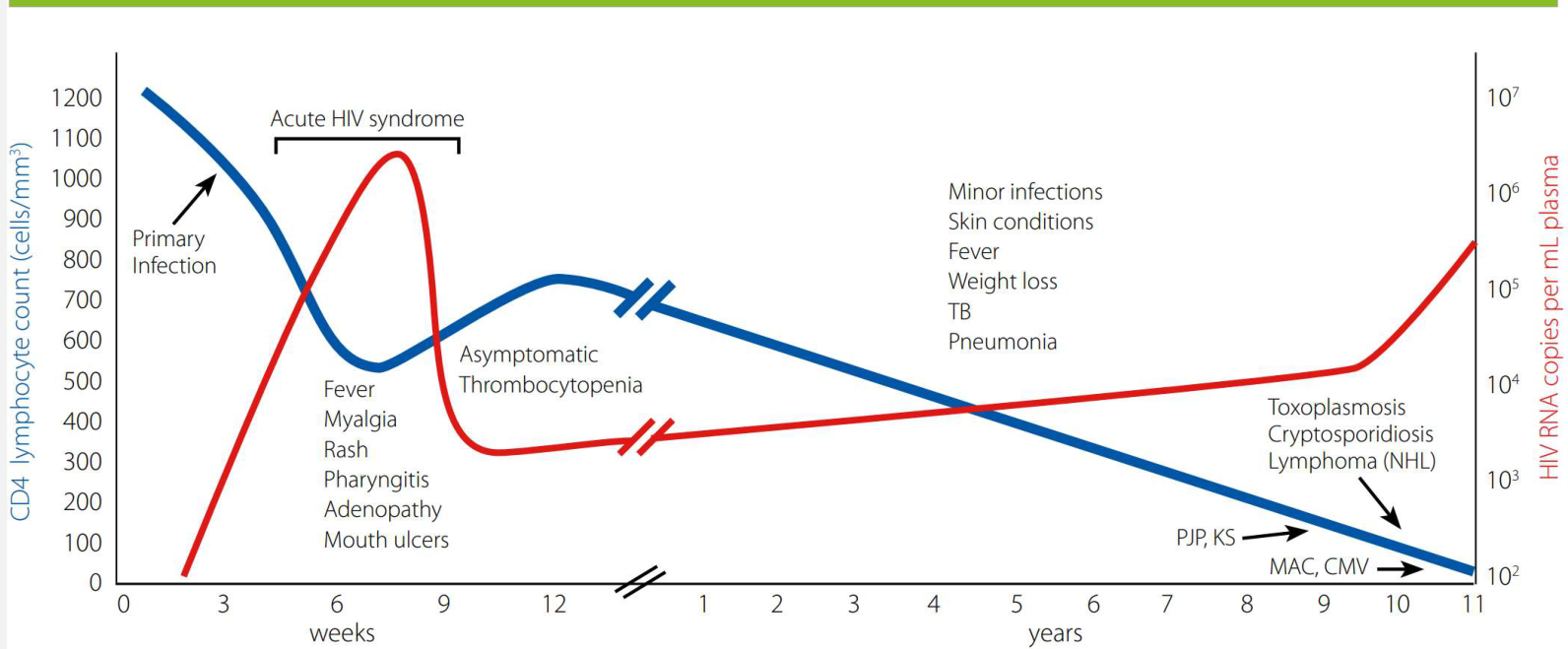
The various stages of untreated HIV infection depicting the development of different opportunistic infections with advanced immunodeficiency.
Stages of Untreated HIV Infection (Figure)7
- Axes: CD4 lymphocyte count (cells/mm³) 0–1200 (blue line); HIV RNA copies per mL plasma 10²–10⁷ (red line); timeline in weeks (0–12) then years (1–11)
- Primary infection: acute HIV syndrome — fever, myalgia, rash, pharyngitis, adenopathy, mouth ulcers
- Asymptomatic phase: thrombocytopenia
- Progressive phase: minor infections, skin conditions, fever, weight loss, TB, pneumonia
- Advanced immunodeficiency: PJP, KS; toxoplasmosis, cryptosporidiosis, lymphoma (NHL); MAC, CMV
Abbreviations: MAC — mycobacterium avium complex; CMV — cytomegalovirus; KS — Kaposi sarcoma; PJP — pneumocystis jirovecii pneumonia; TB — tuberculosis
Lecturer — HIV Disease Stages
The early course includes a window period followed by seroconversion illness and then a prolonged asymptomatic period.
- During the initial window period, which lasts several weeks or months, HIV antibodies are initially undetectable.
- Seroconversion illness occurs approximately two to six weeks after infection and may resemble mononucleosis or influenza; the CD4 count drops, HIV antibodies and HIV-specific cytotoxic T cells become detectable, and peak viral load corresponds with illness severity.
- After acute illness resolves, the immune response lowers the viral load and raises the CD4 count, but the virus is not cleared and the CD4 count does not return to its pre-infection level.
- The clinical asymptomatic period lasts approximately two to ten years, with a gradual CD4 decline of about 80 cells/µL per year; symptoms such as weight loss and increasing infections begin as the count falls below 500 cells/µL.
If untreated, progression to AIDS occurs a median of 10 years after initial infection with HIV.
- Moderately immunocompromised = CD4 count <500/µL
- Severely immunocompromised (AIDS) = CD4 count <200/µL
HIV Comorbid Conditions8
HIV/AIDS-Defining Cancers9
- Common:
- Kaposi sarcoma (can occur orally)
- Non-Hodgkin lymphoma (can occur orally)
- Cervical cancer
- Less common:
- HPV oropharyngeal cancers, liver, lung, colon, rectum, anus, testes, skin
Lecturer — Cancer Risk
Immunodeficiency compromises immune surveillance, making the immune system less able to identify and destroy damaged or altered cells. This increases the risk of developing cancers associated with HIV, including oropharyngeal, liver, lung, colorectal, anal, testicular, and skin cancers.
Diffuse large B-cell lymphoma (NHL)
Corti, M., Villafañe, M.F., Solari, R. et al. Non-Hodgkin Lymphomas of the Oral Cavity in AIDS Patients in a Reference Hospital of Infectious Diseases in Argentina: Report of Eleven Cases and Review of the Literature. J Gastrointest Canc 42, 143–148 (2011).
- HIV-associated neurocognitive disorders (HAND)
- 3-level spectrum of cognitive, motor and/or mood problems
- Asymptomatic neurocognitive impairment (ANI)
- Mild neurocognitive disorder (MND)
- HIV-Associated dementia (HAD)
- 3-level spectrum of cognitive, motor and/or mood problems
- Cardiovascular disease (~50% increased risk)
- Haematological disease: anaemia, thrombocytopenia, neutropenia
- Opportunistic or co-infections
Viral Hepatitis Overview10
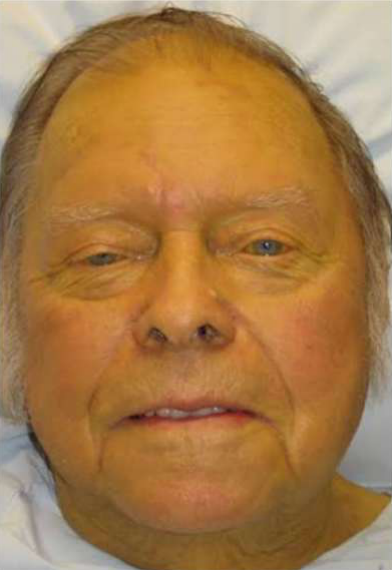
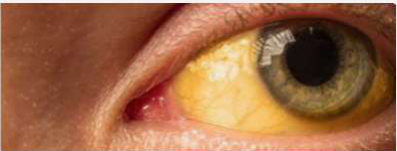
- Hepatitis: term for liver inflammation, and can result from a wide range of insults, from infections to drugs and poisons.
- Features: jaundice, pale/fatty faeces, itching, nausea, fatigue, weight loss, bleeding tendency, upper abdominal discomfort, fever
Lecturer — Hepatitis Effects
Hepatitis can also cause anorexia, vomiting and malabsorption.
- Jaundice may occur when bilirubin is not properly conjugated or excreted, including because of biliary obstruction.
- Bile salts may accumulate in the blood and cause itchiness.
- Reduced bile salt delivery to the intestines can cause malabsorption of fats and fat-soluble vitamins.
- Viral hepatitis: in healthcare, refers to infection by hepatitis B, C or D, which are transmitted parenterally.
- Hepatitis B and C are the most relevant to health care, since delivery of health care has the potential to transmit viral hepatitis to both HCWs and patients
- Hepatitis D may occur as a co-infection with hepatitis B and is transmitted parenterally.
- Hepatitis B and C are the most relevant to health care, since delivery of health care has the potential to transmit viral hepatitis to both HCWs and patients
 |  |
Hepatitis B11
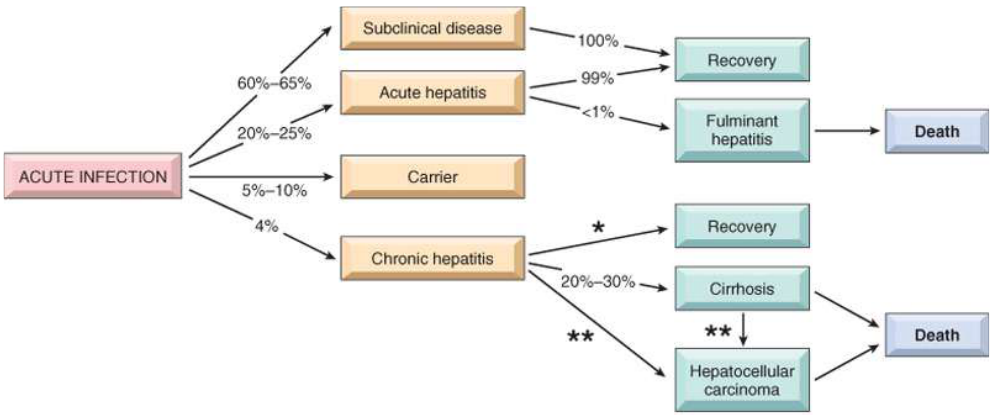
- Definition: inflammation of the liver caused by the parenteral infection with hepatitis B virus.
- The virus is spread through blood contact, and can spread from infected mother to child during birth.
- Hepatitis B can also be transmitted through sexual contact.
Prognosis12
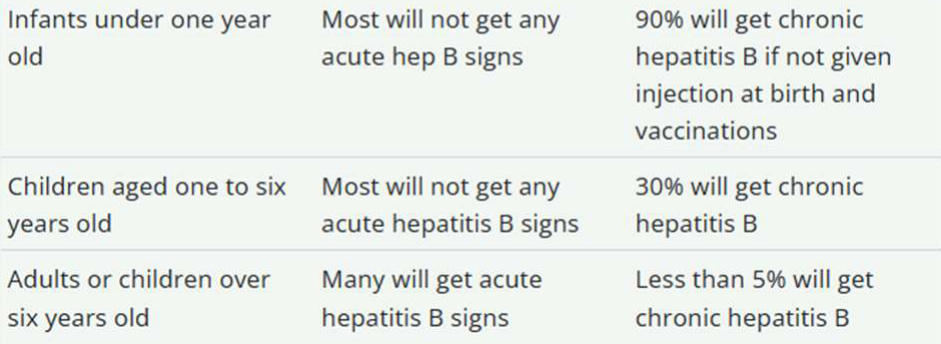
Depends on age when coming into contact with hepatitis B. Can get an acute or chronic illness:
- Acute: may feel symptomatic for a short time, then recover. Some with acute hepatitis B naturally clear the virus.
- Chronic: have virus for life. May not feel unwell, but over time can damage the liver. 6 month wait to find out whether acute hepatitis B becomes chronic.
Lecturer — Hepatitis B Treatment
Many people with chronic hepatitis B have no signs of liver damage and may not require medication.
- Liver check-ups every six to twelve months are important to monitor for liver damage.
- If liver damage develops, medications may be considered.
- There is no complete cure because the virus hides inside the nucleus of human liver cells and creates a stable genetic reservoir called covalently closed circular DNA, or cccDNA.
- Current medications can control viral replication but cannot reach or destroy this reservoir, so treatment suppresses the virus rather than clearing the infection.
| Age (when you first come into contact with the virus) | Acute hepatitis B | Chronic hepatitis B |
|---|---|---|
| Infants under one year old | Most will not get any acute hep B signs | 90% will get chronic hepatitis B if not given injection at birth and vaccinations |
| Children aged one to six years old | Most will not get any acute hepatitis B signs | 30% will get chronic hepatitis B |
| Adults or children over six years old | Many will get acute hepatitis B signs | Less than 5% will get chronic hepatitis B |
| Clinical features | Extra-hepatic clinical features |
|---|---|
| Malaise; weight loss; fatigue; upper abdominal discomfort; jaundice; pale/fatty faeces; bleeding tendency; *chronic liver disease in 5% | Serum sickness-like syndrome; polyarteritis nodosa; glomerulonephritis; polyarthritis; non-Hodgkin lymphoma; cryoglobulinemic vasculitis; dermatological signs: Gianotti-Crosti syndrome (papular acrodermatitis), urticaria |
- Bleeding tendency occurs because the liver produces clotting factors.
 |  |
Hepatitis C13
-
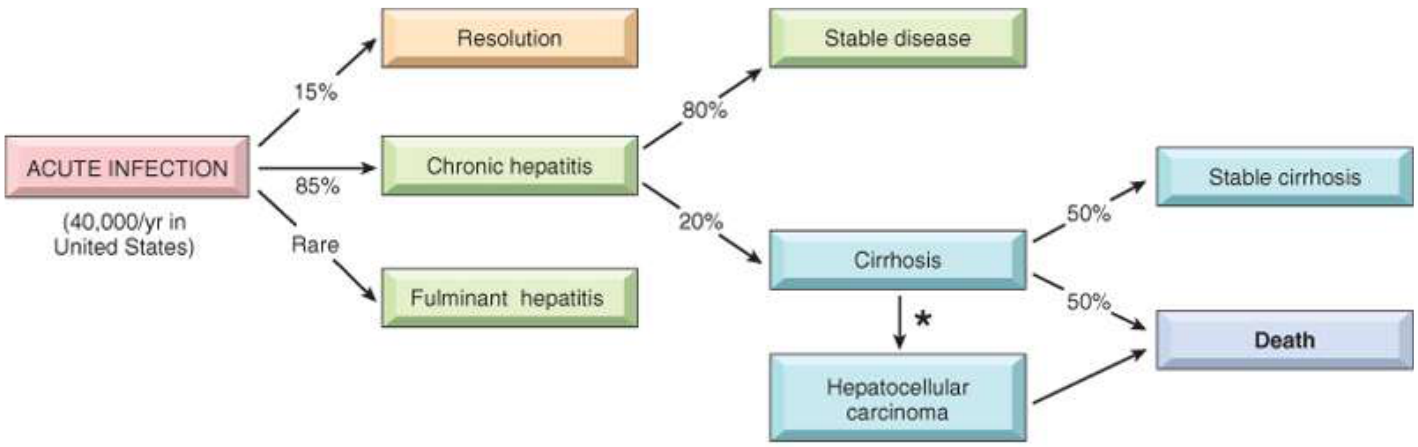
Definition: Inflammation of the liver caused by the parenteral infection with hepatitis C virus. The virus can cause both acute and chronic hepatitis, ranging in severity from a mild illness to a serious, lifelong illness including slow progressive liver cirrhosis and cancer.
-
Prognosis: Long-term impact of infection is highly variable (without treatment)
- 15-25% will spontaneously clear virus without treatment
- 75-85% will develop chronic hepatitis C infection (10-20% develop liver cirrhosis, 2-5% hepatocellular carcinoma)
Clinical Features14
- Malaise
- Weight loss
- Fatigue
- Upper abdominal discomfort
- Jaundice
- Pale/fatty faeces
- Bleeding tendency
- Chronic liver disease in >70%
Extra-Hepatic Clinical Features
- Aplastic anaemia
- Thyroid disease
- Polyarteritis nodosa
- Glomerulonephritis
- Peripheral neuropathy
- Autoimmune disease
- Sialadenitis
- Liver cancer
Liver Cirrhosis1516
-
See GIT/Hepatology lecture
-
Compensated liver cirrhosis = stable phase of the disease, with good long-term prognosis if the cause of cirrhosis is treated.
-
Decompensated liver cirrhosis =
- associated with high mortality
- defined clinically by the presence of complications: ascites, hepatic encephalopathy, variceal haemorrhage or nonobstructive jaundice.
-
Patients may move between decompensated and compensated disease states, depending on response to treatments, acute events and disease progression.
-
Liver failure (end-stage cirrhosis) = impairment of the synthetic or metabolic functions of the liver.
-
Both hepatitis B and hepatitis C can eventually lead to liver cirrhosis.
-
Dental treatment carries significant risks in patients with decompensated cirrhosis.
Modes of Transmission and At-Risk Populations17
-
HIV = blood, semen / vaginal / rectal fluids (sexual contact)
- Injecting drug use
- Vertically from mother to child
- Men who have sex with men
-
Hep B = blood, semen / vaginal / rectal fluids (sexual contact)
- Vertical transmission from mother to child at birth
-
Hep C = blood
- Strongly associated with risky injecting behaviour
- Blood transfusion or transplant, or blood product for clotting disorder, before 1993 (Hep C)
- Long-term renal dialysis
-
Screening had not yet been introduced before 1993.
Epidemiology
Australian Centre for Disease Control18
Home > Diseases and surveillance > Surveillance systems and networks
National Notifiable Diseases Surveillance System (NNDSS)
The NNDSS coordinates data on more than 70 diseases that present a risk to public health in Australia. This helps us identify trends in diseases, assess the impact of disease control programs and develop evidence-informed advice to reduce the impact of these diseases.
Lecturer — Surveillance Methods
Australian infectious-disease epidemiology is monitored through several complementary data sources.
- Case reporting, behavioural surveys, biological surveys and clinical data collection are used.
- The Kirby Institute at the University of New South Wales coordinates national surveillance and reporting for HIV, viral hepatitis and sexually transmissible infections on behalf of the Australian Government.
National Health Security (National Notifiable Disease List) Instrument 2018
Made under section 11 of the National Health Security Act 2007
- Compilation No. 7
- Compilation date: 22 May 2026
- Includes amendments: F2026L00611
UNSW Kirby Institute
HIV/AIDS Notifications
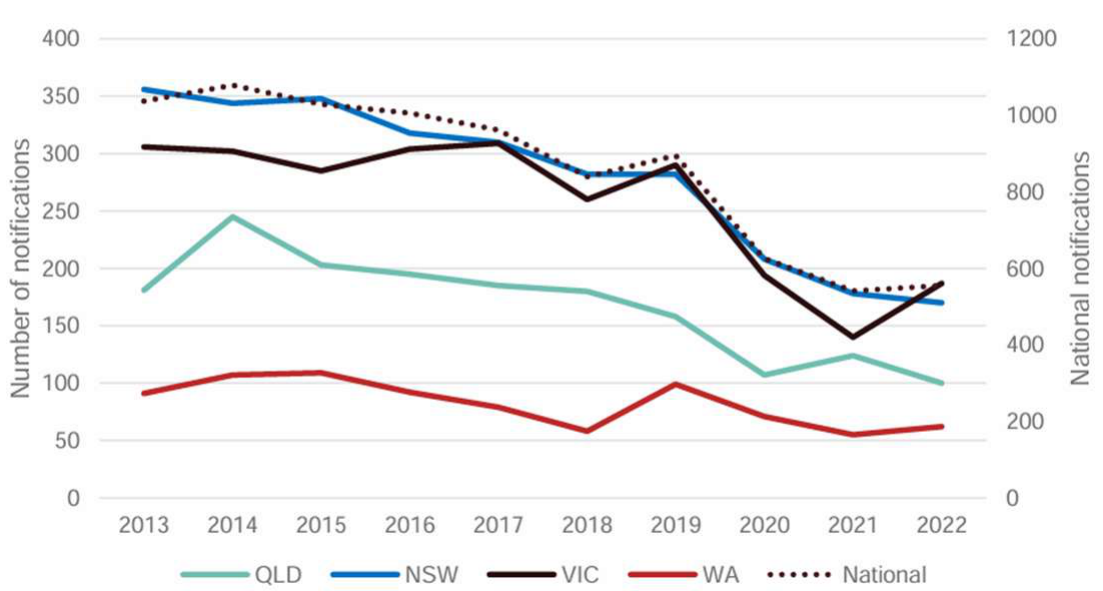
HIV/AIDS19
-
Left chart: Number of notifications (y-axis 0–400, increments of 50)
-
Right chart: National notifications (y-axis 0–1200, increments of 200)
-
X-axis (both charts): 2013, 2014, 2015, 2016, 2017, 2018, 2019, 2020, 2021, 2022
-
Series: QLD, NSW, VIC, WA, National
-
HIV diagnoses in Australia have halved over the last decade.
-
New diagnoses have fallen significantly since 2014.
-
Increased HIV testing, treatment as prevention, improved treatment adherence, post-exposure prophylaxis and pre-exposure prophylaxis contributed to the decline.
-
When viral load is undetectable through effective treatment, the risk of transmission was described as zero.
Hepatitis B Notifications20
Age-standardised rate per 100 000 (y-axis 0–140; years 2012–2021):
| 2012 | 2013 | 2014 | 2015 | 2016 | 2017 | 2018 | 2019 | 2020 | 2021 | |
|---|---|---|---|---|---|---|---|---|---|---|
| ACT | 26.8 | 27.0 | 23.9 | 19.9 | 20.7 | 20.2 | 19.0 | 18.1 | 16.8 | 14.9 |
| NT | 79.2 | 127.7 | 61.9 | 61.9 | 42.8 | 40.5 | 32.7 | 32.5 | 34.3 | 12.2 |
| SA | 25.3 | 20.9 | 23.1 | 21.3 | 19.8 | 17.6 | 16.3 | 17.8 | 15.0 | 11.3 |
| TAS | 15.5 | 12.6 | 13.3 | 9.3 | 8.8 | 9.0 | 9.1 | 13.3 | 10.4 | 14.5 |
| Australia | 27.8 | 28.8 | 27.9 | 26.6 | 26.5 | 24.4 | 23.9 | 23.0 | 19.8 | 18.4 |
Most people living with chronic hepatitis B in Australia were born overseas and acquired hepatitis B at birth or in early childhood.
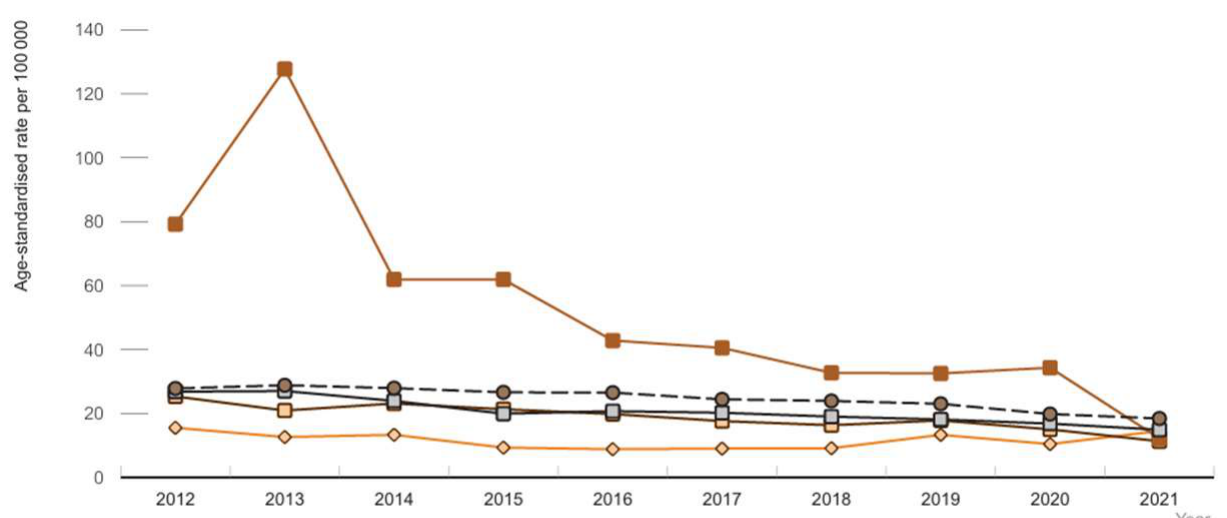 |  |
Downward Trend
Likely related to:
-
Vaccination programs being introduced in countries that many Australian migrants emigrate from
-
Maternal screening and vaccination of infants born to women with Hep B
-
Hepatitis B vaccination for all infants in Australia was introduced around 1999–2000.
Aboriginal and Torres Strait Islander (ATSI) Populations
Notification rate among ATSI peoples was more than twice as high compared with the non-Indigenous population:
-
Reflective of higher prevalence of chronic Hep B among ATSI peoples
-
This may relate to historical vertical and early-childhood transmission before vaccination.
-
Transmission through sharing among people who inject drugs is an additional risk factor.
-
Rates are higher in the Northern Territory, reflecting the population distribution of Aboriginal and Torres Strait Islander people. https://www.kirby.unsw.edu.au/sites/default/files/documents/Annual-Surveillance-Report-2022_HBV.pdf
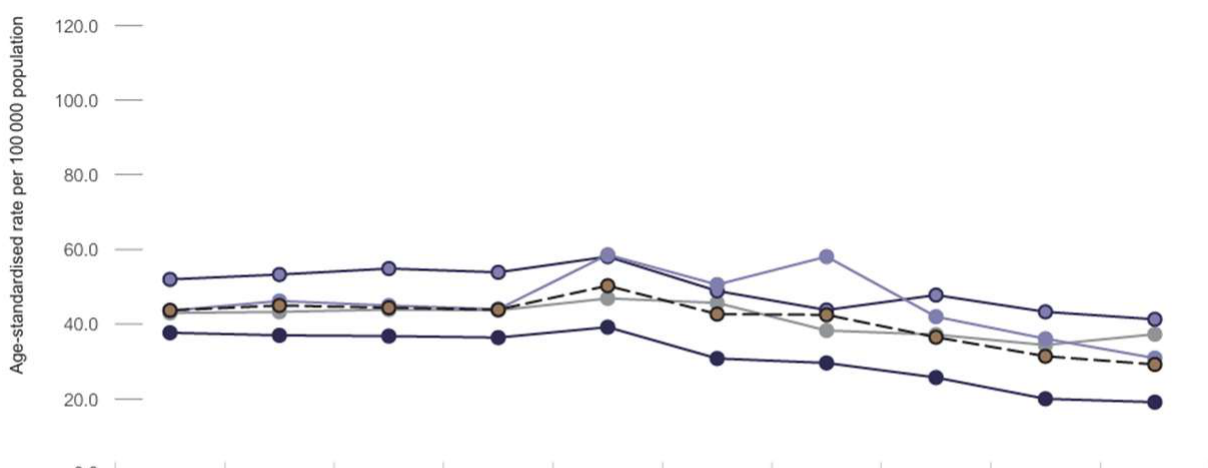
Hepatitis C Notifications21
Age-standardised rate per 100 000 population (y-axis 0–120.0; years 2012–2021):
| 2012 | 2013 | 2014 | 2015 | 2016 | 2017 | 2018 | 2019 | 2020 | 2021 | |
|---|---|---|---|---|---|---|---|---|---|---|
| NSW | 43.6 | 46.2 | 45.0 | 44.0 | 58.6 | 50.6 | 58.1 | 42.0 | 36.1 | 30.9 |
| QLD | 52.0 | 53.3 | 54.9 | 53.9 | 58.1 | 48.9 | 43.8 | 47.8 | 43.3 | 41.3 |
| VIC | 37.7 | 37.0 | 36.8 | 36.4 | 39.2 | 30.8 | 29.6 | 25.7 | 20.0 | 19.1 |
| WA | 43.0 | 43.3 | 43.9 | 43.7 | 46.9 | 45.7 | 38.3 | 37.2 | 34.4 | 37.3 |
| Australia | 43.7 | 45.0 | 44.4 | 43.9 | 50.3 | 42.7 | 42.5 | 36.5 | 31.4 | 29.2 |
Uptake of hepatitis C treatment is resulting in a population level decline of hepatitis C transmission.
-
In March 2016, DAA regimens became subsidised by the Pharmaceutical Benefits Scheme (PBS) for hepatitis C treatment.
-
Uptake of DAA therapies was initially high but has since steeply declined.
-
Hepatitis C treatment is now highly effective.
 |  |
Aboriginal and Torres Strait Islander (ATSI) Populations
No declines in hepatitis C notifications amongst ATSI peoples:
- Suggests inequity in the availability of DAAs as well as resources directed toward harm reduction.
- Hepatitis C notification rates remain several-fold higher among ATSI people compared to non-Indigenous people.
https://www.kirby.unsw.edu.au/sites/default/files/documents/Annual-Surveillance-Report-2022_HCV.pdfv
Treatment Over Time22
HIV Treatment23
-
No cure for HIV infection
-
Several anti-retroviral drugs available, though costly and often associated with resistance and/or adverse reactions
- Nucleoside reverse transcriptase inhibitors (NRTI), non-nucleoside reverse-transcriptase inhibitors (NNRTI), protease inhibitors (PI), integrase inhibitors, entry inhibitors
- Multiple drugs required → high pill-burden → poor compliance
-
Advent of specific anti-retroviral agent combinations 1996 = highly active anti-retroviral therapy (HAART)
- Especially increased antiviral activity
- Reduced pill-burden → improved compliance
-
Usually takes 12–24 weeks of therapy for viral suppression below limits of detection
-
Single-tablet, once-daily combinations containing three antiretroviral drugs improved adherence
-
Newer drugs have greater potency, improved pharmacokinetic properties, less frequent dosing, fewer pills, less intolerance and less toxicity
-
Combination class agents:
- Atripla = efavirenz, emtricitabine, tenofovir
- Eviplera = rilpivirine, emtricitabine, tenofovir
- Stribild = elvitegravir, cobicistat, tenofovir, emtricitabine
- Triumeq = abacavir, dolutegravir, lamivudine
- Biktarvy = bictegravir, emtricitabine, tenofovir
Box 20.1 Main antiretroviral agents24
1. Reverse transcriptase inhibitors
Nucleoside/nucleotide reverse transcriptase inhibitors (NRTIs)
- Abacavir (ABC)
- Didanosine (ddI)
- Emtricitabine (FTC)
- Lamivudine (3TC)
- Stavudine (d4T)
- Tenofovir (TDF)
- Zidovudine (AZT, ZDV)
Non-nucleotide reverse transcriptase inhibitors (NNRTIs)
- Delavirdine (DLV)
- Efavirenz (EFV)
- Etravirine (ETR)
- Nevirapine (NVP)
- Rilpivirine (RPV)
2. Protease inhibitors (PIs)
- Atazanavir (ATV)
- Darunavir (DRV)
- Fosamprenavir (FPV)
- Indinavir (IDV)
- Lopinavir (LPV)
- Nelfinavir (NFV)
- Ritonavir (RTV)
- Lopinavir/ritonavir (LPV/r)
- Saquinavir (SQV)
- Tipranavir (TPV)
- Amprenavir (APV)
3. Integrase inhibitor
- Raltegravir (RAL)
4. Entry inhibitor
Fusion inhibitors
- Enfuvirtide (ENF, T-20)
CCR5 antagonist
- Maraviroc (MVC)
Hepatitis B Treatment25
- Effective immunisation available as part of the childhood schedule
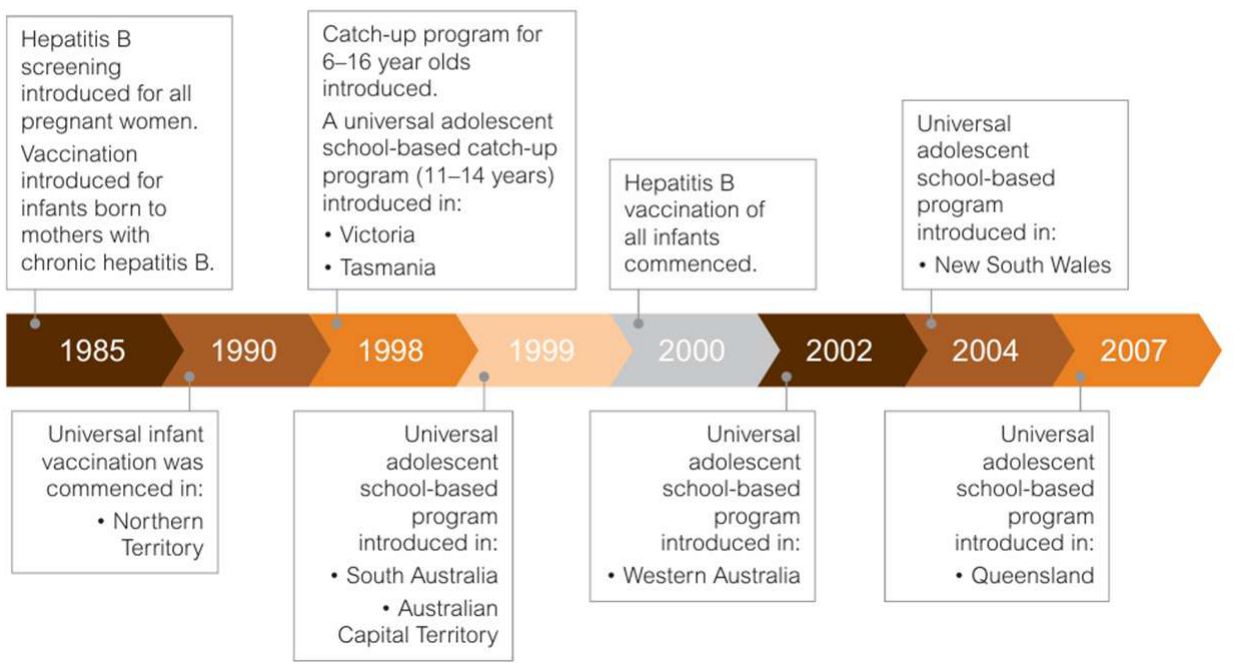
Timeline of Hepatitis B Vaccination Programs in Australia26
-
1985 – Hepatitis B screening introduced for all pregnant women. Vaccination introduced for infants born to mothers with chronic hepatitis B.
-
1990 – Catch-up program for 6–16 year olds introduced. A universal adolescent school-based catch-up program (11–14 years) introduced in:
- Victoria
- Tasmania
-
1998 – Universal infant vaccination commenced in:
- Northern Territory
-
1999 – Universal adolescent school-based program introduced in:
- South Australia
- Australian Capital Territory
-
2000 – Hepatitis B vaccination of all infants commenced.
-
2002 – Universal adolescent school-based program introduced in:
- Western Australia
-
2004 – Universal adolescent school-based program introduced in:
- New South Wales
-
2007 – Universal adolescent school-based program introduced in:
- Queensland
-
BUT no cure for hepatitis B
- Persists in infected hepatocytes as covalently closed circular DNA (cccDNA)
-
Currently, there is no evidence of benefit to support treating everyone who lives with hepatitis B.
-
Focus of acute hepatitis B: supportive care (e.g. rest, proper nutrition, hydration) and monitoring liver function
-
Medications help an individual live well with the virus, but are not a cure.
- Usually only need to take medications if signs of cirrhosis or ongoing liver damage (even if have chronic hepatitis B)
- Reduce likelihood of liver disease or hepatocellular carcinoma
- Need to be taken daily
-
People with chronic hepatitis B require monitoring for liver damage
Hepatitis C Treatment27
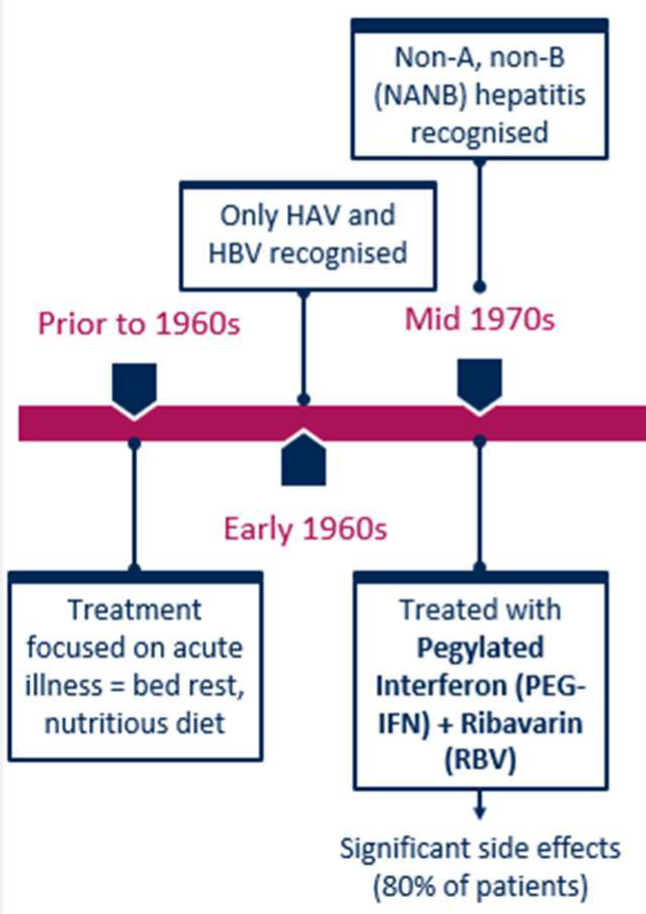
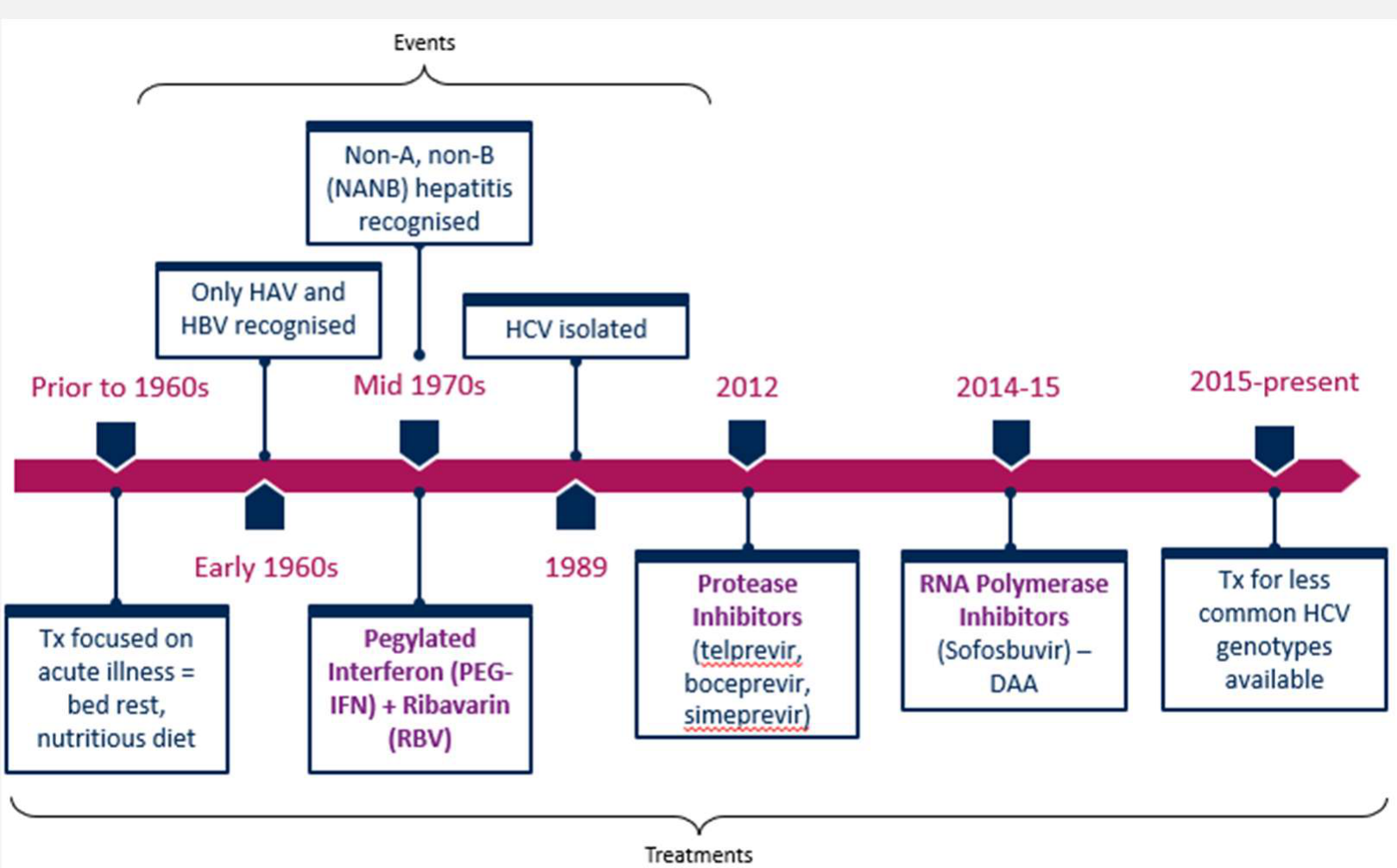
Historical Recognition and Treatment28
- Prior to 1960s – Treatment focused on acute illness = bed rest, nutritious diet
- Early 1960s – Only HAV and HBV recognised
- Mid 1970s – Non-A, non-B (NANB) hepatitis recognised
- Treated with Pegylated Interferon (PEG-IFN) + Ribavirin (RBV)
- Significant side effects (80% of patients)
Lecturer — Interferon Treatment
Interferon-based treatment had limited sustained biological effectiveness.
- Recombinant interferon achieved a sustained biological response in approximately 6% of patients.
- Ribavirin was ineffective as monotherapy, but combining it with interferon increased the sustained response rate to approximately 34%.
- Pegylated interferon increased the sustained response rate to approximately 56% by extending the drug’s half-life through attachment of polymer chains, which reduced renal clearance.
The Time Course of Side Effects Associated with Interferon
-
Severity over IFN treatment weeks (0–12):
- Early/throughout: flu-like symptoms, fatigue, depressive/anxiety symptoms
- Later: neutropenia, thrombocytopenia, anemia
-
Autoimmune disorders such as psoriasis and rheumatoid arthritis
-
Aggressive behaviour, hallucinations, mania and suicidal ideation
-
Stroke and hypothyroidism Courtesy of Nezam H Afdhal, MD and T Barry Kelleher, MD, MRCPI.
Events and Treatments Timeline29
- Prior to 1960s – Tx focused on acute illness = bed rest, nutritious diet
- Early 1960s – Only HAV and HBV recognised
- Mid 1970s – Non-A, non-B (NANB) hepatitis recognised
- 1989 – HCV isolated
- 2012 – Pegylated Interferon (PEG-IFN) + Ribavirin (RBV)
- 2014–15 – Protease Inhibitors (telaprevir, boceprevir, simeprevir); RNA Polymerase Inhibitors (Sofosbuvir) – DAA
- 2015–present – Tx for less common HCV genotypes available
Lecturer — Direct-Acting Antivirals
Direct-acting antiviral treatment changed the course of hepatitis C therapy.
- In 2012, protease inhibitors became available as the first direct-acting antivirals, initially only for genotype 1 and used as monotherapy.
- In 2014, interferon-free treatment became available with sofosbuvir, transforming hepatitis C treatment.
- Hepatitis C could then be cured in approximately 8–12 weeks in nearly all patients.
Interferon-free breakthrough: 2014 — possible to cure a severe, life-threatening chronic infectious disease within 8–12 weeks in nearly all patients!
General Management:
- Lifestyle advice (tobacco and alcohol cessation, high carbohydrate diet, maintaining healthy body weight and diet, advise on sexual transmission)
- Bed rest
- Offer hepatitis A and B immunisations
- Antiviral drugs
- Traditionally PEG-IFN and ribavirin
- Now include direct acting antivirals (DAAs – protease inhibitors and RNA polymerase inhibitors)
- Liver transplant → corticosteroid or immunosuppressive therapy
Summary of Treatments Over Time3031
| HIV | Hep B | Hep C |
|---|---|---|
| - Treatment provided earlier - Less side effects from treatment - Reduced pill burden → increased compliance - People living well with HIV (stable, managed) | - Fewer people diagnosed due to childhood immunisation schedule - Not much progress with treatment options - No cure | - Much improved side-effect profile from treatment - Only 2–3 months of treatment (c.f. 6–12 months) - Aim of treatment: achieve SVR (sustained virologic response) - Good success rate of HCV cure |
- Oral manifestations previously associated with poorly controlled HIV are seen less often
HIV Oral Manifestations and Dental Implications
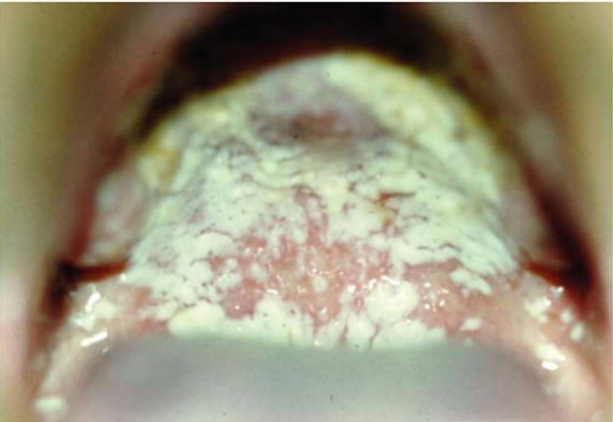
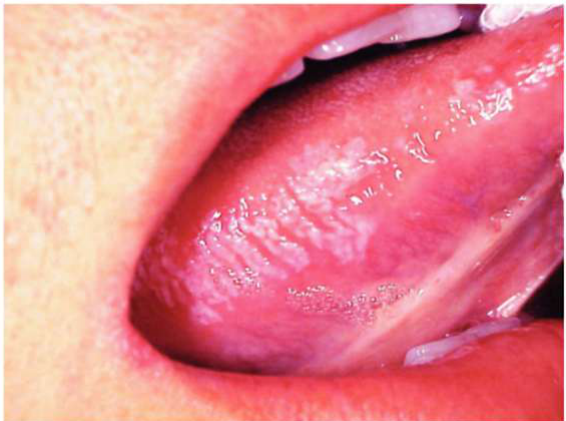
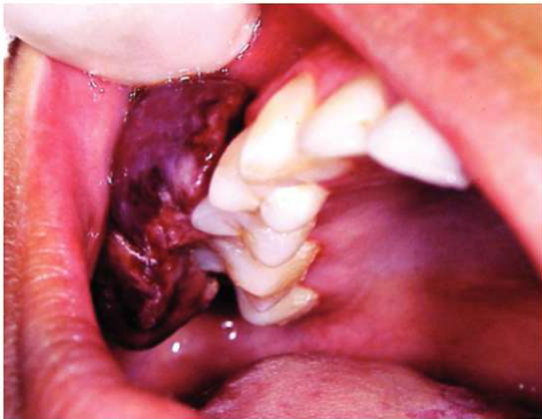
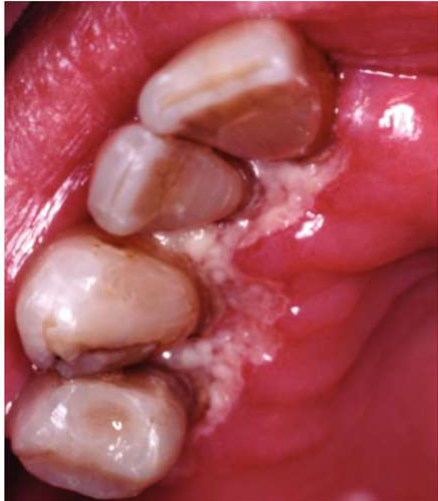
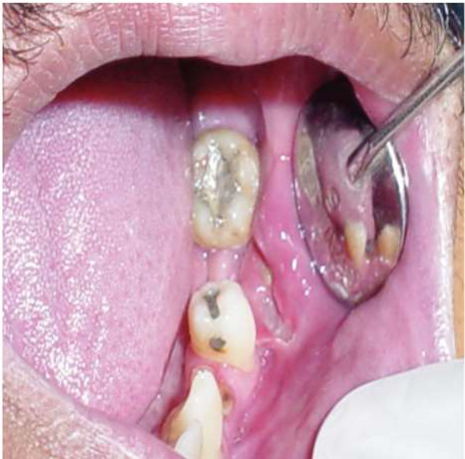
HIV Oral Manifestations32
Leao JC, Ribeiro CM, Carvalho AA, Frezzini C, Porter S. Oral Complications of HIV Disease. Clinics. 2009;64:459-70.
 |  |  |
 |  |
Group 1: Lesions Strongly Associated with HIV Infection33
- Candidosis
- Erythematous
- Pseudomembranous
- Hairy leukoplakia
- Kaposi’s sarcoma
- Non-Hodgkin’s lymphoma
- Periodontal disease
- Linear gingival erythema
- Necrotizing gingivitis
- Necrotizing periodontitis
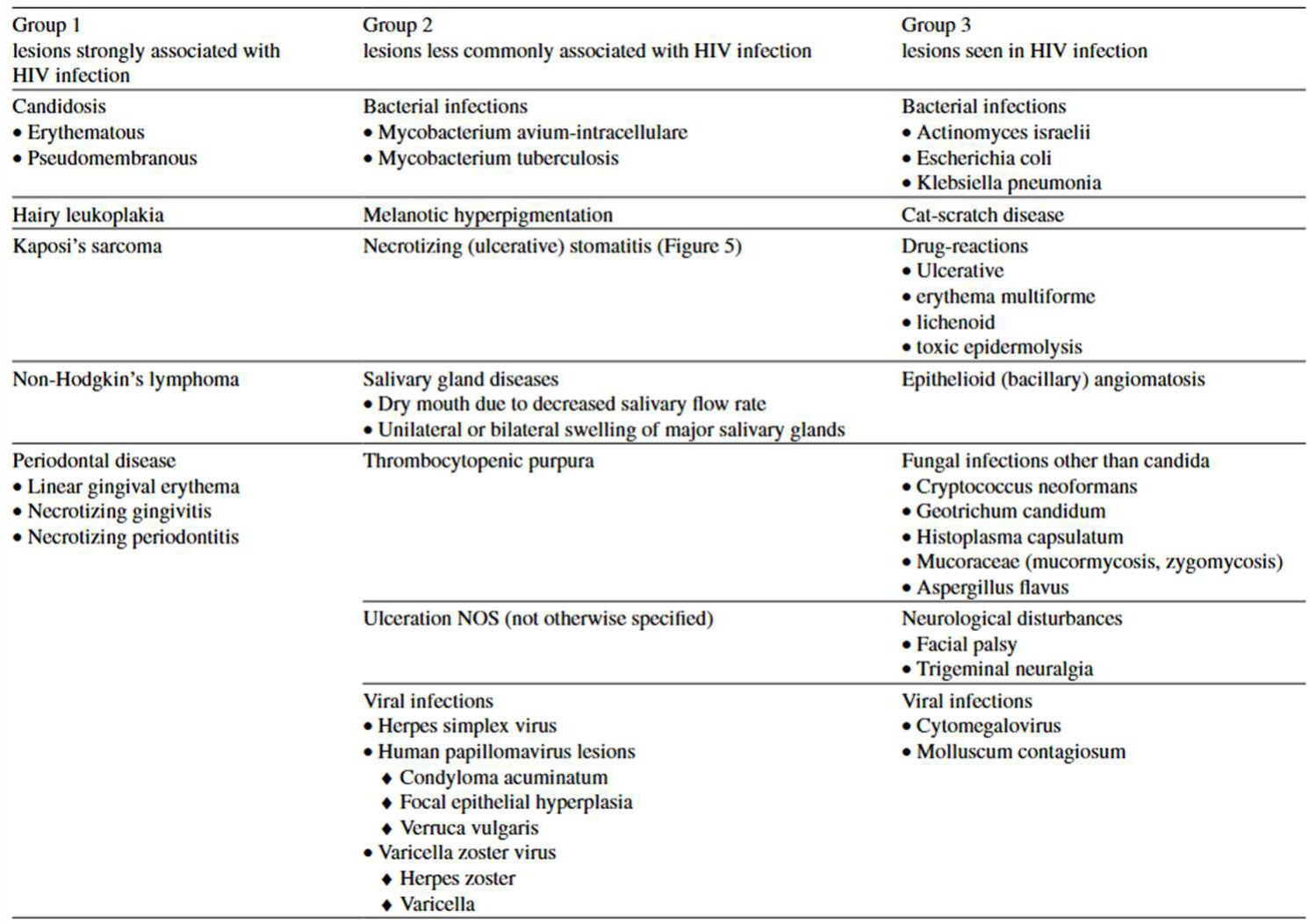
Group 2: Lesions Less Commonly Associated with HIV Infection
- Bacterial infections
- Mycobacterium avium-intracellulare
- Mycobacterium tuberculosis
- Melanotic hyperpigmentation
- Necrotizing (ulcerative) stomatitis (Figure 5)
- Salivary gland diseases
- Dry mouth due to decreased salivary flow rate
- Unilateral or bilateral swelling of major salivary glands
- Thrombocytopenic purpura
- Ulceration NOS (not otherwise specified)
- Viral infections
- Herpes simplex virus
- Human papillomavirus lesions
- Condyloma acuminatum
- Focal epithelial hyperplasia
- Verruca vulgaris
- Varicella zoster virus
- Herpes zoster
- Varicella
Group 3: Lesions Seen in HIV Infection
- Bacterial infections
- Actinomyces israelii
- Escherichia coli
- Klebsiella pneumonia
- Cat-scratch disease
- Drug reactions
- Ulcerative
- Erythema multiforme
- Lichenoid
- Toxic epidermolysis
- Epithelioid (bacillary) angiomatosis
- Fungal infections other than Candida
- Cryptococcus neoformans
- Geotrichum candidum
- Histoplasma capsulatum
- Mucoraceae (mucormycosis, zygomycosis)
- Aspergillus flavus
- Neurological disturbances
- Facial palsy
- Trigeminal neuralgia
- Viral infections
- Cytomegalovirus
- Molluscum contagiosum
Leao JC, Ribeiro CM, Carvalho AA, Frezzini C, Porter S. Oral Complications of HIV Disease. Clinics. 2009;64:459-70.
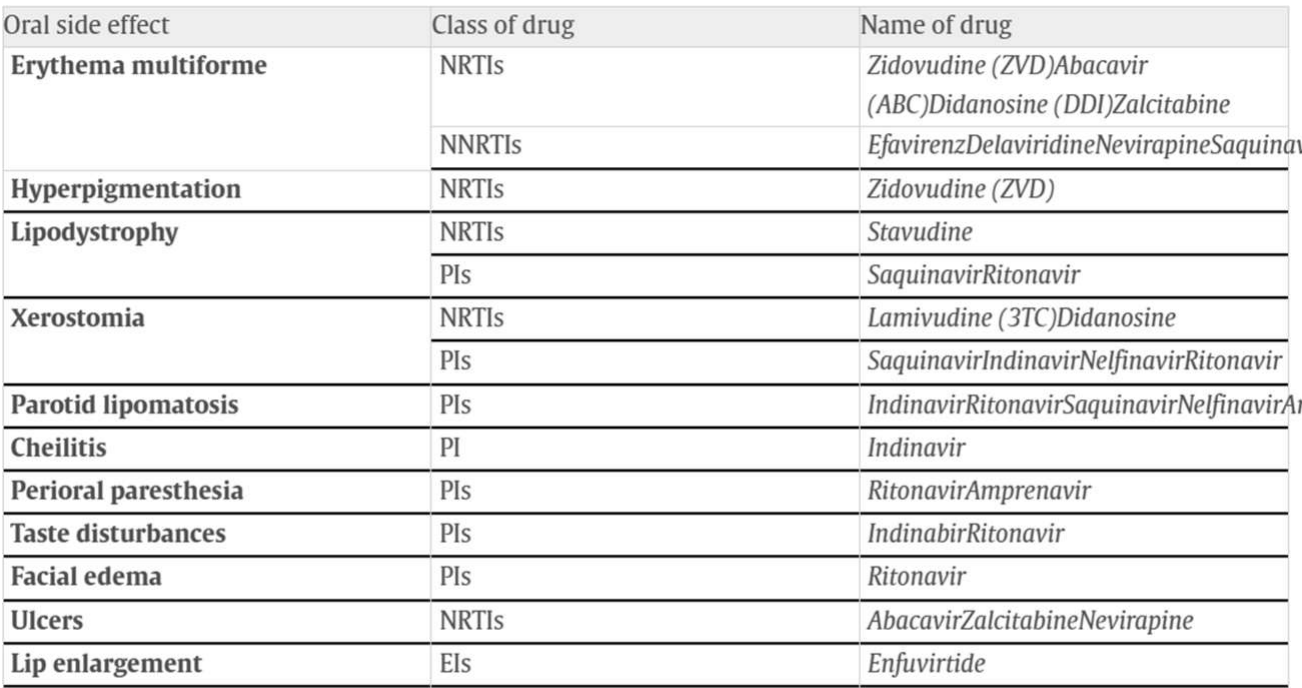
HIV Medication Side Effects34
| Oral side effect | Class of drug | Name of drug |
|---|---|---|
| Erythema multiforme | NRTIs | Zidovudine (ZVD), Abacavir (ABC), Didanosine (DDI), Zalcitabine |
| NNRTIs | Efavirenz, Delavirdine, Nevirapine, Saquinavir | |
| Hyperpigmentation | NRTIs | Zidovudine (ZVD) |
| Lipodystrophy | NRTIs | Stavudine |
| PIs | Saquinavir, Ritonavir | |
| Xerostomia | NRTIs | Lamivudine (3TC), Didanosine |
| PIs | Saquinavir, Indinavir, Nelfinavir, Ritonavir | |
| Parotid lipomatosis | PIs | Indinavir, Ritonavir, Saquinavir, Nelfinavir |
| Cheilitis | PI | Indinavir |
| Perioral paresthesia | PIs | Ritonavir, Amprenavir |
| Taste disturbances | PIs | Indinavir, Ritonavir |
| Facial edema | PIs | Ritonavir |
| Ulcers | NRTIs | Abacavir, Zalcitabine, Nevirapine |
| Lip enlargement | EIs | Enfuvirtide |
NRTI = nucleoside analog reverse transcriptase inhibitors; NNRTI = non-nucleoside analog reverse transcriptase inhibitors; PIs = protease inhibitors; EI = entry inhibitors
Leao JC, Ribeiro CM, Carvalho AA, Frezzini C, Porter S. Oral Complications of HIV Disease. Clinics. 2009;64:459-70.
HIV Oral Features and Dental Implications
Oral Features35
- Uncommon in well-managed and stable patients
- Perioral paraesthesia (rare adverse reaction)
- Increased risk of oral disease (immunocompromise)
- Opportunistic infections
- Periodontal disease
- Oral hairy leukoplakia
- Oral cancer
- HIV-related salivary gland hypofunction
Dental Implications
- Immunocompromised: caution with proceeding with dental treatment
- Antiretroviral drug interactions
- Many commonly prescribed drugs (e.g. benzodiazepines can reach high levels of toxicity)
- Consult HIV specialist before prescribing drugs
- Spread
- Standard precautions
- Needlestick injury policy
HIV Access, Communication and Consent
Access36
-
Safe, non-judgemental, empathetic environment
-
Many HIV-infected individuals continue to have concerns about privacy
-
Stigma and social implications of their infection may prevent them from accessing general dental services
-
HIV status should not be written on clinic day sheets or other materials that may be visible to others.
Communication / Consent / Education
- Maintain medical confidentiality
- Increased risk of opportunistic infections (e.g. oral thrush), periodontal disease, cancer (Kaposi sarcoma / NHL) → preventive advice, routine recalls
- HIV-associated neurocognitive disorders (HAND)
Lecturer — HIV Consent
Information must not be provided to relatives without the patient’s consent. HIV-associated neurocognitive disorders may affect the ability to consent in later stages of HIV progression.
HIV Surgical Considerations
Surgery37
- Pre-operative: understand disease control
- Immunocompromised: CD4 < 200 cells/mm³, absolute neutrophil count < 1 x 10⁹/L
- Trend is more important than any single count
- CD4% can be a more stable indication of whether there has been a change in the immune system (12–15% is equivalent to 200 cells/mm³)
- ?surgical antibiotic prophylaxis
- Viral load: if compliant with treatment, should be undetectable
- Platelet count
- Immunocompromised: CD4 < 200 cells/mm³, absolute neutrophil count < 1 x 10⁹/L
- Peri-operative:
- Some antiviral drugs can enhance benzodiazepine activity
- Post-operative:
- Caution prescribing — drug interactions with antiviral medications
Spread
- See upcoming slides — standard precautions
Lecturer — HIV Surgery
Advanced immunosuppression may increase the risks of infection and poor wound healing. Specialist referral may be appropriate for urgent dental care in significantly immunocompromised patients; HIV transmission risk is reduced when viral load is suppressed, and post-exposure prophylaxis is available following relevant exposure.
Hepatitis B Oral Features and Dental Implications
Oral Features38
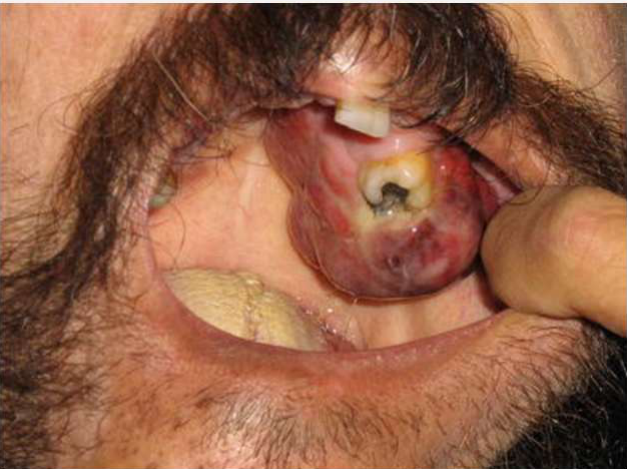
- Possible gingival bleeding, petechiae, ecchymoses
- Icteric patients: discolouration of posterior palate and floor of mouth along lingual fraenum
Dental Implications
- Liver cirrhosis → liver failure (see GIT Hepatology lecture)
- Profound immune compromise associated with end-stage cirrhosis
- Hepatic encephalopathy
- Bleeding risk (see Bleeding Disorders lecture)
- Drug metabolism
- Dosage
- Hepatotoxic drugs (avoid sedatives, NSAIDs; do not exceed max dose of paracetamol)
- Spread
- Standard precautions
- Needlestick injury policy
Hepatitis C Oral Features and Dental Implications
Oral Features39
-
Possible gingival bleeding, petechiae, ecchymoses
-
Icteric patients: discolouration of posterior palate and floor of mouth along lingual fraenum
-
Sialosis, sialadenitis, hyposalivation, sicca syndrome
-
Chronic/untreated Hep C: association with NHL, lichen planus, periodontal disease
-
Reduced salivary flow may be due to direct viral effects or other causes.
Dental Implications
- Liver cirrhosis → liver failure (see GIT Hepatology lecture)
- Profound immune compromise associated with end-stage cirrhosis
- Hepatic encephalopathy
- Bleeding risk (see Bleeding Disorders lecture)
- Drug metabolism
- Dosage
- Hepatotoxic drugs (avoid sedatives, NSAIDs; do not exceed max dose of paracetamol)
- Spread
- Standard precautions
- Needlestick injury policy
Viral Hepatitis Access and Communication
Access40
-
If known to be incubating hepatitis, active clinical hepatitis, or in convalescent stages → defer elective dental treatment where possible until recovery
-
Incubation/acute phase: hospital environment, emergency care only
-
Decompensated liver disease: hospital environment, emergency care only
-
Emergency care may be provided where appropriate.
Communication / Consent / Education
-
Hepatic encephalopathy: advanced cirrhosis
-
Preventive dental care important with Hep C due to reduced salivary flow (outcome of major restorative treatment may be poor)
-
Liver function, bleeding risk and medication safety should be discussed with the relevant medical team.
Viral Hepatitis Surgical Considerations41
Surgical Considerations42
- Pre-operative:
- Check for jaundice or deranged LFTs — avoid elective dental treatment, consult physician
- Prothrombin time test and platelet counts
- ?surgical antibiotic prophylaxis if end-stage cirrhosis (profound immunocompromise)
- Peri-operative:
- LA: minimise lignocaine, ideally articaine
- CS: caution benzodiazepines
- Post-operative:
- Caution hepatotoxic drugs
Lecturer — Liver Disease
Lidocaine was described as being metabolised by the liver, whereas articaine was described as being metabolised in blood plasma. Articaine was therefore presented as the preferred local anaesthetic option in liver disease.
Spread
-
See upcoming slides — standard precautions
-
Safe handling and disposal of needles and medical waste are essential.
Transmission Risks and Prevention
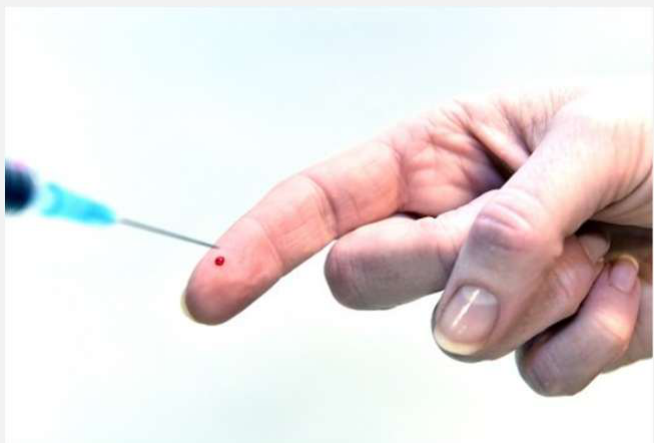
- Hep B = 1:3
- Positive source to an unvaccinated individual
- Hep C = 1:30 (2008)
- Likely less now with effective HCV therapy (closer to 1:200 to 1:50)
- Range of transmission risk is 0-10% (average 1.8-1.9%)
- HIV = 1:300 (2014)
- Likely less now with ART and PEP
Risk of Transmission Rates43
Prevention Strategies4445
| HIV | Hep B | Hep C |
|---|---|---|
| - No vaccine available - PrEP | - Childhood immunisation schedule | - No vaccine available |
-
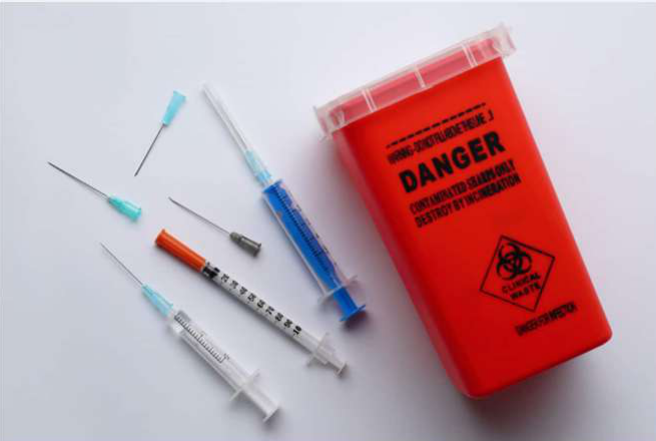
Safe and appropriate use of health-care injections and procedures
-
Safe handling and disposal of needles and medical waste
-
Harm-reduction services for people who inject drugs, such as needle exchange programmes, substance use counselling
-
Testing of donated blood for the BBVs
-
Practicing safe sex by using barrier methods such as condoms
-
HIV testing, treatment and prophylaxis
HIV Pre-Exposure Prophylaxis46
- PrEP = Pre-Exposure Prophylaxis
- Daily use of antiretroviral medications by HIV-negative individuals at increased risk of HIV exposure
- PrEP can substantially reduce the risk of contracting HIV
- Daily use of antiretroviral medications by HIV-negative individuals at increased risk of HIV exposure
- PrEP should be considered for all people at risk of HIV, including:
- Gay, bisexual and men who have sex with men
- Trans and gender diverse populations
- Heterosexuals who may have sex with people at a higher risk of HIV, or have partners with an unknown HIV status
- People who inject drugs
- People who have arrived from overseas country with high-prevalence of HIV, who may not be connected to health services
Hepatitis B Serology and Prevention4748
Table 1. Serological tests that constitute the diagnostic panel for HBV
| Test | Name | Meaning |
|---|---|---|
| HBsAg | Hepatitis B surface antigen | Active infection (acute or chronic) |
| Anti-HBs | Hepatitis B surface antibody | Immunity (vaccination or infection) |
| Anti-HBc | Hepatitis B core antibody | Infection (past or current) |
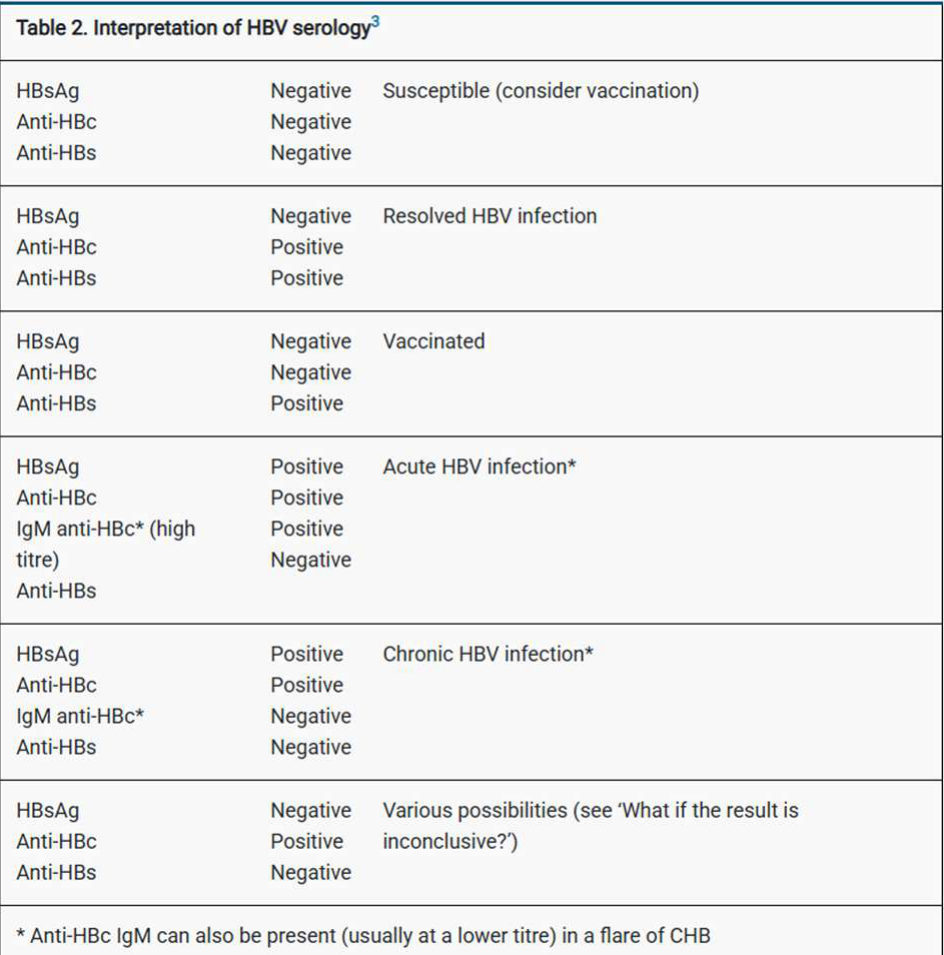
Table 2. Interpretation of HBV serology³
| Tests | Result | Interpretation |
|---|---|---|
| HBsAg, Anti-HBc, Anti-HBs | All negative | Susceptible (consider vaccination) |
| HBsAg negative; Anti-HBc positive; Anti-HBs positive | — | Resolved HBV infection |
| HBsAg negative; Anti-HBc negative; Anti-HBs positive | — | Vaccinated |
| HBsAg positive; Anti-HBc positive; IgM anti-HBc* (high titre) positive; Anti-HBs negative | — | Acute HBV infection* |
| HBsAg positive; Anti-HBc positive; IgM anti-HBc* negative; Anti-HBs negative | — | Chronic HBV infection* |
| HBsAg negative; Anti-HBc positive; Anti-HBs negative | — | Various possibilities (see ‘What if the result is inconclusive?’) |
Lecturer — Serology Interpretation
Interpreting the three hepatitis B serological results helps categorise individuals accurately.
- This can help avoid misdiagnosis, unnecessary recalls, additional testing and unnecessary vaccination.
* Anti-HBc IgM can also be present (usually at a lower titre) in a flare of CHB
 |  |
 |
Healthcare Worker Guidelines
AHPRA Registration and Renewal
Exposure Prone Procedures4950
Before answering these questions, you need to read the Board’s Guidelines – Registered health practitioners and students in relation to blood borne viruses. You can access them from the Ahpra renewal page (https://www.ahpra.gov.au/Registration/Renewal.aspx).
These guidelines are for practitioners and students who perform exposure-prone procedures and require you to comply with the Communicable Diseases Network Australia (CDNA) guidelines Australian national guidelines for the management of healthcare workers living with blood borne viruses and healthcare workers who perform exposure prone procedures at risk of exposure to blood borne viruses (https://www.health.gov.au/resources/collections/cdna-national-guidelines-for-healthcare-workers-on-managing-bloodbornviruses). This includes testing for HIV, Hepatitis C and Hepatitis B at least every three years.
- Dentists must renew registration with the Australian Health Practitioner Regulation Agency each year. Exposure-prone procedures (EPPs) are procedures where there is a risk of injury to the healthcare worker resulting in exposure of the patient’s open tissues to the blood of the healthcare worker. These procedures include those where the healthcare worker’s hands (whether gloved or not) may be in contact with sharp instruments, needle tips or sharp tissues (spicules of bone or teeth) inside a patient’s open body cavity, wound or confined anatomical space where the hands or fingertips may not be completely visible at all times.

Ahpra Renewal Questions
- (required) Do you perform exposure-prone procedures? — Yes / No
- (required) During the preceding period of registration, have you complied with the Australian national guidelines for the management of healthcare workers living with blood borne viruses and healthcare workers who perform exposure prone procedures at risk of exposure to blood borne viruses? — Yes / No
- (required) If your registration is renewed, do you intend to perform exposure-prone procedures? — Yes / No
- (required) If your registration is renewed, do you commit to comply with the Australian national guidelines for the management of healthcare workers living with blood borne viruses and healthcare workers who perform exposure prone procedures at risk of exposure to blood borne viruses? — Yes / No
If your circumstances change during the upcoming period of registration and you are no longer able to comply with the CDNA guidelines, you need to stop performing exposure prone procedures.
CDNA National Guidelines for Healthcare Workers 2018515253
These Guidelines provide information and recommendations for all healthcare workers (HCWs), in particular:
- HCWs who perform exposure prone procedures (EPPs)
- HCWs living with a blood borne virus (BBV)
- doctors treating HCWs with a BBV
Communicable Diseases Network Australia
Australian national guidelines for the management of healthcare workers living with blood borne viruses and healthcare workers who perform exposure prone procedures at risk of exposure to blood borne viruses
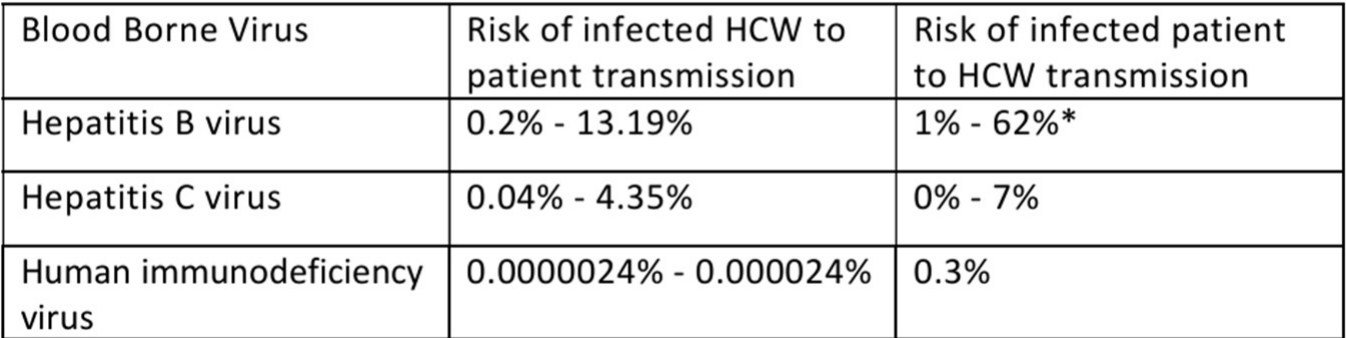
Risks of Transmission Between Healthcare Worker and Patient54
| Blood Borne Virus | Risk of infected HCW to patient transmission | Risk of infected patient to HCW transmission |
|---|---|---|
| Hepatitis B virus | 0.2% - 13.19% | 1% - 62%* |
| Hepatitis C virus | 0.04% - 4.35% | 0% - 7% |
| Human immunodeficiency virus | 0.0000024% - 0.000024% | 0.3% |
* There is a wide variability in infectiousness of people with hepatitis B reported in the literature and this depends on their hepatitis B e-antigen status.
Lecturer — Hepatitis B Transmission
Hepatitis B is the most readily transmitted bloodborne virus and may be transmitted without visible blood.
- Transmission can occur through percutaneous exposure, mucosal exposure, or non-intact skin, including eczema, burns and wounds.
- Published cases documented at least 55 healthcare workers transmitting hepatitis B to more than 500 patients after testing became available in the 1970s.
- Transmission decreased after standard or universal infection-prevention precautions were introduced.
-
All healthcare workers:
- should be encouraged to undertake regular testing for blood borne viruses
- have the right to access confidential testing, counselling, support and treatment
- should be vaccinated against hepatitis B virus.
-
Healthcare workers living with a blood borne virus:
- must have appropriate and ongoing medical care
- must be tested for the respective blood borne virus viral load levels, as well as for other blood borne viruses, in accordance with the National Guidelines
- must comply with the listed blood borne virus criteria in the National Guidelines
Exposure Prone Procedures55
The National Guidelines define exposure prone procedures as:
Lecturer — EPP Eligibility
From July 2020, healthcare workers living with bloodborne viruses were permitted to perform exposure-prone procedures again, provided they complied with the updated CDNA requirements. Previously, healthcare workers living with HIV, hepatitis B or hepatitis C were prohibited from performing exposure-prone procedures.
“procedures where there is a risk of injury to the healthcare worker resulting in exposure of the patient’s open tissues to the blood of the healthcare worker. These procedures include those where the healthcare worker’s hands (whether gloved or not) may be in contact with sharp instruments, needle tips or sharp tissues (spicules of bone or teeth) inside a patient’s open body cavity, wound or confined anatomical space where the hands or fingertips may not be completely visible at all times.”
Lecturer — Dental EPPs
Dentistry generally involves exposure-prone procedures. Most dental procedures, apart from examinations and possibly radiographs, may meet the definition because the operator’s fingers may not be visible at all times in the patient’s mouth.
Operative dentistry!
- Healthcare workers who perform exposure prone procedures:
- must take reasonable steps to know their blood borne virus status and should be tested for blood borne viruses at least once every 3 years
- must declare when applying for renewal of registration that they are complying with, and have been tested in accordance with, the National Guidelines
- should understand their obligation to report their blood borne virus status, if required, under jurisdictional legislation and/or policies
- should understand their obligation to report all sharps injuries, whether or not there was a risk of patient exposure

BBV Testing Requirements for Healthcare Workers Performing EPPs
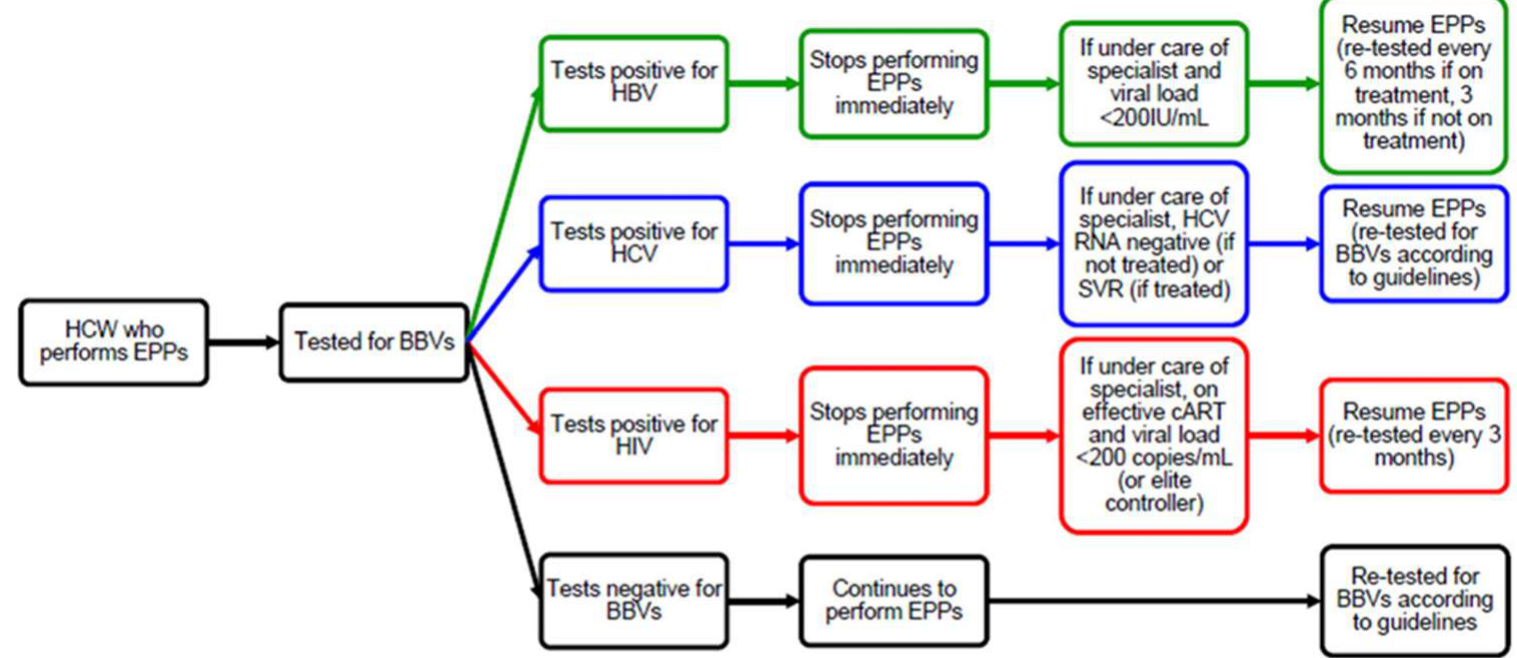
HCW Who Performs EPPs – Testing Pathways56
-
Tested for BBVs → tests negative
- Continues to perform EPPs
- Re-tested for BBVs according to guidelines
-
Tests positive for HBV → stops performing EPPs immediately
- If under care of specialist and viral load <200 IU/mL → resumes EPPs (re-tested every 6 months if on treatment, 3 months if not on treatment)
-
Tests positive for HCV → stops performing EPPs immediately
- If under care of specialist, HCV RNA negative (if not treated) or SVR (if treated) → resumes EPPs (re-tested for BBVs according to guidelines)
-
Tests positive for HIV → stops performing EPPs immediately
- If under care of specialist, on effective cART and viral load <200 copies/mL (or elite controller) → resumes EPPs (re-tested every 3 months)
SVR: Sustained virological response, cART: combination antiretroviral therapy
Questions and Resources57
Questions? Contact: Jeeyun.leung@uwa.edu.au
Lecturer — Questions
The lecture concluded with an invitation for questions and an offer to remain available afterwards for additional questions.

Resources58
- Australasian Society for HIV, Viral Hepatitis and Sexual Health Medicine (ASHM): https://ashm.org.au/
- Kirby Institute UNSW: https://www.kirby.unsw.edu.au/
- CDNA National Guidelines for healthcare workers on managing bloodborne viruses: https://www.cdc.gov.au/resources/collections/cdna-national-guidelines-healthcare-workers-bbv
- The Kirby Institute at the University of New South Wales coordinates national surveillance and reporting for HIV, viral hepatitis and sexually transmissible infections in Australia.
- Follow local needlestick-injury and bloodborne-virus policies.
Audio Appendix
Additional Audio Content
These lecturer notes could not be placed against a slide in the notes.
Lecturer notes that could not be placed against a slide
- Paracetamol was described as generally safe when used appropriately, but its maximum dose should not be exceeded.
Footnotes
-
Original PDF page 1: L10 HIV HepC HepB - DMD3 DENT5311, p.1 ↩
-
Original PDF page 2: L10 HIV HepC HepB - DMD3 DENT5311, p.2 ↩
-
Original PDF page 3: L10 HIV HepC HepB - DMD3 DENT5311, p.3 ↩
-
Original PDF page 4: L10 HIV HepC HepB - DMD3 DENT5311, p.4 ↩
-
Original PDF page 5: L10 HIV HepC HepB - DMD3 DENT5311, p.5 ↩
-
Original PDF page 6: L10 HIV HepC HepB - DMD3 DENT5311, p.6 ↩
-
Original PDF page 7: L10 HIV HepC HepB - DMD3 DENT5311, p.7 ↩
-
Original PDF page 9: L10 HIV HepC HepB - DMD3 DENT5311, p.9 ↩
-
Original PDF page 8: L10 HIV HepC HepB - DMD3 DENT5311, p.8 ↩
-
Original PDF page 10: L10 HIV HepC HepB - DMD3 DENT5311, p.10 ↩
-
Original PDF page 12: L10 HIV HepC HepB - DMD3 DENT5311, p.12 ↩
-
Original PDF page 11: L10 HIV HepC HepB - DMD3 DENT5311, p.11 ↩
-
Original PDF page 13: L10 HIV HepC HepB - DMD3 DENT5311, p.13 ↩
-
Original PDF page 14: L10 HIV HepC HepB - DMD3 DENT5311, p.14 ↩
-
Original PDF page 15: L10 HIV HepC HepB - DMD3 DENT5311, p.15 ↩
-
Original PDF page 16: L10 HIV HepC HepB - DMD3 DENT5311, p.16 ↩
-
Original PDF page 17: L10 HIV HepC HepB - DMD3 DENT5311, p.17 ↩
-
Original PDF page 18: L10 HIV HepC HepB - DMD3 DENT5311, p.18 ↩
-
Original PDF page 19: L10 HIV HepC HepB - DMD3 DENT5311, p.19 ↩
-
Original PDF page 20: L10 HIV HepC HepB - DMD3 DENT5311, p.20 ↩
-
Original PDF page 21: L10 HIV HepC HepB - DMD3 DENT5311, p.21 ↩
-
Original PDF page 22: L10 HIV HepC HepB - DMD3 DENT5311, p.22 ↩
-
Original PDF page 23: L10 HIV HepC HepB - DMD3 DENT5311, p.23 ↩
-
Original PDF page 24: L10 HIV HepC HepB - DMD3 DENT5311, p.24 ↩
-
Original PDF page 26: L10 HIV HepC HepB - DMD3 DENT5311, p.26 ↩
-
Original PDF page 25: L10 HIV HepC HepB - DMD3 DENT5311, p.25 ↩
-
Original PDF page 29: L10 HIV HepC HepB - DMD3 DENT5311, p.29 ↩
-
Original PDF page 27: L10 HIV HepC HepB - DMD3 DENT5311, p.27 ↩
-
Original PDF page 28: L10 HIV HepC HepB - DMD3 DENT5311, p.28 ↩
-
Original PDF page 30: L10 HIV HepC HepB - DMD3 DENT5311, p.30 ↩
-
Original PDF page 31: L10 HIV HepC HepB - DMD3 DENT5311, p.31 ↩
-
Original PDF page 33: L10 HIV HepC HepB - DMD3 DENT5311, p.33 ↩
-
Original PDF page 32: L10 HIV HepC HepB - DMD3 DENT5311, p.32 ↩
-
Original PDF page 34: L10 HIV HepC HepB - DMD3 DENT5311, p.34 ↩
-
Original PDF page 35: L10 HIV HepC HepB - DMD3 DENT5311, p.35 ↩
-
Original PDF page 36: L10 HIV HepC HepB - DMD3 DENT5311, p.36 ↩
-
Original PDF page 37: L10 HIV HepC HepB - DMD3 DENT5311, p.37 ↩
-
Original PDF page 38: L10 HIV HepC HepB - DMD3 DENT5311, p.38 ↩
-
Original PDF page 39: L10 HIV HepC HepB - DMD3 DENT5311, p.39 ↩
-
Original PDF page 40: L10 HIV HepC HepB - DMD3 DENT5311, p.40 ↩
-
Original PDF page 42: L10 HIV HepC HepB - DMD3 DENT5311, p.42 ↩
-
Original PDF page 41: L10 HIV HepC HepB - DMD3 DENT5311, p.41 ↩
-
Original PDF page 43: L10 HIV HepC HepB - DMD3 DENT5311, p.43 ↩
-
Original PDF page 44: L10 HIV HepC HepB - DMD3 DENT5311, p.44 ↩
-
Original PDF page 45: L10 HIV HepC HepB - DMD3 DENT5311, p.45 ↩
-
Original PDF page 46: L10 HIV HepC HepB - DMD3 DENT5311, p.46 ↩
-
Original PDF page 47: L10 HIV HepC HepB - DMD3 DENT5311, p.47 ↩
-
Original PDF page 48: L10 HIV HepC HepB - DMD3 DENT5311, p.48 ↩
-
Original PDF page 54: L10 HIV HepC HepB - DMD3 DENT5311, p.54 ↩
-
Original PDF page 55: L10 HIV HepC HepB - DMD3 DENT5311, p.55 ↩
-
Original PDF page 50: L10 HIV HepC HepB - DMD3 DENT5311, p.50 ↩
-
Original PDF page 52: L10 HIV HepC HepB - DMD3 DENT5311, p.52 ↩
-
Original PDF page 53: L10 HIV HepC HepB - DMD3 DENT5311, p.53 ↩
-
Original PDF page 51: L10 HIV HepC HepB - DMD3 DENT5311, p.51 ↩
-
Original PDF page 49: L10 HIV HepC HepB - DMD3 DENT5311, p.49 ↩
-
Original PDF page 56: L10 HIV HepC HepB - DMD3 DENT5311, p.56 ↩
-
Original PDF page 57: L10 HIV HepC HepB - DMD3 DENT5311, p.57 ↩
-
Original PDF page 58: L10 HIV HepC HepB - DMD3 DENT5311, p.58 ↩