Module 5311 Special Needs Dentistry Neurodegenerative Disease12
Neurodegenerative disease
- 15 Sep 2025
- 2–4 PM (WA Time)
- Online
Dr David Lim Lecturer, Dental School, UWA BDS (SG), MSc SCD (UCL), PG Dip Con Sed D (KCL), GC Geront (SUSS), Dip ACEdu (SUSS), FiADH, MFTD MFDS RCSEd
Acknowledgements to:
- Dr Jee-Yun Leung
- Ms Lee Yan Shan (Singapore General Hospital)
- Dr Daniel Sundaresan
- Associate Professor Mina Borromeo
- Dr Mathew Lim
- Dr Claudia Lopez Silva
Learning Objectives3
- Understand the specific characteristics and dental needs of individuals with common neurodegenerative diseases (e.g., epilepsy, cerebral palsy, acquired brain injury (stroke/trauma), Parkinson’s disease, motor neurone disease, multiple sclerosis, Huntington’s disease, spina bifida), including:
- communication strategies, behavioural considerations, and appropriate treatment adaptations to ensure effective dental care
- dysphagia
- Its effects on dental treatment, oral health, aspiration risk, and dental practice procedures.
Dysphagia
Definition And Types45
Dysphagia is difficulty swallowing.
- oropharyngeal dysphagia
- esophageal dysphagia
- functional dysphagia
NOT DYSPHAGIA
Death of woman, 73, who choked on ondeh-ondeh a tragic misadventure: Coroner
Hospital patient dies after being given regular meals instead of soft diet
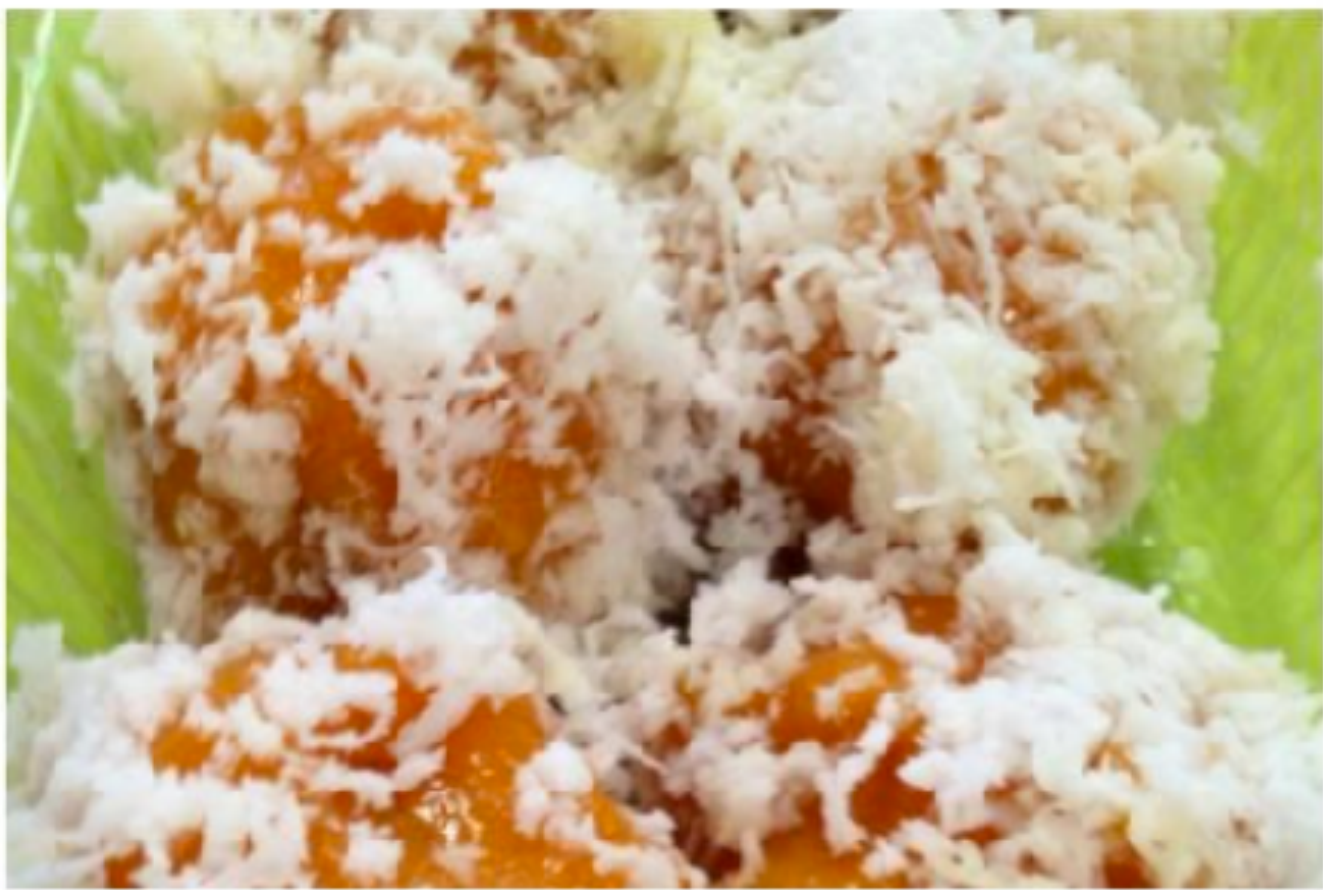 | 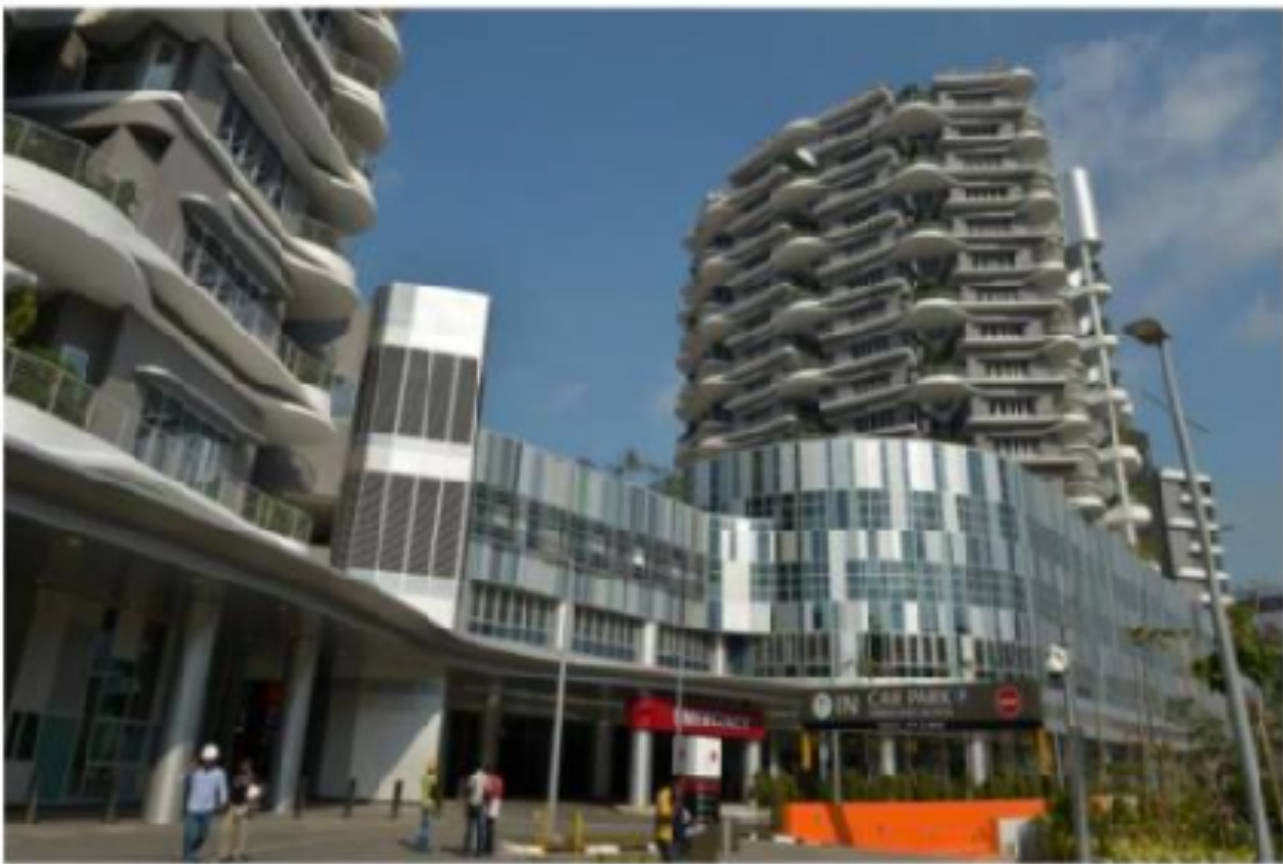 |
Swallowing Phases
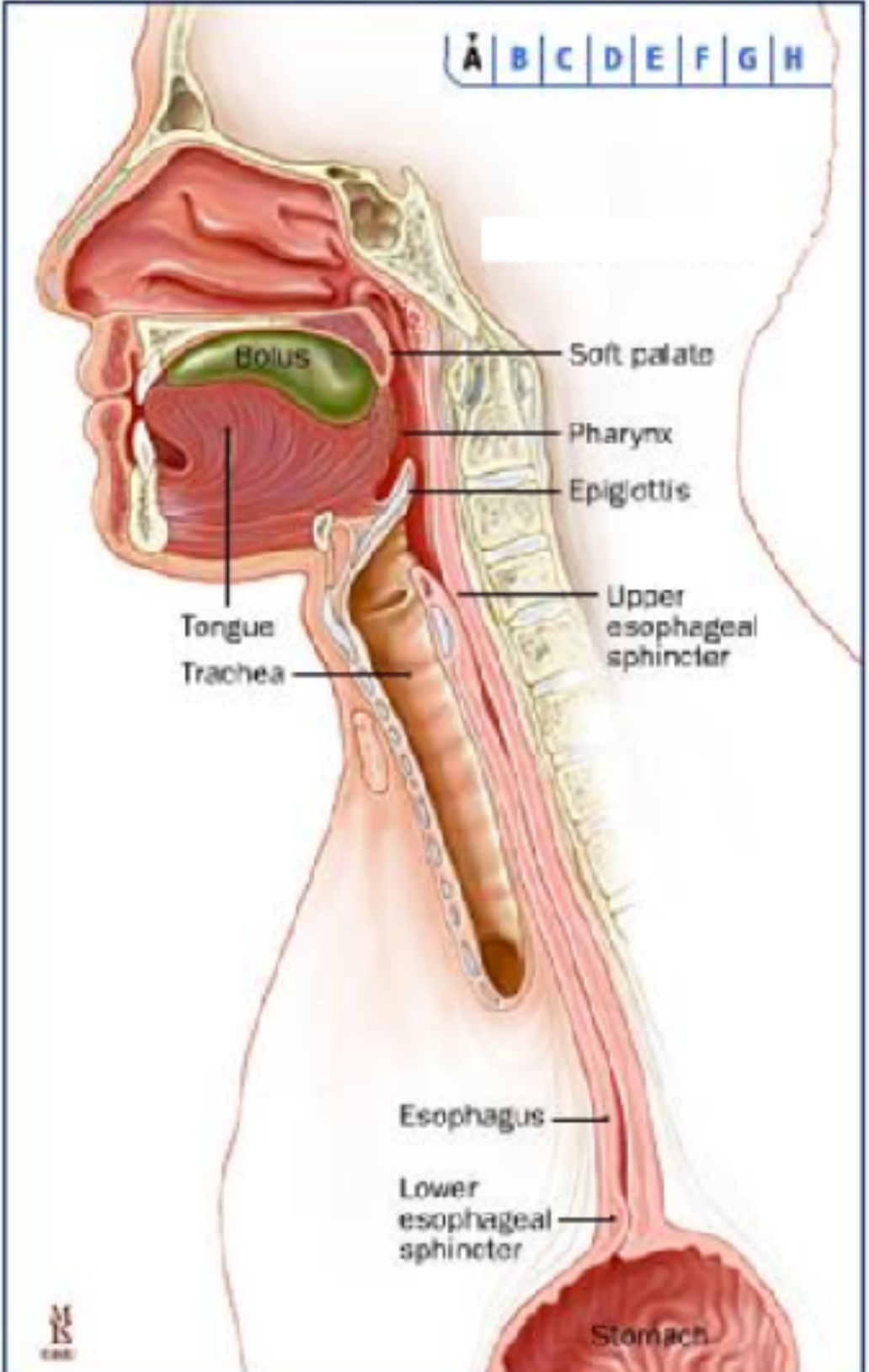
Oral Phase6
- Tongue moves food around mouth
- Back of tongue raises to prevent premature spillage
- Teeth grinds and chews food
- Food moistened with saliva
- Cohesive bolus formed
- Tongue pushes it to back of pharynx
Lecturer — Oral Bolus Formation
The tongue also compresses food against the occlusal surfaces, especially the molars.
- It mixes food with saliva to form a bolus.
- The bolus is pushed towards the back of the mouth in a wave-like movement.
Diagram labels: soft palate, pharynx, epiglottis, upper esophageal sphincter, bolus, tongue, trachea, esophagus, lower esophageal sphincter, stomach. Panel markers: A B C D E F G H.
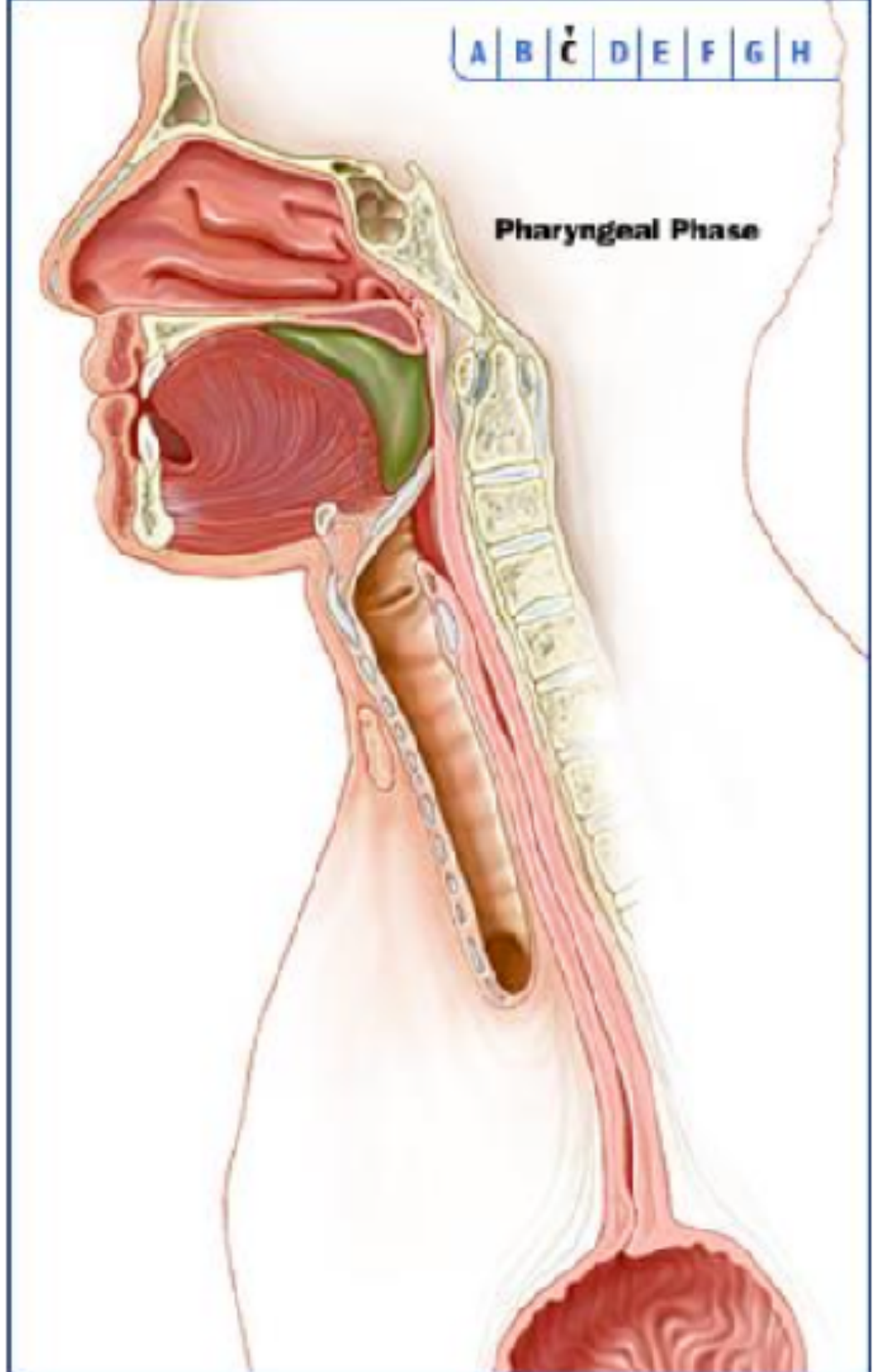
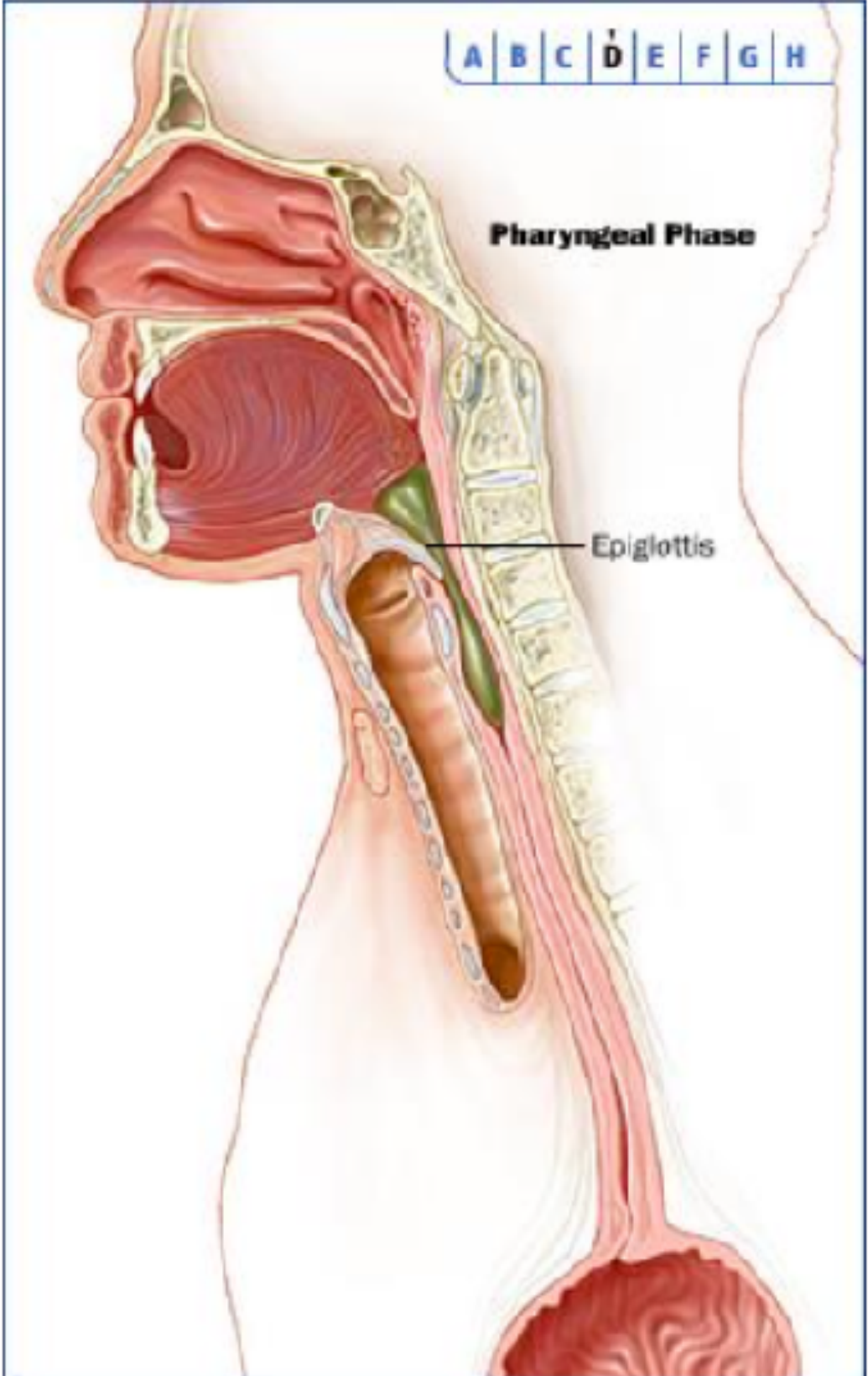
Pharyngeal Phase78
- Swallow reflex initiated
- Tongue blocks oral cavity
- Soft palate blocks nasal cavity
- Vocal folds close
Diagram panel markers: A B C D E F G H.
Diagram label: epiglottis.
- Epiglottis flips over
- Upper esophageal sphincter opens
Lecturer — Pharyngeal Protection
The swallowing reflex begins at the back of the mouth and in the upper part of the throat. The person also holds their breath during this phase.
 |  |
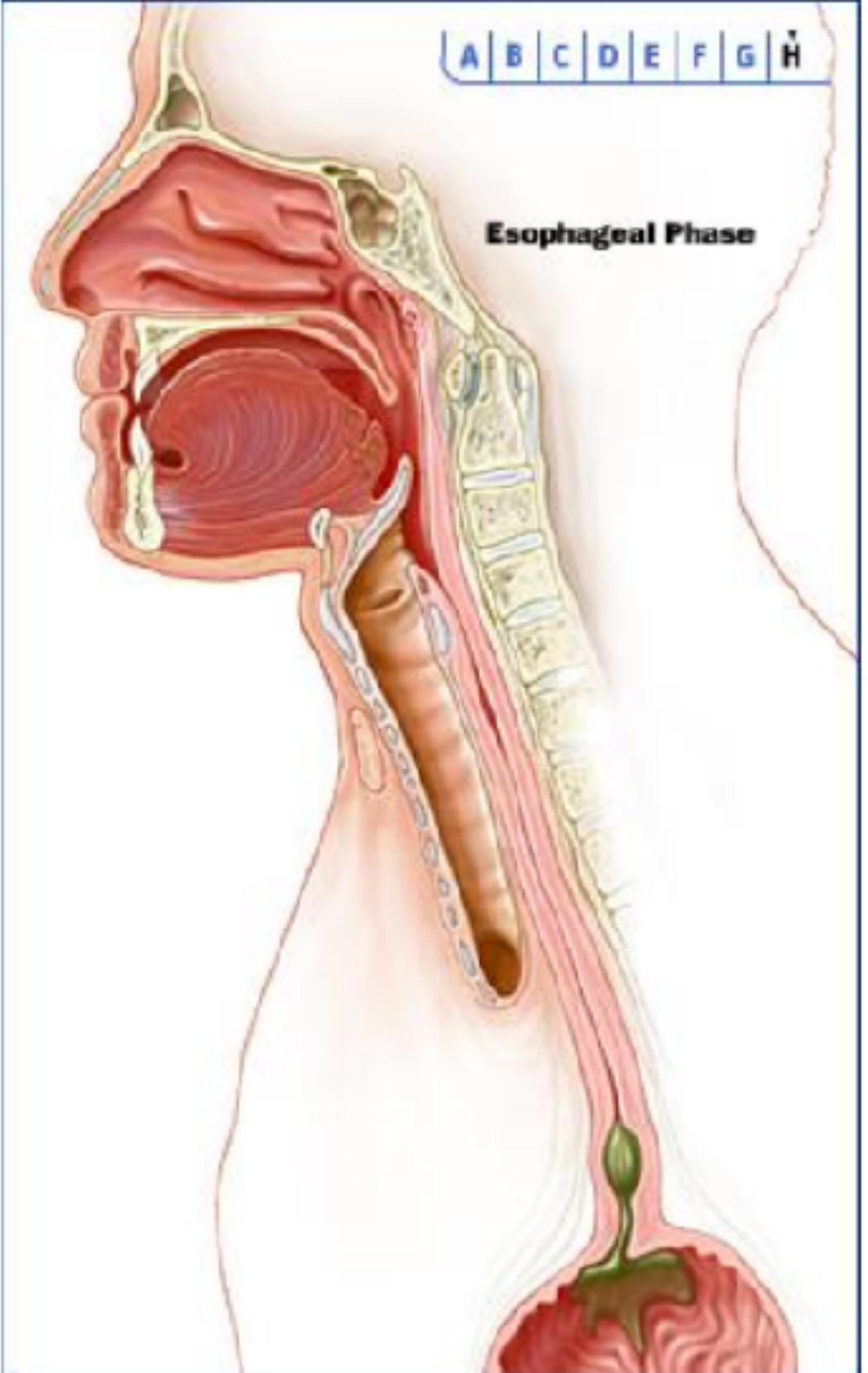
Esophageal Phase9
- Larynx moves back to original position
- Peristalsis
Lecturer — Swallowing Phases
Food moves through the esophagus towards the stomach by peristalsis. Problems affecting any of the swallowing phases can result in dysphagia.
Causes Of Dysphagia
Muscular Disorders10
Affects muscle strength, e.g. muscular dystrophy, myasthenia gravis.
Neurological Disorders
Affects how the brain controls our swallow reflex and muscle movements, e.g. stroke, Parkinson’s disease, multiple sclerosis.
Reduced Respiratory Function
Affects coordination between breathing and swallowing, e.g. COPD.
Ageing / Deconditioning
Weakened muscles and/or impaired coordination, e.g. prolonged hospital stay.
Anatomical Changes
E.g. obstruction in the throat or esophagus due to cancer, changes after surgery, changes to teeth structure.
Medication / Treatment Effects
Can cause dry mouth, e.g. xerostomia post radiation.
Cognitive Changes
Affects awareness of food and drinks during feeding, e.g. dementia, conditions affecting cognition.
Congenital & Developmental Issues
Affects anatomy, cognition and feeding posture, e.g. cerebral palsy, learning difficulties, cleft lip and palate.
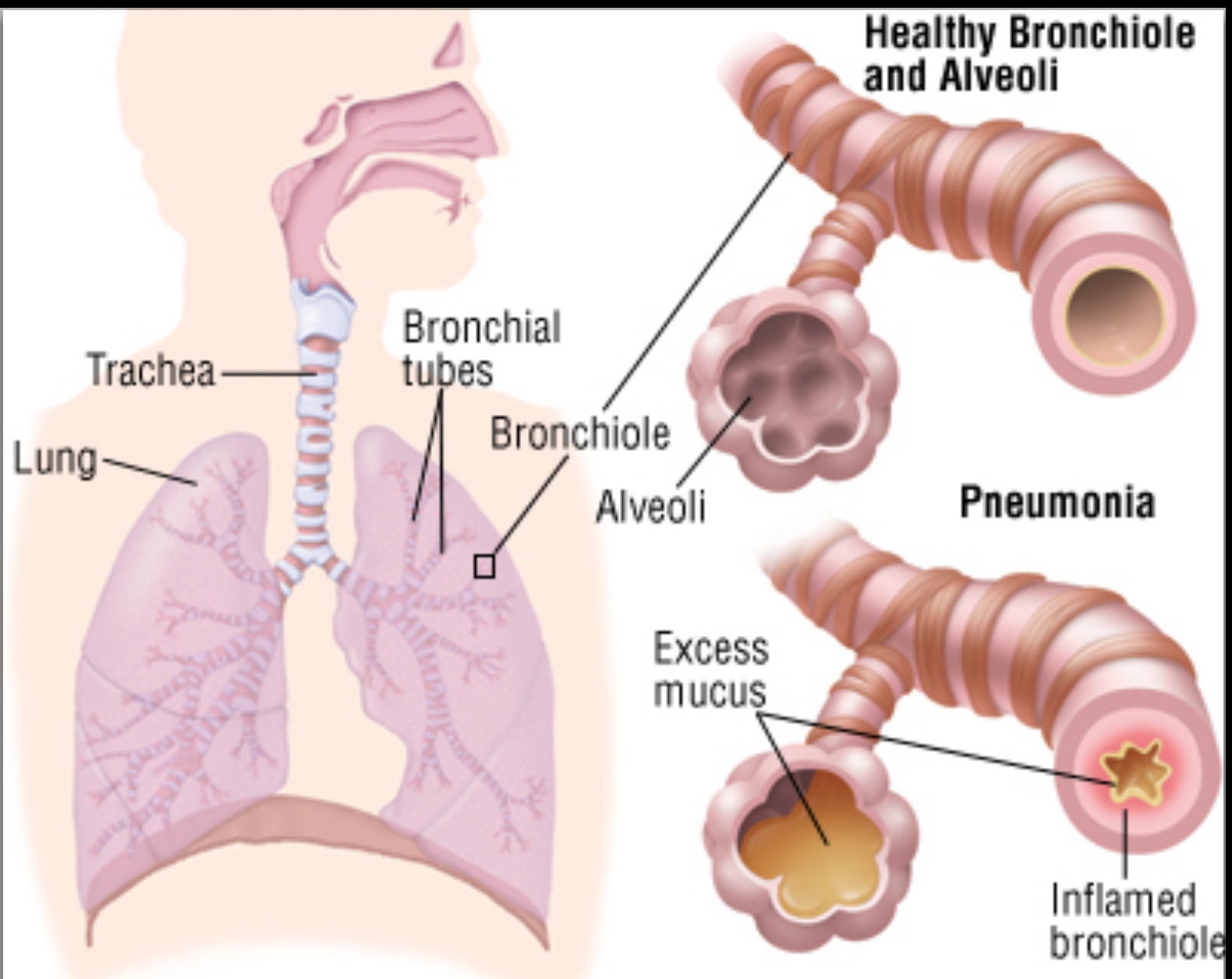
Complications And Aspiration Pneumonia1112
Dysphagia can result in:
- Choking
- Aspiration
- Pneumonia
Lecturer — Choking and Aspiration
Choking occurs when something becomes stuck, and the person is usually unable to speak because air cannot pass through the throat. Aspiration may be silent.
- Aspiration may present as dribbling of liquid or may involve small dental items entering the lungs through the trachea and right main bronchus.
Mortality ~20%
Lung diagram labels: healthy bronchiole and alveoli; trachea; bronchial tubes; lung; bronchiole; alveoli; excess mucus; inflamed bronchiole.
Lim 2016, drugs.com
 | 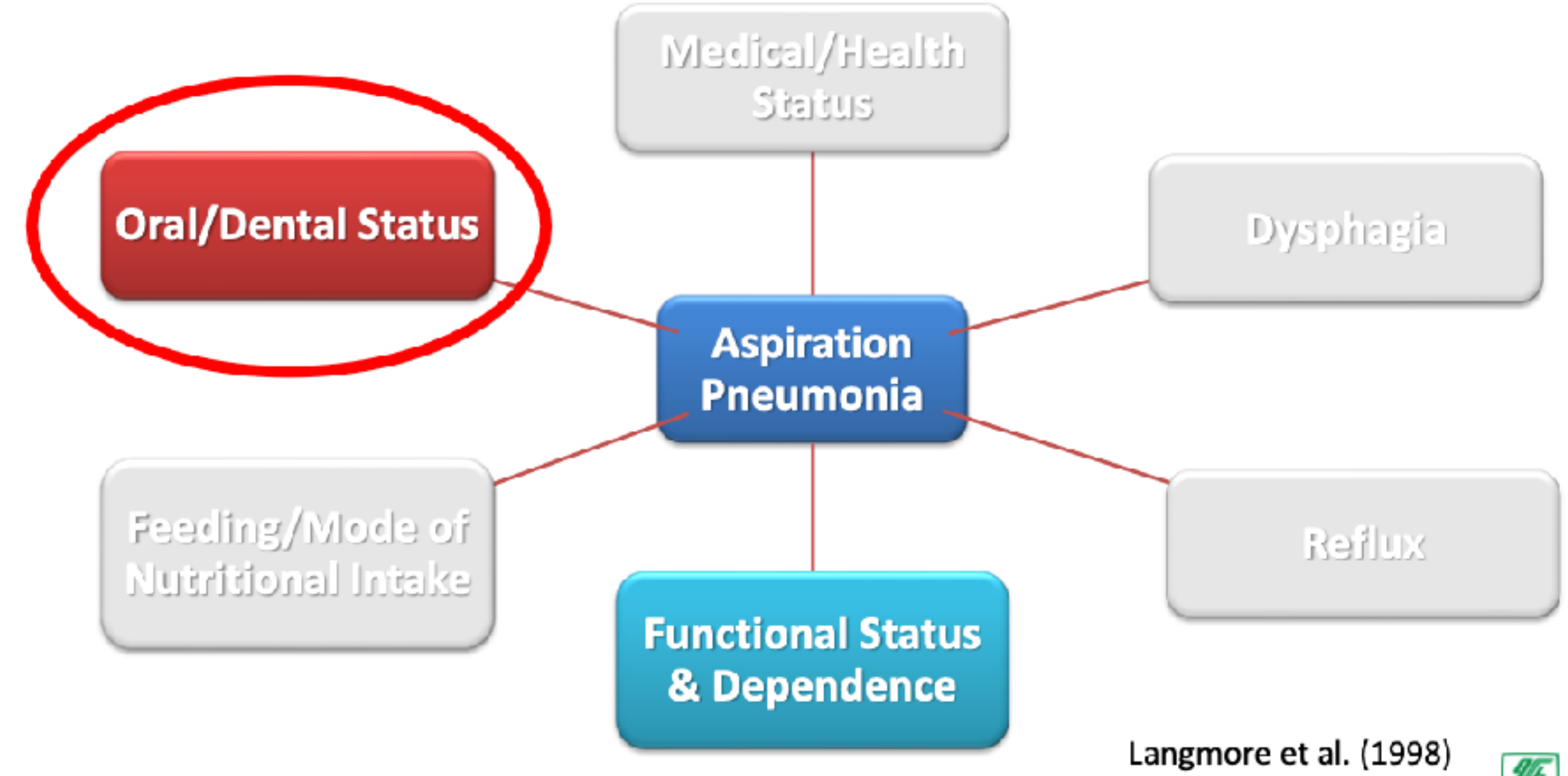 |
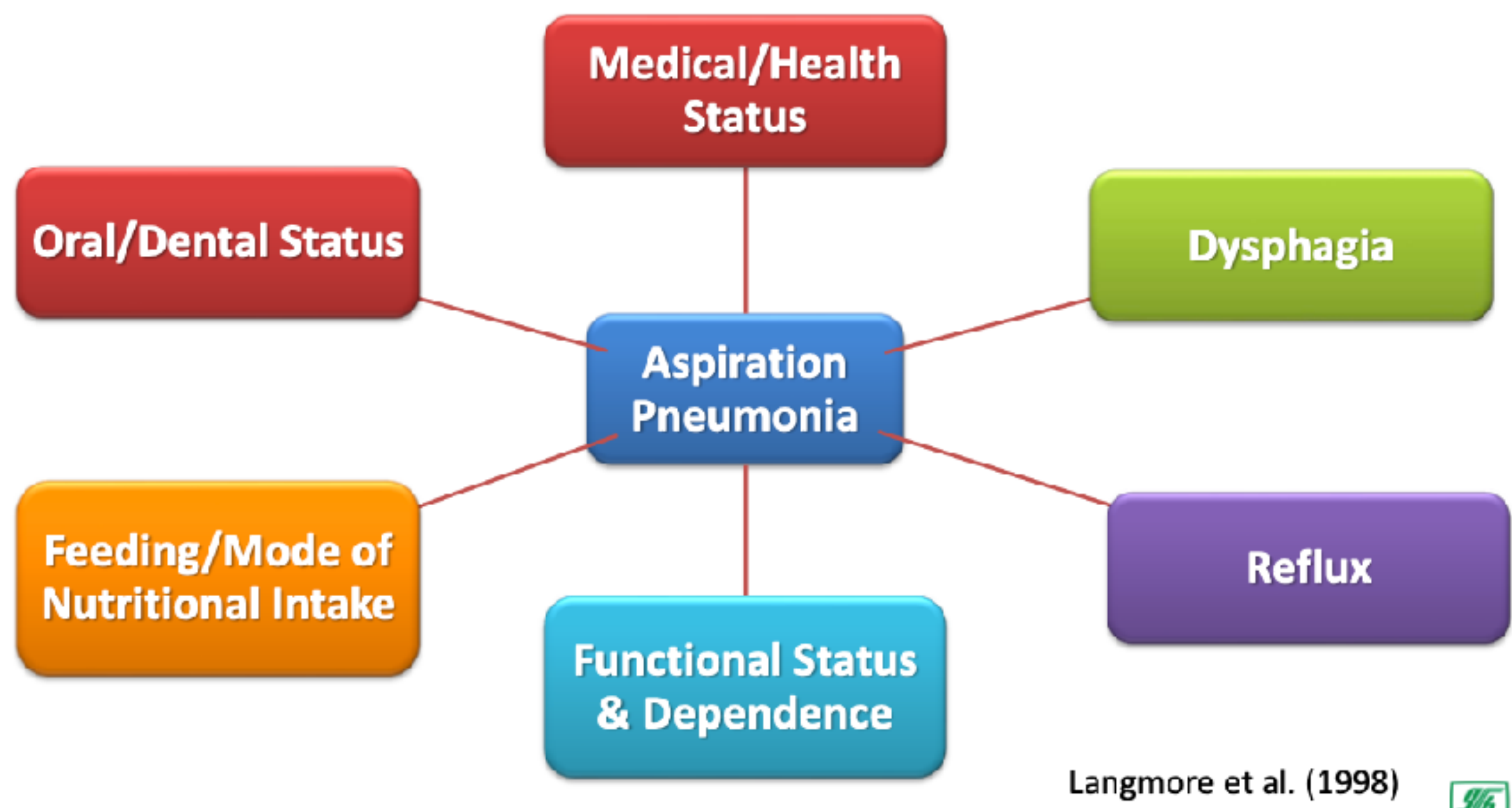
Causes of Aspiration Pneumonia13
Diagram labels (factors surrounding aspiration pneumonia):
- Medical/Health Status
- Oral/Dental Status
- Dysphagia
- Feeding/Mode of Nutritional Intake
- Reflux
- Functional Status & Dependence
Langmore et al. (1998) Singapore General Hospital
But… these are the strongest predictors of aspiration pneumonia
Diagram labels (strongest predictors surrounding aspiration pneumonia):
- Medical/Health Status
- Oral/Dental Status
- Dysphagia
- Feeding/Mode of Nutritional Intake
- Reflux
- Functional Status & Dependence
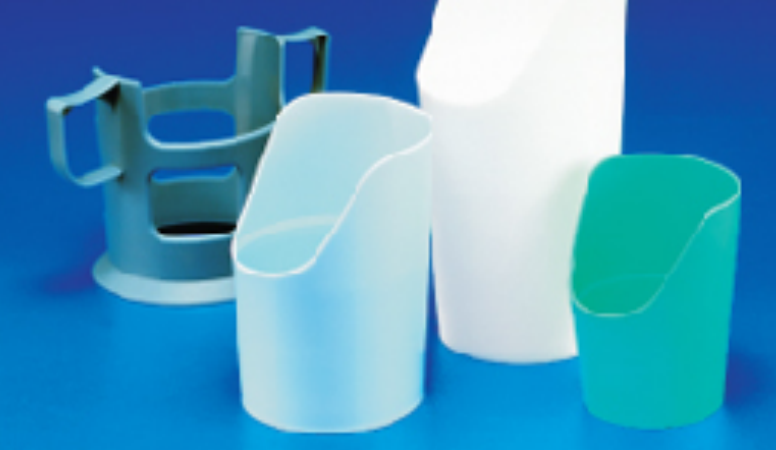
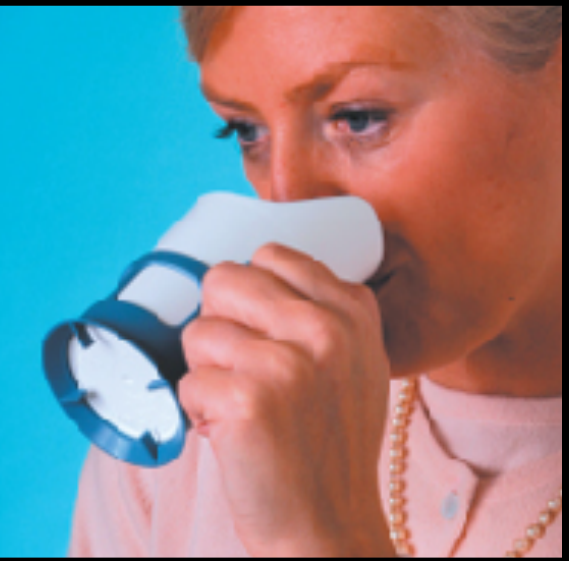
Dental Management Of Dysphagia14
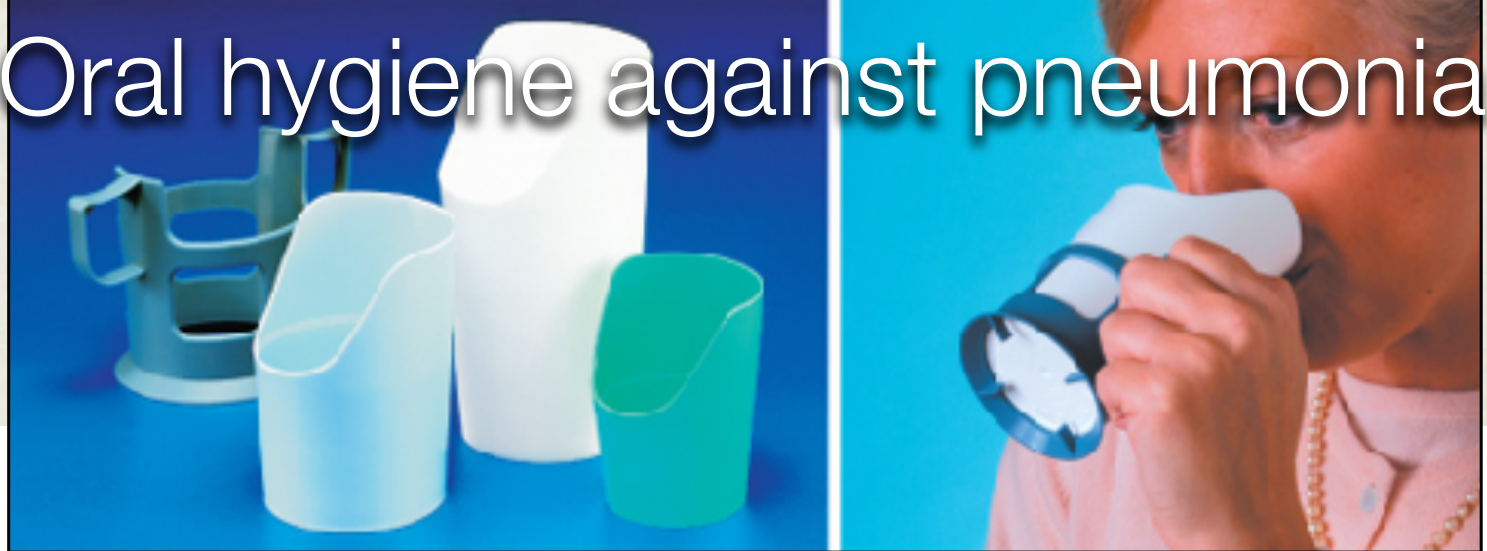
- Oral hygiene against pneumonia
- Manage caries risk (as a result of dietary modifications)
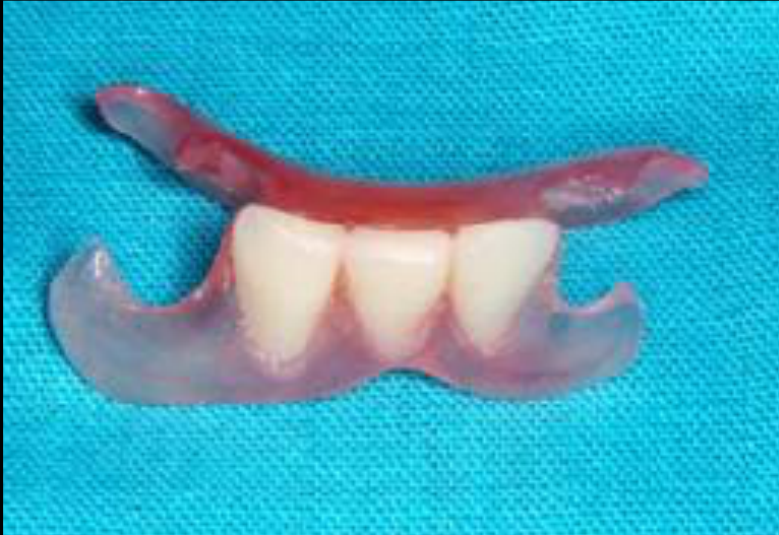
- Prosthetic considerations
- 5 “R”s chair side
- Orofacial exercises/massages
- Seek help from Physician / SALT / OT
Chung et al., 2014; Durham et al., 1993, Perez-Lloret et al., 2012; Sakar et al., 2013; Smith et all., 2012; Knipfer et al., 2014; www.kapitex.com
 |  |
 |
Oral Hygiene Against Pneumonia1516
Aspiration pneumonia / ?Health care associated pneumonia
- Leading cause of death and hospitalisation in nursing homes
- Represents about 1% of Australian deaths
- Dysphagia recognised risk factor – insufficient as sole cause
- Also patients who are immobile, altered consciousness, comorbidities, increasing age
- Oral health may be a predictor of respiratory-related deaths
- Nocturnal denture wearing associated with 2.3 fold increase in risk
- Periodontal disease increases risk by 3.9 times
- Improved oral hygiene could prevent one in ten deaths
Dry secretions on palate of elderly patients
Seek help from Physician / SALT / OT
Lecturer — Dry Oral Secretions
Dry secretions in aged-care patients may consist of phlegm, saliva and mucus. They can dry on the soft palate and mucosa and harbour bacteria.
- The secretions can be removed by brushing, while taking care to prevent them from dribbling into the mouth.
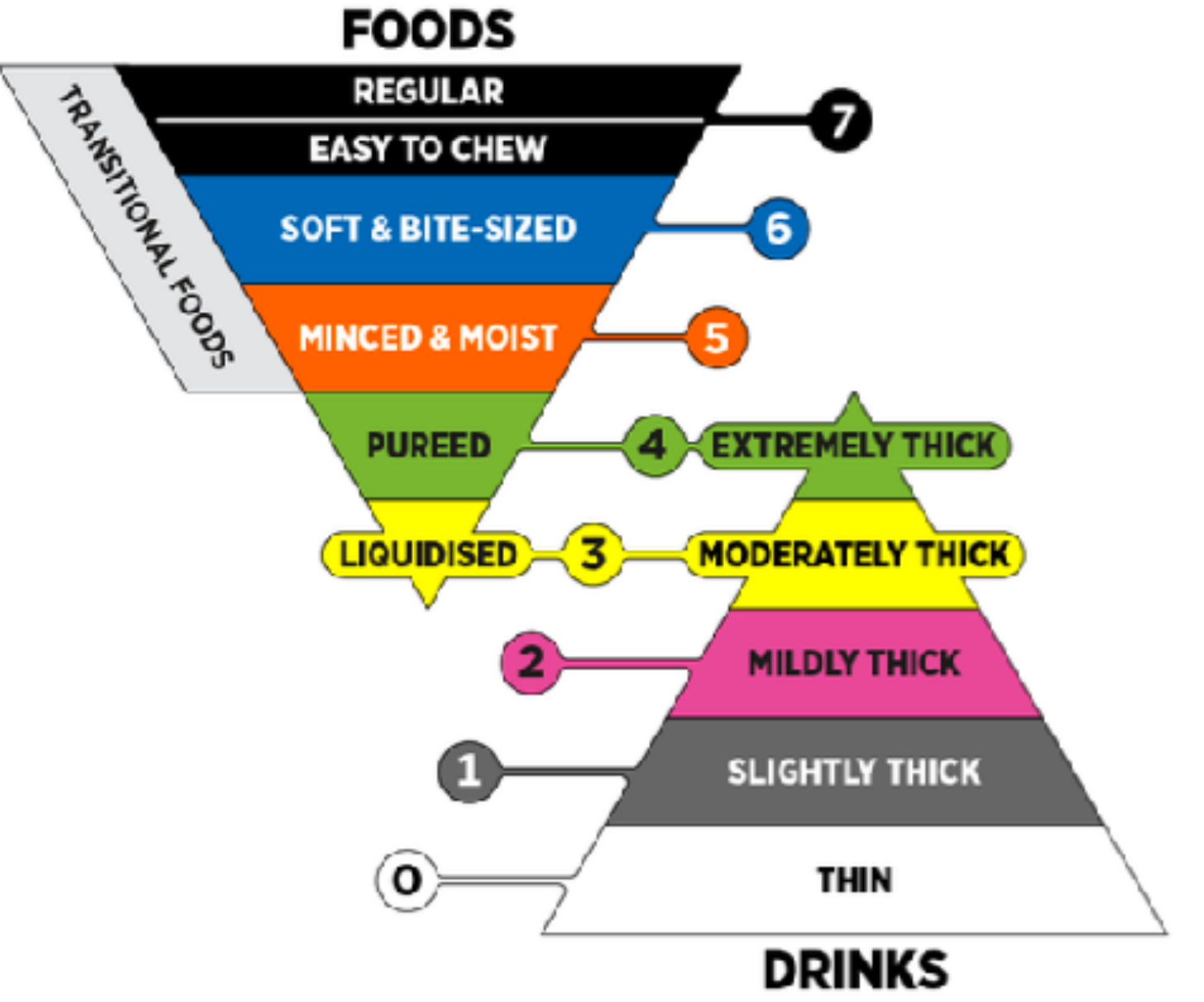
IDDSI Framework17
- International Diet Dysphagia Standardization Initiative — https://idddsi.org/
- A global standard with descriptions and testing methods for texture-modified foods and fluids for people with dysphagia.
The IDDSI Framework provides a common terminology for describing food textures and drink thicknesses to improve safety for individuals with swallowing difficulties.
Lecturer — Modified Diets
Some patients may require thickened fluids; a patient with Parkinson’s disease, for example, may need thickener because of poor swallowing. Fortified or thickened foods may be sticky, remain around or between the teeth, and be difficult to brush away.
- Dietary modifications combined with dry mouth can increase the risk of dental caries and periodontal problems.
Foods (levels 7–4):
- Level 7 — Regular
- Level 7 — Easy to Chew
- Level 6 — Soft & Bite-Sized
- Level 5 — Minced & Moist
- Level 4 — Pureed
- Transitional Foods
- Liquidised
Drinks (levels 0–4):
- Level 0 — Thin
- Level 1 — Slightly Thick
- Level 2 — Mildly Thick
- Level 3 — Moderately Thick
- Level 4 — Extremely Thick
Singapore General Hospital
 |  |
Managing Caries Risk From Dietary Modifications18
Management of impaired swallowing and oral implications
Many of the strategies can increase risk of decay and periodontal disease:
- Fortified diets and supplements
- Altered food texture
- Food thickeners
- Management of sialorrhea
- Crushed medications
Ingredient label example: Maltodextrin (Corn, Potato), Thickener (Xanthan Gum), Mineral Salt (Potassium Chloride). Made on equipment that also processes products containing Milk.

Prosthetic Considerations1920
Loose dentures affect function:
- speech
- mastication
- swallowing
- risk of ingestion & aspiration
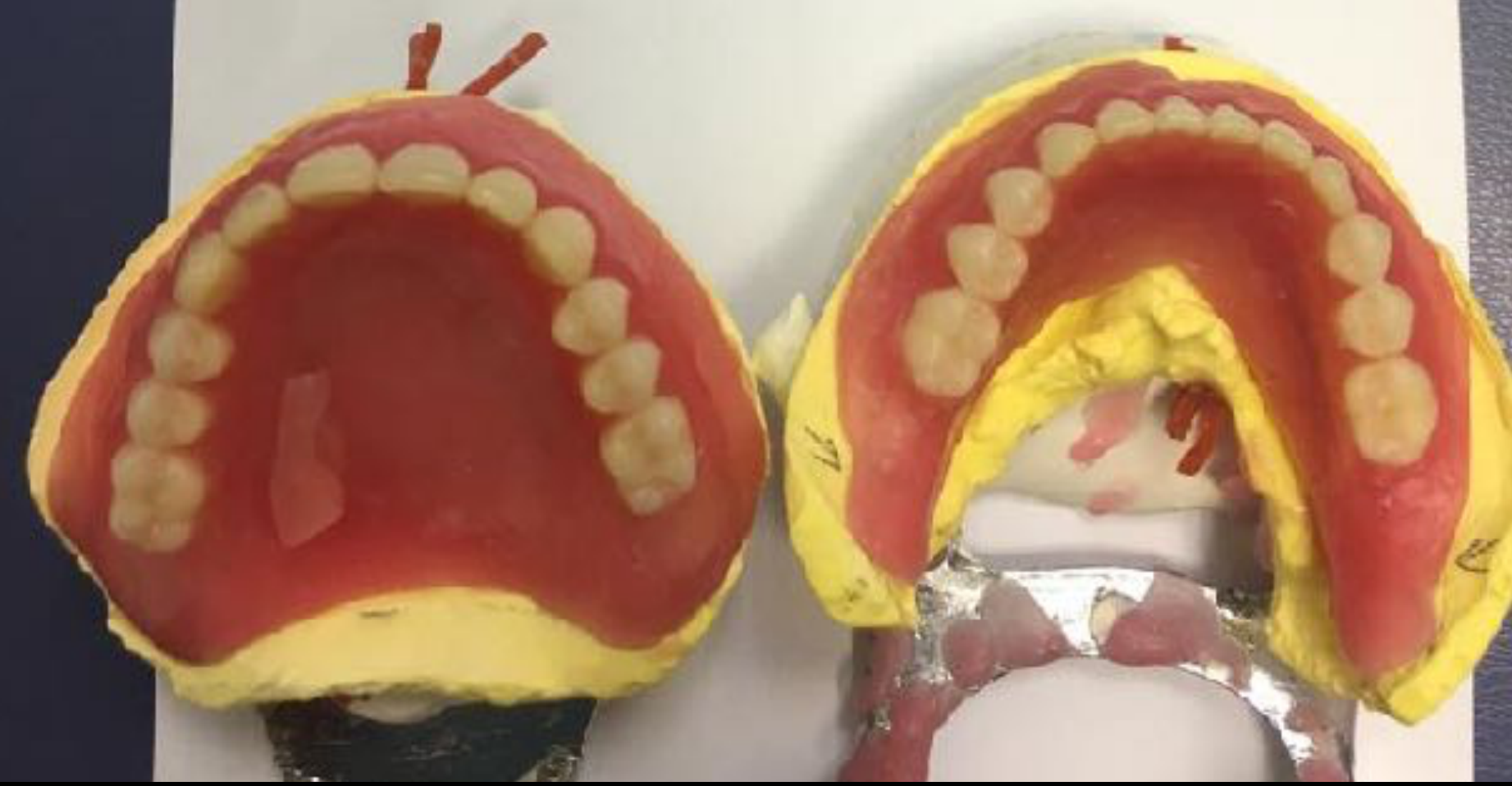
Lecturer — Denture Design
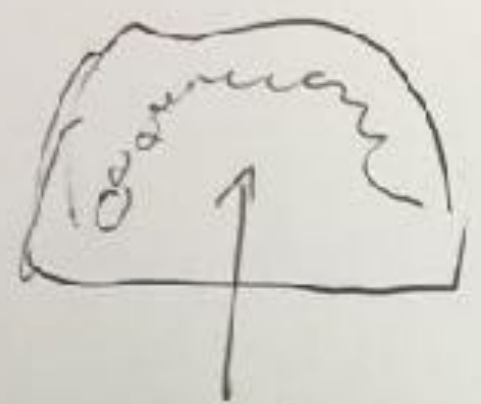
Palatal coverage may reduce the patient’s ability to feel food during the oral and oropharyngeal phases. Small unilateral dentures and single-tooth dentures are rarely prescribed because they may be ingested or aspirated.
sciencedirect.com, Gachabayov et al., 2015
 |  |
Effective vs Non-Effective Dentures on Swallowing21
An effective denture allows:
- tongue to be free to ‘pack’ bolus & free to swallow
- increased distribution of food
- prevents cheek/lip biting
- stabilisation of mandible during swallowing
From SEMD by Dr Jiro Abe
Suction Effectiveness
- Ill-fit mandibular denture — TCR 11:02:52:10
Palatal augmentation may help swallowing.
Five Rs Chair Side2223
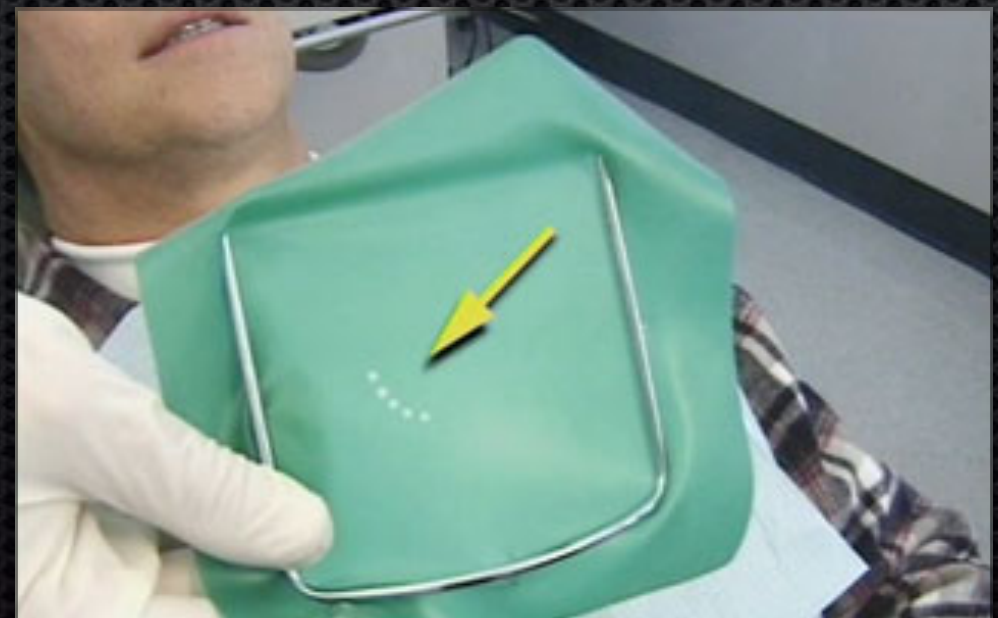
- Rubber dam
- Reduce aerosol/fluids/foam
- Recline no more than 45°
- Recall if fever, shortness of breath
- Respect the patient (e.g. stop signals)
Lecturer — Chair-Side Safety
Fever, usually within two or three days, and shortness of breath may be signs of pneumonia. If a patient is anxious, moving significantly or not confident about proceeding, treatment may need to be reduced or postponed.
Dysphagia special care chair side
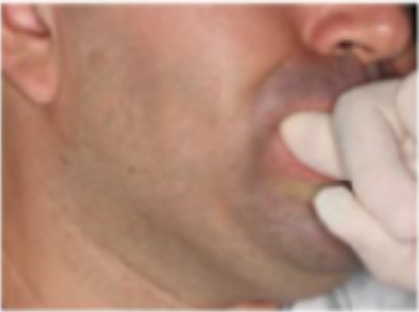
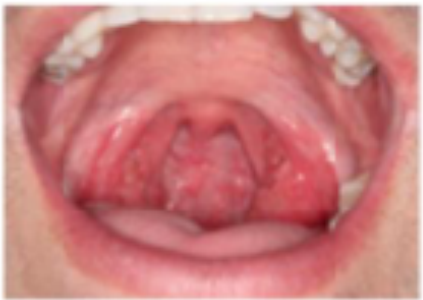
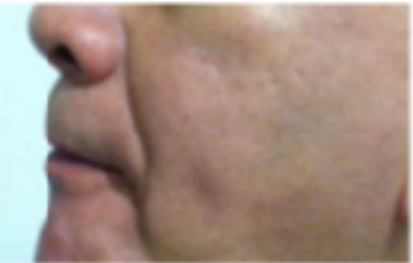
Orofacial Exercises
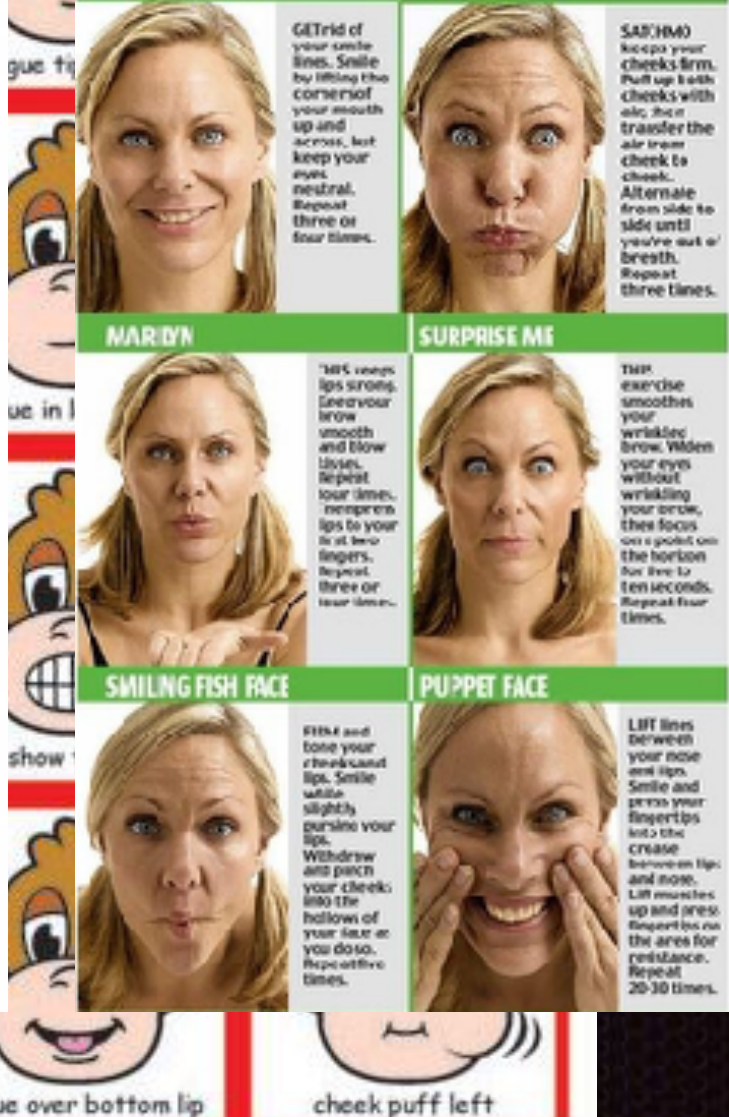
Levels of Oral Health Care — Orofacial Training Principles24
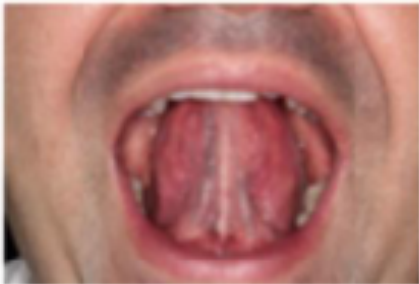
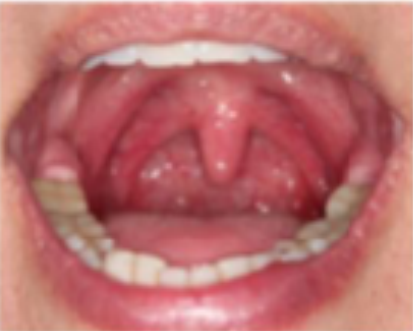
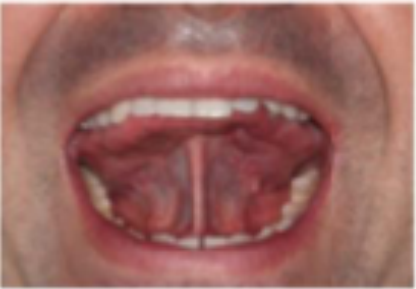
- The Sphinx Smile — Get rid of your smile lines. Smile by lifting the corner of your mouth up and inward, but keep your eyes neutral. Repeat three or four times.
- The Satchmo — Satchmo keeps your cheeks firm. Pull up both cheeks with air, then transfer the air from cheek to cheek. Alternate from side to side until you’re out of breath. Repeat three times.
- Marilyn — Marilyn smooths your brow. Widen your eyes without wrinkling your brow, then focus on a point on the horizon for five to ten seconds. Repeat four times.
- Surprise me
- Smiling fish face
- Puppet face
- Lip pucker
- Tongue over bottom lip
- Cheek puff left
pinterest.com; Ieto et al., effects of oropharyngeal exercises on snoring
 |  |  |
 |  |  |
 |
Study Guide For Neurodegenerative Conditions25
- Understand the specific characteristics and dental needs of individuals with common neurodegenerative diseases (e.g. epilepsy, cerebral palsy, acquired brain injury (stroke/trauma), Parkinson’s disease, motor neurone disease, multiple sclerosis, Huntington’s disease, spina bifida), including:
- communication strategies
- behavioural considerations
- appropriate treatment adaptations to ensure effective dental care
- dysphagia
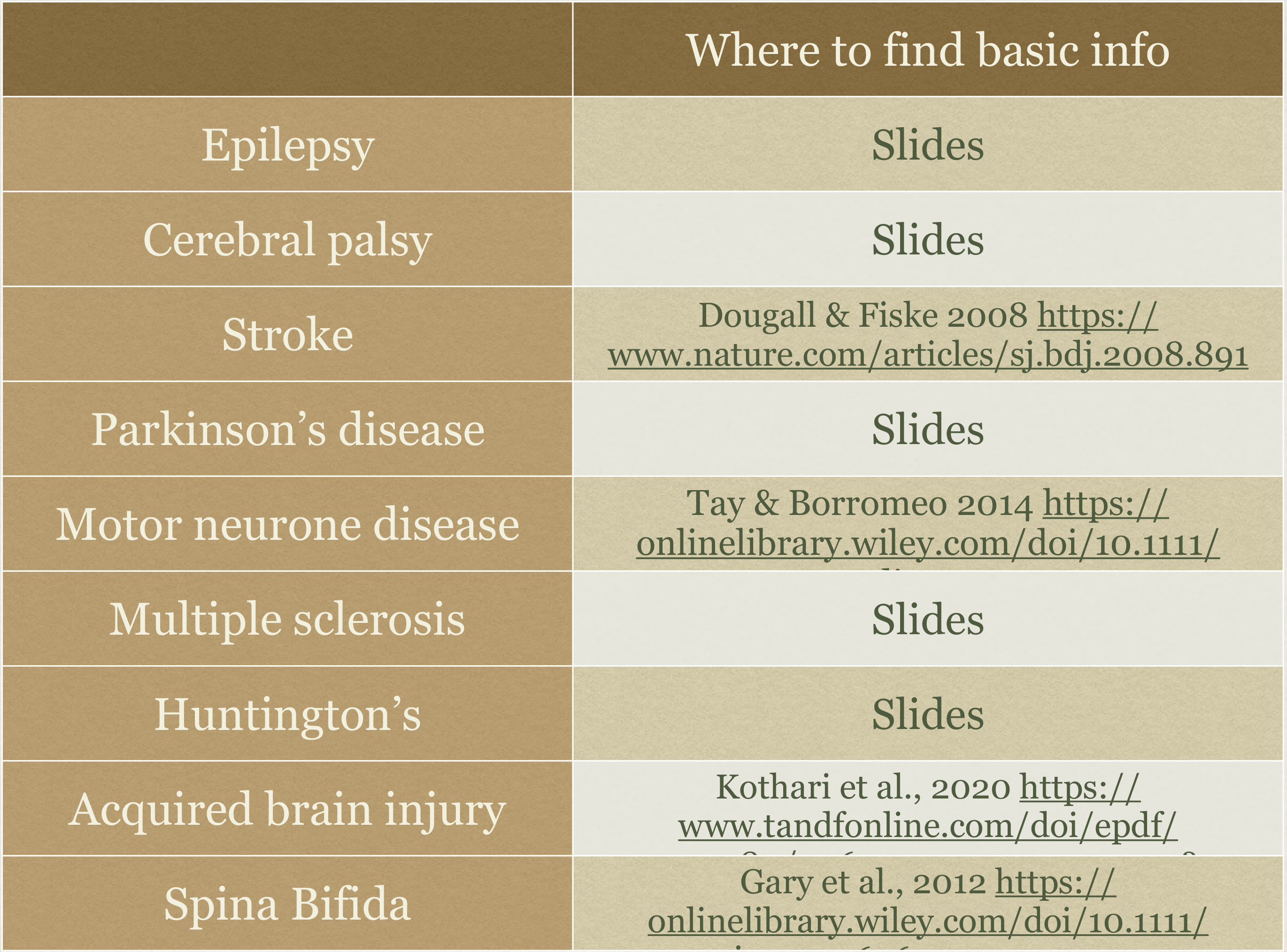
Where to Find Basic Info26
| Condition | Where to find basic info |
|---|---|
| Epilepsy | Slides |
| Cerebral palsy | Slides |
| Stroke | Dougall & Fiske 2008 — https://www.nature.com/articles/sj.bdj.2008.891 |
| Parkinson’s disease | Slides |
| Motor neurone disease | Tay & Borromeo 2014 — https://onlinelibrary.wiley.com/doi/10.1111/ |
| Multiple sclerosis | Slides |
| Huntington’s | Slides |
| Acquired brain injury | Kothari et al., 2020 — https://www.tandfonline.com/doi/epdf/ |
| Spina Bifida | Gary et al., 2012 — https://onlinelibrary.wiley.com/doi/10.1111/ |
How to Learn About Conditions27
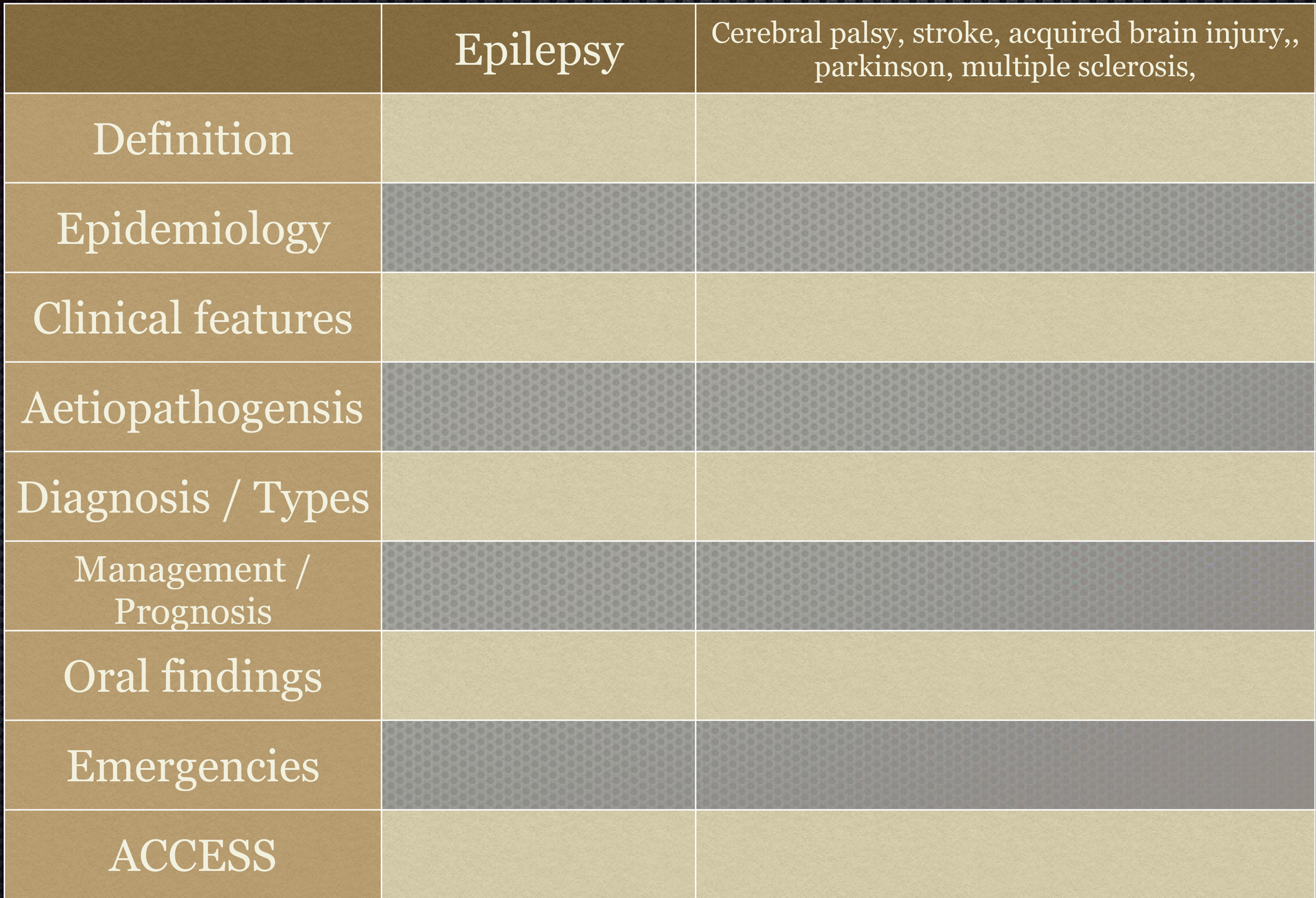
Complete the following topics for each condition group:
| Epilepsy | Cerebral palsy, stroke, acquired brain injury, Parkinson’s, multiple sclerosis | |
|---|---|---|
| Definition | ||
| Epidemiology | ||
| Clinical features | ||
| Aetiopathogenesis | ||
| Diagnosis / Types | ||
| Management / Prognosis | ||
| Oral findings | ||
| Emergencies | ||
| ACCESS |
Lecturer — Condition Review
The conditions should be reviewed systematically using a table or spreadsheet for each condition.
- Include epidemiology and prevalence, mechanisms of disease, subtypes, and management and treatment alongside the existing review topics.
- Stroke, acquired brain injury, and spina bifida were not covered in detail because they are addressed in other lectures; motor neurone disease, acquired brain injury, and spina bifida require further review.
- For epilepsy, status epilepticus is an important emergency to understand.
Epilepsy
Definition And Causes28
A group of disorders of brain function causing loss of consciousness and usually loss of motor and sensory function.
A general term for conditions with recurring seizures.
- Prevalence: 1% of the population
- Young, mentally or physically impaired usually affected.
A neurological condition characterized by recurrent seizures (World Health Organization).
Seizures are due to brief disturbances in the electrical functions of the brain. Epilepsy affects people of all ages.
Lecturer — Diagnosis and Seizures
Epilepsy is the diagnosis, whereas a seizure or fit is its clinical feature. A diagnosis generally requires at least one or two seizures, similar to the distinction between asthma and breathlessness.
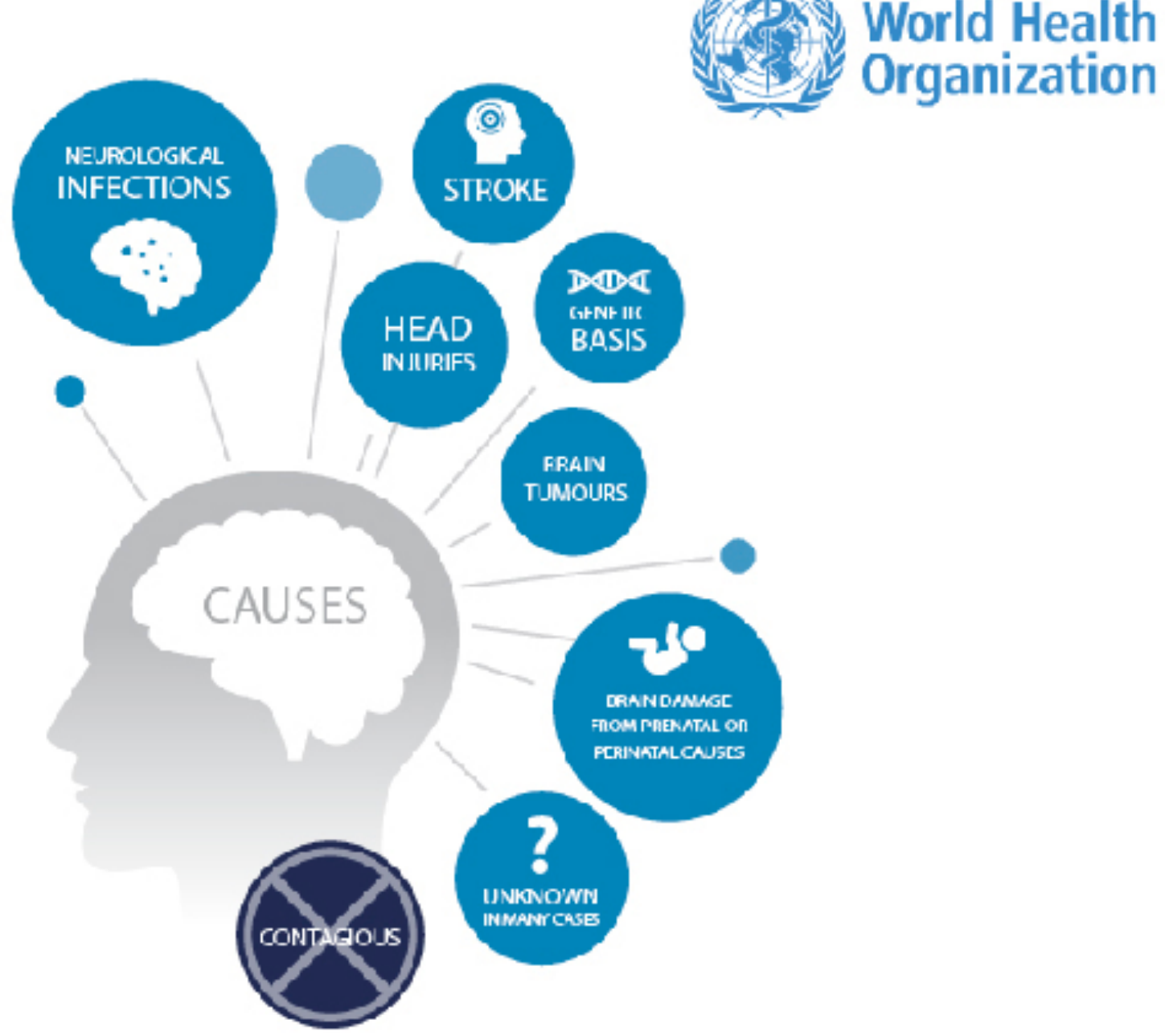
Causes29
-
Neurological infections
-
Stroke
-
Head injuries
-
Genetic basis
-
Brain tumours
-
Brain damage from prenatal or perinatal causes
-
Unknown in many cases
-
Approximately one-third of people with intellectual disability were stated to have epilepsy.
Epilepsy is not contagious.
Types Of Seizures3031
A variety of patterns.
Generalised32
-
Tonic clonic: loss of consciousness, distinct phases, under 5 mins
-
Absences: brief period of unresponsiveness <30s
-
The term grand mal is now more commonly referred to as a tonic-clonic seizure, and absence seizures were previously called petit mal seizures. A variety of patterns.
Partial seizures33
- Simple (Jacksonian epilepsy) — motor, sensory, or psychic features
- Complex (Temporal lobe epilepsy) — impaired consciousness + repetitive acts
youtube - monicque1979able
Tonic Clonic Seizure Sequence
Typical seizure [fit]: grand mal seizure
Defined sequence:
Warning or ‘AURA’ — can be mood change, irritability, brief hallucination, headache.
- An aura may also involve smelling something unusual.
Tonic phase34
- Total body tonic spasm
- Loss of consciousness
- Fall, danger of injury
- Pallor, dilation of pupils, head and spine extension
- Glottic and respiratory muscle spasm
- May be incontinence and biting of lips or tongue
Clonic phase35
- Follows tonic phase
- Repetitive jerking movements of trunk, limbs, tongue, lips
- Profuse salivation
- Bruxism, tongue biting, vomiting
- Tachycardia, hypertension, flushing
- Clonus is followed by flaccid semi-coma for 10-15 minutes
Afterwards36
- Confusion and headaches
- Patient may sleep for up to 12 hours or more before full recovery. Most seizures end without mishap.
Major effects
- Trauma
- Respiratory embarrassment
- Brain damage
- Status epilepticus — alternate tonic-clonic phases repeatedly without regaining of consciousness. Associated with inhalation of vomit and saliva, brain damage or death.
Lecturer — Airway During Seizures
During a prolonged seizure, respiratory embarrassment may include difficulty breathing and reduced blood oxygen. Suctioning is generally avoided because the patient may bite off part of the suction device and aspirate it; the head should instead be tilted downwards or sideways so saliva and fluid can flow out naturally.
Petit mal (absence seizures)
In children: sudden transient arrest of movement, attention, speech [absence].
General Management And Oro Dental Complications
Prophylactic anticonvulsants e.g. Carbamazepine, Phenytoin, Lamotrigine.
Oro-dental complications37
-
Injuries caused by fit
-
Laceration of tongue or buccal mucosa
-
Injuries to face (lacerations, haematomas, fractures)
-
Subluxation or loss of teeth
-
Phenytoin — causes gingival fibrous hyperplasia of interdental papillae
-
Poor oral hygiene can increase gingival enlargement, so good brushing is important to reduce this risk.
Dental Considerations38
Epileptics have good and bad phases.
Dental treatment preferably in good phase when attacks are infrequent — important to get detailed history. Ask: “When was the last seizure?”
-
Schedule appointment in early hours of the day — short sessions
-
Avoid known triggers like bright lights (keep dental light out of patient’s eyes, use dark safety glasses) and extreme noises
-
Keep oral cavity free of debris; keep equipment and instruments away from area around patient
-
Some patients experience seizures early in the morning, in the afternoon, or when tired; these patterns should be identified when scheduling appointments.
-
Small, ill-fitting dentures should be avoided because they may dislodge during a seizure.
-
Prolonged use of sodium valproate may increase bleeding risk.
Managing A Seizure In The Dental Chair39
-
Treatment should be stopped and dental instruments, removable prostheses (only if possible) and cotton wool rolls/gauze rolls should be removed immediately from the mouth
-
Help patient into the supine position. Loosen tight clothing
-
Not necessary to restrain the patient or move him/her to the floor; neither is it necessary to place an object in the patient’s mouth (e.g. to stop them swallowing their tongue)
-
Preventing injury is the main goal
-
Call for emergency help (ambulance)
-
Some patients fall into a deep sleep after seizure. If so, monitor closely especially for airway obstruction
-
Lie patient on side to maintain airway — face rotated to allow vomit to be expelled from mouth and prevent inhalation
-
If the seizure lasts more than 5 minutes and recurs, drug administration is required (usually midazolam — buccal, rectal or IV)
-
After the patient regains consciousness, he/she should be sent home to rest. Treatment should be postponed until the patient feels well again
-
Notify the clinical supervisor and document the seizure.
Access Communication Consent Surgery Framework40
Use the acronym to indicate the challenges regarding epilepsy in oral health care (5 mins).
-
Access — The ability of someone to physically access the dental service. This also concerns timing.
-
Communication — What affects communicating with the person? Think about language, sensory impairments, speech difficulties, intellectual disabilities, neuro-diversity, dental fear that affect two-way communication. What do you need to communicate?
-
Consent — Are there difficulties in making health care decisions for the person? Who is in charge?
-
Education — Are there specific oral health education, or preventive advice for the patient or the caregiver?
-
Surgery — What other adjustments should we make in the dental setting? This involves fillings, cleaning, extraction, chair positioning etc.
-
Spread — Is there a cross-infectivity concern? Is the person instead at risk of infection?
-
Oral implications — How does the condition manifest in the mouth? What can we expect to see? This involves elements of Oral Medicine specialty.
-
Related concerns — What other related issues do we see with this condition. This involves effects of progression of disease, effects of medical treatment etc.
-
Infection-control concerns relate to the patient’s general health and potential transmission of infections, not epilepsy itself.
Access41
- May require caregiver if ID or refractory epilepsy
- Variable risk of fall, refractory epilepsy
- If pt has seizure prior to appt, postpone appt
- Avoid time of the day / period of time where person is prone to seizures
Consent
- Rectal midazolam administered by OHT?
- Consent issues for person with ID
Communication
- Ask: what type, when, triggers
- Anxiety can be a trigger for seizures, TLC
- Remind to have light meal, medications and emergency meds
- Post ictal — ask a responsible adult to escort home
Education
- Teach family NOT to stuff anything into the mouth during seizure
- Gingival hyperplasia — need very good OH, surgical removal if non-reducing
Surgery42
- Dental emergency management of status epilepticus
- Avoid triggers — bright lights/noise/anxiety
- Ill-fitting small dentures / AEB not good — risk of aspiration
- Sedation with benzodiazepines may benefit. Reversal of BZD — can induce seizure
- Drug interaction (aspirin, azoles, metronidazole with phenytoin, carbamazepine)
- Bleeding risk with valproate
Spread
- Epilepsy is not contagious
Oral implications
- Worn/ground teeth: grinding tonic phase, or if fall face-first
- Gingival hyperplasia — phenytoin (folate?), carbamazepine, lamotrigine, valproate
- Soft tissue trauma
Related conditions
- Intellectual disability
- Lennox-Gaustant syndrome
- Stroke, brain trauma, brain tumors
Multiple Sclerosis4344
- Definition.
- Epidemiology / Background.
- Aetiopathogenesis.
- Clinical presentation.
- Diagnosis / Types.
- Treatment / Prognosis.
- Oral findings / Side effects of medication.
- Provision of dental treatment (ACCESS).
Definition And Background
MS is the most common acquired chronic neurological disease affecting young adults, often diagnosed between the ages of 20 to 40 and, in Australia, affects three times more women than men. As yet, there is no cure. There is no known single cause of MS, but many genetic and environmental factors have been shown to contribute to its development. In MS, the body’s own immune system mistakenly attacks and damages the fatty material – called myelin – around the nerves. This results in a range of symptoms, but no two people experience MS in the same way.
Key Statistics45
-
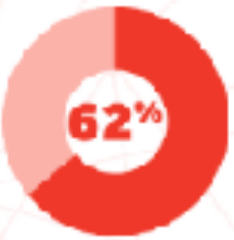
62% — nearly 3 million people live with MS worldwide.
-
$2.5bn was the estimated cost of MS to the Australian community in 2021.
-
Average age of diagnosis is between 20–40 years.
-
3 out of 4 Australians diagnosed with MS are women.
-
MS affects more young adults than any other acquired chronic neurological disease.
-
131 Australians living with MS per 100,000 people, up from 103 in 2017.
-
Approximately 33,000 Australians have multiple sclerosis, representing about 0.131% of the population.
 |  |
Definition46
- Chronic relapsing demyelinating CNS disease.
- Causes sensory, motor and psychological symptoms.
- Characterised by the formation of plaques throughout the CNS.
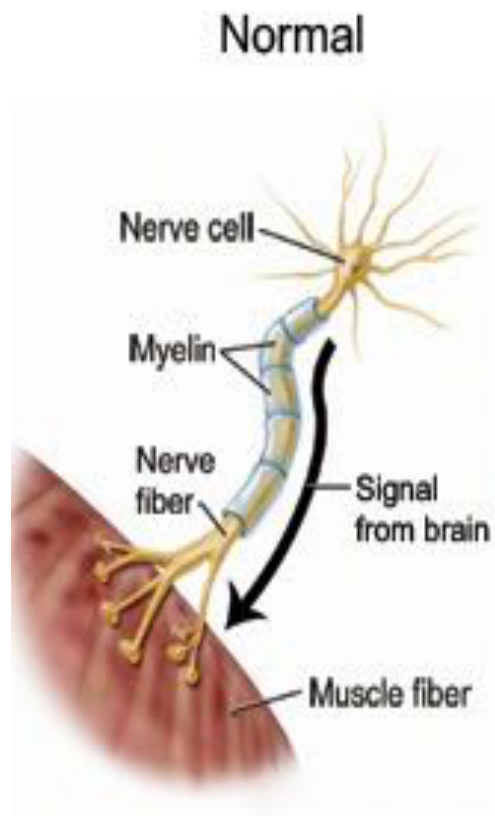 | 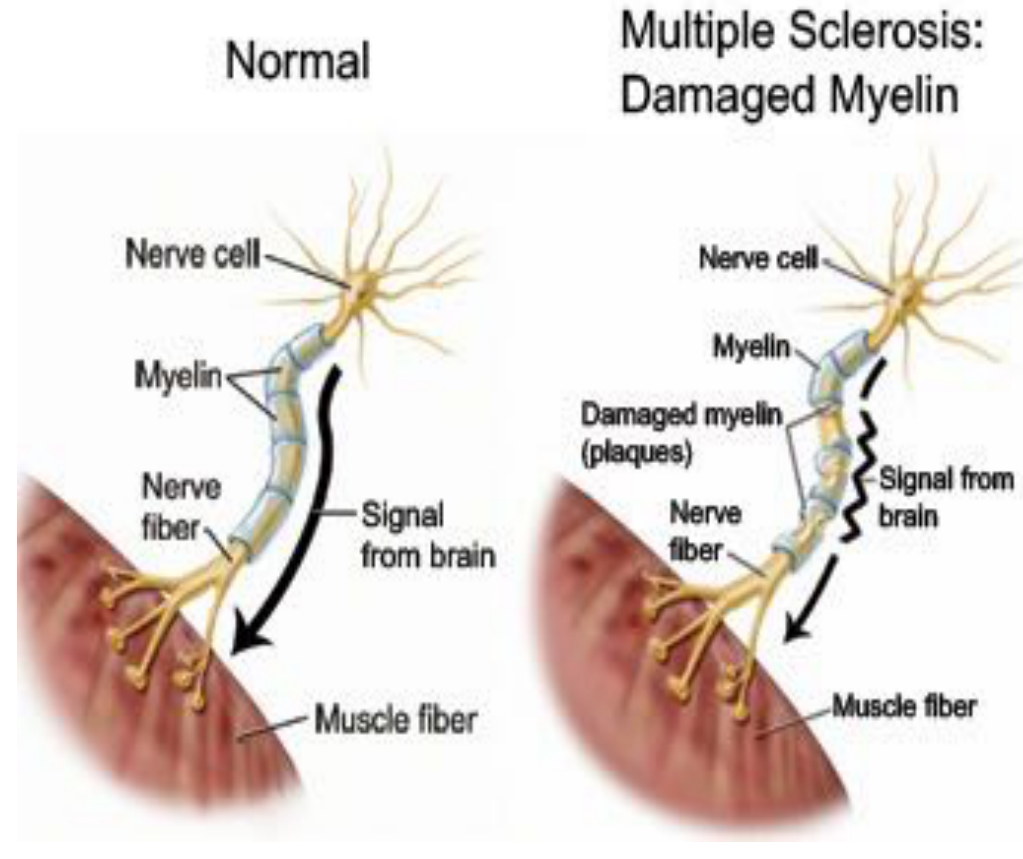 |
Multiple Sclerosis: Damaged Myelin
- Healthy myelin: nerve cell → myelin → nerve fiber → signal from brain → muscle fiber.
- Damaged myelin: nerve cell → damaged myelin (plaques) → nerve fiber → signal from brain → muscle fiber.
Psych 256: Cognitive Psychology SP15. Web. 28 Oct. 2015.
Background47
- The two common symptoms are pain and spasticity (stiff and spasm).
- Disease progression: muscle spasm, immobility, disturbed sleep, pain and fatigue occur.
Aetiopathogenesis48
- Unclear.
- Maybe familial predisposition.
- Maybe autoimmune in genetically susceptible individuals, perhaps viral aetiology (HHV 6).
- Sunlight exposure appears to reduce risk.
Lecturer — Sunlight and Disease Activity
Geographical and sunlight-related factors may influence multiple sclerosis prevalence.
- Areas with less sunlight were described as having a higher prevalence.
- Disease activity relates to an overactive immune system attacking myelin.
Clinical Presentation
Main Symptoms of Multiple Sclerosis49
-
Central: fatigue, cognitive impairment, depression, unstable mood.
-
Visual: nystagmus, optic neuritis, diplopia.
-
Speech: dysarthria.
-
Throat: dysphagia.
-
Musculoskeletal: weakness, spasms, ataxia.
-
Sensation: pain, hypoesthesias, paraesthesias.
-
Bowel: incontinence, diarrhea or constipation.
-
Urinary: incontinence, frequency or retention.
-
Cognitive impairment usually occurs at later stages, while optic neuritis may be unilateral and accompanied by rapid visual deterioration. “48 New Genetic Variants Linked to Multiple Sclerosis.” Web. 28 Oct. 2015.
Diagnosis And Types
Diagnosis5051
- Clinical findings during acute attacks.
- MRI.
- Delayed visual evoked response potentials (VEPs).
- Lumbar puncture – CSF examination: shows increased IgG and slightly increased WBC.
 |  |
 |  |
Types52
- Varies in severity and speed of evolution.
- Classified based on clinical course to:
- Relapsing – remitting.
- Primary progressive.
- Secondary progressive.
- Progressive relapsing.
- Relapsing-remitting disease has symptom-free periods after improvement, whereas primary progressive disease advances without remission phases; secondary progressive disease may follow an earlier relapsing-remitting course.
Treatment And Prognosis
Treatment53
- Multidisciplinary team.
- No effective reliable treatment for MS.
- Disease modifying agents (DMAs) – beta interferons and glatiramer (immunomodulator).
- Corticosteroids for acute episodes.
- Anti-inflammatory agents like natalizumab.
- Symptomatic management – muscle relaxant (Tizanidine).
Prognosis54
- Most patients survive at least 20–30 years.
- After 25 years more than 75% of patients are still alive.
- Remission, complete and partial, are common.
- Fulminant MS (or malignant) occurs occasionally and progresses rapidly.
Oral Findings And Medication Side Effects
Oral Findings55
- No specific oral manifestation.
- But consider diagnosis in suspected clinical presentations, such as:
- A young patient with bilateral trigeminal neuralgia.
- Facial palsy but unlike Bell’s palsy (e.g. without retroaural pain).
Oral Side Effects of Medication56
-
Dry mouth due to:
- Atropine used in treating the bladder dysfunction.
- Tizanidine (muscle relaxant).
-
Long-term steroid use.
-
Facial oedema caused by glatiramer (immunomodulator).
-
Atropine and antimuscarinic muscle relaxants can reduce salivary flow, causing dry mouth and increased caries risk.
-
Long-term steroid use should be considered when planning surgical procedures, including the possible need for steroid cover.
References57
- MS Australia. https://www.msaustralia.org.au/what-is-multiple-sclerosis-ms/
- National Multiple Sclerosis Society. Web. 28 Oct. 2015.
- Psych 256: Cognitive Psychology SP15. Web. 28 Oct. 2015.
- Scully, Crispian. Scully’s Medical Problems in Dentistry. Elsevier Health Sciences, 2014.
- Scully, Crispian, Pedro Diz Dios, and Navdeep Kumar. Special care in dentistry: Handbook of oral healthcare. Elsevier Health Sciences, 2006.
- “48 New Genetic Variants Linked to Multiple Sclerosis.” Web. 28 Oct. 2015.
Parkinson’s Disease
Classical Features And Non Motor Symptoms
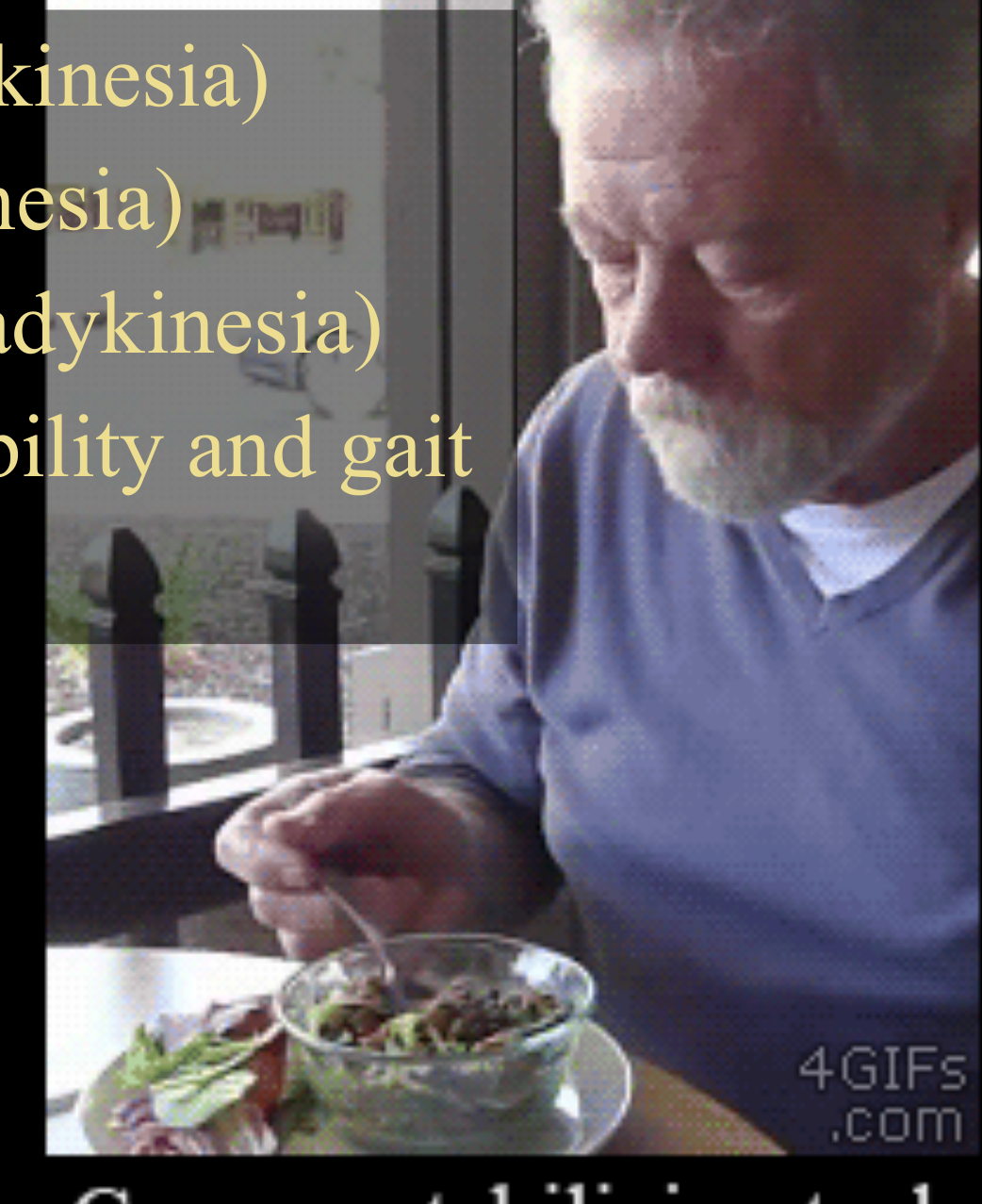
Classical Features58
- Tremors (Dyskinesia)
- Rigidity (Akinesia)
- Slowness (Bradykinesia)
- Postural instability and gait disturbances
Lecturer — Disease Mechanism
Parkinson’s disease is a progressive neurodegenerative disease traditionally considered a movement disorder. It is thought to involve degeneration of dopaminergic neurons in the substantia nigra.
(Jankovic, 2007; Gallagher, 2013; Schneider & Obeso, 2015)
 | 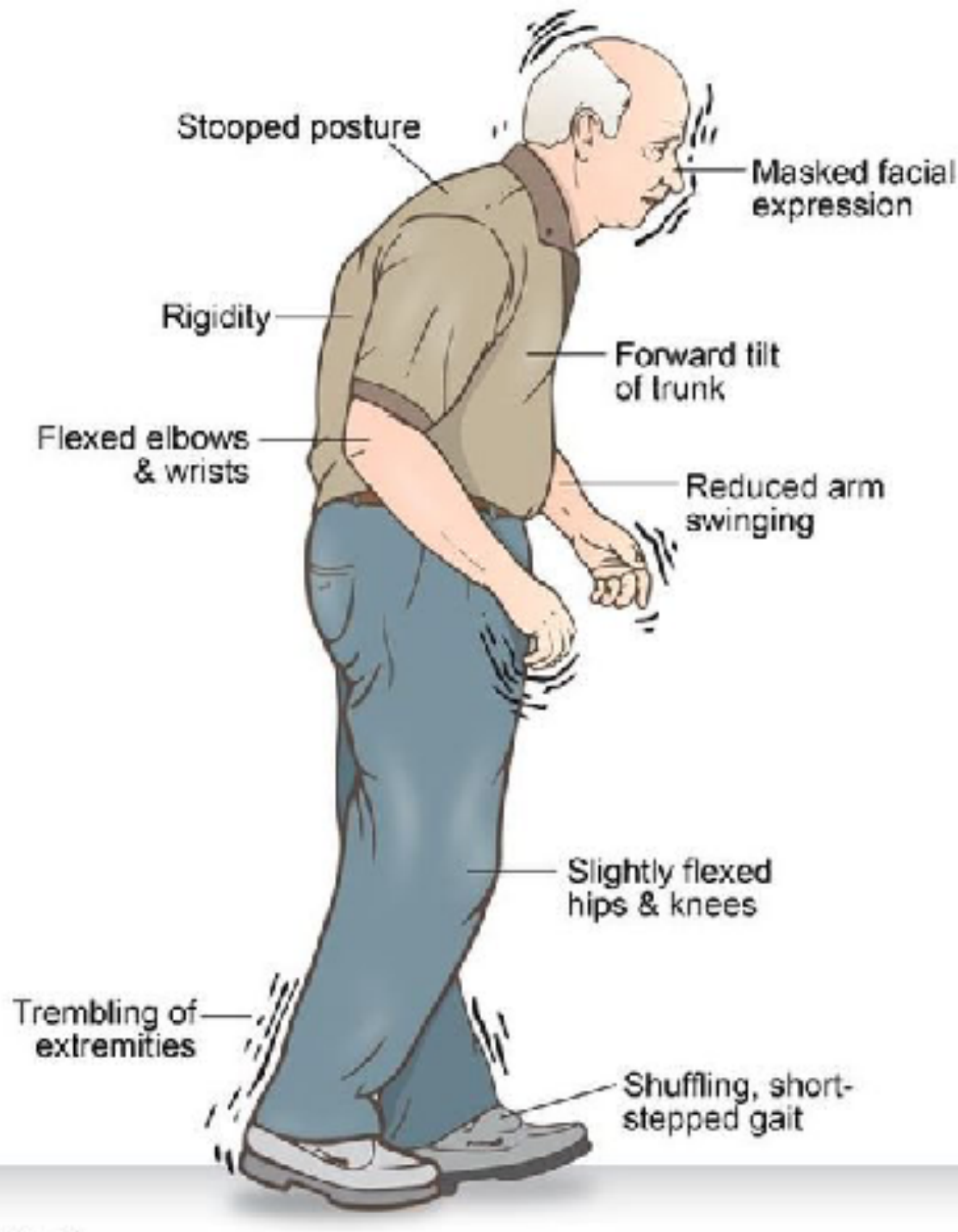 |
Physical Signs
- Stooped posture
- Masked facial expression
- Rigidity
- Forward tilt of trunk
- Flexed elbows & wrists
- Reduced arm swinging
- Slightly flexed hips & knees
- Trembling of extremities
- Shuffling, short-stepped gait
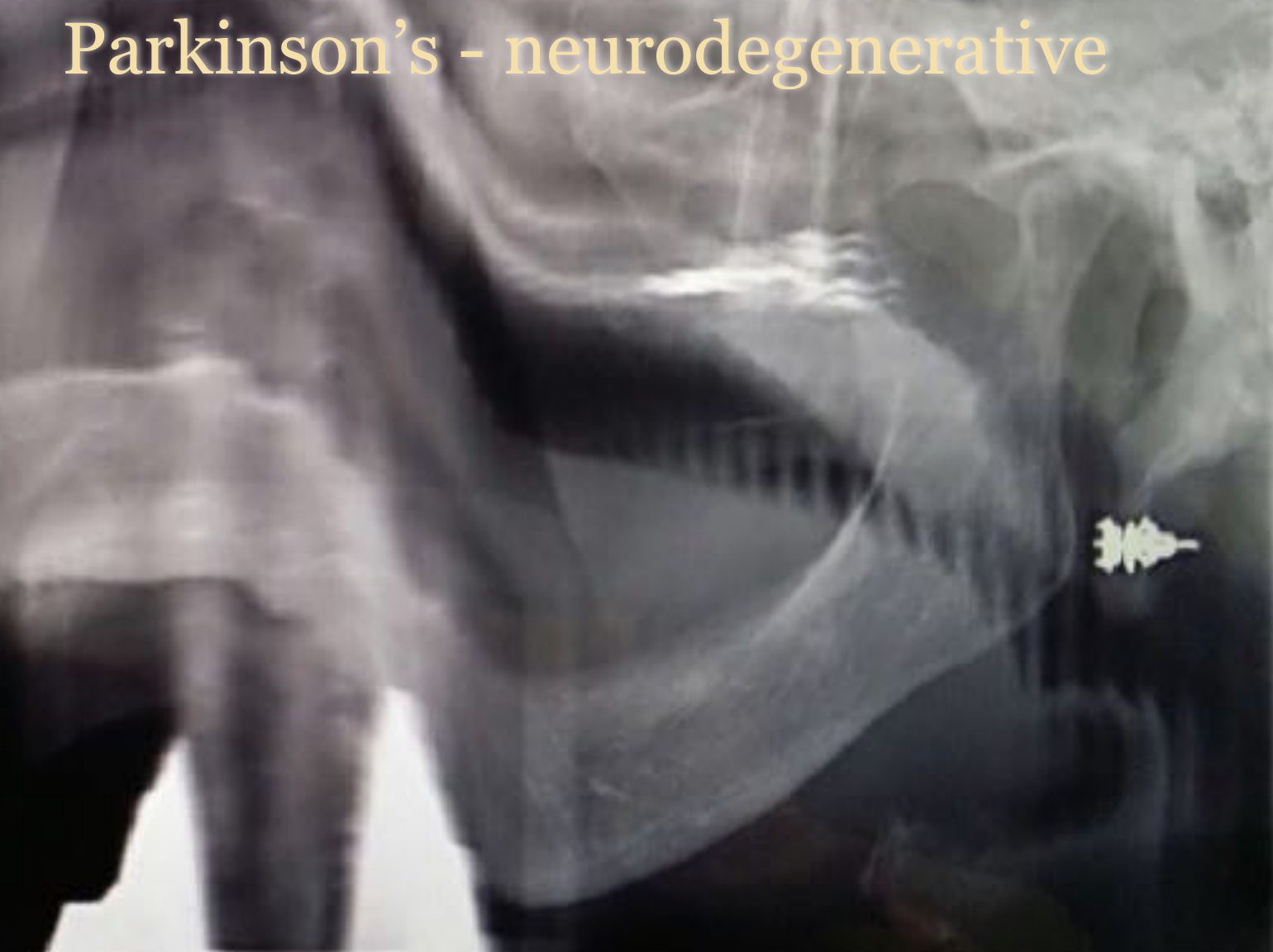
- Tremors and involuntary movements may affect radiographic procedures, and advanced hunched posture may prevent an OPG machine from passing evenly across the back. (© UWorld)
Non-Motor Symptoms59
- Sensory disturbances
- Autonomic dysfunctions
- Neurological deficits
- Sleep disturbances
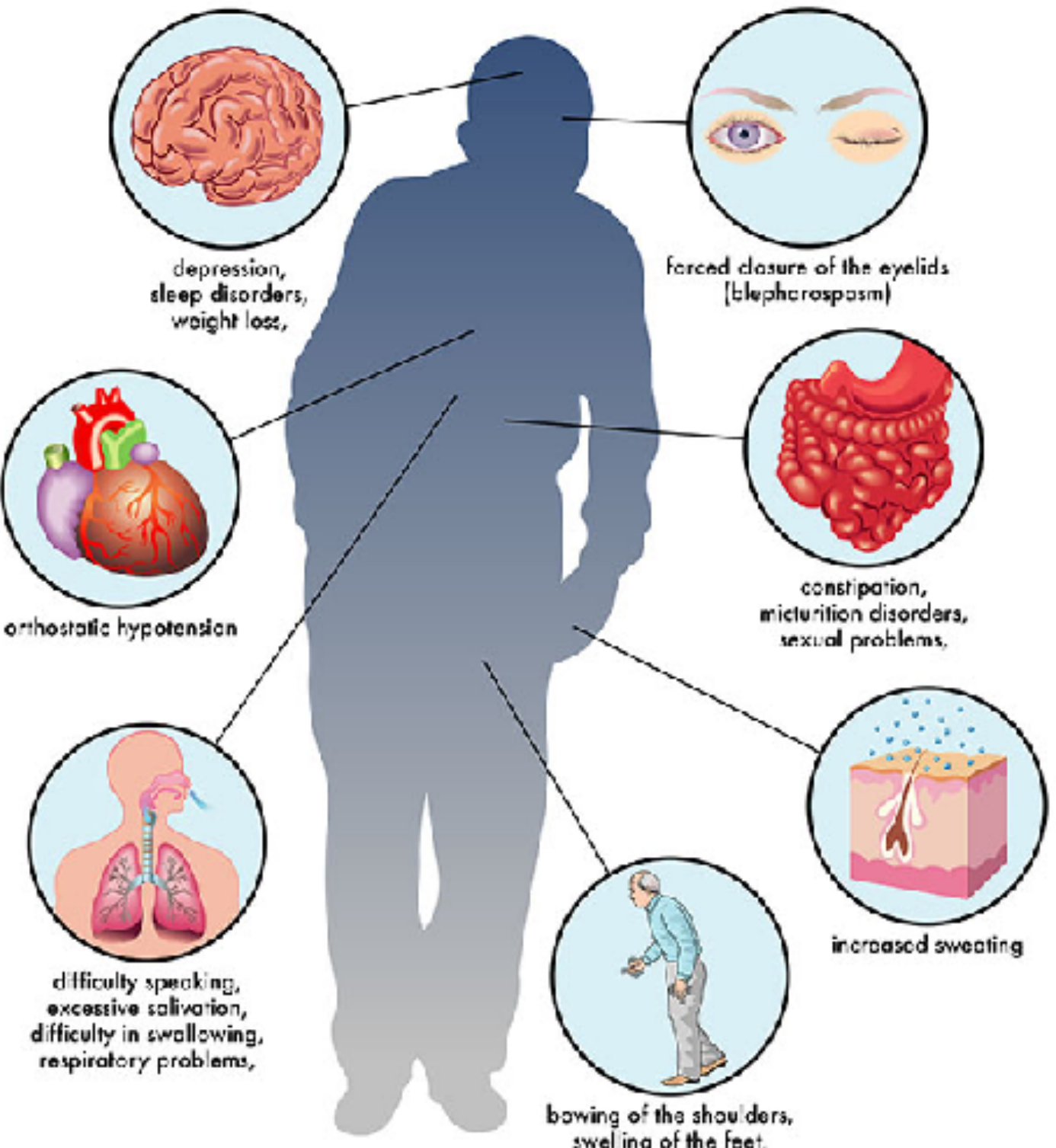
Associated features include:
- depression, sleep disorders, weight loss
- forced closure of the eyelids (blepharospasm)
- orthostatic hypotension
- constipation, micturition disorders, sexual problems
- increased sweating
- difficulty speaking, excessive salivation, difficulty in swallowing, respiratory problems
- bowing of the shoulders, swelling of the feet
(Quinn et al., 1987; Jankovic, 2007; Gallagher, 2013; Schneider & Obeso, 2015)
Lecturer — Early Symptoms
Some sensory and sleep symptoms may occur 20 to 30 years before diagnosis. Cognitive changes, dysphagia and dementia may occur at later stages.
Diagnosis And Staging
UK Parkinson’s Disease Society Brain Bank Criteria60
Step 1 — Diagnosis of Parkinson Syndrome
- Bradykinesia
- At least one of the following:
- Muscular rigidity
- 4–6 Hz rest tremor
- Postural instability
Step 2 — Exclusion of other similar diseases and mimicking signs
Step 3 — Three or more supportive characteristics
(Hughes et al., 1992)
Lecturer — Idiopathic Disease
Parkinson’s disease is described as idiopathic when it is not caused by another condition or medication.
Five Stages of PD: Hoehn & Yahr Scale61
| Stage | Symptoms |
|---|---|
| I (Mild – Early disease) | There is no to minimal functional impairment. Only one side of the body is affected. |
| II | Posture and balance are normal even though both sides of the body are affected. |
| III (Moderate) | Mild imbalance when standing or walking, both sides of the body are affected but the patient is independent. |
| IV (Severe – Advanced disease) | Imbalance when standing or walking is disabling, both sides of the body are affected and the patient requires assistance. |
| V | The patient is cachectic, restricted to bed or wheelchair and needs complete assistance for daily living activities. |
(Hoehn & Yahr; Braak et al., 2003; Hughes et al., 1992)
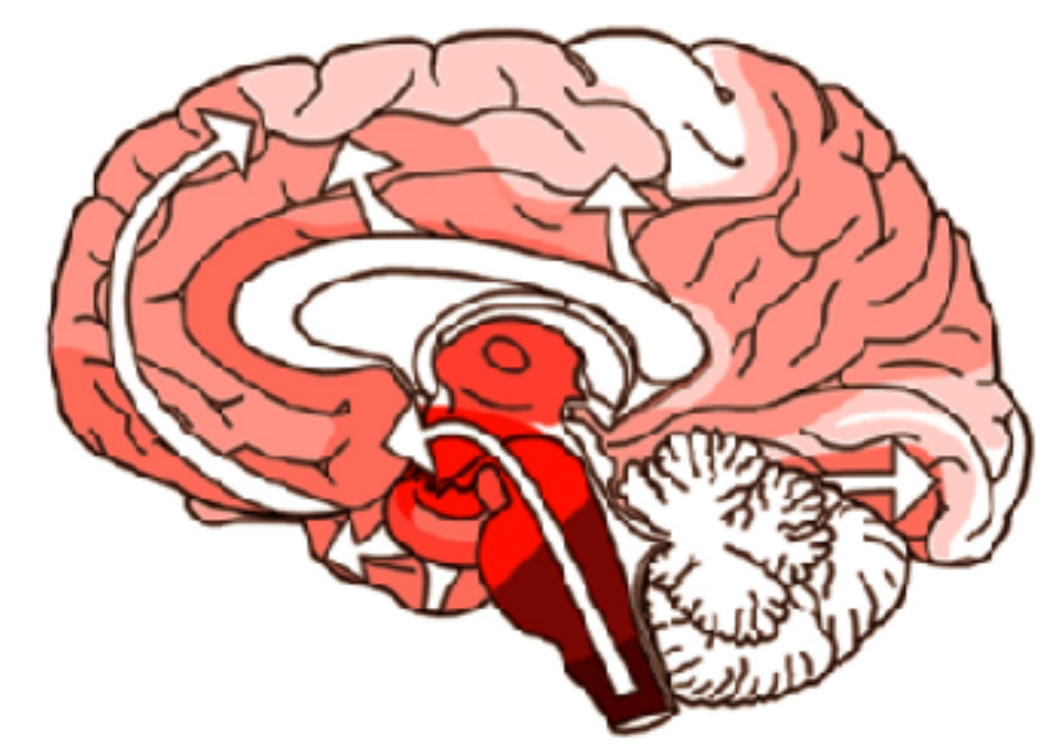
Lecturer — Braak Staging
Braak staging is histopathological and generally cannot be diagnosed during life. It involves examining the brain after death and assessing the distribution of misfolded proteins as the disease progresses through the brain stem and other brain regions.
Epidemiology And Risk Factors
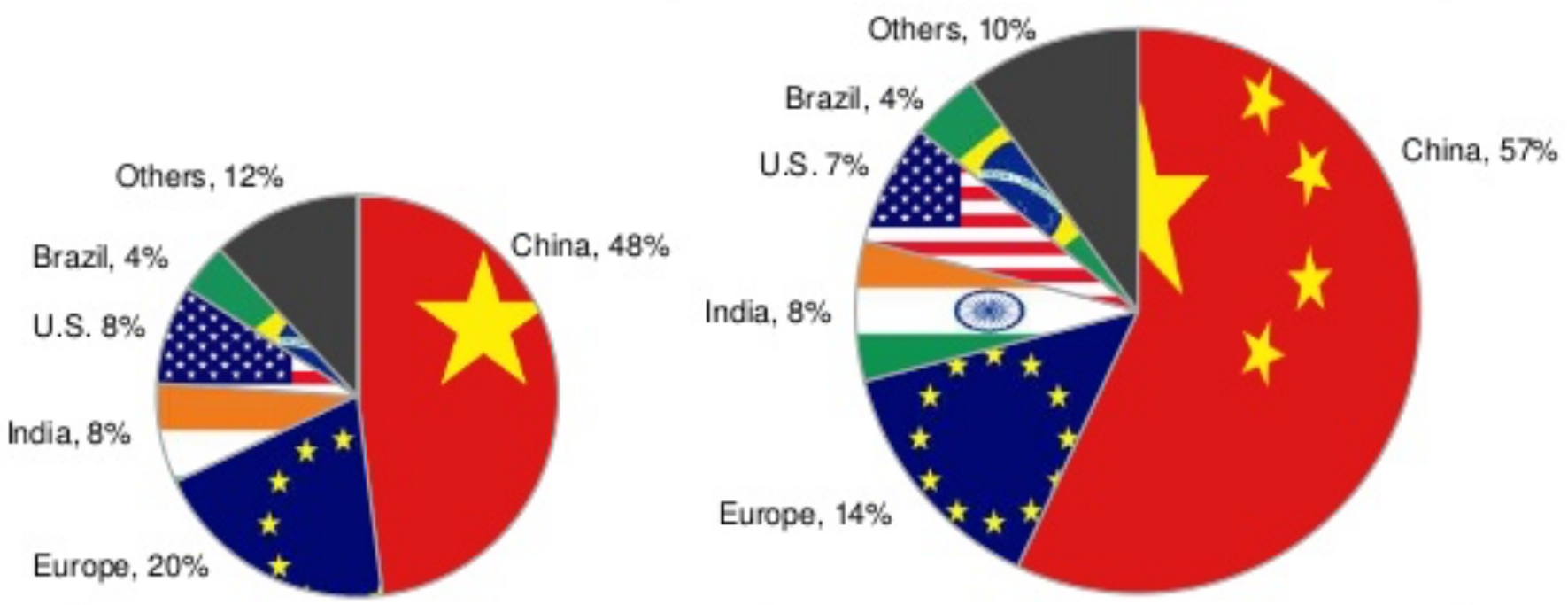
Prevalence of Parkinson’s Disease62
2005 — 100% = 4.1 million individuals
- China, 48%
- Europe, 20%
- India, 8%
- U.S., 8%
- Brazil, 4%
- Others, 12%
2030 — 100% = 8.7 million individuals
- China, 57%
- Europe, 14%
- India, 8%
- U.S., 7%
- Brazil, 4%
- Others, 10%
Worldwide Figures
- Worldwide, 1 in every 3000
- 6.3 million worldwide (2016)
- 8.7–9.3 million worldwide by 2030
- 1 in 500 people in “W.E.I.R.D” countries
Ratio in Genders
- Male to female ratio of 1.46
(Dorsey et al., 2007; Parkinson’s UK; Parkinson’s Singapore; PSGP; Pringsheim et al., 2014; Taylor et al., 2007)
Risk Factors63
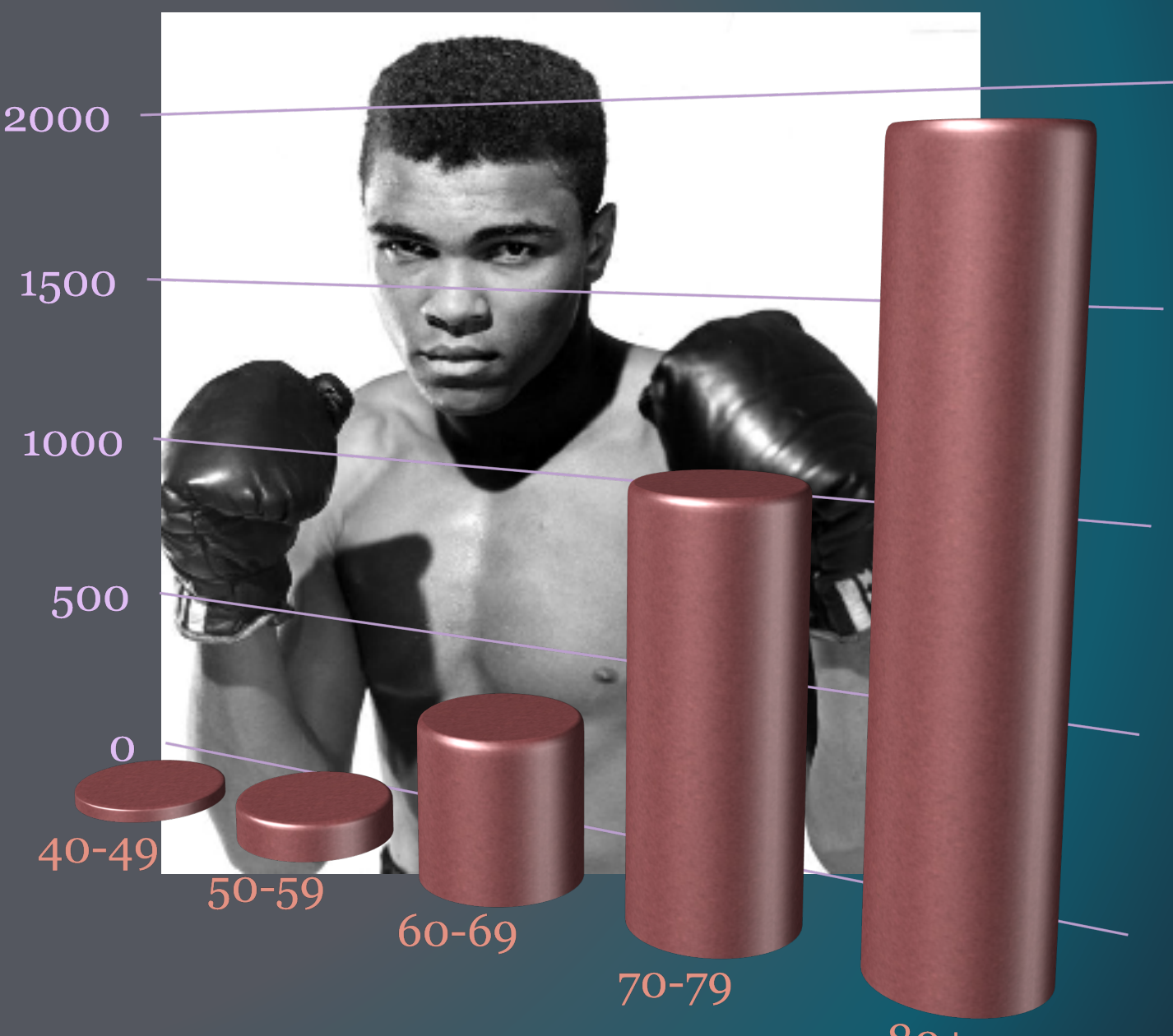
- Age — prevalence increases with age (40–49, 50–59, 60–69, 70–79, 80+)
- Genetics (OR: 4.19)
- SNCA, LRRK2, PARK2, PINK, PARK etc.
- Toxins exposure (OR: 3.09)
- Pesticides (paraquat, rotenone & maneb)
- Herbicides, insecticides, metals etc.
- Trauma to the head (OR: 1.57)
- Boxing, Muay Thai etc.
(Irwin et al., 2012; Jenner et al., 2013; Jafari et al., 2013; Wang et al., 2011; Li et al., 2015; Hernán et al., 2002; Tan et al., 2008)
- Muhammad Ali and Michael J. Fox were mentioned as people who developed Parkinson’s disease at relatively young ages.
Protective Factors64
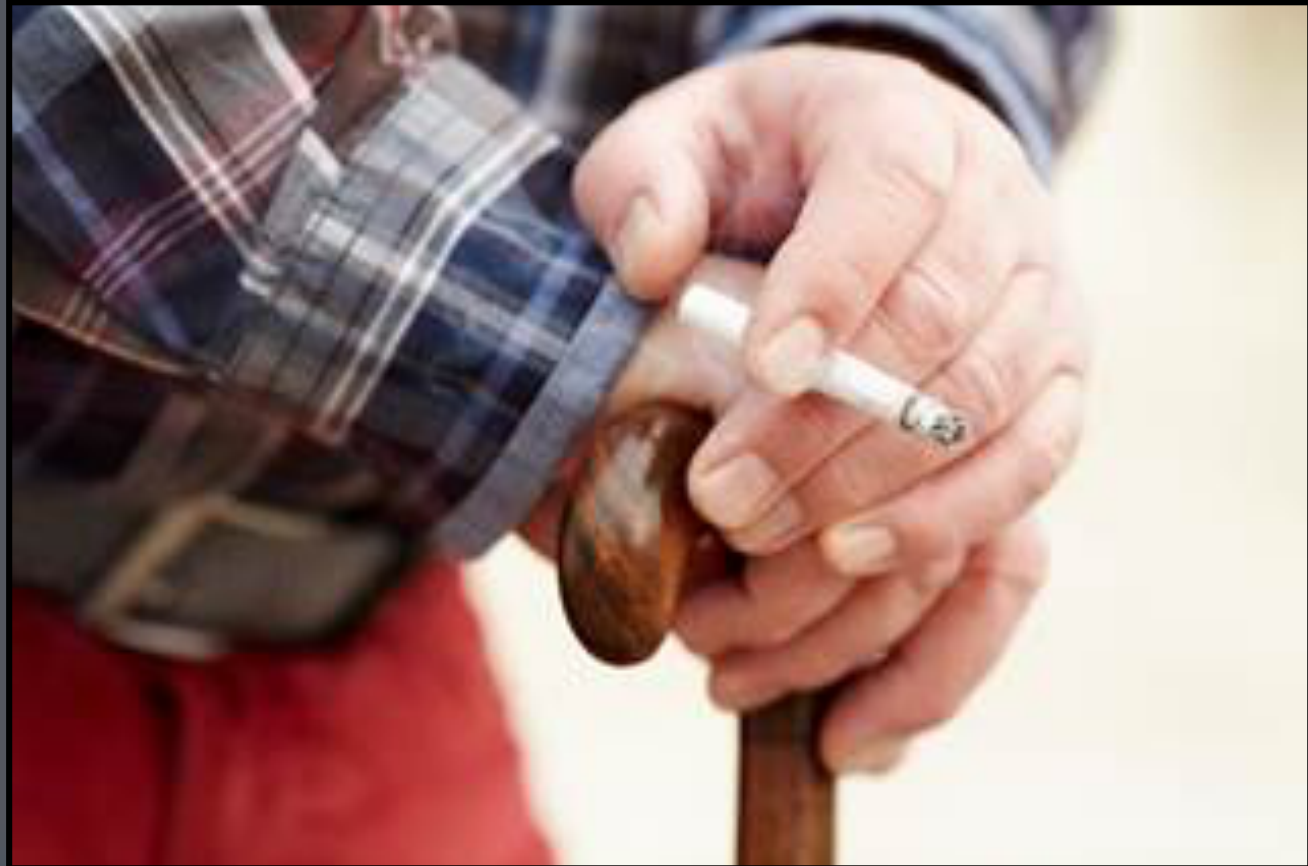
- Smoking (RR: 0.59)
- Coffee (RR: 0.69)
- Black tea (RR: 0.28)
Lecturer — Protective Mechanisms
Nicotine was suggested as a possible compound involved in the association between smoking and reduced Parkinson’s disease risk. Proposed effects included reduced neuroinflammation and improved survival of dopaminergic neurons; caffeine was described as stimulating additional dopamine production.
(Irwin et al., 2012; Jenner et al., 2013; Jafari et al., 2013; Wang et al., 2011; Li et al., 2015; Hernán et al., 2002; Tan et al., 2008; Barreto et al., 2015)
Pharmacological And Surgical Management
Pharmacological Management65
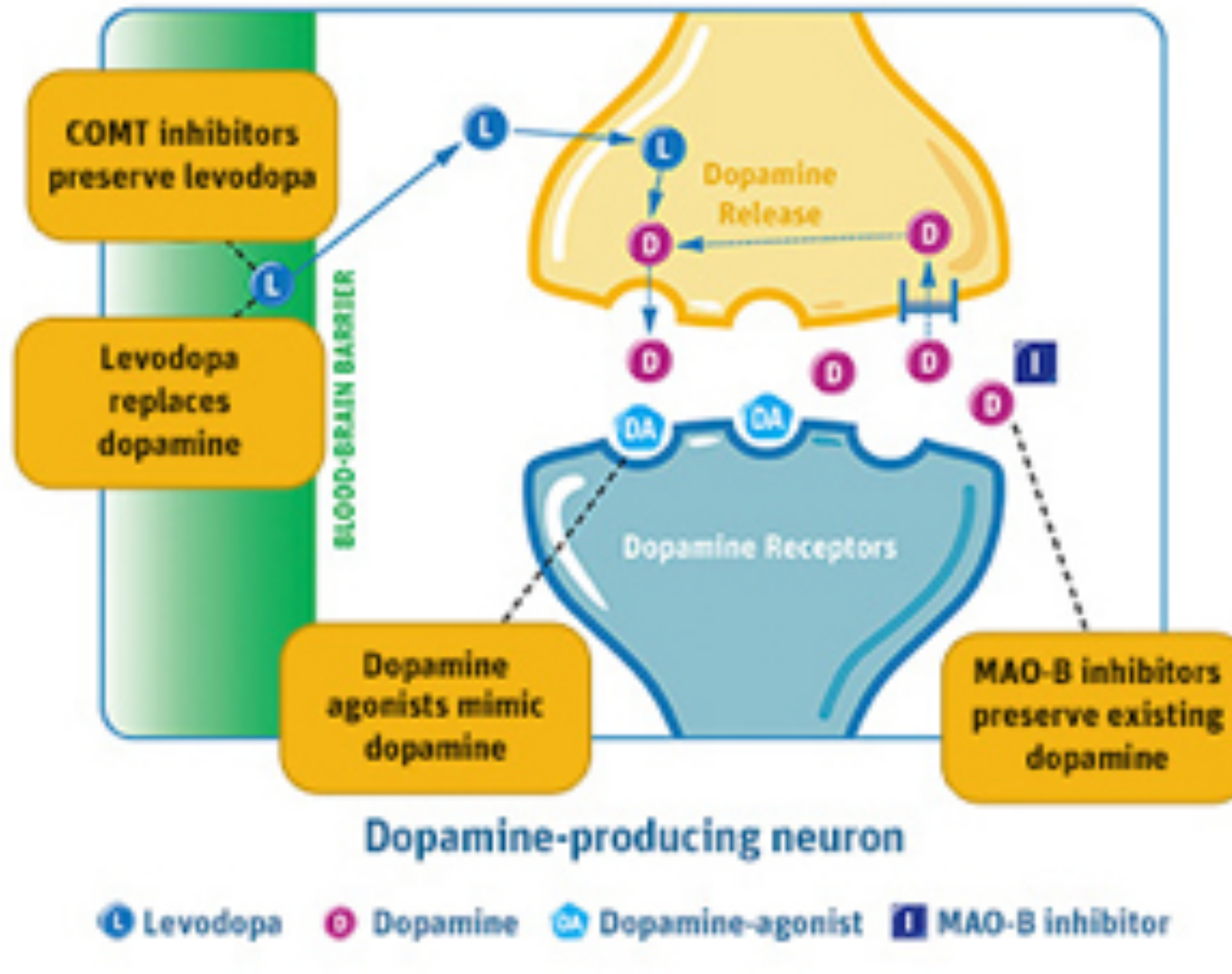
- Levodopa and combinations (duodopa, carbidopa)
- MAO-B inhibitor (selegiline, rasagiline, safinamide)
- COMT inhibitors (entacapone, tolcapone)
- Dopamine agonist (pramipexole, ropinirole, apomorphine)
- Anticholinergics (trihexyphenidyl, benztropine)
- Others: propranolol, amantadine, clozapine, rivastigmine
Lecturer — Medication Mechanisms
Pharmacological management aims to increase dopamine availability. Monoamine oxidase B inhibitors reduce dopamine breakdown in the brain, while catechol-O-methyltransferase inhibitors reduce peripheral degradation of levodopa; anticholinergic drugs can cause significant oral dryness.
Surgical or Therapy66
Supportive therapies:
- Physical and strength therapy
- Speech and Language Therapy
- Occupational Therapy
Surgical interventions:
- Deep brain stimulation
- Lesioning
(NICE [IPG19] 2003; Metman & Salvin, 2015; Poortvliet et al., 2015; Young et al., 1998; Dwarakanath et al., 2014; Tomlinson et al., 2013; Cruickshank et al., 2015; NICE [CG35], 2006; Smith et al., 2012)
Lecturer — Surgical Options
Deep brain stimulation is useful for some subtypes but not all. Lesioning removes part of the brain to reduce tremor but may result in loss of other functions, so it is performed less often today.
Implications On Oral Health Care67
- Access
- physical ability to access service
- appointment matters
- Communication
- between patient – dentist
- caregivers, and dental team
- language
- sensory impairments
- Education
- specialised OHI
- carers and family
- health advice
- Consent
- ethical-legal concern
- mental capacity
- Surgery
- concerns in dental surgery
- drug reactions
- emergencies
- Spread
- cross-infectivity
- progression of disease
- Oral manifestations
- tissue changes
- xerostomia
- Patients may need specialised oral hygiene tools, and caregivers may need instruction in oral hygiene.
- Related conditions
- similar conditions
- falls, dysphagia, dementia
Lecturer — Appointment Timing
Patients may function better earlier in the day. Appointments should therefore be planned accordingly.
Lecturer — Communication Barriers
Communication may be difficult because of rigidity, difficulty speaking, hearing problems, cognitive changes or reversion to a primary language. Caregivers may assist with communication and treatment.
Dental Surgery Considerations68
Surgery
Surgery69
- Pain and Anxiety Control
- General Anaesthesia Considerations
- Drug Reactions
- Dysphagia
- Deep Brain Stimulation
Lecturer — Anaesthesia Risks
Elderly patients with Parkinson’s disease may not tolerate general anaesthesia well. Low-dose sedation may be sufficient for some procedures, while general anaesthesia involves increased risks for elderly patients.
Pain And Anxiety Control70
Local anaesthesia
- generally safe
- recommendations to limit to 3 cartridges
Sedation
- Midazolam can be effective
- Nitrous Oxide good for tremors
- Tolerance can be induced
- Propofol and Ketamine concerns
(Nicholson et al., 2002; Burton, 2004; Shimohata et al., 2015; Chen & Wilkinson, 2012; Peretz et al., 2005; Gerlach et al., 2011; Golden et al., 1989)
- The level of sedation should be carefully considered in older patients.
Drug Interactions
Drug Prescription71
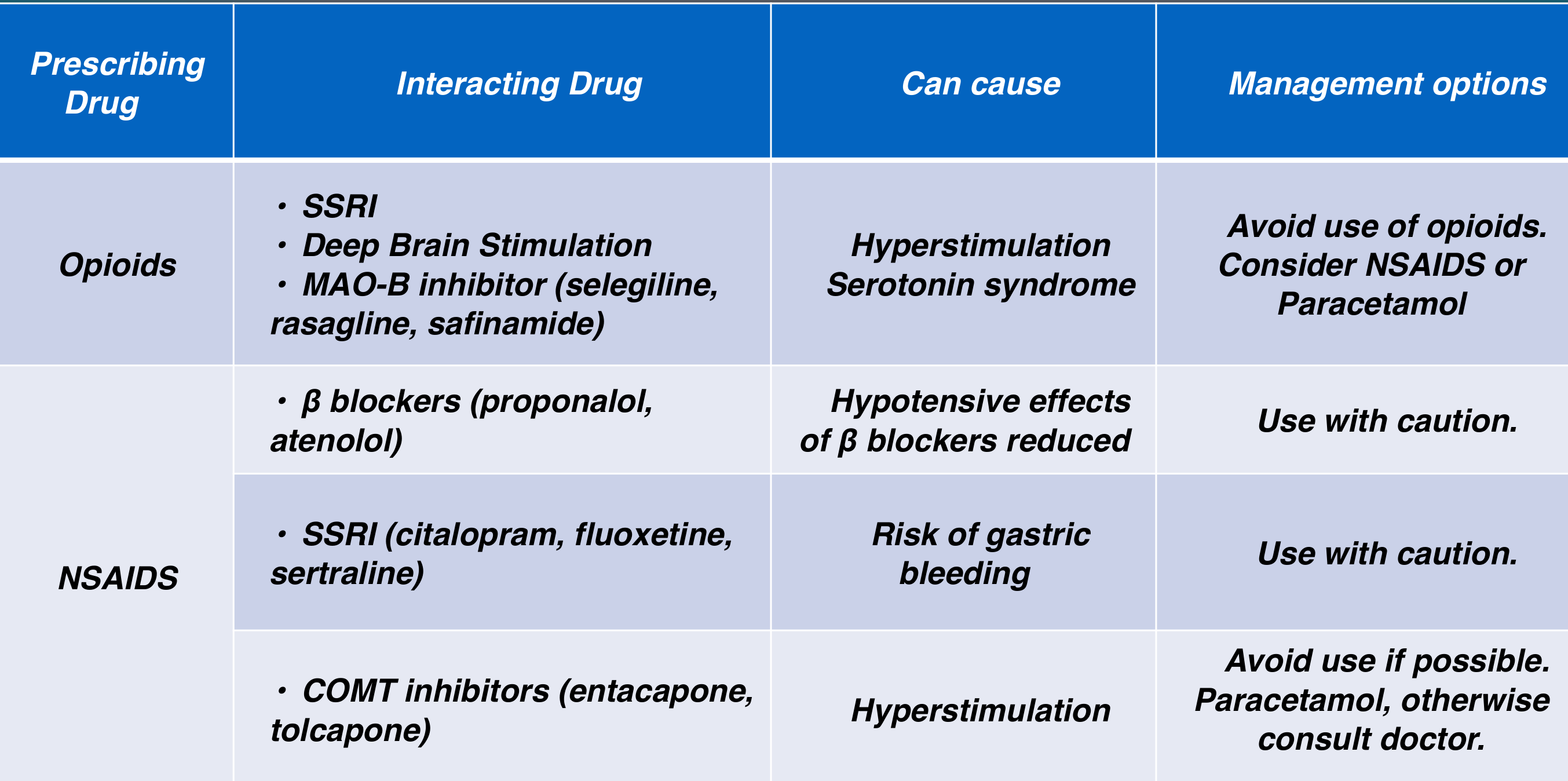
| Prescribing Drug | Interacting Drug | Can cause | Management options |
|---|---|---|---|
| Opioids | SSRI; Deep Brain Stimulation; MAO-B inhibitor (selegiline, rasagiline, safinamide) | Hyperstimulation; Serotonin syndrome | Avoid use of opioids. Consider NSAIDS or Paracetamol |
| NSAIDS | β blockers (propranolol, atenolol) | Hypotensive effects of β blockers reduced | Use with caution. |
| NSAIDS | SSRI (citalopram, fluoxetine, sertraline) | Risk of gastric bleeding | Use with caution. |
| NSAIDS | COMT inhibitors (entacapone, tolcapone) | Hyperstimulation | Avoid use if possible. Paracetamol, otherwise consult doctor. |
(Starr, 1991; El-Okdi et al., 2014; Greenier et al., 2015; Shakoor et al., 2014; BNF, 2016; Dawoud et al., 2014)
Lecturer — Analgesic Selection
Tramadol may interact with other drugs and cause serotonin syndrome. Opioids are generally avoided in older patients because of their sedative effects, and paracetamol was described as a generally safer first-line analgesic.
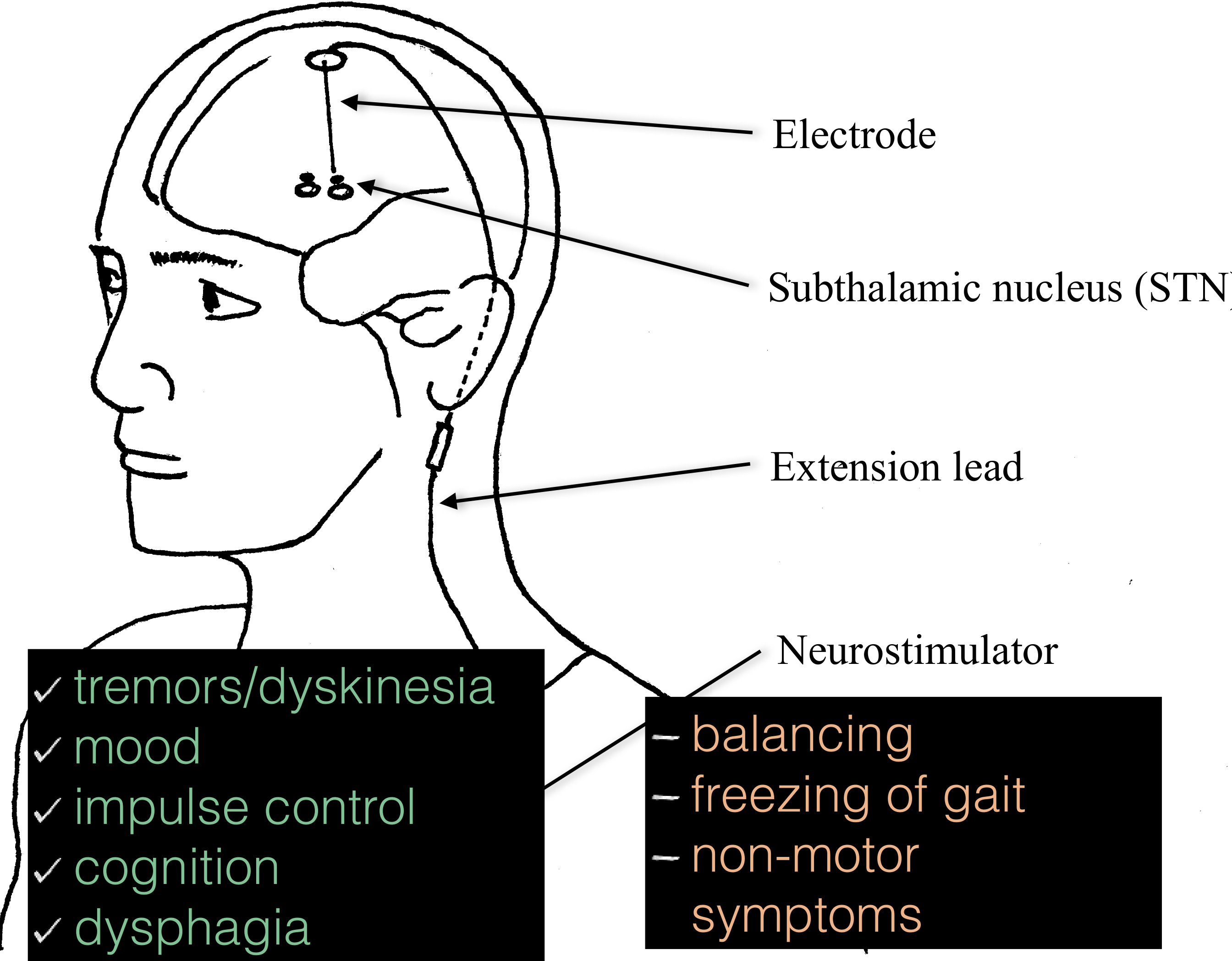
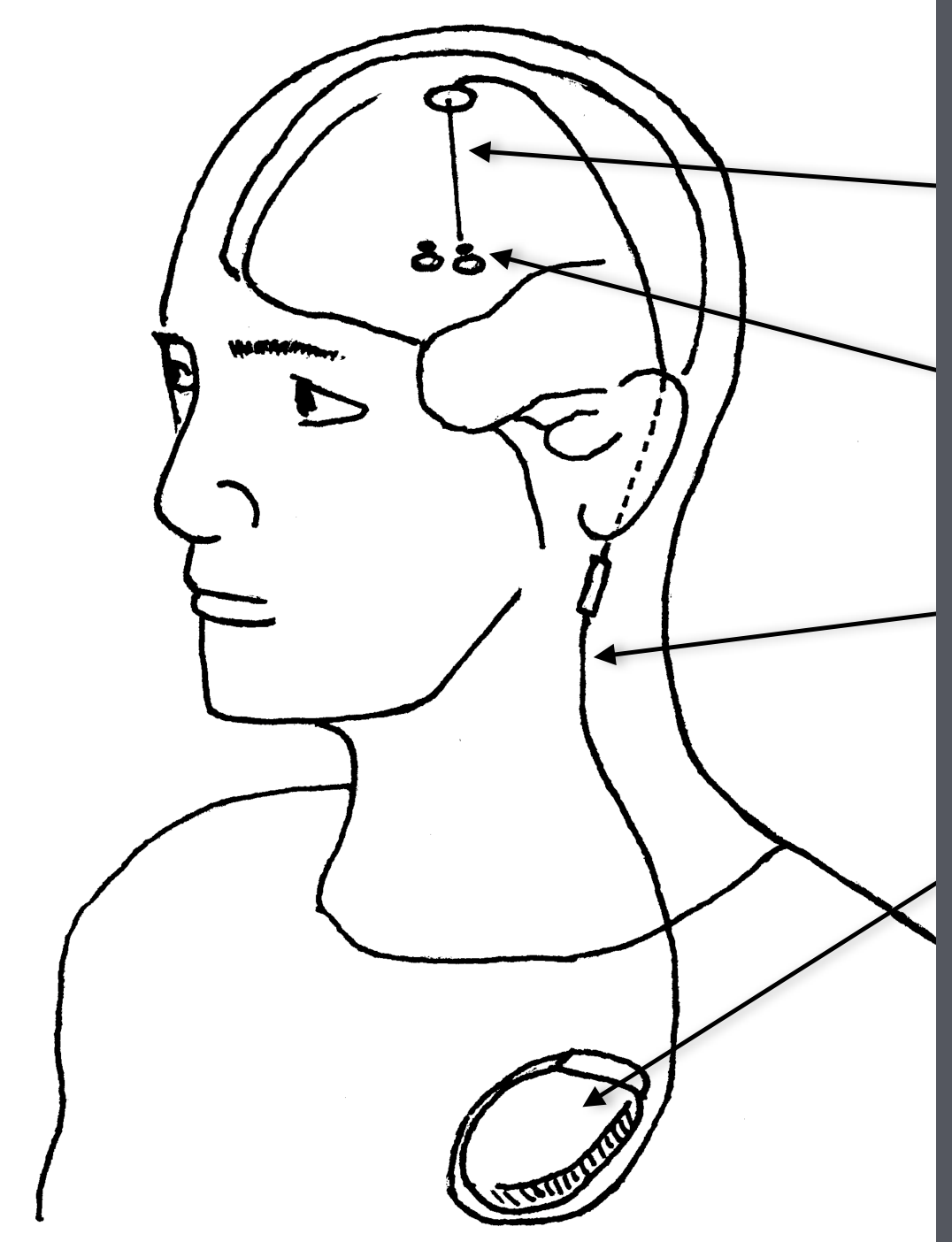
Deep Brain Stimulation72
Components: Electrode — Subthalamic nucleus (STN); Extension lead; Neurostimulator
Improvements:
- tremors/dyskinesia
- mood
- impulse control
- cognition
- dysphagia
Limited or no benefit:
- balancing
- freezing of gait
- non-motor symptoms
- Balance and freezing of gait may improve in some patients, along with other non-motor symptoms.
Dentistry DBS Incidents73
- 2001 – Death of a dental patient with DBS and diathermy use
- 2006 – Severe infection of DBS reported due endodontic cause
- 2008 – Diathermy use in head & neck region caused significant neural damage
- Some claims that majority of these incidents were not reported
(Lim et al., 2017; Nutt et al., 2001; Sixel Döring et al., 2006; Roark et al., 2008)
Lecturer — DBS Safety
A 2021 report described the death of a dental patient with deep brain stimulation after diathermy was used on the upper maxilla. The proposed explanation was that energy was absorbed by metal electrodes, heating parts of the brain.
- Routine cleaning, scaling and extractions were described as unlikely to affect brain stimulation.
- Clinicians should check the literature or seek advice before treating patients with deep brain stimulation.
Cerebral Palsy
Definition And Aetiophysiology7475
-
Cerebral Palsy is an umbrella term encompassing a group of non-progressive neurological and physical disabilities
-
caused by damage to a child’s brain early in the course of development, in utero, during birth or in the first few months of infancy.
-
It is the most common congenital physical handicap
-
Brain damage is caused mainly by hypoxia, trauma, infection, or hyperbilirubinaemia.
-
Pre-natal risk: pre-eclampsia, irradiation, a maternal age of less than 20 or over 35, various infections
-
Peri-natal risk: trauma, breech birth, prematurity or post-maturity
-
Post-natal risk: encephalitis, meningitis, kernicterus
-
Other risk factors: haemorrhage and hypoxia, respiratory distress, cerebral ischemia, hypothermia or hypoglycaemia
Lecturer — Condition Classification
Cerebral palsy is a neurological and neurodevelopmental condition rather than a neurodegenerative condition.
Epidemiology
Cerebral palsy is the most common lifelong physical disability in the world, and people with cerebral palsy face significant barriers in everyday life.
Cerebral Palsy in Australia: Key Facts76
- Prevalence: It is estimated that around 37,000 people are living with cerebral palsy in Australia.
- The cost of cerebral palsy in Australia is an estimated $5.17 billion annually (as at 2019)
- Birth Rates: Around 1 in 700 children in Australia are born with cerebral palsy.
- Mobility: 63% of people with CP can walk independently, while 26% use a wheelchair.
- Geographic Diversity: Around 30% of people with CP live in regional, rural, or remote areas, highlighting the need for equitable access to services.
- roughly 50% have some level of intellectual disabilities
- roughly 25-30% have epilepsy
Cerebral Palsy Australia
Types And Presentation7778
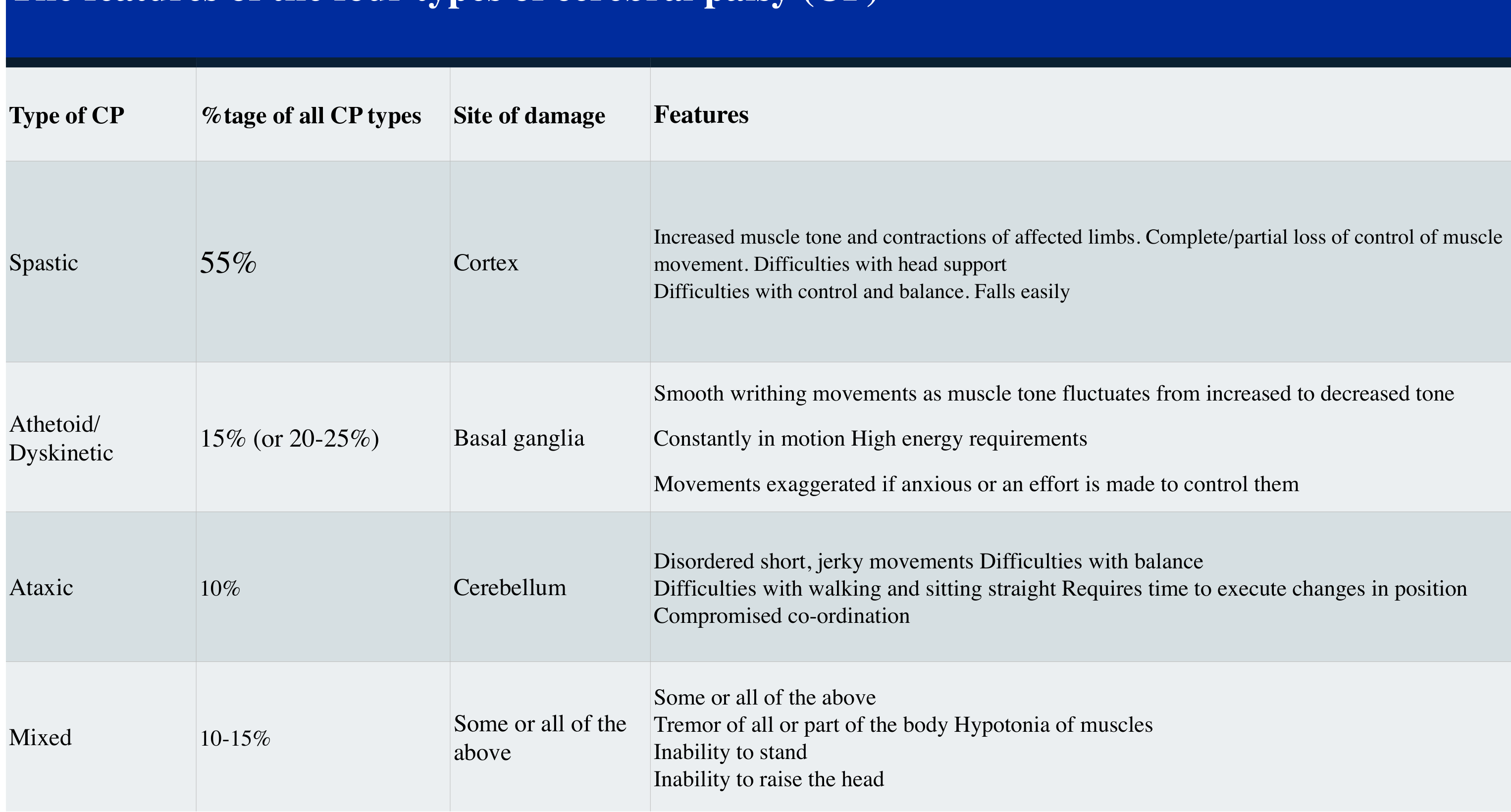
The features of the four types of cerebral palsy (CP)
| Type of CP | % of all CP types | Site of damage | Features |
|---|---|---|---|
| Spastic | 55% | Cortex | Increased muscle tone and contractions of affected limbs. Complete/partial loss of control of muscle movement. Difficulties with head support. Difficulties with control and balance. Falls easily |
| Athetoid/Dyskinetic | 15% (or 20-25%) | Basal ganglia | Smooth writhing movements as muscle tone fluctuates from increased to decreased tone. Constantly in motion; high energy requirements. Movements exaggerated if anxious or an effort is made to control them |
| Ataxic | 10% | Cerebellum | Disordered short, jerky movements. Difficulties with balance. Difficulties with walking and sitting straight; requires time to execute changes in position. Compromised co-ordination |
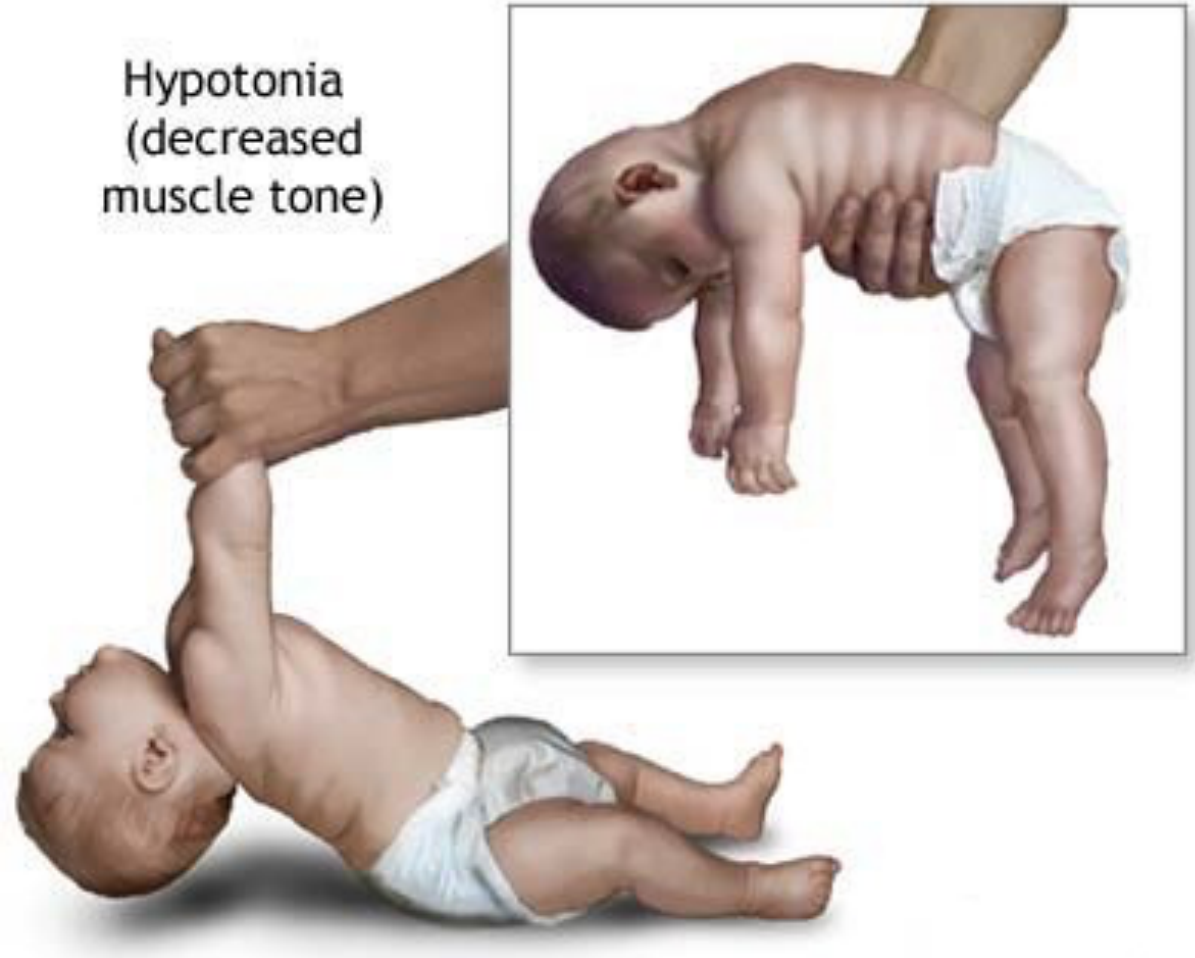
| Mixed | 10-15% | Some or all of the above | Some or all of the above. Tremor of all or part of the body; hypotonia of muscles. Inability to stand. Inability to raise the head |
-
Musculo-skeletal disorders
- abnormal walking gait
- poor movement in hands
- arthritis, dislocations, contractures and deformities
-
Other impairments
- Hearing, visual, speech
- Epilepsy
- Learning disabilities
- Difficulty in swallowing (drooling)
-
Secondary features
- respiratory complications, angular cheilitis from drooling
- skin ulcers from pressure areas
- digestive complications, reflux, constipation
- bladder or kidney infections
- Drooling may occur because patients have difficulty keeping saliva within the mouth and do not swallow frequently.
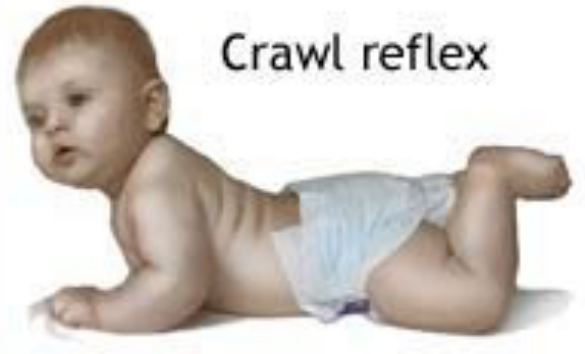
Diagnosis79
-
Clinical signs:
- weakness in one or more limbs,
- abnormal gait with one foot or leg dragging,
- excessive drooling, difficulties in swallowing
- poor control over hand and arm movement
-
Imaging to show changes in the brain
Step reflex
Crawl reflex
Images from www.abclawcenters.com
General Management80
No cure.
- Aids: castings improve and maintain range of motion; wheelchair and aids improve independence
- Hip surveillance: hip joint integrity
- Muscle spasticity: botulin, diazepam, selective dorsal rhizotomy
- Bisphosphonates
- Pressure care
- Anti-epileptic medication
- Constraint induced movement therapy: bimanual training, occupational therapy after botulin
- Fitness training
- Bobath Therapy
Lecturer — Management Details
Additional management considerations include the following:
- Botulinum injection may also be used to reduce tooth grinding in some patients.
- Bisphosphonates may improve bone mineral density and help prevent fractures after falls.
- Pressure care is important because prolonged pressure can cause painful ulcers.
Provision Of Dental Care8182
Issues faced include:
- Bruxism, attrition, TMJ dislocations, sleep apnea
- Sialorrhea
- Xerostomia, mouth breathing
- Dysphagia
- High arch palate
- Maxillary arch tapered, class II incisors
Issues faced include (2):
- cooperation
- poor coordination:
- poor lip seal
- oro-musculature dyskinesia
- tongue thrust and positioning
- abnormal bite reflex
- lip trauma
- Dysphagia
- communication difficulties
Lecturer — Communication and Movement
Communication and movement findings require careful interpretation.
- Inability to speak or communicate clearly does not necessarily indicate intellectual disability, so communication should be adapted carefully.
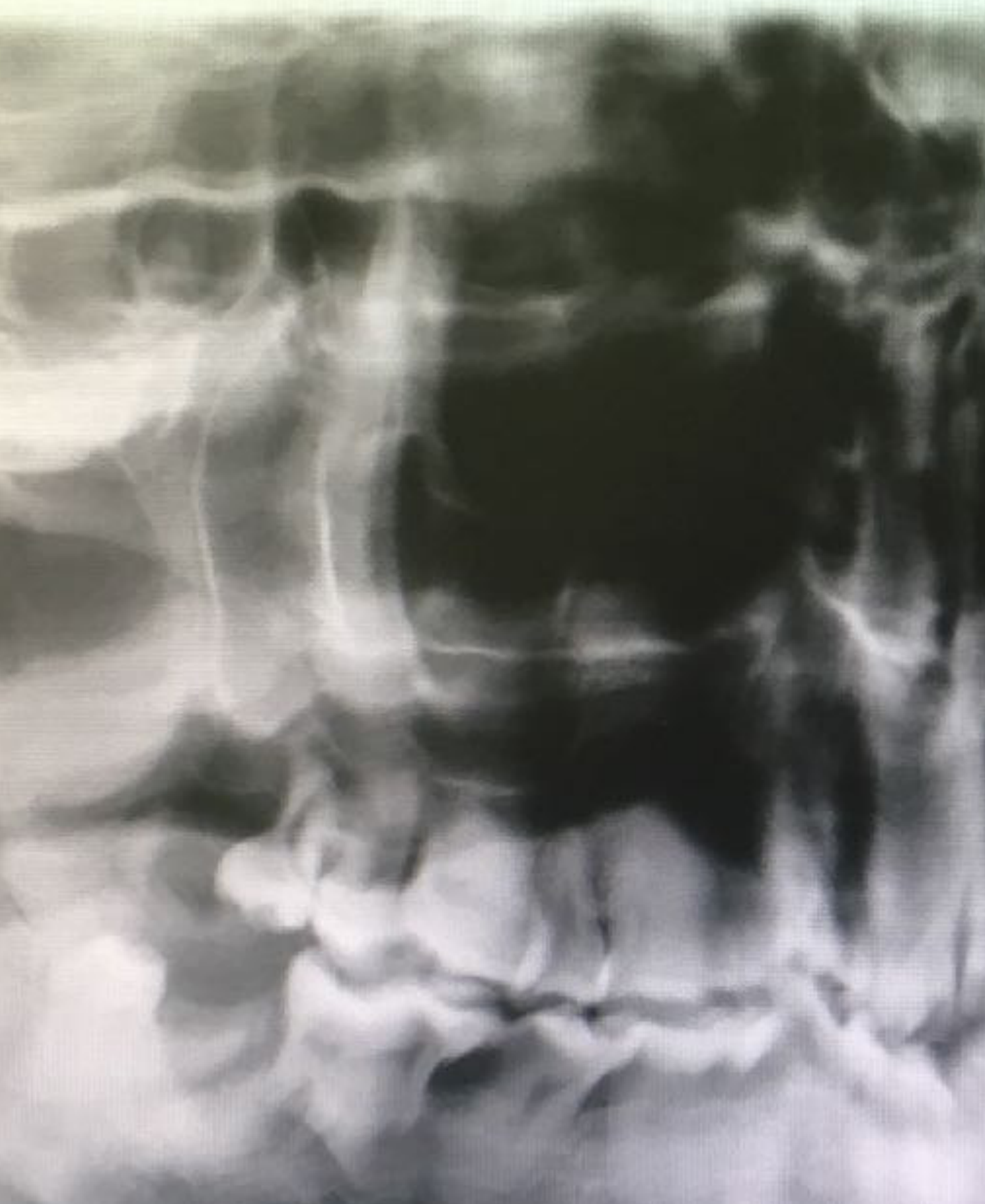
- Movement disorders can affect radiographs.
- Irregular involuntary movement in cerebral palsy contrasts with the shorter, lighter tremor and hunched posture seen in Parkinson’s disease.
Other Movement Disorders
Parkinson’s — neurodegenerative.
Neurological Disorders Presenting with Abnormal Movement (Dyskinesia)83
-
Tremors
-
Chorea
-
Tics
-
Other involuntary movements
-
Abnormal movement may affect dental procedures and radiographic imaging.
-
Different movement patterns may help distinguish presentations such as cerebral palsy, Parkinson’s disease and Huntington’s disease.
 |  |
Huntington’s Disease
Huntington’s Disease is an inherited degenerative neurological condition affecting the brain and central nervous system. It progressively impairs mental and physical abilities, eventually leading to the loss of critical functions such as walking, talking, eating and reasoning. Complications arising from HD ultimately resulting in death.
Features84
-
Uncontrollable dance-like movements (chorea). Rigidity subtypes are rare
-
Changes behaviour, emotion, judgement, personality, hallucinations
-
Chorea may also involve writhing movements.
-
Later stages may include psychiatric conditions.
-
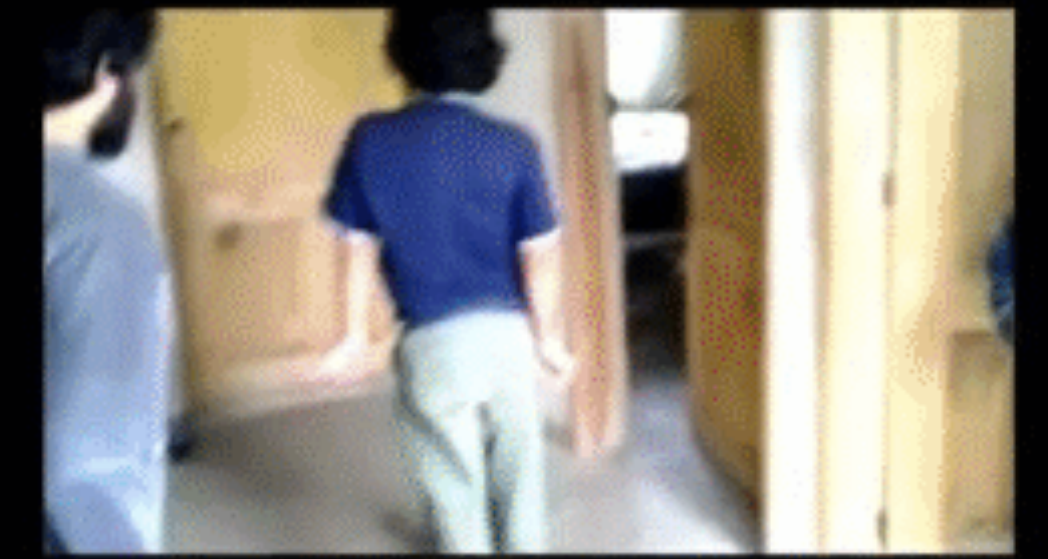
Walking may remain possible, but movement is difficult to control and maintain steadily.
Causes
- Mostly autosomal dominant, sometimes sporadic
- Mutation in Huntingtin gene, causing proteins to lodge in brain
Lecturer — Huntington's Progression
The mutation causes proteins to misfold and lodge in the brain.
- The disease was described as having a prion-like progression over many years.
Prognosis
- No cure; progresses over 2 decades
Lecturer — Huntington's Mortality
Respiratory effects are an important cause of death in Huntington’s disease.
Epidemiology
- 8–10 per 100,000 of European ancestry
Treatment
-
Supportive: exercise, healthy diet, psychosocial support
-
Palliative concepts of treatment
-
Medication to reduce symptoms (movement, mood etc.)
-
Spiritual support may form part of supportive treatment.
-
Antidepressants may be used.
-
Treatment is generally not invasive. References: https://huntingtonsaustralia.au/about/ — https://www.ninds.nih.gov/health-information/disorders/huntingtons-disease
Case Example Huntington’s Disease
Medical History85
- Huntington’s Disease (Dx 2000)
- Moderate chorea
- Dysphagia (severe)
- Declined PEG
- Speech and Language Therapist, stabilised BMI
Huntington's Dysphagia Management
The patient declined percutaneous endoscopic gastrostomy feeding despite severe dysphagia.
- Percutaneous endoscopic gastrostomy involves placing a feeding tube into the stomach.
- A nasogastric tube passes through the nose into the stomach.
- Her nutrition used high-calorie food and a diet appropriate to the current stage of dysphagia.
Social History
-
Used to work + housekeep
-
Walking stick
-
She had previously worked as an accountant and later retired.
-
She performed housekeeping until the disease limited her ability to continue.
Dental History
- Moderate caries risk
- Food pouching
- Self-brushing after meals
MEDS: Tetrabenazine, Citalopram (SSRI)
Lecturer — Oral Hygiene Challenges
Food accumulated in different areas of the mouth because of reduced movement ability.
- Although she liked to brush after meals, she did not brush effectively.
- Tetrabenazine was used for Huntington’s movements and the antidepressant was used for mood.
Management
- I/O exam with clinical holding / protective stabilisation
- Shared-decision / informed consent
- Mild sedation: 6mg Midazolam orally, 20mins prior
- CAP 15 distal occlusal
- Water control
- Mouth prop
Lecturer — Sedation and Control
A small dose of benzodiazepine, 6 mg administered 20 minutes before treatment, produced useful movement control.
- Rubber dam was used for upper posterior teeth during a prolonged procedure.
- The light sedation was sufficient to improve movement control.
Self Study And Course Tasks86
How to learn about conditions87
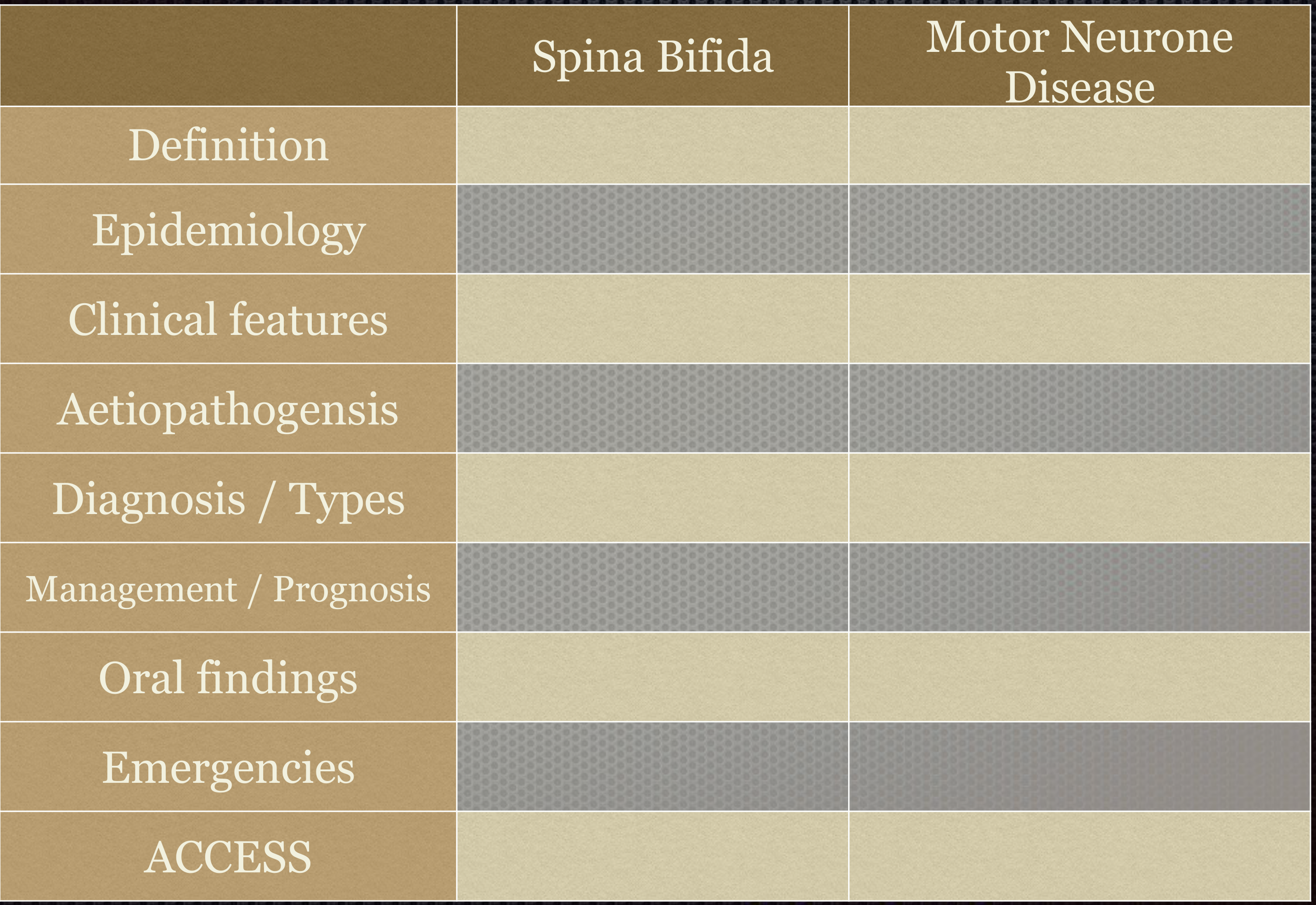
Complete the following template for each condition:
| Spina Bifida | Motor Neurone Disease | |
|---|---|---|
| Definition | ||
| Epidemiology | ||
| Clinical features | ||
| Aetiopathogenesis | ||
| Diagnosis / Types | ||
| Management / Prognosis | ||
| Oral findings | ||
| Emergencies | ||
| ACCESS |
| Condition | Where to find basic info |
|---|---|
| Epilepsy | Slides |
| Cerebral palsy | Slides |
| Stroke | Dougall & Fiske 2008 — https://www.nature.com/articles/sj.bdj.2008.891 |
| Parkinson’s disease | Slides |
| Motor neurone disease | Tay & Borromeo 2014 — https://onlinelibrary.wiley.com/doi/10.1111/dj |
| Multiple sclerosis | Slides |
| Huntington’s | Slides |
| Acquired brain injury | Kothari et al., 2020 — https://www.tandfonline.com/doi/epdf/8/6 |
| Spina Bifida | Gary et al., 2012 — https://onlinelibrary.wiley.com/doi/10.1111/j |
Lecturer — Independent Study
Students were encouraged to use the provided material and independently research the conditions. Google and ChatGPT could be used as resources.
- Students were advised to work through the exercises themselves to support learning and preparation for multiple-choice examinations.
Things for you to do88
-
- Geriatric Medicine and Dentistry - Leung 2025 — Enabled: Statistics Tracking
-
- Oncology and Palliative Care - Sundaresan 2020 — Enabled: Statistics Tracking
-
- Neurodegenerative Disease (quiz) - 2025 — Availability: Item is hidden from students.
-
Review the conditions not covered in detail, including motor neuron disease, acquired brain injury, and spina bifida.
-
Use a table or spreadsheet to organise information about each condition.
 |  |
Quiz Description
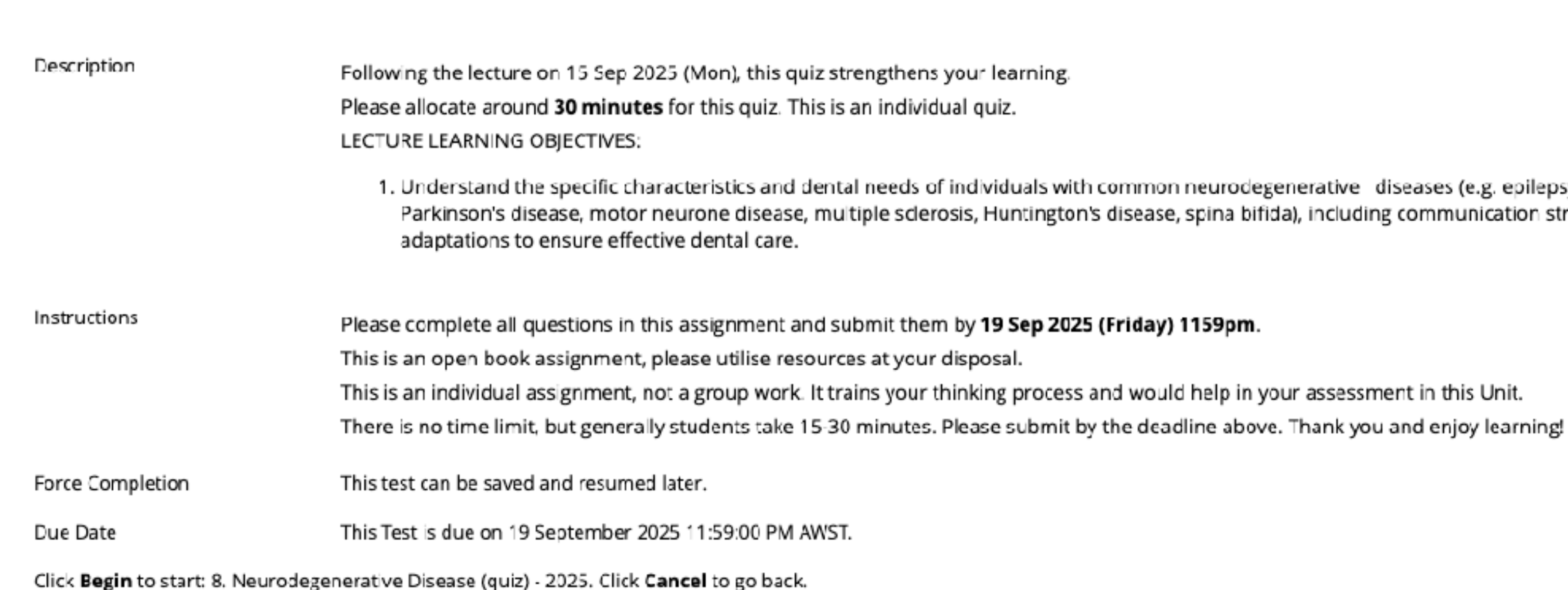
Following the lecture on 15 Sep 2025 (Mon), this quiz strengthens your learning. Please allocate around 30 minutes for this quiz. This is an individual quiz.
Lecture learning objectives:
- Understand the specific characteristics and dental needs of individuals with common neurodegenerative diseases (e.g. epilepsy, Parkinson’s disease, motor neurone disease, multiple sclerosis, Huntington’s disease, spina bifida), including communication strategies and adaptations to ensure effective dental care.
Instructions
-
Please complete all questions in this assignment and submit them by 19 Sep 2025 (Friday) 11:59pm.
-
This is an open book assignment, please utilise resources at your disposal.
-
This is an individual assignment, not group work. It trains your thinking process and would help in your assessment in this Unit.
-
There is no time limit, but generally students take 15-30 minutes. Please submit by the deadline above. Thank you and enjoy learning!
-
Work through the mental processes rather than simply obtaining answers.
Test Settings
- Force Completion: This test can be saved and resumed later.
- Due Date: This Test is due on 19 September 2025 11:59:00 PM AWST.
Click Begin to start: 8. Neurodegenerative Disease (quiz) - 2025. Click Cancel to go back.
You will be previewing this assessment and your results will not be recorded.
Closing And Contact89
Module 5311 (Special Needs Dentistry) — Neurodegenerative disease
Thank you
- guangxudavid.lim@uwa.edu.au
- jeeyun.leung@uwa.edu.au (unit coordinator)
15 Sep 2025
2-4 PM (WA Time)
Online
Lecturer — Contact Questions
Questions could be directed to the lecturer by email.
- Module-related questions could be directed to Dr. Jiyoon using the provided email address.
Dr David Lim Lecturer, Dental School, UWA BDS (SG), MSc SCD (UCL), PG Dip Con Sed D (KCL), GC Geront (SUSS), Dip ACEdu (SUSS), FiADH, MFTD MFDS RCSEd
Acknowledgements to: Dr Daniel Sundaresan, AProf Mina Borromeo, Dr Matthew Lim, Dr Claudia Lopez Silva
UWA — Perth • Australia
Clinical Cases
Case: Dental patient with DBS who died after diathermy use
Question
Scenario: A dental patient with a deep brain stimulation (DBS) device.
What’s shown: A reported incident involving the use of diathermy in a patient with a DBS device.
Consider: What was the outcome of the procedure and the proposed mechanism of injury?
Answer
Observations:
- Diathermy was used on the upper maxilla.
- The treatment site was reportedly close to the DBS electrodes.
Reasoning: The energy from the diathermy was absorbed by the metal electrodes, heating parts of the brain and causing overheating.
Outcome: The patient died due to the overheating.
Takeaway: Diathermy use near DBS electrodes can be fatal due to energy absorption and brain overheating.
Case: Dental patient with DBS who developed severe infection after endodontic procedure
Question
Scenario: A dental patient with a deep brain stimulation (DBS) device.
What’s shown: A reported incident involving an endodontic procedure in a patient with a DBS device.
Consider: What complication occurred following the procedure?
Answer
Observations:
- The patient developed a severe infection of the DBS device.
- Bacteria were cultured from the infection.
Reasoning: The endodontic procedure was reported as the cause of the severe infection in the DBS device.
Outcome: The patient developed a severe DBS infection; bacteria were cultured.
Takeaway: Endodontic procedures can lead to severe infections of deep brain stimulation devices.
Case: OPG of a patient with Parkinson’s disease
Question
Scenario: A patient with Parkinson’s disease is undergoing an orthopantomogram (OPG).
What’s shown: An OPG radiograph showing soft tissue movements and a curved image.
Consider: What findings are visible on the radiograph, and how do they relate to the patient’s condition?
Answer
Observations:
- A short, light tremor with soft tissue movements.
- The patient has a very hunched back.
- The resulting OPG image has a curve.
Reasoning: The short, light tremor causes soft tissue movement artifacts. Additionally, the hunched posture, which is characteristic of advanced Parkinson’s disease, prevents the OPG machine from passing across the back properly, resulting in a curved image.
Takeaway: Movement disorders and postural changes, such as the hunched posture in advanced Parkinson’s disease, can physically interfere with X-ray equipment and affect the resulting image.
Case: OPG of a patient with cerebral palsy
Question
Scenario: A patient with cerebral palsy is undergoing an orthopantomogram (OPG).
What’s shown: An OPG radiograph of a patient exhibiting involuntary movements.
Consider: What findings are visible on the radiograph, and how do they relate to the patient’s condition?
Answer
Observations:
- An irregular tremor and involuntary movements are visible on the image.
Reasoning: The irregular tremor is characteristic of the involuntary movements associated with cerebral palsy, which can introduce movement artifacts into the radiograph.
Takeaway: Movement disorders such as cerebral palsy can affect X-ray taking due to involuntary movements.
Case: Patient with Huntington’s disease undergoing dental treatment
Question
Scenario: A female patient with a history of Huntington’s disease (diagnosed in 2000) presents for dental care. She experiences moderate chorea (writhing movements) and severe dysphagia, which she manages with a speech and language therapist and a modified diet after declining a PEG tube. She has a moderate caries risk with food pouching and takes tetrabenazine and citalopram.
What’s shown: The patient’s medical, social, and dental history, alongside the planned management for her dental appointment.
Consider: How was this patient managed intraorally to facilitate dental treatment and control her involuntary movements?
Answer
Observations:
- Moderate chorea and severe dysphagia.
- Moderate caries risk with food pouching.
- Medications include tetrabenazine (for movement) and citalopram (antidepressant).
Reasoning:
- The patient’s involuntary movements require careful management and stabilization to safely conduct an intraoral examination and perform dental treatment.
- Clinical holding and protective stabilization were utilized for the examination.
- To achieve good movement control for a prolonged procedure, a very light level of oral sedation was administered.
Outcome:
- The patient was given 6mg of oral midazolam 20 minutes prior to treatment, which successfully controlled her movements.
- For the prolonged procedure on the upper posterior teeth, a rubber dam, water control, and a mouth prop were used to assist with the treatment.
Takeaway:
- Patients with Huntington’s disease and chorea can be managed effectively in the dental chair using a combination of protective stabilization, mild oral sedation, and practical aids like a rubber dam and mouth prop to control movement and ensure safety during treatment.
Footnotes
-
Original PDF page 1: L11 Neurodegenerative disease DMD3 Lecture notes, p.1 ↩
-
Original PDF page 2: L11 Neurodegenerative disease DMD3 Lecture notes, p.2 ↩
-
Original PDF page 3: L11 Neurodegenerative disease DMD3 Lecture notes, p.3 ↩
-
Original PDF page 4: L11 Neurodegenerative disease DMD3 Lecture notes, p.4 ↩
-
Original PDF page 5: L11 Neurodegenerative disease DMD3 Lecture notes, p.5 ↩
-
Original PDF page 6: L11 Neurodegenerative disease DMD3 Lecture notes, p.6 ↩
-
Original PDF page 7: L11 Neurodegenerative disease DMD3 Lecture notes, p.7 ↩
-
Original PDF page 8: L11 Neurodegenerative disease DMD3 Lecture notes, p.8 ↩
-
Original PDF page 9: L11 Neurodegenerative disease DMD3 Lecture notes, p.9 ↩
-
Original PDF page 10: L11 Neurodegenerative disease DMD3 Lecture notes, p.10 ↩
-
Original PDF page 11: L11 Neurodegenerative disease DMD3 Lecture notes, p.11 ↩
-
Original PDF page 13: L11 Neurodegenerative disease DMD3 Lecture notes, p.13 ↩
-
Original PDF page 12: L11 Neurodegenerative disease DMD3 Lecture notes, p.12 ↩
-
Original PDF page 14: L11 Neurodegenerative disease DMD3 Lecture notes, p.14 ↩
-
Original PDF page 15: L11 Neurodegenerative disease DMD3 Lecture notes, p.15 ↩
-
Original PDF page 16: L11 Neurodegenerative disease DMD3 Lecture notes, p.16 ↩
-
Original PDF page 17: L11 Neurodegenerative disease DMD3 Lecture notes, p.17 ↩
-
Original PDF page 18: L11 Neurodegenerative disease DMD3 Lecture notes, p.18 ↩
-
Original PDF page 19: L11 Neurodegenerative disease DMD3 Lecture notes, p.19 ↩
-
Original PDF page 21: L11 Neurodegenerative disease DMD3 Lecture notes, p.21 ↩
-
Original PDF page 20: L11 Neurodegenerative disease DMD3 Lecture notes, p.20 ↩
-
Original PDF page 22: L11 Neurodegenerative disease DMD3 Lecture notes, p.22 ↩
-
Original PDF page 23: L11 Neurodegenerative disease DMD3 Lecture notes, p.23 ↩
-
Original PDF page 24: L11 Neurodegenerative disease DMD3 Lecture notes, p.24 ↩
-
Original PDF page 25: L11 Neurodegenerative disease DMD3 Lecture notes, p.25 ↩
-
Original PDF page 26: L11 Neurodegenerative disease DMD3 Lecture notes, p.26 ↩
-
Original PDF page 27: L11 Neurodegenerative disease DMD3 Lecture notes, p.27 ↩
-
Original PDF page 28: L11 Neurodegenerative disease DMD3 Lecture notes, p.28 ↩
-
Original PDF page 29: L11 Neurodegenerative disease DMD3 Lecture notes, p.29 ↩
-
Original PDF page 32: L11 Neurodegenerative disease DMD3 Lecture notes, p.32 ↩
-
Original PDF page 36: L11 Neurodegenerative disease DMD3 Lecture notes, p.36 ↩
-
Original PDF page 30: L11 Neurodegenerative disease DMD3 Lecture notes, p.30 ↩
-
Original PDF page 31: L11 Neurodegenerative disease DMD3 Lecture notes, p.31 ↩
-
Original PDF page 33: L11 Neurodegenerative disease DMD3 Lecture notes, p.33 ↩
-
Original PDF page 34: L11 Neurodegenerative disease DMD3 Lecture notes, p.34 ↩
-
Original PDF page 35: L11 Neurodegenerative disease DMD3 Lecture notes, p.35 ↩
-
Original PDF page 37: L11 Neurodegenerative disease DMD3 Lecture notes, p.37 ↩
-
Original PDF page 38: L11 Neurodegenerative disease DMD3 Lecture notes, p.38 ↩
-
Original PDF page 39: L11 Neurodegenerative disease DMD3 Lecture notes, p.39 ↩
-
Original PDF page 40: L11 Neurodegenerative disease DMD3 Lecture notes, p.40 ↩
-
Original PDF page 41: L11 Neurodegenerative disease DMD3 Lecture notes, p.41 ↩
-
Original PDF page 42: L11 Neurodegenerative disease DMD3 Lecture notes, p.42 ↩
-
Original PDF page 43: L11 Neurodegenerative disease DMD3 Lecture notes, p.43 ↩
-
Original PDF page 56: L11 Neurodegenerative disease DMD3 Lecture notes, p.56 ↩
-
Original PDF page 44: L11 Neurodegenerative disease DMD3 Lecture notes, p.44 ↩
-
Original PDF page 45: L11 Neurodegenerative disease DMD3 Lecture notes, p.45 ↩
-
Original PDF page 46: L11 Neurodegenerative disease DMD3 Lecture notes, p.46 ↩
-
Original PDF page 47: L11 Neurodegenerative disease DMD3 Lecture notes, p.47 ↩
-
Original PDF page 48: L11 Neurodegenerative disease DMD3 Lecture notes, p.48 ↩
-
Original PDF page 78: L11 Neurodegenerative disease DMD3 Lecture notes, p.78 ↩
-
Original PDF page 79: L11 Neurodegenerative disease DMD3 Lecture notes, p.79 ↩
-
Original PDF page 50: L11 Neurodegenerative disease DMD3 Lecture notes, p.50 ↩
-
Original PDF page 51: L11 Neurodegenerative disease DMD3 Lecture notes, p.51 ↩
-
Original PDF page 52: L11 Neurodegenerative disease DMD3 Lecture notes, p.52 ↩
-
Original PDF page 53: L11 Neurodegenerative disease DMD3 Lecture notes, p.53 ↩
-
Original PDF page 54: L11 Neurodegenerative disease DMD3 Lecture notes, p.54 ↩
-
Original PDF page 55: L11 Neurodegenerative disease DMD3 Lecture notes, p.55 ↩
-
Original PDF page 57: L11 Neurodegenerative disease DMD3 Lecture notes, p.57 ↩
-
Original PDF page 58: L11 Neurodegenerative disease DMD3 Lecture notes, p.58 ↩
-
Original PDF page 59: L11 Neurodegenerative disease DMD3 Lecture notes, p.59 ↩
-
Original PDF page 60: L11 Neurodegenerative disease DMD3 Lecture notes, p.60 ↩
-
Original PDF page 61: L11 Neurodegenerative disease DMD3 Lecture notes, p.61 ↩
-
Original PDF page 62: L11 Neurodegenerative disease DMD3 Lecture notes, p.62 ↩
-
Original PDF page 63: L11 Neurodegenerative disease DMD3 Lecture notes, p.63 ↩
-
Original PDF page 64: L11 Neurodegenerative disease DMD3 Lecture notes, p.64 ↩
-
Original PDF page 65: L11 Neurodegenerative disease DMD3 Lecture notes, p.65 ↩
-
Original PDF page 66: L11 Neurodegenerative disease DMD3 Lecture notes, p.66 ↩
-
Original PDF page 67: L11 Neurodegenerative disease DMD3 Lecture notes, p.67 ↩
-
Original PDF page 68: L11 Neurodegenerative disease DMD3 Lecture notes, p.68 ↩
-
Original PDF page 69: L11 Neurodegenerative disease DMD3 Lecture notes, p.69 ↩
-
Original PDF page 70: L11 Neurodegenerative disease DMD3 Lecture notes, p.70 ↩
-
Original PDF page 71: L11 Neurodegenerative disease DMD3 Lecture notes, p.71 ↩
-
Original PDF page 72: L11 Neurodegenerative disease DMD3 Lecture notes, p.72 ↩
-
Original PDF page 73: L11 Neurodegenerative disease DMD3 Lecture notes, p.73 ↩
-
Original PDF page 74: L11 Neurodegenerative disease DMD3 Lecture notes, p.74 ↩
-
Original PDF page 75: L11 Neurodegenerative disease DMD3 Lecture notes, p.75 ↩
-
Original PDF page 76: L11 Neurodegenerative disease DMD3 Lecture notes, p.76 ↩
-
Original PDF page 77: L11 Neurodegenerative disease DMD3 Lecture notes, p.77 ↩
-
Original PDF page 49: L11 Neurodegenerative disease DMD3 Lecture notes, p.49 ↩
-
Original PDF page 80: L11 Neurodegenerative disease DMD3 Lecture notes, p.80 ↩
-
Original PDF page 81: L11 Neurodegenerative disease DMD3 Lecture notes, p.81 ↩
-
Original PDF page 82: L11 Neurodegenerative disease DMD3 Lecture notes, p.82 ↩
-
Original PDF page 83: L11 Neurodegenerative disease DMD3 Lecture notes, p.83 ↩
-
Original PDF page 84: L11 Neurodegenerative disease DMD3 Lecture notes, p.84 ↩
-
Original PDF page 85: L11 Neurodegenerative disease DMD3 Lecture notes, p.85 ↩
-
Original PDF page 87: L11 Neurodegenerative disease DMD3 Lecture notes, p.87 ↩
-
Original PDF page 86: L11 Neurodegenerative disease DMD3 Lecture notes, p.86 ↩
-
Original PDF page 88: L11 Neurodegenerative disease DMD3 Lecture notes, p.88 ↩
-
Original PDF page 89: L11 Neurodegenerative disease DMD3 Lecture notes, p.89 ↩