Respiratory Disease and Dentistry1
by DLim
7 Jul 2026 (Tuesday) 3-4pm 211 VLC DENT5311 SND2
Recap Questions2
- What types of respiratory diseases have you seen in your patients?
- What are some ways that the respiratory disease affected your treatment provision (or not affected)?
- What emergencies related to respiratory disease are there? What is your first line of action?
What Is It About XXX Disease/Condition?
- Definition
- Aetiology
- Epidemiology
- General Manifestations/Clinical Features
- General Management/Treatment
- Oral Manifestations
- Oral Management = Risk Assessment and ACCESS acronym
Learning Objectives3
IMPT!
- Discuss the specific characteristics and dental needs of individuals with common respiratory conditions (e.g. asthma, COPD, obstructive sleep apnoea, tuberculosis)
- Perform a risk assessment and make appropriate treatment adaptations to ensure safe and effective dental care.
- Manage hyperventilation and an acute asthma attack in dental practice
- Assessment questions are expected to focus on dental modifications, disease features relevant to dentistry, and medical management of emergencies. | ADC: 5.1 | iADH: 5A, 5B, 5C, 6Ci | 5.1 | Scientific and Clinical Knowledge | apply the social, cultural, biological, biomedical, physical and behavioural sciences in relation to oral health care provision and disease prevention | | --- | --- | --- | --- | --- |
Recap on Respiratory Structures and Physiology
- Air passages
- Nasal cavities
- Mouth
- Pharynx
- Larynx
- Trachea
- Bronchi
- Bronchioles
- Lungs
- Alveoli
- Alveolar ducts
Airway Structures4
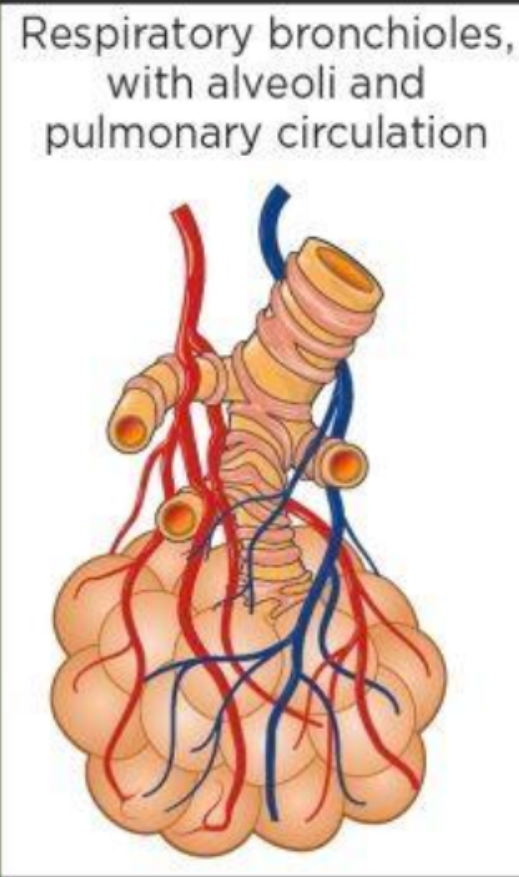
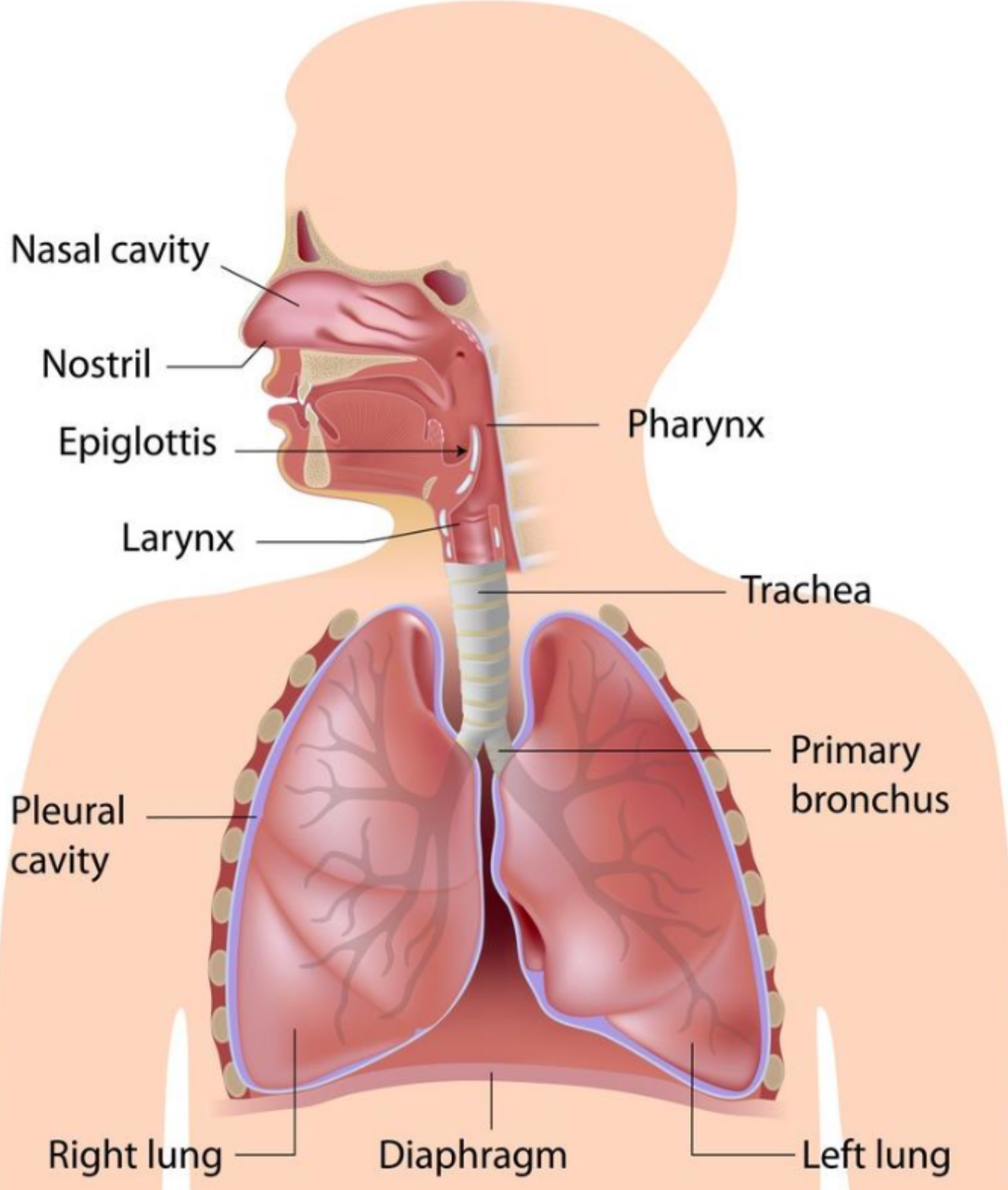
Figure labels: Nasal cavity, Nostril, Epiglottis, Pharynx, Larynx, Trachea, Pleural cavity, Primary bronchus, Right lung, Diaphragm, Left lung
Lecturer — Airway Details
Air enters through the nasal cavity and mouth and passes into the pharynx.
- The epiglottis separates the gastrointestinal tract from the airway during swallowing.
- Swallowing disorders may occur with radiation-related impairment, dementia, or Parkinson’s disease.
- If debris or water enters the trachea, it most commonly enters the right main bronchus because it is generally straighter, although either lung may be affected.
- The alveoli are surrounded by rich capillary networks where gas exchange occurs.
 |  |
Respiratory Physiology5
- Gaseous exchange to allow oxygenation of blood
- So as to supply the body with oxygen and dispose carbon dioxide
Four distinct processes:
- Pulmonary ventilation (breathing) i.e. movement of air into and out of the lungs
- External respiration: O2 and CO2 exchange between lungs and blood
- Transport: O2 and CO2 in the blood
- Internal respiration: O2 and CO2 exchange between systemic blood vessels and tissues
Lecturer — Process Clarifications
Pulmonary ventilation is usually controlled by the diaphragm, and external respiration involves exchange between the lungs, pulmonary capillaries, and blood.
- Internal respiration includes exchange between blood vessels and body tissues such as the muscles and brain.
Figure label: Circulatory system
Asthma
IMPT!
What is asthma?6
Asthma is a chronic respiratory condition, characterised by recurrent and reversible attacks with:
- spasm of bronchial smooth muscle resulting in reversible narrowing,
- mucosal oedema causing airway congestion, and
- excessive secretion of mucus within bronchial lining.
This is a type of hyper-reactivity conditions.
Lecturer — Associated Conditions
Asthma is generally reversible, which distinguishes it from COPD, described as irreversible. It may occur alongside other hyperreactive or autoimmune conditions.
- Associated conditions may include systemic lupus erythematosus, rheumatoid arthritis, and Sjögren’s syndrome.
- Patients may also have eczema, childhood asthma, or allergies such as penicillin allergy.
How do you assess severity and risk of asthma for dental procedures?
Definition and Aetiopathogenesis
Most patients with asthma can appear healthy until the attack occurs. History taking is essential to assessing severity and risk.
-
How frequent are the attacks and admission to hospital?
-
How severe are the attacks? If they are relieved with the inhalers, or if they have to be admitted to the hospital.
-
What are the triggers? This can include the season, time of the day, or even anxiety. Highlight any allergens to your dental team.
-
What medications or inhalers are used?
-
Ask how often the patient uses asthma medication and when the last asthma attack occurred.
-
Identify whether the patient uses a short-acting blue inhaler, a regular steroid-based inhaler, or other inhalers.
-
Frequent hospital admissions or attacks not controlled by the inhaler indicate greater risk.
-
Where possible, avoid dental treatment during a season in which the patient’s asthma regularly worsens.
How common is asthma?
- Asthma is a common worldwide respiratory condition, prevalent in 1 in 11 children and 1 in 20 adults. While its cause is not exactly known, occurrence in children is associated genetically, while occurrence in adults is related to environmental factors.
- Asthma kills around 1000 people everyday
When do we refer asthmatic dental patients to specialists?
-
If there is an unknown dental-related allergen, refer to physician for skin prick test.
-
Dentists should be able to manage vast majority of asthmatic patients, as asthmatic management is part of basic emergency training. If there are comorbidities or a refractory asthma, a referral to tertiary institutions may be warranted.
-
Refer patients with repeated attacks or who are not regularly followed up by a medical practitioner to a physician.
-
Patients experiencing a severe attack would commonly cancel or defer their dental appointment. IMPT!
Aetiopathogenesis7
- Asthma can be triggered by known allergens (extrinsic asthma) or unknown stimuli (intrinsic asthma).
- The hypersensitivity reaction initiates a cascade of histamine and leukotriene release (causing smooth muscle contraction) and IgE-mediated mast cell and basophil degranulation (releasing inflammatory cytokines with mucus production)
Clinical Features
-
On triggering, patients present with expiratory wheeze, cough, breathlessness (dyspnoea), and employ accessory muscles to assist breathing. It is asymptomatic prior to trigger.
-
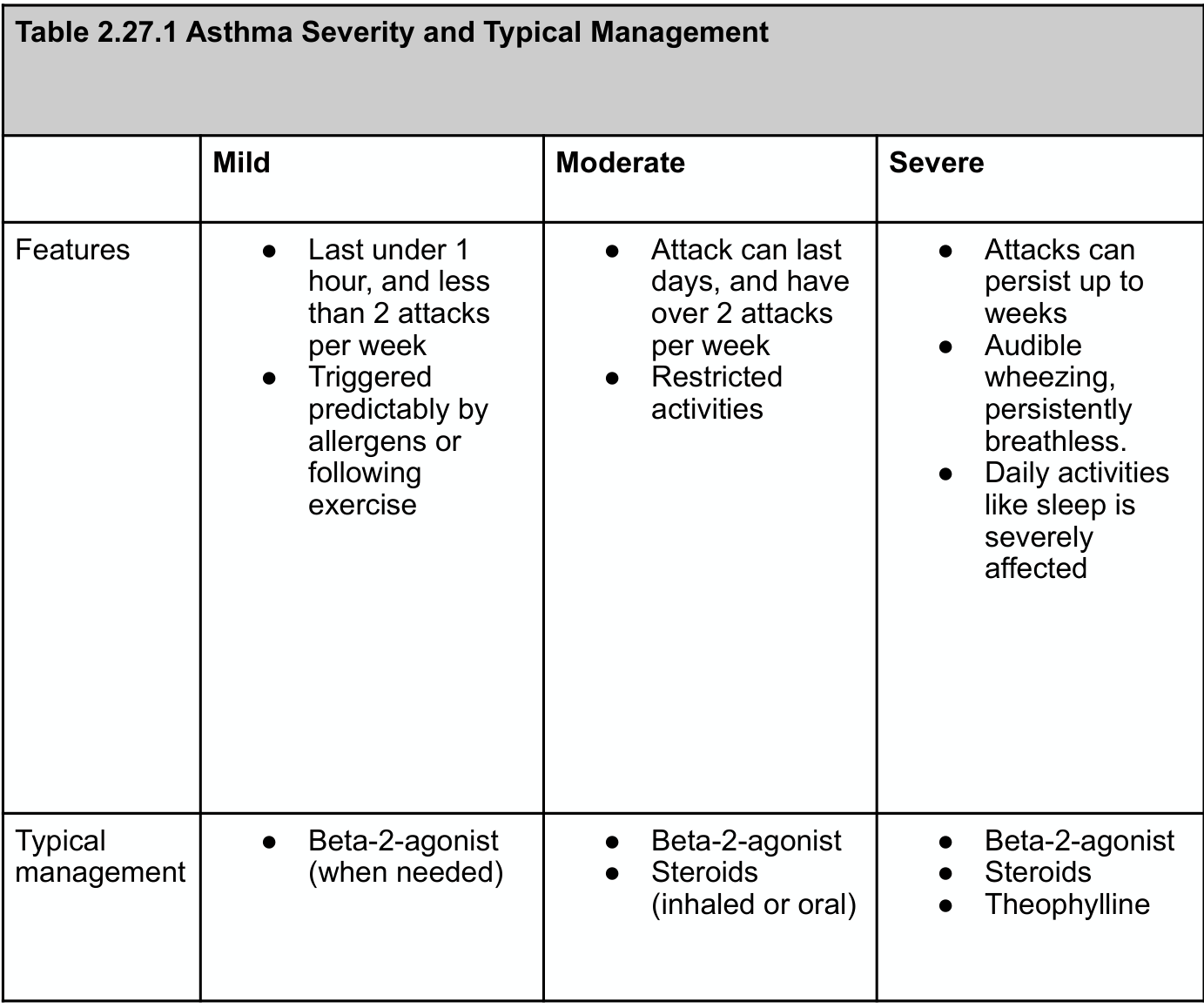
Asthma severity is grouped into mild, moderate, or severe (see Table next slide)
-
The asthmatic attacks can be also categorised into acute asthma, acute severe asthma, and status asthmaticus.
-
Other clinical features may include chest tightness, lightheadedness, and difficulty speaking during severe attacks.
Diagnosis
-
Eliciting history, physical examination and chest radiographs are used in screening
-
Spirometry demonstrates lowered peak expiratory flow rate (PEFR) in an asthmatic
-
Arterial blood gas analysis
-
Skin prick test (or scratch test) and exercise-tolerance test
-
Blood examination show raised total IgE and specific IgE antibody concentrations
-
Assessment may also involve a physician or respiratory physician.
-
Blood gas testing is not commonly performed nowadays.
Treatment
-
Long-term follow up, functional monitoring, and education
-
Lifestyle adjustments such as avoiding allergens, environment control, smoking cessation, and limiting physical exertion
-
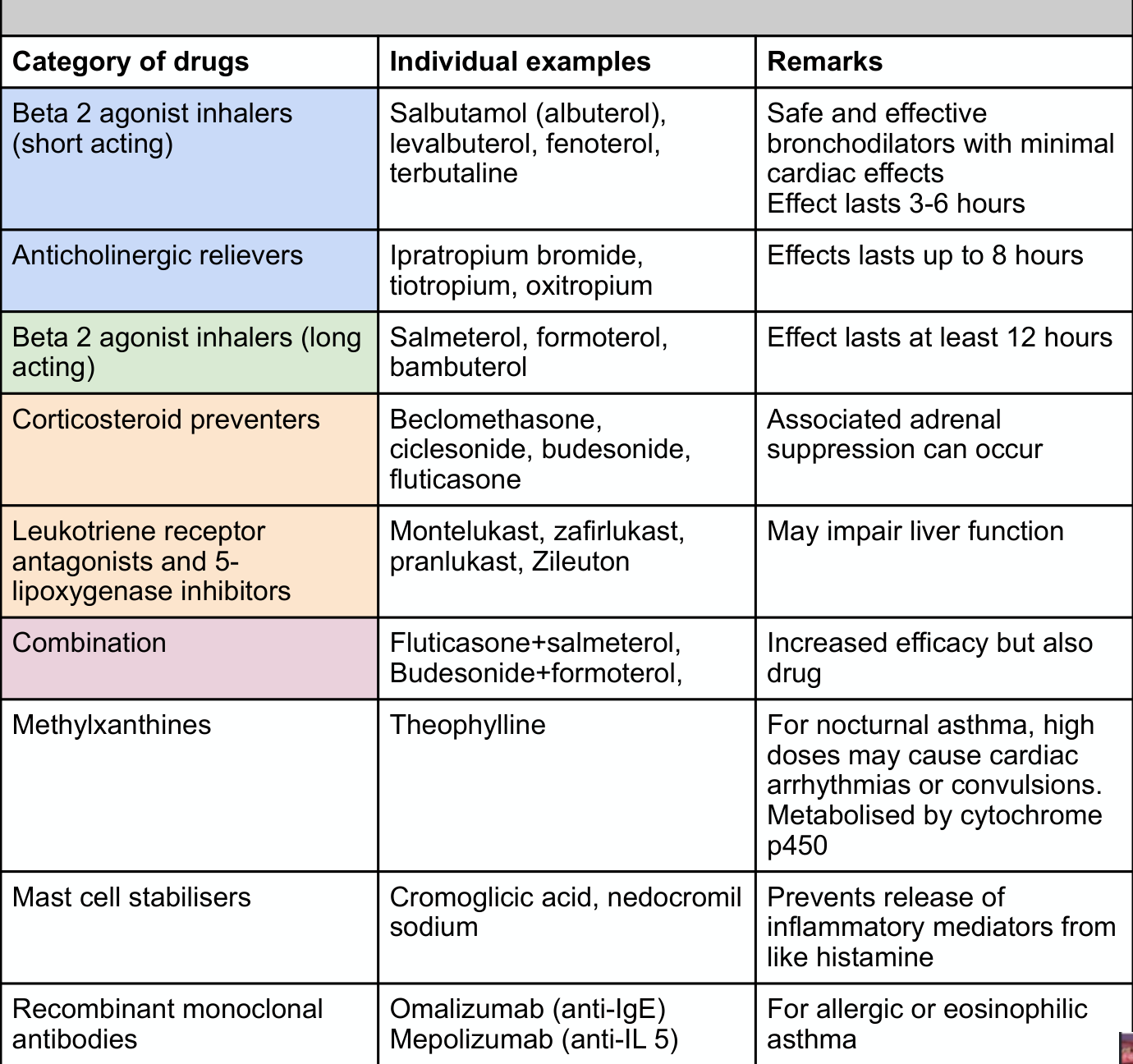
Drug therapy (see Table next slide)
-
Respiratory rehabilitation through physiotherapy maneuvers
-
Other forms of therapy:
- Allergen immunotherapy can benefit allergy-induced asthma, where small doses of allergen are regularly infused over 3-5 years
- Bronchial thermoplasty is an intervention where controlled thermal energy is applied to the airway via a series of bronchoscopy procedures
- Alternative medicine like acupuncture, herbal medicine
-
Regular steroid-based or immunomodulating inhalers are used by patients with more persistent or severe asthma.
-
Patients with severe asthma may use several types of medication.
Severity and Drug Management8
Table 2.27.1 Asthma Severity and Typical Management
| Mild | Moderate | Severe | |
|---|---|---|---|
| Features | Last under 1 hour, and less than 2 attacks per week; triggered predictably by allergens or following exercise | Attack can last days, and have over 2 attacks per week; restricted activities | Attacks can persist up to weeks; audible wheezing, persistently breathless; daily activities like sleep is severely affected |
| Typical management | Beta-2-agonist (when needed) | Beta-2-agonist; steroids (inhaled or oral) | Beta-2-agonist; steroids; theophylline |
Table 2.27.3 Drug Therapy for Asthma
| Category of drugs | Individual examples | Remarks |
|---|---|---|
| Beta 2 agonist inhalers (short acting) | Salbutamol (albuterol), levalbuterol, fenoterol, terbutaline | Safe and effective bronchodilators with minimal cardiac effects; effect lasts 3-6 hours |
| Anticholinergic relievers | Ipratropium bromide, tiotropium, oxitropium | Effects lasts up to 8 hours |
| Beta 2 agonist inhalers (long acting) | Salmeterol, formoterol, bambuterol | Effect lasts at least 12 hours |
| Corticosteroid preventers | Beclomethasone, ciclesonide, budesonide, fluticasone | Associated adrenal suppression can occur |
| Leukotriene receptor antagonists and 5-lipoxygenase inhibitors | Montelukast, zafirlukast, pranlukast, Zileuton | May impair liver function |
| Combination | Fluticasone+salmeterol, Budesonide+formoterol | Increased efficacy but also drug |
| Methylxanthines | Theophylline | For nocturnal asthma, high doses may cause cardiac arrhythmias or convulsions. Metabolised by cytochrome p450 |
| Mast cell stabilisers | Cromoglicic acid, nedocromil sodium | Prevents release of inflammatory mediators like histamine |
| Recombinant monoclonal antibodies | Omalizumab (anti-IgE); Mepolizumab (anti-IL 5) | For allergic or eosinophilic asthma |
 |  |
Asthma and Dentistry
Oral Findings9
- Dental erosion for those with gastro-oesophageal reflux or obligate mouth-breathers
- Intra-oral effects of corticosteroids can result in aggravated periodontal disease, oropharyngeal candidiasis, and even angina bullosa haemorrhagica (localised purpura).
- Beta agonists and ipratropium have sympathetic effects and can result in xerostomia - post inhaler rinsing can help.
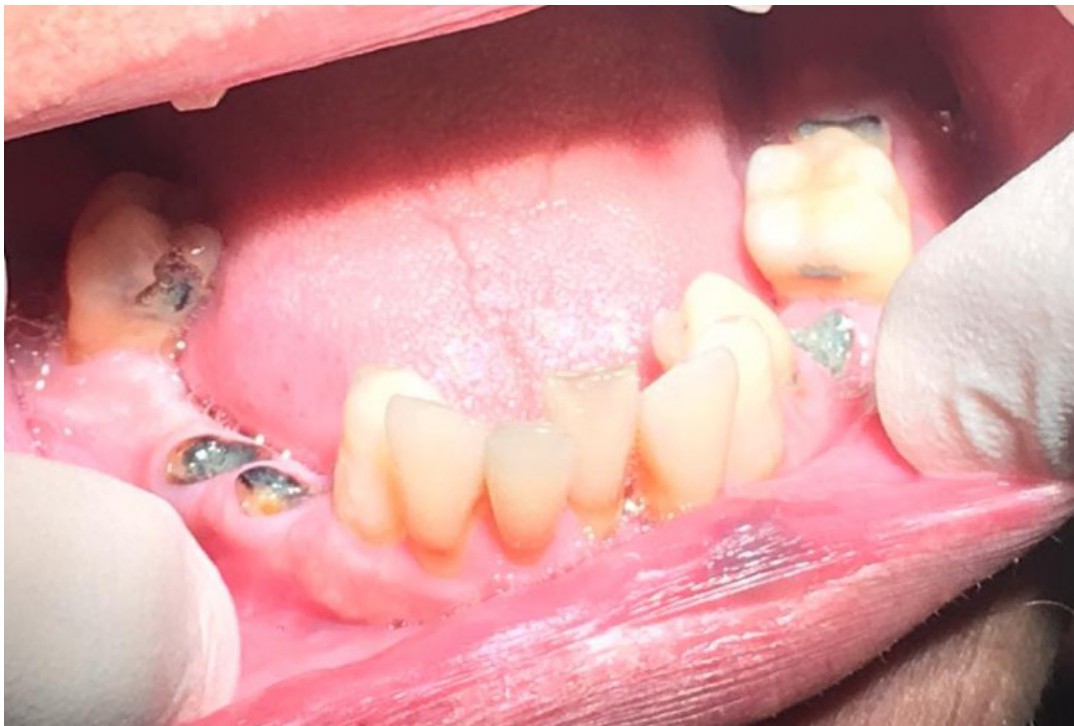
- Increased dental caries risk due to dry mouth and pH changes (see Figure)
Some Medical Considerations
- Asthmatic attack
- Steroid cover
Lecturer — Dental Considerations
Some non-steroidal anti-inflammatory drugs, including ibuprofen, have been linked in research to increased asthma exacerbation, although the exact mechanism is not known.
- Patients may require treatment in a more upright position, such as approximately 45 degrees, particularly if they have difficulty swallowing or an increased gag reflex.
- Oxygen during dental treatment is generally associated with more severe respiratory disease.
- Beta-adrenergic agonists may cause palpitations, and excessive use may increase heart rate rather than reduce it.
- Asthma-related emergencies may include anaphylaxis, adrenal crisis in patients taking steroids, and hyperventilation. Anaphylaxis may include urticaria, angioedema, and asthma-related respiratory symptoms.
Acute Asthma Attack Management10
IMPT!
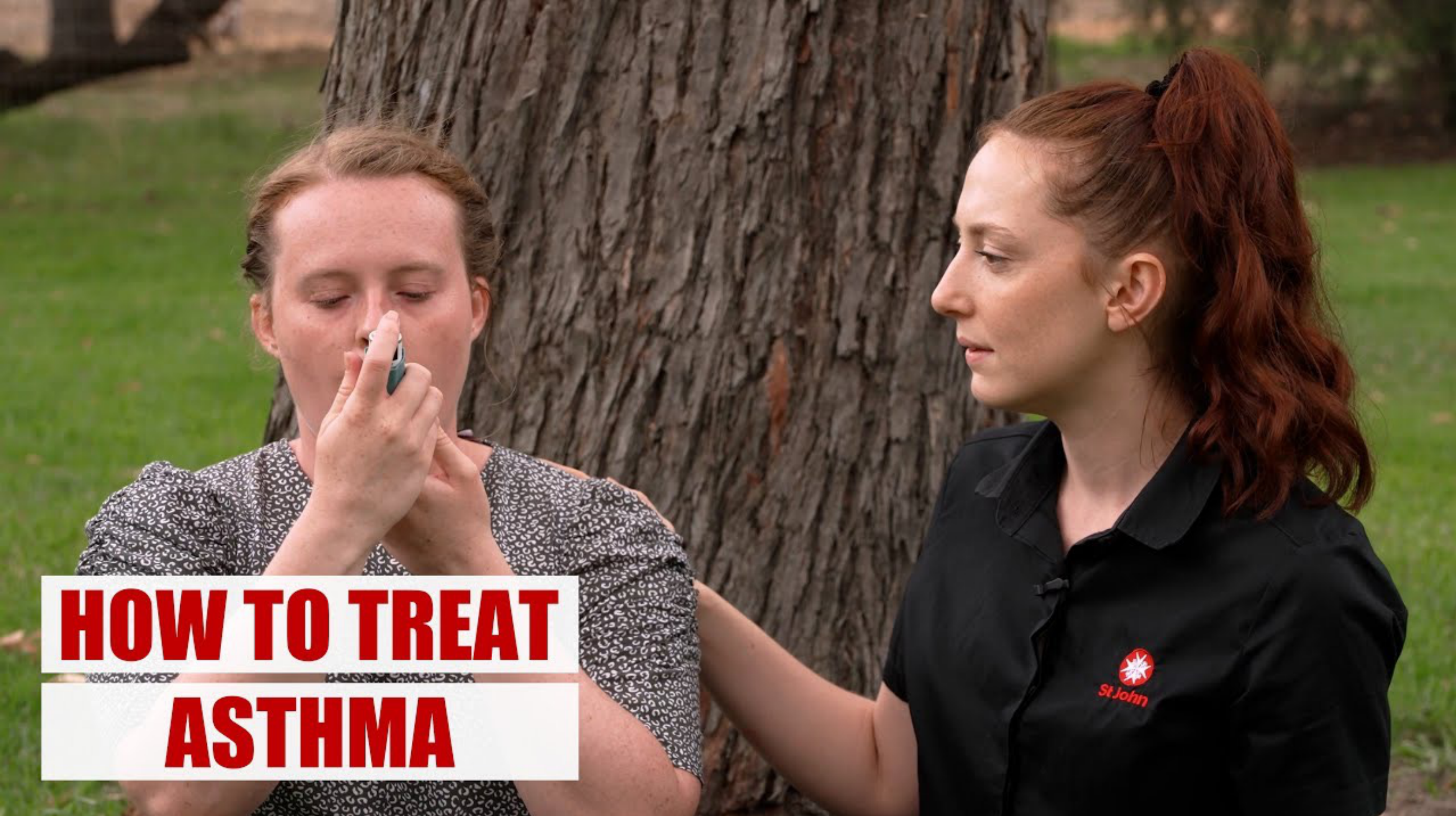
Video of asthma attack: St John — “How to Treat Asthma”
https://www.youtube.com/watch?v=TysknAul990
IMPT!
Mild11
Talks in sentences, pulse <100/min
-
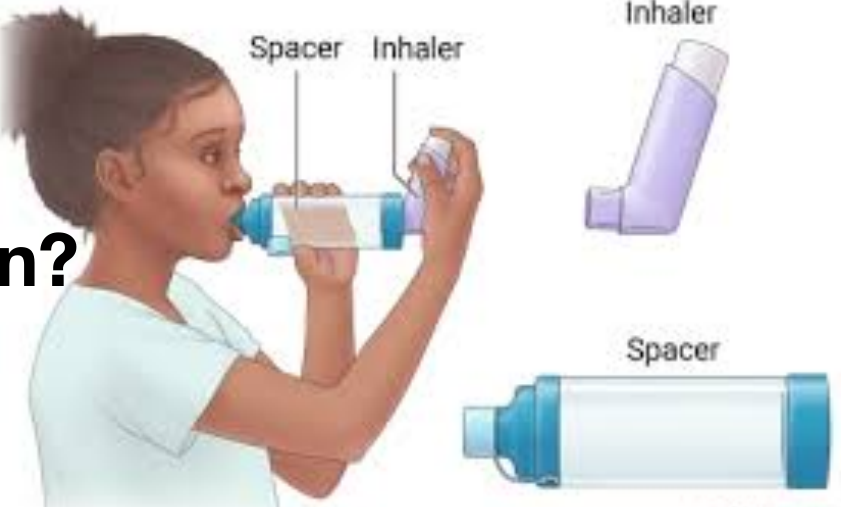
Give 4 puffs of salbutamol via spacer - 4 breaths per puff
-
If spacer is not available, ask patient to hold for 4s+ for each direct puff
-
Wait 4 mins
-
Give 4 puffs of salbutamol via spacer again
-
Assess status and rebook
-
Before administering the inhaler, check its use-by date, remove the cap, and shake it.
-
During the four-minute waiting period, keep the patient calm, talk to them, and monitor their breathing.
-
If the patient remains breathless after the second round, call an ambulance.
Moderate-Severe
Talks in phrases, pulse >100/min
-
Call 000
-
Give O2 6L/min (mask)
-
Give 4 puffs of salbutamol via spacer - 4 breaths per puff
-
If spacer is not available, ask patient to hold for 4s+ for each direct puff
-
Wait 4 mins
-
Continue puff/monitor until help arrives
-
Oxygen may be given at approximately 3–4 L/min through nasal cannulae when a mask is not used.
-
Repeated asthma attacks require urgent medical advice.
What happens if excess bronchodilator (β-adrenergic) is given?
Refer to page 172, 173 in Therapeutic guidelines
Lecturer — Excess Bronchodilator
Excess bronchodilator generally causes increased palpitations because beta-adrenergic agonists increase heart rate.
Image credit: Columbia Doctors
COPD
IMPT!
- Chronic obstructive pulmonary disease (COPD) is the name for a collection of lung diseases characterised by airflow limitation that is not fully reversible, usually progressive. This is due to a combination of airway and parenchymal damage resulting from chronic inflammation.
- These diseases have different aetiologies but may have overlapping signs and symptoms. Some key ones:
- Chronic bronchitis - long-term cough productive of sputum; ‘blue bloaters’ - inadequate ventilation and becoming hypercapnic and hypoxic; can develop central cyanosis, cor pulmonale and oedema.
- Emphysema - ‘pink puffers’ - hyperventilation to maintain normal blood gases. Breathless but not cyanosed.
- Respiratory rates may reach 30–40 breaths per minute, compared with the usual range of approximately 12–20.
- Caused predominantly by smoking, and sometimes occupational exposures, rarely genes (alpha-1-antitrypsin deficiency)
- Treatment is tailored to severity and includes:
- smoking cessation
- inhaled bronchodilators, corticosteroids or theophylline
- Long Term Oxygen Therapy (LTOT) nebulised oxygen >15 h/day
- Pulmonary surgery, Bullectomy
- Lifestyle changes
- Physiotherapy
Asthma vs COPD12

Definition and Aetiology
What’s some difference between Asthma and COPD?
- Indoor air pollution is the biggest risk factor for COPD in low-income countries, where almost 3 billion people worldwide use biomass and coal for household cooking and heating.
Lecturer — Asthma vs COPD
Asthma is generally reversible, whereas COPD is generally irreversible and may progressively require more oxygen.
COPD and Dentistry
IMPT!
Oral Findings13
-
Dry mouth - long-term use of inhaled oxygen can be dehydrating, while ipratropium and salbutamol may also predispose one to dry mouth.
-
Mouth breathing - seeks to improve aperture for air entry, but prolonged mouth breathing can desiccate the oral environment. Mouth breathing during dentition development may contribute to malocclusion with narrowing of dental arches
-
Associated inhaled steroids or beta-agonist (see Chapter 27: ASTHMA)
-
Highly-associated with excessive tobacco use - tobacco stains, periodontal disease, poor surgical healing, poor oral hygiene, oral cancer risk.
-
Theophylline may rarely produce erythema multiforme
-
Supplementary oxygen may theoretically reduce their ‘hypoxic drive’, although short-term dental usage is considered insignificant (Scully, 2014) - check with your service on their take.
-
Reduced salivary protection increases the risk of caries.
General Dental Management
- Determined by the severity and risk levels
- Concurrent inhaled steroid / bronchodilator usage
- Tobacco usage considerations
- Risk of co-morbidities
Lecturer — Oxygen at Appointments
Patients receiving long-term oxygen therapy may have difficulty attending dental appointments because they need to transport an oxygen tank or risk being without oxygen.
- Heated pluggers and flaming wax during denture procedures require particular care around supplementary oxygen.
- There has not been a reported case of supplementary oxygen suppressing a COPD patient’s hypoxic drive in a dental setting; short-term oxygen use is considered insignificant in this context, so oxygen should be used when clinically required.
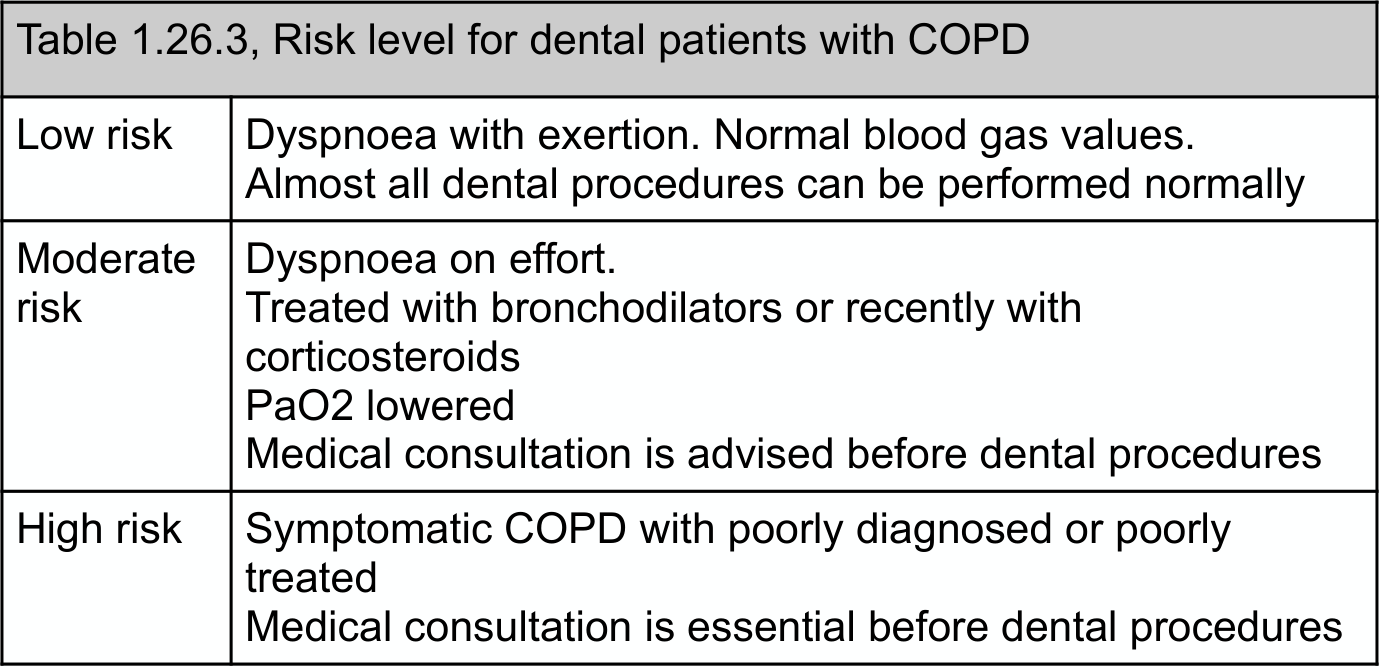
Risk Levels
| Low risk | Dyspnoea with exertion. Normal blood gas values. Almost all dental procedures can be performed normally |
| Moderate risk | Dyspnoea on effort. Treated with bronchodilators or recently with corticosteroids. PaO2 lowered. Medical consultation is advised before dental procedures |
| High risk | Symptomatic COPD with poorly diagnosed or poorly treated. Medical consultation is essential before dental procedures |
Lecturer — Severe COPD Access
Patients with severe COPD may require treatment at home or arrangements to ensure access to oxygen.
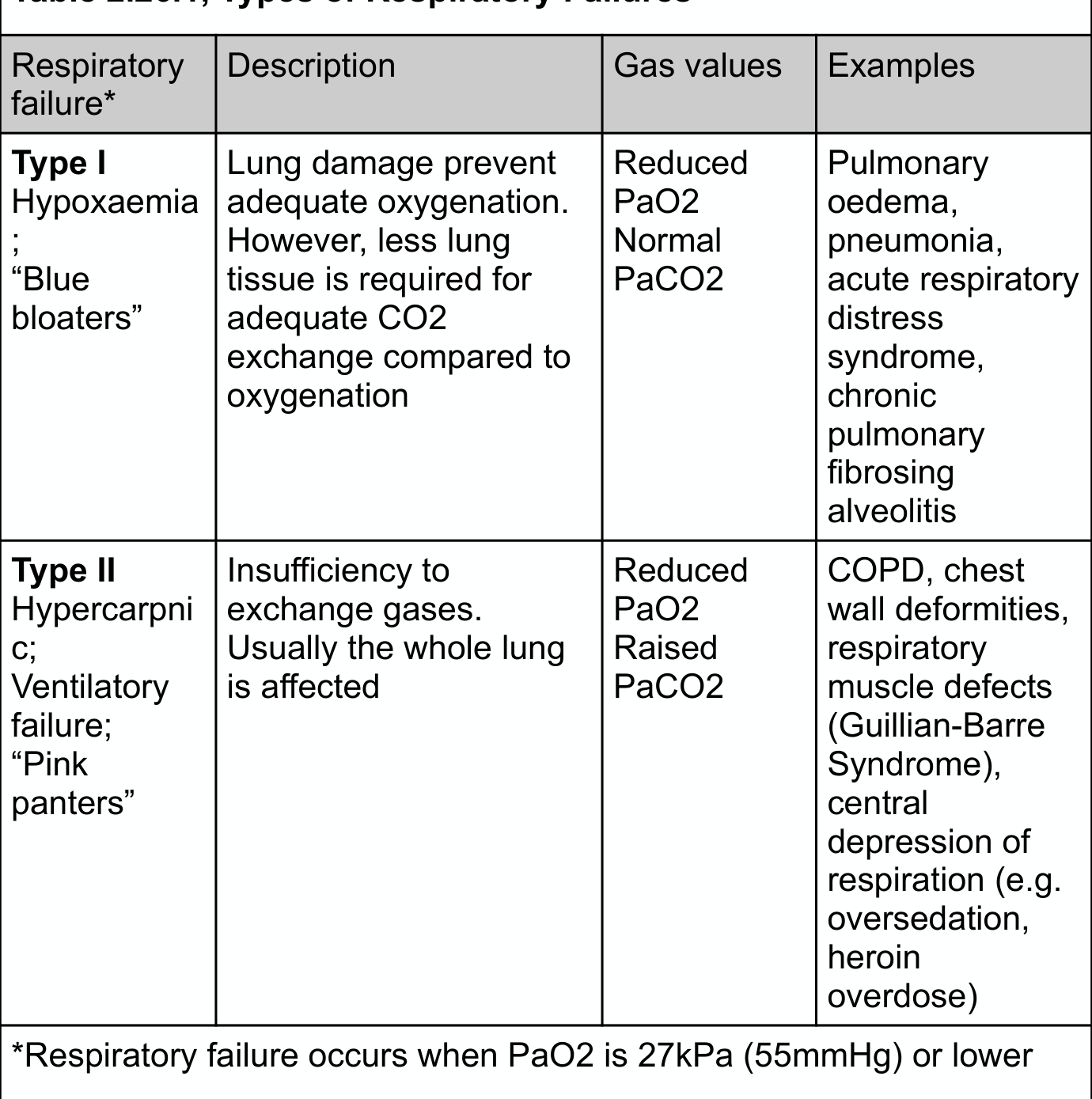
Respiratory Failure Reference14
COPD references (not in MCQ exam but useful in real life)
Table 2.26.1 Types of Respiratory Failures
| Respiratory failure* | Description | Gas values | Examples |
|---|---|---|---|
| Type I Hypoxaemia; “Blue bloaters” | Lung damage prevent adequate oxygenation. However, less lung tissue is required for adequate CO2 exchange compared to oxygenation | Reduced PaO2; Normal PaCO2 | Pulmonary oedema, pneumonia, acute respiratory distress syndrome, chronic pulmonary fibrosing alveolitis |
| Type II Hypercapnic; Ventilatory failure; “Pink puffers” | Insufficiency to exchange gases. Usually the whole lung is affected | Reduced PaO2; Raised PaCO2 | COPD, chest wall deformities, respiratory muscle defects (Guillain-Barre Syndrome), central depression of respiration (e.g. oversedation, heroin overdose) |
*Respiratory failure occurs when PaO2 is 27kPa (55mmHg) or lower
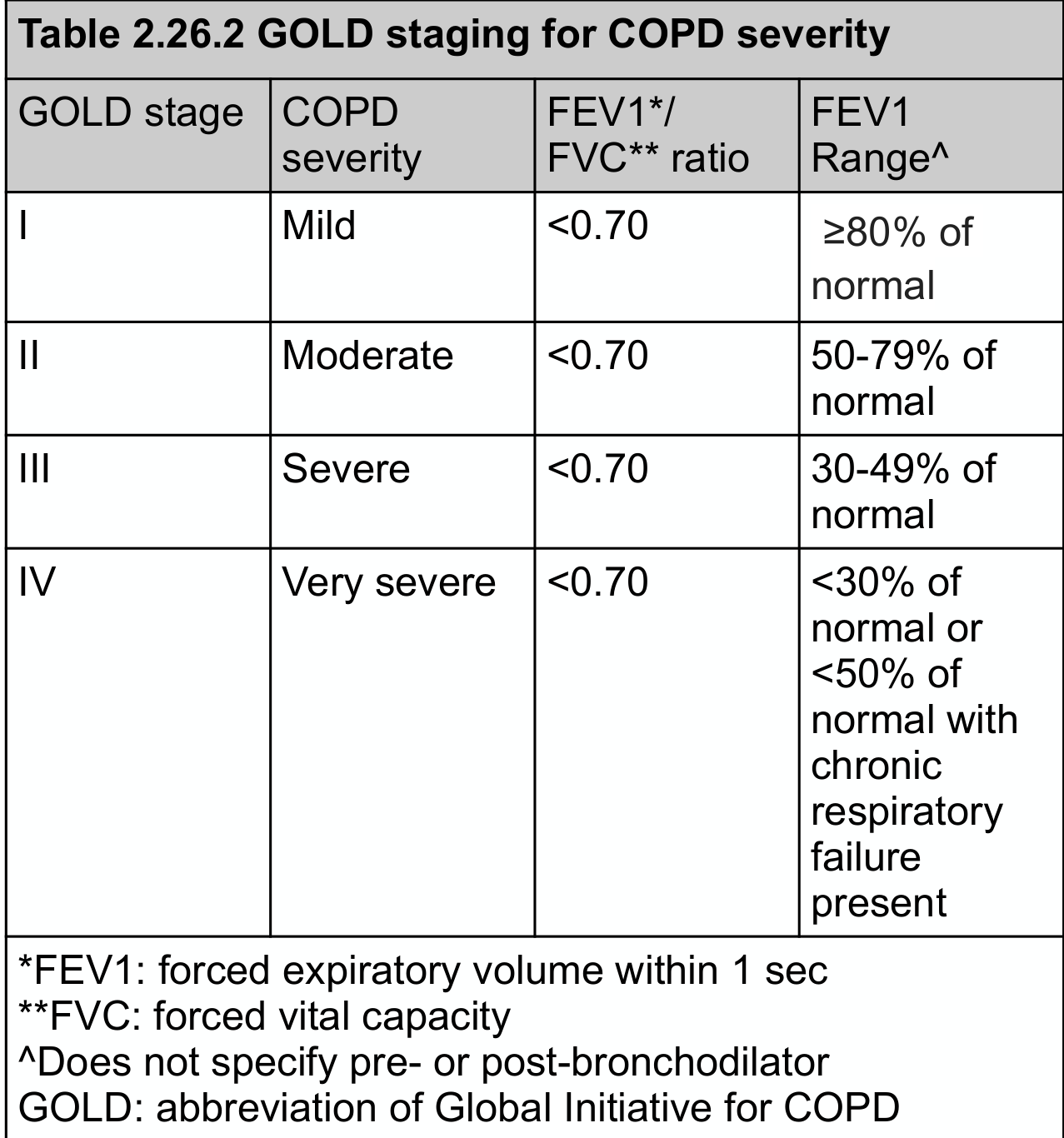
Table 2.26.2 GOLD staging for COPD severity
| GOLD stage | COPD severity | FEV1*/FVC** ratio | FEV1 Range^ |
|---|---|---|---|
| I | Mild | <0.70 | ≥80% of normal |
| II | Moderate | <0.70 | 50-79% of normal |
| III | Severe | <0.70 | 30-49% of normal |
| IV | Very severe | <0.70 | <30% of normal or <50% of normal with chronic respiratory failure present |
*FEV1: forced expiratory volume within 1 sec; **FVC: forced vital capacity; ^Does not specify pre- or post-bronchodilator; GOLD: abbreviation of Global Initiative for COPD
 |  |
Obstructive Sleep Apnea15
- OSA is partial or complete airway obstruction when sleeping. ‘Apnea’ means breathing pauses, where each episode can arouse you from sleep, as a biological response to restart your breathing. This worsens sleep quality and may increase your risk of health issues.
- Symptoms: witnessed apnoeas, loud snoring, insomnia, daytime tiredness, difficulty focusing
- Risk factors: overweight, thick neck, narrow airway (e.g. small maxilla/mandible), enlarged adenoids, tonsils or tongue, smoking, alcohol, family history, middle aged
- Treatment:
- Lifestyle - weight loss, smoking cessation, avoid alcohol, nasal spray, sleep hygiene
- Continuous positive airway pressure (CPAP)
- Oral appliance (mandibular advancement)
- Surgery (adenoidectomy, tonsillectomy)
Lecturer — OSA Health Effects
OSA can increase the risk of specific health problems.
- Hypertension
- Anxiety
Lecturer — Treatment Details
Oral appliances and CPAP have specific practical considerations.
- Mandibular advancement appliances bring the jaw forward and stretch the tissues around the throat, increasing airway size.
- Patients requiring an oral appliance may be referred to a prosthodontist.
- Continuous positive airway pressure may dry the mouth.
https://www.healthdirect.gov.au/obstructive-sleep-apnoea
OSA and Dentistry
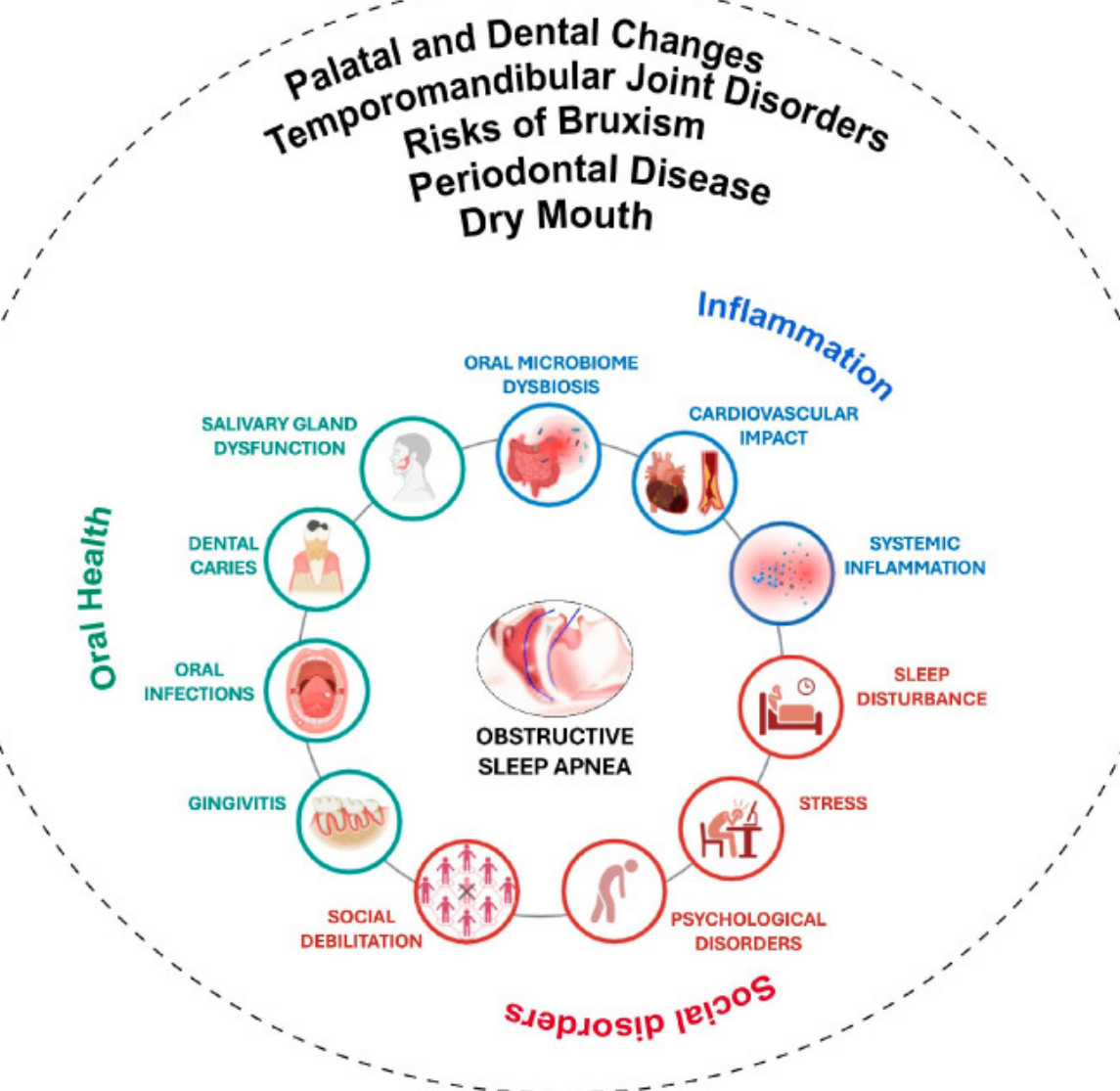
Oral Findings16
- Dry mouth (mouth breathing)
- Bruxism
- TMD issues
- Caries and possibly periodontal disease
Lecturer — Bruxism Mechanism
Bruxism may occur because the patient moves the lower jaw forward to help maintain the airway during sleep.
Maniaci A, Lavalle S, Anzalone R, et al. Oral Health Implications of Obstructive Sleep Apnea: A Literature Review. Biomedicines. 2024;12(7):1382. Published 2024 Jun 21. doi:10.3390/biomedicines12071382.
Tuberculosis1718
-
Tuberculosis is a contagious disease caused by inhalation of airborne particles containing the bacterium Mycobacterium tuberculosis.
-
Symptoms (during active disease) include persistent cough > 2-3 weeks, blood in sputum, fevers, high sweats, unexplained weight loss, severe fatigue.
-
Tests - Tuberculin Skin Test (Mantoux or TST). The tuberculin protein is injected under the skin, and you return to measure any swelling at the site. TB Blood test (IGRA) - blood is drawn to check immune response to TB bacteria. Chest X-rays (CXR), sputum microscopy
-
Epidemiology - one third of the global population is infected with this mycobacterium or its variants; leading infectious cause of morbidity and mortality at a global level, accounting for approximately 10.0 million new cases and 1.4 million deaths in 2019.¹
-
Spread - When M. tuberculosis reach the alveoli, within 2-12 weeks, the body contains it, and it becomes a ‘latent infection’. Around 10% of people with ‘latent infection’ can develop an active disease in their lifetime, usually when their immunity is weakened.
- Co-infection with human immunodeficiency virus (HIV) is one of the strongest risk factors for tuberculosis infection. Also, leukaemia and lymphomas, diabetes, and prolonged steroid use, along with other conditions.
-
Treatment - Active disease is treated with a combination of antibiotics (usually Isoniazid, Rifampicin, Pyrazinamide and Ethambutol) taken for at least 6 months. Lung scarring and fibrosis cannot be reversed, and persons live with lower lung function for the rest of their lives. Latent TB is treated preventatively with a single medication for 6-9 months
-
A positive immune response indicates previous exposure to TB bacteria.
Lecturer — Reactivation Risk
Patients receiving cancer treatment may receive antibiotics such as rifampicin to prevent reactivation.
- Other factors associated with reactivation include older age and infection with HIV, leukaemia, lymphoma, diabetes, or prolonged steroid use.
Lecturer — TB Lung Findings
Active TB can damage the lungs irreversibly, and treatment effectiveness may vary depending on the bacterial species.
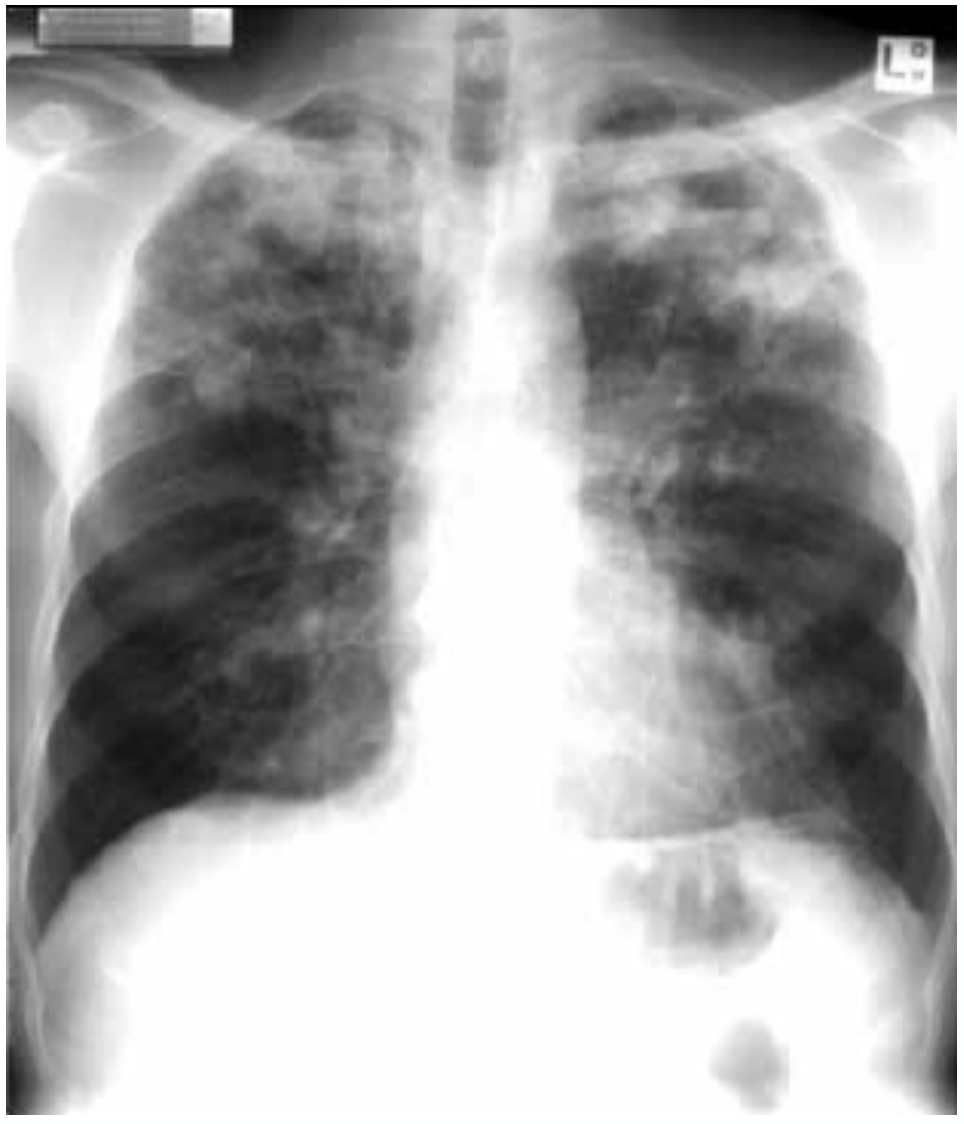
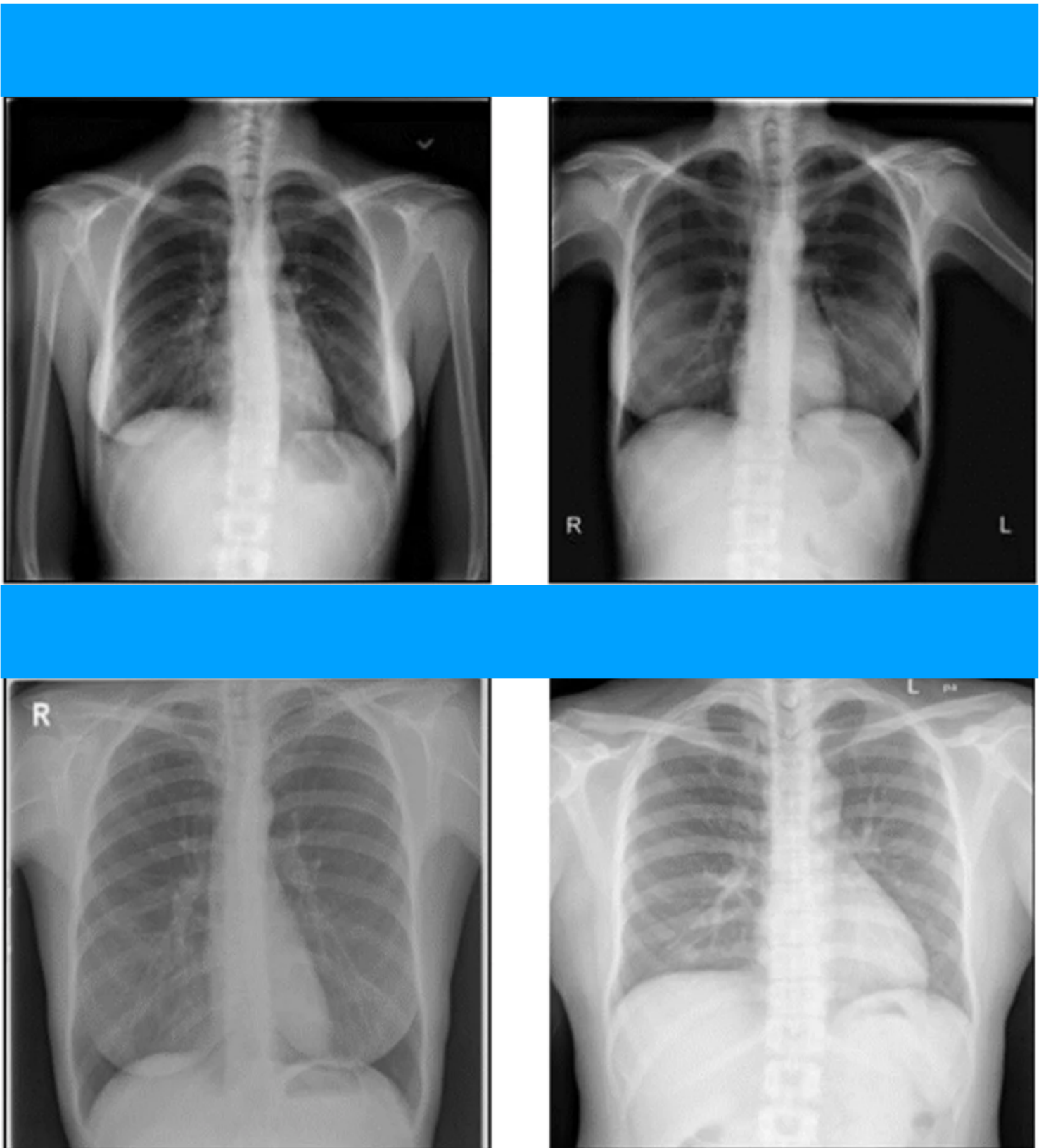
- Chest radiographs may show increased radiopacity and fibrosis around the bronchioles.
https://www.ada.org/resources/ada-library/oral-health-topics/tuberculosis-overview-and-dental-treatment-conside https://www.fdiworlddental.org/sites/default/files/2020-11/fdi_world_dental_federation_-tuberculosis_and_the_practice_of_dentistry_-2018-07-04.pdf
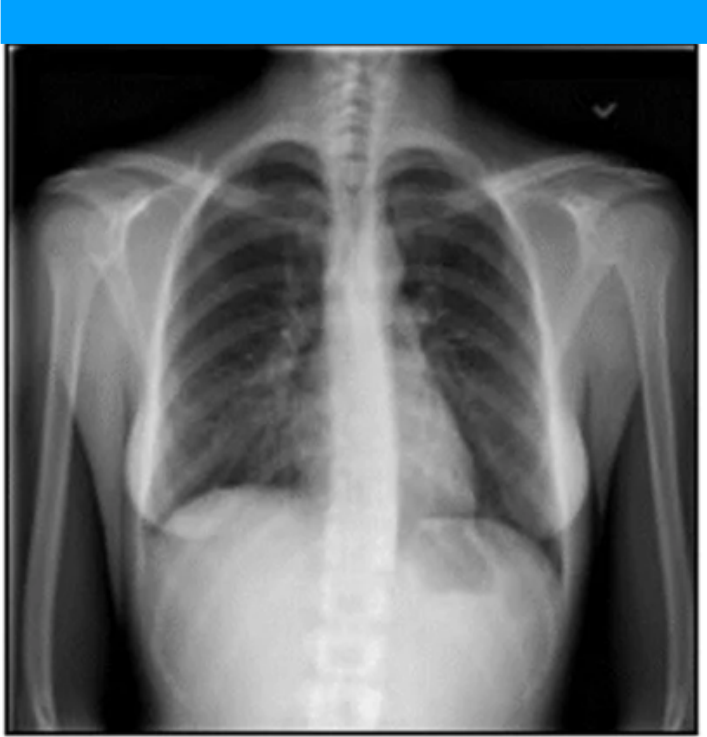
Chest X-rays
 |  |
 |
TB and Dentistry19
IMPT!
| Active | Symptoms suggestive of Active TB - the patient should be: 1. removed from area, 2. masked up, 3. referred to medical treatment, and 4. deferred from dental treatment till physician’s notice. [What if an active TB patient has a severe dental issue?] |
| Latent | Standard cross-infectivity protocol - current and generally accepted epidemiological information supports the conclusion that there is no significant risk of contracting tuberculosis through the provision of dental treatment when appropriate infection control procedures are followed. |
| Others | Healthcare workers can receive BCG immunisation (Bacille Calmette-Guérin) - not compulsory in all countries |
Lecturer — Active TB Emergencies
If a patient with active TB has a severe, potentially life-threatening dental problem, treatment may still be required after weighing the risks and benefits.
- Such treatment may require maximum personal protective equipment, thorough decontamination, careful cleaning afterward, appropriate medical involvement, and facilities such as a negative-pressure room.
- Negative-pressure rooms are more commonly available in general anaesthetic theatres or rooms designed for general anaesthesia than in ordinary dental clinics.
- Decisions should consider the urgency of the dental condition, risk to staff, hospital policies, medical input, and available infection-control facilities.
- Most dental problems are urgent because of pain but are rarely medical emergencies requiring immediate treatment at the expense of significant practitioner risk.
https://www.ada.org/resources/ada-library/oral-health-topics/tuberculosis-overview-and-dental-treatment-conside https://www.fdiworlddental.org/sites/default/files/2020-11/fdi_world_dental_federation_-_tuberculosis_and_the_practice_of_dentistry_-_2018-07-04.pdf
Hyperventilation Syndrome20
IMPT!
Signs and Symptoms21
-
Sighs/Symptoms
-
Short of breath
-
Rapid pulse
-
Dizzy
-
Rapid, shallow, or ineffective breathing
-
Respiratory rate commonly above 20 breaths per minute
-
Fainting
-
Nausea
-
Chest or abdominal pain
-
Tingling around the mouth and in the hands
-
Reduced carbon dioxide levels in the blood
-
Panic may worsen the breathing pattern
-
Episodes may be triggered by tension, panic, strenuous work, high altitude, physical injury, or poisoning
-
Stress and sleep deprivation may trigger chronic cases
Management
-
Cease dental treatment
-
Encourage slow breathing
-
Rebreath expired air
-
Do not give oxygen
-
Reassure the patient and remain calm
-
The patient may breathe into cupped hands
-
The patient may breathe into a paper bag
-
The reason for not giving oxygen is that the problem involves excessive oxygen intake and insufficient carbon dioxide removal
-
Breathing therapy may be used as a long-term treatment for chronic hyperventilation
-
Patients troubled by frequent attacks may be advised to see a physician Refer to page 171 in Therapeutic guidelines
Image credit: Open Access Pub
IMPT!
Video: Hyperventilation
https://www.youtube.com/watch?v=p97He
Clinical Scenario and Risk Assessment
Clinical Scenario22
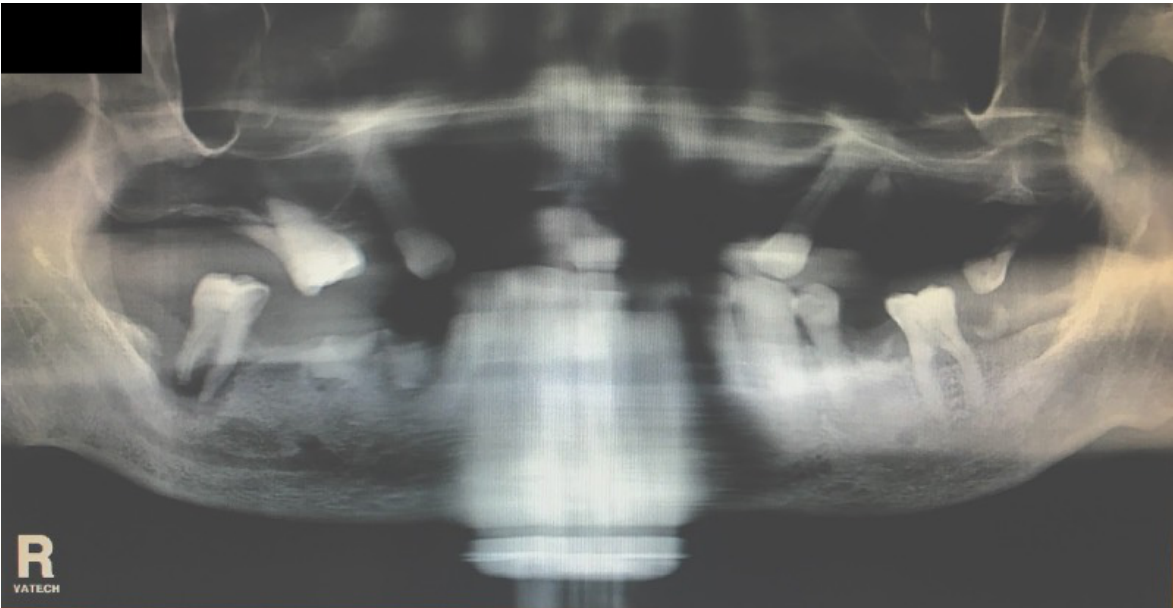
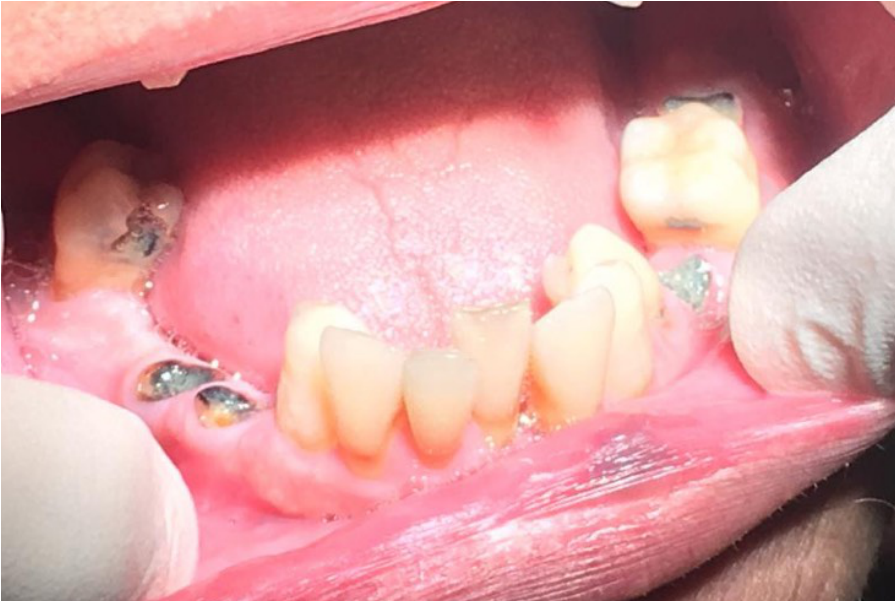
A 63 year old man came into the clinic with a painful upper right wisdom tooth. It affects his eating and sleeping. He has not seen the dentist for around 10 years due to dental anxiety.
 |  |
Medical History
-
Asthma. Poorly controlled with exacerbations almost every 2 weeks, and admission to hospital 1-3 times annually. Not all attacks are subdued with salbutamol inhaler. No known triggers, although cold air and dust are reported to possibly worsen it. Does not regularly follow up with physician.
-
Mild dental anxiety - mainly to sound of ultrasonic and handpieces.
-
Rheumatoid arthritis with left knee swollen
-
Reduced BMI
-
Smokes ~5 cigarettes a day now, cut down from ~20 sticks a day 20 years ago.
-
History of cataract surgery on right eye, with some residual visual impairment
-
The asthma was considered moderate to severe, and the repeated hospital admissions indicated significant disease severity.
Medications
- Salbutamol 200mcg inhaler
- Fluticasone 500mcg with Salmeterol 50mcg inhaler
- Lignosus rhinocerus (traditional Chinese tonic, 虎乳芝)
Dental History
- Uses an acrylic partial upper denture fabricated over 10 years ago that overlays retained roots
- Brushes once a day only
- Does not clean/brush denture
Lecturer — Denture Construction
Dentures may sometimes be fabricated over retained roots or decayed surfaces when the provider focuses on denture construction rather than general dental treatment.
- The long interval since the last dental visit increased the likelihood of untreated disease.
Social History
- Low socio-economic status
- Works as a security officer with varying shifts in the morning and overnight
- Divorced, lives alone
Oral Examination
- Upper left wisdom tooth with caries into pulp
- Poor oral hygiene
- Rampant caries with other retained roots (see Figure 1.27.1 - Picture of caries / retained roots in a patient with severe asthma)
- Oral candidiasis on upper palate
- Upper denture with dried debris on fitting and smooth surfaces.
Lecturer — Inhaled Steroids
The oral candidiasis was associated with the patient’s inhaled steroid use.
- Medication history should be reviewed when assessing medical risk and planning treatment.
Treatment Considerations
What are your treatment considerations briefly? Can you treat the pain today?
- The tooth extraction should be completed today. Despite assessed to be moderate to high risk, attenuating the specific risks and possessing emergency preparedness are key.
- He will require further fillings, extractions and partial dentures in the future. Dental health education is also important.
Lecturer — Treatment Decision
The decision to extract should be based on a case-by-case assessment rather than on the diagnosis alone.
- Consider the severity and control of asthma, recent exacerbations, hospital admissions, reliability of salbutamol, lack of medical follow-up, dental anxiety, current symptoms and clinical findings.
- Reported symptom severity and observed findings may not correspond, so the options and risks should be discussed with the patient and the decision documented.
- Difficult decisions may require discussion with senior dental colleagues, other dental team members or a medical physician.
You may use this table in case presentation to illustrate non-dental risks
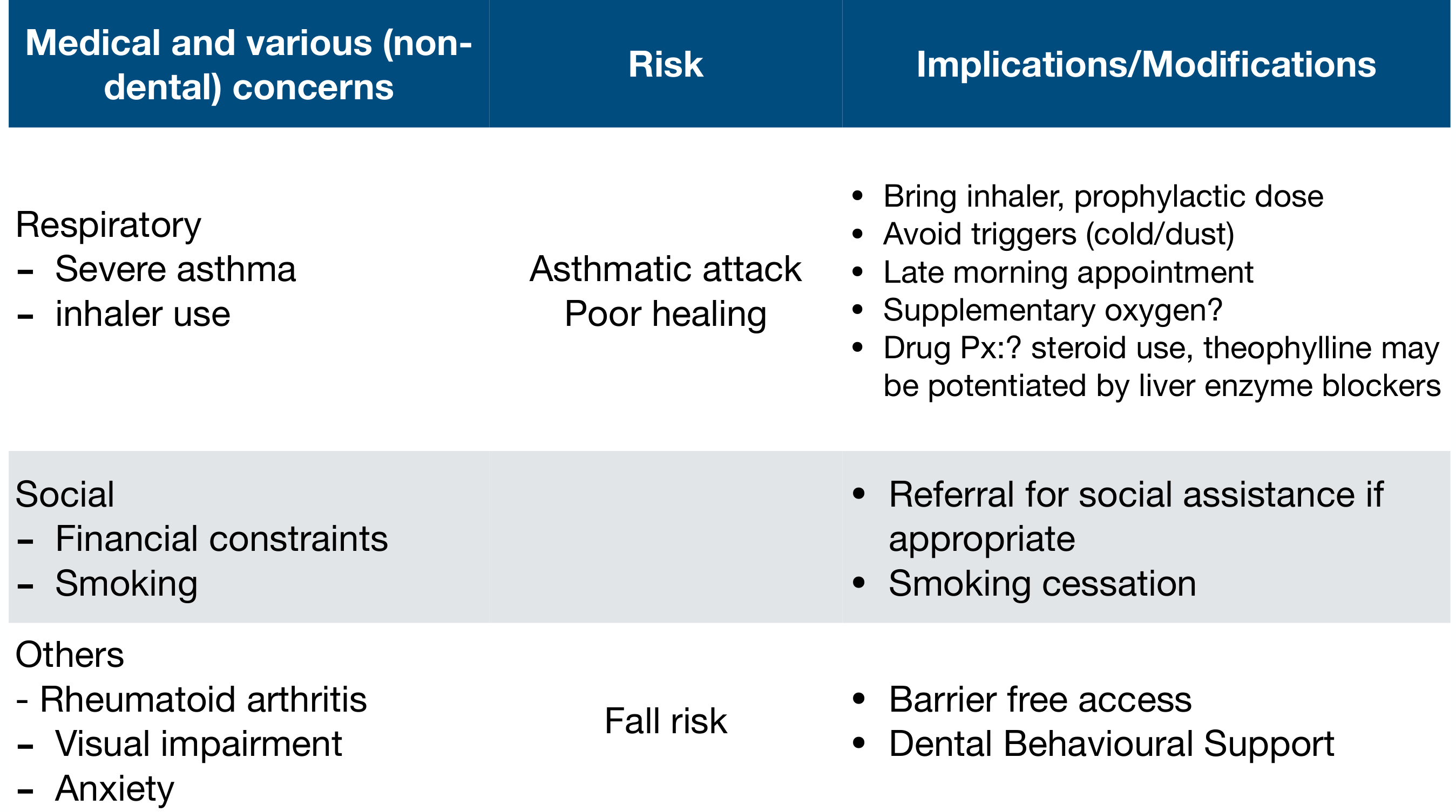
Risk Assessment Table23
| Medical and various (non-dental) concerns | Risk | Implications/Modifications |
|---|---|---|
| Respiratory - severe asthma; inhaler use | Asthmatic attack; poor healing | Bring inhaler, prophylactic dose; avoid triggers (cold/dust); late morning appointment; supplementary oxygen?; drug Px: ? steroid use, theophylline may be potentiated by liver enzyme blockers |
| Social - financial constraints; smoking | Referral for social assistance if appropriate; smoking cessation | |
| Others - rheumatoid arthritis; visual impairment; anxiety | Fall risk | Barrier free access; Dental Behavioural Support |
What other non-dental risks/concerns can you think of?
Lecturer — Risk Assessment Categories
Medical risk can be organised into respiratory conditions, cardiology, autoimmune disease and other medical conditions, alongside social risks.
- Assessment should include disease control, medication use, previous hospital admissions, smoking, comorbidities, ability to attend medical follow-up and the urgency of dental treatment.
- Difficult cases should be discussed with more than one person, and the final decision should balance risks and benefits case by case.
Clinical Cases
Case: Asthma attack first aid demonstration
Question
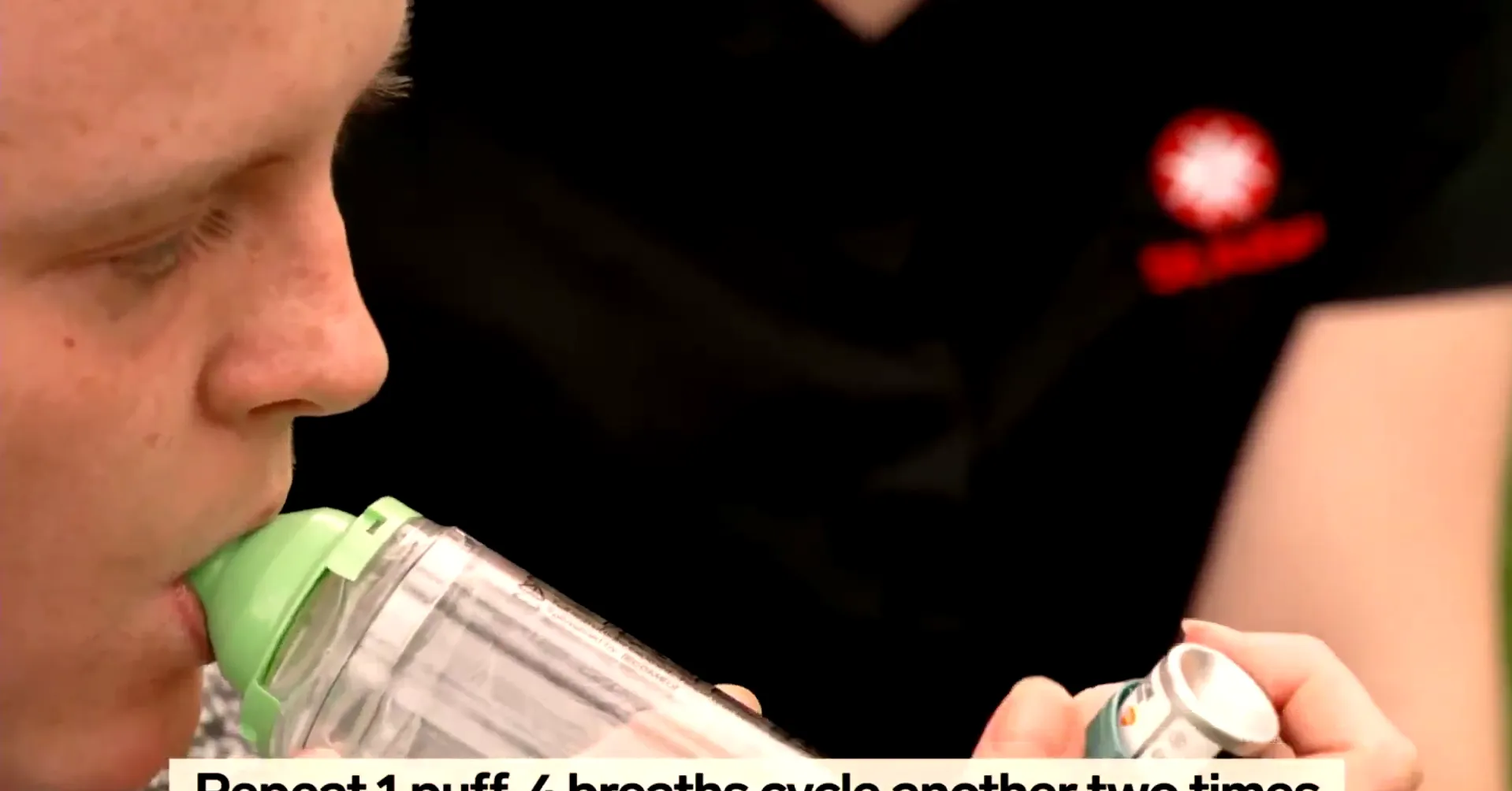
Scenario: A video demonstration of a person experiencing an acute asthma attack.
What’s shown: A still from a video showing the administration of a reliever inhaler via a spacer.
Consider: The appropriate first aid management and escalation criteria for an acute asthma attack.





Answer
Observations:
- The individual exhibits signs of an asthma attack, including difficulty breathing, persistent cough, wheeze, tight chest, and lightheadedness.
- The 4x4x4 method is demonstrated: 4 puffs of salbutamol via a spacer, with 4 slow, steady breaths per puff, followed by a 4-minute wait.
Reasoning:
- A spacer is used to help with the effectiveness of the medication.
- If there is no improvement after 4 minutes, the puffer is shaken and the process is repeated for a second round.
- If the individual is still struggling to breathe after the second round, an ambulance must be called.
- For moderate to severe attacks (indicated by talking in phrases and a pulse >100/min), an ambulance is called immediately, oxygen is provided (e.g., 6L/min via mask), and puffs are continued until help arrives.
Outcome:
- The video demonstrates the step-by-step administration of the 4x4x4 method, keeping the patient calm, and monitoring their breathing during the 4-minute intervals.
Takeaway:
- The 4x4x4 method is the standard first aid approach for an acute asthma attack, with clear escalation criteria for calling emergency services if the patient does not improve.
Case: Chest X-ray comparison for pulmonary tuberculosis
Question
Scenario: Two chest radiographs are presented for comparison: one from a 47-year-old man with typical pulmonary tuberculosis and one normal frontal chest X-ray.
What’s shown: Two chest X-rays are displayed, with one showing extensive bilateral pulmonary abnormalities and the other showing a normal thoracic cavity.
Consider: Which of the two chest X-rays shows the typical signs of tuberculosis, and what specific radiographic features indicate this diagnosis?
Answer
Observations:
- The abnormal chest X-ray demonstrates more radiopacity throughout the lungs.
- The lungs lack a “clear, clear kind of look.”
- There is increased fibrosis and radiopacity around some of the bronchioles.
Reasoning: The lecturer contrasts the two images, asking the audience to identify the tuberculosis case. By pointing out the increased radiopacity, the loss of the normal clear lung fields, and the fibrosis around the bronchioles, the lecturer highlights the typical radiographic presentation of pulmonary tuberculosis.
Outcome: The lecturer notes that while dentists are not responsible for diagnosing tuberculosis, recognizing these radiographic signs is useful for understanding the condition.
Takeaway: On a chest X-ray, pulmonary tuberculosis typically presents with increased radiopacity throughout the lungs, fibrosis around the bronchioles, and a loss of the normal clear lung appearance.
Case: 63-year-old man with a painful wisdom tooth and poorly controlled asthma
Question
Scenario: A 63-year-old man presents to the clinic with a painful upper wisdom tooth that affects his eating and sleeping. He has not seen a dentist in 10 years due to dental anxiety. His medical history includes poorly controlled moderate-to-severe intrinsic asthma with frequent exacerbations and hospital admissions, rheumatoid arthritis, smoking, and cataracts. He uses salbutamol, fluticasone, and Chinese tonics, and does not regularly follow up with his medical physician.
What’s shown: A panoramic dental radiograph is referenced. Clinical examination reveals a wisdom tooth with caries into the pulp, poor oral hygiene, rampant caries with retained roots, oral candidiasis on the upper palate, and a poorly fitting acrylic partial upper denture with dried debris.
Consider: What are the treatment considerations for managing this patient’s pain today, and what factors might influence the decision to proceed with or defer treatment?
Answer
Observations:
- Wisdom tooth with caries into the pulp.
- Poor oral hygiene, rampant caries, and retained roots.
- Oral candidiasis on the upper palate, likely associated with steroid inhaler use.
- Poorly fitting upper denture with dried debris, potentially fabricated over retained roots or decayed surfaces.
- Poorly controlled asthma with frequent exacerbations not fully subdued by salbutamol.
Reasoning: The patient presents with a painful wisdom tooth and multiple medical and dental risk factors, including severe asthma, rheumatoid arthritis, and poor oral hygiene. While the patient reports severe pain to access emergency care, symptoms may not always align with clinical findings. However, after assessing the patient dentally and considering the medical risks (such as the potential for an asthmatic attack), it is determined that extracting the tooth today is possible. Decisions should be discussed with the patient, documented for legal protection, and reviewed with colleagues or medical physicians if uncertain.
Outcome: The decision is made that it is possible to extract the painful wisdom tooth today, provided the patient is assessed dentally and medical risks are managed.
Takeaway: When treating patients with complex medical histories and dental anxiety in an emergency setting, it is essential to clinically assess the dental findings rather than relying solely on the patient’s report of pain, while carefully considering medical risks, discussing decisions with the patient, documenting the rationale, and consulting colleagues when necessary.
Footnotes
-
Original PDF page 1: L2 Respiratory Conditions 2026 David Lim, p.1 ↩
-
Original PDF page 2: L2 Respiratory Conditions 2026 David Lim, p.2 ↩
-
Original PDF page 3: L2 Respiratory Conditions 2026 David Lim, p.3 ↩
-
Original PDF page 4: L2 Respiratory Conditions 2026 David Lim, p.4 ↩
-
Original PDF page 5: L2 Respiratory Conditions 2026 David Lim, p.5 ↩
-
Original PDF page 6: L2 Respiratory Conditions 2026 David Lim, p.6 ↩
-
Original PDF page 7: L2 Respiratory Conditions 2026 David Lim, p.7 ↩
-
Original PDF page 8: L2 Respiratory Conditions 2026 David Lim, p.8 ↩
-
Original PDF page 9: L2 Respiratory Conditions 2026 David Lim, p.9 ↩
-
Original PDF page 10: L2 Respiratory Conditions 2026 David Lim, p.10 ↩
-
Original PDF page 11: L2 Respiratory Conditions 2026 David Lim, p.11 ↩
-
Original PDF page 12: L2 Respiratory Conditions 2026 David Lim, p.12 ↩
-
Original PDF page 13: L2 Respiratory Conditions 2026 David Lim, p.13 ↩
-
Original PDF page 14: L2 Respiratory Conditions 2026 David Lim, p.14 ↩
-
Original PDF page 15: L2 Respiratory Conditions 2026 David Lim, p.15 ↩
-
Original PDF page 16: L2 Respiratory Conditions 2026 David Lim, p.16 ↩
-
Original PDF page 17: L2 Respiratory Conditions 2026 David Lim, p.17 ↩
-
Original PDF page 18: L2 Respiratory Conditions 2026 David Lim, p.18 ↩
-
Original PDF page 19: L2 Respiratory Conditions 2026 David Lim, p.19 ↩
-
Original PDF page 21: L2 Respiratory Conditions 2026 David Lim, p.21 ↩
-
Original PDF page 20: L2 Respiratory Conditions 2026 David Lim, p.20 ↩
-
Original PDF page 22: L2 Respiratory Conditions 2026 David Lim, p.22 ↩
-
Original PDF page 23: L2 Respiratory Conditions 2026 David Lim, p.23 ↩