Gastrointestinal and Hepatic Diseases in Dentistry1
by Dr David Lim
21 Jul 2026 (Tuesday) 10–11
Learning Objectives2
IMPT!
- Discuss the specific characteristics and dental needs of individuals with common gastrointestinal and hepatic disease (e.g. GORD, Crohn’s disease, ulcerative colitis, viral hepatitis, liver cirrhosis, malnutrition)
- Perform a risk assessment and make appropriate treatment adaptations to ensure safe and effective dental care.
| ADC: 5.1 | iADH: 5A, 5B, 5C, 6Ci | 5.1 Scientific and Clinical Knowledge | apply the social, cultural, biological, biomedical, physical and behavioural sciences in relation to oral health care provision and disease prevention |
|---|
Gastro-Oesophageal Reflux Disease
GORD Overview and Aetiology
Gastro-oesophageal reflux disease (GORD) is a chronic condition in which gastric contents reflux into the oesophagus, causing troublesome symptoms and/or complications. Reflux may contain hydrochloric acid, pepsin, bile salts and pancreatic enzymes that damage the oesophageal mucosa.
Aetiology / Risk Factors3
- Dysfunctional lower oesophageal sphincter
- Hiatus hernia
- Obesity
- Pregnancy
- Smoking
- Alcohol consumption
- High fat meals
- Certain medications
 |  |
Epidemiology
Worldwide
- Affects approximately 10–20% of adults in Western countries.
- Prevalence is increasing globally due to rising obesity rates and ageing populations.
Australia
- Approximately 1 in 5 Australians experience reflux symptoms at least weekly.
- One of the most common gastrointestinal disorders encountered in primary care.
Clinical Manifestations
- Typical: heartburn, acid regurgitation, chest discomfort, sour or bitter taste
- Others: hoarseness, asthma exacerbation, chronic cough
- Complications: oesophagitis, Barrett’s oesophagus, risk of oesophageal adenocarcinoma
General Management
- Lifestyle modifications: weight reduction, smoking cessation, avoid triggers, avoid eating 2–3 hrs before bedtime
- Medical management: PPI, H2 receptor antagonists, antacids, etc.
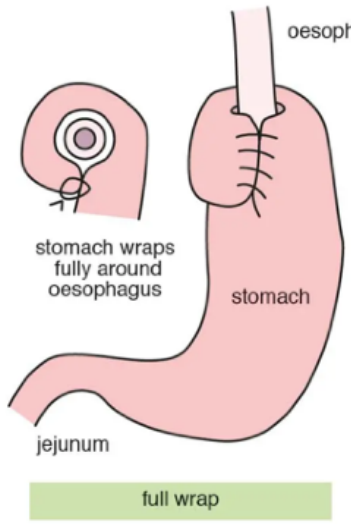
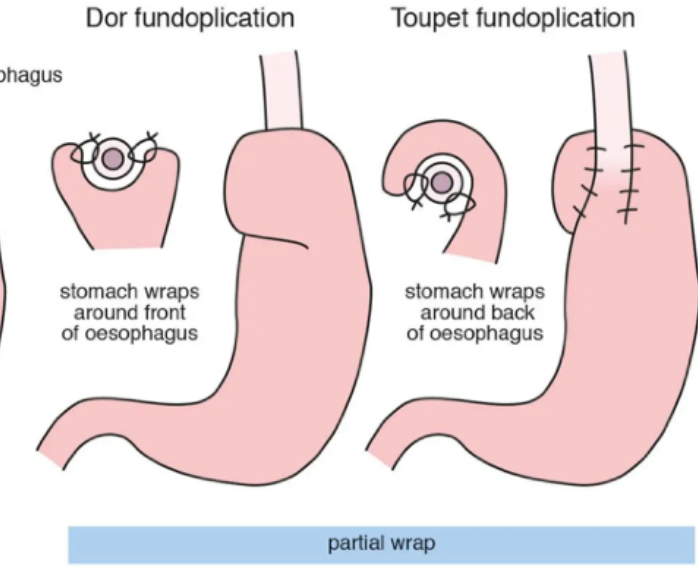
- Surgical management: fundoplication for severe or refractory disease
Fundoplication types (Nissen, Dor, Toupet): a full wrap — the stomach wraps fully around the oesophagus (Nissen); a partial wrap — the stomach wraps around the front of the oesophagus (Dor) or around the back of the oesophagus (Toupet). Figure labels: oesophagus, stomach, jejunum.
tofs.org.uk
GORD Oral Manifestations and Dental Management
Oral Manifestations4
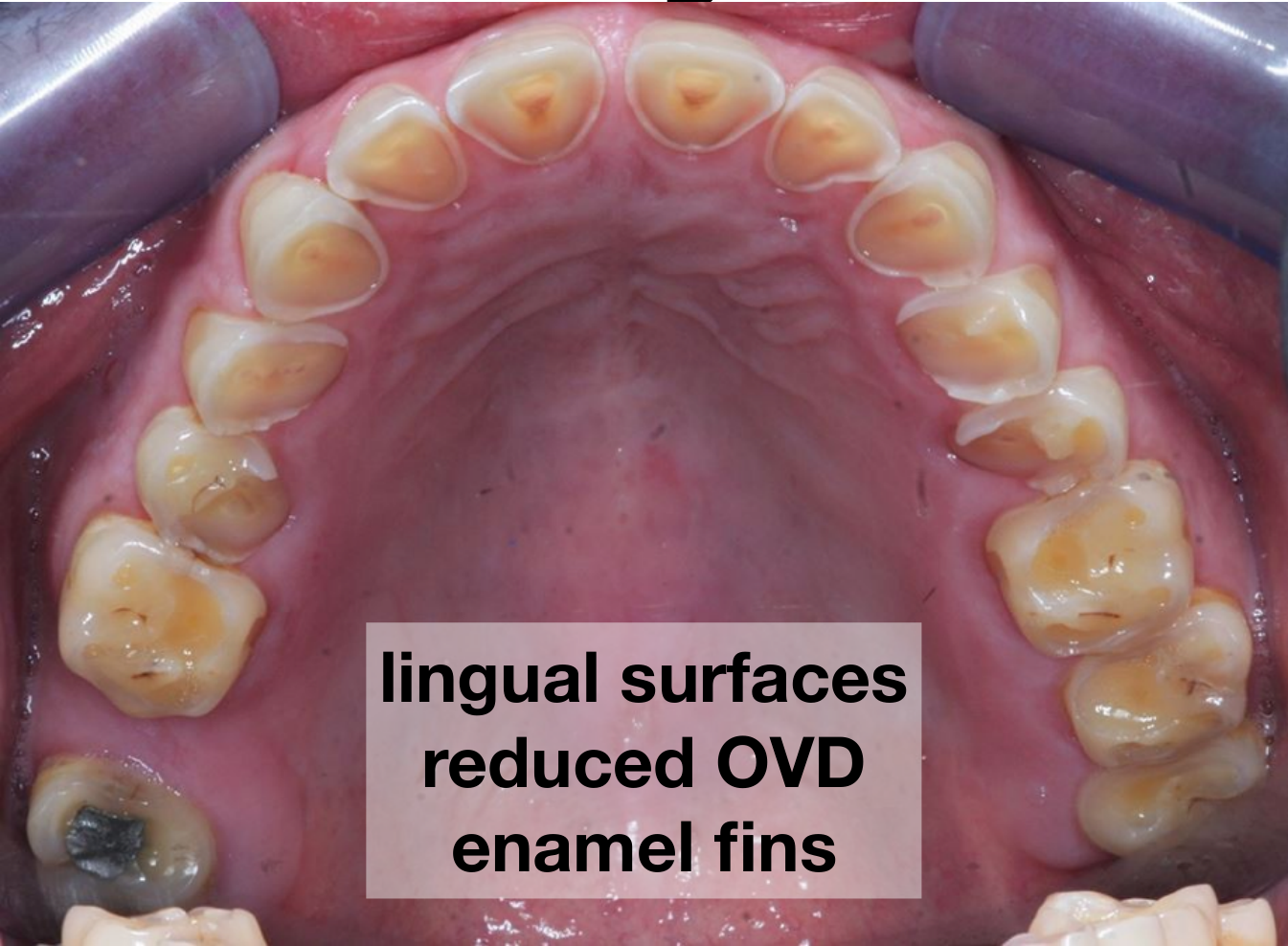
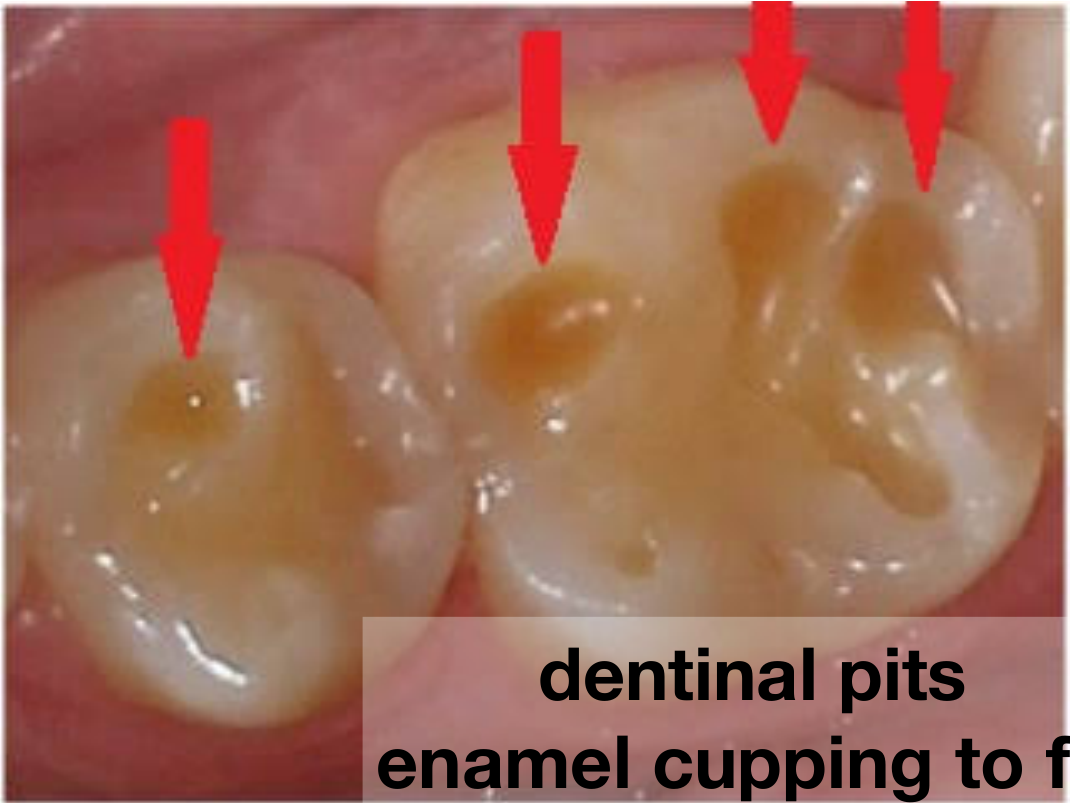
- Erosion, sometimes on lingual surfaces, and related symptoms (hypersensitivity, reduced OVD)
- Burning mouth
 |  |
Dental Management
- Remineralise: 5000 ppm, 22600 ppm, CCP-ACP
- Restorative etc.: full coverage, Essix trays, cover erosion pits
- Other adjustments: sit chair up, rinse after reflux, general advice to reduce caries risk (brush, diet), avoid bulimic habits
- Drugs: may prescribe COX-2 instead of NSAIDs; prescribe antacids/PPI with these drugs
- Medical referrals / medications
Figure labels: lingual surfaces, reduced OVD, enamel fins, dentinal pits, enamel cupping to fill.
https://www.nature.com/articles/s41415-023-5677-0
https://allentxdentist.com/acid-reflux-disease-may-lead-to-erosion-of-teeth/
Inflammatory Bowel Disease
Crohn’s Disease Overview and Aetiology
Crohn’s disease (CD) is a chronic inflammatory bowel disease (IBD) characterised by transmural (full-thickness) inflammation that can affect any part of the gastrointestinal tract, from the mouth to the anus. It most commonly involves the terminal ileum and proximal colon and follows a relapsing-remitting course.
Aetiology5
The aetiology is unknown, but Crohn’s disease results from a combination of:
- Genetic susceptibility
- Immune dysregulation or altered gut microbiota
- Environmental factors
- Smoking (major risk factor)
- Western diet
- Certain infections
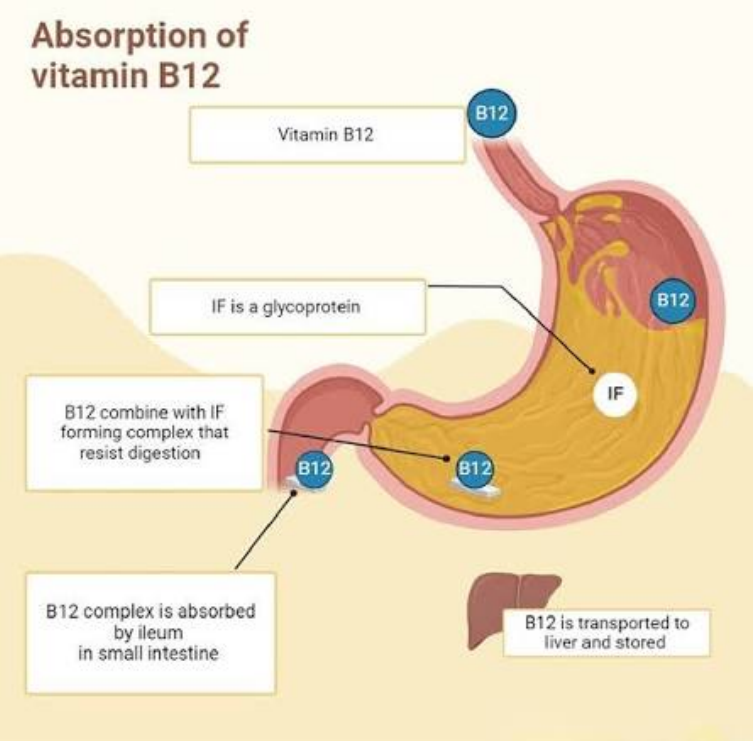
Worldwide Epidemiology
- Prevalence is increasing globally, particularly in industrialised countries.
- Most commonly diagnosed between 15 and 35 years of age.
- A second smaller peak occurs after age 60.
Australia
- Australia has one of the highest incidences of IBD worldwide.
Clinical Manifestations
Gastrointestinal symptoms
- PAIN: chronic diarrhoea, abdominal pain with RECTAL BLEEDING
- MALNUTRITION: fatigue, reduced appetite, weight loss
Systemic manifestations
- Anaemia, Vitamin B12 deficiency (parietal cell destruction)
- Iron deficiency (bleeding, poor absorption)
- Osteoporosis
- Delayed growth in children
Extraintestinal manifestations
- Arthritis, uveitis
- Erythema nodosum
- Primary sclerosing cholangitis (less common)
https://scijournals.onlinelibrary.wiley.com/doi/10.1002/jsfa.13661
General Management
Medical therapy
- Corticosteroids (during flares)
- Immunomodulators (e.g., azathioprine, methotrexate)
- Biologic agents (e.g., anti-TNF therapies)
- Nutritional support
- Vitamin supplementation
Surgical management
Surgery is not curative but may be required for:
- Strictures
- Fistulas
- Abscesses
- Bowel obstruction
- Severe disease
IBD Oral Manifestations and Dental Management
Oral Manifestations6
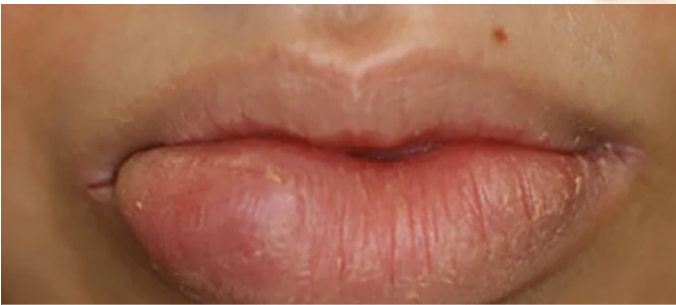
- Approximately 20–50% of Crohn’s patients develop oral manifestations, which may precede GI symptoms; ~5% of UC patients have oral symptoms.
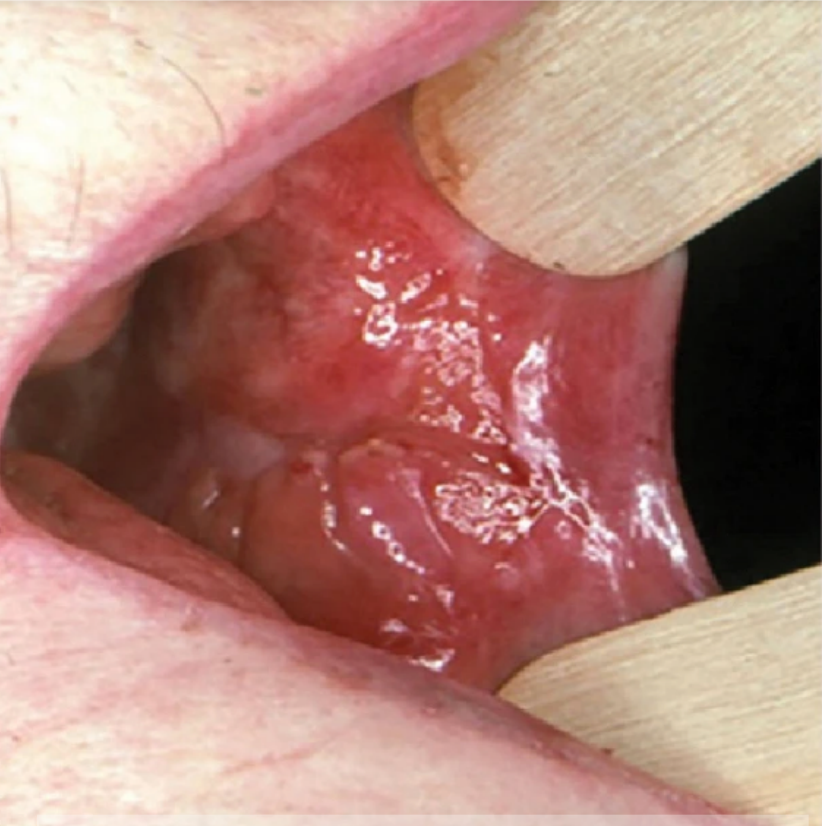
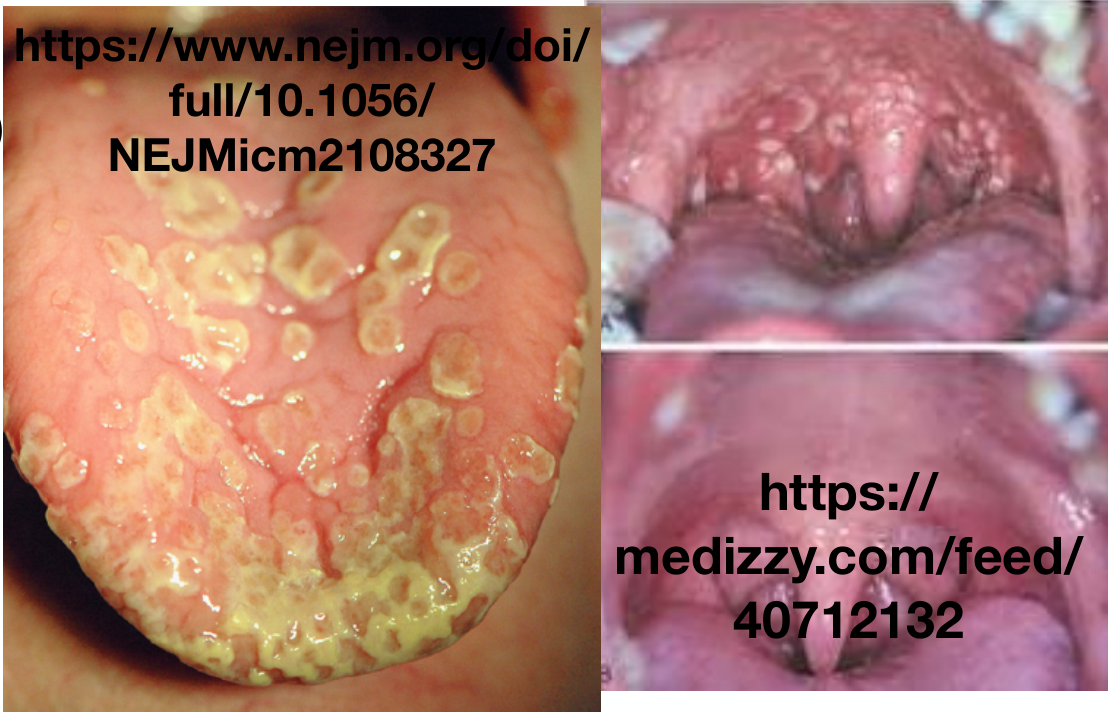
- Cobblestone mucosa, linear ulceration, mucosal tags (hyperplastic folds), granulomatous enlargement of lips, angular cheilitis, recurrent aphthous-like ulcers, diffuse mucogingivitis, pyostomatitis vegetans.
 |  |
 |
Dental Implications
- Access: schedule as appropriate (remission vs flare)
- Communication, consent & spread: nil
- Education: manage ulcers (topical steroids, CHX, good OH)
- Surgery:
- Pre: check FBC for Hb, RBC; steroid cover
- Peri: anaemia, thrombocytopenia (medications), neutropenia
- Post: prescription considerations (patients are on e.g. prednisolone, azathioprine, methotrexate, infliximab etc)
Figure Descriptions
Mucosal tag — https://www.nature.com/articles/bdjteam201783
Pyostomatitis vegetans — multiple small abscesses on erythematous base — https://www.nejm.org/doi/full/10.1056/NEJMicm2108327 — https://medizzy.com/feed/40712132
Ulcerative Colitis Overview
Ulcerative colitis (UC) is a chronic inflammatory bowel disease (IBD) characterised by continuous inflammation limited to the mucosa and submucosa of the colon and rectum. Unlike Crohn’s disease, ulcerative colitis affects only the large intestine and does not involve transmural inflammation. The disease follows a relapsing-remitting course.
Aetiology7
Unknown, but UC is thought to result from a mix of genetic/family factors, immune dysregulation, altered GI microbiota, and environmental factors.
Epidemiology Worldwide
- UC more common in industrialised countries, with millions worldwide affected.
- Most commonly diagnosed between 15 and 35 years of age. A second smaller peak occurs after age 60.
Australia
- Australia has one of the highest incidences of inflammatory bowel disease worldwide.
- More than 180,000 Australians are estimated to be living with IBD.
Clinical Manifestations
- Gastrointestinal symptoms: bloody diarrhoea, rectal bleeding, urgency to defecate, cramping
- Systemic manifestations: fatigue, anaemia, malnutrition, fever
- Extraintestinal manifestations
Lecturer — Rectal Bleeding
The appearance of blood can vary according to where bleeding originates.
- Bleeding near the rectum may appear fresh.
- Bleeding higher in the digestive tract may produce darker stool because the blood has clotted.
General Management
Medical therapy
- Aminosalicylates (e.g. mesalazine)
- Corticosteroids (during flares)
- Immunomodulators (e.g., azathioprine, methotrexate)
- Biologic agents (e.g., infliximab)
Surgical management
- Total colectomy may be indicated for severe/refractory colitis, colorectal cancer, toxic megacolon, or perforation.
Lecturer — Colectomy as Curative
Whether colectomy should be described as curative was questioned. Removing the colon does not necessarily mean that the underlying disease is cured, analogous to removing teeth not curing dental caries.
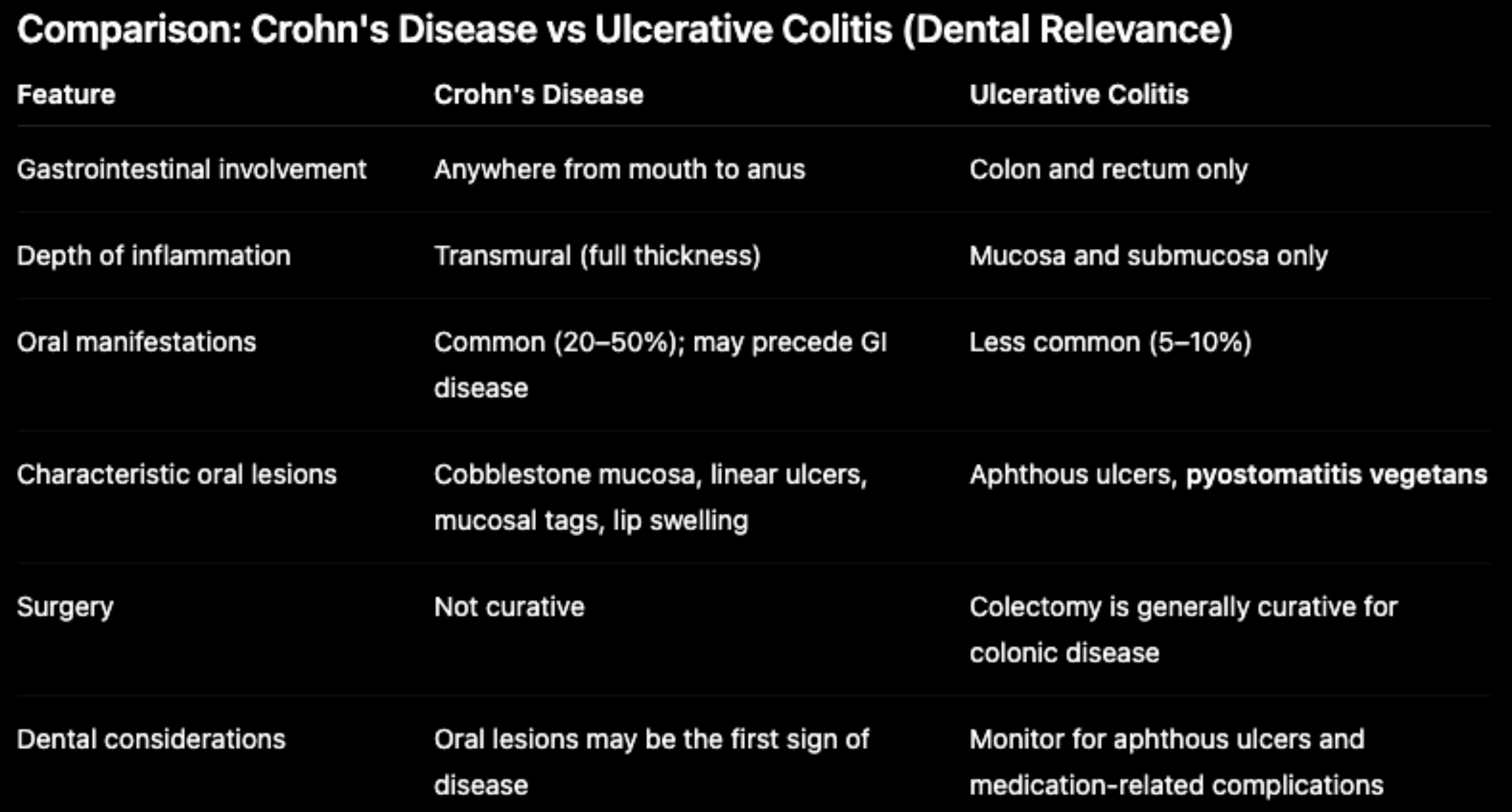
Comparison of Crohn’s Disease and Ulcerative Colitis8
| Feature | Crohn’s Disease | Ulcerative Colitis |
|---|---|---|
| Gastrointestinal involvement | Anywhere from mouth to anus | Colon and rectum only |
| Depth of inflammation | Transmural (full thickness) | Mucosa and submucosa only |
| Oral manifestations | Common (20–50%); may precede GI disease | Less common (5–10%) |
| Characteristic oral lesions | Cobblestone mucosa, linear ulcers, mucosal tags, lip swelling | Aphthous ulcers, pyostomatitis vegetans |
| Surgery | Not curative | Colectomy is generally curative for colonic disease |
| Dental considerations | Oral lesions may be the first sign of disease | Monitor for aphthous ulcers and medication-related complications |
ChatGPT — only partially correct
Liver Cirrhosis
Cirrhosis Overview and Aetiology
Liver cirrhosis is the irreversible loss of liver structure due to necrosis and fibrosis. This results in increased resistance to portal blood flow (portal hypertension) and impaired liver function.
Lecturer — Cirrhosis Mechanism
Cirrhosis is an end-stage liver disease that can occur in several organs, including the kidneys, liver, and lungs.
- Fibrosis consists of scar tissue that is not fully functional.
- Blood carrying absorbed gastrointestinal nutrients enters the portal vein and passes through the liver before reaching the general circulation, so cirrhosis can affect nutrient handling.
Aetiology / Risks9
- In high income countries: Hepatitis C virus infection, alcohol abuse (and increasingly non-alcoholic fatty liver disease)
- In sub-Saharan Africa and most of Asia: Hepatitis B virus infection
- Involves inflammation, hepatic stellate cell activation, destruction of parenchyma as a result of vascular occlusion
Epidemiology
Worldwide:
-
185 million globally, HBV as leading aetiology
-
HCV, alcohol, NAFLD dominate Western countries; HBV in Asia-Pacific
-
Decompensation increases 1 year mortality by 80%
-
Non-alcoholic fatty liver disease was linked to obesity and diet.
Clinical Manifestations
- Disease progresses from (1) compensated (usually asymptomatic) to (2) decompensated stages. Clinical decompensation occurs due to events like ascites, sepsis (peritonitis), haemorrhage (oesophageal varices), non-obstructive jaundice.
- General findings: fatigue, loss of appetite and weight, muscle wasting, disturbed sleep
- Other findings: leuconychia, palmar erythema, Dupuytren contractures, splenomegaly, etc.
Lecturer — Decompensation Findings
Ascites may present as abdominal bloating, with altered percussion sounds on abdominal examination.
- Bacteraemia means bacteria in the blood, whereas sepsis is clinically significant infection that may be associated with fever.
- Possible sources of bacteraemia include open wounds and severe periodontitis.
- Peritonitis is infection of the peritoneum, and gastrointestinal bleeding from varices may cause anaemia.
Complications: hepatocellular carcinoma, variceal bleeding (from portal hypertension), hepatic encephalopathy (from hyperammonaemia)
Lecturer — Cirrhosis Complications
Increased resistance in the blood vessels can impair drainage from the oesophageal veins, producing varices that may rupture and cause substantial haemorrhage.
- Hepatic encephalopathy may occur when liver disease affects the brain.
- Leukonychia affecting the full length of a fingernail suggests that the condition has been present for some time.
General Management
- Lifestyle modifications: alcohol abstinence, NAFLD prevention
- Medical management: antiviral therapies for HCV/HBV, nutritional supplements, low sodium low protein diet, and prevention of other symptoms
- Surgical management: liver transplant (for end-stage)
- Transplantation introduces additional issues, including host-versus-graft disease. https://www.sciencedirect.com/science/article/pii/S2949752326000154
Clinical Case History
A woman, 37 years of age, has a mechanical mitral valve and is in atrial fibrillation. She has been on a daily dose of 7 mg of warfarin for 13 months with a stable INR of 3. She smokes 15–20 cigarettes per day and has a body mass index (BMI) of 31. She requires the removal of one molar tooth. Her GP directs her to stop warfarin for 3 days before the extraction. The tooth is removed and the warfarin recommenced 8 hours later. That evening she has a stroke that leaves her with a dense, right sided hemiplegia and expressive aphasia.
Warfarin was approved for human use in 1954. It is the twentieth most frequently prescribed medication in Australia with approximately 80 000 prescriptions dispensed each month.¹,² General practitioners are wary of the haemorrhagic potential of ‘rat poison’ and probably measure their patients’ international normalised ratios (INR) too frequently.³ Paradoxically, doctors and dentists are less aware of the greater risk of stroke when they stop a patient’s warfarin before uncomplicated dental extraction.
Warfarin — stop?10
- Stopping warfarin in high risk patients before endoscopy has been shown to result in a stroke rate of 3%.
- “Not necessary, and indeed unwise, to cease warfarin prophylaxis for patients whose INR is within the normal therapeutic range of 2–4”
Lecturer — Warfarin Decisions
The lecturer generally does not stop warfarin, including in patients within higher therapeutic ranges, because stopping it can substantially increase thromboembolic risk.
- Possible complications include stroke, heart disease, deep vein thrombosis, and pulmonary embolism.
- There is not necessarily a specific dental INR value at which warfarin must be stopped.
- The general medical practitioner should be consulted before changing anticoagulation or arranging local haemostatic measures.
https://www.racgp.org.au/getattachment/b4155f9d-f3b8-4ff4-a554-817d933ae5c7/attachment.aspx
Platelet Count Guidelines for Dental Treatment
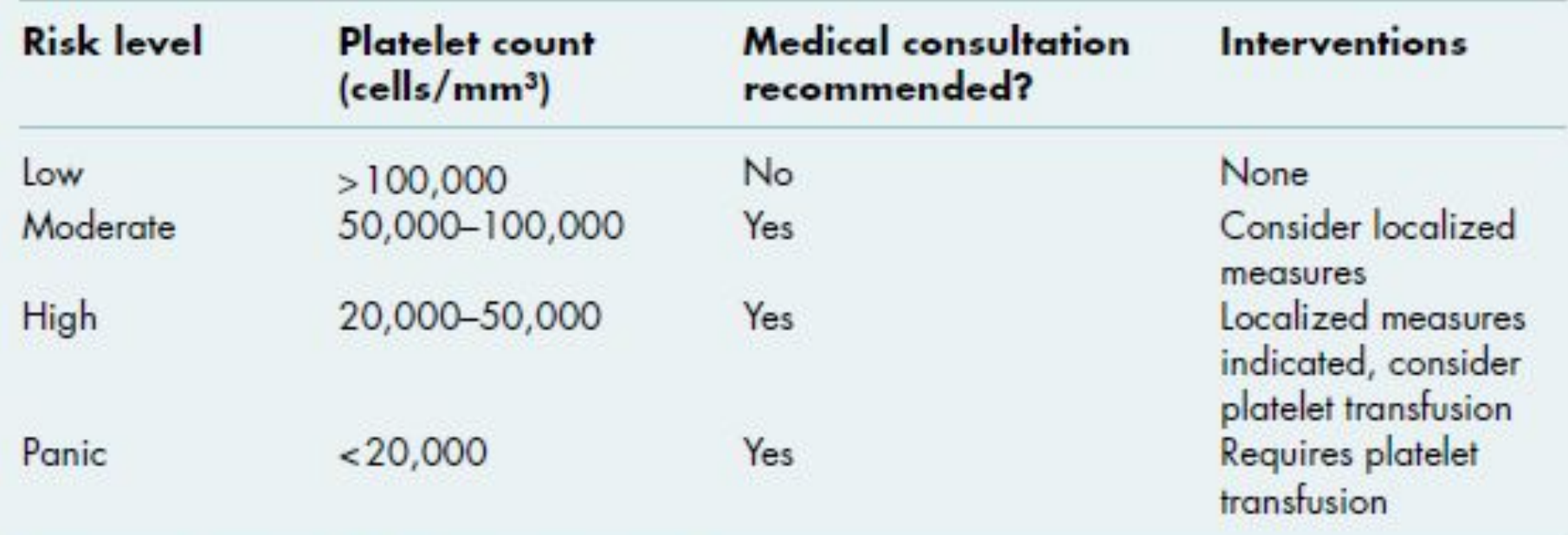
Alert Box 3.1 Platelet count values and restrictions/modifications for dental treatment.*
| Risk level | Platelet count (cells/mm³) | Medical consultation recommended? | Interventions |
|---|---|---|---|
| Low | > 100,000 | No | None |
| Moderate | 50,000–100,000 | Yes | Consider localized measures |
| High | 20,000–50,000 | Yes | Localized measures indicated, consider platelet transfusion |
| Panic | < 20,000 | Yes | Requires platelet transfusion |
Lecturer — Transfusion Caution
Platelet transfusion and factor replacement should generally be reserved for situations in which they are absolutely necessary.
- Introducing foreign material may lead to antibody production.
- Subsequent transfusions or factor replacement may be less effective if antibodies develop, so renal or liver disease requires particularly careful consideration.
*For procedures in which bleeding is anticipated.
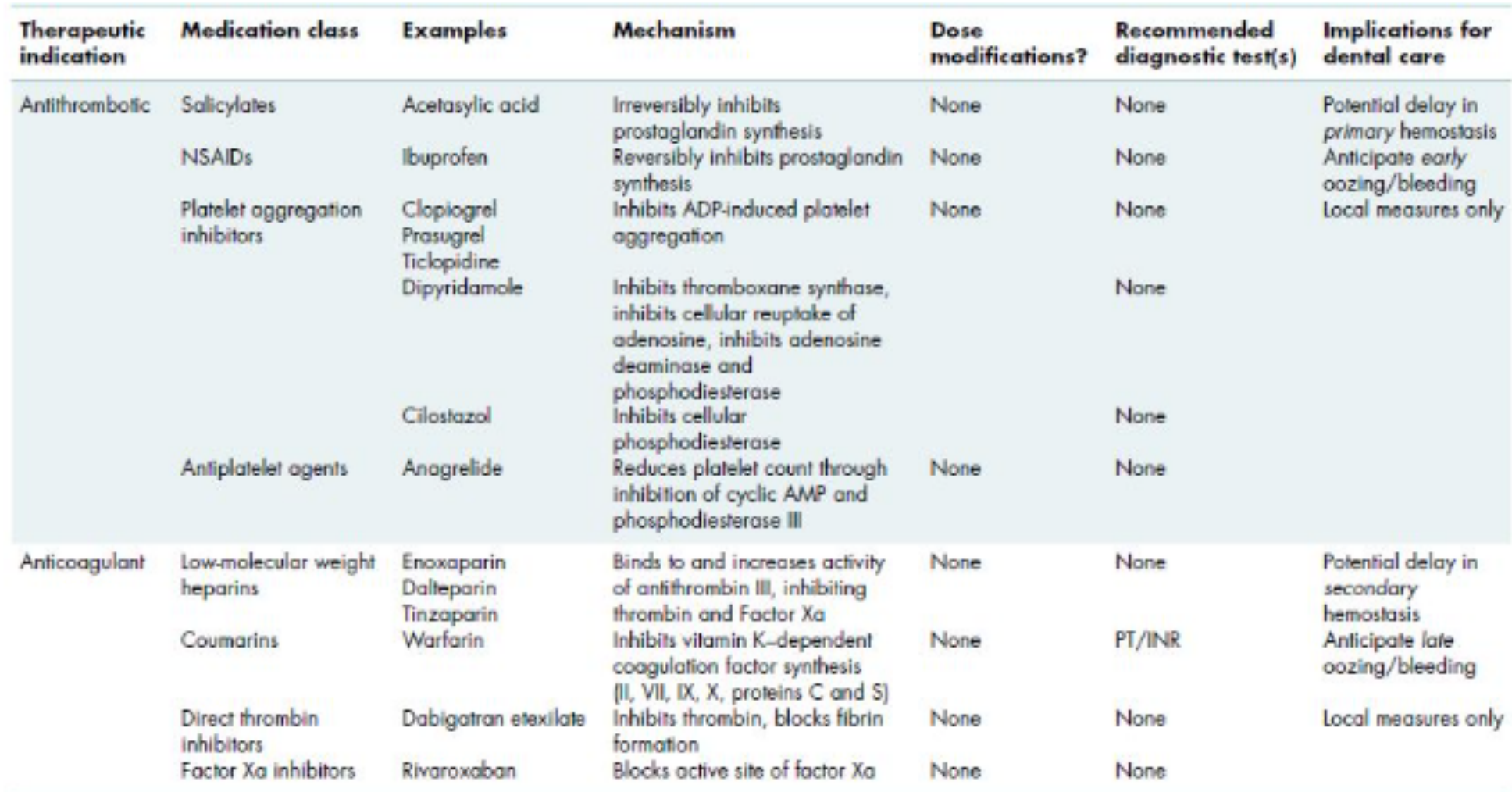
| Therapeutic indication | Medication class | Examples | Mechanism | Dose modifications? | Recommended diagnostic test(s) | Implications for dental care |
|---|---|---|---|---|---|---|
| Antithrombotic | Salicylates | Acetylsalicylic acid | Irreversibly inhibits prostaglandin synthesis | None | None | Potential delay in primary hemostasis |
| NSAIDs | Ibuprofen | Reversibly inhibits prostaglandin synthesis | None | None | Anticipate early oozing/bleeding | |
| Platelet aggregation inhibitors | Clopidogrel, Prasugrel, Ticlopidine, Dipyridamole | Inhibits ADP-induced platelet aggregation | None | None | Local measures only | |
| Cilostazol | Inhibits thromboxane synthase, inhibits cellular reuptake of adenosine, inhibits adenosine deaminase and phosphodiesterase; inhibits cellular phosphodiesterase | None | ||||
| Antiplatelet agents | Anagrelide | Reduces platelet count through inhibition of cyclic AMP and phosphodiesterase III | None | None | ||
| Anticoagulant | Low-molecular weight heparins | Enoxaparin, Dalteparin, Tinzaparin | Binds to and increases activity of antithrombin III, inhibiting thrombin and Factor Xa | None | None | Potential delay in secondary hemostasis |
| Coumarins | Warfarin | Inhibits vitamin K-dependent coagulation factor synthesis (II, VII, IX, X, proteins C and S) | None | PT/INR | Anticipate late oozing/bleeding | |
| Direct thrombin inhibitors | Dabigatran etexilate | Inhibits thrombin, blocks fibrin formation | None | None | Local measures only | |
| Factor Xa inhibitors | Rivaroxaban | Blocks active site of factor Xa | None | None |
https://pocketdentistry.com/3-potential-for-bleeding/
More details in lecture “Haematological conditions”…
Local Haemostatic Measures11
Lecturer — Adrenaline Technique
Adrenaline has a short half-life of approximately 30 minutes or less and may not stop bleeding for a prolonged period.
- It should be administered slowly because rapid administration may detach parts of the mucosa and submucosa and cause bleeding underneath.
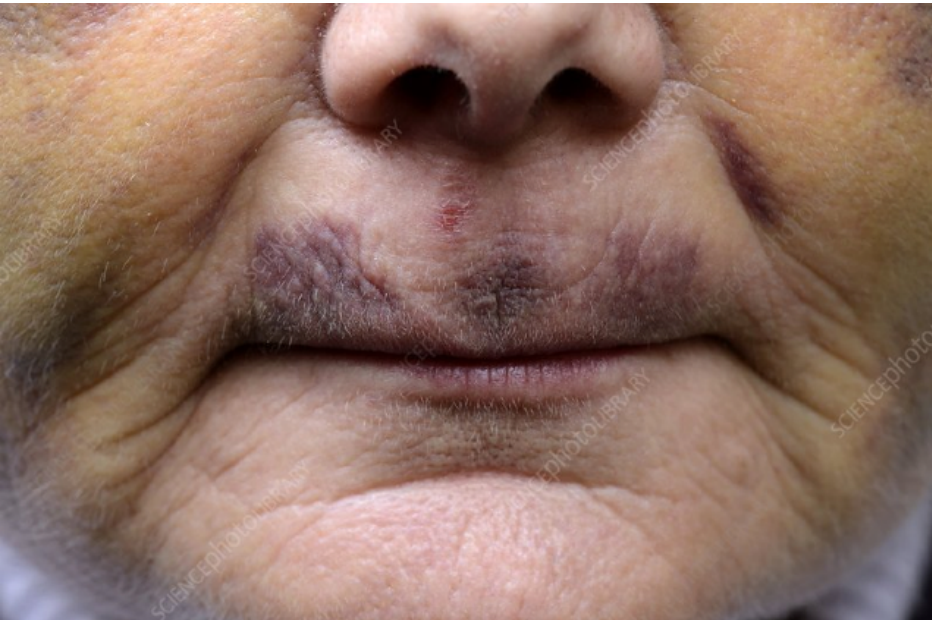
- Bruising may result from tissue manipulation rather than from the extraction itself.
- LA infiltration in palate/vestibule gently
- Manipulate/retract gently
- Less traumatic — avoid gingival tears, chop teeth rather than bone
- Bone wax
- Diode lasers, electrocautery
- Tranexamic acid 5% mw (TXA)
- Astringents Al₂O₃, FeSO₄ etc.
- Haemostat / cellulose gel
- Suture with tight apposition
- Compress properly
- Cold compress
- Rest — don’t pick
- Identify the actual bleeding point by suctioning the area before selecting the haemostatic measure.
- Limit the amount of treatment performed at one time.
- Apply Vaseline where appropriate.
- Check whether haemostatic materials contain porcine or bovine components and ask about the patient’s religious beliefs. https://www.sciencephoto.com/media/506683/view/bruising-of-the-mouth
 |  |
 |
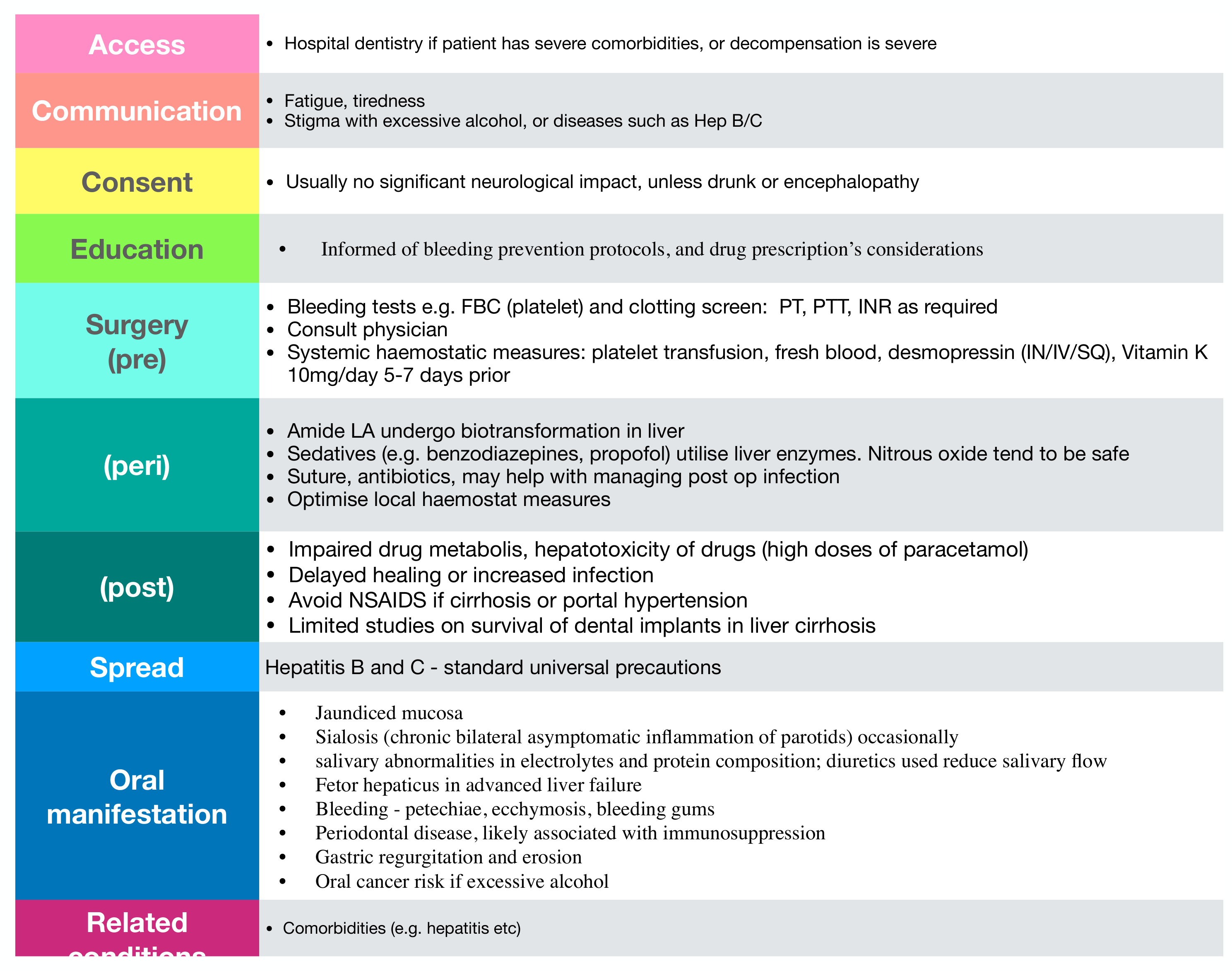
Dental Management Considerations12
| Aspect | Considerations |
|---|---|
| Access | Hospital dentistry if patient has severe comorbidities, or decompensation is severe |
| Communication | Fatigue, tiredness; stigma with excessive alcohol, or diseases such as Hep B/C |
| Consent | Usually no significant neurological impact, unless drunk or encephalopathy |
| Education | Informed of bleeding prevention protocols, and drug prescription considerations |
| Surgery (pre) | Bleeding tests e.g. FBC (platelet) and clotting screen: PT, PTT, INR as required; consult physician; systemic haemostatic measures: platelet transfusion, fresh blood, desmopressin (IN/IV/SQ), Vitamin K 10 mg/day 5–7 days prior |
| Surgery (peri) | Amide LA undergo biotransformation in liver; sedatives (e.g. benzodiazepines, propofol) utilise liver enzymes — nitrous oxide tends to be safe; suture, antibiotics may help with managing post-op infection; optimise local haemostatic measures |
| Surgery (post) | Impaired drug metabolism, hepatotoxicity of drugs (high doses of paracetamol); delayed healing or increased infection; avoid NSAIDs if cirrhosis or portal hypertension; limited studies on survival of dental implants in liver cirrhosis |
| Spread | Hepatitis B and C — standard universal precautions |
| Oral manifestations | Jaundiced mucosa; sialosis (chronic bilateral asymptomatic inflammation of parotids) occasionally; salivary abnormalities in electrolytes and protein composition — diuretics used reduce salivary flow; fetor hepaticus in advanced liver failure; bleeding — petechiae, ecchymosis, bleeding gums; periodontal disease, likely associated with immunosuppression; gastric regurgitation and erosion; oral cancer risk if excessive alcohol |
| Related conditions | Comorbidities (e.g. hepatitis etc.) |
Lecturer — Anaesthetic Metabolism
Many local anaesthetics, including lidocaine, are amide local anaesthetics and undergo biotransformation in the liver.
- Articaine was described as ester-based.
- Nitrous oxide is largely unchanged and was described as generally safe for inhalation sedation.
- Many sedatives use liver enzymes and require consideration in patients with liver disease.
Lecturer — Postoperative Sutures
Sutures may improve stabilisation of the blood clot, prevent material from entering the socket, and reduce the risk of infection.
- The usual paracetamol dose discussed was approximately 1 milligram four times per day.
- Non-steroidal anti-inflammatory drugs should be avoided because they may increase bleeding risk through effects on blood vessels.
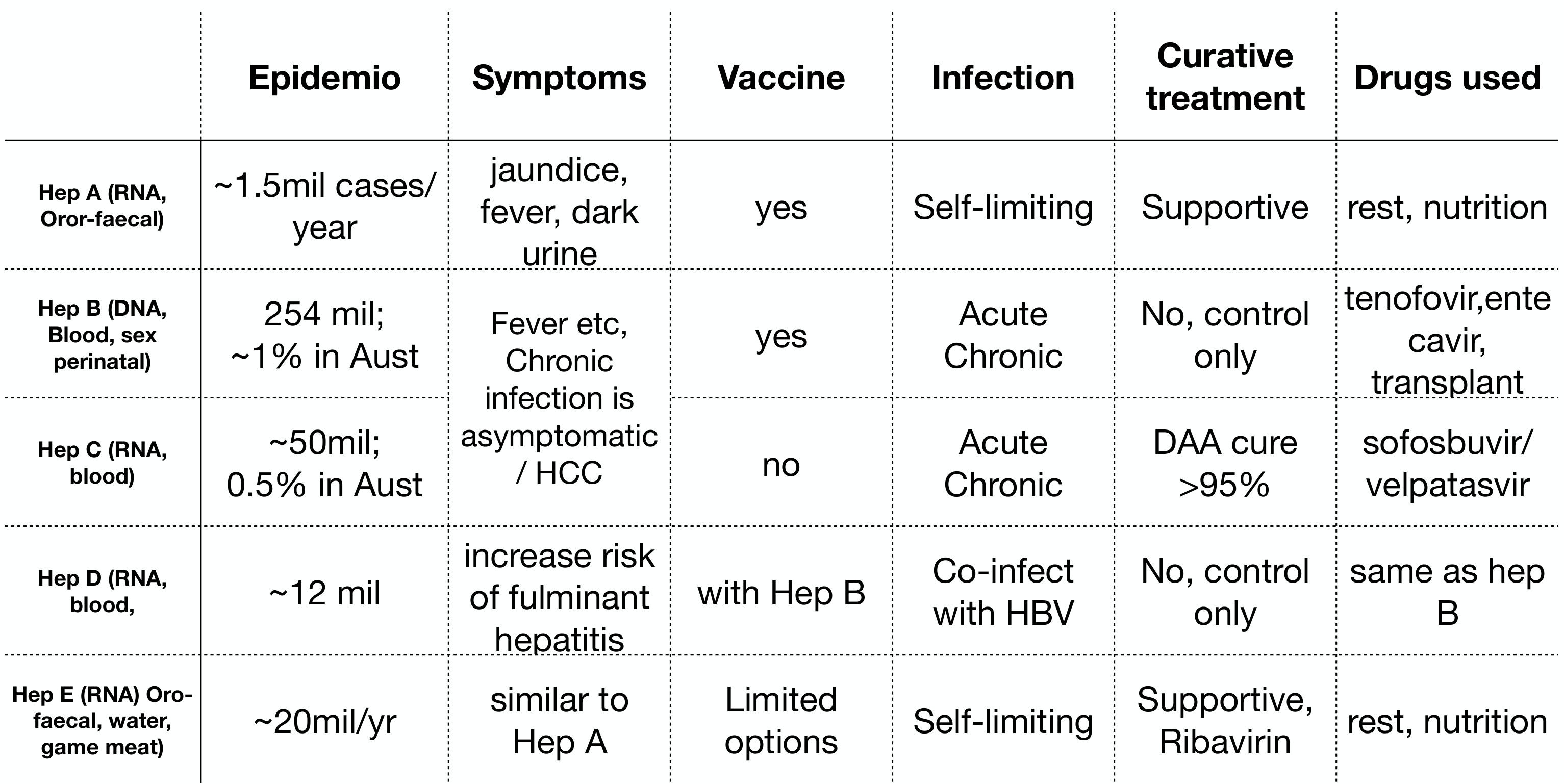
Hepatitis A to D13
| Virus | Epidemiology | Symptoms | Vaccine | Infection | Curative treatment | Drugs used |
|---|---|---|---|---|---|---|
| Hep A (RNA, oro-faecal) | ~1.5 mil cases/year | jaundice, fever, dark urine | yes | Self-limiting | Supportive | rest, nutrition |
| Hep B (DNA, blood, sex, perinatal) | 254 mil; ~1% in Aust | Fever etc; chronic infection is asymptomatic / HCC | yes | Acute, Chronic | No, control only | tenofovir, entecavir, transplant |
| Hep C (RNA, blood) | ~50 mil; 0.5% in Aust | — | no | Acute, Chronic | DAA cure >95% | sofosbuvir/velpatasvir |
| Hep D (RNA, blood) | ~12 mil | increased risk of fulminant hepatitis | with Hep B | Co-infection with HBV | No, control only | same as Hep B |
| Hep E (RNA, oro-faecal, water, game meat) | ~20 mil/yr | similar to Hep A | Limited options | Self-limiting | Supportive, Ribavirin | rest, nutrition |
More details in lecture “HIV Hepatitis B Hepatitis C”…
Lecturer — Hepatitis Clarifications
- Hepatitis B and hepatitis C were identified as the forms more likely to have latent manifestations.
- Hepatitis A may cause substantial diarrhoea in addition to being transmitted by the oral-faecal route.
- Direct-acting antivirals were described as a group of antiviral medications.
Malnutrition
Malnutrition Overview and Aetiology
- Malnutrition is a condition resulting from an imbalance between nutritional intake and the body’s requirements. It includes undernutrition (protein-energy malnutrition and micronutrient deficiencies), overnutrition (obesity), or deficiencies/excesses of specific nutrients.
Aetiology14
-
Inadequate intake — poverty, eating disorders (anorexia nervosa, bulimia), poor appetite (elderly, chronic illness), alcohol/substance misuse, restrictive diets, disabilities (dysphagia, edentulous, dementia, depression, apathy etc)
-
Impaired absorption — celiac’s, Crohn’s and UC, pancreatitis, bariatric surgery
-
Increased nutrient requirements — infection, pregnancy, cancer
-
Increased nutrient loss — diarrhoea, vomiting, nephrotic syndrome (protein leak)
-
War zones can also contribute to inadequate nutritional intake.
-
Restrictive vegan or vegetarian diets can make obtaining certain nutrients more difficult, although adequate supplementation can make this possible.
Epidemiology
- Globally, ~148 mil children under 5 are stunted; micronutrient deficiencies (Fe, Vit A, Iodine, Zn)
- Australia: malnutrition affects 20-50% of hospitalised adults, 30-60% of residential aged care residents
Clinical Features
- Weight loss, low BMI, muscle wasting (sarcopenia), tired, depressed, delayed growth
- Poor immune function, brittle nails, hair thinning, anaemia
Lecturer — Dental Attendance
Severely malnourished patients may not commonly present for elective dental care because other medical or social priorities often take precedence. These circumstances should be considered when planning dental care.
Management
- Nutritional assessment: dietary assessment, weight and BMI monitoring, screening tools, blood tests
- Treat underlying cause — e.g. GI diseases, infection, psychology/psychiatry for eating disorders, dysphagia (speech pathologist, NG, PEG feed)
- Nutritional support: high caloric, high protein diet, food fortification (milk), supplements
Malnutrition Dental Management Considerations
Access15
- Frail persons may require hospital or domiciliary care
- Homelessness — difficulty in return appointment and contacting
Lecturer — Access Barriers
Homeless patients may move frequently and may lack stable contact details. They may not have a telephone, a fixed telephone number, or a fixed address for appointment information, and other life priorities may need to be addressed before oral healthcare becomes a priority.
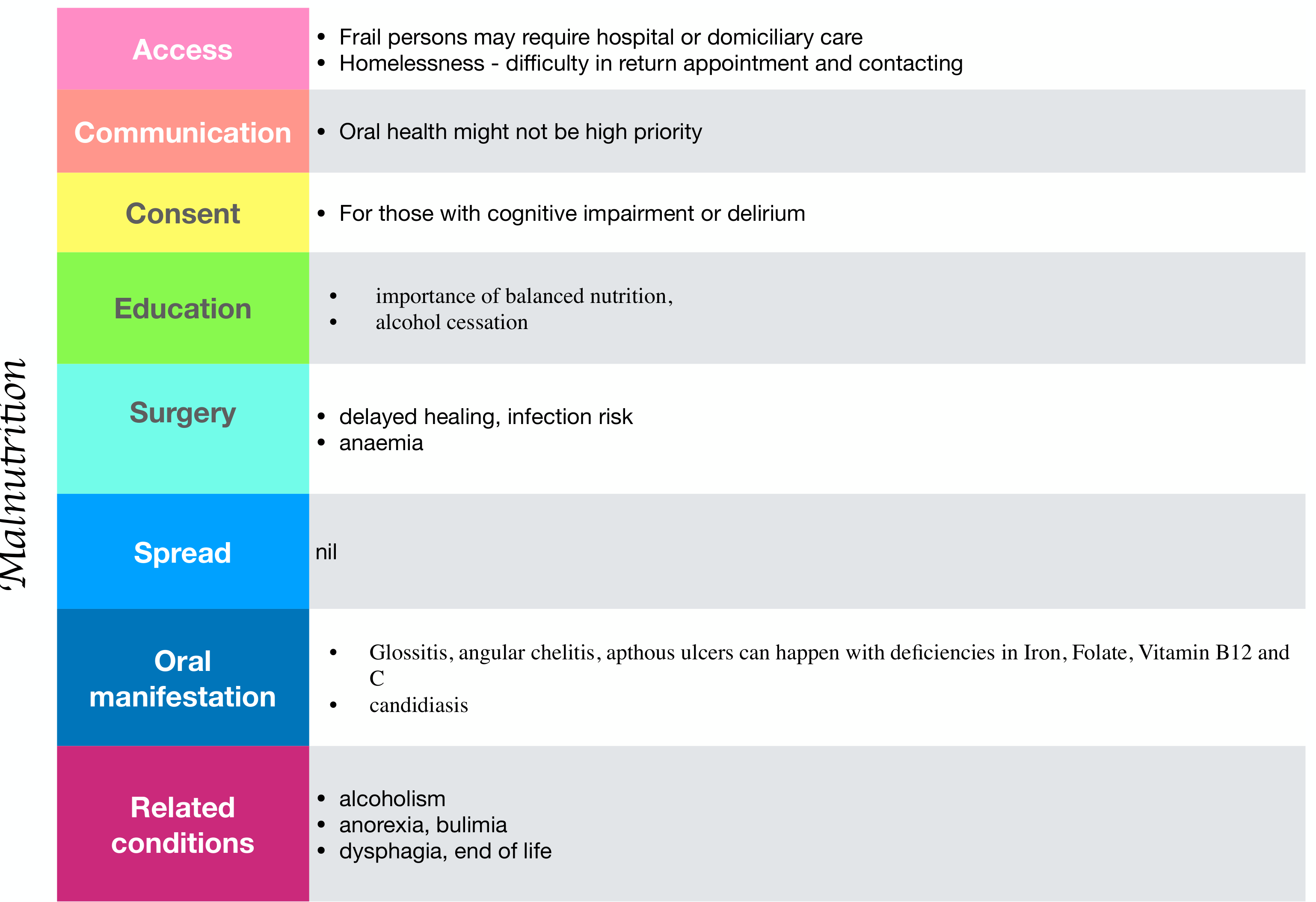
Communication
- Oral health might not be high priority
Consent
- For those with cognitive impairment or delirium
Lecturer — Treatment Planning
Dental treatment should be planned in relation to the patient’s overall medical prognosis and future treatment. Consider the expected longevity of the patient, the expected longevity of the dental condition, and whether dental disease could interfere with medical treatment.
- For patients awaiting transplantation, there may be time to stabilise or treat dental disease before the transplant.
- If radiation therapy is expected, treatment may need to be completed sooner because extraction after radiation can increase the risk of osteonecrosis, which may progress to osteomyelitis, sepsis, and death.
- A tooth with a guarded prognosis may be managed temporarily with thorough cleaning or pulpectomy and extracted later, depending on the timing of transplantation and other medical treatment.
- Transplant recipients may have improved organ function but remain at risk of infection because of immunosuppressive medication.
Education
- Importance of balanced nutrition
- Alcohol cessation
Surgery
- Delayed healing, infection risk
- Anaemia
Spread
- Nil
Lecturer — Infection Exposure
Malnourished patients may be more vulnerable to acquiring infections in hospital settings. Organisms of concern may include CRE and MRSA.
Oral Manifestations
-
Glossitis, angular cheilitis, aphthous ulcers can happen with deficiencies in Iron, Folate, Vitamin B12 and C
-
Candidiasis
-
Glossitis was described as fairly common in people with lower red blood cell levels or impaired immune function.
Related Conditions
- Alcoholism
- Anorexia, bulimia
- Dysphagia, end of life
Clinical Cases
Case: 37-year-old woman with stroke after warfarin cessation for dental extraction
Question
Scenario: A 37-year-old woman with a mechanical mitral valve and atrial fibrillation, who has been on a stable dose of warfarin with an INR of 3, requires the extraction of a molar tooth. Her general practitioner advises stopping the warfarin for 3 days prior to the procedure.
What’s shown: The patient’s medical history, the decision to cease warfarin before the extraction, and the subsequent clinical events.
Consider: What are the risks of stopping warfarin before an uncomplicated dental extraction, and how should anticoagulation be managed in this context?
Answer
Observations:
- The patient was on 7 mg of warfarin daily with a stable INR of 3.
- Warfarin was stopped for 3 days before the extraction and restarted 8 hours post-operatively.
- The patient suffered a stroke on the evening of the extraction.
Reasoning:
- Stopping warfarin prior to uncomplicated dental procedures significantly increases the risk of thromboembolic events, such as stroke, heart disease, deep vein thrombosis, and pulmonary embolism.
- Even when the INR is higher (e.g., 7 or 8) and the blood appears watery, the risk of clotting upon cessation is greatly increased.
- Uncomplicated extractions can generally be performed without stopping warfarin, utilizing local hemostatic measures instead.
Outcome:
- The patient experienced a stroke resulting in dense right-sided hemiplegia and expressive aphasia.
Takeaway:
- Warfarin should generally not be stopped before uncomplicated dental extractions due to the high risk of thromboembolic complications; bleeding should instead be managed with local hemostatic measures and medical consultation if needed.
Footnotes
-
Original PDF page 1: L4 Gastrointestinal and hepatic disease and dentistry DLim 2026, p.1 ↩
-
Original PDF page 2: L4 Gastrointestinal and hepatic disease and dentistry DLim 2026, p.2 ↩
-
Original PDF page 3: L4 Gastrointestinal and hepatic disease and dentistry DLim 2026, p.3 ↩
-
Original PDF page 4: L4 Gastrointestinal and hepatic disease and dentistry DLim 2026, p.4 ↩
-
Original PDF page 5: L4 Gastrointestinal and hepatic disease and dentistry DLim 2026, p.5 ↩
-
Original PDF page 6: L4 Gastrointestinal and hepatic disease and dentistry DLim 2026, p.6 ↩
-
Original PDF page 7: L4 Gastrointestinal and hepatic disease and dentistry DLim 2026, p.7 ↩
-
Original PDF page 8: L4 Gastrointestinal and hepatic disease and dentistry DLim 2026, p.8 ↩
-
Original PDF page 9: L4 Gastrointestinal and hepatic disease and dentistry DLim 2026, p.9 ↩
-
Original PDF page 10: L4 Gastrointestinal and hepatic disease and dentistry DLim 2026, p.10 ↩
-
Original PDF page 11: L4 Gastrointestinal and hepatic disease and dentistry DLim 2026, p.11 ↩
-
Original PDF page 12: L4 Gastrointestinal and hepatic disease and dentistry DLim 2026, p.12 ↩
-
Original PDF page 13: L4 Gastrointestinal and hepatic disease and dentistry DLim 2026, p.13 ↩
-
Original PDF page 14: L4 Gastrointestinal and hepatic disease and dentistry DLim 2026, p.14 ↩
-
Original PDF page 15: L4 Gastrointestinal and hepatic disease and dentistry DLim 2026, p.15 ↩