Endocrine Disease And Dentistry1
by Dr David Lim
04 Aug 2026 (Tuesday) 10–11am
Learning Objectives
- Discuss the specific characteristics and dental needs of individuals with common endocrine conditions (e.g. diabetes, adrenal insufficiency, thyroid disorders)
- Perform a risk assessment and make appropriate treatment adaptations to ensure safe and effective dental care.
- Manage diabetic emergencies (hypoglycaemia and hyperglycaemia) in dental practice
- Review the side-effects of corticosteroids and manage patients at risk of adrenal crisis in dental practice
Competency Mapping2
-
ADC: 5.1
-
iADH: 5A, 5B, 5C, 6Ci
-
Assess patients with endocrine disease before dental treatment.
-
Identify risks associated with diabetes, adrenal insufficiency, thyroid disorders and corticosteroid therapy.
-
Adapt dental treatment, surgical planning, prescribing and emergency management to individual patient needs. Scientific and Clinical Knowledge
5.1 — apply the social, cultural, biological, biomedical, physical and behavioural sciences in relation to oral health care provision and disease prevention
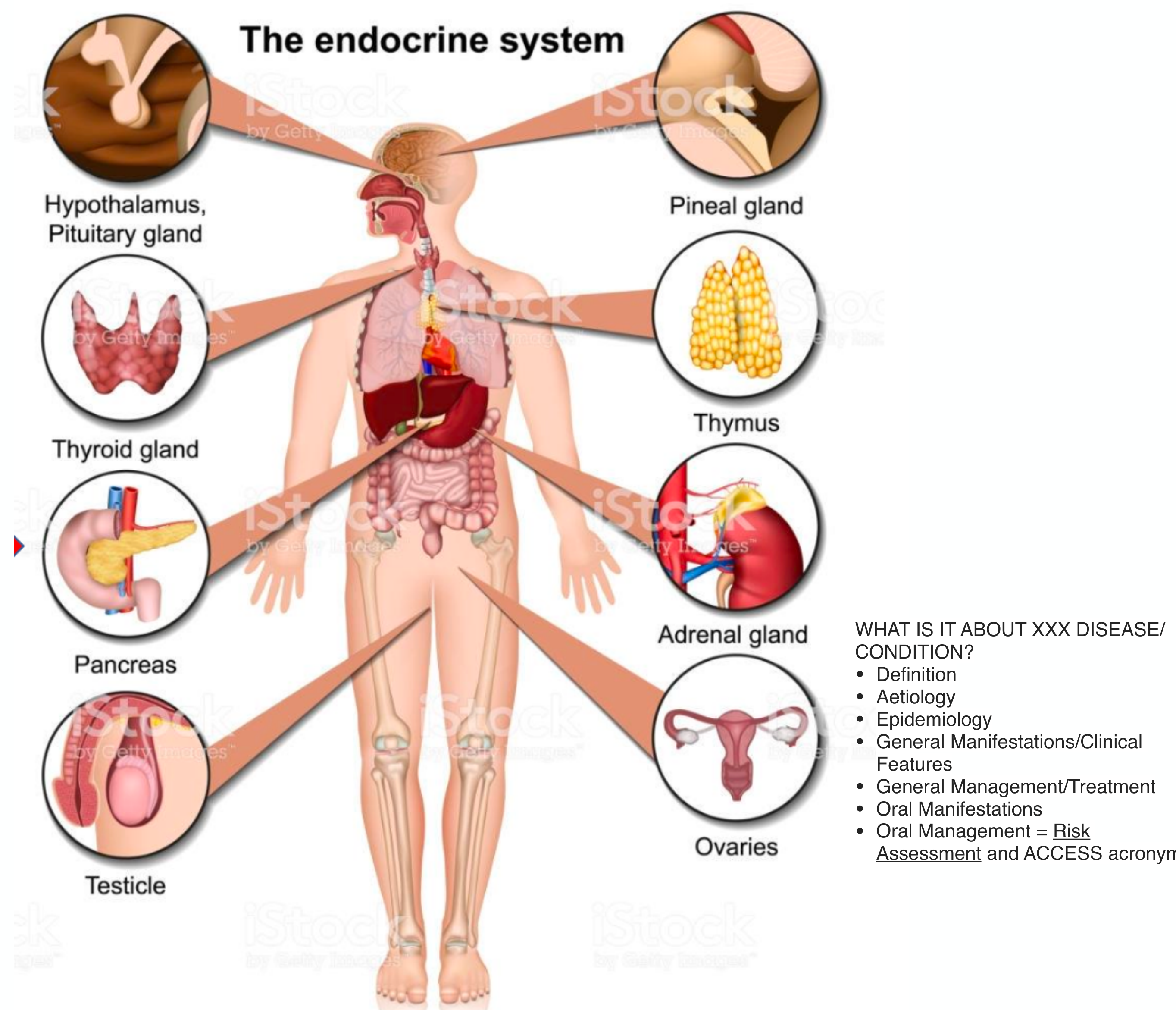
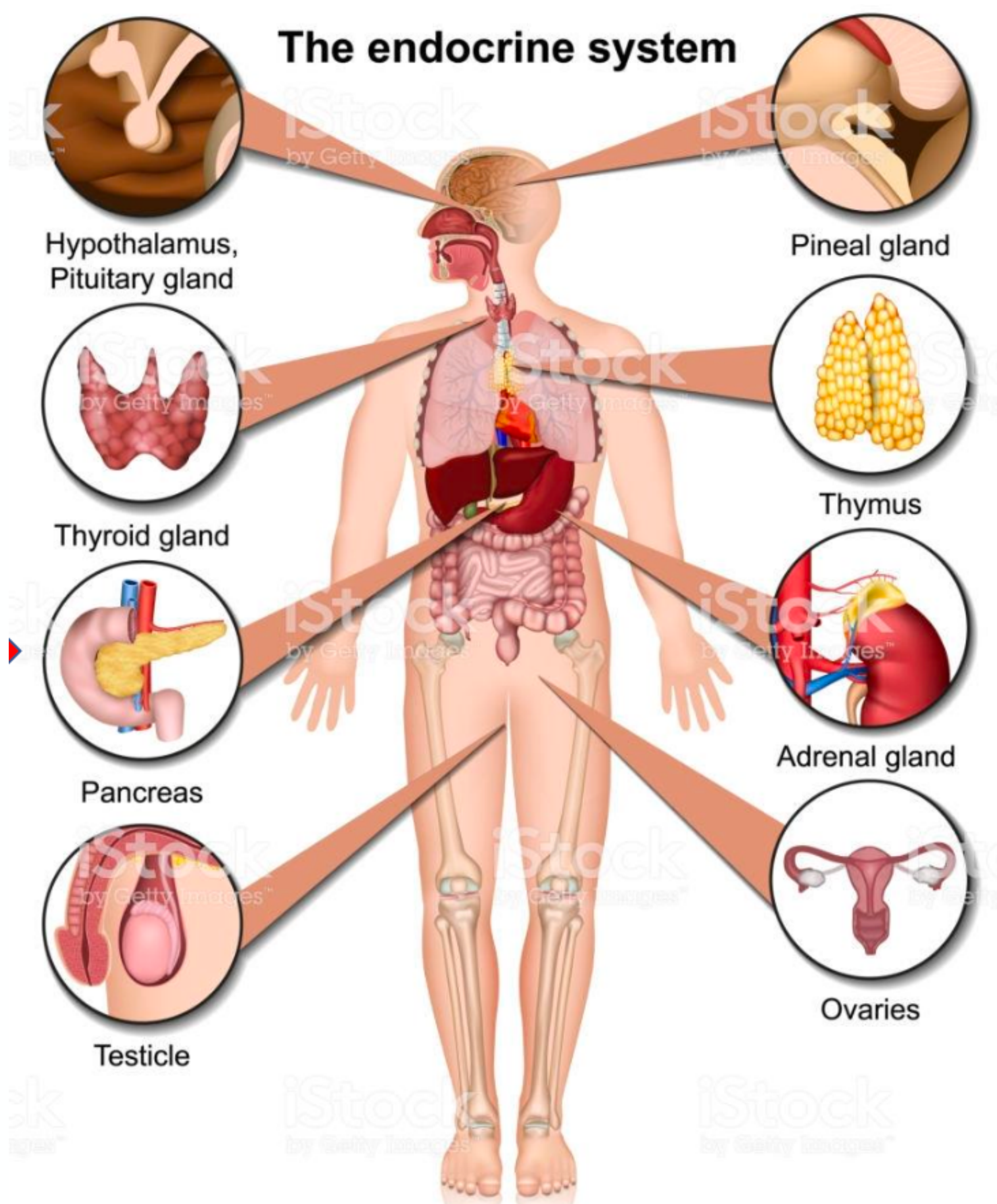
Overview Of The Endocrine System
Major endocrine glands:
- Hypothalamus
- Pituitary gland
- Pineal gland
- Thyroid gland
- Thymus
- Pancreas
- Adrenal gland
- Testicle
- Ovaries
Disease Framework And Hormones3
For any disease or condition, consider:
- Definition
- Aetiology
- Epidemiology
- General Manifestations/Clinical Features
- General Management/Treatment
- Oral Manifestations
- Oral Management = Risk Assessment and ACCESS acronym
Lecturer — Endocrine Signaling
Hormones are biochemical substances that generally act at sites distant from where they are secreted.
- Pituitary hormones may act on reproductive organs or on the adrenal glands above the kidneys.
- Endocrine organs may produce several different hormones.
 |  |
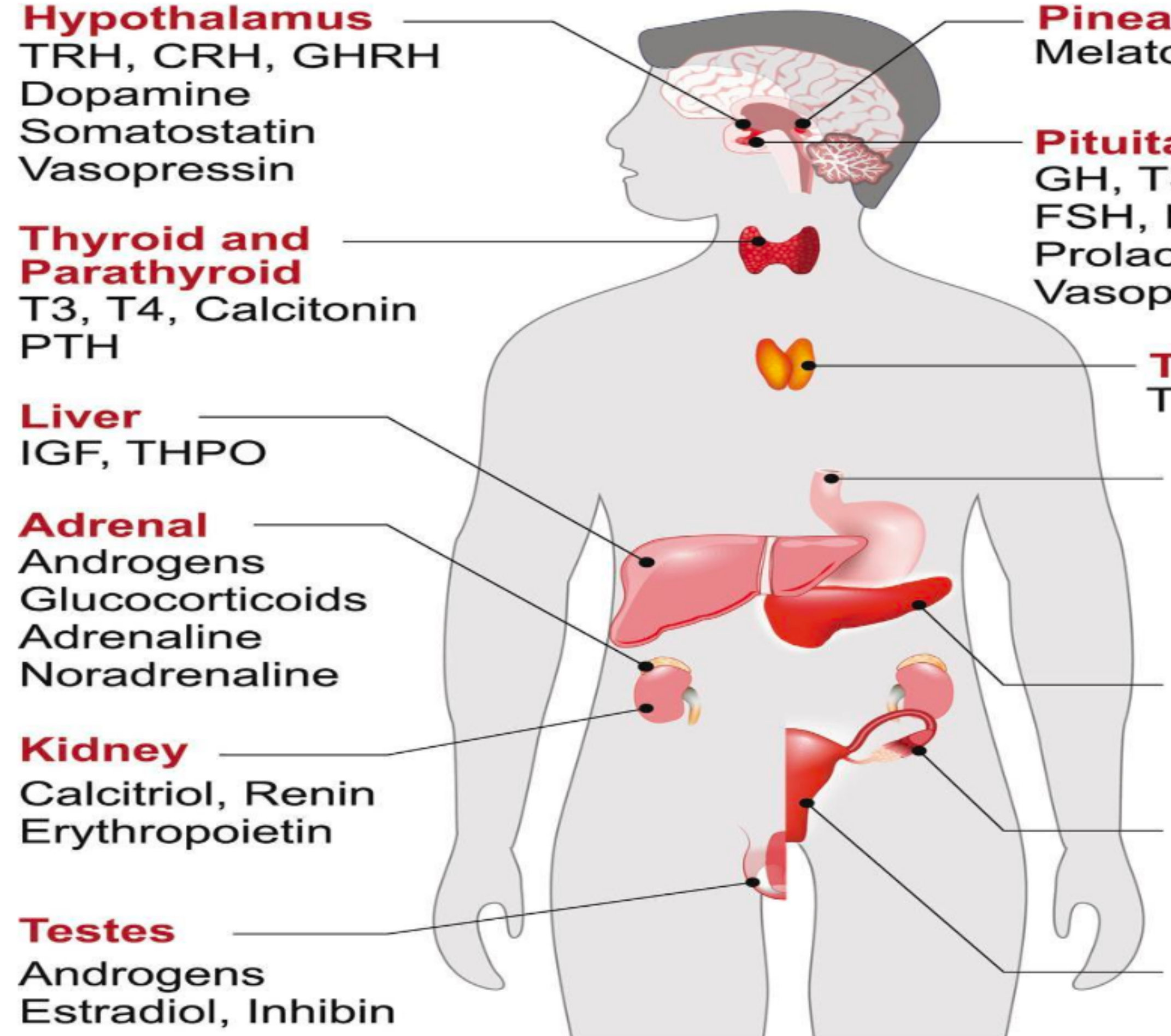
Hormones by Gland4
-
Hypothalamus: TRH, CRH, GHRH, Dopamine, Somatostatin, Vasopressin
-
Pineal gland: Melatonin
-
Thyroid and Parathyroid: T3, T4, Calcitonin, PTH
-
Pituitary gland: GH, TSH, ACTH, FSH, MSH, LH, Prolactin, Oxytocin, Vasopressin
-
Liver: IGF, THPO
-
Thymus: Thymopoietin
-
Adrenal: Androgens, Glucocorticoids, Adrenaline, Noradrenaline
-
Stomach: Gastrin, Ghrelin, Histamine, Somatostatin, Neuropeptide Y
-
Kidney: Calcitriol, Renin, Erythropoietin
-
Pancreas: Insulin, Glucagon, Somatostatin
-
Testes: Androgens, Estradiol, Inhibin
-
Ovary, Placenta: Estrogens, Progesterone
-
Uterus: Prolactin, Relaxin
-
The adrenal cortex produces cortisol, aldosterone, and various androgens.
-
Insulin regulates blood glucose.
Diabetes Mellitus
IMPT!
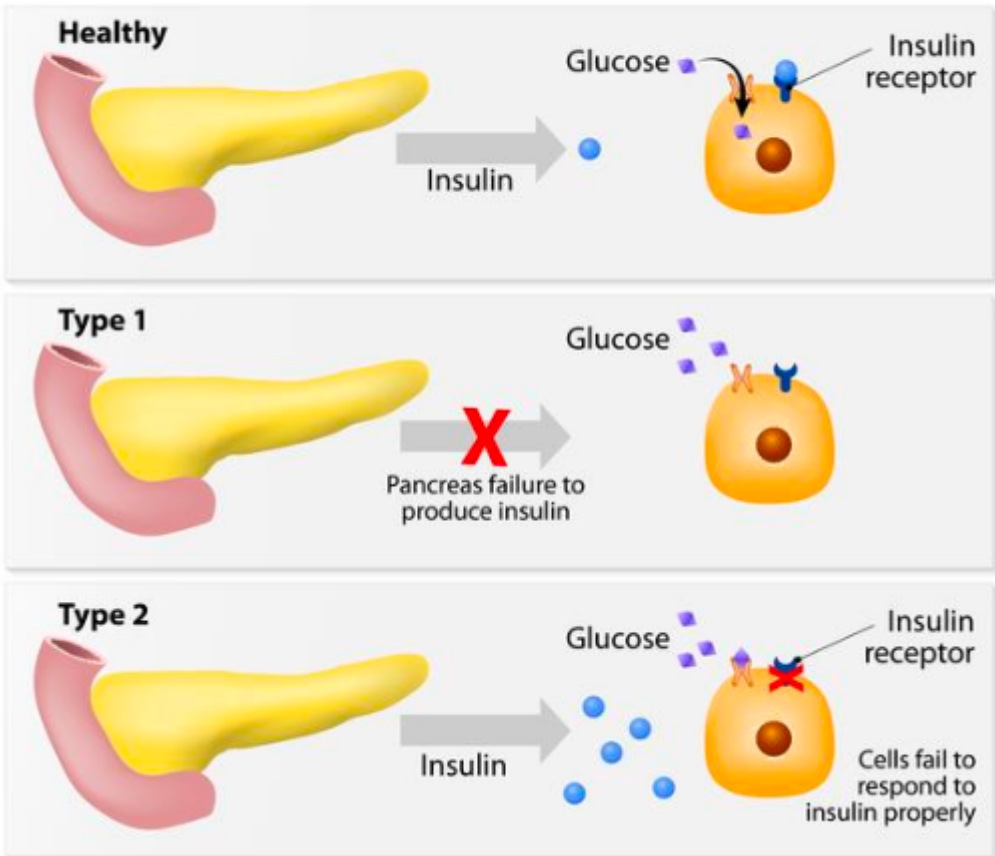
Diagram: Diabetes Mellitus5
- Healthy — Glucose, insulin receptor, insulin
- Type 1 — Glucose; pancreas failure to produce insulin
- Type 2 — Glucose, insulin receptor, insulin; cells fail to respond to insulin properly
Definition And Aetiology
Definition
Diabetes mellitus (DM) is a chronic metabolic disorder characterized by persistent hyperglycaemia (elevated blood glucose levels) resulting from defects in insulin secretion, insulin action, or both. Prolonged hyperglycaemia can lead to damage of the eyes, kidneys, nerves, cardiovascular system, and oral tissues.
Aetiology
Type 1 Diabetes
- Autoimmune destruction of pancreatic β-cells.
- Genetic predisposition (e.g., HLA-associated susceptibility).
- Environmental triggers such as viral infections may contribute.
- Results in little or no endogenous insulin production.
Type 2 Diabetes
- Combination of:
- Insulin resistance.
- Progressive β-cell dysfunction.
- Risk factors include:
- Genetics: family history, ethnicity.
- Lifestyle: physical inactivity, unhealthy diet, obesity.
- Age
- Others: previous gestational diabetes, polycystic ovary syndrome.
Lecturer — Type 2 Mechanisms
Insulin receptors may be affected in Type 2 diabetes.
- The continuing requirement to produce large amounts of insulin can cause beta-cell changes and dysfunction.
Gestational Diabetes
- Pregnancy-induced insulin resistance exceeding pancreatic compensatory capacity.
- Usually resolves postpartum but increases future risk of Type 2 diabetes.
Epidemiology
Worldwide6
- Diabetes mellitus is one of the fastest-growing chronic diseases globally.
- According to the 2025 International Diabetes Federation (IDF) Diabetes Atlas, an estimated 589 million adults (20–79 years) are living with diabetes worldwide, representing approximately 1 in 9 adults.
- Around 90–95% of cases are Type 2 diabetes, while Type 1 diabetes, gestational diabetes, and other forms account for the remainder.
- Approximately 252 million people are unaware they have diabetes, increasing the risk of delayed diagnosis and complications.
Lecturer — Undiagnosed Diabetes
Patients may present with periodontal problems before being diagnosed with diabetes.
Australia
- Diabetes is a major public health issue in Australia and is among the leading causes of chronic disease and healthcare burden.
- The Australian Institute of Health and Welfare (AIHW) estimates that in 2022–2024, around 1 in 15 Australians (approximately 1.3 million people, or 6.5%) were living with diabetes based on national survey data.
- Data from the International Diabetes Federation estimate that in 2024, approximately 1.69 million Australian adults aged 20–79 years had diabetes, corresponding to a prevalence of 7.4% in that age group.
- Type 2 diabetes accounts for the vast majority of cases (around 90%).
- The prevalence increases markedly with age, with Australians aged 75 years and older having the highest rates of disease.
- Diabetes disproportionately affects:
- Aboriginal and Torres Strait Islander peoples
- People living in rural and remote areas
- Individuals from lower socioeconomic backgrounds
- People with obesity and other metabolic risk factors
Lecturer — Healthcare Burden
The healthcare burden of diabetes includes effects on working hours, funding, and financing.
Clinical Manifestations
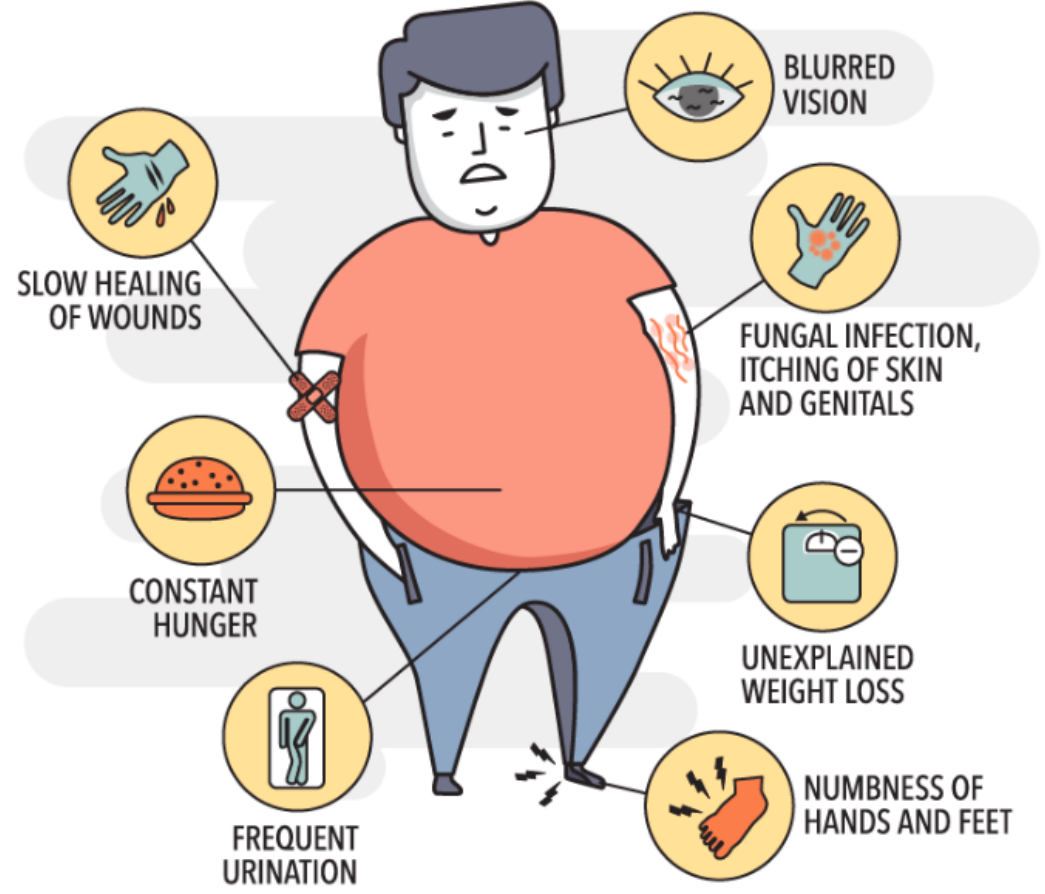
Classic Symptoms7
- Polyuria (frequent urination)
- Polydipsia (excessive thirst)
- Polyphagia (increased appetite)
- Fatigue
- Unexplained weight loss (particularly in Type 1 diabetes)
- Blurred vision
 | 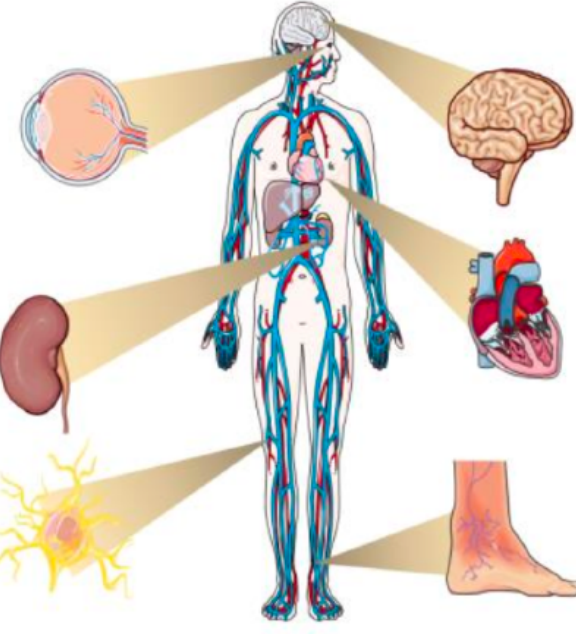 |
Chronic Complications
Microvascular
- Diabetic retinopathy
- Diabetic nephropathy
- Peripheral neuropathy
Macrovascular
- Coronary artery disease
- Cerebrovascular disease
- Peripheral arterial disease
Other Features
- Delayed wound healing, susceptibility to infection
- Affects calcium metabolism — osteopenia
- Poor circulation
- Erectile dysfunction
General Management
Management aims to maintain glycaemic control and prevent complications through a multidisciplinary approach.
Lifestyle Interventions8
- Healthy diet
- Regular physical activity
- Smoking and alcohol control
 |  |
 |
Medications (depending on type and severity)
- Insulin therapy (long and short)
- Oral hypoglycaemic agents: sulfonylureas (glipizide, tolazamide), DDP-4 inhibitors (sitagliptin), biguanides (metformin), alpha-glucosidase inhibitors (acarbose, miglitol), SGLT2 inhibitors
- Injectable non-insulin therapies
Lecturer — Insulin Therapy
Metformin has commonly been used as an initial prescription, with treatment potentially progressing to sulfonylureas, other medications, and injectable insulin.
- Insulin is a mainstay treatment for Type 1 diabetes.
- Long-term injected insulin may produce autoimmune responses because the body recognises injected insulin as foreign, potentially reducing the effects of therapy.
Surgery
- Amputation of gangrenous areas
Monitoring
- Self-monitoring of blood glucose and regular HbA1c assessment.
- Blood pressure and lipid management.
- Other disease: screening for kidney disease, retinopathy, neuropathy, and cardiovascular disease.
SGLT2 Inhibitors
Increased prevalence in use of empagliflozin (and other SGLT2 inhibitors):
- Decrease oxidative stress by reducing load to proximal tubules in kidneys, protecting kidney function
- Mainly increase excretion of glucose through urine
Risk of euglycaemic ketoacidosis, particularly after GA.
Lecturer — SGLT2 Anaesthesia Risk
Patients taking SGLT2 inhibitors should be warned about euglycaemic ketoacidosis.
- The anaesthetist should perform a detailed risk assessment, particularly before general anaesthesia.
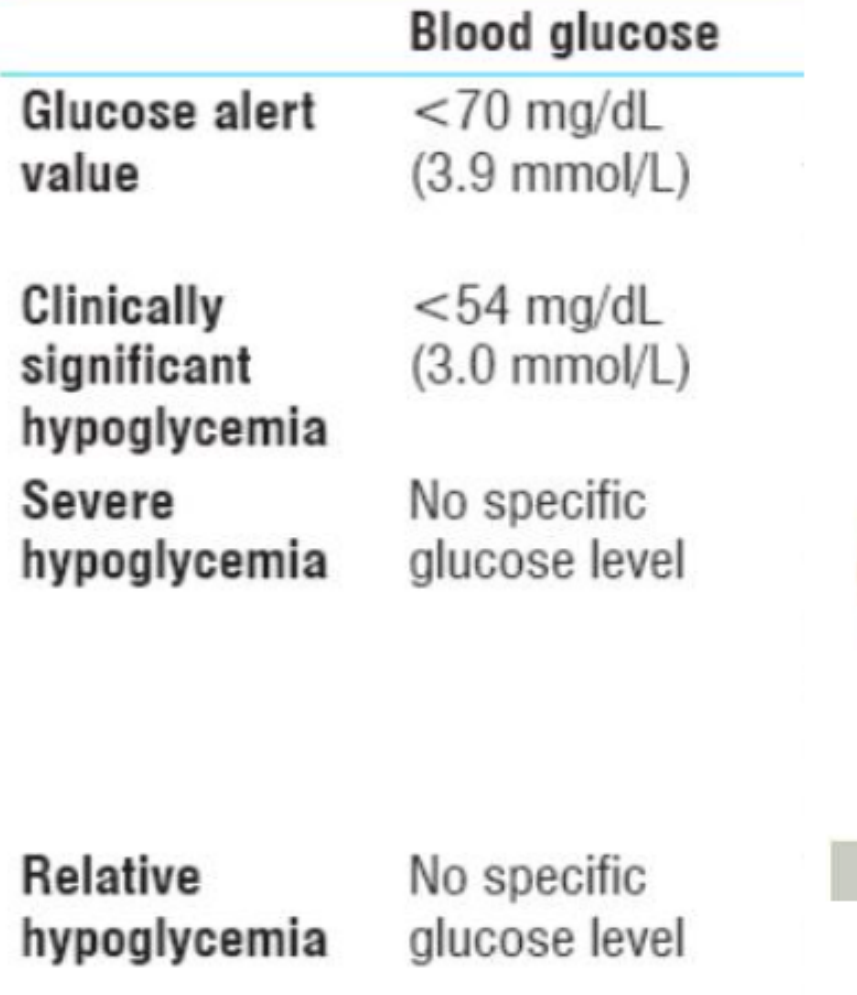
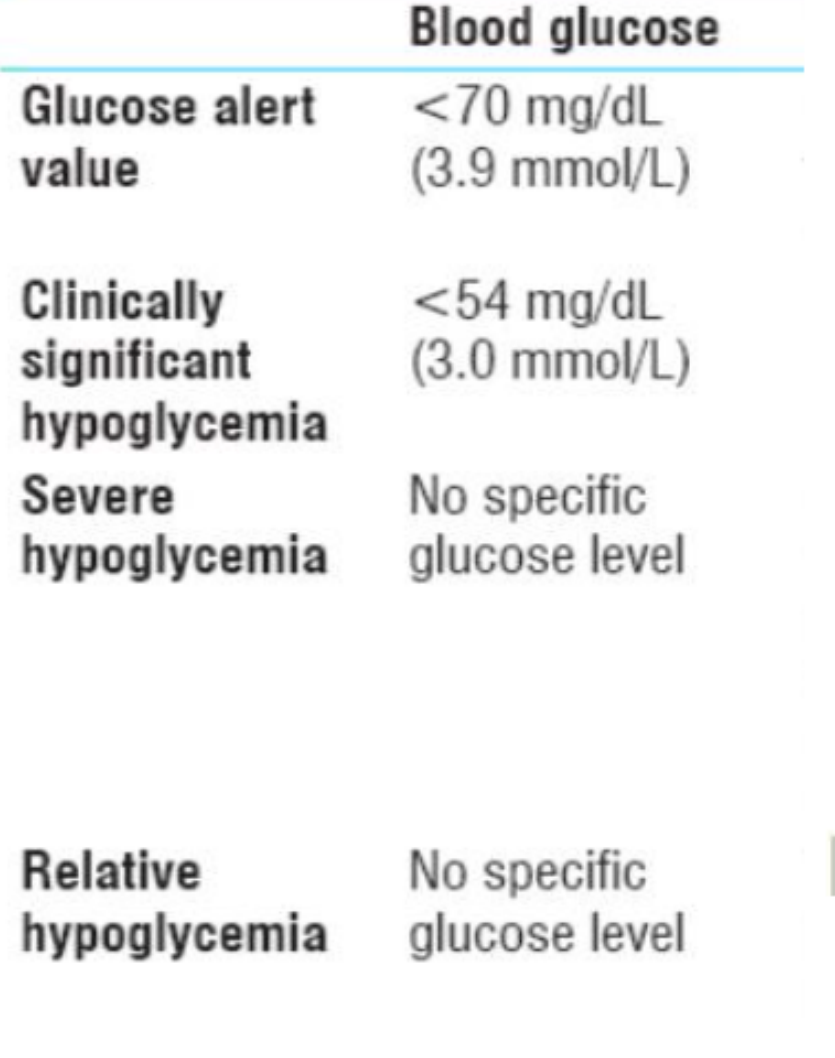
Hypoglycaemia Thresholds
| Blood glucose | |
|---|---|
| Glucose alert value | <70 mg/dL (3.9 mmol/L) |
| Clinically significant hypoglycemia | <54 mg/dL (3.0 mmol/L) |
| Severe hypoglycemia | No specific glucose level |
| Relative hypoglycemia | No specific glucose level |
Lecturer — Dental Hypoglycaemia Thresholds
A blood glucose level of approximately 5 mmol/L was described as a useful level for dental practice.
- If a patient is below or approaching this level, they may be given something sweet to drink or suck.
- A level of 4.0 mmol/L is usually an indicator of hypoglycaemia.
- Practices may differ, and not all dental practices are equipped or trained to measure blood glucose.
Dental Risk Assessment And Access
IMPT!
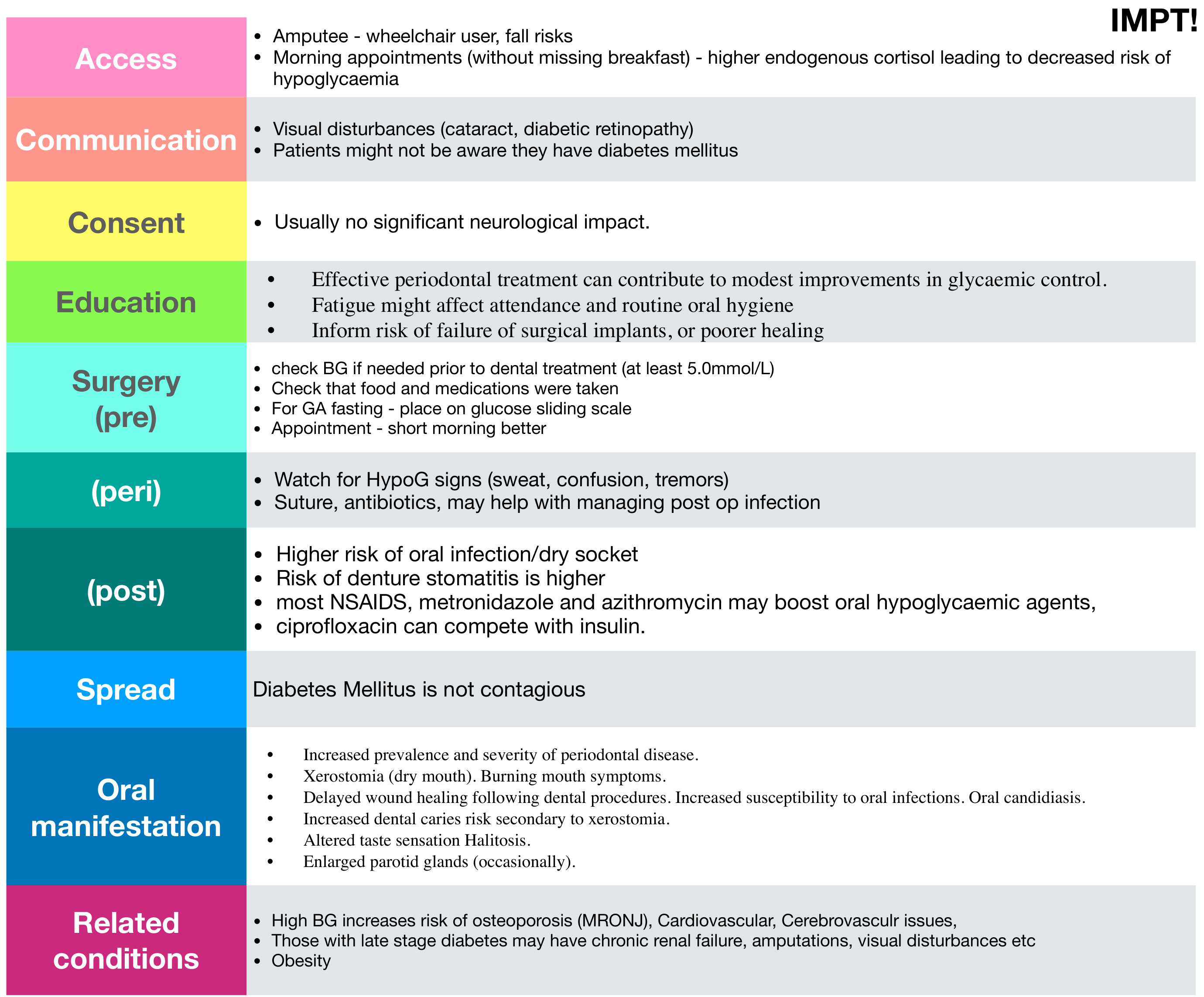
Access9
- Amputee — wheelchair user, fall risks
- Morning appointments (without missing breakfast) — higher endogenous cortisol leading to decreased risk of hypoglycaemia
Lecturer — Dental Access
Access to smaller dental operatories may be difficult for patients using wheelchairs or crutches.
- Visual disturbances associated with cataracts or retinopathy may also affect access and navigation.
Communication
- Visual disturbances (cataract, diabetic retinopathy)
- Patients might not be aware they have diabetes mellitus
Consent
- Usually no significant neurological impact.
Education
- Effective periodontal treatment can contribute to modest improvements in glycaemic control.
- Fatigue might affect attendance and routine oral hygiene
- Inform risk of failure of surgical implants, or poorer healing
Lecturer — Periodontal Health
Diabetes and periodontal health have a bidirectional relationship.
- Improved blood glucose control improves periodontal health.
- Periodontal treatment and improved periodontal health can improve glycaemic control, a relationship confirmed through clinical trials.
Surgery (Pre)
- Check BG if needed prior to dental treatment (at least 5.0 mmol/L)
- Check that food and medications were taken
- For GA fasting — place on glucose sliding scale
- Appointment — short morning better
Lecturer — Preoperative Food Intake
Patients should eat some food before the appointment, such as a slice of sandwich or an equivalent amount.
- Patients at high risk of hypoglycaemia should be advised to eat more before treatment, particularly if they are anxious.
Surgery (Peri)
- Watch for hypoG signs (sweat, confusion, tremors)
- Suture, antibiotics, may help with managing post-op infection
Surgery (Post)
- Higher risk of oral infection/dry socket
- Risk of denture stomatitis is higher
- Most NSAIDS, metronidazole and azithromycin may boost oral hypoglycaemic agents
- Ciprofloxacin can compete with insulin
Lecturer — Postoperative Medication
Paracetamol was described as the preferred first-line painkiller, and amoxicillin as a generally reliable antibiotic choice.
- NSAIDs, metronidazole, and azithromycin are not necessarily prohibited, but their risks and benefits must be balanced.
Spread
Diabetes Mellitus is not contagious.
Oral Manifestations
- Increased prevalence and severity of periodontal disease.
- Xerostomia (dry mouth). Burning mouth symptoms.
- Delayed wound healing following dental procedures. Increased susceptibility to oral infections. Oral candidiasis.
- Increased dental caries risk secondary to xerostomia.
- Altered taste sensation. Halitosis.
- Enlarged parotid glands (occasionally).
Lecturer — Xerostomia Causes
Dry mouth may be related to medication or high blood glucose.
Related Conditions
- High BG increases risk of osteoporosis (MRONJ), cardiovascular, cerebrovascular issues
- Those with late stage diabetes may have chronic renal failure, amputations, visual disturbances etc
- Obesity
Adrenal Insufficiency
Definition And Types
Adrenal insufficiency (AI) is an endocrine disorder in which the adrenal glands fail to produce sufficient glucocorticoids (primarily cortisol), and in some cases mineralocorticoids (aldosterone) and adrenal androgens. Inadequate cortisol production impairs the body’s ability to respond to physiological stress, including illness and surgery.
- Aldosterone deficiency can also adversely affect blood pressure.
Main Types10
- Primary adrenal insufficiency – due to destruction or dysfunction of the adrenal cortex.
- Secondary adrenal insufficiency – caused by reduced secretion of adrenocorticotropic hormone (ACTH) from the pituitary gland.
- Tertiary adrenal insufficiency – often results from suppression of the hypothalamic–pituitary–adrenal axis following prolonged corticosteroid therapy.
Lecturer — Tertiary Insufficiency
Tertiary adrenal insufficiency may become apparent when long-term corticosteroid treatment is withdrawn.
Aetiology
Primary Adrenal Insufficiency
- Autoimmune adrenal destruction (most common in developed countries)
- Infections (e.g., tuberculosis, fungal infections)
- Adrenal haemorrhage or infarction
- Metastatic cancer
- Genetic disorders
- Bilateral adrenalectomy
Secondary Adrenal Insufficiency
- Pituitary tumours or surgery
- Pituitary irradiation
- Pituitary infarction
- ACTH deficiency
Tertiary Adrenal Insufficiency
- Infection and stroke may also contribute to secondary adrenal insufficiency.
- ACTH normally signals the adrenal glands to secrete cortisol.
- Long-term systemic corticosteroid therapy with abrupt withdrawal
- Hypothalamic disease
- Chronic suppression of the hypothalamic–pituitary–adrenal axis
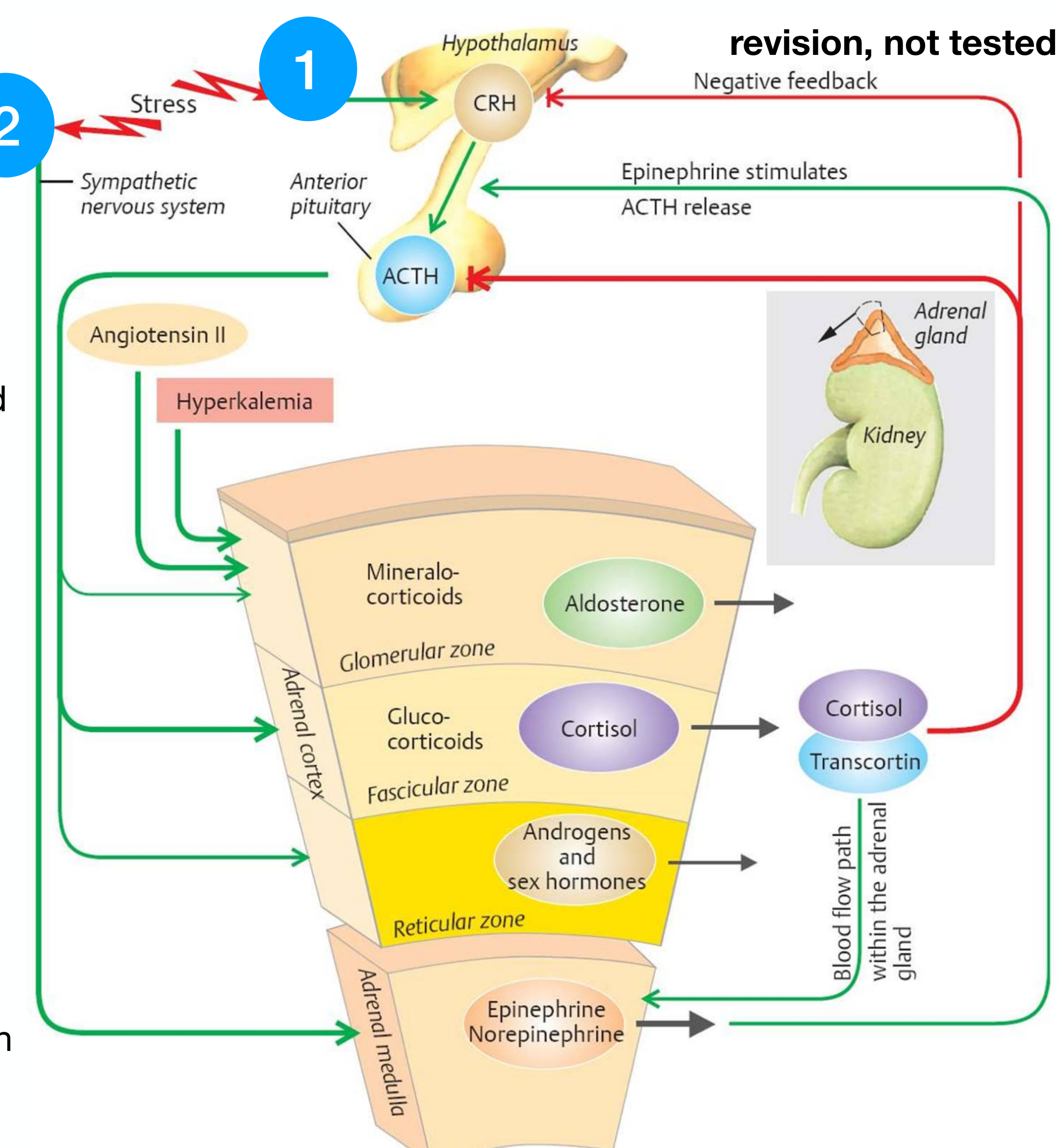
Stress Regulation Cycle11
Revision, not tested
- Stress and diurnal regulation (controlled by the light–dark day pattern) affects endogenous steroid release.
- Corticotropin-Releasing Hormone (CRH) and Adrenocorticotropic Hormone (ACTH) are involved in the regulatory pathway.
- Adrenal Medulla (stimulated by the SNS):
- Adrenaline ~85% of secretion, rapid ‘fight-flight’ response
- Noradrenaline ~15% of secretion, mainly vasoconstricts to maintain BP
Lecturer — Stress Pathway
The stress response has sympathetic and endocrine components. In the endocrine pathway, the hypothalamus releases corticotropin-releasing hormone, which stimulates pituitary ACTH release; ACTH then acts on the adrenal cortex to produce cortisol, aldosterone and androgens.
- The cycle includes negative feedback and regulation.
- Cortisol secretion increases in the early morning and helps a person wake up.
- The adrenal medulla produces epinephrine and norepinephrine, which are catecholamines.
Epidemiology
Global12
- Primary adrenal insufficiency is rare, affecting approximately 100–140 people per million population in developed countries.
- Autoimmune disease accounts for most cases in high-income countries, while infectious causes remain important in some low- and middle-income regions.
- Secondary/tertiary adrenal insufficiency is generally more common than primary adrenal insufficiency due to pituitary disease and widespread corticosteroid use.
Australia
- Adrenal insufficiency is an uncommon condition.
- Addison’s disease (autoimmune adrenalitis) is the leading cause of primary adrenal insufficiency in Australia.
General Manifestations
Common symptoms [stress symptoms]
- Chronic fatigue
- Muscle weakness
- Weight loss
- Loss of appetite
- Nausea and vomiting
- Abdominal pain
- Dizziness or postural hypotension
Features of Primary Adrenal Insufficiency
- Hyperpigmentation of the skin and mucous membranes
- Salt craving
- Hypotension, hyponatraemia, hyperkalaemia
- Dehydration
Adrenal Crisis (Medical Emergency)
General Management
Hormone Replacement13
- Lifelong glucocorticoid replacement (e.g., hydrocortisone or prednisolone)
- Mineralocorticoid replacement (e.g., fludrocortisone) for primary adrenal insufficiency
Stress Dosing
- Patients may require increased (“stress-dose”) glucocorticoids during illness, surgery, or major physiological stress.
Patient Education
- Carry medical alert identification.
- Maintain an emergency steroid plan.
- Avoid abrupt discontinuation of prescribed corticosteroids.
- Have access to emergency injectable hydrocortisone when indicated.
Regular Follow-Up
- Endocrinology review
- Monitoring of blood pressure, electrolytes, and symptoms
- Adjustment of replacement therapy as needed
Patients with adrenal insufficiency may exhibit:
- Diffuse or patchy oral mucosal hyperpigmentation, particularly in primary adrenal insufficiency
- Delayed wound healing (especially in patients receiving corticosteroid therapy)
- Increased susceptibility to oral infections if immunosuppressed
- Oral candidiasis in patients using corticosteroids
- Fatigue that may affect tolerance of lengthy dental appointments
- Oral pigmentation may involve the buccal mucosa, gingiva, tongue, palate, or lips and may be one of the earliest clinical signs of Addison disease.
Dental Risk Assessment And Steroid Cover14
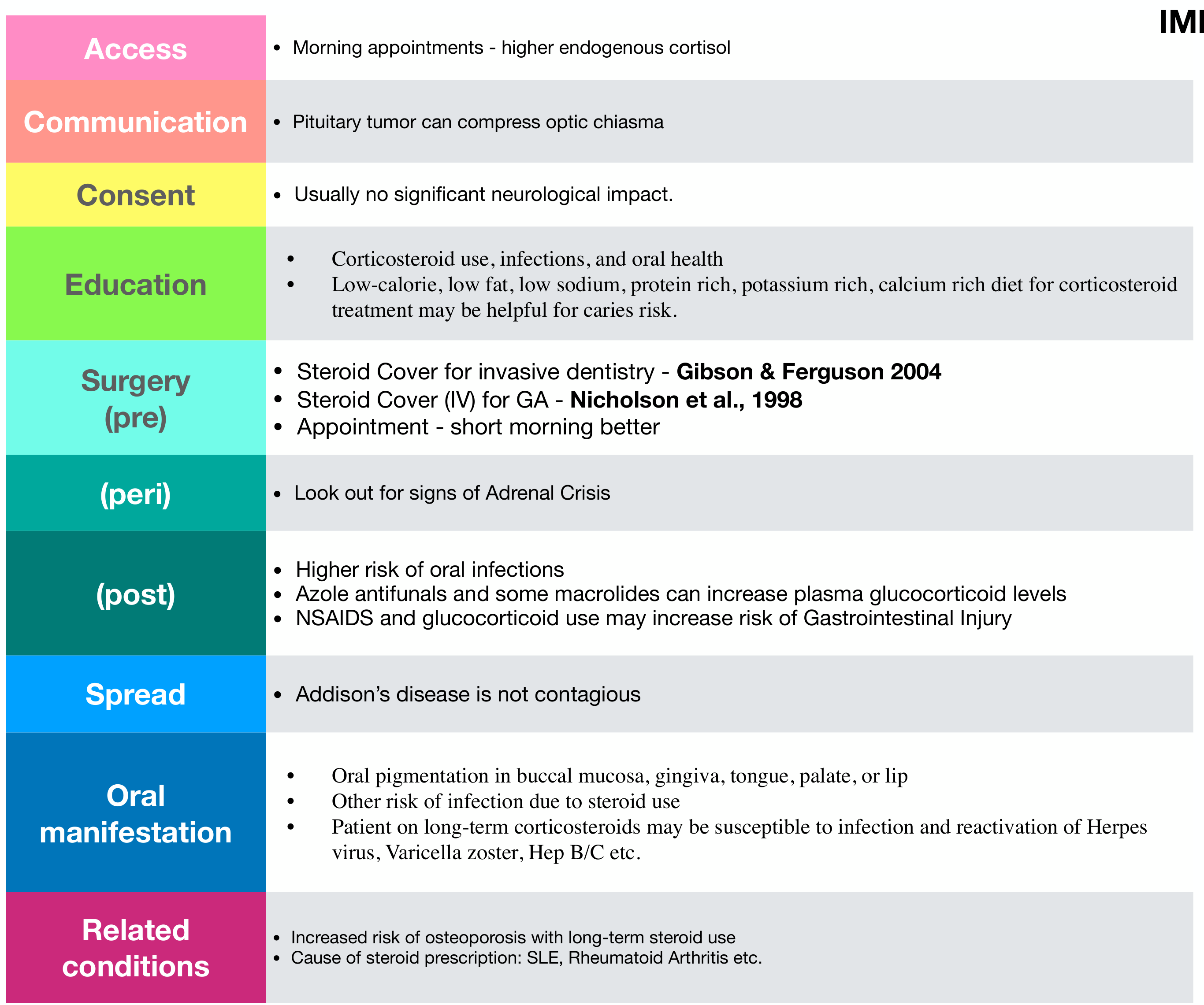
- Access – Morning appointments (higher endogenous cortisol)
- Communication – Pituitary tumour can compress optic chiasma
- Consent – Usually no significant neurological impact
- Education –
- Corticosteroid use, infections, and oral health
- Low-calorie, low-fat, low-sodium, protein-rich, potassium-rich, calcium-rich diet for corticosteroid treatment may be helpful for caries risk
- Surgery (pre) –
- Steroid cover for invasive dentistry — Gibson & Ferguson 2004
- Steroid cover (IV) for GA — Nicholson et al., 1998
- Appointment: short morning better
- Surgery (peri) – Look out for signs of adrenal crisis
- Surgery (post) –
- Higher risk of oral infections
- Azole antifungals and some macrolides can increase plasma glucocorticoid levels
- NSAIDs and glucocorticoid use may increase risk of gastrointestinal injury
- Spread – Addison’s disease is not contagious
- Oral manifestation –
- Oral pigmentation in buccal mucosa, gingiva, tongue, palate, or lip
- Other risk of infection due to steroid use
- Patients on long-term corticosteroids may be susceptible to infection and reactivation of Herpes virus, Varicella zoster, Hep B/C, etc.
- Related conditions –
- Increased risk of osteoporosis with long-term steroid use
- Cause of steroid prescription: SLE, rheumatoid arthritis, etc.
Lecturer — Appointment Planning
Patients with Addison’s disease may not produce increased morning cortisol, but morning treatment remains acceptable when they are taking their regular replacement doses. Communication is generally unaffected unless the patient is very fatigued.
Lecturer — Adrenal Decompensation
During dental treatment, monitor for possible decompensation, including hypovolaemia, confusion and tiredness. Adrenal crisis can occur after dental treatment, although it is generally rare during dental treatment.
Lecturer — Bisphosphonate Risk
Patients with Addison’s disease may be taking bisphosphonates. This increases the risk of medication-related osteonecrosis during dental treatment.
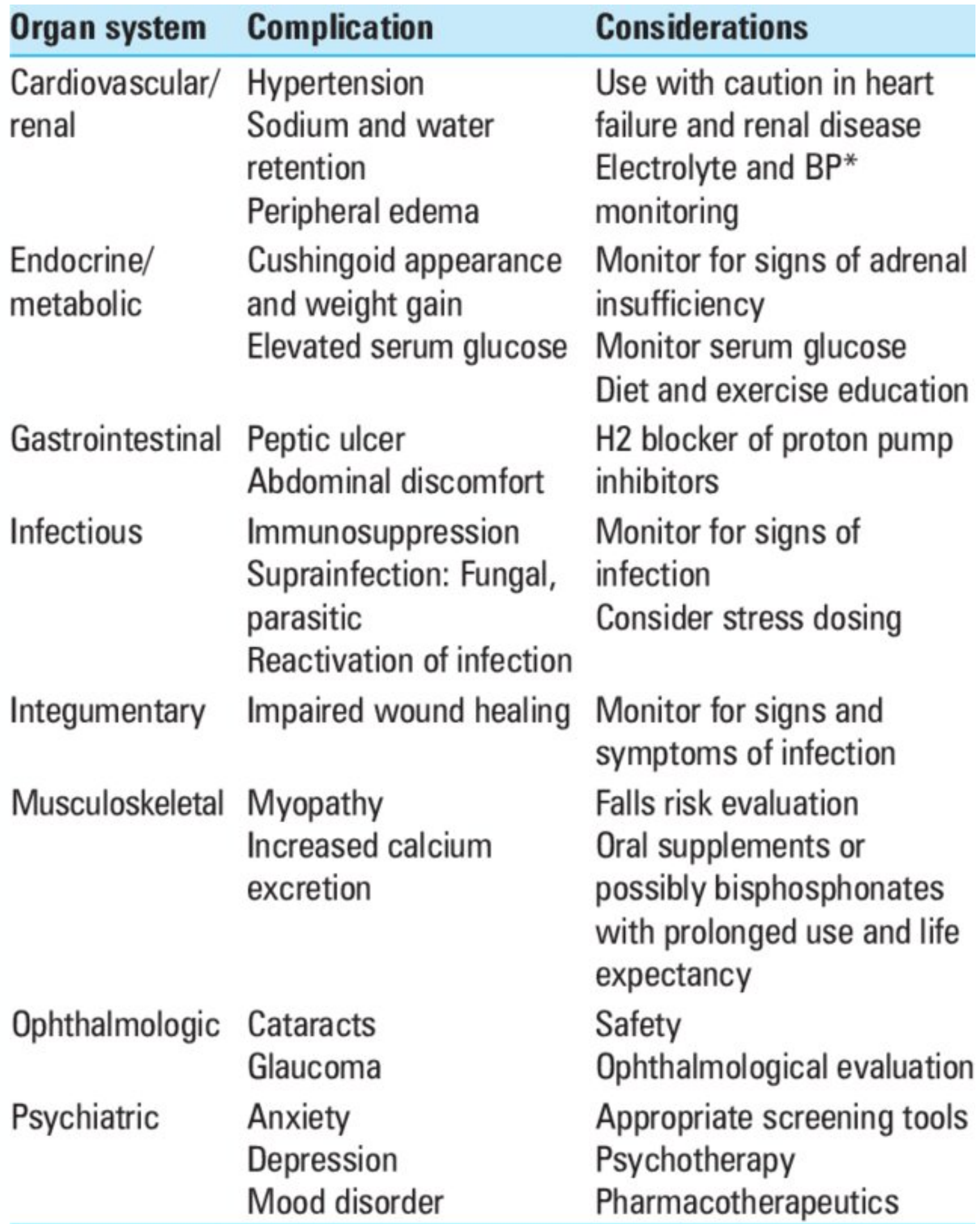
Side Effects Of Corticosteroids15
| Organ System | Complication | Considerations |
|---|---|---|
| Cardiovascular/renal | Hypertension; sodium and water retention; peripheral edema | Use with caution in heart failure and renal disease; electrolyte and BP* monitoring |
| Endocrine/metabolic | Cushingoid appearance and weight gain; elevated serum glucose | Monitor for signs of adrenal insufficiency; monitor serum glucose; diet and exercise education |
| Gastrointestinal | Peptic ulcer; abdominal discomfort | H2 blockers or proton pump inhibitors |
| Infectious | Immunosuppression; suprainfection (fungal, parasitic); reactivation of infection | Monitor for signs of infection; consider stress dosing |
| Integumentary | Impaired wound healing | Monitor for signs and symptoms of infection |
| Musculoskeletal | Myopathy; increased calcium excretion | Falls risk evaluation; oral supplements or possibly bisphosphonates with prolonged use and life expectancy |
| Ophthalmologic | Cataracts; glaucoma | Safety; ophthalmological evaluation |
| Psychiatric | Anxiety; depression; mood disorder | Appropriate screening tools; psychotherapy; pharmacotherapeutics |
*BP: Blood pressure.
Schwarzrock, Camille. (2016). Collaboration in the presence of cerebral edema: The complications of steroids. Surgical Neurology International, 7, 185. 10.4103/2152-7806.179228.
Lecturer — Corticosteroid Effects
Long-term, particularly high-dose, corticosteroid use may cause a buffalo hump, increased facial hair and an increased risk of diabetes mellitus. Other possible effects include muscle wasting, osteopenia, osteoporosis and personality changes.
- Latent infections such as hepatitis B, tuberculosis, HIV, herpes and varicella zoster may reactivate.
- Oral manifestations may include vesicles or multiple blisters, including lesions affecting one half of the palate.
Thyroid Disorders
Thyroid Gland16
-
The thyroid gland secretes several thyroid hormones. The main hormone is thyroxine, also called T4. Calcitonin stops breakdown of bones and lowers body calcium level.
-
Thyroid hormones act throughout the body, influencing metabolism, growth and development, and body temperature.
-
Thyroid function does not change greatly with ageing.
-
The thyroid gland is located around the neck and is palpated during the initial assessment.
Thyroid Gland Function
Thyroid hormones influence:
-
Breathing
-
Heart rate
-
Central and peripheral nervous systems
-
Body weight
-
Muscle strength
-
Menstrual cycles
-
Body temperature
-
Cholesterol levels
-
Excess thyroxine can increase heart rate and cause palpitations.
-
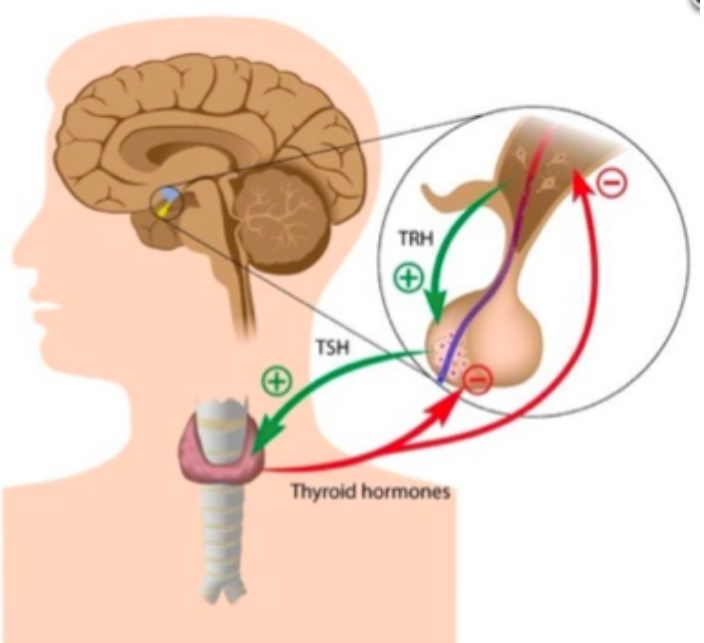
Thyroid regulation operates through a negative feedback system.
Hyperthyroidism And Hypothyroidism
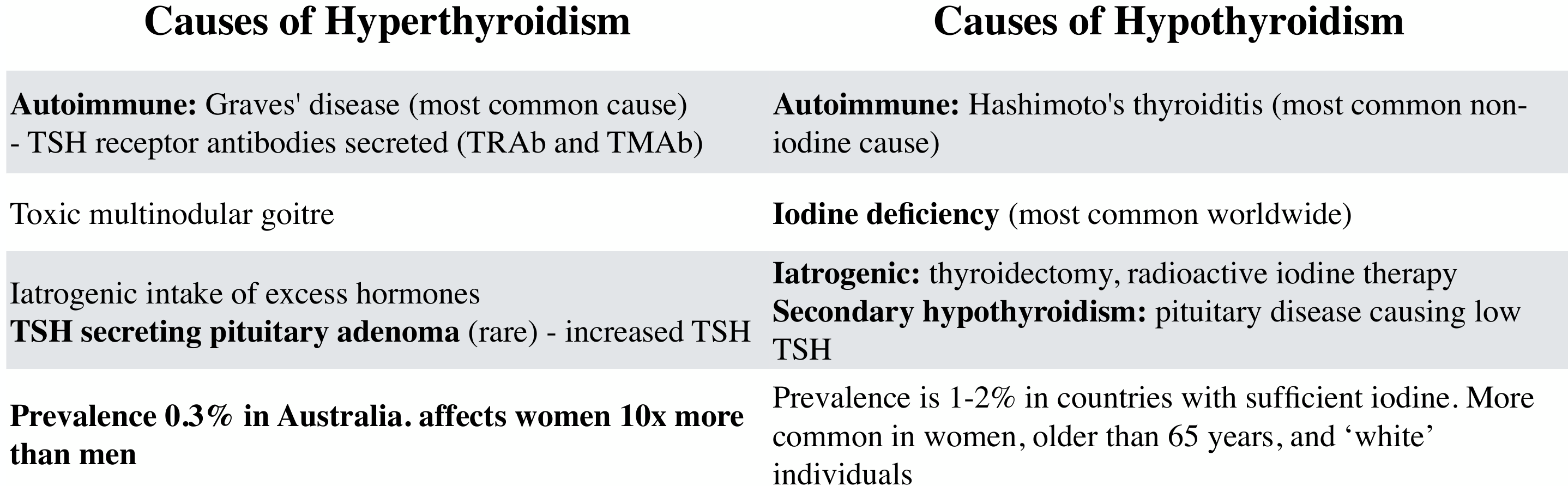
Causes of Hyperthyroidism17
- Autoimmune: Graves’ disease (most common cause) — TSH receptor antibodies secreted (TRAb and TMAb)
- Toxic multinodular goitre
- Iatrogenic intake of excess hormones
- TSH-secreting pituitary adenoma (rare) — increased TSH
Prevalence: 0.3% in Australia; affects women 10x more than men.
 |  |
Causes of Hypothyroidism
- Autoimmune: Hashimoto’s thyroiditis (most common non-iodine cause)
- Iodine deficiency (most common worldwide)
- Iatrogenic: thyroidectomy, radioactive iodine therapy
- Secondary hypothyroidism: pituitary disease causing low TSH
Prevalence: 1–2% in countries with sufficient iodine. More common in women, older than 65 years, and ‘white’ individuals.
Key Differences
Hyperthyroidism
-
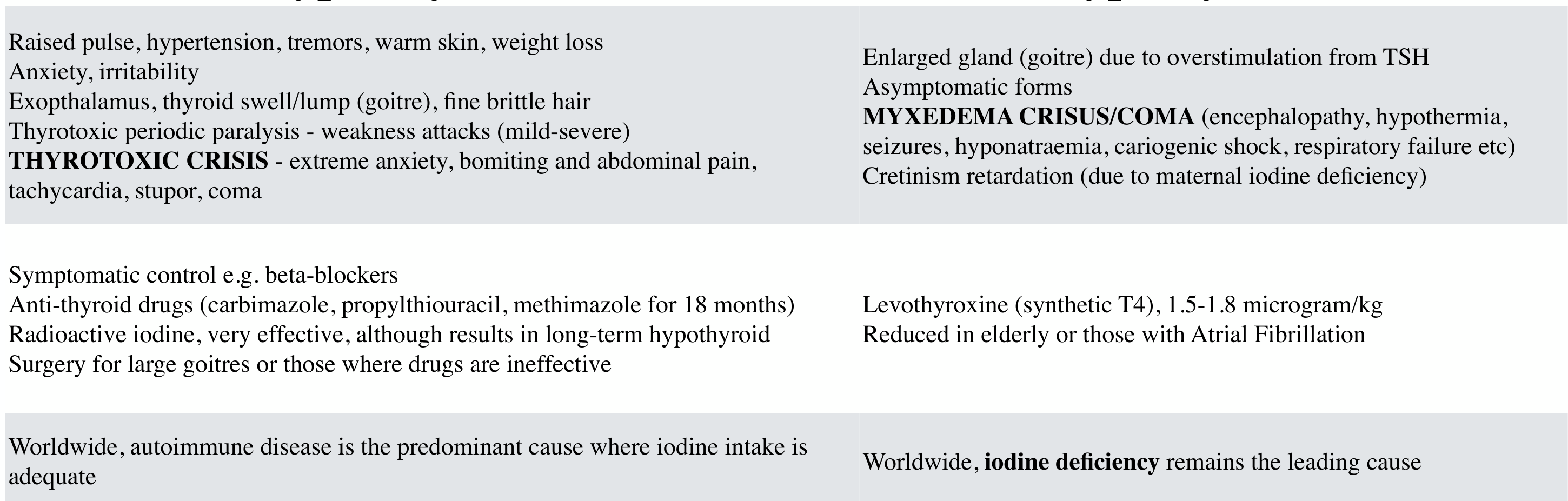
Raised pulse, hypertension, tremors, warm skin, weight loss
-
Anxiety, irritability
-
Exophthalmus, thyroid swell/lump (goitre), fine brittle hair
-
Thyrotoxic periodic paralysis — weakness attacks (mild–severe)
-
THYROTOXIC CRISIS — extreme anxiety, vomiting and abdominal pain, tachycardia, stupor, coma
-
Exophthalmos is caused by fat deposition behind the eyes. Treatment:
-
Symptomatic control, e.g. beta-blockers
-
Anti-thyroid drugs (carbimazole, propylthiouracil, methimazole for 18 months)
-
Radioactive iodine — very effective, although results in long-term hypothyroidism
-
Surgery for large goitres or those where drugs are ineffective
-
Treatment of Graves’ disease may result in hypothyroidism.
Worldwide, autoimmune disease is the predominant cause where iodine intake is adequate.
Hypothyroidism
- Enlarged gland (goitre) due to overstimulation from TSH
- Asymptomatic forms
- MYXEDEMA CRISIS/COMA (encephalopathy, hypothermia, seizures, hyponatraemia, cardiogenic shock, respiratory failure, etc.)
- Cretinism retardation (due to maternal iodine deficiency)
Treatment:
-
Levothyroxine (synthetic T4), 1.5–1.8 microgram/kg
-
Reduced in elderly or those with atrial fibrillation
-
A reduced amount is generally given to patients with cardiac problems.
Worldwide, iodine deficiency remains the leading cause.
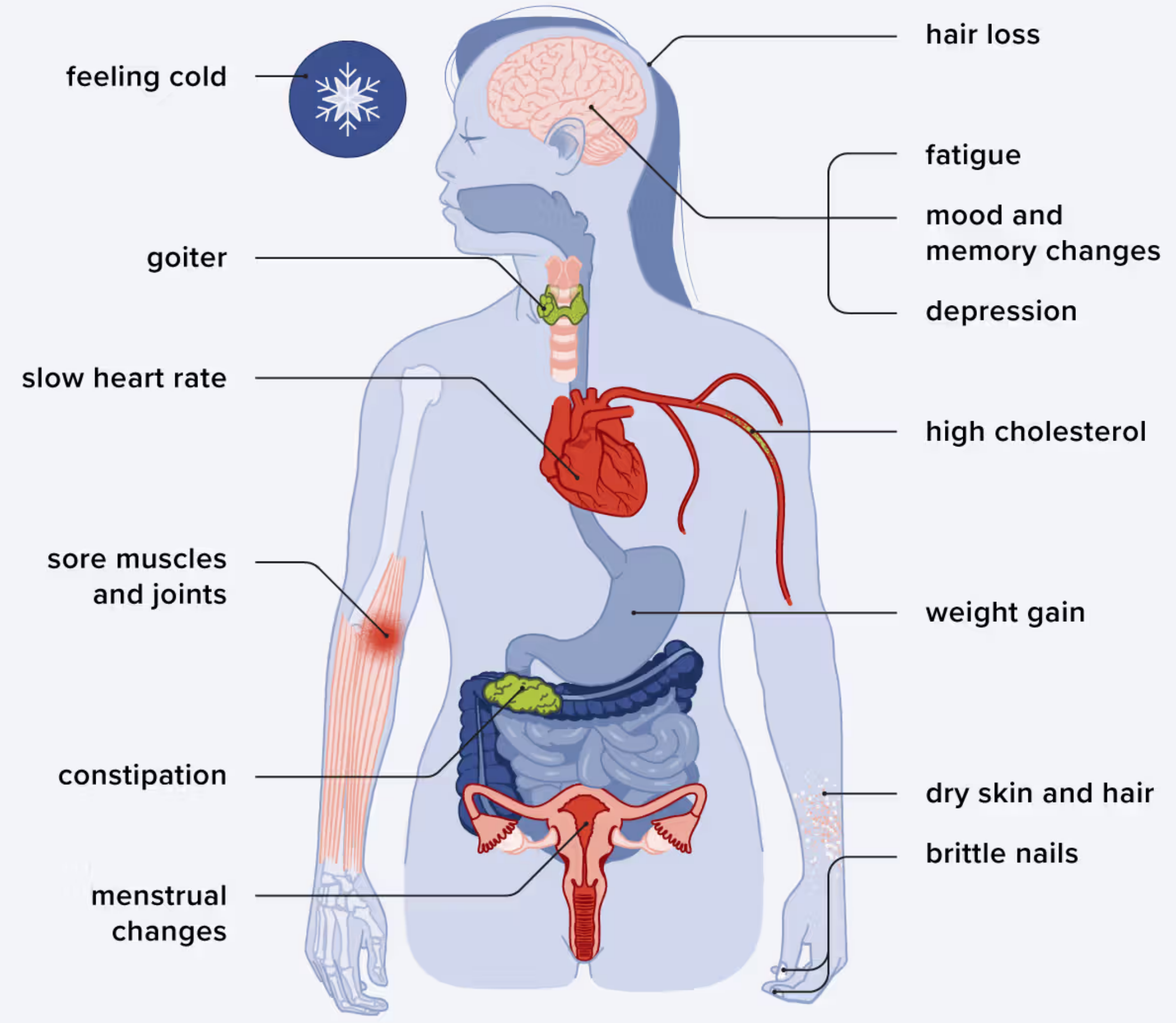
Effects Of Hypothyroidism
Hypothyroidism: Effects on the Body18
- Feeling cold
- Goitre
- Slow heart rate
- Sore muscles and joints
- Constipation
- Menstrual changes
- Hair loss
- Fatigue
- Mood and memory changes
- Depression
- High cholesterol
- Weight gain
- Dry skin and hair
- Brittle nails
Source: Medical News Today
Emergency Management In Dental Practice
Endocrine emergencies that may arise in dental practice:
-
Hypoglycaemia / diabetic crisis
-
Hyperglycaemia
-
Adrenal/Addisonian’s Crisis
-
Thyrotoxic crisis was mentioned but was not discussed in detail.
Overview Of Endocrine Emergencies19
Hyperglycaemic Crisis
Presentation20
The patient can present with:
- Confusion, drowsiness, vomiting
- Fruity smelling breath
- Unconscious (call 911)
Lecturer — Hyperglycaemia Causes
Hyperglycaemia may occur when patients consume too much food or do not take their medications.
- Diagnosis may be difficult and should include asking whether the patient had a heavy meal or forgot to take insulin.
Tests for Diabetic Ketoacidosis
- Blood sugar levels over 300 mg/dL (16.1 mmol/L)
- Near-normal (euglycemic) blood sugar level may occur
- Ketone level and blood pH
Dental Management
For dentistry, less common to see this. If the person is conscious:
-
Do a blood glucose test.
-
Drink plenty of water and
-
Take their prescribed diabetic medications (e.g. insulin, sulphonylureas)
-
Send to medical clinics to manage Diabetic Ketoacidosis (DKA) or Hyperosmolar hyperglycaemic state (HHS), which is usually treated through:
-
Stop dental treatment and consider ketone and blood pH testing.
- Fluid replacement (dilute excess sugar)
- Electrolyte replacement (K and Na replaced to keep muscles, heart and nerves functioning)
- Insulin therapy (reverse ketone buildup and normalise blood sugar)
General Advice (Royal Australian College of General Practitioners)
- Look for an underlying cause — for example, sepsis, cellulitis, myocardial infarction.
- If no causes are evident, or if you are unable to urgently assess ketones with the hyperglycaemia and the person is unwell, referral to the nearest emergency department may be prudent.
- After the event, review medications, dietary intake and hyperglycaemic and sick-day management.
- Re-evaluate for possible undiagnosed type 1 diabetes.
Adrenal Crisis
Presentation21
The patient can present with:
- Headache, confusion, lethargy, vomiting
- Sudden hypotension / shock, or progress 6–12 hours after dental treatment
- Unconscious
Diagnosis
- History (high dose steroid long term / Addisonian)
- Low BP, 20 mmHg lower than usual (systolic <100 mmHg)
Dental Management
For dentistry, rare. Manage by:
- Calling 911/000
- Elevate legs, monitor BP
- Administer hydrocortisone 200 mg intramuscularly (or other routes/doses)
- Supportive (hydration, provide oxygen, glucose)
Prevention (from AD Australia)
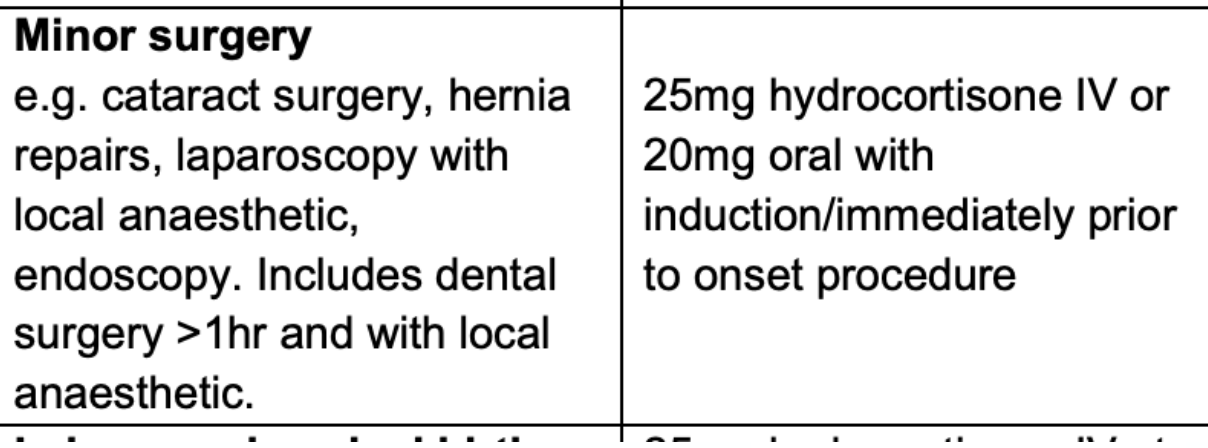
Minor surgery — e.g. cataract surgery, hernia repairs, laparoscopy with local anaesthetic, endoscopy. Includes dental surgery >1 hr and with local anaesthetic.
25 mg hydrocortisone IV or 20 mg oral with induction/immediately prior to onset of procedure.
Lecturer — Adrenal Prevention
Addison’s Disease Australia describes administering hydrocortisone or an oral steroid approximately one hour before dental surgery and local anaesthetic procedures.
- This differs from dosing in the dental Therapeutic Guidelines, so the dental guideline should be followed.
- The standard approach discussed was to double the dose.
Prevention in Dentistry
- Double dosage of steroid
- Avoid afternoon appointment in severe patients + stressful treatment (crisis can be fatal if occurring when sleeping)
- Avoid dentistry when patient has infection/fever/diarrhoea/sick
Therapeutic Guidelines Pg 151
Perioperative Steroid Cover
Perioperative steroid is required to prevent an acute adrenal crisis in patients with HPA axis suppression. Patients taking:
- ≥ 5 mg of prednisolone daily (or equivalent) for more than 1 to 4 weeks, or
- those who stopped a similar dose within the last 3 months
And for invasive or stressful procedures (e.g. GA, dental surgery or extraction, or if patient is highly anxious).
Lecturer — Steroid Cover Indications
Steroid cover may also be considered for implants, long procedures such as crowns or bridges, and highly anxious patients.
- The patient’s individual factors affect their endogenous steroid requirements.
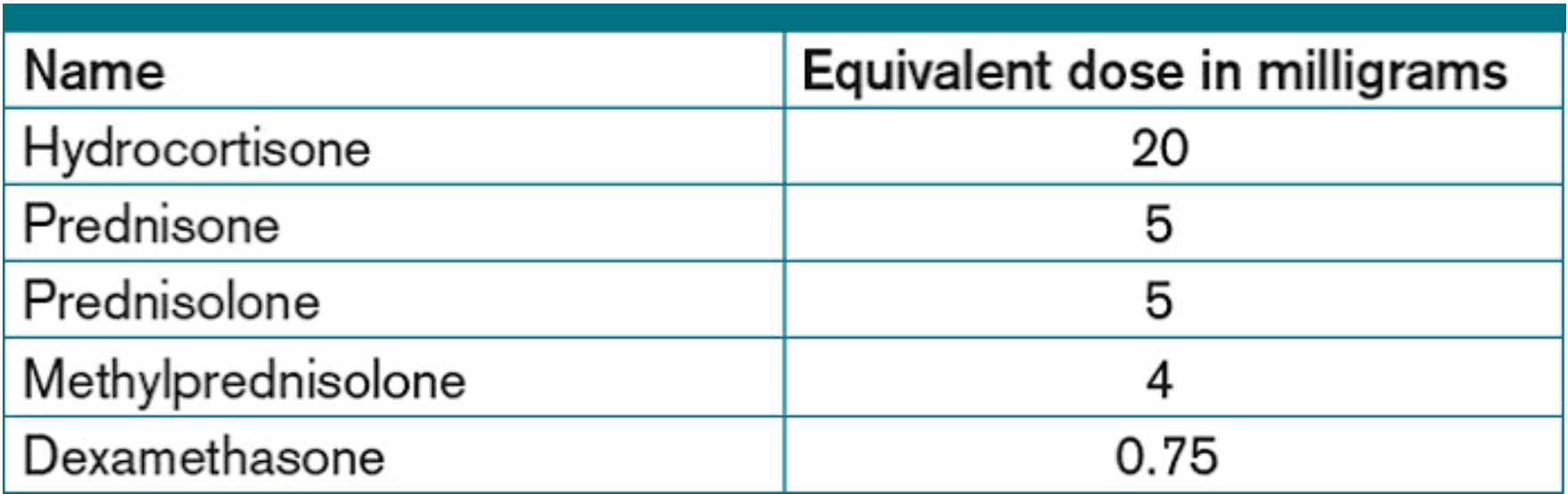
Equivalent Steroid Doses22
| Name | Equivalent dose in milligrams |
|---|---|
| Hydrocortisone | 20 |
| Prednisone | 5 |
| Prednisolone | 5 |
| Methylprednisolone | 4 |
| Dexamethasone | 0.75 |
Therapeutic Guideline; The Hospitalist
Hypoglycaemia
Presentation23
The patient can present with:
- Neuroglycopenic — hunger, confusion, coma, seizure
- Adrenergic — sweating, shaking, palpitations
- Unconscious (call 911, BLS)
Indicators for Hypoglycaemia
- Blood sugar levels under 3.5 mmol/L (usually)
- Missed meals
- Overdosed diabetic medication
- Unplanned exercise (dental anxiety, rush for bus)
Dental Management
For dentistry, it’s common to see this. If the person is conscious:
- Give 20–25 g of glucose or fast-acting food/drink (fruit juice, jelly) followed by lower glycemic load carbohydrate meal. Sugary substitutes do not work well (Coke Zero, xylitol, saccharin)
- Observe.
- Taking blood sugar is helpful but not mandatory.
- Reschedule, and ensure someone goes home with them (escort)
Therapeutic Guidelines Pg 178–179
- The patient should not drive while at risk of a further hypoglycaemic attack.
Closing Remarks24
Thank you and all the best.
Footnotes
-
Original PDF page 1: L6 Endocrine notes, p.1 ↩
-
Original PDF page 2: L6 Endocrine notes, p.2 ↩
-
Original PDF page 3: L6 Endocrine notes, p.3 ↩
-
Original PDF page 4: L6 Endocrine notes, p.4 ↩
-
Original PDF page 5: L6 Endocrine notes, p.5 ↩
-
Original PDF page 6: L6 Endocrine notes, p.6 ↩
-
Original PDF page 7: L6 Endocrine notes, p.7 ↩
-
Original PDF page 8: L6 Endocrine notes, p.8 ↩
-
Original PDF page 9: L6 Endocrine notes, p.9 ↩
-
Original PDF page 10: L6 Endocrine notes, p.10 ↩
-
Original PDF page 11: L6 Endocrine notes, p.11 ↩
-
Original PDF page 12: L6 Endocrine notes, p.12 ↩
-
Original PDF page 13: L6 Endocrine notes, p.13 ↩
-
Original PDF page 14: L6 Endocrine notes, p.14 ↩
-
Original PDF page 15: L6 Endocrine notes, p.15 ↩
-
Original PDF page 16: L6 Endocrine notes, p.16 ↩
-
Original PDF page 17: L6 Endocrine notes, p.17 ↩
-
Original PDF page 18: L6 Endocrine notes, p.18 ↩
-
Original PDF page 19: L6 Endocrine notes, p.19 ↩
-
Original PDF page 20: L6 Endocrine notes, p.20 ↩
-
Original PDF page 21: L6 Endocrine notes, p.21 ↩
-
Original PDF page 22: L6 Endocrine notes, p.22 ↩
-
Original PDF page 23: L6 Endocrine notes, p.23 ↩
-
Original PDF page 24: L6 Endocrine notes, p.24 ↩