Mental Health And Psychiatric Conditions1
DMD3 Dental School, UWA September 2025
Acknowledgements to
- Dr Jee-Yun Leung
- Dr Daniel Sundaresan
- Associate Professor Mina Borromeo
- Dr Mathew Lim
- Dr Claudia Lopez Silva
Dr David Lim Lecturer, Dental School, UWA BDS (SG), MSc SCD (UCL), PG Dip Con Sed D (KCL), GC Geront (SUSS), Dip ACEdu (SUSS), FiADH, MFTD MFDS RCSEd
Learning Objectives
Discuss the specific characteristics and dental needs of individuals with common mental health and psychiatric conditions (e.g. depression, schizophrenia, bipolar disorder, anorexia & bulimia nervosa, anxiety, PTSD), and appropriate treatment adaptations to ensure effective dental care.
Mental health conditions were traditionally separated into — Psychosis vs Neurosis
Lecturer — Psychosis vs Neurosis
Psychosis involves a loss of contact with reality, whereas neurosis involves mental distress while remaining in contact with reality.
- Psychosis is characterised by hallucinations and delusions and was described as generally more severe and disruptive.
- Examples of neurosis include anxiety, obsession and depression; individuals may retain some understanding and functional capability in daily life.
Classification Of Psychological Disorders2
Examples of Psychological Disorder Classifications3
-
Schizophrenia
-
Mood Disorders
- Depression
- Bipolar disorder
- Anxiety disorders
-
Eating Disorders
- Anorexia Nervosa
- Bulimia Nervosa
-
Post-traumatic stress disorder (PTSD)
DSM is the primary classification scheme used to describe mental disorders identified in psychiatric practice
Compiled by the American Psychiatric Association
Schizophrenia
- A complex, chronic mental disorder
- A major psychotic illness in which the individual may be out of touch with reality
- Different from ‘split personality’
- Sufferers will have experienced a deterioration in interpersonal relationships and in daily functioning at school or at work.
Lecturer — Schizophrenia Definition
The individual may become out of touch with reality particularly during periods of exacerbation. The disorder involves fragmented mental processes, rather than split personality or multiple personality disorder.
Schizophrenia Overview And Prevalence4
“I’m a schizophrenic!” — “And so am I!”
- Prevalence: ~1% worldwide, 1.5% of Australians; affects men and women equally but can display an earlier onset in men
- Features emerge between late teens and mid 30s
- Suicide risk: 5-6% die by suicide, and up to 30% of patients will attempt suicide at some stage of their life
- Management: combination of pharmacological and psychological interventions
- Multiple comorbidities: depression, alcohol/drug abuse
- Most would usually have suffered the symptoms of psychosis for at least six months before seeking help.
5 Symptoms5
- Delusions
- Hallucinations
- Disorganized thinking (speech)
- Grossly disorganized or abnormal motor behaviour
- Negative symptoms
Schizophrenia Symptom Categories
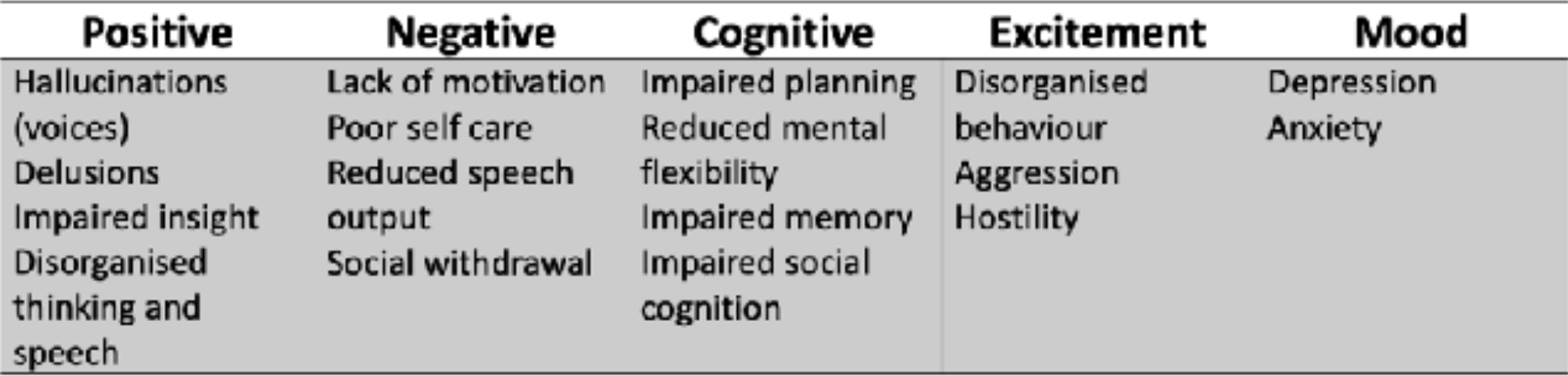
Positive6
-
Hallucinations (voices)
-
Delusions
-
Impaired insight
-
Disorganised thinking and speech
-
Hallucinations may also involve smelling things
Negative
- Lack of motivation
- Poor self care
- Reduced speech output
- Social withdrawal
Cognitive
- Impaired planning
- Reduced mental flexibility
- Impaired memory
- Impaired social cognition
Lecturer — Cognitive Symptoms
Cognitive impairment may make it difficult for a patient to focus and maintain attention, provide a coherent medical history, or respond directly to questions.
Excitement
- Disorganised behaviour
- Aggression
- Hostility
Lecturer — Disorganised Conversation
An initially relevant answer may lead to an unrelated topic, making history-taking difficult. The clinician may need to repeatedly redirect the conversation.
Mood
-
Depression
-
Anxiety
-
Patients may speak very quickly
Schizophrenia Onset And Course7
Onset8
- Although it can affect anyone at any age, its onset is usually in adolescence or young adulthood.
- It affects men and women equally
Some patients remain chronically ill, while others have periods of remission and recurrence.
Lecturer — Remission and Recurrence
During remission, an individual may improve and function normally before symptoms return.
Although the cause is not understood, genetic factors can make an individual more vulnerable.
- Environmental factors may also increase vulnerability https://www.youtube.com/watch?feature=player_embedded&v=KBRAC4acr70
https://www.youtube.com/watch?v=bWaFqw8XnpA
Prodromal, Residual And Active-Phase Symptoms
Prodromal & Residual Symptoms9
- Social isolation & withdrawal
- Impairment in role functioning
- Peculiar behaviour
- Impairment in personal hygiene
- Digressive, vague speech or lack of speech
- Odd beliefs or magical thinking
- Unusual perceptual experiences
- Lack of initiatives, interests or energy
Active-Phase Symptoms
- Delusions
- Hallucinations
- Disorganised speech
- Disorganised or bizarre behaviour
- Catatonia
- Flat affect
- Lack of voluntary action
- Speechlessness
- No pleasure
- Unable to perform goal-directed activities
Schizophrenia Treatment
Pharmacotherapy
Pharmacotherapy10
- Schizophrenia is associated with an excess of dopamine at specific synapses in the brain
- Medication (antipsychotics or neuroleptics)
- Medication remains the main treatment method. As schizophrenia is often due to abnormal biochemical balances in the brain, medication can help to normalise these imbalances.
- They can relieve the hallucinations, delusion and thinking problems associated with schizophrenia.
- These antipsychotic medicines are also important in reducing or eliminating the chances of relapse.
- Conventional antipsychotic drugs are used to block dopamine receptors:
- chlorpromazine
- haloperidol
- thiothixene
- Other drugs include: clozapine, risperidone, olanzapine, quetiapine and ziprasidone, etc.
Lecturer — Dopamine and Medication
Directly reducing dopamine substantially could produce Parkinsonian side effects, so antipsychotic medications do not usually reduce dopamine in that direct manner.
- Antipsychotic medications may have oral health implications in addition to their general side effects
Psychotherapy
Is the use of psychological methods to help change behaviour and overcome problems.
Psychotherapy can help one make sense of his/her illness, can take various forms and can be conducted on a one-to-one basis or in a group setting. Issues that may need to be dealt with include: the person’s feelings about the illness, his/her experience of medication, denying the illness, the impact that the illness has on the person’s self-esteem, interpersonal relations and other aspects of his/her life.
Rehabilitation and Counselling
Rehabilitation and counselling help the individual to function in society. Social skills training, which can be provided in group, family or individual sessions, helps to build social relationships and independent living skills.
Lecturer — Rehabilitation Timing
Medication may be required first to reduce symptoms, particularly disorganised thinking, so that patients can benefit from rehabilitation and counselling.
Medication Side Effects11
Side effects from medication affecting oral health include:
- Extra-pyramidal symptoms:
- Dystonia (muscle contractions)
- Dysarthria (difficult speech)
- Parkinson-like syndrome
- Akathisia (restlessness, pacing)
- Akinesia (loss of voluntary movement, lethargy)
- Involuntary mouth and jaw movements
- Postural hypotension, drowsiness
- Reduced white cells/leukopenia e.g. clozapine
Lecturer — Leukopenia and Surgery
Patients with leukopenia may have a slightly increased risk of postoperative infection because of their reduced white cell count.
- Allow time for patients to equilibrate their blood pressure when sitting up or getting down from the dental chair
Oral Implications Of Schizophrenia
Oral Implications12
- Dental and periodontal health are influenced by:
- Concurrent alcohol and/or drug abuse
- Smoking
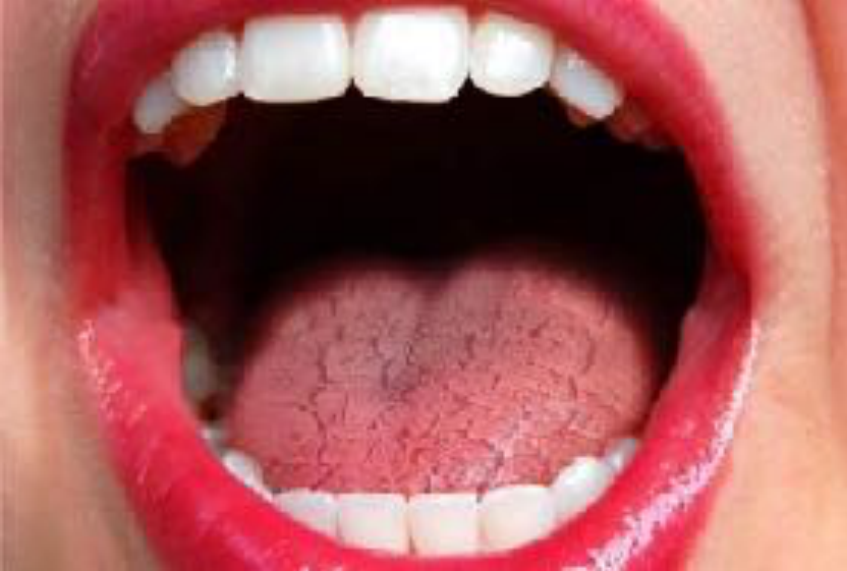
- Salivary hypofunction + xerostomia (psychotropic medications)
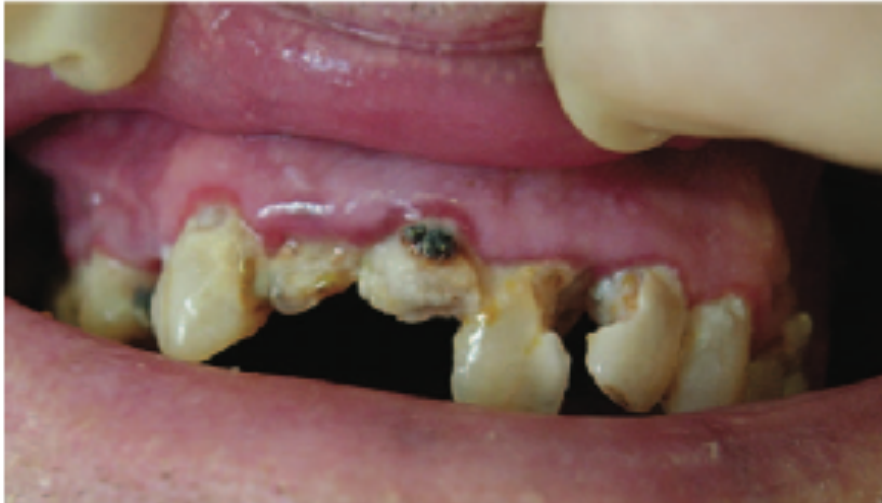
- Rampant caries
- Difficulty swallowing, speech difficulties
- Soft tissues — denture stomatitis, glossitis, ulcers
Lecturer — Salivary Changes
Salivary hypofunction involves reduced salivary quality and quantity, whereas xerostomia may refer to the subjective perception of reduced saliva and oral dryness.
- Very dry oral tissues may cause soft tissues to stick together, contributing to speech difficulties.
- Other possible consequences include fungal infections and aphthous ulcers.
Dental Hygiene Care For Schizophrenia
Dental Hygiene Care13
-
Review medical and medication history
-
Analyse drugs for side effects
-
Plan a simple routine
-
Decrease stimulation; create a restful atmosphere
-
Treatment is rendered when the patient’s symptoms are reasonably controlled by medications
-
Referral may be required; keep physician’s contact numbers in an accessible location for quick referrals
-
Provide OHI
-
May require mouth props for involuntary mouth and jaw movements
-
Effect of drugs (e.g. marijuana), smoking and alcohol
-
Refer patients to cessation services for smoking, alcohol and drug use when appropriate
Depressive Disorders
- Depression, or feeling sad, is a normal emotion
- Major Depressive Disorder (clinical depression) lasts for at least 2 weeks and significantly interferes with daily function.
Prevalence and Diagnostic Features14
- Lifetime prevalence of 16.6%
- 1 in 7 Australians will experience depression during their lifetime
- Diagnostic features: depressed mood, disinterest, weight loss, insomnia, fatigue, feeling of worthlessness, suicidal thoughts
- Onset for major depression is usually the mid-20s, and it is more common in women than men.

Treatment and Management
- Antidepressants for acute episodes + long-term maintenance — SSRIs, SNRIs
- Psychological therapies
https://www.youtube.com/watch?feature=player_embedded&v=Sf2xKoHqouY
Depression Overview And Prevalence15
- It affects
- the body, mood and thoughts to a point of dysfunction.
- the way a person eats and sleeps
- how one feels about oneself
- how one thinks about things.
- Is not something that can be simply willed away. One of the most common psychiatric illnesses, yet may not always be diagnosed or treated
- Occurs at any age
- Onset for major depression is usually the mid-20s, and it is more common in women than men.
- Characterised by apathy, fear, sadness and loss of mobility and energy
Lecturer — Depression in Older People
Depression can occur at any age, but older people may recover less well.
- They may also experience a longer period of depression.
Signs And Symptoms Of Depression16
A person who experiences five or more of the following for most of the day, most of the week, for more than two weeks may have a depressive illness:
- Persistent sadness; or feeling down or gloomy
- A loss of interest in activities previously enjoyed
- Weight loss or weight gain; or decrease or increase in appetite
- Difficulty falling asleep or staying asleep; or sleeping excessively
- Feeling agitated or restless
- Feeling tired and lacking the energy
- Feelings of worthlessness or excessive guilt
- Difficulty concentrating or having trouble thinking
- Frequent thoughts of death or suicide
Depression Treatment
Depression is highly treatable: when it is recognised and manageable, a person’s quality of life can be greatly improved.
Primary Treatment (Antidepressants)17
- No ‘one size fits all’ type of antidepressant.
- It takes one to three weeks before changes occur and should be taken for 6–12 months
- Fluoxetine (Prozac)
- Sertraline (Zoloft)
- Paroxetine (Paxil)
Lecturer — Medication Adjustment
Medication may be adjusted with a psychiatrist or general physician.
- Doses may be increased or decreased.
- Medications may be changed or combined.
- Fluoxetine is the drug name, Prozac is the brand name, and it is a selective serotonin reuptake inhibitor.
Additional Treatment Measures
- Lifestyle changes
- Correction of sleep disorders
- New diet and eating patterns
- Exercise and counselling
Lecturer — Treatment Effects
Psychological therapies may have significant and longer-lasting effects when continued over the long term with good compliance.
- Antidepressants may have more side effects but are considered necessary for acute episodes and may be used long term.
Xerostomia is a major side effect from antidepressants.
Dental Hygiene Care For Depression1819
- Monitor medical and medication histories closely; note side effects and contraindications
- May require physician’s or specialist’s consults
- Check for signs of xerostomia, frothy saliva
- Effects of apathy and neglect
- Provide positive reinforcement and reassurance
- Show genuine interest
Lecturer — Apathy and Neglect
Apathy is a lack of motivation and can result in dental neglect.
- Monitor changes in medications at each dental follow-up
- Check for changes in general health
- Use multidisciplinary management when required
- Dental biofilm control
- Xerostomia:
- Alcohol-free, OTC fluoride rinse or brush-on gel
- Saliva substitute containing fluoride
- Salivary test
- Implementing DH care plan:
- Tinted protective eyewear for patients with photosensitivity
- Use LA
- Fluoride treatment after instrumentation
- Use care to prevent postural hypotension
Bipolar Disorder20
-
Major mood disorder in which episodes of varying degrees of mania (elation) and depression occur
-
Depression and mania (or hypomania) usually occur in episodes.
-
Treatment includes medications (antidepressants, antipsychotics, Lithium, etc.), psychotherapy, electroconvulsive therapy
-
Episodes may occur in relatively rapid phases or ups and downs.
-
Electroconvulsive therapy subjects the brain to an electric current to help control activity in certain parts of the brain.
-
These treatments are not usually curative.
Anxiety Disorders
Anxiety Overview And Types21
- Anxiety is experienced as apprehension, tension or dread that results from the anticipation of danger, the source of which is unknown or unrecognised
- Feeling of a threat to the person’s being, self-esteem or identity
- Anxiety is a negatively-valenced emotion in anticipation of a stimuli
- Can be physiological or maladaptive
Lecturer — Anxiety Severity
Anxiety caused by an unknown or unrecognised source differs from anxiety caused by a known source.
- An anxiety disorder is excessive compared with what would normally be anticipated; fear of a spider may be expected, whereas excessive anxiety about going onto the streets or meeting people may require treatment.
Types22
- Panic attack
- Panic disorder
- Phobias
- Generalised anxiety disorder
Generalised Anxiety Disorder23
Persistent, pervasive anxiety and excessive worry, but not associated with life threatening fears or attacks
Anxiety Treatment
Lifestyle Changes24
- Eliminate intake of caffeine, alcohol
- Cessation of smoking or other drugs of abuse
- Exercise
- Sleep hygiene
Psychotherapy25
- Cognitive-behavioural therapy; relaxation
- Hypnotherapy etc
Medications
- Anti-anxiety e.g. benzodiazepines and antidepressant
- Limit numbers of medications
Lecturer — Medication Effects
Benzodiazepines were described as a type of sedative, while other anti-anxiety medications may reduce mental stimulation.
- Potential effects include tiredness, lethargy and movement between anxiety and depression.
- Doctors may therefore be concerned about limiting the number of medications prescribed.
Oral Implications Of Anxiety26
- Hypersensitivity
- Xerostomia
- Compromised oral cleanliness
- Extreme oral cleanliness – abrasion from vigorous tooth brushing
Lecturer — Oral Worry
Patients may be highly sensitive to oral symptoms, and a small sensation in a tooth may cause substantial worry.
- This worry may lead to continued rumination and effects on mood and daily life.
- Some patients may neglect brushing and oral cleanliness because of their other worries.
Dental Hygiene Care For Anxiety2728
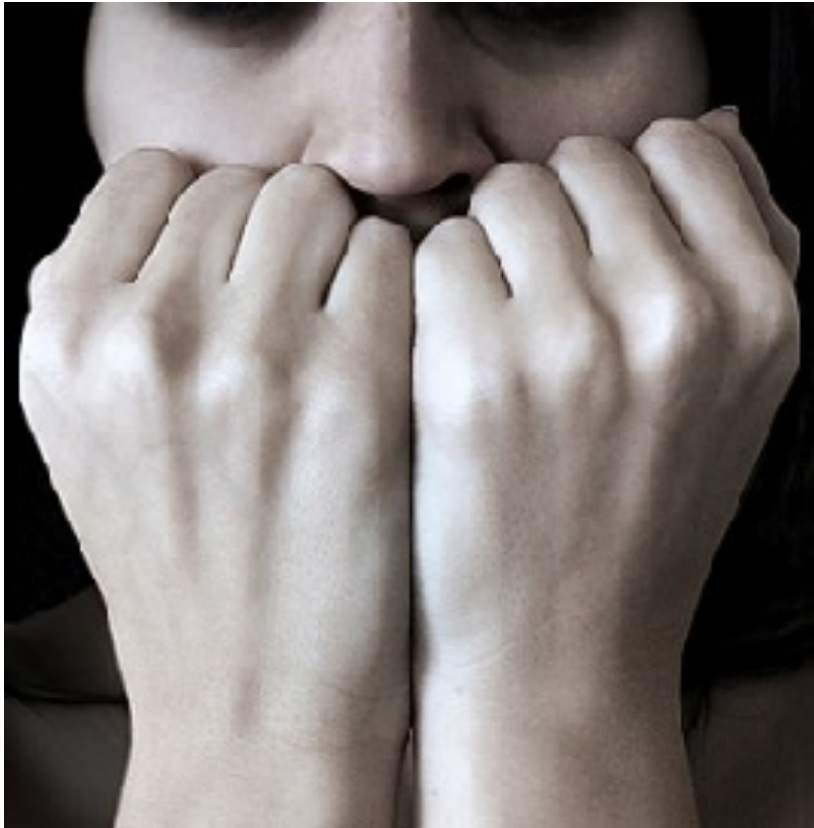
What are some dental considerations for patients suffering from anxiety disorder?
- Review medications regularly because they may change.
- Provide reassurance before anxiety escalates.
- Support relaxation throughout treatment.
Compounded Anxiety And Medical Emergencies
Anxiety Plus29
-
Ischaemic heart disease – myocardial infarction
-
Stroke
-
Asthma
-
Seizures (status epilepticus)
-
Hypoglycaemia
-
Vaso-vagal
-
Adrenal crisis
-
Involuntary movements – might result in aspiration
- Tremors
- Chorea
- Gag reflexes
-
Pharmacological methods may sometimes be used to attenuate anxiety in patients with severe anxiety and a high risk of complications.
-
Anxiety may increase the prominence of involuntary movements in patients with Parkinson’s disease or Huntington’s disease.
-
Anxiety may increase the risk of aspiration of fluids or equipment into the trachea.
-
Gag reflexes were described as partly physiological and partly psychological.
-
Carefully review medical history and medications
-
Support for pain, anxiety and cooperation
-
Morning appointments
-
Eliminate unnecessary waiting
-
Be alert to INITIAL symptoms of panic attack
-
Allow patient to sit up and enjoy short breaks
Eating Disorders
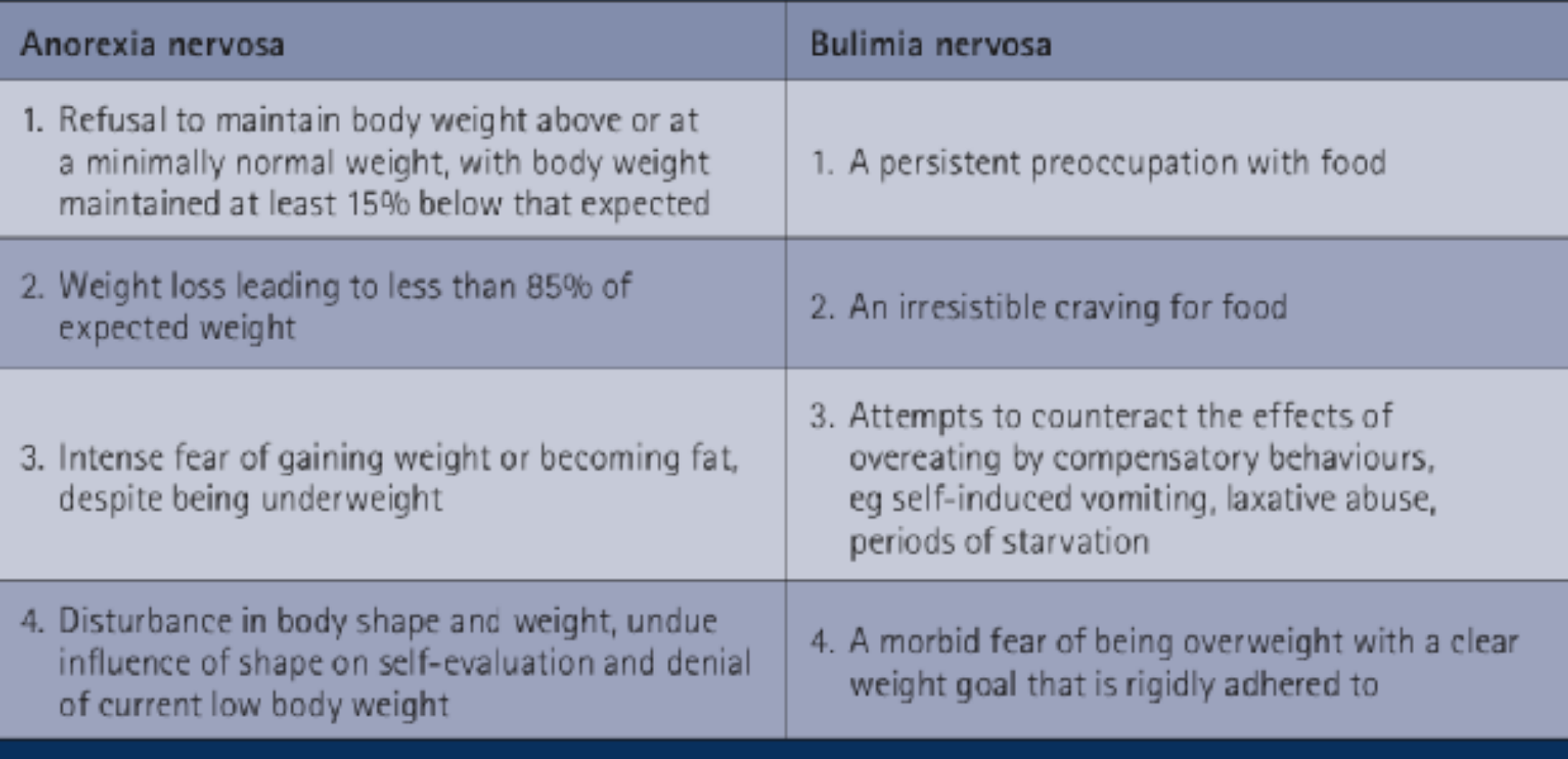
Key Features of Anorexia Nervosa and Bulimia Nervosa30
| Anorexia nervosa | Bulimia nervosa |
|---|---|
| 1. Refusal to maintain body weight above or at a minimally normal weight, with body weight maintained at least 15% below that expected | 1. A persistent preoccupation with food |
| 2. Weight loss leading to less than 85% of expected weight | 2. An irresistible craving for food |
| 3. Intense fear of gaining weight or becoming fat, despite being underweight | 3. Attempts to counteract the effects of overeating by compensatory behaviours, eg self-induced vomiting, laxative abuse, periods of starvation |
| 4. Disturbance in body shape and weight, undue influence of shape on self-evaluation and denial of current low body weight | 4. A morbid fear of being overweight with a clear weight goal that is rigidly adhered to |
Anorexia Nervosa And Bulimia Nervosa31
Source: reference 50
- Anorexia nervosa (0.3%)
- means someone lost their appetite for “nervous” or psychological reasons
- Defined as inability to maintain bodyweight through intentional restriction of food and drink
- 10% of treated cases are men
- Occurs mostly in women.
- Bulimia nervosa (1-3%)
- BN/AN mortality of 4-20% from suicide and medical complications
Oral Implications Of Eating Disorders32
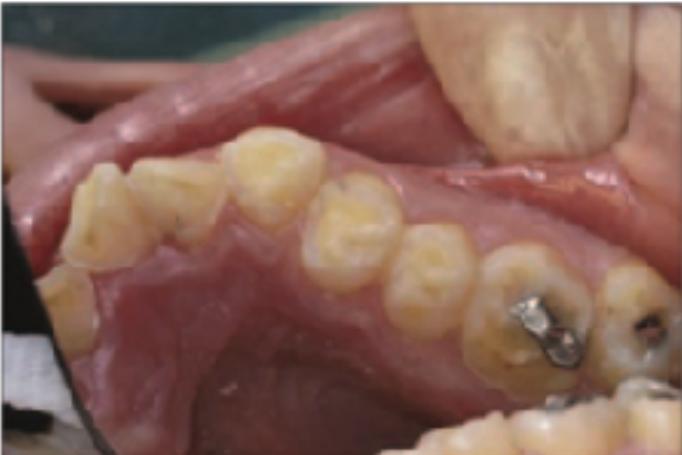
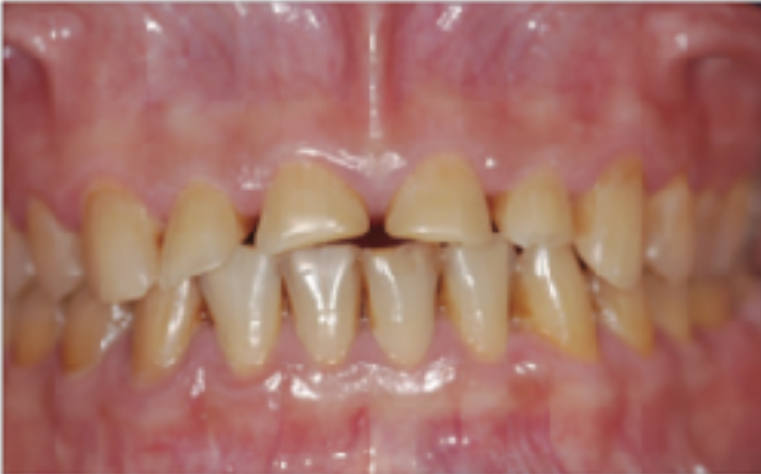
- Palatal erosion, sensitivity
- Parotid gland hypertrophy, sialadenitis
- Referral or ensuring pt has a responsible adult who cares
- Respect their integrity and sense of self-worth
- Prevention
Lecturer — Oral Erosion
Purging can cause tooth surface loss through exposure to stomach acid, known as erosion.
- Palatal erosion is not exclusive to eating disorders.
- Similar erosion may occur in patients with other medical conditions, including gastric reflux.
 |  |
Post-Traumatic Stress Disorder
Psychological distress following exposure to a traumatic or stressful event is quite variable.
Lecturer — Trauma Recovery
The brain has ways of attenuating and healing the effects of emotional and psychological trauma. However, these effects may sometimes persist because the trauma has not been reduced or healed.
Post-traumatic stress disorder (PTSD) is the development of characteristic symptoms following exposure to one or more traumatic events.
Clinical Presentation33
- Presentation varies: fear-based, emotional, behavioural, dysphoric, dissociative
- Prevalence: 7.3% lifetime
- SSRIs have been used to treat associated depression and anxiety
Dental Implications
-
Gingivitis and periodontitis — in patients that have associated comorbidities of depression
-
Excessive tooth wear
-
Higher risk of dental caries
-
These findings were described as similar in some respects to those observed in patients with depression and anxiety.
References34
-
Dougall A, Fiske J. Access to special care dentistry, part 6. Special care dentistry services for young people. Br Dent J. 2008 Sep 13;205(5):235-49. doi: 10.1038/sj.bdj.2008.734.
-
Wilkins, E. M. (2009). Clinical Practice of the Dental Hygienist. Philadelphia, PA: Lippincott Williams & Wilkins.
-
Institute of Mental Health — https://www.imh.com.sg
-
The lecturer stated that these references may be useful for further study.
Post-Lecture Assignment
Self-paced, 30 min, in LMS
Lecturer — Assignment Availability
The post-lecture assignment supports exam preparation and is available after the scheduled lecture on 22 September.
- It was not yet available at the time of the lecture.
Available Quizzes35
- Geriatric Medicine and Dentistry - Leung 2025 (Enabled: Statistics Tracking)
- Oncology and Palliative Care - Sundaresan 2020 (Enabled: Statistics Tracking)
Neurodegenerative Disease Quiz
Availability: Item is hidden from students.
Following the lecture on 15 Sep 2025 (Tue), this quiz strengthens your learning.
Lecture Learning Objectives:
- Understand the specific characteristics and dental needs of individuals with common neurodegenerative diseases (e.g. epilepsy, cerebral palsy, acquired brain injury [traumatic & non-traumatic], Parkinson’s disease, motor neurone disease, multiple sclerosis, Huntington’s disease, spina bifida) including communication strategies, behavioral management, and appropriate measures to ensure effective dental care.
Psychiatric Disease Quiz
Availability: Item is hidden from students.
Following the lecture on 22 Sep 2025 (Mon), this quiz strengthens your learning.
Lecture Learning Objectives:
- Discuss the specific characteristics and dental needs of individuals with common mental health and psychiatric conditions (e.g. depression, schizophrenia, bipolar disorder, anxiety & panic, PTSD), and appropriate treatment adaptations to ensure effective dental care.
Clinical Cases
Case: Video demonstration of a patient with schizophrenia
Question
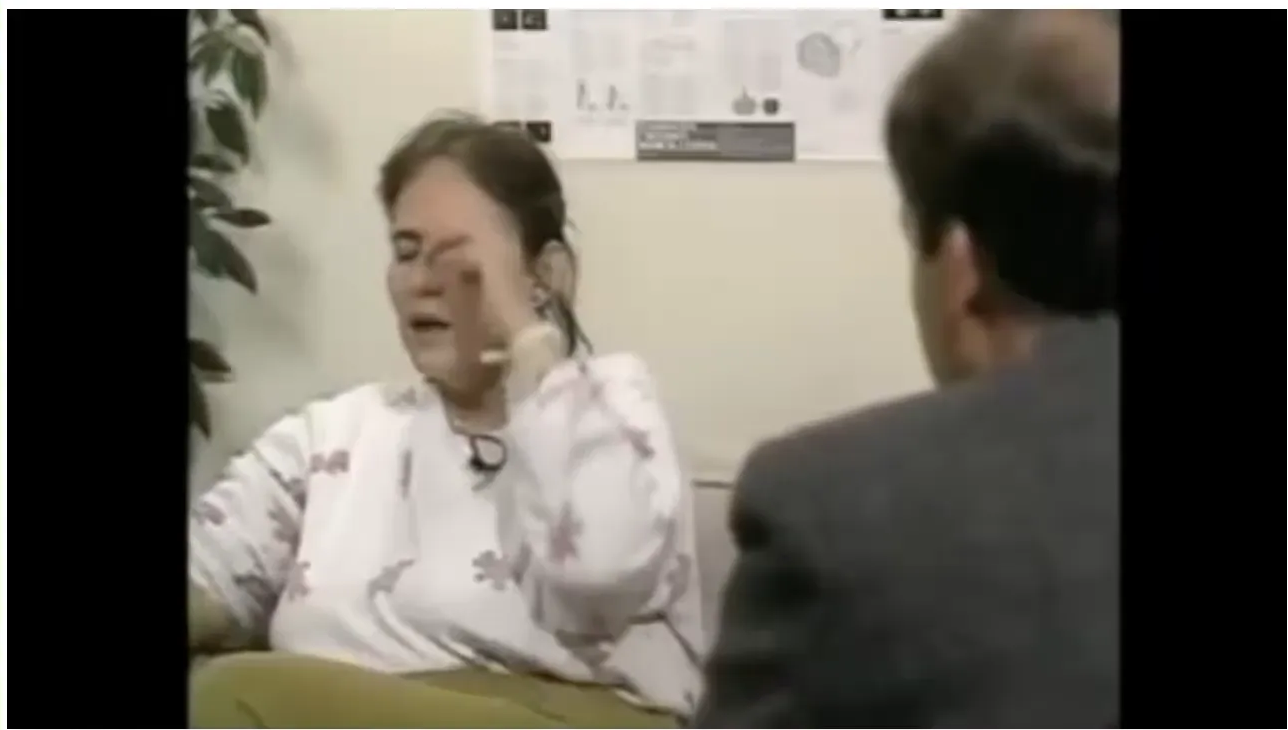
Scenario: A video is shown to illustrate the clinical presentation of a patient with schizophrenia and the practical challenges of taking a medical history.
What’s shown: A female patient is being interviewed about her illness. When asked about changes in her attention, she struggles to focus, provides irrelevant initial answers, and the interviewer must repeatedly redirect the conversation to gather relevant information.
Consider: What clinical features are demonstrated by the patient, and how do they impact the history-taking process?
Answer
Observations:
- The patient exhibits disorganized thoughts and speech.
- She has difficulty focusing and maintaining attention.
- Her initial responses to questions often lead to irrelevant topics.
Reasoning: The lecturer explains that the patient’s disorganized thinking makes it difficult to elicit a clear history. Because her initial answers are often irrelevant, the interviewer must go back and forth to steer the conversation toward her past medical experiences. This demonstrates the cognitive and disorganized symptoms of schizophrenia in a clinical interaction.
Outcome: The video is used as a teaching tool to help students recognize the symptoms of schizophrenia and understand the specific challenges of history taking with these patients.
Takeaway: Patients with schizophrenia often present with disorganized thoughts and impaired attention, which can make history taking difficult and require the clinician to repeatedly redirect the conversation to elicit relevant information.
Case: Patient with schizophrenia, video interaction
Question
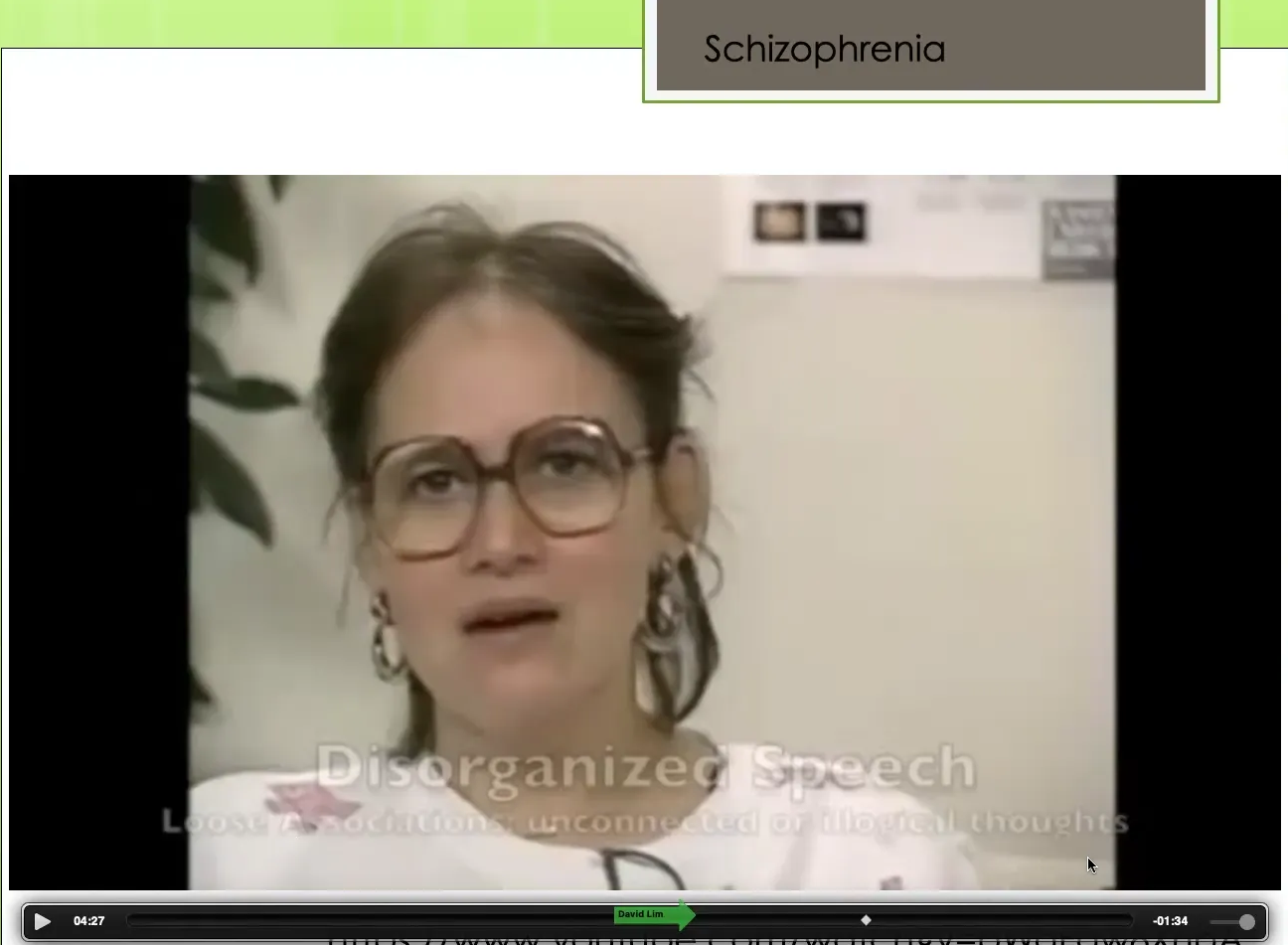
Scenario: A patient with schizophrenia is being interviewed by a clinician to assess changes in her attention and focus related to her illness.
What’s shown: A video of the clinical interaction where the patient is asked about her attention, but responds with confusion and an irrelevant answer.
Consider: What does this interaction demonstrate about taking a history from a patient with schizophrenia?




Answer
Observations:
- The patient responds to questions about her attention with confusion and irrelevant statements.
- The clinician struggles to keep the patient on topic.
Reasoning: The patient’s thoughts are disorganized, meaning that when a question is asked, the initial answer often leads to irrelevant topics. This makes it difficult to elicit a relevant history, requiring the clinician to go back and forth to keep the patient focused, especially when asking about past medical experiences.
Outcome: None stated for this specific encounter.
Takeaway: In patients with schizophrenia, disorganized thoughts can make it difficult to elicit a relevant history, as answers frequently drift to irrelevant topics.
Footnotes
-
Original PDF page 1: L7 Psychiatric Conditions DMD3 Lecture notes, p.1 ↩
-
Original PDF page 2: L7 Psychiatric Conditions DMD3 Lecture notes, p.2 ↩
-
Original PDF page 3: L7 Psychiatric Conditions DMD3 Lecture notes, p.3 ↩
-
Original PDF page 4: L7 Psychiatric Conditions DMD3 Lecture notes, p.4 ↩
-
Original PDF page 5: L7 Psychiatric Conditions DMD3 Lecture notes, p.5 ↩
-
Original PDF page 6: L7 Psychiatric Conditions DMD3 Lecture notes, p.6 ↩
-
Original PDF page 8: L7 Psychiatric Conditions DMD3 Lecture notes, p.8 ↩
-
Original PDF page 7: L7 Psychiatric Conditions DMD3 Lecture notes, p.7 ↩
-
Original PDF page 9: L7 Psychiatric Conditions DMD3 Lecture notes, p.9 ↩
-
Original PDF page 10: L7 Psychiatric Conditions DMD3 Lecture notes, p.10 ↩
-
Original PDF page 12: L7 Psychiatric Conditions DMD3 Lecture notes, p.12 ↩
-
Original PDF page 13: L7 Psychiatric Conditions DMD3 Lecture notes, p.13 ↩
-
Original PDF page 14: L7 Psychiatric Conditions DMD3 Lecture notes, p.14 ↩
-
Original PDF page 15: L7 Psychiatric Conditions DMD3 Lecture notes, p.15 ↩
-
Original PDF page 16: L7 Psychiatric Conditions DMD3 Lecture notes, p.16 ↩
-
Original PDF page 17: L7 Psychiatric Conditions DMD3 Lecture notes, p.17 ↩
-
Original PDF page 18: L7 Psychiatric Conditions DMD3 Lecture notes, p.18 ↩
-
Original PDF page 19: L7 Psychiatric Conditions DMD3 Lecture notes, p.19 ↩
-
Original PDF page 20: L7 Psychiatric Conditions DMD3 Lecture notes, p.20 ↩
-
Original PDF page 21: L7 Psychiatric Conditions DMD3 Lecture notes, p.21 ↩
-
Original PDF page 22: L7 Psychiatric Conditions DMD3 Lecture notes, p.22 ↩
-
Original PDF page 23: L7 Psychiatric Conditions DMD3 Lecture notes, p.23 ↩
-
Original PDF page 24: L7 Psychiatric Conditions DMD3 Lecture notes, p.24 ↩
-
Original PDF page 25: L7 Psychiatric Conditions DMD3 Lecture notes, p.25 ↩
-
Original PDF page 11: L7 Psychiatric Conditions DMD3 Lecture notes, p.11 ↩
-
Original PDF page 26: L7 Psychiatric Conditions DMD3 Lecture notes, p.26 ↩
-
Original PDF page 27: L7 Psychiatric Conditions DMD3 Lecture notes, p.27 ↩
-
Original PDF page 29: L7 Psychiatric Conditions DMD3 Lecture notes, p.29 ↩
-
Original PDF page 28: L7 Psychiatric Conditions DMD3 Lecture notes, p.28 ↩
-
Original PDF page 30: L7 Psychiatric Conditions DMD3 Lecture notes, p.30 ↩
-
Original PDF page 31: L7 Psychiatric Conditions DMD3 Lecture notes, p.31 ↩
-
Original PDF page 32: L7 Psychiatric Conditions DMD3 Lecture notes, p.32 ↩
-
Original PDF page 33: L7 Psychiatric Conditions DMD3 Lecture notes, p.33 ↩
-
Original PDF page 34: L7 Psychiatric Conditions DMD3 Lecture notes, p.34 ↩
-
Original PDF page 35: L7 Psychiatric Conditions DMD3 Lecture notes, p.35 ↩