Solid Organ Transplants1
Dr Jee-Yun Leung BDSc(Hons) MSc(SCD) DSCD(RCSEng) DClinDent(SND) MRACDS(SND) Specialist, Special Needs Dentistry Consultant, Maxillofacial and Dental Surgery Department, Fiona Stanley Hospital Senior Lecturer, The University of Western Australia
Transplant Medicine 2: 2026 DMD3 DENT5311
Immunosuppressants | Solid Organ Transplantation
Learning Outcomes2
- Define and understand the context of solid organ transplantation, and classify graft types
- Describe immunosuppression as it pertains to solid organ transplantation
- Outline the systemic complications and oral manifestations of solid organ transplantation and immunosuppression
- Perform a dental work-up prior to solid organ transplant using a structured management framework
Solid Organ Transplantation3
Definitions4
A solid organ transplant is a highly effective treatment for advanced organ failure, achieved by transplanting a healthy organ from a living or a deceased donor.
- Transplanted organs may come from:
- Living donor
- Deceased donor: organs are retrieved after either brain death or circulatory death (cadaveric)
- Clinical and ethical guidelines for donation and allocation exist in most countries
- First successful kidney transplant: 1954 — between living identical twins
- Survival improved markedly only in the 1980s
- Transplantation saves lives in terminal organ failure and improves quality of life
Lecturer — Survival Improvements
Survival improved markedly from the 1980s because of several advances.
- Improved immunosuppressive induction and maintenance agents
- Improved antimicrobial agents and prophylaxis strategies
- Improved monitoring methods
Types of Grafts and Transplants
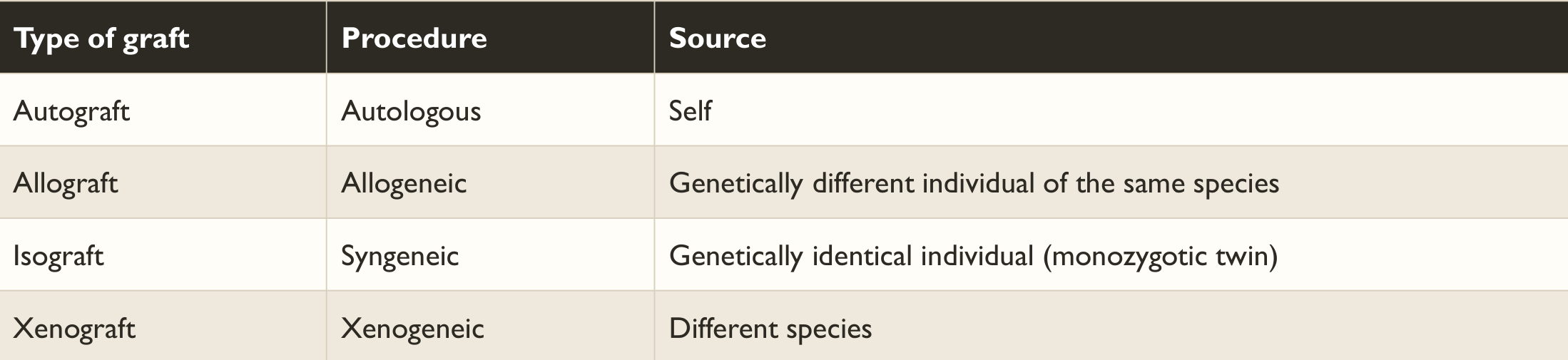
Types of Grafts5
| Type of graft | Procedure | Source |
|---|---|---|
| Autograft | Autologous | Self |
| Allograft | Allogeneic | Genetically different individual of the same species |
| Isograft | Syngeneic | Genetically identical individual (monozygotic twin) |
| Xenograft | Xenogeneic | Different species |
- Most solid organ transplants are allografts
- Autografts are more commonly used for haematopoietic stem cell or bone marrow transplantation
- Mismatch between donor and recipient is the reason lifelong immunosuppression is required
Organs
- Common: kidney, liver, heart, lung, pancreas
- Less common: small bowel
- Kidney is by far the most frequently transplanted organ
Lecturer — Kidney Transplantation
Kidney transplantation is particularly common because there is a large dialysis population and living kidney donation is feasible.
Tissues, Cells and Fluids
- Blood or blood components, blood vessels
- Bone, bone marrow / stem cells
- Cornea, skin, face, hand, trachea
- Heart valve, pancreas islet cells
Indications for Transplantation
Disease Severity6
- Untreatable end-stage organ disease
- Limited life expectancy
- Substantial limitation of daily activities
Lecturer — Life-Maintaining Therapies
Significant limitations on daily activities may result from the life-maintaining therapies required for a failing organ.
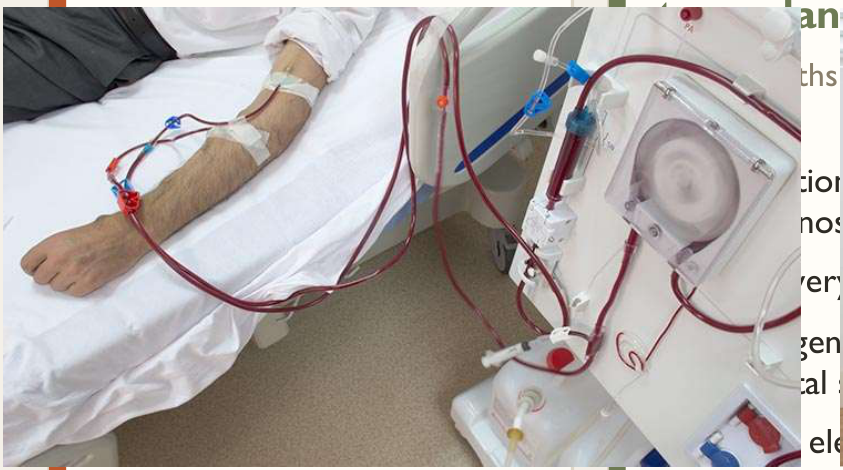
- Dialysis for kidney failure
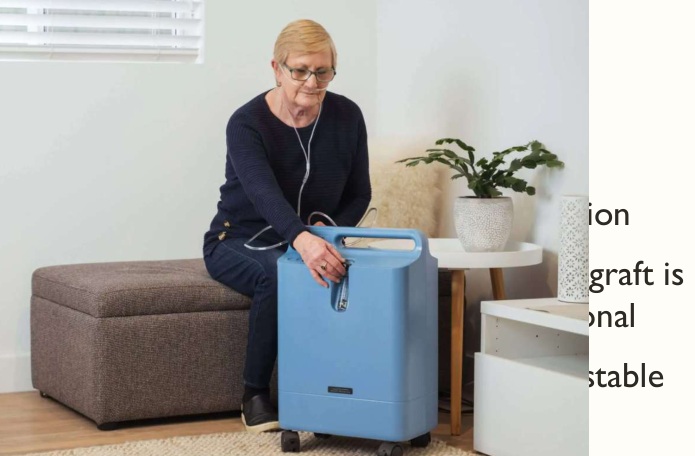
- Portable oxygen units and oxygen tanks for severe lung failure
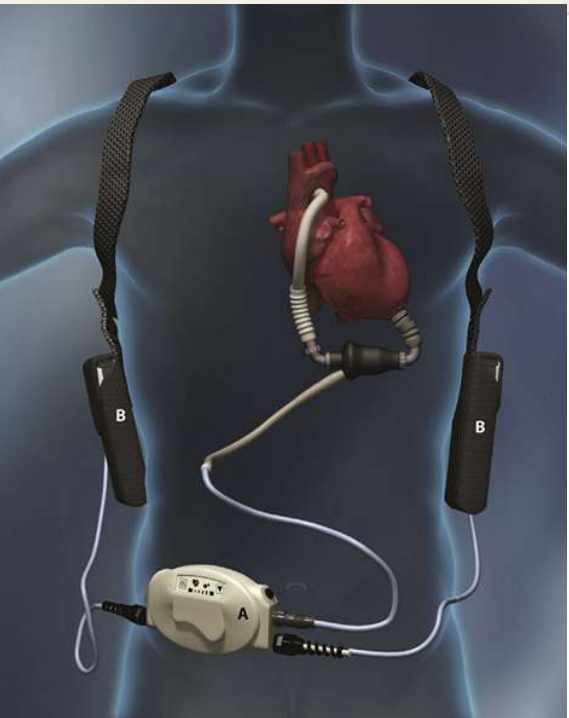
- A ventricular assist device for some patients with heart failure
These therapies may preserve life but may not provide good quality of life.
Recipient Suitability
- Ambulatory patient with rehabilitation potential
- Acceptable nutritional status
- Satisfactory psychosocial profile and emotional support
- Absence of other severe concomitant disease
Lecturer — Recipient Suitability
Suitability depends on the patient’s ability to survive transplantation and manage the transplanted organ. Because organs are limited and represent a scarce resource, the aim is for organs to be received by people who are likely to look after them.
Epidemiology
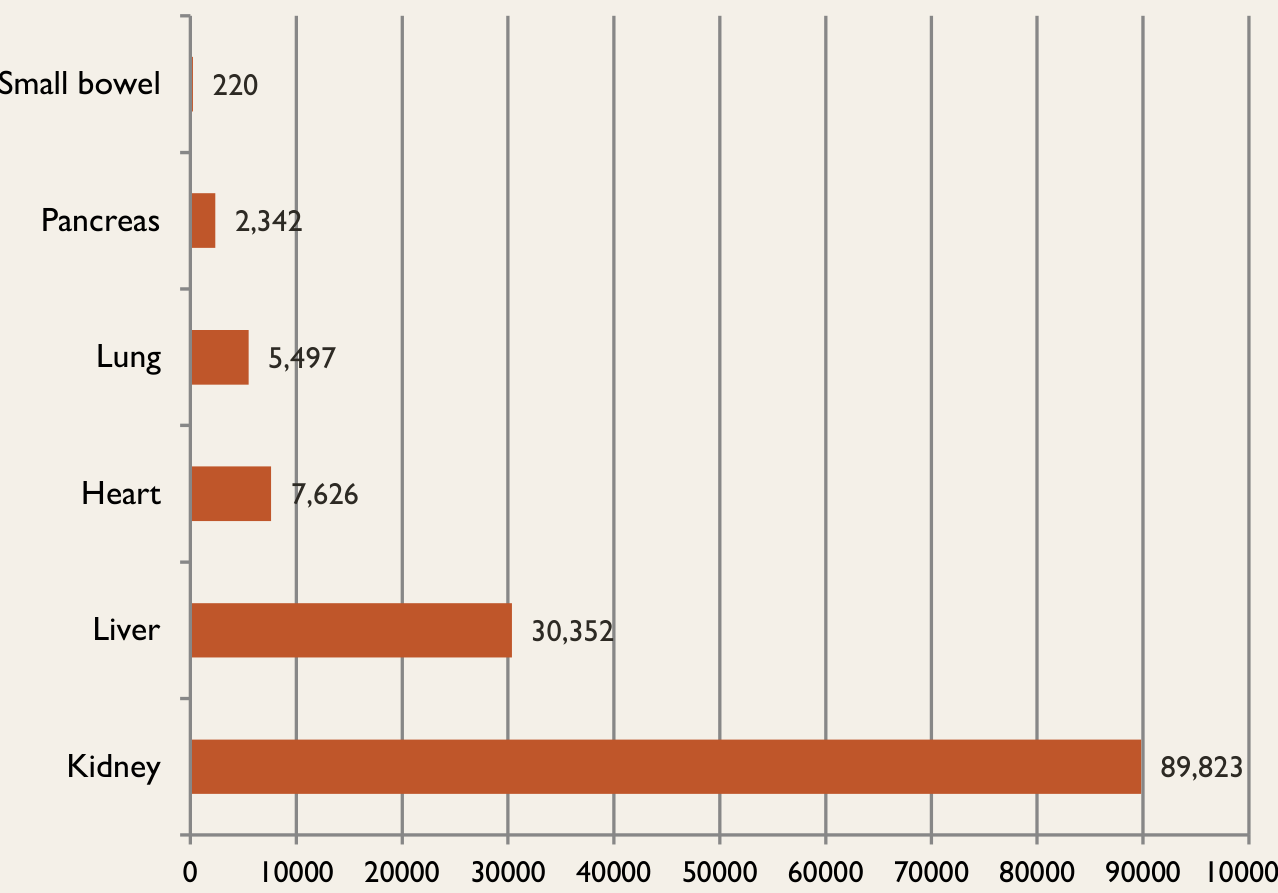
Global Transplant Activity, 20177
| Organ | Transplants performed |
|---|---|
| Kidney | 89,823 |
| Liver | 30,352 |
| Heart | 7,626 |
| Lung | 5,497 |
| Pancreas | 2,342 |
| Small bowel | 220 |
(Axis scale: 0 – 100,000)
WHO World Transplant Registry 2017
- ~135,860 solid organ transplants performed worldwide
- 40% of kidney transplants came from living donors
- 19% of liver transplants came from living donors
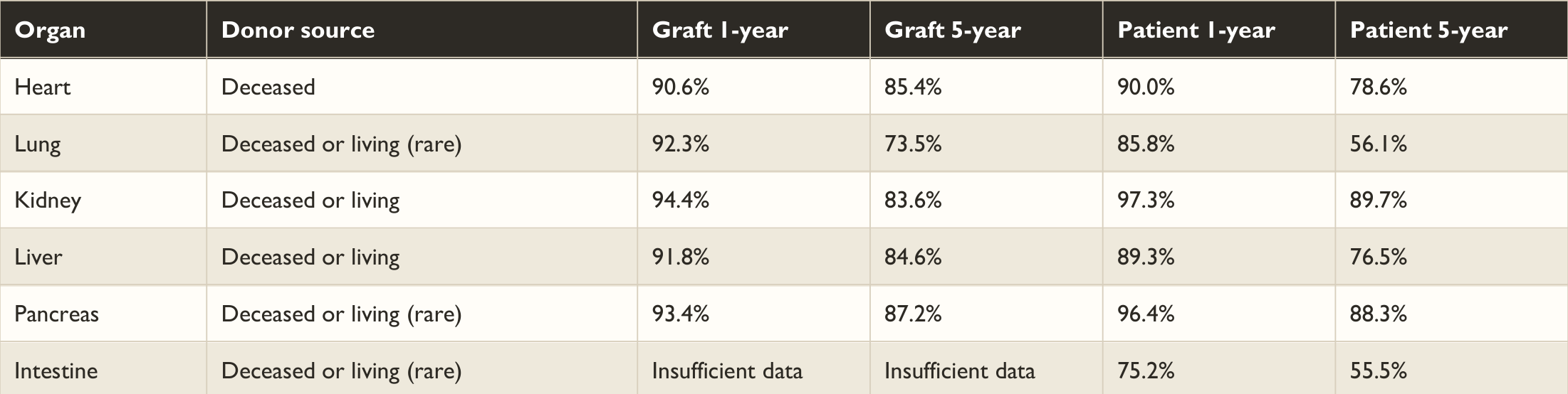
Graft and Patient Survival8
| Organ | Donor source | Graft 1-year | Graft 5-year | Patient 1-year | Patient 5-year |
|---|---|---|---|---|---|
| Heart | Deceased | 90.6% | 85.4% | 90.0% | 78.6% |
| Lung | Deceased or living (rare) | 92.3% | 73.5% | 85.8% | 56.1% |
| Kidney | Deceased or living | 94.4% | 83.6% | 97.3% | 89.7% |
| Liver | Deceased or living | 91.8% | 84.6% | 89.3% | 76.5% |
| Pancreas | Deceased or living (rare) | 93.4% | 87.2% | 96.4% | 88.3% |
| Intestine | Deceased or living (rare) | Insufficient data | Insufficient data | 75.2% | 55.5% |
Organ Procurement and Transplantation Network (OPTN) and Scientific Registry of Transplant Recipients (SRTR) 2019. OPTN/SRTR 2017 Annual Data Report. Am J Transplant 2019;19(S2):1–516. ANZOD Registry. 2019 Annual Report, Section 12: Deceased Organ Transplant Outcome Data, Adelaide: Australia and New Zealand Dialysis and Transplant Registry; 2019.
-
Survival has improved significantly over the last decade; the best outcomes follow adult kidney transplantation
-
Compared with remaining on the waiting list, a cadaveric graft doubles and a living-donor graft quadruples the chance of survival
-
Repeat kidney, liver or heart transplantation performs less well — repeat liver transplantation adds only 1.5 life-years per recipient
-
Prognosis is important when planning long-term dental care and deciding on treatment approaches
Profound Geographical Inequity9
- Demand exceeds donation everywhere
- Activity ranges from >70 per million population in developed countries to 0–2.4 per million in developing countries
- Careful medical and ethical decisions about allocation are critical
Lecturer — Organ Trafficking
Organ trafficking occurs in some parts of the world. Declarations addressing organ trafficking and transplant tourism have been signed by various countries or member states in an attempt to oppose unethical practices.
Donation Schemes Vary
- Donor registration; directed living donation to friends and relatives
- Paired and pooled living donation; altruistic donor chains
- Some countries use ‘opt out’ rather than ‘opt in’ consent to raise donation rates
Ethics and Beliefs
- The Declaration of Istanbul on Organ Trafficking and Transplant Tourism (updated 2018) unites member states against unethical practice
- Transplantation may be refused by some Jehovah’s Witnesses and Orthodox Jews
Immunosuppression10
Immunosuppressants | Solid Organ Transplantation
- Because most grafts are allografts, the recipient must be immunosuppressed for life to prevent T-cell alloimmune rejection
- Most immunosuppressants target T lymphocytes — the primary mediators of rejection
- These drugs have a narrow therapeutic index — therapeutic blood monitoring required:
- Blood counts, liver function, kidney function, blood glucose, lipids
- Immunosuppressant drug levels
- Other transplant complications
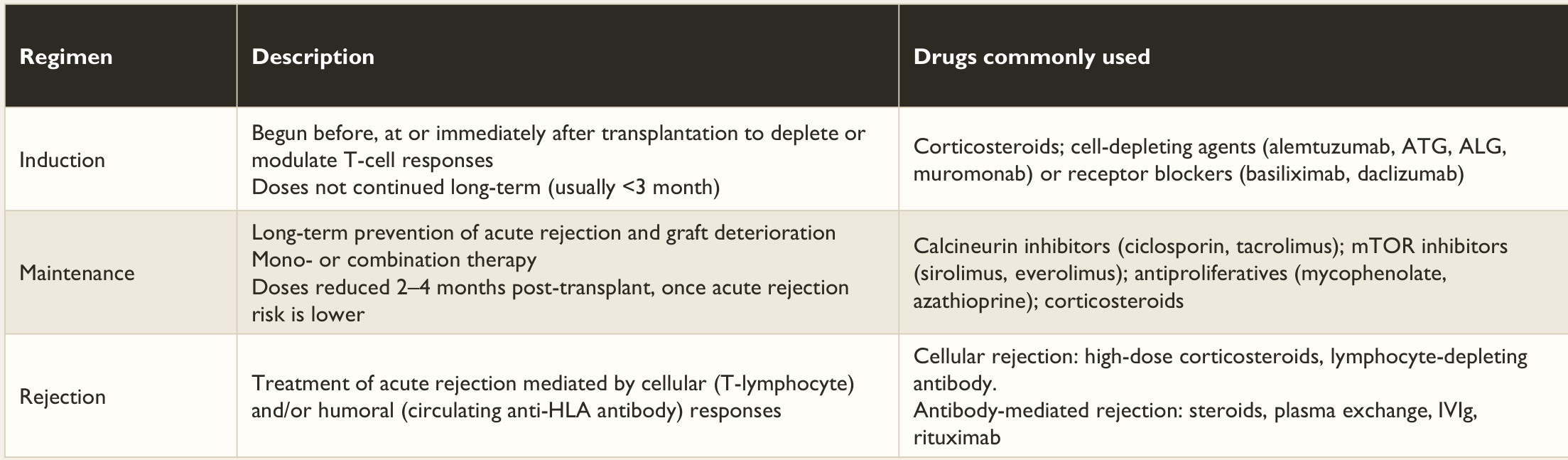
- Three regimen types exist: induction, maintenance and treatment of rejection
Lecturer — Treatment Protocols
Most organ transplants involve an element of mismatch because they are allografts.
- There is no single best immunosuppressive protocol.
- Programs differ, and treatment is individualised.
The Therapeutic Balance11
- Too little: Rejection, graft loss, return to organ failure
- Too much: Toxicity, opportunistic infection, malignancy
Immunosuppressive Regimens12
| Regimen | Description | Drugs commonly used |
|---|---|---|
| Induction | Begun before, at or immediately after transplantation to deplete or modulate T-cell responses. Doses not continued long-term (usually <3 months) | Corticosteroids; cell-depleting agents (alemtuzumab, ATG, ALG, muromonab) or receptor blockers (basiliximab, daclizumab) |
| Maintenance | Long-term prevention of acute rejection and graft deterioration. Mono- or combination therapy. Doses reduced 2–4 months post-transplant, once acute rejection risk is lower | Calcineurin inhibitors (ciclosporin, tacrolimus); mTOR inhibitors (sirolimus, everolimus); antiproliferatives (mycophenolate, azathioprine); corticosteroids |
| Rejection | Treatment of acute rejection mediated by cellular (T-lymphocyte) and/or humoral (circulating anti-HLA antibody) responses | Cellular rejection: high-dose corticosteroids, lymphocyte-depleting antibody. Antibody-mediated rejection: steroids, plasma exchange, IVIg, rituximab |
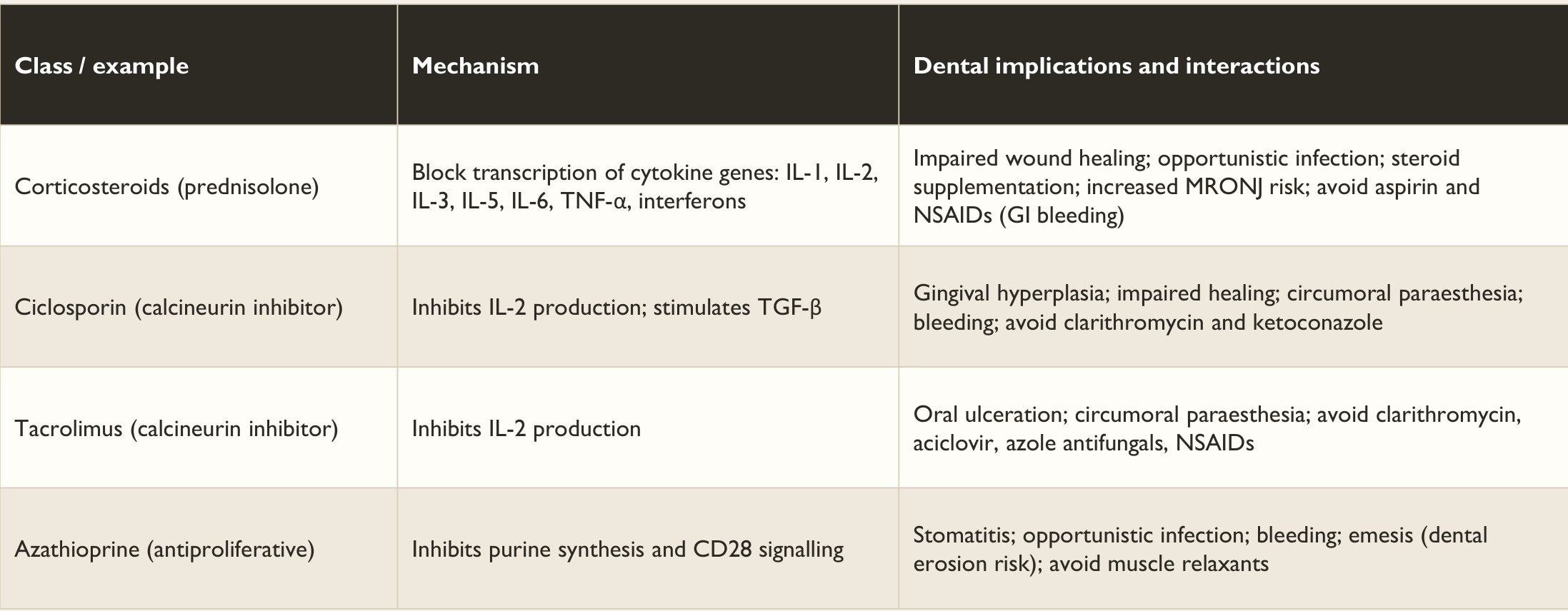
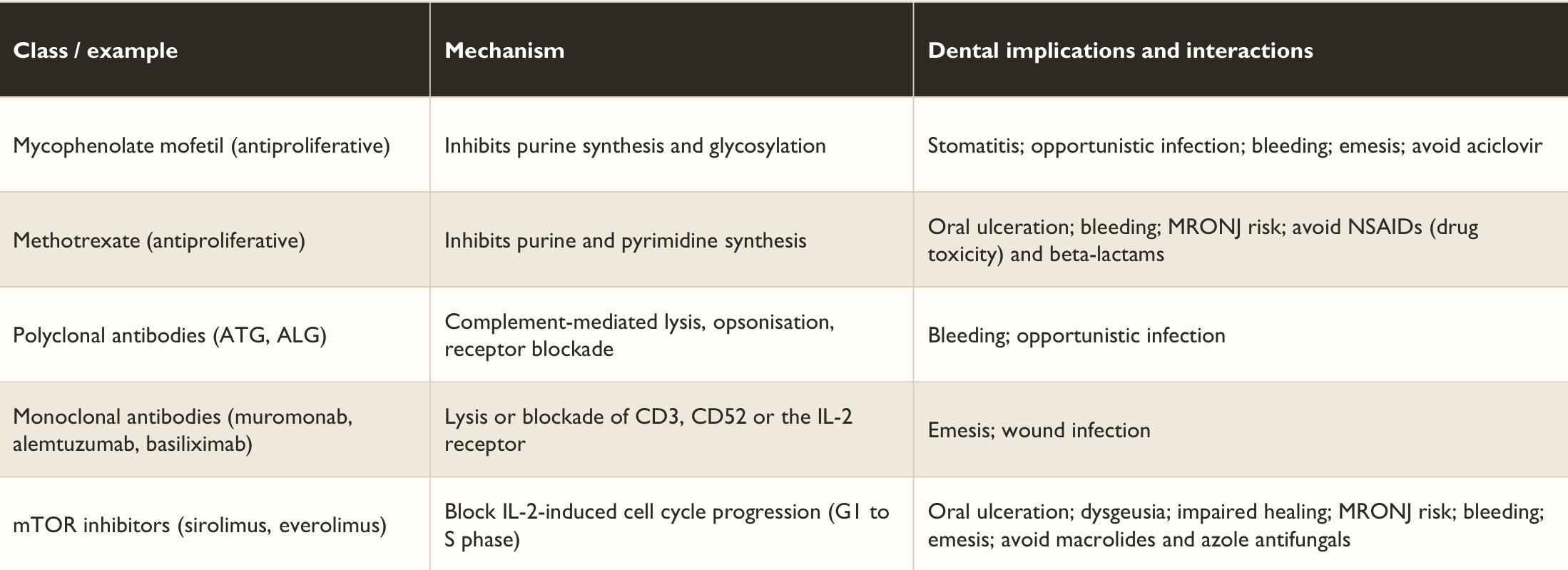
Drug Classes and Dental Implications1314
| Class / example | Mechanism | Dental implications and interactions |
|---|---|---|
| Corticosteroids (prednisolone) | Block transcription of cytokine genes: IL-1, IL-2, IL-3, IL-5, IL-6, TNF-α, interferons | Impaired wound healing; opportunistic infection; steroid supplementation; increased MRONJ risk; avoid aspirin and NSAIDs (GI bleeding) |
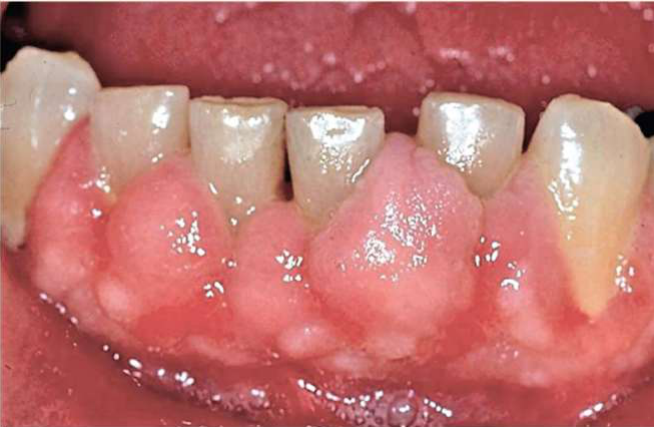
| Ciclosporin (calcineurin inhibitor) | Inhibits IL-2 production; stimulates TGF-β | Gingival hyperplasia; impaired healing; circumoral paraesthesia; bleeding; avoid clarithromycin and ketoconazole |
| Tacrolimus (calcineurin inhibitor) | Inhibits IL-2 production | Oral ulceration; circumoral paraesthesia; avoid clarithromycin, aciclovir, azole antifungals, NSAIDs |
| Azathioprine (antiproliferative) | Inhibits purine synthesis and CD28 signalling | Stomatitis; opportunistic infection; bleeding; emesis (dental erosion risk); avoid muscle relaxants |
- Adrenal suppression may occur, contributing to the need for steroid supplementation.
- The gingival hyperplasia caused by ciclosporin can resemble the gingival changes associated with antiepileptic drugs. | Class / example | Mechanism | Dental implications and interactions | | :--- | :--- | :--- | | Mycophenolate mofetil (antiproliferative) | Inhibits purine synthesis and glycosylation | Stomatitis; opportunistic infection; bleeding; emesis; avoid aciclovir | | Methotrexate (antiproliferative) | Inhibits purine and pyrimidine synthesis | Oral ulceration; bleeding; MRONJ risk; avoid NSAIDs (drug toxicity) and beta-lactams | | Polyclonal antibodies (ATG, ALG) | Complement-mediated lysis, opsonisation, receptor blockade | Bleeding; opportunistic infection | | Monoclonal antibodies (muromonab, alemtuzumab, basiliximab) | Lysis or blockade of CD3, CD52 or the IL-2 receptor | Emesis; wound infection | | mTOR inhibitors (sirolimus, everolimus) | Block IL-2-induced cell cycle progression (G1 to S phase) | Oral ulceration; dysgeusia; impaired healing; MRONJ risk; bleeding; emesis; avoid macrolides and azole antifungals |
Lecturer — Methotrexate Toxicity
Methotrexate is used in transplantation and autoimmune disease.
- Non-steroidal anti-inflammatory drugs may reduce renal clearance of methotrexate and increase severe drug toxicity.
 |  |
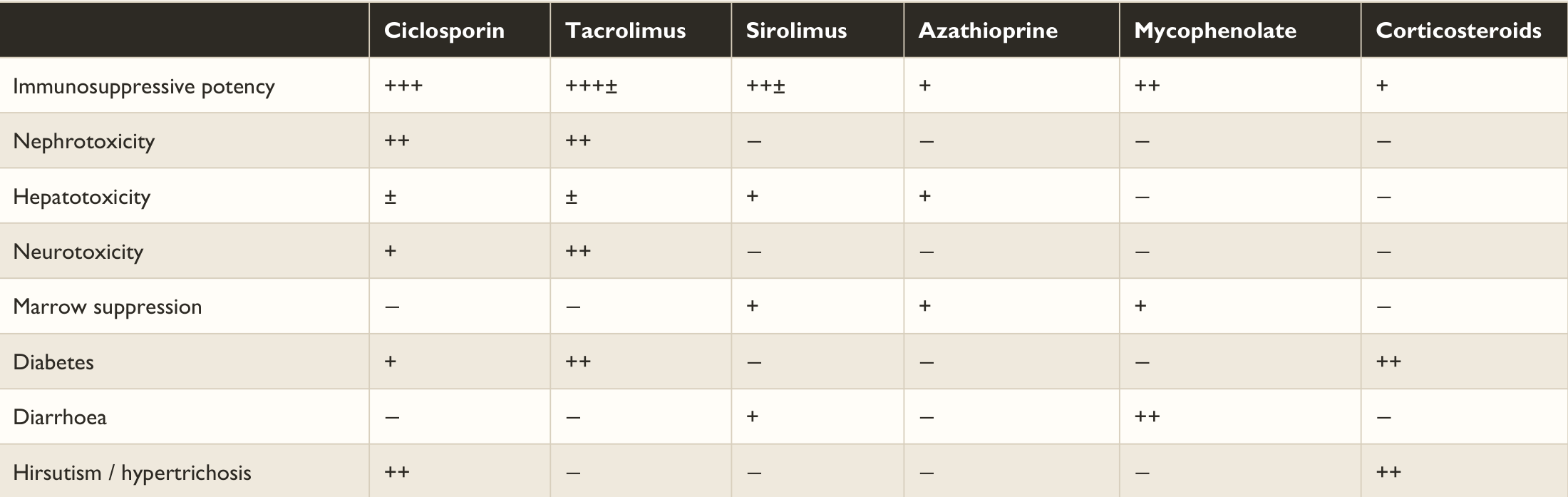
Relative Potency and Toxicity15
| Ciclosporin | Tacrolimus | Sirolimus | Azathioprine | Mycophenolate | Corticosteroids | |
|---|---|---|---|---|---|---|
| Immunosuppressive potency | +++ | ++++± | +++± | + | ++ | + |
| Nephrotoxicity | ++ | ++ | − | − | − | − |
| Hepatotoxicity | ± | ± | + | + | − | − |
| Neurotoxicity | + | ++ | − | − | − | − |
| Marrow suppression | − | − | + | + | + | − |
| Diabetes | + | ++ | − | − | − | ++ |
| Diarrhoea | − | − | + | − | ++ | − |
| Hirsutism / hypertrichosis | ++ | − | − | − | − | ++ |
− no effect; + mild; ++ moderate; +++ high; ++++ extreme. Adapted from Taylor, Watson and Bradley (2005), Crit Rev Oncol Hematol 56: 23–46.
Lecturer — Monitoring Before Treatment
A full blood count should be checked before dental treatment.
- Organ toxicity can affect drug metabolism and excretion, so drug doses may need consideration.
- Tacrolimus, particularly when combined with corticosteroids, may contribute to secondary diabetes.
- Long-term corticosteroid use may increase the risk of diabetes mellitus.
Systemic Complications and General Management16
Immunosuppressants | Solid Organ Transplantation 24
Rejection: Three Time Courses17
| Type | Timing | Mechanism |
|---|---|---|
| Hyperacute | Minutes to hours | Recipient’s pre-existing antibodies against donor HLA |
| Acute | One week to three months | Cellular (T-lymphocyte) and humoral immunity |
| Chronic | Months to years | Follows multiple episodes of acute rejection |
Lecturer — Rejection Treatment
Hyperacute rejection is now less common because cross-matching and other matching regimens largely prevent it.
- Acute rejection is generally treatable with high-dose steroids or lymphocyte-depleting antibodies.
- Chronic rejection eventually claims graft function and is largely untreatable.
- Non-immunological graft dysfunction also occurs: surgical and vascular complications, comorbidities, infection and drug side-effects
- Recurrent organ and multiorgan disease may affect the graft
- Dental relevance: during a rejection episode the patient is acutely unwell, on escalated immunosuppression, and elective dentistry must be deferred
Immunosuppressants | Solid Organ Transplantation 14

Immunological Compatibility18
| HLA tissue typing | Humoral sensitisation | ABO blood group |
|---|---|---|
| – Number of antigens mismatched at each HLA locus | – Presence of anti-HLA antibodies against the donor | – Is the graft a target for preformed anti-ABO antibody? |
| – Fewer mismatches, better graft survival | – A negative crossmatch is required to proceed | – Incompatibility causes hyperacute rejection |
Immunological rejection remains the major barrier to transplant success — matching reduces, but never abolishes, the need for immunosuppression.
Immunosuppressants | Solid Organ Transplantation 15
Complications of Solid Organ Transplantation19
- Recurrent organ and multiorgan disease
- Solid organ transplant rejection
- Non-immunologic graft dysfunction
- Immunosuppression
- Post-transplant lymphoproliferative disorders
- Graft vs Host Disease
- Immune Reconstitution Syndrome
Immunosuppressants | Solid Organ Transplantation 15
General Risks of Immunosuppressant Therapy
Haematological20
-
Bone marrow suppression
-
Cytopenias: anaemia, neutropenia, thrombocytopenia
-
Bleeding tendency
-
Blood counts should be considered before dental treatment.
Organ Toxicity
- Nephrotoxicity
- Hepatotoxicity
- Neurotoxicity
- Cardiovascular disease
Lecturer — Organ Toxicity
Nephrotoxicity and hepatotoxicity can alter drug metabolism and excretion.
Metabolic / Endocrine
- Secondary diabetes
- Adrenal suppression
- Osteoporosis and osteopenia
Infection
-
Viral, fungal and bacterial
-
Opportunistic organisms
-
May be life-threatening and present atypically or with muted signs
-
Good oral care and aggressive management of odontogenic infections are important.
Malignancy
-
More than 50% cutaneous (SCC, BCC, melanoma)
-
Also virally induced tumours (HPV skin & lip carcinoma, HHV-8 Kaposi sarcoma, EBV lymphoma)
-
Requires lifelong surveillance — including of the lips and oral mucosa
-
Solid organ transplant recipients have an increased risk of developing a second cancer. Immunosuppressants | Solid Organ Transplantation 25
Graft-Versus-Host Disease
Acute and Chronic GvHD21
- Acute (aGvHD): traditionally within the first 100 days; a major challenge because of morbidity and mortality
- Severe intestinal inflammation, mucosal sloughing, diarrhoea, abdominal pain, nausea and vomiting
- Skin: diffuse red maculopapular rash
- Oral: resembles lichen planus, with a higher risk of malignant transformation
- The liver is also commonly affected by acute graft-versus-host disease.
- Chronic (cGvHD): normally after 100 days; moderate to severe disease adversely affects long-term survival
- GvHD is unusual after solid organ transplantation but is a major issue after haemopoietic stem cell transplantation
Challenging the 100-Day Rule
- Classic acute: within 100 days, acute features only
- Persistent, recurrent or late-onset acute: beyond 100 days, acute features only
- Classic chronic: any time, diagnostic chronic features, no acute features
- Overlap syndrome: any time, features of both (‘acute on chronic’)
Classification rests on clinical findings, not a fixed time period.
Immunosuppressants | Solid Organ Transplantation 27
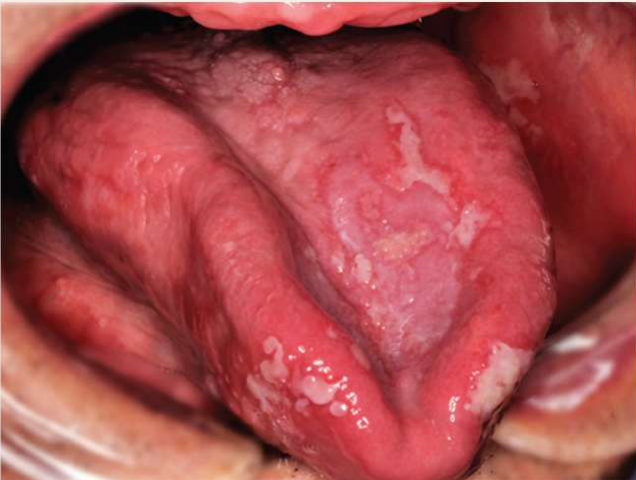
Oral Complications22
- Oral complications
Oral Infections
Oral manifestations and complications:
Fungal Infections23
- Candidiasis — the most common oral infection in these patients
- May be pseudomembranous, erythematous or angular
- N.B. caution: azole antifungals interact with calcineurin and mTOR inhibitors
Viral Infections
- Herpes simplex virus
- Varicella zoster virus
- Cytomegalovirus
- Often more extensive, more painful and slower to resolve than in immunocompetent patients
EBV-Associated Conditions
-
Oral hairy leucoplakia — Epstein–Barr virus
-
White corrugated non-removable plaque, typically lateral tongue
-
A marker of immunosuppression
-
Epstein-Barr virus may cause lymphoma in solid organ transplant recipients
-
Oral and mucosal surveillance is required because of the risk of virally induced malignancy
Governing Principle
Because infection in an immunosuppressed patient can be serious, maintenance of good oral care and aggressive treatment of odontogenic infection are crucially important.
Lecturer — Oral Surveillance
Lifelong oral hygiene maintenance and regular dental visits are required.
- Dental appointments should include routine surveillance for oral mucosal changes that could indicate malignancy.
Mucosal, Gingival and Dental Changes24
-
Fungal (candida), viral (HSV, HZV, CMV, EBV) infection
-
Malignancy (virally-driven, cutaneous)
-
Petechiae, gingival bleeding
-
Hyposalivation
-
Oral ulceration and stomatitis
-
Anaemia: mucosal pallor, angular cheilitis, glossitis, fissured/burning tongue, ulcers
-
Impaired healing
-
Dental erosion
-
Dysgesia (mTOR inhibitors), circumoral paraesthesia (tacrolimus), gingival overgrowth (ciclosporin)
-
Mucositis
 |  |
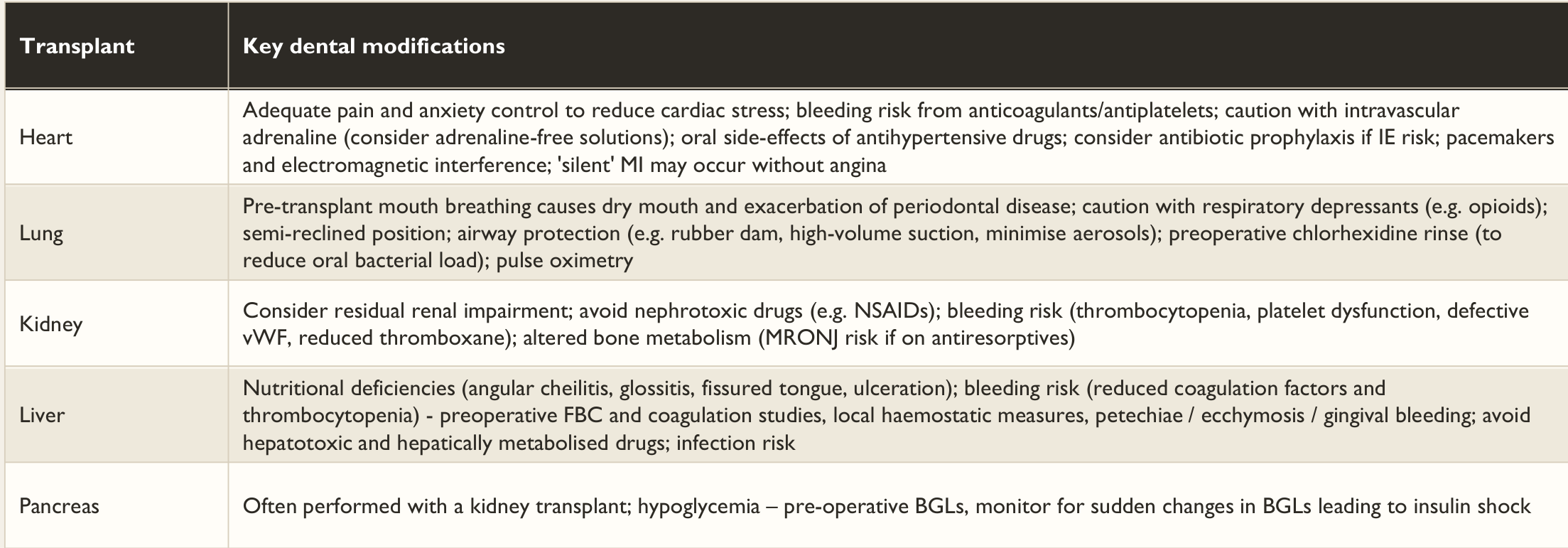
Organ-Specific Considerations25
| Transplant | Key dental modifications |
|---|---|
| Heart | Adequate pain and anxiety control to reduce cardiac stress; bleeding risk from anticoagulants/antiplatelets; caution with intravascular adrenaline (consider adrenaline-free solutions); oral side-effects of antihypertensive drugs; consider antibiotic prophylaxis if IE risk; pacemakers and electromagnetic interference; ‘silent’ MI may occur without angina |
| Lung | Pre-transplant mouth breathing causes dry mouth and exacerbation of periodontal disease; caution with respiratory depressants (e.g. opioids); semi-reclined position; airway protection (e.g. rubber dam, high-volume suction, minimise aerosols); preoperative chlorhexidine rinse (to reduce oral bacterial load); pulse oximetry |
| Kidney | Consider residual renal impairment; avoid nephrotoxic drugs (e.g. NSAIDs); bleeding risk (thrombocytopenia, platelet dysfunction, defective vWF, reduced thromboxane); altered bone metabolism (MRONJ risk if on antiresorptives) |
| Liver | Nutritional deficiencies (angular cheilitis, glossitis, fissured tongue, ulceration); bleeding risk (reduced coagulation factors and thrombocytopenia) — preoperative FBC and coagulation studies, local haemostatic measures, petechiae / ecchymosis / gingival bleeding; avoid hepatotoxic and hepatically metabolised drugs; infection risk |
| Pancreas | Often performed with a kidney transplant; hypoglycemia — pre-operative BGLs, monitor for sudden changes in BGLs leading to insulin shock |
Lecturer — Transplant Assessment
Dental treatment must account for the organ that failed and the body system involved.
- Assessment should occur in consultation with the patient’s physician and transplant surgeon to determine physical status.
- The medical, oral and dental implications of each organ system should not be considered in isolation.
Dental Workup Prior to Solid Organ Transplant26
Module 05: Dental workup prior to solid organ transplant
Topic: Immunosuppressants — Solid Organ Transplantation
Timeframes for Future-Proofing2728
| Pre-transplant | Immediate post-transplant | Stable post-transplant |
|---|---|---|
| 30 months – years | 0 – 3 months | >3 – 6 months |
| – Dental work-up period – Work-up timeframe set by other specialties – Transplant waitlist – On maintenance modality | – Induction immunosuppression – Recovery – Emergency dental tx in hospital setting – Delay elective dental tx | – Maintenance immunosuppression – ~3 months once graft is stable and functional – ~6 months until stable for dental tx – Confirm coagulation and blood chemistry returned to normal; blood counts satisfactory |
Lecturer — Waiting Period
The pre-transplant waiting period may provide substantial time to optimise oral health, although patients may remain on life-maintaining therapy while waiting.
- Haemodialysis may be provided three times a week for kidney failure.
- Oxygen therapy may be used for severe lung failure.
- A ventricular assist device may support some patients with heart failure.
- These therapies may preserve life while substantially reducing quality of life.
- Dental treatment should future-proof the patient beyond six months because transplantation timing and possible rejection are uncertain.
| Pre-transplant | Immediate post-transplant | Stable post-transplant | Acute or chronic rejection |
|---|---|---|---|
| months – years | 0 – 3 months | >3 – 6 months | 1 wk – 3 mths; months – years |
| – Dental work-up period | – Induction immunosuppression | – Maintenance immunosuppression | – Rejection immunosuppression |
| – Work-up timeframe set by other specialties | – Recovery | – ~3 months once graft is stable and functional | – S&S of organ failure + histological graft rejection |
| – Transplant waitlist | – Emergency dental tx in hospital setting | – ~6 months until stable for dental tx | – Only tx emergencies |
| – On maintenance modality | – Delay elective dental tx | – Confirm coagulation and blood chemistry returned to normal; blood counts satisfactory | – Delay elective dental tx 3–6 months |
 |  |
 |
Risk Assessment29
| Medical | Dental | Social |
|---|---|---|
| – Infection risk | – Oral complications: mucositis, ulceration, stomatitis | – Possible fatigue affecting attendance and cooperation |
| – Bleeding and anaemia | – Dental erosion (emesis) | – Support network and transport to appointments |
| – Adrenal suppression | – Impaired wound healing | |
| – Secondary diabetes | – MRONJ risk | |
| – Increased malignancy risk | ||
| – Hypertension | ||
| – Drug interactions and metabolism | ||
| – Organ-specific risks |
- Embryonic risks
Access to Care
Immediate post-transplant (first 3 months)30
-
Delay elective treatment at least 3 months, ideally until 6 months post-transplant
-
If emergency care required: close medical consultation, conservative treatment selection, consider a hospital setting
-
Consider referral to the hospital dental department associated with the transplant centre
Stable post-transplant period
- Six months may be needed before the recipient is stable enough for dental treatment
- Confirm blood counts, coagulation and blood chemistry are satisfactory first
Setting
- Pre-transplant patients may be managed in primary care; seek advice or refer if needed
- Refer to specialist setting if in the immediate post-transplant or chronic rejection period
Timing of treatment
- Book surgical appointments in the morning and early in the week (bleeding risk)
Education and Prevention
Focus on preventive care31
- Lifelong oral health maintenance, framed around the patient’s medically compromised status
- Effective daily oral hygiene
- Active recall programme with 3–6 monthly appointments
- Routine surveillance for malignancy: squamous cell carcinoma, Kaposi sarcoma, lymphoma
Surgical Considerations
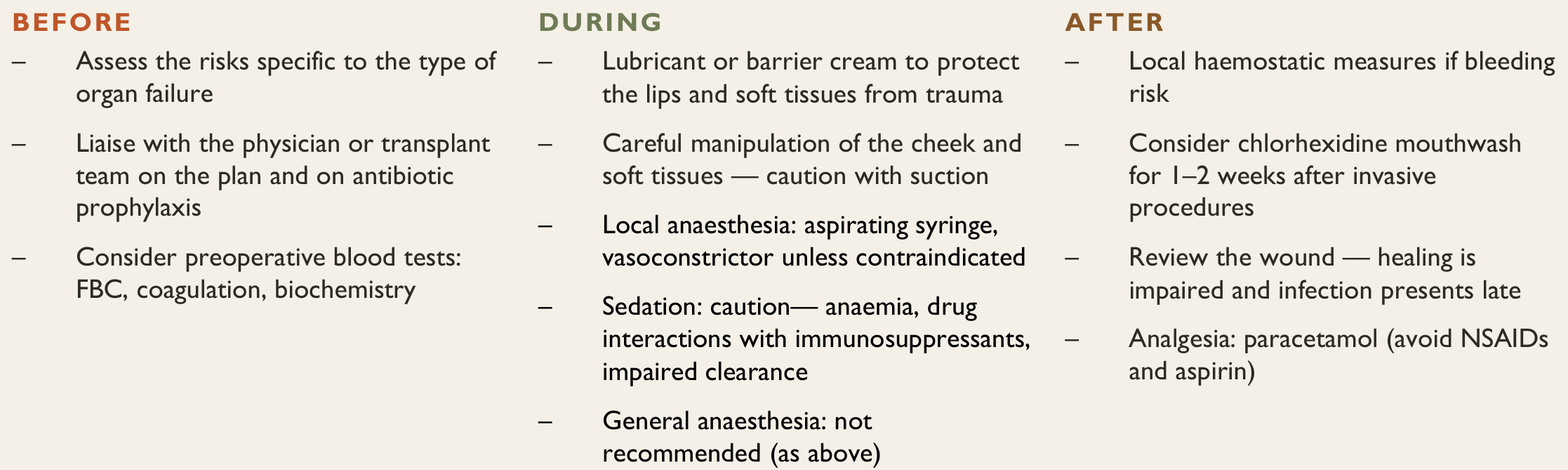
Before32
- Assess the risks specific to the type of organ failure
- Liaise with the physician or transplant team on the plan and on antibiotic prophylaxis
- Consider preoperative blood tests: FBC, coagulation, biochemistry
During
- Lubricant or barrier cream to protect the lips and soft tissues from trauma
- Careful manipulation of the cheek and soft tissues — caution with suction
- Local anaesthesia: aspirating syringe, vasoconstrictor unless contraindicated
- Sedation: caution — anaemia, drug interactions with immunosuppressants, impaired clearance
- General anaesthesia: not recommended (as above)
Lecturer — Sedation Safety
Sedation should generally be avoided unless clearly warranted because of interactions with immunosuppressants and other medical risks.
- If sedation is necessary, specialist care may be appropriate.
- The patient should be assessed for anaemia and other blood abnormalities before treatment.
After
- Local haemostatic measures if bleeding risk
- Consider chlorhexidine mouthwash for 1–2 weeks after invasive procedures
- Review the wound — healing is impaired and infection presents late
- Analgesia: paracetamol (avoid NSAIDs and aspirin)
The argument for33
- Increased infection risk in the immunosuppressed transplant patient
- Many transplant centres recommend prophylaxis for procedures producing a transient bacteraemia
- The consequences of a disseminated infection can be severe
The argument against
Pre-Treatment Recommendations
- No data indicate that this is effective practice; protocols vary between countries
- Choosing the best antibiotic is difficult — oral flora is altered by immunosuppression and by repeated background prophylaxis
- Multiple interactions exist between immunosuppressants and antibiotics
Lecturer — Prophylaxis Guidance
In the United Kingdom, the British Society of Antimicrobial Chemotherapy and the British National Formulary state that immunosuppressed patients, including transplant recipients, do not require prophylaxis unless another indication exists.
- This position reflects the limited evidence that dental treatment is followed by infection in these patients.
- Prophylaxis should be determined individually, considering the infection present in the mouth and consulting the transplant team.
- May justify prophylaxis: invasive dental procedures — active dental infections (e.g. periodontal or dental abscess), increased dosage of immunosuppressants
- May not require prophylaxis: good oral health, stable grafts, not undergoing extensive dental procedures
Given the lack of scientific evidence of benefit, usage should be determined on an individual patient basis, in consultation with the transplant team.
Prior to SOT immunosuppression
Eliminate infection and disease34
- Extract all non-restorable teeth and retained roots (not fully covered by bone or radiolucency present) no less than 10 days (preferably 3 weeks) prior to commencement of therapy
- Extract all severely periodontally compromised teeth (periodontal pockets ≥6 mm, advanced mobility, furcation involvement ≥ grade II)
- Extraction or endodontic treatment of non-vital teeth ± periapical pathology, allowing sufficient time to evaluate the success of treatment
- Extraction, endodontic treatment or temporary restoration of carious teeth close to pulpal exposure
- Consider extraction of partially erupted teeth (including third molars)
Stabilise and prepare
- Consider removal of orthodontic appliances
- Perform denture adjustments (if required)
- Perform scale and clean (periodontal debridement) to stabilise periodontal disease
- Smooth sharp edges of teeth/restorations
- Provide elective dental treatment (only as time/necessity permit)
Thinking It Through
Rationale35
- Immunosuppression → reduced ability to fight infection
Medical, dental and social considerations
- Risk assessment and treatment modifications required; depends on specific organ type
- Institute preventive oral health care program
Areas of the mouth
- Entire mouth — soft tissues and dentition
Optimal timeframes
- Find out timeframe — often a waitlist for an appropriate donor
- Time available pre-transplant to optimise the patient
- Need to remain “dentally fit” until the time of transplant
- Managing infections medium-term (moving target)
- Eliminate acute dental infections pre-transplant
- Avoid elective dental treatment in the immediate post-transplant period (3 months)
- Ideally wait until stable post-transplant period (6 months)
Patient Awaiting a Further Renal Transplant
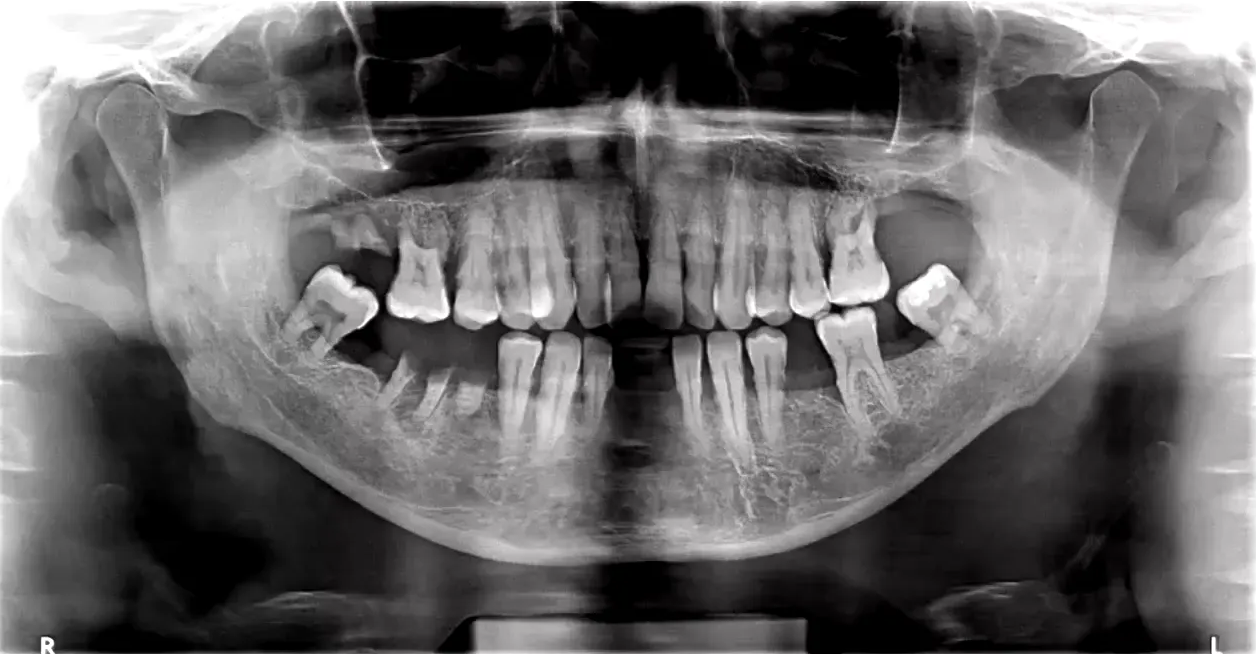
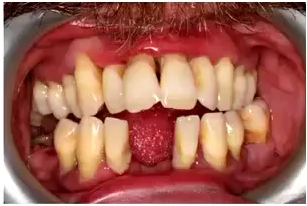
A patient with renal failure had received a kidney transplant nine years earlier, was taking immunosuppressants, was awaiting another kidney transplant and was on dialysis. He had loose teeth, poor oral hygiene and did not regularly attend the dentist.
- Retained roots and teeth with a very poor periodontal prognosis may require removal.
- Periodontal debridement and oral hygiene instruction can improve periodontal health while there is time before transplantation.
- After appropriate treatment, the patient may be assessed as dentally fit for placement on the transplant waiting list.
- The letter to the transplant team should state that dental fitness depends on maintaining periodontal health.
- Minor caries that do not pose a significant bacteraemic risk may be restored.
- A shortened dental arch may be appropriate depending on prognosis, motivation and medical circumstances.
Treatment approaches
- Aggressive (e.g. extractions) vs conservative (e.g. RCTs) options — depends on timeframe and patient motivation
Lecturer — Treatment Choices
The choice between extraction and root canal treatment depends on the expected timeframe to transplantation, the patient’s motivation, infection or bacteraemia risk, medical condition and discussion with the medical and surgical teams.
- Calcium hydroxide placed during root canal treatment normally requires approximately three to four weeks to begin treating the periapical tissues.
- If treatment must be completed within one or two days, extraction may be required instead.
- A shortened dental arch approach may be considered when motivation and long-term maintenance are questionable.
- Periodontal debridement and oral hygiene instruction are appropriate when there is sufficient time, particularly for a patient with periodontal disease.
Contact Information36
Questions?
Clinical Cases
Case: Patient awaiting renal transplant on dialysis
Question
Scenario: A patient is being worked up for a renal transplant and is currently on dialysis while awaiting a kidney donor.
What’s shown: The patient’s oral condition, which includes retained roots, teeth with a very poor periodontal prognosis, poor oral hygiene, and minor caries.
Consider: How to formulate a dental treatment plan for this patient, considering the upcoming immunosuppression, the expected wait time for a donor, and the patient’s questionable motivation for dental attendance.
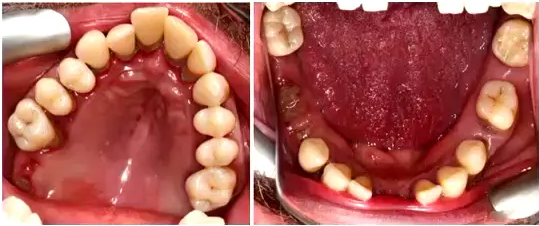
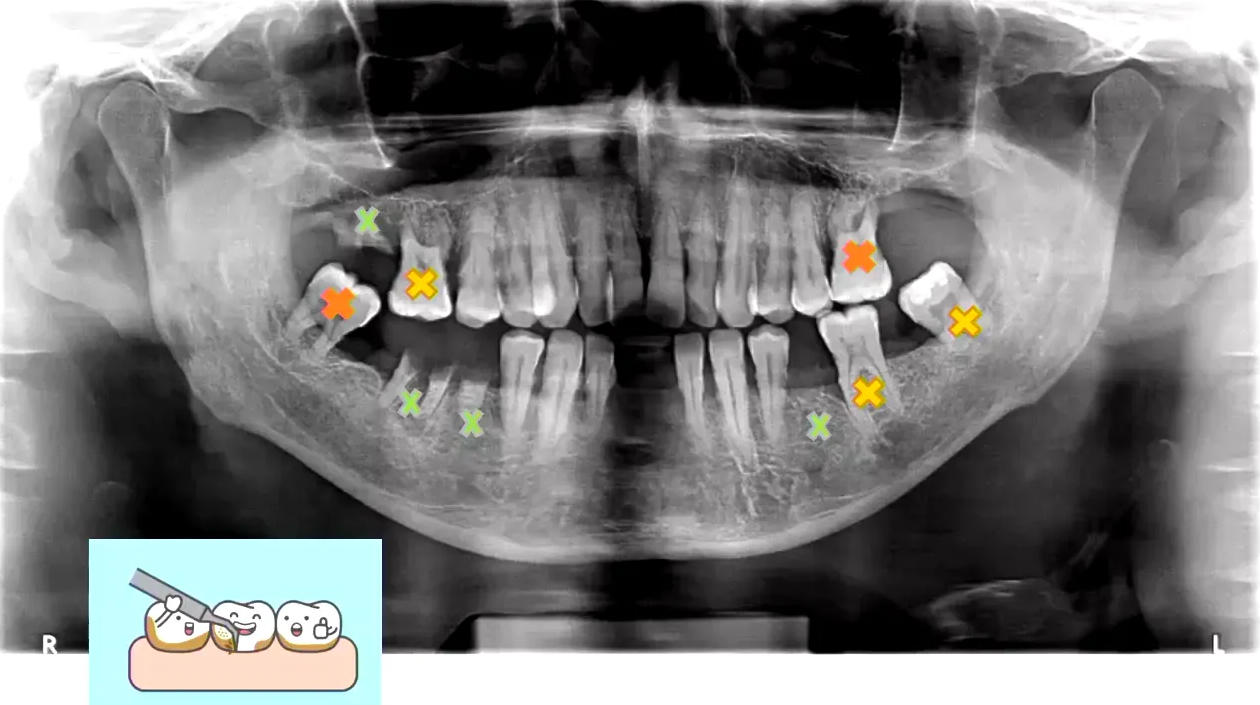
Answer
Observations:
- Retained roots are present.
- Several teeth have a very poor periodontal prognosis.
- The patient has poor oral hygiene.
- Minor caries are present.
- The patient has questionable motivation for attending the dentist.
Reasoning:
- Because the patient is still awaiting a kidney donor, there is a longer period before immunosuppression begins, allowing time to optimize his oral health.
- Retained roots and teeth with a poor periodontal prognosis should be extracted to eliminate infection risks before he becomes immunosuppressed.
- A quasi-shortened dental arch approach is considered due to his questionable motivation and the need to consider his long-term capacity to care for his teeth alongside his other medical issues.
- Since there is time before the transplant, periodontal debridement and oral hygiene instruction can be performed, which is often not possible in urgent pre-treatment scenarios.
- Minor caries that do not pose a bacteremic risk can be restored.
Outcome:
- The patient is assessed as dentally fit to be placed on the transplant waitlist.
- A letter is sent to the transplant team confirming he is dentally fit, with a caveat that he must maintain his periodontal health while on the waitlist.
Takeaway:
- When a patient has a longer lead-in time before a solid organ transplant, clinicians can utilize the available time to perform comprehensive periodontal debridement, oral hygiene instruction, and minor restorations, while extracting hopeless teeth and tailoring the treatment plan (such as a shortened dental arch) to the patient’s motivation and long-term medical capacity.
Footnotes
-
Original PDF page 1: L9.2 Transplant Medicine 2 Solid Organ - DMD3 DENT5311, p.1 ↩
-
Original PDF page 2: L9.2 Transplant Medicine 2 Solid Organ - DMD3 DENT5311, p.2 ↩
-
Original PDF page 3: L9.2 Transplant Medicine 2 Solid Organ - DMD3 DENT5311, p.3 ↩
-
Original PDF page 4: L9.2 Transplant Medicine 2 Solid Organ - DMD3 DENT5311, p.4 ↩
-
Original PDF page 5: L9.2 Transplant Medicine 2 Solid Organ - DMD3 DENT5311, p.5 ↩
-
Original PDF page 6: L9.2 Transplant Medicine 2 Solid Organ - DMD3 DENT5311, p.6 ↩
-
Original PDF page 7: L9.2 Transplant Medicine 2 Solid Organ - DMD3 DENT5311, p.7 ↩
-
Original PDF page 8: L9.2 Transplant Medicine 2 Solid Organ - DMD3 DENT5311, p.8 ↩
-
Original PDF page 9: L9.2 Transplant Medicine 2 Solid Organ - DMD3 DENT5311, p.9 ↩
-
Original PDF page 10: L9.2 Transplant Medicine 2 Solid Organ - DMD3 DENT5311, p.10 ↩
-
Original PDF page 11: L9.2 Transplant Medicine 2 Solid Organ - DMD3 DENT5311, p.11 ↩
-
Original PDF page 12: L9.2 Transplant Medicine 2 Solid Organ - DMD3 DENT5311, p.12 ↩
-
Original PDF page 13: L9.2 Transplant Medicine 2 Solid Organ - DMD3 DENT5311, p.13 ↩
-
Original PDF page 14: L9.2 Transplant Medicine 2 Solid Organ - DMD3 DENT5311, p.14 ↩
-
Original PDF page 15: L9.2 Transplant Medicine 2 Solid Organ - DMD3 DENT5311, p.15 ↩
-
Original PDF page 16: L9.2 Transplant Medicine 2 Solid Organ - DMD3 DENT5311, p.16 ↩
-
Original PDF page 17: L9.2 Transplant Medicine 2 Solid Organ - DMD3 DENT5311, p.17 ↩
-
Original PDF page 18: L9.2 Transplant Medicine 2 Solid Organ - DMD3 DENT5311, p.18 ↩
-
Original PDF page 19: L9.2 Transplant Medicine 2 Solid Organ - DMD3 DENT5311, p.19 ↩
-
Original PDF page 20: L9.2 Transplant Medicine 2 Solid Organ - DMD3 DENT5311, p.20 ↩
-
Original PDF page 21: L9.2 Transplant Medicine 2 Solid Organ - DMD3 DENT5311, p.21 ↩
-
Original PDF page 22: L9.2 Transplant Medicine 2 Solid Organ - DMD3 DENT5311, p.22 ↩
-
Original PDF page 23: L9.2 Transplant Medicine 2 Solid Organ - DMD3 DENT5311, p.23 ↩
-
Original PDF page 24: L9.2 Transplant Medicine 2 Solid Organ - DMD3 DENT5311, p.24 ↩
-
Original PDF page 25: L9.2 Transplant Medicine 2 Solid Organ - DMD3 DENT5311, p.25 ↩
-
Original PDF page 26: L9.2 Transplant Medicine 2 Solid Organ - DMD3 DENT5311, p.26 ↩
-
Original PDF page 27: L9.2 Transplant Medicine 2 Solid Organ - DMD3 DENT5311, p.27 ↩
-
Original PDF page 28: L9.2 Transplant Medicine 2 Solid Organ - DMD3 DENT5311, p.28 ↩
-
Original PDF page 29: L9.2 Transplant Medicine 2 Solid Organ - DMD3 DENT5311, p.29 ↩
-
Original PDF page 30: L9.2 Transplant Medicine 2 Solid Organ - DMD3 DENT5311, p.30 ↩
-
Original PDF page 31: L9.2 Transplant Medicine 2 Solid Organ - DMD3 DENT5311, p.31 ↩
-
Original PDF page 32: L9.2 Transplant Medicine 2 Solid Organ - DMD3 DENT5311, p.32 ↩
-
Original PDF page 33: L9.2 Transplant Medicine 2 Solid Organ - DMD3 DENT5311, p.33 ↩
-
Original PDF page 34: L9.2 Transplant Medicine 2 Solid Organ - DMD3 DENT5311, p.34 ↩
-
Original PDF page 35: L9.2 Transplant Medicine 2 Solid Organ - DMD3 DENT5311, p.35 ↩
-
Original PDF page 36: L9.2 Transplant Medicine 2 Solid Organ - DMD3 DENT5311, p.36 ↩