Dental Surgical Instruments Overview
Cutting Instruments
Blade Holders and Blades
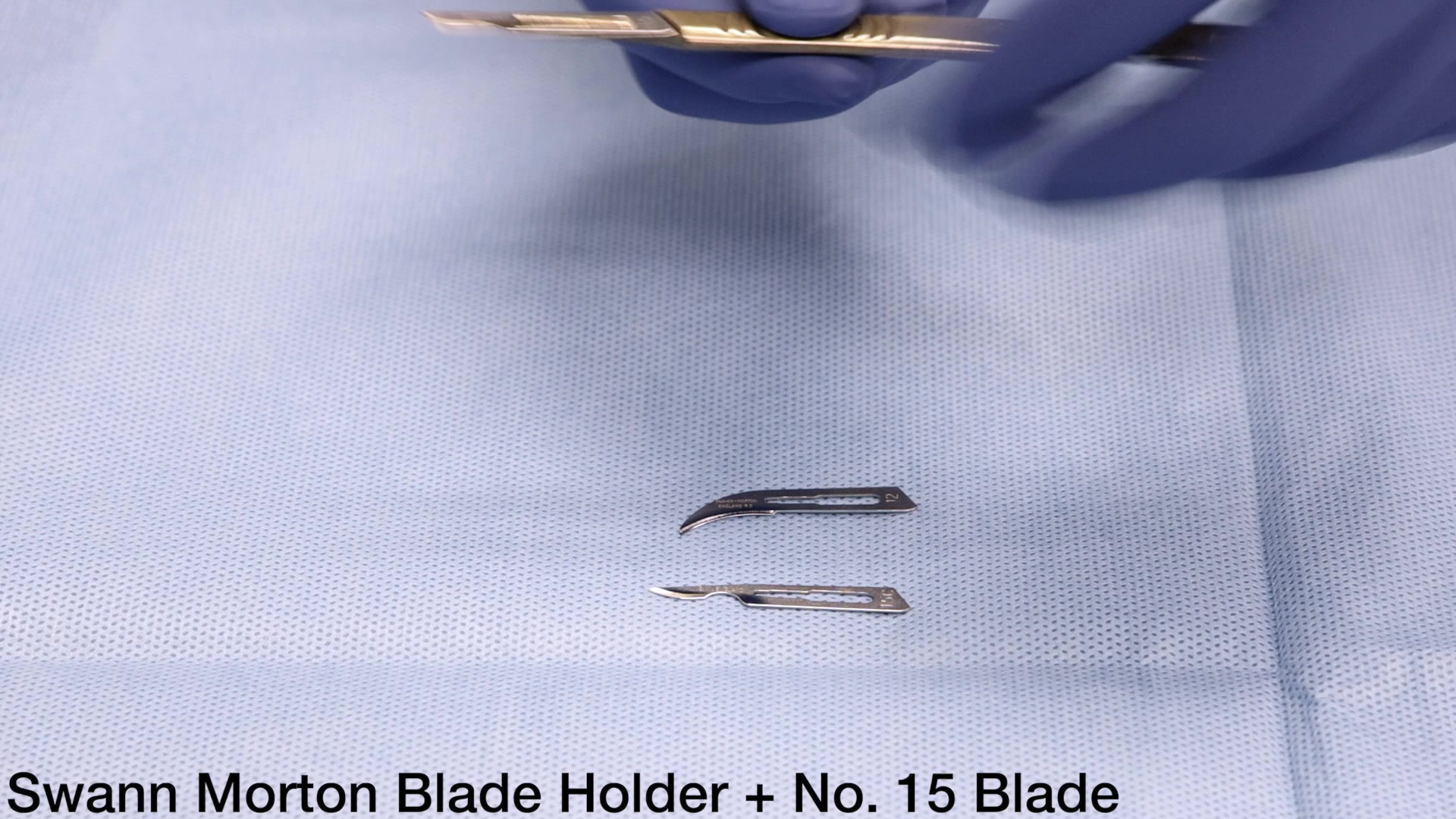
The blade holder is a fundamental instrument designed to accommodate various surgical blades. In dental alveolar surgery, the Number 15 blade is the most commonly utilized. Other variants include the Number 12 and Number 15C.
- Loading: Needle holders are used to safely load the blade into the holder.
- Technique: The instrument is held using a pencil grip and applied perpendicular to the bone.
- Motion: A single cutting motion is employed during the procedure.
- Disposal: When disposal is required, the blade is removed using needle holders to ensure safety and prevent injury to others.
Flap Management Instruments
Periosteal Elevators
Periosteal elevators are essential for raising mucoperiosteal flaps. Two primary types are described:
- Molt Periosteal Elevator: Features a sharper end and a wider, blunter end.
- Usage: The sharp end lifts the papillae, while the wider, blunter end is used for retraction.
- Haworth Periosteal Elevator: Characterized by a wider spoon-shaped end and a flatter blade end.
- Usage: Functions similarly to the Molt elevator for flap elevation and retraction.
Retractors
Retractors are critical for clearing the operating field, controlling soft tissues, and protecting structures during surgery.
- Lax Tongue Depressor: Used to control and retract the tongue, providing clear working space and preventing trauma.
- Minnesota Retractor: Functions similarly to the rake retractor. It holds back mucoperiosteal flaps to allow direct bone access and protects soft tissues. It can also retract the cheek and tongue when used with a surgical handpiece.
- Lastres Retractor: Commonly used for maxillary third molar extractions.
- Placement: Positioned behind the maxillary tuberosity.
- Function: Provides broad cheek retraction, focuses light on the posterior maxilla, and facilitates vision for extraction.
- Kilner Retractor: Often used to retract the cheek during suturing. It features a wider end and a narrower end.
Mouth Props
- McKeeson Mouth Props: Available in various sizes (e.g., small and large).
- Purpose: Facilitate patient comfort and maintain mouth opening during surgical procedures.
Tooth Elevation Instruments
Elevators
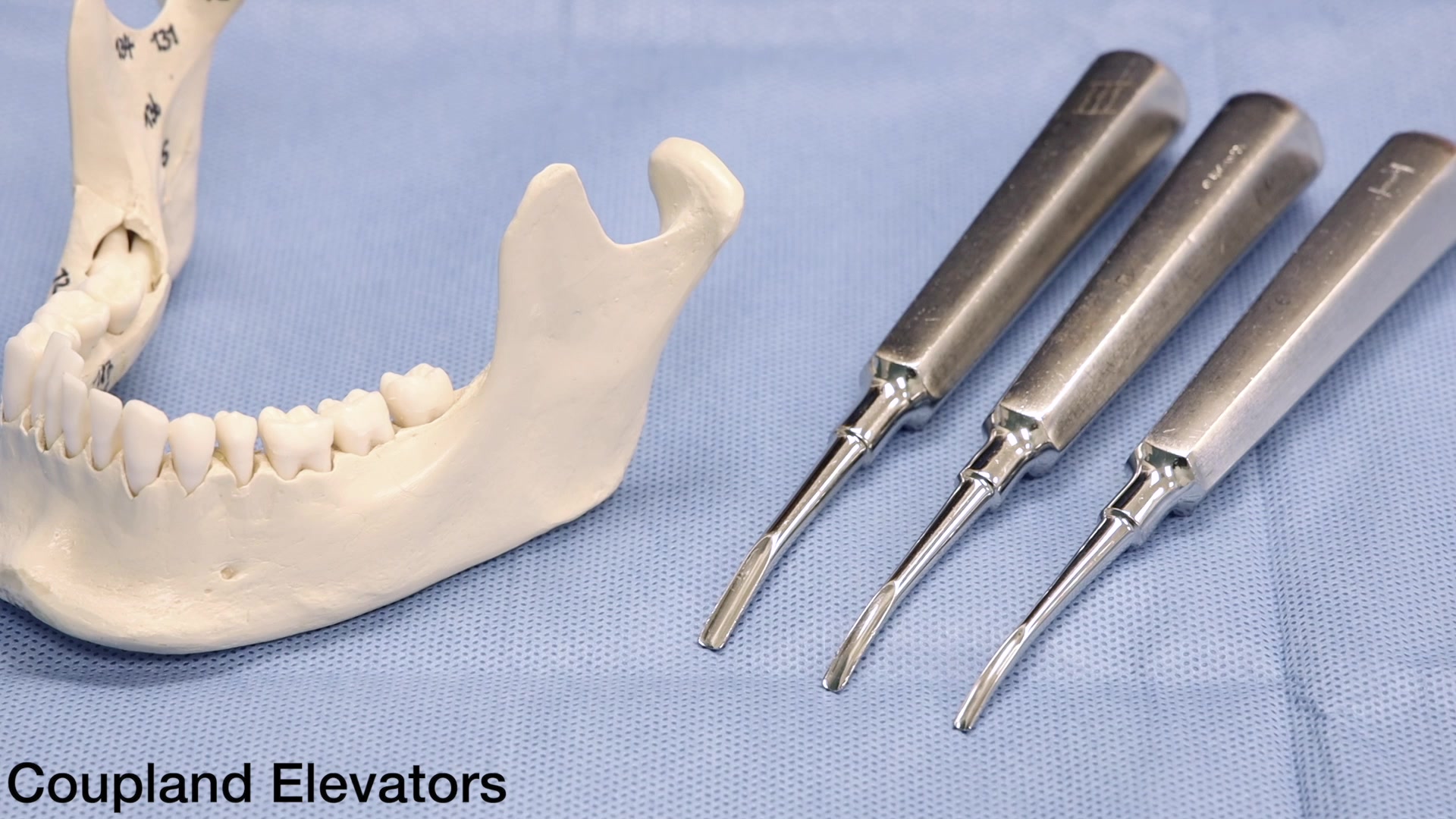
Elevators are used to luxate teeth and remove roots. They are categorized by design and specific application.
Coupland Elevators
- Configuration: Originally a set of 9 or 12, commonly used as a set of 1 to 3 (Small, Medium, Large).
- Function: Facilitate tooth elevation by applying force perpendicular to the tooth and bone interproximally.
- Usage: Can split teeth partially divided by a surgical handpiece.
- Protocol: Progress to a higher size only after movement has been engaged.
Luxators
- Sizes: Typically 3mm and 5mm, though other sizes and blade shapes exist.
- Function: Separate the periodontal ligament to facilitate extraction in combination with forceps.
- Technique:
- Held with the index finger providing support and stability.
- Placed between the tooth and bone, parallel to the long axis.
- Careful apical movement mobilizes the tooth.
- Safety: Avoid luxating adjacent teeth. Tactile sensation from holding the mandible or maxilla with the non-dominant hand helps guide force application.
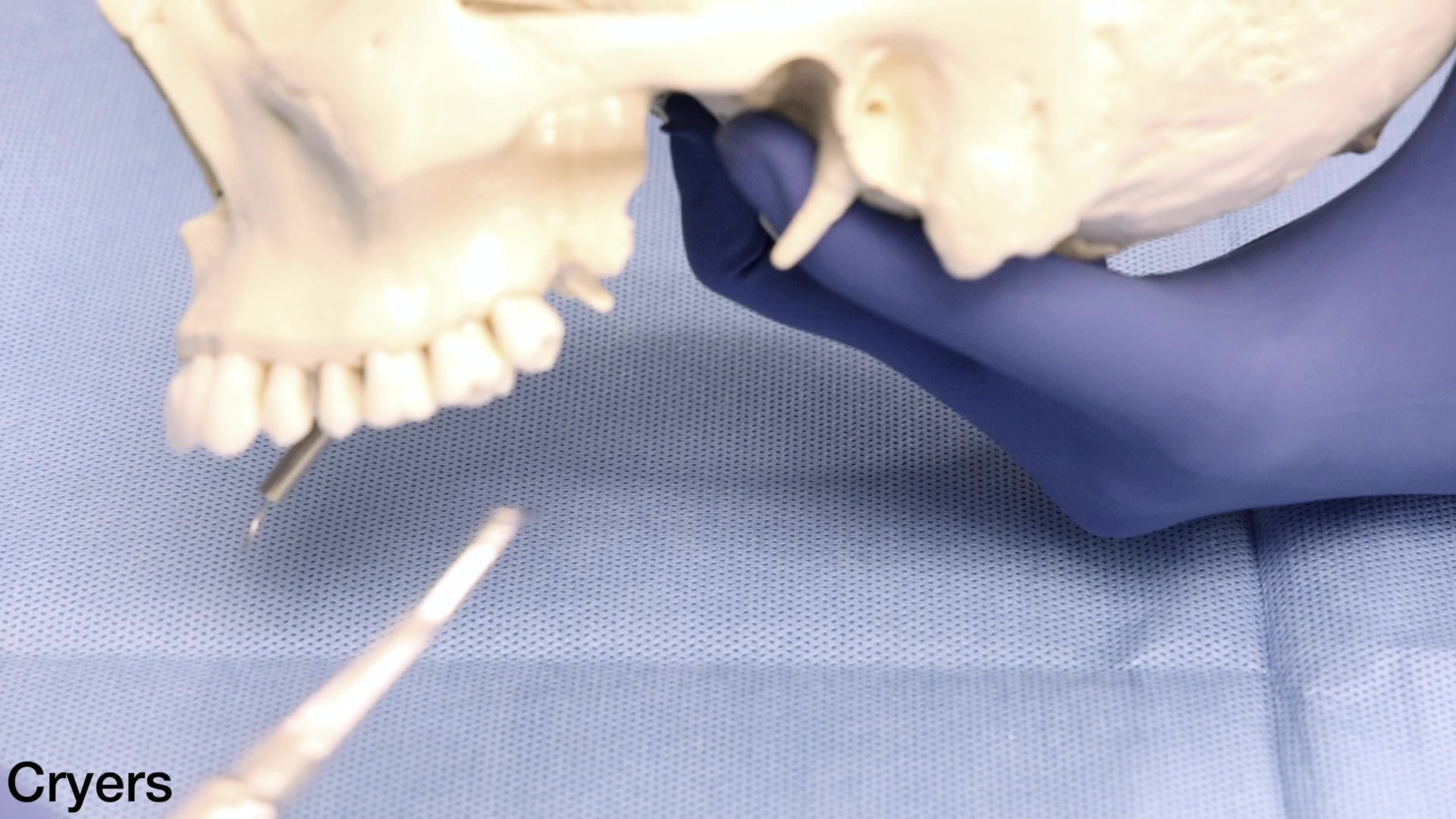
Cryo Elevators
- Variants: Left and right.
- Design: Sharp tip used to engage the tooth.
- Applications: Elevate roots of multi-rooted teeth and remove buccally placed upper third molars.
- Technique: Placed in the interproximal space perpendicular to the bone and rotated.
- Caution: Single point contact transmits significant force; care is required.
Warwick-James Elevators
- Variants: Left, Straight, and Right.
- Mechanism: Work as a lever placed perpendicular to the tooth and bone and rotated.
- Applications: Commonly used to remove retained roots and upper third molars.
Extraction Forceps
Forceps are categorized by the arch (maxillary or mandibular) and the specific tooth type.
Mandibular Forceps
| Forceps Name | Number | Description | Application |
|---|---|---|---|
| Lower Molar (Hawk) | 73 | Two beaks (buccal and lingual) | Extracts lower molars (two roots). Uses a figure-of-eight motion. |
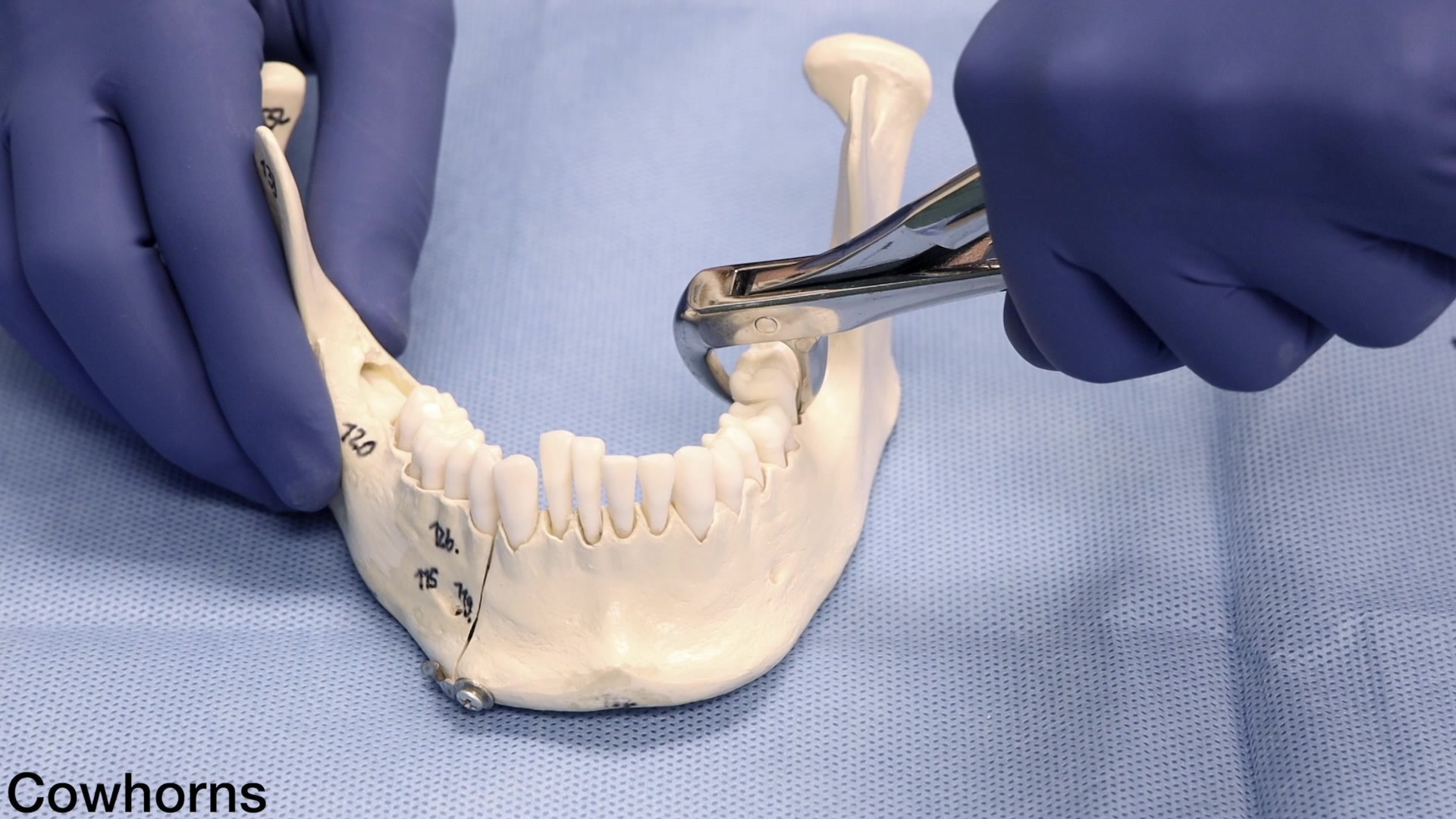
| Lower Cow Horn | N/A | Two pointed beaks shaped like a cow horn | Removes mandibular teeth that are broken down or grossly carious. Applied around the furcation. |
| Lower Universal | 74 | Standard and Narrow variant (74N) | Extracts lower incisors and premolars. Uses a rotating motion. |
- Cow Horn Note: Gentle pressure on the handles causes beaks to advance, lifting the tooth. This may lead to tooth fracture through the furcation, allowing easy root separation.
Maxillary Forceps
| Forceps Name | Number | Description | Application |
|---|---|---|---|
| Maxillary Molar | 94 (Right) / 95 (Left) | Beak to cheek orientation | Engages buccal furcation. Differs from lower molar forceps due to anatomy. |
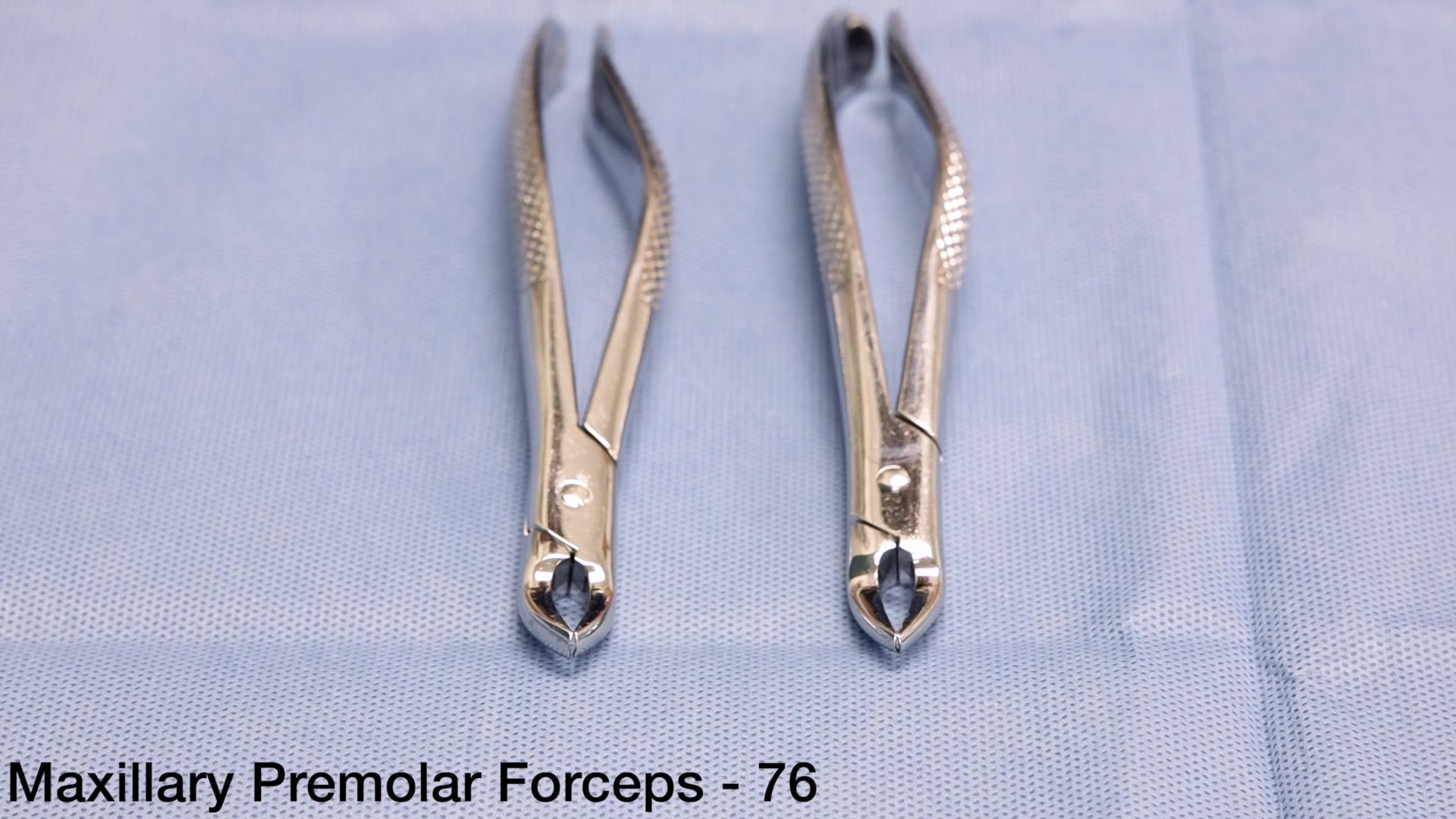
| Maxillary Premolar (Upper Universal) | 76 | Standard and Fine variant (76N) | Extracts premolars and maxillary tooth roots. Applies bucco-palatal force. |
| Upper Anterior | 29 (Straight) / 107 (Short) | Straight and Short variants | 29: Central/lateral incisors and canines. 107: Often used for canines. Uses rotation. |
| Upper Bayonet | N/A | Angled like a bayonet | Aids extraction of upper third molars. Tooth is rotated after application. |
Suturing and Soft Tissue Instruments
Suturing Tools
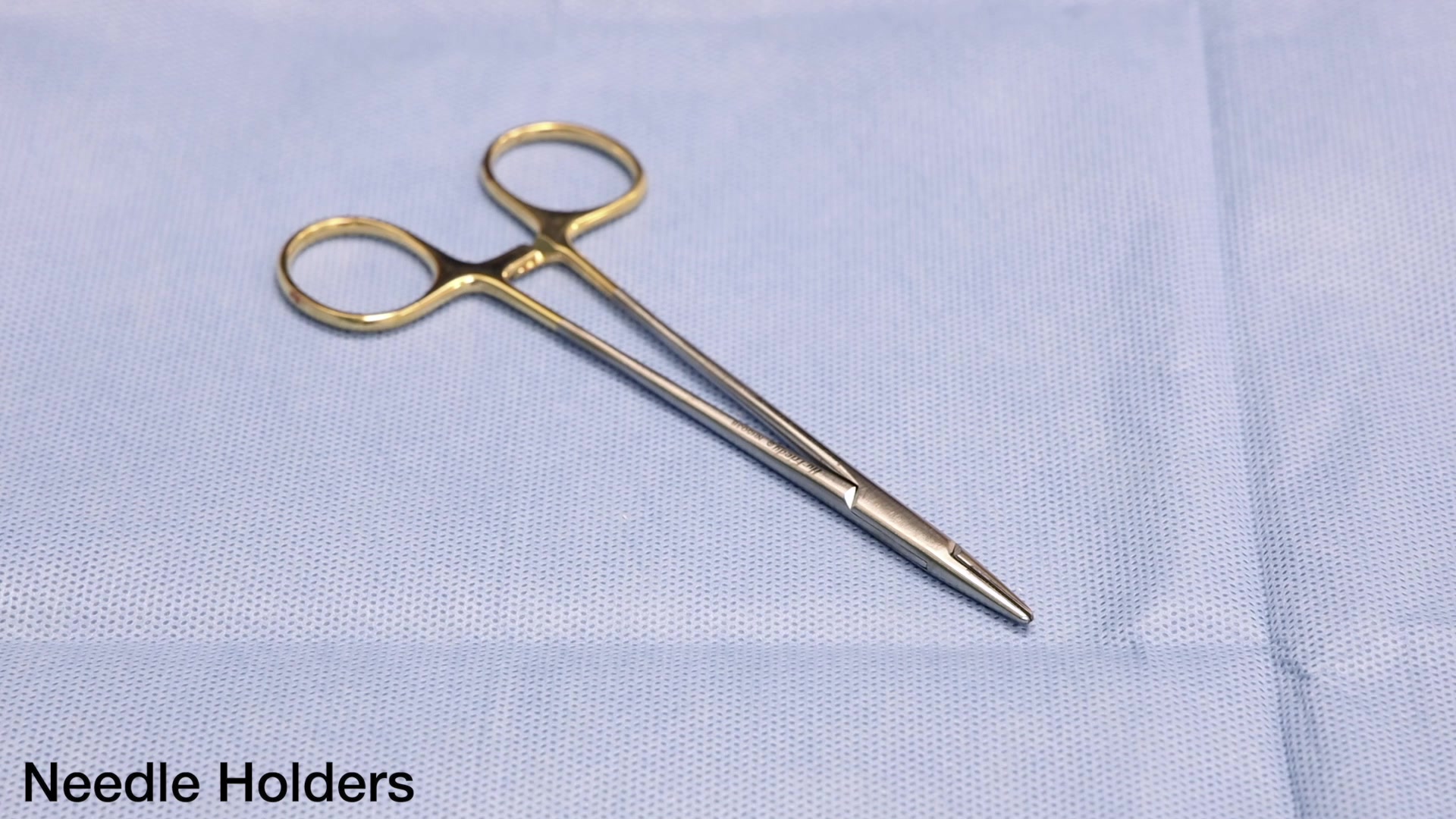
- Needle Holders: Used to suture flaps during closure.
- Grip: Thumb and ring fingers, with the index finger for stability.
- Features: Locking latch and cross-hatched working surface for maximum grip.
- Gillies Tissue Forceps: Used to stabilize flaps during suturing.
- Design: Toothed on one side.
- Caution: Avoid excessive pressure to prevent tissue trauma.
Scissors
- Metzenbaum Scissors: Available with sharp or blunt tips.
- Usage: Cutting sutures and blunt dissection in oral surgery departments.
- Curved Mosquito Forceps:
- Design: Curved blunt tip with internal serrations.
- Differentiation: Distinct from needle holders. Similar to Spencer Wells forceps.
Bone and Socket Management
Bone Instruments
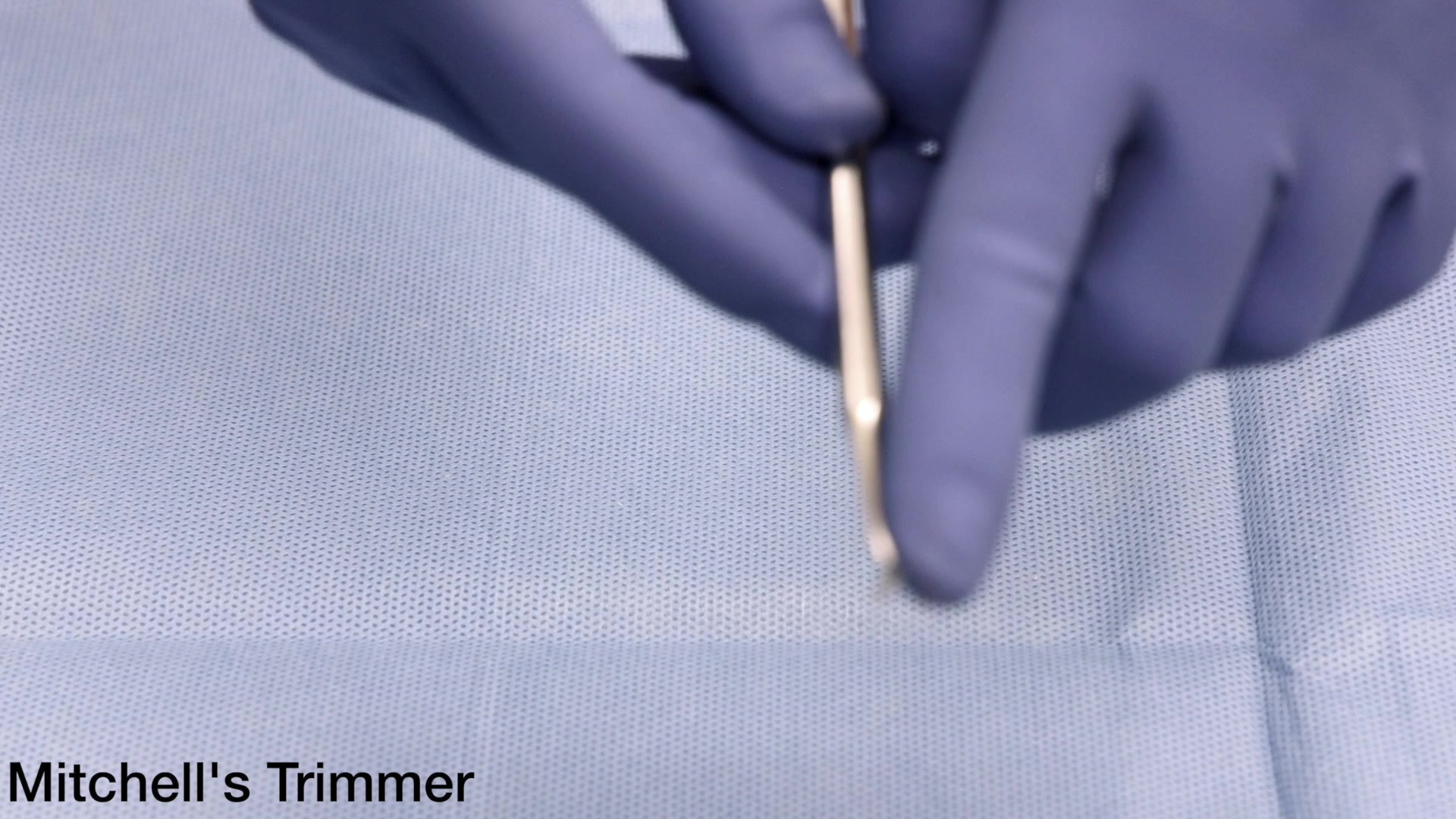
- Mitchell’s Trimmer: Double-ended instrument.
- Spoon End: Retracts mucoperiosteal flaps.
- Sharp/Pointed End: Removes soft bone.
- Bone File: Double-ended.
- Usage: Carves and shapes bone following extractions to promote healing.
- Safety: Adequate irrigation is required to remove small bone chips.
- Root Pick: Often double-ended with blades in separate directions.
- Usage: Elevates small root fragments.
- Caution: Sharp; can cause tissue trauma.
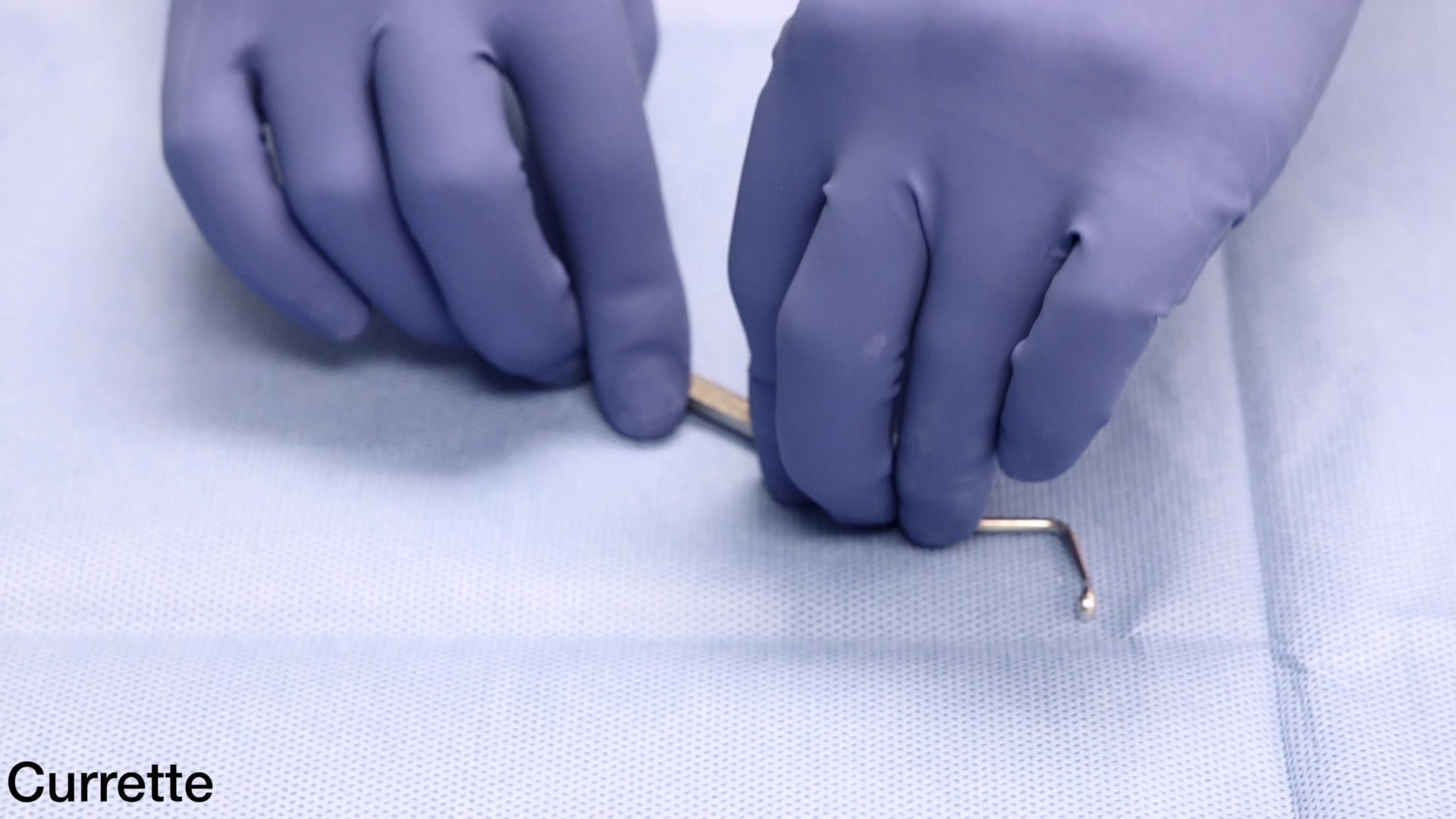
- Curette: Double-ended with rounded, mirror-image tips.
- Usage: Scraping alveolar sockets to remove excess granulation tissue post-extraction.
Suction and Drilling
Suction Tips
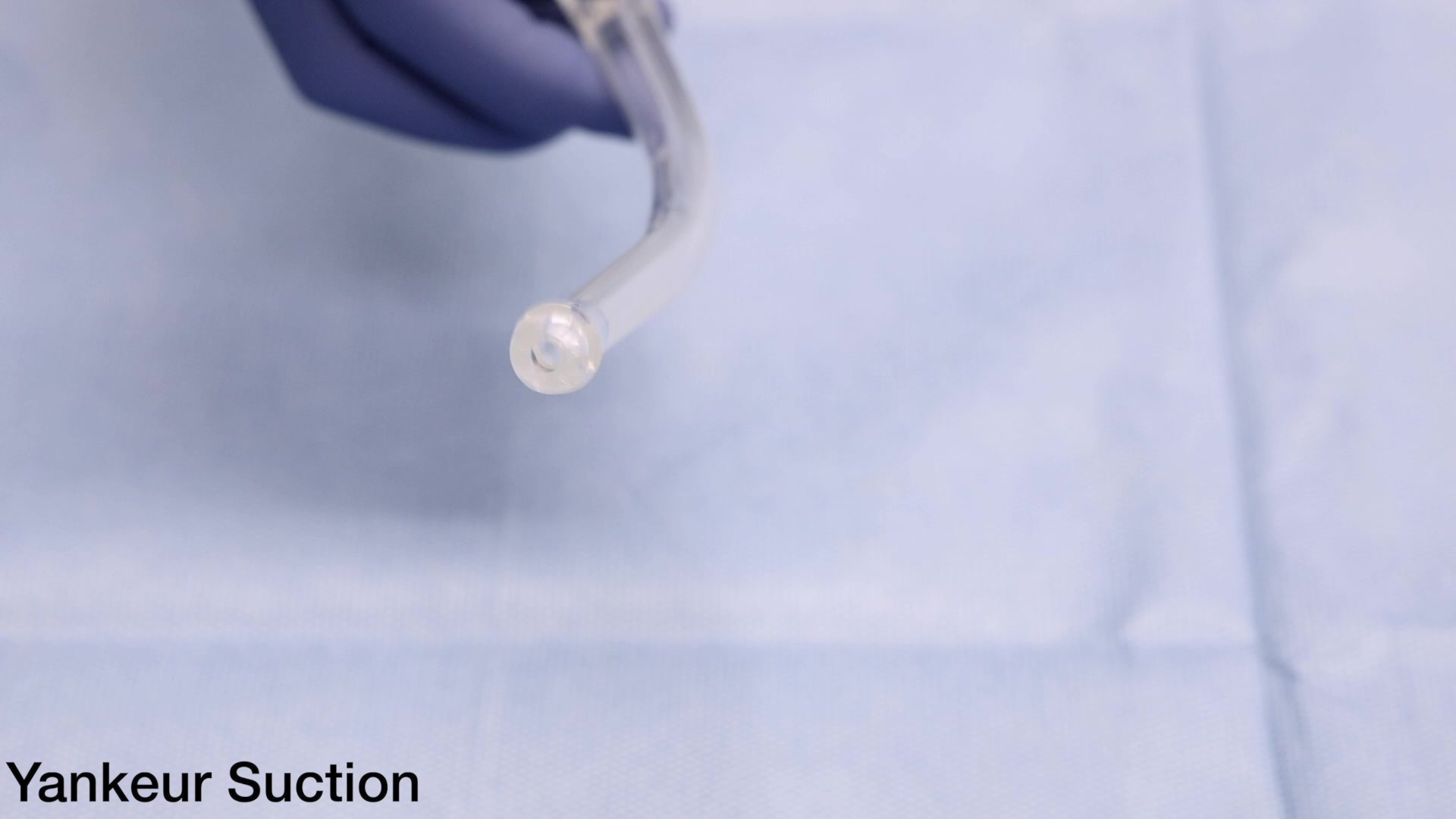
- Janker Suction:
- Material: Typically plastic.
- Design: Large opening surrounded by a bulbous head for atraumatic suctioning.
- Setting: Commonly found in theatres.
- Fraser Suction:
- Design: 45-degree bend for access to difficult areas.
- Handle: Features a small hole to increase suction power when covered.
- Caution: Narrow diameter can block easily with debris. A stylet is included to clear blockages by pushing debris out.
Surgical Burs
- Types: Round surgical bur and Flat fissure surgical bur.
- Usage: Selection is typically based on surgeon preference for the specific procedure.