 |  |
 |  |
Clinical Case Description
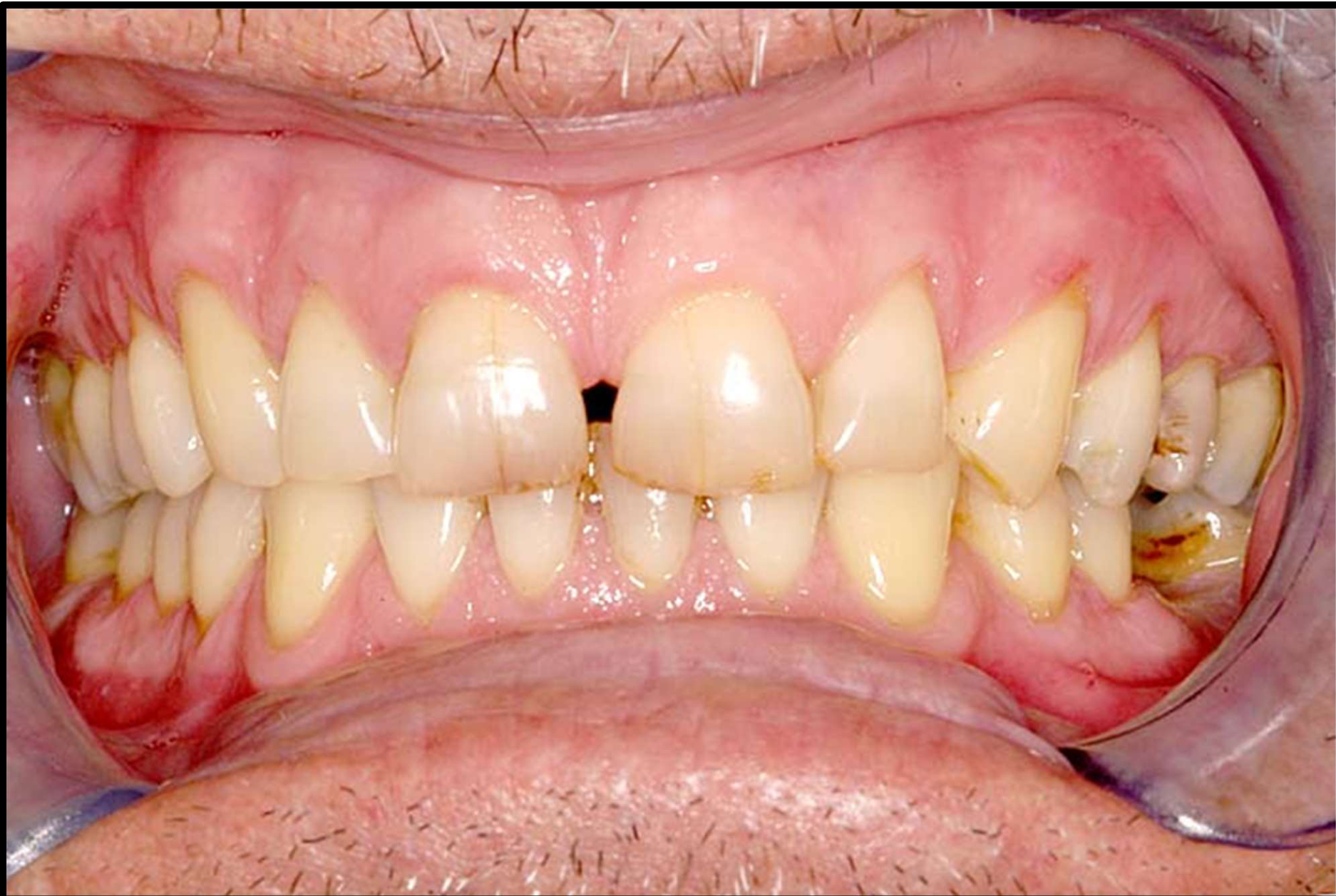
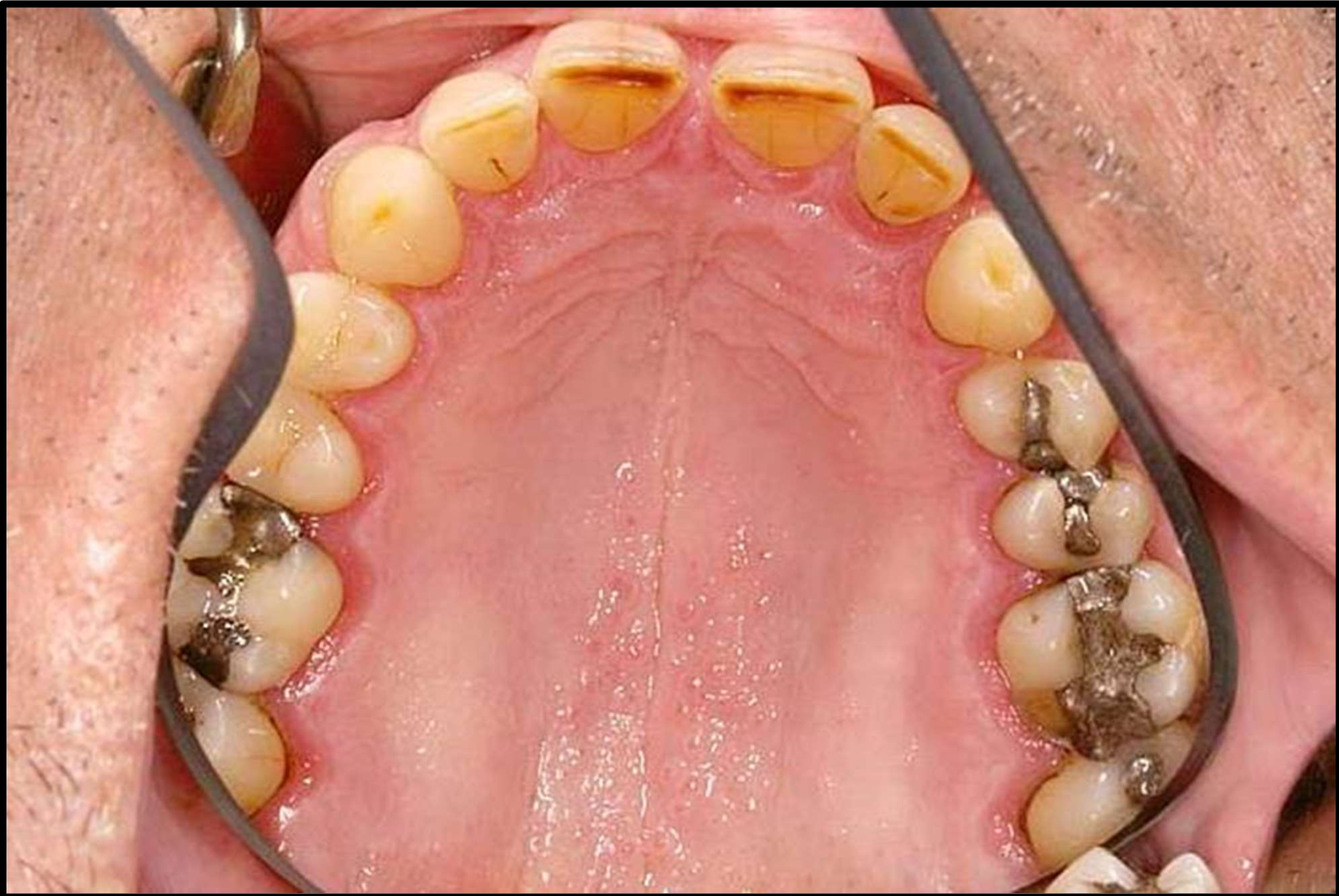
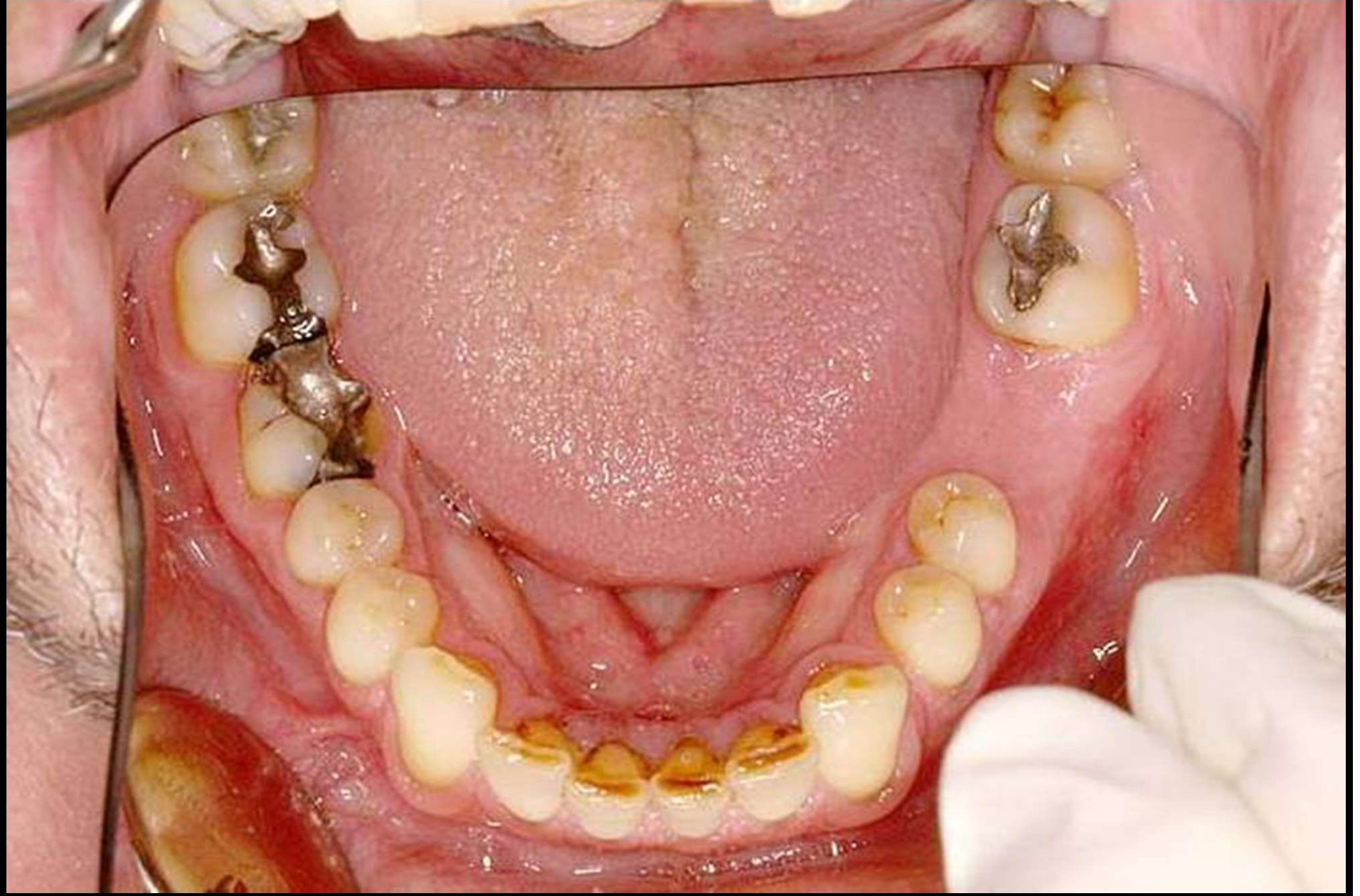
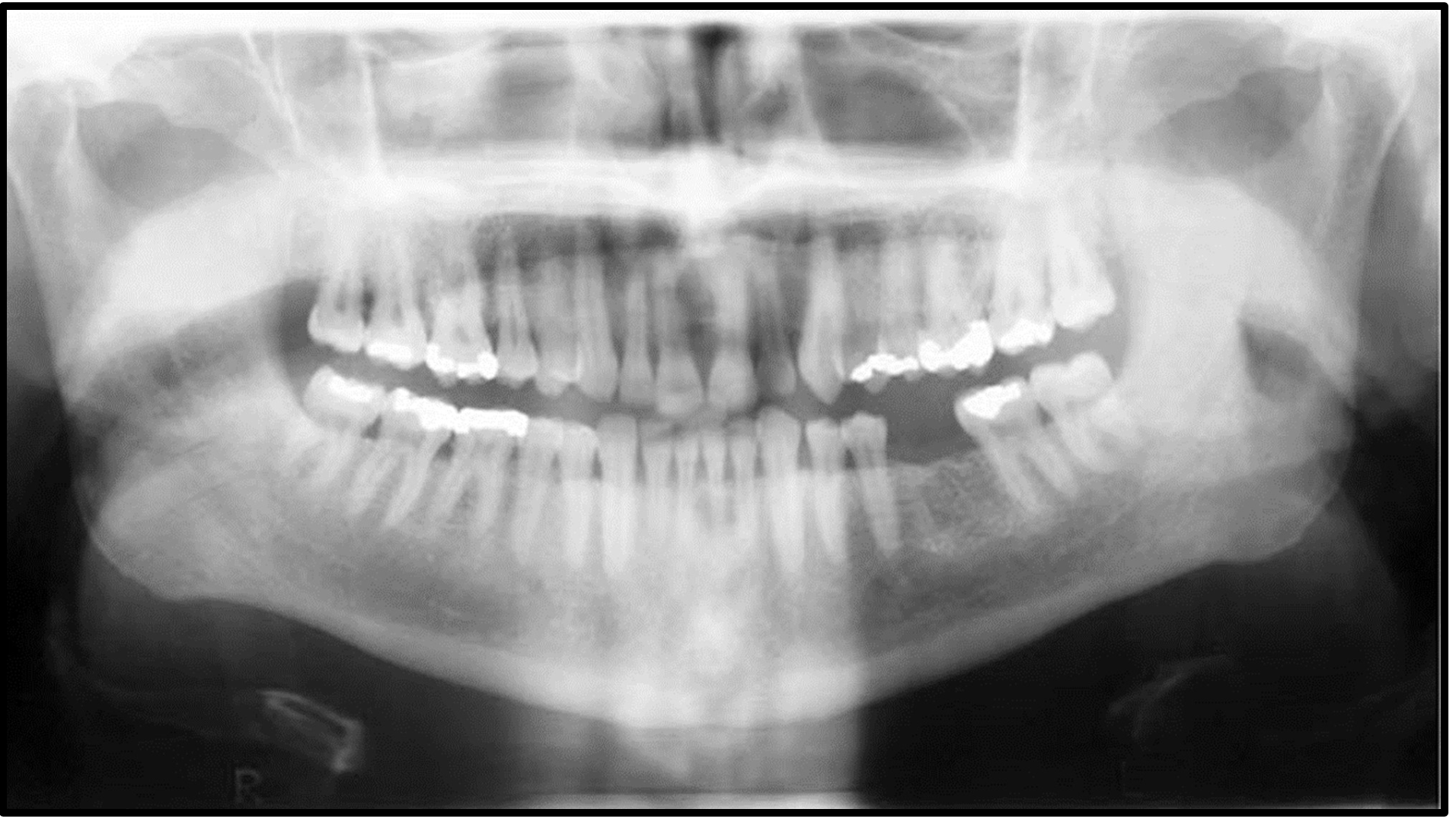
Patient Profile and Diagnosis3 A 52-year-old male presents with metastatic Squamous Cell Carcinoma (SCC) to the right neck of unknown primary origin. The patient is scheduled for treatment involving surgery and radiation therapy.
Treatment Planning and Radiation Exposure
- The patient has been referred for a pre-treatment dental assessment.
- All molars are located within the planned irradiation field.
- The anticipated radiation dose to these areas is 60Gy.
Medical and Social History
- General Health: Medical history is otherwise non-contributory.
- Smoking: Long-term smoker (25 years, averaging 10 cigarettes per day).
- Alcohol Consumption: Reports an average of 4 alcoholic drinks per week. Dental History
- Maintains regular dental care with examinations and prophylaxis every 12 months.
How would you manage this patient?
Pre-Radiation Assessment and Information Gathering
- ==Identify the Irradiated Field: It is critical to distinguish between teeth inside and outside the irradiated field, as they are managed differently.==
- ==Consult the Oncologist: If the field is unknown, contact the oncologist to determine:==
- Which specific teeth will be irradiated.
- ==The exact radiation dose (the threshold for osteoradionecrosis risk is 50 Gy, though risk increases significantly at 60 Gy).==
- ==Radiographic Workup: A comprehensive assessment requires:==
- ==OPG (always ordered).==
- ==Periapical (PA) radiographs of all teeth in the field.==
- ==Bitewings.==
- ==Note: If the patient is also undergoing systemic chemotherapy, a full mouth survey (PAS of all teeth) is recommended to identify any untreated infections.==
- ==Alternative: CBCT is an ideal imaging option if cost is not an issue, though bitewings are still required as CBCT is not intraoral.==
Determining the Need for Extractions
==The single most important question is whether any teeth need to be extracted before radiation therapy begins to reduce the lifelong risk of osteoradionecrosis (ORN).==
Timing of Extractions
- ==Healing Period: Ideally, allow at least two weeks of healing before radiation starts (three weeks is preferred, but rarely possible).==
- ==The Six-Week Window: Radiation should ideally start within six weeks of tumor resection to prevent the proliferation of residual microscopic cancer cells.==
- ==Urgency: Because patients often spend time recovering from surgery, the window for dental work is usually very tight (often only two weeks).==
- ==Coordination: If extractions are needed but radiation is scheduled to start immediately, consult the oncologist to balance the risk of delaying cancer treatment versus the risk of ORN.==
Risk Factors for Osteoradionecrosis (ORN)
- ==Lifelong Risk: The risk of ORN remains for the patient’s entire life and does not decrease over time.==
- ==Extraction Risk:==
- ==Post-radiation extractions: 5–15% risk of ORN (higher if the patient had chemotherapy).==
- ==Pre-radiation extractions: Up to 5% risk. The risk is higher the closer the extraction is to the start of radiation.==
Criteria for Retaining vs. Extracting Teeth
The decision is a risk-benefit balance based on:
- ==Patient Compliance: Does the patient see a dentist regularly? Will they follow a strict home-care protocol?==
- ==Medical/Social History: Factors like rheumatoid arthritis (affecting manual dexterity), smoking, alcoholism, or substance abuse.==
- ==Dental Health: Presence of severe periodontal disease, restorability of teeth, and existing large restorations.==
- ==Functionality and Access: Can the patient reach the teeth to clean them? (e.g., a surgical graft might obstruct access to molars).==
Long-term Management and Prevention Protocol
If teeth are retained, the patient must follow a strict preventive regimen for life:
- ==High-Fluoride Toothpaste: Use Neutrafill 5000 (5000 ppm fluoride) twice a day for life. Standard or “dry mouth” toothpastes do not have sufficient fluoride.==
- ==Strict Diet: Maintain a sugar-free diet, similar to a diabetic diet, to prevent radiation-induced caries.==
- ==Oral Hygiene: Brushing at least twice a day and maintaining high standards of cleanliness.==
- ==Frequent Recalls: Dental check-ups every three months for the first year, then every six to twelve months once stable.==
- ==Dry Mouth Management: Address xerostomia as it contributes to the high risk of rapid dental decay.==
Footnotes
-
Original PDF page 1: 11. Dental care of cancer patients, p.1 ↩
-
Original PDF page 2: 11. Dental care of cancer patients, p.2 ↩
-
Original PDF page 3: 11. Dental care of cancer patients, p.3 ↩