Dental Assessment For Oral Squamous Cell Carcinoma Patients
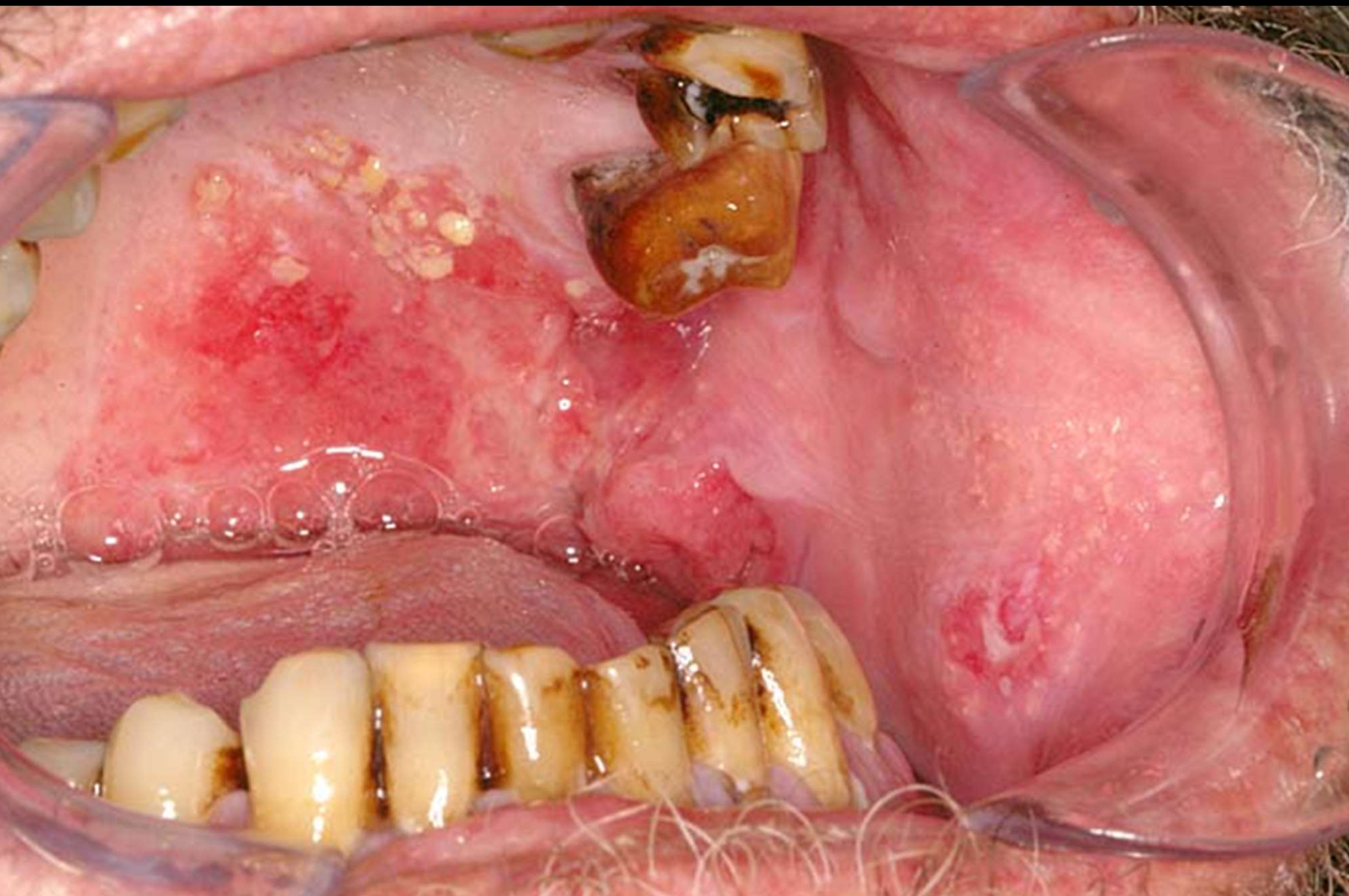 | 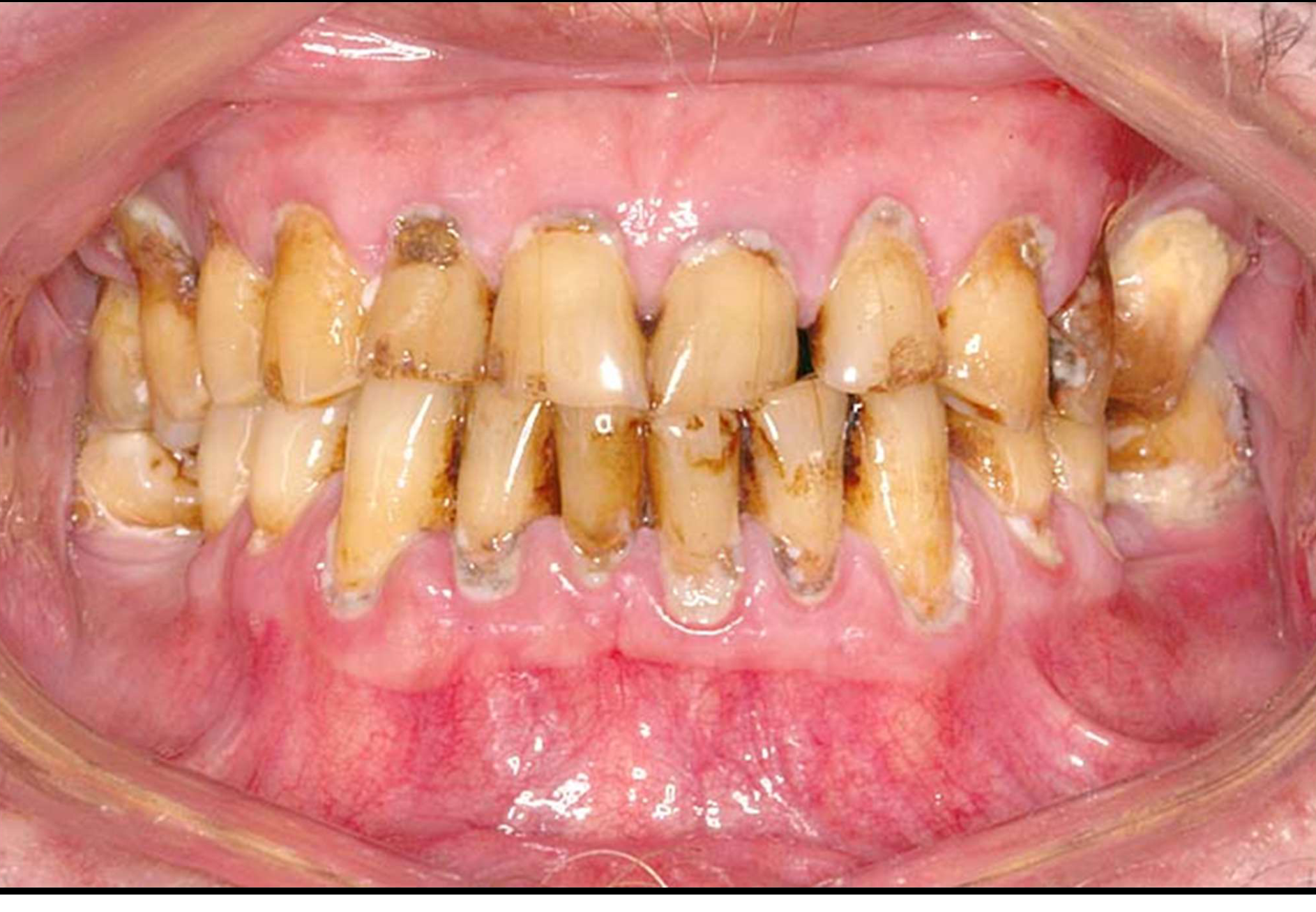 |
Clinical Case Discussion
Patient Profile and Medical History1
A 60-year-old male patient has been referred for a dental assessment following a diagnosis of oral Squamous Cell Carcinoma (SCC). His planned oncology treatment includes surgery and radiation therapy.
- Medical History: Significant for depression.
- Social History:
- Currently unemployed and lives alone.
- Long-term smoker (30 years, 25 cigarettes per day).
- High alcohol consumption (6–8 stubbies per day).
- Dental History:
- No regular dentist; attends appointments only on an as-needed basis.
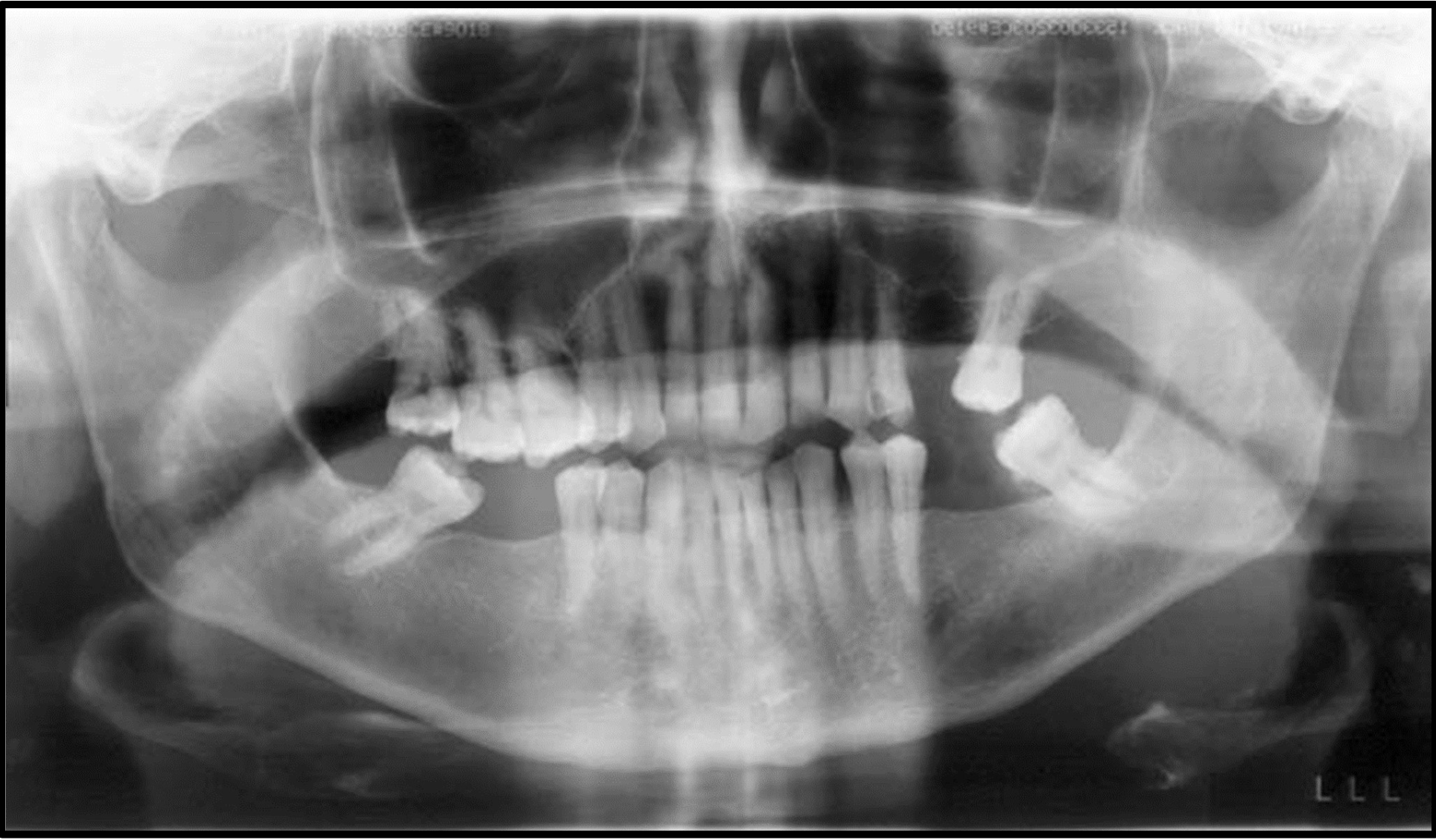
Patient History And Diagnosis
The patient is scheduled to receive a radiation dose of 66Gy. The irradiated field is planned to include all molars and premolars.
How would you manage this patient?
What are the steps for treatment
- First most importnat thing is knowing the radiation field and dose
- Radiation field is molars and premolars
- It is critical to determine the exact radiation fields and identify areas receiving above 50 Gray. Failure to assess these fields before treatment can be considered negligent, as it may lead to complications like osteoradionecrosis (ORN).
- Teeth within the field are assessed by different criteria than those outside. For example, teeth receiving lower doses (e.g., 30 Gray) carry no risk of ORM if extracted.
- Consideration must be given to dental materials that may cause backscatter radiation.
- Full clearance is recommended, because patient won’t take care of teeth instead of coming in with a fully carious mouth later!
- In patients with poor prognosis for oral hygiene and high-risk habits (heavy smoking/alcohol), a more aggressive approach—extracting all molars and premolars in the field—is often preferred over conservative management.
- Management must account for the patient's social and medical history, including depression, unemployment, and lack of regular dental attendance.
- Give him 6 months from that day that radiation finishes
Assessment and Information Gathering
- ==Risk Assessment: Teeth in the radiation field (receiving >50 Gray) that are infected or “hopeless” must be removed.==
- ==Patient Factors: The patient is unlikely to maintain remaining dentition in a post-radiation dry mouth environment, supporting the recommendation for full clearance to avoid future surgical complications.==
Pre-Radiation Extractions
- ==Timing: Extractions must be performed early enough to allow for healing before radiation therapy begins.==
- ==Surgical Technique:==
- ==Extractions must be atraumatic.==
- ==A post-extraction alveolectomy is critical. Surgeons must not leave ragged or irregular bone or sharp bony spicules, as these predispose the patient to osteonecrosis.==
- It is often recommended that these extractions be performed by an oral surgeon to ensure smooth bone contouring.
Post-Radiation Prosthodontics
- ==Waiting Period for Dentures:==
- ==Patients should wait at least six months (some suggest up to 12 months) after the conclusion of radiation therapy before being fitted for dentures.==
- The six-month count begins from the day radiation therapy finishes, not when it starts.
- ==Denture Type:==
- ==Immediate dentures are contraindicated because they are unstable and can cause abrasion or ulceration of delicate irradiated tissues.==
- Partial dentures or "patching" existing dentures is discouraged in high-risk patients because teeth often break down quickly in a post-radiation environment, leading to a poorly fitting prosthesis.
- A well-fitting, stable set of dentures should be constructed only after the full healing period.
Follow-up and Maintenance
- ==Frequency: Patients should be seen very regularly once dentures are delivered (e.g., one month after delivery, then monthly thereafter).==
- ==Monitoring: Continuous monitoring is required to address “soft spots” or denture irritation immediately to prevent the development of osteoradionecrosis.==
- ==Long-term Care: Edentulous patients with stable dentures should still be reviewed at least annually.==
Footnotes
-
Original PDF page 2: 12. Dental care of cancer patients, p.2 ↩