Oral Pathology
Introduction to Oral Pathology1
Oral pathology is the specialty of dentistry and discipline of pathology that deals with the nature, identification, and management of diseases affecting the oral and maxillofacial regions. It is a science that investigates the causes, processes, and effects of these diseases.
Nature of Neoplasms
Lymphoid neoplasms are grouped together because they are all considered malignant. They are inherently invasive, having passed the basement membrane into lymph tissue, nodes, and vessels, which allows them to metastasize easily throughout the body.

Clinical Practice and Diagnosis
The practice of oral pathology includes the following components:
- Research: Investigating the etiology and pathogenesis of oral diseases.
- Diagnosis: Utilizing clinical, radiographic, microscopic, and biochemical examinations to identify specific conditions.
- Management: Determining the appropriate treatment protocols based on the pathological findings.
Scope of Study
Key areas of focus within this field involve:
- Developmental Anomalies: Structural defects occurring during the formation of oral tissues.
- Infectious Diseases: Bacterial, viral, and fungal infections manifesting in the oral cavity.
- Neoplasms: Benign and malignant tumors of the soft and hard tissues.
- Most lymphoid neoplasms occur within the lymph nodes.
- They can also arise in extra-nodal tissue known as MALT (Mucosa-Associated Lymphoid Tissue), which provides the primary connection to oral pathology and head and neck manifestations.
- Immune-Mediated Disorders: Conditions where the immune system affects the oral mucosa.
- Systemic Disease Manifestations: Oral signs that indicate underlying systemic health issues.
Table Of Contents
Clinical Classifications2
- Developmental Conditions
- Mucosal Lesions—Reactive
- Mucosal Lesions—Infections
- Mucosal Lesions—Immunologic Diseases
- Mucosal Lesions—Premalignant
- Mucosal Lesions—Malignant
- CT Tumors—Benign
- CT Tumors—Malignant
- Salivary Gland Diseases—Reactive
- Salivary Gland Diseases—Benign
- Salivary Gland Diseases—Malignant
- Lymphoid Neoplasms
- Odontogenic Cysts
- Odontogenic Tumors
- Bone Lesions—Fibro-Osseous
- Bone Lesions—Giant Cell
- Bone Lesions—Inflammatory
- Bone Lesions—Malignant
- Hereditary Conditions
Lymphoid Neoplasms
Characteristics and Cellular Origin3
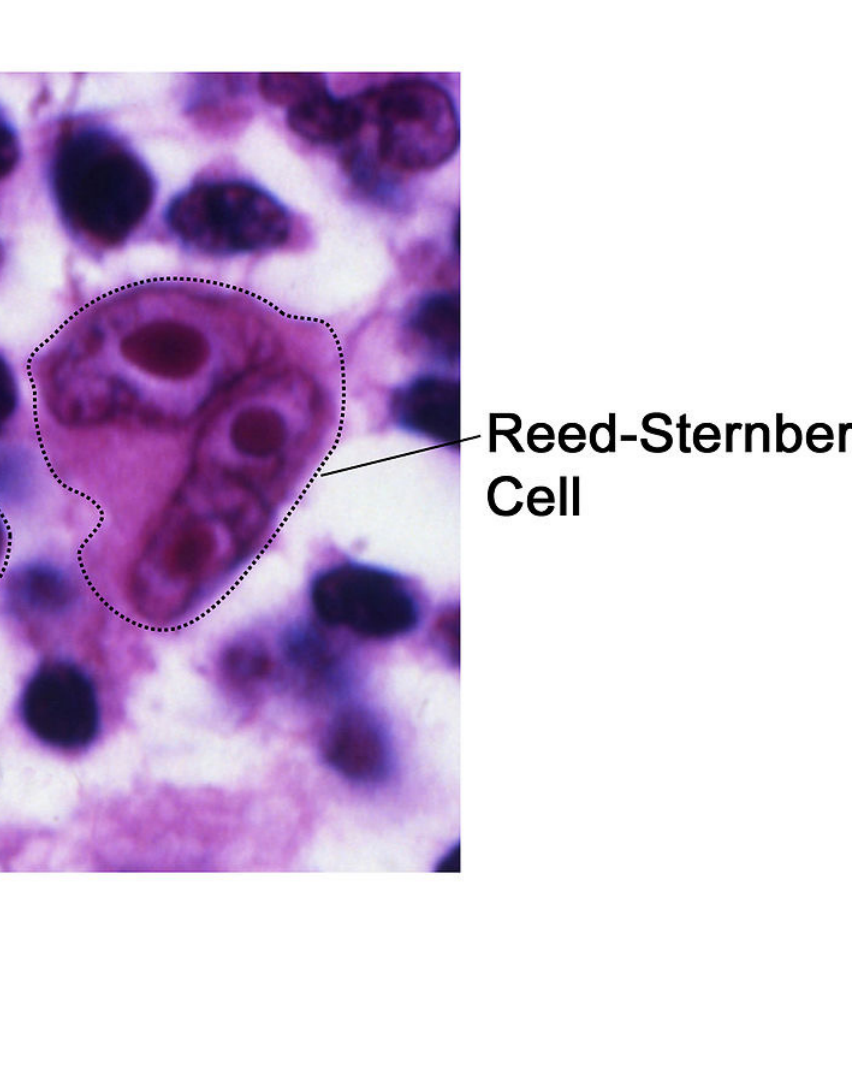
- Reed-Sternberg cells represent the malignant B cells associated with this condition.
- Histologically, Reed-Sternberg cells appear highly abnormal compared to normal B lymphocytes.
- All lymphoid neoplasms are malignant by nature due to their ability to spread through the lymphatic system.
- This neoplasm is very rare in the oral cavity.
Hodgkins Lymphoma
Treatment
- Management typically involves chemotherapy and radiotherapy.
Non Hodgkins Lymphoma
Pathophysiology4
- Non-Hodgkin’s Lymphoma (NHL) is a neoplasm of B or T cells.
Burkitt’s Lymphoma
- A specific type of B cell NHL characterized by:
- Bone marrow involvement
- Physical symptoms: swelling, pain, and tooth mobility
- Neurological effects: lip paresthesia
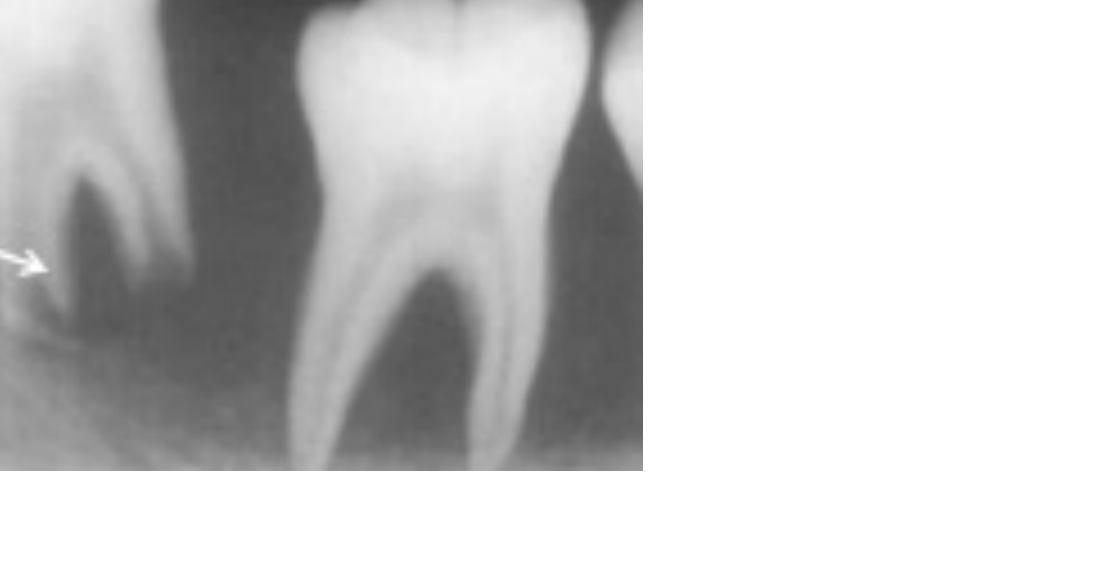
- Developmental impact: halts root development
- Visible on radiographs as stunted roots.
Treatment
- Management typically involves chemotherapy and radiotherapy.
Multiple Myeloma
Clinical Presentation and Origin5
- Also known as plasma cell myeloma.
- It involves a neoplasm of antibody-secreting B cells, specifically plasma cells.
Radiographic Features
- Characterized by multiple punched out radiolucencies, which are usually found in the skull.
Associated Complications
- Amyloidosis: Occurs due to the accumulation of complex amyloid proteins that develop from antibody light chains.
Treatment and Prognosis
- Treatment: Chemotherapy
- Prognosis: Poor
Leukemia
Pathogenesis and Classification6
- A neoplasm of bone marrow cells, including lymphocytes, NK cells, granulocytes, and megakaryocytes.
- Classification is based on cell lineage (myeloid or lymphoid) and the clinical progression (acute or chronic).
- Common types ranked by prevalence or progression: ALL > CML > AML > CLL
Patient Demographics (Youngest to Oldest)
ALL (Acute Lymphocytic Leukemia) is most common in the youngest patients, followed by CML, AML, and finally CLL (Chronic Lymphocytic Leukemia) in the oldest patients. Mnemonic: "ALL Children Are ChiLL" (ALL, CML, AML, CLL).
Clinical Signs (BAD)
-
Bleeding: Resulting from impacted platelets
-
Anemia/Fatigue: Resulting from impacted RBCs
-
Disease/Infection: Resulting from impacted WBCs
-
While leukemia involves an overproduction of white blood cells, these cells are immature and ineffective, leading to a reduction in overall blood function.
Footnotes
-
Original PDF page 1: Oral Pathology - 12 - Lymphoid Neoplasms, p.1 ↩
-
Original PDF page 2: Oral Pathology - 12 - Lymphoid Neoplasms, p.2 ↩
-
Original PDF page 3: Oral Pathology - 12 - Lymphoid Neoplasms, p.3 ↩
-
Original PDF page 4: Oral Pathology - 12 - Lymphoid Neoplasms, p.4 ↩
-
Original PDF page 5: Oral Pathology - 12 - Lymphoid Neoplasms, p.5 ↩
-
Original PDF page 6: Oral Pathology - 12 - Lymphoid Neoplasms, p.6 ↩