L3 Dento-Alveolar Trauma 2 - Aetiology, Epidemiology and Mechanisms of Injuries to the Teeth
Dental Trauma
Introduction, Classification, Aetiology, Epidemiology, Predisposing Factors, Mechanical Factors
W/Prof. Paul V. Abbott AO
Introduction
Trauma1
See — General Trauma Burden
Global trauma mortality and morbidity figures are consolidated in L1: Global Burden and Cost of Trauma.
See — Dental-trauma Epidemiology
Dentition-specific prevalence and the “every second child” summary are retained under Epidemiology.
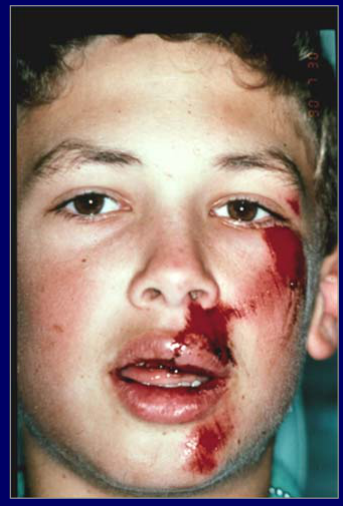
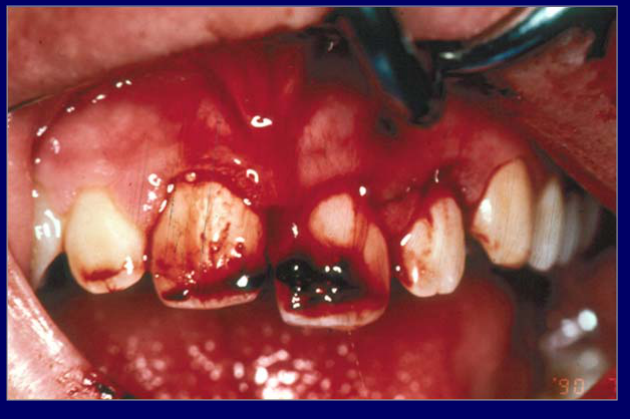
Trauma is commonly a single-tooth injury, although serious accidents, sporting injuries and fights may involve several teeth. Petti et al - Dent Traumatol 2018; Petti et al - Lancet Global Health 2018; Abbott - Dent Traumatol 2018
Lecturer — Repeated Trauma
Some individuals experience repeated trauma because they are described as being “accident prone.”
- A history of previous trauma is important because previous injury can affect healing responses.
- The tooth may already have undergone root canal treatment.
- A root-filled tooth may have a lower chance of developing external inflammatory resorption after further trauma.
 |  |
Lecture Outline2
-
I - Classification
-
II - Epidemiology & Aetiology
-
III - Predisposing Factors
-
IV - Mechanisms of Injuries
-
Epidemiology of dental trauma.
-
Causes of dental trauma and variation according to age, gender and location.
-
Local data from Western Australia.
-
A study of dental trauma in an Australian rural centre.
-
Predisposing factors.
-
Mechanisms of injury, including direct and indirect trauma.
-
Factors influencing the type and extent of injury.
Epidemiology3
- 30% of children experience trauma to the primary dentition.
- 22% experience trauma to the permanent dentition by age 14.
- Approximately every second child has sustained a dental injury by age 14.
Gender4
→ Boys almost twice as often as girls
Lecturer — Gender Differences
The cause of dental trauma varies by gender.
- Girls fall from bicycles slightly more often than boys.
- Girls also have a slightly higher incidence of injuries from falling over.
- Boys are much more likely to be involved in violence.
- Boys also have a higher incidence of sport-related trauma.
Age
→ Most common at:
- 2 - 4 years old
- 8 - 10 years old
Lecturer — Age-Related Trauma
The effects and treatment of trauma differ according to the age at which it occurs.
- Trauma at 2–4 years generally involves the primary dentition.
- Trauma to primary teeth can have psychological consequences, particularly if a tooth is lost or extracted.
- The developing permanent teeth lie beneath the primary teeth and may be damaged by trauma to the primary predecessors.
- Trauma at 8–10 years generally involves permanent teeth.
- The roots of the permanent teeth are often incompletely developed, particularly in the upper anterior teeth.
- These immature teeth have open apical foramina, and a wider opening may allow disrupted pulp blood vessels to revascularize so the pulp can recover.
- If revascularization does not occur, treatment is more difficult and may require apexification or an apical plug rather than straightforward root canal treatment.
- The outcome depends on both the age at injury and the subsequent healing response.
-
Mainly upper anterior teeth
- Especially the 11, 21
-
Often only a single tooth
- Except MVA’s and sporting injuries
-
Mainly upper anterior teeth
- Especially the 11, 21
-
Often only a single tooth
- Except MVA’s and sporting injuries
-
Some people are “accident prone”
- Have repeated trauma
Lecturer — Swimming and Water Slides
Swimming pools and water slides can cause serious dental trauma.
- Children may hit their teeth on hard or sharp tiled pool edges while playing, jumping in and out or play fighting.
- A person diving may hit the teeth on the floor of the pool.
- Sliding on the stomach can cause the head and face to strike the edge or end of the slide, and avulsed teeth have been observed after water-slide accidents.
Lecturer — Injury Prevention
Field hockey can cause trauma from the stick or hard ball, and gymnastics-related injuries are important because mouthguards are rarely used. The dental profession should actively promote preventive measures, including mouthguard use, where appropriate.
Aetiology
Most Common Causes5
- Falls, collisions, bumps, bicycles, sports, fights, epileptics, drug addicts, MVA’s, etc.
Falls, collisions, bumps, bicycles, sports, fights, epileptics, drug addicts, MVA’s, etc.
Lecturer — Western Australian Study
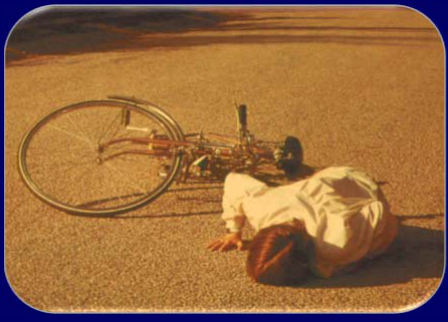
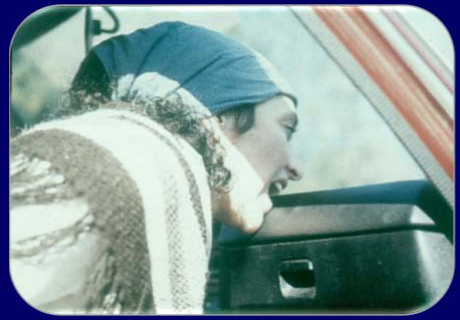
In the Western Australian school dental service study, the most common cause was falling over or being pushed over.
- Other causes included impact with a person, impact with an object, sport, bicycle accidents, swimming and diving, and motor vehicle accidents.
 |  |
Variation Factors6
Varies according to:
- Age
- Gender
- Location — country, city
- Related to typical sports played
Lecturer — Regional Sports Patterns
Sporting patterns differ between regions, which changes the types of dental injuries encountered.
- Rugby and rugby league are more common in Sydney, Brisbane, New South Wales and Queensland.
- Australian Rules football is more common in other Australian states and territories.
- Differences in contact level and the way a sport is played can result in different types of dental injuries.
Lecturer — Trauma History
Previous trauma and the circumstances of the current injury must be established during the history.
Cause of Trauma Related to Sex (Per Cent Individuals)
Crona-Larson’s 1989 chart shows sex-pattern differences in reported causes of dental trauma; chart values and source details are retained in Crona-Larson 1989 - Dental Trauma Causes by Sex.
Lecturer — Sex Differences
The causes of trauma differed between boys and girls.
- Girls were somewhat more likely to fall from bicycles or fall over and injure themselves.
- Boys were much more likely to be involved in violence and had a higher incidence of sport-related injuries.
- Injuries associated with playing were similar between the genders.
Relative Frequency of Dental Injury by Sport7
Andreasen’s 1982 survey reported differences in dental-injury frequency across sports; without participant or exposure denominators these figures are not per-athlete risk estimates. Detailed data are in Andreasen 1982 - Dental Injuries by Sport.
Lecturer — Sport Injury Patterns
Soccer, referred to as football in the cited data, has relatively few dental injuries compared with rugby, rugby league and Australian Rules football.
- Mouthguards have reduced the frequency of dental trauma in contact sports.
- Skiing is less relevant in Australia unless individuals travel overseas.
- Field hockey injuries occur despite ice hockey being uncommon in Australia.
- Gymnastics can cause injuries even though it is not generally regarded as a contact sport and participants rarely wear mouthguards.
- Knowledge of the injury risks associated with individual sports is important for prevention.
Sports-Related Injuries
Stockwell AJ. Incidence of trauma in the Western Australian School Dental Service. Comm Dent Oral Epidemiol 1988; 16: 294-8.
Incidence in Western Australia
Incidence of Trauma in 6-12 Year Old Children in WA8
In Stockwell’s Western Australian school dental-service sample, incidence was 1.66 children and 2.05 teeth per 100 children, or 11.7 teeth per 100 erupted teeth; the school-hours setting may underrepresent serious after-hours or hospital-treated injuries. Full tables and chart data are in Stockwell 1988.
Lecturer — Study Population
Approximately 20% of children had more than one injured tooth. The study population and setting were selective because it involved children attending the school dental service, which operated mainly during school and ordinary working hours.
- Serious injuries occurring outside those hours might instead have been treated by an after-hours dental service or a children’s hospital.
- Parents might wait to see the school dentist for an uncomplicated crown fracture but seek immediate care for a luxation or avulsion.
Types and Causes of Injuries
Type of Injuries9
Detailed injury-type counts and the chart are retained in Stockwell 1988.
Lecturer — Subsequent Trauma
Twelve children experienced subsequent trauma, representing children who tended to injure themselves repeatedly.
Causes of Trauma
Detailed cause counts are retained in Stockwell 1988.
Lecturer — Motor Vehicle Injuries
Very few motor vehicle accidents were recorded, probably because more serious cases were likely to be treated at a children’s hospital or by an after-hours provider.
Place of Occurrence10
The school, home and other-location distribution is retained in Stockwell 1988.
Lecturer — Place of Occurrence
The approximately equal distribution across school, home, and elsewhere also reflects the limitations of a school dental service study, because the service was not generally available after hours.
Lecturer — Injury Prognosis
An uncomplicated crown fracture was described as one of the more favourable dental injuries because it is relatively straightforward to manage. Its possible long-term consequences are generally less severe than those associated with lateral luxation, intrusion or avulsion.
Lecturer — Injury Prognosis
An uncomplicated crown fracture was described as one of the more favourable dental injuries because it is relatively straightforward to manage. Its possible long-term consequences are generally less severe than those associated with lateral luxation, intrusion or avulsion.
Dental Trauma in an Australian Rural Centre
Lam R, Abbott PV, Lloyd C, Lloyd C, Kruger E, Tennant M. Dent Traumatol 2008; 24: 663-670.
Study Setting11
A 66-month rural-practice cohort followed 323 consecutive patients with dental and/or oral injuries; full cohort details are archived in Lam et al. 2008.
Lecturer — Referral Pathways
The service was known to the local community, other dentists, the local hospital and local doctors. Patients with dental trauma who presented to a hospital or medical practice were commonly referred to this dental practice.
Lecturer — Trauma Preparedness
Dental trauma occurs relatively infrequently for an individual dentist, so maintaining current knowledge is important. The lecturer compared this with regularly updating basic life support skills so that an appropriate response is possible when an emergency occurs.
Patient Demographics12
The referral cohort was predominantly young and male; detailed demographic data are in Lam et al. 2008.
Injured Teeth1314
Most patients had one injured tooth, commonly a maxillary incisor. The source reports 528 injured teeth, although the permanent and primary subtotals sum to 527; this discrepancy remains unresolved in the archived source data. Lam et al. 2008
Lecturer — Injured Tooth Distribution
Fifty-eight per cent of patients had only one injured tooth. In the permanent dentition, maxillary central incisors were most commonly injured, accounting for 44% of all teeth in the study; maxillary lateral incisors accounted for 13%, mandibular central incisors for approximately 7%, and mandibular lateral incisors for approximately 3%. In the deciduous dentition, maxillary central incisors accounted for 22% and maxillary lateral incisors for 5%, while trauma to mandibular incisors was very uncommon.
Soft Tissue Injuries
Soft-tissue injuries often accompanied dental trauma; isolated soft-tissue presentations were uncommon. Full counts are in Lam et al. 2008.
Lecturer — Soft Tissue Injury
A blow sufficient to injure the facial soft tissues can also damage the underlying teeth and bone. The lips are often positioned between the impacting object and the teeth, making soft tissue injury common when the teeth are struck.
Timing of Accidents15
The prose reports no significant weekday, month or season differences; the monthly chart and prose conflict, with both versions retained unresolved in Lam et al. 2008.
Lecturer — Seasonal Patterns
The expectation that more contact sports in winter would produce more dental trauma was not supported by the study. Although slightly higher numbers appeared on Fridays, Mondays and Thursdays, these differences were not statistically significant.
Timing of the Accident / Injury16
Weekday and monthly chart data are archived; the source’s chart alt text also labels a monthly display as weekday data. See Lam et al. 2008 for the source and discrepancy notes.
Causes of Injuries
Cause of the Injuries17
The prose and chart disagree on most cause categories except Work; both versions are retained without reconciliation in Lam et al. 2008.
Cause of Injury Related to Dentition18
Reported significant differences were sports/playing for permanent teeth and falls/playing for primary teeth; these are associations, not causal findings. Details are in Lam et al. 2008.
Cause of Injury Related to Gender
The source heading has no gender-stratified values, so no gender comparison can be made; see Lam et al. 2008.
Types of Injuries
Uncomplicated crown fracture, subluxation and lateral luxation were the most commonly reported injury types; full values are in Lam et al. 2008.
Types of Injury19
Detailed injury-type distributions are retained in Lam et al. 2008.
Cause Related to the Types of Injury20
The source’s injury-type-by-cause chart is retained in Lam et al. 2008.
Time between Injury and Presenting for Treatment
Presentation ranged from same-day care to delays of weeks or months; detailed intervals are archived in Lam et al. 2008.
Lecturer — Delayed Presentation
The consequences of delay depend on the type of injury. Delay may be less important for uncomplicated crown fractures, infractions, concussion or subluxation, but it is much more serious for avulsion, lateral luxation, extrusion and other severe injuries because emergency treatment is time-critical.
- Patients should be encouraged to seek dental treatment as soon as possible because the extent of an injury cannot be determined by visual inspection alone.
- A full examination may include examination of the teeth and surrounding tissues, radiographs and pulp testing.
- Radiographs may reveal root fractures, alveolar process fractures or other bone fractures that are not otherwise obvious.
Time to Presentation
Time between Injury and Presenting for Treatment21
The source’s detailed time-to-presentation distribution is retained in Lam et al. 2008.
Dental Trauma
See — Lecture Outline
The classification, epidemiology, predisposing factors and injury mechanisms outline is retained under Lecture Outline.
Predisposing Factors22
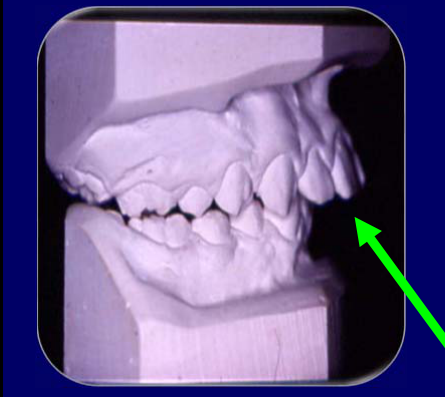
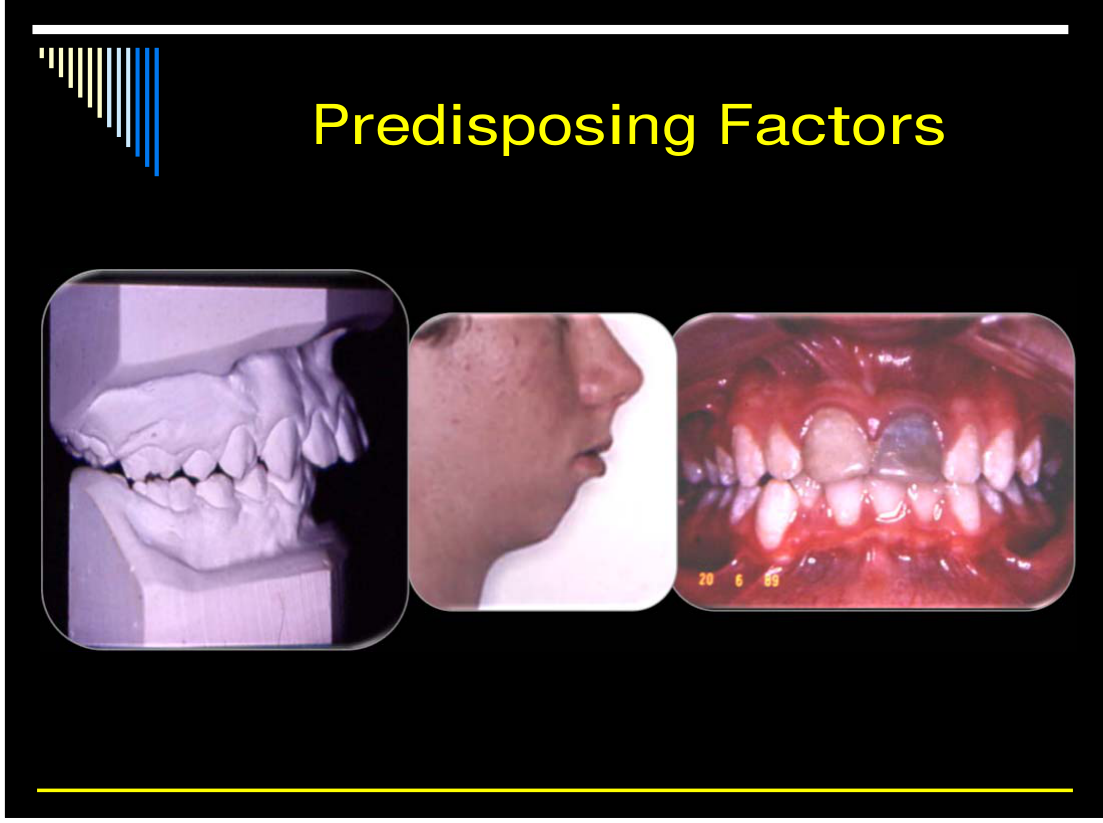
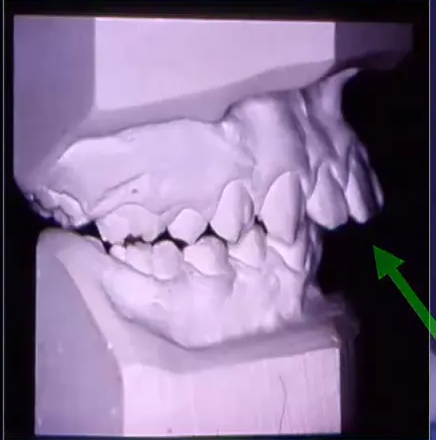
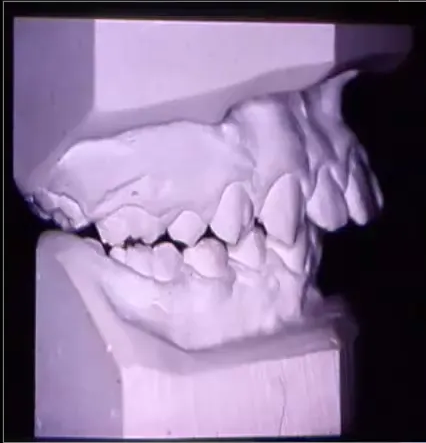
- Increased overjet
- Protruding upper incisors
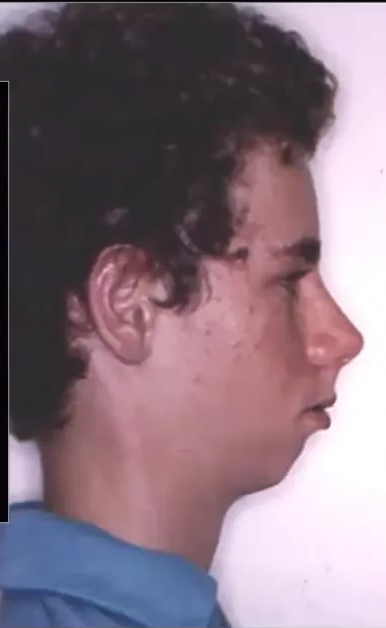
- Insufficient lip closure
Increased Overjet and Previous Trauma
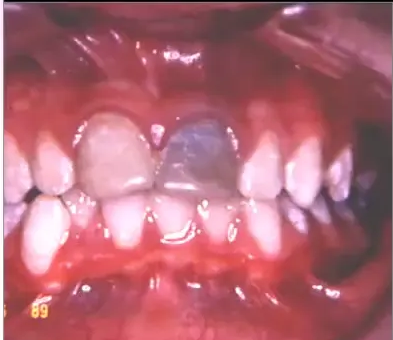
The patient had an increased overjet, protruding upper central incisors, incompetent lips and a history of trauma to the upper central incisors.
- The case illustrated how tooth position and reduced lip protection increase susceptibility to trauma.
- Orthodontic treatment may reduce future trauma risk, although treatment may be delayed until growth is appropriate despite the highest trauma incidence occurring at approximately 8–10 years.
 |  |
Mechanisms of Injuries23
Trauma is either:
- Direct
- Indirect
See also — Trauma Mechanisms and Tissue Response
For tissue-level responses to impact, see Trauma Mechanisms and Tissue Response.
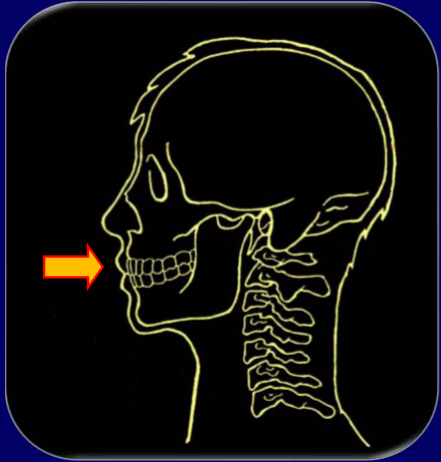
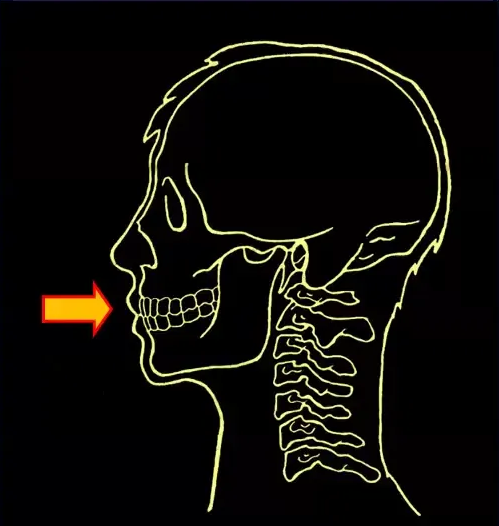
Direct Trauma24
- Occurs when the tooth itself is struck
- Implies injuries in the anterior region
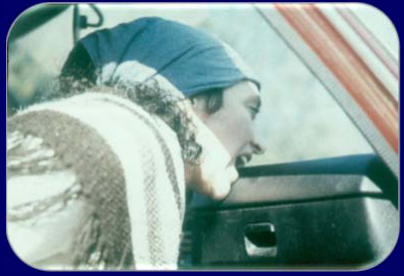
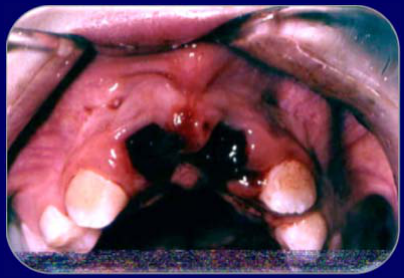
Direct Trauma with Avulsed Teeth
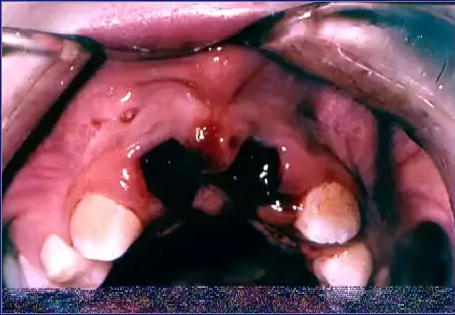
A young girl tripped while running to a car, landed on a concrete driveway, and sustained avulsion of two teeth.
- She had an increased overjet, protruding upper incisors and insufficient lip closure, demonstrating how predisposing tooth position can increase the severity of direct trauma.
 |  |
 |
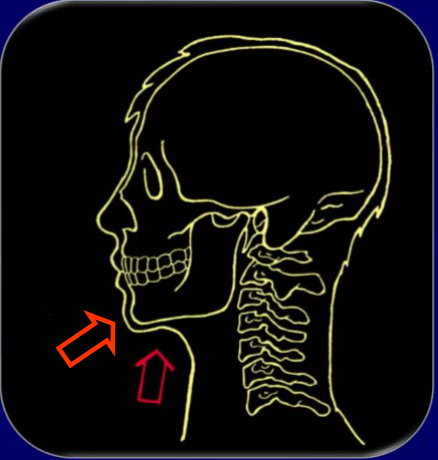
Indirect Trauma25
-
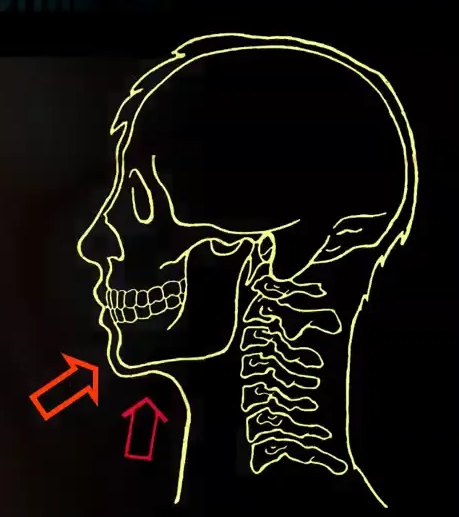
Occurs when the lower arch is forcefully closed against the upper arch
-
Favours crown fractures and crown-root fractures in the posterior teeth
-
Also causes jaw fractures in the condyle and symphysis regions
-
e.g. Soldier feinted while on parade
Soldier Injured During a Fall
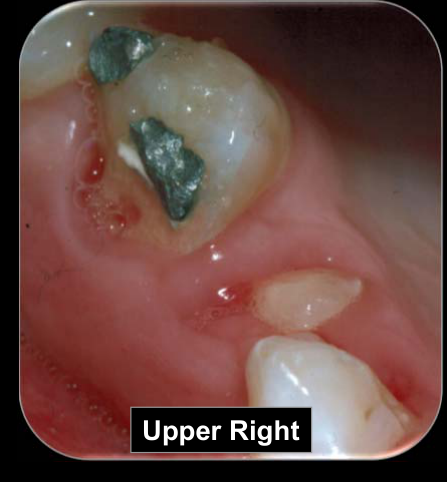
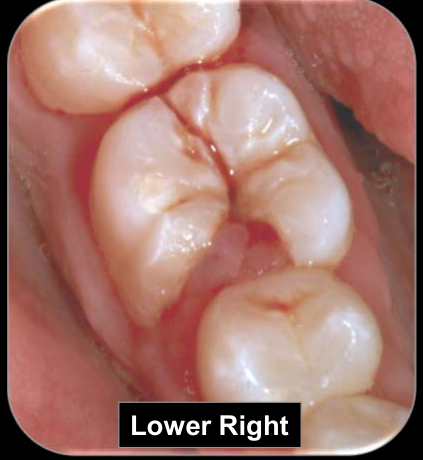
A soldier fainted while standing at attention and fell onto his chin on a hard surface, driving the lower teeth against the upper teeth.
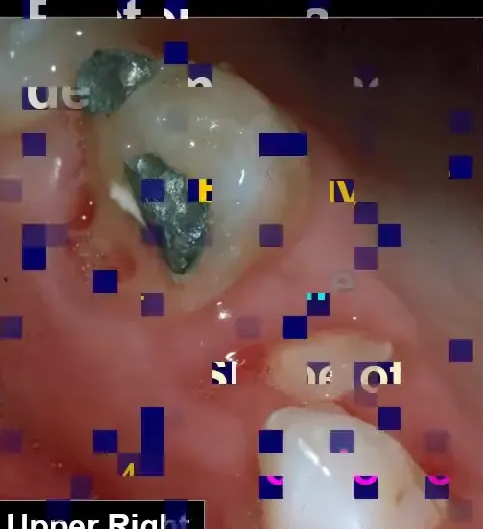
- Injuries included multiple crown-root fractures, a complicated crown-root fracture with exposed pulp, a premolar root fracture, a vertical crown-root fracture of a lower molar, a midline mandibular fracture and bilateral condylar fractures.
- One tooth had been weakened by caries, contributing to its fracture when the teeth were forced together.
 |  |
 |
Factors Characterizing the Impact
Factors that characterize the impact & determine the extent of dental injuries:
- Energy of impact
- Resiliency of impacting object
- Shape of impacting object
- Direction of impacting force
Energy of Impact2627
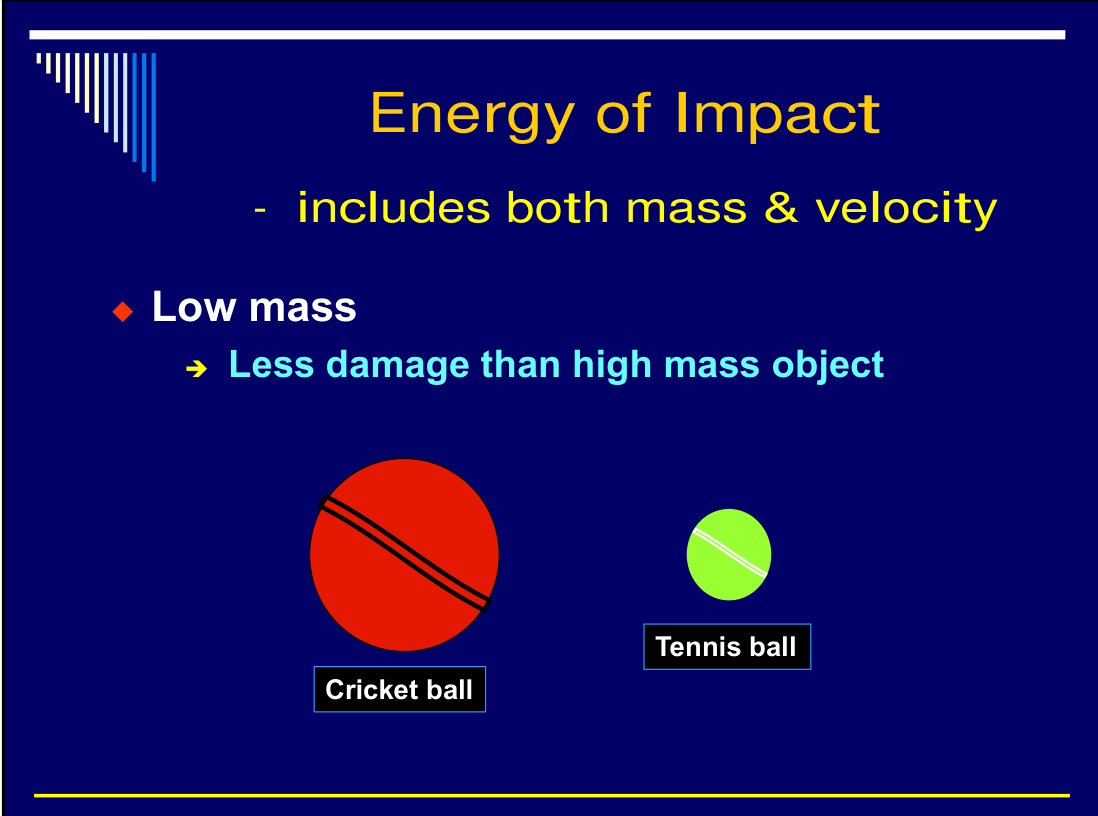
- Includes both mass & velocity
E = mc²
-
Includes both mass & velocity
-
Low mass
- Less damage than high mass object
-
Low velocity
- More damage to the supporting structures
- Few tooth fractures
Tennis ball
-
Includes both mass & velocity
-
Low mass
- Less damage than high mass object
-
Low velocity
- More damage to the supporting structures
- Few tooth fractures
-
High velocity
- Crown fractures more likely
- Little damage to the supporting structures
Lecturer — Impact Energy
Velocity has a greater influence than mass on the energy transferred during impact.
- A cricket ball, having greater mass than a tennis ball, can cause more damage.
- Low-velocity impacts tend to damage supporting structures and produce luxation, whereas high-velocity impacts are more likely to cause crown fractures.
 |  |
Resiliency of Impacting Object2829
Resilient or cushioned objects will distribute the impact more.
-
Less chance of crown fracture
-
Higher risk of luxation & alveolar fracture
-
Resilient or cushioned objects will distribute the impact more
- Less chance of crown fracture
- Higher risk of luxation & alveolar fracture
-
The lips can absorb some of the impact
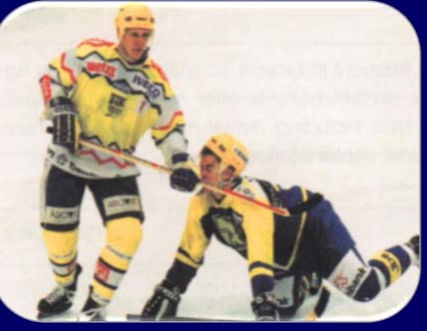
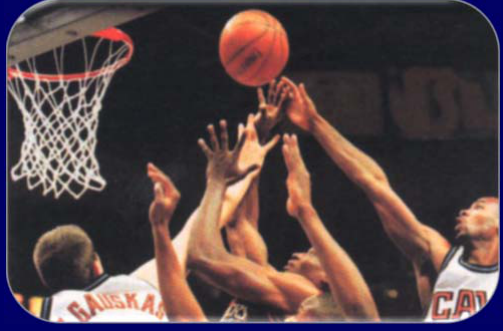
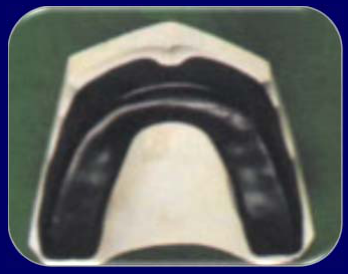
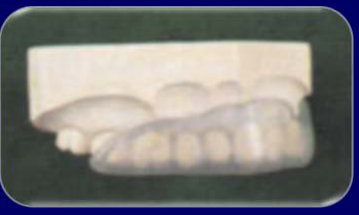
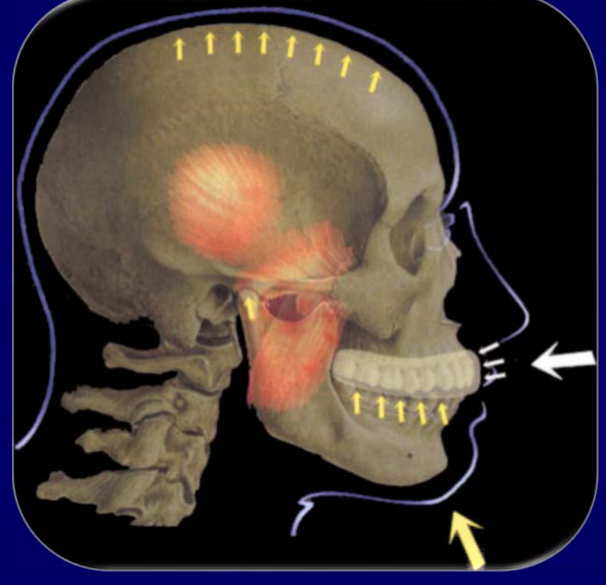
Lecturer — Resilient Protection
A mouthguard provides a resilient layer that changes how traumatic force is distributed.
- During direct trauma it absorbs and distributes force; during indirect trauma it lies between the lower and upper teeth and reduces tooth-to-tooth contact.
- Basketballs and footballs have some resiliency, whereas hockey sticks and pucks are relatively non-resilient.
- The lips provide protection but may themselves be significantly injured, while soft tissues often heal relatively well.
 |  |  |
 |  |
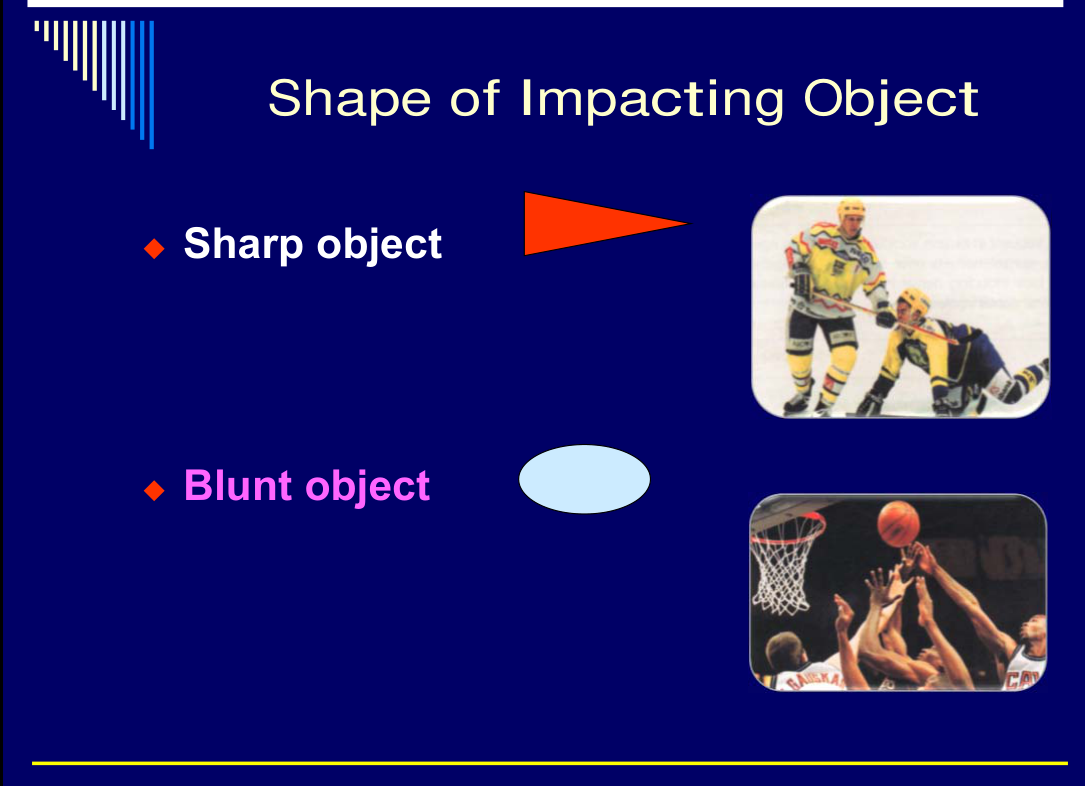
Shape of Impacting Object303132
-
Sharp object
-
Blunt object
-
Sharp object
- Clean crown fractures with minimum displacement of tooth
- Since a rapid blow over limited area
-
Blunt object
- Increased area of resistance to the force in the crown transmits some of the impact to the root, which causes luxation or root fracture
Lecturer — Impact Shape
The final injury cannot be predicted from the shape of the impacting object alone.
- Shape interacts with resiliency, energy and the direction of the force.
 |  |
 |
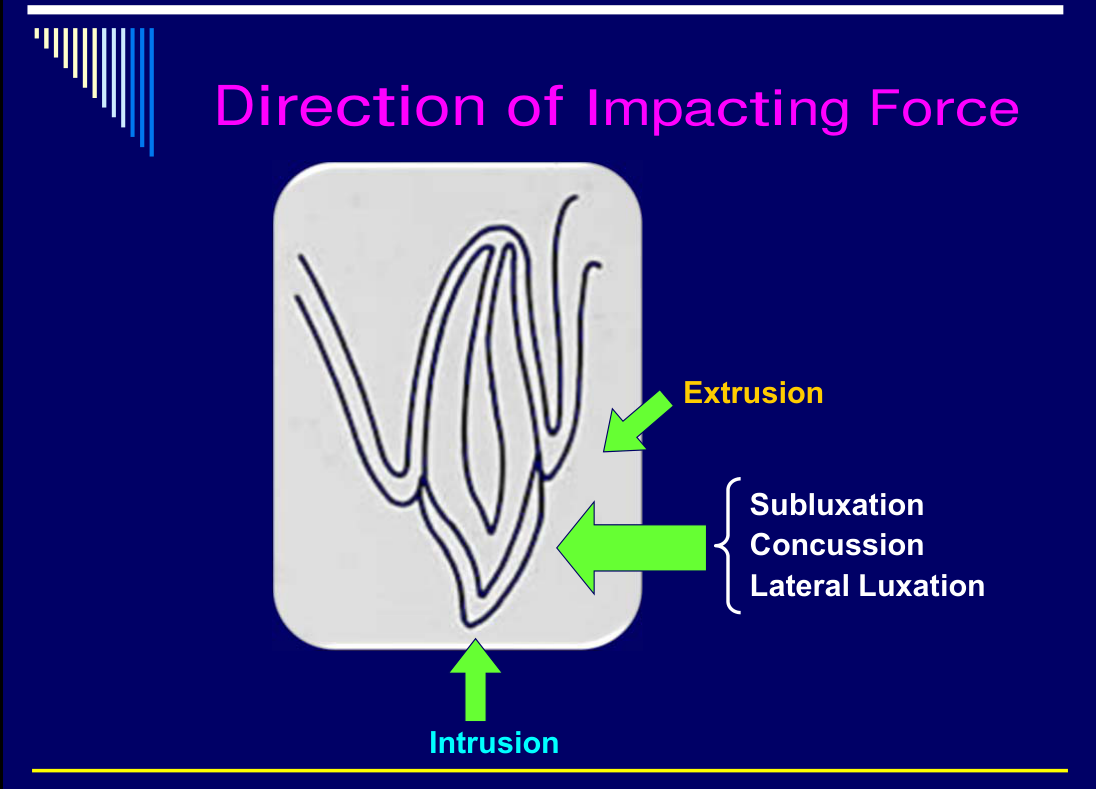
Resulting Tooth Displacements33
- Extrusion
- Subluxation
- Concussion
- Lateral Luxation
- Intrusion
Lecturer — Force Direction
The direction of impact helps determine the resulting displacement injury.
- Facial or labial impacts commonly produce concussion, subluxation or lateral luxation.
- A more apical force may produce extrusion, while an incisal force is more likely to produce intrusion.
- The clinician should consider mass, velocity, resiliency, shape and direction together when anticipating fractures and displacement injuries.
Clinical Cases
Case: Patient with increased overjet and history of trauma
Question
Scenario: A patient is presented with a dental study model and a clinical photograph to illustrate predisposing factors for dental trauma.
What’s shown: A study model and a clinical facial photograph.
Consider: What anatomical features and history are evident, and how do they relate to the risk of dental trauma?
Answer
Observations:
- The study model shows an increased overjet and protruding upper incisors.
- The clinical photograph shows incompetent lips (the lips do not close naturally due to the position of the teeth).
- The patient has a history of trauma to his upper central incisors.
Reasoning: The protruding upper incisors and insufficient lip closure leave the upper anterior teeth susceptible to trauma, as they lack the protection afforded by the rest of the face when a patient falls or is hit. These factors, along with increased overjet, are strong reasons to consider orthodontic treatment to prevent future trauma, although the timing of treatment must be balanced against the peak age for dental trauma (8 to 10 years old), which is often before the optimal age for orthodontics.
Outcome: The patient has already experienced trauma to his upper central incisors.
Takeaway: Increased overjet, protruding upper incisors, and insufficient lip closure are key predisposing factors that leave upper anterior teeth highly susceptible to trauma.
Case: Young girl with avulsed teeth after a fall
Question
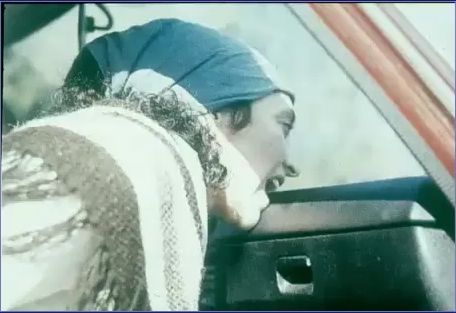
Scenario: A young girl tripped and fell onto a concrete driveway while running to the car for school.
What’s shown: A clinical intraoral photograph of the maxillary anterior region.
Consider: What is the mechanism of injury, and what predisposing factors contributed to the clinical findings?
Answer
Observations:
- Two avulsed upper anterior teeth.
- The patient has increased overjet, protruding upper incisors, and insufficient lip closure.
Reasoning: The patient experienced direct trauma by falling and landing on a hard concrete surface. Her predisposing factors (protruding incisors, increased overjet, and incompetent lips) left her upper anterior teeth unprotected and highly susceptible to severe injury upon impact with the ground.
Outcome: The two upper anterior teeth were completely avulsed.
Takeaway: Direct trauma to protruding upper incisors with insufficient lip cover can result in severe injuries such as tooth avulsion.
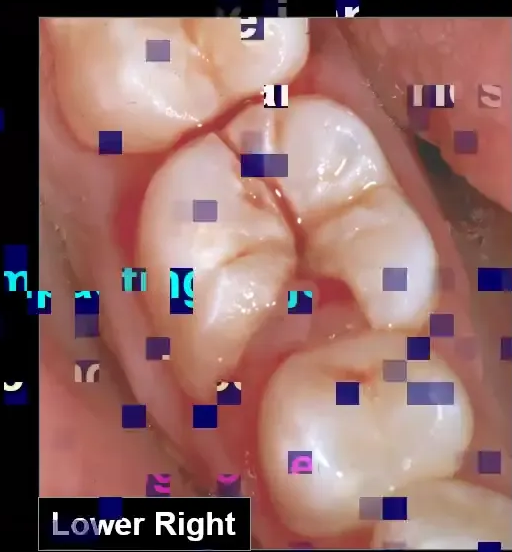
Case: Soldier with multiple jaw and tooth fractures from a fall
Question
Scenario: A soldier fainted while standing to attention and hit his chin on a hard surface.
What’s shown: Clinical photographs showing the upper and lower posterior teeth.
Consider: What specific injuries occurred to the teeth and jaws as a result of this mechanism of injury?
Answer
Observations:
- A complicated crown root fracture of an upper molar with pulp exposure.
- A root fracture of an upper premolar.
- A complicated crown root fracture of another upper premolar with the whole buccal cusp fractured off.
- A vertical crown root fracture of a lower molar, which was weakened by caries.
- Jaw fractures in the midline (symphysis) and at the condyle level on both sides.
Reasoning: The fall resulted in indirect trauma, where the lower arch was forcefully closed against the upper arch. This caused the teeth to smash together, leading to multiple crown, root, and crown-root fractures in the posterior teeth. The lower molar fractured more easily because it was already weakened by caries. The impact force also transmitted to the jaw, causing bilateral condylar and midline symphysis fractures.
Outcome: The patient sustained multiple complicated crown root fractures, root fractures, and bilateral condylar and midline jaw fractures.
Takeaway: Indirect trauma from a forceful blow to the chin can cause the upper and lower posterior teeth to smash together, resulting in multiple crown and root fractures, as well as jaw fractures.
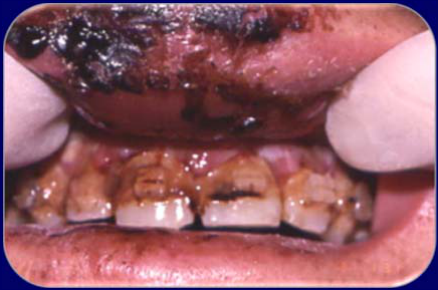
Case: Lip trauma in a patient with orthodontic appliances
Question
Scenario: A patient presents following facial trauma.
What’s shown: A clinical photograph of the patient’s lips and teeth.
Consider: Identify the contributing factors to the soft tissue injury and the expected prognosis for the lips.
Answer
Observations:
- The patient had orthodontic appliances on the teeth at the time of the trauma.
- There is severe soft tissue damage inside the lips.
- There are abrasions on the outside of the lip.
Reasoning: The lips act as a resilient layer between the impacting object and the teeth, helping to distribute force and protect the teeth. However, this resilience means the lips themselves can sustain severe damage. The presence of orthodontic appliances further exacerbates the soft tissue damage inside the lips during the impact.
Outcome: Despite the severe appearance of the injuries, the soft tissues of the lips tend to heal fairly well with no great long-term consequences.
Takeaway: The lips can absorb impact to protect the teeth but are prone to severe injury, which is worsened by orthodontic appliances; however, these soft tissue injuries generally heal well without long-term complications.
Footnotes
-
Original PDF page 1: L3 Dento-Alveolar Trauma 2 - Aetiology, Epidemiology and Mechanisms of Injuries to the Teeth, p.1 ↩
-
Original PDF page 2: L3 Dento-Alveolar Trauma 2 - Aetiology, Epidemiology and Mechanisms of Injuries to the Teeth, p.2 ↩
-
Original PDF page 4: L3 Dento-Alveolar Trauma 2 - Aetiology, Epidemiology and Mechanisms of Injuries to the Teeth, p.4 ↩
-
Original PDF page 3: L3 Dento-Alveolar Trauma 2 - Aetiology, Epidemiology and Mechanisms of Injuries to the Teeth, p.3 ↩
-
Original PDF page 5: L3 Dento-Alveolar Trauma 2 - Aetiology, Epidemiology and Mechanisms of Injuries to the Teeth, p.5 ↩
-
Original PDF page 6: L3 Dento-Alveolar Trauma 2 - Aetiology, Epidemiology and Mechanisms of Injuries to the Teeth, p.6 ↩
-
Original PDF page 7: L3 Dento-Alveolar Trauma 2 - Aetiology, Epidemiology and Mechanisms of Injuries to the Teeth, p.7 ↩
-
Original PDF page 8: L3 Dento-Alveolar Trauma 2 - Aetiology, Epidemiology and Mechanisms of Injuries to the Teeth, p.8 ↩
-
Original PDF page 9: L3 Dento-Alveolar Trauma 2 - Aetiology, Epidemiology and Mechanisms of Injuries to the Teeth, p.9 ↩
-
Original PDF page 10: L3 Dento-Alveolar Trauma 2 - Aetiology, Epidemiology and Mechanisms of Injuries to the Teeth, p.10 ↩
-
Original PDF page 11: L3 Dento-Alveolar Trauma 2 - Aetiology, Epidemiology and Mechanisms of Injuries to the Teeth, p.11 ↩
-
Original PDF page 12: L3 Dento-Alveolar Trauma 2 - Aetiology, Epidemiology and Mechanisms of Injuries to the Teeth, p.12 ↩
-
Original PDF page 13: L3 Dento-Alveolar Trauma 2 - Aetiology, Epidemiology and Mechanisms of Injuries to the Teeth, p.13 ↩
-
Original PDF page 14: L3 Dento-Alveolar Trauma 2 - Aetiology, Epidemiology and Mechanisms of Injuries to the Teeth, p.14 ↩
-
Original PDF page 15: L3 Dento-Alveolar Trauma 2 - Aetiology, Epidemiology and Mechanisms of Injuries to the Teeth, p.15 ↩
-
Original PDF page 16: L3 Dento-Alveolar Trauma 2 - Aetiology, Epidemiology and Mechanisms of Injuries to the Teeth, p.16 ↩
-
Original PDF page 17: L3 Dento-Alveolar Trauma 2 - Aetiology, Epidemiology and Mechanisms of Injuries to the Teeth, p.17 ↩
-
Original PDF page 18: L3 Dento-Alveolar Trauma 2 - Aetiology, Epidemiology and Mechanisms of Injuries to the Teeth, p.18 ↩
-
Original PDF page 19: L3 Dento-Alveolar Trauma 2 - Aetiology, Epidemiology and Mechanisms of Injuries to the Teeth, p.19 ↩
-
Original PDF page 20: L3 Dento-Alveolar Trauma 2 - Aetiology, Epidemiology and Mechanisms of Injuries to the Teeth, p.20 ↩
-
Original PDF page 21: L3 Dento-Alveolar Trauma 2 - Aetiology, Epidemiology and Mechanisms of Injuries to the Teeth, p.21 ↩
-
Original PDF page 22: L3 Dento-Alveolar Trauma 2 - Aetiology, Epidemiology and Mechanisms of Injuries to the Teeth, p.22 ↩
-
Original PDF page 23: L3 Dento-Alveolar Trauma 2 - Aetiology, Epidemiology and Mechanisms of Injuries to the Teeth, p.23 ↩
-
Original PDF page 24: L3 Dento-Alveolar Trauma 2 - Aetiology, Epidemiology and Mechanisms of Injuries to the Teeth, p.24 ↩
-
Original PDF page 25: L3 Dento-Alveolar Trauma 2 - Aetiology, Epidemiology and Mechanisms of Injuries to the Teeth, p.25 ↩
-
Original PDF page 26: L3 Dento-Alveolar Trauma 2 - Aetiology, Epidemiology and Mechanisms of Injuries to the Teeth, p.26 ↩
-
Original PDF page 27: L3 Dento-Alveolar Trauma 2 - Aetiology, Epidemiology and Mechanisms of Injuries to the Teeth, p.27 ↩
-
Original PDF page 28: L3 Dento-Alveolar Trauma 2 - Aetiology, Epidemiology and Mechanisms of Injuries to the Teeth, p.28 ↩
-
Original PDF page 29: L3 Dento-Alveolar Trauma 2 - Aetiology, Epidemiology and Mechanisms of Injuries to the Teeth, p.29 ↩
-
Original PDF page 30: L3 Dento-Alveolar Trauma 2 - Aetiology, Epidemiology and Mechanisms of Injuries to the Teeth, p.30 ↩
-
Original PDF page 31: L3 Dento-Alveolar Trauma 2 - Aetiology, Epidemiology and Mechanisms of Injuries to the Teeth, p.31 ↩
-
Original PDF page 32: L3 Dento-Alveolar Trauma 2 - Aetiology, Epidemiology and Mechanisms of Injuries to the Teeth, p.32 ↩
-
Original PDF page 33: L3 Dento-Alveolar Trauma 2 - Aetiology, Epidemiology and Mechanisms of Injuries to the Teeth, p.33 ↩